

kill bill 007
979 Posts

kill bill 007
Report
Block User
Binance Futures Trader • Content Creator • Turning 125x into threads & wins • Daily setups, rekt recaps & alpha drops • Not financial advice • Follow 🚀
High-Frequency Trader
2.4 Years
80 Following
850 Followers
1.1K+ Liked
Posts
All
Quotes
Videos
$BTC next target 100k
after fed chairman speech
$BTC next target 100k
after fed chairman speech
after fed chairman speech
80
The August PCE inflation report drops this Wednesday, September 30 at 8:30 AM ET.
This is the Federal Reserve’s preferred inflation gauge and the last major reading before the October 27-28 FOMC meeting.
Expected Data:
✅ Headline PCE: around 3.7%–3.8%
year-over-year (July was 3.7%)
- Core PCE: around 3.3%–3.4% year-over-year (July was 3.3%)
- Monthly (MoM) increase: expected in the 0.2%–0.3% range
Current odds for another rate hike in October sit between 55–68%.
Potential Crypto Market Impact:
- Hotter-than-expected print → Higher rate-hike odds, rising yields, pressure on Bitcoin and alts
- In-line data → Market likely stays range-bound
- Cooler-than-expected print → Short-term relief rally possible
Bitcoin is currently consolidating in the $83k–$84k zone. This PCE release could set the tone for the next few weeks.
React to the data, don’t over-leverage ahead of it.
$BTC
The August PCE inflation report drops this Wednesday, September 30 at 8:30 AM ET.
This is the Federal Reserve’s preferred inflation gauge and the last major reading before the October 27-28 FOMC meeting.
Expected Data:
✅ Headline PCE: around 3.7%–3.8%
year-over-year (July was 3.7%)
- Core PCE: around 3.3%–3.4% year-over-year (July was 3.3%)
- Monthly (MoM) increase: expected in the 0.2%–0.3% range
Current odds for another rate hike in October sit between 55–68%.
Potential Crypto Market Impact:
- Hotter-than-expected print → Higher rate-hike odds, rising yields, pressure on Bitcoin and alts
- In-line data → Market likely stays range-bound
- Cooler-than-expected print → Short-term relief rally possible
Bitcoin is currently consolidating in the $83k–$84k zone. This PCE release could set the tone for the next few weeks.
React to the data, don’t over-leverage ahead of it.
$BTC
This is the Federal Reserve’s preferred inflation gauge and the last major reading before the October 27-28 FOMC meeting.
Expected Data:
✅ Headline PCE: around 3.7%–3.8%
year-over-year (July was 3.7%)
- Core PCE: around 3.3%–3.4% year-over-year (July was 3.3%)
- Monthly (MoM) increase: expected in the 0.2%–0.3% range
Current odds for another rate hike in October sit between 55–68%.
Potential Crypto Market Impact:
- Hotter-than-expected print → Higher rate-hike odds, rising yields, pressure on Bitcoin and alts
- In-line data → Market likely stays range-bound
- Cooler-than-expected print → Short-term relief rally possible
Bitcoin is currently consolidating in the $83k–$84k zone. This PCE release could set the tone for the next few weeks.
React to the data, don’t over-leverage ahead of it.
$BTC
74
$BZ You won’t be able to make a profit from BZUSDT under the current conditions.
First, the market is moving sideways. Even if the price moves up or down by $1–$2, the movement is too small to generate meaningful profit. On top of that, the funding rate is extremely high, which can gradually eat into your investment.
If you hold a position for a long time, the accumulated funding fees could potentially consume a significant portion of your capital, even if the price doesn’t move much against you.
$BZ You won’t be able to make a profit from BZUSDT under the current conditions.
First, the market is moving sideways. Even if the price moves up or down by $1–$2, the movement is too small to generate meaningful profit. On top of that, the funding rate is extremely high, which can gradually eat into your investment.
If you hold a position for a long time, the accumulated funding fees could potentially consume a significant portion of your capital, even if the price doesn’t move much against you.
First, the market is moving sideways. Even if the price moves up or down by $1–$2, the movement is too small to generate meaningful profit. On top of that, the funding rate is extremely high, which can gradually eat into your investment.
If you hold a position for a long time, the accumulated funding fees could potentially consume a significant portion of your capital, even if the price doesn’t move much against you.
201
$BTC The market movement suggests that it could drop at any time.
$BTC The market movement suggests that it could drop at any time.
83
If Iran launches a ballistic missile attack on US soil — what happens to Bitcoin's price?
🧨🧨🧨🧨🧨🧨🧨🧨🧨🧨🧨🧨🧨🧨🧨
🦁
Short answer: nobody knows, and anyone who gives you a specific number shouldn't be trusted.
But we can reason through the pattern:
The immediate reaction would be a panic sell-off. In major geopolitical shocks, Bitcoin typically trades as a "risk asset" first, not a "safe haven." Since it trades 24/7, crypto would react before stock markets even open if the attack happens outside trading hours.
A direct strike on US soil is a different scale entirely. This would be the first event of its kind in decades — there's simply no solid historical precedent to draw on. Uncertainty around infrastructure and the banking system could dry up liquidity and blow out spreads.
Two paths after that: either the decline continues if the conflict drags on and widens, or — if doubts emerge about dollar stability — Bitcoin sees a partial recovery/rally as a "hedge" play.
Bottom line: at this scale of shock, the real question isn't "what will Bitcoin be worth," it's "how will the financial system function at all.$BTC
If Iran launches a ballistic missile attack on US soil — what happens to Bitcoin's price?
🧨🧨🧨🧨🧨🧨🧨🧨🧨🧨🧨🧨🧨🧨🧨
🦁
Short answer: nobody knows, and anyone who gives you a specific number shouldn't be trusted.
But we can reason through the pattern:
The immediate reaction would be a panic sell-off. In major geopolitical shocks, Bitcoin typically trades as a "risk asset" first, not a "safe haven." Since it trades 24/7, crypto would react before stock markets even open if the attack happens outside trading hours.
A direct strike on US soil is a different scale entirely. This would be the first event of its kind in decades — there's simply no solid historical precedent to draw on. Uncertainty around infrastructure and the banking system could dry up liquidity and blow out spreads.
Two paths after that: either the decline continues if the conflict drags on and widens, or — if doubts emerge about dollar stability — Bitcoin sees a partial recovery/rally as a "hedge" play.
Bottom line: at this scale of shock, the real question isn't "what will Bitcoin be worth," it's "how will the financial system function at all.$BTC
🧨🧨🧨🧨🧨🧨🧨🧨🧨🧨🧨🧨🧨🧨🧨
🦁
Short answer: nobody knows, and anyone who gives you a specific number shouldn't be trusted.
But we can reason through the pattern:
The immediate reaction would be a panic sell-off. In major geopolitical shocks, Bitcoin typically trades as a "risk asset" first, not a "safe haven." Since it trades 24/7, crypto would react before stock markets even open if the attack happens outside trading hours.
A direct strike on US soil is a different scale entirely. This would be the first event of its kind in decades — there's simply no solid historical precedent to draw on. Uncertainty around infrastructure and the banking system could dry up liquidity and blow out spreads.
Two paths after that: either the decline continues if the conflict drags on and widens, or — if doubts emerge about dollar stability — Bitcoin sees a partial recovery/rally as a "hedge" play.
Bottom line: at this scale of shock, the real question isn't "what will Bitcoin be worth," it's "how will the financial system function at all.$BTC
1
1.8k
#BinanceSummerCamp
I enjoyed learning new things, taking on daily challenges, and being part of the Binance community throughout the Summer Camp. 🚀
#BinanceSummerCamp
I enjoyed learning new things, taking on daily challenges, and being part of the Binance community throughout the Summer Camp. 🚀
I enjoyed learning new things, taking on daily challenges, and being part of the Binance community throughout the Summer Camp. 🚀
320
U.S. interest rates are rising by 25 basis points, while Japan is also raising its rate from 1.00% to 1.25%.
Yet the market remains bullish.
Why is the market reacting this way despite higher interest rates?
$ETH
U.S. interest rates are rising by 25 basis points, while Japan is also raising its rate from 1.00% to 1.25%.
Yet the market remains bullish.
Why is the market reacting this way despite higher interest rates?
$ETH
Yet the market remains bullish.
Why is the market reacting this way despite higher interest rates?
$ETH
74
$BTC The Fed has raised bond yields to 5%, and interest rates are rising. Uncertainty remains extremely high.
If you continue to hold now, you could face a severe loss within the next 1–2 months.
$BTC The Fed has raised bond yields to 5%, and interest rates are rising. Uncertainty remains extremely high.
If you continue to hold now, you could face a severe loss within the next 1–2 months.
If you continue to hold now, you could face a severe loss within the next 1–2 months.
93
Rate Hike Nearly Confirmed: Hawkish Tone Grips Fed Committee, 93% Odds on 25bp Move 🚀
Here are the real statements found in reporting, organized by member:
Beth Hammack (Cleveland Fed President) — Most consistently hawkish
Headline: "Now Is the Time to Act," Says Hammack
Hammack dissented at the last FOMC meeting in favor of a hike, arguing that the Fed likely needs a sequence of rate increases rather than a single move, and has recently said that "now is the time to act." She doesn't seem concerned that higher interest rates will impede the economy, noting one 25-basis-point move probably doesn't do a whole lot for the economy.
John Williams (NY Fed President) — Centrist, leaning hawkish
Headline: Williams: Rising Yields Reflect Economic Strength
Williams has claimed that rising bond yields simply "reflect the strength of the economy."
Lisa Cook (Fed Governor) — Shifting from dovish
Headline: Cook Opens Door to Supporting a Hike
Cook, a more dovish member, seems to be coming around to the idea of rate hikes, telling reporters, "I would support an increase if it becomes necessary to bring inflation down. It may not."
Lorie Logan (Dallas Fed) & Neel Kashkari (Minneapolis Fed) — Hawkish dissenters
Headline: Three Regional Presidents Break Ranks in July
Hammack, Kashkari, and Logan dissented in favor of a 25 basis point hike at the July meeting; the Hammack and Logan dissents were expected, while Kashkari's was seen as a mild hawkish surprise.
Chair Kevin Warsh — Mixed signals
Headline: Warsh Leans Dovish in Press Conference, Despite Hawkish Tone Elsewhere
In his July press conference Warsh leaned slightly dovish, repeatedly emphasizing that financial conditions — proxied by the Treasury yield curve — have tightened since the last meeting.
#FedHikeOddsRiseTo89%
{spot}(BTCUSDT)
Rate Hike Nearly Confirmed: Hawkish Tone Grips Fed Committee, 93% Odds on 25bp Move 🚀
Here are the real statements found in reporting, organized by member:
Beth Hammack (Cleveland Fed President) — Most consistently hawkish
Headline: "Now Is the Time to Act," Says Hammack
Hammack dissented at the last FOMC meeting in favor of a hike, arguing that the Fed likely needs a sequence of rate increases rather than a single move, and has recently said that "now is the time to act." She doesn't seem concerned that higher interest rates will impede the economy, noting one 25-basis-point move probably doesn't do a whole lot for the economy.
John Williams (NY Fed President) — Centrist, leaning hawkish
Headline: Williams: Rising Yields Reflect Economic Strength
Williams has claimed that rising bond yields simply "reflect the strength of the economy."
Lisa Cook (Fed Governor) — Shifting from dovish
Headline: Cook Opens Door to Supporting a Hike
Cook, a more dovish member, seems to be coming around to the idea of rate hikes, telling reporters, "I would support an increase if it becomes necessary to bring inflation down. It may not."
Lorie Logan (Dallas Fed) & Neel Kashkari (Minneapolis Fed) — Hawkish dissenters
Headline: Three Regional Presidents Break Ranks in July
Hammack, Kashkari, and Logan dissented in favor of a 25 basis point hike at the July meeting; the Hammack and Logan dissents were expected, while Kashkari's was seen as a mild hawkish surprise.
Chair Kevin Warsh — Mixed signals
Headline: Warsh Leans Dovish in Press Conference, Despite Hawkish Tone Elsewhere
In his July press conference Warsh leaned slightly dovish, repeatedly emphasizing that financial conditions — proxied by the Treasury yield curve — have tightened since the last meeting.
#FedHikeOddsRiseTo89%
Here are the real statements found in reporting, organized by member:
Beth Hammack (Cleveland Fed President) — Most consistently hawkish
Headline: "Now Is the Time to Act," Says Hammack
Hammack dissented at the last FOMC meeting in favor of a hike, arguing that the Fed likely needs a sequence of rate increases rather than a single move, and has recently said that "now is the time to act." She doesn't seem concerned that higher interest rates will impede the economy, noting one 25-basis-point move probably doesn't do a whole lot for the economy.
John Williams (NY Fed President) — Centrist, leaning hawkish
Headline: Williams: Rising Yields Reflect Economic Strength
Williams has claimed that rising bond yields simply "reflect the strength of the economy."
Lisa Cook (Fed Governor) — Shifting from dovish
Headline: Cook Opens Door to Supporting a Hike
Cook, a more dovish member, seems to be coming around to the idea of rate hikes, telling reporters, "I would support an increase if it becomes necessary to bring inflation down. It may not."
Lorie Logan (Dallas Fed) & Neel Kashkari (Minneapolis Fed) — Hawkish dissenters
Headline: Three Regional Presidents Break Ranks in July
Hammack, Kashkari, and Logan dissented in favor of a 25 basis point hike at the July meeting; the Hammack and Logan dissents were expected, while Kashkari's was seen as a mild hawkish surprise.
Chair Kevin Warsh — Mixed signals
Headline: Warsh Leans Dovish in Press Conference, Despite Hawkish Tone Elsewhere
In his July press conference Warsh leaned slightly dovish, repeatedly emphasizing that financial conditions — proxied by the Treasury yield curve — have tightened since the last meeting.
#FedHikeOddsRiseTo89%
91
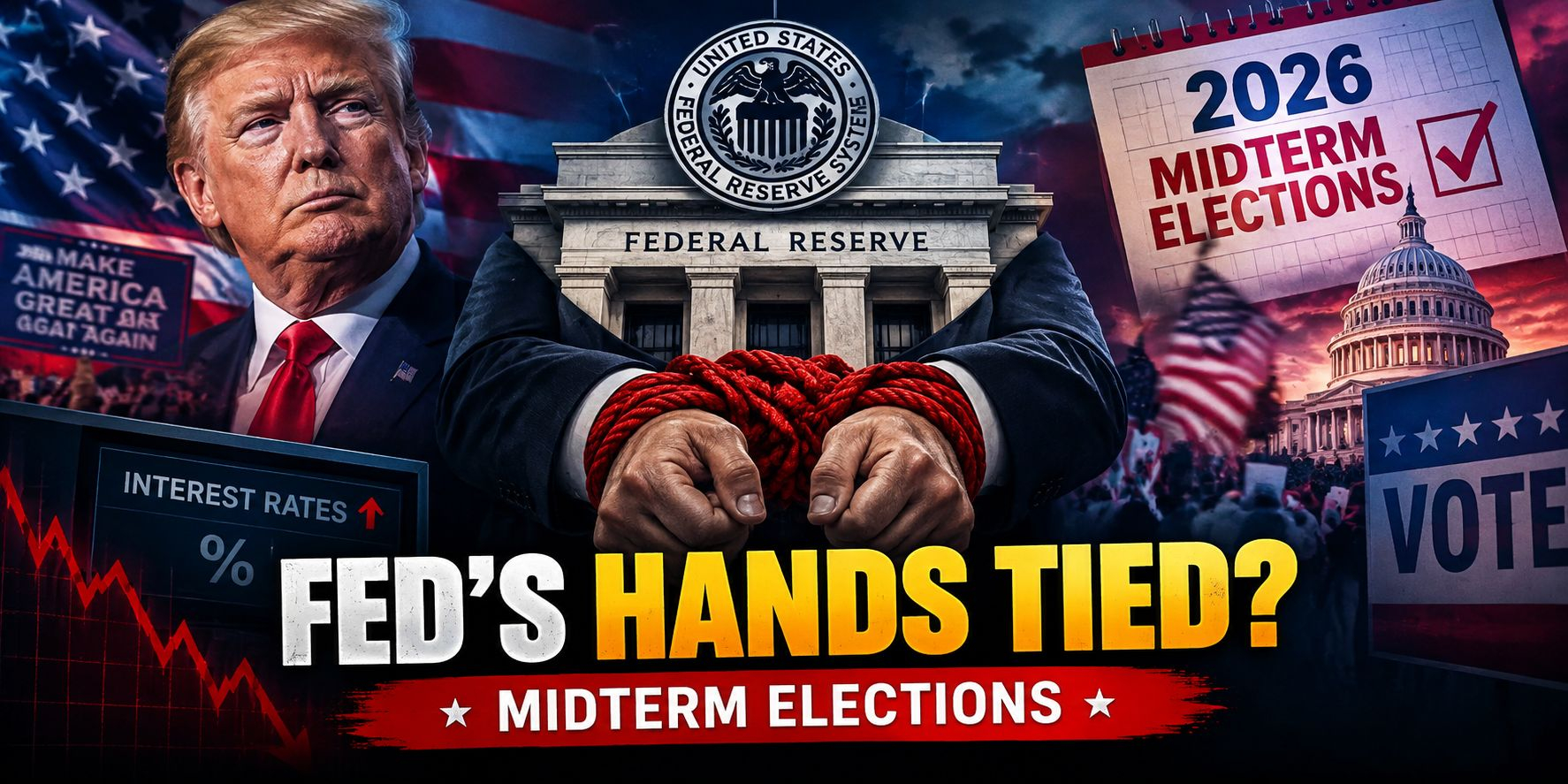
🔥 Fed’s Hands Tied? Midterm Elections Could Change the Rate Hike Game!
The upcoming U.S. midterm elections could be a political risk factor for the Federal Reserve. In particular, the proximity of the elections may make the Fed more cautious about pursuing an aggressive tightening cycle.
MUFG Research expects that if the Fed hikes rates in September, it could skip the October FOMC meeting because of its proximity to the November midterm elections. MUFG also argues that the Fed may prefer not to signal that it is in a hurry to tighten policy at such a rapid pace.
Source:
MUFG Research, “September 2026 Fed & Rates Call Update,” September 11, 2026.
$BTC
$BTC
🔥 Fed’s Hands Tied? Midterm Elections Could Change the Rate Hike Game!
The upcoming U.S. midterm elections could be a political risk factor for the Federal Reserve. In particular, the proximity of the elections may make the Fed more cautious about pursuing an aggressive tightening cycle.
MUFG Research expects that if the Fed hikes rates in September, it could skip the October FOMC meeting because of its proximity to the November midterm elections. MUFG also argues that the Fed may prefer not to signal that it is in a hurry to tighten policy at such a rapid pace.
Source:
MUFG Research, “September 2026 Fed & Rates Call Update,” September 11, 2026.
$BTC
$BTC
The upcoming U.S. midterm elections could be a political risk factor for the Federal Reserve. In particular, the proximity of the elections may make the Fed more cautious about pursuing an aggressive tightening cycle.
MUFG Research expects that if the Fed hikes rates in September, it could skip the October FOMC meeting because of its proximity to the November midterm elections. MUFG also argues that the Fed may prefer not to signal that it is in a hurry to tighten policy at such a rapid pace.
Source:
MUFG Research, “September 2026 Fed & Rates Call Update,” September 11, 2026.
$BTC
$BTC
82
Verified
Article
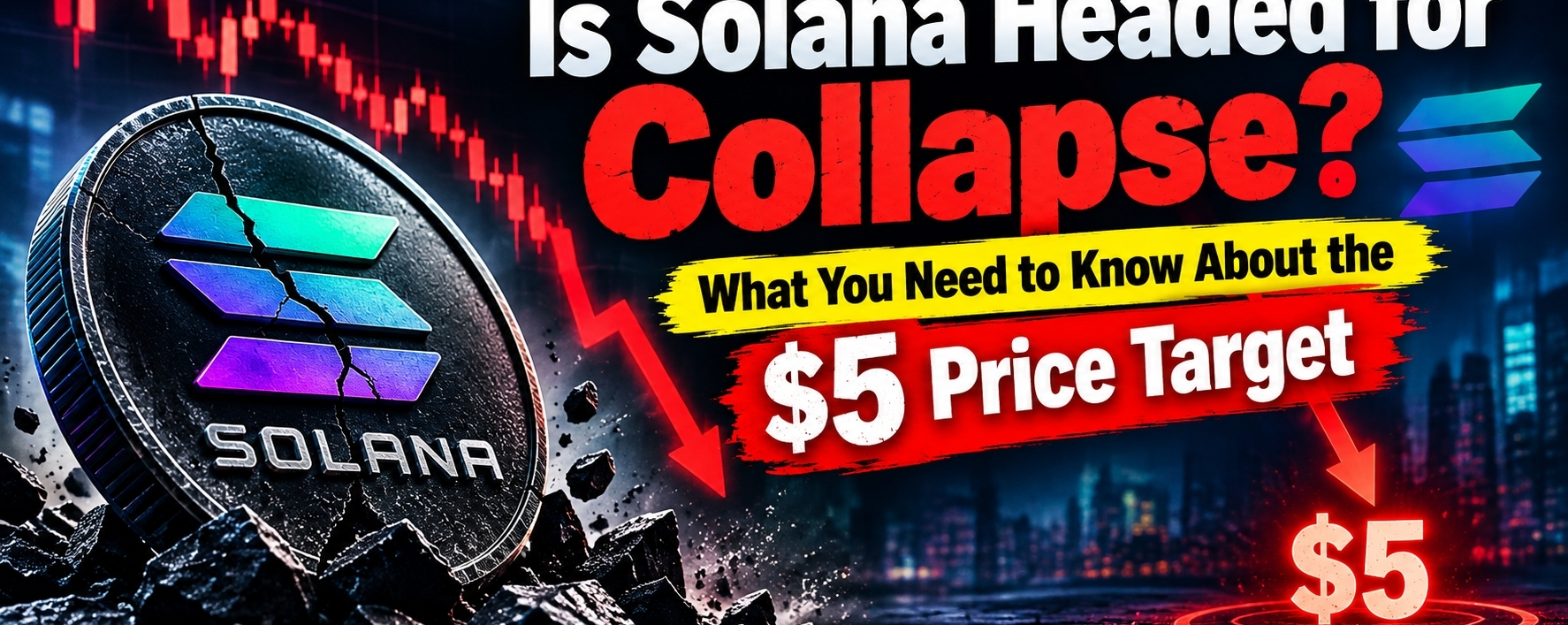
🚀 Is Solana Headed for Collapse? What You Need to Know About the $5 Price TargetSolana's Close Call: How the Network Came Within 4.5% of a Halt
On August 12, 2026, Solana experienced its closest brush with a network-wide halt since the last full outage in February 2024 — but this time, the cause had nothing to do with buggy code or bot spam. It was a routing failure deep in the internet's plumbing.
What Happened
A BGP (Border Gateway Protocol) routing fault struck TeraSwitch, a hosting provider used by a significant share of Solana validators. BGP is the protocol that determines how data finds its way across the internet between networks — when it misbehaves, entire blocks of servers can effectively vanish from the internet's map, even though the servers themselves are running fine.
The fault knocked roughly 90 validators offline simultaneously, representing 28.83% of all staked SOL.
Why This Number Mattered
Solana's consensus mechanism has a critical threshold: if 33.34% of staked SOL goes offline at once, the network can no longer finalize transactions, and block production halts entirely — requiring the kind of coordinated validator restart that has marked Solana's past outages.
On August 12, the network came within 4.51 percentage points of that threshold. It was close, but Solana never actually stopped.
Why the Network Kept Running
Unlike Solana's previous major incidents — such as the ~8.5-hour fork-choice failure in September 2022, or the five-hour halt in February 2024 caused by a recompilation loop in the Berkeley Packet Filter (BPF) loader — this event didn't involve a consensus bug or client-level failure at all.
During the roughly 30–33 minute window:
Block production continued uninterrupted
Transactions kept processing and finalizing normally
No user funds were ever at risk
597 of 699 staked validators kept voting throughout
Because it was purely a networking/infrastructure issue rather than a flaw in Solana's core protocol, it resolved itself once the affected router reconverged — no emergency patch, no coordinated restart, no client upgrade required.
The Real Lesson: Infrastructure Concentration
This incident reframed the conversation around Solana's reliability. For years, the network's outages were blamed on transaction spam and software bugs in its validator client. This time, the vulnerability was infrastructure concentration — too many validators relying on the same hosting provider and the same internet routing path, creating a single point of failure that had nothing to do with the blockchain's code.
In response, the Solana Foundation has tightened its infrastructure diversity rules. As of May 1, 2026, Foundation-backed validators must ensure:
No single ASN (autonomous system / hosting network) holds more than 25% of network stake
No single data center operator holds more than 15% of network stake
These caps won't prevent every future scare, but they're designed to stop one provider's routing failure from ever threatening consensus again.
Context: A Long Stretch of Stability
The timing is notable. Before this event, Solana had maintained 100% cluster-level uptime for roughly 30 consecutive months following its last full outage in February 2024 — its longest stretch of reliability since launch. The August 12 scare didn't break that streak of actual halts, but it was a reminder that "uptime" depends on more than just clean code — it depends on the physical and network infrastructure underneath it too.
Sources: Solana Foundation status reports; incident analysis from Spotted Crypto and Bitcoin Foundation, August 2026.
$SOL
{spot}(SOLUSDT)
🚀 Is Solana Headed for Collapse? What You Need to Know About the $5 Price Target
Solana's Close Call: How the Network Came Within 4.5% of a Halt
On August 12, 2026, Solana experienced its closest brush with a network-wide halt since the last full outage in February 2024 — but this time, the cause had nothing to do with buggy code or bot spam. It was a routing failure deep in the internet's plumbing.
What Happened
A BGP (Border Gateway Protocol) routing fault struck TeraSwitch, a hosting provider used by a significant share of Solana validators. BGP is the protocol that determines how data finds its way across the internet between networks — when it misbehaves, entire blocks of servers can effectively vanish from the internet's map, even though the servers themselves are running fine.
The fault knocked roughly 90 validators offline simultaneously, representing 28.83% of all staked SOL.
Why This Number Mattered
Solana's consensus mechanism has a critical threshold: if 33.34% of staked SOL goes offline at once, the network can no longer finalize transactions, and block production halts entirely — requiring the kind of coordinated validator restart that has marked Solana's past outages.
On August 12, the network came within 4.51 percentage points of that threshold. It was close, but Solana never actually stopped.
Why the Network Kept Running
Unlike Solana's previous major incidents — such as the ~8.5-hour fork-choice failure in September 2022, or the five-hour halt in February 2024 caused by a recompilation loop in the Berkeley Packet Filter (BPF) loader — this event didn't involve a consensus bug or client-level failure at all.
During the roughly 30–33 minute window:
Block production continued uninterrupted
Transactions kept processing and finalizing normally
No user funds were ever at risk
597 of 699 staked validators kept voting throughout
Because it was purely a networking/infrastructure issue rather than a flaw in Solana's core protocol, it resolved itself once the affected router reconverged — no emergency patch, no coordinated restart, no client upgrade required.
The Real Lesson: Infrastructure Concentration
This incident reframed the conversation around Solana's reliability. For years, the network's outages were blamed on transaction spam and software bugs in its validator client. This time, the vulnerability was infrastructure concentration — too many validators relying on the same hosting provider and the same internet routing path, creating a single point of failure that had nothing to do with the blockchain's code.
In response, the Solana Foundation has tightened its infrastructure diversity rules. As of May 1, 2026, Foundation-backed validators must ensure:
No single ASN (autonomous system / hosting network) holds more than 25% of network stake
No single data center operator holds more than 15% of network stake
These caps won't prevent every future scare, but they're designed to stop one provider's routing failure from ever threatening consensus again.
Context: A Long Stretch of Stability
The timing is notable. Before this event, Solana had maintained 100% cluster-level uptime for roughly 30 consecutive months following its last full outage in February 2024 — its longest stretch of reliability since launch. The August 12 scare didn't break that streak of actual halts, but it was a reminder that "uptime" depends on more than just clean code — it depends on the physical and network infrastructure underneath it too.
Sources: Solana Foundation status reports; incident analysis from Spotted Crypto and Bitcoin Foundation, August 2026.
$SOL
On August 12, 2026, Solana experienced its closest brush with a network-wide halt since the last full outage in February 2024 — but this time, the cause had nothing to do with buggy code or bot spam. It was a routing failure deep in the internet's plumbing.
What Happened
A BGP (Border Gateway Protocol) routing fault struck TeraSwitch, a hosting provider used by a significant share of Solana validators. BGP is the protocol that determines how data finds its way across the internet between networks — when it misbehaves, entire blocks of servers can effectively vanish from the internet's map, even though the servers themselves are running fine.
The fault knocked roughly 90 validators offline simultaneously, representing 28.83% of all staked SOL.
Why This Number Mattered
Solana's consensus mechanism has a critical threshold: if 33.34% of staked SOL goes offline at once, the network can no longer finalize transactions, and block production halts entirely — requiring the kind of coordinated validator restart that has marked Solana's past outages.
On August 12, the network came within 4.51 percentage points of that threshold. It was close, but Solana never actually stopped.
Why the Network Kept Running
Unlike Solana's previous major incidents — such as the ~8.5-hour fork-choice failure in September 2022, or the five-hour halt in February 2024 caused by a recompilation loop in the Berkeley Packet Filter (BPF) loader — this event didn't involve a consensus bug or client-level failure at all.
During the roughly 30–33 minute window:
Block production continued uninterrupted
Transactions kept processing and finalizing normally
No user funds were ever at risk
597 of 699 staked validators kept voting throughout
Because it was purely a networking/infrastructure issue rather than a flaw in Solana's core protocol, it resolved itself once the affected router reconverged — no emergency patch, no coordinated restart, no client upgrade required.
The Real Lesson: Infrastructure Concentration
This incident reframed the conversation around Solana's reliability. For years, the network's outages were blamed on transaction spam and software bugs in its validator client. This time, the vulnerability was infrastructure concentration — too many validators relying on the same hosting provider and the same internet routing path, creating a single point of failure that had nothing to do with the blockchain's code.
In response, the Solana Foundation has tightened its infrastructure diversity rules. As of May 1, 2026, Foundation-backed validators must ensure:
No single ASN (autonomous system / hosting network) holds more than 25% of network stake
No single data center operator holds more than 15% of network stake
These caps won't prevent every future scare, but they're designed to stop one provider's routing failure from ever threatening consensus again.
Context: A Long Stretch of Stability
The timing is notable. Before this event, Solana had maintained 100% cluster-level uptime for roughly 30 consecutive months following its last full outage in February 2024 — its longest stretch of reliability since launch. The August 12 scare didn't break that streak of actual halts, but it was a reminder that "uptime" depends on more than just clean code — it depends on the physical and network infrastructure underneath it too.
Sources: Solana Foundation status reports; incident analysis from Spotted Crypto and Bitcoin Foundation, August 2026.
$SOL
1
2
1.1k
🚀 US Market Update: Stocks & Crypto — Stay Cautious
1. Inflation Data
August CPI: 3.4% annual, 0.4% monthly (in line with expectations)
Core CPI: 2.4% annual
PPI (producer level): 5.4% annual — much hotter than the consumer side
2. Why Markets Are Under Pressure
Prolonged conflict in the Middle East (US-Iran) has pushed crude oil above $100/barrel
WTI is up 78.5% year-to-date
Rising energy costs are keeping inflation sticky
3. The Fed's Decision — A Turning Point
Rate cut hopes have flipped
Markets now price an 86% chance of a rate hike at the September 16 meeting
Just a week ago, that probability was only 60%
4. Stock Market Snapshot
After 4 straight days of declines across the Dow/S&P/Nasdaq
Strong Oracle earnings and a brief dip in oil prices sparked a modest recovery
Overall trend remains risk-off
5. Crypto Market
Bitcoin fell to $77K after hawkish comments at Jackson Hole
A dovish remark from a Fed governor triggered a brief 5% rally
But renewed rate-hike fears have weakened that momentum again
Every FOMC meeting in 2026 so far has been a bearish turning point for BTC
6. Bottom Line
War + oil prices + a likely rate hike = a risky combination
Both stocks and crypto could stay under pressure short-term
The September 16 Fed decision will be the next major catalyst
#CPIWatch
🚀 US Market Update: Stocks & Crypto — Stay Cautious
1. Inflation Data
August CPI: 3.4% annual, 0.4% monthly (in line with expectations)
Core CPI: 2.4% annual
PPI (producer level): 5.4% annual — much hotter than the consumer side
2. Why Markets Are Under Pressure
Prolonged conflict in the Middle East (US-Iran) has pushed crude oil above $100/barrel
WTI is up 78.5% year-to-date
Rising energy costs are keeping inflation sticky
3. The Fed's Decision — A Turning Point
Rate cut hopes have flipped
Markets now price an 86% chance of a rate hike at the September 16 meeting
Just a week ago, that probability was only 60%
4. Stock Market Snapshot
After 4 straight days of declines across the Dow/S&P/Nasdaq
Strong Oracle earnings and a brief dip in oil prices sparked a modest recovery
Overall trend remains risk-off
5. Crypto Market
Bitcoin fell to $77K after hawkish comments at Jackson Hole
A dovish remark from a Fed governor triggered a brief 5% rally
But renewed rate-hike fears have weakened that momentum again
Every FOMC meeting in 2026 so far has been a bearish turning point for BTC
6. Bottom Line
War + oil prices + a likely rate hike = a risky combination
Both stocks and crypto could stay under pressure short-term
The September 16 Fed decision will be the next major catalyst
#CPIWatch
1. Inflation Data
August CPI: 3.4% annual, 0.4% monthly (in line with expectations)
Core CPI: 2.4% annual
PPI (producer level): 5.4% annual — much hotter than the consumer side
2. Why Markets Are Under Pressure
Prolonged conflict in the Middle East (US-Iran) has pushed crude oil above $100/barrel
WTI is up 78.5% year-to-date
Rising energy costs are keeping inflation sticky
3. The Fed's Decision — A Turning Point
Rate cut hopes have flipped
Markets now price an 86% chance of a rate hike at the September 16 meeting
Just a week ago, that probability was only 60%
4. Stock Market Snapshot
After 4 straight days of declines across the Dow/S&P/Nasdaq
Strong Oracle earnings and a brief dip in oil prices sparked a modest recovery
Overall trend remains risk-off
5. Crypto Market
Bitcoin fell to $77K after hawkish comments at Jackson Hole
A dovish remark from a Fed governor triggered a brief 5% rally
But renewed rate-hike fears have weakened that momentum again
Every FOMC meeting in 2026 so far has been a bearish turning point for BTC
6. Bottom Line
War + oil prices + a likely rate hike = a risky combination
Both stocks and crypto could stay under pressure short-term
The September 16 Fed decision will be the next major catalyst
#CPIWatch
354
Humanoid Robot Market: Hype or Reality?
For the past few days, there’s been a lot of noise around Unitree’s IPO, Tesla Optimus, and Agility Digit. Many are calling it the start of a robot revolution. Let’s look at it more realistically.
Current Reality:
- Chinese companies (Unitree, AGIBOT) are leading in volume. They’re shipping robots at much lower prices.
- However, most of these robots are still going into research labs, exhibitions, and entertainment — not replacing human labor in factories or warehouses at scale.
- Agility Digit currently has the strongest real-world commercial deployments with paying customers. Optimus is still mostly limited to internal Tesla use.
- Price remains a major barrier. Digit costs around $250,000. Optimus is targeting $20–30K. Unitree is significantly cheaper, but questions remain about long-term reliability and real industrial performance.
Key Risks:
- U.S. restrictions are already creating hurdles for Chinese robots.
- Competition is intense. No single company will dominate easily.
- Core technical challenges (hand dexterity, long-duration reliability, decision-making in unstructured environments) are still unsolved.
My Take:
This is clearly a future market. But we are still in the early innings. Those getting overly excited by current valuations should stay cautious. Over the next 3–5 years, the winners will be the ones who can meaningfully reduce costs and prove consistent real-world value.
Less hype. More substance. That’s what this market needs right now.
What are your thoughts? How much real potential do you see in this space?
#IPOWave
Humanoid Robot Market: Hype or Reality?
For the past few days, there’s been a lot of noise around Unitree’s IPO, Tesla Optimus, and Agility Digit. Many are calling it the start of a robot revolution. Let’s look at it more realistically.
Current Reality:
- Chinese companies (Unitree, AGIBOT) are leading in volume. They’re shipping robots at much lower prices.
- However, most of these robots are still going into research labs, exhibitions, and entertainment — not replacing human labor in factories or warehouses at scale.
- Agility Digit currently has the strongest real-world commercial deployments with paying customers. Optimus is still mostly limited to internal Tesla use.
- Price remains a major barrier. Digit costs around $250,000. Optimus is targeting $20–30K. Unitree is significantly cheaper, but questions remain about long-term reliability and real industrial performance.
Key Risks:
- U.S. restrictions are already creating hurdles for Chinese robots.
- Competition is intense. No single company will dominate easily.
- Core technical challenges (hand dexterity, long-duration reliability, decision-making in unstructured environments) are still unsolved.
My Take:
This is clearly a future market. But we are still in the early innings. Those getting overly excited by current valuations should stay cautious. Over the next 3–5 years, the winners will be the ones who can meaningfully reduce costs and prove consistent real-world value.
Less hype. More substance. That’s what this market needs right now.
What are your thoughts? How much real potential do you see in this space?
#IPOWave
For the past few days, there’s been a lot of noise around Unitree’s IPO, Tesla Optimus, and Agility Digit. Many are calling it the start of a robot revolution. Let’s look at it more realistically.
Current Reality:
- Chinese companies (Unitree, AGIBOT) are leading in volume. They’re shipping robots at much lower prices.
- However, most of these robots are still going into research labs, exhibitions, and entertainment — not replacing human labor in factories or warehouses at scale.
- Agility Digit currently has the strongest real-world commercial deployments with paying customers. Optimus is still mostly limited to internal Tesla use.
- Price remains a major barrier. Digit costs around $250,000. Optimus is targeting $20–30K. Unitree is significantly cheaper, but questions remain about long-term reliability and real industrial performance.
Key Risks:
- U.S. restrictions are already creating hurdles for Chinese robots.
- Competition is intense. No single company will dominate easily.
- Core technical challenges (hand dexterity, long-duration reliability, decision-making in unstructured environments) are still unsolved.
My Take:
This is clearly a future market. But we are still in the early innings. Those getting overly excited by current valuations should stay cautious. Over the next 3–5 years, the winners will be the ones who can meaningfully reduce costs and prove consistent real-world value.
Less hype. More substance. That’s what this market needs right now.
What are your thoughts? How much real potential do you see in this space?
#IPOWave
74
Unitree's IPO: Behind the Hype Lies a Higher Risk of CorrectionRecord-breaking oversubscription and a soaring valuation are masking weak fundamentals and mounting geopolitical risk
Unitree Robotics' Shanghai STAR Market debut has become the biggest story in China's tech IPO calendar this year — thousands of times oversubscribed, a valuation racing far past its issue price, and prediction markets betting heavily that the stock keeps climbing. But a closer look at the numbers suggests this rally may be running well ahead of what the business can actually support.
1. The Valuation-to-Revenue Gap Is Enormous
Unitree posted roughly ¥1.7 billion in 2025 revenue. Yet market pricing implies a real chance the company's market cap lands somewhere between ¥100–200 billion — a sales multiple in the range of 50x to over 100x. For a hardware manufacturer, margins that thin on that kind of multiple are extremely difficult to justify, let alone sustain.
2. A Thin Float Is Manufacturing the Price Spike
Only about 10% of Unitree's shares are in public float, against subscription demand reported at over 2,700 times the shares on offer. When that much demand chases that little supply, the resulting price move reflects scarcity, not necessarily sound valuation. It's a mechanical effect of the IPO structure as much as a verdict on the business.
3. Bad News Is Being Priced Out of the Story
Underneath the excitement sit two real headwinds: expected profit declines in the first half of 2026 due to rising R&D and sales spending, and new U.S. import restrictions that have closed off one of the company's largest overseas markets. Neither has dented the bullish sentiment so far — a classic hallmark of hype cycles, where negative signals get waved away until the correction forces the market to notice them.
4. History Rhymes on the STAR Market
Unitree isn't trading in a vacuum. Chip maker CXMT recently debuted on the same exchange and surged 466% on its first day — a reminder that explosive, euphoria-driven pops are common on this board, and that sharp pullbacks often follow once the initial frenzy fades and more shares become tradable.
5. Geopolitical Risk Adds Another Layer
Unitree has already been added to the Pentagon's Section 1260H list of alleged Chinese military-linked companies. That raises the odds of further trade restrictions or international scrutiny down the line — a risk that isn't reflected in a valuation built almost entirely on retail enthusiasm.
The Bottom Line
None of this means Unitree is a bad company — it has real products, real revenue, and genuine market leadership in humanoid robotics. But a good business and a good investment aren't the same thing when the price has detached this far from the fundamentals. Thin float, record demand, ignored bad news, and a strong historical pattern of post-IPO corrections on this exact exchange all point the same direction: the risk of a pullback looks considerably higher than the market's near-unanimous pricing suggests.
For retail investors watching from the sidelines, patience — letting the initial volatility settle before deciding — costs nothing but time.
Unitree's IPO: Behind the Hype Lies a Higher Risk of Correction
Record-breaking oversubscription and a soaring valuation are masking weak fundamentals and mounting geopolitical risk
Unitree Robotics' Shanghai STAR Market debut has become the biggest story in China's tech IPO calendar this year — thousands of times oversubscribed, a valuation racing far past its issue price, and prediction markets betting heavily that the stock keeps climbing. But a closer look at the numbers suggests this rally may be running well ahead of what the business can actually support.
1. The Valuation-to-Revenue Gap Is Enormous
Unitree posted roughly ¥1.7 billion in 2025 revenue. Yet market pricing implies a real chance the company's market cap lands somewhere between ¥100–200 billion — a sales multiple in the range of 50x to over 100x. For a hardware manufacturer, margins that thin on that kind of multiple are extremely difficult to justify, let alone sustain.
2. A Thin Float Is Manufacturing the Price Spike
Only about 10% of Unitree's shares are in public float, against subscription demand reported at over 2,700 times the shares on offer. When that much demand chases that little supply, the resulting price move reflects scarcity, not necessarily sound valuation. It's a mechanical effect of the IPO structure as much as a verdict on the business.
3. Bad News Is Being Priced Out of the Story
Underneath the excitement sit two real headwinds: expected profit declines in the first half of 2026 due to rising R&D and sales spending, and new U.S. import restrictions that have closed off one of the company's largest overseas markets. Neither has dented the bullish sentiment so far — a classic hallmark of hype cycles, where negative signals get waved away until the correction forces the market to notice them.
4. History Rhymes on the STAR Market
Unitree isn't trading in a vacuum. Chip maker CXMT recently debuted on the same exchange and surged 466% on its first day — a reminder that explosive, euphoria-driven pops are common on this board, and that sharp pullbacks often follow once the initial frenzy fades and more shares become tradable.
5. Geopolitical Risk Adds Another Layer
Unitree has already been added to the Pentagon's Section 1260H list of alleged Chinese military-linked companies. That raises the odds of further trade restrictions or international scrutiny down the line — a risk that isn't reflected in a valuation built almost entirely on retail enthusiasm.
The Bottom Line
None of this means Unitree is a bad company — it has real products, real revenue, and genuine market leadership in humanoid robotics. But a good business and a good investment aren't the same thing when the price has detached this far from the fundamentals. Thin float, record demand, ignored bad news, and a strong historical pattern of post-IPO corrections on this exact exchange all point the same direction: the risk of a pullback looks considerably higher than the market's near-unanimous pricing suggests.
For retail investors watching from the sidelines, patience — letting the initial volatility settle before deciding — costs nothing but time.
Unitree Robotics' Shanghai STAR Market debut has become the biggest story in China's tech IPO calendar this year — thousands of times oversubscribed, a valuation racing far past its issue price, and prediction markets betting heavily that the stock keeps climbing. But a closer look at the numbers suggests this rally may be running well ahead of what the business can actually support.
1. The Valuation-to-Revenue Gap Is Enormous
Unitree posted roughly ¥1.7 billion in 2025 revenue. Yet market pricing implies a real chance the company's market cap lands somewhere between ¥100–200 billion — a sales multiple in the range of 50x to over 100x. For a hardware manufacturer, margins that thin on that kind of multiple are extremely difficult to justify, let alone sustain.
2. A Thin Float Is Manufacturing the Price Spike
Only about 10% of Unitree's shares are in public float, against subscription demand reported at over 2,700 times the shares on offer. When that much demand chases that little supply, the resulting price move reflects scarcity, not necessarily sound valuation. It's a mechanical effect of the IPO structure as much as a verdict on the business.
3. Bad News Is Being Priced Out of the Story
Underneath the excitement sit two real headwinds: expected profit declines in the first half of 2026 due to rising R&D and sales spending, and new U.S. import restrictions that have closed off one of the company's largest overseas markets. Neither has dented the bullish sentiment so far — a classic hallmark of hype cycles, where negative signals get waved away until the correction forces the market to notice them.
4. History Rhymes on the STAR Market
Unitree isn't trading in a vacuum. Chip maker CXMT recently debuted on the same exchange and surged 466% on its first day — a reminder that explosive, euphoria-driven pops are common on this board, and that sharp pullbacks often follow once the initial frenzy fades and more shares become tradable.
5. Geopolitical Risk Adds Another Layer
Unitree has already been added to the Pentagon's Section 1260H list of alleged Chinese military-linked companies. That raises the odds of further trade restrictions or international scrutiny down the line — a risk that isn't reflected in a valuation built almost entirely on retail enthusiasm.
The Bottom Line
None of this means Unitree is a bad company — it has real products, real revenue, and genuine market leadership in humanoid robotics. But a good business and a good investment aren't the same thing when the price has detached this far from the fundamentals. Thin float, record demand, ignored bad news, and a strong historical pattern of post-IPO corrections on this exact exchange all point the same direction: the risk of a pullback looks considerably higher than the market's near-unanimous pricing suggests.
For retail investors watching from the sidelines, patience — letting the initial volatility settle before deciding — costs nothing but time.
91
Why there is a chance of a bullish trap: Today 🏄♂️
🐏 Bitcoin has repeatedly failed to break above $65,000
🐈⬛ Spot Bitcoin ETFs are seeing continued outflows
🙈 If the Fed makes hawkish comments today, prices could drop
my view
🐈⬛ In the stock market, today’s rally looks suspicious. Going fully bullish after such a sharp one-day jump is risky.
🦄 In crypto, there is still no confirmation. If Bitcoin fails to break $65k and weakens after the Fed decision, it could turn into a bullish trap.
$BTC $AAPLB $BZ
Why there is a chance of a bullish trap: Today 🏄♂️
🐏 Bitcoin has repeatedly failed to break above $65,000
🐈⬛ Spot Bitcoin ETFs are seeing continued outflows
🙈 If the Fed makes hawkish comments today, prices could drop
my view
🐈⬛ In the stock market, today’s rally looks suspicious. Going fully bullish after such a sharp one-day jump is risky.
🦄 In crypto, there is still no confirmation. If Bitcoin fails to break $65k and weakens after the Fed decision, it could turn into a bullish trap.
$BTC $AAPLB $BZ
🐏 Bitcoin has repeatedly failed to break above $65,000
🐈⬛ Spot Bitcoin ETFs are seeing continued outflows
🙈 If the Fed makes hawkish comments today, prices could drop
my view
🐈⬛ In the stock market, today’s rally looks suspicious. Going fully bullish after such a sharp one-day jump is risky.
🦄 In crypto, there is still no confirmation. If Bitcoin fails to break $65k and weakens after the Fed decision, it could turn into a bullish trap.
$BTC $AAPLB $BZ
190
Log in to explore more content
Join global crypto users on Binance Square
⚡️ Get latest and useful information about crypto.
💬 Trusted by the world’s largest crypto exchange.
👍 Discover real insights from verified creators.
Email / Phone number
Trending Topics
BinanceLaunchesBinanceIntelligence
465,464 views
3,284 Discussing
nce
🔥 Crypto trading may be entering the age of the “AI assistant.”
Binance Intelligence brings AI directly into the trading workflow.
Instead of manually switching between:
📊 Market research
🔔 Alerts
💼 Portfolio tracking
🧠 Strategy ideas
⚙️ Trading actions
AI can bring it all together in one system.
This matters because traders’ biggest advantage doesn’t always come from finding more information,
but from processing information faster.
If AI can summarize the market, highlight risks, track portfolios, and help develop strategies…
the gap between professional and retail trading tools may begin to narrow.
But here’s an important point:
AI can improve decision-making, but it can’t eliminate risk.
Traders who use it effectively may gain a competitive edge.
Those who follow it blindly may simply lose money faster.
Would you trust AI to be part of your trading process? 👀
$BTC
$XRP
$ETH
#BinanceAI #crypto #AI #trading $NVDAB #BinanceLaunchesBinanceIntelligence
MARFl
·1 Likes
·111 views
BitcoinTargets2026OpenAt$87570
3,195 views
84 Discussing
BitcoinRejectedAt$87KThirdTime
2,998 views
66 Discussing