

Vice of crypto experience
73 Posts

Vice of crypto experience
Report
Block User
Open Trade
Frequent Trader
5.3 Years
0 Following
203 Followers
99 Liked
Posts
Portfolio
·
--
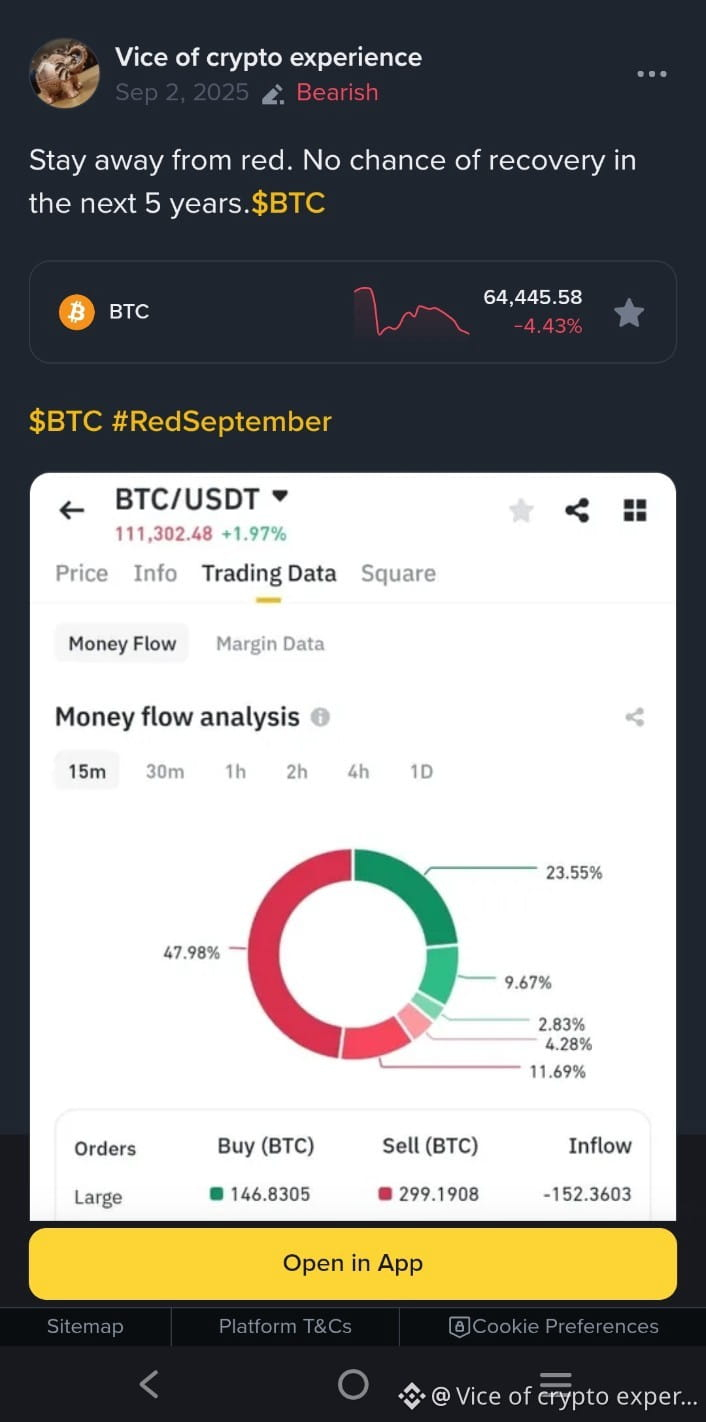
Bearish
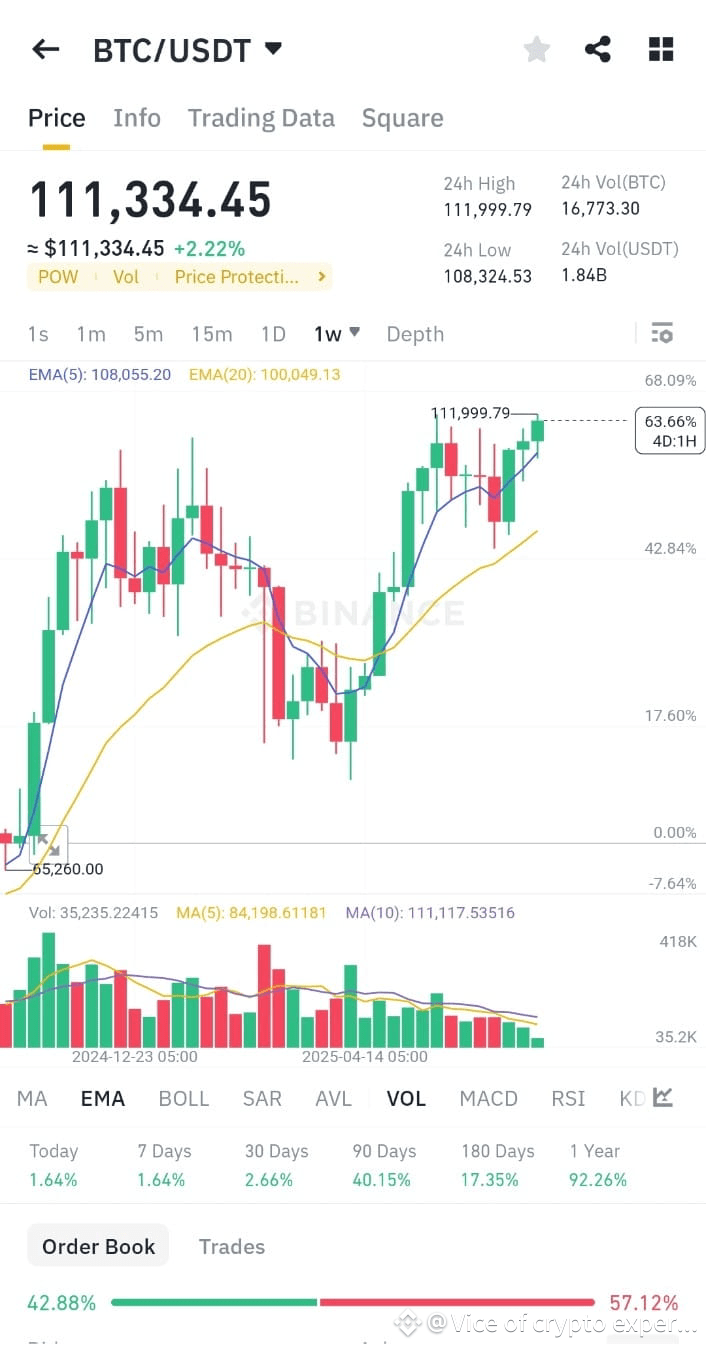
This is the last time you’ll see this green candle .
take a screenshot. See you again in 2 or 3 years.
Ali Maken Real Estate Pakistan
#BTCWhaleMovement $BTC
{spot}(BTCUSDT)
This is the last time you’ll see this green candle .
take a screenshot. See you again in 2 or 3 years.
Ali Maken Real Estate Pakistan
#BTCWhaleMovement $BTC
take a screenshot. See you again in 2 or 3 years.
Ali Maken Real Estate Pakistan
#BTCWhaleMovement $BTC
3
1
1
1.2k
Article
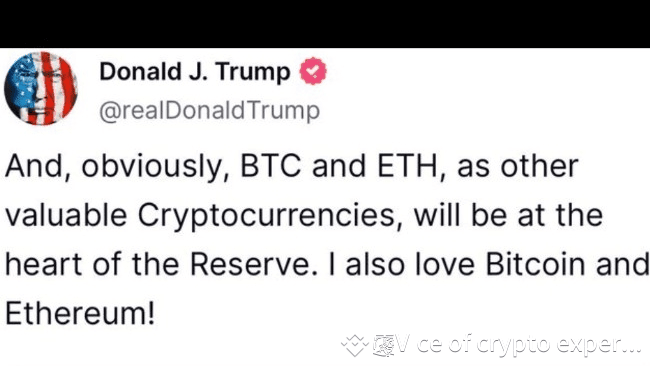
The Trump Tweet Effect: A Warning to BearsAs the world grapples with the complexities of the global economy, one thing has become abundantly clear: a single tweet from Donald Trump can send shockwaves through the markets. For investors who have bet against the market, known as "bears," this can be a recipe for disaster.
In this article, we'll explore the phenomenon of the "Trump Tweet Effect" and what it means for bears. We'll also examine the implications of this phenomenon and provide guidance on how to navigate these treacherous waters.
The Power of a Trump Tweet
Donald Trump's tweets have long been a subject of fascination and controversy. Love him or hate him, there's no denying that his social media posts have the power to move markets. Whether it's a pronouncement on trade policy, a jab at a political opponent, or a seemingly innocuous comment, Trump's tweets can send stock prices soaring or plummeting.
For bears, this can be a nightmare scenario. A sudden and unexpected tweet from Trump can turn a carefully crafted short position into a disaster, leaving investors scrambling to cover their losses. The speed and ferocity of the Trump Tweet Effect can be overwhelming, catching even the most seasoned investors off guard.
Implications for Bears
So, what does this mean for bears? In short, it means that they can never let their guard down. A Trump tweet can strike at any moment, sending the markets into a tailspin. Bears must be constantly vigilant, monitoring Trump's Twitter feed and ready to adjust their positions at a moment's notice.
This can be a challenging and nerve-wracking experience, even for the most seasoned investors. The Trump Tweet Effect has added a new layer of complexity and unpredictability to the markets, making it more difficult than ever for bears to navigate.
Navigating the Trump Tweet Effect
So, how can bears protect themselves from the Trump Tweet Effect? Here are a few strategies to consider:
1 Stay informed: Keep a close eye on Trump's Twitter feed and be aware of any potential market-moving events.
2. Diversify: Spread your investments across a range of asset classes to reduce your exposure to any one particular market.
3. Be prepared to adjust: Have a plan in place to adjust your positions quickly in response to a Trump tweet.
4. Consider hedging: Consider hedging your positions to reduce your exposure to potential losses.
Conclusion
The Trump Tweet Effect is a phenomenon that bears cannot afford to ignore. A single tweet from Donald Trump has the power to send the markets into a tailspin, catching bears off guard and leaving them vulnerable to significant losses. By staying informed, diversifying, being prepared to adjust, and considering hedging, bears can reduce their exposure to the Trump Tweet Effect and navigate these treacherous waters with greater confidence.
#USCryptoReserve #CZ'sTokenModelIdea #CMEsolanaFutures #BTCRebundsBack #BinanceAlphaAlert
$BTC
{spot}(BTCUSDT)
$ETH
{spot}(ETHUSDT)
$XRP
{spot}(XRPUSDT)
The Trump Tweet Effect: A Warning to Bears
As the world grapples with the complexities of the global economy, one thing has become abundantly clear: a single tweet from Donald Trump can send shockwaves through the markets. For investors who have bet against the market, known as "bears," this can be a recipe for disaster.
In this article, we'll explore the phenomenon of the "Trump Tweet Effect" and what it means for bears. We'll also examine the implications of this phenomenon and provide guidance on how to navigate these treacherous waters.
The Power of a Trump Tweet
Donald Trump's tweets have long been a subject of fascination and controversy. Love him or hate him, there's no denying that his social media posts have the power to move markets. Whether it's a pronouncement on trade policy, a jab at a political opponent, or a seemingly innocuous comment, Trump's tweets can send stock prices soaring or plummeting.
For bears, this can be a nightmare scenario. A sudden and unexpected tweet from Trump can turn a carefully crafted short position into a disaster, leaving investors scrambling to cover their losses. The speed and ferocity of the Trump Tweet Effect can be overwhelming, catching even the most seasoned investors off guard.
Implications for Bears
So, what does this mean for bears? In short, it means that they can never let their guard down. A Trump tweet can strike at any moment, sending the markets into a tailspin. Bears must be constantly vigilant, monitoring Trump's Twitter feed and ready to adjust their positions at a moment's notice.
This can be a challenging and nerve-wracking experience, even for the most seasoned investors. The Trump Tweet Effect has added a new layer of complexity and unpredictability to the markets, making it more difficult than ever for bears to navigate.
Navigating the Trump Tweet Effect
So, how can bears protect themselves from the Trump Tweet Effect? Here are a few strategies to consider:
1 Stay informed: Keep a close eye on Trump's Twitter feed and be aware of any potential market-moving events.
2. Diversify: Spread your investments across a range of asset classes to reduce your exposure to any one particular market.
3. Be prepared to adjust: Have a plan in place to adjust your positions quickly in response to a Trump tweet.
4. Consider hedging: Consider hedging your positions to reduce your exposure to potential losses.
Conclusion
The Trump Tweet Effect is a phenomenon that bears cannot afford to ignore. A single tweet from Donald Trump has the power to send the markets into a tailspin, catching bears off guard and leaving them vulnerable to significant losses. By staying informed, diversifying, being prepared to adjust, and considering hedging, bears can reduce their exposure to the Trump Tweet Effect and navigate these treacherous waters with greater confidence.
#USCryptoReserve #CZ'sTokenModelIdea #CMEsolanaFutures #BTCRebundsBack #BinanceAlphaAlert
$BTC
$ETH
$XRP
In this article, we'll explore the phenomenon of the "Trump Tweet Effect" and what it means for bears. We'll also examine the implications of this phenomenon and provide guidance on how to navigate these treacherous waters.
The Power of a Trump Tweet
Donald Trump's tweets have long been a subject of fascination and controversy. Love him or hate him, there's no denying that his social media posts have the power to move markets. Whether it's a pronouncement on trade policy, a jab at a political opponent, or a seemingly innocuous comment, Trump's tweets can send stock prices soaring or plummeting.
For bears, this can be a nightmare scenario. A sudden and unexpected tweet from Trump can turn a carefully crafted short position into a disaster, leaving investors scrambling to cover their losses. The speed and ferocity of the Trump Tweet Effect can be overwhelming, catching even the most seasoned investors off guard.
Implications for Bears
So, what does this mean for bears? In short, it means that they can never let their guard down. A Trump tweet can strike at any moment, sending the markets into a tailspin. Bears must be constantly vigilant, monitoring Trump's Twitter feed and ready to adjust their positions at a moment's notice.
This can be a challenging and nerve-wracking experience, even for the most seasoned investors. The Trump Tweet Effect has added a new layer of complexity and unpredictability to the markets, making it more difficult than ever for bears to navigate.
Navigating the Trump Tweet Effect
So, how can bears protect themselves from the Trump Tweet Effect? Here are a few strategies to consider:
1 Stay informed: Keep a close eye on Trump's Twitter feed and be aware of any potential market-moving events.
2. Diversify: Spread your investments across a range of asset classes to reduce your exposure to any one particular market.
3. Be prepared to adjust: Have a plan in place to adjust your positions quickly in response to a Trump tweet.
4. Consider hedging: Consider hedging your positions to reduce your exposure to potential losses.
Conclusion
The Trump Tweet Effect is a phenomenon that bears cannot afford to ignore. A single tweet from Donald Trump has the power to send the markets into a tailspin, catching bears off guard and leaving them vulnerable to significant losses. By staying informed, diversifying, being prepared to adjust, and considering hedging, bears can reduce their exposure to the Trump Tweet Effect and navigate these treacherous waters with greater confidence.
#USCryptoReserve #CZ'sTokenModelIdea #CMEsolanaFutures #BTCRebundsBack #BinanceAlphaAlert
$BTC
$ETH
$XRP
3
1
7.5k
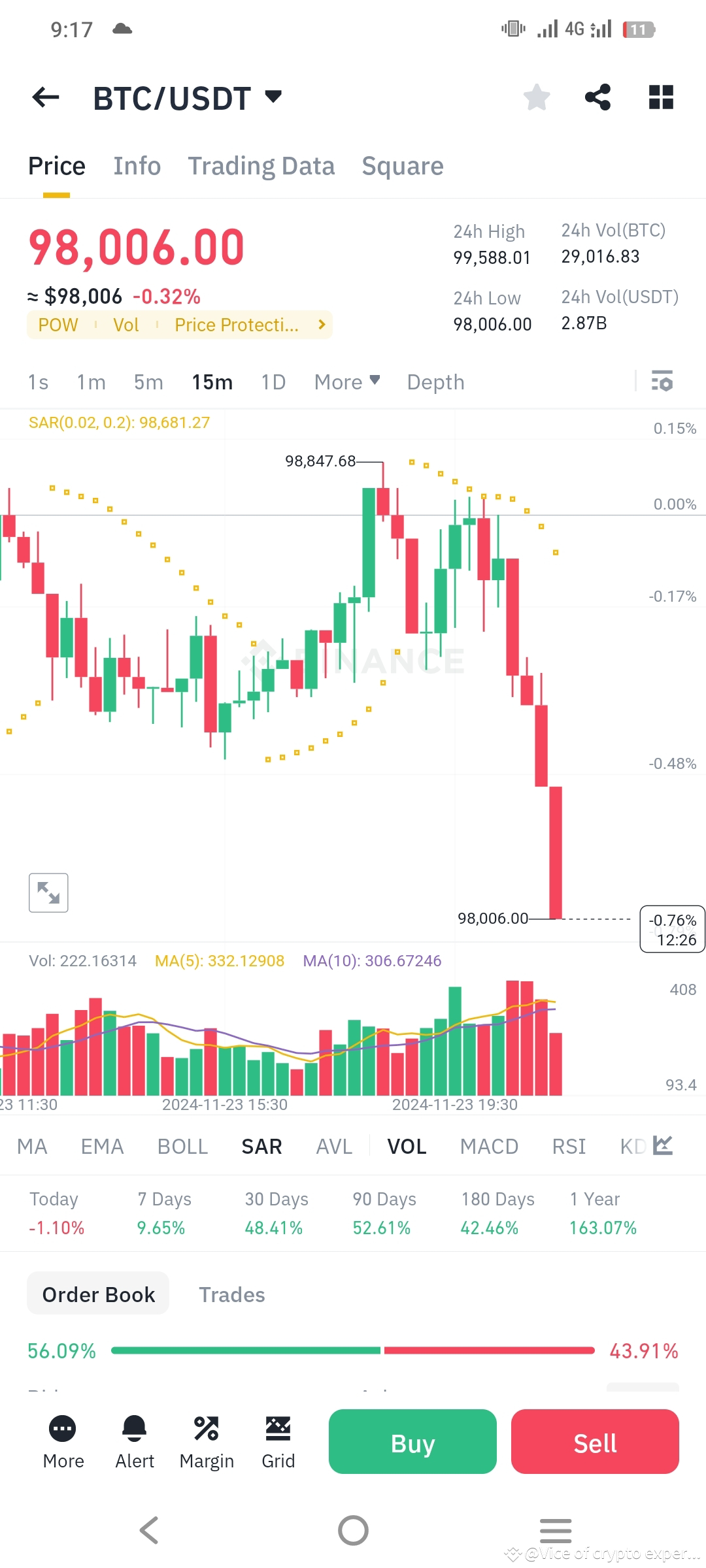
23 November At 98000 i told you everything .
Follow like share for the next update .
{spot}(BTCUSDT)
$BTC
#GODINDataForAI #BinanceHODLerTHE #BTCWatchZone #BTC☀
23 November At 98000 i told you everything .
Follow like share for the next update .
$BTC
#GODINDataForAI #BinanceHODLerTHE #BTCWatchZone #BTC☀
Follow like share for the next update .
$BTC
#GODINDataForAI #BinanceHODLerTHE #BTCWatchZone #BTC☀
1
504
Yesterday, I warned you three times: when 98k ,please stay away. Greed doesn't listen to anyone.
write an article on #BTC , but unfortunately, nobody seems to read my article section
$BTC
{spot}(BTCUSDT)
$BTC #BTCBreaks100K? #BTC☀ #BTC500K
Yesterday, I warned you three times: when 98k ,please stay away. Greed doesn't listen to anyone.
write an article on #BTC , but unfortunately, nobody seems to read my article section
$BTC
$BTC #BTCBreaks100K? #BTC☀ #BTC500K
write an article on #BTC , but unfortunately, nobody seems to read my article section
$BTC
$BTC #BTCBreaks100K? #BTC☀ #BTC500K
768
·
--
Bearish
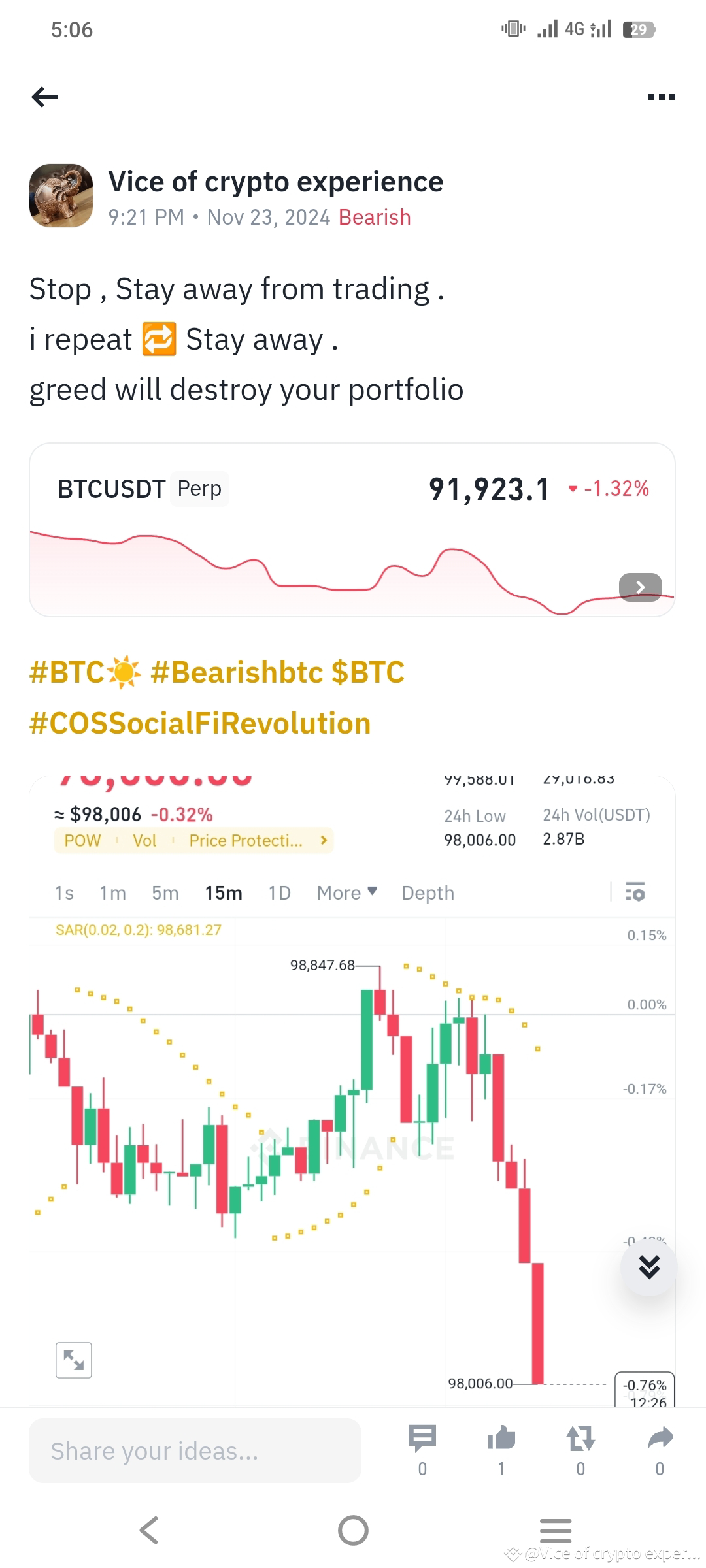
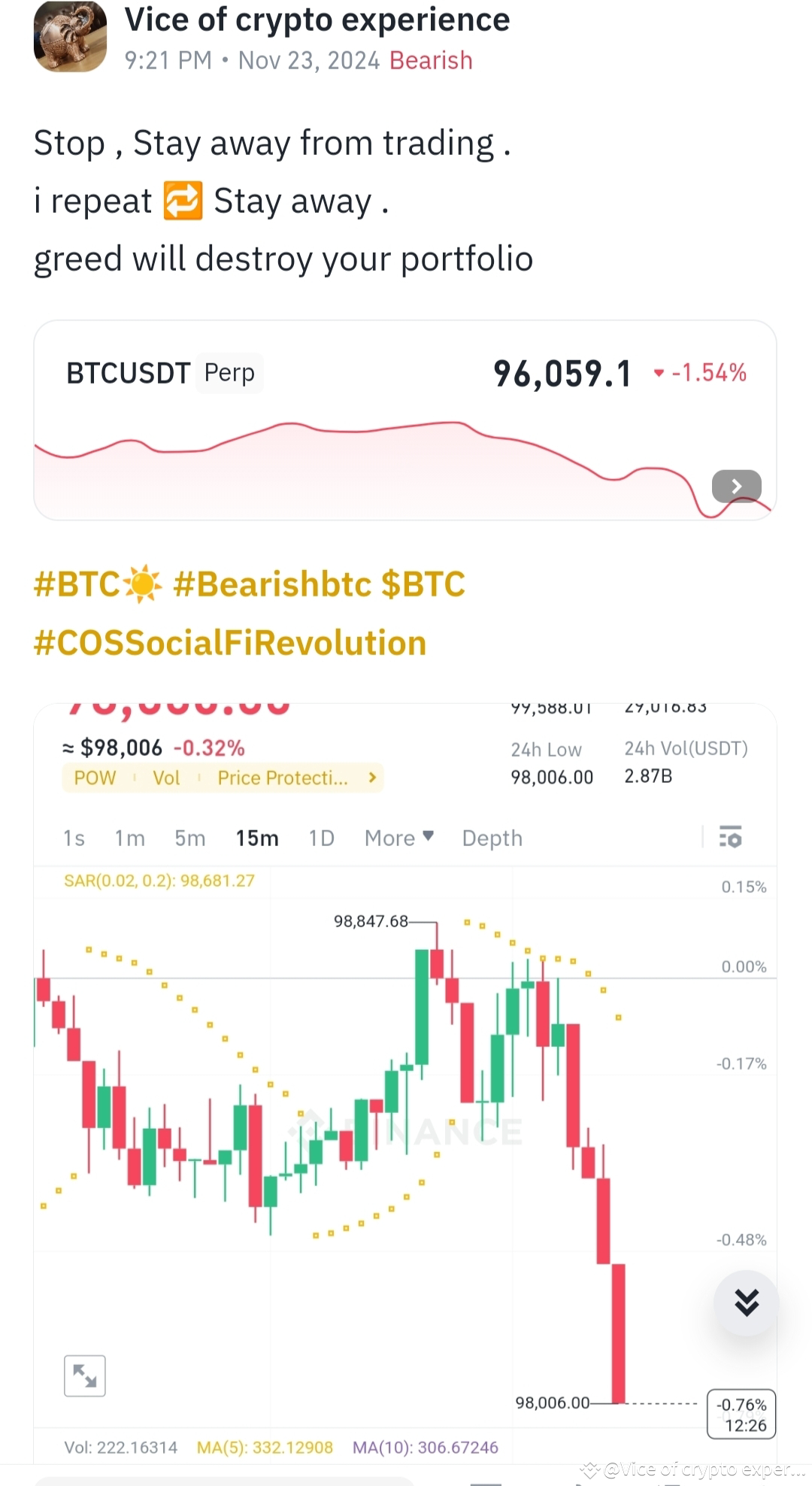
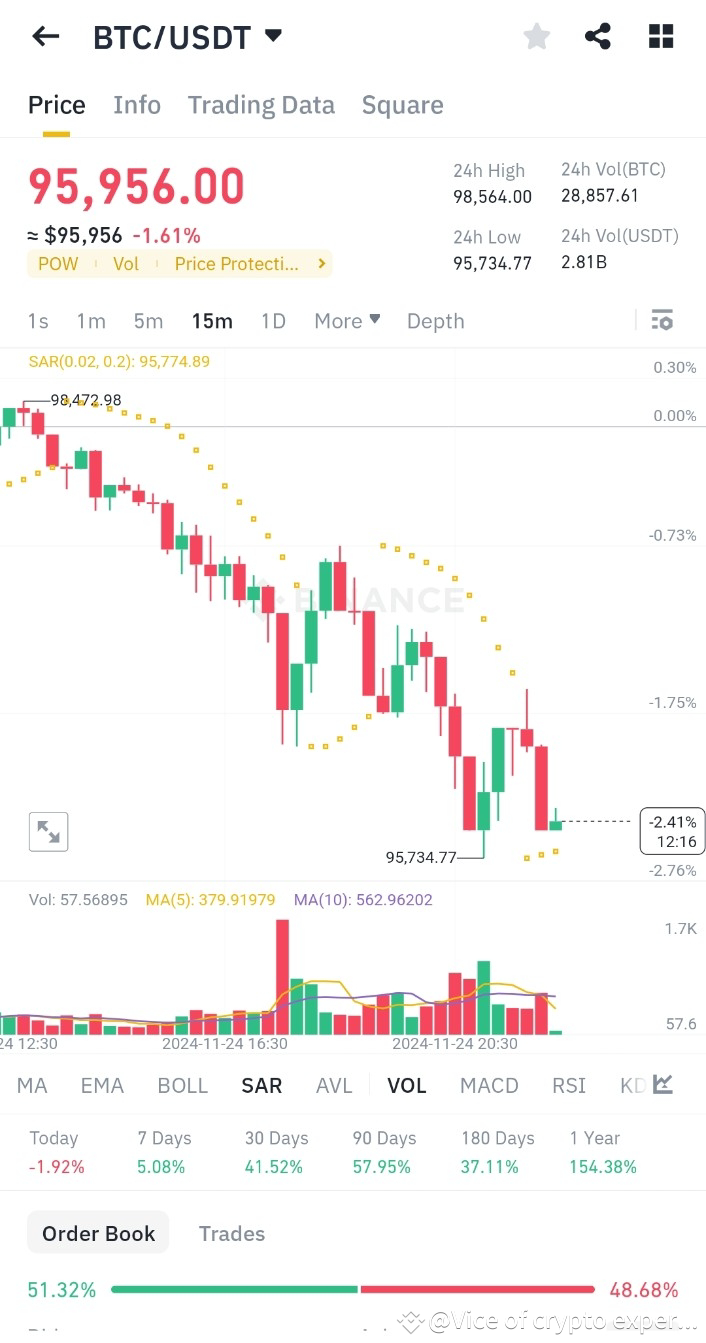
Stop , Stay away from trading .
i repeat 🔁 Stay away .
greed will destroy your portfolio
{future}(BTCUSDT)
#BTC☀ #Bearishbtc $BTC #COSSocialFiRevolution
Stop , Stay away from trading .
i repeat 🔁 Stay away .
greed will destroy your portfolio
#BTC☀ #Bearishbtc $BTC #COSSocialFiRevolution
i repeat 🔁 Stay away .
greed will destroy your portfolio
#BTC☀ #Bearishbtc $BTC #COSSocialFiRevolution
1
1k
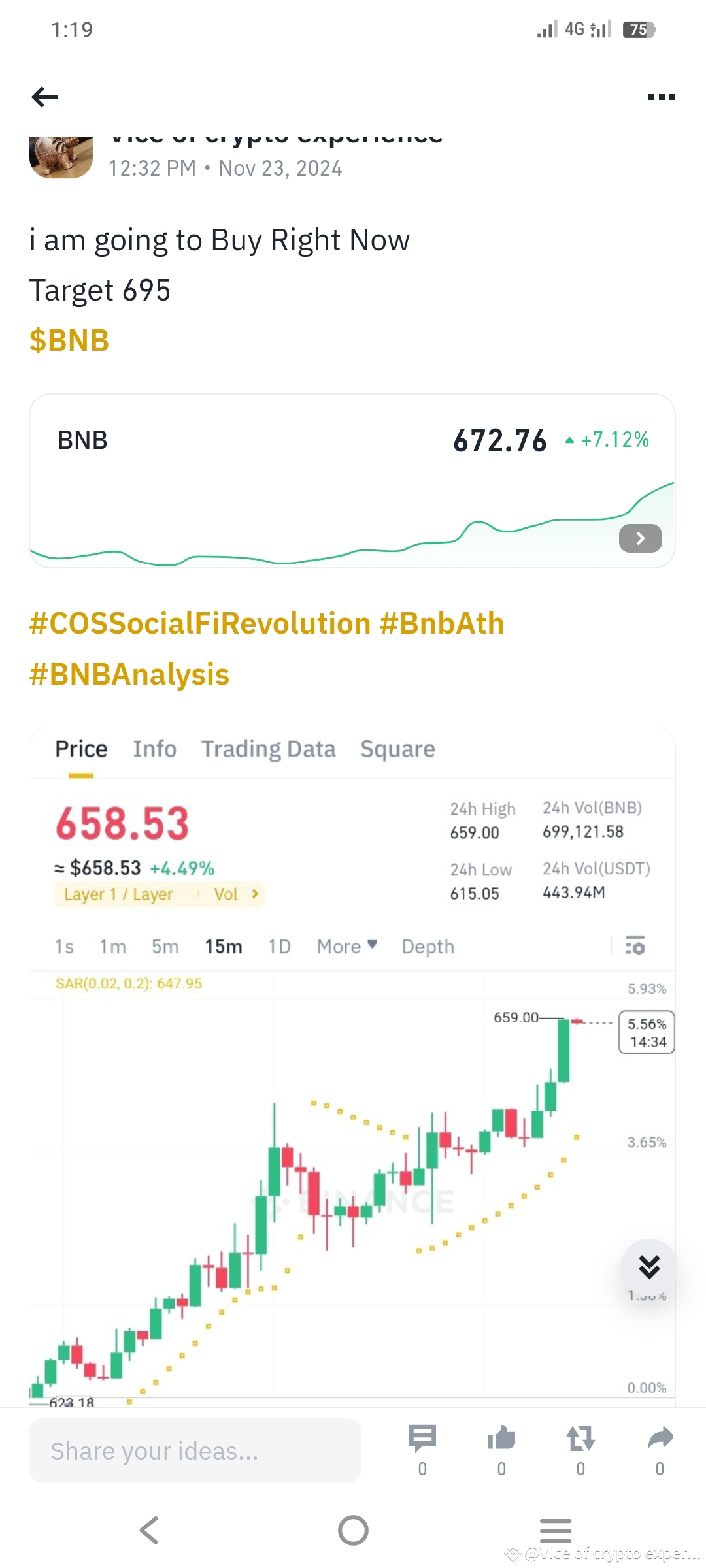
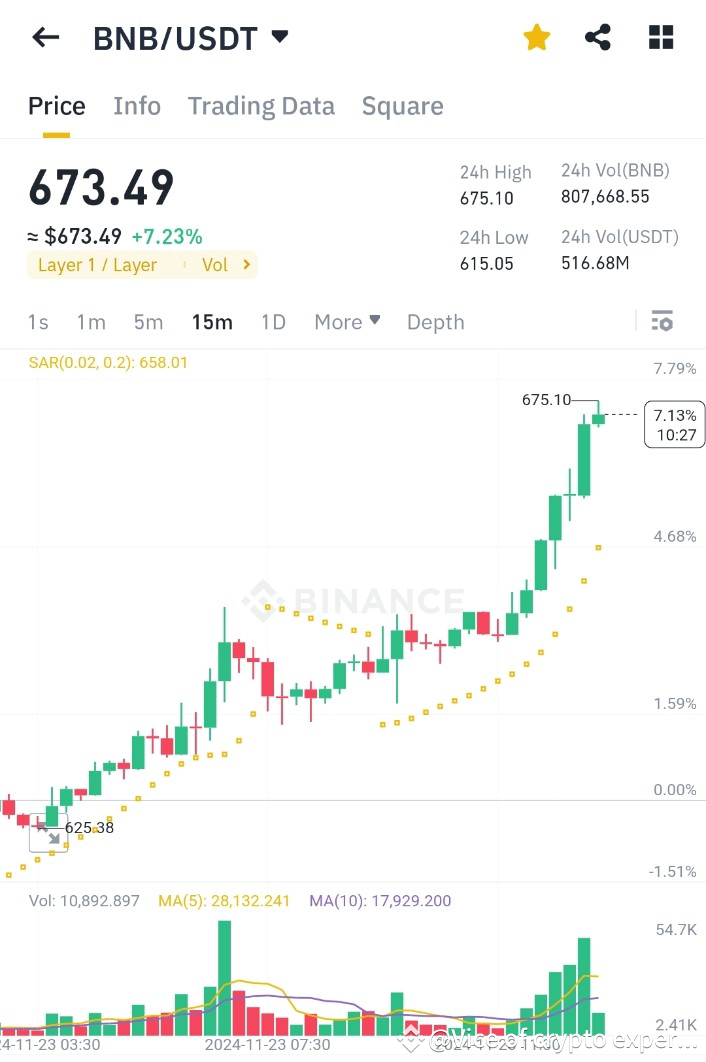
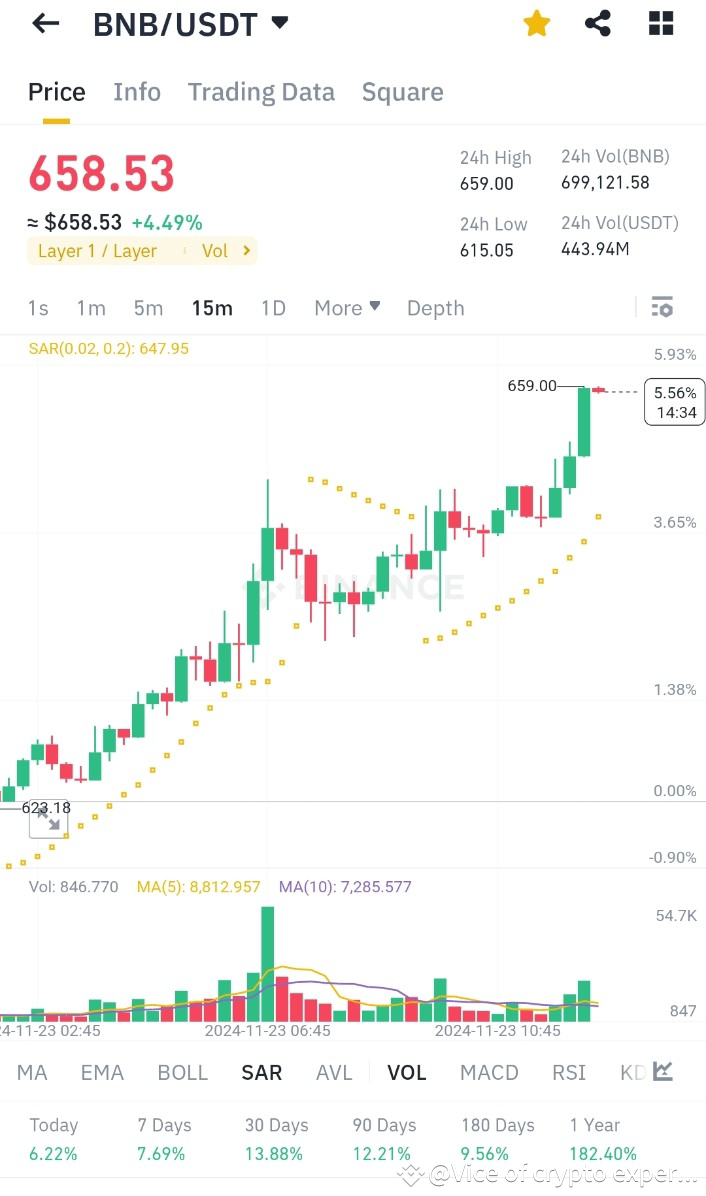
only in 15 minutes 17$ up
{future}(BNBUSDT)
#BNBAnalysis
only in 15 minutes 17$ up
#BNBAnalysis
#BNBAnalysis
648
Article
A very interesting scenario BTCAnalysis
1. Large Player Buy Order 117 BTC
A significant buy order from a large player can indicate strong market sentiment and potential price movement.
2. Sell Order 166 BTC
A larger sell order can put downward pressure on the price.
3. Net Outflow -49 BTC
The net outflow suggests that more BTC is being sold than bought, which can be a bearish sign.
4. Fear and Greed Index 93 - Extreme Greed
An extremely high Fear and Greed Index indicates that investors are overly optimistic, which can lead to a market correction.
My Suggestions
1. Exercise Caution
With an extremely high Fear and Greed Index, it's essential to be cautious and prepared for a potential market correction.
2. Consider Taking Profits
If you're already invested in BTC, consider taking some profits off the table, especially if you've seen significant gains recently.
3. Wait for a Pullback
Instead of buying at the current price, wait for a pullback or a correction to enter the market at a more favorable price.
4. Set Stop-Losses
If you do decide to buy or hold BTC, set stop-losses to limit potential losses in case the market moves against you.
5. Diversify Your Portfolio
Consider diversifying your portfolio by investing in other assets, such as other cryptocurrencies, stocks, or bonds, to minimize risk.
$BTC
{spot}(BTCUSDT)
Remember
Cryptocurrencies is high-risk, high-reward.Never invest more than you can afford to lose.
#BTCBreaks100K? #BTC☀ #BTC500K
#COSSocialFiRevolution
A very interesting scenario BTC
Analysis
1. Large Player Buy Order 117 BTC
A significant buy order from a large player can indicate strong market sentiment and potential price movement.
2. Sell Order 166 BTC
A larger sell order can put downward pressure on the price.
3. Net Outflow -49 BTC
The net outflow suggests that more BTC is being sold than bought, which can be a bearish sign.
4. Fear and Greed Index 93 - Extreme Greed
An extremely high Fear and Greed Index indicates that investors are overly optimistic, which can lead to a market correction.
My Suggestions
1. Exercise Caution
With an extremely high Fear and Greed Index, it's essential to be cautious and prepared for a potential market correction.
2. Consider Taking Profits
If you're already invested in BTC, consider taking some profits off the table, especially if you've seen significant gains recently.
3. Wait for a Pullback
Instead of buying at the current price, wait for a pullback or a correction to enter the market at a more favorable price.
4. Set Stop-Losses
If you do decide to buy or hold BTC, set stop-losses to limit potential losses in case the market moves against you.
5. Diversify Your Portfolio
Consider diversifying your portfolio by investing in other assets, such as other cryptocurrencies, stocks, or bonds, to minimize risk.
$BTC
Remember
Cryptocurrencies is high-risk, high-reward.Never invest more than you can afford to lose.
#BTCBreaks100K? #BTC☀ #BTC500K
#COSSocialFiRevolution
1. Large Player Buy Order 117 BTC
A significant buy order from a large player can indicate strong market sentiment and potential price movement.
2. Sell Order 166 BTC
A larger sell order can put downward pressure on the price.
3. Net Outflow -49 BTC
The net outflow suggests that more BTC is being sold than bought, which can be a bearish sign.
4. Fear and Greed Index 93 - Extreme Greed
An extremely high Fear and Greed Index indicates that investors are overly optimistic, which can lead to a market correction.
My Suggestions
1. Exercise Caution
With an extremely high Fear and Greed Index, it's essential to be cautious and prepared for a potential market correction.
2. Consider Taking Profits
If you're already invested in BTC, consider taking some profits off the table, especially if you've seen significant gains recently.
3. Wait for a Pullback
Instead of buying at the current price, wait for a pullback or a correction to enter the market at a more favorable price.
4. Set Stop-Losses
If you do decide to buy or hold BTC, set stop-losses to limit potential losses in case the market moves against you.
5. Diversify Your Portfolio
Consider diversifying your portfolio by investing in other assets, such as other cryptocurrencies, stocks, or bonds, to minimize risk.
$BTC
Remember
Cryptocurrencies is high-risk, high-reward.Never invest more than you can afford to lose.
#BTCBreaks100K? #BTC☀ #BTC500K
#COSSocialFiRevolution
1
5
13.9k
·
--
Bearish
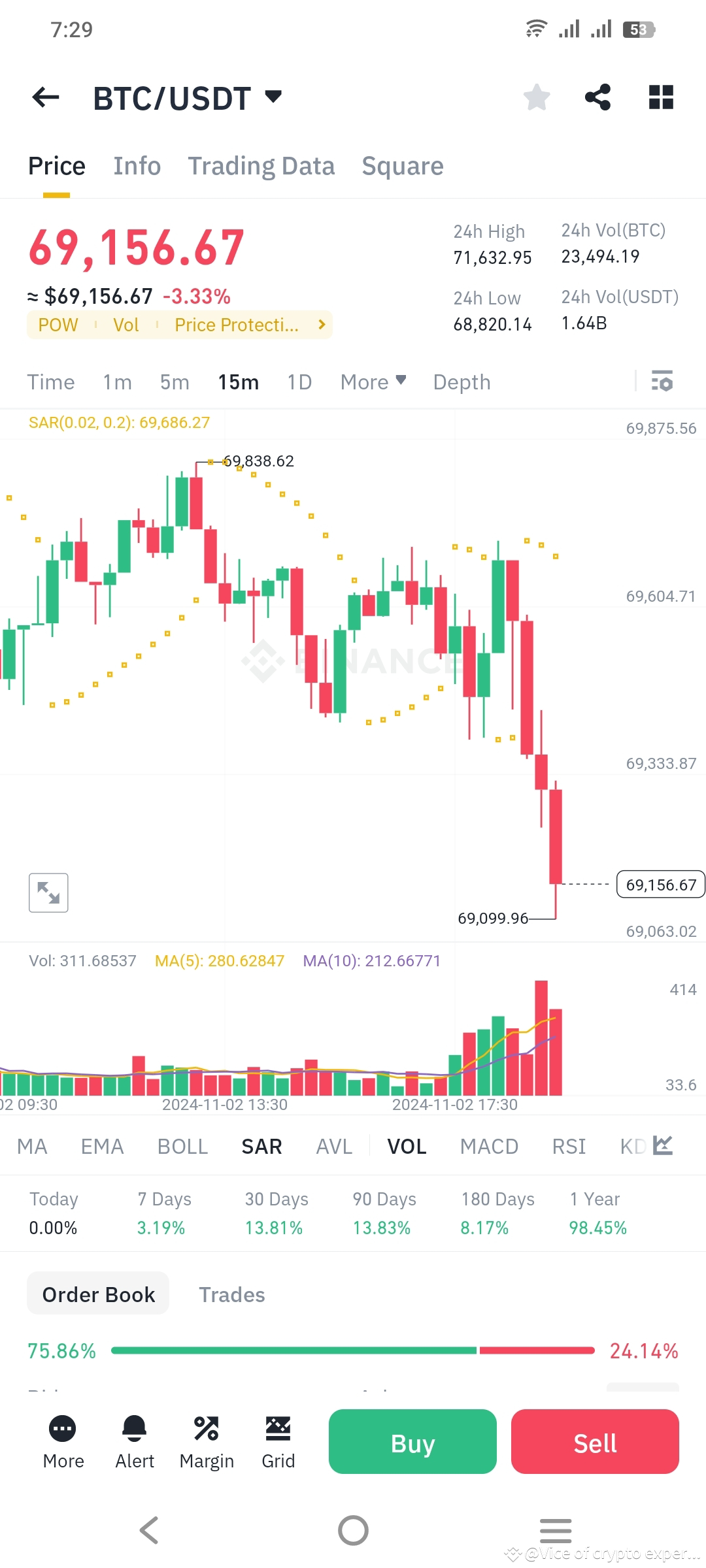
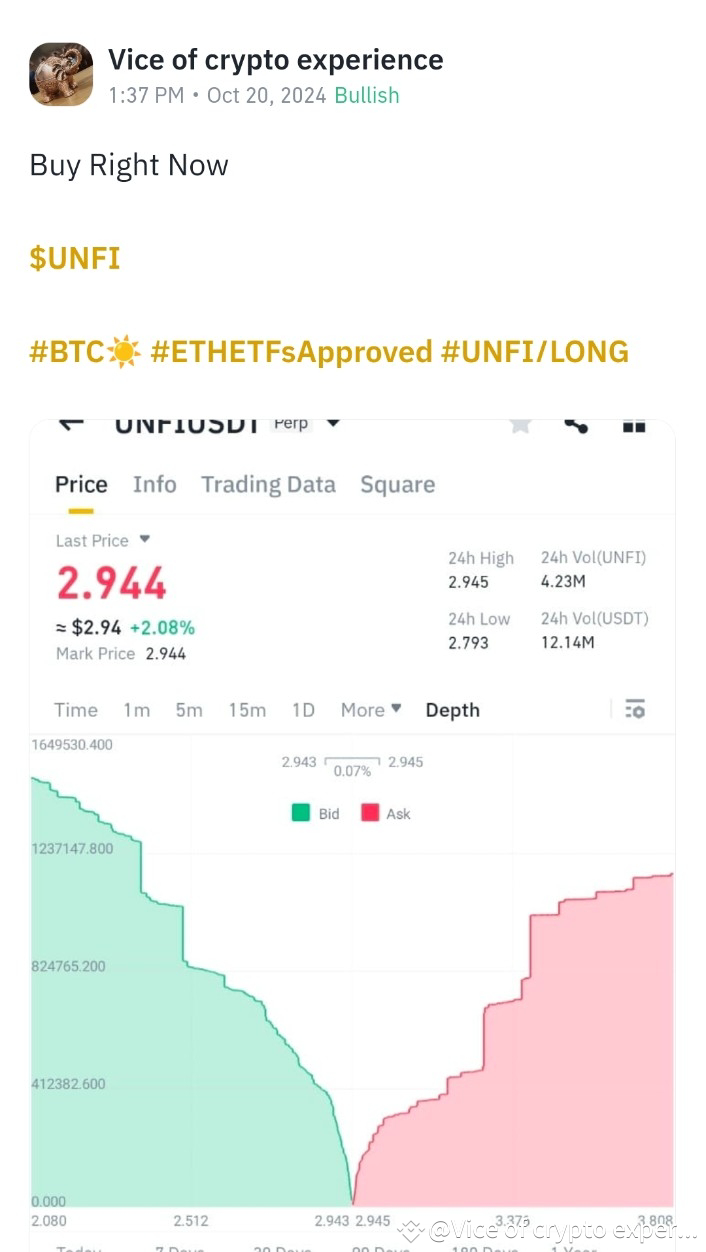
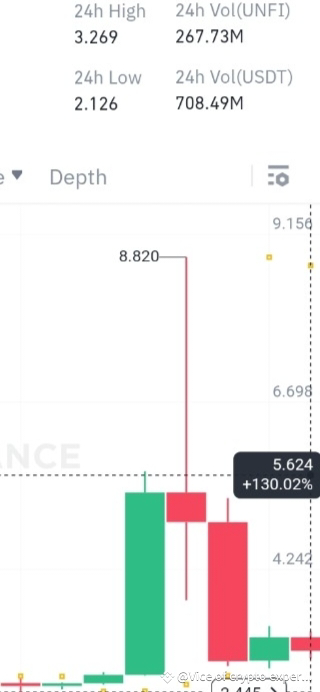
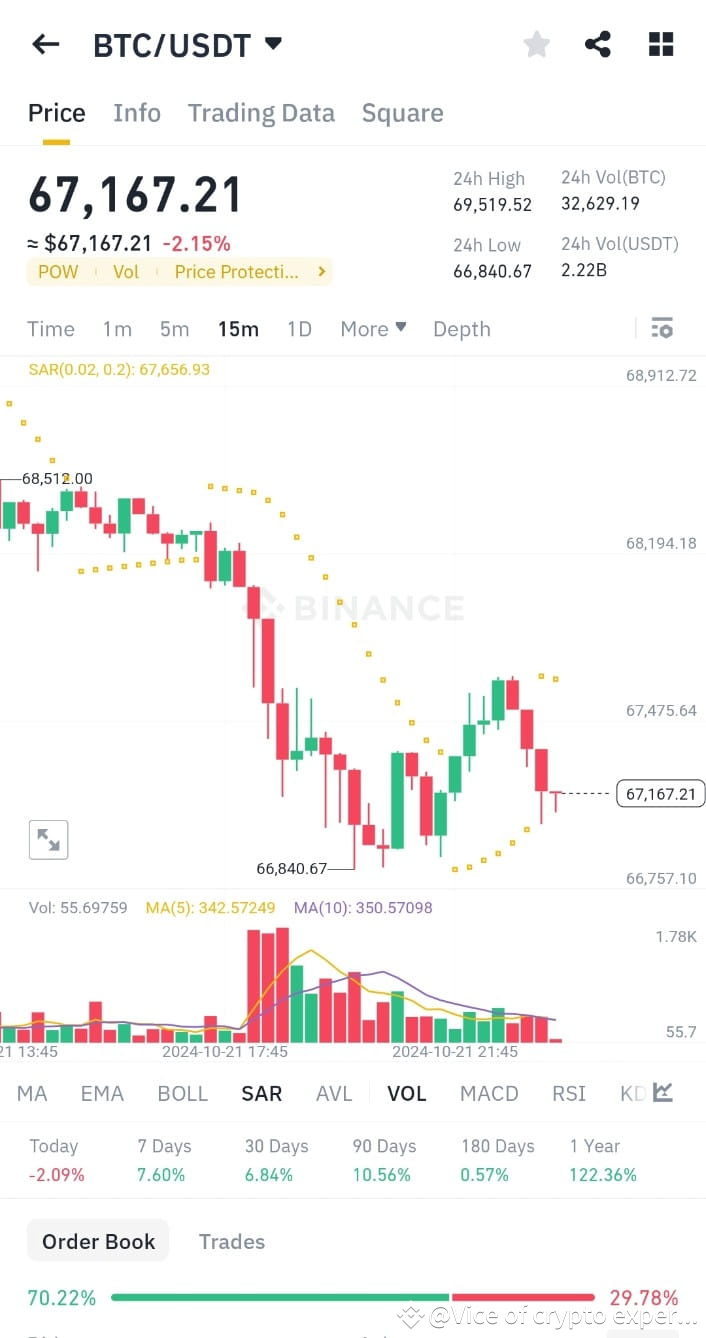
Down trend will be confirmed in the next 48 hours
$BTC
{spot}(BTCUSDT)
Down trend will be confirmed in the next 48 hours
$BTC
$BTC
1
525
I am pleased to report that I achieved my target of 1.75 last night, precisely as planned.
{future}(APEUSDT)
$BTC $ETH $BNB
#UptoberBTC70K? #Apeust
I am pleased to report that I achieved my target of 1.75 last night, precisely as planned.
$BTC $ETH $BNB
#UptoberBTC70K? #Apeust
$BTC $ETH $BNB
#UptoberBTC70K? #Apeust


2
702
·
--
Bullish
I am buying small quantity at 1.50 target will be 1.75
$APE
#TrendingBinance
#MemeCoinTrending #WhichMemeCoin? #SCRSpotTradingOnBinance #USRetailSalesBoost
{future}(APEUSDT)
I am buying small quantity at 1.50 target will be 1.75
$APE
#TrendingBinance
#MemeCoinTrending #WhichMemeCoin? #SCRSpotTradingOnBinance #USRetailSalesBoost
$APE
#TrendingBinance
#MemeCoinTrending #WhichMemeCoin? #SCRSpotTradingOnBinance #USRetailSalesBoost

3
654

Yes
55%
No
45%
55 votes • Voting closed
370
Mark alert; Uncharted Territory Ahead
As I analyze the current market situation, I'm struck by the unpredictability and volatility that's unfolding before our eyes. It's as if we're navigating uncharted waters, where the rules of the past no longer apply.
I'm not alone in feeling that something new and unprecedented is happening. The market's behavior is defying traditional logic and patterns, leaving even the most seasoned experts scratching their heads.
In times like these, it's essential to prioritize caution and prudence. I strongly advise everyone to take a step back, reassess their positions, and consider securing their profits.
We've seen incredible growth and gains in recent times, but it's crucial to remember that markets can be unforgiving. Complacency and overconfidence can lead to devastating losses.
By saving your profits now, you'll be safeguarding your hard-earned gains and positioning yourself for the next phase of the market's evolution. It's always better to err on the side of caution when faced with uncertainty.
Let's stay vigilant, adaptable, and informed. The market is evolving, and we must evolve with it. Secure your profits, and let's navigate this new landscape together.
{future}(BTCUSDT)
{future}(ETHUSDT)
$BTC $ETH $BNB
{spot}(BNBUSDT)
#pumpiscoming #CryptoMarketMoves #BlackRockETHOptions
Mark alert; Uncharted Territory Ahead
As I analyze the current market situation, I'm struck by the unpredictability and volatility that's unfolding before our eyes. It's as if we're navigating uncharted waters, where the rules of the past no longer apply.
I'm not alone in feeling that something new and unprecedented is happening. The market's behavior is defying traditional logic and patterns, leaving even the most seasoned experts scratching their heads.
In times like these, it's essential to prioritize caution and prudence. I strongly advise everyone to take a step back, reassess their positions, and consider securing their profits.
We've seen incredible growth and gains in recent times, but it's crucial to remember that markets can be unforgiving. Complacency and overconfidence can lead to devastating losses.
By saving your profits now, you'll be safeguarding your hard-earned gains and positioning yourself for the next phase of the market's evolution. It's always better to err on the side of caution when faced with uncertainty.
Let's stay vigilant, adaptable, and informed. The market is evolving, and we must evolve with it. Secure your profits, and let's navigate this new landscape together.
$BTC $ETH $BNB
#pumpiscoming #CryptoMarketMoves #BlackRockETHOptions
As I analyze the current market situation, I'm struck by the unpredictability and volatility that's unfolding before our eyes. It's as if we're navigating uncharted waters, where the rules of the past no longer apply.
I'm not alone in feeling that something new and unprecedented is happening. The market's behavior is defying traditional logic and patterns, leaving even the most seasoned experts scratching their heads.
In times like these, it's essential to prioritize caution and prudence. I strongly advise everyone to take a step back, reassess their positions, and consider securing their profits.
We've seen incredible growth and gains in recent times, but it's crucial to remember that markets can be unforgiving. Complacency and overconfidence can lead to devastating losses.
By saving your profits now, you'll be safeguarding your hard-earned gains and positioning yourself for the next phase of the market's evolution. It's always better to err on the side of caution when faced with uncertainty.
Let's stay vigilant, adaptable, and informed. The market is evolving, and we must evolve with it. Secure your profits, and let's navigate this new landscape together.
$BTC $ETH $BNB
#pumpiscoming #CryptoMarketMoves #BlackRockETHOptions
1k

Article
Market Trends After the First Fed Rate Cut : A Historical AnalysisThe Federal Reserve's decision to cut interest rates can have a significant impact on the stock market. In this article, we will examine the historical data to determine the chances of the market moving up or down after the first Fed rate cut in a hiking cycle.
Our analysis is based on five instances where the Fed cut interest rates after a hiking cycle: 1995, 1998, 2001, 2007, and 2019. We looked at the S&P 500 forward total returns for 1-year, 2-year, 3-year, 4-year, and 5-year periods after the first rate cut.
Key Findings
The market moved up in 60% of the 1-year returns, 80% of the 2-year returns, 80% of the 3-year returns, 80% of the 4-year returns, and 80% of the 5-year returns.
The market moved down in 40% of the 1-year returns, 20% of the 2-year returns, 20% of the 3-year returns, 20% of the 4-year returns, and 20% of the 5-year returns.
The average returns for the market moving up were: 11.6% (1-year), 23.6% (2-year), 36.3% (3-year), 48.8% (4-year), and 59.4% (5-year).
Conclusion
While past performance is not a guarantee of future results, our analysis suggests that the market is more likely to move up after the first Fed rate cut in a hiking cycle. The data shows a consistent trend of positive returns across various time periods, with an average return of 11.6% to 59.4% depending on the time frame. However, it's essential to consider other factors and risks before making investment decisions.
Note
This article is for informational purposes only and should not be considered as investment advice.
Reference
The sources for this data include
Federal Reserve Economic Data (FRED)
$BTC $ETH $BNB
#LowestCPI2021 #MarketDownturn #BinanceTurns7
Market Trends After the First Fed Rate Cut : A Historical Analysis
The Federal Reserve's decision to cut interest rates can have a significant impact on the stock market. In this article, we will examine the historical data to determine the chances of the market moving up or down after the first Fed rate cut in a hiking cycle.
Our analysis is based on five instances where the Fed cut interest rates after a hiking cycle: 1995, 1998, 2001, 2007, and 2019. We looked at the S&P 500 forward total returns for 1-year, 2-year, 3-year, 4-year, and 5-year periods after the first rate cut.
Key Findings
The market moved up in 60% of the 1-year returns, 80% of the 2-year returns, 80% of the 3-year returns, 80% of the 4-year returns, and 80% of the 5-year returns.
The market moved down in 40% of the 1-year returns, 20% of the 2-year returns, 20% of the 3-year returns, 20% of the 4-year returns, and 20% of the 5-year returns.
The average returns for the market moving up were: 11.6% (1-year), 23.6% (2-year), 36.3% (3-year), 48.8% (4-year), and 59.4% (5-year).
Conclusion
While past performance is not a guarantee of future results, our analysis suggests that the market is more likely to move up after the first Fed rate cut in a hiking cycle. The data shows a consistent trend of positive returns across various time periods, with an average return of 11.6% to 59.4% depending on the time frame. However, it's essential to consider other factors and risks before making investment decisions.
Note
This article is for informational purposes only and should not be considered as investment advice.
Reference
The sources for this data include
Federal Reserve Economic Data (FRED)
$BTC $ETH $BNB
#LowestCPI2021 #MarketDownturn #BinanceTurns7
Our analysis is based on five instances where the Fed cut interest rates after a hiking cycle: 1995, 1998, 2001, 2007, and 2019. We looked at the S&P 500 forward total returns for 1-year, 2-year, 3-year, 4-year, and 5-year periods after the first rate cut.
Key Findings
The market moved up in 60% of the 1-year returns, 80% of the 2-year returns, 80% of the 3-year returns, 80% of the 4-year returns, and 80% of the 5-year returns.
The market moved down in 40% of the 1-year returns, 20% of the 2-year returns, 20% of the 3-year returns, 20% of the 4-year returns, and 20% of the 5-year returns.
The average returns for the market moving up were: 11.6% (1-year), 23.6% (2-year), 36.3% (3-year), 48.8% (4-year), and 59.4% (5-year).
Conclusion
While past performance is not a guarantee of future results, our analysis suggests that the market is more likely to move up after the first Fed rate cut in a hiking cycle. The data shows a consistent trend of positive returns across various time periods, with an average return of 11.6% to 59.4% depending on the time frame. However, it's essential to consider other factors and risks before making investment decisions.
Note
This article is for informational purposes only and should not be considered as investment advice.
Reference
The sources for this data include
Federal Reserve Economic Data (FRED)
$BTC $ETH $BNB
#LowestCPI2021 #MarketDownturn #BinanceTurns7
3
1.3k
BTC
{spot}(BTCUSDT)
BTC my love please hit $75,000
{spot}(ETHUSDT)
BTC
BTC my love please hit $75,000
BTC my love please hit $75,000

81
Log in to explore more content
Join global crypto users on Binance Square
⚡️ Get latest and useful information about crypto.
💬 Trusted by the world’s largest crypto exchange.
👍 Discover real insights from verified creators.
Email / Phone number