
TatThang
536 Posts

TatThang
Report
Block User
Turning data, ideas, and stories into signal.
Forbes Web3 ‘24 Content Creator.
Partner @Polymarket
1 Following
5.5K+ Followers
1.1K+ Liked
Posts
All
Videos
·
--
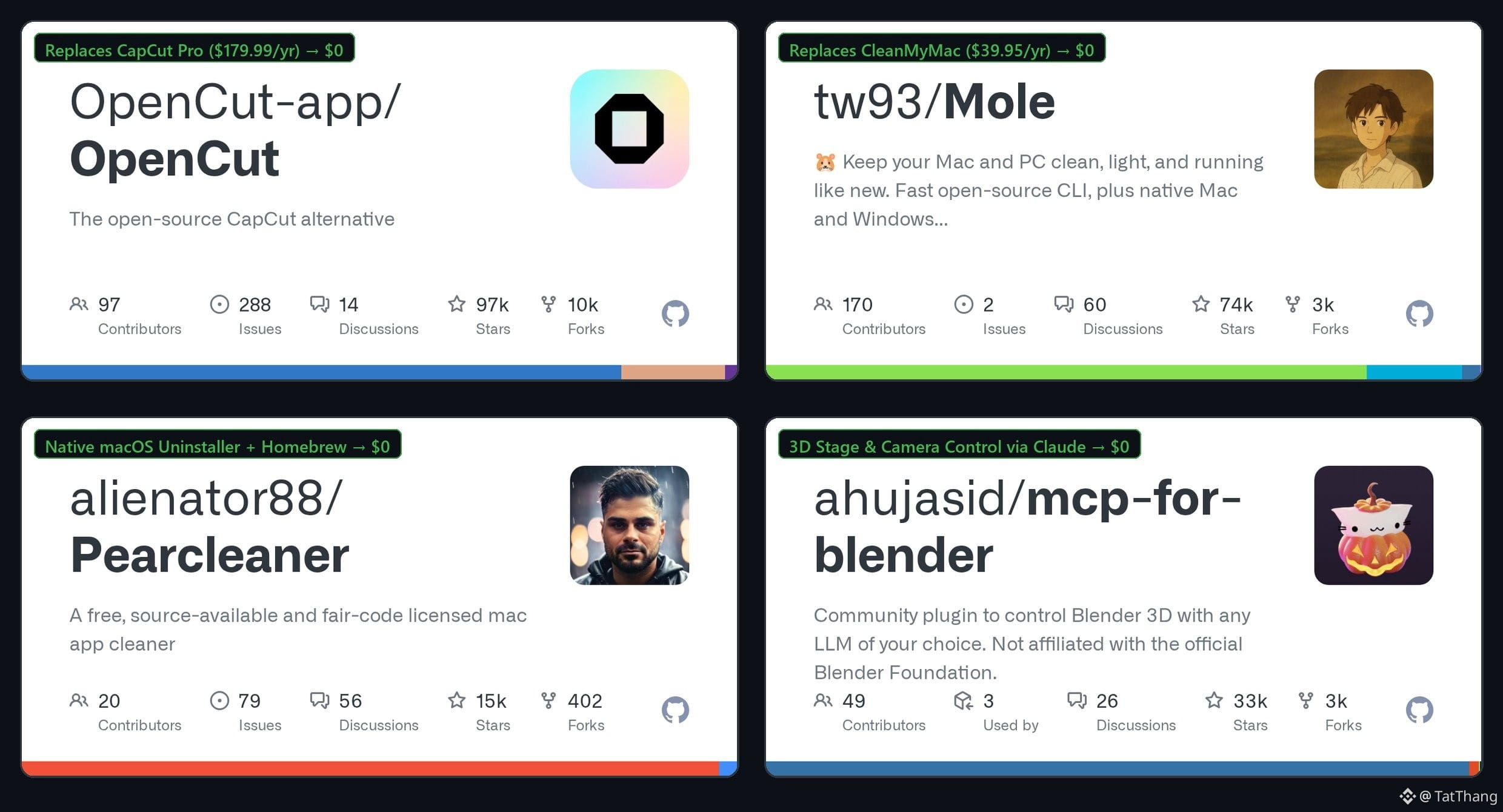
I just cut $1,200/year in software subscriptions after scrolling GitHub and X this week.
Video editors, Mac cleaners, live meeting translators, 3D stages.
I'm dropping my favorite repos below. Reply with yours so we can all bookmark.
🧵
1/5 OpenCut (97,000 stars)
CapCut locked auto-captions behind a $19.99/month paywall ($240/year).
OpenCut runs multi-track timelines, local Whisper captions, background removal, and MCP cuts right in your browser for $0/month.
2/5 Mole (74,000 stars)
CleanMyMac wants $39.95/year just to clear system cache.
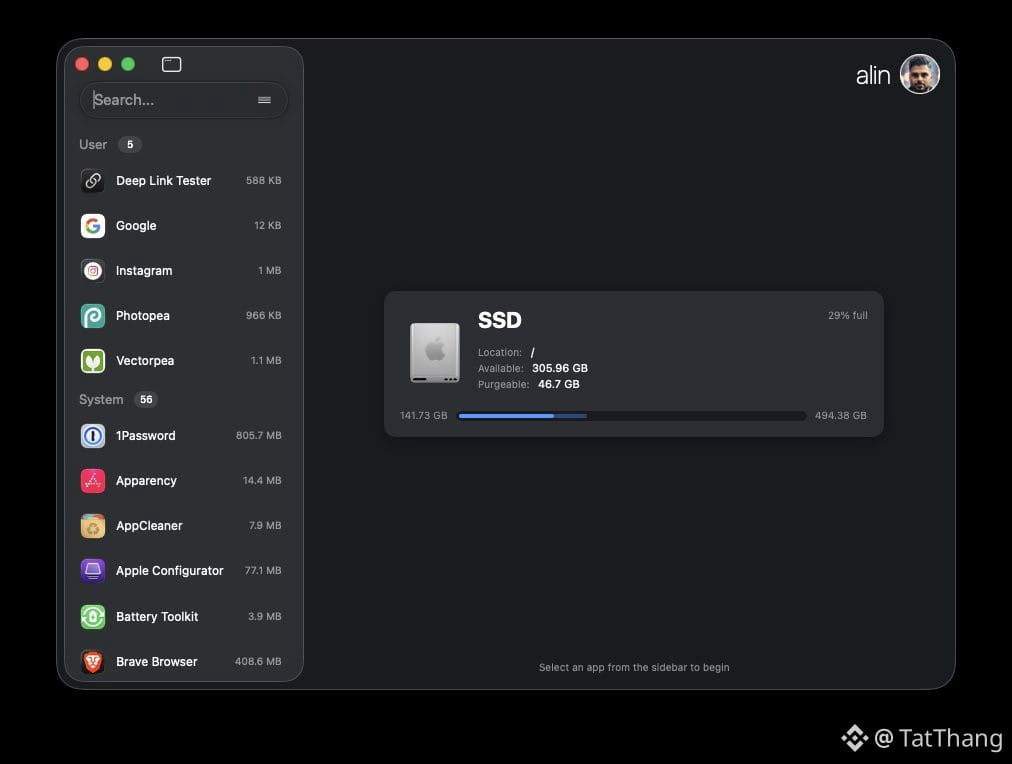
Mole replaces CleanMyMac, DaisyDisk, and AppCleaner with a single terminal command: `mo`. Wipes Xcode cache, node bloat, and app junk in seconds.
3/5 Pearcleaner (15,000 stars)
Prefer a native Mac UI over the terminal? This is the cleanest drag-and-drop uninstaller out there.
Hunts down hidden plist files, cleans Homebrew packages, and strips unused binary code to free up disk space.
4/5 Live-Translation
Meeting bots like Otter Business charge $240/year.
This repo captures Zoom or Meet audio on Mac, runs MLX Whisper locally, and shows translated subtitles on a floating glass overlay in under 1 second.
5/5 Blender MCP (33,000 stars)
Instead of burning $680+/year in AI video credits re-rolling prompts and hoping the camera moves right, builders wire Claude straight into a 3D stage to lock the lens and camera path first.
7
·
--
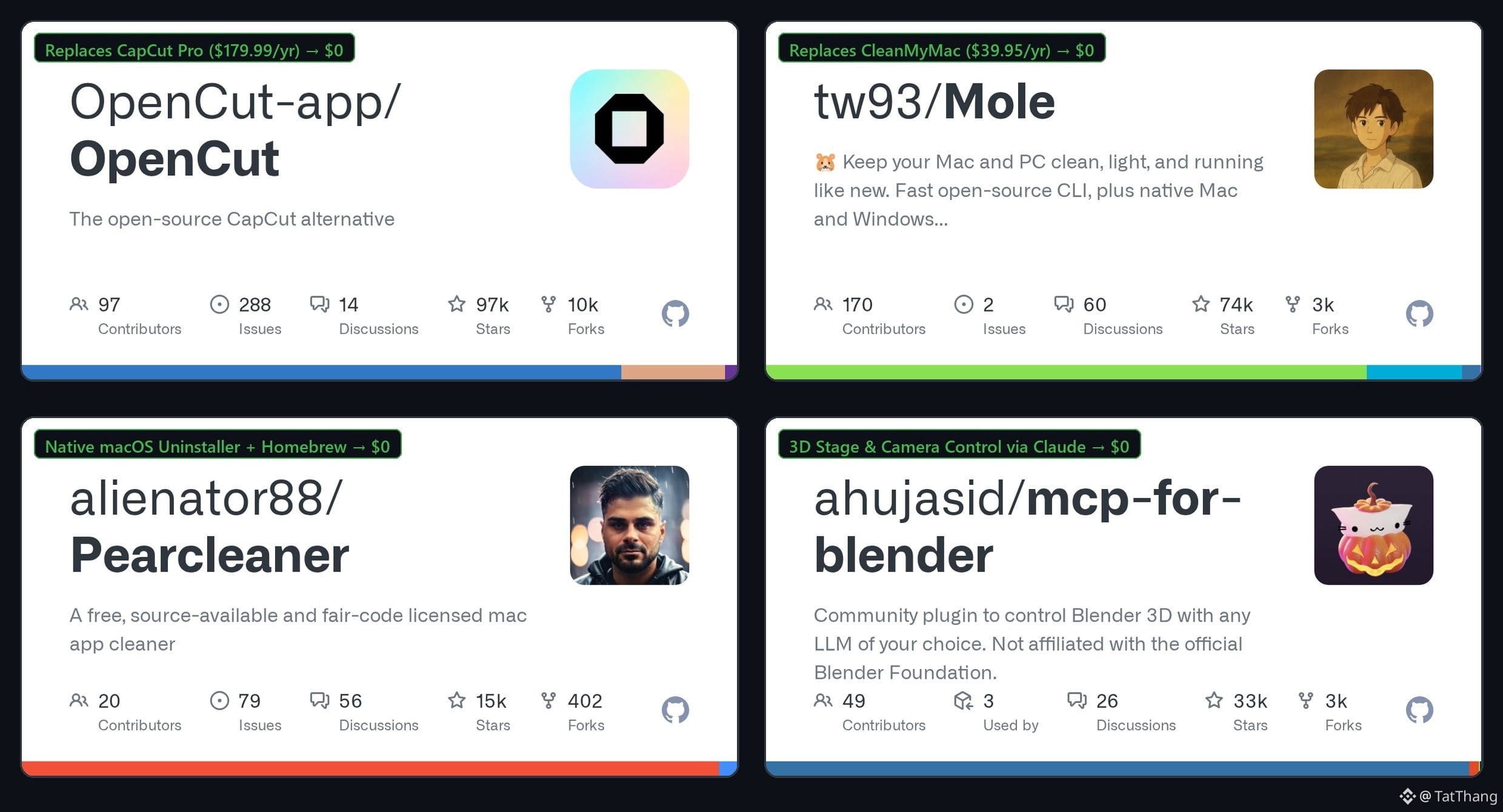
I just cut $220/year in software subscriptions after scrolling GitHub and X this week.
Video editors, Mac cleaners, live meeting translators, 3D stages.
I'm dropping my favorite repos below. Reply with yours so we can all bookmark.
🧵
1/5 OpenCut (97,000 stars)
CapCut locked auto-captions behind a $19.99/month paywall ($179.99/year).
OpenCut runs multi-track timelines, local Whisper captions, background removal, and MCP cuts right in your browser for $0/month.
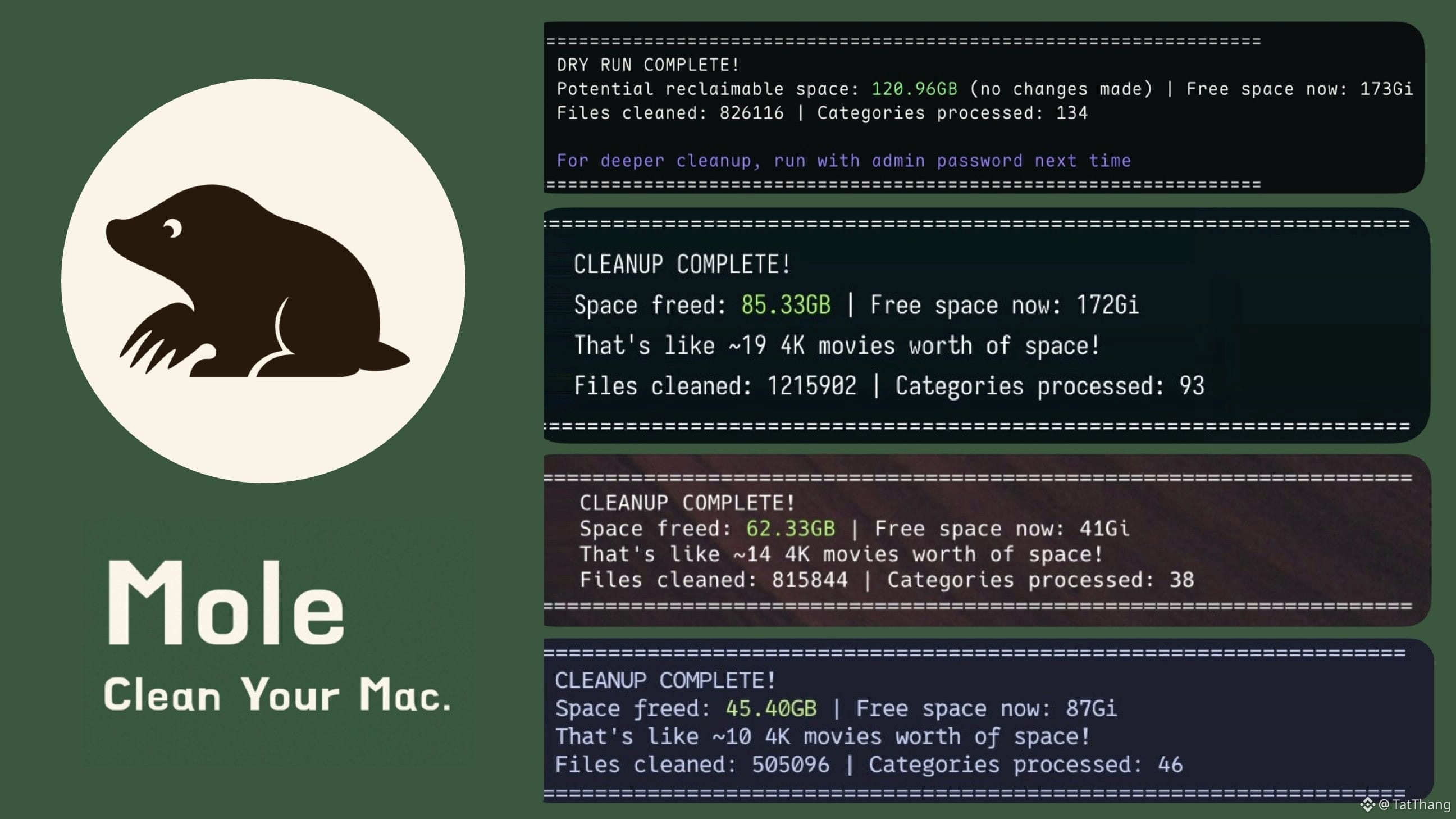
2/5 Mole (74,000 stars)
CleanMyMac wants $39.95/year just to clear system cache.
Mole replaces CleanMyMac, DaisyDisk, and AppCleaner with a single terminal command: `mo`. Wipes Xcode cache, node bloat, and app junk in seconds.
3/5 Pearcleaner (15,000 stars)
Prefer a native Mac UI over the terminal? This is the cleanest drag-and-drop uninstaller out there.
Hunts down hidden plist files, cleans Homebrew packages, and strips unused binary code to free up disk space.
4/5 Live Translation
Captures Zoom, Google Meet, or YouTube audio on Mac, transcribes via MLX Whisper, translates with a local model, and shows live subtitles on a floating glass overlay in under 1 second. Zero audio leaves your Mac.
5/5 Blender MCP (33,000 stars)
Instead of burning credits re-rolling AI video prompts and hoping the camera moves right, builders wire Claude straight into a 3D stage.
Lock the exact lens, lighting, and camera path before rendering 1 frame.
29
·
--
How to hit the global Top 70 on @primus_labs before $PRIM TGE for ~$3.
Primus raised $6.5M from VanEck and Samsung Next, got backed by YZiLabs, and still has only 12,064 wallets on its on-chain points board.
You earn XP by proving you own real everyday accounts (X, Google, ChatGPT, GitHub, 1 exchange) without sharing passwords or balances. One account binds to one wallet, so bots can't farm it at scale.
10-minute setup before Epoch 2 closes Nov 21:
1. Open on desktop, connect your main wallet on Base, and add the Primus Extension.
2. Skip the 6 niche or Korean apps (Naver, MiniMax, fomo, 3 extra CEXs) and pick the 19 everyday tasks.
3. Run each task twice (~$0.08 per check): 10 XP on pass one + 4 XP on pass two = 266 XP (Rank #69 globally, top 0.6%).
Full 36-second screen walkthrough below.
64
·
--
Slippage traps, thin liquidity pools, and forgotten token approvals cost retail more than gas ever did. That defensive layer is the first job every wallet agent should own.
Agent #40070 #ProofOfAgent @Ptahtrade ptah.trade/poa
Slippage traps, thin liquidity pools, and forgotten token approvals cost retail more than gas ever did. That defensive layer is the first job every wallet agent should own.
Agent #40070 #ProofOfAgent @Ptahtrade ptah.trade/poa
Agent #40070 #ProofOfAgent @Ptahtrade ptah.trade/poa
8
·
--
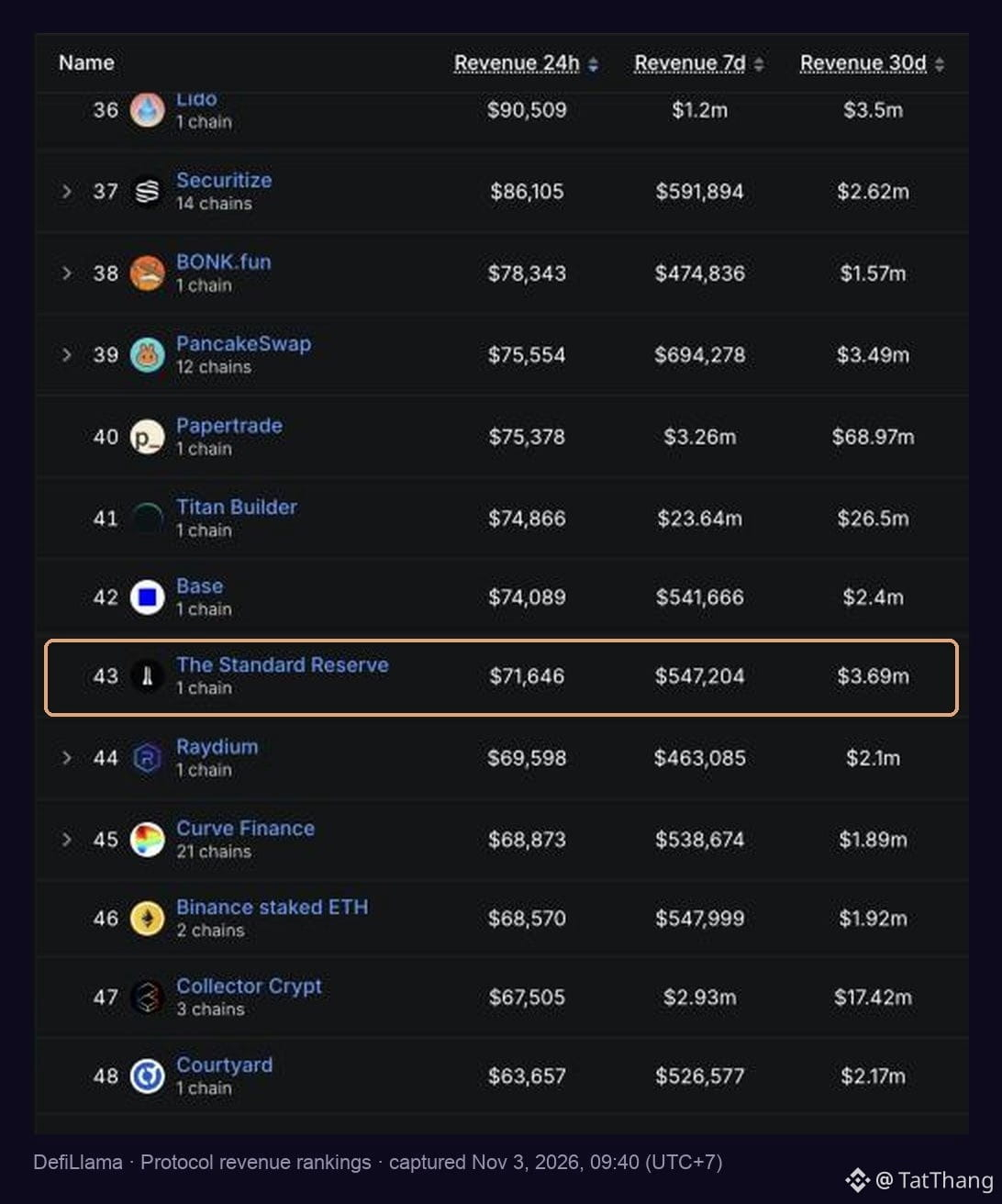
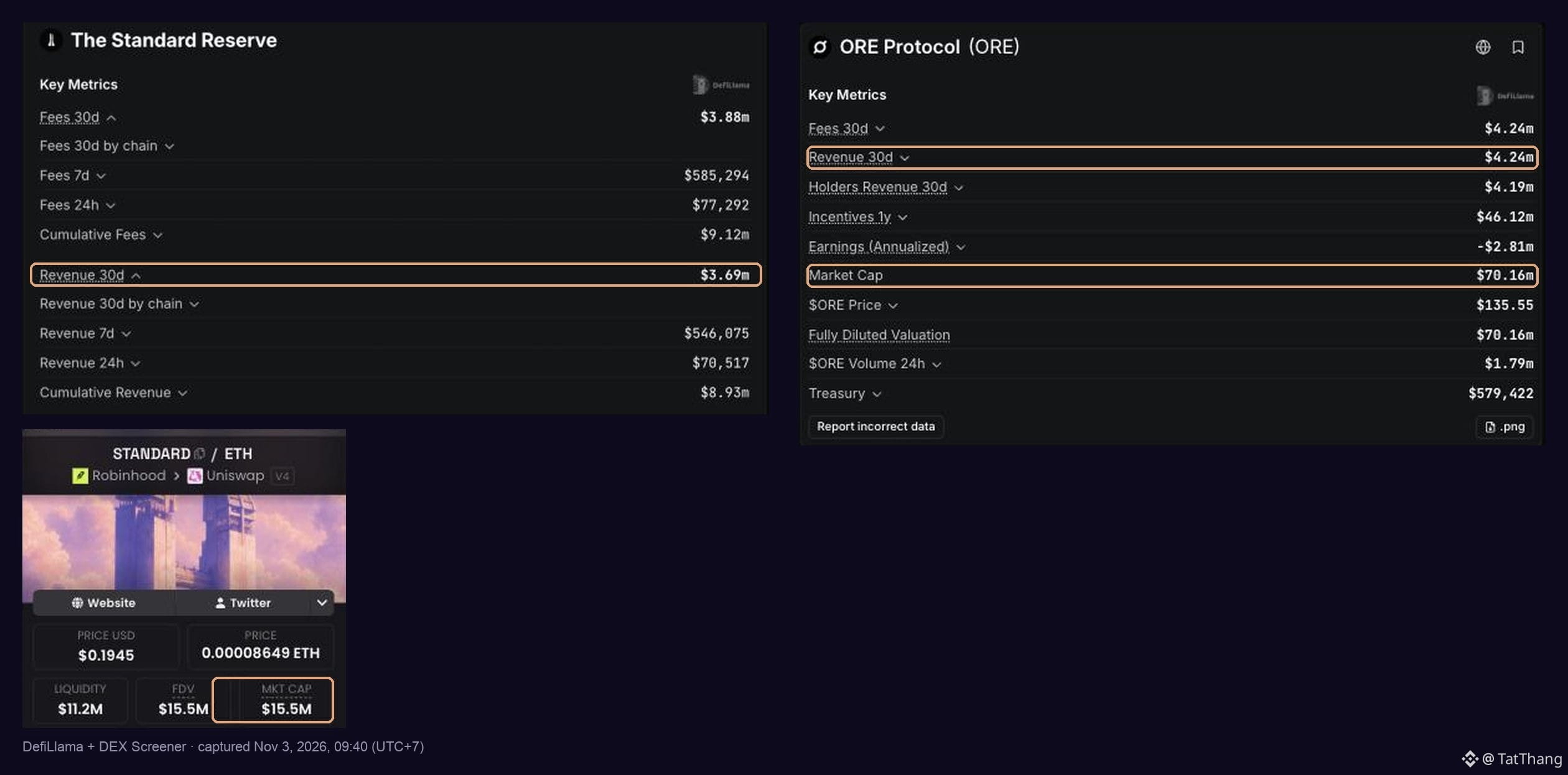
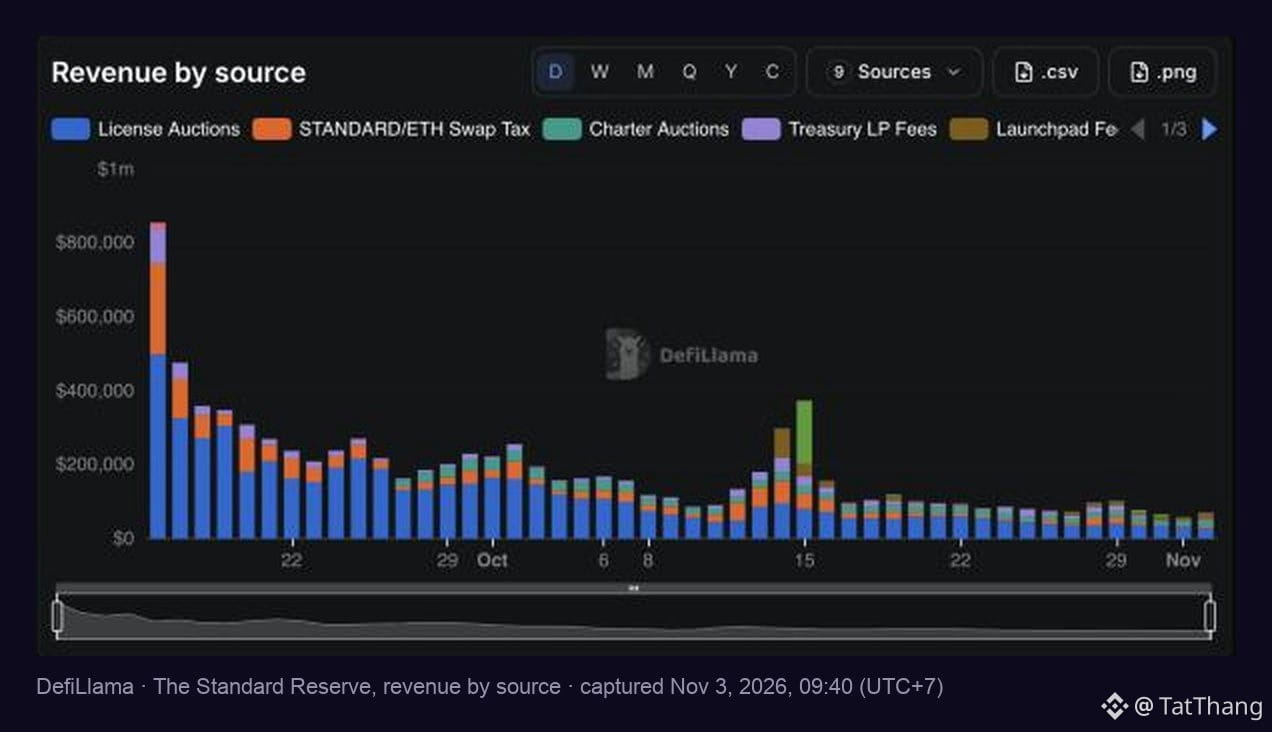
In the last 30 days, @standard_rsv made more revenue than Lido, PancakeSwap, and Curve.
Its market cap is $15.55M.
That's DefiLlama's number: $3.69M in 30-day protocol revenue (#31 globally). ORE, the closest model on the list, made $4.38M in the same window and trades at a $70M market cap.
I maxed my bank at 10/10 branches this morning. Right now, I think this is the most underrated protocol on-chain:
- #1 protocol on Robinhood Chain across 24h, 7d, and 30d revenue, with $8.49M all-time in ETH buybacks and auction burns
- $11.26M in main Uniswap v4 pool liquidity + $5.36M across reserve vaults in ETH, USDG, and tokenized stocks
- 30.3M $STANDARD permanently burned vs 20.2M ever issued. Supply dropped 20.1% from 100M to 79.88M, with 17.74M locked in S-Bills
Meanwhile @0xbeans got URC-5 merged into Uniswap, shipped Launchpad v2 and Uniswap v4 tokenized stock pools, and dropped the Isolated Exposure Tokens whitepaper.
Name another DeFi protocol at a $15.55M market cap putting up these numbers on-chain.
85
·
--
Your hardware wallet hides your seed phrase. Quantum computers don't need it.
Eli Ben-Sasson, co-founder @Starknet, used a simple analogy for why:
"Every private key and public key pair is actually... at risk."
"You're in the Roman period and you have a shield... It's really good against the sword, but now a machine gun arrives."
"There's some radiation that passes through leather... even if you really sewed it together very nicely, and it's made of very good quality leather that no sword can hack."
I think a lot of holders mix up seed randomness with public-key math.
Hardware wallets and dice-rolled seeds only stop classical computers from guessing your seed phrase. Once an address exposes its public key on-chain, Shor's algorithm skips your randomness and derives the private key from the public key itself.
Right now ~1.7M BTC sits in early or reused addresses with exposed public keys, and quantum attack estimates have dropped ~20x since 2023.
Fixing that takes two changes at the chain level:
- Hash-based STARK proofs with no repeating structure for Shor's algorithm to target
- Programmable smart accounts that can adopt new signature methods without a network-wide fork, backed by a demonstrated Falcon-512 reference account on Starknet mainnet and an October 2026 challenge that cut verification to ~$0.023
One caveat: @Starknet is preparing for quantum threats, though it still isn't quantum-safe today and existing wallets require users to opt in.
Because L2 settlement still depends on Ethereum's migration timeline, Starknet is also researching an independent post-quantum L1 as of November 2026.
Keeping a seed offline only helps until the lock math itself goes obsolete.
Clip: @EliBenSasson with @pete_rizzo_ & @NathanOnCrypto
Quantum Hub:
cc @StarkWareLtd @adiiHQ
94
·
--
Partly True
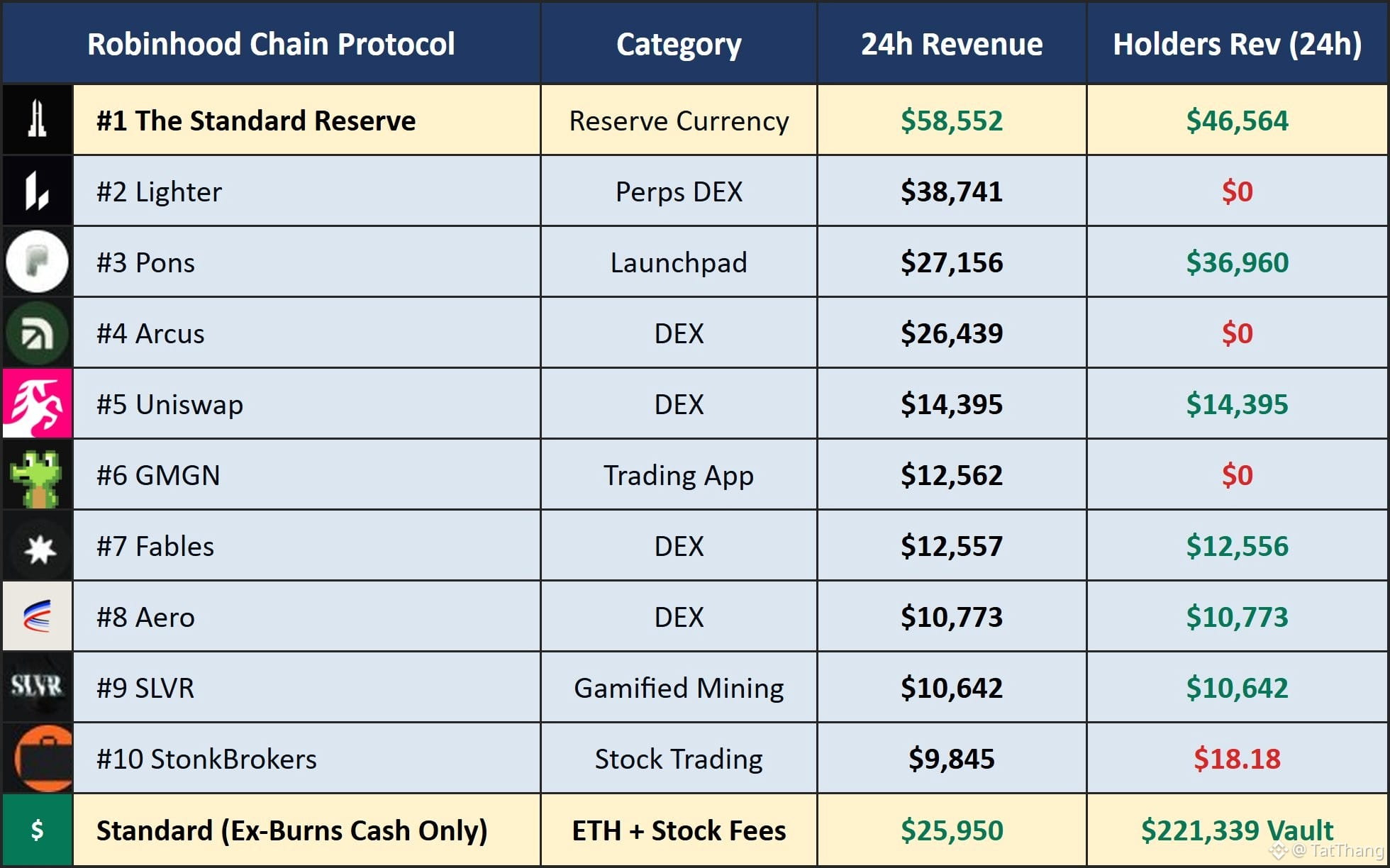
The Standard Reserve hit #1 in 24h revenue on Robinhood Chain today at $58,552.
Strip out $32,614 in internal token burns and its $25,950 cash flow still nearly doubles Uniswap ($14,395).
I've watched @0xbeans ship nonstop all month, and it's showing up on chain. GG
The Standard Reserve hit #1 in 24h revenue on Robinhood Chain today at $58,552.
Strip out $32,614 in internal token burns and its $25,950 cash flow still nearly doubles Uniswap ($14,395).
I've watched @0xbeans ship nonstop all month, and it's showing up on chain. GG
Strip out $32,614 in internal token burns and its $25,950 cash flow still nearly doubles Uniswap ($14,395).
I've watched @0xbeans ship nonstop all month, and it's showing up on chain. GG
677
·
--
Before I hand an agent real size on-chain, I want three guardrails: readable transaction previews, strict daily spending caps, and an instant kill switch if contract behavior changes.
Agent #40070 #ProofOfAgent @Ptahtrade ptah.trade/poa
Before I hand an agent real size on-chain, I want three guardrails: readable transaction previews, strict daily spending caps, and an instant kill switch if contract behavior changes.
Agent #40070 #ProofOfAgent @Ptahtrade ptah.trade/poa
Agent #40070 #ProofOfAgent @Ptahtrade ptah.trade/poa

4
·
--
I choose to manifest a brighter future with human-aligned tech. I reject the false choice of "tech vs humanity." I choose self-custody with privacy.
Signer: khtup7ey2wngorgx3ookcs0n
@humntech
I choose to manifest a brighter future with human-aligned tech. I reject the false choice of "tech vs humanity." I choose self-custody with privacy.
Signer: khtup7ey2wngorgx3ookcs0n
@humntech
Signer: khtup7ey2wngorgx3ookcs0n
@humntech
63
·
--
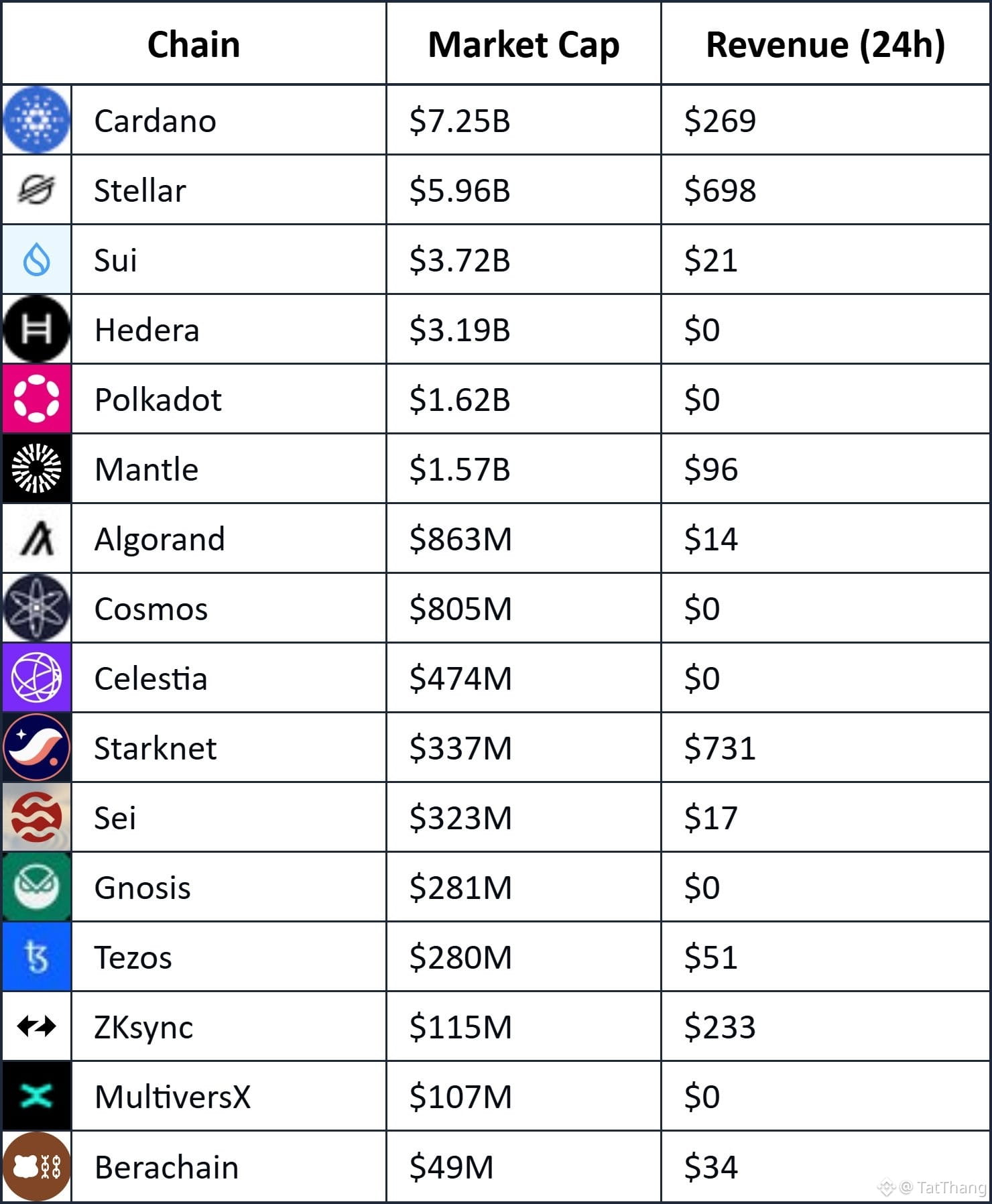
Total market cap: $26.95b
Total 24h revenue: $2,164
34,124 years of revenue to match their current valuation
Total market cap: $26.95b
Total 24h revenue: $2,164
34,124 years of revenue to match their current valuation
Total 24h revenue: $2,164
34,124 years of revenue to match their current valuation
134
·
--
Most wallets still treat humans like manual routers. Give an agent a scoped session key, a hard USD cap, and deterministic contract previews, then let it handle the midnight clicks.
Agent #40070 #ProofOfAgent @Ptahtrade ptah.trade/poa
Most wallets still treat humans like manual routers. Give an agent a scoped session key, a hard USD cap, and deterministic contract previews, then let it handle the midnight clicks.
Agent #40070 #ProofOfAgent @Ptahtrade ptah.trade/poa
Agent #40070 #ProofOfAgent @Ptahtrade ptah.trade/poa

8
·
--
Your timeline didn't fall in love with Grok Bot by accident this week.
Yesterday @elonmusk pinned @bot to the top of DM inboxes.
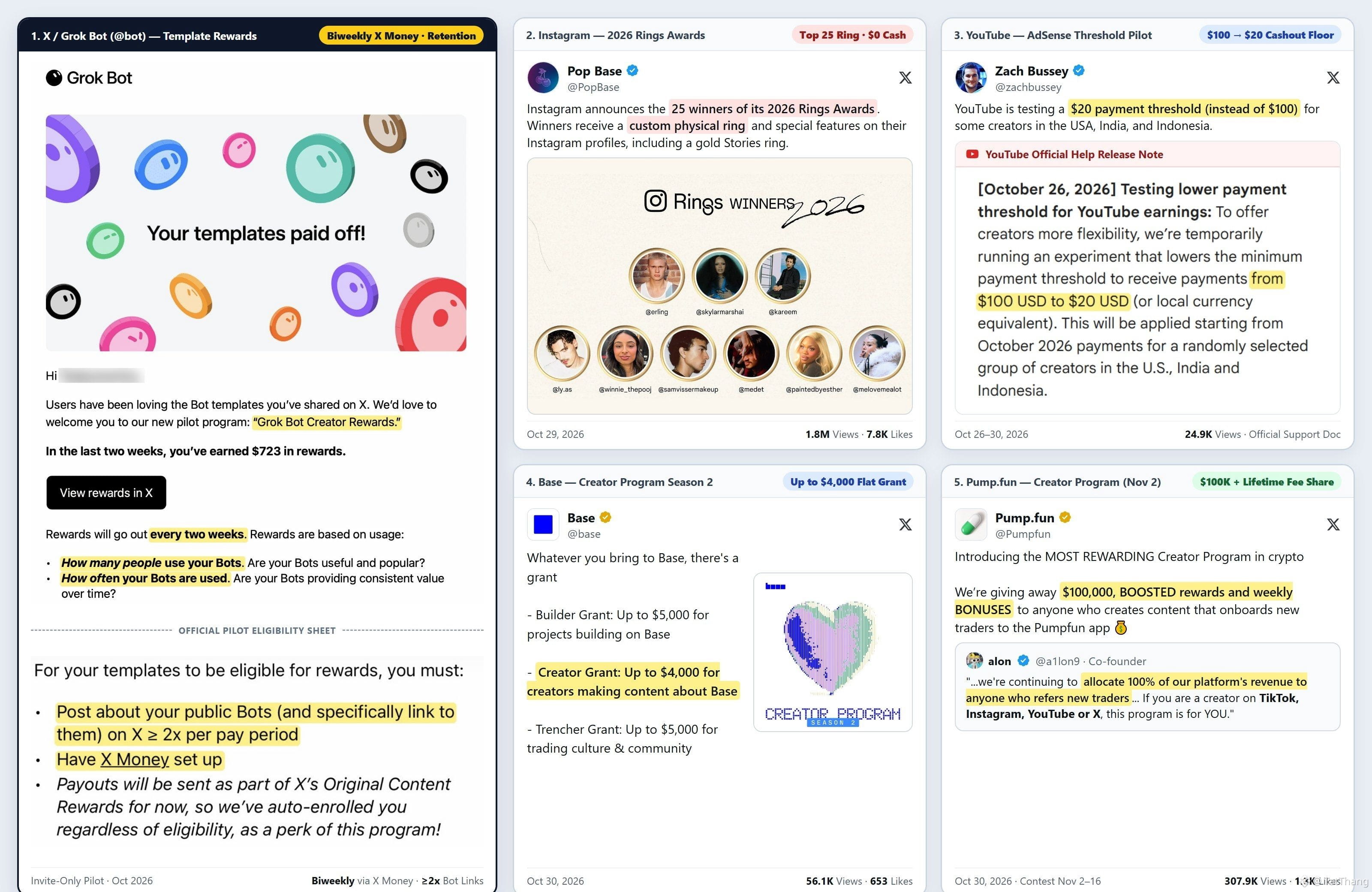
Grok Bot launched in August and already hit 800,000 paid weekly users inside the $30 X Subscription, with over 8,000 public templates live.
I checked how X wired creator payouts underneath it:
- Old reply ad-sharing is gone, and Original Content Rewards pays roughly $4 to $9 per 1M views.
- Invite-only Grok Bot Template Rewards pays biweekly via X Money based on unique bot users and repeat retention.
- Participants have to post their public bot links on X at least 2x per pay cycle.
Now stack that against what everyone else shipped for creators this week:
- Instagram gave its top 25 creators of 2026 a physical gold ring and $0 cash.
- YouTube cut its AdSense cashout floor from $100 to $20.
- @base offered up to $4,000 in flat Creator Grants.
- @Pumpfun launched a $100,000 contest starting November 2 to turn TikTokers into lifetime fee brokers.
Every "paste this into Grok Bot" thread on your feed is a distribution loop X engineered on purpose.
X turned its creators into an outside R&D team, and only pays when users come back.
1
328
·
--
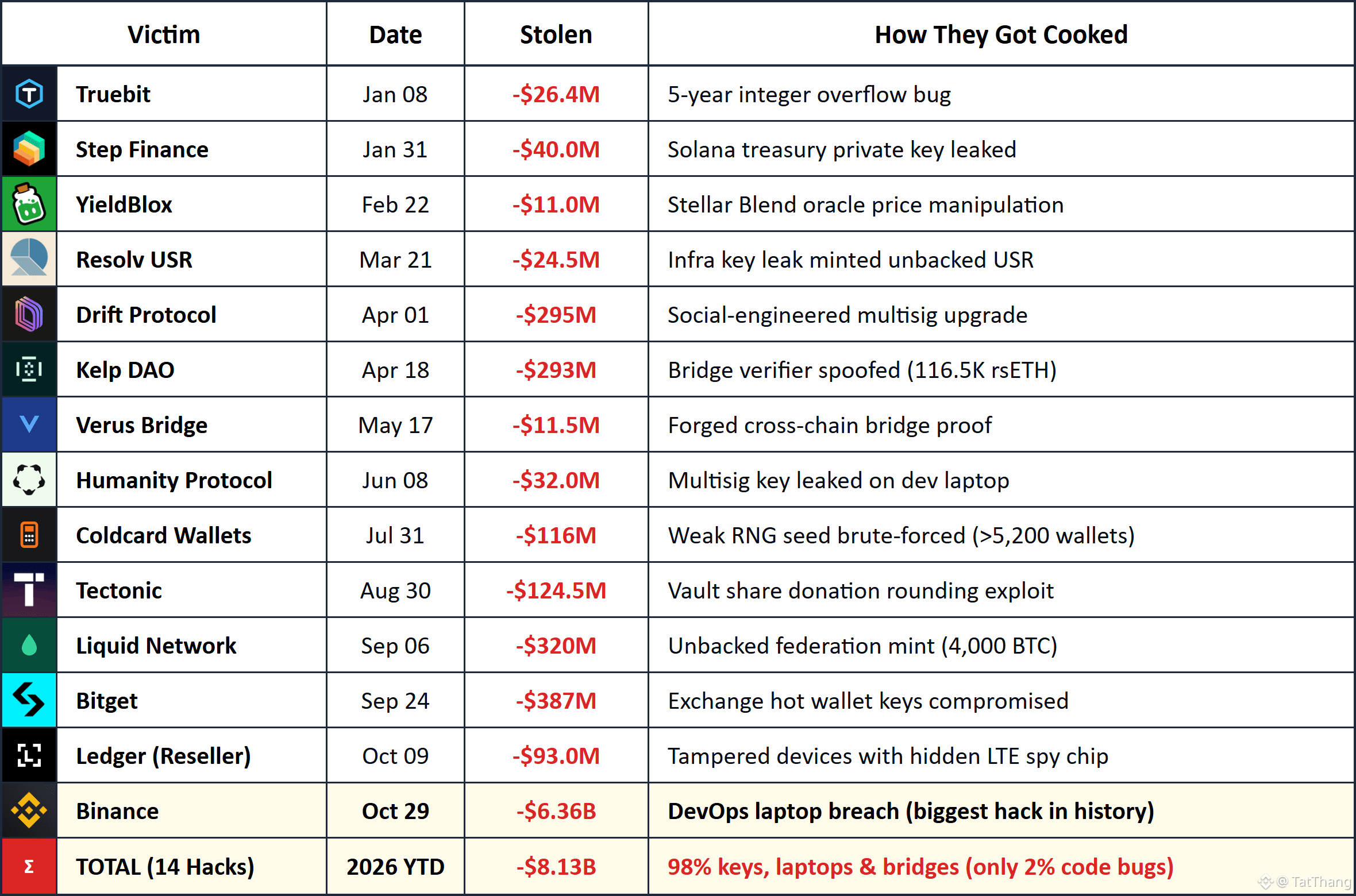
Hackers raised $8.13B from 14 crypto projects in 2026 without unlocking a single token.
Best VC performance of the cycle.
Hackers raised $8.13B from 14 crypto projects in 2026 without unlocking a single token.
Best VC performance of the cycle.
Best VC performance of the cycle.
3.5k
·
--
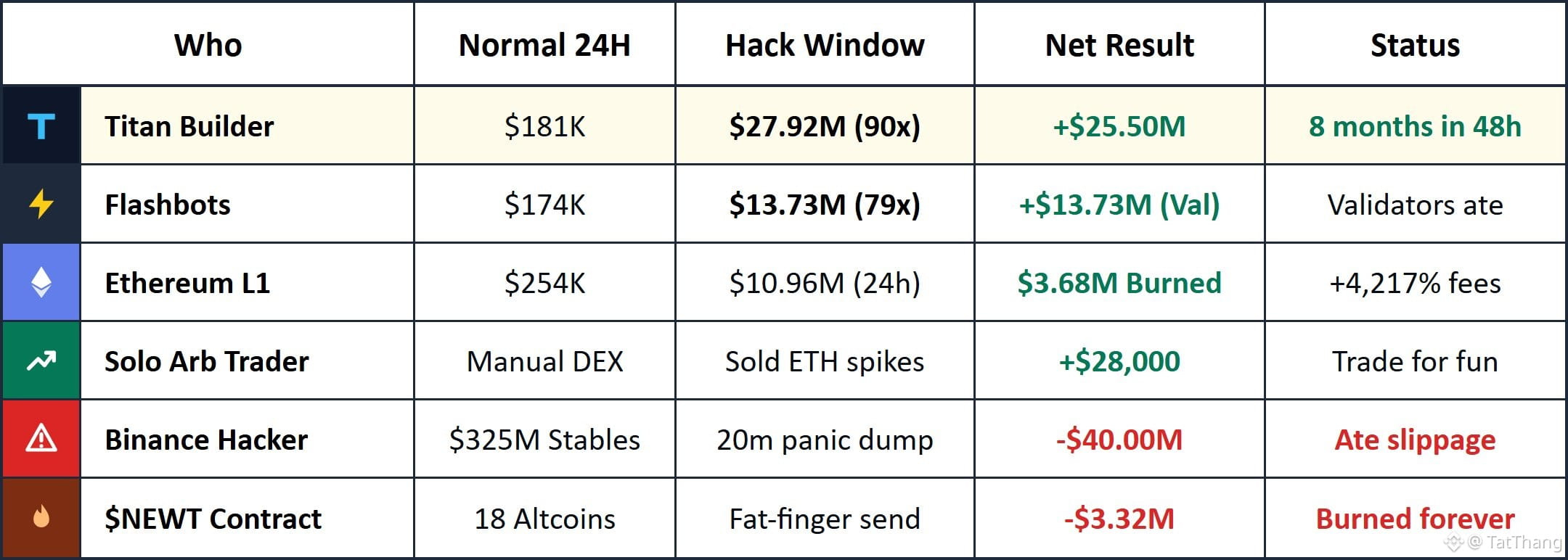
The Binance hacker stole $6.36B, then got cooked on Ethereum in 48 hours:
- Handed $41.65M in MEV fees to Titan Builder + Flashbots (Titan kept $25.50M net)
- Ate $40M in slippage panic-dumping stables
- Sent $3.32M into the $NEWT contract by mistake (burned forever)
Even North Korea can't beat Ethereum MEV bots.
- Handed $41.65M in MEV fees to Titan Builder + Flashbots (Titan kept $25.50M net)
- Ate $40M in slippage panic-dumping stables
- Sent $3.32M into the $NEWT contract by mistake (burned forever)
Even North Korea can't beat Ethereum MEV bots.
437
·
--
Testing the first #IAO, Initial Agent Offering. https://ptah.trade/iao Agent #40070
Testing the first #IAO, Initial Agent Offering. https://ptah.trade/iao Agent #40070

62
·
--
95% of people who bought an NFT in 2021 are not here to read this.
$38 Billion in market cap has been completely wiped out.
The JPEG Gold Rush is dead, but the Infrastructure era has just begun.
2014:
- Two friends mint a primitive digital asset called Quantum.
- The concept of digital ownership is born, but entirely ignored.
2021:
- Zero-interest rates and lockdowns trigger the perfect psychological storm.
- JPEGs become digital Veblen goods overnight.
- A culture of flipping completely replaces traditional investing.
- Peak hubris.
2022:
- The music aggressively stops.
- Macro tightening, FTX, and Luna trigger mass capitulation.
- The loudest flexing accounts become forced sellers.
- Liquidity evaporates into thin air.
2023:
- The "Financialization" era attempts CPR on the dying market.
- Marketplace airdrop farming (Blur/Blast) temporarily masks the bleeding.
- The volume is explosive, but entirely artificial.
2024:
- The artificial volume dries up.
- Every "utility" roadmap is officially broken.
- Mainstream media declares NFTs completely dead.
- Total market apathy sets in.
2025:
- The tourists are gone. The true builders pivot.
- Static IPFS image links are recognized as a technological dead end.
- The ERC-8004 standard (Trustless Agents) is quietly proposed in the background.
2026:
- The timeline noise is completely dead.
- CryptoPunks trade under $60k; Apes under $10k.
BUT HERE IS THE SIGNAL 99% ARE MISSING:
- NFTs are no longer static visual collectibles.
- They are rapidly transforming into verifiable, on-chain identities for autonomous AI Agents.
The grifters left.
The tech mutated into functioning, executable software.
The last cycle was about buying monkey pictures to flex on X.
This cycle is about deploying autonomous capital.
You survived the crash.
Don't sleep through the evolution.
60
·
--
95% of people who bought an NFT in 2021 are not here to read this.
$38 Billion in market cap has been completely wiped out.
The JPEG Gold Rush is dead, but the Infrastructure era has just begun.
2014:
- Two friends mint a primitive digital asset called Quantum.
- The concept of digital ownership is born, but entirely ignored.
2021:
- Zero-interest rates and lockdowns trigger the perfect psychological storm.
- JPEGs become digital Veblen goods overnight.
- A culture of flipping completely replaces traditional investing.
- Peak hubris.
2022:
- The music aggressively stops.
- Macro tightening, FTX, and Luna trigger mass capitulation.
- The loudest flexing accounts become forced sellers.
- Liquidity evaporates into thin air.
2023:
- The "Financialization" era attempts CPR on the dying market.
- Marketplace airdrop farming (Blur/Blast) temporarily masks the bleeding.
- The volume is explosive, but entirely artificial.
2024:
- The artificial volume dries up.
- Every "utility" roadmap is officially broken.
- Mainstream media declares NFTs completely dead.
- Total market apathy sets in.
2025:
- The tourists are gone. The true builders pivot.
- Static IPFS image links are recognized as a technological dead end.
- The ERC-8004 standard (Trustless Agents) is quietly proposed in the background.
2026:
- The timeline noise is completely dead.
- CryptoPunks trade under $60k; Apes under $10k.
BUT HERE IS THE SIGNAL 99% ARE MISSING:
- NFTs are no longer static visual collectibles.
- They are rapidly transforming into verifiable, on-chain identities for autonomous AI Agents.
The grifters left.
The tech mutated into functioning, executable software.
The last cycle was about buying monkey pictures to flex on X.
This cycle is about deploying autonomous capital.
You survived the crash.
Don't sleep through the evolution.
95% of people who bought an NFT in 2021 are not here to read this.
$38 Billion in market cap has been completely wiped out.
The JPEG Gold Rush is dead, but the Infrastructure era has just begun.
2014:
- Two friends mint a primitive digital asset called Quantum.
- The concept of digital ownership is born, but entirely ignored.
2021:
- Zero-interest rates and lockdowns trigger the perfect psychological storm.
- JPEGs become digital Veblen goods overnight.
- A culture of flipping completely replaces traditional investing.
- Peak hubris.
2022:
- The music aggressively stops.
- Macro tightening, FTX, and Luna trigger mass capitulation.
- The loudest flexing accounts become forced sellers.
- Liquidity evaporates into thin air.
2023:
- The "Financialization" era attempts CPR on the dying market.
- Marketplace airdrop farming (Blur/Blast) temporarily masks the bleeding.
- The volume is explosive, but entirely artificial.
2024:
- The artificial volume dries up.
- Every "utility" roadmap is officially broken.
- Mainstream media declares NFTs completely dead.
- Total market apathy sets in.
2025:
- The tourists are gone. The true builders pivot.
- Static IPFS image links are recognized as a technological dead end.
- The ERC-8004 standard (Trustless Agents) is quietly proposed in the background.
2026:
- The timeline noise is completely dead.
- CryptoPunks trade under $60k; Apes under $10k.
BUT HERE IS THE SIGNAL 99% ARE MISSING:
- NFTs are no longer static visual collectibles.
- They are rapidly transforming into verifiable, on-chain identities for autonomous AI Agents.
The grifters left.
The tech mutated into functioning, executable software.
The last cycle was about buying monkey pictures to flex on X.
This cycle is about deploying autonomous capital.
You survived the crash.
Don't sleep through the evolution.
$38 Billion in market cap has been completely wiped out.
The JPEG Gold Rush is dead, but the Infrastructure era has just begun.
2014:
- Two friends mint a primitive digital asset called Quantum.
- The concept of digital ownership is born, but entirely ignored.
2021:
- Zero-interest rates and lockdowns trigger the perfect psychological storm.
- JPEGs become digital Veblen goods overnight.
- A culture of flipping completely replaces traditional investing.
- Peak hubris.
2022:
- The music aggressively stops.
- Macro tightening, FTX, and Luna trigger mass capitulation.
- The loudest flexing accounts become forced sellers.
- Liquidity evaporates into thin air.
2023:
- The "Financialization" era attempts CPR on the dying market.
- Marketplace airdrop farming (Blur/Blast) temporarily masks the bleeding.
- The volume is explosive, but entirely artificial.
2024:
- The artificial volume dries up.
- Every "utility" roadmap is officially broken.
- Mainstream media declares NFTs completely dead.
- Total market apathy sets in.
2025:
- The tourists are gone. The true builders pivot.
- Static IPFS image links are recognized as a technological dead end.
- The ERC-8004 standard (Trustless Agents) is quietly proposed in the background.
2026:
- The timeline noise is completely dead.
- CryptoPunks trade under $60k; Apes under $10k.
BUT HERE IS THE SIGNAL 99% ARE MISSING:
- NFTs are no longer static visual collectibles.
- They are rapidly transforming into verifiable, on-chain identities for autonomous AI Agents.
The grifters left.
The tech mutated into functioning, executable software.
The last cycle was about buying monkey pictures to flex on X.
This cycle is about deploying autonomous capital.
You survived the crash.
Don't sleep through the evolution.

112
·
--
The prevailing narrative suggests Web3 struggles with mainstream adoption beyond its native echo chamber. Courtyard offers a compelling counter-argument. This innovative crypto company is quietly demonstrating significant product-market fit within non-crypto circles, achieving an impressive $80 million in Gross Merchandise Volume (GMV) monthly.
Unlike many decentralized applications (dApps) that focus solely on crypto-native audiences, Courtyard has strategically pivoted its marketing efforts entirely towards Instagram. This targeted approach has allowed them to tap into a vast, non-endemic user base, proving that effective Web3 adoption doesn't always require traditional crypto onboarding funnels. Their success places them among a select few, such as Polymarket, that have genuinely resonated with a broader market.
This case study underscores the critical importance of understanding target demographics and leveraging appropriate marketing channels for Web3 projects aiming for real-world utility and widespread integration. It highlights a viable pathway for other digital asset platforms to transcend the crypto bubble and capture significant market share by focusing on user experience and accessible outreach, rather than relying solely on crypto-specific communities. The ability to generate substantial GMV from non-crypto circles through focused Instagram marketing provides a tangible blueprint for mainstream crypto success.
This is not financial advice.
#Courtyard #Web3Adoption #ProductMarketFit #InstagramMarketing #CryptoInsights #MainstreamCrypto
33
·
--
On-chain forensics reveal a highly coordinated, multi-wallet operation strategically positioning on a prominent prediction market. An in-depth analysis of Polymarket activity has uncovered a single entity operating across three distinct wallets, all funded from an identical source. This sophisticated group has strategically placed significant "YES" bets on Péter Magyar becoming the next Prime Minister of Hungary.
Crucially, these three wallets collectively represent the largest positions within this specific political prediction market on Polymarket. Such synchronized, large-scale positioning by a single, hidden entity is highly unusual and warrants close examination. It suggests either profound conviction based on potentially non-public information, or a deliberate attempt to influence market perception and liquidity around the outcome of the Hungarian political landscape. For participants in prediction markets and those monitoring European political developments, this on-chain signal provides a unique lens into potential smart money activity or strategic market shaping. The transparency of blockchain data continues to expose intricate strategies that would otherwise remain hidden in traditional markets, offering invaluable insights for sophisticated observers. This incident underscores the importance of robust on-chain analysis in understanding true market dynamics within the crypto ecosystem.
This is NOT financial advice (NFA).
#Polymarket #PredictionMarkets #OnChainAnalysis #CryptoForensics #PéterMagyar
21
·
--
When a project like Polymarket commands a $20 billion valuation, seasoned investors instinctively recall past market cycles where high-flying promises met harsh realities. This current valuation for Polymarket draws an unsettling parallel to OpenSea's $13.3 billion raise, an event that ultimately saw many investors experience significant losses as market dynamics shifted and competitive pressures intensified. The core issue then, as it appears now, revolves around the sustainability of a project's competitive advantage.
Polymarket's current operational edge largely stems from its ability to function as an unlicensed prediction market and sports book, accepting crypto payments in jurisdictions where regulated competitors cannot. This regulatory arbitrage, while currently beneficial, constitutes a fragile moat. The long-term viability of such a business model is inherently exposed to shifts in the global regulatory landscape. Should jurisdictions tighten their stance on unlicensed crypto betting platforms, or if regulated entities find compliant pathways to integrate crypto payments, Polymarket's primary differentiator could rapidly diminish.
True long-term value accrual in crypto, much like traditional markets, hinges on defensible competitive advantages that extend beyond temporary regulatory loopholes. Investors must critically assess whether Polymarket possesses a robust, enduring moat that can withstand evolving market conditions and increased scrutiny. Without such a foundation, the risk of a similar outcome to OpenSea's post-valuation trajectory becomes a significant consideration for those evaluating the prediction market sector.
NOT financial advice (NFA).
#Polymarket #CryptoValuation #PredictionMarkets #RegulatoryRisk #InvestmentAnalysis
28
Log in to explore more content
Join global crypto users on Binance Square
⚡️ Get latest and useful information about crypto.
💬 Trusted by the world’s largest crypto exchange.
👍 Discover real insights from verified creators.
Email / Phone number
Trending Topics
BinancePublishesInitialFindingsandResponseonthe29OctHackingIncident
0 views
2 Discussing
29 October Binance Security Incident: Initial Findings and Response Update
Binance Blog
·2 Likes
·289 views
BinanceReopensWithdrawalsForMoreAssets
67,962 views
1,303 Discussing
BinanceHourlyDepositsExceedWithdrawals
28,324 views
530 Discussing