

唐华斑竹
14.2k Posts

唐华斑竹
 Square Verified+
Report
Block User
币乎大V(推特X:@uniswap12),2025全球区块链百强创作者,独立研究员。在微博、推特、币乎、力场、币快报、向北社区、币车、财路、链书、八宝饭、链节点、巴比特、陀螺财经等币圈媒体拥有数十万粉丝。

2025年ブロックチェーン100 — 第三者リサーチャー

Creator Awards 2024

原创之星
2.8K+ Following
94.7K+ Followers
120.4K+ Liked
4 Badges
Posts
All
Quotes
Videos
Live
PINNED
·
--
Bullish
Starting today, I plan to make lots of friends on Binance Square and reach 10,000 followers first! I’ll follow people whenever I have time, prioritizing the folks who comment below this post. I’ll do my best to support newcomers on Square as they build up their accounts!
I’m sending out a round of red packets first—share this with your friends so they can claim one too! Just leave the comment “Lao Tang wants to follow 10,000 people” below to receive a token red packet. I’ll send out 1,000 to start, and add more if that’s not enough. There’ll be one for everyone! #红包 #RedPacketMission $BNB
{spot}(BNBUSDT)
Starting today, I plan to make lots of friends on Binance Square and reach 10,000 followers first! I’ll follow people whenever I have time, prioritizing the folks who comment below this post. I’ll do my best to support newcomers on Square as they build up their accounts!
I’m sending out a round of red packets first—share this with your friends so they can claim one too! Just leave the comment “Lao Tang wants to follow 10,000 people” below to receive a token red packet. I’ll send out 1,000 to start, and add more if that’s not enough. There’ll be one for everyone! #红包 #RedPacketMission $BNB
I’m sending out a round of red packets first—share this with your friends so they can claim one too! Just leave the comment “Lao Tang wants to follow 10,000 people” below to receive a token red packet. I’ll send out 1,000 to start, and add more if that’s not enough. There’ll be one for everyone! #红包 #RedPacketMission $BNB
346
3
20
2.4k
·
--
Nasdaq-listed company BNB Standard Corporation (NASDAQ: BNC) rang the opening bell in New York’s Times Square to celebrate the company’s renaming and the appointment of its new CEO, Alex Odagiu.
Binance founder Zhao Changpeng
@CZ and BNC CEO Odagi, along with the company’s board of directors and management team, attended the ceremony. Representatives from YZi Labs and BNB Chain also took part in the bell-ringing event.
BNC holds the world’s largest corporate BNB reserve and plans to operate validator nodes on BNB Chain.
Nasdaq-listed company BNB Standard Corporation (NASDAQ: BNC) rang the opening bell in New York’s Times Square to celebrate the company’s renaming and the appointment of its new CEO, Alex Odagiu.
Binance founder Zhao Changpeng
@CZ and BNC CEO Odagi, along with the company’s board of directors and management team, attended the ceremony. Representatives from YZi Labs and BNB Chain also took part in the bell-ringing event.
BNC holds the world’s largest corporate BNB reserve and plans to operate validator nodes on BNB Chain.
Binance founder Zhao Changpeng
@CZ and BNC CEO Odagi, along with the company’s board of directors and management team, attended the ceremony. Representatives from YZi Labs and BNB Chain also took part in the bell-ringing event.
BNC holds the world’s largest corporate BNB reserve and plans to operate validator nodes on BNB Chain.
1
7
4.1k
·
--
Bearish
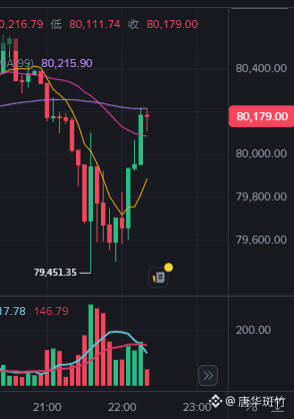
Just when I thought it was about to break below, everyone in the group was shouting that we'd see 6, and then it V-shaped again. My heart really can't take this day after day. Did Trump attack Iran again? Please, stop fighting. I can't take all this military spending coming out of crypto. $BTC
{spot}(BTCUSDT)
Just when I thought it was about to break below, everyone in the group was shouting that we'd see 6, and then it V-shaped again. My heart really can't take this day after day. Did Trump attack Iran again? Please, stop fighting. I can't take all this military spending coming out of crypto. $BTC
3
8.4k
·
--
Food delivery has gotten so cutthroat—everyone should just stick to trading crypto. There’s no going back. $SOL
Food delivery has gotten so cutthroat—everyone should just stick to trading crypto. There’s no going back. $SOL
4
11
9.1k
·
--
Bearish
Those who went all-in following Duan Yongping got badly burned
Pop Mart peaked at a market cap of 450 billion. Over the past year, it has plunged more than 60%, wiping out over HK$270 billion.
In May, Duan Yongping announced he was putting HK$11 billion into buying the dip, making him the company’s second-largest shareholder. But after he bought in, Pop Mart lost another HK$36 billion in value.
That puts his investment at an unrealized loss of more than HK$2 billion so far…
At the time, a large number of Duan Yongping’s fans were thrilled and followed him in with big bets. They’re now sitting on estimated losses of around 15%–20%.
If they used leverage, a 20% drop would be enough to trigger a margin call and wipe them out…
Following Duan Yongping’s stock trades is not a good idea. I still remember the Tencent example:
Fell from 700 to 600
Duan: Tencent looks good. Buying the dip.
Fell to 550
Duan: I understand Tencent a little, but not that well. Buying the dip.
At 400
Duan: Buying.
At 250
Duan: Actually, I don’t understand Tencent that well. I only bought 1%.
At 350
Duan: I’ll pick up some Tencent puts.
Follow his trades and you could lose your entire family fortune.
The bottom line:
The most brutal truth about capital markets is this: you and the big players are not even sitting at the same table.
Duan Yongping has the steady cash flow from his businesses to fall back on, with tens of billions in annual dividends from OPPO and vivo backing him up. An unrealized loss of HK$2 billion may amount to just one year’s dividends for him. He can keep playing golf every day and wait ten years or more without a problem.
Retail investors follow the crowd and put in money meant for a home, a wedding, or living expenses, charging in after seeing news about the big players. A 30% loss can hit them right in the heart…
In short, when your bankrolls are different, blindly copying someone else’s trades is a death sentence $SOL
{spot}(SOLUSDT)
Those who went all-in following Duan Yongping got badly burned
Pop Mart peaked at a market cap of 450 billion. Over the past year, it has plunged more than 60%, wiping out over HK$270 billion.
In May, Duan Yongping announced he was putting HK$11 billion into buying the dip, making him the company’s second-largest shareholder. But after he bought in, Pop Mart lost another HK$36 billion in value.
That puts his investment at an unrealized loss of more than HK$2 billion so far…
At the time, a large number of Duan Yongping’s fans were thrilled and followed him in with big bets. They’re now sitting on estimated losses of around 15%–20%.
If they used leverage, a 20% drop would be enough to trigger a margin call and wipe them out…
Following Duan Yongping’s stock trades is not a good idea. I still remember the Tencent example:
Fell from 700 to 600
Duan: Tencent looks good. Buying the dip.
Fell to 550
Duan: I understand Tencent a little, but not that well. Buying the dip.
At 400
Duan: Buying.
At 250
Duan: Actually, I don’t understand Tencent that well. I only bought 1%.
At 350
Duan: I’ll pick up some Tencent puts.
Follow his trades and you could lose your entire family fortune.
The bottom line:
The most brutal truth about capital markets is this: you and the big players are not even sitting at the same table.
Duan Yongping has the steady cash flow from his businesses to fall back on, with tens of billions in annual dividends from OPPO and vivo backing him up. An unrealized loss of HK$2 billion may amount to just one year’s dividends for him. He can keep playing golf every day and wait ten years or more without a problem.
Retail investors follow the crowd and put in money meant for a home, a wedding, or living expenses, charging in after seeing news about the big players. A 30% loss can hit them right in the heart…
In short, when your bankrolls are different, blindly copying someone else’s trades is a death sentence $SOL
Pop Mart peaked at a market cap of 450 billion. Over the past year, it has plunged more than 60%, wiping out over HK$270 billion.
In May, Duan Yongping announced he was putting HK$11 billion into buying the dip, making him the company’s second-largest shareholder. But after he bought in, Pop Mart lost another HK$36 billion in value.
That puts his investment at an unrealized loss of more than HK$2 billion so far…
At the time, a large number of Duan Yongping’s fans were thrilled and followed him in with big bets. They’re now sitting on estimated losses of around 15%–20%.
If they used leverage, a 20% drop would be enough to trigger a margin call and wipe them out…
Following Duan Yongping’s stock trades is not a good idea. I still remember the Tencent example:
Fell from 700 to 600
Duan: Tencent looks good. Buying the dip.
Fell to 550
Duan: I understand Tencent a little, but not that well. Buying the dip.
At 400
Duan: Buying.
At 250
Duan: Actually, I don’t understand Tencent that well. I only bought 1%.
At 350
Duan: I’ll pick up some Tencent puts.
Follow his trades and you could lose your entire family fortune.
The bottom line:
The most brutal truth about capital markets is this: you and the big players are not even sitting at the same table.
Duan Yongping has the steady cash flow from his businesses to fall back on, with tens of billions in annual dividends from OPPO and vivo backing him up. An unrealized loss of HK$2 billion may amount to just one year’s dividends for him. He can keep playing golf every day and wait ten years or more without a problem.
Retail investors follow the crowd and put in money meant for a home, a wedding, or living expenses, charging in after seeing news about the big players. A 30% loss can hit them right in the heart…
In short, when your bankrolls are different, blindly copying someone else’s trades is a death sentence $SOL

1
1.5k
·
--

Article
Back then, Justin Sun spent $4.56 million to win a lunch with Warren Buffett. Over steak, he made the legendary investor a suggestion face-to-face: “Why not acquire Tesla?”Back then, Justin Sun spent $4.56 million to win a lunch with Warren Buffett. Over steak, he made the legendary investor a suggestion face-to-face: “Why not acquire Tesla?”
It was a time when Musk was being driven to distraction by “production hell” and talking about taking Tesla private.
Back then, Tesla’s valuation hadn’t yet skyrocketed, and its finances were under severe strain. It desperately needed a heavyweight to lend it credibility. If the legendary investor had seriously considered it at the time, the global clean-energy landscape—and perhaps even business history—might have been rewritten.
Buffett turned him down on the spot.
Back then, Justin Sun spent $4.56 million to win a lunch with Warren Buffett. Over steak, he made the legendary investor a suggestion face-to-face: “Why not acquire Tesla?”
Back then, Justin Sun spent $4.56 million to win a lunch with Warren Buffett. Over steak, he made the legendary investor a suggestion face-to-face: “Why not acquire Tesla?”
It was a time when Musk was being driven to distraction by “production hell” and talking about taking Tesla private.
Back then, Tesla’s valuation hadn’t yet skyrocketed, and its finances were under severe strain. It desperately needed a heavyweight to lend it credibility. If the legendary investor had seriously considered it at the time, the global clean-energy landscape—and perhaps even business history—might have been rewritten.
Buffett turned him down on the spot.
It was a time when Musk was being driven to distraction by “production hell” and talking about taking Tesla private.
Back then, Tesla’s valuation hadn’t yet skyrocketed, and its finances were under severe strain. It desperately needed a heavyweight to lend it credibility. If the legendary investor had seriously considered it at the time, the global clean-energy landscape—and perhaps even business history—might have been rewritten.
Buffett turned him down on the spot.
1
1
2
4k
·
--
Article
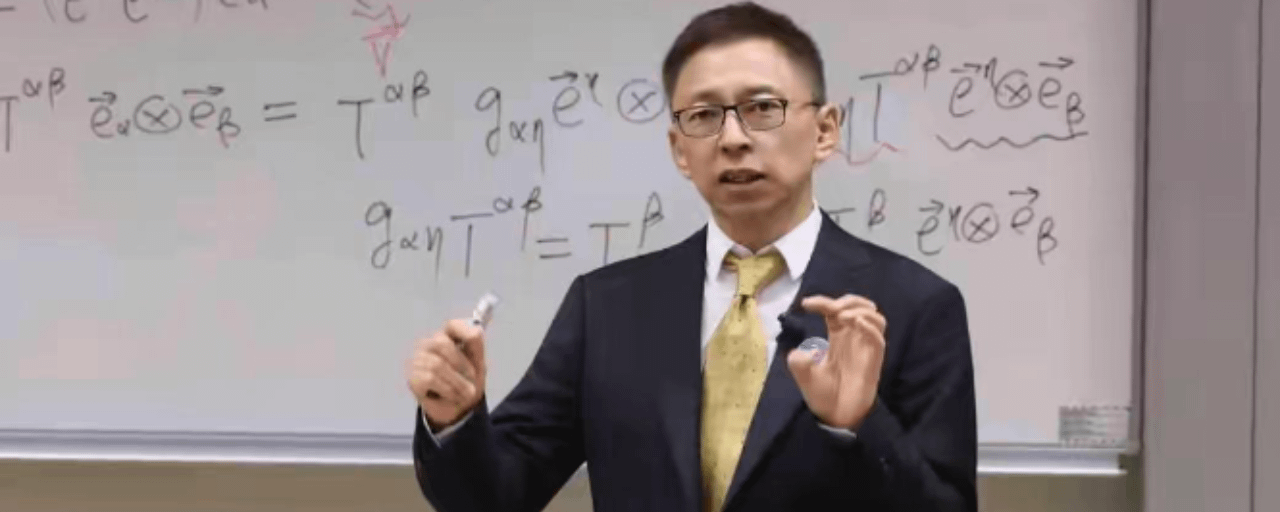
The fortunes of companies and their founders can be worlds apartThe market values of companies and the fortunes of their founders can be worlds apart. Sohu, founded by Zhang Chaoyang, is now worth just $345 million, yet his personal net worth is still over 5 billion yuan. In the same week, the fortune of Mango founder Isak Andic—worth 32 billion yuan—plummeted, and his eldest son was arrested on suspicion of murder. Meanwhile, Elon Musk’s wealth surged to $909.8 billion in October 2026, more than the GDP of over 160 countries worldwide.
Put these three stories side by side, and they seem to come from three parallel universes. But they’re connected by a thread few people ever examine closely: founders’ personal fortunes have long been decoupled from the survival of their companies.
The fortunes of companies and their founders can be worlds apart
The market values of companies and the fortunes of their founders can be worlds apart. Sohu, founded by Zhang Chaoyang, is now worth just $345 million, yet his personal net worth is still over 5 billion yuan. In the same week, the fortune of Mango founder Isak Andic—worth 32 billion yuan—plummeted, and his eldest son was arrested on suspicion of murder. Meanwhile, Elon Musk’s wealth surged to $909.8 billion in October 2026, more than the GDP of over 160 countries worldwide.
Put these three stories side by side, and they seem to come from three parallel universes. But they’re connected by a thread few people ever examine closely: founders’ personal fortunes have long been decoupled from the survival of their companies.
Put these three stories side by side, and they seem to come from three parallel universes. But they’re connected by a thread few people ever examine closely: founders’ personal fortunes have long been decoupled from the survival of their companies.
1
2
4.9k
·
--
Bearish
I suddenly came across this photo online and thought it was pretty creative!
A plank, two batteries, one motor, four wheels + a sofa, a fridge, and a color TV = YY is ahead of the competition!
Honestly, I reckon plenty of science students could build this thing too; the only difference is that nobody would endorse it afterward.
Lastly, whether or not it’s ahead of the competition, please make sure the product is safe first, and don’t try to silence people right off the bat! Thanks! $SOL
{spot}(SOLUSDT)
I suddenly came across this photo online and thought it was pretty creative!
A plank, two batteries, one motor, four wheels + a sofa, a fridge, and a color TV = YY is ahead of the competition!
Honestly, I reckon plenty of science students could build this thing too; the only difference is that nobody would endorse it afterward.
Lastly, whether or not it’s ahead of the competition, please make sure the product is safe first, and don’t try to silence people right off the bat! Thanks! $SOL
A plank, two batteries, one motor, four wheels + a sofa, a fridge, and a color TV = YY is ahead of the competition!
Honestly, I reckon plenty of science students could build this thing too; the only difference is that nobody would endorse it afterward.
Lastly, whether or not it’s ahead of the competition, please make sure the product is safe first, and don’t try to silence people right off the bat! Thanks! $SOL

2
5
5.4k
·
--
Bearish
Analyst: Retail BTC transfers to Binance hit a 6-month high, while whale inflows continue to decline
CryptoQuant analyst Darkfost said in a post on X that, with BTC holding above $80,000 for several consecutive weeks, retail and whale BTC transfers to Binance have diverged markedly. Data show that the 30-day cumulative volume of BTC transferred to Binance by retail investors has risen from $5.5 billion to $10.75 billion, nearly doubling and reaching a six-month high. By contrast, whale inflows over the same period have continued to decline, falling from $5.9 billion at the end of August to $3.8 billion currently.
Darkfost believes some retail investors may view this rally's first rebound as an opportunity to reduce their positions or exit, while whales have yet to show any clear willingness to sell. Going forward, it will be worth watching whether whales continue to maintain low levels of exchange inflows if BTC prices keep rising. $SOL
{spot}(SOLUSDT)
Analyst: Retail BTC transfers to Binance hit a 6-month high, while whale inflows continue to decline
CryptoQuant analyst Darkfost said in a post on X that, with BTC holding above $80,000 for several consecutive weeks, retail and whale BTC transfers to Binance have diverged markedly. Data show that the 30-day cumulative volume of BTC transferred to Binance by retail investors has risen from $5.5 billion to $10.75 billion, nearly doubling and reaching a six-month high. By contrast, whale inflows over the same period have continued to decline, falling from $5.9 billion at the end of August to $3.8 billion currently.
Darkfost believes some retail investors may view this rally's first rebound as an opportunity to reduce their positions or exit, while whales have yet to show any clear willingness to sell. Going forward, it will be worth watching whether whales continue to maintain low levels of exchange inflows if BTC prices keep rising. $SOL
CryptoQuant analyst Darkfost said in a post on X that, with BTC holding above $80,000 for several consecutive weeks, retail and whale BTC transfers to Binance have diverged markedly. Data show that the 30-day cumulative volume of BTC transferred to Binance by retail investors has risen from $5.5 billion to $10.75 billion, nearly doubling and reaching a six-month high. By contrast, whale inflows over the same period have continued to decline, falling from $5.9 billion at the end of August to $3.8 billion currently.
Darkfost believes some retail investors may view this rally's first rebound as an opportunity to reduce their positions or exit, while whales have yet to show any clear willingness to sell. Going forward, it will be worth watching whether whales continue to maintain low levels of exchange inflows if BTC prices keep rising. $SOL
867
·
--
Bullish
It’s October 26, and there are still a few hundred red envelopes left in the pinned post below. You can claim them until the 30th at the latest. Please keep sharing it so your friends can claim one too. I check in every day, and when I see someone leave a comment, I follow them. I may do it a bit slowly, but I’ll follow everyone. If I missed you, just leave me a message. If I follow too quickly, I could get banned from the Square. I also hope that when you see I’ve followed you, you’ll follow Old Tang back. Thank you. $BNB
{spot}(BNBUSDT)
It’s October 26, and there are still a few hundred red envelopes left in the pinned post below. You can claim them until the 30th at the latest. Please keep sharing it so your friends can claim one too. I check in every day, and when I see someone leave a comment, I follow them. I may do it a bit slowly, but I’ll follow everyone. If I missed you, just leave me a message. If I follow too quickly, I could get banned from the Square. I also hope that when you see I’ve followed you, you’ll follow Old Tang back. Thank you. $BNB
唐华斑竹
·
--
BullishStarting today, I plan to make lots of friends on Binance Square and reach 10,000 followers first! I’ll follow people whenever I have time, prioritizing the folks who comment below this post. I’ll do my best to support newcomers on Square as they build up their accounts!
I’m sending out a round of red packets first—share this with your friends so they can claim one too! Just leave the comment “Lao Tang wants to follow 10,000 people” below to receive a token red packet. I’ll send out 1,000 to start, and add more if that’s not enough. There’ll be one for everyone! #红包 #RedPacketMission $BNB
I’m sending out a round of red packets first—share this with your friends so they can claim one too! Just leave the comment “Lao Tang wants to follow 10,000 people” below to receive a token red packet. I’ll send out 1,000 to start, and add more if that’s not enough. There’ll be one for everyone! #红包 #RedPacketMission $BNB
3
1.8k
·
--
Bearish
Verified
The only blockchain infrastructure company selected for introduction in 2026, Solana Company joins Hong Kong’s seventh batch of strategic enterprises
Solana Company announced that it has been recognized as a strategic enterprise by the Hong Kong Special Administrative Region Government’s Office for Attracting Strategic Enterprises (OASES) and included in the seventh batch of strategic enterprises. It is the only blockchain infrastructure company introduced by the office in 2026. Solana Company has established an office in Hong Kong to serve as its Asia-Pacific headquarters and regional operations hub, with its management team overseeing business across the region. The company plans to operate validator nodes in Hong Kong through its Pacific Backbone initiative. $SOL
{spot}(SOLUSDT)
The only blockchain infrastructure company selected for introduction in 2026, Solana Company joins Hong Kong’s seventh batch of strategic enterprises
Solana Company announced that it has been recognized as a strategic enterprise by the Hong Kong Special Administrative Region Government’s Office for Attracting Strategic Enterprises (OASES) and included in the seventh batch of strategic enterprises. It is the only blockchain infrastructure company introduced by the office in 2026. Solana Company has established an office in Hong Kong to serve as its Asia-Pacific headquarters and regional operations hub, with its management team overseeing business across the region. The company plans to operate validator nodes in Hong Kong through its Pacific Backbone initiative. $SOL
Solana Company announced that it has been recognized as a strategic enterprise by the Hong Kong Special Administrative Region Government’s Office for Attracting Strategic Enterprises (OASES) and included in the seventh batch of strategic enterprises. It is the only blockchain infrastructure company introduced by the office in 2026. Solana Company has established an office in Hong Kong to serve as its Asia-Pacific headquarters and regional operations hub, with its management team overseeing business across the region. The company plans to operate validator nodes in Hong Kong through its Pacific Backbone initiative. $SOL
2
1.1k
·
--
Bearish
Verified
Four.Meme launches Binance Agent ID Exclusive, an exclusive AI Agent token launch model supporting BNB fundraising
Four.Meme’s OpenFour has officially launched a new token launch model, Binance Agent ID Exclusive, designed specifically for AI Agents in the BNB Chain ecosystem and supported by Binance Wallet.
During the bonding curve trading phase, only Binance Agentic Wallets holding an Agent ID can participate. Each wallet can hold up to 1% of the token’s total supply, and tokens cannot be transferred. Once a token graduates, trading will be open to all users.
With support from Binance Wallet, users can participate in trading without enabling Developer Mode.
Any wallet can use this model to create tokens, raise funds in BNB, and optionally set a trading tax. Before launch, developers can purchase up to 1.5% of the amount raised in tokens and sell them during the bonding curve phase, but they cannot buy more after launch.
All tokens launched through Binance Agent ID Exclusive will display an exclusive “.ai” tag on the Four.Meme platform, making it easy for users to identify tokens launched through this model. $BNB
{spot}(BNBUSDT)
Four.Meme launches Binance Agent ID Exclusive, an exclusive AI Agent token launch model supporting BNB fundraising
Four.Meme’s OpenFour has officially launched a new token launch model, Binance Agent ID Exclusive, designed specifically for AI Agents in the BNB Chain ecosystem and supported by Binance Wallet.
During the bonding curve trading phase, only Binance Agentic Wallets holding an Agent ID can participate. Each wallet can hold up to 1% of the token’s total supply, and tokens cannot be transferred. Once a token graduates, trading will be open to all users.
With support from Binance Wallet, users can participate in trading without enabling Developer Mode.
Any wallet can use this model to create tokens, raise funds in BNB, and optionally set a trading tax. Before launch, developers can purchase up to 1.5% of the amount raised in tokens and sell them during the bonding curve phase, but they cannot buy more after launch.
All tokens launched through Binance Agent ID Exclusive will display an exclusive “.ai” tag on the Four.Meme platform, making it easy for users to identify tokens launched through this model. $BNB
Four.Meme’s OpenFour has officially launched a new token launch model, Binance Agent ID Exclusive, designed specifically for AI Agents in the BNB Chain ecosystem and supported by Binance Wallet.
During the bonding curve trading phase, only Binance Agentic Wallets holding an Agent ID can participate. Each wallet can hold up to 1% of the token’s total supply, and tokens cannot be transferred. Once a token graduates, trading will be open to all users.
With support from Binance Wallet, users can participate in trading without enabling Developer Mode.
Any wallet can use this model to create tokens, raise funds in BNB, and optionally set a trading tax. Before launch, developers can purchase up to 1.5% of the amount raised in tokens and sell them during the bonding curve phase, but they cannot buy more after launch.
All tokens launched through Binance Agent ID Exclusive will display an exclusive “.ai” tag on the Four.Meme platform, making it easy for users to identify tokens launched through this model. $BNB
862
·
--
Bearish
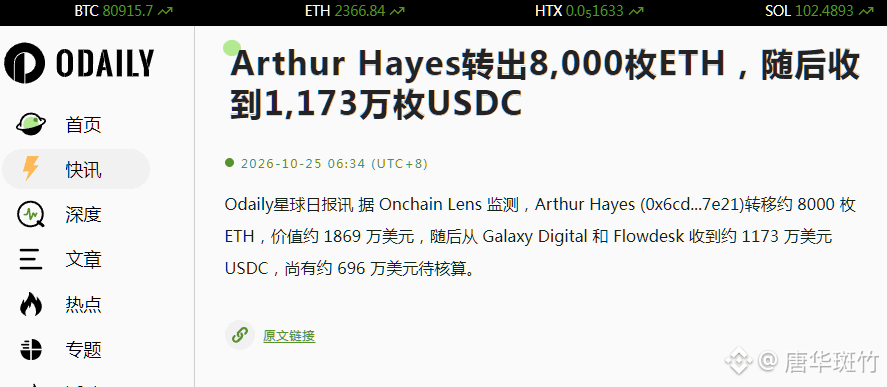
This guy keeps selling at a loss and liquidating his entire position. Does this count as whale capitulation? Is it bullish or bearish? Could it skyrocket after he’s taken out? $ETH
{spot}(ETHUSDT)
This guy keeps selling at a loss and liquidating his entire position. Does this count as whale capitulation? Is it bullish or bearish? Could it skyrocket after he’s taken out? $ETH
2
3.4k
·
--
Bearish
If even top traders go through this, why should we blame ourselves?
Bonk Guy: After losing millions more through overtrading following the October 10 market crash, traders should learn to wait for opportunities
Trader Bonk Guy recounted his trading experience in a post on X, saying that on October 10, 2025, a systemic failure at a major centralized exchange caused him to lose eight figures in dollars within minutes—the biggest single-day loss of his career. He said that over the following weeks and months, his eagerness to recover his losses and prove his trading ability led him to overtrade, costing him several million dollars more.
Bonk Guy noted that trading skills, experience, and a mature trading system are not enough to guarantee consistent profits. Trading performance also depends on market conditions, timing, and luck. Strategies that generate huge returns in a bull market may not work in a bear market. Citing the 2021 rallies in meme coins such as DOGE and SHIB, as well as the surges in tokens like WIF, POPCAT, and FARTCOIN from 2024 to early 2025, he stressed that trading opportunities are often concentrated in specific market phases.
He believes one of the most important skills traders can develop is recognizing when their edge has disappeared. Over a sufficiently long time horizon, it is nearly impossible to consistently outperform the market. So sometimes, stepping away with dignity and waiting for the next opportunity may be the wisest choice.
In conclusion, he said the goal of trading is not to stay active at all times, but to seize opportunities when the market genuinely offers an edge—and to have the discipline to do nothing when it isn’t worth participating. $BNB
{spot}(BNBUSDT)
If even top traders go through this, why should we blame ourselves?
Bonk Guy: After losing millions more through overtrading following the October 10 market crash, traders should learn to wait for opportunities
Trader Bonk Guy recounted his trading experience in a post on X, saying that on October 10, 2025, a systemic failure at a major centralized exchange caused him to lose eight figures in dollars within minutes—the biggest single-day loss of his career. He said that over the following weeks and months, his eagerness to recover his losses and prove his trading ability led him to overtrade, costing him several million dollars more.
Bonk Guy noted that trading skills, experience, and a mature trading system are not enough to guarantee consistent profits. Trading performance also depends on market conditions, timing, and luck. Strategies that generate huge returns in a bull market may not work in a bear market. Citing the 2021 rallies in meme coins such as DOGE and SHIB, as well as the surges in tokens like WIF, POPCAT, and FARTCOIN from 2024 to early 2025, he stressed that trading opportunities are often concentrated in specific market phases.
He believes one of the most important skills traders can develop is recognizing when their edge has disappeared. Over a sufficiently long time horizon, it is nearly impossible to consistently outperform the market. So sometimes, stepping away with dignity and waiting for the next opportunity may be the wisest choice.
In conclusion, he said the goal of trading is not to stay active at all times, but to seize opportunities when the market genuinely offers an edge—and to have the discipline to do nothing when it isn’t worth participating. $BNB
Bonk Guy: After losing millions more through overtrading following the October 10 market crash, traders should learn to wait for opportunities
Trader Bonk Guy recounted his trading experience in a post on X, saying that on October 10, 2025, a systemic failure at a major centralized exchange caused him to lose eight figures in dollars within minutes—the biggest single-day loss of his career. He said that over the following weeks and months, his eagerness to recover his losses and prove his trading ability led him to overtrade, costing him several million dollars more.
Bonk Guy noted that trading skills, experience, and a mature trading system are not enough to guarantee consistent profits. Trading performance also depends on market conditions, timing, and luck. Strategies that generate huge returns in a bull market may not work in a bear market. Citing the 2021 rallies in meme coins such as DOGE and SHIB, as well as the surges in tokens like WIF, POPCAT, and FARTCOIN from 2024 to early 2025, he stressed that trading opportunities are often concentrated in specific market phases.
He believes one of the most important skills traders can develop is recognizing when their edge has disappeared. Over a sufficiently long time horizon, it is nearly impossible to consistently outperform the market. So sometimes, stepping away with dignity and waiting for the next opportunity may be the wisest choice.
In conclusion, he said the goal of trading is not to stay active at all times, but to seize opportunities when the market genuinely offers an edge—and to have the discipline to do nothing when it isn’t worth participating. $BNB
3
1.2k
·
--
Bearish
Retail users who use hardware wallets are just making life difficult for themselves. If you have this wallet, check it out immediately.
Hardware wallet Keystone’s official website accessed without authorization; users’ names and shipping addresses exposed
Hardware wallet Keystone posted on X that it discovered unauthorized access to its official website on October 20. After verifying API activity with Shopify, it confirmed on October 23 that a third party had obtained customers’ shipping information. The exposed information included names, contact details, shipping addresses, and order details, including products and prices. Payment card or bank information, recovery phrases, private keys, and wallet passwords were not exposed. Keystone has blocked the unauthorized access, fixed the vulnerability, and launched an investigation. It is notifying affected users by email and warning them to beware of scams by people impersonating Keystone and offering refunds or replacement devices. Never share your recovery phrase or private key with anyone. $ETH
{spot}(ETHUSDT)
Retail users who use hardware wallets are just making life difficult for themselves. If you have this wallet, check it out immediately.
Hardware wallet Keystone’s official website accessed without authorization; users’ names and shipping addresses exposed
Hardware wallet Keystone posted on X that it discovered unauthorized access to its official website on October 20. After verifying API activity with Shopify, it confirmed on October 23 that a third party had obtained customers’ shipping information. The exposed information included names, contact details, shipping addresses, and order details, including products and prices. Payment card or bank information, recovery phrases, private keys, and wallet passwords were not exposed. Keystone has blocked the unauthorized access, fixed the vulnerability, and launched an investigation. It is notifying affected users by email and warning them to beware of scams by people impersonating Keystone and offering refunds or replacement devices. Never share your recovery phrase or private key with anyone. $ETH
Hardware wallet Keystone’s official website accessed without authorization; users’ names and shipping addresses exposed
Hardware wallet Keystone posted on X that it discovered unauthorized access to its official website on October 20. After verifying API activity with Shopify, it confirmed on October 23 that a third party had obtained customers’ shipping information. The exposed information included names, contact details, shipping addresses, and order details, including products and prices. Payment card or bank information, recovery phrases, private keys, and wallet passwords were not exposed. Keystone has blocked the unauthorized access, fixed the vulnerability, and launched an investigation. It is notifying affected users by email and warning them to beware of scams by people impersonating Keystone and offering refunds or replacement devices. Never share your recovery phrase or private key with anyone. $ETH
936
·
--
Bearish
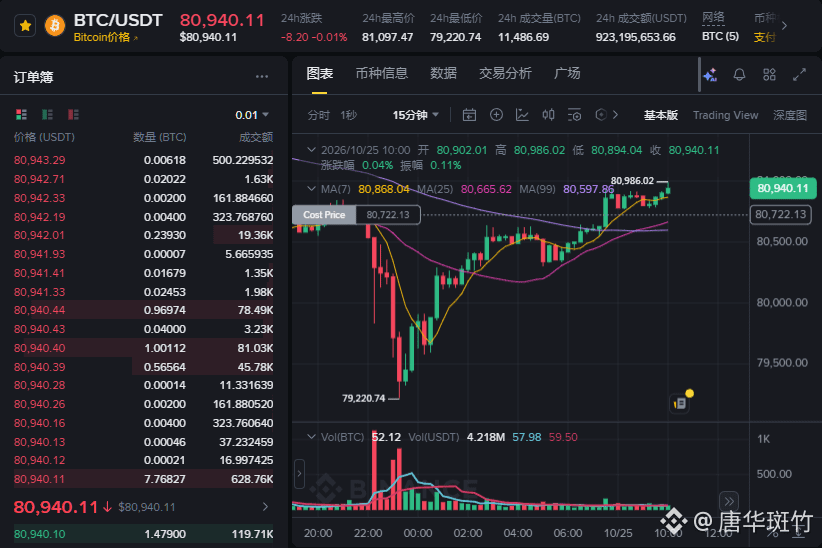
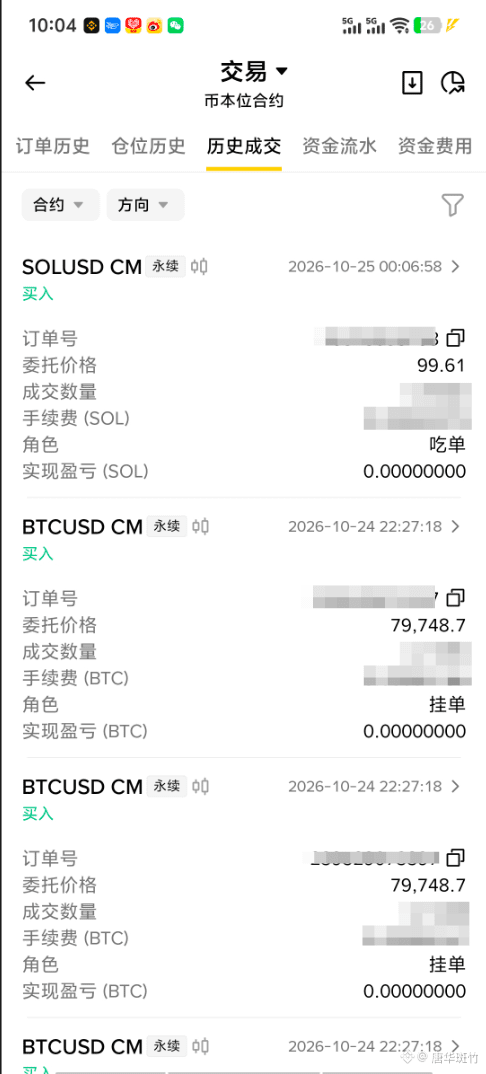
Woke up and saw BTC wandering around 81,000 again, as if nothing had happened last night. My tiny limit order at 79,748, which I’d placed randomly last night, got triggered, so I managed to catch a little of that move starting with a 7. $BTC 。
It’s honestly pretty rough watching Big Brother Machi. According to monitoring by Lookonchain, Machi @machibigbrother was liquidated five times within an hour, and now has only about $5,000 left in his account. He got blown up with pinpoint accuracy again. I wonder if he’s opened another position to buy the dip. I saw a news report this morning that a whale bought 2,887.49 ETH on-chain 10 hours ago at an average price of $2,315, worth $6.68 million. Ten minutes after the whale bought, the broader market hit a short-term bottom and began to rebound. The position is currently up $122,000. Hopefully it’s one of Machi’s alt accounts. Hope he can hang in there and keep holding the flag for the bulls.
$80,000 is a psychological line of defense, but each time it’s tested, the defense gets weaker. Last night BTC plunged straight to 79,220. This wasn’t some “healthy pullback”—it was a targeted wipeout of leveraged longs.
BTC dominance has already pushed above 60%. ETH and SOL have both fallen more than BTC, and $17.3 million in SOL longs were liquidated. Negative funding rates and long liquidations are feeding off each other. The median decline among the top 300 altcoins was nearly 4% over the past week, while BTC fell just 0.7% over the same period. Capital is retreating into BTC, while altcoins are swimming naked.
September’s PPI rose 1.3% month over month, its sharpest increase since March 2022. The 10-year Treasury yield is still stuck above 5.1%, and inflation data is grinding the rate-cut narrative into the dirt. ETFs have seen more than $500 million in cumulative outflows in October. That’s not enough to cause serious damage to a market worth hundreds of billions, but marginal buying pressure is definitely retreating. Next week’s PCE report and the Fed’s rate decision are landing together, and nobody can confidently say the bad news is fully priced in.
At $80,000, whether it holds isn’t the important thing anymore. What matters is not firing all your bullets here. Waiting for the PCE release and for the Fed to finish speaking is more sensible than gambling on a direction right now. $BTC $SOL #BTC走势分析
{spot}(SOLUSDT)
{spot}(BTCUSDT)
Woke up and saw BTC wandering around 81,000 again, as if nothing had happened last night. My tiny limit order at 79,748, which I’d placed randomly last night, got triggered, so I managed to catch a little of that move starting with a 7. $BTC 。
It’s honestly pretty rough watching Big Brother Machi. According to monitoring by Lookonchain, Machi @machibigbrother was liquidated five times within an hour, and now has only about $5,000 left in his account. He got blown up with pinpoint accuracy again. I wonder if he’s opened another position to buy the dip. I saw a news report this morning that a whale bought 2,887.49 ETH on-chain 10 hours ago at an average price of $2,315, worth $6.68 million. Ten minutes after the whale bought, the broader market hit a short-term bottom and began to rebound. The position is currently up $122,000. Hopefully it’s one of Machi’s alt accounts. Hope he can hang in there and keep holding the flag for the bulls.
$80,000 is a psychological line of defense, but each time it’s tested, the defense gets weaker. Last night BTC plunged straight to 79,220. This wasn’t some “healthy pullback”—it was a targeted wipeout of leveraged longs.
BTC dominance has already pushed above 60%. ETH and SOL have both fallen more than BTC, and $17.3 million in SOL longs were liquidated. Negative funding rates and long liquidations are feeding off each other. The median decline among the top 300 altcoins was nearly 4% over the past week, while BTC fell just 0.7% over the same period. Capital is retreating into BTC, while altcoins are swimming naked.
September’s PPI rose 1.3% month over month, its sharpest increase since March 2022. The 10-year Treasury yield is still stuck above 5.1%, and inflation data is grinding the rate-cut narrative into the dirt. ETFs have seen more than $500 million in cumulative outflows in October. That’s not enough to cause serious damage to a market worth hundreds of billions, but marginal buying pressure is definitely retreating. Next week’s PCE report and the Fed’s rate decision are landing together, and nobody can confidently say the bad news is fully priced in.
At $80,000, whether it holds isn’t the important thing anymore. What matters is not firing all your bullets here. Waiting for the PCE release and for the Fed to finish speaking is more sensible than gambling on a direction right now. $BTC $SOL #BTC走势分析
It’s honestly pretty rough watching Big Brother Machi. According to monitoring by Lookonchain, Machi @machibigbrother was liquidated five times within an hour, and now has only about $5,000 left in his account. He got blown up with pinpoint accuracy again. I wonder if he’s opened another position to buy the dip. I saw a news report this morning that a whale bought 2,887.49 ETH on-chain 10 hours ago at an average price of $2,315, worth $6.68 million. Ten minutes after the whale bought, the broader market hit a short-term bottom and began to rebound. The position is currently up $122,000. Hopefully it’s one of Machi’s alt accounts. Hope he can hang in there and keep holding the flag for the bulls.
$80,000 is a psychological line of defense, but each time it’s tested, the defense gets weaker. Last night BTC plunged straight to 79,220. This wasn’t some “healthy pullback”—it was a targeted wipeout of leveraged longs.
BTC dominance has already pushed above 60%. ETH and SOL have both fallen more than BTC, and $17.3 million in SOL longs were liquidated. Negative funding rates and long liquidations are feeding off each other. The median decline among the top 300 altcoins was nearly 4% over the past week, while BTC fell just 0.7% over the same period. Capital is retreating into BTC, while altcoins are swimming naked.
September’s PPI rose 1.3% month over month, its sharpest increase since March 2022. The 10-year Treasury yield is still stuck above 5.1%, and inflation data is grinding the rate-cut narrative into the dirt. ETFs have seen more than $500 million in cumulative outflows in October. That’s not enough to cause serious damage to a market worth hundreds of billions, but marginal buying pressure is definitely retreating. Next week’s PCE report and the Fed’s rate decision are landing together, and nobody can confidently say the bad news is fully priced in.
At $80,000, whether it holds isn’t the important thing anymore. What matters is not firing all your bullets here. Waiting for the PCE release and for the Fed to finish speaking is more sensible than gambling on a direction right now. $BTC $SOL #BTC走势分析
1
2
9.5k
·
--
Bearish
It’s only fallen below $80,000—what would happen if it fell below $70,000? Would the world end?
BTC falls below $80,000! $291 million in liquidations across the crypto market in the past hour
According to data from Coinglass, there were $291 million in liquidations across the crypto market in the past hour, including $274 million in long positions and $17.3266 million in short positions.
Of that total, BTC liquidations came to $86.79 million and ETH liquidations to $69.8 million in the past hour.$SOL
{spot}(SOLUSDT)
It’s only fallen below $80,000—what would happen if it fell below $70,000? Would the world end?
BTC falls below $80,000! $291 million in liquidations across the crypto market in the past hour
According to data from Coinglass, there were $291 million in liquidations across the crypto market in the past hour, including $274 million in long positions and $17.3266 million in short positions.
Of that total, BTC liquidations came to $86.79 million and ETH liquidations to $69.8 million in the past hour.$SOL
BTC falls below $80,000! $291 million in liquidations across the crypto market in the past hour
According to data from Coinglass, there were $291 million in liquidations across the crypto market in the past hour, including $274 million in long positions and $17.3266 million in short positions.
Of that total, BTC liquidations came to $86.79 million and ETH liquidations to $69.8 million in the past hour.$SOL
1
1.1k
·
--
Bearish
That must sting!
With only about $5,000 left in the account, Machi was liquidated 5 times in 1 hour
According to monitoring by Lookonchain, Machi (@machibigbrother, 0x020c...5872) was liquidated 5 times in 1 hour, and now has only about $5,000 left in the account. $SOL
{spot}(SOLUSDT)
That must sting!
With only about $5,000 left in the account, Machi was liquidated 5 times in 1 hour
According to monitoring by Lookonchain, Machi (@machibigbrother, 0x020c...5872) was liquidated 5 times in 1 hour, and now has only about $5,000 left in the account. $SOL
With only about $5,000 left in the account, Machi was liquidated 5 times in 1 hour
According to monitoring by Lookonchain, Machi (@machibigbrother, 0x020c...5872) was liquidated 5 times in 1 hour, and now has only about $5,000 left in the account. $SOL
1.4k
·
--
Bearish
Seeing a whale suffer makes me feel a little better.
Whale holding a $214 million ETH long position may face liquidation on 93,184 ETH
According to monitoring by Lookonchain, if the market continues to fall, a whale’s 93,184 ETH long position may face liquidation, with liquidation prices of $2,256.45 and $2,226.53, respectively. $SOL
{spot}(SOLUSDT)
Seeing a whale suffer makes me feel a little better.
Whale holding a $214 million ETH long position may face liquidation on 93,184 ETH
According to monitoring by Lookonchain, if the market continues to fall, a whale’s 93,184 ETH long position may face liquidation, with liquidation prices of $2,256.45 and $2,226.53, respectively. $SOL
Whale holding a $214 million ETH long position may face liquidation on 93,184 ETH
According to monitoring by Lookonchain, if the market continues to fall, a whale’s 93,184 ETH long position may face liquidation, with liquidation prices of $2,256.45 and $2,226.53, respectively. $SOL
1
3k
·
--
Bearish
Weekends are rough. The drop has my head ringing. Fuck the vote—staying alive comes first.
$BNB
{spot}(BNBUSDT)
Weekends are rough. The drop has my head ringing. Fuck the vote—staying alive comes first.
$BNB
$BNB
3.1k
Log in to explore more content
Join global crypto users on Binance Square
⚡️ Get latest and useful information about crypto.
💬 Trusted by the world’s largest crypto exchange.
👍 Discover real insights from verified creators.
Email / Phone number