
Sulaiman 零号猎人
2.3k Posts

Sulaiman 零号猎人
Report
Block User
10X or nothing. Long-term zero cap research, 7-pillar framework. Micro caps • On-chain • Before the crowd. #ZeroResearch
Open Trade
Frequent Trader
6.1 Years
120 Following
704 Followers
2.2K+ Liked
Posts
Portfolio
All
Quotes
Live
PINNED
Verified
Article
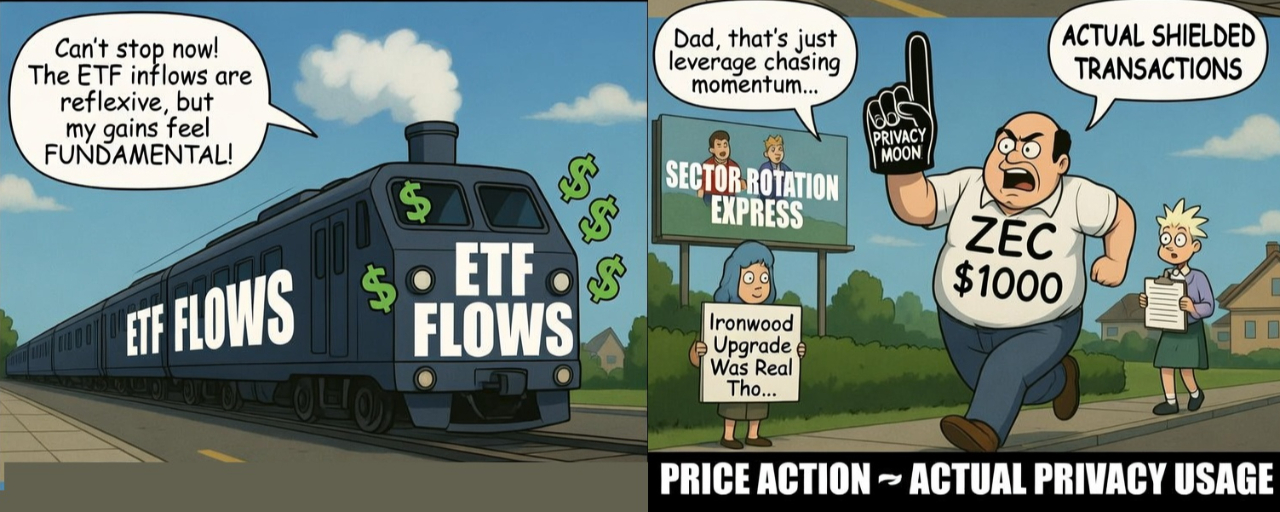
Zcash (ZEC): Is the Privacy Coin Rally Backed by Fundamentals or Just ETF Flows?Privacy coins are having their loudest moment in years, and Zcash sits at the center of it. ZEC has surged past $1,000, shielded supply has hit record highs, and a new spot ETF is pulling in hundreds of millions in weekly inflows. But is this a genuine shift toward real privacy demand, or is Zcash's rally mostly reflexive momentum feeding off ETF flows and leverage?
History and Credibility Anchor
Zcash isn't new. The network launched in October 2016 as a Bitcoin fork adding optional zk-SNARK privacy, giving it one of the longest track records of any privacy coin. Its latest catalyst, the Ironwood upgrade on July 28, 2026, retired a vulnerable shielded pool and replaced it with a formally verified one — a credibility marker few newer tokens can claim.
What Problem Is It Solving?
Public blockchains expose every transaction, address, and balance to anyone watching. Zcash lets users shield sender, receiver, and amount using zero-knowledge proofs, while keeping transparency optional for those who prefer it. That optionality is the core pitch: privacy by choice, not by default.
Token Utility
Shields transaction details via zk-SNARK proofs for opt-in users
Pays miners securing the proof-of-work network
Functions as the settlement asset backing the new ZCSH ETF wrapper
The Honest Caveat
Record shielded supply and hashrate look like organic adoption, but neither figure can distinguish real privacy usage from holders shielding coins purely to speculate on price, or miners chasing rewards inflated by the rally itself. ETF inflows and elevated futures open interest may likewise reflect reflexive trading rather than durable demand. Dash and Horizen rallying in lockstep with Zcash reinforce this: sector-wide rotation, not necessarily fundamentals, may be driving all three privacy tokens.
Bottom Line
Zcash has real technical credibility and a genuine ETF milestone other privacy coins lack, but price action currently outruns any verifiable rise in actual shielded payment usage. Whether this second wave is fundamental or reflexive is still unresolved. DYOR. Not financial advice.
#ZEC #zcash #PrivacyCoin #CryptoAnalysis
Zcash (ZEC): Is the Privacy Coin Rally Backed by Fundamentals or Just ETF Flows?
Privacy coins are having their loudest moment in years, and Zcash sits at the center of it. ZEC has surged past $1,000, shielded supply has hit record highs, and a new spot ETF is pulling in hundreds of millions in weekly inflows. But is this a genuine shift toward real privacy demand, or is Zcash's rally mostly reflexive momentum feeding off ETF flows and leverage?
History and Credibility Anchor
Zcash isn't new. The network launched in October 2016 as a Bitcoin fork adding optional zk-SNARK privacy, giving it one of the longest track records of any privacy coin. Its latest catalyst, the Ironwood upgrade on July 28, 2026, retired a vulnerable shielded pool and replaced it with a formally verified one — a credibility marker few newer tokens can claim.
What Problem Is It Solving?
Public blockchains expose every transaction, address, and balance to anyone watching. Zcash lets users shield sender, receiver, and amount using zero-knowledge proofs, while keeping transparency optional for those who prefer it. That optionality is the core pitch: privacy by choice, not by default.
Token Utility
Shields transaction details via zk-SNARK proofs for opt-in users
Pays miners securing the proof-of-work network
Functions as the settlement asset backing the new ZCSH ETF wrapper
The Honest Caveat
Record shielded supply and hashrate look like organic adoption, but neither figure can distinguish real privacy usage from holders shielding coins purely to speculate on price, or miners chasing rewards inflated by the rally itself. ETF inflows and elevated futures open interest may likewise reflect reflexive trading rather than durable demand. Dash and Horizen rallying in lockstep with Zcash reinforce this: sector-wide rotation, not necessarily fundamentals, may be driving all three privacy tokens.
Bottom Line
Zcash has real technical credibility and a genuine ETF milestone other privacy coins lack, but price action currently outruns any verifiable rise in actual shielded payment usage. Whether this second wave is fundamental or reflexive is still unresolved. DYOR. Not financial advice.
#ZEC #zcash #PrivacyCoin #CryptoAnalysis
History and Credibility Anchor
Zcash isn't new. The network launched in October 2016 as a Bitcoin fork adding optional zk-SNARK privacy, giving it one of the longest track records of any privacy coin. Its latest catalyst, the Ironwood upgrade on July 28, 2026, retired a vulnerable shielded pool and replaced it with a formally verified one — a credibility marker few newer tokens can claim.
What Problem Is It Solving?
Public blockchains expose every transaction, address, and balance to anyone watching. Zcash lets users shield sender, receiver, and amount using zero-knowledge proofs, while keeping transparency optional for those who prefer it. That optionality is the core pitch: privacy by choice, not by default.
Token Utility
Shields transaction details via zk-SNARK proofs for opt-in users
Pays miners securing the proof-of-work network
Functions as the settlement asset backing the new ZCSH ETF wrapper
The Honest Caveat
Record shielded supply and hashrate look like organic adoption, but neither figure can distinguish real privacy usage from holders shielding coins purely to speculate on price, or miners chasing rewards inflated by the rally itself. ETF inflows and elevated futures open interest may likewise reflect reflexive trading rather than durable demand. Dash and Horizen rallying in lockstep with Zcash reinforce this: sector-wide rotation, not necessarily fundamentals, may be driving all three privacy tokens.
Bottom Line
Zcash has real technical credibility and a genuine ETF milestone other privacy coins lack, but price action currently outruns any verifiable rise in actual shielded payment usage. Whether this second wave is fundamental or reflexive is still unresolved. DYOR. Not financial advice.
#ZEC #zcash #PrivacyCoin #CryptoAnalysis
2
141
Verified
Bro, here's something I've been noticing about $TRX — everyone's watching the price, but I'm watching the rails underneath it.
TRON is quietly turning into one of crypto's biggest stablecoin settlement networks. The Q2 numbers back it up:
• ~$89B in USDT sitting on TRON
• 28.7% of the total stablecoin market share
• ~3.5M daily active users
• ~$89M in protocol fees
• ~93% of stablecoin transfer volume was P2P
And the story's still growing. In September, Ethena brought USDe and sUSDe to TRON, Ducat integrated TRON for Bitcoin-backed finance, and the first U.S. spot staked TRX ETF launched. TRON also crossed 400M accounts back in August.
So the real question for me isn't "can TRX pump?" It's: can stablecoin settlement, payments, and institutional usage keep growing faster than the market expects?
That's the signal I'm tracking. Research first, trade attention later.
Bro, here's something I've been noticing about $TRX — everyone's watching the price, but I'm watching the rails underneath it.
TRON is quietly turning into one of crypto's biggest stablecoin settlement networks. The Q2 numbers back it up:
• ~$89B in USDT sitting on TRON
• 28.7% of the total stablecoin market share
• ~3.5M daily active users
• ~$89M in protocol fees
• ~93% of stablecoin transfer volume was P2P
And the story's still growing. In September, Ethena brought USDe and sUSDe to TRON, Ducat integrated TRON for Bitcoin-backed finance, and the first U.S. spot staked TRX ETF launched. TRON also crossed 400M accounts back in August.
So the real question for me isn't "can TRX pump?" It's: can stablecoin settlement, payments, and institutional usage keep growing faster than the market expects?
That's the signal I'm tracking. Research first, trade attention later.
TRON is quietly turning into one of crypto's biggest stablecoin settlement networks. The Q2 numbers back it up:
• ~$89B in USDT sitting on TRON
• 28.7% of the total stablecoin market share
• ~3.5M daily active users
• ~$89M in protocol fees
• ~93% of stablecoin transfer volume was P2P
And the story's still growing. In September, Ethena brought USDe and sUSDe to TRON, Ducat integrated TRON for Bitcoin-backed finance, and the first U.S. spot staked TRX ETF launched. TRON also crossed 400M accounts back in August.
So the real question for me isn't "can TRX pump?" It's: can stablecoin settlement, payments, and institutional usage keep growing faster than the market expects?
That's the signal I'm tracking. Research first, trade attention later.

1
11
Verified
The ECB just started settling euros on blockchain.
A central bank actually using blockchain rails is a pretty big deal.
This shows blockchain tech isn't just a crypto thing anymore.
Do you think more central banks follow this path?
Follow for more.
#ECB #BlockchainEuro #CBDC #CryptoAdoption .
$SYN
{spot}(SYNUSDT)
$NEAR
{spot}(NEARUSDT)
$PHA
{spot}(PHAUSDT)
#ecbstartsblockchaineurosettlement
The ECB just started settling euros on blockchain.
A central bank actually using blockchain rails is a pretty big deal.
This shows blockchain tech isn't just a crypto thing anymore.
Do you think more central banks follow this path?
Follow for more.
#ECB #BlockchainEuro #CBDC #CryptoAdoption .
$SYN
$NEAR
$PHA
#ecbstartsblockchaineurosettlement
A central bank actually using blockchain rails is a pretty big deal.
This shows blockchain tech isn't just a crypto thing anymore.
Do you think more central banks follow this path?
Follow for more.
#ECB #BlockchainEuro #CBDC #CryptoAdoption .
$SYN
$NEAR
$PHA
#ecbstartsblockchaineurosettlement
429
Verified
ZetaChain's community voted to migrate ZETA to Solana.
That means the token moves into the Solana ecosystem going forward.
Migrations like this usually open the door to new opportunities.
Do you think this move helps ZETA long term?
Share if useful.
#ZetaChain #ZETA #Solana #TokenMigration
$ZETA
{future}(ZETAUSDT)
$ONE
{spot}(ONEUSDT)
$ZAMA
#ZetaChainVotesToMigrateZETAToSolana
ZetaChain's community voted to migrate ZETA to Solana.
That means the token moves into the Solana ecosystem going forward.
Migrations like this usually open the door to new opportunities.
Do you think this move helps ZETA long term?
Share if useful.
#ZetaChain #ZETA #Solana #TokenMigration
$ZETA
$ONE
$ZAMA
#ZetaChainVotesToMigrateZETAToSolana
That means the token moves into the Solana ecosystem going forward.
Migrations like this usually open the door to new opportunities.
Do you think this move helps ZETA long term?
Share if useful.
#ZetaChain #ZETA #Solana #TokenMigration
$ZETA
$ONE
$ZAMA
#ZetaChainVotesToMigrateZETAToSolana
320
Bitcoin just touched $85K again.
It's been a while since we last saw this level.
The overall mood in the market feels noticeably more positive right now.
Do you think BTC pushes higher from here?
Repost if bullish.
#Bitcoin #BTC #85K #CryptoMarket
$BTC
$EPIC
{spot}(EPICUSDT)
$PHA
{spot}(PHAUSDT)
#BitcoinHits$85K
Bitcoin just touched $85K again.
It's been a while since we last saw this level.
The overall mood in the market feels noticeably more positive right now.
Do you think BTC pushes higher from here?
Repost if bullish.
#Bitcoin #BTC #85K #CryptoMarket
$BTC
$EPIC
$PHA
#BitcoinHits$85K
It's been a while since we last saw this level.
The overall mood in the market feels noticeably more positive right now.
Do you think BTC pushes higher from here?
Repost if bullish.
#Bitcoin #BTC #85K #CryptoMarket
$BTC
$EPIC
$PHA
#BitcoinHits$85K
165
Verified
Circle just launched institutional Bitcoin-backed borrowing.
$BTC
{spot}(BTCUSDT)
Big institutions can now put up BTC and borrow against it directly.
This kind of setup usually means bigger players are getting more serious about crypto.
Do you think this is bullish for Bitcoin long term?
Save for later.
#CircleLaunchesInstitutionalBTCBackedBorrowing
$NEAR
{spot}(NEARUSDT)
$EGLD
{spot}(EGLDUSDT)
#Circle #Bitcoin #InstitutionalCrypto #BTCFi
Circle just launched institutional Bitcoin-backed borrowing.
$BTC
Big institutions can now put up BTC and borrow against it directly.
This kind of setup usually means bigger players are getting more serious about crypto.
Do you think this is bullish for Bitcoin long term?
Save for later.
#CircleLaunchesInstitutionalBTCBackedBorrowing
$NEAR
$EGLD
#Circle #Bitcoin #InstitutionalCrypto #BTCFi
$BTC
Big institutions can now put up BTC and borrow against it directly.
This kind of setup usually means bigger players are getting more serious about crypto.
Do you think this is bullish for Bitcoin long term?
Save for later.
#CircleLaunchesInstitutionalBTCBackedBorrowing
$NEAR
$EGLD
#Circle #Bitcoin #InstitutionalCrypto #BTCFi
1
111
Verified
MultiversX is planning a hard fork recovery.
$EGLD
{spot}(EGLDUSDT)
Means something broke, and now they're working on fixing it properly.
Moves like this usually decide how much trust a project keeps going forward.
Do you think this recovery plan will actually work?
Follow for more.
#MultiversX #EGLD #HardFork #CryptoRecovery
$ZAMA
{spot}(ZAMAUSDT)
$LISTA
{spot}(LISTAUSDT)
#multiversxplanshardforkrecovery
MultiversX is planning a hard fork recovery.
$EGLD
Means something broke, and now they're working on fixing it properly.
Moves like this usually decide how much trust a project keeps going forward.
Do you think this recovery plan will actually work?
Follow for more.
#MultiversX #EGLD #HardFork #CryptoRecovery
$ZAMA
$LISTA
#multiversxplanshardforkrecovery
$EGLD
Means something broke, and now they're working on fixing it properly.
Moves like this usually decide how much trust a project keeps going forward.
Do you think this recovery plan will actually work?
Follow for more.
#MultiversX #EGLD #HardFork #CryptoRecovery
$ZAMA
$LISTA
#multiversxplanshardforkrecovery
305
NEAR is up almost 80% this week.
$NEAR
{spot}(NEARUSDT)
That kind of move is why everyone's talking about it right now.
Fast pumps like this usually bring fast profit-taking too, so stay alert.
Are you holding or did you already cash out some gains?
Share if useful.
#NEAR #NEARProtocol #CryptoGainer #WeeklyPump
$KERNEL
{spot}(KERNELUSDT)
$COOKIE
{spot}(COOKIEUSDT)
#nearrisesnearly80%inaweek
NEAR is up almost 80% this week.
$NEAR
That kind of move is why everyone's talking about it right now.
Fast pumps like this usually bring fast profit-taking too, so stay alert.
Are you holding or did you already cash out some gains?
Share if useful.
#NEAR #NEARProtocol #CryptoGainer #WeeklyPump
$KERNEL
$COOKIE
#nearrisesnearly80%inaweek
$NEAR
That kind of move is why everyone's talking about it right now.
Fast pumps like this usually bring fast profit-taking too, so stay alert.
Are you holding or did you already cash out some gains?
Share if useful.
#NEAR #NEARProtocol #CryptoGainer #WeeklyPump
$KERNEL
$COOKIE
#nearrisesnearly80%inaweek
1
289
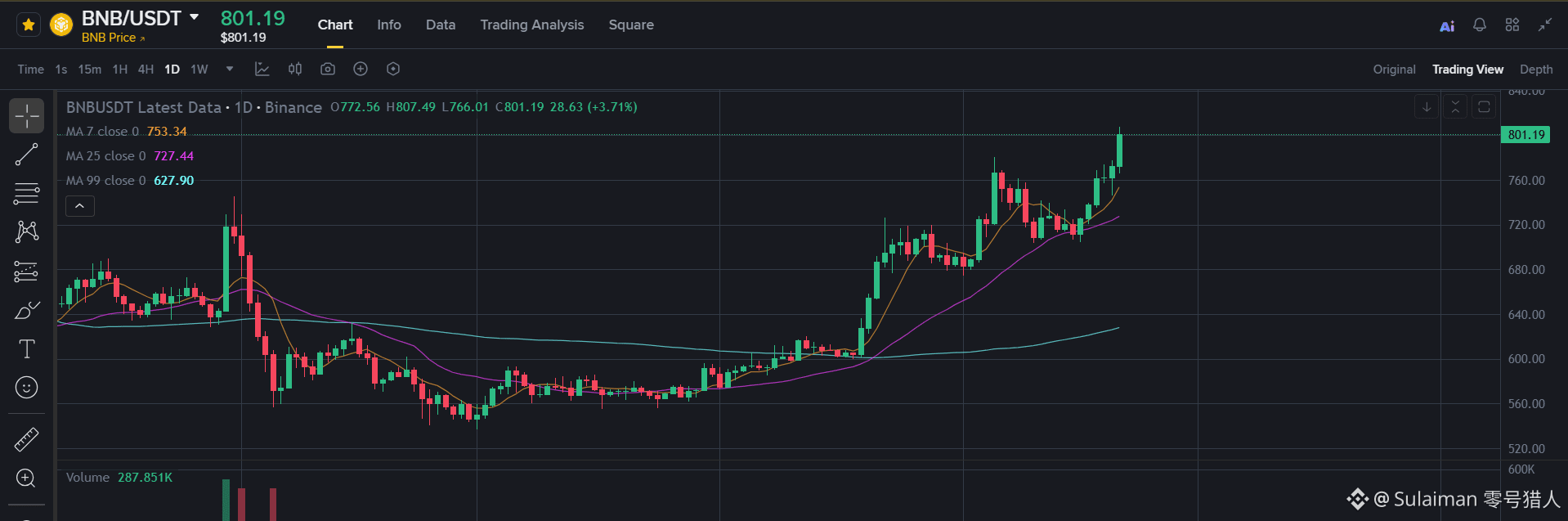
🚨 $BNB IS ON A LITTLE RAMPAGE. 😂
$800 just got taken out.
No drama.
Just BNB doing BNB things. 👀
#BNB #Crypto #BuildTogether
🚨 $BNB IS ON A LITTLE RAMPAGE. 😂
$800 just got taken out.
No drama.
Just BNB doing BNB things. 👀
#BNB #Crypto #BuildTogether
$800 just got taken out.
No drama.
Just BNB doing BNB things. 👀
#BNB #Crypto #BuildTogether
1
1
58
🎙️ 🎉2026 Roaring Bull Market—The Trumpet Has Sounded; Market Action Is All on the BSC Chain!! On November 1st, Musk will celebrate the birthday of his Martian dog Marvin. This on-chain market move is one you must catch!
End
02 h 31 m 27 s
7.9k
14
44
Five traders sit at a poker table. Smoke. Tension. A single lamp swings overhead.
BITCOIN (leather jacket, sunglasses indoors) flips a chip: "I hedge against government incompetence. That's my whole personality."
ETHEREUM (holding a briefcase full of tokenized real estate deeds) doesn't look up: "Cute. I'm bringing Wall Street on-chain. You're just... digital gold with anxiety."
HYPERLIQUID (counting stacks of cash, actual cash) mutters: "I buy back my own chips at the table. You two just talk."
In the corner, ZCASH hasn't said a word all night. No one can see their cards. No one can see their face. No one's even sure they're still sitting there.
Suddenly the doors burst open. RWA walks in wearing a suit, holding a folder labeled "Tokenized Treasury Bonds," followed by an entourage of BlackRock lawyers.
Everyone freezes.
BITCOIN: "...who invited the intern from TradFi?"
RWA (calmly sitting down): "I'm not the intern. I'm the guy who's about to buy the casino."
Lights flicker. Cut to black.
TITLE CARD: "FIVE NARRATIVES, ONE TABLE."
Five traders sit at a poker table. Smoke. Tension. A single lamp swings overhead.
BITCOIN (leather jacket, sunglasses indoors) flips a chip: "I hedge against government incompetence. That's my whole personality."
ETHEREUM (holding a briefcase full of tokenized real estate deeds) doesn't look up: "Cute. I'm bringing Wall Street on-chain. You're just... digital gold with anxiety."
HYPERLIQUID (counting stacks of cash, actual cash) mutters: "I buy back my own chips at the table. You two just talk."
In the corner, ZCASH hasn't said a word all night. No one can see their cards. No one can see their face. No one's even sure they're still sitting there.
Suddenly the doors burst open. RWA walks in wearing a suit, holding a folder labeled "Tokenized Treasury Bonds," followed by an entourage of BlackRock lawyers.
Everyone freezes.
BITCOIN: "...who invited the intern from TradFi?"
RWA (calmly sitting down): "I'm not the intern. I'm the guy who's about to buy the casino."
Lights flicker. Cut to black.
TITLE CARD: "FIVE NARRATIVES, ONE TABLE."
BITCOIN (leather jacket, sunglasses indoors) flips a chip: "I hedge against government incompetence. That's my whole personality."
ETHEREUM (holding a briefcase full of tokenized real estate deeds) doesn't look up: "Cute. I'm bringing Wall Street on-chain. You're just... digital gold with anxiety."
HYPERLIQUID (counting stacks of cash, actual cash) mutters: "I buy back my own chips at the table. You two just talk."
In the corner, ZCASH hasn't said a word all night. No one can see their cards. No one can see their face. No one's even sure they're still sitting there.
Suddenly the doors burst open. RWA walks in wearing a suit, holding a folder labeled "Tokenized Treasury Bonds," followed by an entourage of BlackRock lawyers.
Everyone freezes.
BITCOIN: "...who invited the intern from TradFi?"
RWA (calmly sitting down): "I'm not the intern. I'm the guy who's about to buy the casino."
Lights flicker. Cut to black.
TITLE CARD: "FIVE NARRATIVES, ONE TABLE."

2
298
BTC vs. ETH ETF Flows: Is the "Bitcoin Dominance" Story Cracking?
Bitcoin has dominated crypto's institutional narrative since spot ETFs launched, but the last few weeks tell a different story. In September, Ethereum ETFs pulled in consistent inflows while Bitcoin ETFs bled money — is dominance quietly eroding, or is this just short-term noise?
History and Credibility Anchor
This isn't a one-off. Ethereum ETFs have logged $863 million in net inflows for 2026 to date, while Bitcoin ETFs remain roughly $1 billion net negative for the year — a reversal from Bitcoin's early ETF dominance in 2024. The pattern has repeated across multiple weeks since July, not a single headline day.
What's Driving the Divergence?
Institutional allocators appear to be rotating capital based on relative price momentum and risk appetite, not abandoning Bitcoin outright. Ethereum's stronger recent price performance may be pulling flows toward it, while Bitcoin's larger, more mature ETF base reacts more sharply to short-term outflows.
The Data Points to Watch
Weekly net flow totals for BTC and ETH spot ETFs (Farside, CoinGlass)
Single-day outlier flows tied to specific issuers like BlackRock
Whether price performance and flow direction stay aligned or split
The Honest Caveat
Flow data doesn't reveal why institutions are moving — rebalancing, tax timing, and options expiries can all distort a single week's numbers. Bitcoin's ETF base is roughly seven times larger than Ethereum's, so proportionally similar percentage moves look very different in dollar terms. One reversal week doesn't confirm a structural shift.
Bottom Line
The divergence is real and testable — not a permanent flip in dominance. Watch next Friday's flow release to see if the pattern holds or reverses. DYOR. Not financial advice.
#bitcoin #BTCvsETH #ETFFlows #CryptoMarkets
BTC vs. ETH ETF Flows: Is the "Bitcoin Dominance" Story Cracking?
Bitcoin has dominated crypto's institutional narrative since spot ETFs launched, but the last few weeks tell a different story. In September, Ethereum ETFs pulled in consistent inflows while Bitcoin ETFs bled money — is dominance quietly eroding, or is this just short-term noise?
History and Credibility Anchor
This isn't a one-off. Ethereum ETFs have logged $863 million in net inflows for 2026 to date, while Bitcoin ETFs remain roughly $1 billion net negative for the year — a reversal from Bitcoin's early ETF dominance in 2024. The pattern has repeated across multiple weeks since July, not a single headline day.
What's Driving the Divergence?
Institutional allocators appear to be rotating capital based on relative price momentum and risk appetite, not abandoning Bitcoin outright. Ethereum's stronger recent price performance may be pulling flows toward it, while Bitcoin's larger, more mature ETF base reacts more sharply to short-term outflows.
The Data Points to Watch
Weekly net flow totals for BTC and ETH spot ETFs (Farside, CoinGlass)
Single-day outlier flows tied to specific issuers like BlackRock
Whether price performance and flow direction stay aligned or split
The Honest Caveat
Flow data doesn't reveal why institutions are moving — rebalancing, tax timing, and options expiries can all distort a single week's numbers. Bitcoin's ETF base is roughly seven times larger than Ethereum's, so proportionally similar percentage moves look very different in dollar terms. One reversal week doesn't confirm a structural shift.
Bottom Line
The divergence is real and testable — not a permanent flip in dominance. Watch next Friday's flow release to see if the pattern holds or reverses. DYOR. Not financial advice.
#bitcoin #BTCvsETH #ETFFlows #CryptoMarkets
Bitcoin has dominated crypto's institutional narrative since spot ETFs launched, but the last few weeks tell a different story. In September, Ethereum ETFs pulled in consistent inflows while Bitcoin ETFs bled money — is dominance quietly eroding, or is this just short-term noise?
History and Credibility Anchor
This isn't a one-off. Ethereum ETFs have logged $863 million in net inflows for 2026 to date, while Bitcoin ETFs remain roughly $1 billion net negative for the year — a reversal from Bitcoin's early ETF dominance in 2024. The pattern has repeated across multiple weeks since July, not a single headline day.
What's Driving the Divergence?
Institutional allocators appear to be rotating capital based on relative price momentum and risk appetite, not abandoning Bitcoin outright. Ethereum's stronger recent price performance may be pulling flows toward it, while Bitcoin's larger, more mature ETF base reacts more sharply to short-term outflows.
The Data Points to Watch
Weekly net flow totals for BTC and ETH spot ETFs (Farside, CoinGlass)
Single-day outlier flows tied to specific issuers like BlackRock
Whether price performance and flow direction stay aligned or split
The Honest Caveat
Flow data doesn't reveal why institutions are moving — rebalancing, tax timing, and options expiries can all distort a single week's numbers. Bitcoin's ETF base is roughly seven times larger than Ethereum's, so proportionally similar percentage moves look very different in dollar terms. One reversal week doesn't confirm a structural shift.
Bottom Line
The divergence is real and testable — not a permanent flip in dominance. Watch next Friday's flow release to see if the pattern holds or reverses. DYOR. Not financial advice.
#bitcoin #BTCvsETH #ETFFlows #CryptoMarkets
1
30
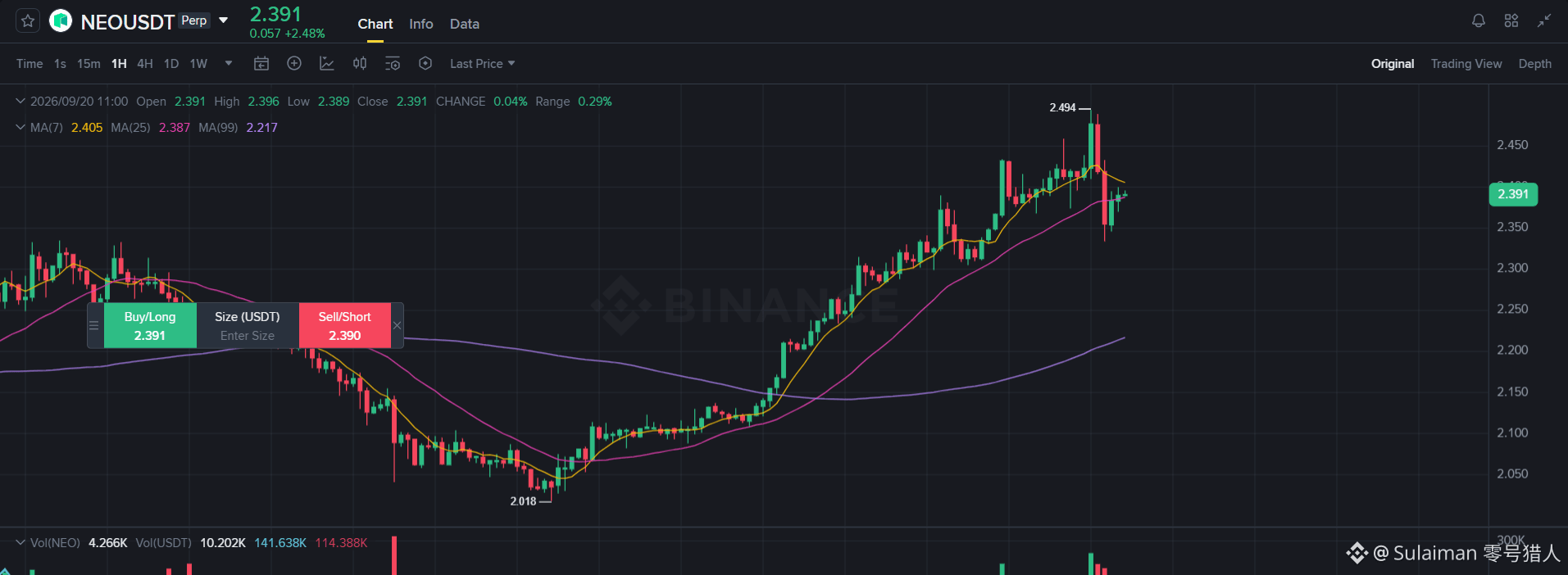
$NEO — Controlled Bullish Setup
$NEO is holding positive momentum after moving higher, with buyers attempting to maintain the current structure.
Current price: $2.388, up 1.62% on the displayed market snapshot.
Bullish Setup
Current: $2.388
TP1: $2.450
TP2: $2.520
Final Target: $2.620
SL: $2.300
As long as NEO holds above $2.300, the bullish structure remains valid. A decisive break below this level would weaken the setup.
Long $NEO
{future}(NEOUSDT)
$NEO — Controlled Bullish Setup
$NEO is holding positive momentum after moving higher, with buyers attempting to maintain the current structure.
Current price: $2.388, up 1.62% on the displayed market snapshot.
Bullish Setup
Current: $2.388
TP1: $2.450
TP2: $2.520
Final Target: $2.620
SL: $2.300
As long as NEO holds above $2.300, the bullish structure remains valid. A decisive break below this level would weaken the setup.
Long $NEO
$NEO is holding positive momentum after moving higher, with buyers attempting to maintain the current structure.
Current price: $2.388, up 1.62% on the displayed market snapshot.
Bullish Setup
Current: $2.388
TP1: $2.450
TP2: $2.520
Final Target: $2.620
SL: $2.300
As long as NEO holds above $2.300, the bullish structure remains valid. A decisive break below this level would weaken the setup.
Long $NEO
72
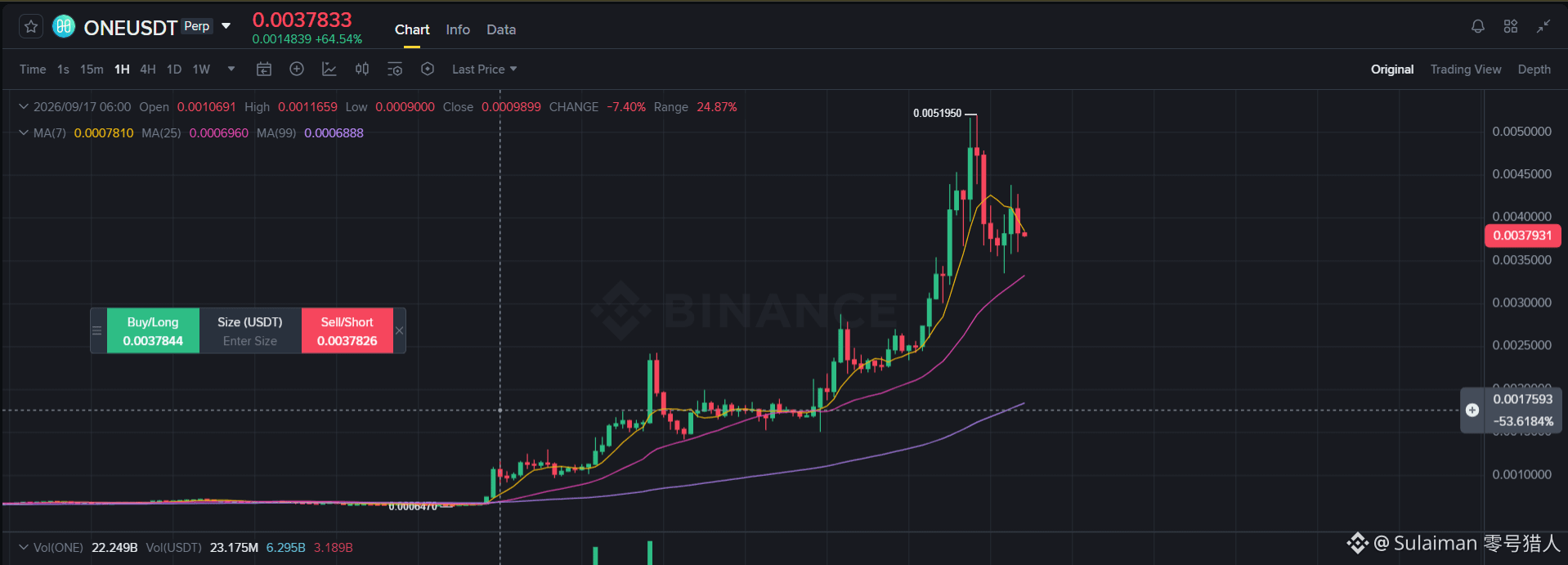
🔥 $ONE — High-Momentum Continuation Setup
$ONE is showing explosive momentum, with price trading significantly higher after a major upside expansion.
Current price: $0.004718, up 78.04% on the displayed market snapshot.
Bullish Setup
Current: $0.004718
TP1: $0.005050
TP2: $0.005450
Final Target: $0.006000
SL: $0.004300
As long as ONE holds above $0.004300, the bullish continuation structure remains valid.
Long $ONE
{future}(ONEUSDT)
🔥 $ONE — High-Momentum Continuation Setup
$ONE is showing explosive momentum, with price trading significantly higher after a major upside expansion.
Current price: $0.004718, up 78.04% on the displayed market snapshot.
Bullish Setup
Current: $0.004718
TP1: $0.005050
TP2: $0.005450
Final Target: $0.006000
SL: $0.004300
As long as ONE holds above $0.004300, the bullish continuation structure remains valid.
Long $ONE
$ONE is showing explosive momentum, with price trading significantly higher after a major upside expansion.
Current price: $0.004718, up 78.04% on the displayed market snapshot.
Bullish Setup
Current: $0.004718
TP1: $0.005050
TP2: $0.005450
Final Target: $0.006000
SL: $0.004300
As long as ONE holds above $0.004300, the bullish continuation structure remains valid.
Long $ONE
2
64
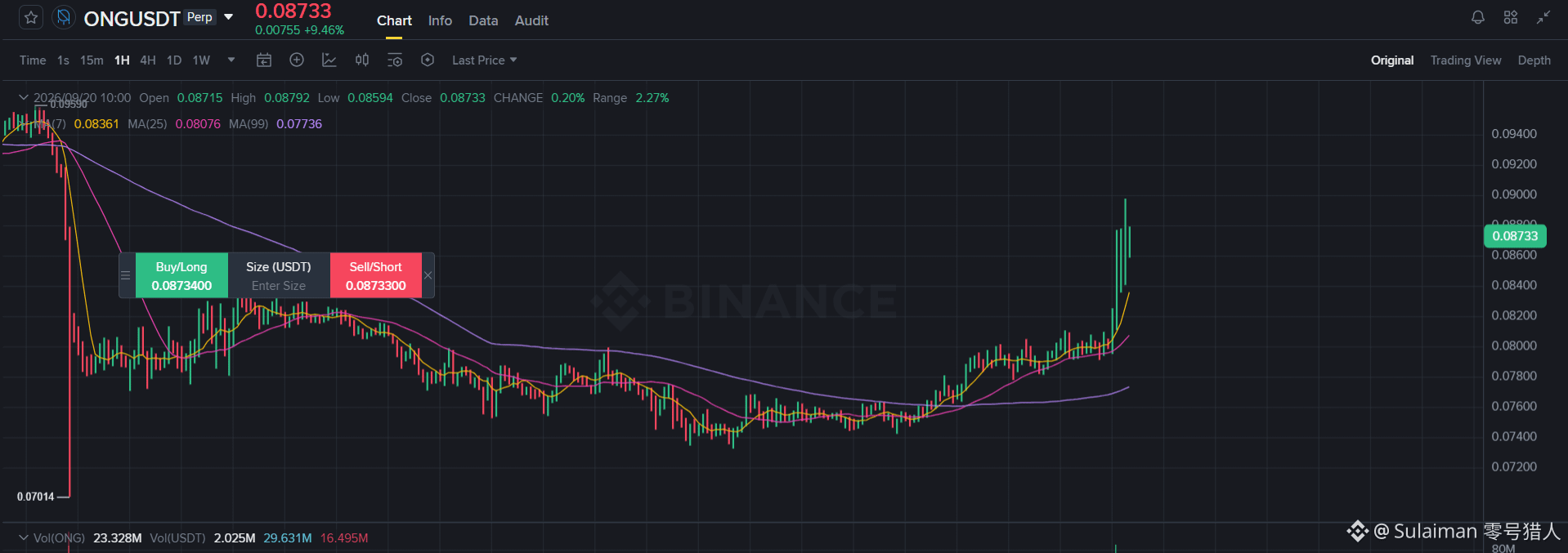
🔥 $ONG — Breakout Continuation Setup
$ONG is holding near the upper end of its recent move, with buyers attempting to extend the current momentum.
Current price: $0.08622, up 7.59% on the displayed market snapshot.
Bullish Setup
Current: $0.08622
TP1: $0.09000
TP2: $0.09400
Final Target: $0.09900
SL: $0.08150
As long as ONG holds above $0.08150, the bullish structure remains valid. A sustained move below this level would invalidate the continuation thesis.
Long $ONG
{future}(ONGUSDT)
🔥 $ONG — Breakout Continuation Setup
$ONG is holding near the upper end of its recent move, with buyers attempting to extend the current momentum.
Current price: $0.08622, up 7.59% on the displayed market snapshot.
Bullish Setup
Current: $0.08622
TP1: $0.09000
TP2: $0.09400
Final Target: $0.09900
SL: $0.08150
As long as ONG holds above $0.08150, the bullish structure remains valid. A sustained move below this level would invalidate the continuation thesis.
Long $ONG
$ONG is holding near the upper end of its recent move, with buyers attempting to extend the current momentum.
Current price: $0.08622, up 7.59% on the displayed market snapshot.
Bullish Setup
Current: $0.08622
TP1: $0.09000
TP2: $0.09400
Final Target: $0.09900
SL: $0.08150
As long as ONG holds above $0.08150, the bullish structure remains valid. A sustained move below this level would invalidate the continuation thesis.
Long $ONG
1
113
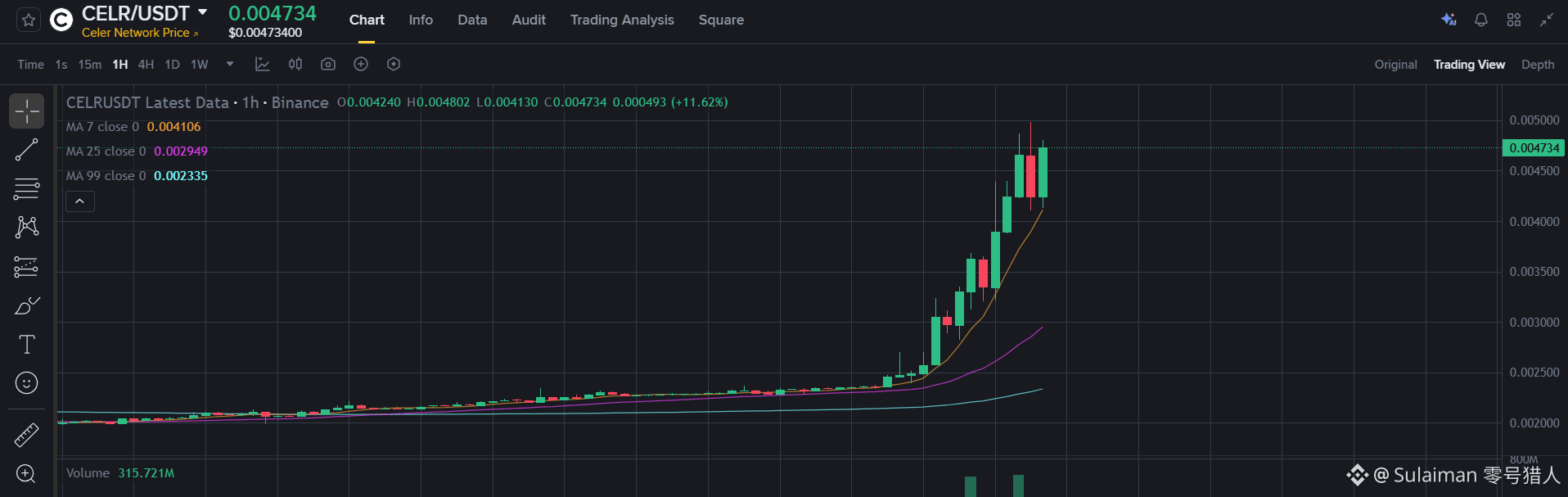
🔥 $CELR — Momentum Breakout Setup
$CELR is showing extreme upside momentum, with price pushing aggressively higher after a sharp expansion.
Current price: $0.004663, up 101.17% on the displayed market snapshot.
Bullish Setup
Current: $0.004663
TP1: $0.004950
TP2: $0.005250
Final Target: $0.005600
SL: $0.004350
As long as CELR holds above the $0.004350 invalidation area, the bullish continuation structure remains valid. A loss of this level would weaken the setup significantly.
#CELR #CELR/USDT
Long $CELR
{future}(CELRUSDT)
🔥 $CELR — Momentum Breakout Setup
$CELR is showing extreme upside momentum, with price pushing aggressively higher after a sharp expansion.
Current price: $0.004663, up 101.17% on the displayed market snapshot.
Bullish Setup
Current: $0.004663
TP1: $0.004950
TP2: $0.005250
Final Target: $0.005600
SL: $0.004350
As long as CELR holds above the $0.004350 invalidation area, the bullish continuation structure remains valid. A loss of this level would weaken the setup significantly.
#CELR #CELR/USDT
Long $CELR
$CELR is showing extreme upside momentum, with price pushing aggressively higher after a sharp expansion.
Current price: $0.004663, up 101.17% on the displayed market snapshot.
Bullish Setup
Current: $0.004663
TP1: $0.004950
TP2: $0.005250
Final Target: $0.005600
SL: $0.004350
As long as CELR holds above the $0.004350 invalidation area, the bullish continuation structure remains valid. A loss of this level would weaken the setup significantly.
#CELR #CELR/USDT
Long $CELR
1
73
🔥 Top Movers Are Heating Up — But Volatility Is Extreme
$CELR +101.17%, $ONE +78.04%, $ONG +7.59%, $NEO +1.62%, while $OP is down -3.67%.
The market is showing sharp rotation into selected altcoins, with CELR and ONE leading the move by a wide margin.
Extreme momentum can create opportunity, but chasing extended candles also increases reversal risk. Watch volume, liquidity, and whether these gains hold after the initial breakout.
#CELR #ONE #ONG #NEO #OP
🔥 Top Movers Are Heating Up — But Volatility Is Extreme
$CELR +101.17%, $ONE +78.04%, $ONG +7.59%, $NEO +1.62%, while $OP is down -3.67%.
The market is showing sharp rotation into selected altcoins, with CELR and ONE leading the move by a wide margin.
Extreme momentum can create opportunity, but chasing extended candles also increases reversal risk. Watch volume, liquidity, and whether these gains hold after the initial breakout.
#CELR #ONE #ONG #NEO #OP
$CELR +101.17%, $ONE +78.04%, $ONG +7.59%, $NEO +1.62%, while $OP is down -3.67%.
The market is showing sharp rotation into selected altcoins, with CELR and ONE leading the move by a wide margin.
Extreme momentum can create opportunity, but chasing extended candles also increases reversal risk. Watch volume, liquidity, and whether these gains hold after the initial breakout.
#CELR #ONE #ONG #NEO #OP
1
233
$XRP EXCHANGE RESERVES JUST HIT A 7-YEAR LOW
XRP exchange balances have reportedly fallen to roughly 1.7 billion XRP, while spot XRP ETFs recorded a $5.15M outflow on September 18.
That creates an interesting divergence:
Exchange supply ↓
ETF flow: mixed
Price: still sensitive to demand
Lower exchange reserves can reduce immediately available trading supply, but it is not automatically bullish.
Coins leave exchanges for many reasons — custody, transfers and operational movements included.
The real signal comes if new demand accelerates while exchange-held supply remains constrained.
So the metric to watch isn't reserves alone.
It's:
Reserves + ETF flows + spot demand + price reaction.
Supply tightening only matters when demand confirms it.
$ONE
{future}(ONEUSDT)
$C
{future}(CUSDT)
{future}(XRPUSDT)
#xrpexchangereserveshitsevenyearlow
$XRP EXCHANGE RESERVES JUST HIT A 7-YEAR LOW
XRP exchange balances have reportedly fallen to roughly 1.7 billion XRP, while spot XRP ETFs recorded a $5.15M outflow on September 18.
That creates an interesting divergence:
Exchange supply ↓
ETF flow: mixed
Price: still sensitive to demand
Lower exchange reserves can reduce immediately available trading supply, but it is not automatically bullish.
Coins leave exchanges for many reasons — custody, transfers and operational movements included.
The real signal comes if new demand accelerates while exchange-held supply remains constrained.
So the metric to watch isn't reserves alone.
It's:
Reserves + ETF flows + spot demand + price reaction.
Supply tightening only matters when demand confirms it.
$ONE
$C
#xrpexchangereserveshitsevenyearlow
XRP exchange balances have reportedly fallen to roughly 1.7 billion XRP, while spot XRP ETFs recorded a $5.15M outflow on September 18.
That creates an interesting divergence:
Exchange supply ↓
ETF flow: mixed
Price: still sensitive to demand
Lower exchange reserves can reduce immediately available trading supply, but it is not automatically bullish.
Coins leave exchanges for many reasons — custody, transfers and operational movements included.
The real signal comes if new demand accelerates while exchange-held supply remains constrained.
So the metric to watch isn't reserves alone.
It's:
Reserves + ETF flows + spot demand + price reaction.
Supply tightening only matters when demand confirms it.
$ONE
$C
#xrpexchangereserveshitsevenyearlow
1
35
Verified
WARREN BUFFETT STEPS DOWN AS BERKSHIRE CHAIRMAN
An era at Berkshire Hathaway has officially entered its next phase.
Buffett has stepped down as chairman after more than five decades in the role and becomes chairman emeritus. His son, Howard Buffett, takes over as chairman, while Greg Abel continues as CEO.
The important market question isn't whether Berkshire can operate without Buffett — the succession plan has been developing for years.
It's whether the company can preserve the same capital-allocation discipline, decentralized culture and long-term decision-making framework under a new generation of leadership.
Berkshire now enters a different phase:
Buffett built the architecture.
Abel runs the business.
Howard is tasked with guarding the culture.
The next chapter will be judged by execution, not nostalgia.
$BRK.B.US
$BRKB
{future}(BRKBUSDT)
#buffettstepsdownasberkshirechairman
WARREN BUFFETT STEPS DOWN AS BERKSHIRE CHAIRMAN
An era at Berkshire Hathaway has officially entered its next phase.
Buffett has stepped down as chairman after more than five decades in the role and becomes chairman emeritus. His son, Howard Buffett, takes over as chairman, while Greg Abel continues as CEO.
The important market question isn't whether Berkshire can operate without Buffett — the succession plan has been developing for years.
It's whether the company can preserve the same capital-allocation discipline, decentralized culture and long-term decision-making framework under a new generation of leadership.
Berkshire now enters a different phase:
Buffett built the architecture.
Abel runs the business.
Howard is tasked with guarding the culture.
The next chapter will be judged by execution, not nostalgia.
$BRK.B.US
$BRKB
#buffettstepsdownasberkshirechairman
An era at Berkshire Hathaway has officially entered its next phase.
Buffett has stepped down as chairman after more than five decades in the role and becomes chairman emeritus. His son, Howard Buffett, takes over as chairman, while Greg Abel continues as CEO.
The important market question isn't whether Berkshire can operate without Buffett — the succession plan has been developing for years.
It's whether the company can preserve the same capital-allocation discipline, decentralized culture and long-term decision-making framework under a new generation of leadership.
Berkshire now enters a different phase:
Buffett built the architecture.
Abel runs the business.
Howard is tasked with guarding the culture.
The next chapter will be judged by execution, not nostalgia.
$BRK.B.US
$BRKB
#buffettstepsdownasberkshirechairman
1
20
🇯🇵 BOJ JUST PUSHED RATES TO A 31-YEAR HIGH
$ONE
{future}(ONEUSDT)
The Bank of Japan raised its benchmark rate from 1.00% to 1.25%, the highest level since 1995.
The bigger story isn't simply the hike.
Japan is moving further away from the ultra-low-rate regime that supported global carry trades for years. That matters because changes in Japanese funding conditions can spill into global FX, bonds and risk assets.
$CTSI
{future}(CTSIUSDT)
Two board members opposed the move, while inflation remains close to the BOJ's 2% target.
For crypto, the key variables to watch are:
• JPY funding conditions
• USD/JPY reaction
• Global liquidity
• Treasury yields
• BTC's response to tighter financial conditions
A rate hike is one data point.
The liquidity reaction is the signal.
$BTC
{future}(BTCUSDT)
#bojraisesratesto31yearhigh
🇯🇵 BOJ JUST PUSHED RATES TO A 31-YEAR HIGH
$ONE
The Bank of Japan raised its benchmark rate from 1.00% to 1.25%, the highest level since 1995.
The bigger story isn't simply the hike.
Japan is moving further away from the ultra-low-rate regime that supported global carry trades for years. That matters because changes in Japanese funding conditions can spill into global FX, bonds and risk assets.
$CTSI
Two board members opposed the move, while inflation remains close to the BOJ's 2% target.
For crypto, the key variables to watch are:
• JPY funding conditions
• USD/JPY reaction
• Global liquidity
• Treasury yields
• BTC's response to tighter financial conditions
A rate hike is one data point.
The liquidity reaction is the signal.
$BTC
#bojraisesratesto31yearhigh
$ONE
The Bank of Japan raised its benchmark rate from 1.00% to 1.25%, the highest level since 1995.
The bigger story isn't simply the hike.
Japan is moving further away from the ultra-low-rate regime that supported global carry trades for years. That matters because changes in Japanese funding conditions can spill into global FX, bonds and risk assets.
$CTSI
Two board members opposed the move, while inflation remains close to the BOJ's 2% target.
For crypto, the key variables to watch are:
• JPY funding conditions
• USD/JPY reaction
• Global liquidity
• Treasury yields
• BTC's response to tighter financial conditions
A rate hike is one data point.
The liquidity reaction is the signal.
$BTC
#bojraisesratesto31yearhigh
2
258
Log in to explore more content
Join global crypto users on Binance Square
⚡️ Get latest and useful information about crypto.
💬 Trusted by the world’s largest crypto exchange.
👍 Discover real insights from verified creators.
Email / Phone number
Trending Topics
AIStocksWhatNext
183,764 views
2,079 Discussing
Share & Win Traffic Reward in our Trending Hashtag Campaign
✨Topic: What Other Investment Opportunities Remain as AI Stocks Keep Rising?
👉How to Join:
Publish a short post or article with hashtag #AIStocksWhatNext
Share whether you’re bullish or bearish, and post your AI stock holdings or trade — using the trade widget may improve your eligibility.
You can also strengthen your post by sharing data or charts, and avoiding AI-generated images.
✍️Create content based on the below angles:
- Nvidia says chip sales will double next year, and top AI companies keep hitting record revenue, the compute spend behind it is just as staggering. Is AI demand really taking off? And how long can it last? AI stocks are up across the board. Is this a real breakout, or just a short-term bounce?
- Industry leaders are calling to slow down AI development, while Trump plans to build an “AI Force”, claiming AI could account for 25% of U.S. GDP in the future. Whose side are you on? Will state-level backing be a long-term win for AI stocks?
- Are you buying AI stocks? Share your AI-related trade/holdings with our trade sharing widget.
⏰Campaign Period:
- 2026-09-22 7:00 - 2026-09-24 4:00 UTC
🎁Reward:
- Qualified posts that comply with the above guidelines and contain more than 100 words will be reviewed and may receive a random traffic boost of 500 to 3,000 views. You will receive a notification from your feed secretary if your post is selected.
- Get a chance to have your article featured on Binance Square Official
Need ideas for your post? Visit the topic page #AIStocksWhatNext or the Square Guide on How to Post for Better Reach.
Binance Square Official
·277 Likes
·578.4k views
BitcoinBreaksAboveMayHighNears$86K
5,978 views
104 Discussing
DogecoinRises15%
14,854 views
596 Discussing