
漂亮定乾坤
213 Posts
漂亮定乾坤
黄金美股数据专家
29 Following
79 Followers
578 Liked
Posts
All
Quotes

拾荒弟
·
--
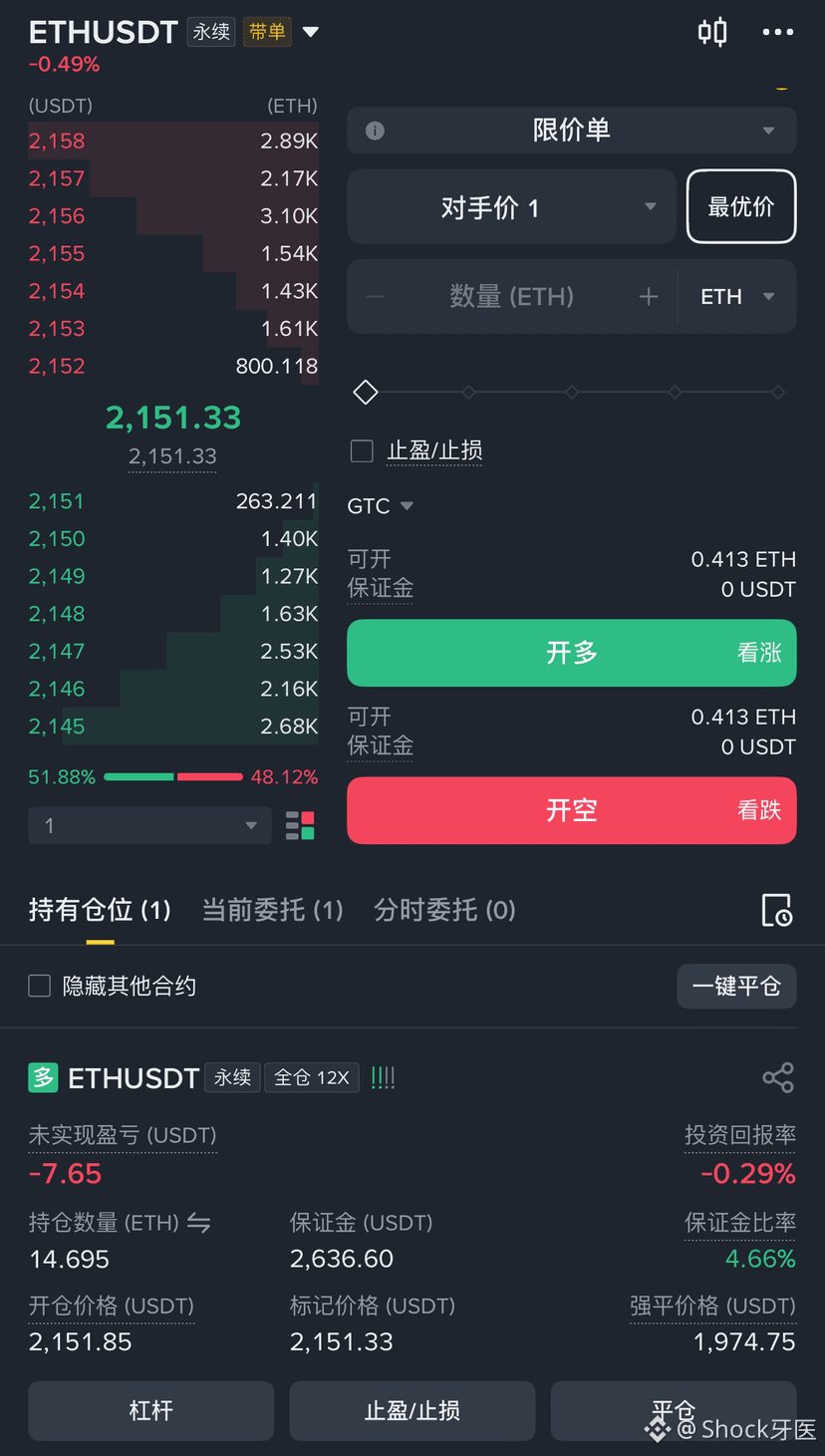
BullishBrothers, we've already gone all in on the long position
Is there still hope? The forced liquidation price of 1974 might explode the 100WU principal
The cost of 2151
Is there still hope? The forced liquidation price of 1974 might explode the 100WU principal
The cost of 2151

混沌科技
·
--
Bullish$ALLO still optimistic about new coins, can go long at 0.17, many altcoins are stirring at this node, a careless mistake might lead to missing out on a sell! But opportunities are for those who are prepared, keeping up with the market rhythm without falling behind is the main theme! Don't set your targets too low, around 0.205 is where you can clear out!


天晴ETH
·
--
Back to being a clown 🤡
Is there anyone who wants to tease me?
Is there anyone who wants to tease me?
天晴ETH
·
--
Bitcoin and Ethereum have returned to the positions before my last round of buying at 2000 and selling.
If I remember correctly, my average price in the last round was
eth 1890 sold at 3150-3500
btc 82000 sold at 93000
Let's build positions in batches with spot trading, and let's see about contracts later.
Because the expectations in the last round were very good.
Interest rate cut expectations, geopolitical ceasefire expectations, Trump coming to power expectations, ETF expectations, institutional expectations.
However, this time it seems that there is no good narrative in sight.
Moreover, the American economy and political struggles are far worse than we imagined.
People in several major countries are also experiencing liquidity tightening.
As for third world countries, it's even worse.
Recently, the mainland has strengthened the new round of crackdown on virtual currencies.
My Douyin account has just been permanently banned.
The entire Alibaba system has blocked keywords related to Binance and OK exchange.
Tencent, Baidu, ByteDance, and other major domestic companies are probably not far behind.
OTC is getting harder, and the threshold for newcomers to enter the circle is getting higher.
This further leads to a lack of liquidity.
I have always been bearish, but there have been some issues here; there has been too much short-term trading.
I won’t mention the mistakes here.
There is a huge gap between knowing and doing.
Life still has to go on, and we need to look ahead.
Trading is very difficult; it requires infinite backup and firm belief.
But even though it's hard, we have to play; this bottom still has to be bought.
Buying the bottom could be fatal, but even if it’s fatal, we still have to buy.
However, this is not yet a price for all-in; we are still far from it.
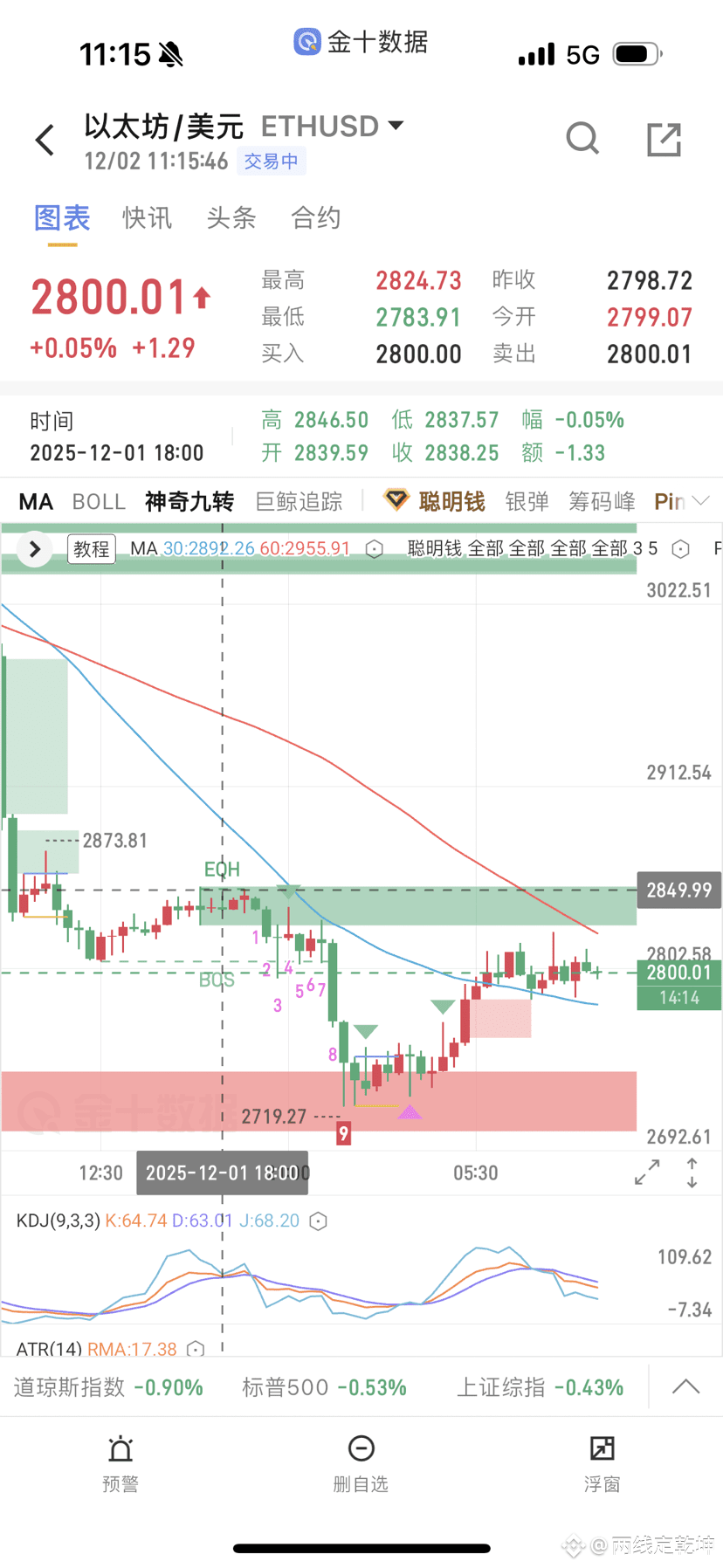
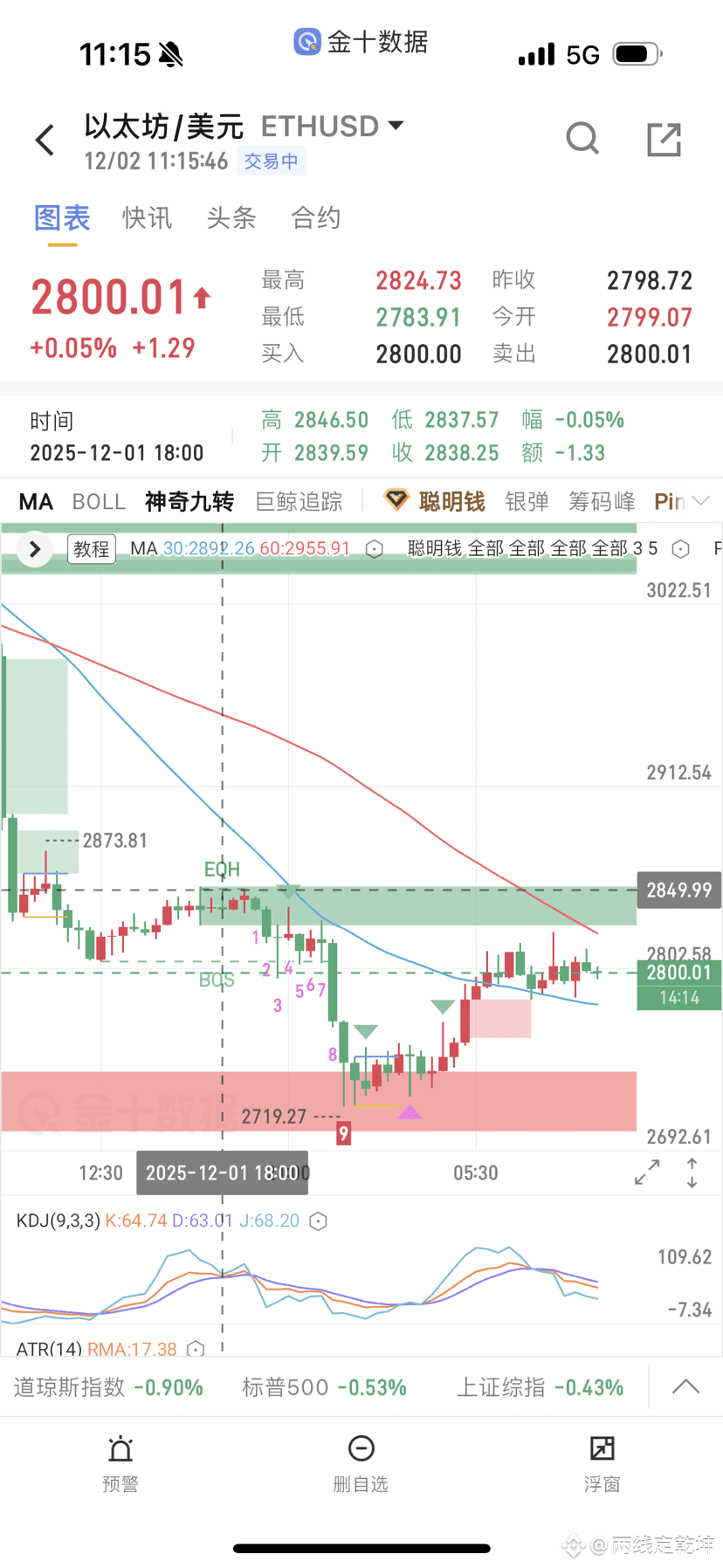
But what seems far away is not that far; how much longer can it drop from 2800?
Let it drop another 1300 dollars, and we will enter in this range.
However, the pump won't be that quick; manage expectations well.
Pessimists are always correct, while optimists achieve success.
I have seen many people disappear along the way, and I will also be very sad.
But this is the ruthless and cruel meat grinder of the crypto world.
Be a bit optimistic strategically, and a bit cautious tactically.
Chaos is the ladder for everyone who wants to change their fate.
The real bottom may take 3-6 months to grind.
Current prices: Ethereum 2800, BTC 87000.
I have probably entered 5% of my spot position and will hold on.
If I remember correctly, my average price in the last round was
eth 1890 sold at 3150-3500
btc 82000 sold at 93000
Let's build positions in batches with spot trading, and let's see about contracts later.
Because the expectations in the last round were very good.
Interest rate cut expectations, geopolitical ceasefire expectations, Trump coming to power expectations, ETF expectations, institutional expectations.
However, this time it seems that there is no good narrative in sight.
Moreover, the American economy and political struggles are far worse than we imagined.
People in several major countries are also experiencing liquidity tightening.
As for third world countries, it's even worse.
Recently, the mainland has strengthened the new round of crackdown on virtual currencies.
My Douyin account has just been permanently banned.
The entire Alibaba system has blocked keywords related to Binance and OK exchange.
Tencent, Baidu, ByteDance, and other major domestic companies are probably not far behind.
OTC is getting harder, and the threshold for newcomers to enter the circle is getting higher.
This further leads to a lack of liquidity.
I have always been bearish, but there have been some issues here; there has been too much short-term trading.
I won’t mention the mistakes here.
There is a huge gap between knowing and doing.
Life still has to go on, and we need to look ahead.
Trading is very difficult; it requires infinite backup and firm belief.
But even though it's hard, we have to play; this bottom still has to be bought.
Buying the bottom could be fatal, but even if it’s fatal, we still have to buy.
However, this is not yet a price for all-in; we are still far from it.
But what seems far away is not that far; how much longer can it drop from 2800?
Let it drop another 1300 dollars, and we will enter in this range.
However, the pump won't be that quick; manage expectations well.
Pessimists are always correct, while optimists achieve success.
I have seen many people disappear along the way, and I will also be very sad.
But this is the ruthless and cruel meat grinder of the crypto world.
Be a bit optimistic strategically, and a bit cautious tactically.
Chaos is the ladder for everyone who wants to change their fate.
The real bottom may take 3-6 months to grind.
Current prices: Ethereum 2800, BTC 87000.
I have probably entered 5% of my spot position and will hold on.
Log in to explore more content