
ROI HUSTLE
35 Posts

ROI HUSTLE
Report
Block User
0 Following
53 Followers
45 Liked
Posts
·
--
Bullish
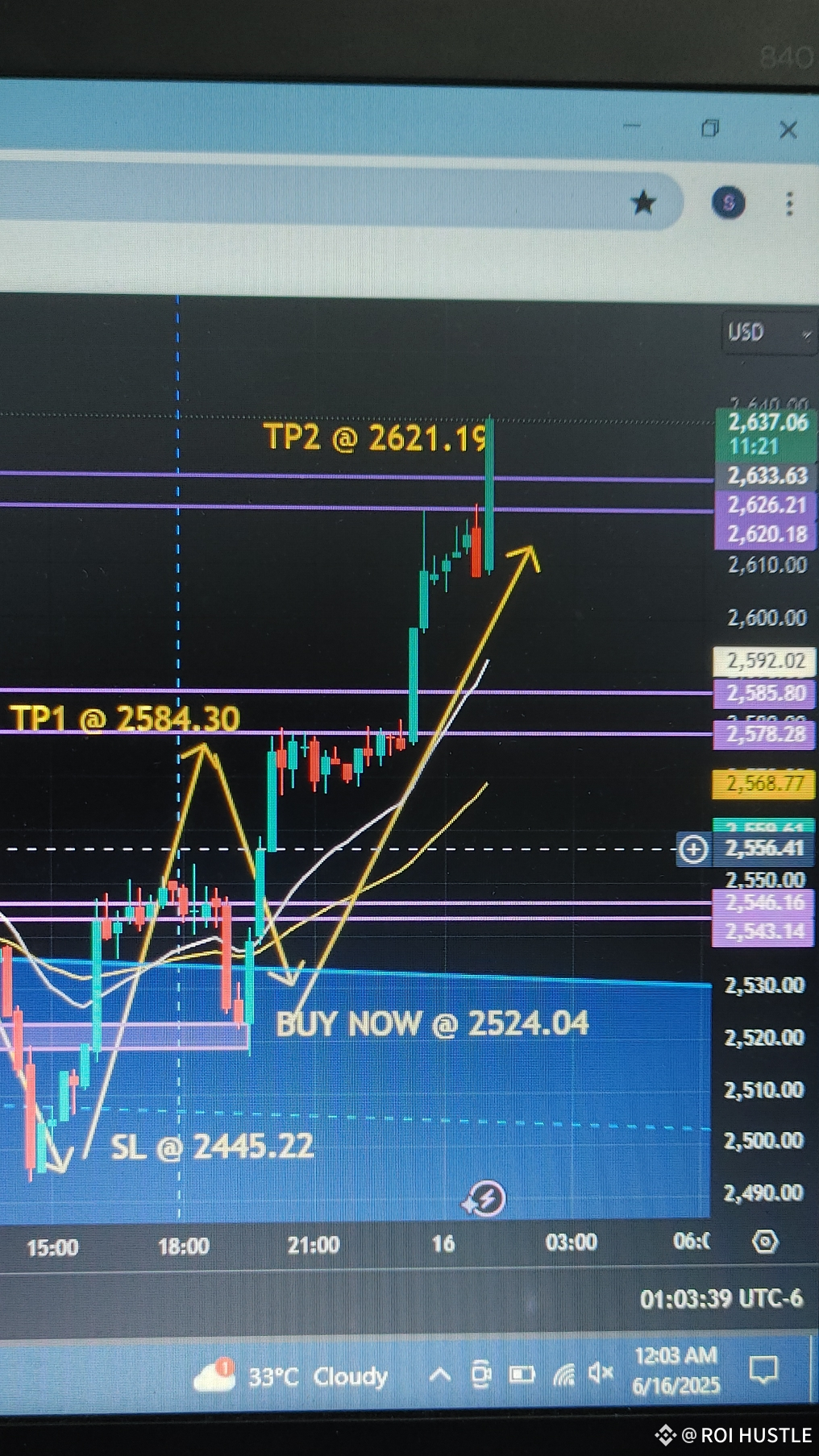
📌Signal : BUY Trade on #ETH
As per the signal Eth/Usdt is hits both targets successfully 💲💲💲 🎯.
✅Follow For More Free Trading Signals.
$ETH
{spot}(ETHUSDT)
📌Signal : BUY Trade on #ETH
As per the signal Eth/Usdt is hits both targets successfully 💲💲💲 🎯.
✅Follow For More Free Trading Signals.
$ETH
As per the signal Eth/Usdt is hits both targets successfully 💲💲💲 🎯.
✅Follow For More Free Trading Signals.
$ETH
20
·
--
USDC: The Stablecoin You Can Trust
USDC, or USD Coin, is a popular stablecoin pegged 1:1 to the U.S. dollar. Launched in 2018 by Circle in partnership with Coinbase, USDC was designed to offer the stability of fiat currency while harnessing the speed and accessibility of blockchain technology.
Each USDC token is backed by cash and short-term U.S. government bonds, ensuring that its value remains steady at one dollar. This makes it a preferred choice for traders, businesses, and DeFi users looking for a reliable store of value or a medium for transactions in volatile crypto markets.
USDC operates across multiple blockchains including Ethereum, Solana, and Avalanche, providing flexibility and low transaction fees. It’s commonly used for trading pairs, yield farming, and international payments.
With its transparent reserves, regular audits, and growing institutional adoption, USDC has earned a solid reputation as one of the most trusted stablecoins in the crypto ecosystem.
$USDC
USDC: The Stablecoin You Can Trust
USDC, or USD Coin, is a popular stablecoin pegged 1:1 to the U.S. dollar. Launched in 2018 by Circle in partnership with Coinbase, USDC was designed to offer the stability of fiat currency while harnessing the speed and accessibility of blockchain technology.
Each USDC token is backed by cash and short-term U.S. government bonds, ensuring that its value remains steady at one dollar. This makes it a preferred choice for traders, businesses, and DeFi users looking for a reliable store of value or a medium for transactions in volatile crypto markets.
USDC operates across multiple blockchains including Ethereum, Solana, and Avalanche, providing flexibility and low transaction fees. It’s commonly used for trading pairs, yield farming, and international payments.
With its transparent reserves, regular audits, and growing institutional adoption, USDC has earned a solid reputation as one of the most trusted stablecoins in the crypto ecosystem.
$USDC
USDC, or USD Coin, is a popular stablecoin pegged 1:1 to the U.S. dollar. Launched in 2018 by Circle in partnership with Coinbase, USDC was designed to offer the stability of fiat currency while harnessing the speed and accessibility of blockchain technology.
Each USDC token is backed by cash and short-term U.S. government bonds, ensuring that its value remains steady at one dollar. This makes it a preferred choice for traders, businesses, and DeFi users looking for a reliable store of value or a medium for transactions in volatile crypto markets.
USDC operates across multiple blockchains including Ethereum, Solana, and Avalanche, providing flexibility and low transaction fees. It’s commonly used for trading pairs, yield farming, and international payments.
With its transparent reserves, regular audits, and growing institutional adoption, USDC has earned a solid reputation as one of the most trusted stablecoins in the crypto ecosystem.
$USDC
1
12
·
--
As of June 5, 2025, Ethereum (ETH) is trading at approximately $2,605.31, reflecting a slight decline of 0.51% over the past 24 hours.
Key Support Levels:
$2,584: Recent bounce point, indicating strong buyer interest.
$2,500: Psychological support level.
$2,450: Lower boundary of the current trading range.
Key Resistance Levels:
$2,640–$2,665: Immediate resistance zone.
$2,700: Next target if the immediate resistance is breached.
$2,727–$2,828: Strong resistance area marked by previous price rejections.
Technical Outlook: Ethereum has recently formed a V-shaped recovery pattern with above-average volume, suggesting bullish momentum. However, the price remains within a consolidation range between $2,600 and $2,830. A decisive move above the $2,665 resistance could pave the way for a test of the $2,700 level.
Traders should monitor these key levels closely. A break above resistance may signal further upside potential, while a drop below support could indicate increased selling pressure.
$ETH
{spot}(ETHUSDT)
As of June 5, 2025, Ethereum (ETH) is trading at approximately $2,605.31, reflecting a slight decline of 0.51% over the past 24 hours.
Key Support Levels:
$2,584: Recent bounce point, indicating strong buyer interest.
$2,500: Psychological support level.
$2,450: Lower boundary of the current trading range.
Key Resistance Levels:
$2,640–$2,665: Immediate resistance zone.
$2,700: Next target if the immediate resistance is breached.
$2,727–$2,828: Strong resistance area marked by previous price rejections.
Technical Outlook: Ethereum has recently formed a V-shaped recovery pattern with above-average volume, suggesting bullish momentum. However, the price remains within a consolidation range between $2,600 and $2,830. A decisive move above the $2,665 resistance could pave the way for a test of the $2,700 level.
Traders should monitor these key levels closely. A break above resistance may signal further upside potential, while a drop below support could indicate increased selling pressure.
$ETH
Key Support Levels:
$2,584: Recent bounce point, indicating strong buyer interest.
$2,500: Psychological support level.
$2,450: Lower boundary of the current trading range.
Key Resistance Levels:
$2,640–$2,665: Immediate resistance zone.
$2,700: Next target if the immediate resistance is breached.
$2,727–$2,828: Strong resistance area marked by previous price rejections.
Technical Outlook: Ethereum has recently formed a V-shaped recovery pattern with above-average volume, suggesting bullish momentum. However, the price remains within a consolidation range between $2,600 and $2,830. A decisive move above the $2,665 resistance could pave the way for a test of the $2,700 level.
Traders should monitor these key levels closely. A break above resistance may signal further upside potential, while a drop below support could indicate increased selling pressure.
$ETH
1
156
·
--
Circle Internet Group, the issuer of the USDC stablecoin, successfully raised $1.05 billion through an upsized U.S. initial public offering (IPO) by selling 34 million shares at $31 each, achieving a company valuation of approximately $8 billion. This IPO, one of the largest in 2025, signifies growing investor interest in cryptocurrency-related firms transitioning into traditional finance markets. It also marks one of the most significant crypto listings since Coinbase's 2021 debut. The offering reflects robust institutional interest, particularly in stablecoins and crypto infrastructure rather than more speculative digital assets. Founded in 2013, Circle is the second-largest stablecoin issuer after Tether, with USDC holding a market cap exceeding $61 billion. The company also issues the euro-pegged EURC stablecoin. Shares will begin trading on the NYSE under the symbol "CRCL." The IPO comes amid a shift in U.S. crypto regulatory outlook under President Donald Trump, promising a friendlier environment for crypto firms. The deal was underwritten by prominent financial institutions including J.P. Morgan, Citigroup, and Goldman Sachs.
#CircleIPO
Circle Internet Group, the issuer of the USDC stablecoin, successfully raised $1.05 billion through an upsized U.S. initial public offering (IPO) by selling 34 million shares at $31 each, achieving a company valuation of approximately $8 billion. This IPO, one of the largest in 2025, signifies growing investor interest in cryptocurrency-related firms transitioning into traditional finance markets. It also marks one of the most significant crypto listings since Coinbase's 2021 debut. The offering reflects robust institutional interest, particularly in stablecoins and crypto infrastructure rather than more speculative digital assets. Founded in 2013, Circle is the second-largest stablecoin issuer after Tether, with USDC holding a market cap exceeding $61 billion. The company also issues the euro-pegged EURC stablecoin. Shares will begin trading on the NYSE under the symbol "CRCL." The IPO comes amid a shift in U.S. crypto regulatory outlook under President Donald Trump, promising a friendlier environment for crypto firms. The deal was underwritten by prominent financial institutions including J.P. Morgan, Citigroup, and Goldman Sachs.
#CircleIPO
#CircleIPO
6
·
--
Trading pairs: The Basics Explained
A trading pair is a market between two different assets that can be exchanged for each other. In the world of crypto and forex, trading pairs allow you to compare the value of one asset against another. For example, in the BTC/USDT trading pair, you are buying or selling Bitcoin in exchange for Tether (a stablecoin).
The first asset in the pair is the base currency, and the second is the quote currency. So if BTC/USDT is priced at 30,000, that means one Bitcoin equals 30,000 USDT.
Understanding trading pairs is essential because they show you how much of one currency you need to get another. Different exchanges offer various pairs, depending on liquidity and demand. For traders, choosing the right trading pair can impact transaction costs, execution speed, and overall profitability.
Mastering trading pairs is a foundational step toward becoming a successful trader.
#TradingPairs101
Trading pairs: The Basics Explained
A trading pair is a market between two different assets that can be exchanged for each other. In the world of crypto and forex, trading pairs allow you to compare the value of one asset against another. For example, in the BTC/USDT trading pair, you are buying or selling Bitcoin in exchange for Tether (a stablecoin).
The first asset in the pair is the base currency, and the second is the quote currency. So if BTC/USDT is priced at 30,000, that means one Bitcoin equals 30,000 USDT.
Understanding trading pairs is essential because they show you how much of one currency you need to get another. Different exchanges offer various pairs, depending on liquidity and demand. For traders, choosing the right trading pair can impact transaction costs, execution speed, and overall profitability.
Mastering trading pairs is a foundational step toward becoming a successful trader.
#TradingPairs101
A trading pair is a market between two different assets that can be exchanged for each other. In the world of crypto and forex, trading pairs allow you to compare the value of one asset against another. For example, in the BTC/USDT trading pair, you are buying or selling Bitcoin in exchange for Tether (a stablecoin).
The first asset in the pair is the base currency, and the second is the quote currency. So if BTC/USDT is priced at 30,000, that means one Bitcoin equals 30,000 USDT.
Understanding trading pairs is essential because they show you how much of one currency you need to get another. Different exchanges offer various pairs, depending on liquidity and demand. For traders, choosing the right trading pair can impact transaction costs, execution speed, and overall profitability.
Mastering trading pairs is a foundational step toward becoming a successful trader.
#TradingPairs101
19
·
--
Liquidity 101: Understanding the Basics
Liquidity refers to how easily an asset can be converted into cash without affecting its market price. In simple terms, it's about how quickly you can buy or sell something in the market. Cash is considered the most liquid asset, while real estate or collectibles are less liquid because they take more time and effort to sell.
In financial markets, liquidity plays a crucial role in maintaining stability and efficiency. A highly liquid market means traders can enter and exit positions easily, with minimal price fluctuations. On the other hand, low liquidity often leads to higher volatility and wider spreads between buying and selling prices.
Liquidity is also important for businesses and individuals. Companies need liquidity to meet daily expenses and obligations, while investors seek liquid assets to manage risk and seize opportunities quickly. In short, liquidity ensures smoother financial operations at both personal and institutional levels.
#Liquidity101
Liquidity 101: Understanding the Basics
Liquidity refers to how easily an asset can be converted into cash without affecting its market price. In simple terms, it's about how quickly you can buy or sell something in the market. Cash is considered the most liquid asset, while real estate or collectibles are less liquid because they take more time and effort to sell.
In financial markets, liquidity plays a crucial role in maintaining stability and efficiency. A highly liquid market means traders can enter and exit positions easily, with minimal price fluctuations. On the other hand, low liquidity often leads to higher volatility and wider spreads between buying and selling prices.
Liquidity is also important for businesses and individuals. Companies need liquidity to meet daily expenses and obligations, while investors seek liquid assets to manage risk and seize opportunities quickly. In short, liquidity ensures smoother financial operations at both personal and institutional levels.
#Liquidity101
Liquidity refers to how easily an asset can be converted into cash without affecting its market price. In simple terms, it's about how quickly you can buy or sell something in the market. Cash is considered the most liquid asset, while real estate or collectibles are less liquid because they take more time and effort to sell.
In financial markets, liquidity plays a crucial role in maintaining stability and efficiency. A highly liquid market means traders can enter and exit positions easily, with minimal price fluctuations. On the other hand, low liquidity often leads to higher volatility and wider spreads between buying and selling prices.
Liquidity is also important for businesses and individuals. Companies need liquidity to meet daily expenses and obligations, while investors seek liquid assets to manage risk and seize opportunities quickly. In short, liquidity ensures smoother financial operations at both personal and institutional levels.
#Liquidity101
4
·
--
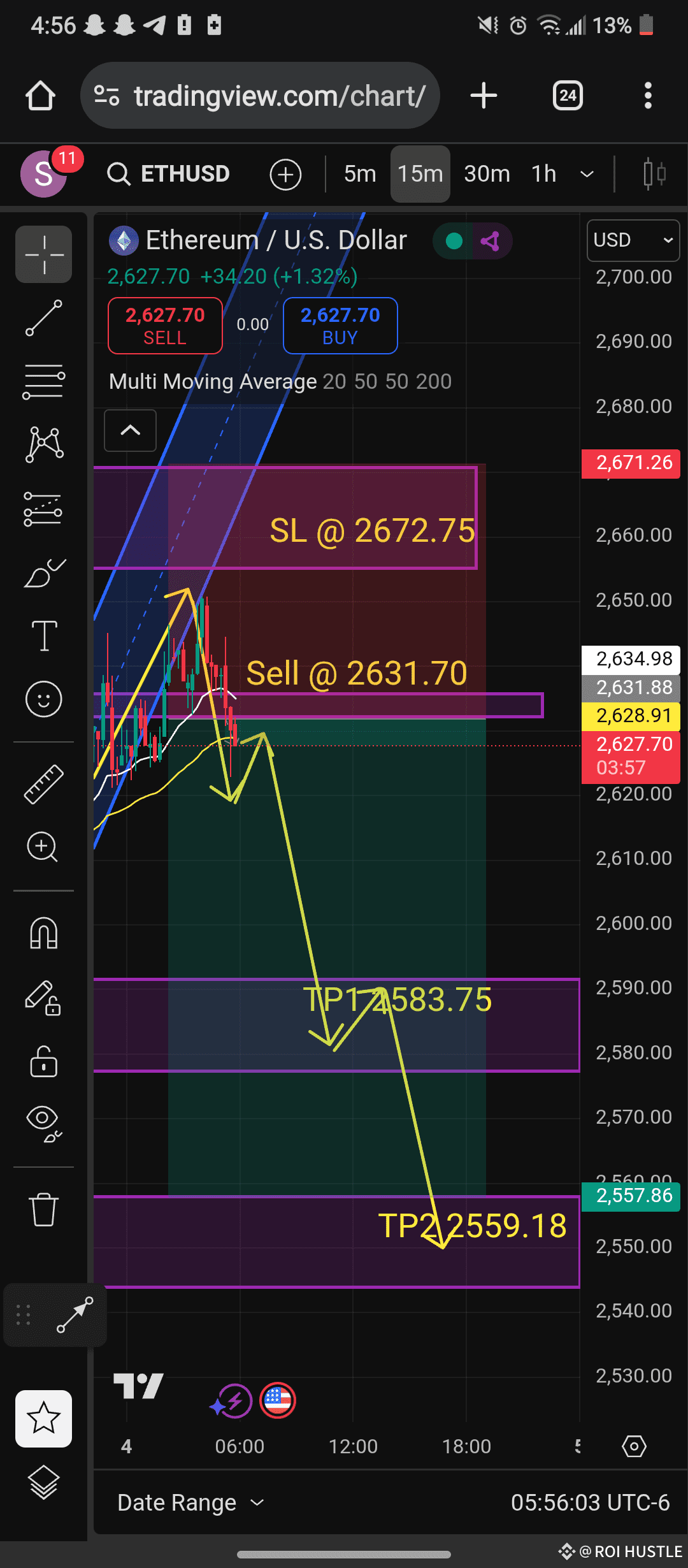
📌Signal : #ETH/USDT SELL @ 2631.70
🚫 SL @ 2672.75
🎯 TP1 @ 2583.75
🎯 TP2 @ 2559.18
Follow For More Free Trading Signals.
Read Pin Comment For More Free Trading Signals.
$ETH
{spot}(ETHUSDT)
📌Signal : #ETH/USDT SELL @ 2631.70
🚫 SL @ 2672.75
🎯 TP1 @ 2583.75
🎯 TP2 @ 2559.18
Follow For More Free Trading Signals.
Read Pin Comment For More Free Trading Signals.
$ETH
🚫 SL @ 2672.75
🎯 TP1 @ 2583.75
🎯 TP2 @ 2559.18
Follow For More Free Trading Signals.
Read Pin Comment For More Free Trading Signals.
$ETH
2
1
2
1.8k
·
--
#BTC/USDT ANALYSIS🔥
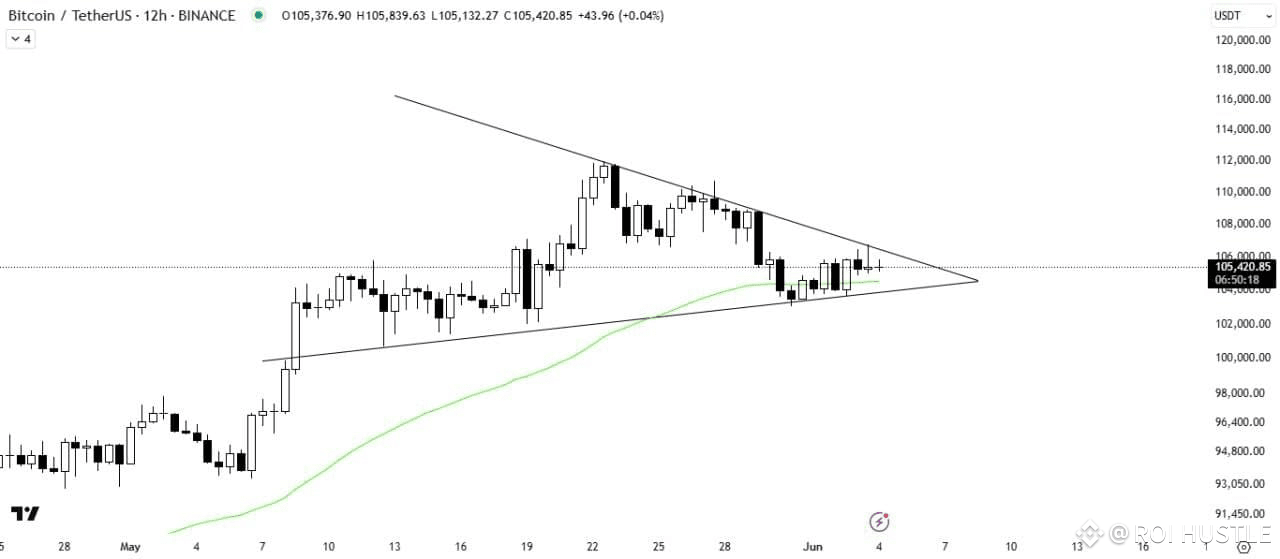
Bitcoin is currently trading within a symmetrical triangle pattern and facing rejection from the resistance trendline. The 50MA is providing support just below the current price level. A breakout or breakdown from the pattern is needed to confirm the next directional move. Keep a close watch on the price action.
Follow for more crypto signals.
$BTC
{spot}(BTCUSDT)
#BTC/USDT ANALYSIS🔥
Bitcoin is currently trading within a symmetrical triangle pattern and facing rejection from the resistance trendline. The 50MA is providing support just below the current price level. A breakout or breakdown from the pattern is needed to confirm the next directional move. Keep a close watch on the price action.
Follow for more crypto signals.
$BTC
Bitcoin is currently trading within a symmetrical triangle pattern and facing rejection from the resistance trendline. The 50MA is providing support just below the current price level. A breakout or breakdown from the pattern is needed to confirm the next directional move. Keep a close watch on the price action.
Follow for more crypto signals.
$BTC
26
·
--
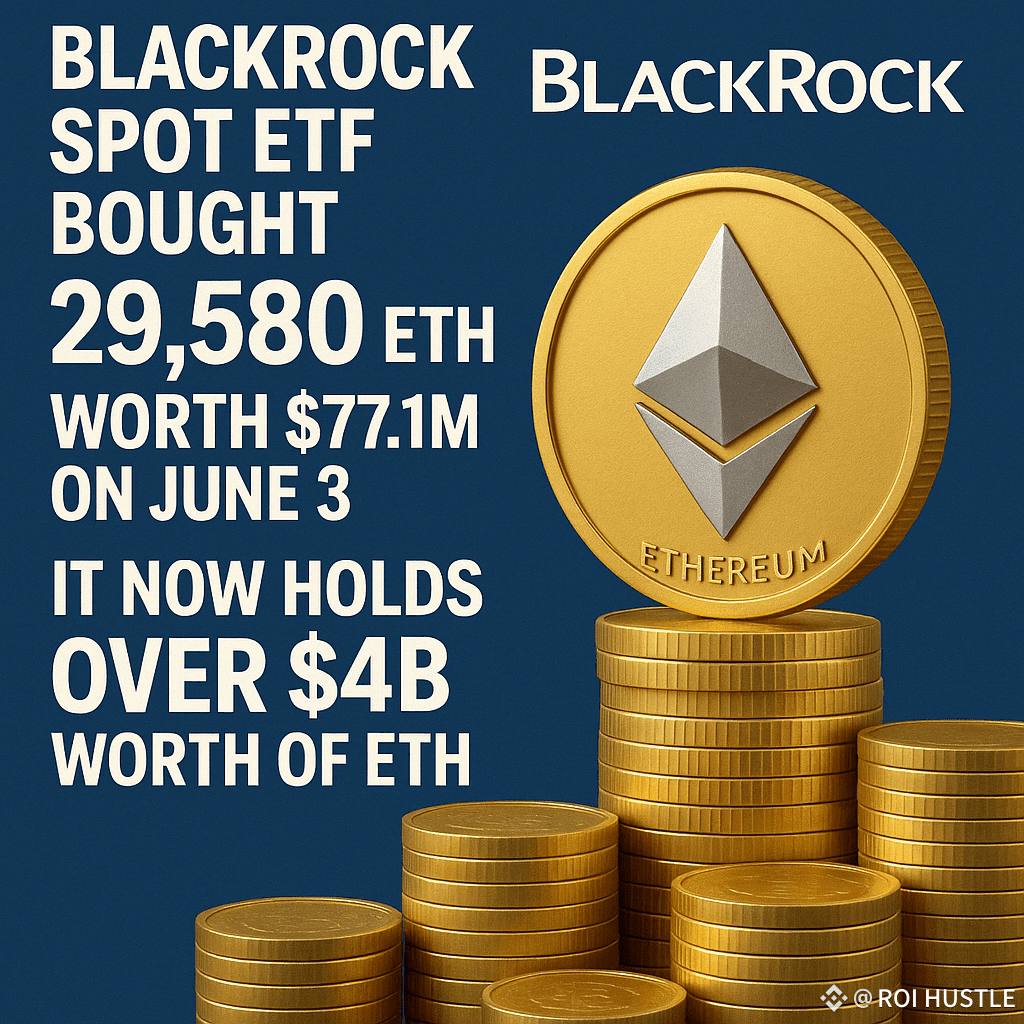
BlackRock spot ETF bought 29,580 ETH worth $77.1M on June 3.🔥
It now holds over $4B worth of ETH.🔥
$ETH
{spot}(ETHUSDT)
BlackRock spot ETF bought 29,580 ETH worth $77.1M on June 3.🔥
It now holds over $4B worth of ETH.🔥
$ETH
It now holds over $4B worth of ETH.🔥
$ETH
25
·
--
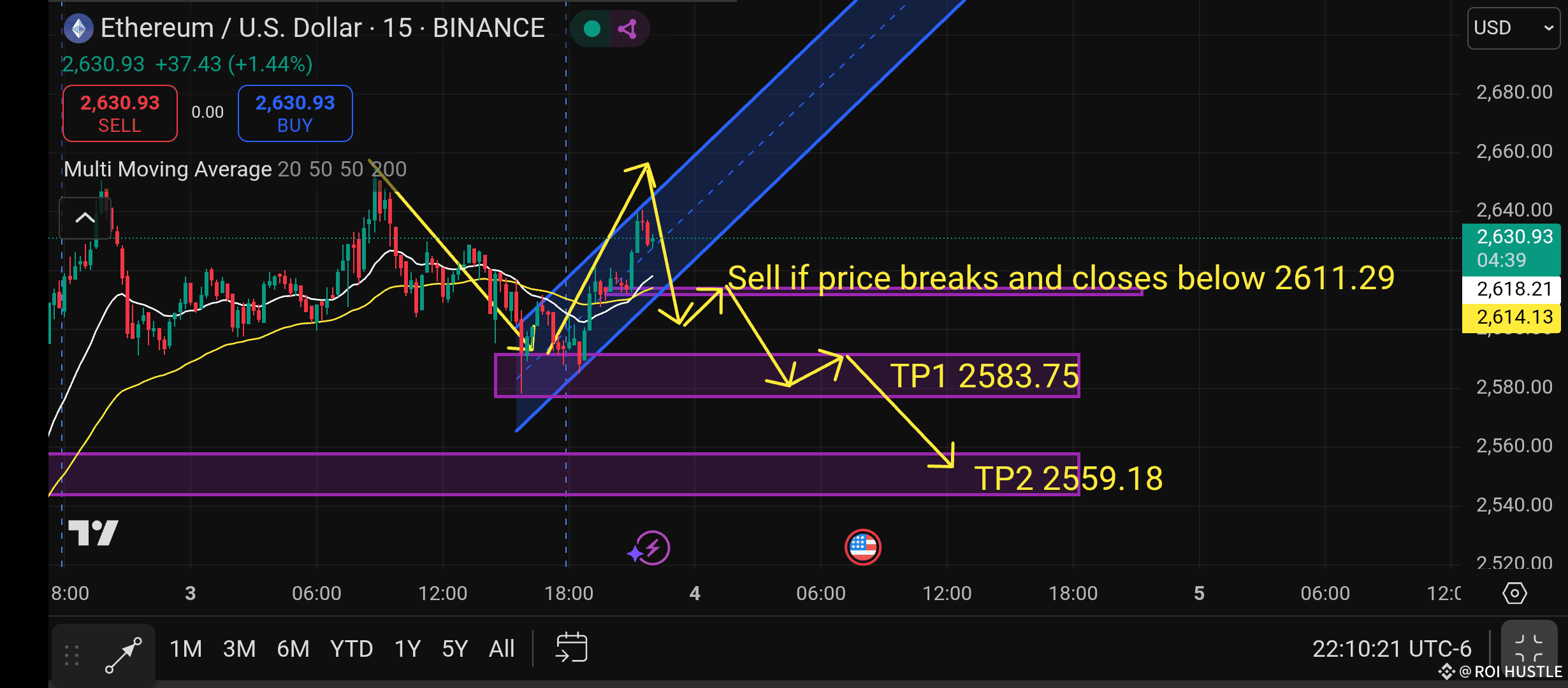
📌Signal : #ETH Sell Setup
Eth/USDT is About To Change Its Direction In 15 Min.
✅Follow For More Free Trading Signals.
✅Read Pin Comment For More Free Trading Signals.
$ETH
{spot}(ETHUSDT)
#MyCOSTrade #CircleIPO #MarketPullback #CircleIPO #TrumpTariffs
📌Signal : #ETH Sell Setup
Eth/USDT is About To Change Its Direction In 15 Min.
✅Follow For More Free Trading Signals.
✅Read Pin Comment For More Free Trading Signals.
$ETH
#MyCOSTrade #CircleIPO #MarketPullback #CircleIPO #TrumpTariffs
Eth/USDT is About To Change Its Direction In 15 Min.
✅Follow For More Free Trading Signals.
✅Read Pin Comment For More Free Trading Signals.
$ETH
#MyCOSTrade #CircleIPO #MarketPullback #CircleIPO #TrumpTariffs
1
1.3k
·
--
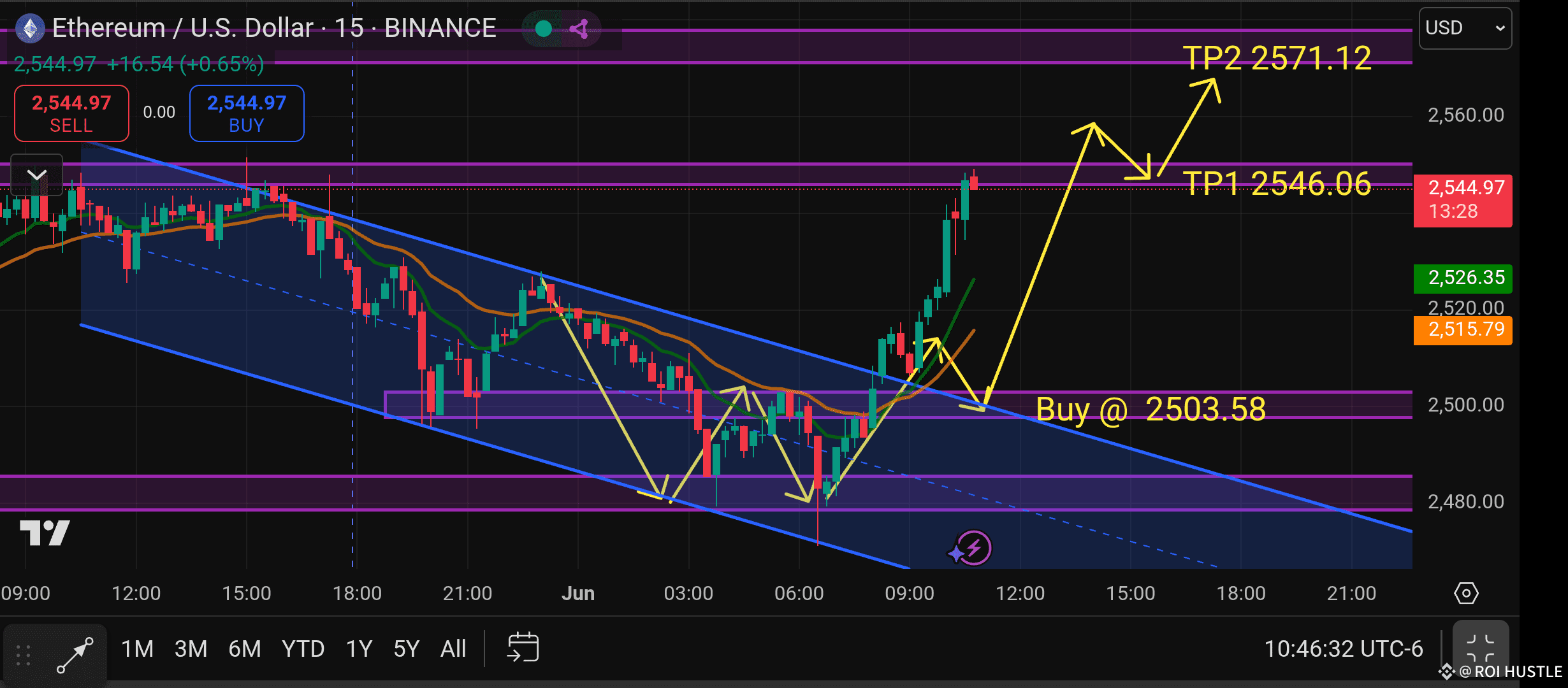
📌Signal : #ETH Buy Signal
As per the signal ETHUSD is hits our TP1 🎯🔥
Follow For More Free Trading Signals.
Read the pin comment for more free trading Ssgnals.
$ETH
{spot}(ETHUSDT)
📌Signal : #ETH Buy Signal
As per the signal ETHUSD is hits our TP1 🎯🔥
Follow For More Free Trading Signals.
Read the pin comment for more free trading Ssgnals.
$ETH
As per the signal ETHUSD is hits our TP1 🎯🔥
Follow For More Free Trading Signals.
Read the pin comment for more free trading Ssgnals.
$ETH
1
510
·
--
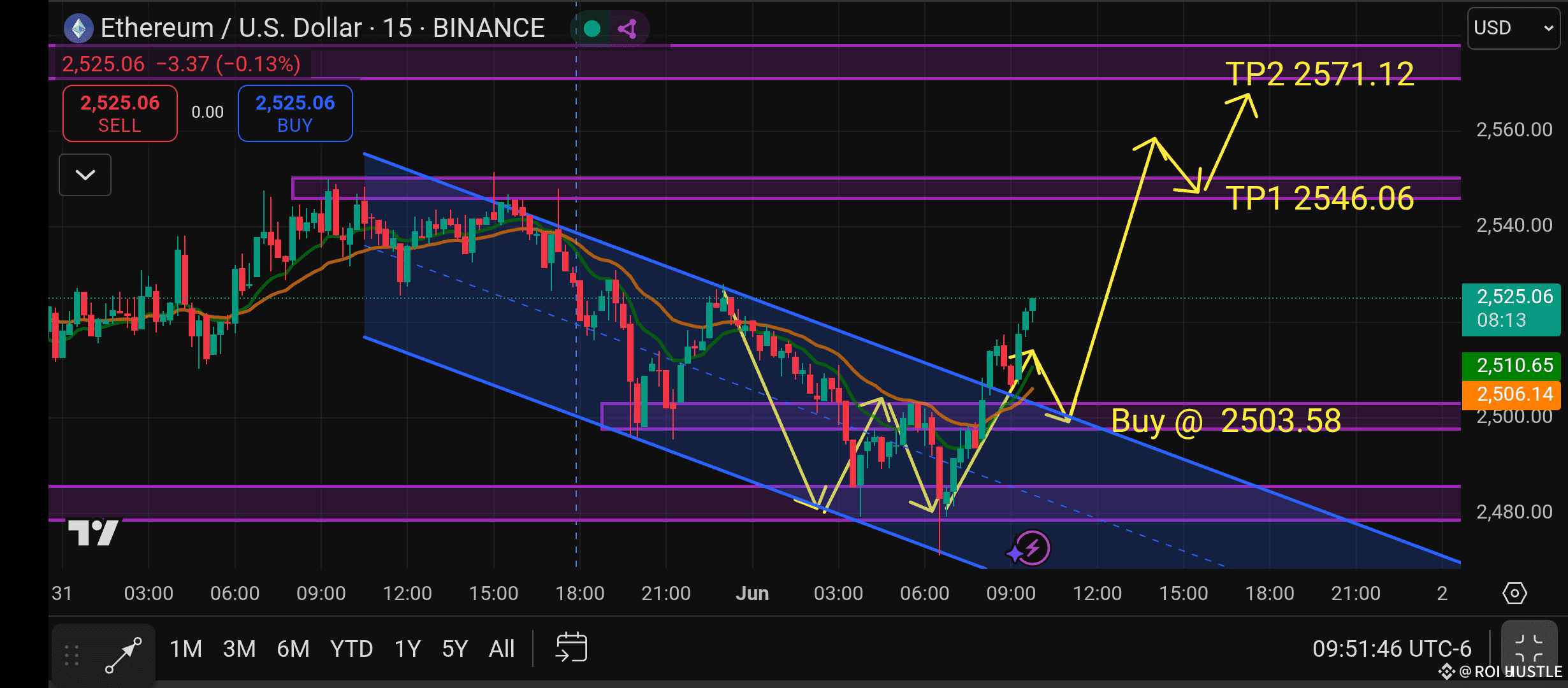
📌Signal : #ETH
As per the trade signal on ETHUSDT is going to hit our TP1.
For More Trading Signals Read The Pin Comment.
$ETH
{spot}(ETHUSDT)
📌Signal : #ETH
As per the trade signal on ETHUSDT is going to hit our TP1.
For More Trading Signals Read The Pin Comment.
$ETH
As per the trade signal on ETHUSDT is going to hit our TP1.
For More Trading Signals Read The Pin Comment.
$ETH
1
2.4k
·
--
#OrderTypes101
The Basics Every Trader Should Know
When trading in the financial markets, understanding different order types is essential. They determine how and when your trades are executed.
The most basic is a Market Order. It buys or sells an asset instantly at the current market price. It’s fast but can suffer from price slippage in volatile markets.
Next is a Limit Order, where you set a specific price to buy or sell. The trade only happens when the market reaches your chosen price, giving you more control but no guarantee of execution.
A Stop-Loss Order automatically sells an asset when it hits a set price, limiting potential losses. On the flip side, a Take-Profit Order locks in profits once a desired price level is reached.
There are advanced types too, like Trailing Stops and OCO (One Cancels the Other). Mastering these tools can greatly improve your trading strategy and risk management.
#OrderTypes101
The Basics Every Trader Should Know
When trading in the financial markets, understanding different order types is essential. They determine how and when your trades are executed.
The most basic is a Market Order. It buys or sells an asset instantly at the current market price. It’s fast but can suffer from price slippage in volatile markets.
Next is a Limit Order, where you set a specific price to buy or sell. The trade only happens when the market reaches your chosen price, giving you more control but no guarantee of execution.
A Stop-Loss Order automatically sells an asset when it hits a set price, limiting potential losses. On the flip side, a Take-Profit Order locks in profits once a desired price level is reached.
There are advanced types too, like Trailing Stops and OCO (One Cancels the Other). Mastering these tools can greatly improve your trading strategy and risk management.
The Basics Every Trader Should Know
When trading in the financial markets, understanding different order types is essential. They determine how and when your trades are executed.
The most basic is a Market Order. It buys or sells an asset instantly at the current market price. It’s fast but can suffer from price slippage in volatile markets.
Next is a Limit Order, where you set a specific price to buy or sell. The trade only happens when the market reaches your chosen price, giving you more control but no guarantee of execution.
A Stop-Loss Order automatically sells an asset when it hits a set price, limiting potential losses. On the flip side, a Take-Profit Order locks in profits once a desired price level is reached.
There are advanced types too, like Trailing Stops and OCO (One Cancels the Other). Mastering these tools can greatly improve your trading strategy and risk management.
1
13
·
--
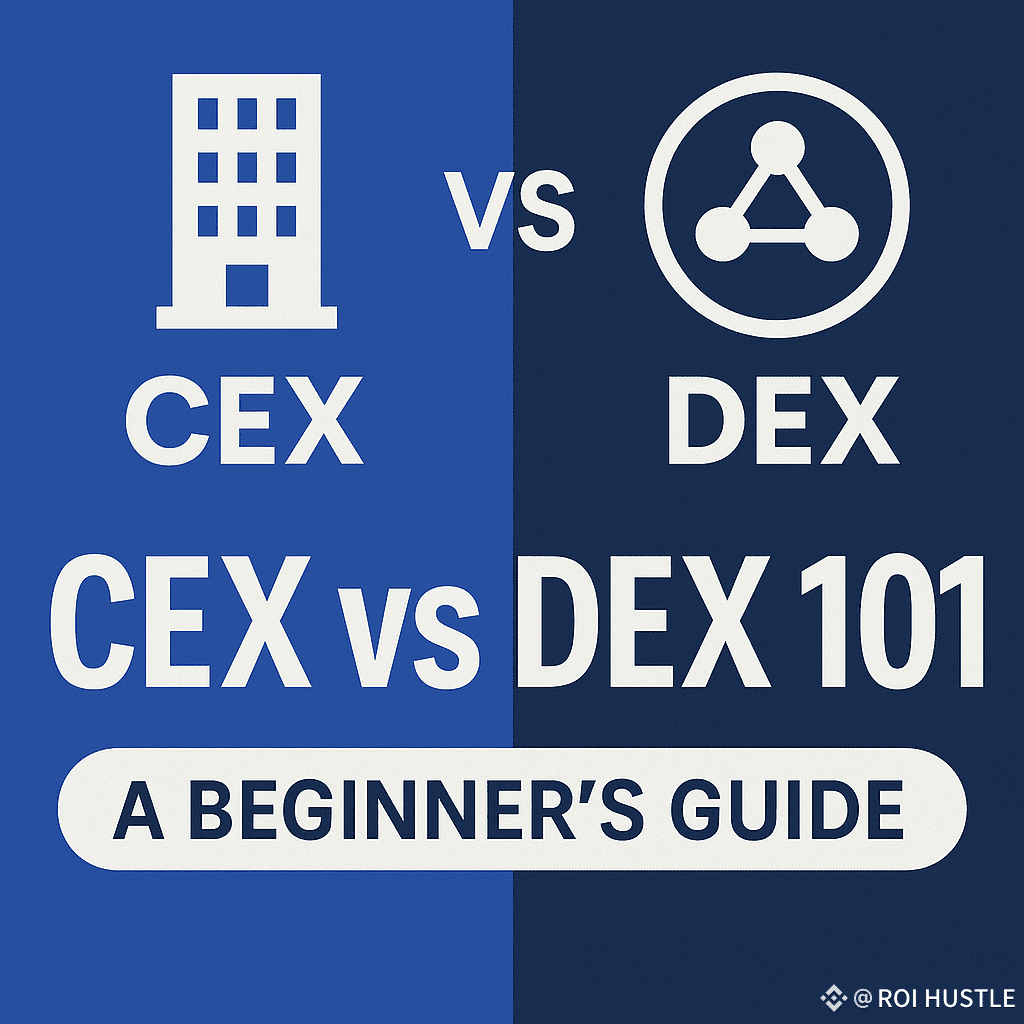
#CEXvsDEX101
CEX vs DEX 101: A Beginner’s Guide
In the crypto world, two main types of exchanges exist: Centralized Exchanges (CEX) and Decentralized Exchanges (DEX). Both allow users to trade cryptocurrencies, but they function differently.
A CEX like Binance, Coinbase, or Kraken is managed by a central authority. It offers user-friendly interfaces, faster transactions, and customer support. However, users must trust the platform with their funds and personal data, which can be risky if the platform is hacked or mismanaged.
On the other hand, a DEX such as Uniswap, PancakeSwap, or dYdX operates without intermediaries. It allows peer-to-peer trading directly from personal wallets, giving users full control over their assets. While DEXs offer greater privacy and security, they often have higher fees, slower transaction speeds, and less liquidity compared to CEXs.
Both have their strengths and weaknesses, and the best choice depends on a trader’s preferences for security, convenience, and control.
#CEXvsDEX101
CEX vs DEX 101: A Beginner’s Guide
In the crypto world, two main types of exchanges exist: Centralized Exchanges (CEX) and Decentralized Exchanges (DEX). Both allow users to trade cryptocurrencies, but they function differently.
A CEX like Binance, Coinbase, or Kraken is managed by a central authority. It offers user-friendly interfaces, faster transactions, and customer support. However, users must trust the platform with their funds and personal data, which can be risky if the platform is hacked or mismanaged.
On the other hand, a DEX such as Uniswap, PancakeSwap, or dYdX operates without intermediaries. It allows peer-to-peer trading directly from personal wallets, giving users full control over their assets. While DEXs offer greater privacy and security, they often have higher fees, slower transaction speeds, and less liquidity compared to CEXs.
Both have their strengths and weaknesses, and the best choice depends on a trader’s preferences for security, convenience, and control.
CEX vs DEX 101: A Beginner’s Guide
In the crypto world, two main types of exchanges exist: Centralized Exchanges (CEX) and Decentralized Exchanges (DEX). Both allow users to trade cryptocurrencies, but they function differently.
A CEX like Binance, Coinbase, or Kraken is managed by a central authority. It offers user-friendly interfaces, faster transactions, and customer support. However, users must trust the platform with their funds and personal data, which can be risky if the platform is hacked or mismanaged.
On the other hand, a DEX such as Uniswap, PancakeSwap, or dYdX operates without intermediaries. It allows peer-to-peer trading directly from personal wallets, giving users full control over their assets. While DEXs offer greater privacy and security, they often have higher fees, slower transaction speeds, and less liquidity compared to CEXs.
Both have their strengths and weaknesses, and the best choice depends on a trader’s preferences for security, convenience, and control.
156
·
--
Bitcoin (BTC) has recently surged past $111,000, driven by significant institutional investments and favourable regulatory developments. A key factor in this rally is the approval of spot Bitcoin ETFs in the U.S., attracting substantial inflows from major firms like BlackRock and Fidelity . Additionally, the U.S. government's establishment of a Strategic Bitcoin Reserve, holding approximately 200,000 BTC, underscores the cryptocurrency's growing role as a national asset .
In Pakistan, the launch of the Pakistan Crypto Council and the unveiling of the country's first government-led Strategic Bitcoin Reserve highlight a regional shift towards embracing digital assets . These developments, coupled with Bitcoin's inherent scarcity and increasing adoption, have led analysts to predict a potential rise to $145,000 within the year . As institutional interest continues to grow, Bitcoin's position as a mainstream financial asset appears increasingly solidified.
$BTC
{spot}(BTCUSDT)
Bitcoin (BTC) has recently surged past $111,000, driven by significant institutional investments and favourable regulatory developments. A key factor in this rally is the approval of spot Bitcoin ETFs in the U.S., attracting substantial inflows from major firms like BlackRock and Fidelity . Additionally, the U.S. government's establishment of a Strategic Bitcoin Reserve, holding approximately 200,000 BTC, underscores the cryptocurrency's growing role as a national asset .
In Pakistan, the launch of the Pakistan Crypto Council and the unveiling of the country's first government-led Strategic Bitcoin Reserve highlight a regional shift towards embracing digital assets . These developments, coupled with Bitcoin's inherent scarcity and increasing adoption, have led analysts to predict a potential rise to $145,000 within the year . As institutional interest continues to grow, Bitcoin's position as a mainstream financial asset appears increasingly solidified.
$BTC
In Pakistan, the launch of the Pakistan Crypto Council and the unveiling of the country's first government-led Strategic Bitcoin Reserve highlight a regional shift towards embracing digital assets . These developments, coupled with Bitcoin's inherent scarcity and increasing adoption, have led analysts to predict a potential rise to $145,000 within the year . As institutional interest continues to grow, Bitcoin's position as a mainstream financial asset appears increasingly solidified.
$BTC

73
·
--
#TradingTypes101
Trading in financial markets comes in many forms, each suited to different risk levels, timeframes, and strategies. The most common type is day trading, where traders open and close positions within the same day, capitalizing on short-term price movements. Swing trading involves holding positions for several days or weeks, aiming to profit from price swings.
Then there’s scalping, a fast-paced style where traders make dozens of trades daily to capture small profits. Position trading is for the patient investor, holding assets for months or even years, relying on long-term market trends.
Algorithmic trading uses computer programs to execute trades based on preset conditions, while copy trading allows beginners to replicate the trades of experienced traders.
Each type requires different skills, tools, and psychology. Understanding these trading types helps new traders choose a style that aligns with their goals, risk tolerance, and lifestyle.
#TradingTypes101
Trading in financial markets comes in many forms, each suited to different risk levels, timeframes, and strategies. The most common type is day trading, where traders open and close positions within the same day, capitalizing on short-term price movements. Swing trading involves holding positions for several days or weeks, aiming to profit from price swings.
Then there’s scalping, a fast-paced style where traders make dozens of trades daily to capture small profits. Position trading is for the patient investor, holding assets for months or even years, relying on long-term market trends.
Algorithmic trading uses computer programs to execute trades based on preset conditions, while copy trading allows beginners to replicate the trades of experienced traders.
Each type requires different skills, tools, and psychology. Understanding these trading types helps new traders choose a style that aligns with their goals, risk tolerance, and lifestyle.
Trading in financial markets comes in many forms, each suited to different risk levels, timeframes, and strategies. The most common type is day trading, where traders open and close positions within the same day, capitalizing on short-term price movements. Swing trading involves holding positions for several days or weeks, aiming to profit from price swings.
Then there’s scalping, a fast-paced style where traders make dozens of trades daily to capture small profits. Position trading is for the patient investor, holding assets for months or even years, relying on long-term market trends.
Algorithmic trading uses computer programs to execute trades based on preset conditions, while copy trading allows beginners to replicate the trades of experienced traders.
Each type requires different skills, tools, and psychology. Understanding these trading types helps new traders choose a style that aligns with their goals, risk tolerance, and lifestyle.
34
·
--
Meme Coins and Political Influence:
Question:
The 'Trump Coin' has seen significant gains ahead of a planned event with President Trump. Do you think political figures should be involved in cryptocurrency projects?
Options:
Meme Coins and Political Influence:
Question:
The 'Trump Coin' has seen significant gains ahead of a planned event with President Trump. Do you think political figures should be involved in cryptocurrency projects?
Options:
Question:
The 'Trump Coin' has seen significant gains ahead of a planned event with President Trump. Do you think political figures should be involved in cryptocurrency projects?
Options:
Yes – It brings attention
0%
No – It risks politicizing .
0%
0 votes • Voting closed
25
Log in to explore more content
Join global crypto users on Binance Square
⚡️ Get latest and useful information about crypto.
💬 Trusted by the world’s largest crypto exchange.
👍 Discover real insights from verified creators.
Email / Phone number
Trending Topics
USAugustPPIRisesLessThanExpected
23,267 views
514 Discussing
🚨 US AUG PPI: Rises LESS Than Expected! Bullish for Crypto? 🚀
PPI +0.4% MoM as expected, but CORE PPI only +0.2% vs +0.3% expected - cooling!
What it means:
• Wholesale inflation softer than feared
• Fed rate hike chance now 62% - but dovish signals coming
• Core PCE revisions expected downward - bullish
• BTC usually pumps on softer PPI
Fed meeting Sep 15-16 - Market now expects pause, not hike?
Is this the green light for Q4 rally?
#Bitcoin #PPI #Fed #CryptoNews #BTC#usaugustppiriseslessthanexpected
True News
·1 Likes
·1.2k views
SECApprovesNasdaqTexasCommodityTrustRule
16,108 views
426 Discussing
ECBRaisesRatesSecondTimeTo2.5%
12,912 views
306 Discussing