

RUpali1
 Square Verified
1.5K+ Following
40.5K+ Followers
19.6K+ Liked
Posts
All
Quotes
Live
PINNED
PINNED
·
--
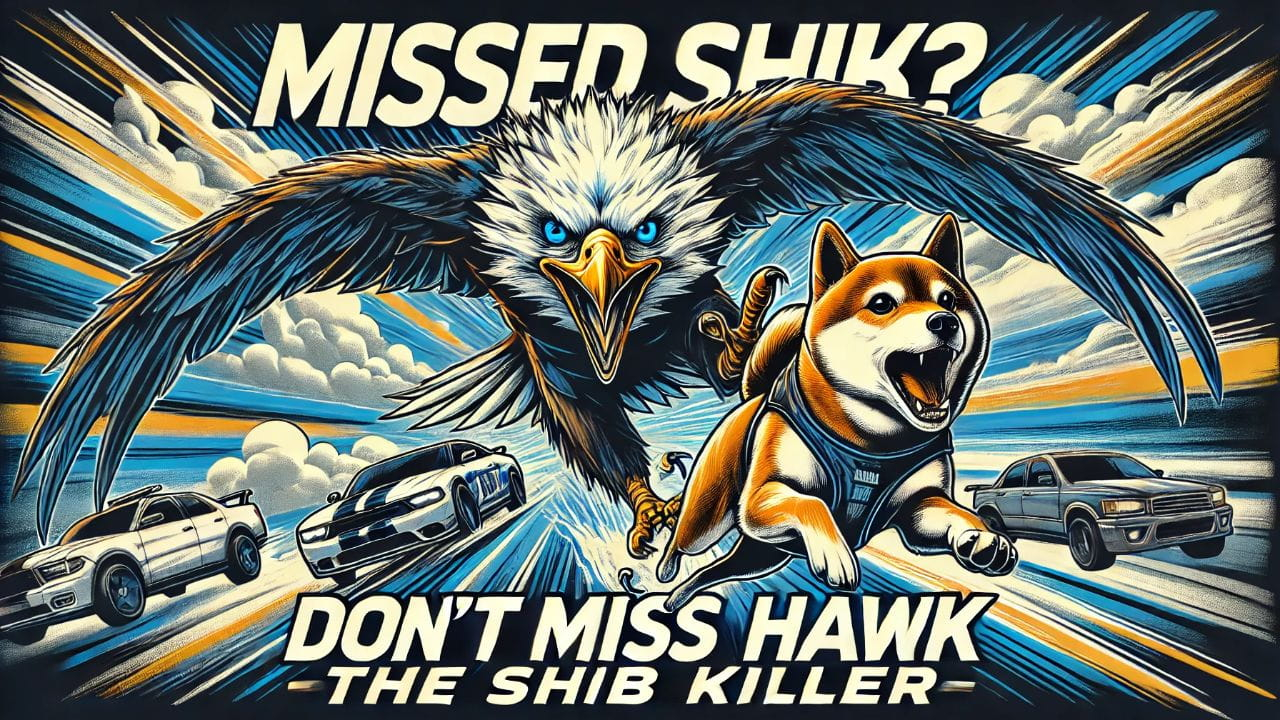
🎙️ Hawk maintains ecological balance and spreads the idea of freedom!
Hawk is influencing every city around the world!
End
03 h 08 m 20 s
5.4k
56
Salman49
·
--
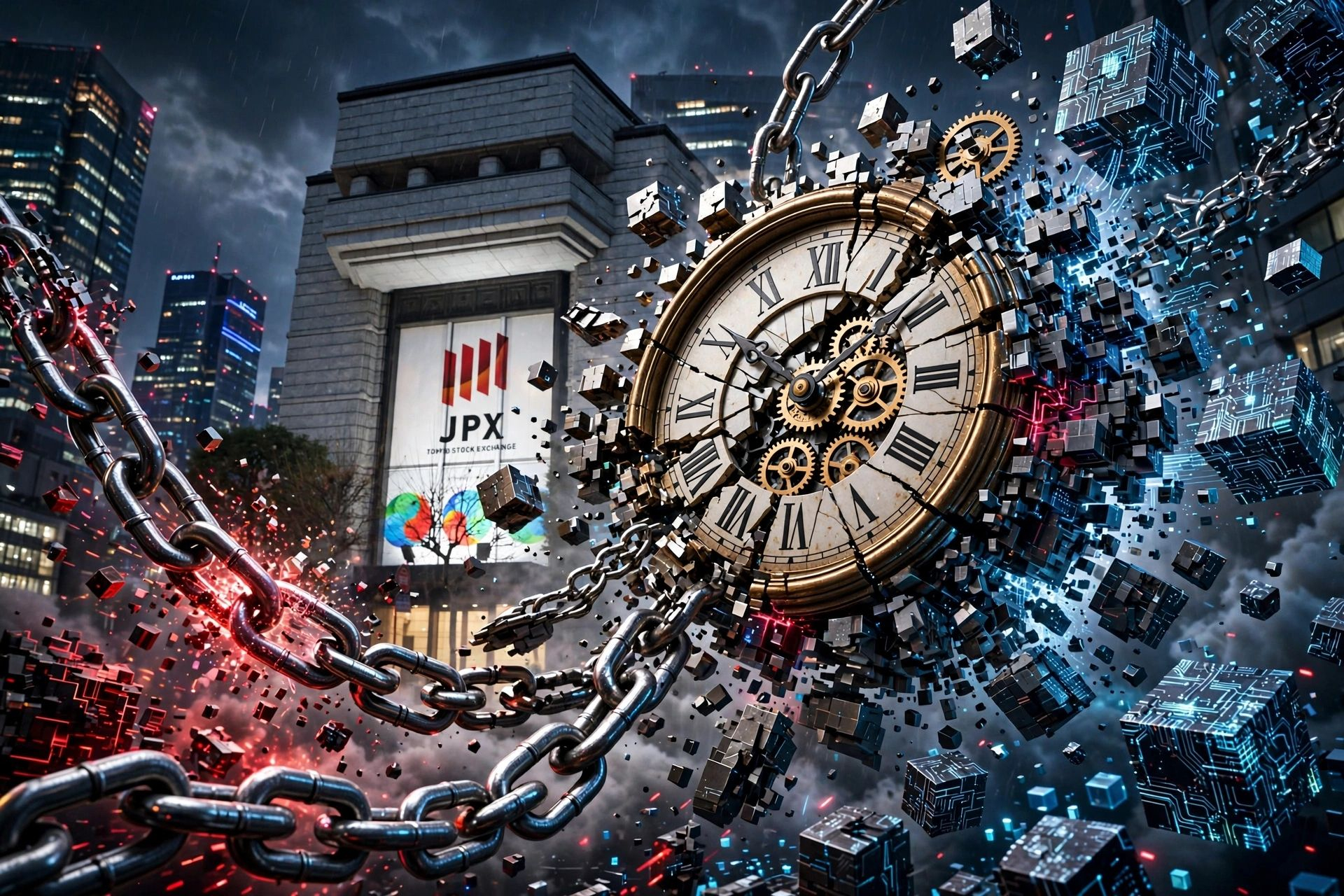
JAPAN WANTS STOCK TRADES TO STOP WAITING TWO DAYS
A trade finishes in seconds on screen.
It still waits two days to become final.
That gap is the real problem.
Japan is trying to fix it. FSA and Bank of Japan are building a plan for blockchain settlement of stocks and government bonds. Plan is expected early 2027. Goal is real time settlement. No T plus two.
But they are not just putting a stock on a chain.
That part is easy.
The hard part is money has to move with the asset. Today asset moves in one system. Payment moves in another. Someone has to make both agree. That two day wait is not empty. It is risk. It is collateral. It is teams reconciling again.
Japan is testing a different way. Transfer and payment together. At the same time. BOJ is testing tokenized central bank money for this.
Imagine both sides updating together.
No asset stuck in limbo while cash catches up. No waiting because two clocks are different.
This is not live today. Design and testing phase. Real network expected only in early 2030s.
A trade finishes in seconds on screen.
It still waits two days to become final.
That gap is the real problem.
Japan is trying to fix it. FSA and Bank of Japan are building a plan for blockchain settlement of stocks and government bonds. Plan is expected early 2027. Goal is real time settlement. No T plus two.
But they are not just putting a stock on a chain.
That part is easy.
The hard part is money has to move with the asset. Today asset moves in one system. Payment moves in another. Someone has to make both agree. That two day wait is not empty. It is risk. It is collateral. It is teams reconciling again.
Japan is testing a different way. Transfer and payment together. At the same time. BOJ is testing tokenized central bank money for this.
Imagine both sides updating together.
No asset stuck in limbo while cash catches up. No waiting because two clocks are different.
This is not live today. Design and testing phase. Real network expected only in early 2030s.
Salman49
·
--
THE HIDDEN COST OF PUTTING FINANCE ONCHAIN
The part nobody puts in the tokenization headline is the cleanup.
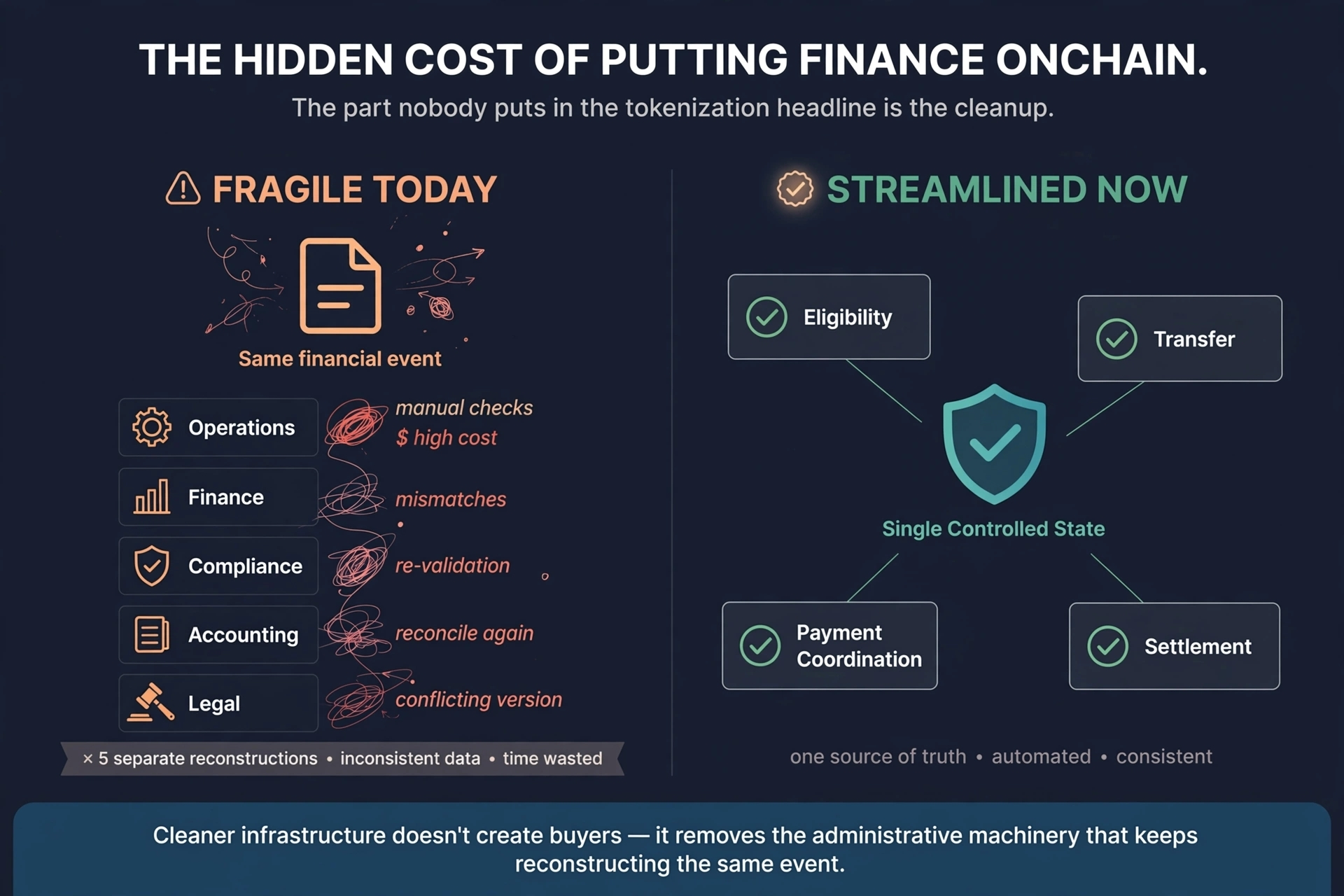
A security can become digital while the people around it still keep separate records. Investor eligibility sits somewhere Ownership somewhere else. Payment arrives through another system. Then everyone checks whether the records agree.
That last bit is expensive.
Not because copying data is difficult. Because every handoff creates another place for an exception to appear.
Dusk is taking a different route. Its market infrastructure connects eligibility, transfer controls, privacy payment coordination and settlement around the same regulated asset workflow. Dusk Trade brings those pieces into an actual product flow for discovering, buying and selling tokenized financial assets.
The interesting part isn't one blockchain does more.
It is what happens to responsibility.
If the same controlled state can be referenced when an investor enters, when an asset moves and when settlement occurs. fewer teams need to reconstruct what happened after the fact. That can mean fewer manual checks and fewer opportunities for two systems to disagree. Dusk's own private-market material makes this reconciliation problem explicit.
But there is a nasty little catch.
Cleaner infrastructure doesn't create buyers.
Dusk itself acknowledges that tokenization cannot manufacture demand, liquidity or fair pricing. A better workflow still needs an authorized venue, eligible investors and functioning payment infrastructure.
So the deeper Dusk thesis isn't really about making securities look digital.
It is about removing the administrative machinery that keeps reconstructing the same financial event five different ways.
@Dusk $DUSK #dusk
The part nobody puts in the tokenization headline is the cleanup.
A security can become digital while the people around it still keep separate records. Investor eligibility sits somewhere Ownership somewhere else. Payment arrives through another system. Then everyone checks whether the records agree.
That last bit is expensive.
Not because copying data is difficult. Because every handoff creates another place for an exception to appear.
Dusk is taking a different route. Its market infrastructure connects eligibility, transfer controls, privacy payment coordination and settlement around the same regulated asset workflow. Dusk Trade brings those pieces into an actual product flow for discovering, buying and selling tokenized financial assets.
The interesting part isn't one blockchain does more.
It is what happens to responsibility.
If the same controlled state can be referenced when an investor enters, when an asset moves and when settlement occurs. fewer teams need to reconstruct what happened after the fact. That can mean fewer manual checks and fewer opportunities for two systems to disagree. Dusk's own private-market material makes this reconciliation problem explicit.
But there is a nasty little catch.
Cleaner infrastructure doesn't create buyers.
Dusk itself acknowledges that tokenization cannot manufacture demand, liquidity or fair pricing. A better workflow still needs an authorized venue, eligible investors and functioning payment infrastructure.
So the deeper Dusk thesis isn't really about making securities look digital.
It is about removing the administrative machinery that keeps reconstructing the same financial event five different ways.
@Dusk $DUSK #dusk
PINDI BOY PK²⁵
·
--
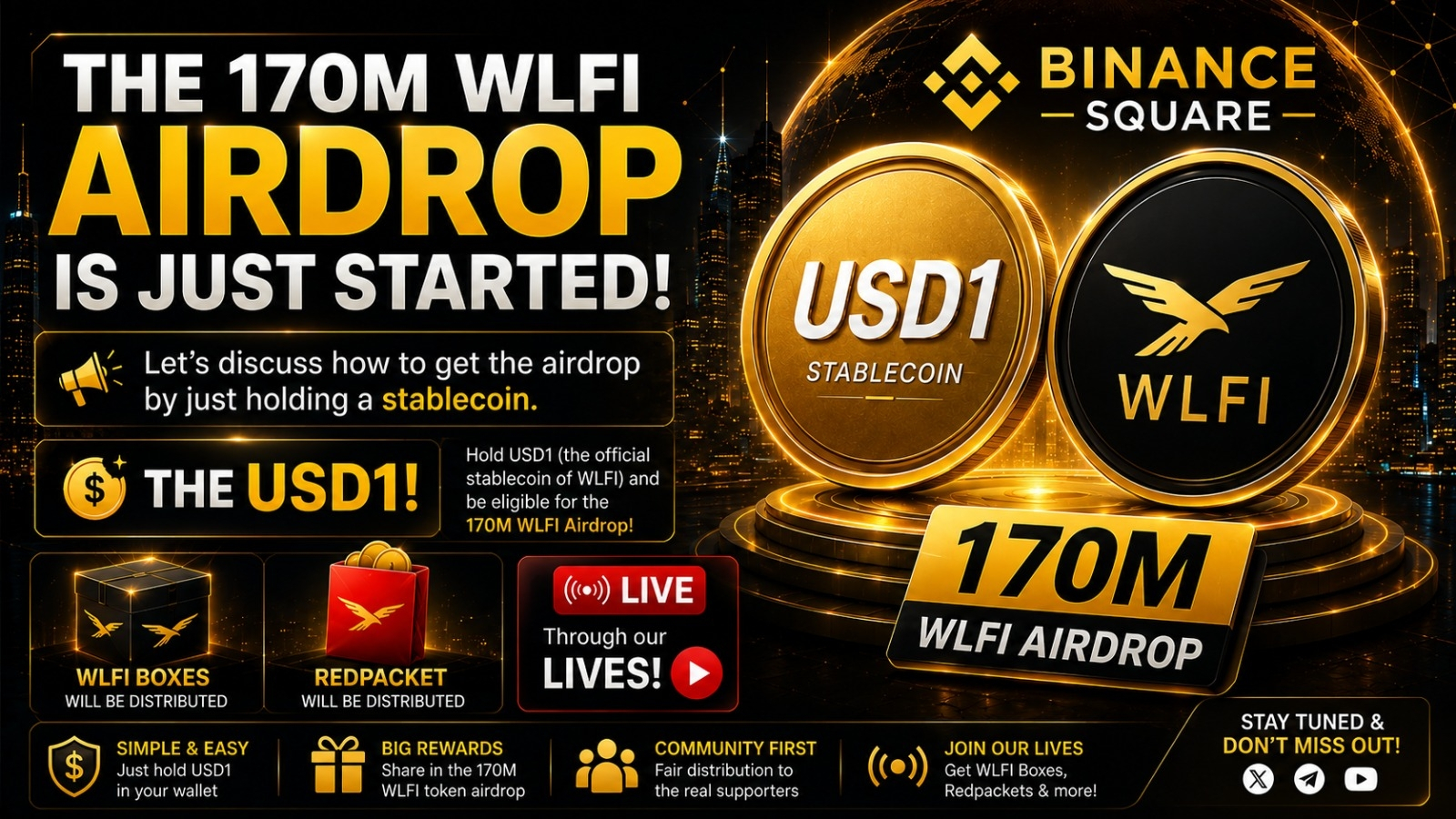
Bullish🎁✨THE 170M WLFI AIRDROP IS JUST STARTED!🎁✨
Let's discuss how to get the airdrop by just holding a stablecoin. THE USD1!
WLFI boxes and redpacket Will be also distributed through lives.🎁✨
🎁✨ **USD1 RED PACKET — CLAIM NOW!** ❤️
💰 USD1 holders, your reward is waiting!
🎁 Don’t miss your chance to grab the **Red Packet** and enjoy the excitement! ❤️🔥
🚀 **CLAIM NOW & GOOD LUCK!**
💛 Hold USD1 • Join the fun • Catch the rewards 🎁
❤️💰🎁 **Who’s ready to claim?** 👇
#USD1 #WLFI #RedPacketMission #BinanceSquare #CryptoRewards
$USD1 $WLFI $SPCX
Let's discuss how to get the airdrop by just holding a stablecoin. THE USD1!
WLFI boxes and redpacket Will be also distributed through lives.🎁✨
🎁✨ **USD1 RED PACKET — CLAIM NOW!** ❤️
💰 USD1 holders, your reward is waiting!
🎁 Don’t miss your chance to grab the **Red Packet** and enjoy the excitement! ❤️🔥
🚀 **CLAIM NOW & GOOD LUCK!**
💛 Hold USD1 • Join the fun • Catch the rewards 🎁
❤️💰🎁 **Who’s ready to claim?** 👇
#USD1 #WLFI #RedPacketMission #BinanceSquare #CryptoRewards
$USD1 $WLFI $SPCX

KIM_加密 143
·
--
Bullish📊 $BTC
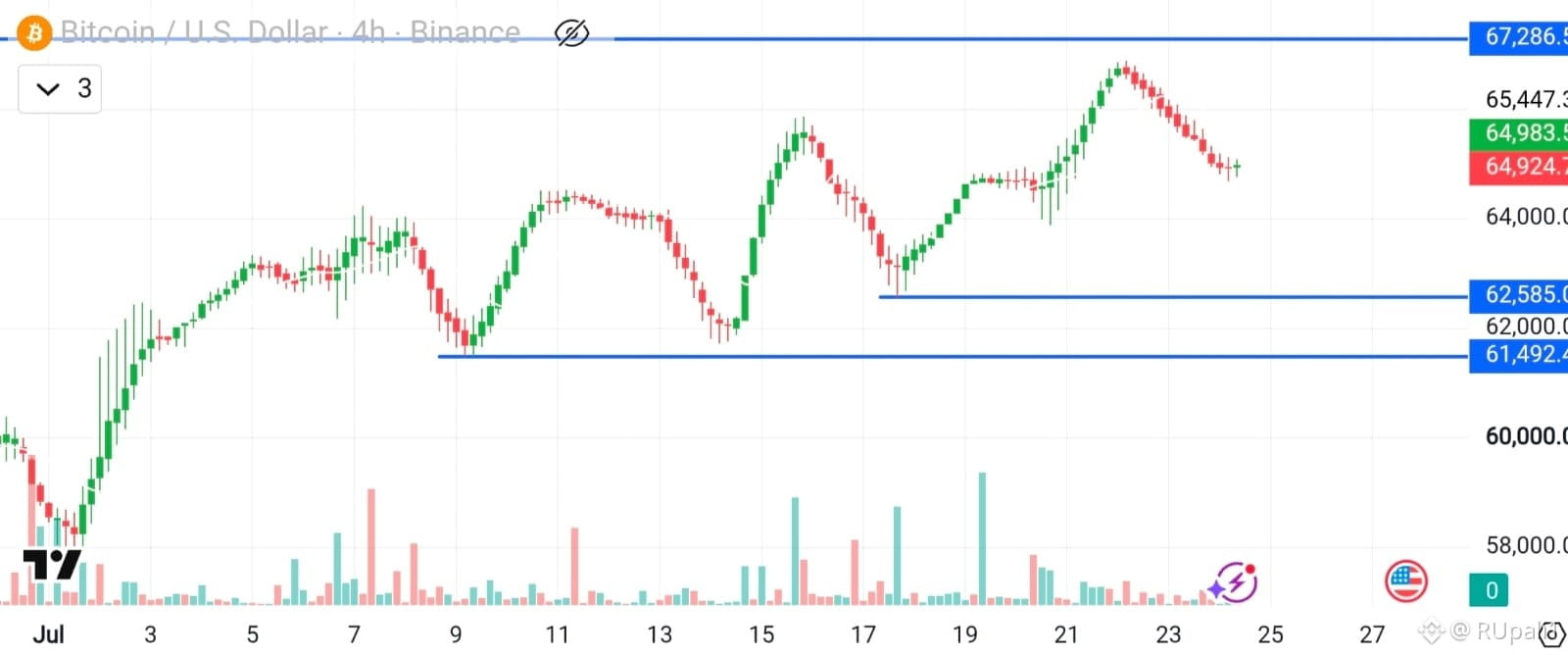
Today's BTC Outlook: Bullish Bias 🟢
Bitcoin is showing signs of strength, but remember that the crypto market is highly volatile. Watch key support and resistance levels, manage your risk, and never invest more than you can afford to lose.
🎁 BTC Giveaway Time! ✅ Follow me ❤️ Like this post 💬 Comment your prediction: Bullish 🟢 or Bearish 🔴? 🔄 Share & Repost to qualify
🎯 If your prediction matches today's market direction, you could be one of the lucky winners.
Good luck to everyone, and let's see where Bitcoin moves today! 🚀
#Bitcoin #BTC #Crypto #Giveaway #Binance #Trading #CryptoTrends2024 Community #Bullish #Bearish #BTCGiveaway
$NVDAB
$AAPLB
Today's BTC Outlook: Bullish Bias 🟢
Bitcoin is showing signs of strength, but remember that the crypto market is highly volatile. Watch key support and resistance levels, manage your risk, and never invest more than you can afford to lose.
🎁 BTC Giveaway Time! ✅ Follow me ❤️ Like this post 💬 Comment your prediction: Bullish 🟢 or Bearish 🔴? 🔄 Share & Repost to qualify
🎯 If your prediction matches today's market direction, you could be one of the lucky winners.
Good luck to everyone, and let's see where Bitcoin moves today! 🚀
#Bitcoin #BTC #Crypto #Giveaway #Binance #Trading #CryptoTrends2024 Community #Bullish #Bearish #BTCGiveaway
$NVDAB
$AAPLB
KIM_加密 143
·
--
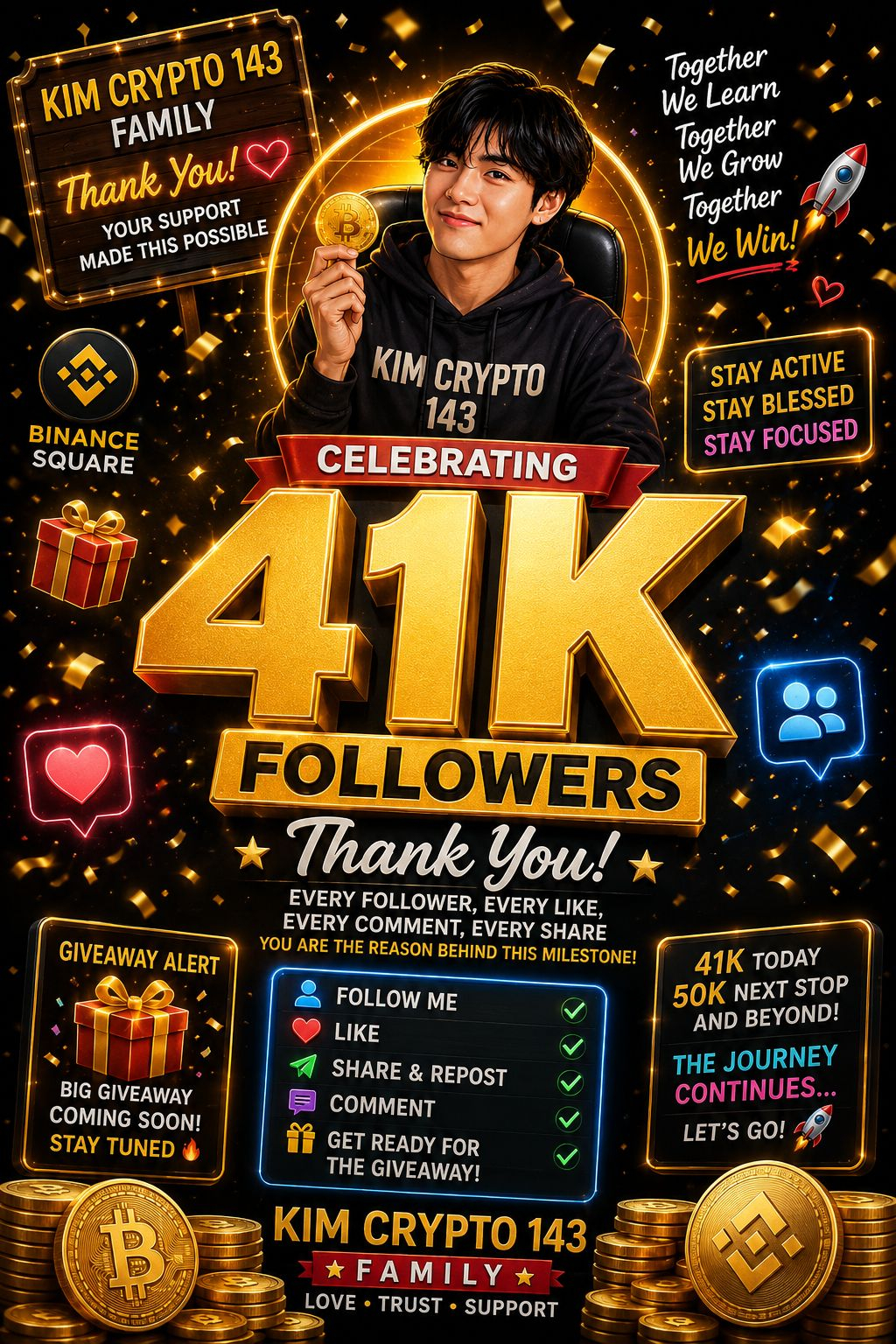
Bullish🎉 BIG CONGRATULATIONS! 🎉
A huge congratulations to KIM_加密货币 143 ✅ on reaching an incredible milestone of 41K followers! 🚀
Your passion, consistency, and dedication to the crypto community continue to inspire thousands every day. This achievement reflects the trust, support, and strong community you've built through valuable insights and positive engagement.
May this milestone be just the beginning of even greater success. Wishing you continued growth, bigger achievements, and many more milestones ahead.
🔥 41K Today... 50K Next... The journey has only just begun!
Congratulations once again, KIM_加密货币 143 ✅! 🎊💛🚀$NVDAB $AAPLB $NVDA.US #USAndJapanJointlyInterveneToBuyYen #CitadelBuysSituationalAwarenessEquities #CitadelBuysSituationalAwarenessEquities #CitadelBuysSituationalAwarenessEquities #SaudiOilTankersRerouteAroundAfrica
A huge congratulations to KIM_加密货币 143 ✅ on reaching an incredible milestone of 41K followers! 🚀
Your passion, consistency, and dedication to the crypto community continue to inspire thousands every day. This achievement reflects the trust, support, and strong community you've built through valuable insights and positive engagement.
May this milestone be just the beginning of even greater success. Wishing you continued growth, bigger achievements, and many more milestones ahead.
🔥 41K Today... 50K Next... The journey has only just begun!
Congratulations once again, KIM_加密货币 143 ✅! 🎊💛🚀$NVDAB $AAPLB $NVDA.US #USAndJapanJointlyInterveneToBuyYen #CitadelBuysSituationalAwarenessEquities #CitadelBuysSituationalAwarenessEquities #CitadelBuysSituationalAwarenessEquities #SaudiOilTankersRerouteAroundAfrica
路人1688luren
·
--
Wishing everyone a happy holiday. 🧧🧧🧧

Sara_ k
·
--
join here 👈🎁
.
𝗚𝗼𝗼𝗱 𝗺𝗼𝗿𝗻𝗶𝗻𝗴! 🌹🌹
.
𝗚𝗼𝗼𝗱 𝗺𝗼𝗿𝗻𝗶𝗻𝗴! 🌹🌹
RUpali1
·
--
https://www.binance.com/referral/earn-together/refer2earn-usdc/claim?hl=en&ref=GRO_28502_6P3KV&utm_source=referral_entrance&utm_medium=app_share_link_whatsapp
👇
GRO_28502_6P3KV
https://www.binance.com/referral/earn-together/refer2earn-usdc/claim?hl=en&ref=GRO_28502_6P3KV&utm_source=referral_entrance
join fast everyone 🥰🥰
@Rafayet Official @OpenGradient @艾伦Eren1688 @Square-Creator-33d46b84eaa5 @Fatima 49BNB @JIMIN_加密 143 @Rais_Crypto9047 @beer_ford @MALANG- @Putin_2 @Emily Adamz @MICHEAL_ MARCUS @Frenzy ¹³ @Salman49 @GLOW_PK @Vashu_ @艾伦Eren1688 @kaige凯歌520 @yoyoyo切克闹 @Odin 奥丁 @Coin--King @R A J @DT_Singh @Square-Creator-118a1167b5f42 @RiskSonder @Bill没耐心就会亏完
👇
GRO_28502_6P3KV
https://www.binance.com/referral/earn-together/refer2earn-usdc/claim?hl=en&ref=GRO_28502_6P3KV&utm_source=referral_entrance
join fast everyone 🥰🥰
@Rafayet Official @OpenGradient @艾伦Eren1688 @Square-Creator-33d46b84eaa5 @Fatima 49BNB @JIMIN_加密 143 @Rais_Crypto9047 @beer_ford @MALANG- @Putin_2 @Emily Adamz @MICHEAL_ MARCUS @Frenzy ¹³ @Salman49 @GLOW_PK @Vashu_ @艾伦Eren1688 @kaige凯歌520 @yoyoyo切克闹 @Odin 奥丁 @Coin--King @R A J @DT_Singh @Square-Creator-118a1167b5f42 @RiskSonder @Bill没耐心就会亏完
Log in to explore more content