

The Market Updates
6.8k Posts

The Market Updates
Report
Block User
Crypto Trader Since 2007.
5 Following
12.4K+ Followers
19.4K+ Liked
Posts
All
Quotes
Videos
BREAKING: 🇺🇸 CFTC Chair Mike Selig says they will regulate crypto themselves after Congress failed to pass the crypto clarity Act.
CRYPTO CLARITY IS COMING !!
BREAKING: 🇺🇸 CFTC Chair Mike Selig says they will regulate crypto themselves after Congress failed to pass the crypto clarity Act.
CRYPTO CLARITY IS COMING !!
CRYPTO CLARITY IS COMING !!
3
453
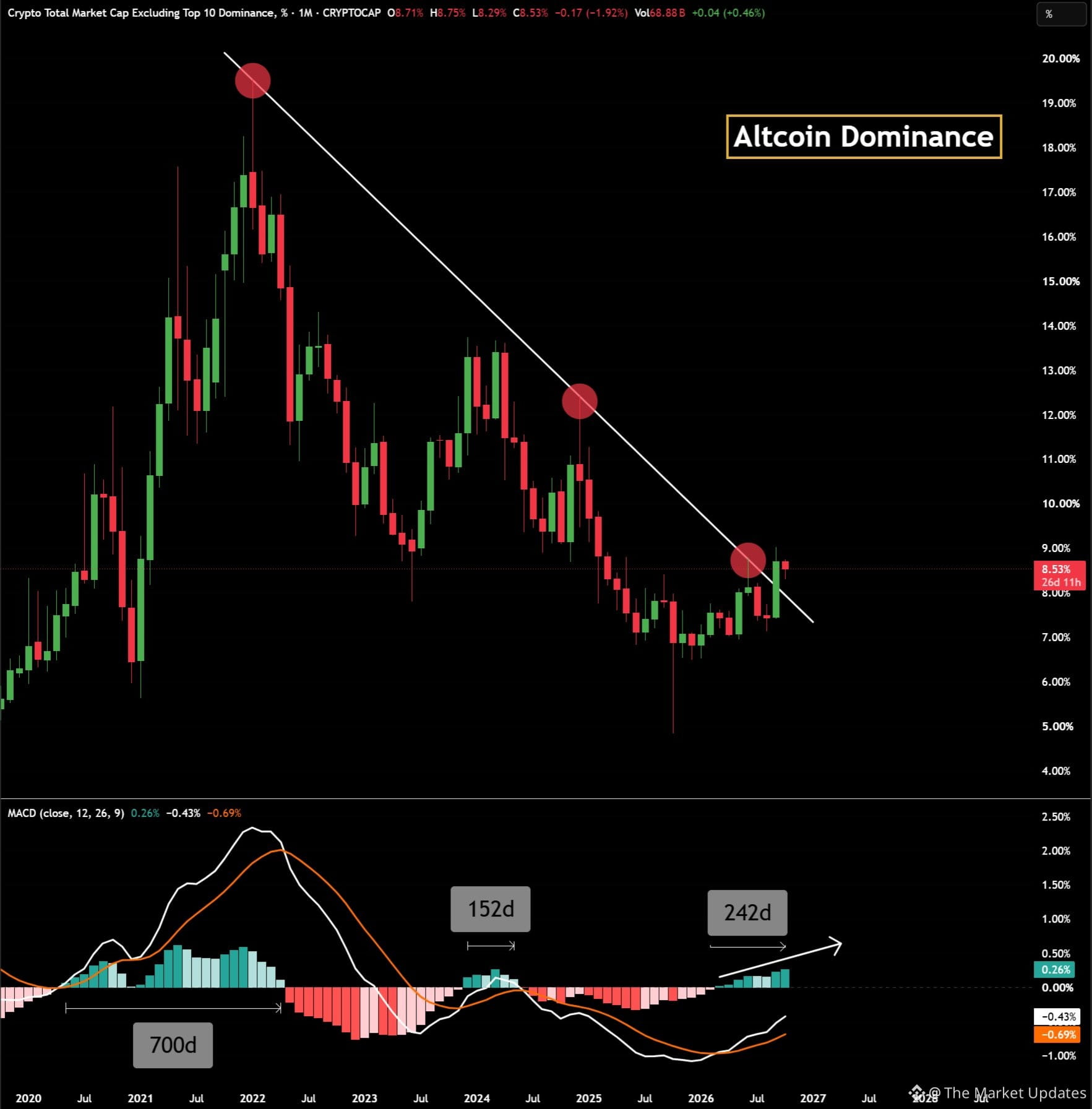
Altcoin dominance has broken out of its nearly 5-year downtrend, with the monthly MACD in green for 7 consecutive months, the longest streak since 2020.
This is starting to feel a lot like the 2020-21 AltSeason cycle.
Altcoin dominance has broken out of its nearly 5-year downtrend, with the monthly MACD in green for 7 consecutive months, the longest streak since 2020.
This is starting to feel a lot like the 2020-21 AltSeason cycle.
This is starting to feel a lot like the 2020-21 AltSeason cycle.
172
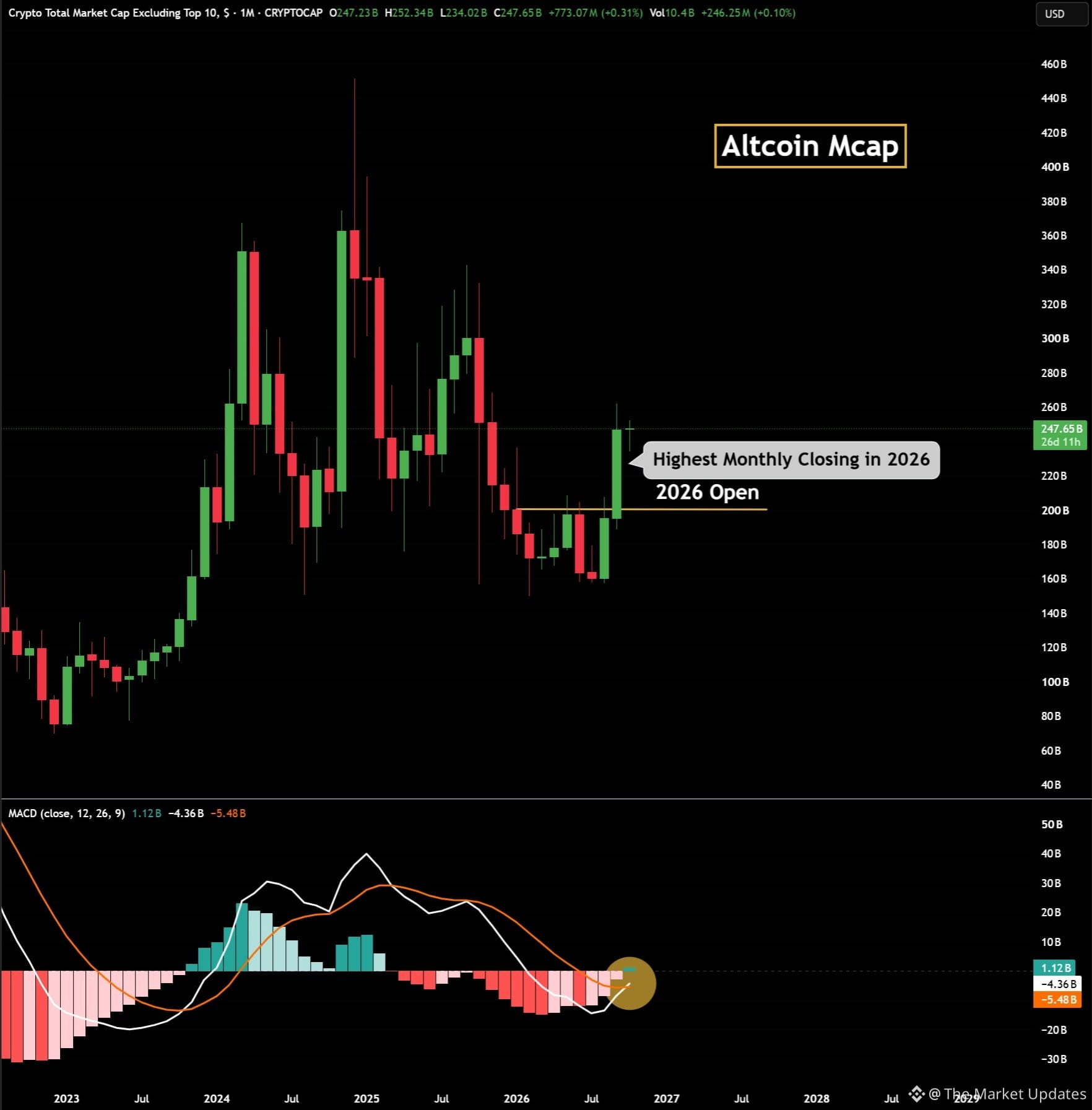
Altcoin Marketcap just hit its highest monthly close of 2026, with MACD turning bullish for the first time since February 2025.
The next altcoin season could be massive.
Altcoin Marketcap just hit its highest monthly close of 2026, with MACD turning bullish for the first time since February 2025.
The next altcoin season could be massive.
The next altcoin season could be massive.
137
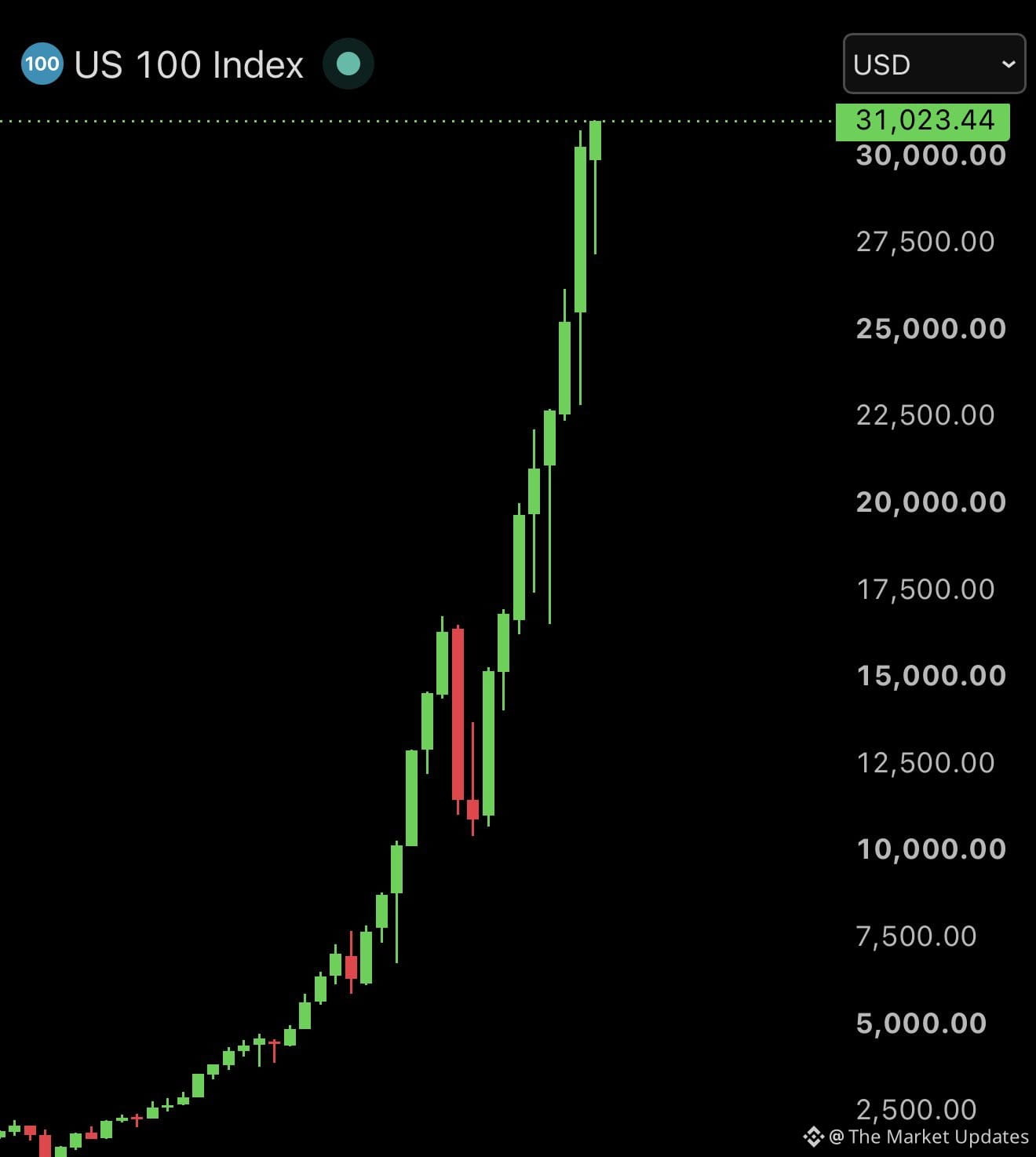
BREAKING: 🇺🇸 Nasdaq just hits a new all-time high.
Bullish for Crypto.
BREAKING: 🇺🇸 Nasdaq just hits a new all-time high.
Bullish for Crypto.
Bullish for Crypto.
103
BREAKING: 🇺🇸 CFTC proposes its first-ever rules to regulate the U.S. crypto market.
The rules would focus on:
1. Stopping abusive practices across crypto markets.
2. Setting clear standards for common crypto industry practices.
3. Creating a crypto-specific market registration framework.
4. Adding protections to prevent fraud and FTX-style failures.
BREAKING: 🇺🇸 CFTC proposes its first-ever rules to regulate the U.S. crypto market.
The rules would focus on:
1. Stopping abusive practices across crypto markets.
2. Setting clear standards for common crypto industry practices.
3. Creating a crypto-specific market registration framework.
4. Adding protections to prevent fraud and FTX-style failures.
The rules would focus on:
1. Stopping abusive practices across crypto markets.
2. Setting clear standards for common crypto industry practices.
3. Creating a crypto-specific market registration framework.
4. Adding protections to prevent fraud and FTX-style failures.
1
2
742
BREAKING: 🇺🇸 CFTC Chairman Mike Selig says “Big news ahead.”
SOMETHING BIG IS COMING FOR CRYPTO !!
BREAKING: 🇺🇸 CFTC Chairman Mike Selig says “Big news ahead.”
SOMETHING BIG IS COMING FOR CRYPTO !!
SOMETHING BIG IS COMING FOR CRYPTO !!
1
223
BREAKING: 🇺🇸 The US Treasury has withdrawn proposed rules that would have given the government more power to track your crypto transactions from self-custody wallets and mixers.
BREAKING: 🇺🇸 The US Treasury has withdrawn proposed rules that would have given the government more power to track your crypto transactions from self-custody wallets and mixers.
288
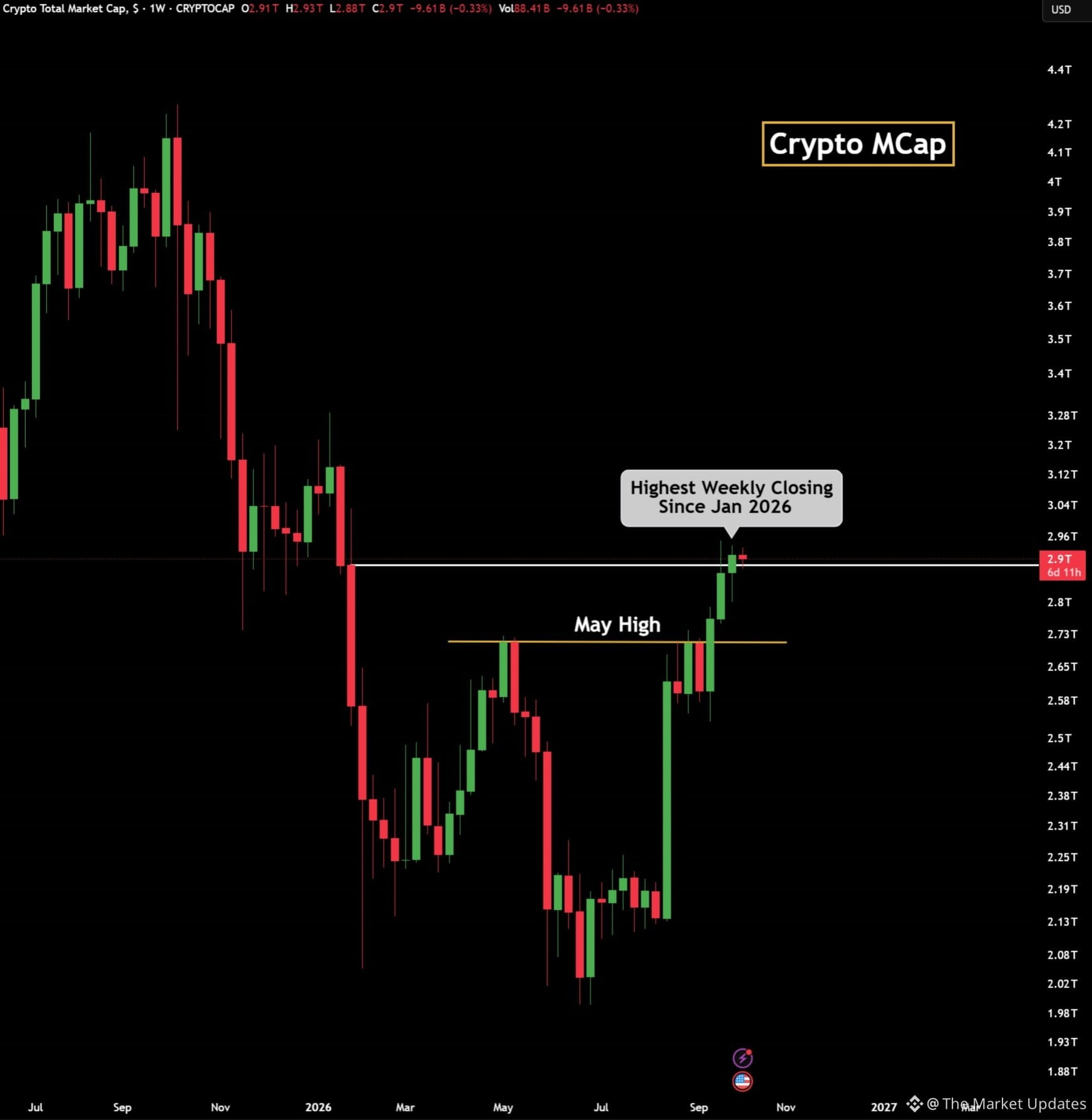
Crypto market cap just hit its highest weekly close since January 2026.
This is the 3rd consecutive weekly close above May highs, signalling that the bottom is in.
Crypto market cap just hit its highest weekly close since January 2026.
This is the 3rd consecutive weekly close above May highs, signalling that the bottom is in.
This is the 3rd consecutive weekly close above May highs, signalling that the bottom is in.
173
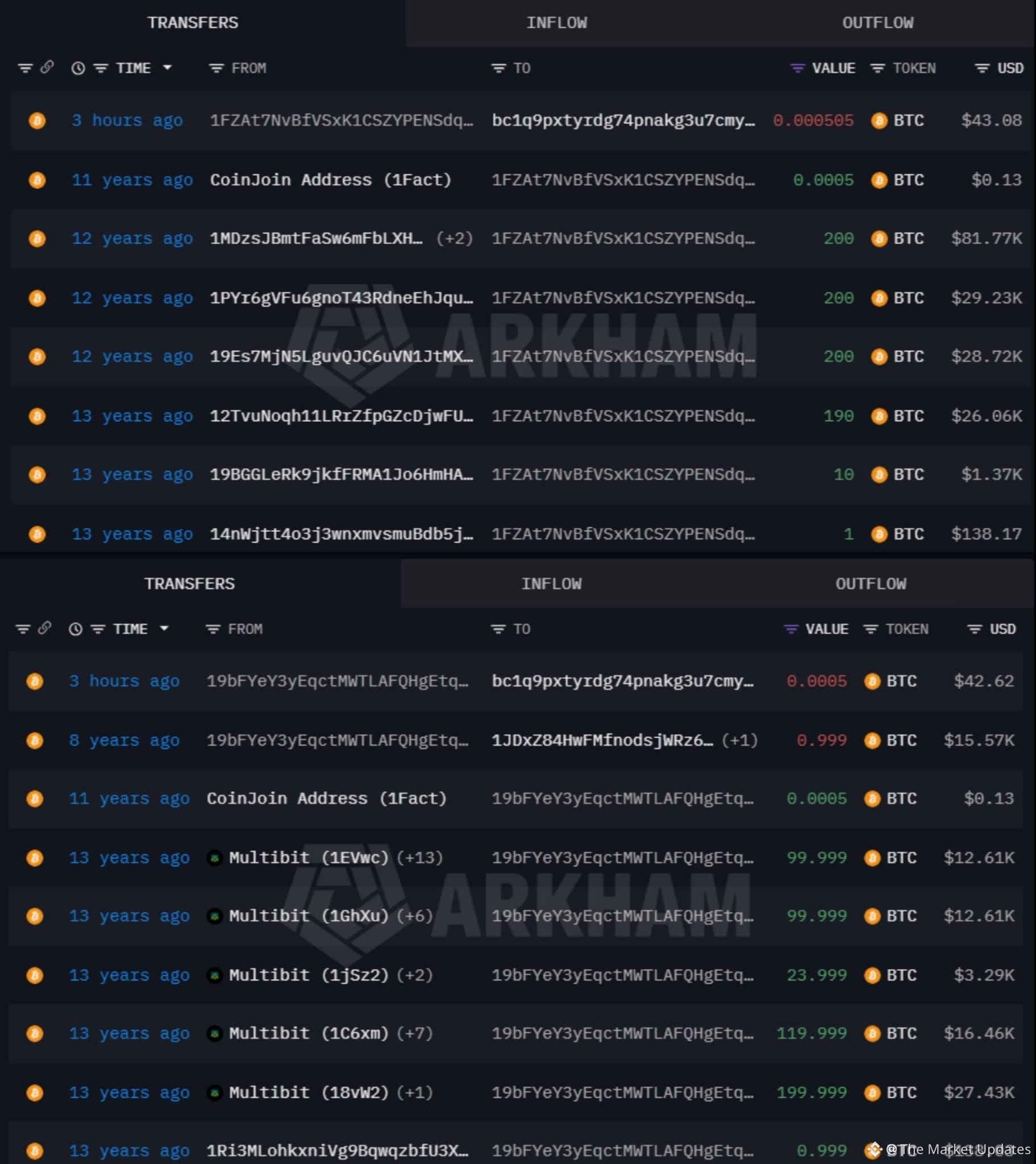
Two OGs bought 1,346 $BTC for just $239K in 2013.
Held it for 13 years and survived every major crash.
Today, they moved their stash, which is now worth $114,670,000.
A 47,882% return by simply HODLing.
Two OGs bought 1,346 $BTC for just $239K in 2013.
Held it for 13 years and survived every major crash.
Today, they moved their stash, which is now worth $114,670,000.
A 47,882% return by simply HODLing.
Held it for 13 years and survived every major crash.
Today, they moved their stash, which is now worth $114,670,000.
A 47,882% return by simply HODLing.
1
2
579
176
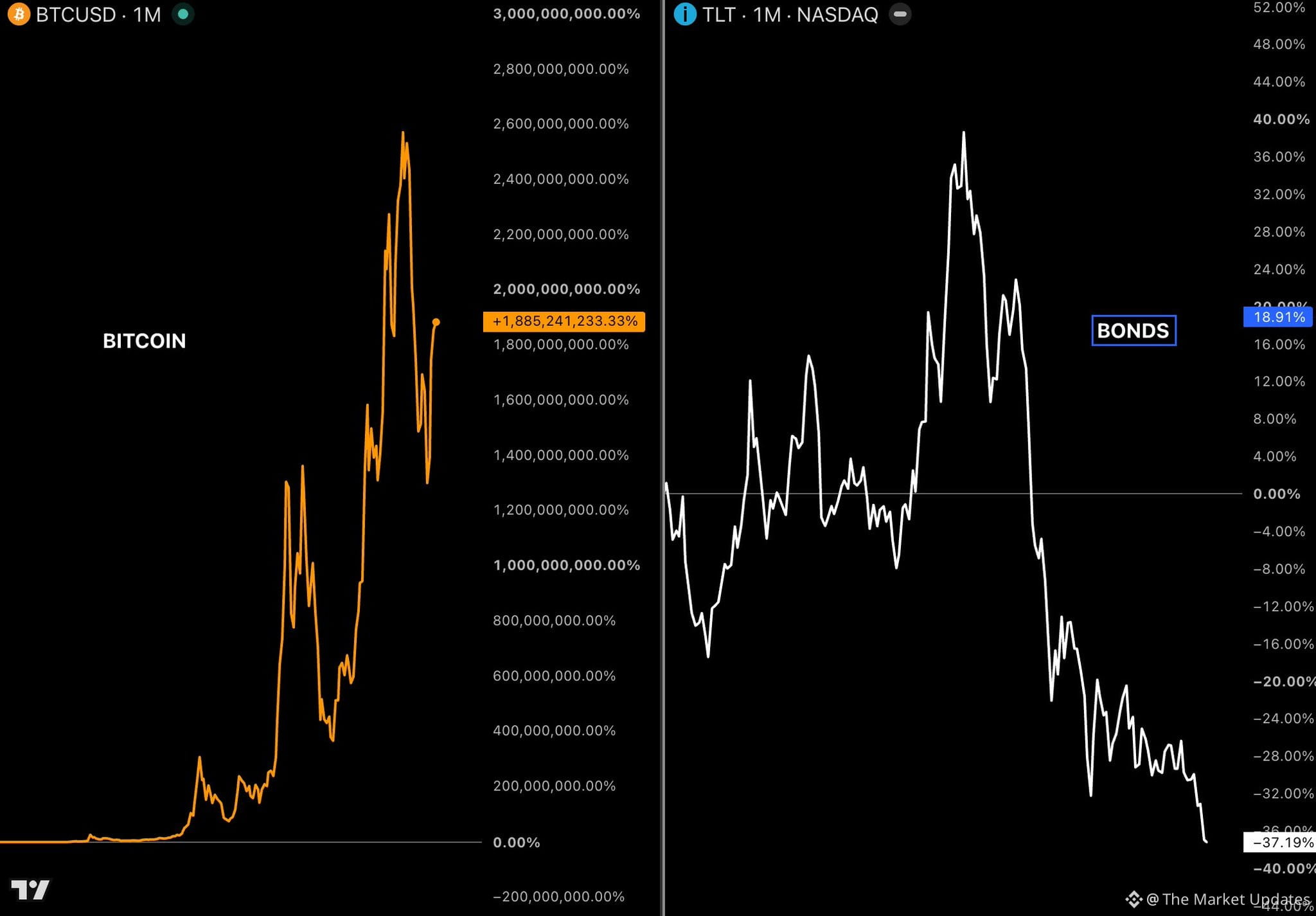
This is absolutely insane.
If you invested $1,000 in US bonds in 2010, you'd have $630 today.
If you invested the same $1,000 in $BTC that same year, you'd have $1.8 BILLION today.
This is absolutely insane.
If you invested $1,000 in US bonds in 2010, you'd have $630 today.
If you invested the same $1,000 in $BTC that same year, you'd have $1.8 BILLION today.
If you invested $1,000 in US bonds in 2010, you'd have $630 today.
If you invested the same $1,000 in $BTC that same year, you'd have $1.8 BILLION today.
1
104
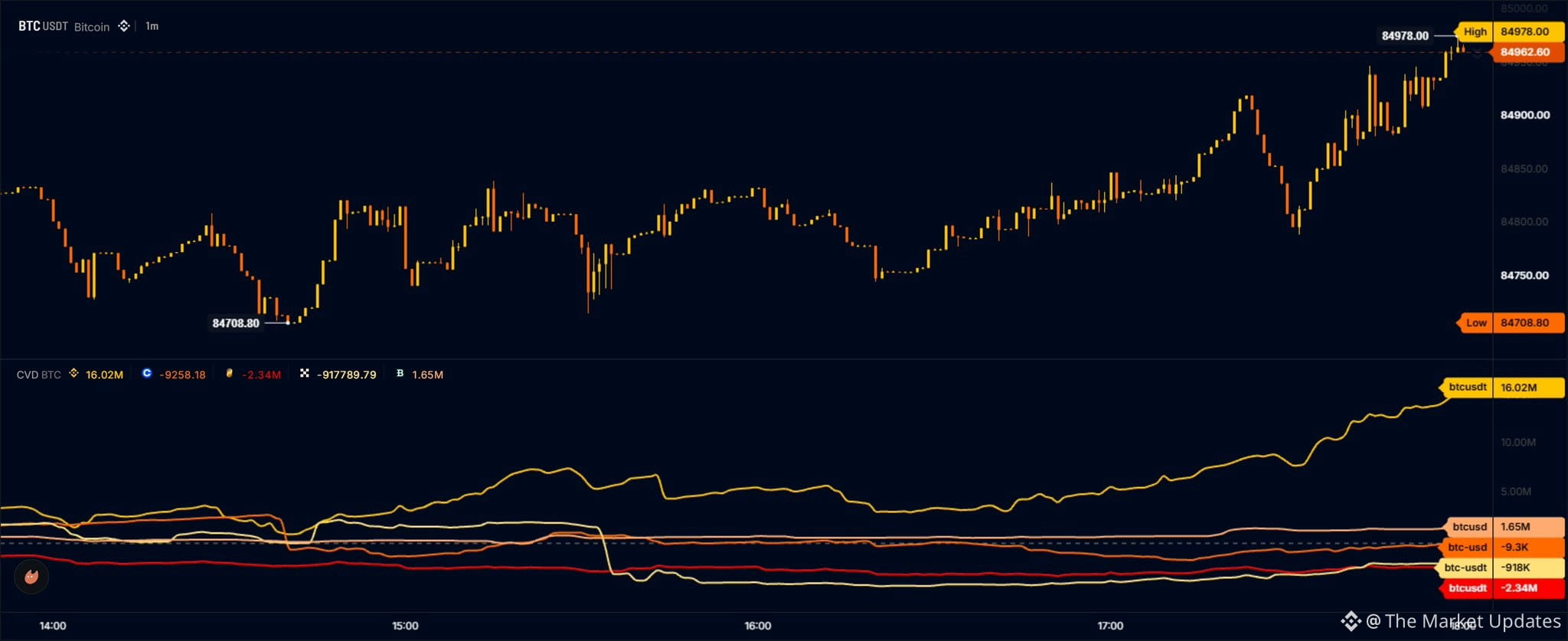
Binance is buying $BTC over the weekend.
Is a big pump coming next week?
Binance is buying $BTC over the weekend.
Is a big pump coming next week?
Is a big pump coming next week?
1
87
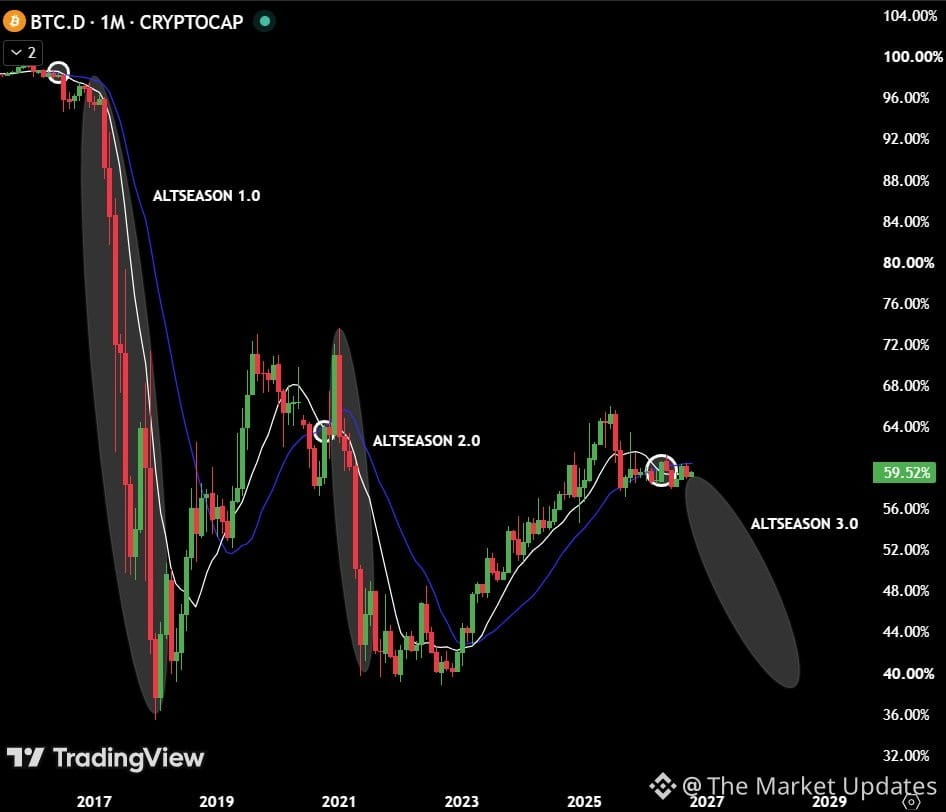
ALTSEASON 3.0 IS COMING
The next few years would be massive for alts.
ALTSEASON 3.0 IS COMING
The next few years would be massive for alts.
The next few years would be massive for alts.
1
4
386
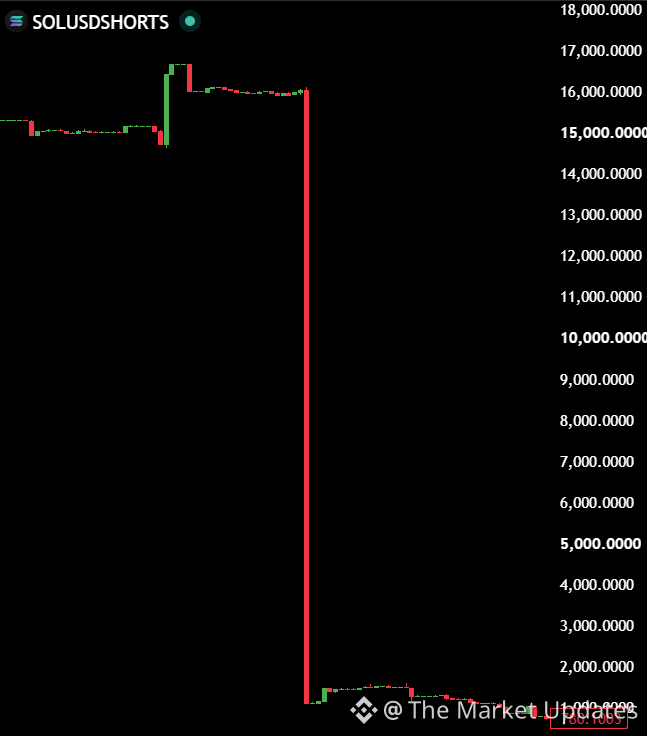
Bitfinex whales are closing their $SOL shorts.
They definitely think a pump is coming.
Bitfinex whales are closing their $SOL shorts.
They definitely think a pump is coming.
They definitely think a pump is coming.
2
328
ONCE $ETH BREAKS $2,850
ALT-COINS WILL EXPLODE
ONCE $ETH BREAKS $2,850
ALT-COINS WILL EXPLODE
ALT-COINS WILL EXPLODE
2
171
·
--
Bullish
🔥BULLISH:
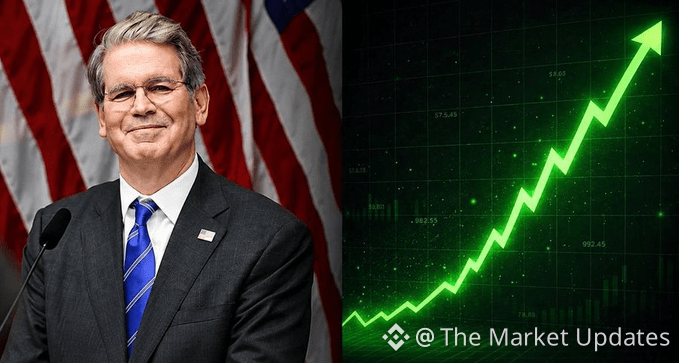
🇺🇸 US Treasury will buy back $6,000,000,000 of its own debt next week.
🔥BULLISH:
🇺🇸 US Treasury will buy back $6,000,000,000 of its own debt next week.
🇺🇸 US Treasury will buy back $6,000,000,000 of its own debt next week.
208
·
--
Bullish
Partly True
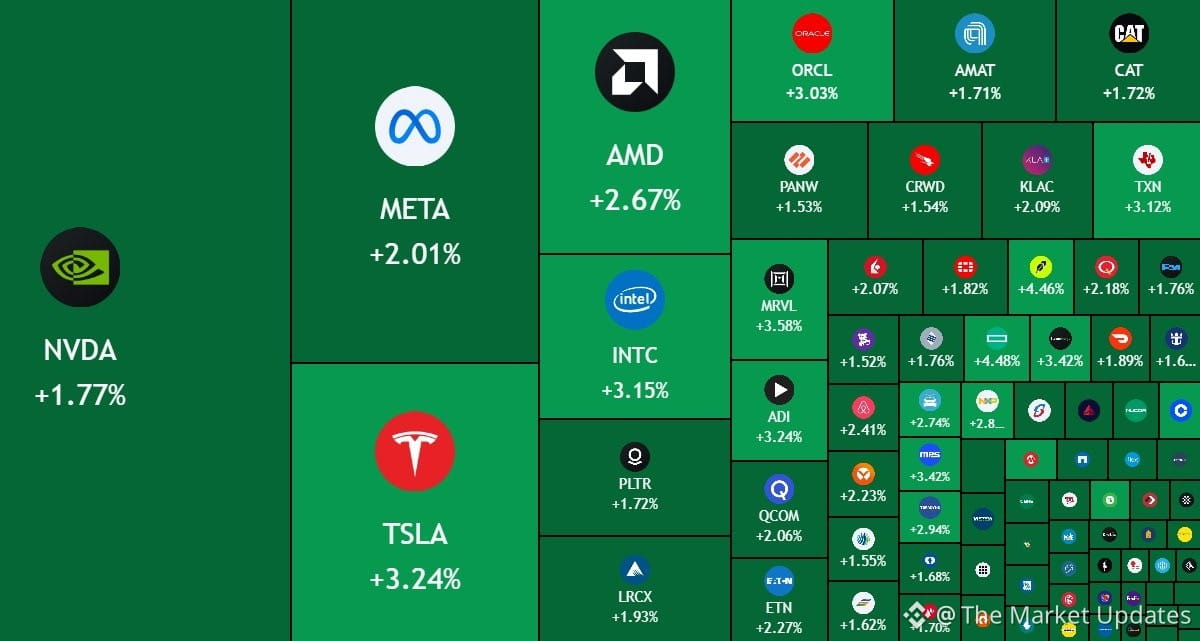
BIG PUMP:
$690 Billion added to the US stock at market open.
BIG PUMP:
$690 Billion added to the US stock at market open.
$690 Billion added to the US stock at market open.
2
2.2k
·
--
Bullish
🔥MASSIVE:
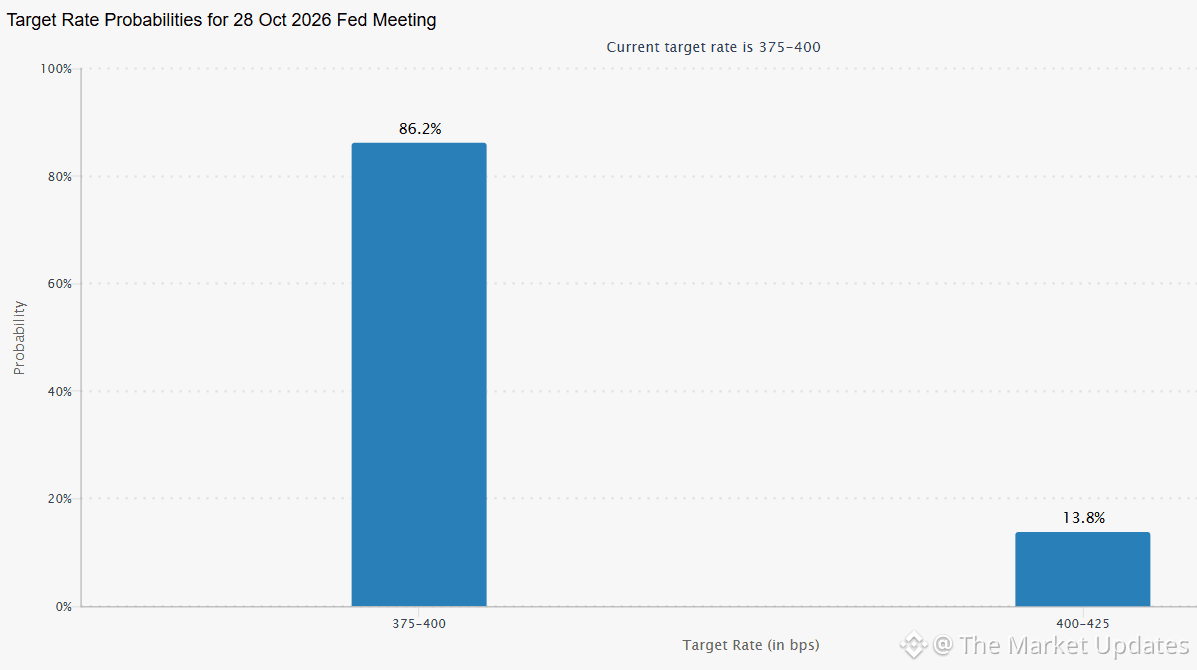
🇺🇸 Fed rate hike odds just dropped to 13.8%.
SEND EVERYTHING HIGHER🚀
🔥MASSIVE:
🇺🇸 Fed rate hike odds just dropped to 13.8%.
SEND EVERYTHING HIGHER🚀
🇺🇸 Fed rate hike odds just dropped to 13.8%.
SEND EVERYTHING HIGHER🚀
332
🚨BREAKING🚨
🇺🇸 US unemployment came in at 4.2%
Expectations: 4.1%
Highest level in 3 months.
🚨BREAKING🚨
🇺🇸 US unemployment came in at 4.2%
Expectations: 4.1%
Highest level in 3 months.
🇺🇸 US unemployment came in at 4.2%
Expectations: 4.1%
Highest level in 3 months.
95
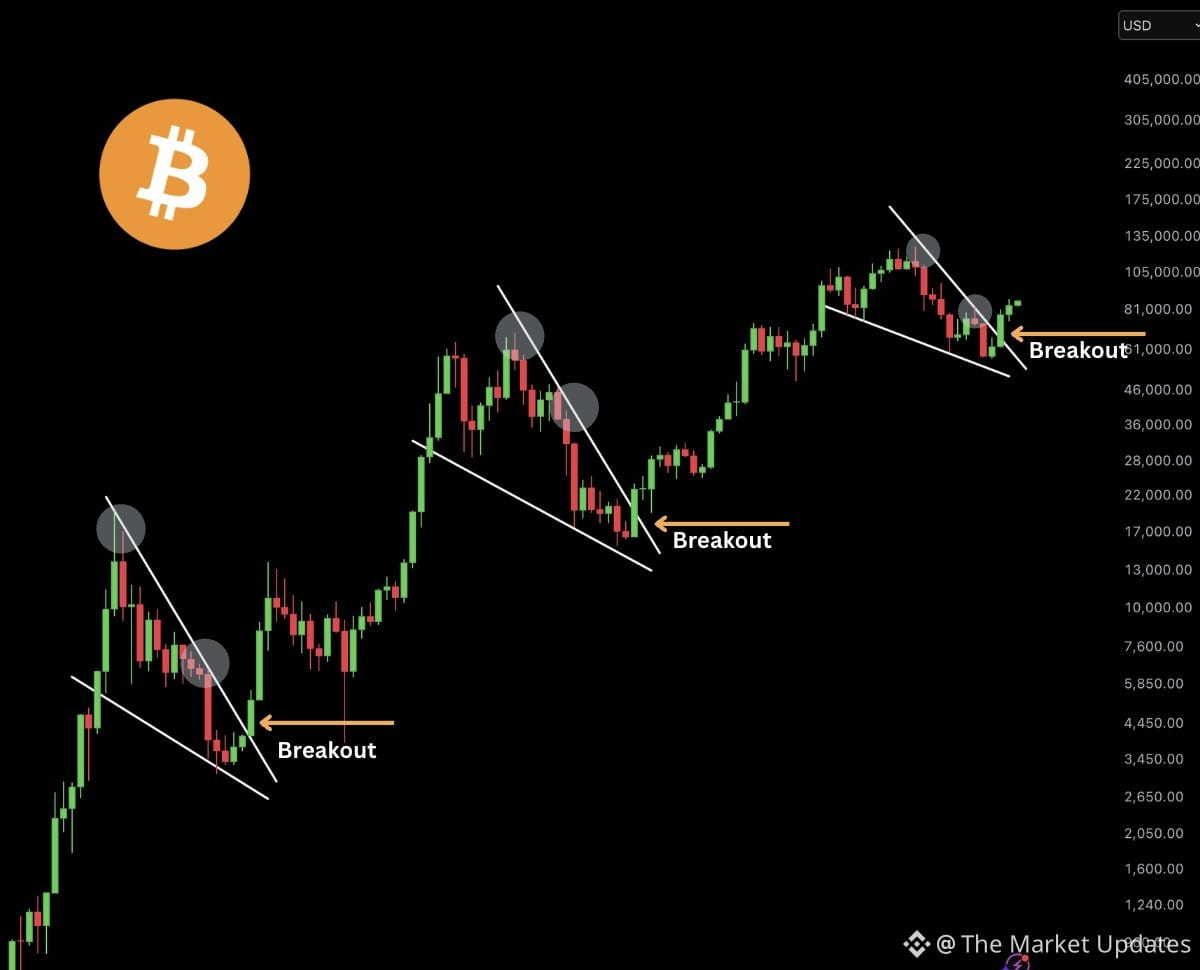
Every time Bitcoin breaks above its monthly bear market structure, it confirms a trend reversal.
The same breakout is happening again.
Every time Bitcoin breaks above its monthly bear market structure, it confirms a trend reversal.
The same breakout is happening again.
The same breakout is happening again.
2
538
Log in to explore more content
Join global crypto users on Binance Square
⚡️ Get latest and useful information about crypto.
💬 Trusted by the world’s largest crypto exchange.
👍 Discover real insights from verified creators.
Email / Phone number
Trending Topics
FedMinutesFocusOnOctoberPause
2,898 views
196 Discussing
#fedminutesfocusonoctoberpause
The Fed minutes are about to drop—and here's the twist: The meeting isn't even over, yet everyone thinks they already know the Fed's "next moves"! 🤫
A lot of you are wondering: "The FOMC minutes won't be released for almost another six hours, so why are news outlets already analyzing them as if they're out?" The truth is, this is a "calculated leak" based on Fed officials' earlier remarks. The New York Fed chief said "there's no rush," while the Dallas Fed chief called for a "one-two punch." Combined with cooling inflation and a weakening jobs market, the market is reading between the lines: the Fed will pause rate hikes this October to catch its breath, rather than stay as hawkish as before.
What should traders do? Don't FOMO and jump the gun. When the official minutes come out, any surprises could send charts sweeping both ways in a flash. Sit tight and buckle up!
⚠️ This is not financial advice.
Sign up for Binance using code VINHTOCDO or this link: https://www.binance.com/register?ref=VINHTOCDO to claim your offer!
Click the trade button below to support me: $BTC
, $ETH
, $SOL
#FOMCMinutes #TinFed #TradFiNews #TheoDõiFOMC #VINHTOCDO
Vinhtocdo
·2 Likes
·1.6k views
BinanceLaunchesBinanceIntelligence
891,678 views
5,470 Discussing
RobinhoodAdds$25MInBitcoinToBalanceSheet
311 views
20 Discussing