
moutouying
1.3k Posts

moutouying
擅长捕捉潜力币种和一级市场投资研究,精通质押挖矿套利策略,偶尔参与空投活动。同时,在币安和OK平台的OTC交易领域有丰富从业经验。
Open Trade
Occasional Trader
5.6 Years
70 Following
1.4K+ Followers
2.8K+ Liked
Posts
Portfolio
All
Quotes
Videos
Some of the everyday life details that were revealed after Xu Jiayin.
At his peak, he owned three large private jets.
For ground transportation, he only rode in a vehicle with a Geely license plate and a custom long-wheelbase Rolls-Royce Phantom. If the local area didn’t have vehicles that met the requirements, they had to transfer vehicles from another city.
In addition, because of his arrival, local branch companies had to set up a dedicated reception team two months in advance, and the entire company’s work revolved around reception operations.
Before he arrived, they completed floor-by-floor full coverage, environmental renovations, and equipment airlifting. Throughout the whole process, dozens of bodyguards, a dedicated hairstylist, a private chef, and female massage therapists were on standby and accompanying him.
When it came to food, they designated French premium mineral water, with a single bottle costing over 2,000. The logo on the bottle had to face the direction from which he would pick up the water. The water temperature was strictly fixed, and a dedicated person arranged for daily air transport to replenish supplies.
Because he liked eating Japan’s top-grade Shizuoka honey melons—each melon costing at least 1,000 yuan—Evergrande had someone permanently stationed at a Japanese orchard to select them every day. If there was even a 1-point imperfection, the entire melon was discarded. The melons were then airlifted back to China on a dedicated aircraft.
He also carried limited-edition Cuban cigars with him all year round; each cigar was worth thousands, and a set of cigar accessories was handled and maintained by a dedicated person. His annual spending on this hobby exceeded 7 million yuan. When a secretary forgot to bring the cigars, the meeting was interrupted on the spot, and he flew into a rage and stormed out.
When staying at a hotel, they had to reserve an entire floor of rooms, and the presidential suite was lived in on a regular basis.
Hard requirements: room temperature and humidity had to be locked at a constant level, and the entire home had to uniformly replace all warm-light bulbs. The carpet had to be hand-brushed in one direction along the patterns by designated personnel.
For the elevator indicator lights, black tape was used to cover them. Hotel staff were required to wear soft-soled, noise-dampening shoes. Since the hotel had no silent air purifier, one was airlifted directly from the Guangzhou headquarters.
The Evergrande Center in Guangzhou had the 41st to 43rd floors fully integrated, with the 42nd floor serving as Xu Jiayin’s exclusive private club. It had exclusive access control and a private elevator; ordinary employees were never granted permission to enter. Most deputy general managers also had to be approved separately before entry.
At its peak, the Evergrande Song and Dance Troupe had a scale of 200 people, selected through a process of choosing from thousands with extremely strict standards. They screened candidates based on multiple factors such as height, weight, appearance, and education level. They almost never performed for foreign business engagements; all expenses were fully covered by the Evergrande Group, mainly used for private receptions, internal banquets, and hosting and entertainment. The rehearsal halls were located in the private, high-level areas of the headquarters, with tight control.
Can you imagine how happy he must be? [woof-woof]
At his peak, he owned three large private jets.
For ground transportation, he only rode in a vehicle with a Geely license plate and a custom long-wheelbase Rolls-Royce Phantom. If the local area didn’t have vehicles that met the requirements, they had to transfer vehicles from another city.
In addition, because of his arrival, local branch companies had to set up a dedicated reception team two months in advance, and the entire company’s work revolved around reception operations.
Before he arrived, they completed floor-by-floor full coverage, environmental renovations, and equipment airlifting. Throughout the whole process, dozens of bodyguards, a dedicated hairstylist, a private chef, and female massage therapists were on standby and accompanying him.
When it came to food, they designated French premium mineral water, with a single bottle costing over 2,000. The logo on the bottle had to face the direction from which he would pick up the water. The water temperature was strictly fixed, and a dedicated person arranged for daily air transport to replenish supplies.
Because he liked eating Japan’s top-grade Shizuoka honey melons—each melon costing at least 1,000 yuan—Evergrande had someone permanently stationed at a Japanese orchard to select them every day. If there was even a 1-point imperfection, the entire melon was discarded. The melons were then airlifted back to China on a dedicated aircraft.
He also carried limited-edition Cuban cigars with him all year round; each cigar was worth thousands, and a set of cigar accessories was handled and maintained by a dedicated person. His annual spending on this hobby exceeded 7 million yuan. When a secretary forgot to bring the cigars, the meeting was interrupted on the spot, and he flew into a rage and stormed out.
When staying at a hotel, they had to reserve an entire floor of rooms, and the presidential suite was lived in on a regular basis.
Hard requirements: room temperature and humidity had to be locked at a constant level, and the entire home had to uniformly replace all warm-light bulbs. The carpet had to be hand-brushed in one direction along the patterns by designated personnel.
For the elevator indicator lights, black tape was used to cover them. Hotel staff were required to wear soft-soled, noise-dampening shoes. Since the hotel had no silent air purifier, one was airlifted directly from the Guangzhou headquarters.
The Evergrande Center in Guangzhou had the 41st to 43rd floors fully integrated, with the 42nd floor serving as Xu Jiayin’s exclusive private club. It had exclusive access control and a private elevator; ordinary employees were never granted permission to enter. Most deputy general managers also had to be approved separately before entry.
At its peak, the Evergrande Song and Dance Troupe had a scale of 200 people, selected through a process of choosing from thousands with extremely strict standards. They screened candidates based on multiple factors such as height, weight, appearance, and education level. They almost never performed for foreign business engagements; all expenses were fully covered by the Evergrande Group, mainly used for private receptions, internal banquets, and hosting and entertainment. The rehearsal halls were located in the private, high-level areas of the headquarters, with tight control.
Can you imagine how happy he must be? [woof-woof]


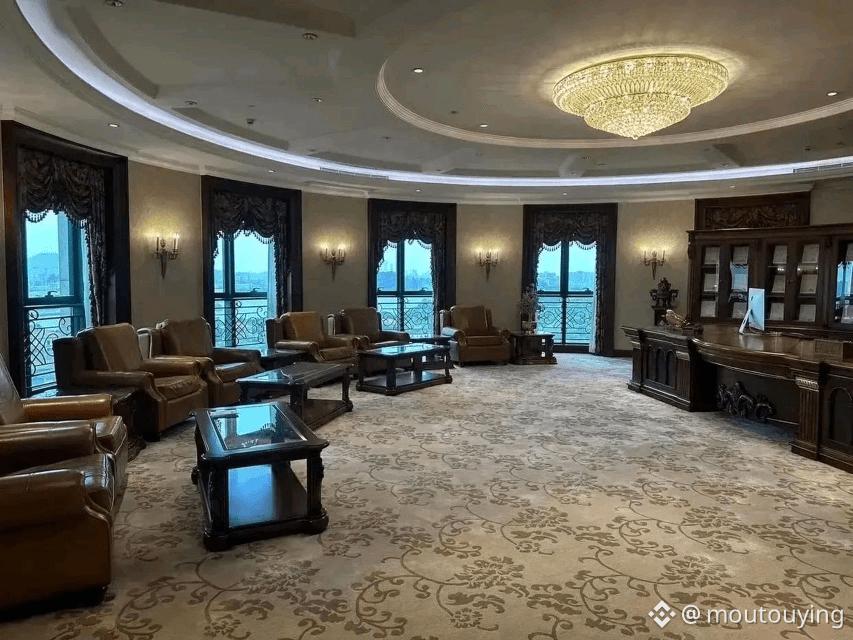

Free Sanqingshan

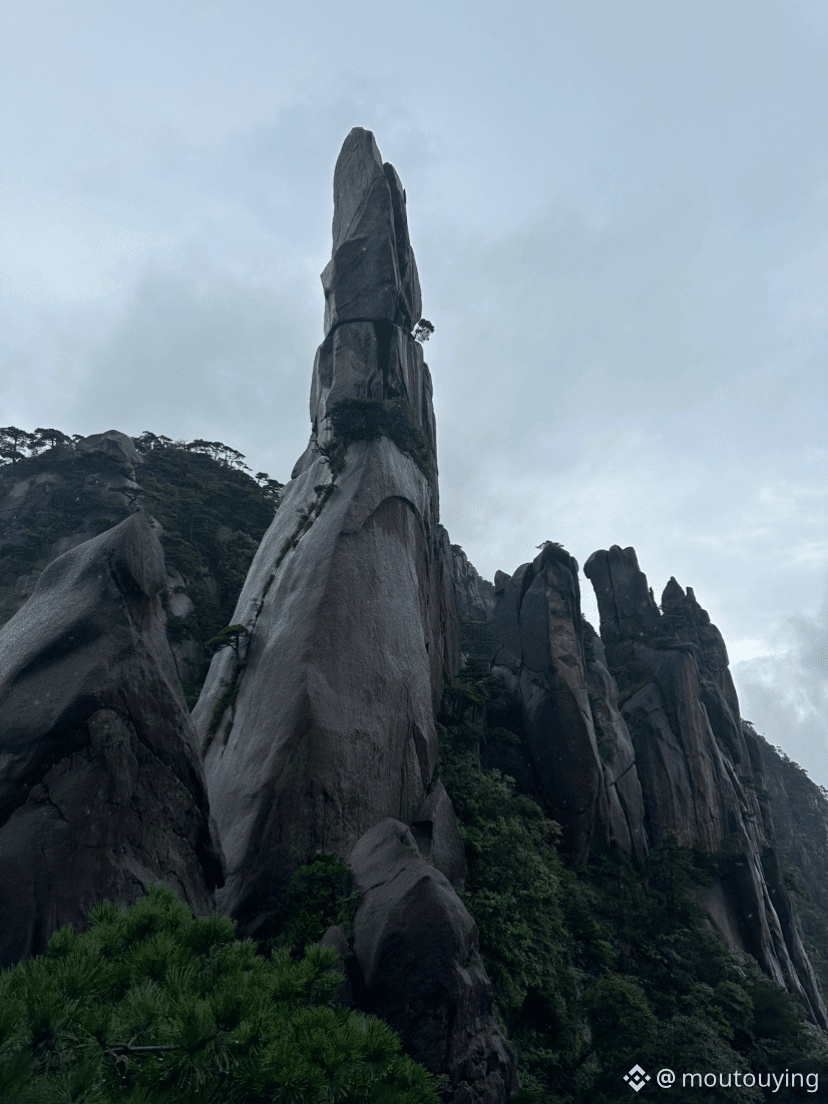
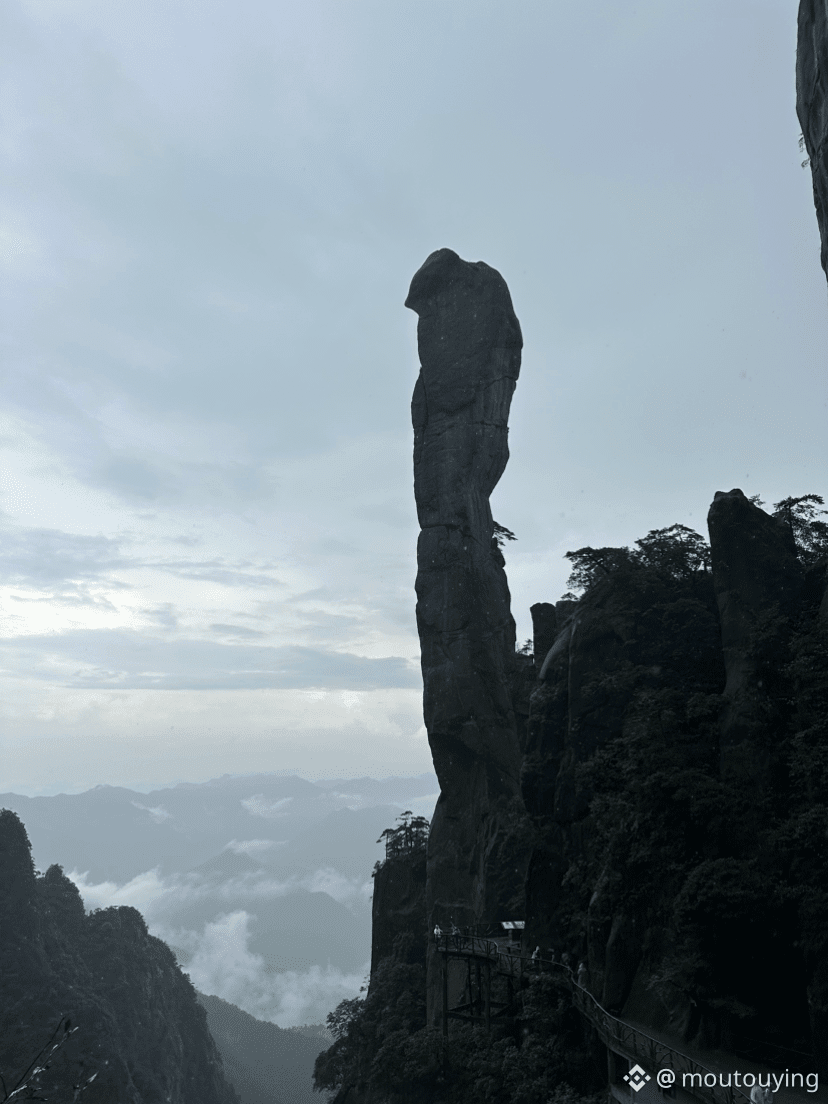

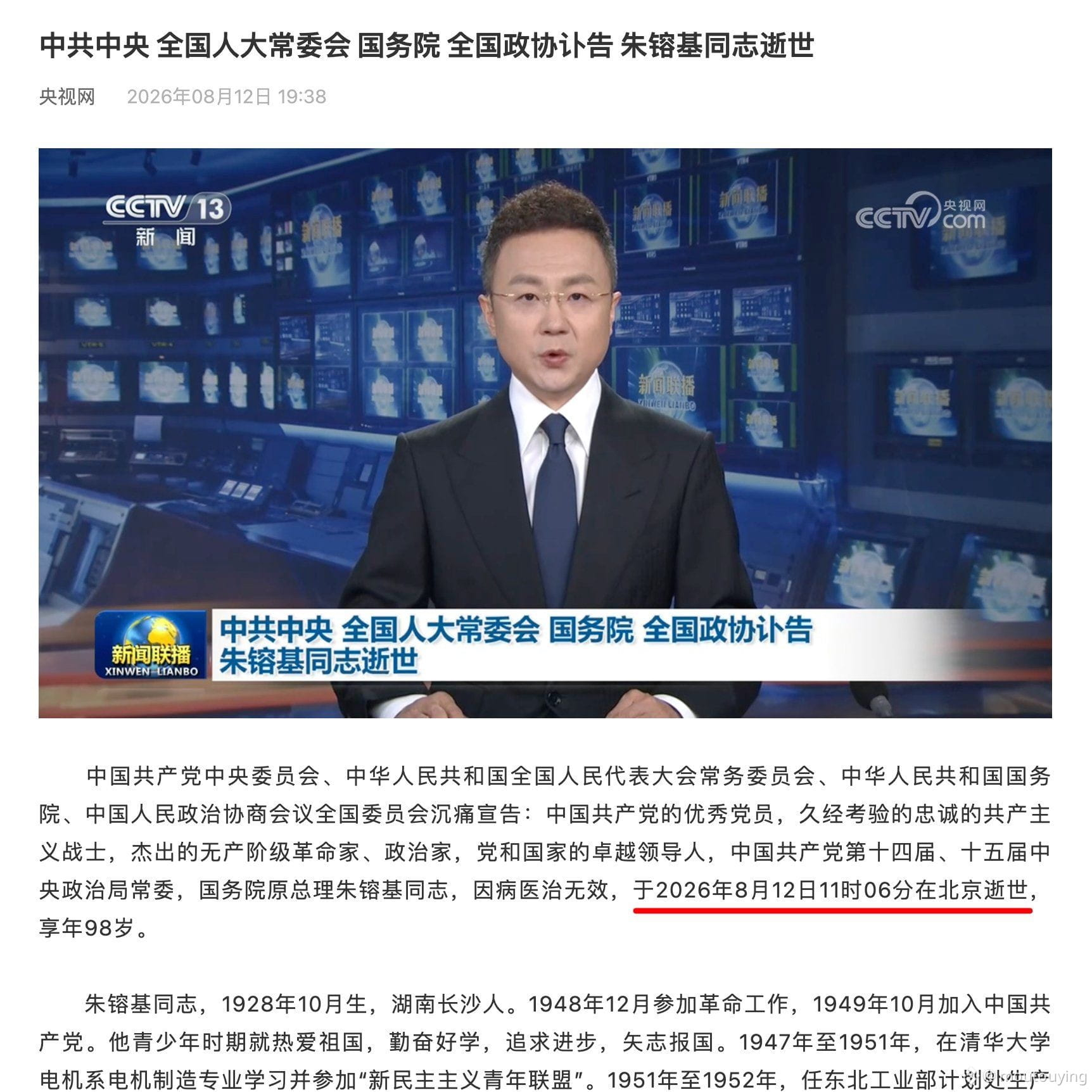
“No matter whether it is a temporary bridge or a position, I will press forward with determination, without hesitation or regret, devote myself wholeheartedly to the task, and work until the very end.”
To this day, I still feel deeply inspired and full of admiration. A good premier who understands economics, dares to take responsibility, and possesses righteousness and integrity.
With profound sorrow, we extend our heartfelt remembrance. The people will never forget your outstanding contributions to China’s economy and reform. 🙏🏻
To this day, I still feel deeply inspired and full of admiration. A good premier who understands economics, dares to take responsibility, and possesses righteousness and integrity.
With profound sorrow, we extend our heartfelt remembrance. The people will never forget your outstanding contributions to China’s economy and reform. 🙏🏻
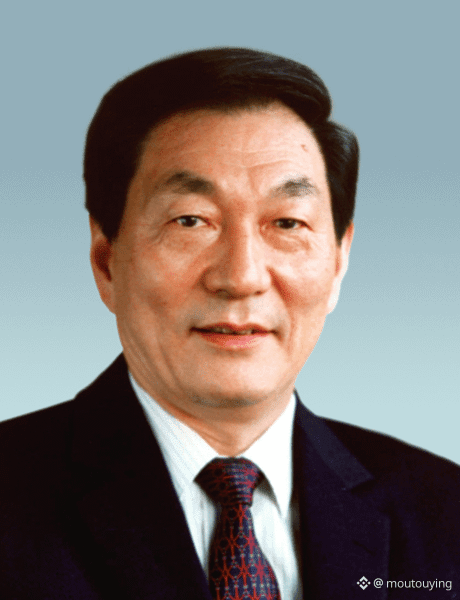
Cryptocurrency Investor Harry Yeh Dies After Falling From a Building in Paraguay: Naked, Fell From the 30th Floor—Apartment Ransacked
At around 4:30 a.m. on August 7, Paraguayan Asunción police received a report that cryptocurrency investor Harry Yeh (Ye Junde) was found dead after falling naked from a height of 30 stories—100 meters.
Harry is the founder of Quantum Fintech Group. He entered the market in 2013 when BTC was only $60, claiming he managed more than $2.4 billion in assets, with deep ties to projects such as Fantom, Tomb Finance, Lif3, and ZooCoin.
Police found that all the doors of his 30th-floor apartment were left open and that it had been ransacked, but no one was inside. A 29-year-old Brazilian partner living on the 27th floor said she was unaware. This bizarre death case raises too many questions: Why was he naked? Why was the apartment ransacked? Where did the $2.4 billion in assets go?
Prosecutors have not yet determined the manner of the fall, and the case is still under investigation.
At around 4:30 a.m. on August 7, Paraguayan Asunción police received a report that cryptocurrency investor Harry Yeh (Ye Junde) was found dead after falling naked from a height of 30 stories—100 meters.
Harry is the founder of Quantum Fintech Group. He entered the market in 2013 when BTC was only $60, claiming he managed more than $2.4 billion in assets, with deep ties to projects such as Fantom, Tomb Finance, Lif3, and ZooCoin.
Police found that all the doors of his 30th-floor apartment were left open and that it had been ransacked, but no one was inside. A 29-year-old Brazilian partner living on the 27th floor said she was unaware. This bizarre death case raises too many questions: Why was he naked? Why was the apartment ransacked? Where did the $2.4 billion in assets go?
Prosecutors have not yet determined the manner of the fall, and the case is still under investigation.
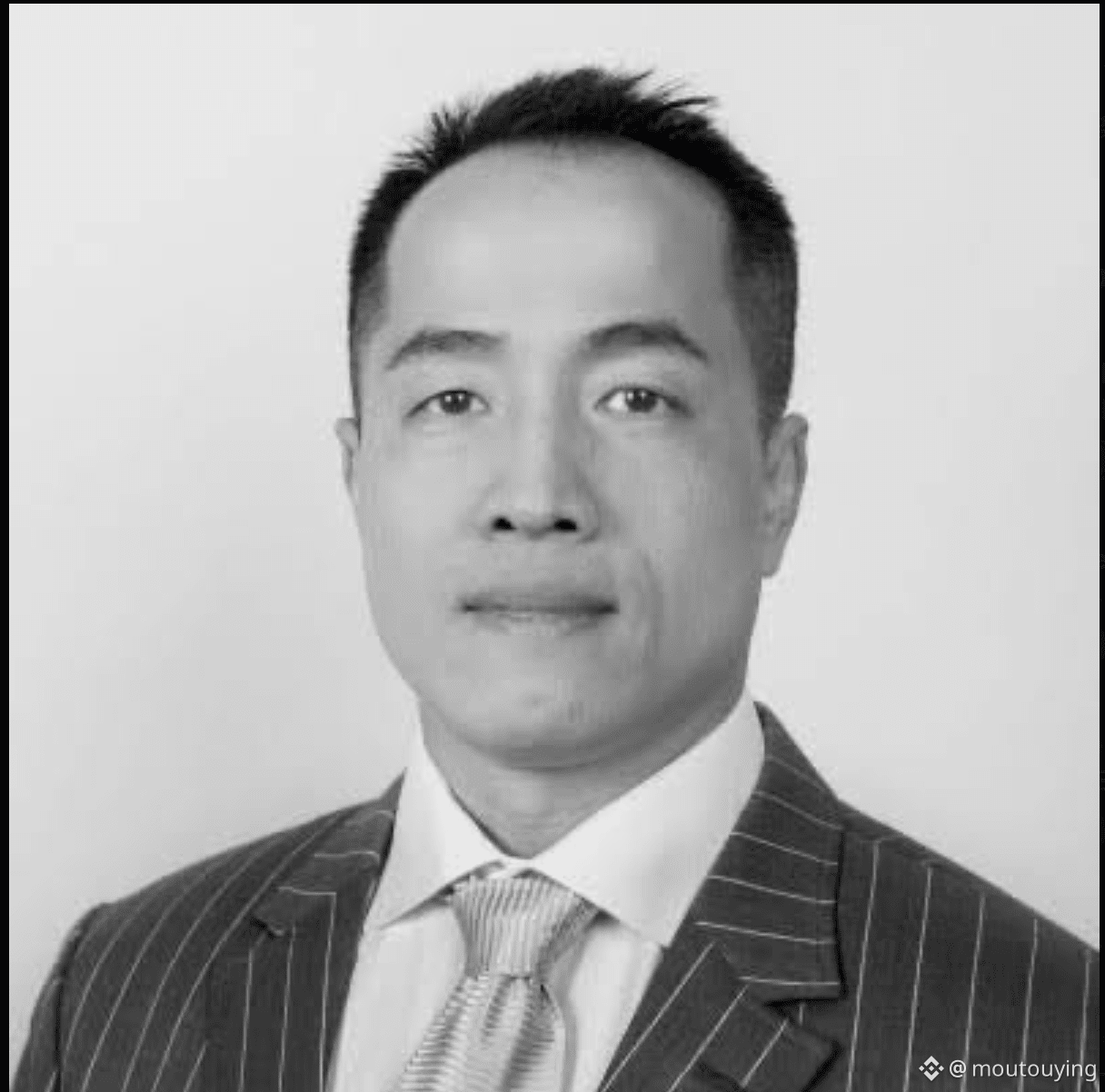

The correlation between the US stock market and the crypto market is really strong right now. When the US stocks surge, they go up a tiny bit; and once the stock prices dip slightly, it’s like a floodgate opening. After July finally saw a bit of improvement, these past couple of days it’s been pulled again and started to correct. So don’t go long—don’t go long. Wait for the direction to become clear.
In this bear market run, the biggest buyer of Ethereum is BitMine—it’s actually spending real money to buy. If Ethereum is deflationary, the price would definitely surpass Bitcoin. The core point 🌟 The key to Ethereum’s value returning is hidden in the upgrades coming soon!
1️⃣ Glamsterdam upgrade: Gas limit skyrockets to 200M. Mainnet TPS is expected to break 10,000, gas fees drop significantly, and the mainnet regains ultra-high throughput and strong fund-attraction capabilities!
2️⃣ Lean Ethereum roadmap: Fully embrace ZK proofs and post-quantum cryptography, maximizing privacy and security, paving the way for enterprise-level applications.
3️⃣ L1 + L2 synergy: Optimize the Blob fee mechanism so that L2 prosperity truly feeds back into the mainnet, repair the deflationary model, and complete the value-capture feedback loop!
Build the technical foundation, see value return—just wait for the flowers to bloom! 🚀 #Ethereum #Web3 #Blockchain upgrade
1️⃣ Glamsterdam upgrade: Gas limit skyrockets to 200M. Mainnet TPS is expected to break 10,000, gas fees drop significantly, and the mainnet regains ultra-high throughput and strong fund-attraction capabilities!
2️⃣ Lean Ethereum roadmap: Fully embrace ZK proofs and post-quantum cryptography, maximizing privacy and security, paving the way for enterprise-level applications.
3️⃣ L1 + L2 synergy: Optimize the Blob fee mechanism so that L2 prosperity truly feeds back into the mainnet, repair the deflationary model, and complete the value-capture feedback loop!
Build the technical foundation, see value return—just wait for the flowers to bloom! 🚀 #Ethereum #Web3 #Blockchain upgrade
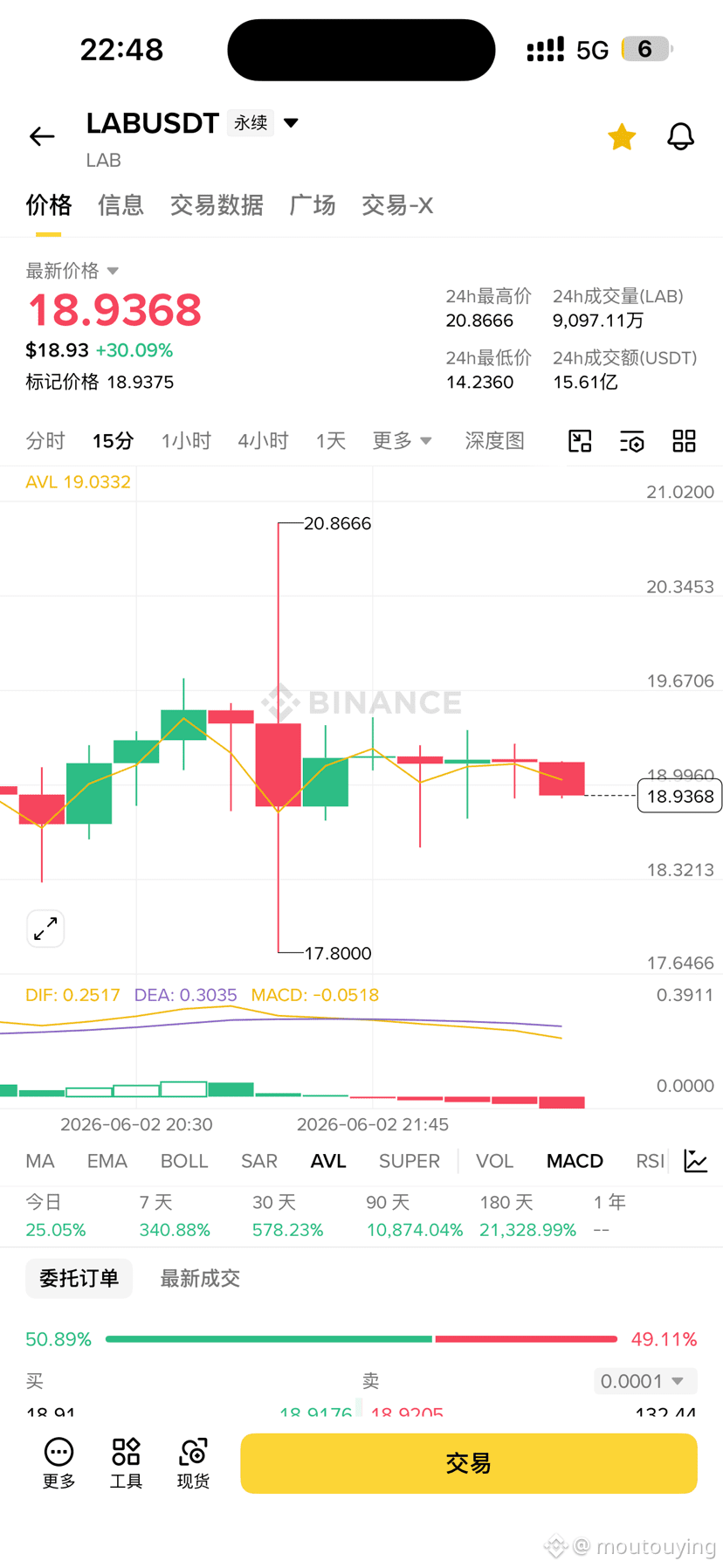
The funding rate for $LAB has hit the ceiling, and there are still folks in the square shouting 'short' like it's going out of style? This isn't trading; it's blatant endangerment! How much longer will we have to deal with this bottom-tier project? The team behind it is doing nothing, letting this harvesting scenario play out. I truly hope this scam wraps up soon so we can get back to a normal investment environment. I strongly recommend everyone report the project team's Twitter. We can't let these harmful projects roam free!
$LAB $LAB has shown the market what happens when supply is so concentrated. $SIREN's structure looks even more extreme.
Two major clusters control 89.8% of the supply:
→ Binance wallet cluster: 16 wallets, 145.89 million $SIREN → Early PancakeSwap buyer cluster: 48 wallets, 506.12 million $SIREN
Then the volume data confirmed what the supply structure implied: Market cap is $434.5 million, 24-hour trading volume is $32.99 million - during the hype, the volume/market cap ratio was 7.7%.
Before $LAB became one of the most talked-about supply control strategies in this cycle, its ratio was similar. When the nominal market cap is so disconnected from the actual tradable circulating supply, prices can swing wildly without needing a lot of capital.
With 89.8% of the supply concentrated in 64 collaborative wallets, and trading volume accounting for only 7.7%, this isn't a danger signal. This structure precisely explains why most people won't have time to react whenever the next move happens.
Two major clusters control 89.8% of the supply:
→ Binance wallet cluster: 16 wallets, 145.89 million $SIREN → Early PancakeSwap buyer cluster: 48 wallets, 506.12 million $SIREN
Then the volume data confirmed what the supply structure implied: Market cap is $434.5 million, 24-hour trading volume is $32.99 million - during the hype, the volume/market cap ratio was 7.7%.
Before $LAB became one of the most talked-about supply control strategies in this cycle, its ratio was similar. When the nominal market cap is so disconnected from the actual tradable circulating supply, prices can swing wildly without needing a lot of capital.
With 89.8% of the supply concentrated in 64 collaborative wallets, and trading volume accounting for only 7.7%, this isn't a danger signal. This structure precisely explains why most people won't have time to react whenever the next move happens.
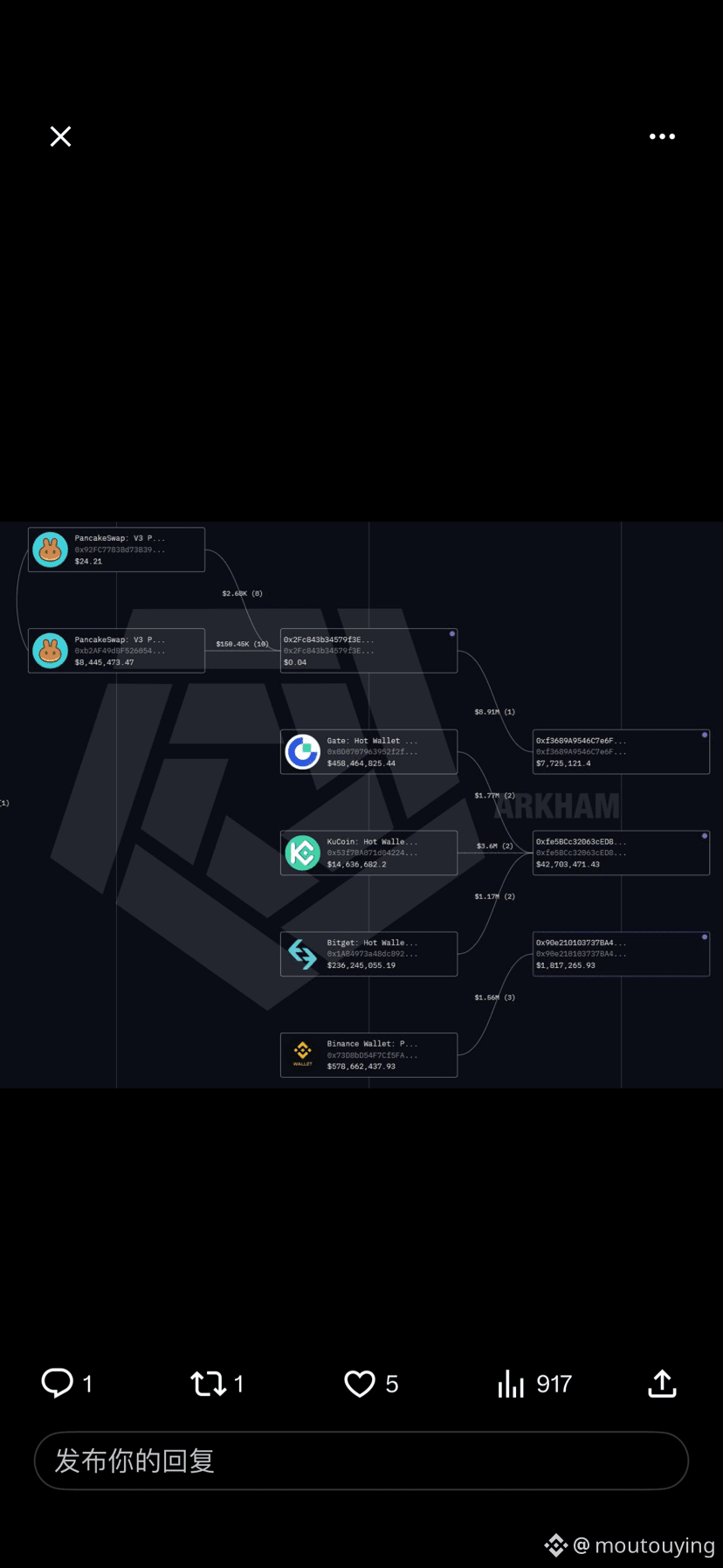
Verified
$LAB Everyone's saying LAB is getting manipulated in the market again; this industry isn't clean at all.
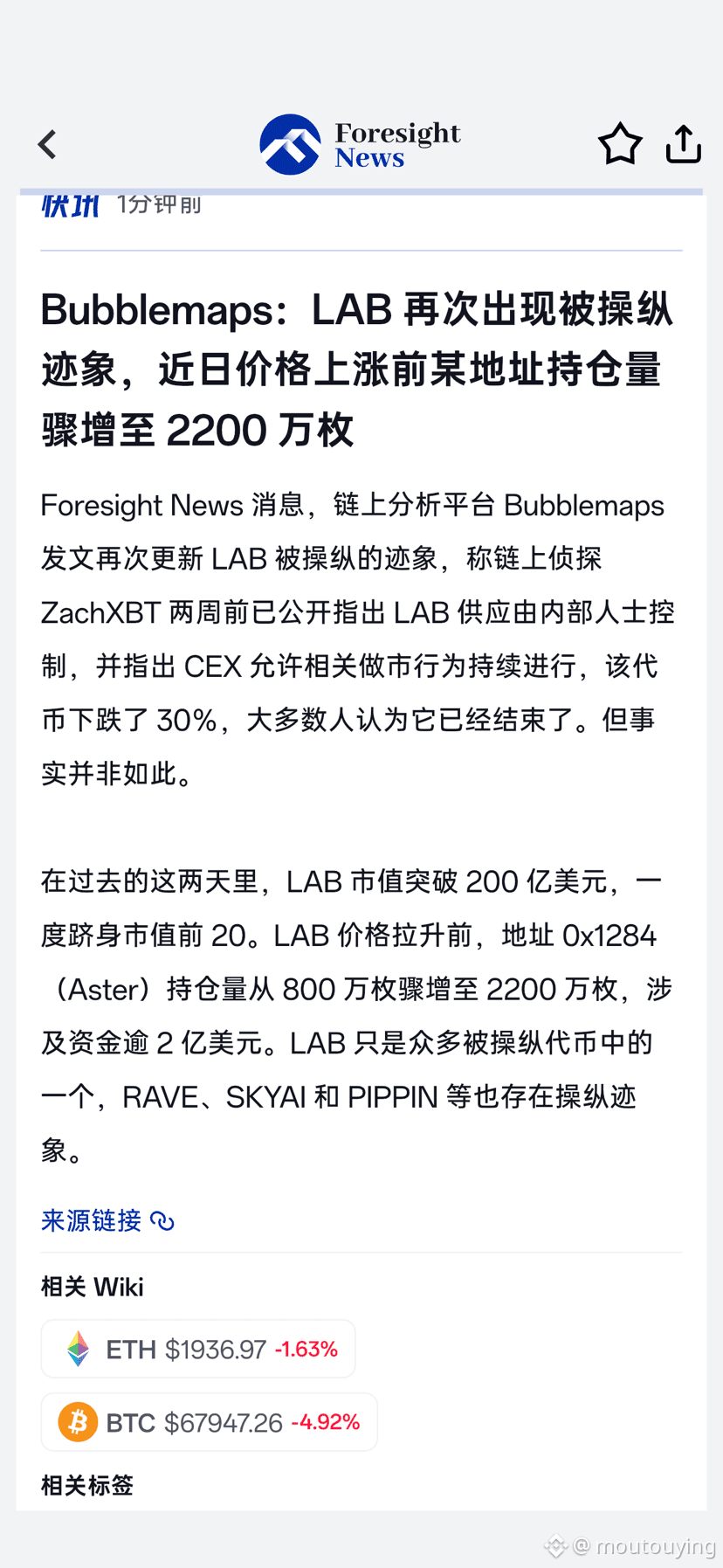
$LAB Your whole family has never seen money, just like that, still chasing high funding rates while baiting shorts, damn it 🐴 damn it lab
Log in to explore more content