
链上快讯
432 Posts

链上快讯
Report
Block User
新闻上链,万物复苏!
3 Following
21 Followers
88 Liked
Posts
·
--
Article
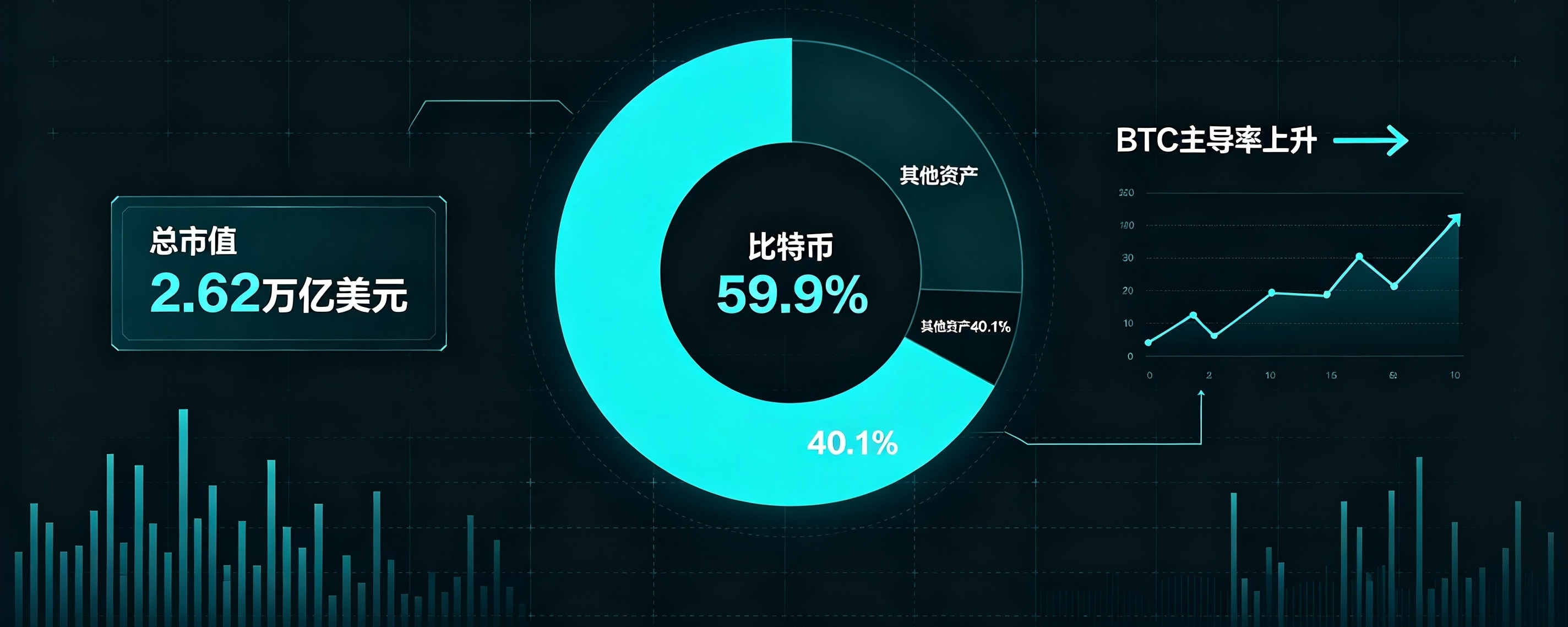
Total Cryptocurrency Market Cap Exceeds $2.62 Trillion; Bitcoin’s Share Reaches 59.9%The latest market statistics show that the global cryptocurrency market capitalization has held above the $2.62 trillion mark, while Bitcoin’s market share has reached 59.9%, nearing 60%. Capital continues to concentrate in leading assets, once again highlighting Bitcoin’s weight advantage.
Bitcoin’s share nearing 60% is the clearest sign that the market is becoming increasingly dominated by leading assets. In general, a rise in Bitcoin dominance tends to reflect one of two market conditions: either a risk-averse market, where capital prioritizes safety by choosing BTC, the most liquid asset, and reducing exposure to altcoins and meme coins; or sustained allocations to spot ETFs by institutional investors, with new capital flowing directly into Bitcoin and driving its market capitalization to grow significantly faster than that of other cryptocurrencies. At 59.9%, Bitcoin’s share is just one step away from the important psychological threshold of 60%. A decisive break above it often signals that market preferences are tilting further toward BTC, while the relative appeal of the altcoin sector continues to weaken.
Total Cryptocurrency Market Cap Exceeds $2.62 Trillion; Bitcoin’s Share Reaches 59.9%
The latest market statistics show that the global cryptocurrency market capitalization has held above the $2.62 trillion mark, while Bitcoin’s market share has reached 59.9%, nearing 60%. Capital continues to concentrate in leading assets, once again highlighting Bitcoin’s weight advantage.
Bitcoin’s share nearing 60% is the clearest sign that the market is becoming increasingly dominated by leading assets. In general, a rise in Bitcoin dominance tends to reflect one of two market conditions: either a risk-averse market, where capital prioritizes safety by choosing BTC, the most liquid asset, and reducing exposure to altcoins and meme coins; or sustained allocations to spot ETFs by institutional investors, with new capital flowing directly into Bitcoin and driving its market capitalization to grow significantly faster than that of other cryptocurrencies. At 59.9%, Bitcoin’s share is just one step away from the important psychological threshold of 60%. A decisive break above it often signals that market preferences are tilting further toward BTC, while the relative appeal of the altcoin sector continues to weaken.
Bitcoin’s share nearing 60% is the clearest sign that the market is becoming increasingly dominated by leading assets. In general, a rise in Bitcoin dominance tends to reflect one of two market conditions: either a risk-averse market, where capital prioritizes safety by choosing BTC, the most liquid asset, and reducing exposure to altcoins and meme coins; or sustained allocations to spot ETFs by institutional investors, with new capital flowing directly into Bitcoin and driving its market capitalization to grow significantly faster than that of other cryptocurrencies. At 59.9%, Bitcoin’s share is just one step away from the important psychological threshold of 60%. A decisive break above it often signals that market preferences are tilting further toward BTC, while the relative appeal of the altcoin sector continues to weaken.
1
46
·
--
Article
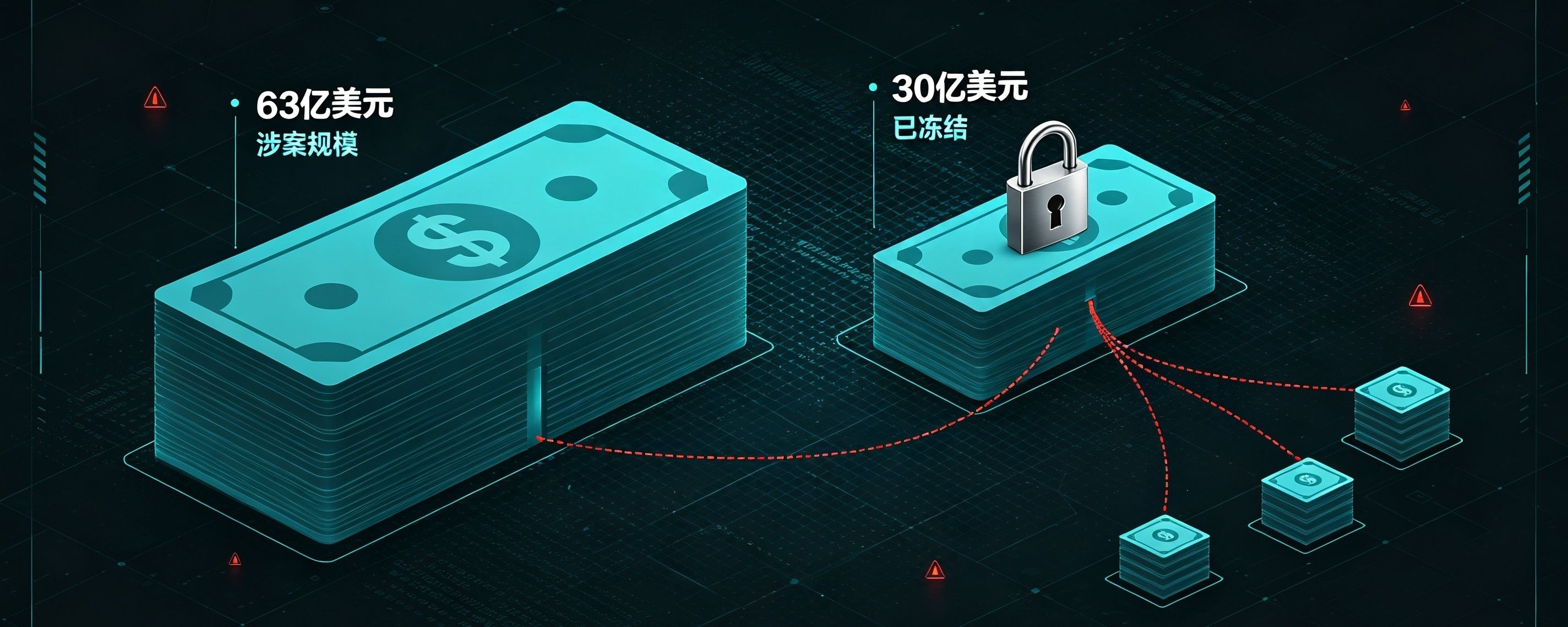
Security incident affects approximately $6.3 billion; approximately $3 billion frozen
An on-chain investigation firm has updated statistics on the Binance security incident. The total value of assets stolen in the incident was approximately $6.3 billion. To date, coordinated efforts by various parties have intercepted and frozen $3 billion in funds connected to the incident, nearly half of the total. The remaining approximately $3.3 billion in stolen funds is still under the hackers’ control, and tracing efforts are ongoing.
The assets frozen in this operation were frozen with the cooperation of stablecoin issuers such as Tether and Circle and on-chain investigation teams. USDT accounted for the largest amount frozen and was the primary asset used to intercept the funds. The frozen tokens are locked at blacklisted addresses and cannot be transferred, exchanged, or moved across chains, temporarily blocking the hackers’ cash-out channels. The funds not yet recovered are spread across multiple public blockchains and intermediary addresses. The hackers continue to use methods such as splitting transfers, cross-chain transactions, and mixing to obscure the funds’ trail and make tracing more difficult.
An on-chain investigation firm has updated statistics on the Binance security incident. The total value of assets stolen in the incident was approximately $6.3 billion. To date, coordinated efforts by various parties have intercepted and frozen $3 billion in funds connected to the incident, nearly half of the total. The remaining approximately $3.3 billion in stolen funds is still under the hackers’ control, and tracing efforts are ongoing.
The assets frozen in this operation were frozen with the cooperation of stablecoin issuers such as Tether and Circle and on-chain investigation teams. USDT accounted for the largest amount frozen and was the primary asset used to intercept the funds. The frozen tokens are locked at blacklisted addresses and cannot be transferred, exchanged, or moved across chains, temporarily blocking the hackers’ cash-out channels. The funds not yet recovered are spread across multiple public blockchains and intermediary addresses. The hackers continue to use methods such as splitting transfers, cross-chain transactions, and mixing to obscure the funds’ trail and make tracing more difficult.
Security incident affects approximately $6.3 billion; approximately $3 billion frozen
An on-chain investigation firm has updated statistics on the Binance security incident. The total value of assets stolen in the incident was approximately $6.3 billion. To date, coordinated efforts by various parties have intercepted and frozen $3 billion in funds connected to the incident, nearly half of the total. The remaining approximately $3.3 billion in stolen funds is still under the hackers’ control, and tracing efforts are ongoing.
The assets frozen in this operation were frozen with the cooperation of stablecoin issuers such as Tether and Circle and on-chain investigation teams. USDT accounted for the largest amount frozen and was the primary asset used to intercept the funds. The frozen tokens are locked at blacklisted addresses and cannot be transferred, exchanged, or moved across chains, temporarily blocking the hackers’ cash-out channels. The funds not yet recovered are spread across multiple public blockchains and intermediary addresses. The hackers continue to use methods such as splitting transfers, cross-chain transactions, and mixing to obscure the funds’ trail and make tracing more difficult.
1
20
·
--
Article
This security incident may have involved the compromise of a DevOps engineer’s laptop
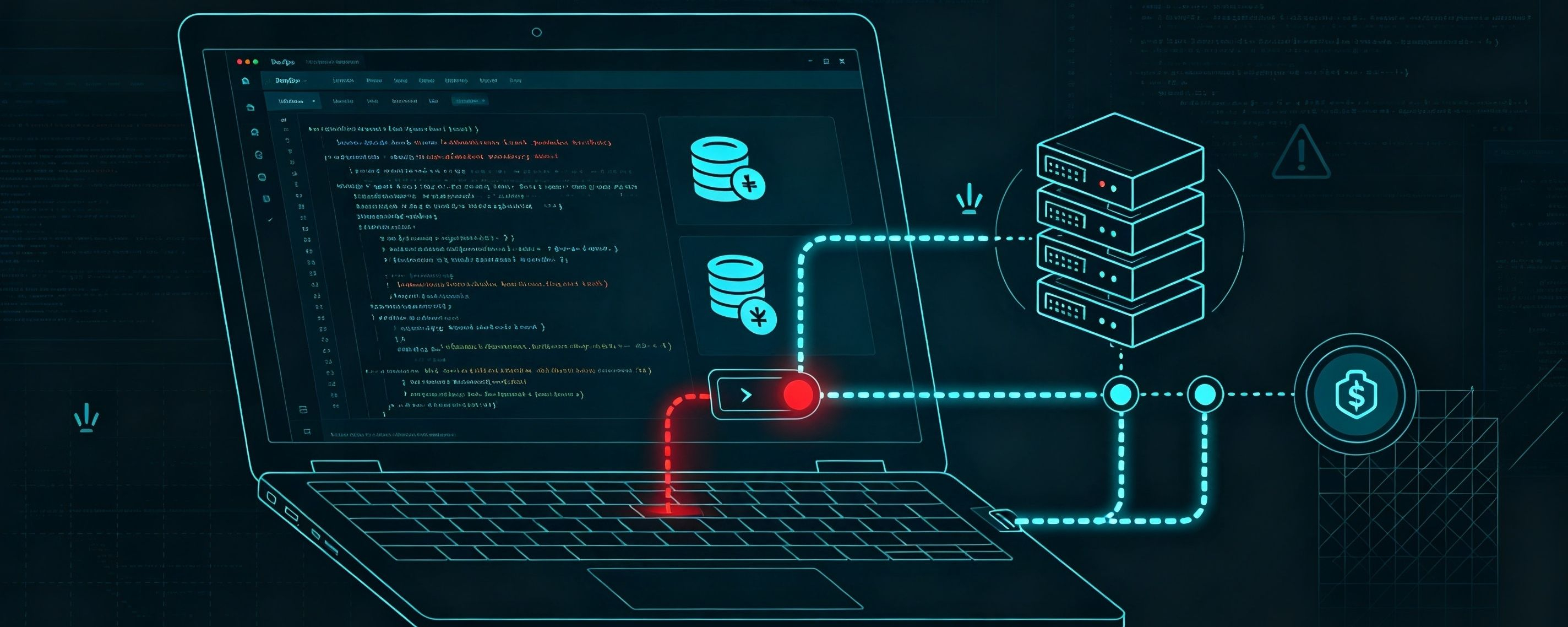
On-chain investigations and information from multiple sources indicate that the source of the intrusion behind this major theft of funds from Binance was most likely the compromise of a DevOps engineer’s laptop. The hackers used the device to obtain operational privileges and then initiate withdrawals, rather than directly compromising the wallets’ underlying private keys.
According to current investigative leads, the engineer’s work laptop was infected with malware. The hackers used it to gain access to internal operations systems and container clusters, enabling them to call withdrawal APIs associated with hot wallets and initiate abnormal transfers in bulk. This also explains how the attackers were able to transfer large amounts of different types of assets across multiple blockchains in a short period of time. Unlike traditional private key leaks, this type of privilege breach involves supply chain and internal operations security vulnerabilities. It is more difficult to detect and can be hard to identify in time before large-scale fund transfers occur.
On-chain investigations and information from multiple sources indicate that the source of the intrusion behind this major theft of funds from Binance was most likely the compromise of a DevOps engineer’s laptop. The hackers used the device to obtain operational privileges and then initiate withdrawals, rather than directly compromising the wallets’ underlying private keys.
According to current investigative leads, the engineer’s work laptop was infected with malware. The hackers used it to gain access to internal operations systems and container clusters, enabling them to call withdrawal APIs associated with hot wallets and initiate abnormal transfers in bulk. This also explains how the attackers were able to transfer large amounts of different types of assets across multiple blockchains in a short period of time. Unlike traditional private key leaks, this type of privilege breach involves supply chain and internal operations security vulnerabilities. It is more difficult to detect and can be hard to identify in time before large-scale fund transfers occur.
This security incident may have involved the compromise of a DevOps engineer’s laptop
On-chain investigations and information from multiple sources indicate that the source of the intrusion behind this major theft of funds from Binance was most likely the compromise of a DevOps engineer’s laptop. The hackers used the device to obtain operational privileges and then initiate withdrawals, rather than directly compromising the wallets’ underlying private keys.
According to current investigative leads, the engineer’s work laptop was infected with malware. The hackers used it to gain access to internal operations systems and container clusters, enabling them to call withdrawal APIs associated with hot wallets and initiate abnormal transfers in bulk. This also explains how the attackers were able to transfer large amounts of different types of assets across multiple blockchains in a short period of time. Unlike traditional private key leaks, this type of privilege breach involves supply chain and internal operations security vulnerabilities. It is more difficult to detect and can be hard to identify in time before large-scale fund transfers occur.
1
15
·
--
Article
A staggering $6 billion mystery! Binance hot wallets breached overnight
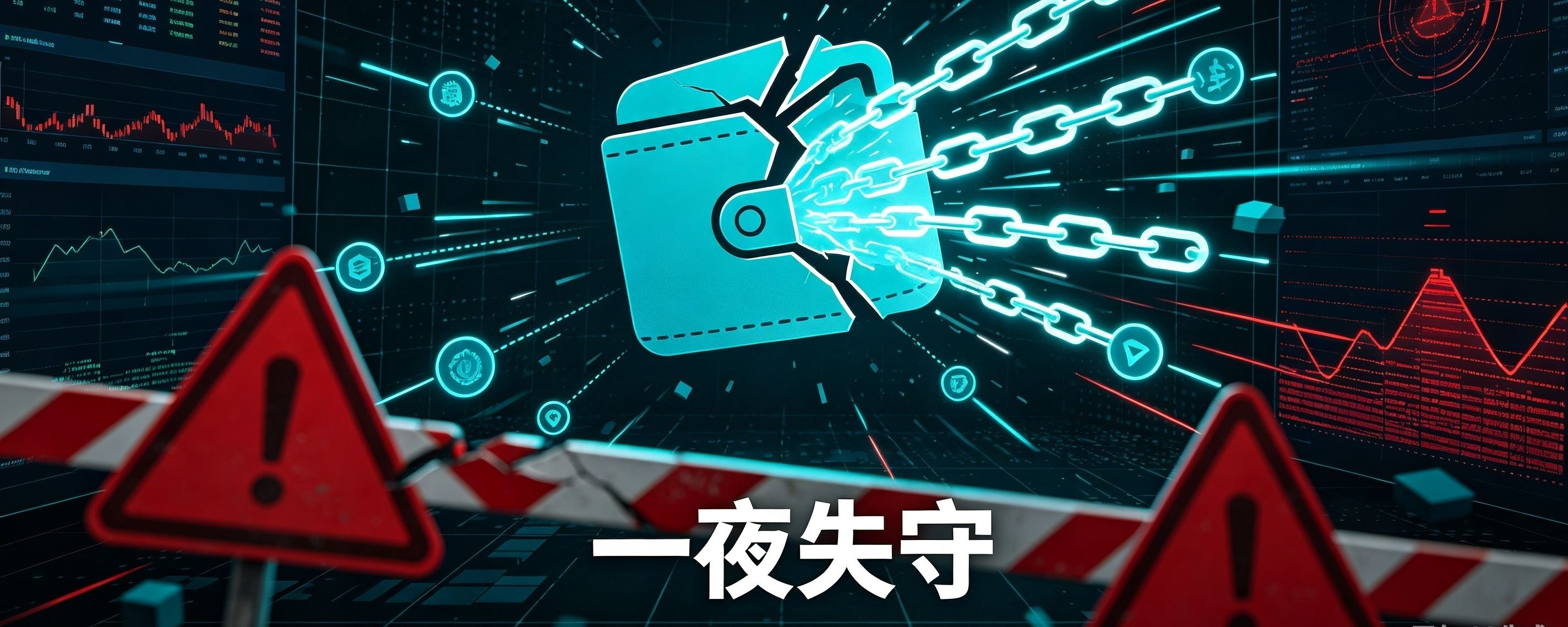
The crypto industry has been hit by an exceptionally large security black swan event. Multiple Binance hot wallets saw large-scale, abnormal fund outflows overnight. Several on-chain investigation firms estimate the value of the assets involved at nearly $6 billion. If ultimately confirmed, this would be one of the largest thefts in crypto history.
The incident began with unusual on-chain activity in the early hours. The attacker transferred assets across multiple blockchains, including Ethereum, Bitcoin, and Tron. The assets included major cryptocurrencies, stablecoins, and altcoins. The funds were then split up and moved across chains, with mixers and privacy networks used to obscure their trail. Preliminary investigative leads point to a breach of internal operations equipment. The attacker used a compromised DevOps device container to make unauthorized withdrawal transactions. Officials have not yet confirmed whether the underlying wallet private keys were leaked.
The crypto industry has been hit by an exceptionally large security black swan event. Multiple Binance hot wallets saw large-scale, abnormal fund outflows overnight. Several on-chain investigation firms estimate the value of the assets involved at nearly $6 billion. If ultimately confirmed, this would be one of the largest thefts in crypto history.
The incident began with unusual on-chain activity in the early hours. The attacker transferred assets across multiple blockchains, including Ethereum, Bitcoin, and Tron. The assets included major cryptocurrencies, stablecoins, and altcoins. The funds were then split up and moved across chains, with mixers and privacy networks used to obscure their trail. Preliminary investigative leads point to a breach of internal operations equipment. The attacker used a compromised DevOps device container to make unauthorized withdrawal transactions. Officials have not yet confirmed whether the underlying wallet private keys were leaked.
A staggering $6 billion mystery! Binance hot wallets breached overnight
The crypto industry has been hit by an exceptionally large security black swan event. Multiple Binance hot wallets saw large-scale, abnormal fund outflows overnight. Several on-chain investigation firms estimate the value of the assets involved at nearly $6 billion. If ultimately confirmed, this would be one of the largest thefts in crypto history.
The incident began with unusual on-chain activity in the early hours. The attacker transferred assets across multiple blockchains, including Ethereum, Bitcoin, and Tron. The assets included major cryptocurrencies, stablecoins, and altcoins. The funds were then split up and moved across chains, with mixers and privacy networks used to obscure their trail. Preliminary investigative leads point to a breach of internal operations equipment. The attacker used a compromised DevOps device container to make unauthorized withdrawal transactions. Officials have not yet confirmed whether the underlying wallet private keys were leaked.
1
391
·
--
Article
Polymarket Trading Fully Restored; Affected Traders to Receive Full Compensation
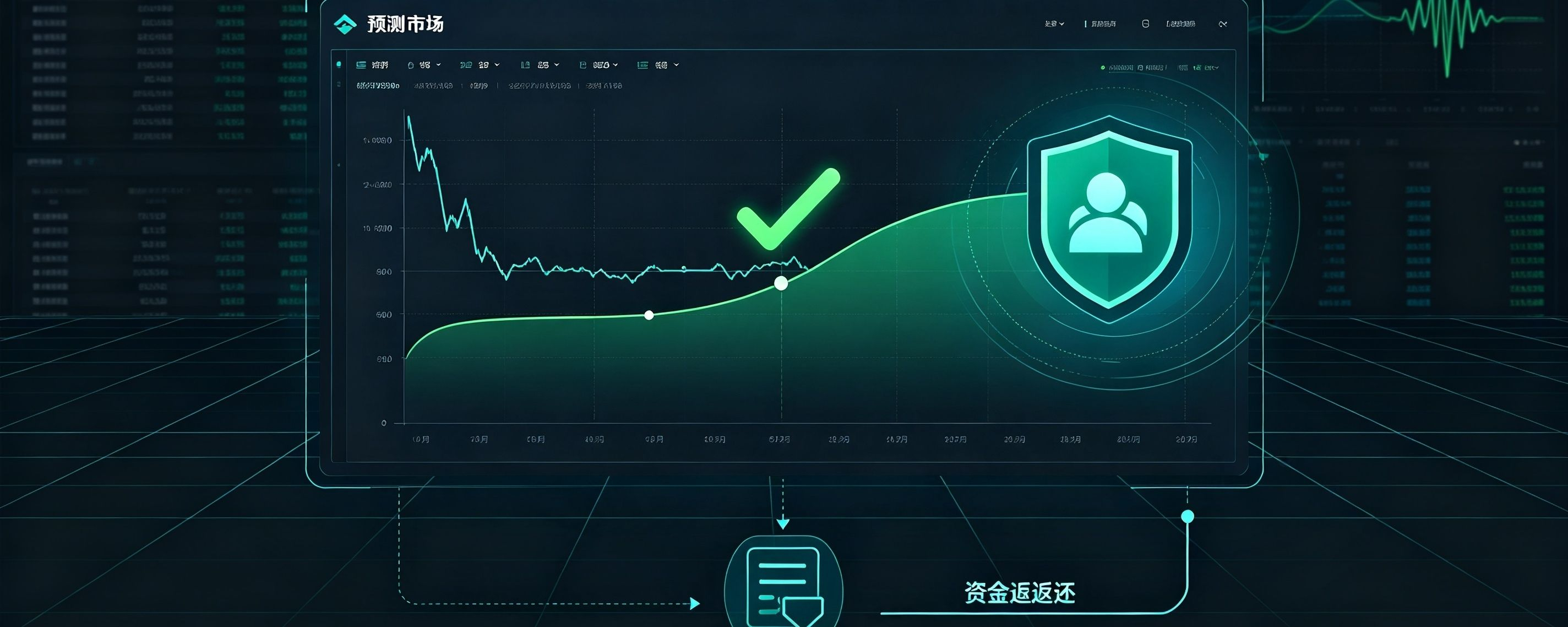
Prediction market platform Polymarket has officially announced that trading has been fully restored. It also reiterated that all traders affected by the frontend supply chain breach will receive full compensation.
The root cause of this security incident was a breach of third-party monitoring provider DebugBear. Malicious scripts were injected into pages to steal users’ session credentials, resulting in positions being sold without authorization and assets being stolen from nearly 1,000 user accounts. After the incident, the platform immediately suspended trading and investigated the vulnerability. It also handed over case materials to law enforcement and worked with on-chain investigation teams to trace the POL and stablecoin funds moved by the hackers.
Prediction market platform Polymarket has officially announced that trading has been fully restored. It also reiterated that all traders affected by the frontend supply chain breach will receive full compensation.
The root cause of this security incident was a breach of third-party monitoring provider DebugBear. Malicious scripts were injected into pages to steal users’ session credentials, resulting in positions being sold without authorization and assets being stolen from nearly 1,000 user accounts. After the incident, the platform immediately suspended trading and investigated the vulnerability. It also handed over case materials to law enforcement and worked with on-chain investigation teams to trace the POL and stablecoin funds moved by the hackers.
Polymarket Trading Fully Restored; Affected Traders to Receive Full Compensation
Prediction market platform Polymarket has officially announced that trading has been fully restored. It also reiterated that all traders affected by the frontend supply chain breach will receive full compensation.
The root cause of this security incident was a breach of third-party monitoring provider DebugBear. Malicious scripts were injected into pages to steal users’ session credentials, resulting in positions being sold without authorization and assets being stolen from nearly 1,000 user accounts. After the incident, the platform immediately suspended trading and investigated the vulnerability. It also handed over case materials to law enforcement and worked with on-chain investigation teams to trace the POL and stablecoin funds moved by the hackers.
1
108
·
--

Article
Suspected Polymarket attacker converts about $2.65 million into POL, then transfers out 28.64 million tokensOn-chain investigation data shows that an address suspected of belonging to the Polymarket attacker converted the stolen funds into POL tokens worth approximately $2.65 million, then transferred out a total of 28.64 million POL in multiple transactions. The fund-mixing activity is ongoing, making on-chain tracking considerably more difficult.
This attack was a third-party supply chain compromise. Hackers used a tampered DebugBear monitoring script to inject malicious code that stole session credentials and API keys when users visited the page, automatically sold users’ prediction market positions, and transferred out their assets. Nearly a thousand user accounts were affected. Polymarket has confirmed the source of the vulnerability, shut down the at-risk service, and pledged to fully compensate affected users. It has also referred the case to law enforcement.
Suspected Polymarket attacker converts about $2.65 million into POL, then transfers out 28.64 million tokens
On-chain investigation data shows that an address suspected of belonging to the Polymarket attacker converted the stolen funds into POL tokens worth approximately $2.65 million, then transferred out a total of 28.64 million POL in multiple transactions. The fund-mixing activity is ongoing, making on-chain tracking considerably more difficult.
This attack was a third-party supply chain compromise. Hackers used a tampered DebugBear monitoring script to inject malicious code that stole session credentials and API keys when users visited the page, automatically sold users’ prediction market positions, and transferred out their assets. Nearly a thousand user accounts were affected. Polymarket has confirmed the source of the vulnerability, shut down the at-risk service, and pledged to fully compensate affected users. It has also referred the case to law enforcement.
This attack was a third-party supply chain compromise. Hackers used a tampered DebugBear monitoring script to inject malicious code that stole session credentials and API keys when users visited the page, automatically sold users’ prediction market positions, and transferred out their assets. Nearly a thousand user accounts were affected. Polymarket has confirmed the source of the vulnerability, shut down the at-risk service, and pledged to fully compensate affected users. It has also referred the case to law enforcement.
1
432
·
--
Article
Tether Has Frozen More Than 1.567 Billion USDT
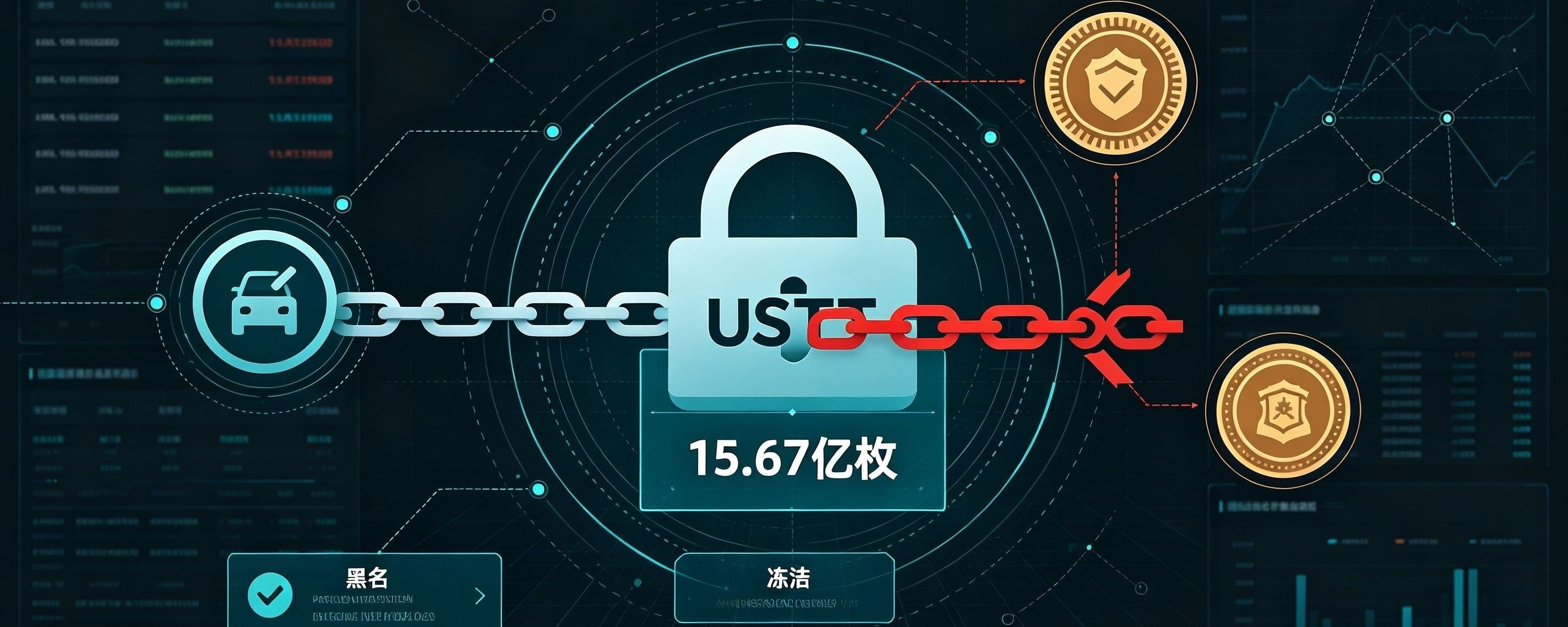
Tether CEO Paolo Ardoino disclosed on social media that, in connection with the funds stolen in the Binance security incident, Tether has frozen more than 1.567 billion USDT, preventing the hackers from moving or cashing out the stolen funds. This is also the largest stablecoin freeze in this incident.
This freeze was carried out relatively quickly. After a large, abnormal outflow from a Binance hot wallet, Tether worked with on-chain investigation firms and law enforcement agencies to identify the hacker’s receiving addresses and lock the USDT held at those addresses using its contract blacklist feature. The frozen tokens remain in their original wallet addresses, but can no longer be transferred, exchanged, or moved across chains, directly cutting off the flow of funds. Data shows that the amount frozen has continued to rise from an initial 971 million tokens, with additional addresses being added to the blacklist as the investigation continues.
Tether CEO Paolo Ardoino disclosed on social media that, in connection with the funds stolen in the Binance security incident, Tether has frozen more than 1.567 billion USDT, preventing the hackers from moving or cashing out the stolen funds. This is also the largest stablecoin freeze in this incident.
This freeze was carried out relatively quickly. After a large, abnormal outflow from a Binance hot wallet, Tether worked with on-chain investigation firms and law enforcement agencies to identify the hacker’s receiving addresses and lock the USDT held at those addresses using its contract blacklist feature. The frozen tokens remain in their original wallet addresses, but can no longer be transferred, exchanged, or moved across chains, directly cutting off the flow of funds. Data shows that the amount frozen has continued to rise from an initial 971 million tokens, with additional addresses being added to the blacklist as the investigation continues.
Tether Has Frozen More Than 1.567 Billion USDT
Tether CEO Paolo Ardoino disclosed on social media that, in connection with the funds stolen in the Binance security incident, Tether has frozen more than 1.567 billion USDT, preventing the hackers from moving or cashing out the stolen funds. This is also the largest stablecoin freeze in this incident.
This freeze was carried out relatively quickly. After a large, abnormal outflow from a Binance hot wallet, Tether worked with on-chain investigation firms and law enforcement agencies to identify the hacker’s receiving addresses and lock the USDT held at those addresses using its contract blacklist feature. The frozen tokens remain in their original wallet addresses, but can no longer be transferred, exchanged, or moved across chains, directly cutting off the flow of funds. Data shows that the amount frozen has continued to rise from an initial 971 million tokens, with additional addresses being added to the blacklist as the investigation continues.
1
53
·
--
Article
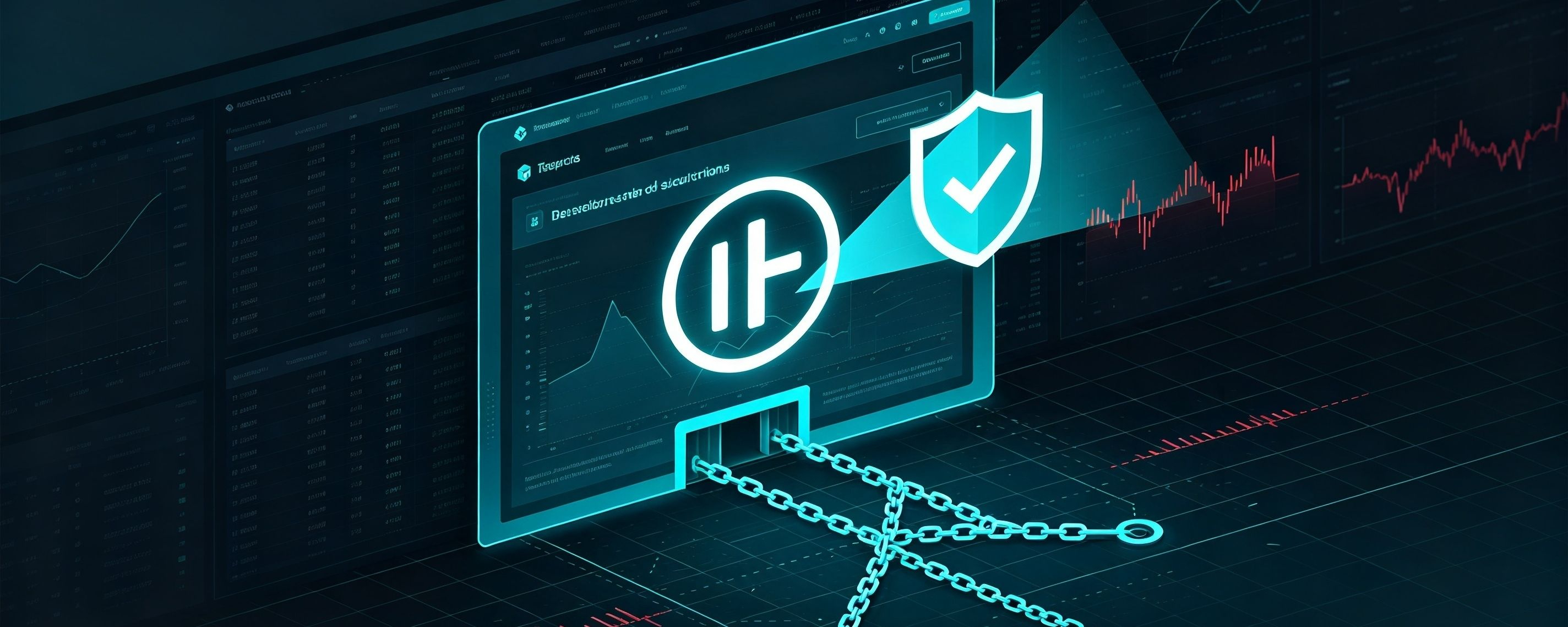
Binance Suspends All Deposits and Withdrawals and Pledges to Cover Losses Related to the IncidentBinance announced that it has temporarily suspended all deposits and withdrawals to conduct a comprehensive security review and trace the funds involved. The platform also stated that Binance will cover any losses related to this security incident, and that users’ funds are safe.
The unusual activity stemmed from a large, abnormal outflow of funds from the platform’s hot wallet, which the market initially suspected was a hack. After the incident, Binance’s security team immediately coordinated with stablecoin issuers such as Tether and Circle, on-chain investigation firms, and law enforcement agencies to intercept and freeze the assets involved, reducing the outflow of funds. Some of the funds have already been frozen, and tracking efforts are ongoing. The amount frozen may change as the investigation continues.
Binance Suspends All Deposits and Withdrawals and Pledges to Cover Losses Related to the Incident
Binance announced that it has temporarily suspended all deposits and withdrawals to conduct a comprehensive security review and trace the funds involved. The platform also stated that Binance will cover any losses related to this security incident, and that users’ funds are safe.
The unusual activity stemmed from a large, abnormal outflow of funds from the platform’s hot wallet, which the market initially suspected was a hack. After the incident, Binance’s security team immediately coordinated with stablecoin issuers such as Tether and Circle, on-chain investigation firms, and law enforcement agencies to intercept and freeze the assets involved, reducing the outflow of funds. Some of the funds have already been frozen, and tracking efforts are ongoing. The amount frozen may change as the investigation continues.
The unusual activity stemmed from a large, abnormal outflow of funds from the platform’s hot wallet, which the market initially suspected was a hack. After the incident, Binance’s security team immediately coordinated with stablecoin issuers such as Tether and Circle, on-chain investigation firms, and law enforcement agencies to intercept and freeze the assets involved, reducing the outflow of funds. Some of the funds have already been frozen, and tracking efforts are ongoing. The amount frozen may change as the investigation continues.
2
739

·
--
Verified
Article
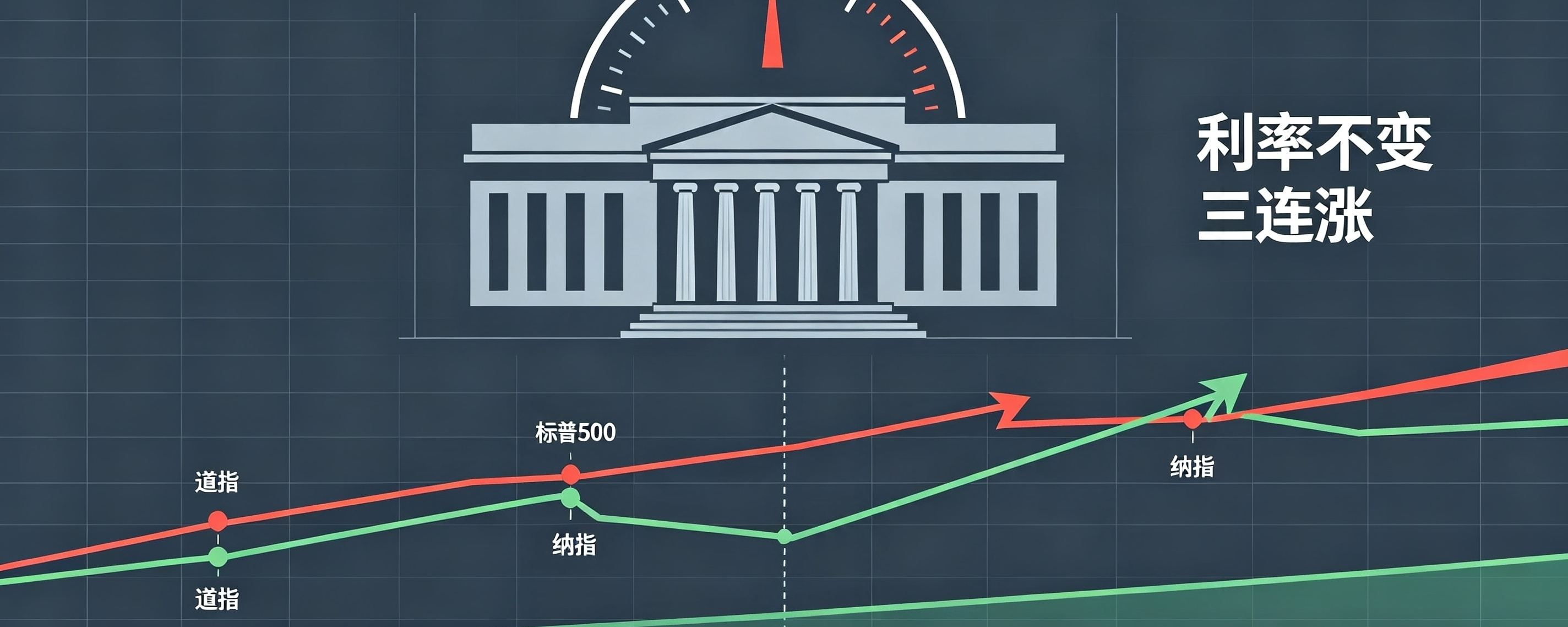
Three major stock indexes rise for a third straight session as the Fed holds rates steadyOn October 28 local time, the Federal Reserve concluded its two-day FOMC meeting and announced that it would keep the target range for the federal funds rate unchanged at 3.75%–4%. The decision was in line with the prevailing market expectation, and the three major U.S. stock indexes continued to rise, posting gains for a third consecutive session.
The vote on this rate decision was 10–2. Federal Reserve Governor Lisa Cook and Cleveland Fed President Beth Hammack dissented, favoring another 25-basis-point rate hike. In its post-meeting statement, the Fed said that U.S. consumer spending remains resilient, but inflation is still above the 2% policy target. The Committee will continue gathering economic data before assessing the appropriate stance of monetary policy going forward, and has not entirely ruled out further rate hikes. At a press conference, Fed Chair Warsh noted that credit conditions for businesses and households had tightened somewhat since the September rate hike, but overall financial conditions were not yet extremely restrictive. Inflation risks still warrant continued vigilance.
Three major stock indexes rise for a third straight session as the Fed holds rates steady
On October 28 local time, the Federal Reserve concluded its two-day FOMC meeting and announced that it would keep the target range for the federal funds rate unchanged at 3.75%–4%. The decision was in line with the prevailing market expectation, and the three major U.S. stock indexes continued to rise, posting gains for a third consecutive session.
The vote on this rate decision was 10–2. Federal Reserve Governor Lisa Cook and Cleveland Fed President Beth Hammack dissented, favoring another 25-basis-point rate hike. In its post-meeting statement, the Fed said that U.S. consumer spending remains resilient, but inflation is still above the 2% policy target. The Committee will continue gathering economic data before assessing the appropriate stance of monetary policy going forward, and has not entirely ruled out further rate hikes. At a press conference, Fed Chair Warsh noted that credit conditions for businesses and households had tightened somewhat since the September rate hike, but overall financial conditions were not yet extremely restrictive. Inflation risks still warrant continued vigilance.
The vote on this rate decision was 10–2. Federal Reserve Governor Lisa Cook and Cleveland Fed President Beth Hammack dissented, favoring another 25-basis-point rate hike. In its post-meeting statement, the Fed said that U.S. consumer spending remains resilient, but inflation is still above the 2% policy target. The Committee will continue gathering economic data before assessing the appropriate stance of monetary policy going forward, and has not entirely ruled out further rate hikes. At a press conference, Fed Chair Warsh noted that credit conditions for businesses and households had tightened somewhat since the September rate hike, but overall financial conditions were not yet extremely restrictive. Inflation risks still warrant continued vigilance.
1
561
·
--
Article
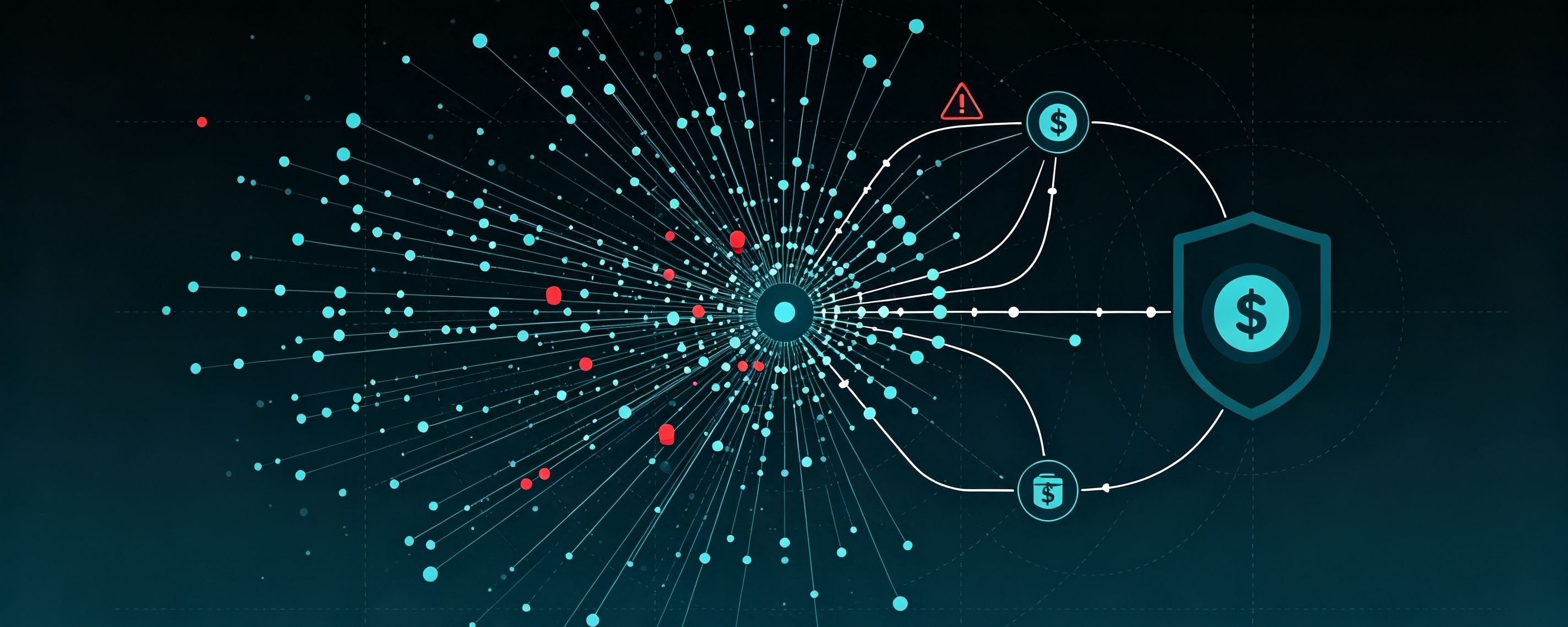
Nearly $1 Million Stolen as Bloom Drainer Uses 2,152 Addresses to Move FundsBlockchain investigation firm Specter disclosed that assets worth nearly $1 million were stolen in the Bloom drainer attack. The attackers used automated scripts to split and transfer the stolen funds through as many as 2,152 unique routes and destination addresses, attempting to obscure the flow of funds and significantly complicating on-chain tracking.
The laundering route spanned multiple blockchains, involving 1,326 Solana addresses, 822 EVM-chain addresses, and 5 Zcash addresses. The attackers also transferred some of the assets cross-chain to Zcash, with 26.099 ZEC entering the Zcash Sapling shielded pool. They used Zcash’s privacy features to conceal the funds’ trail—a common method used by hacking groups to obfuscate fund flows.
Nearly $1 Million Stolen as Bloom Drainer Uses 2,152 Addresses to Move Funds
Blockchain investigation firm Specter disclosed that assets worth nearly $1 million were stolen in the Bloom drainer attack. The attackers used automated scripts to split and transfer the stolen funds through as many as 2,152 unique routes and destination addresses, attempting to obscure the flow of funds and significantly complicating on-chain tracking.
The laundering route spanned multiple blockchains, involving 1,326 Solana addresses, 822 EVM-chain addresses, and 5 Zcash addresses. The attackers also transferred some of the assets cross-chain to Zcash, with 26.099 ZEC entering the Zcash Sapling shielded pool. They used Zcash’s privacy features to conceal the funds’ trail—a common method used by hacking groups to obfuscate fund flows.
The laundering route spanned multiple blockchains, involving 1,326 Solana addresses, 822 EVM-chain addresses, and 5 Zcash addresses. The attackers also transferred some of the assets cross-chain to Zcash, with 26.099 ZEC entering the Zcash Sapling shielded pool. They used Zcash’s privacy features to conceal the funds’ trail—a common method used by hacking groups to obfuscate fund flows.
1
60
·
--

Article
Bitcoin may resume its rally as uncertainty over U.S. midterm elections fadesCryptoQuant founder Ki Young Ju shared his view that as the U.S. midterm elections draw closer, markets are continuing to price in the regulatory and fiscal policy uncertainty they could bring. Once the elections are over and uncertainty subsides, Bitcoin may see a new rally.
Analyzing current market conditions, he noted that although inflows into Bitcoin ETFs have nearly stalled this year, Bitcoin’s price has fallen by only 7%, showing greater resilience than expected. This suggests that large-scale selling by major market holders and miners has largely run its course, and selling pressure has been fully absorbed, laying the groundwork for a potential recovery.
Bitcoin may resume its rally as uncertainty over U.S. midterm elections fades
CryptoQuant founder Ki Young Ju shared his view that as the U.S. midterm elections draw closer, markets are continuing to price in the regulatory and fiscal policy uncertainty they could bring. Once the elections are over and uncertainty subsides, Bitcoin may see a new rally.
Analyzing current market conditions, he noted that although inflows into Bitcoin ETFs have nearly stalled this year, Bitcoin’s price has fallen by only 7%, showing greater resilience than expected. This suggests that large-scale selling by major market holders and miners has largely run its course, and selling pressure has been fully absorbed, laying the groundwork for a potential recovery.
Analyzing current market conditions, he noted that although inflows into Bitcoin ETFs have nearly stalled this year, Bitcoin’s price has fallen by only 7%, showing greater resilience than expected. This suggests that large-scale selling by major market holders and miners has largely run its course, and selling pressure has been fully absorbed, laying the groundwork for a potential recovery.
1
136
·
--
Article
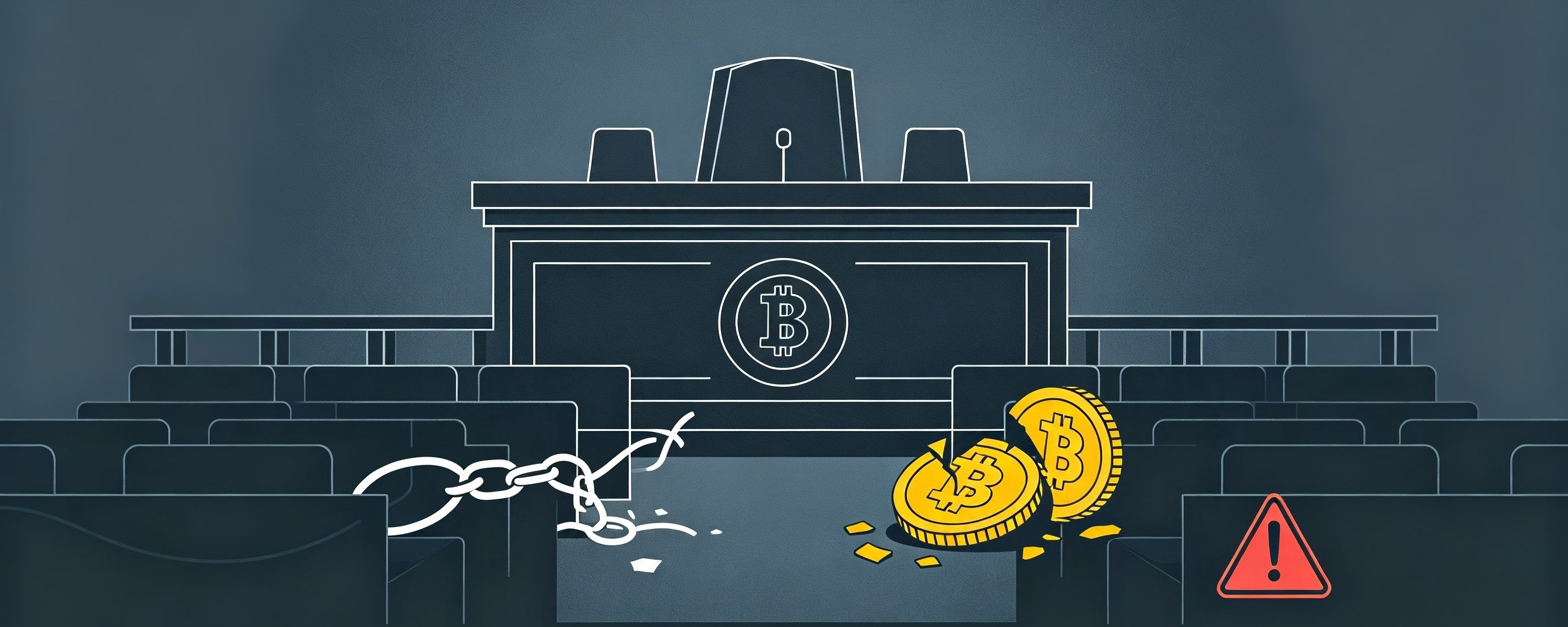
Trial of Canada’s “Crypto King” Pleterski to Be Decided by JuryThe trial of Aiden Pleterski, dubbed Canada’s “Crypto King,” is nearing its conclusion. After the prosecution and defense delivered their closing arguments and the judge instructed the jury, the case was formally handed over to the jury for deliberations behind closed doors, with a verdict now pending.
Pleterski, 27, has pleaded not guilty to charges of fraud over C$5,000 and money laundering. He has chosen to represent himself without hiring a lawyer. On social media, he cultivated an image of having made a fortune through cryptocurrency and foreign-exchange trading, promising high investment returns to attract large numbers of investors. The prosecution alleges that Pleterski did not run a trading business as promised, but instead operated a Ponzi scheme, using funds from new investors to pay returns to earlier investors. Much of the money was squandered on luxury cars, private jets, and high-end spending.
Trial of Canada’s “Crypto King” Pleterski to Be Decided by Jury
The trial of Aiden Pleterski, dubbed Canada’s “Crypto King,” is nearing its conclusion. After the prosecution and defense delivered their closing arguments and the judge instructed the jury, the case was formally handed over to the jury for deliberations behind closed doors, with a verdict now pending.
Pleterski, 27, has pleaded not guilty to charges of fraud over C$5,000 and money laundering. He has chosen to represent himself without hiring a lawyer. On social media, he cultivated an image of having made a fortune through cryptocurrency and foreign-exchange trading, promising high investment returns to attract large numbers of investors. The prosecution alleges that Pleterski did not run a trading business as promised, but instead operated a Ponzi scheme, using funds from new investors to pay returns to earlier investors. Much of the money was squandered on luxury cars, private jets, and high-end spending.
Pleterski, 27, has pleaded not guilty to charges of fraud over C$5,000 and money laundering. He has chosen to represent himself without hiring a lawyer. On social media, he cultivated an image of having made a fortune through cryptocurrency and foreign-exchange trading, promising high investment returns to attract large numbers of investors. The prosecution alleges that Pleterski did not run a trading business as promised, but instead operated a Ponzi scheme, using funds from new investors to pay returns to earlier investors. Much of the money was squandered on luxury cars, private jets, and high-end spending.
1
14
·
--

Article
The “Alipay” of the Criminal Underworld? Inside Southeast Asia’s Escrow Platforms
Behind Southeast Asia’s scam compounds, a third-party escrow system dedicated to facilitating illicit transactions has emerged. Industry insiders also call it the “Alipay” of the criminal and gray-market world. These escrow platforms operate through Telegram groups, providing transaction custody, deposits, and dispute arbitration for scams, money laundering, and other criminal and gray-market transactions. They address the lack of trust between the parties involved, enabling all kinds of black-market deals to settle smoothly.
Huione Guarantee was the earliest leading platform in this sector. Leveraging Cambodia’s scam compounds, it expanded rapidly and facilitated the movement of enormous sums of illicit funds. After Huione was sanctioned by U.S. regulators, platforms such as Xinbi Guarantee, Jinbei, and Daili quickly filled the market gap, continuing to meet demand for transactions involving criminal and gray-market businesses and creating a continuously evolving shadow financial ecosystem.
Behind Southeast Asia’s scam compounds, a third-party escrow system dedicated to facilitating illicit transactions has emerged. Industry insiders also call it the “Alipay” of the criminal and gray-market world. These escrow platforms operate through Telegram groups, providing transaction custody, deposits, and dispute arbitration for scams, money laundering, and other criminal and gray-market transactions. They address the lack of trust between the parties involved, enabling all kinds of black-market deals to settle smoothly.
Huione Guarantee was the earliest leading platform in this sector. Leveraging Cambodia’s scam compounds, it expanded rapidly and facilitated the movement of enormous sums of illicit funds. After Huione was sanctioned by U.S. regulators, platforms such as Xinbi Guarantee, Jinbei, and Daili quickly filled the market gap, continuing to meet demand for transactions involving criminal and gray-market businesses and creating a continuously evolving shadow financial ecosystem.
The “Alipay” of the Criminal Underworld? Inside Southeast Asia’s Escrow Platforms
Behind Southeast Asia’s scam compounds, a third-party escrow system dedicated to facilitating illicit transactions has emerged. Industry insiders also call it the “Alipay” of the criminal and gray-market world. These escrow platforms operate through Telegram groups, providing transaction custody, deposits, and dispute arbitration for scams, money laundering, and other criminal and gray-market transactions. They address the lack of trust between the parties involved, enabling all kinds of black-market deals to settle smoothly.
Huione Guarantee was the earliest leading platform in this sector. Leveraging Cambodia’s scam compounds, it expanded rapidly and facilitated the movement of enormous sums of illicit funds. After Huione was sanctioned by U.S. regulators, platforms such as Xinbi Guarantee, Jinbei, and Daili quickly filled the market gap, continuing to meet demand for transactions involving criminal and gray-market businesses and creating a continuously evolving shadow financial ecosystem.
1
20
·
--

Article
Saudi Arabia asks Trump to hold off on war and extend negotiationsSaudi Arabia asks Trump to hold off on war and extend negotiations
The situation in the Middle East has reached a dangerous tipping point. Saudi Arabia has appealed to U.S. President Trump to hold off on military strikes against Iran and allow more time for negotiations. It is seeking to prevent a full-scale regional conflict through diplomatic mediation and avert the spread of war, which could affect Gulf states and global energy markets.
With the U.S. military already deployed in preparation for war and ready to launch strikes at any moment, Saudi Arabia has taken the lead in urgently contacting the White House alongside Qatar, the UAE and other Gulf states, conveying a clear request: hold off on military action and leave room for negotiations. Saudi Arabia’s foremost concern is possible Iranian retaliation. If the United States directly strikes targets on Iranian soil, Iran is highly likely to retaliate against oil facilities and ports in the Gulf region, as well as shipping in the Strait of Hormuz. Saudi Arabia’s domestic oil and gas facilities would then be directly exposed to the risks of war, dealing a huge blow to its economy and severely disrupting the global crude oil supply chain.
Saudi Arabia asks Trump to hold off on war and extend negotiations
Saudi Arabia asks Trump to hold off on war and extend negotiations
The situation in the Middle East has reached a dangerous tipping point. Saudi Arabia has appealed to U.S. President Trump to hold off on military strikes against Iran and allow more time for negotiations. It is seeking to prevent a full-scale regional conflict through diplomatic mediation and avert the spread of war, which could affect Gulf states and global energy markets.
With the U.S. military already deployed in preparation for war and ready to launch strikes at any moment, Saudi Arabia has taken the lead in urgently contacting the White House alongside Qatar, the UAE and other Gulf states, conveying a clear request: hold off on military action and leave room for negotiations. Saudi Arabia’s foremost concern is possible Iranian retaliation. If the United States directly strikes targets on Iranian soil, Iran is highly likely to retaliate against oil facilities and ports in the Gulf region, as well as shipping in the Strait of Hormuz. Saudi Arabia’s domestic oil and gas facilities would then be directly exposed to the risks of war, dealing a huge blow to its economy and severely disrupting the global crude oil supply chain.
The situation in the Middle East has reached a dangerous tipping point. Saudi Arabia has appealed to U.S. President Trump to hold off on military strikes against Iran and allow more time for negotiations. It is seeking to prevent a full-scale regional conflict through diplomatic mediation and avert the spread of war, which could affect Gulf states and global energy markets.
With the U.S. military already deployed in preparation for war and ready to launch strikes at any moment, Saudi Arabia has taken the lead in urgently contacting the White House alongside Qatar, the UAE and other Gulf states, conveying a clear request: hold off on military action and leave room for negotiations. Saudi Arabia’s foremost concern is possible Iranian retaliation. If the United States directly strikes targets on Iranian soil, Iran is highly likely to retaliate against oil facilities and ports in the Gulf region, as well as shipping in the Strait of Hormuz. Saudi Arabia’s domestic oil and gas facilities would then be directly exposed to the risks of war, dealing a huge blow to its economy and severely disrupting the global crude oil supply chain.
1
40
·
--
Article
Clarida expects the Fed to raise rates in DecemberClarida expects the Fed to raise rates in December
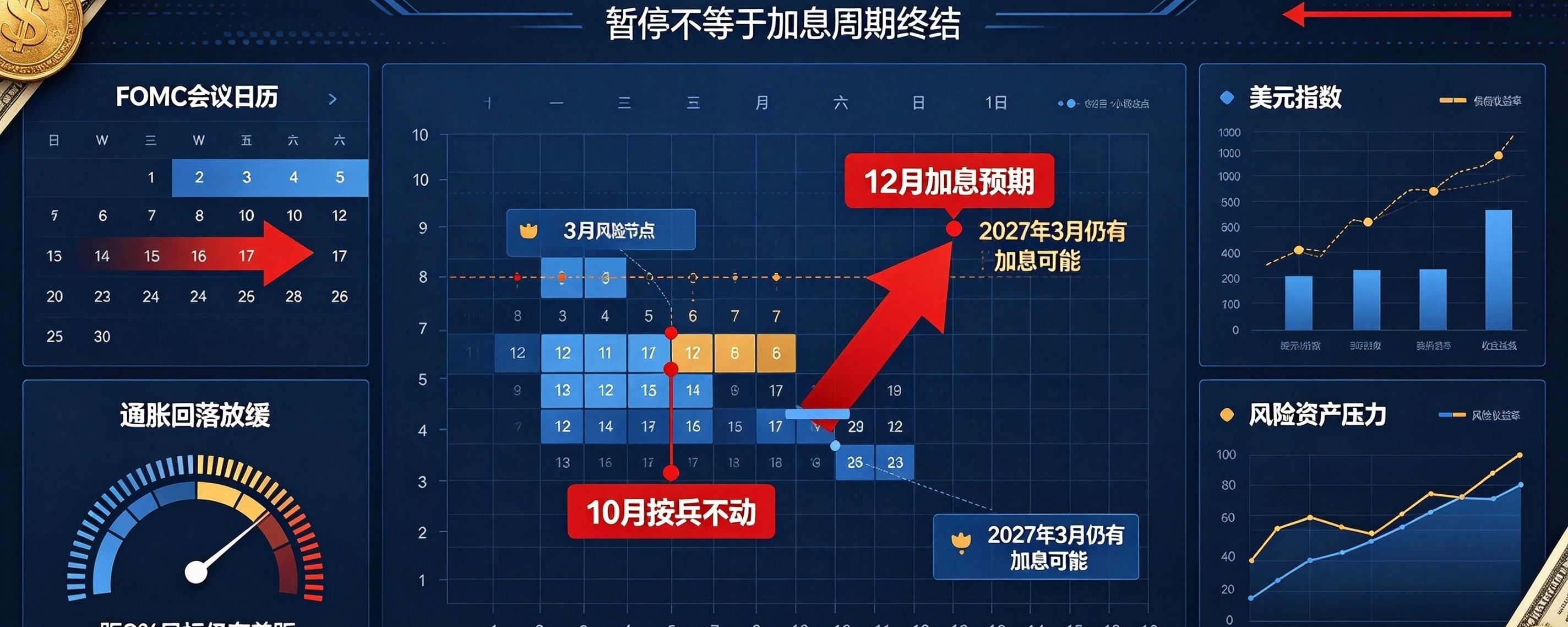
Former Federal Reserve Vice Chair Richard Clarida made a major assessment in a recent media interview, saying he expects the Fed to deliver another rate hike at its December policy meeting after holding rates steady at the just-concluded October FOMC meeting. He added that a further hike in March next year remains possible. This view challenges the expectations of some market participants that the current rate-hiking cycle is over, once again roiling global asset markets’ pricing of the Fed’s monetary policy path.
Clarida expects the Fed to raise rates in December
Clarida expects the Fed to raise rates in December
Former Federal Reserve Vice Chair Richard Clarida made a major assessment in a recent media interview, saying he expects the Fed to deliver another rate hike at its December policy meeting after holding rates steady at the just-concluded October FOMC meeting. He added that a further hike in March next year remains possible. This view challenges the expectations of some market participants that the current rate-hiking cycle is over, once again roiling global asset markets’ pricing of the Fed’s monetary policy path.
Former Federal Reserve Vice Chair Richard Clarida made a major assessment in a recent media interview, saying he expects the Fed to deliver another rate hike at its December policy meeting after holding rates steady at the just-concluded October FOMC meeting. He added that a further hike in March next year remains possible. This view challenges the expectations of some market participants that the current rate-hiking cycle is over, once again roiling global asset markets’ pricing of the Fed’s monetary policy path.
1
171
·
--
Article
Oracle expects free cash flow to reach $30 billion in fiscal 2029Oracle expects free cash flow to reach $30 billion in fiscal 2029
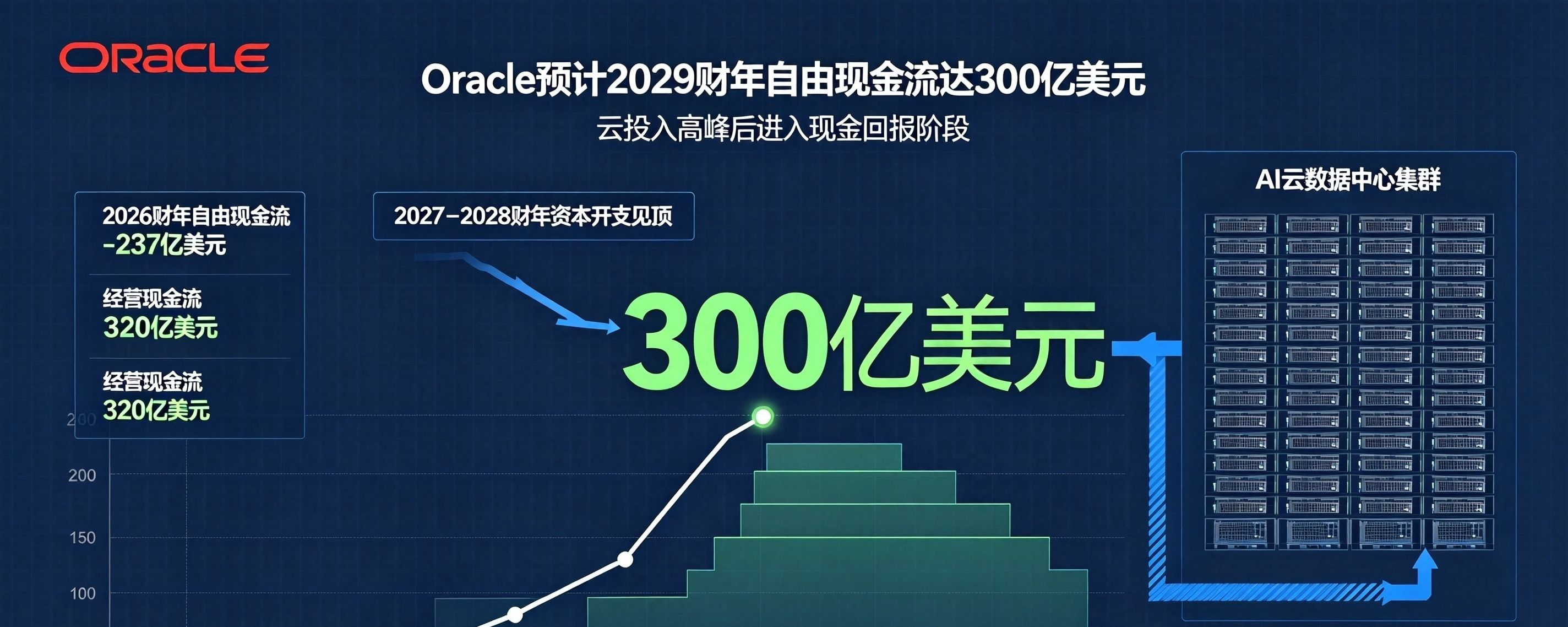
At its Investor Day, Oracle unveiled major long-term financial guidance. The company's CFO disclosed that free cash flow is expected to turn positive in the second half of fiscal 2028 and exceed $30 billion in fiscal 2029. This target signals a potential turning point after a period of heavy capital spending on Oracle's cloud business, as the company shifts from massive investment to generating substantial cash returns.
Oracle is currently at the peak of its investment in computing infrastructure. To compete for AI cloud business, Oracle is continuing to build data centers and purchase large quantities of computing chips, driving capital expenditure sharply higher and directly putting pressure on free cash flow. Data shows that Oracle's operating cash flow reached a record high of $32 billion in fiscal 2026. However, weighed down by heavy capital investment, free cash flow for the year was negative $23.7 billion, with large amounts of cash consumed by cloud infrastructure construction.
Oracle expects free cash flow to reach $30 billion in fiscal 2029
Oracle expects free cash flow to reach $30 billion in fiscal 2029
At its Investor Day, Oracle unveiled major long-term financial guidance. The company's CFO disclosed that free cash flow is expected to turn positive in the second half of fiscal 2028 and exceed $30 billion in fiscal 2029. This target signals a potential turning point after a period of heavy capital spending on Oracle's cloud business, as the company shifts from massive investment to generating substantial cash returns.
Oracle is currently at the peak of its investment in computing infrastructure. To compete for AI cloud business, Oracle is continuing to build data centers and purchase large quantities of computing chips, driving capital expenditure sharply higher and directly putting pressure on free cash flow. Data shows that Oracle's operating cash flow reached a record high of $32 billion in fiscal 2026. However, weighed down by heavy capital investment, free cash flow for the year was negative $23.7 billion, with large amounts of cash consumed by cloud infrastructure construction.
At its Investor Day, Oracle unveiled major long-term financial guidance. The company's CFO disclosed that free cash flow is expected to turn positive in the second half of fiscal 2028 and exceed $30 billion in fiscal 2029. This target signals a potential turning point after a period of heavy capital spending on Oracle's cloud business, as the company shifts from massive investment to generating substantial cash returns.
Oracle is currently at the peak of its investment in computing infrastructure. To compete for AI cloud business, Oracle is continuing to build data centers and purchase large quantities of computing chips, driving capital expenditure sharply higher and directly putting pressure on free cash flow. Data shows that Oracle's operating cash flow reached a record high of $32 billion in fiscal 2026. However, weighed down by heavy capital investment, free cash flow for the year was negative $23.7 billion, with large amounts of cash consumed by cloud infrastructure construction.
1
2
·
--
Article
Bitcoin Core Finds 3 New Vulnerabilities, One of Which Can Remotely Crash NodesBitcoin Core Finds 3 New Vulnerabilities, One of Which Can Remotely Crash Nodes
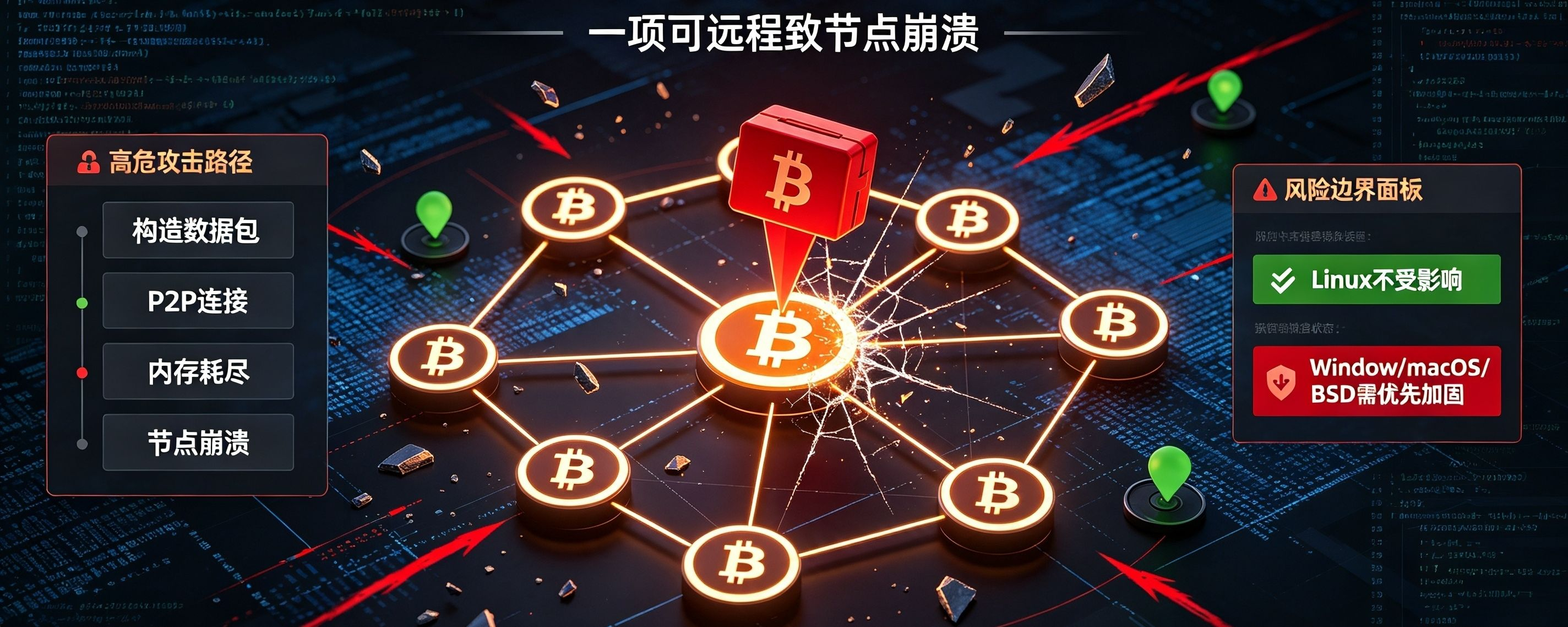
Bitcoin Core, the leading Bitcoin node client, has disclosed three new security vulnerabilities. The most serious one can be exploited by attackers to remotely exhaust a node’s memory and crash it, threatening the stable operation of Bitcoin’s underlying node infrastructure. Following the disclosure, organizations, mining pools, service providers, and individuals running Bitcoin full nodes have been urged to check their versions and implement protective measures as soon as possible.
The three vulnerabilities disclosed this time have different impacts. The first, and highest-risk, vulnerability targets Bitcoin Core nodes running on Windows, macOS, and BSD systems. An attacker can craft specially designed packets to continuously consume a node’s memory, eventually causing the node software to crash. Notably, nodes running on Linux are not affected, meaning security risks vary across operating systems, with the many personal nodes deployed on Windows and macOS facing a higher likelihood of attack. The second vulnerability is a slow memory leak. It does not cause an immediate outage, but as a node runs for an extended period, its memory is gradually consumed, eventually causing the node to exit abnormally. This is a relatively stealthy denial-of-service risk. The third vulnerability carries a potential risk of corruption to blockchain rollback undo data. If triggered, it could disrupt data consistency during block rollback and threaten the integrity of node data.
Bitcoin Core Finds 3 New Vulnerabilities, One of Which Can Remotely Crash Nodes
Bitcoin Core Finds 3 New Vulnerabilities, One of Which Can Remotely Crash Nodes
Bitcoin Core, the leading Bitcoin node client, has disclosed three new security vulnerabilities. The most serious one can be exploited by attackers to remotely exhaust a node’s memory and crash it, threatening the stable operation of Bitcoin’s underlying node infrastructure. Following the disclosure, organizations, mining pools, service providers, and individuals running Bitcoin full nodes have been urged to check their versions and implement protective measures as soon as possible.
The three vulnerabilities disclosed this time have different impacts. The first, and highest-risk, vulnerability targets Bitcoin Core nodes running on Windows, macOS, and BSD systems. An attacker can craft specially designed packets to continuously consume a node’s memory, eventually causing the node software to crash. Notably, nodes running on Linux are not affected, meaning security risks vary across operating systems, with the many personal nodes deployed on Windows and macOS facing a higher likelihood of attack. The second vulnerability is a slow memory leak. It does not cause an immediate outage, but as a node runs for an extended period, its memory is gradually consumed, eventually causing the node to exit abnormally. This is a relatively stealthy denial-of-service risk. The third vulnerability carries a potential risk of corruption to blockchain rollback undo data. If triggered, it could disrupt data consistency during block rollback and threaten the integrity of node data.
Bitcoin Core, the leading Bitcoin node client, has disclosed three new security vulnerabilities. The most serious one can be exploited by attackers to remotely exhaust a node’s memory and crash it, threatening the stable operation of Bitcoin’s underlying node infrastructure. Following the disclosure, organizations, mining pools, service providers, and individuals running Bitcoin full nodes have been urged to check their versions and implement protective measures as soon as possible.
The three vulnerabilities disclosed this time have different impacts. The first, and highest-risk, vulnerability targets Bitcoin Core nodes running on Windows, macOS, and BSD systems. An attacker can craft specially designed packets to continuously consume a node’s memory, eventually causing the node software to crash. Notably, nodes running on Linux are not affected, meaning security risks vary across operating systems, with the many personal nodes deployed on Windows and macOS facing a higher likelihood of attack. The second vulnerability is a slow memory leak. It does not cause an immediate outage, but as a node runs for an extended period, its memory is gradually consumed, eventually causing the node to exit abnormally. This is a relatively stealthy denial-of-service risk. The third vulnerability carries a potential risk of corruption to blockchain rollback undo data. If triggered, it could disrupt data consistency during block rollback and threaten the integrity of node data.
1
26
·
--
Verified
Article
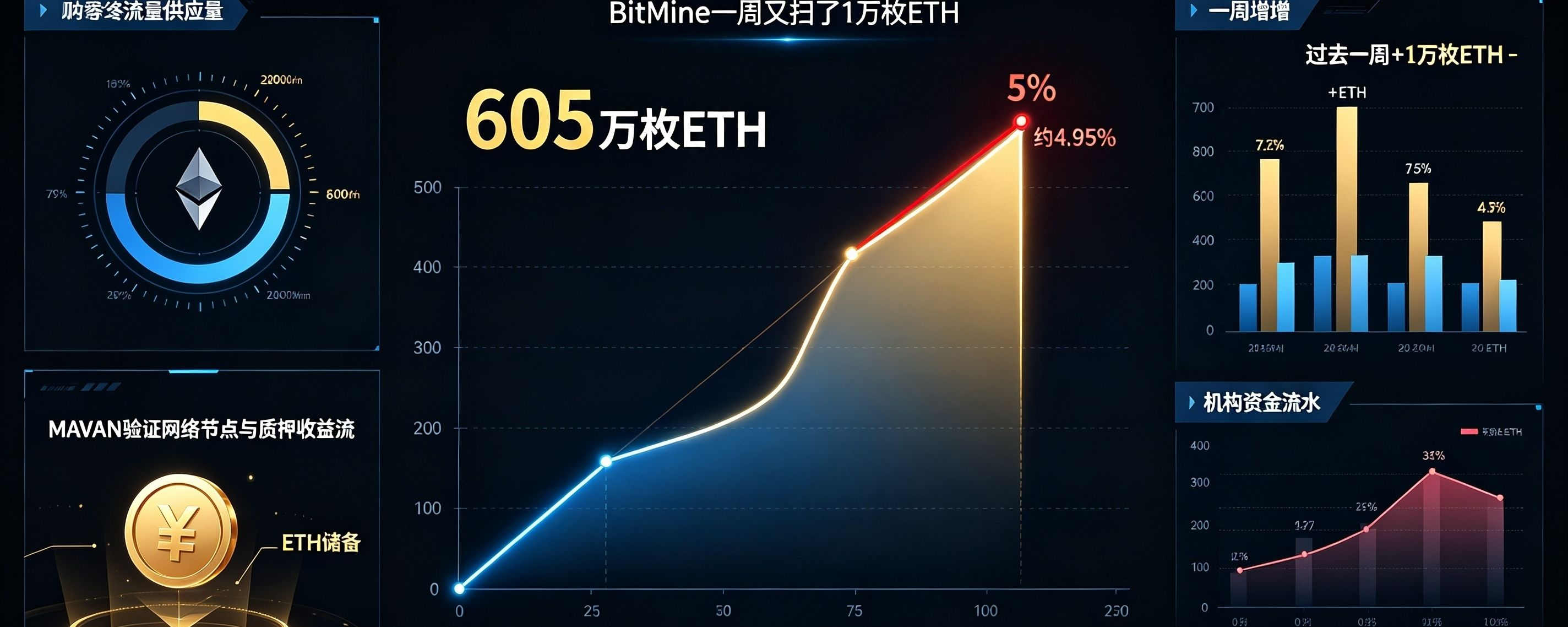
Just one step away from its “Alchemy of 5%” goal, BitMine scoops up another 10,000 ETH in a weekEthereum’s most committed institutional buyer, BitMine, is continuing to pursue its ambitious “Alchemy of 5%” accumulation plan. The latest disclosures show that the company bought more than 10,000 ETH over the past week, bringing its total holdings even closer to its target of 5% of Ethereum’s circulating supply. This epic Ethereum accumulation drive, which began in June 2025, has entered its final stretch.
Tom Lee, chairman of BitMine Immersion Technologies, clearly outlined the company’s strategy at the Token2049 conference in Singapore: once BitMine’s ETH holdings reach 5% of the circulating supply, the company will stop buying ETH. Five percent is a preset hard cap. The plan was initially expected to take five years to complete, but favorable market conditions and uninterrupted weekly buying have dramatically shortened the accumulation cycle. In just over a year, BitMine has already come within striking distance of its target.
Just one step away from its “Alchemy of 5%” goal, BitMine scoops up another 10,000 ETH in a week
Ethereum’s most committed institutional buyer, BitMine, is continuing to pursue its ambitious “Alchemy of 5%” accumulation plan. The latest disclosures show that the company bought more than 10,000 ETH over the past week, bringing its total holdings even closer to its target of 5% of Ethereum’s circulating supply. This epic Ethereum accumulation drive, which began in June 2025, has entered its final stretch.
Tom Lee, chairman of BitMine Immersion Technologies, clearly outlined the company’s strategy at the Token2049 conference in Singapore: once BitMine’s ETH holdings reach 5% of the circulating supply, the company will stop buying ETH. Five percent is a preset hard cap. The plan was initially expected to take five years to complete, but favorable market conditions and uninterrupted weekly buying have dramatically shortened the accumulation cycle. In just over a year, BitMine has already come within striking distance of its target.
Tom Lee, chairman of BitMine Immersion Technologies, clearly outlined the company’s strategy at the Token2049 conference in Singapore: once BitMine’s ETH holdings reach 5% of the circulating supply, the company will stop buying ETH. Five percent is a preset hard cap. The plan was initially expected to take five years to complete, but favorable market conditions and uninterrupted weekly buying have dramatically shortened the accumulation cycle. In just over a year, BitMine has already come within striking distance of its target.
1
574
Log in to explore more content
Join global crypto users on Binance Square
⚡️ Get latest and useful information about crypto.
💬 Trusted by the world’s largest crypto exchange.
👍 Discover real insights from verified creators.
Email / Phone number