

NotFoundBiel
3.3k Posts

NotFoundBiel
Report
Block User
Frequent Trader
5.7 Years
15 Following
1.3K+ Followers
1.6K+ Liked
Posts
All
Live
PINNED
·
--
Article
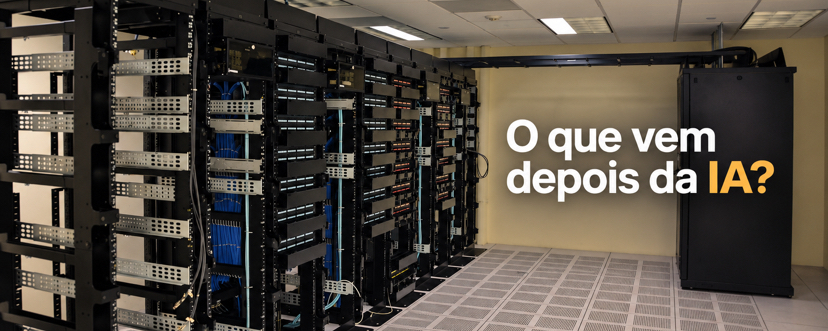
Beyond AI: where are the next big opportunities?As a technology developer and owner of a software house, I have an academic background oriented toward Blockchain Engineering. One of the technologies I chose to learn to better master this area was Artificial Intelligence.
As someone trained and active in the field, I believe we are going through a real technological metamorphosis. My outlook for the advancement of Artificial Intelligence in the long term is optimistic, but I believe that some of the biggest opportunities may actually be outside the companies we currently directly call AI companies.
Beyond AI: where are the next big opportunities?
As a technology developer and owner of a software house, I have an academic background oriented toward Blockchain Engineering. One of the technologies I chose to learn to better master this area was Artificial Intelligence.
As someone trained and active in the field, I believe we are going through a real technological metamorphosis. My outlook for the advancement of Artificial Intelligence in the long term is optimistic, but I believe that some of the biggest opportunities may actually be outside the companies we currently directly call AI companies.
As someone trained and active in the field, I believe we are going through a real technological metamorphosis. My outlook for the advancement of Artificial Intelligence in the long term is optimistic, but I believe that some of the biggest opportunities may actually be outside the companies we currently directly call AI companies.
2
1
4
1.5k
·
--
Analysis: RSI/MACD Momentum
📊 $ETH Technical Setup | Bearish (Short) 📊
🔴 Pair: $ETH
⚡ Market Bias: Bearish (Short)
━━━━━━━━━━━━━━━━━━━━━
📍 Entry Zone: $2325.48
🎯 Target 1: $2301.01 (+1.05%)
🎯 Target 2: $2276.55 (+2.10%)
🎯 Target 3: $2247.19 (+3.37%)
⛔ Invalidation / Stop: $2351.58 (-1.12%)
━━━━━━━━━━━━━━━━━━━━━
📈 Technical Context:
RSI/MACD Momentum: momentum SHORT, structure SHORT. Rule score 86/100, not a success probability.
👉 Follow on Square & Socials: @notfoundbiel for daily crypto market analyses!
$ETH #Crypto
2
·
--
The race to tokenize traditional equities is heating up, but the landscape is shifting fast. While the broader tokenized equities market has surged to a massive $3.3 billion, a significant power vacuum has emerged. Securitize’s tokenized stock value (SECZ) has dropped by half, falling to a market cap of $208.6 million. In stark contrast, Circle-linked tokens have surged to a combined $383.6 million across multiple issuers, signaling a clear preference for Circle’s infrastructure among institutional players. This divergence highlights the critical importance of network effects and liquidity depth in the RWA (Real World Assets) sector.
• SECZ onchain market cap has halved to $208.6M, indicating a loss of market share.
• Circle-linked tokens now command $383.6M, nearly double SECZ’s valuation.
• The total tokenized equities market has expanded to $3.3B, proving massive institutional interest.
This reallocation of capital suggests that investors are consolidating around platforms with stronger liquidity and broader issuer adoption. For traders, this means the RWA narrative is no longer about *if* it will happen, but *who* will lead the infrastructure. With BTC holding steady at 80,370.01 (+0.10% in 24h), the macro environment remains stable, allowing sector-specific rotations like this to play out without broader market volatility. The dominance of Circle-linked assets could set the standard for future tokenized finance, potentially attracting more TradFi giants into the space.
Do you think Circle’s infrastructure will become the default for tokenized stocks? Or will other issuers fight back? Drop your thoughts below! 👇
#BinanceSquare #CryptoNews #Bitcoin

32
·
--
Analysis: RSI/MACD Momentum
📊 $AVAX Technical Setup | Bullish (Long) 📊
🟢 Pair: $AVAX
⚡ Market Bias: Bullish (Long)
━━━━━━━━━━━━━━━━━━━━━
📍 Entry Zone: $8.949
🎯 Target 1: $9.0711 (+1.36%)
🎯 Target 2: $9.1932 (+2.73%)
🎯 Target 3: $9.3397 (+4.37%)
⛔ Invalidation / Stop: $8.8188 (-1.45%)
━━━━━━━━━━━━━━━━━━━━━
📈 Technical Context:
RSI/MACD Momentum: momentum LONG, structure LONG. Rule score 86/100, not a success probability.
👉 Follow on Square & Socials: @notfoundbiel for daily crypto market analyses!
$AVAX #Crypto
1
·
--
🚨 BREAKING: Critical $BTC Wallet Flaw Exposed – Hackers Can Steal Funds Without Private Keys!
In a major security wake-up call for the crypto industry, researchers have uncovered a sophisticated vulnerability that allows attackers to hijack Bitcoin transactions without ever touching your private keys. This isn't just a theoretical risk; it’s a live threat that could turn a routine fee adjustment into a catastrophic loss of assets. As $BTC holds steady at $80,538.54 (+0.25% in 24h), this revelation underscores that even in a bullish market, security hygiene is the single most important factor in protecting your portfolio.
• **The Threat:** A malicious server attack can manipulate manual fee increases, tricking users into approving payments directed to attacker-controlled addresses.
• **The Fix:** Version 4.8.3 has been released to patch this specific vulnerability, ensuring that fee adjustments no longer trigger unauthorized transaction approvals.
• **The Action:** Immediate wallet updates are required. If you are using affected software, update to v4.8.3 or later immediately to secure your holdings.
This incident highlights a critical gap in how users interact with wallet interfaces, proving that the attack surface extends beyond key management to include transaction signing logic. While the current market sentiment remains stable with $BTC trading near $80.5k, such security breaches can trigger sudden panic selling if not addressed promptly. Traders and long-term holders must remain vigilant, as the integrity of the ecosystem relies on robust, bug-free infrastructure. The rapid patch release is a positive sign, but it serves as a reminder that in crypto, you are your own bank—and your software is your vault.
Do you trust the current security protocols of your wallet provider? Have you updated your software yet? Drop your thoughts below! 👇
#BinanceSquare #CryptoNews #Bitcoin

27
·
--
Analysis: RSI/MACD Momentum
📊 $POL Technical Setup | Bullish (Long) 📊
🟢 Pair: $POL
⚡ Market Bias: Bullish (Long)
━━━━━━━━━━━━━━━━━━━━━
📍 Entry Zone: $0.08965
🎯 Target 1: $0.09085 (+1.34%)
🎯 Target 2: $0.09205 (+2.68%)
🎯 Target 3: $0.09349 (+4.28%)
⛔ Invalidation / Stop: $0.08837 (-1.43%)
━━━━━━━━━━━━━━━━━━━━━
📈 Technical Context:
RSI/MACD Momentum: momentum LONG, structure LONG. Rule score 86/100, not a success probability.
👉 Follow on Square & Socials: @notfoundbiel for daily crypto market analyses!
$POL #Crypto
6
·
--
The tide has officially turned for institutional Bitcoin exposure. After two consecutive weeks of persistent capital flight, US spot Bitcoin ETFs have recorded a decisive $301 million in net inflows for the week, signaling a potential shift in market sentiment. This reversal is critical for traders, as it suggests that institutional appetite is returning despite the recent choppy price action around the $80,000 level.
• 📈 **Streak Broken:** Two weeks of outflows ended with a positive 301M weekly net flow.
• ⚖️ **Volatility Mix:** Strong initial inflows were partially offset by heavy withdrawals later in the week.
• 🏦 **Institutional Signal:** The return of net buying indicates renewed confidence from large players.
With BTC currently trading at $80,235.15 (-0.21% in 24h), this inflow data provides a crucial technical floor. The fact that inflows occurred despite mid-week withdrawals suggests that dip-buying interest is robust. If this momentum continues, we could see a breakout above key resistance levels, as ETF flows often lead broader market rallies by reducing sell-side pressure.
Do you believe this 301M inflow is the start of a sustained institutional bull run, or just a temporary pause in the outflows? Drop your thoughts below! 👇
#BinanceSquare #CryptoNews #Bitcoin
BTC

15
·
--
Analysis: RSI/MACD Momentum
📊 $LTC Technical Setup | Bearish (Short) 📊
🔴 Pair: $LTC
⚡ Market Bias: Bearish (Short)
━━━━━━━━━━━━━━━━━━━━━
📍 Entry Zone: $56.32
🎯 Target 1: $55.6568 (+1.18%)
🎯 Target 2: $54.9937 (+2.35%)
🎯 Target 3: $54.1979 (+3.77%)
⛔ Invalidation / Stop: $57.0274 (-1.26%)
━━━━━━━━━━━━━━━━━━━━━
📈 Technical Context:
RSI/MACD Momentum: momentum SHORT, structure SHORT. Rule score 86/100, not a success probability.
👉 Follow on Square & Socials: @notfoundbiel for daily crypto market analyses!
$LTC #Crypto
1
·
--
The Solana ecosystem just leveled up its DeFi infrastructure. Reflect’s new 'Create' launch, officially promoted by the Solana team on October 22, provides a streamlined, high-speed route for issuing branded, yield-bearing tokens. For traders and investors, this isn't just about a new interface; it’s about how easily capital can be deployed into structured yield products while keeping the underlying collateral mechanics intact.
• 🚀 **Instant Issuance:** A simplified UI allows for rapid deployment of branded yield tokens without complex smart contract coding.
• 💰 **Collateral-Backed Economics:** The yield is driven strictly by the quality of the collateral and interest sharing, ensuring transparent risk parameters.
• ⚡ **Solana Speed:** Leveraging $SOL’s high throughput, these tokens offer near-instant settlement and low fees for end-users.
As the market matures, the ability to tokenize yield efficiently is becoming a key differentiator for L1 blockchains. With $BTC holding steady near 80,000, altcoins like $SOL are looking to capture value through superior developer tooling and DeFi innovation. This move signals that Solana is not just competing on speed, but on the sophistication of its financial primitives. Will this lower barrier to entry drive a new wave of institutional adoption into Solana-based DeFi?
Do you think simplified yield issuance will dominate the next bull run? Drop your thoughts below! 👇
#BinanceSquare #CryptoNews #Solana
The Solana ecosystem just leveled up its DeFi infrastructure. Reflect’s new 'Create' launch, officially promoted by the Solana team on October 22, provides a streamlined, high-speed route for issuing branded, yield-bearing tokens. For traders and investors, this isn't just about a new interface; it’s about how easily capital can be deployed into structured yield products while keeping the underlying collateral mechanics intact.
• 🚀 **Instant Issuance:** A simplified UI allows for rapid deployment of branded yield tokens without complex smart contract coding.
• 💰 **Collateral-Backed Economics:** The yield is driven strictly by the quality of the collateral and interest sharing, ensuring transparent risk parameters.
• ⚡ **Solana Speed:** Leveraging $SOL ’s high throughput, these tokens offer near-instant settlement and low fees for end-users.
As the market matures, the ability to tokenize yield efficiently is becoming a key differentiator for L1 blockchains. With $BTC holding steady near 80,000, altcoins like $SOL are looking to capture value through superior developer tooling and DeFi innovation. This move signals that Solana is not just competing on speed, but on the sophistication of its financial primitives. Will this lower barrier to entry drive a new wave of institutional adoption into Solana-based DeFi?
Do you think simplified yield issuance will dominate the next bull run? Drop your thoughts below! 👇
#BinanceSquare #CryptoNews #Solana

27
·
--
Analysis: RSI/MACD Momentum
📊 $SOL Technical Setup | Bearish (Short) 📊
🔴 Pair: $SOL
⚡ Market Bias: Bearish (Short)
━━━━━━━━━━━━━━━━━━━━━
📍 Entry Zone: $100.7
🎯 Target 1: $99.5386 (+1.15%)
🎯 Target 2: $98.3771 (+2.31%)
🎯 Target 3: $96.9834 (+3.69%)
⛔ Invalidation / Stop: $101.9389 (-1.23%)
━━━━━━━━━━━━━━━━━━━━━
📈 Technical Context:
RSI/MACD Momentum: momentum SHORT, structure SHORT. Rule score 86/100, not a success probability.
👉 Follow on Square & Socials: @notfoundbiel for daily crypto market analyses!
$SOL #Crypto
2
·
--
🚨 BREAKING: South Korea Prepares to Delay 22% Crypto Tax for the 4th Time!
South Korea is once again considering postponing its controversial 22% cryptocurrency gains tax for a fourth time. This decision offers significant regulatory relief for one of the most active retail trading hubs in the world, preventing potential tax-induced sell-offs and maintaining market liquidity.
Key Takeaways:
• 4th Delay Proposed: South Korean lawmakers are moving to push back the strict 22% capital gains tax on crypto assets.
• Major Trader Relief: Protects domestic liquidity and avoids premature capital flight from South Korean exchanges.
• Macro Market Stability: Eliminates immediate tax overhang, giving investors greater confidence during current market consolidation.
With $BTC hovering around $80,123, removing short-term regulatory friction in key Asian jurisdictions provides crucial support for global market sentiment. Keeping local capital active inside the ecosystem helps maintain healthy trading volume across major trading desks.
Do you think delaying crypto taxes will spark stronger Asian session rallies for $BTC? Share your view below! 👇
$BTC
#BinanceSquare #CryptoNews #Bitcoin
🚨 BREAKING: South Korea Prepares to Delay 22% Crypto Tax for the 4th Time!
South Korea is once again considering postponing its controversial 22% cryptocurrency gains tax for a fourth time. This decision offers significant regulatory relief for one of the most active retail trading hubs in the world, preventing potential tax-induced sell-offs and maintaining market liquidity.
Key Takeaways:
• 4th Delay Proposed: South Korean lawmakers are moving to push back the strict 22% capital gains tax on crypto assets.
• Major Trader Relief: Protects domestic liquidity and avoids premature capital flight from South Korean exchanges.
• Macro Market Stability: Eliminates immediate tax overhang, giving investors greater confidence during current market consolidation.
With $BTC hovering around $80,123, removing short-term regulatory friction in key Asian jurisdictions provides crucial support for global market sentiment. Keeping local capital active inside the ecosystem helps maintain healthy trading volume across major trading desks.
Do you think delaying crypto taxes will spark stronger Asian session rallies for $BTC ? Share your view below! 👇
$BTC
#BinanceSquare #CryptoNews #Bitcoin

443
·
--
Analysis: RSI/MACD Momentum
📊 $LINK Technical Setup | Bearish (Short) 📊
🔴 Pair: $LINK
⚡ Market Bias: Bearish (Short)
━━━━━━━━━━━━━━━━━━━━━
📍 Entry Zone: $11.358
🎯 Target 1: $11.2017 (+1.38%)
🎯 Target 2: $11.0454 (+2.75%)
🎯 Target 3: $10.8578 (+4.40%)
⛔ Invalidation / Stop: $11.5247 (-1.47%)
━━━━━━━━━━━━━━━━━━━━━
📈 Technical Context:
RSI/MACD Momentum: momentum SHORT, structure SHORT. Rule score 86/100, not a success probability.
👉 Follow on Square & Socials: @notfoundbiel for daily crypto market analyses!
$LINK #Crypto
·
--
Analysis: RSI/MACD Momentum
📊 $APT Technical Setup | Bearish (Short) 📊
🔴 Pair: $APT
⚡ Market Bias: Bearish (Short)
━━━━━━━━━━━━━━━━━━━━━
📍 Entry Zone: $0.6931
🎯 Target 1: $0.6802 (+1.86%)
🎯 Target 2: $0.6673 (+3.72%)
🎯 Target 3: $0.65182 (+5.96%)
⛔ Invalidation / Stop: $0.70686 (-1.99%)
━━━━━━━━━━━━━━━━━━━━━
📈 Technical Context:
RSI/MACD Momentum: momentum SHORT, structure SHORT. Rule score 86/100, not a success probability.
👉 Follow on Square & Socials: @notfoundbiel for daily crypto market analyses!
$APT #Crypto
3
·
--
Elon Musk has just dropped a bombshell warning that over 200 AI 'neocloud' providers are on the brink of extinction, describing their fate as 'guppy-level death.' This isn't just tech gossip; it’s a massive signal for the broader digital economy. As Gartner forecasts that over 80% of specialist cloud providers will cease operating independently by 2030, the infrastructure supporting the next wave of AI innovation is undergoing a brutal consolidation phase. For crypto investors, this highlights the critical importance of robust, decentralized, and resilient network infrastructure that can withstand such market volatility.
• Musk predicts mass extinction for 200+ AI cloud startups.
• Gartner data shows 80% of specialist cloud firms will fail by 2030.
• Market consolidation is accelerating, favoring established, high-capacity networks.
With $BTC trading at $80,263.33 (-0.43% in 24h), the market is currently digesting these macro-tech shifts. While the immediate price action is neutral, the long-term implication is clear: capital is flowing toward assets with proven security and decentralized utility. As traditional cloud structures crumble under the weight of AI demand, the narrative for decentralized computing and secure digital assets like Bitcoin strengthens as a hedge against centralized infrastructure failure. Traders should watch for any spillover effects into the tech sector, which often correlates with risk-on sentiment in crypto.
Do you think decentralized cloud solutions are the only way to survive the AI boom? Drop your thoughts below! 👇
$BTC
#BinanceSquare #CryptoNews #Bitcoin

16
·
--
Analysis: RSI/MACD Momentum
📊 $UNI Technical Setup | Bullish (Long) 📊
🟢 Pair: $UNI
⚡ Market Bias: Bullish (Long)
━━━━━━━━━━━━━━━━━━━━━
📍 Entry Zone: $6.923
🎯 Target 1: $7.0529 (+1.88%)
🎯 Target 2: $7.1828 (+3.75%)
🎯 Target 3: $7.3387 (+6.00%)
⛔ Invalidation / Stop: $6.7844 (-2.00%)
━━━━━━━━━━━━━━━━━━━━━
📈 Technical Context:
RSI/MACD Momentum: momentum LONG, structure LONG. Rule score 86/100, not a success probability.
👉 Follow on Square & Socials: @notfoundbiel for daily crypto market analyses!
$UNI #Crypto
3
·
--
Analysis: RSI/MACD Momentum
📊 $NEAR Technical Setup | Bearish (Short) 📊
🔴 Pair: $NEAR
⚡ Market Bias: Bearish (Short)
━━━━━━━━━━━━━━━━━━━━━
📍 Entry Zone: $4.487
🎯 Target 1: $4.37 (+2.61%)
🎯 Target 2: $4.253 (+5.22%)
🎯 Target 3: $4.1126 (+8.34%)
⛔ Invalidation / Stop: $4.6118 (-2.78%)
━━━━━━━━━━━━━━━━━━━━━
📈 Technical Context:
RSI/MACD Momentum: momentum SHORT, structure SHORT. Rule score 86/100, not a success probability.
👉 Follow on Square & Socials: @notfoundbiel for daily crypto market analyses!
$NEAR #Crypto
7
·
--
Analysis: RSI/MACD Momentum
📊 $POL Technical Setup | Bearish (Short) 📊
🔴 Pair: $POL
⚡ Market Bias: Bearish (Short)
━━━━━━━━━━━━━━━━━━━━━
📍 Entry Zone: $0.08846
🎯 Target 1: $0.08726 (+1.36%)
🎯 Target 2: $0.08606 (+2.71%)
🎯 Target 3: $0.08462 (+4.34%)
⛔ Invalidation / Stop: $0.08974 (-1.45%)
━━━━━━━━━━━━━━━━━━━━━
📈 Technical Context:
RSI/MACD Momentum: momentum SHORT, structure SHORT. Rule score 86/100, not a success probability.
👉 Follow on Square & Socials: @notfoundbiel for daily crypto market analyses!
$POL #Crypto
4
·
--
Analysis: RSI/MACD Momentum
📊 $ADA Technical Setup | Bearish (Short) 📊
🔴 Pair: $ADA
⚡ Market Bias: Bearish (Short)
━━━━━━━━━━━━━━━━━━━━━
📍 Entry Zone: $0.2022
🎯 Target 1: $0.1992 (+1.48%)
🎯 Target 2: $0.1962 (+2.97%)
🎯 Target 3: $0.1926 (+4.75%)
⛔ Invalidation / Stop: $0.2054 (-1.58%)
━━━━━━━━━━━━━━━━━━━━━
📈 Technical Context:
RSI/MACD Momentum: momentum SHORT, structure SHORT. Rule score 86/100, not a success probability.
👉 Follow on Square & Socials: @notfoundbiel for daily crypto market analyses!
$ADA #Crypto
5
·
--
Security is the backbone of self-custody, and a fresh warning has just shaken the hardware wallet community. A prominent security researcher has revealed that a recent breach of Keystone’s website exposed the shipping details of hardware wallet buyers. This is not just a data leak; it is a direct threat to the physical security of crypto holders, potentially exposing them to targeted scams and even physical attacks. With $BTC trading at $79,519.79 (-1.73% in 24h), market sentiment is already fragile, and news of compromised user data could further erode trust in hardware security solutions.
• 🛡️ **Data Leak Confirmed**: Shipping addresses and names of Keystone wallet buyers were exposed in a website breach.
• ⚠️ **Physical Risk**: Researchers warn that leaked data could facilitate targeted phishing, social engineering, or physical threats to high-net-worth individuals.
• 📉 **Market Sentiment**: The incident adds to the broader narrative of security concerns, potentially influencing investor confidence in self-custody tools during a period of price consolidation.
This breach highlights a critical vulnerability in the supply chain of crypto security. While the digital keys remain safe if the device itself wasn't compromised, the metadata surrounding the purchase is now in the hands of bad actors. For traders and long-term holders, this serves as a stark reminder that digital security is only as strong as your physical privacy. As $BTC hovers near the $80k psychological barrier, any negative news regarding infrastructure security can trigger short-term sell-offs. Investors should remain vigilant and consider additional privacy measures for their hardware wallet purchases.
Do you still trust hardware wallets as the ultimate safe haven for your assets, or is this breach a sign that we need to rethink our security strategies? Drop your thoughts below! 👇
#BinanceSquare #CryptoNews #Bitcoin

208
·
--
Analysis: RSI/MACD Momentum
📊 $AVAX Technical Setup | Bearish (Short) 📊
🔴 Pair: $AVAX
⚡ Market Bias: Bearish (Short)
━━━━━━━━━━━━━━━━━━━━━
📍 Entry Zone: $8.835
🎯 Target 1: $8.7203 (+1.30%)
🎯 Target 2: $8.6055 (+2.60%)
🎯 Target 3: $8.4678 (+4.16%)
⛔ Invalidation / Stop: $8.9574 (-1.39%)
━━━━━━━━━━━━━━━━━━━━━
📈 Technical Context:
RSI/MACD Momentum: momentum SHORT, structure SHORT. Rule score 86/100, not a success probability.
👉 Follow on Square & Socials: @notfoundbiel for daily crypto market analyses!
$AVAX #Crypto
4
Log in to explore more content
Join global crypto users on Binance Square
⚡️ Get latest and useful information about crypto.
💬 Trusted by the world’s largest crypto exchange.
👍 Discover real insights from verified creators.
Email / Phone number
Trending Topics
BinancePick
2.7M views
143,020 Discussing
Join #EarningsSeason: Predict Earnings on Binance Pick, Share Your Take on Binance Square!
Binance Square Official
·402 Likes
·338.9k views
EarningsSeason
5M views
24,528 Discussing
SouthKoreaReportedlyWeighsFourthCryptoTaxDelay
199 views
35 Discussing