
MrRUHUL
13.5k Posts
MrRUHUL
 Square Verified+
Report
Block User
Twitter X:( @MrRUHUL77 ) News, Memes, Charts, Hopium, Market analysis and Latest crypto updates !
Open Trade
High-Frequency Trader
4.1 Years
295 Following
82.9K+ Followers
67.8K+ Liked
Posts
Portfolio
All
Quotes
Videos
Live
PINNED
·
--
691
1
33
691
PINNED
·
--
Article
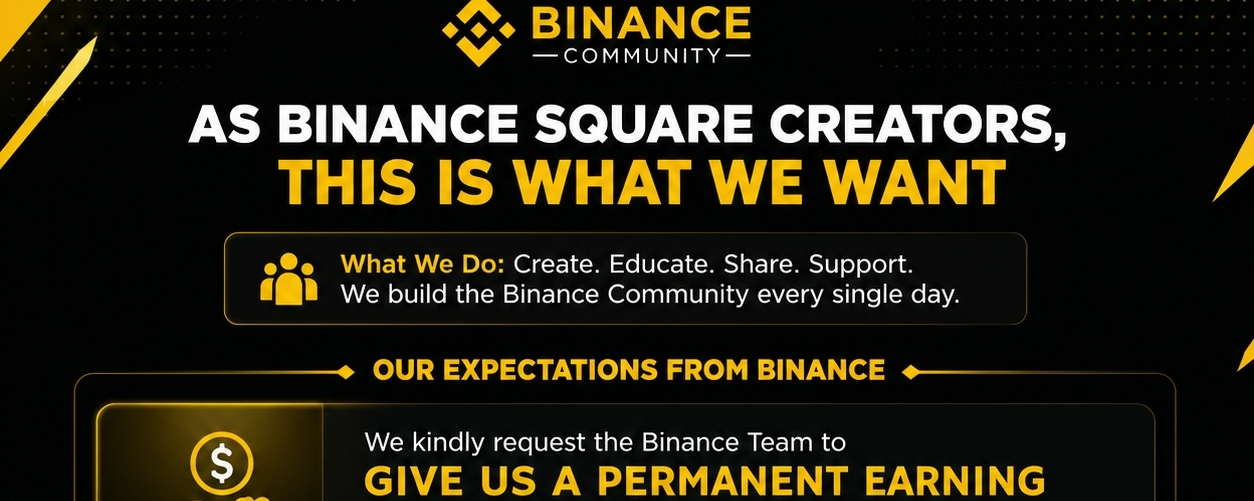
As a Binance square Creator What we want... What our Expectations From BinanceGuys today I'm going to say something important to the binance team after hearing lot's of creator opinion... So
Dear Binance we as a consistent creator we spend and we give 24/7 hours time to the Binance Day after day months after month year after years with a expectation that We as a creator We can Earn lots of money Form square as a creator we expect that Binance give us some permanent earning solution but our hope and expectations completely going to breaking.
We know that there is a creator pad there is a alpha section write to earn but those are not a permanent solution and we also know what's going on behind the creator paid or alpha section and write to earn etc.
We also see binance always give more priority to the new user and ignore old creator that's why lots of old creator day by day inactive.... But binance forgot that community makes community.
So our Request to the Binance team that Give us a permanent Earning Like Monitization or something like that and the Creator feel more energetic and we will create more Quality Contant..
As a world Largest Exchange Its very easy to solve this issue and one more thing that is if creator getting earning then Binance with the creator will make history...
@Binance_Margin @binance_south_africa
@Binance_Square_Official @CZ @ETHcryptohub @Aslam72karbalayi @undefined @jenni_aura @Flicky123Nohawn @happynaccy @crypto-first21 @itachi_uhciha @Nadeem_Bisharat
As a Binance square Creator What we want... What our Expectations From Binance
Guys today I'm going to say something important to the binance team after hearing lot's of creator opinion... So
Dear Binance we as a consistent creator we spend and we give 24/7 hours time to the Binance Day after day months after month year after years with a expectation that We as a creator We can Earn lots of money Form square as a creator we expect that Binance give us some permanent earning solution but our hope and expectations completely going to breaking.
We know that there is a creator pad there is a alpha section write to earn but those are not a permanent solution and we also know what's going on behind the creator paid or alpha section and write to earn etc.
We also see binance always give more priority to the new user and ignore old creator that's why lots of old creator day by day inactive.... But binance forgot that community makes community.
So our Request to the Binance team that Give us a permanent Earning Like Monitization or something like that and the Creator feel more energetic and we will create more Quality Contant..
As a world Largest Exchange Its very easy to solve this issue and one more thing that is if creator getting earning then Binance with the creator will make history...
@Binance Margin @Binance South Africa Official
@Binance Square Official @CZ @ETHcryptohub @AloNe72 @undefined @Jia Lilly @Dr Nohawn @Naccy小妹 @Crypto-First21 @Triple_S @Nadyisom
Dear Binance we as a consistent creator we spend and we give 24/7 hours time to the Binance Day after day months after month year after years with a expectation that We as a creator We can Earn lots of money Form square as a creator we expect that Binance give us some permanent earning solution but our hope and expectations completely going to breaking.
We know that there is a creator pad there is a alpha section write to earn but those are not a permanent solution and we also know what's going on behind the creator paid or alpha section and write to earn etc.
We also see binance always give more priority to the new user and ignore old creator that's why lots of old creator day by day inactive.... But binance forgot that community makes community.
So our Request to the Binance team that Give us a permanent Earning Like Monitization or something like that and the Creator feel more energetic and we will create more Quality Contant..
As a world Largest Exchange Its very easy to solve this issue and one more thing that is if creator getting earning then Binance with the creator will make history...
@Binance Margin @Binance South Africa Official
@Binance Square Official @CZ @ETHcryptohub @AloNe72 @undefined @Jia Lilly @Dr Nohawn @Naccy小妹 @Crypto-First21 @Triple_S @Nadyisom
37
12
57
6.1k
·
--
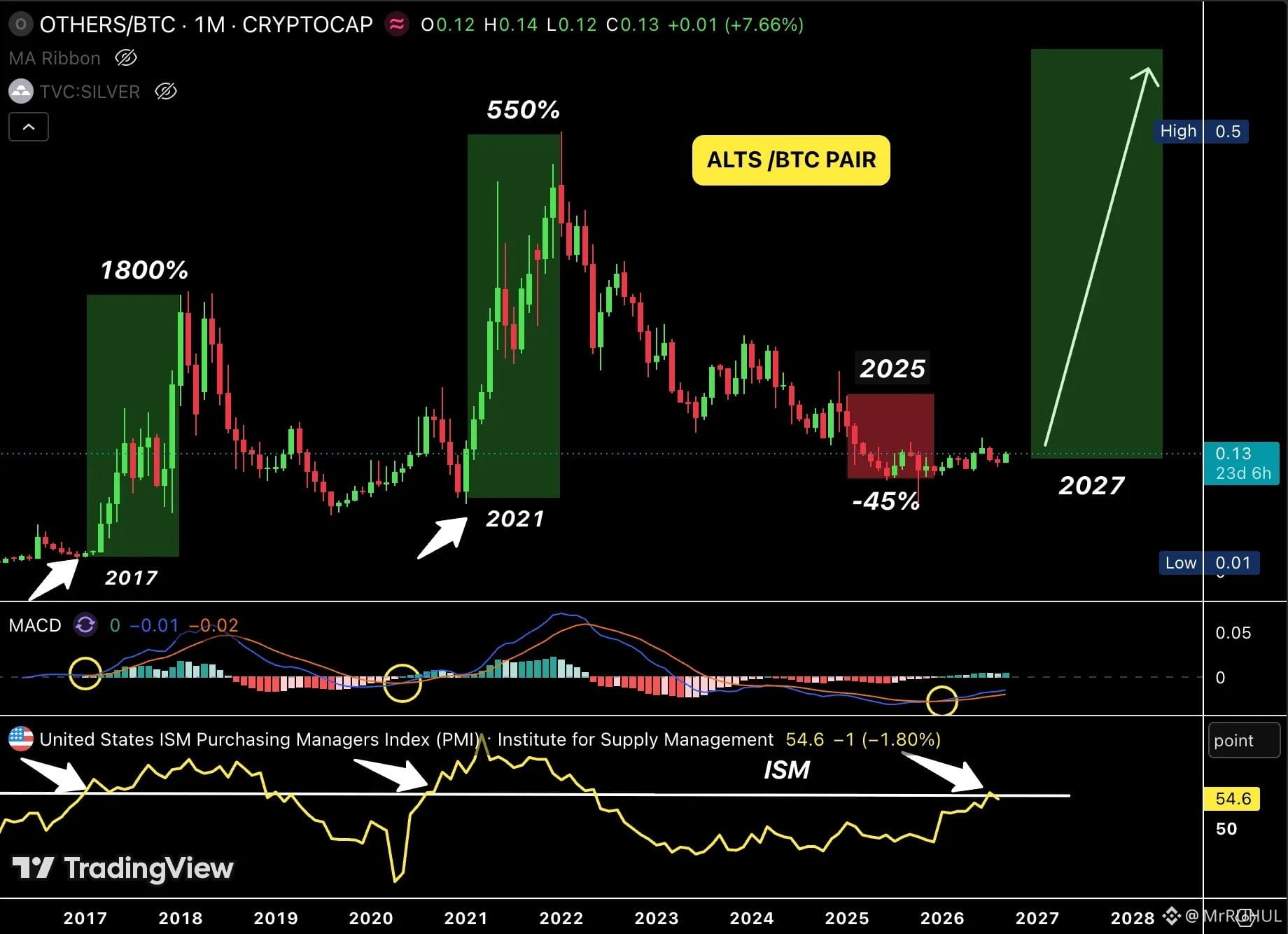
THIS CHART EXPLAINS WHY 2025 NEVER GAVE US A REAL ALTSEASON. 👀 $ETH $BULLA
Look at what happened in previous cycles:
2017: ISM turned higher → Alts exploded +1,800% vs BTC.
2021: ISM turned higher again → Alts exploded +550% vs BTC.
2025: ISM stayed below 50 → Alts underperformed by roughly -45% vs BTC, while the monthly MACD remained red.
The liquidity/economic backdrop simply wasn’t there for a clean, broad-based altseason.
But now, things are starting to change. 👀
Alts/BTC has been consolidating for a long time, while ISM has climbed back above 54.
If ISM continues improving and Alts/BTC finally breaks out of this multi-year consolidation, the setup could become very different.
I’m not saying altseason is guaranteed.
But if these two signals align, 2027 could be the cycle where alts finally get their real run. 🚀
The key is simple:
ISM ↑ + Alts/BTC breakout = 👀🔥
THIS CHART EXPLAINS WHY 2025 NEVER GAVE US A REAL ALTSEASON. 👀 $ETH $BULLA
Look at what happened in previous cycles:
2017: ISM turned higher → Alts exploded +1,800% vs BTC.
2021: ISM turned higher again → Alts exploded +550% vs BTC.
2025: ISM stayed below 50 → Alts underperformed by roughly -45% vs BTC, while the monthly MACD remained red.
The liquidity/economic backdrop simply wasn’t there for a clean, broad-based altseason.
But now, things are starting to change. 👀
Alts/BTC has been consolidating for a long time, while ISM has climbed back above 54.
If ISM continues improving and Alts/BTC finally breaks out of this multi-year consolidation, the setup could become very different.
I’m not saying altseason is guaranteed.
But if these two signals align, 2027 could be the cycle where alts finally get their real run. 🚀
The key is simple:
ISM ↑ + Alts/BTC breakout = 👀🔥
Look at what happened in previous cycles:
2017: ISM turned higher → Alts exploded +1,800% vs BTC.
2021: ISM turned higher again → Alts exploded +550% vs BTC.
2025: ISM stayed below 50 → Alts underperformed by roughly -45% vs BTC, while the monthly MACD remained red.
The liquidity/economic backdrop simply wasn’t there for a clean, broad-based altseason.
But now, things are starting to change. 👀
Alts/BTC has been consolidating for a long time, while ISM has climbed back above 54.
If ISM continues improving and Alts/BTC finally breaks out of this multi-year consolidation, the setup could become very different.
I’m not saying altseason is guaranteed.
But if these two signals align, 2027 could be the cycle where alts finally get their real run. 🚀
The key is simple:
ISM ↑ + Alts/BTC breakout = 👀🔥
2
1k



·
--
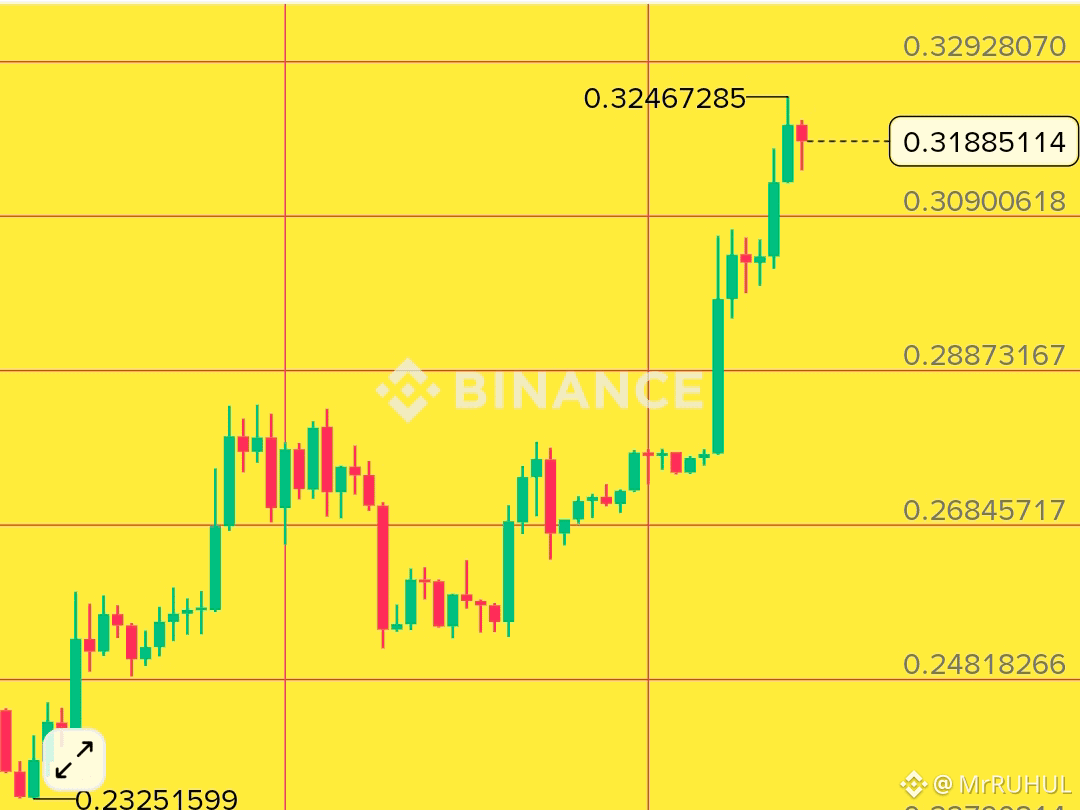
$BR is running strong right now. It made a clean push higher and StochRSI is sitting at 96, which means the move is stretched in the short term.
Momentum is clearly there, but buying at the current level feels late. Better to wait for a small pullback so you get a cleaner entry with better risk-reward.
If it dips toward 0.295–0.305 and holds, that’s a much better place to look long. Keep the stop under 0.275. Targets sit around 0.340 first, then 0.365 if it keeps running.
Long on $BR :
Entry: 0.295 – 0.305
SL: 0.275
TP1: 0.340
TP2: 0.365
$BR is running strong right now. It made a clean push higher and StochRSI is sitting at 96, which means the move is stretched in the short term.
Momentum is clearly there, but buying at the current level feels late. Better to wait for a small pullback so you get a cleaner entry with better risk-reward.
If it dips toward 0.295–0.305 and holds, that’s a much better place to look long. Keep the stop under 0.275. Targets sit around 0.340 first, then 0.365 if it keeps running.
Long on $BR :
Entry: 0.295 – 0.305
SL: 0.275
TP1: 0.340
TP2: 0.365
Momentum is clearly there, but buying at the current level feels late. Better to wait for a small pullback so you get a cleaner entry with better risk-reward.
If it dips toward 0.295–0.305 and holds, that’s a much better place to look long. Keep the stop under 0.275. Targets sit around 0.340 first, then 0.365 if it keeps running.
Long on $BR :
Entry: 0.295 – 0.305
SL: 0.275
TP1: 0.340
TP2: 0.365
1
1
233
·
--
🎙️ 🎉2026 Furious Bull Market, the Horn Has Been Blown—Markets Are All on the BSC Chain!! On November 1, Musk will celebrate the birthday of Mars dog Marvin. This on-chain momentum—must be seized!
End
03 h 58 m 46 s
17.7k
25
90

·
--
guys I'm going to Long on $ATOM bullish on atom
$ATOM
Entry: 1.70 – 1.78
SL: 1.55
TP1: 2.15
TP2: 2.40
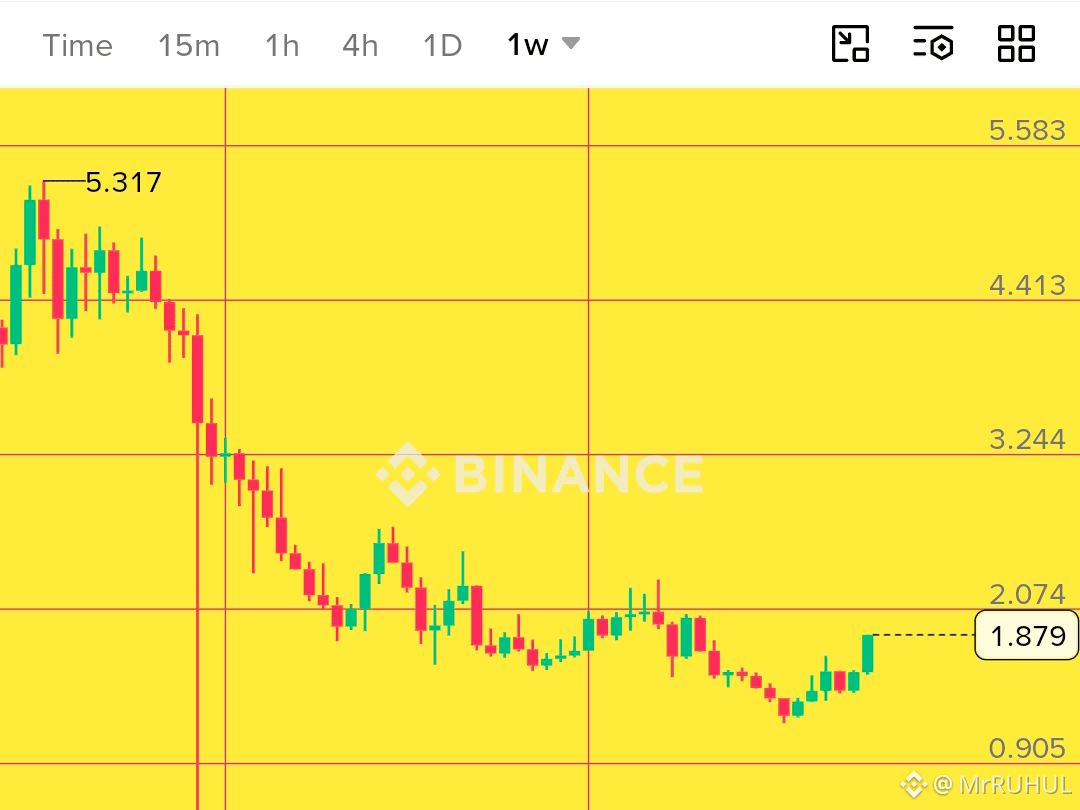
ATOM is bouncing hard on the weekly after a long downtrend. StochRSI is already high at 84, so the recovery is getting extended short-term.
Structure is improving, but I’d wait for a pullback.
Long on dips:
guys I'm going to Long on $ATOM bullish on atom
$ATOM
Entry: 1.70 – 1.78
SL: 1.55
TP1: 2.15
TP2: 2.40
ATOM is bouncing hard on the weekly after a long downtrend. StochRSI is already high at 84, so the recovery is getting extended short-term.
Structure is improving, but I’d wait for a pullback.
Long on dips:
$ATOM
Entry: 1.70 – 1.78
SL: 1.55
TP1: 2.15
TP2: 2.40
ATOM is bouncing hard on the weekly after a long downtrend. StochRSI is already high at 84, so the recovery is getting extended short-term.
Structure is improving, but I’d wait for a pullback.
Long on dips:
1
695
·
--
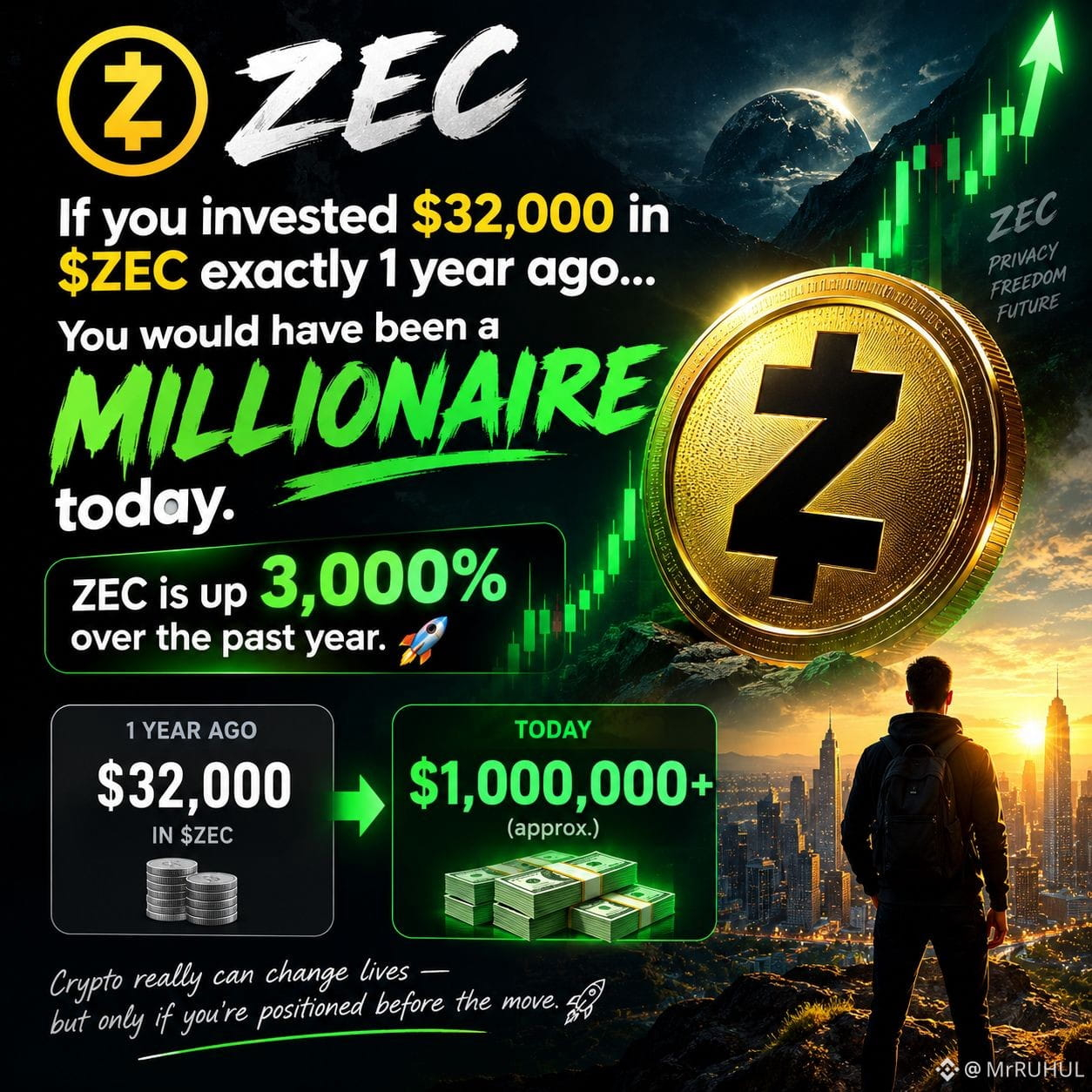
💰 Imagine putting $32,000 into $ZEC exactly ONE year ago…
Today, that investment would be worth over $1 MILLION. 🤯
$ZEC has exploded nearly 3,000% in just 12 months.
Crypto really can change lives — but only if you’re positioned before the move. 🚀
💰 Imagine putting $32,000 into $ZEC exactly ONE year ago…
Today, that investment would be worth over $1 MILLION. 🤯
$ZEC has exploded nearly 3,000% in just 12 months.
Crypto really can change lives — but only if you’re positioned before the move. 🚀
Today, that investment would be worth over $1 MILLION. 🤯
$ZEC has exploded nearly 3,000% in just 12 months.
Crypto really can change lives — but only if you’re positioned before the move. 🚀
5
977

·
--
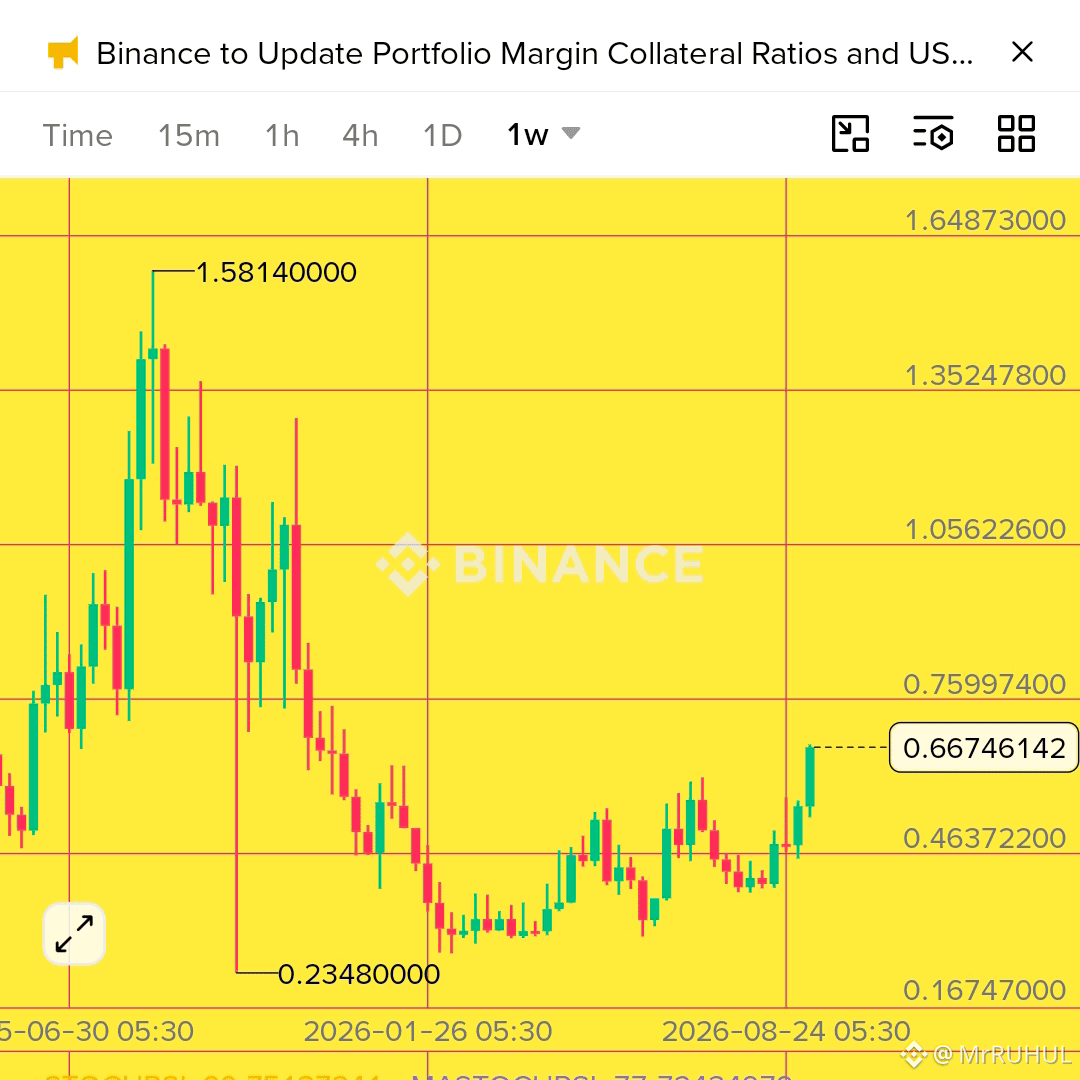
$AERO is bouncing strongly from the weekly lows after a long downtrend. StochRSI is already high at 91 on this timeframe, so the recovery is getting extended short-term.
Structure is improving, but I’d wait for a pullback before entering.
Entry: $AERO market price
SL: 0.52
TP1: 0.78
TP2: 0.90
$SHIB
$AERO is bouncing strongly from the weekly lows after a long downtrend. StochRSI is already high at 91 on this timeframe, so the recovery is getting extended short-term.
Structure is improving, but I’d wait for a pullback before entering.
Entry: $AERO market price
SL: 0.52
TP1: 0.78
TP2: 0.90
$SHIB
Structure is improving, but I’d wait for a pullback before entering.
Entry: $AERO market price
SL: 0.52
TP1: 0.78
TP2: 0.90
$SHIB
369
·
--
🎙️ Trade live in the live win up to 20$ 🏆

End
03 h 24 m 26 s
1.9k
2
1
·
--
🎙️ 🎉2026狂暴牛市, the rally's horn has sounded, and market action is all on the BSC chain! On November 1, Musk will celebrate the birthday of the Mars dog Marvin. This on-chain market opportunity—must seize it!
End
04 h 34 m 05 s
21.7k
23
73
·
--
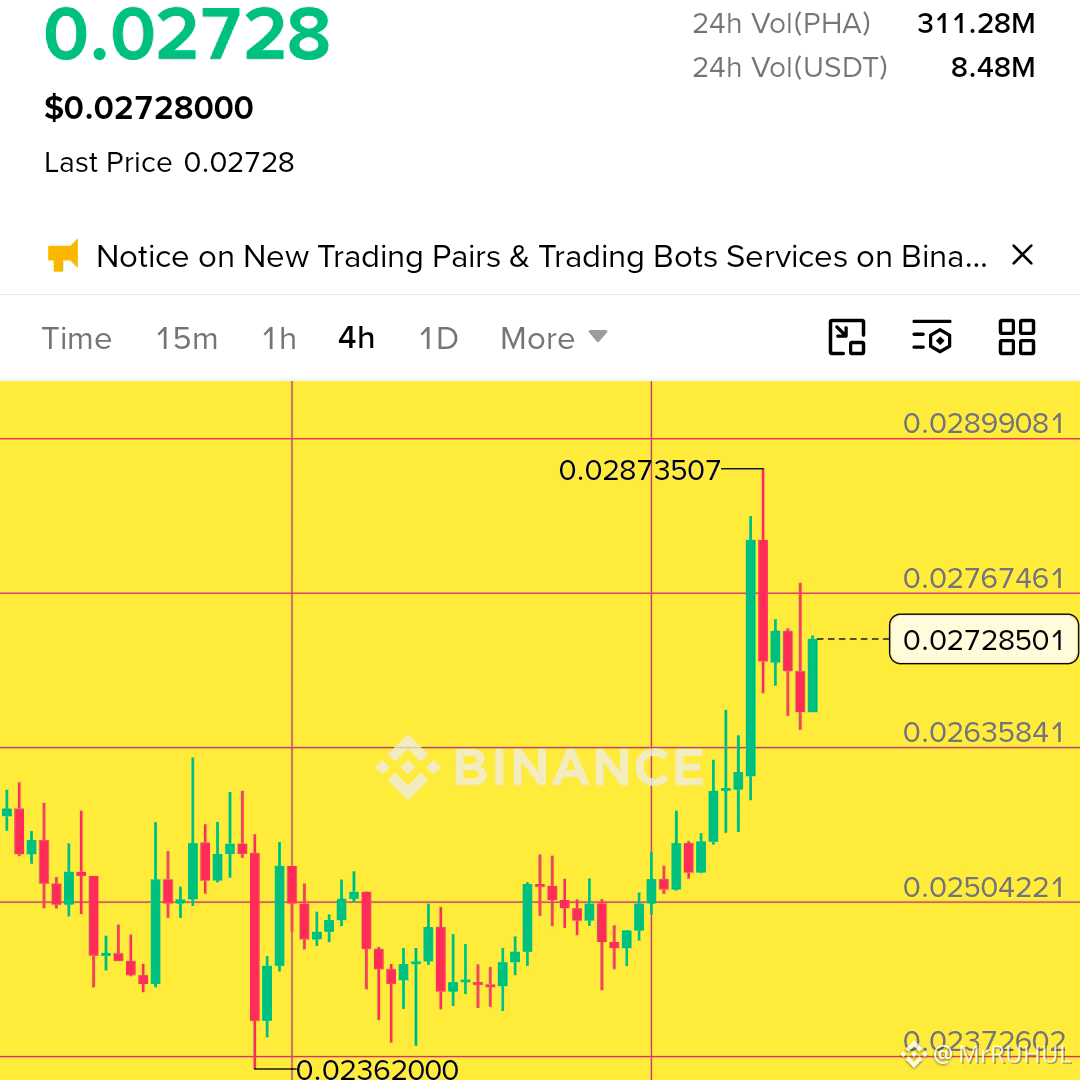
$PHA pushed higher and is now pulling back with StochRSI down at 29. Looks like a normal cool-off after the move.
I’d buy this dip.
Long on dips:
Entry: 0.0260 – 0.0268
SL: 0.0248
TP1: 0.0290
TP2: 0.0310
$PHA pushed higher and is now pulling back with StochRSI down at 29. Looks like a normal cool-off after the move.
I’d buy this dip.
Long on dips:
Entry: 0.0260 – 0.0268
SL: 0.0248
TP1: 0.0290
TP2: 0.0310
I’d buy this dip.
Long on dips:
Entry: 0.0260 – 0.0268
SL: 0.0248
TP1: 0.0290
TP2: 0.0310
1
215
·
--
🎙️ Crypto market updates discussion; answers to newcomers' questions ✅ Build the Binance Plaza 🦅 and spread the spirit of free ideas! Maintain ecological balance!
End
03 h 13 m 41 s
12.4k
35
80
·
--
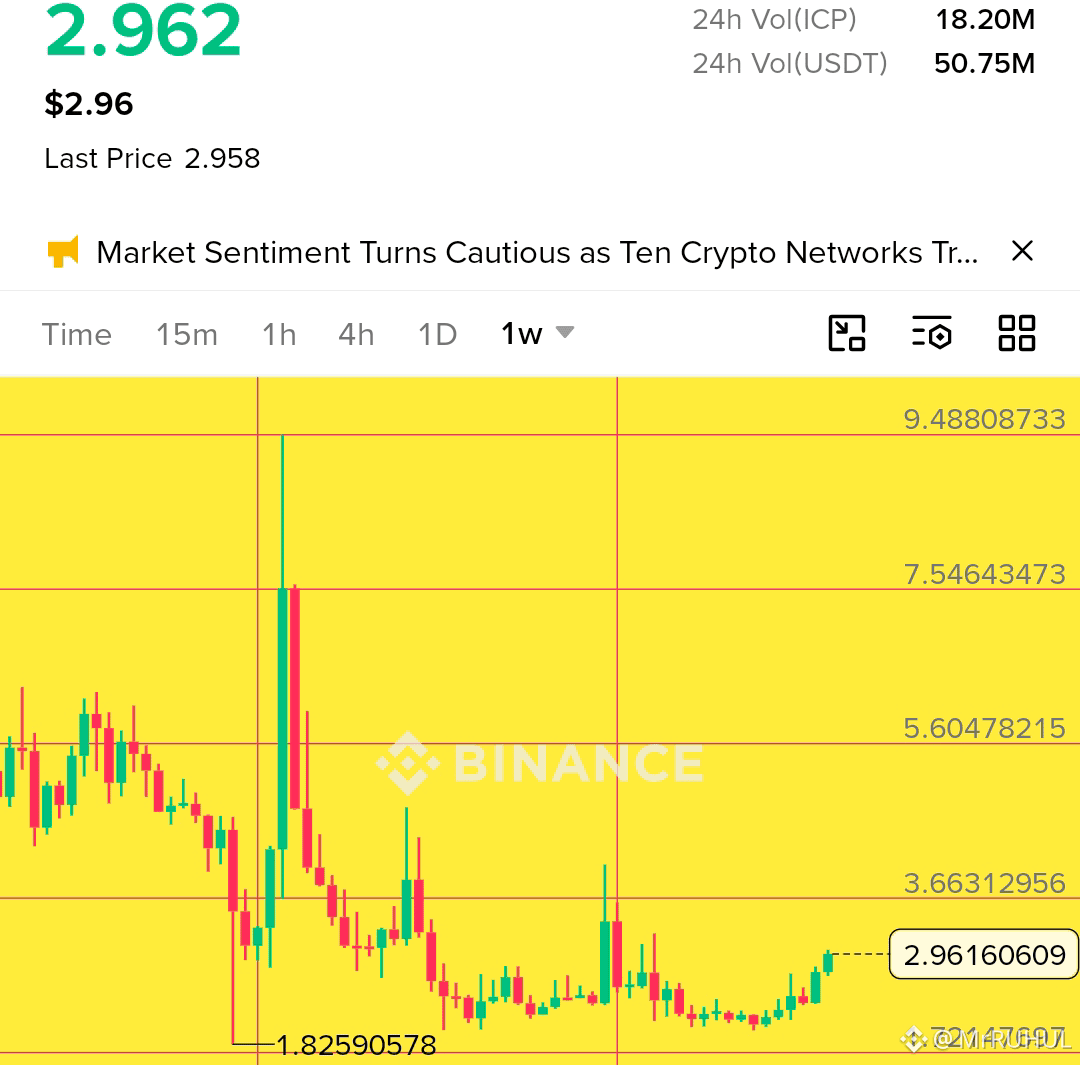
Guys u can take a long position on $ICP it will easily go 4$
so entry point $ICP Market price
$TP1 3.3
TP2 4$
SL 2.85
Guys u can take a long position on $ICP it will easily go 4$
so entry point $ICP Market price
$TP1 3.3
TP2 4$
SL 2.85
so entry point $ICP Market price
$TP1 3.3
TP2 4$
SL 2.85
2
502
·
--
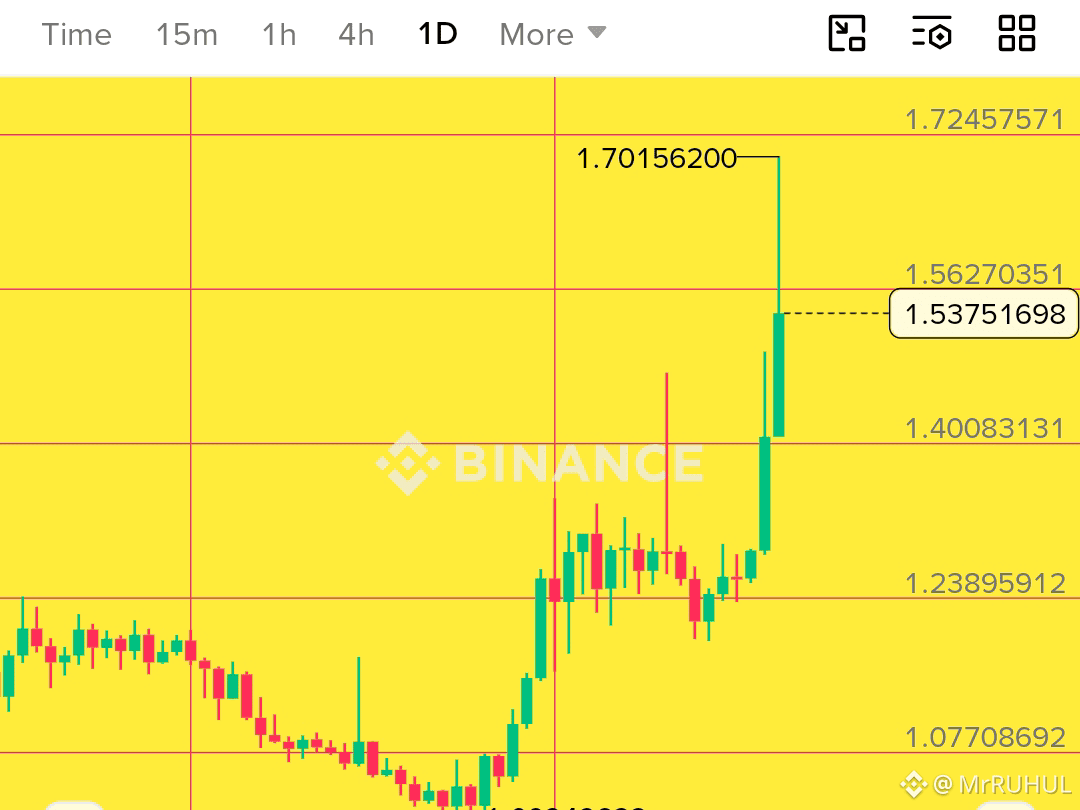
$ORCA made a strong recovery from the $1.00 area and spiked hard to $1.70. It’s now pulling back to $1.53–1.54. StochRSI is still elevated at 82, so the move is extended in the short term.
Structure remains bullish as long as it holds above $1.40–1.42. Volume was solid on the way up, which is positive.
Best action right now:
Wait for a dip instead of buying the current level.
Long $ORCA
Entry: 1.42 – 1.48
SL: 1.32
TP1: 1.68
TP2: 1.85
$ORCA made a strong recovery from the $1.00 area and spiked hard to $1.70. It’s now pulling back to $1.53–1.54. StochRSI is still elevated at 82, so the move is extended in the short term.
Structure remains bullish as long as it holds above $1.40–1.42. Volume was solid on the way up, which is positive.
Best action right now:
Wait for a dip instead of buying the current level.
Long $ORCA
Entry: 1.42 – 1.48
SL: 1.32
TP1: 1.68
TP2: 1.85
Structure remains bullish as long as it holds above $1.40–1.42. Volume was solid on the way up, which is positive.
Best action right now:
Wait for a dip instead of buying the current level.
Long $ORCA
Entry: 1.42 – 1.48
SL: 1.32
TP1: 1.68
TP2: 1.85
2
369
Log in to explore more content
Join global crypto users on Binance Square
⚡️ Get latest and useful information about crypto.
💬 Trusted by the world’s largest crypto exchange.
👍 Discover real insights from verified creators.
Email / Phone number
Trending Topics
AppleDebutsFoldablePhone
672 views
60 Discussing
#appledebutsfoldablephone iPhone Fold 2026: Apple’s Secret Plan to Kill the Samsung Galaxy Z Fold 8iPhone Fold 2026: Apple’s Secret Plan to Kill the Samsung Galaxy Z Fold 8
Apple is poised to make its long-anticipated entry into the foldable smartphone market with the iPhone Fold, set for release in 2026. This strategic move positions Apple as a direct competitor to Samsung, which has maintained a dominant presence in the foldable segment since the launch of its Galaxy Z Fold series in 2019. By using its globally recognized brand and tightly integrated ecosystem, Apple aims to challenge Samsung’s leadership. However, this ambitious step brings with it critical considerations, including pricing strategies, supply chain readiness, and consumer trust in a first-generation foldable device.$NIL $IDOL $SPORTFUN
Isabella-I
·1 Likes
·7 views
US10YTreasuryYieldHitsHighestSinceNov2023
4,303 views
123 Discussing
USTreasuryToBuyBackUpTo$6BLongDatedDebt
8,693 views
127 Discussing