
mengdia
28 Posts

mengdia
Report
Block User
7 Following
32 Followers
35 Liked
Posts
All
Quotes
·
--
Verified
Article
NVIDIA is at $5.4 trillion—can this table still be sat on? My answer: change tables—don’t get off.#ai股持续上涨还有哪些投资机会 The article is done. I’ve gone through the topic page thoroughly, and I’ve also verified all the key numbers. The submission deadline is tomorrow at noon (Beijing time). With NVIDIA already at a market cap of $540 billion, can this seat still hold its ground? My answer: change tables—don’t get off.
NVIDIA is currently around $228, just one step away from the historical high of $236.5. Its market cap is $5.4 trillion, and it has risen more than 20% this year. Last week, Huang said in Scotland that chip sales could double next year. The earnings report is also solid: Q2 revenue was $96.2 billion, doubling year over year; data center revenue was $88.9 billion. The company’s guidance for the next quarter is $108 billion. It also said that next year revenue could rise another 70% by itself.
NVIDIA is at $5.4 trillion—can this table still be sat on? My answer: change tables—don’t get off.
#ai股持续上涨还有哪些投资机会 The article is done. I’ve gone through the topic page thoroughly, and I’ve also verified all the key numbers. The submission deadline is tomorrow at noon (Beijing time). With NVIDIA already at a market cap of $540 billion, can this seat still hold its ground? My answer: change tables—don’t get off.
NVIDIA is currently around $228, just one step away from the historical high of $236.5. Its market cap is $5.4 trillion, and it has risen more than 20% this year. Last week, Huang said in Scotland that chip sales could double next year. The earnings report is also solid: Q2 revenue was $96.2 billion, doubling year over year; data center revenue was $88.9 billion. The company’s guidance for the next quarter is $108 billion. It also said that next year revenue could rise another 70% by itself.
NVIDIA is currently around $228, just one step away from the historical high of $236.5. Its market cap is $5.4 trillion, and it has risen more than 20% this year. Last week, Huang said in Scotland that chip sales could double next year. The earnings report is also solid: Q2 revenue was $96.2 billion, doubling year over year; data center revenue was $88.9 billion. The company’s guidance for the next quarter is $108 billion. It also said that next year revenue could rise another 70% by itself.
1
9
1.9k
·
--
Article
Is the altseason signal flashing? XRP jumped 7% in a day, but institutional money hasn’t followed A Glassnode chart went viral on social media yesterday: "The altcoin season signal has just flipped." On the same day, XRP rose 7% in a single day, reaching $1.52, SOL bounced back to $116, and HYPE climbed nearly 19% over the week. Altcoin traders are celebrating—comments everywhere say, "Rotation has started."
But one piece of data is especially striking: on September 21, the XRP ETF had zero net inflows—this is the fourth "silent day" in September. On the same day, the SOL ETF saw net inflows of $26 million, and HYPE also had $2.9 million (according to SoSoValue data). Prices went up, but institutional money didn’t follow—this combination is a bit odd.
Is the altseason signal flashing? XRP jumped 7% in a day, but institutional money hasn’t followed
A Glassnode chart went viral on social media yesterday: "The altcoin season signal has just flipped." On the same day, XRP rose 7% in a single day, reaching $1.52, SOL bounced back to $116, and HYPE climbed nearly 19% over the week. Altcoin traders are celebrating—comments everywhere say, "Rotation has started."
But one piece of data is especially striking: on September 21, the XRP ETF had zero net inflows—this is the fourth "silent day" in September. On the same day, the SOL ETF saw net inflows of $26 million, and HYPE also had $2.9 million (according to SoSoValue data). Prices went up, but institutional money didn’t follow—this combination is a bit odd.
But one piece of data is especially striking: on September 21, the XRP ETF had zero net inflows—this is the fourth "silent day" in September. On the same day, the SOL ETF saw net inflows of $26 million, and HYPE also had $2.9 million (according to SoSoValue data). Prices went up, but institutional money didn’t follow—this combination is a bit odd.
286
·
--
Article
An overlooked corner: Zcash quietly presses toward $1,500—privacy coins are backIn the past few days, everyone has been watching BTC break 86,000, and ETH return to 2700. But when I glanced at the gainers list, I noticed a quiet earner: Zcash.
As early as the beginning of September, it had already surged more than 15% in a single day to lead the market. This wave is now directly approaching $1,500. You’ve probably seen the meme that’s been flooding social media: "BTC 85000, ETH 2700, ZEC 1500, SOL 115"—Zcash is right there on the list. On CoinGecko’s trending chart, privacy coins like Zano are also starting to pop up.
Why are privacy coins rising at this time? Three layers of logic.
First, rotation. BTC and ETH go up first; large capital takes the first wave, then starts looking for sectors that haven’t yet risen. This kind of old narrative—privacy coins—is being brought back into focus.
An overlooked corner: Zcash quietly presses toward $1,500—privacy coins are back
In the past few days, everyone has been watching BTC break 86,000, and ETH return to 2700. But when I glanced at the gainers list, I noticed a quiet earner: Zcash.
As early as the beginning of September, it had already surged more than 15% in a single day to lead the market. This wave is now directly approaching $1,500. You’ve probably seen the meme that’s been flooding social media: "BTC 85000, ETH 2700, ZEC 1500, SOL 115"—Zcash is right there on the list. On CoinGecko’s trending chart, privacy coins like Zano are also starting to pop up.
Why are privacy coins rising at this time? Three layers of logic.
First, rotation. BTC and ETH go up first; large capital takes the first wave, then starts looking for sectors that haven’t yet risen. This kind of old narrative—privacy coins—is being brought back into focus.
As early as the beginning of September, it had already surged more than 15% in a single day to lead the market. This wave is now directly approaching $1,500. You’ve probably seen the meme that’s been flooding social media: "BTC 85000, ETH 2700, ZEC 1500, SOL 115"—Zcash is right there on the list. On CoinGecko’s trending chart, privacy coins like Zano are also starting to pop up.
Why are privacy coins rising at this time? Three layers of logic.
First, rotation. BTC and ETH go up first; large capital takes the first wave, then starts looking for sectors that haven’t yet risen. This kind of old narrative—privacy coins—is being brought back into focus.
584
·
--

Article
21 Wall Street banks team up to issue tokens: in the stablecoin battle, traditional finance has decided to joinGoldman Sachs, Bank of America, Citigroup, Wells Fargo, UBS, Deutsche Bank, Mitsubishi UFJ, and others—21 global systemically important financial institutions have joined forces. By the first half of 2027, they plan to launch a USD stablecoin. The people who once looked down on stablecoins the most are now personally jumping in to grab market share.
According to Reuters and the WSJ, the alliance formally announced on September 1 that this year’s second half will see the formation of a new company. A USD stablecoin will go live in the first half of 2027, and afterward they also plan to issue an euro version. As early as October 2025, only 10 banks were involved; within a year, that number more than doubled. On the compliance front, it directly mirrors the U.S. GENIUS Act and Europe’s MiCA—making it clear they intend to build a "licensed stablecoin".
21 Wall Street banks team up to issue tokens: in the stablecoin battle, traditional finance has decided to join
Goldman Sachs, Bank of America, Citigroup, Wells Fargo, UBS, Deutsche Bank, Mitsubishi UFJ, and others—21 global systemically important financial institutions have joined forces. By the first half of 2027, they plan to launch a USD stablecoin. The people who once looked down on stablecoins the most are now personally jumping in to grab market share.
According to Reuters and the WSJ, the alliance formally announced on September 1 that this year’s second half will see the formation of a new company. A USD stablecoin will go live in the first half of 2027, and afterward they also plan to issue an euro version. As early as October 2025, only 10 banks were involved; within a year, that number more than doubled. On the compliance front, it directly mirrors the U.S. GENIUS Act and Europe’s MiCA—making it clear they intend to build a "licensed stablecoin".
According to Reuters and the WSJ, the alliance formally announced on September 1 that this year’s second half will see the formation of a new company. A USD stablecoin will go live in the first half of 2027, and afterward they also plan to issue an euro version. As early as October 2025, only 10 banks were involved; within a year, that number more than doubled. On the compliance front, it directly mirrors the U.S. GENIUS Act and Europe’s MiCA—making it clear they intend to build a "licensed stablecoin".
285
·
--
Article
Bitcoin squeezes into the global top ten! But measured against gold, this bull market is only halfway doneBitcoin is now the world’s 10th-largest asset, with a market cap of $1.72 trillion—everything ahead of it is on the level of gold, Nvidia, Apple, and the like.
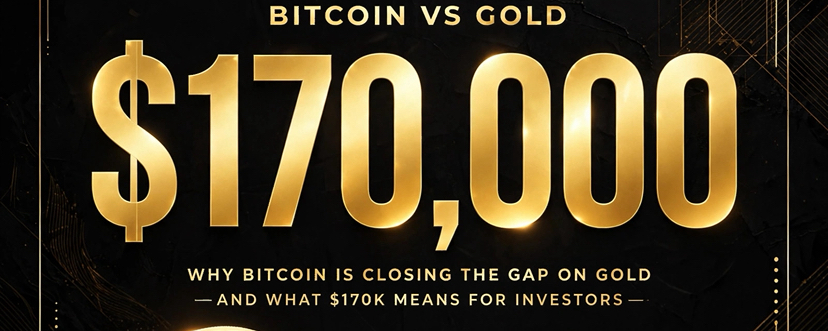
But yesterday, Bitcoin Magazine posted a chart that douses everyone with cold water: if priced in gold, Bitcoin would need to rise to $170,000 to truly set a new all-time high. Measured by the gold yardstick, at today’s price of $86,000, it has only come halfway.
Let’s look at the data. Over the past few days, BTC surged to a high of $87,360, a 8-month high, and it’s up 37.4% over the last 90 days (according to CoinGecko data). On the gold side, the total market value is $30.567 trillion, accounting for 35.8% of global assets—more than 17 times Bitcoin’s figure. In its latest research note, JPMorgan bluntly stated that Bitcoin has more upside potential than gold: the large amount of short positions piled up in Bitcoin ETFs leaves fuel for a future short-squeeze rally. The latest official update from the prediction market Kalshi is that 38% of people are betting on BTC returning to $100,000 by the end of this year (Bitcoin Magazine’s social media post cites 45%, but we’ll go with the official figure).
Bitcoin squeezes into the global top ten! But measured against gold, this bull market is only halfway done
Bitcoin is now the world’s 10th-largest asset, with a market cap of $1.72 trillion—everything ahead of it is on the level of gold, Nvidia, Apple, and the like.
But yesterday, Bitcoin Magazine posted a chart that douses everyone with cold water: if priced in gold, Bitcoin would need to rise to $170,000 to truly set a new all-time high. Measured by the gold yardstick, at today’s price of $86,000, it has only come halfway.
Let’s look at the data. Over the past few days, BTC surged to a high of $87,360, a 8-month high, and it’s up 37.4% over the last 90 days (according to CoinGecko data). On the gold side, the total market value is $30.567 trillion, accounting for 35.8% of global assets—more than 17 times Bitcoin’s figure. In its latest research note, JPMorgan bluntly stated that Bitcoin has more upside potential than gold: the large amount of short positions piled up in Bitcoin ETFs leaves fuel for a future short-squeeze rally. The latest official update from the prediction market Kalshi is that 38% of people are betting on BTC returning to $100,000 by the end of this year (Bitcoin Magazine’s social media post cites 45%, but we’ll go with the official figure).
But yesterday, Bitcoin Magazine posted a chart that douses everyone with cold water: if priced in gold, Bitcoin would need to rise to $170,000 to truly set a new all-time high. Measured by the gold yardstick, at today’s price of $86,000, it has only come halfway.
Let’s look at the data. Over the past few days, BTC surged to a high of $87,360, a 8-month high, and it’s up 37.4% over the last 90 days (according to CoinGecko data). On the gold side, the total market value is $30.567 trillion, accounting for 35.8% of global assets—more than 17 times Bitcoin’s figure. In its latest research note, JPMorgan bluntly stated that Bitcoin has more upside potential than gold: the large amount of short positions piled up in Bitcoin ETFs leaves fuel for a future short-squeeze rally. The latest official update from the prediction market Kalshi is that 38% of people are betting on BTC returning to $100,000 by the end of this year (Bitcoin Magazine’s social media post cites 45%, but we’ll go with the official figure).
564
·
--
Article
SEC suddenly loosens restrictions, CFTC proposal sent for White House review: the script for this bull run has changedIn crypto circles before, what were people most afraid of? Uncertainty. Especially U.S. regulation—suddenly suing this, investigating that, and project teams moving overnight.
But in the past two weeks, the wind direction has clearly changed.
The SEC has created a loophole exemption for tokenized stock trading. What does this mean? U.S. stocks can be traded on-chain in a compliant way. Tokenization has been talked about for years and stayed at the concept stage; this is the first time we've seen it move into a "regulated market structure." Some people say this marks the start of traditional financial assets being officially put on-chain.
On the other side, the CFTC’s new crypto proposal has already been submitted to the White House for review. With both regulators moving forward at the same time, the signal is very clear: this U.S. administration doesn’t want to regulate crypto with "enforcement-style regulation" anymore—it wants to build a framework.
SEC suddenly loosens restrictions, CFTC proposal sent for White House review: the script for this bull run has changed
In crypto circles before, what were people most afraid of? Uncertainty. Especially U.S. regulation—suddenly suing this, investigating that, and project teams moving overnight.
But in the past two weeks, the wind direction has clearly changed.
The SEC has created a loophole exemption for tokenized stock trading. What does this mean? U.S. stocks can be traded on-chain in a compliant way. Tokenization has been talked about for years and stayed at the concept stage; this is the first time we've seen it move into a "regulated market structure." Some people say this marks the start of traditional financial assets being officially put on-chain.
On the other side, the CFTC’s new crypto proposal has already been submitted to the White House for review. With both regulators moving forward at the same time, the signal is very clear: this U.S. administration doesn’t want to regulate crypto with "enforcement-style regulation" anymore—it wants to build a framework.
But in the past two weeks, the wind direction has clearly changed.
The SEC has created a loophole exemption for tokenized stock trading. What does this mean? U.S. stocks can be traded on-chain in a compliant way. Tokenization has been talked about for years and stayed at the concept stage; this is the first time we've seen it move into a "regulated market structure." Some people say this marks the start of traditional financial assets being officially put on-chain.
On the other side, the CFTC’s new crypto proposal has already been submitted to the White House for review. With both regulators moving forward at the same time, the signal is very clear: this U.S. administration doesn’t want to regulate crypto with "enforcement-style regulation" anymore—it wants to build a framework.
219
·
--

Article
Title: ETF Frenzied Buying of $1 Billion in a Day—Are Institutions Really Back?Let me put one piece of data out first: on Monday, U.S. spot Bitcoin ETFs had a single-day net inflow of nearly $1 billion—the biggest day since October last year. Even last Friday saw $433 million come in. Looks really strong, right?
But when I checked this year’s fund flow, I found it’s not that simple.
In the first two days of the year, ETFs snapped up $1.5 billion in one go, and the market was cheering. But over the following weeks, the money turned around and ran—Bitcoin ETFs were redeemed for $1.3 billion, and Ethereum saw outflows of $350 million as well. BTC and ETH gave back all of the early-year gains, and they basically lay flat for half a year.
Title: ETF Frenzied Buying of $1 Billion in a Day—Are Institutions Really Back?
Let me put one piece of data out first: on Monday, U.S. spot Bitcoin ETFs had a single-day net inflow of nearly $1 billion—the biggest day since October last year. Even last Friday saw $433 million come in. Looks really strong, right?
But when I checked this year’s fund flow, I found it’s not that simple.
In the first two days of the year, ETFs snapped up $1.5 billion in one go, and the market was cheering. But over the following weeks, the money turned around and ran—Bitcoin ETFs were redeemed for $1.3 billion, and Ethereum saw outflows of $350 million as well. BTC and ETH gave back all of the early-year gains, and they basically lay flat for half a year.
But when I checked this year’s fund flow, I found it’s not that simple.
In the first two days of the year, ETFs snapped up $1.5 billion in one go, and the market was cheering. But over the following weeks, the money turned around and ran—Bitcoin ETFs were redeemed for $1.3 billion, and Ethereum saw outflows of $350 million as well. BTC and ETH gave back all of the early-year gains, and they basically lay flat for half a year.
35
·
--
Don't miss out! In the second half of May, whether $BTC can break through resistance levels hinges on this key data!
In the second half of May, $BTC has been bouncing back and forth in a tight range, with bulls and bears waiting for a catalyst to break the deadlock.
Currently, looking at the chart, resistance levels are proving tough to breach, primarily because the market is waiting for a decisive macro data release — the upcoming U.S. Core PCE Price Index (Personal Consumption Expenditures Deflator).
Why is this data so crucial? Because the PCE is the inflation indicator that the Federal Reserve prioritizes, directly influencing whether they will cut interest rates and when.
If the data comes in cooler than expected: It indicates inflation is under control, giving the Fed the confidence to cut rates in the latter half of the year. Once there’s an expectation of liquidity being released, the massive amounts of cash sitting on the sidelines will flood into the crypto market, and $BTC breaking through resistance will just be a matter of hitting the gas.
If the data unexpectedly spikes: That’ll be a disaster; market fears of high interest rates will resurface, and the market could likely dip again to shake out weak hands.
Right now, the main players are basically playing dead, sitting on the sidelines, which is why liquidity has been feeling sluggish lately.
My practical advice: Don’t gamble on direction with high-leverage contracts before the data is released; this kind of tug-of-war can easily blow up on both ends. Spot traders should hold onto their chips and wait for the data to drop and the direction to clarify before increasing their positions.
No missing the boat, let’s see which way the wind blows this time! Do you think this data will be bullish or bearish? Drop your hot takes in the comments!
Don't miss out! In the second half of May, whether $BTC can break through resistance levels hinges on this key data!
In the second half of May, $BTC has been bouncing back and forth in a tight range, with bulls and bears waiting for a catalyst to break the deadlock.
Currently, looking at the chart, resistance levels are proving tough to breach, primarily because the market is waiting for a decisive macro data release — the upcoming U.S. Core PCE Price Index (Personal Consumption Expenditures Deflator).
Why is this data so crucial? Because the PCE is the inflation indicator that the Federal Reserve prioritizes, directly influencing whether they will cut interest rates and when.
If the data comes in cooler than expected: It indicates inflation is under control, giving the Fed the confidence to cut rates in the latter half of the year. Once there’s an expectation of liquidity being released, the massive amounts of cash sitting on the sidelines will flood into the crypto market, and $BTC breaking through resistance will just be a matter of hitting the gas.
If the data unexpectedly spikes: That’ll be a disaster; market fears of high interest rates will resurface, and the market could likely dip again to shake out weak hands.
Right now, the main players are basically playing dead, sitting on the sidelines, which is why liquidity has been feeling sluggish lately.
My practical advice: Don’t gamble on direction with high-leverage contracts before the data is released; this kind of tug-of-war can easily blow up on both ends. Spot traders should hold onto their chips and wait for the data to drop and the direction to clarify before increasing their positions.
No missing the boat, let’s see which way the wind blows this time! Do you think this data will be bullish or bearish? Drop your hot takes in the comments!
In the second half of May, $BTC has been bouncing back and forth in a tight range, with bulls and bears waiting for a catalyst to break the deadlock.
Currently, looking at the chart, resistance levels are proving tough to breach, primarily because the market is waiting for a decisive macro data release — the upcoming U.S. Core PCE Price Index (Personal Consumption Expenditures Deflator).
Why is this data so crucial? Because the PCE is the inflation indicator that the Federal Reserve prioritizes, directly influencing whether they will cut interest rates and when.
If the data comes in cooler than expected: It indicates inflation is under control, giving the Fed the confidence to cut rates in the latter half of the year. Once there’s an expectation of liquidity being released, the massive amounts of cash sitting on the sidelines will flood into the crypto market, and $BTC breaking through resistance will just be a matter of hitting the gas.
If the data unexpectedly spikes: That’ll be a disaster; market fears of high interest rates will resurface, and the market could likely dip again to shake out weak hands.
Right now, the main players are basically playing dead, sitting on the sidelines, which is why liquidity has been feeling sluggish lately.
My practical advice: Don’t gamble on direction with high-leverage contracts before the data is released; this kind of tug-of-war can easily blow up on both ends. Spot traders should hold onto their chips and wait for the data to drop and the direction to clarify before increasing their positions.
No missing the boat, let’s see which way the wind blows this time! Do you think this data will be bullish or bearish? Drop your hot takes in the comments!
167
·
--
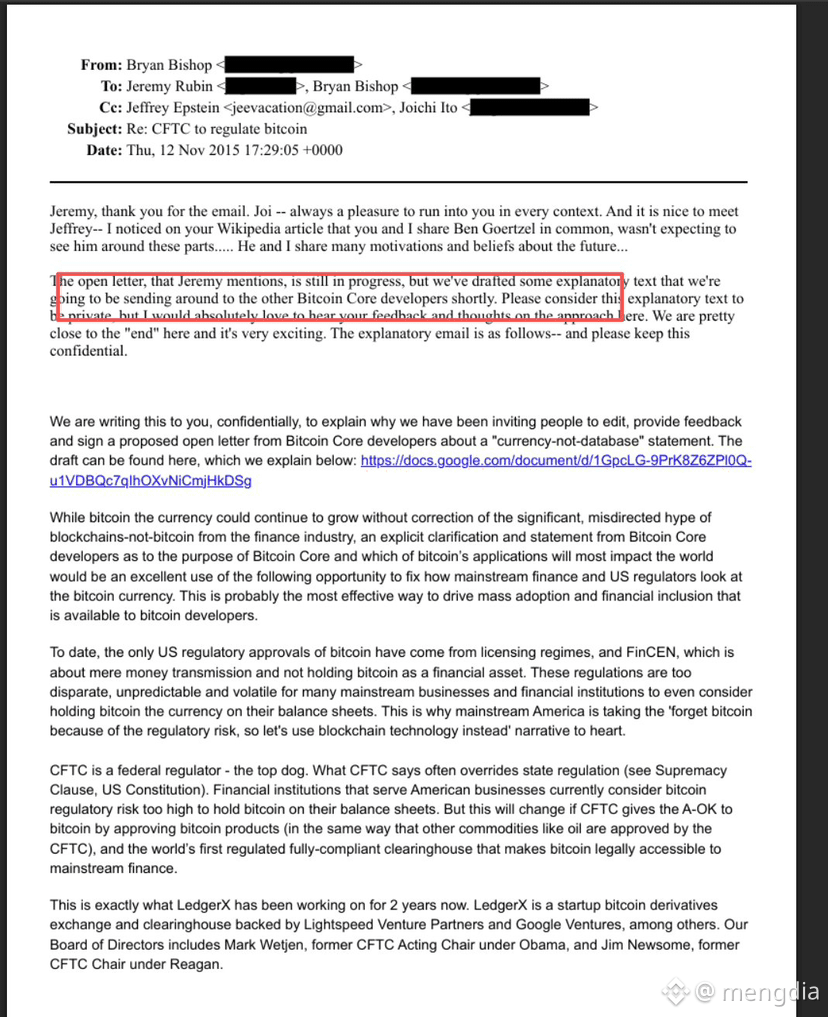
Is Epstein Satoshi Nakamoto?!
My direct evaluation of this statement is: there is currently no reliable evidence to support it.
Who is Satoshi Nakamoto? To this day, it remains a mystery. Who is Epstein? He is a publicly known person with a complex social circle and a clear criminal record. These two individuals do not match up in terms of timeline, behavioral trajectory, or technical expertise based on the publicly available information.
You only need to consider a few key points:
First, technical capability.
The Bitcoin white paper was published in 2008, with a coding style and cryptographic foundation that is very hardcore. Epstein's public resume does not contain any solid background in cryptography or distributed systems. He is more of a “broker-type figure” in the financial world. The differences in their thought processes are enormous.
Second, timeline.
Satoshi Nakamoto was active around 2008-2010, mainly communicating through emails and forums. Epstein's activities during those years have publicly recorded whereabouts, and there is no gap indicating a “disappearance for years to write code.”
Third, motive logic.
Satoshi Nakamoto designed a decentralized and censorship-resistant system, actively disappearing and not utilizing the large amount of Bitcoin mined early on.
Epstein's life pattern is quite the opposite—extremely pursuing real power and control over connections. If he truly held a million BTC, there would be no reason not to move even one.
The current statement on X is essentially more like a “conspiracy theory traffic model”—
Celebrity + Mysterious Figure + Huge Wealth + Dark Background = High Reshares.
There is a rule in conspiracy theory propagation:
The less evidence there is, the greater the space for imagination; the stronger the emotions, the faster the spread.
I do not rule out the possibility of new evidence overturning today's understanding in the future, but within the current framework of publicly available information, the credibility of this statement is close to zero.
To be honest, rather than worrying about “who Satoshi Nakamoto is,” it’s more practical to consider a more realistic question:
If Satoshi Nakamoto appears tomorrow and moves that over a million BTC, how will the market react? That is what truly affects our wallets.
What do you think? Is it just pure gossip, or are you worried there might be a bigger picture behind it?
Is Epstein Satoshi Nakamoto?!
My direct evaluation of this statement is: there is currently no reliable evidence to support it.
Who is Satoshi Nakamoto? To this day, it remains a mystery. Who is Epstein? He is a publicly known person with a complex social circle and a clear criminal record. These two individuals do not match up in terms of timeline, behavioral trajectory, or technical expertise based on the publicly available information.
You only need to consider a few key points:
First, technical capability.
The Bitcoin white paper was published in 2008, with a coding style and cryptographic foundation that is very hardcore. Epstein's public resume does not contain any solid background in cryptography or distributed systems. He is more of a “broker-type figure” in the financial world. The differences in their thought processes are enormous.
Second, timeline.
Satoshi Nakamoto was active around 2008-2010, mainly communicating through emails and forums. Epstein's activities during those years have publicly recorded whereabouts, and there is no gap indicating a “disappearance for years to write code.”
Third, motive logic.
Satoshi Nakamoto designed a decentralized and censorship-resistant system, actively disappearing and not utilizing the large amount of Bitcoin mined early on.
Epstein's life pattern is quite the opposite—extremely pursuing real power and control over connections. If he truly held a million BTC, there would be no reason not to move even one.
The current statement on X is essentially more like a “conspiracy theory traffic model”—
Celebrity + Mysterious Figure + Huge Wealth + Dark Background = High Reshares.
There is a rule in conspiracy theory propagation:
The less evidence there is, the greater the space for imagination; the stronger the emotions, the faster the spread.
I do not rule out the possibility of new evidence overturning today's understanding in the future, but within the current framework of publicly available information, the credibility of this statement is close to zero.
To be honest, rather than worrying about “who Satoshi Nakamoto is,” it’s more practical to consider a more realistic question:
If Satoshi Nakamoto appears tomorrow and moves that over a million BTC, how will the market react? That is what truly affects our wallets.
What do you think? Is it just pure gossip, or are you worried there might be a bigger picture behind it?
My direct evaluation of this statement is: there is currently no reliable evidence to support it.
Who is Satoshi Nakamoto? To this day, it remains a mystery. Who is Epstein? He is a publicly known person with a complex social circle and a clear criminal record. These two individuals do not match up in terms of timeline, behavioral trajectory, or technical expertise based on the publicly available information.
You only need to consider a few key points:
First, technical capability.
The Bitcoin white paper was published in 2008, with a coding style and cryptographic foundation that is very hardcore. Epstein's public resume does not contain any solid background in cryptography or distributed systems. He is more of a “broker-type figure” in the financial world. The differences in their thought processes are enormous.
Second, timeline.
Satoshi Nakamoto was active around 2008-2010, mainly communicating through emails and forums. Epstein's activities during those years have publicly recorded whereabouts, and there is no gap indicating a “disappearance for years to write code.”
Third, motive logic.
Satoshi Nakamoto designed a decentralized and censorship-resistant system, actively disappearing and not utilizing the large amount of Bitcoin mined early on.
Epstein's life pattern is quite the opposite—extremely pursuing real power and control over connections. If he truly held a million BTC, there would be no reason not to move even one.
The current statement on X is essentially more like a “conspiracy theory traffic model”—
Celebrity + Mysterious Figure + Huge Wealth + Dark Background = High Reshares.
There is a rule in conspiracy theory propagation:
The less evidence there is, the greater the space for imagination; the stronger the emotions, the faster the spread.
I do not rule out the possibility of new evidence overturning today's understanding in the future, but within the current framework of publicly available information, the credibility of this statement is close to zero.
To be honest, rather than worrying about “who Satoshi Nakamoto is,” it’s more practical to consider a more realistic question:
If Satoshi Nakamoto appears tomorrow and moves that over a million BTC, how will the market react? That is what truly affects our wallets.
What do you think? Is it just pure gossip, or are you worried there might be a bigger picture behind it?

195
·
--
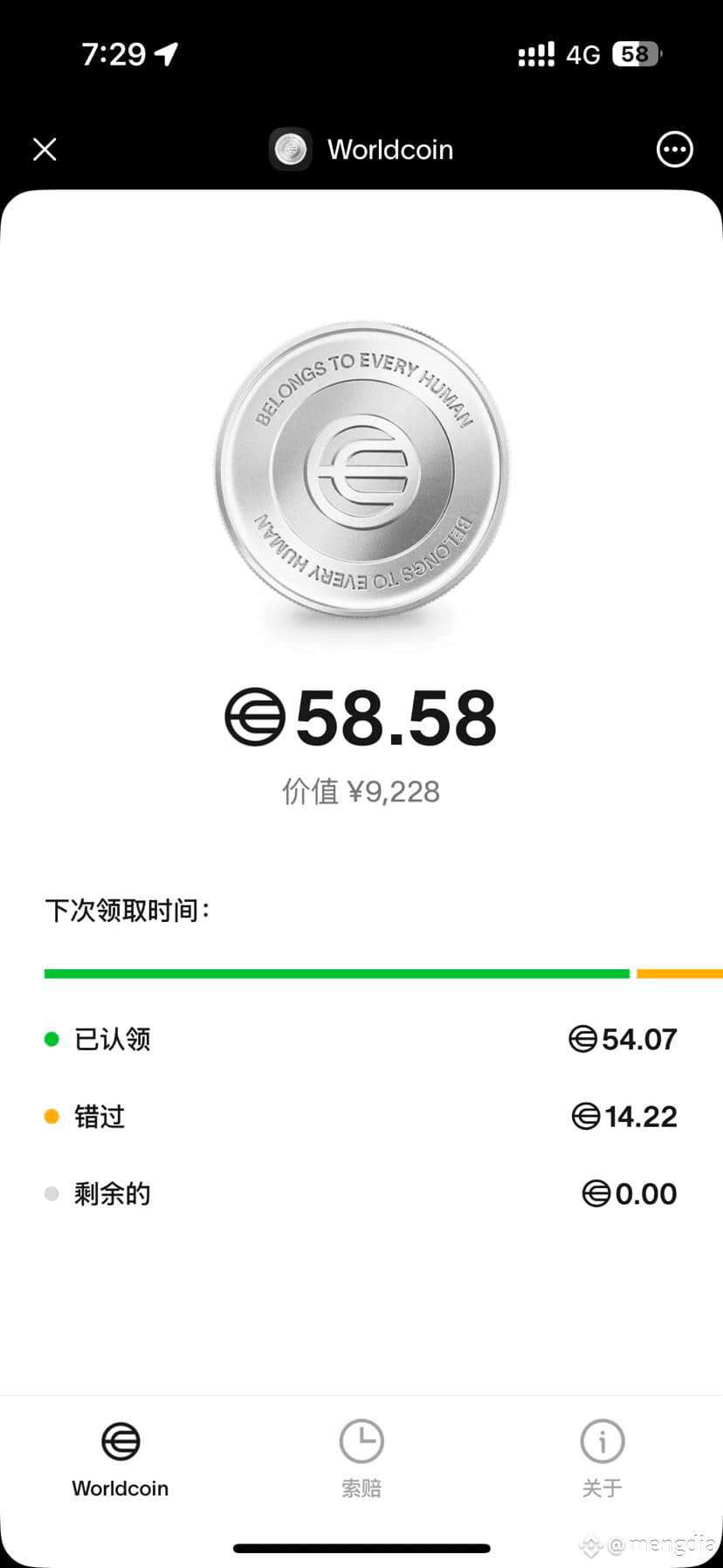
Missed 14 dollars. Forgot to claim it.
Missed 14 dollars. Forgot to claim it.

链上灵熹
·
--
With a ban from the Ministry of National Security, iris coins are all kneeling! Your wallet is being precisely blown up by a policy nuclear bomb!
Crypto nuclear explosion! When the national security guillotine falls, how much is your iris worth?
"At the gambling table of the crypto world, policy red lines are always deadlier than K-line charts." On August 6, a notice from China's Ministry of National Security subjected Worldcoin, the 49th largest cryptocurrency globally, to a "policy nuclear bomb"—within 24 hours, the price briefly dropped 2%, and a major whale address sold 1 million WLD, spreading market panic across the entire biometric recognition sector.
Why has iris data become a trigger for national security?
Core contradiction: This crackdown is by no means accidental, but rather China's ultimate declaration of "digital sovereignty."
"At the gambling table of the crypto world, policy red lines are always deadlier than K-line charts." On August 6, a notice from China's Ministry of National Security subjected Worldcoin, the 49th largest cryptocurrency globally, to a "policy nuclear bomb"—within 24 hours, the price briefly dropped 2%, and a major whale address sold 1 million WLD, spreading market panic across the entire biometric recognition sector.
Why has iris data become a trigger for national security?
Core contradiction: This crackdown is by no means accidental, but rather China's ultimate declaration of "digital sovereignty."
·
--
What is Gaea and what is its goal?
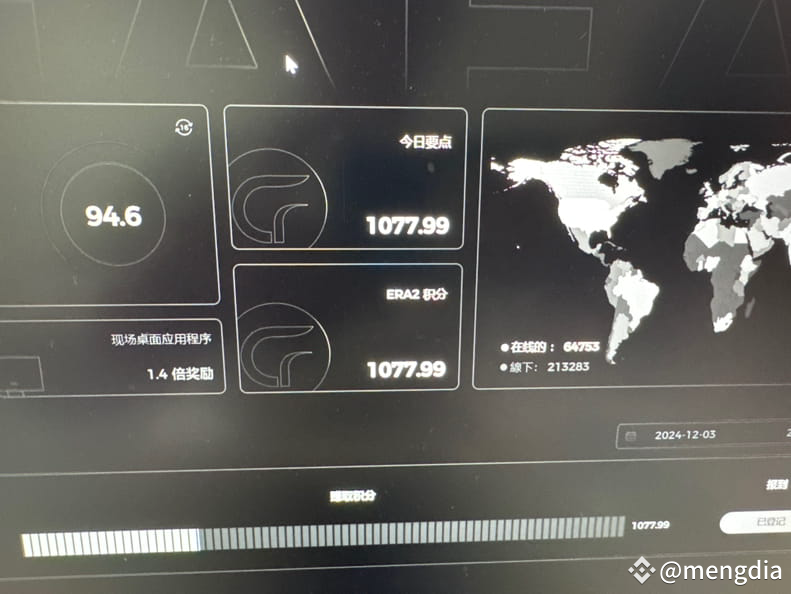
Gaea is a third-layer public blockchain project based on Ethereum, aimed at creating a decentralized ecosystem to support the training and development of artificial intelligence by utilizing unused network resources. Our goal is to provide an AI-driven data sharing and processing platform.
How can I participate in the Gaea ecosystem?
You can participate in the Gaea ecosystem by registering on our platform, connecting your device, and optionally running a node. This will allow you to contribute unused computing resources, participate in AI data processing, and earn rewards.
How does Gaea ensure my data security and privacy?
Gaea employs advanced encryption methods and blockchain security protocols to protect your data. Your personal data will not be accessed or used by the platform without your consent. All transactions and data exchanges are secured through Ethereum's mature blockchain technology.
What can we expect from Gaea's future development?
Gaea's future roadmap includes further development of AI capabilities, expansion of NFT projects, and ongoing improvements to the platform infrastructure to support larger-scale and more efficient operations. Upcoming highlights include the launch of our AI computing power network and new integrations with global technology providers.
What is Gaea and what is its goal?
Gaea is a third-layer public blockchain project based on Ethereum, aimed at creating a decentralized ecosystem to support the training and development of artificial intelligence by utilizing unused network resources. Our goal is to provide an AI-driven data sharing and processing platform.
How can I participate in the Gaea ecosystem?
You can participate in the Gaea ecosystem by registering on our platform, connecting your device, and optionally running a node. This will allow you to contribute unused computing resources, participate in AI data processing, and earn rewards.
How does Gaea ensure my data security and privacy?
Gaea employs advanced encryption methods and blockchain security protocols to protect your data. Your personal data will not be accessed or used by the platform without your consent. All transactions and data exchanges are secured through Ethereum's mature blockchain technology.
What can we expect from Gaea's future development?
Gaea's future roadmap includes further development of AI capabilities, expansion of NFT projects, and ongoing improvements to the platform infrastructure to support larger-scale and more efficient operations. Upcoming highlights include the launch of our AI computing power network and new integrations with global technology providers.
Gaea is a third-layer public blockchain project based on Ethereum, aimed at creating a decentralized ecosystem to support the training and development of artificial intelligence by utilizing unused network resources. Our goal is to provide an AI-driven data sharing and processing platform.
How can I participate in the Gaea ecosystem?
You can participate in the Gaea ecosystem by registering on our platform, connecting your device, and optionally running a node. This will allow you to contribute unused computing resources, participate in AI data processing, and earn rewards.
How does Gaea ensure my data security and privacy?
Gaea employs advanced encryption methods and blockchain security protocols to protect your data. Your personal data will not be accessed or used by the platform without your consent. All transactions and data exchanges are secured through Ethereum's mature blockchain technology.
What can we expect from Gaea's future development?
Gaea's future roadmap includes further development of AI capabilities, expansion of NFT projects, and ongoing improvements to the platform infrastructure to support larger-scale and more efficient operations. Upcoming highlights include the launch of our AI computing power network and new integrations with global technology providers.
207
·
--
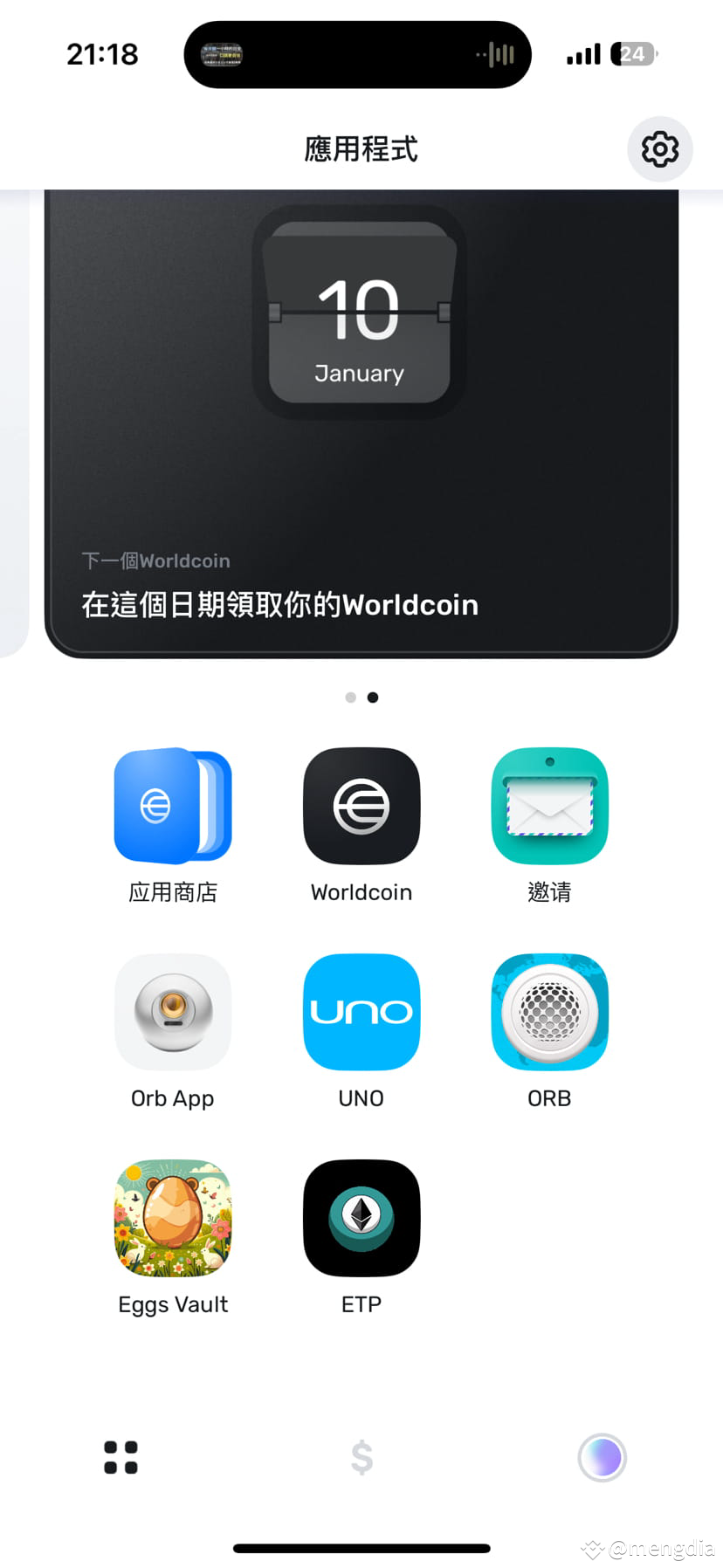
World app
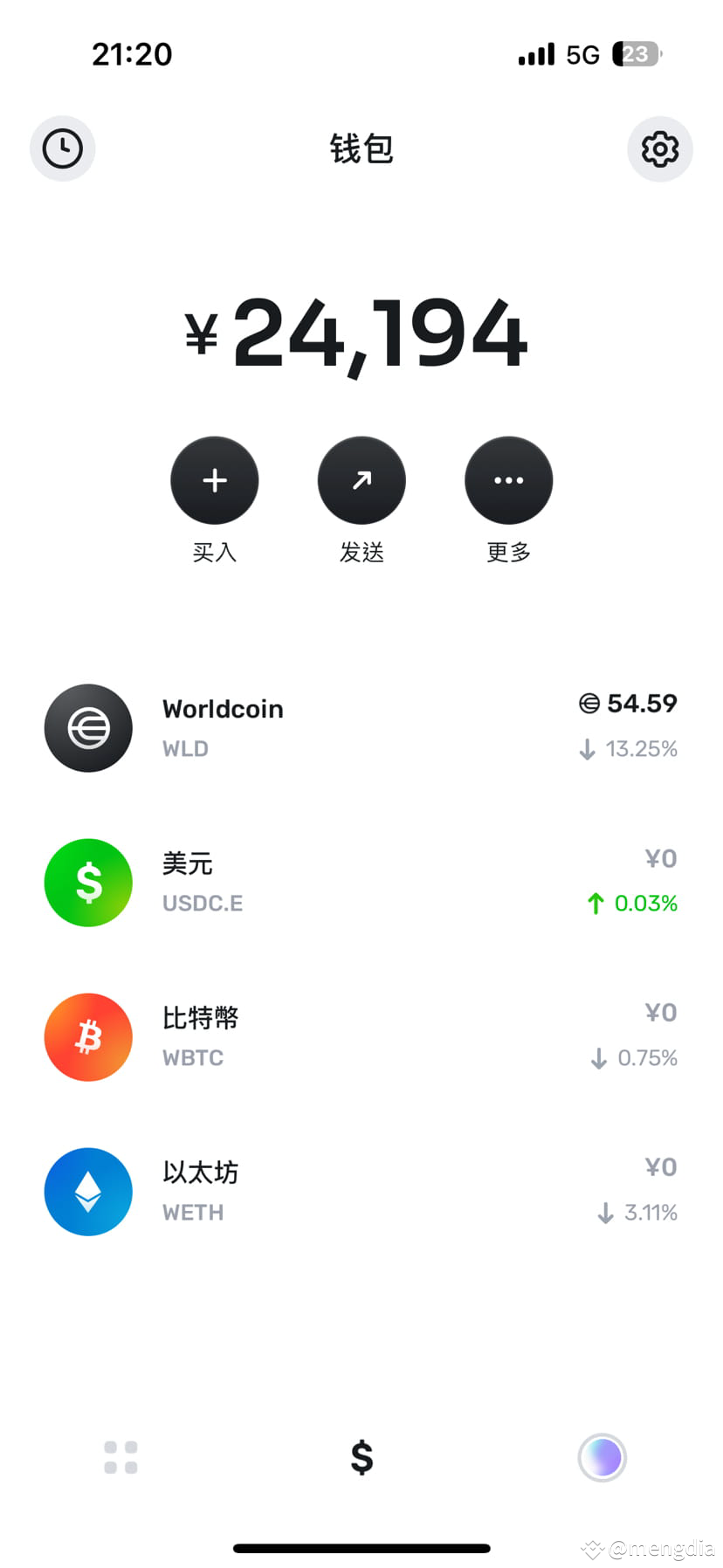
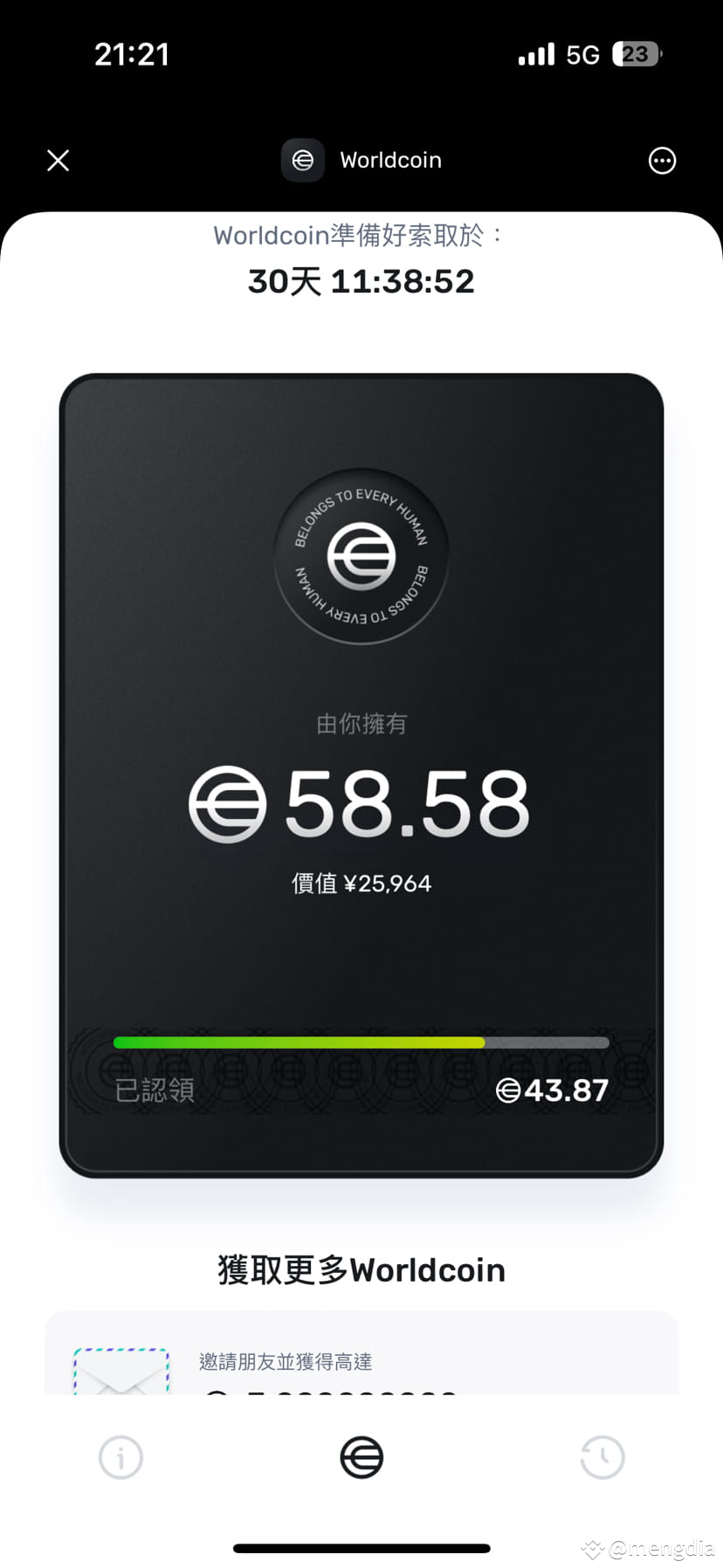
The WLD ecosystem currently allows you to receive WLD coins once a month, with a random amount.
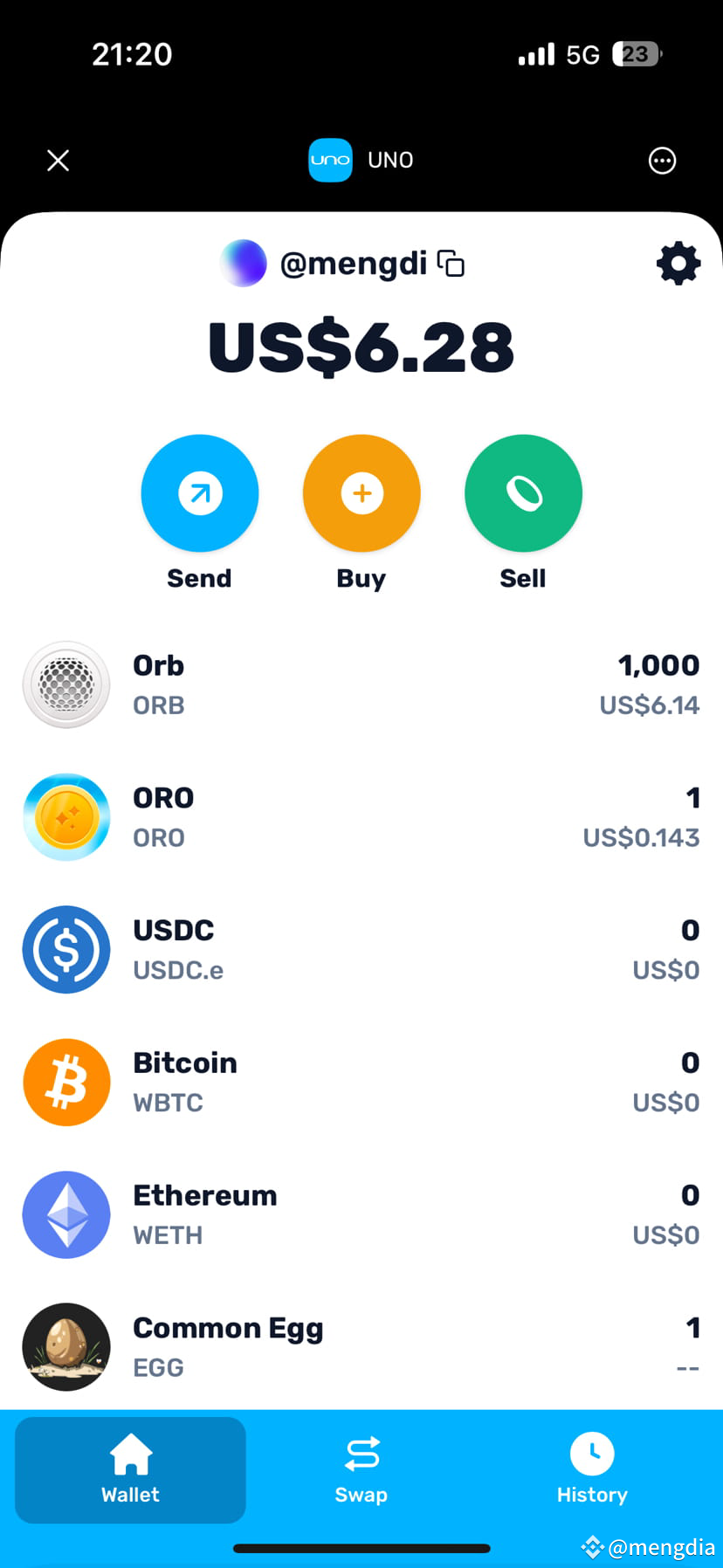
You can receive 1000 coins from Orb at once.
You can receive 1 coin from ORO daily.
Currently, 1 coin has been received from EGG.
All of the above are free to receive.
ETP is the WLD lottery system, where 1 WLD can be exchanged for a data lottery ticket, and the prize pool for each draw is WLD, which is quite substantial. However, I noticed that in the previous few draws, no one won.
UNO allows you to view all balances and currencies in your wallet.
World app
The WLD ecosystem currently allows you to receive WLD coins once a month, with a random amount.
You can receive 1000 coins from Orb at once.
You can receive 1 coin from ORO daily.
Currently, 1 coin has been received from EGG.
All of the above are free to receive.
ETP is the WLD lottery system, where 1 WLD can be exchanged for a data lottery ticket, and the prize pool for each draw is WLD, which is quite substantial. However, I noticed that in the previous few draws, no one won.
UNO allows you to view all balances and currencies in your wallet.
The WLD ecosystem currently allows you to receive WLD coins once a month, with a random amount.
You can receive 1000 coins from Orb at once.
You can receive 1 coin from ORO daily.
Currently, 1 coin has been received from EGG.
All of the above are free to receive.
ETP is the WLD lottery system, where 1 WLD can be exchanged for a data lottery ticket, and the prize pool for each draw is WLD, which is quite substantial. However, I noticed that in the previous few draws, no one won.
UNO allows you to view all balances and currencies in your wallet.
20
7
3
9.3k
·
--
Future Development Trends of DogecoinRegarding the future trends of Dogecoin, we can analyze it from several aspects:
$### In the short term$DOGE
- Market Sentiment: The price of Dogecoin is often significantly influenced by market sentiment and speculative investments in the short term. Social media, celebrity effects, and discussions within online communities can drive short-term price increases or decreases.
- Technological Development: If the Dogecoin technical team makes improvements and updates, such as increasing transaction speed, lowering fees, or adding new features, it could positively affect the price.
- Trading Volume and Liquidity: Increases in trading volume and liquidity are usually associated with price increases. More trading platforms supporting Dogecoin trading may enhance its market depth and price stability.
Future Development Trends of Dogecoin
Regarding the future trends of Dogecoin, we can analyze it from several aspects:
$### In the short term$DOGE
- Market Sentiment: The price of Dogecoin is often significantly influenced by market sentiment and speculative investments in the short term. Social media, celebrity effects, and discussions within online communities can drive short-term price increases or decreases.
- Technological Development: If the Dogecoin technical team makes improvements and updates, such as increasing transaction speed, lowering fees, or adding new features, it could positively affect the price.
- Trading Volume and Liquidity: Increases in trading volume and liquidity are usually associated with price increases. More trading platforms supporting Dogecoin trading may enhance its market depth and price stability.
$### In the short term$DOGE
- Market Sentiment: The price of Dogecoin is often significantly influenced by market sentiment and speculative investments in the short term. Social media, celebrity effects, and discussions within online communities can drive short-term price increases or decreases.
- Technological Development: If the Dogecoin technical team makes improvements and updates, such as increasing transaction speed, lowering fees, or adding new features, it could positively affect the price.
- Trading Volume and Liquidity: Increases in trading volume and liquidity are usually associated with price increases. More trading platforms supporting Dogecoin trading may enhance its market depth and price stability.
713
·
--
As of December 6, 2024, the price of Bitcoin (BTC) has indeed experienced significant fluctuations and growth, but breaking through the $100,000 price point remains a very challenging prediction.
In the past few years, Bitcoin has gone through multiple bull and bear markets, with prices rising from a few dollars to a peak close to $69,000 (in November 2021). If Bitcoin does indeed break through $100,000, it would mark a very significant milestone.
- Broader institutional adoption and investment.
- Cryptocurrency becoming a more mainstream investment and payment method.
- Ongoing technological advancements and improvements in cybersecurity.
- More favorable regulatory environment.
Predicting the future price of Bitcoin or any cryptocurrency is very difficult, as they are highly speculative and susceptible to various unpredictable factors. Any information regarding Bitcoin price predictions should be analyzed based on prudent and diverse sources of information.
As of December 6, 2024, the price of Bitcoin (BTC) has indeed experienced significant fluctuations and growth, but breaking through the $100,000 price point remains a very challenging prediction.
In the past few years, Bitcoin has gone through multiple bull and bear markets, with prices rising from a few dollars to a peak close to $69,000 (in November 2021). If Bitcoin does indeed break through $100,000, it would mark a very significant milestone.
- Broader institutional adoption and investment.
- Cryptocurrency becoming a more mainstream investment and payment method.
- Ongoing technological advancements and improvements in cybersecurity.
- More favorable regulatory environment.
Predicting the future price of Bitcoin or any cryptocurrency is very difficult, as they are highly speculative and susceptible to various unpredictable factors. Any information regarding Bitcoin price predictions should be analyzed based on prudent and diverse sources of information.
In the past few years, Bitcoin has gone through multiple bull and bear markets, with prices rising from a few dollars to a peak close to $69,000 (in November 2021). If Bitcoin does indeed break through $100,000, it would mark a very significant milestone.
- Broader institutional adoption and investment.
- Cryptocurrency becoming a more mainstream investment and payment method.
- Ongoing technological advancements and improvements in cybersecurity.
- More favorable regulatory environment.
Predicting the future price of Bitcoin or any cryptocurrency is very difficult, as they are highly speculative and susceptible to various unpredictable factors. Any information regarding Bitcoin price predictions should be analyzed based on prudent and diverse sources of information.
205
·
--
#币安BNSOL质押PYTH Binance's BNSOL staking PYTH program offers an innovative way to take advantage of the Solana (SOL) network's ecosystem.
This program allows users to stake their BNSOL (Binance wrapped SOL) on the Binance platform to receive rewards in PYTH tokens. PYTH is the native token of the Pyth Network, a project designed to provide real-time market data for blockchains.
Through this staking program, users can not only participate in the Solana ecosystem, but also benefit from the growth of the Pyth Network. Staking BNSOL provides users with an additional source of income,
while also supporting the security and stability of the Solana network.
Users who participate in this program by staking BNSOL can receive PYTH tokens as rewards, which can be used for network governance, paying transaction fees, or trading on the secondary market.
However, this staking model also has certain risks, such as network security risks and market volatility risks. Users need to consider these factors when deciding to participate in such activities, and should also pay close attention to the development of the Solana network and the progress of the Pyth Network.
Overall, the BNSOL PYTH staking program is an interesting attempt to combine traditional finance and blockchain technology, providing users with new ways to invest and participate.
#币安BNSOL质押PYTH Binance's BNSOL staking PYTH program offers an innovative way to take advantage of the Solana (SOL) network's ecosystem.
This program allows users to stake their BNSOL (Binance wrapped SOL) on the Binance platform to receive rewards in PYTH tokens. PYTH is the native token of the Pyth Network, a project designed to provide real-time market data for blockchains.
Through this staking program, users can not only participate in the Solana ecosystem, but also benefit from the growth of the Pyth Network. Staking BNSOL provides users with an additional source of income,
while also supporting the security and stability of the Solana network.
Users who participate in this program by staking BNSOL can receive PYTH tokens as rewards, which can be used for network governance, paying transaction fees, or trading on the secondary market.
However, this staking model also has certain risks, such as network security risks and market volatility risks. Users need to consider these factors when deciding to participate in such activities, and should also pay close attention to the development of the Solana network and the progress of the Pyth Network.
Overall, the BNSOL PYTH staking program is an interesting attempt to combine traditional finance and blockchain technology, providing users with new ways to invest and participate.
This program allows users to stake their BNSOL (Binance wrapped SOL) on the Binance platform to receive rewards in PYTH tokens. PYTH is the native token of the Pyth Network, a project designed to provide real-time market data for blockchains.
Through this staking program, users can not only participate in the Solana ecosystem, but also benefit from the growth of the Pyth Network. Staking BNSOL provides users with an additional source of income,
while also supporting the security and stability of the Solana network.
Users who participate in this program by staking BNSOL can receive PYTH tokens as rewards, which can be used for network governance, paying transaction fees, or trading on the secondary market.
However, this staking model also has certain risks, such as network security risks and market volatility risks. Users need to consider these factors when deciding to participate in such activities, and should also pay close attention to the development of the Solana network and the progress of the Pyth Network.
Overall, the BNSOL PYTH staking program is an interesting attempt to combine traditional finance and blockchain technology, providing users with new ways to invest and participate.
1.8k
·
--
#山寨币走势展望 Altcoins refer to cryptocurrencies other than Bitcoin, and their trends are affected by market trends, technological development, policy regulation, and the macroeconomic environment. Looking ahead, the following points are worth paying attention to:
1. Market trends
The trends of altcoins are usually highly correlated with Bitcoin, but their performance is more volatile. In a bull market, funds will flow into Bitcoin and then gradually into altcoins, pushing up their prices; in a bear market, altcoins usually fall more and are more risky.
2. Technology and ecological development
Altcoins with innovative technologies or practical applications have greater long-term potential. For example, projects related to DeFi (decentralized finance), NFT (non-fungible tokens), and Layer 2 expansion technology may continue to attract investors. The activity of the community and the progress of development will also directly affect market confidence.
3. Policy and regulatory impact
The regulatory attitude of various countries towards cryptocurrencies is an important variable in the trend of altcoins. If strict regulations are introduced, the altcoin market may be suppressed; on the contrary, supportive policies may drive market growth.
4. Macroeconomic environment
The US dollar interest rate, inflation level and global economic performance will affect market risk appetite. If the economic environment tends to be loose, the crypto market may usher in a new round of growth, and altcoins will also benefit from it.
Summary
The trend of altcoins is full of opportunities and risks. Investors need to pay attention to technological innovation, market cycles, policy dynamics and economic trends, and operate with caution.
#山寨币走势展望 Altcoins refer to cryptocurrencies other than Bitcoin, and their trends are affected by market trends, technological development, policy regulation, and the macroeconomic environment. Looking ahead, the following points are worth paying attention to:
1. Market trends
The trends of altcoins are usually highly correlated with Bitcoin, but their performance is more volatile. In a bull market, funds will flow into Bitcoin and then gradually into altcoins, pushing up their prices; in a bear market, altcoins usually fall more and are more risky.
2. Technology and ecological development
Altcoins with innovative technologies or practical applications have greater long-term potential. For example, projects related to DeFi (decentralized finance), NFT (non-fungible tokens), and Layer 2 expansion technology may continue to attract investors. The activity of the community and the progress of development will also directly affect market confidence.
3. Policy and regulatory impact
The regulatory attitude of various countries towards cryptocurrencies is an important variable in the trend of altcoins. If strict regulations are introduced, the altcoin market may be suppressed; on the contrary, supportive policies may drive market growth.
4. Macroeconomic environment
The US dollar interest rate, inflation level and global economic performance will affect market risk appetite. If the economic environment tends to be loose, the crypto market may usher in a new round of growth, and altcoins will also benefit from it.
Summary
The trend of altcoins is full of opportunities and risks. Investors need to pay attention to technological innovation, market cycles, policy dynamics and economic trends, and operate with caution.
1. Market trends
The trends of altcoins are usually highly correlated with Bitcoin, but their performance is more volatile. In a bull market, funds will flow into Bitcoin and then gradually into altcoins, pushing up their prices; in a bear market, altcoins usually fall more and are more risky.
2. Technology and ecological development
Altcoins with innovative technologies or practical applications have greater long-term potential. For example, projects related to DeFi (decentralized finance), NFT (non-fungible tokens), and Layer 2 expansion technology may continue to attract investors. The activity of the community and the progress of development will also directly affect market confidence.
3. Policy and regulatory impact
The regulatory attitude of various countries towards cryptocurrencies is an important variable in the trend of altcoins. If strict regulations are introduced, the altcoin market may be suppressed; on the contrary, supportive policies may drive market growth.
4. Macroeconomic environment
The US dollar interest rate, inflation level and global economic performance will affect market risk appetite. If the economic environment tends to be loose, the crypto market may usher in a new round of growth, and altcoins will also benefit from it.
Summary
The trend of altcoins is full of opportunities and risks. Investors need to pay attention to technological innovation, market cycles, policy dynamics and economic trends, and operate with caution.
151
·
--
#山寨币走势展望 Altcoins refer to all other cryptocurrencies except Bitcoin, which account for a considerable share of the cryptocurrency market. Regarding future trends and prospects, the future of altcoins will be full of uncertainty, but also full of opportunities. Their trends will be affected by technological development, market sentiment, regulatory environment, and actual application scenarios. Investors and developers need to continue to pay attention to these factors to grasp the pulse of the market. At the same time, risk management and in-depth understanding of the project are important strategies for participating in the altcoin market.
#山寨币走势展望 Altcoins refer to all other cryptocurrencies except Bitcoin, which account for a considerable share of the cryptocurrency market. Regarding future trends and prospects, the future of altcoins will be full of uncertainty, but also full of opportunities. Their trends will be affected by technological development, market sentiment, regulatory environment, and actual application scenarios. Investors and developers need to continue to pay attention to these factors to grasp the pulse of the market. At the same time, risk management and in-depth understanding of the project are important strategies for participating in the altcoin market.
154
·
--
Dogecoin’s PotentialAlthough Dogecoin originated as a joke, over time it has shown some potential possibilities and impact.
Dogecoin's potential lies in its strong community support, practical application as a means of payment, and its place in popular culture. However, it faces challenges including technological updates, inflationary pressures, and the regulatory environment. If Dogecoin can make progress in these areas, it has the potential to continue to develop into a more widely used means of payment or as a specific investment tool. But its role as a long-term store of value is still worth discussing, and its success depends largely on the continued support of the community and external acceptance. Overall, Dogecoin demonstrates the diversity and possibilities in the cryptocurrency ecosystem, but its future direction will depend on how it responds to current and future challenges.
Dogecoin’s Potential
Although Dogecoin originated as a joke, over time it has shown some potential possibilities and impact.
Dogecoin's potential lies in its strong community support, practical application as a means of payment, and its place in popular culture. However, it faces challenges including technological updates, inflationary pressures, and the regulatory environment. If Dogecoin can make progress in these areas, it has the potential to continue to develop into a more widely used means of payment or as a specific investment tool. But its role as a long-term store of value is still worth discussing, and its success depends largely on the continued support of the community and external acceptance. Overall, Dogecoin demonstrates the diversity and possibilities in the cryptocurrency ecosystem, but its future direction will depend on how it responds to current and future challenges.
Dogecoin's potential lies in its strong community support, practical application as a means of payment, and its place in popular culture. However, it faces challenges including technological updates, inflationary pressures, and the regulatory environment. If Dogecoin can make progress in these areas, it has the potential to continue to develop into a more widely used means of payment or as a specific investment tool. But its role as a long-term store of value is still worth discussing, and its success depends largely on the continued support of the community and external acceptance. Overall, Dogecoin demonstrates the diversity and possibilities in the cryptocurrency ecosystem, but its future direction will depend on how it responds to current and future challenges.
197
·
--
#BounceBit BounceBit's CeDeFi framework represents a new way of thinking about the use of BTC, attempting to attract BTC holders to participate in a wider range of financial activities by providing multiple sources of income. This model has the potential to change the way BTC holders earn income and may promote BTC to play a greater role in the broader financial market. However, like any innovation, BounceBit needs to continue to work on technical security, regulatory compliance, market education, and user trust to ensure the success and durability of its framework. With the rapid development of the cryptocurrency field, this attempt at a hybrid model is worth paying attention to, and it may provide a whole new ecosystem for BTC and other crypto assets.
#BounceBit BounceBit's CeDeFi framework represents a new way of thinking about the use of BTC, attempting to attract BTC holders to participate in a wider range of financial activities by providing multiple sources of income. This model has the potential to change the way BTC holders earn income and may promote BTC to play a greater role in the broader financial market. However, like any innovation, BounceBit needs to continue to work on technical security, regulatory compliance, market education, and user trust to ensure the success and durability of its framework. With the rapid development of the cryptocurrency field, this attempt at a hybrid model is worth paying attention to, and it may provide a whole new ecosystem for BTC and other crypto assets.
10
·
--
BounceBit's CeDeFi framework represents a new way of thinking about the use of BTC, attempting to attract BTC holders to participate in a wider range of financial activities by providing multiple sources of income. This model has the potential to change the way BTC holders earn income and may promote BTC to play a greater role in the broader financial market. However, like any innovation, BounceBit needs to continue to work on technical security, regulatory compliance, market education, and user trust to ensure the success and durability of its framework. With the rapid development of the cryptocurrency field, this attempt at a hybrid model is worth paying attention to, as it may provide a whole new ecosystem for BTC and other crypto assets.
BounceBit's CeDeFi framework represents a new way of thinking about the use of BTC, attempting to attract BTC holders to participate in a wider range of financial activities by providing multiple sources of income. This model has the potential to change the way BTC holders earn income and may promote BTC to play a greater role in the broader financial market. However, like any innovation, BounceBit needs to continue to work on technical security, regulatory compliance, market education, and user trust to ensure the success and durability of its framework. With the rapid development of the cryptocurrency field, this attempt at a hybrid model is worth paying attention to, as it may provide a whole new ecosystem for BTC and other crypto assets.


BounceBit
·
--
⚪️🟡Official BounceBit x Square Campaign Announcement!
It’s simple—complete below tasks and earn $10,000 in rewards!
Earn $BB coins by:
1. Following our account
2. Sharing this pinned post
3. Participating in eligible trading activities listed here: Official Campaign Post
4. Create a post with a minimum of 100 characters using the hashtag #BounceBit
It’s simple—complete below tasks and earn $10,000 in rewards!
Earn $BB coins by:
1. Following our account
2. Sharing this pinned post
3. Participating in eligible trading activities listed here: Official Campaign Post
4. Create a post with a minimum of 100 characters using the hashtag #BounceBit

443
Log in to explore more content
Join global crypto users on Binance Square
⚡️ Get latest and useful information about crypto.
💬 Trusted by the world’s largest crypto exchange.
👍 Discover real insights from verified creators.
Email / Phone number
Trending Topics
AIStocksWhatNext
844,243 views
6,445 Discussing
Share & Win Traffic Reward in our Trending Hashtag Campaign
✨Topic: What Other Investment Opportunities Remain as AI Stocks Keep Rising?
👉How to Join:
Publish a short post or article with hashtag #AIStocksWhatNext
Share whether you’re bullish or bearish, and post your AI stock holdings or trade — using the trade widget may improve your eligibility.
You can also strengthen your post by sharing data or charts, and avoiding AI-generated images.
✍️Create content based on the below angles:
- Nvidia says chip sales will double next year, and top AI companies keep hitting record revenue, the compute spend behind it is just as staggering. Is AI demand really taking off? And how long can it last? AI stocks are up across the board. Is this a real breakout, or just a short-term bounce?
- Industry leaders are calling to slow down AI development, while Trump plans to build an “AI Force”, claiming AI could account for 25% of U.S. GDP in the future. Whose side are you on? Will state-level backing be a long-term win for AI stocks?
- Are you buying AI stocks? Share your AI-related trade/holdings with our trade sharing widget.
⏰Campaign Period:
- 2026-09-22 7:00 - 2026-09-24 4:00 UTC
🎁Reward:
- Qualified posts that comply with the above guidelines and contain more than 100 words will be reviewed and may receive a random traffic boost of 500 to 3,000 views. You will receive a notification from your feed secretary if your post is selected.
- Get a chance to have your article featured on Binance Square Official
Need ideas for your post? Visit the topic page #AIStocksWhatNext or the Square Guide on How to Post for Better Reach.
Binance Square Official
·576 Likes
·1.6M views
BitcoinRejectedAt$87,300Twice
0 views
0 Discussing
BCHJumps28%OnCMEFuturesListing
7,132 views
438 Discussing