

铭哥说币
468 Posts

铭哥说币
Report
Block User
🔍公众号:铭哥带单 🔍聊天室ID:1225090285 合约精通,深耕市场多年,擅长从K线褶皱里洞悉脉络,只分享能落地的交易干货!
0 Following
181 Followers
190 Liked
Posts
PINNED
·
--
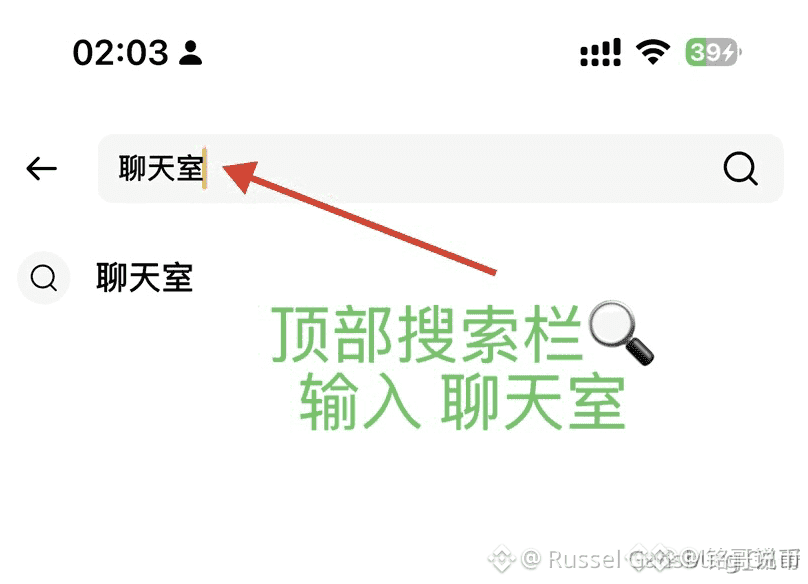
1【 Chat Room】, find the entrance
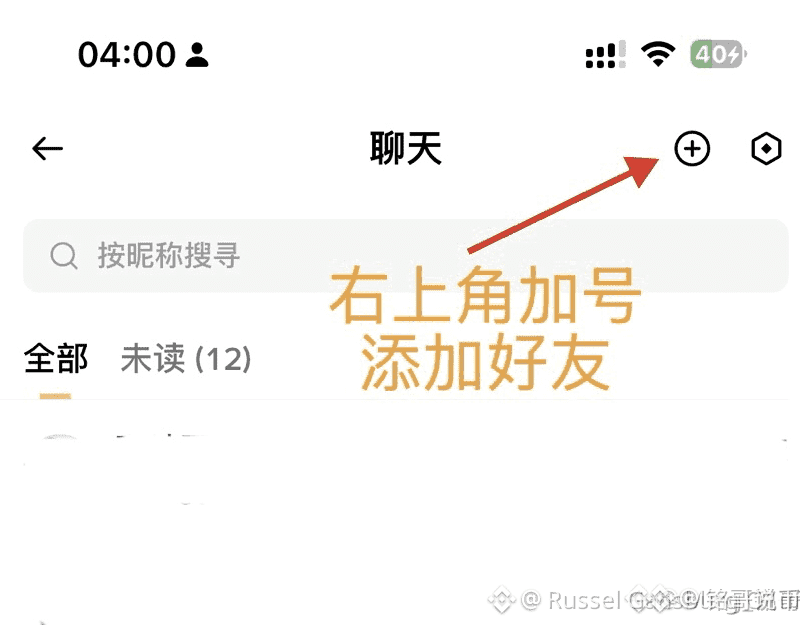
2. Click the “➕” in the upper right corner to add friends #带单大神
3. 🚀 Chat Room ID: 【m99988】 this is Ming's exclusive chat room.
4. One-click search 🔍 can add me~
5. Family, add me first, and we can communicate directly about market trends and opportunities in real-time.
6. Communication will be smoother in the future, and you won't have to worry about messages getting lost #加密市场回调
1【 Chat Room】, find the entrance
2. Click the “➕” in the upper right corner to add friends #带单大神
3. 🚀 Chat Room ID: 【m99988】 this is Ming's exclusive chat room.
4. One-click search 🔍 can add me~
5. Family, add me first, and we can communicate directly about market trends and opportunities in real-time.
6. Communication will be smoother in the future, and you won't have to worry about messages getting lost #加密市场回调
2. Click the “➕” in the upper right corner to add friends #带单大神
3. 🚀 Chat Room ID: 【m99988】 this is Ming's exclusive chat room.
4. One-click search 🔍 can add me~
5. Family, add me first, and we can communicate directly about market trends and opportunities in real-time.
6. Communication will be smoother in the future, and you won't have to worry about messages getting lost #加密市场回调
33
·
--
In a bearish market, the crypto world is getting colder day by day. Funds are flowing out to US stocks, and the overall market is sluggish and listless. How can you get through this bear market?
After eight years of struggling in the crypto trenches, I’ll give you 7 rules for survival. Follow them and you’ll lose less than half a year’s salary.
First, learn to read the market. Don’t rush to deposit money.
If you don’t understand candlesticks, trading volume, or the order book, and you still place trades? That’s like getting on the highway without learning to drive—you’re not going to crash only if you’re lucky.
Second, figure out what kind of person you are.
Are you an impulsive type or a patient one? Do you have spare money at home? Can you afford to lose? If nobody’s guiding you, don’t start with derivatives contracts right away—9 out of 10 new traders lose.
Third, split your money and use it in parts—keep some as tuition.
Don’t put everything in at once. If you lose, review and analyze what went wrong, then act again only after you understand your mistake. If you add more without doing a review, that’s not trading—it’s gambling.
Fourth, don’t believe every rumor.
Signals shouted in groups, and big V influencers “blowing up” coin picks—listen if you want, but you must form your own judgment. The market can change three times a day. Don’t let other people’s voices steer you.
Fifth, don’t get cocky after making money.
A good market doesn’t mean you’re unstoppable. If you want to add to your position, leave room and don’t let one mistake wipe out all the effort you’ve made.
Sixth, if you haven’t experienced a 2x gain or a 50% crash, you don’t truly understand the market.
Anyone can make money in a bull market. In a bear market, the ones who can stay steady—that’s real ability.
Seventh, draw a line for yourself.
Learn how to avoid losing first, then think about how to make money. Trading crypto is meant to improve your life—not destroy it. Family, work, and daily life matter more than numbers.
Making money in crypto isn’t about boldness—it’s about strategy and patience. Survive first, and only then do you have a chance to turn things around.
Follow Mingge—no hype, no empty promises. Only share real-world experience you can use to survive in this space. If you’re still repeatedly losing and starting over again and again, come talk to me—I’ll teach you how to make trading simple @m999
In a bearish market, the crypto world is getting colder day by day. Funds are flowing out to US stocks, and the overall market is sluggish and listless. How can you get through this bear market?
After eight years of struggling in the crypto trenches, I’ll give you 7 rules for survival. Follow them and you’ll lose less than half a year’s salary.
First, learn to read the market. Don’t rush to deposit money.
If you don’t understand candlesticks, trading volume, or the order book, and you still place trades? That’s like getting on the highway without learning to drive—you’re not going to crash only if you’re lucky.
Second, figure out what kind of person you are.
Are you an impulsive type or a patient one? Do you have spare money at home? Can you afford to lose? If nobody’s guiding you, don’t start with derivatives contracts right away—9 out of 10 new traders lose.
Third, split your money and use it in parts—keep some as tuition.
Don’t put everything in at once. If you lose, review and analyze what went wrong, then act again only after you understand your mistake. If you add more without doing a review, that’s not trading—it’s gambling.
Fourth, don’t believe every rumor.
Signals shouted in groups, and big V influencers “blowing up” coin picks—listen if you want, but you must form your own judgment. The market can change three times a day. Don’t let other people’s voices steer you.
Fifth, don’t get cocky after making money.
A good market doesn’t mean you’re unstoppable. If you want to add to your position, leave room and don’t let one mistake wipe out all the effort you’ve made.
Sixth, if you haven’t experienced a 2x gain or a 50% crash, you don’t truly understand the market.
Anyone can make money in a bull market. In a bear market, the ones who can stay steady—that’s real ability.
Seventh, draw a line for yourself.
Learn how to avoid losing first, then think about how to make money. Trading crypto is meant to improve your life—not destroy it. Family, work, and daily life matter more than numbers.
Making money in crypto isn’t about boldness—it’s about strategy and patience. Survive first, and only then do you have a chance to turn things around.
Follow Mingge—no hype, no empty promises. Only share real-world experience you can use to survive in this space. If you’re still repeatedly losing and starting over again and again, come talk to me—I’ll teach you how to make trading simple @铭哥说币
After eight years of struggling in the crypto trenches, I’ll give you 7 rules for survival. Follow them and you’ll lose less than half a year’s salary.
First, learn to read the market. Don’t rush to deposit money.
If you don’t understand candlesticks, trading volume, or the order book, and you still place trades? That’s like getting on the highway without learning to drive—you’re not going to crash only if you’re lucky.
Second, figure out what kind of person you are.
Are you an impulsive type or a patient one? Do you have spare money at home? Can you afford to lose? If nobody’s guiding you, don’t start with derivatives contracts right away—9 out of 10 new traders lose.
Third, split your money and use it in parts—keep some as tuition.
Don’t put everything in at once. If you lose, review and analyze what went wrong, then act again only after you understand your mistake. If you add more without doing a review, that’s not trading—it’s gambling.
Fourth, don’t believe every rumor.
Signals shouted in groups, and big V influencers “blowing up” coin picks—listen if you want, but you must form your own judgment. The market can change three times a day. Don’t let other people’s voices steer you.
Fifth, don’t get cocky after making money.
A good market doesn’t mean you’re unstoppable. If you want to add to your position, leave room and don’t let one mistake wipe out all the effort you’ve made.
Sixth, if you haven’t experienced a 2x gain or a 50% crash, you don’t truly understand the market.
Anyone can make money in a bull market. In a bear market, the ones who can stay steady—that’s real ability.
Seventh, draw a line for yourself.
Learn how to avoid losing first, then think about how to make money. Trading crypto is meant to improve your life—not destroy it. Family, work, and daily life matter more than numbers.
Making money in crypto isn’t about boldness—it’s about strategy and patience. Survive first, and only then do you have a chance to turn things around.
Follow Mingge—no hype, no empty promises. Only share real-world experience you can use to survive in this space. If you’re still repeatedly losing and starting over again and again, come talk to me—I’ll teach you how to make trading simple @铭哥说币

36
·
--
If you want to treat trading altcoins as a second source of income and survive in this market long-term, these 8 iron laws will help you a great deal.
There are many people who can make money in a bull market.
But in a bear market, the number of people who can stay alive is actually quite small.
Over the years in the crypto space, the pitfalls I’ve stepped into and the tuition I’ve paid—after all that, these are the only points that I’ve concluded.
First, the sharpest crashes reveal whether a coin is truly any good.
When the overall market drops messily, and the coin is only falling a little or even moving sideways, that usually means there’s capital taking care of it—later on, it’s often easier for it to recover.
Second, once a trend shows up, don’t hesitate.
Hold it when it’s rising—don’t be the type to run just because it’s up a bit.
When it drops, as long as the trend hasn’t broken, you don’t need to scare yourself.
If you really see a sell-off with heavy volume, cut your position—reduce your exposure.
Third, the biggest taboo in short-term trading is stubbornly holding on.
If you buy in and nothing moves for three days, then leave.
If you’re wrong, admit it in time and cut your loss—lose a few percentage points promptly.
A small loss is always more comfortable than a big loss.
Fourth, when a coin has been falling continuously for a long time and the market no longer cares, opportunities often arrive soon.
But don’t bottom-fish with your eyes closed. Check whether money is coming back—whether there are signs that the selling has stopped.
Fifth, always follow the trend.
Don’t think a cheap price automatically means it’s an opportunity.
Many people like to buy coins that have been slashed in half, and the result is that after the halving there’s another slice of the ankle.
In the market, what’s usually most expensive isn’t the price—it’s trading against the trend.
Sixth, don’t get carried away just because you’ve made money.
After every profit, ask yourself:
Was it real strength that earned it, or luck that handed it to you?
If you can’t explain the reason clearly, you’ll most likely give it back next time.
Seventh, when you’re not sure, go to cash—stay out of the market.
Don’t trade just for the sake of trading.
The truly capable people aren’t the ones who open positions every day.
They’re the ones who know when to act and when to wait.
Eighth, stick to a trading system that fits you.
The market changes every day.
But people who make money basically have their own rules.
What’s most terrifying isn’t having too few methods.
What’s most terrifying is learning this today and that tomorrow—until you end up understanding a little of everything and still being able to do nothing well.
In the end, trading is a contest of who can survive the longest.
Follow Mingge. No bragging, no empty promises—just sharing practical experience that helps you survive in this circle. If you’re still repeatedly losing and starting over again and again, come talk to me—I’ll teach you how to make trading simple@m999
If you want to treat trading altcoins as a second source of income and survive in this market long-term, these 8 iron laws will help you a great deal.
There are many people who can make money in a bull market.
But in a bear market, the number of people who can stay alive is actually quite small.
Over the years in the crypto space, the pitfalls I’ve stepped into and the tuition I’ve paid—after all that, these are the only points that I’ve concluded.
First, the sharpest crashes reveal whether a coin is truly any good.
When the overall market drops messily, and the coin is only falling a little or even moving sideways, that usually means there’s capital taking care of it—later on, it’s often easier for it to recover.
Second, once a trend shows up, don’t hesitate.
Hold it when it’s rising—don’t be the type to run just because it’s up a bit.
When it drops, as long as the trend hasn’t broken, you don’t need to scare yourself.
If you really see a sell-off with heavy volume, cut your position—reduce your exposure.
Third, the biggest taboo in short-term trading is stubbornly holding on.
If you buy in and nothing moves for three days, then leave.
If you’re wrong, admit it in time and cut your loss—lose a few percentage points promptly.
A small loss is always more comfortable than a big loss.
Fourth, when a coin has been falling continuously for a long time and the market no longer cares, opportunities often arrive soon.
But don’t bottom-fish with your eyes closed. Check whether money is coming back—whether there are signs that the selling has stopped.
Fifth, always follow the trend.
Don’t think a cheap price automatically means it’s an opportunity.
Many people like to buy coins that have been slashed in half, and the result is that after the halving there’s another slice of the ankle.
In the market, what’s usually most expensive isn’t the price—it’s trading against the trend.
Sixth, don’t get carried away just because you’ve made money.
After every profit, ask yourself:
Was it real strength that earned it, or luck that handed it to you?
If you can’t explain the reason clearly, you’ll most likely give it back next time.
Seventh, when you’re not sure, go to cash—stay out of the market.
Don’t trade just for the sake of trading.
The truly capable people aren’t the ones who open positions every day.
They’re the ones who know when to act and when to wait.
Eighth, stick to a trading system that fits you.
The market changes every day.
But people who make money basically have their own rules.
What’s most terrifying isn’t having too few methods.
What’s most terrifying is learning this today and that tomorrow—until you end up understanding a little of everything and still being able to do nothing well.
In the end, trading is a contest of who can survive the longest.
Follow Mingge. No bragging, no empty promises—just sharing practical experience that helps you survive in this circle. If you’re still repeatedly losing and starting over again and again, come talk to me—I’ll teach you how to make trading simple@铭哥说币
There are many people who can make money in a bull market.
But in a bear market, the number of people who can stay alive is actually quite small.
Over the years in the crypto space, the pitfalls I’ve stepped into and the tuition I’ve paid—after all that, these are the only points that I’ve concluded.
First, the sharpest crashes reveal whether a coin is truly any good.
When the overall market drops messily, and the coin is only falling a little or even moving sideways, that usually means there’s capital taking care of it—later on, it’s often easier for it to recover.
Second, once a trend shows up, don’t hesitate.
Hold it when it’s rising—don’t be the type to run just because it’s up a bit.
When it drops, as long as the trend hasn’t broken, you don’t need to scare yourself.
If you really see a sell-off with heavy volume, cut your position—reduce your exposure.
Third, the biggest taboo in short-term trading is stubbornly holding on.
If you buy in and nothing moves for three days, then leave.
If you’re wrong, admit it in time and cut your loss—lose a few percentage points promptly.
A small loss is always more comfortable than a big loss.
Fourth, when a coin has been falling continuously for a long time and the market no longer cares, opportunities often arrive soon.
But don’t bottom-fish with your eyes closed. Check whether money is coming back—whether there are signs that the selling has stopped.
Fifth, always follow the trend.
Don’t think a cheap price automatically means it’s an opportunity.
Many people like to buy coins that have been slashed in half, and the result is that after the halving there’s another slice of the ankle.
In the market, what’s usually most expensive isn’t the price—it’s trading against the trend.
Sixth, don’t get carried away just because you’ve made money.
After every profit, ask yourself:
Was it real strength that earned it, or luck that handed it to you?
If you can’t explain the reason clearly, you’ll most likely give it back next time.
Seventh, when you’re not sure, go to cash—stay out of the market.
Don’t trade just for the sake of trading.
The truly capable people aren’t the ones who open positions every day.
They’re the ones who know when to act and when to wait.
Eighth, stick to a trading system that fits you.
The market changes every day.
But people who make money basically have their own rules.
What’s most terrifying isn’t having too few methods.
What’s most terrifying is learning this today and that tomorrow—until you end up understanding a little of everything and still being able to do nothing well.
In the end, trading is a contest of who can survive the longest.
Follow Mingge. No bragging, no empty promises—just sharing practical experience that helps you survive in this circle. If you’re still repeatedly losing and starting over again and again, come talk to me—I’ll teach you how to make trading simple@铭哥说币

43
·
--
From 1,000U to 100,000—how long does it really take?
Honestly; it can be done, but don’t fantasize.
Recently, many people have been asking the same question: Can 1,000U roll up to 100,000 RMB? How long will it take? Let’s make the answer clear first: in theory, yes—but in reality, very few people can actually do it.
Mathematically, it’s simple: grab three 10x opportunities—1,000 becomes 10,000, and 10,000 becomes 100,000. But the problem has never been whether there are chances; it’s whether you can fully capture them.
Most people fail for the same reason: they run when it hits 3x; panic when it reaches 5x; and give it all back when it reaches 8x. It’s not that there aren’t opportunities—it’s that they can’t hold on to them.
I’ve seen a student who turned 3,200U into 38,000U in a month. The core wasn’t some magical indicator, but execution. Enter when you should, exit when you should—no hesitation.
Others use the compounding/rolling approach: with 6,000U to 300,000U. The method is also simple: only do high-certainty setups—things like trend breakouts, volume-led break levels, key-level reversals. Otherwise, stay in cash and wait.
Position sizing matters even more. Use only a small portion of your capital per trade. Even if you lose, it won’t damage you. You can be wrong a few times and still survive. But once you catch a real trend, you can take off.
So back to the question itself: how long to reach 100,000?
It doesn’t depend on the market, but on three things:
Whether you can wait,
Whether you can hold,
Whether you can execute by the rules.
The market isn’t short of opportunities—what it lacks are people who can execute consistently @m999 . Once you’re doing it right, time will give you the answer. If you can’t, then no matter how long it takes, it’s the same.
From 1,000U to 100,000—how long does it really take?
Honestly; it can be done, but don’t fantasize.
Recently, many people have been asking the same question: Can 1,000U roll up to 100,000 RMB? How long will it take? Let’s make the answer clear first: in theory, yes—but in reality, very few people can actually do it.
Mathematically, it’s simple: grab three 10x opportunities—1,000 becomes 10,000, and 10,000 becomes 100,000. But the problem has never been whether there are chances; it’s whether you can fully capture them.
Most people fail for the same reason: they run when it hits 3x; panic when it reaches 5x; and give it all back when it reaches 8x. It’s not that there aren’t opportunities—it’s that they can’t hold on to them.
I’ve seen a student who turned 3,200U into 38,000U in a month. The core wasn’t some magical indicator, but execution. Enter when you should, exit when you should—no hesitation.
Others use the compounding/rolling approach: with 6,000U to 300,000U. The method is also simple: only do high-certainty setups—things like trend breakouts, volume-led break levels, key-level reversals. Otherwise, stay in cash and wait.
Position sizing matters even more. Use only a small portion of your capital per trade. Even if you lose, it won’t damage you. You can be wrong a few times and still survive. But once you catch a real trend, you can take off.
So back to the question itself: how long to reach 100,000?
It doesn’t depend on the market, but on three things:
Whether you can wait,
Whether you can hold,
Whether you can execute by the rules.
The market isn’t short of opportunities—what it lacks are people who can execute consistently @铭哥说币 . Once you’re doing it right, time will give you the answer. If you can’t, then no matter how long it takes, it’s the same.
Honestly; it can be done, but don’t fantasize.
Recently, many people have been asking the same question: Can 1,000U roll up to 100,000 RMB? How long will it take? Let’s make the answer clear first: in theory, yes—but in reality, very few people can actually do it.
Mathematically, it’s simple: grab three 10x opportunities—1,000 becomes 10,000, and 10,000 becomes 100,000. But the problem has never been whether there are chances; it’s whether you can fully capture them.
Most people fail for the same reason: they run when it hits 3x; panic when it reaches 5x; and give it all back when it reaches 8x. It’s not that there aren’t opportunities—it’s that they can’t hold on to them.
I’ve seen a student who turned 3,200U into 38,000U in a month. The core wasn’t some magical indicator, but execution. Enter when you should, exit when you should—no hesitation.
Others use the compounding/rolling approach: with 6,000U to 300,000U. The method is also simple: only do high-certainty setups—things like trend breakouts, volume-led break levels, key-level reversals. Otherwise, stay in cash and wait.
Position sizing matters even more. Use only a small portion of your capital per trade. Even if you lose, it won’t damage you. You can be wrong a few times and still survive. But once you catch a real trend, you can take off.
So back to the question itself: how long to reach 100,000?
It doesn’t depend on the market, but on three things:
Whether you can wait,
Whether you can hold,
Whether you can execute by the rules.
The market isn’t short of opportunities—what it lacks are people who can execute consistently @铭哥说币 . Once you’re doing it right, time will give you the answer. If you can’t, then no matter how long it takes, it’s the same.

27
·
--
Why do you always lose money when trading coins? It’s not that you don’t understand the market—it’s that you can’t control yourself. Below are these five bad habits; check and see if any of them apply to you.
1. Chasing the rally and panicking on the dip
When it goes up, you rush in; when it drops, you run. In the end, you always buy at the peak and sell at the bottom. The core reason is fear of missing out—you feel like if you don’t enter now, you’ll never get another chance.
2. Overtrading
You can’t stay idle; you always want to act. But the more you trade, the more mistakes you make. Real profits often come from waiting, not from constant tinkering.
3. Uncontrolled position sizing
When you feel bullish, you go all-in. And if your judgment is wrong just once, you get trapped. Mature traders control their position size per coin; they don’t stake everything at once.
4. Refusing to cut losses and stubbornly holding through drawdowns
Lose 10% and you don’t leave. Lose 20% and you hesitate. Lose 50% and you go numb. Eventually, a small loss turns into a big one. The key principle is: if the money were currently cash, would you buy now? If the answer is no, then you should exit.
5. Treating luck as ability
In a bull market, when you make money, you think you’re just great. In a bear market, when you lose money, you blame the market and never review or reflect on your trades.
In this industry, the people who truly manage to stay alive aren’t the smartest—they’re the ones who make the fewest mistakes and execute the most consistently.
If you’re still chasing the highs and selling the lows, or you don’t know how to judge your entry and exit points, come to the chat room and find me to talk.@m999
Why do you always lose money when trading coins? It’s not that you don’t understand the market—it’s that you can’t control yourself. Below are these five bad habits; check and see if any of them apply to you.
1. Chasing the rally and panicking on the dip
When it goes up, you rush in; when it drops, you run. In the end, you always buy at the peak and sell at the bottom. The core reason is fear of missing out—you feel like if you don’t enter now, you’ll never get another chance.
2. Overtrading
You can’t stay idle; you always want to act. But the more you trade, the more mistakes you make. Real profits often come from waiting, not from constant tinkering.
3. Uncontrolled position sizing
When you feel bullish, you go all-in. And if your judgment is wrong just once, you get trapped. Mature traders control their position size per coin; they don’t stake everything at once.
4. Refusing to cut losses and stubbornly holding through drawdowns
Lose 10% and you don’t leave. Lose 20% and you hesitate. Lose 50% and you go numb. Eventually, a small loss turns into a big one. The key principle is: if the money were currently cash, would you buy now? If the answer is no, then you should exit.
5. Treating luck as ability
In a bull market, when you make money, you think you’re just great. In a bear market, when you lose money, you blame the market and never review or reflect on your trades.
In this industry, the people who truly manage to stay alive aren’t the smartest—they’re the ones who make the fewest mistakes and execute the most consistently.
If you’re still chasing the highs and selling the lows, or you don’t know how to judge your entry and exit points, come to the chat room and find me to talk.@铭哥说币
1. Chasing the rally and panicking on the dip
When it goes up, you rush in; when it drops, you run. In the end, you always buy at the peak and sell at the bottom. The core reason is fear of missing out—you feel like if you don’t enter now, you’ll never get another chance.
2. Overtrading
You can’t stay idle; you always want to act. But the more you trade, the more mistakes you make. Real profits often come from waiting, not from constant tinkering.
3. Uncontrolled position sizing
When you feel bullish, you go all-in. And if your judgment is wrong just once, you get trapped. Mature traders control their position size per coin; they don’t stake everything at once.
4. Refusing to cut losses and stubbornly holding through drawdowns
Lose 10% and you don’t leave. Lose 20% and you hesitate. Lose 50% and you go numb. Eventually, a small loss turns into a big one. The key principle is: if the money were currently cash, would you buy now? If the answer is no, then you should exit.
5. Treating luck as ability
In a bull market, when you make money, you think you’re just great. In a bear market, when you lose money, you blame the market and never review or reflect on your trades.
In this industry, the people who truly manage to stay alive aren’t the smartest—they’re the ones who make the fewest mistakes and execute the most consistently.
If you’re still chasing the highs and selling the lows, or you don’t know how to judge your entry and exit points, come to the chat room and find me to talk.@铭哥说币

15
·
--
You’ve got brothers with 3000U—stop gambling wildly and charging in recklessly.
Don’t keep thinking about becoming rich overnight. In the end, you’ll lose all your principal. I’ve seen too many people with just a few thousand U, desperate to turn things around—more urgency, more losses. But Big Brother Ming followed 3 stupid-simple rules. Starting from 8000U, he built steadily and even brought his fans from 1200U to 38,000U. The whole time, he never got liquidated, and he never lost big money.
In my early days, I was dumb too. I had 8000U and chased pumps and dumps every day, charging into various cheap altcoins. No stop-loss, no splitting—within less than a month, I was down to just 2000U. That kind of despair, watching your account shrink and wanting to turn it around but having no way out—only regular retail traders understand it.
Later, I finally woke up. I gave up the fantasy of getting rich quickly. I held to 3 rules, slowly rolled the principal back. The more I did it, the steadier I became.
At the start of the year, I brought a fan. He entered with 1200U. Like many people, he was timid and impatient—afraid of losing but wanting to make quick money. I taught him my methods that I’ve tested over many years, and told him to execute them like his life depended on it. I didn’t expect that within two months he’d steadily reach 25,000U. Then he kept rolling along to 38,000U, never once got liquidated. This is the power of having a method.
No matter whether you’ve got 1200U or 3000U, first engrave these 3 rules into your brain. They work even better than watching K-line charts a hundred times. You must split your principal and use it separately—into three parts: one for short-term trades; only hunt one setup per day. If you make money, take it—don’t get greedy. One for swing trades; wait until the trend becomes clear, then catch a big move. Finally, lock the last part as your bottom-card—don’t use it unless it’s absolutely necessary. Once you split it, you’ll have the right to stay in the game.
Don’t be greedy—only take the profits you can understand. In the crypto market, 80% of the time it’s range-bound. Blind trading is basically throwing money away. Trade when the trend is clear. If price rises to 20% above your principal, take out one-third of the profit immediately and lock in what you’ve got. Don’t chase unrealized gains—sticking around long-term is the way. And more importantly, use rules to restrain your hands: when a single trade loses 2%, exit right away. When it reaches 4% in profit, reduce your position to lock the gains. If you lose, never add to the position just to hard cope. No emotions, no wishful thinking.
Having less principal isn’t the scary part. The scary part is always wanting to swallow the whole “fat” prize in one bite. Rolling 1200U into 38,000U isn’t luck—it’s guarding risk and letting profits slowly grow out of it.
@m999
You’ve got brothers with 3000U—stop gambling wildly and charging in recklessly.
Don’t keep thinking about becoming rich overnight. In the end, you’ll lose all your principal. I’ve seen too many people with just a few thousand U, desperate to turn things around—more urgency, more losses. But Big Brother Ming followed 3 stupid-simple rules. Starting from 8000U, he built steadily and even brought his fans from 1200U to 38,000U. The whole time, he never got liquidated, and he never lost big money.
In my early days, I was dumb too. I had 8000U and chased pumps and dumps every day, charging into various cheap altcoins. No stop-loss, no splitting—within less than a month, I was down to just 2000U. That kind of despair, watching your account shrink and wanting to turn it around but having no way out—only regular retail traders understand it.
Later, I finally woke up. I gave up the fantasy of getting rich quickly. I held to 3 rules, slowly rolled the principal back. The more I did it, the steadier I became.
At the start of the year, I brought a fan. He entered with 1200U. Like many people, he was timid and impatient—afraid of losing but wanting to make quick money. I taught him my methods that I’ve tested over many years, and told him to execute them like his life depended on it. I didn’t expect that within two months he’d steadily reach 25,000U. Then he kept rolling along to 38,000U, never once got liquidated. This is the power of having a method.
No matter whether you’ve got 1200U or 3000U, first engrave these 3 rules into your brain. They work even better than watching K-line charts a hundred times. You must split your principal and use it separately—into three parts: one for short-term trades; only hunt one setup per day. If you make money, take it—don’t get greedy. One for swing trades; wait until the trend becomes clear, then catch a big move. Finally, lock the last part as your bottom-card—don’t use it unless it’s absolutely necessary. Once you split it, you’ll have the right to stay in the game.
Don’t be greedy—only take the profits you can understand. In the crypto market, 80% of the time it’s range-bound. Blind trading is basically throwing money away. Trade when the trend is clear. If price rises to 20% above your principal, take out one-third of the profit immediately and lock in what you’ve got. Don’t chase unrealized gains—sticking around long-term is the way. And more importantly, use rules to restrain your hands: when a single trade loses 2%, exit right away. When it reaches 4% in profit, reduce your position to lock the gains. If you lose, never add to the position just to hard cope. No emotions, no wishful thinking.
Having less principal isn’t the scary part. The scary part is always wanting to swallow the whole “fat” prize in one bite. Rolling 1200U into 38,000U isn’t luck—it’s guarding risk and letting profits slowly grow out of it.
@铭哥说币
Don’t keep thinking about becoming rich overnight. In the end, you’ll lose all your principal. I’ve seen too many people with just a few thousand U, desperate to turn things around—more urgency, more losses. But Big Brother Ming followed 3 stupid-simple rules. Starting from 8000U, he built steadily and even brought his fans from 1200U to 38,000U. The whole time, he never got liquidated, and he never lost big money.
In my early days, I was dumb too. I had 8000U and chased pumps and dumps every day, charging into various cheap altcoins. No stop-loss, no splitting—within less than a month, I was down to just 2000U. That kind of despair, watching your account shrink and wanting to turn it around but having no way out—only regular retail traders understand it.
Later, I finally woke up. I gave up the fantasy of getting rich quickly. I held to 3 rules, slowly rolled the principal back. The more I did it, the steadier I became.
At the start of the year, I brought a fan. He entered with 1200U. Like many people, he was timid and impatient—afraid of losing but wanting to make quick money. I taught him my methods that I’ve tested over many years, and told him to execute them like his life depended on it. I didn’t expect that within two months he’d steadily reach 25,000U. Then he kept rolling along to 38,000U, never once got liquidated. This is the power of having a method.
No matter whether you’ve got 1200U or 3000U, first engrave these 3 rules into your brain. They work even better than watching K-line charts a hundred times. You must split your principal and use it separately—into three parts: one for short-term trades; only hunt one setup per day. If you make money, take it—don’t get greedy. One for swing trades; wait until the trend becomes clear, then catch a big move. Finally, lock the last part as your bottom-card—don’t use it unless it’s absolutely necessary. Once you split it, you’ll have the right to stay in the game.
Don’t be greedy—only take the profits you can understand. In the crypto market, 80% of the time it’s range-bound. Blind trading is basically throwing money away. Trade when the trend is clear. If price rises to 20% above your principal, take out one-third of the profit immediately and lock in what you’ve got. Don’t chase unrealized gains—sticking around long-term is the way. And more importantly, use rules to restrain your hands: when a single trade loses 2%, exit right away. When it reaches 4% in profit, reduce your position to lock the gains. If you lose, never add to the position just to hard cope. No emotions, no wishful thinking.
Having less principal isn’t the scary part. The scary part is always wanting to swallow the whole “fat” prize in one bite. Rolling 1200U into 38,000U isn’t luck—it’s guarding risk and letting profits slowly grow out of it.
@铭哥说币

74
·
--
Don’t be fooled by the candlesticks—real signals are hidden in the volume
Many people watch the chart and only stare at the candlestick color. One big bullish candle makes them think it’s about to take off; one big bearish candle makes them believe it’s going to crash. So what happens? They chase in and get stuck in losses, then sell off in panic—only to see it rebound.
Actually, candlesticks can be drawn, but volume can’t lie.
Let me give a simplest example: a coin suddenly pumps a big bullish candle, but the volume is only half of its usual level. What does that mean? It’s not real buying pressure—it's the main players lifting the price with a small amount of capital to lure you into chasing and then distributing.
If you chase in, you’ll most likely be left holding the bag. On the other hand, if it drops but the volume clearly expands, it suggests someone is picking up orders underneath. That’s not panic—it’s an opportunity.
Here’s another common trap: a late-session pump. Some coins surge suddenly near the close. It looks fierce, but the next day it opens lower directly. Why? Because pumping late is cheap—the move is used to trick you into entering on the bullish momentum. Then when retail investors chase the next day, the main players quietly leave.
How do you identify a real breakout? Look at three things:
First, on the breakout, the volume must be at least 30% higher than the average volume of the previous five days. Breakouts without volume—about 80% of the time—they’re fake.
Second, can it hold after breaking out? The closing price must be above the key level, and it shouldn’t fall back down the next day; only then is it valid.
Third, is there a pullback to confirm after the breakout? Real breakouts often provide a chance to pull back to retest the former resistance. If the pullback doesn’t break, then it’s not too late to enter.
Remember: the main players can draw candlesticks, but they can’t draw volume. If you watch the volume, you’re watching the market’s true intent.
If you’re still chasing and panicking, or you don’t know how to judge your entry and exit points, come to the chat room to talk with me. @m999
Don’t be fooled by the candlesticks—real signals are hidden in the volume
Many people watch the chart and only stare at the candlestick color. One big bullish candle makes them think it’s about to take off; one big bearish candle makes them believe it’s going to crash. So what happens? They chase in and get stuck in losses, then sell off in panic—only to see it rebound.
Actually, candlesticks can be drawn, but volume can’t lie.
Let me give a simplest example: a coin suddenly pumps a big bullish candle, but the volume is only half of its usual level. What does that mean? It’s not real buying pressure—it's the main players lifting the price with a small amount of capital to lure you into chasing and then distributing.
If you chase in, you’ll most likely be left holding the bag. On the other hand, if it drops but the volume clearly expands, it suggests someone is picking up orders underneath. That’s not panic—it’s an opportunity.
Here’s another common trap: a late-session pump. Some coins surge suddenly near the close. It looks fierce, but the next day it opens lower directly. Why? Because pumping late is cheap—the move is used to trick you into entering on the bullish momentum. Then when retail investors chase the next day, the main players quietly leave.
How do you identify a real breakout? Look at three things:
First, on the breakout, the volume must be at least 30% higher than the average volume of the previous five days. Breakouts without volume—about 80% of the time—they’re fake.
Second, can it hold after breaking out? The closing price must be above the key level, and it shouldn’t fall back down the next day; only then is it valid.
Third, is there a pullback to confirm after the breakout? Real breakouts often provide a chance to pull back to retest the former resistance. If the pullback doesn’t break, then it’s not too late to enter.
Remember: the main players can draw candlesticks, but they can’t draw volume. If you watch the volume, you’re watching the market’s true intent.
If you’re still chasing and panicking, or you don’t know how to judge your entry and exit points, come to the chat room to talk with me. @铭哥说币
Many people watch the chart and only stare at the candlestick color. One big bullish candle makes them think it’s about to take off; one big bearish candle makes them believe it’s going to crash. So what happens? They chase in and get stuck in losses, then sell off in panic—only to see it rebound.
Actually, candlesticks can be drawn, but volume can’t lie.
Let me give a simplest example: a coin suddenly pumps a big bullish candle, but the volume is only half of its usual level. What does that mean? It’s not real buying pressure—it's the main players lifting the price with a small amount of capital to lure you into chasing and then distributing.
If you chase in, you’ll most likely be left holding the bag. On the other hand, if it drops but the volume clearly expands, it suggests someone is picking up orders underneath. That’s not panic—it’s an opportunity.
Here’s another common trap: a late-session pump. Some coins surge suddenly near the close. It looks fierce, but the next day it opens lower directly. Why? Because pumping late is cheap—the move is used to trick you into entering on the bullish momentum. Then when retail investors chase the next day, the main players quietly leave.
How do you identify a real breakout? Look at three things:
First, on the breakout, the volume must be at least 30% higher than the average volume of the previous five days. Breakouts without volume—about 80% of the time—they’re fake.
Second, can it hold after breaking out? The closing price must be above the key level, and it shouldn’t fall back down the next day; only then is it valid.
Third, is there a pullback to confirm after the breakout? Real breakouts often provide a chance to pull back to retest the former resistance. If the pullback doesn’t break, then it’s not too late to enter.
Remember: the main players can draw candlesticks, but they can’t draw volume. If you watch the volume, you’re watching the market’s true intent.
If you’re still chasing and panicking, or you don’t know how to judge your entry and exit points, come to the chat room to talk with me. @铭哥说币

18
·
--
Many people enter the market holding a few hundred USDT, but what they’re thinking is overnight riches. To be honest, if you don’t change that mindset, no matter how much money you’re given, you’ll still end up losing it all.
I know a guy who just graduated. He started with 600U and, in four months, reached over 40,000U—never had a liquidation event. It’s not insider info. It’s just three rules that sound kind of plain, but they really work.
First: Split the money
With small capital, the biggest fear is going all-in at once. If you make one wrong move, it’s gone. He split his 600U into three parts: one part for making quick trades to grab some profits and then run; one part to wait for trends and trade swings; and the last part kept still as “survival money.” Sounds simple, but most people, once they get excited, combine all three parts and throw everything in.
Second: Don’t乱动 (don’t mess around)
Most of the time, the crypto market is range-bound. When there’s no big行情 (big move), trading every day is basically just sending money away. He, on the other hand, is very good at waiting. When there’s no opportunity, he stays out of the market—sometimes he doesn’t even watch the charts for several days. Only when the trend is clear and the signals are solid does he take action. When he makes money, he pulls out a portion first. If he never withdraws it, it doesn’t count as real profit.
Third: Stop-loss and take-profit must be followed
Small money can’t handle big losses. If one trade goes badly, everything before it is basically wasted. Every single trade he places includes a stop-loss. Once it hits, he leaves—no hesitation. When he reaches his target, he cuts back and doesn’t get greedy. Most importantly: he never averages down. A lot of people die because of that line: “If I add a bit more, I’ll get back to even.” The more they add, the deeper they sink.
These three rules don’t have much technical content, but they’re especially anti-human-nature. If you can do this—don’t go all-in, don’t乱动, and do use stop-losses—then small capital can gradually grow.
The market isn’t short of opportunities; what it lacks are people who can wait for them. Don’t always think about turning things around in one shot—first learn how to stay alive.
There are opportunities in the crypto market, but more of them are traps. People who can truly make money are few. Follow Mingge—let you turn things around and get your money back in this market!@m999
Many people enter the market holding a few hundred USDT, but what they’re thinking is overnight riches. To be honest, if you don’t change that mindset, no matter how much money you’re given, you’ll still end up losing it all.
I know a guy who just graduated. He started with 600U and, in four months, reached over 40,000U—never had a liquidation event. It’s not insider info. It’s just three rules that sound kind of plain, but they really work.
First: Split the money
With small capital, the biggest fear is going all-in at once. If you make one wrong move, it’s gone. He split his 600U into three parts: one part for making quick trades to grab some profits and then run; one part to wait for trends and trade swings; and the last part kept still as “survival money.” Sounds simple, but most people, once they get excited, combine all three parts and throw everything in.
Second: Don’t乱动 (don’t mess around)
Most of the time, the crypto market is range-bound. When there’s no big行情 (big move), trading every day is basically just sending money away. He, on the other hand, is very good at waiting. When there’s no opportunity, he stays out of the market—sometimes he doesn’t even watch the charts for several days. Only when the trend is clear and the signals are solid does he take action. When he makes money, he pulls out a portion first. If he never withdraws it, it doesn’t count as real profit.
Third: Stop-loss and take-profit must be followed
Small money can’t handle big losses. If one trade goes badly, everything before it is basically wasted. Every single trade he places includes a stop-loss. Once it hits, he leaves—no hesitation. When he reaches his target, he cuts back and doesn’t get greedy. Most importantly: he never averages down. A lot of people die because of that line: “If I add a bit more, I’ll get back to even.” The more they add, the deeper they sink.
These three rules don’t have much technical content, but they’re especially anti-human-nature. If you can do this—don’t go all-in, don’t乱动, and do use stop-losses—then small capital can gradually grow.
The market isn’t short of opportunities; what it lacks are people who can wait for them. Don’t always think about turning things around in one shot—first learn how to stay alive.
There are opportunities in the crypto market, but more of them are traps. People who can truly make money are few. Follow Mingge—let you turn things around and get your money back in this market!@铭哥说币
I know a guy who just graduated. He started with 600U and, in four months, reached over 40,000U—never had a liquidation event. It’s not insider info. It’s just three rules that sound kind of plain, but they really work.
First: Split the money
With small capital, the biggest fear is going all-in at once. If you make one wrong move, it’s gone. He split his 600U into three parts: one part for making quick trades to grab some profits and then run; one part to wait for trends and trade swings; and the last part kept still as “survival money.” Sounds simple, but most people, once they get excited, combine all three parts and throw everything in.
Second: Don’t乱动 (don’t mess around)
Most of the time, the crypto market is range-bound. When there’s no big行情 (big move), trading every day is basically just sending money away. He, on the other hand, is very good at waiting. When there’s no opportunity, he stays out of the market—sometimes he doesn’t even watch the charts for several days. Only when the trend is clear and the signals are solid does he take action. When he makes money, he pulls out a portion first. If he never withdraws it, it doesn’t count as real profit.
Third: Stop-loss and take-profit must be followed
Small money can’t handle big losses. If one trade goes badly, everything before it is basically wasted. Every single trade he places includes a stop-loss. Once it hits, he leaves—no hesitation. When he reaches his target, he cuts back and doesn’t get greedy. Most importantly: he never averages down. A lot of people die because of that line: “If I add a bit more, I’ll get back to even.” The more they add, the deeper they sink.
These three rules don’t have much technical content, but they’re especially anti-human-nature. If you can do this—don’t go all-in, don’t乱动, and do use stop-losses—then small capital can gradually grow.
The market isn’t short of opportunities; what it lacks are people who can wait for them. Don’t always think about turning things around in one shot—first learn how to stay alive.
There are opportunities in the crypto market, but more of them are traps. People who can truly make money are few. Follow Mingge—let you turn things around and get your money back in this market!@铭哥说币

23
·
--
How to stay steady with encrypted short-term trades? Understand these 6 rules—it's enough.
Most people lose in short-term trading not because they can’t read the market, but because they don’t have a fixed strategy; they open trades at random based on feeling.
Actually, short-term trading doesn’t require complicated indicators. Master these 6 rules, and even beginners can keep the rhythm steady.
First: Consolidation inevitably turns into a breakout. Don’t enter when the price is moving sideways at high levels. Don’t cut losses when it’s grinding at low levels. If the direction is unclear, hold back.
Second: Sideways movement hides traps. The range-bound area is where stop-hunts via quick wicks are most likely. Don’t get itchy and place trades randomly—wait for a valid breakout or a deep pullback before acting.
Third: Buy on bearish candles, sell on bullish candles. The key to short-term trading lies in doing the opposite: when a sharp drop stabilizes, set up your position; when the rally reaches a good level, take profit decisively.
Fourth: A sudden crash creates opportunities. Weak bounces after a drifting decline won’t work. After a waterfall-style selloff, a strong rebound often follows—this is usually the best window for short-term trades.
Fifth: Build a position using a pyramid approach. Add in portions from the bottom: add one more batch for every 10% drop to lower your average cost. With the rebound, your profit can double directly.
Sixth: When the trend changes, close quickly. After a blowout rally, if it goes sideways, withdraw the principal immediately and keep the profits. After a sudden crash, if it enters sideways, exit on time to stop losses—don’t hold on.
Core of short-term trading: Don’t guess price movement, don’t chase trends, and don’t gamble on luck. Follow the rules from start to finish. What matters isn’t how smart you are—it’s discipline and patience.
With small capital, stick to this strategy. Protect your principal, lock in profits, and your account can grow steadily.
In this market, it’s very hard to go far relying on just one person.
Now I have a repaired path here—will you walk it? @m999
How to stay steady with encrypted short-term trades? Understand these 6 rules—it's enough.
Most people lose in short-term trading not because they can’t read the market, but because they don’t have a fixed strategy; they open trades at random based on feeling.
Actually, short-term trading doesn’t require complicated indicators. Master these 6 rules, and even beginners can keep the rhythm steady.
First: Consolidation inevitably turns into a breakout. Don’t enter when the price is moving sideways at high levels. Don’t cut losses when it’s grinding at low levels. If the direction is unclear, hold back.
Second: Sideways movement hides traps. The range-bound area is where stop-hunts via quick wicks are most likely. Don’t get itchy and place trades randomly—wait for a valid breakout or a deep pullback before acting.
Third: Buy on bearish candles, sell on bullish candles. The key to short-term trading lies in doing the opposite: when a sharp drop stabilizes, set up your position; when the rally reaches a good level, take profit decisively.
Fourth: A sudden crash creates opportunities. Weak bounces after a drifting decline won’t work. After a waterfall-style selloff, a strong rebound often follows—this is usually the best window for short-term trades.
Fifth: Build a position using a pyramid approach. Add in portions from the bottom: add one more batch for every 10% drop to lower your average cost. With the rebound, your profit can double directly.
Sixth: When the trend changes, close quickly. After a blowout rally, if it goes sideways, withdraw the principal immediately and keep the profits. After a sudden crash, if it enters sideways, exit on time to stop losses—don’t hold on.
Core of short-term trading: Don’t guess price movement, don’t chase trends, and don’t gamble on luck. Follow the rules from start to finish. What matters isn’t how smart you are—it’s discipline and patience.
With small capital, stick to this strategy. Protect your principal, lock in profits, and your account can grow steadily.
In this market, it’s very hard to go far relying on just one person.
Now I have a repaired path here—will you walk it? @铭哥说币
Most people lose in short-term trading not because they can’t read the market, but because they don’t have a fixed strategy; they open trades at random based on feeling.
Actually, short-term trading doesn’t require complicated indicators. Master these 6 rules, and even beginners can keep the rhythm steady.
First: Consolidation inevitably turns into a breakout. Don’t enter when the price is moving sideways at high levels. Don’t cut losses when it’s grinding at low levels. If the direction is unclear, hold back.
Second: Sideways movement hides traps. The range-bound area is where stop-hunts via quick wicks are most likely. Don’t get itchy and place trades randomly—wait for a valid breakout or a deep pullback before acting.
Third: Buy on bearish candles, sell on bullish candles. The key to short-term trading lies in doing the opposite: when a sharp drop stabilizes, set up your position; when the rally reaches a good level, take profit decisively.
Fourth: A sudden crash creates opportunities. Weak bounces after a drifting decline won’t work. After a waterfall-style selloff, a strong rebound often follows—this is usually the best window for short-term trades.
Fifth: Build a position using a pyramid approach. Add in portions from the bottom: add one more batch for every 10% drop to lower your average cost. With the rebound, your profit can double directly.
Sixth: When the trend changes, close quickly. After a blowout rally, if it goes sideways, withdraw the principal immediately and keep the profits. After a sudden crash, if it enters sideways, exit on time to stop losses—don’t hold on.
Core of short-term trading: Don’t guess price movement, don’t chase trends, and don’t gamble on luck. Follow the rules from start to finish. What matters isn’t how smart you are—it’s discipline and patience.
With small capital, stick to this strategy. Protect your principal, lock in profits, and your account can grow steadily.
In this market, it’s very hard to go far relying on just one person.
Now I have a repaired path here—will you walk it? @铭哥说币

43
Log in to explore more content
Join global crypto users on Binance Square
⚡️ Get latest and useful information about crypto.
💬 Trusted by the world’s largest crypto exchange.
👍 Discover real insights from verified creators.
Email / Phone number
Trending Topics
ETHUp70%InQ3ButLiquidityFalls
1,222 views
74 Discussing
🚨 Ethereum Update ETH gained 70% in Q3, but liquidity is falling. The price strength looks impressive, but declining liquidity could increase volatility and make the next move more important. 📊 Price up. Liquidity down. What do you think comes next for ETH? #ETH #Ethereum #Crypto #CryptoNews #DeFi #Blockchain #ETHUSD
#ETHUp70%InQ3ButLiquidityFalls
Ethereum’s Q3 2026 performance completely defied historical market relationships. While ETH surged by 70.8% in Q3, vastly outperforming Bitcoin's 42% climb, it achieved this milestone on dramatically thinning order books. According to recent data from CoinGecko, ETH’s median daily market depth plummeted to just 35% to 45% of Bitcoin’s level, down from over 60% during the same timeframe last year. [1, 2, 3]
Valid result indices for FinancePriceChart:
CHASEPA SULUX
·0 Likes
·10 views
EthStakingExitQueueHits2026High
1,382 views
156 Discussing
FedOctoberHoldOdds82.3%
2,143 views
139 Discussing