

沧楠晟
5k Posts

沧楠晟
 Square Verified+
Report
Block User
公众号:@LF327369 加密飞龙 微博:加密飞龙 :推特 加密飞龙:全网同名 加密飞龙:手续费8折 LN5ZYWQB 邀请码 Web3领域研究,Crypto热点推介,土狗爱好者,一二级市场分析

Traders League Badge Beginner

PENGU Holder
Frequent Trader
5.9 Years
178 Following
31.4K+ Followers
46.7K+ Liked
1 Badges
Posts
All
Quotes
Videos
Live
PINNED
·
--
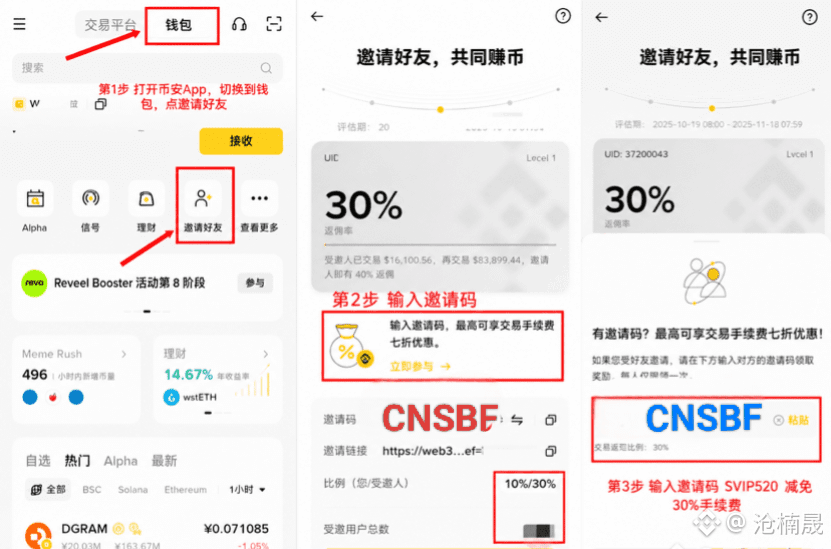
The meme market is hot right now. With tens of thousands of U trading hands frequently, just the fees alone can burn through several thousand U in a single day. This is absolutely a big problem! Money is money, no matter how little it is, so don’t ever treat it like it doesn’t matter. I strongly recommend everyone try Binance Wallet — the fee rates are really great!
First, as long as it’s an Alpha-listed coin (such as Flork, Niu Lai, etc.), the fee is always 0! The standard fee for ordinary memes is 0.5%, but if you use my referral link, you can enjoy a 30% cashback discount, which works out to only 0.35%. Recently, they also launched a 20% off promotion for the Robinhood chain. Combined with cashback, the fee is as low as 0.28%, absolutely the lowest on the entire web, and extremely friendly for large holders!
Here I’m sharing a “level-one wallet money-making idea”: everyone can register with a wallet, use an invite code to join the community, and discover the next cash cow together as early as possible!
Hurry and register with my invite code [CNSBF],
link: https://web3.binance.com/referral?ref=CNSBF.
[币安ALPHA](https://web3.binance.com/referral?ref=CNSBF) Saving money is making money, come join me and chase the next coin at low cost! $FLOCK
{future}(FLOCKUSDT)
$牛来
{future}(牛来USDT)
#美国8月新增就业16.2万近预期三倍
The meme market is hot right now. With tens of thousands of U trading hands frequently, just the fees alone can burn through several thousand U in a single day. This is absolutely a big problem! Money is money, no matter how little it is, so don’t ever treat it like it doesn’t matter. I strongly recommend everyone try Binance Wallet — the fee rates are really great!
First, as long as it’s an Alpha-listed coin (such as Flork, Niu Lai, etc.), the fee is always 0! The standard fee for ordinary memes is 0.5%, but if you use my referral link, you can enjoy a 30% cashback discount, which works out to only 0.35%. Recently, they also launched a 20% off promotion for the Robinhood chain. Combined with cashback, the fee is as low as 0.28%, absolutely the lowest on the entire web, and extremely friendly for large holders!
Here I’m sharing a “level-one wallet money-making idea”: everyone can register with a wallet, use an invite code to join the community, and discover the next cash cow together as early as possible!
Hurry and register with my invite code [CNSBF],
link: https://web3.binance.com/referral?ref=CNSBF.
币安ALPHA Saving money is making money, come join me and chase the next coin at low cost! $FLOCK
$牛来
#美国8月新增就业16.2万近预期三倍
First, as long as it’s an Alpha-listed coin (such as Flork, Niu Lai, etc.), the fee is always 0! The standard fee for ordinary memes is 0.5%, but if you use my referral link, you can enjoy a 30% cashback discount, which works out to only 0.35%. Recently, they also launched a 20% off promotion for the Robinhood chain. Combined with cashback, the fee is as low as 0.28%, absolutely the lowest on the entire web, and extremely friendly for large holders!
Here I’m sharing a “level-one wallet money-making idea”: everyone can register with a wallet, use an invite code to join the community, and discover the next cash cow together as early as possible!
Hurry and register with my invite code [CNSBF],
link: https://web3.binance.com/referral?ref=CNSBF.
币安ALPHA Saving money is making money, come join me and chase the next coin at low cost! $FLOCK
$牛来
#美国8月新增就业16.2万近预期三倍
7
2k
·
--
Tell me, which of these three is actually the biggest investment failure?In Shanghai, a 38-year-old female fund manager cheated on her husband, who earned a million yuan a year, with a programmer making 8,000 yuan a month. They slept together for two whole years.
The most unbelievable part? It wasn’t until the day they broke up that she found out the man who rode an electric scooter had actually made over 20 million yuan from Nvidia.
The woman, Lin Wei, manages a fund worth over a billion yuan.
Her husband, Mr. Chen, is 45 and a senior executive in the financial industry.
They’ve been married for ten years. They seem loving on the surface, but in reality, they’ve long been seeing other people.
Liu Qiang is a 35-year-old programmer with no house or car, and his clothes all cost just a few dozen yuan.
They met at the gym.
Lin Wei liked how honest he was.
Tell me, which of these three is actually the biggest investment failure?
In Shanghai, a 38-year-old female fund manager cheated on her husband, who earned a million yuan a year, with a programmer making 8,000 yuan a month. They slept together for two whole years.
The most unbelievable part? It wasn’t until the day they broke up that she found out the man who rode an electric scooter had actually made over 20 million yuan from Nvidia.
The woman, Lin Wei, manages a fund worth over a billion yuan.
Her husband, Mr. Chen, is 45 and a senior executive in the financial industry.
They’ve been married for ten years. They seem loving on the surface, but in reality, they’ve long been seeing other people.
Liu Qiang is a 35-year-old programmer with no house or car, and his clothes all cost just a few dozen yuan.
They met at the gym.
Lin Wei liked how honest he was.
The most unbelievable part? It wasn’t until the day they broke up that she found out the man who rode an electric scooter had actually made over 20 million yuan from Nvidia.
The woman, Lin Wei, manages a fund worth over a billion yuan.
Her husband, Mr. Chen, is 45 and a senior executive in the financial industry.
They’ve been married for ten years. They seem loving on the surface, but in reality, they’ve long been seeing other people.
Liu Qiang is a 35-year-old programmer with no house or car, and his clothes all cost just a few dozen yuan.
They met at the gym.
Lin Wei liked how honest he was.
3
1.4k
·
--
A billionaire I know, from Yueqing, Zhejiang, made his fortune selling Dongfeng trucks. In the mid-1990s, he sold dozens of trucks a day and was known as the King of Trucks, with daily sales revenue of 6 million to over 10 million yuan. When Dongfeng was in difficulty, he lent the company 50 million yuan.
From 1995 to 2010, his businesses were everywhere in Shiyan. He owned a self-built office tower in the best location, the area’s best shopping mall, hotels, an auto-parts market, real estate companies—everything. He had dozens of branches across the country… He was riding high!
After a bad investment, he was set up, his cash flow collapsed, and he became a defaulter. Countless assets were auctioned off… He was basically bankrupt.
The most spectacular views are found on the steepest peaks. Take things as they come, and cherish what you have…$BTC
{future}(BTCUSDT)
$ETH
{future}(ETHUSDT)
#股票财报季 #黄金自7月以来首次跌破4000美元
A billionaire I know, from Yueqing, Zhejiang, made his fortune selling Dongfeng trucks. In the mid-1990s, he sold dozens of trucks a day and was known as the King of Trucks, with daily sales revenue of 6 million to over 10 million yuan. When Dongfeng was in difficulty, he lent the company 50 million yuan.
From 1995 to 2010, his businesses were everywhere in Shiyan. He owned a self-built office tower in the best location, the area’s best shopping mall, hotels, an auto-parts market, real estate companies—everything. He had dozens of branches across the country… He was riding high!
After a bad investment, he was set up, his cash flow collapsed, and he became a defaulter. Countless assets were auctioned off… He was basically bankrupt.
The most spectacular views are found on the steepest peaks. Take things as they come, and cherish what you have…$BTC
$ETH
#股票财报季 #黄金自7月以来首次跌破4000美元
From 1995 to 2010, his businesses were everywhere in Shiyan. He owned a self-built office tower in the best location, the area’s best shopping mall, hotels, an auto-parts market, real estate companies—everything. He had dozens of branches across the country… He was riding high!
After a bad investment, he was set up, his cash flow collapsed, and he became a defaulter. Countless assets were auctioned off… He was basically bankrupt.
The most spectacular views are found on the steepest peaks. Take things as they come, and cherish what you have…$BTC
$ETH
#股票财报季 #黄金自7月以来首次跌破4000美元
2
4
5.1k
·
--
CPI came in hotter than expected, oil prices surged, and Bitcoin fell below $81,000, with nearly 80,000 traders liquidated in 24 hours. Macro conditions are tightening, but project teams haven’t stopped making moves.
Yesterday, Binance Alpha launched NeoSoul (DNA), an AI Agent operating system narrative. It surged more than 230% right after opening, quickly pushing its FDV to around $130 million. In this headwind, capital hasn’t disappeared; it’s simply concentrating more heavily in assets with “clear project team activity + a new narrative.”
Rather than chase a candle that’s already taken off, watch for: airdrop uptake through Alpha points, the pace at which holder addresses are spreading, and whether the AI Agent sector can build a narrative of its own in a weak market. With macro pressure weighing on the market, move quickly—token distribution matters more than directional conviction.$QCOMB
{spot}(QCOMBUSDT)
$q
CPI came in hotter than expected, oil prices surged, and Bitcoin fell below $81,000, with nearly 80,000 traders liquidated in 24 hours. Macro conditions are tightening, but project teams haven’t stopped making moves.
Yesterday, Binance Alpha launched NeoSoul (DNA), an AI Agent operating system narrative. It surged more than 230% right after opening, quickly pushing its FDV to around $130 million. In this headwind, capital hasn’t disappeared; it’s simply concentrating more heavily in assets with “clear project team activity + a new narrative.”
Rather than chase a candle that’s already taken off, watch for: airdrop uptake through Alpha points, the pace at which holder addresses are spreading, and whether the AI Agent sector can build a narrative of its own in a weak market. With macro pressure weighing on the market, move quickly—token distribution matters more than directional conviction.$QCOMB
$q
Yesterday, Binance Alpha launched NeoSoul (DNA), an AI Agent operating system narrative. It surged more than 230% right after opening, quickly pushing its FDV to around $130 million. In this headwind, capital hasn’t disappeared; it’s simply concentrating more heavily in assets with “clear project team activity + a new narrative.”
Rather than chase a candle that’s already taken off, watch for: airdrop uptake through Alpha points, the pace at which holder addresses are spreading, and whether the AI Agent sector can build a narrative of its own in a weak market. With macro pressure weighing on the market, move quickly—token distribution matters more than directional conviction.$QCOMB
$q
1
1
742
·
--
30D trade $SOL 49.9 USDT
I've been keeping an eye on SOL, especially since it climbed from 97 to 120 last month.
But the deeper we get into this volatile shakeout phase, the less I want to focus solely on price movements.
What matters more to me is:
that the broader market doesn't become a drag;
that SOL's breakout is backed by volume;
and that activity and capital flows on the Solana chain are more than just surface-level buzz.
If these three factors come together, SOL's price action will have a much stronger foundation. $SOL #Celestia涨16%创2026年新高 #Strategy周五股价下跌9%
I've been keeping an eye on SOL, especially since it climbed from 97 to 120 last month.
But the deeper we get into this volatile shakeout phase, the less I want to focus solely on price movements.
What matters more to me is:
that the broader market doesn't become a drag;
that SOL's breakout is backed by volume;
and that activity and capital flows on the Solana chain are more than just surface-level buzz.
If these three factors come together, SOL's price action will have a much stronger foundation. $SOL #Celestia涨16%创2026年新高 #Strategy周五股价下跌9%
But the deeper we get into this volatile shakeout phase, the less I want to focus solely on price movements.
What matters more to me is:
that the broader market doesn't become a drag;
that SOL's breakout is backed by volume;
and that activity and capital flows on the Solana chain are more than just surface-level buzz.
If these three factors come together, SOL's price action will have a much stronger foundation. $SOL #Celestia涨16%创2026年新高 #Strategy周五股价下跌9%
2
2.3k
·
--
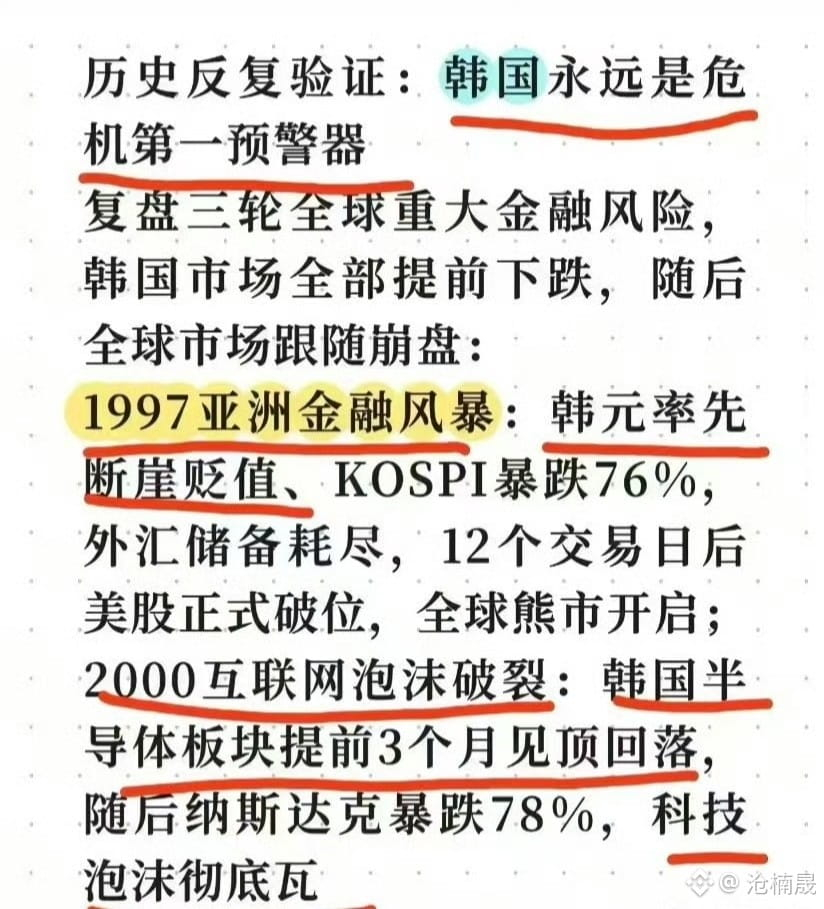
History doesn’t repeat itself; it only bears a striking resemblance.#以太坊跌破2400USDT #布伦特原油自5月来首次触及110美元 $BTC
{future}(BTCUSDT)
$ETH
{future}(ETHUSDT)
History doesn’t repeat itself; it only bears a striking resemblance.#以太坊跌破2400USDT #布伦特原油自5月来首次触及110美元 $BTC
$ETH
$ETH
5
2
6.7k
·
--
How humble can a man at the bottom of society really be?
I know a woman who runs a mahjong parlor. She’s in her thirties and has a certain charm about her.
She told me there’s a regular at her place who drives a forklift at a logistics park. He’s nearly 40, unmarried, and has never had a proper relationship.
He’s a really honest, simple man. Every day after work, covered in dust and without even changing his clothes, he heads straight to her shop.
He’s terrible at cards—he loses eight out of ten games—but he never gets upset. He just smiles and pulls out his money.
Sometimes nobody’s even playing, but he still drops by, buys a couple of drinks, and sits by the counter chatting with the owner about this and that.
When she’s busy, he helps carry beer and clear the tables. He never asks for money afterward.
I asked, “Does he have a thing for you?”
She laughed. “Even a fool can see that. It’s been over two years.”
I said, “Then why do you let him come by every day?”
She said, “He wants to come. What am I supposed to do, chase him away?”
I asked, “Do you like him too?”
She said, “Of course not. My kid’s almost in middle school.”
Once, on his birthday, the man bought a little cake and brought it to the shop. The owner sat and ate a couple of slices with him, and even sang him “Happy Birthday.”
The next day, he transferred 520 yuan to her.
I asked, “You accepted it?”
She said, “Of course. He insisted, saying no one had celebrated his birthday with him in years.”
Then one night, it poured. The man didn’t have an umbrella, so the owner gave him a ride back to his dorm since it was on her way.
When they got downstairs, he lingered in the passenger seat for ages. Just before getting out, he suddenly said:
“You’re the only person who’s ever been this good to me.”
$BTC
{future}(BTCUSDT)
$ETH
{future}(ETHUSDT)
#比特币短期持有者持仓升至408万枚 #比特币回升至8.2万美元
How humble can a man at the bottom of society really be?
I know a woman who runs a mahjong parlor. She’s in her thirties and has a certain charm about her.
She told me there’s a regular at her place who drives a forklift at a logistics park. He’s nearly 40, unmarried, and has never had a proper relationship.
He’s a really honest, simple man. Every day after work, covered in dust and without even changing his clothes, he heads straight to her shop.
He’s terrible at cards—he loses eight out of ten games—but he never gets upset. He just smiles and pulls out his money.
Sometimes nobody’s even playing, but he still drops by, buys a couple of drinks, and sits by the counter chatting with the owner about this and that.
When she’s busy, he helps carry beer and clear the tables. He never asks for money afterward.
I asked, “Does he have a thing for you?”
She laughed. “Even a fool can see that. It’s been over two years.”
I said, “Then why do you let him come by every day?”
She said, “He wants to come. What am I supposed to do, chase him away?”
I asked, “Do you like him too?”
She said, “Of course not. My kid’s almost in middle school.”
Once, on his birthday, the man bought a little cake and brought it to the shop. The owner sat and ate a couple of slices with him, and even sang him “Happy Birthday.”
The next day, he transferred 520 yuan to her.
I asked, “You accepted it?”
She said, “Of course. He insisted, saying no one had celebrated his birthday with him in years.”
Then one night, it poured. The man didn’t have an umbrella, so the owner gave him a ride back to his dorm since it was on her way.
When they got downstairs, he lingered in the passenger seat for ages. Just before getting out, he suddenly said:
“You’re the only person who’s ever been this good to me.”
$BTC
$ETH
#比特币短期持有者持仓升至408万枚 #比特币回升至8.2万美元
I know a woman who runs a mahjong parlor. She’s in her thirties and has a certain charm about her.
She told me there’s a regular at her place who drives a forklift at a logistics park. He’s nearly 40, unmarried, and has never had a proper relationship.
He’s a really honest, simple man. Every day after work, covered in dust and without even changing his clothes, he heads straight to her shop.
He’s terrible at cards—he loses eight out of ten games—but he never gets upset. He just smiles and pulls out his money.
Sometimes nobody’s even playing, but he still drops by, buys a couple of drinks, and sits by the counter chatting with the owner about this and that.
When she’s busy, he helps carry beer and clear the tables. He never asks for money afterward.
I asked, “Does he have a thing for you?”
She laughed. “Even a fool can see that. It’s been over two years.”
I said, “Then why do you let him come by every day?”
She said, “He wants to come. What am I supposed to do, chase him away?”
I asked, “Do you like him too?”
She said, “Of course not. My kid’s almost in middle school.”
Once, on his birthday, the man bought a little cake and brought it to the shop. The owner sat and ate a couple of slices with him, and even sang him “Happy Birthday.”
The next day, he transferred 520 yuan to her.
I asked, “You accepted it?”
She said, “Of course. He insisted, saying no one had celebrated his birthday with him in years.”
Then one night, it poured. The man didn’t have an umbrella, so the owner gave him a ride back to his dorm since it was on her way.
When they got downstairs, he lingered in the passenger seat for ages. Just before getting out, he suddenly said:
“You’re the only person who’s ever been this good to me.”
$BTC
$ETH
#比特币短期持有者持仓升至408万枚 #比特币回升至8.2万美元
1
4
6.2k
·
--
A friend who works in the government told me a true story:
The former county Party secretary was returning to the county after a visit to the countryside. He was in a hurry to attend a meeting, so he told the driver to hurry up and get them to the venue on time.
Just after they came out of a highway tunnel, two auxiliary police officers suddenly jumped out from the greenbelt and stopped the secretary’s car, saying it was speeding.
Later, when the secretary returned to the county for a meeting, this is what he said at the venue:
“Suddenly, two burly bandits jumped out of the greenbelt, like Chao Gai and his gang robbing the birthday tribute. They stopped my car.”
First, the driver rolled down the window and said it was a government leader’s car (without explicitly saying it was the secretary’s) and that they were in a hurry to get back to the county for a meeting.
The two auxiliary officers ignored him and ordered them to get out and deal with the matter, clearly intending to issue a fine.
Then the secretary’s aide, who was in the passenger seat, got out and explicitly said it was the secretary’s car, asking them to let it pass. The two officers still ignored him and insisted on holding them up.
With no other option, the aide called the deputy director in charge at the Public Security Bureau. Only then were they allowed to drive on.
It’s said that that evening, the head of the traffic police brigade cut a branch from the greenbelt, tied it to his back, and went to the secretary’s office to “apologize with a thorn branch on his back.”
A month later, the deputy director in charge at the Public Security Bureau was transferred out of the public security system.
The traffic police brigade chief was reassigned to guard the detention center.
The two auxiliary police officers had their employment contracts terminated—and they’d caused a huge mess!$BTC
{future}(BTCUSDT)
$ETH
{future}(ETHUSDT)
A friend who works in the government told me a true story:
The former county Party secretary was returning to the county after a visit to the countryside. He was in a hurry to attend a meeting, so he told the driver to hurry up and get them to the venue on time.
Just after they came out of a highway tunnel, two auxiliary police officers suddenly jumped out from the greenbelt and stopped the secretary’s car, saying it was speeding.
Later, when the secretary returned to the county for a meeting, this is what he said at the venue:
“Suddenly, two burly bandits jumped out of the greenbelt, like Chao Gai and his gang robbing the birthday tribute. They stopped my car.”
First, the driver rolled down the window and said it was a government leader’s car (without explicitly saying it was the secretary’s) and that they were in a hurry to get back to the county for a meeting.
The two auxiliary officers ignored him and ordered them to get out and deal with the matter, clearly intending to issue a fine.
Then the secretary’s aide, who was in the passenger seat, got out and explicitly said it was the secretary’s car, asking them to let it pass. The two officers still ignored him and insisted on holding them up.
With no other option, the aide called the deputy director in charge at the Public Security Bureau. Only then were they allowed to drive on.
It’s said that that evening, the head of the traffic police brigade cut a branch from the greenbelt, tied it to his back, and went to the secretary’s office to “apologize with a thorn branch on his back.”
A month later, the deputy director in charge at the Public Security Bureau was transferred out of the public security system.
The traffic police brigade chief was reassigned to guard the detention center.
The two auxiliary police officers had their employment contracts terminated—and they’d caused a huge mess!$BTC
$ETH
The former county Party secretary was returning to the county after a visit to the countryside. He was in a hurry to attend a meeting, so he told the driver to hurry up and get them to the venue on time.
Just after they came out of a highway tunnel, two auxiliary police officers suddenly jumped out from the greenbelt and stopped the secretary’s car, saying it was speeding.
Later, when the secretary returned to the county for a meeting, this is what he said at the venue:
“Suddenly, two burly bandits jumped out of the greenbelt, like Chao Gai and his gang robbing the birthday tribute. They stopped my car.”
First, the driver rolled down the window and said it was a government leader’s car (without explicitly saying it was the secretary’s) and that they were in a hurry to get back to the county for a meeting.
The two auxiliary officers ignored him and ordered them to get out and deal with the matter, clearly intending to issue a fine.
Then the secretary’s aide, who was in the passenger seat, got out and explicitly said it was the secretary’s car, asking them to let it pass. The two officers still ignored him and insisted on holding them up.
With no other option, the aide called the deputy director in charge at the Public Security Bureau. Only then were they allowed to drive on.
It’s said that that evening, the head of the traffic police brigade cut a branch from the greenbelt, tied it to his back, and went to the secretary’s office to “apologize with a thorn branch on his back.”
A month later, the deputy director in charge at the Public Security Bureau was transferred out of the public security system.
The traffic police brigade chief was reassigned to guard the detention center.
The two auxiliary police officers had their employment contracts terminated—and they’d caused a huge mess!$BTC
$ETH
7
3
5.7k
·
--
A friend of mine recently found out that his fiancée was cheating on him.
The clues were absurd: she suddenly got hooked on night runs, and one day she came back having somehow lost even her underwear. He didn’t make a scene. He quietly looked into it—and discovered her lover was her direct supervisor, a man in his fifties.
By ordinary logic, catching them in the act and beating the guy senseless would be the standard move. But this friend was a ruthless man with an exceptionally clear head.
The next day, he drove straight to the building where she worked and, in front of all her colleagues, made a very public promise: “Before the wedding, I’ll buy you a spacious apartment outright, and put it in your name alone.”
The entire office floor erupted. Her vanity was sent soaring. In private, the older man was going out of his mind with worry, while she began rapidly icing out her boss for the sake of that “apartment.”
As my friend watched the two of them turn on each other, he quietly dug up everything about the older man’s family, the company’s disciplinary department, and his wife’s background. You don’t need a knife to destroy someone: first build them up with lavish praise, then pull the rug out from under them in public.
A friend of mine recently found out that his fiancée was cheating on him.
The clues were absurd: she suddenly got hooked on night runs, and one day she came back having somehow lost even her underwear. He didn’t make a scene. He quietly looked into it—and discovered her lover was her direct supervisor, a man in his fifties.
By ordinary logic, catching them in the act and beating the guy senseless would be the standard move. But this friend was a ruthless man with an exceptionally clear head.
The next day, he drove straight to the building where she worked and, in front of all her colleagues, made a very public promise: “Before the wedding, I’ll buy you a spacious apartment outright, and put it in your name alone.”
The entire office floor erupted. Her vanity was sent soaring. In private, the older man was going out of his mind with worry, while she began rapidly icing out her boss for the sake of that “apartment.”
As my friend watched the two of them turn on each other, he quietly dug up everything about the older man’s family, the company’s disciplinary department, and his wife’s background. You don’t need a knife to destroy someone: first build them up with lavish praise, then pull the rug out from under them in public.
The clues were absurd: she suddenly got hooked on night runs, and one day she came back having somehow lost even her underwear. He didn’t make a scene. He quietly looked into it—and discovered her lover was her direct supervisor, a man in his fifties.
By ordinary logic, catching them in the act and beating the guy senseless would be the standard move. But this friend was a ruthless man with an exceptionally clear head.
The next day, he drove straight to the building where she worked and, in front of all her colleagues, made a very public promise: “Before the wedding, I’ll buy you a spacious apartment outright, and put it in your name alone.”
The entire office floor erupted. Her vanity was sent soaring. In private, the older man was going out of his mind with worry, while she began rapidly icing out her boss for the sake of that “apartment.”
As my friend watched the two of them turn on each other, he quietly dug up everything about the older man’s family, the company’s disciplinary department, and his wife’s background. You don’t need a knife to destroy someone: first build them up with lavish praise, then pull the rug out from under them in public.
4
6k
·
--
Partly True
2017: Gold price 278 yuan/gram
2018: Gold price 270 yuan/gram
2019: Gold price 312 yuan/gram
2020: Gold price 385 yuan/gram
2021: Gold price 374 yuan/gram
2022: Gold price 392 yuan/gram
2023: Gold price 449 yuan/gram
2024: Gold price 548 yuan/gram
2025: Gold price 970 yuan/gram
2026: Gold price 1,028 yuan/gram
Gold prices have climbed steadily over the past decade. There are no tricks to buying gold—it all comes down to buying early. What price did you buy at? (Poetry World)$XAU
{future}(XAUUSDT)
$XAG
{future}(XAGUSDT)
#以太坊清算额占加密市场60% #9月CPI来袭原油美债走势如何
2017: Gold price 278 yuan/gram
2018: Gold price 270 yuan/gram
2019: Gold price 312 yuan/gram
2020: Gold price 385 yuan/gram
2021: Gold price 374 yuan/gram
2022: Gold price 392 yuan/gram
2023: Gold price 449 yuan/gram
2024: Gold price 548 yuan/gram
2025: Gold price 970 yuan/gram
2026: Gold price 1,028 yuan/gram
Gold prices have climbed steadily over the past decade. There are no tricks to buying gold—it all comes down to buying early. What price did you buy at? (Poetry World)$XAU
$XAG
#以太坊清算额占加密市场60% #9月CPI来袭原油美债走势如何
2018: Gold price 270 yuan/gram
2019: Gold price 312 yuan/gram
2020: Gold price 385 yuan/gram
2021: Gold price 374 yuan/gram
2022: Gold price 392 yuan/gram
2023: Gold price 449 yuan/gram
2024: Gold price 548 yuan/gram
2025: Gold price 970 yuan/gram
2026: Gold price 1,028 yuan/gram
Gold prices have climbed steadily over the past decade. There are no tricks to buying gold—it all comes down to buying early. What price did you buy at? (Poetry World)$XAU
$XAG
#以太坊清算额占加密市场60% #9月CPI来袭原油美债走势如何
1
594
·
--
Well-known KOL Bonk Guy (theunipcs) built a large PONS position early on. The position’s unrealized profit once peaked at $7.5 million, and he chose to hold it long-term.
During the market pullback, PONS suffered a maximum drawdown of nearly 70%, but the address still held on to 10.9 million tokens without selling. The position’s market value also shrank from a peak of $10.3 million to around $3.47 million.
Dragged down by PONS’s steep decline, the value of his overall account fell from a peak of $26 million to $10.4 million—a drawdown of more than $15 million. Most of the unrealized gains he had previously made on PONS were essentially wiped out.
$BTC
{future}(BTCUSDT)
$ETH
{future}(ETHUSDT)
#以太坊跌破2500美元 #9月CPI来袭原油美债走势如何 #OP代币今日上涨19.98%
Well-known KOL Bonk Guy (theunipcs) built a large PONS position early on. The position’s unrealized profit once peaked at $7.5 million, and he chose to hold it long-term.
During the market pullback, PONS suffered a maximum drawdown of nearly 70%, but the address still held on to 10.9 million tokens without selling. The position’s market value also shrank from a peak of $10.3 million to around $3.47 million.
Dragged down by PONS’s steep decline, the value of his overall account fell from a peak of $26 million to $10.4 million—a drawdown of more than $15 million. Most of the unrealized gains he had previously made on PONS were essentially wiped out.
$BTC
$ETH
#以太坊跌破2500美元 #9月CPI来袭原油美债走势如何 #OP代币今日上涨19.98%
During the market pullback, PONS suffered a maximum drawdown of nearly 70%, but the address still held on to 10.9 million tokens without selling. The position’s market value also shrank from a peak of $10.3 million to around $3.47 million.
Dragged down by PONS’s steep decline, the value of his overall account fell from a peak of $26 million to $10.4 million—a drawdown of more than $15 million. Most of the unrealized gains he had previously made on PONS were essentially wiped out.
$BTC
$ETH
#以太坊跌破2500美元 #9月CPI来袭原油美债走势如何 #OP代币今日上涨19.98%
464
·
--
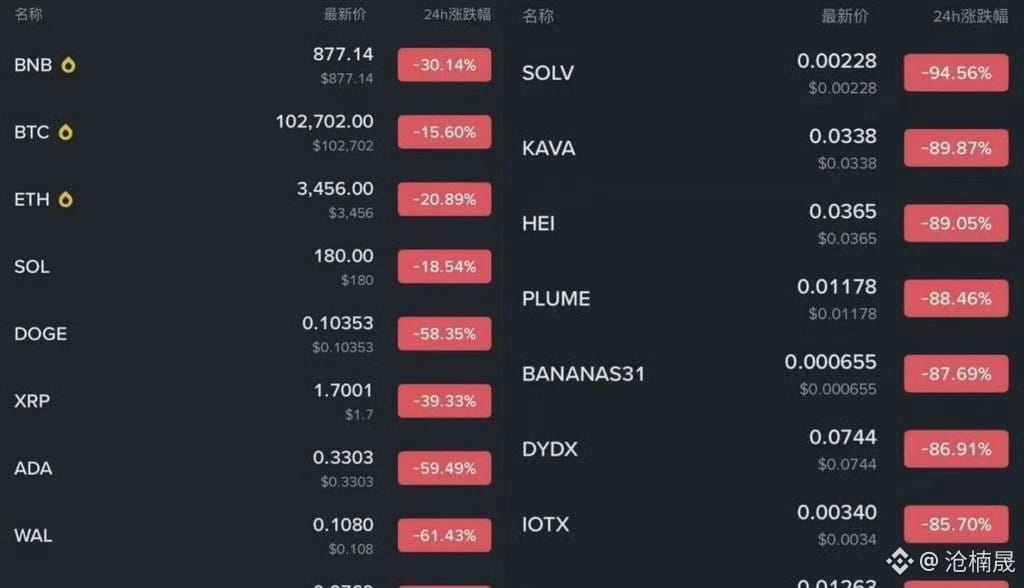
10.11. It's been a year.
The market is still the same market—ups and downs, cycles coming around again.
But everyone who lived through that day remembers how brutal it was.
Treat the market with a little more respect and a little less wishful thinking—this isn't just talk. 🙏 #以太坊突破2500USDT
10.11. It's been a year.
The market is still the same market—ups and downs, cycles coming around again.
But everyone who lived through that day remembers how brutal it was.
Treat the market with a little more respect and a little less wishful thinking—this isn't just talk. 🙏 #以太坊突破2500USDT
The market is still the same market—ups and downs, cycles coming around again.
But everyone who lived through that day remembers how brutal it was.
Treat the market with a little more respect and a little less wishful thinking—this isn't just talk. 🙏 #以太坊突破2500USDT
279
·
--
Verified
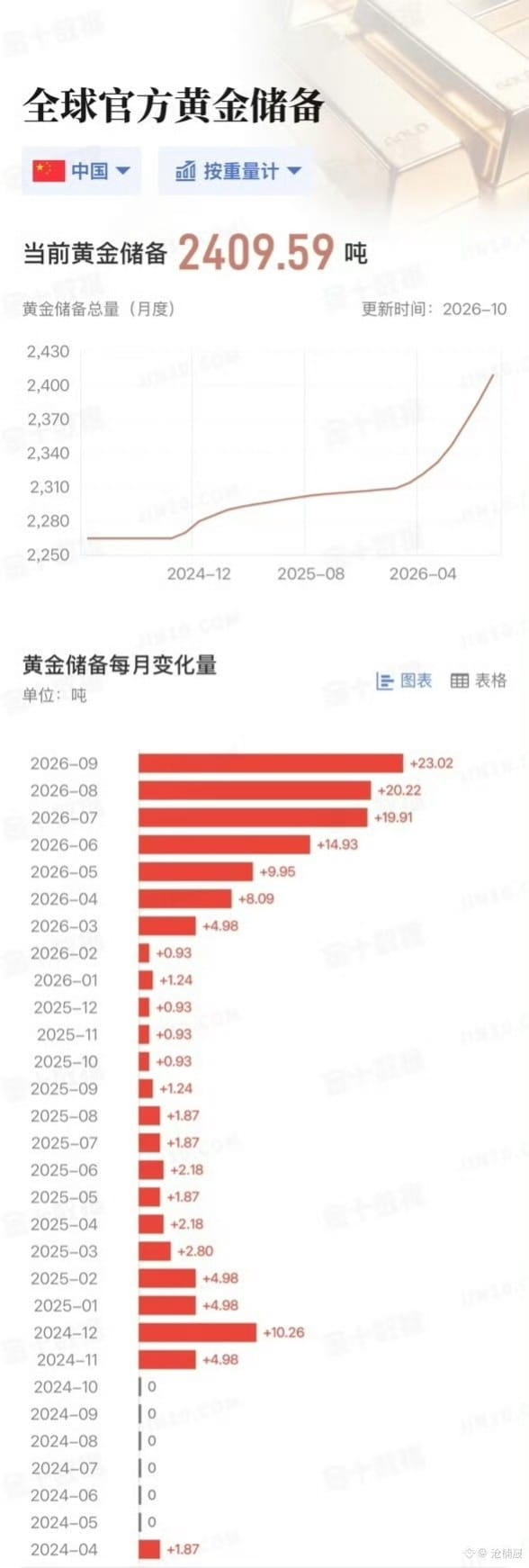
The central bank has increased its gold holdings for 23 consecutive months
The message is clear: gold has the long-term fundamental advantage
Follow the central bank’s lead: build your position gradually and hold for the long term $XAU
{future}(XAUUSDT)
#STRK24小时上涨约20% #STRK24小时上涨约20%
The central bank has increased its gold holdings for 23 consecutive months
The message is clear: gold has the long-term fundamental advantage
Follow the central bank’s lead: build your position gradually and hold for the long term $XAU
#STRK24小时上涨约20% #STRK24小时上涨约20%
The message is clear: gold has the long-term fundamental advantage
Follow the central bank’s lead: build your position gradually and hold for the long term $XAU
#STRK24小时上涨约20% #STRK24小时上涨约20%
3
758
·
--
$MET DLMM Pro is a substantial product innovation. Converting liquidity provider positions into NFTs enables unique asset management capabilities. Its dynamic fee mechanism and design integrating issuance with liquidity pools are expected to improve the token issuance experience and capture higher fees during periods of volatility.
2. Q1 financial results validated the resilience of the business model. Revenue declined by only 25% amid a cooling market, while the revenue take rate surged to 10.72%. Net cash flow swung to a positive $18.3 million, demonstrating the protocol’s ability to operate through market cycles.
The buyback program is ongoing, with cumulative buybacks accounting for 3.97% of the total supply. 86% of protocol revenue is allocated to buybacks, making it one of the most aggressive buyback programs in the Solana ecosystem and continually reducing supply.
DBC tools are expanding into RWA and stock-token issuance, broadening the narrative from DeFi to RWA-Fi. Trading volume in tokenized assets on Solana has grown 498% year over year, and Meteora is well positioned to benefit as a core liquidity infrastructure provider.
Holdings have increased significantly, with a clear influx of new capital. Holdings stand at approximately 30.27 million, and capital has continued to flow in as the price has risen.
{future}(METUSDT)
$MET DLMM Pro is a substantial product innovation. Converting liquidity provider positions into NFTs enables unique asset management capabilities. Its dynamic fee mechanism and design integrating issuance with liquidity pools are expected to improve the token issuance experience and capture higher fees during periods of volatility.
2. Q1 financial results validated the resilience of the business model. Revenue declined by only 25% amid a cooling market, while the revenue take rate surged to 10.72%. Net cash flow swung to a positive $18.3 million, demonstrating the protocol’s ability to operate through market cycles.
The buyback program is ongoing, with cumulative buybacks accounting for 3.97% of the total supply. 86% of protocol revenue is allocated to buybacks, making it one of the most aggressive buyback programs in the Solana ecosystem and continually reducing supply.
DBC tools are expanding into RWA and stock-token issuance, broadening the narrative from DeFi to RWA-Fi. Trading volume in tokenized assets on Solana has grown 498% year over year, and Meteora is well positioned to benefit as a core liquidity infrastructure provider.
Holdings have increased significantly, with a clear influx of new capital. Holdings stand at approximately 30.27 million, and capital has continued to flow in as the price has risen.
2. Q1 financial results validated the resilience of the business model. Revenue declined by only 25% amid a cooling market, while the revenue take rate surged to 10.72%. Net cash flow swung to a positive $18.3 million, demonstrating the protocol’s ability to operate through market cycles.
The buyback program is ongoing, with cumulative buybacks accounting for 3.97% of the total supply. 86% of protocol revenue is allocated to buybacks, making it one of the most aggressive buyback programs in the Solana ecosystem and continually reducing supply.
DBC tools are expanding into RWA and stock-token issuance, broadening the narrative from DeFi to RWA-Fi. Trading volume in tokenized assets on Solana has grown 498% year over year, and Meteora is well positioned to benefit as a core liquidity infrastructure provider.
Holdings have increased significantly, with a clear influx of new capital. Holdings stand at approximately 30.27 million, and capital has continued to flow in as the price has risen.
594
·
--
Institutional infrastructure on Solana is accelerating, while the tokenized asset sector continues to heat up
The Solana Foundation has launched an institutional DvP settlement solution, designed with input from JPMorgan Chase. On October 6, the Solana Foundation released “Solana DvP,” an open-source settlement solution that supports simultaneous delivery of cash and securities on the Solana blockchain. It aims to cut traditional securities settlement times of one to two days to just seconds, with JPMorgan Chase contributing design input on institutional settlement practices.
Solana has topped the application revenue rankings for the tenth consecutive quarter. Application revenue reached $365 million in the third quarter, up 42.6% quarter over quarter, while the number of tokenized equity holders hit an all-time high of 1.2 million. Fiserv launched a digital asset platform on Solana, connecting more than 90 banks and credit unions.
Pump.fun has adopted the stock-pair issuance model, validating StonkFun’s pioneering approach. Pump.fun launched Custom Pairs, allowing creators to pair newly issued meme coins directly with tokenized stocks such as NVDAx and TSLAx. This validates the stock-pair issuance model pioneered by StonkFun as an emerging mainstream paradigm for token launches on Solana. $RAYSOL
{future}(RAYSOLUSDT)
Institutional infrastructure on Solana is accelerating, while the tokenized asset sector continues to heat up
The Solana Foundation has launched an institutional DvP settlement solution, designed with input from JPMorgan Chase. On October 6, the Solana Foundation released “Solana DvP,” an open-source settlement solution that supports simultaneous delivery of cash and securities on the Solana blockchain. It aims to cut traditional securities settlement times of one to two days to just seconds, with JPMorgan Chase contributing design input on institutional settlement practices.
Solana has topped the application revenue rankings for the tenth consecutive quarter. Application revenue reached $365 million in the third quarter, up 42.6% quarter over quarter, while the number of tokenized equity holders hit an all-time high of 1.2 million. Fiserv launched a digital asset platform on Solana, connecting more than 90 banks and credit unions.
Pump.fun has adopted the stock-pair issuance model, validating StonkFun’s pioneering approach. Pump.fun launched Custom Pairs, allowing creators to pair newly issued meme coins directly with tokenized stocks such as NVDAx and TSLAx. This validates the stock-pair issuance model pioneered by StonkFun as an emerging mainstream paradigm for token launches on Solana. $RAYSOL
The Solana Foundation has launched an institutional DvP settlement solution, designed with input from JPMorgan Chase. On October 6, the Solana Foundation released “Solana DvP,” an open-source settlement solution that supports simultaneous delivery of cash and securities on the Solana blockchain. It aims to cut traditional securities settlement times of one to two days to just seconds, with JPMorgan Chase contributing design input on institutional settlement practices.
Solana has topped the application revenue rankings for the tenth consecutive quarter. Application revenue reached $365 million in the third quarter, up 42.6% quarter over quarter, while the number of tokenized equity holders hit an all-time high of 1.2 million. Fiserv launched a digital asset platform on Solana, connecting more than 90 banks and credit unions.
Pump.fun has adopted the stock-pair issuance model, validating StonkFun’s pioneering approach. Pump.fun launched Custom Pairs, allowing creators to pair newly issued meme coins directly with tokenized stocks such as NVDAx and TSLAx. This validates the stock-pair issuance model pioneered by StonkFun as an emerging mainstream paradigm for token launches on Solana. $RAYSOL
2
1.8k
·
--
20 Traits of Smart People
1. Never argue with family
2. Know how to quietly build wealth
3. Don’t try to win arguments
4. Don’t complain to others
5. Don’t flaunt your wealth
6. Don’t spend money just to save face
7. Know when to play dumb
8. Can control their emotions
9. Don’t judge others casually
10. Know when to compromise for the sake of mutual benefit
11. Listen attentively and speak less
12. Never boast about their connections
13. Understand that free things are often the most expensive
14. Don’t engage in meaningless socializing
15. Know how to invest in their own minds
16. Can bend without breaking
17. Don’t talk about their successes in front of those who are down
18. Don’t make promises lightly
19. Know how to be grateful
20. Leave room to maneuver in everything they do$BTC
{future}(BTCUSDT)
$ETH
{future}(ETHUSDT)
#Strive斥资1.69亿美元增持2000枚BTC #币安推出BinanceIntelligence
20 Traits of Smart People
1. Never argue with family
2. Know how to quietly build wealth
3. Don’t try to win arguments
4. Don’t complain to others
5. Don’t flaunt your wealth
6. Don’t spend money just to save face
7. Know when to play dumb
8. Can control their emotions
9. Don’t judge others casually
10. Know when to compromise for the sake of mutual benefit
11. Listen attentively and speak less
12. Never boast about their connections
13. Understand that free things are often the most expensive
14. Don’t engage in meaningless socializing
15. Know how to invest in their own minds
16. Can bend without breaking
17. Don’t talk about their successes in front of those who are down
18. Don’t make promises lightly
19. Know how to be grateful
20. Leave room to maneuver in everything they do$BTC
$ETH
#Strive斥资1.69亿美元增持2000枚BTC #币安推出BinanceIntelligence
1. Never argue with family
2. Know how to quietly build wealth
3. Don’t try to win arguments
4. Don’t complain to others
5. Don’t flaunt your wealth
6. Don’t spend money just to save face
7. Know when to play dumb
8. Can control their emotions
9. Don’t judge others casually
10. Know when to compromise for the sake of mutual benefit
11. Listen attentively and speak less
12. Never boast about their connections
13. Understand that free things are often the most expensive
14. Don’t engage in meaningless socializing
15. Know how to invest in their own minds
16. Can bend without breaking
17. Don’t talk about their successes in front of those who are down
18. Don’t make promises lightly
19. Know how to be grateful
20. Leave room to maneuver in everything they do$BTC
$ETH
#Strive斥资1.69亿美元增持2000枚BTC #币安推出BinanceIntelligence
375
·
--
Crude oil broke below support; the key support level didn’t hold.
Bullish for gold, and bullish for Bitcoin too. $CL
{future}(CLUSDT)
$ETH
{future}(ETHUSDT)
Crude oil broke below support; the key support level didn’t hold.
Bullish for gold, and bullish for Bitcoin too. $CL
$ETH
Bullish for gold, and bullish for Bitcoin too. $CL
$ETH
401
·
--
How many A8, A9, and A10 households are there in China?
A8: The household asset threshold is 10 million yuan. There are 2.06 million households nationwide, about 5 per thousand.
A9: The threshold is 100 million yuan. There are 120,000 households in China, about 2.5 per 10,000.
A10: The threshold is 1 billion yuan. There are about 20,000 households nationwide, about 3 per 100,000. $BTC
{future}(BTCUSDT)
$ETH
{future}(ETHUSDT)
#Strive斥资1.69亿美元增持2000枚BTC #ADA涨10%突破0.27美元
How many A8, A9, and A10 households are there in China?
A8: The household asset threshold is 10 million yuan. There are 2.06 million households nationwide, about 5 per thousand.
A9: The threshold is 100 million yuan. There are 120,000 households in China, about 2.5 per 10,000.
A10: The threshold is 1 billion yuan. There are about 20,000 households nationwide, about 3 per 100,000. $BTC
$ETH
#Strive斥资1.69亿美元增持2000枚BTC #ADA涨10%突破0.27美元
A8: The household asset threshold is 10 million yuan. There are 2.06 million households nationwide, about 5 per thousand.
A9: The threshold is 100 million yuan. There are 120,000 households in China, about 2.5 per 10,000.
A10: The threshold is 1 billion yuan. There are about 20,000 households nationwide, about 3 per 100,000. $BTC
$ETH
#Strive斥资1.69亿美元增持2000枚BTC #ADA涨10%突破0.27美元
1.2k
·
--
$RLC DePIN and Privacy Computing Sectors Attract Institutional Attention
The DePIN sector is moving from proof of concept toward commercial-scale adoption. Crypto venture capital firm Escape Velocity raised $62 million to invest in DePIN crypto networks spanning areas such as telescopes and solar power. The DePIN sector currently has more than 650 active projects, with the AI and privacy computing categories including projects such as The Graph, Phala Network, and Gensyn. Coinbase Ventures listed privacy-preserving on-chain infrastructure and DePIN-based AI data collection among its nine key crypto investment themes for 2026.
iExec’s differentiated positioning is rare in the sector. While DePIN projects generally focus on computing power rentals and data collection, iExec’s Nox protocol specializes in the confidential computing layer for on-chain finance. It provides privacy-preserving infrastructure for RWA tokenization, closely aligning with institutional capital’s compliance requirements.
An extreme short-squeeze setup is creating a self-reinforcing feedback loop. A long-short ratio of 0.61 means that short accounts make up over 60% of the total. With prices surging more than 100%, short positions are facing significant unrealized losses, and stop-loss orders or liquidations could generate forced buying. RLC open interest is close to $22 million, and 24-hour liquidations totaled $1.23 million, including approximately $928,000 in short liquidations. Short liquidations have driven the acceleration of this rally.
{future}(RLCUSDT)
$RLC DePIN and Privacy Computing Sectors Attract Institutional Attention
The DePIN sector is moving from proof of concept toward commercial-scale adoption. Crypto venture capital firm Escape Velocity raised $62 million to invest in DePIN crypto networks spanning areas such as telescopes and solar power. The DePIN sector currently has more than 650 active projects, with the AI and privacy computing categories including projects such as The Graph, Phala Network, and Gensyn. Coinbase Ventures listed privacy-preserving on-chain infrastructure and DePIN-based AI data collection among its nine key crypto investment themes for 2026.
iExec’s differentiated positioning is rare in the sector. While DePIN projects generally focus on computing power rentals and data collection, iExec’s Nox protocol specializes in the confidential computing layer for on-chain finance. It provides privacy-preserving infrastructure for RWA tokenization, closely aligning with institutional capital’s compliance requirements.
An extreme short-squeeze setup is creating a self-reinforcing feedback loop. A long-short ratio of 0.61 means that short accounts make up over 60% of the total. With prices surging more than 100%, short positions are facing significant unrealized losses, and stop-loss orders or liquidations could generate forced buying. RLC open interest is close to $22 million, and 24-hour liquidations totaled $1.23 million, including approximately $928,000 in short liquidations. Short liquidations have driven the acceleration of this rally.
The DePIN sector is moving from proof of concept toward commercial-scale adoption. Crypto venture capital firm Escape Velocity raised $62 million to invest in DePIN crypto networks spanning areas such as telescopes and solar power. The DePIN sector currently has more than 650 active projects, with the AI and privacy computing categories including projects such as The Graph, Phala Network, and Gensyn. Coinbase Ventures listed privacy-preserving on-chain infrastructure and DePIN-based AI data collection among its nine key crypto investment themes for 2026.
iExec’s differentiated positioning is rare in the sector. While DePIN projects generally focus on computing power rentals and data collection, iExec’s Nox protocol specializes in the confidential computing layer for on-chain finance. It provides privacy-preserving infrastructure for RWA tokenization, closely aligning with institutional capital’s compliance requirements.
An extreme short-squeeze setup is creating a self-reinforcing feedback loop. A long-short ratio of 0.61 means that short accounts make up over 60% of the total. With prices surging more than 100%, short positions are facing significant unrealized losses, and stop-loss orders or liquidations could generate forced buying. RLC open interest is close to $22 million, and 24-hour liquidations totaled $1.23 million, including approximately $928,000 in short liquidations. Short liquidations have driven the acceleration of this rally.
781
Log in to explore more content
Join global crypto users on Binance Square
⚡️ Get latest and useful information about crypto.
💬 Trusted by the world’s largest crypto exchange.
👍 Discover real insights from verified creators.
Email / Phone number