
Dxms
29 Posts

Dxms
Report
Block User
4 Following
32 Followers
51 Liked
Posts
All
Quotes
·
--
which way is this? I have already spent a lot of money following this signal prediction this time
which way is this? I have already spent a lot of money following this signal prediction this time

CryptoJack07
·
--
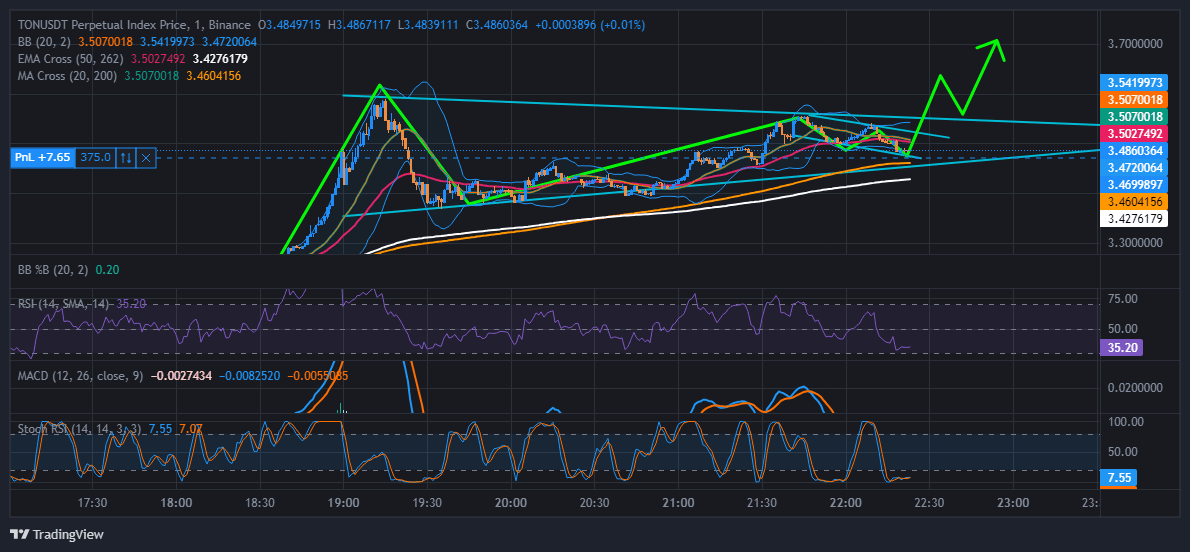
Bullish$TON looks a bullish pattern forming if breaks out, it could hit 3.80/4.10
#TON #Altcoin #Altseason
#TON #Altcoin #Altseason
31
·
--
#BinanceTurns8 Join the celebration #BinanceTurns8 and win a share of BNB worth up to $888,888! https://www.bmwweb.biz/activity/binance-turns-8?ref=GRO_19600_OS9RQ
#BinanceTurns8 Join the celebration #BinanceTurns8 and win a share of BNB worth up to $888,888! https://www.bmwweb.biz/activity/binance-turns-8?ref=GRO_19600_OS9RQ

1
13
·
--
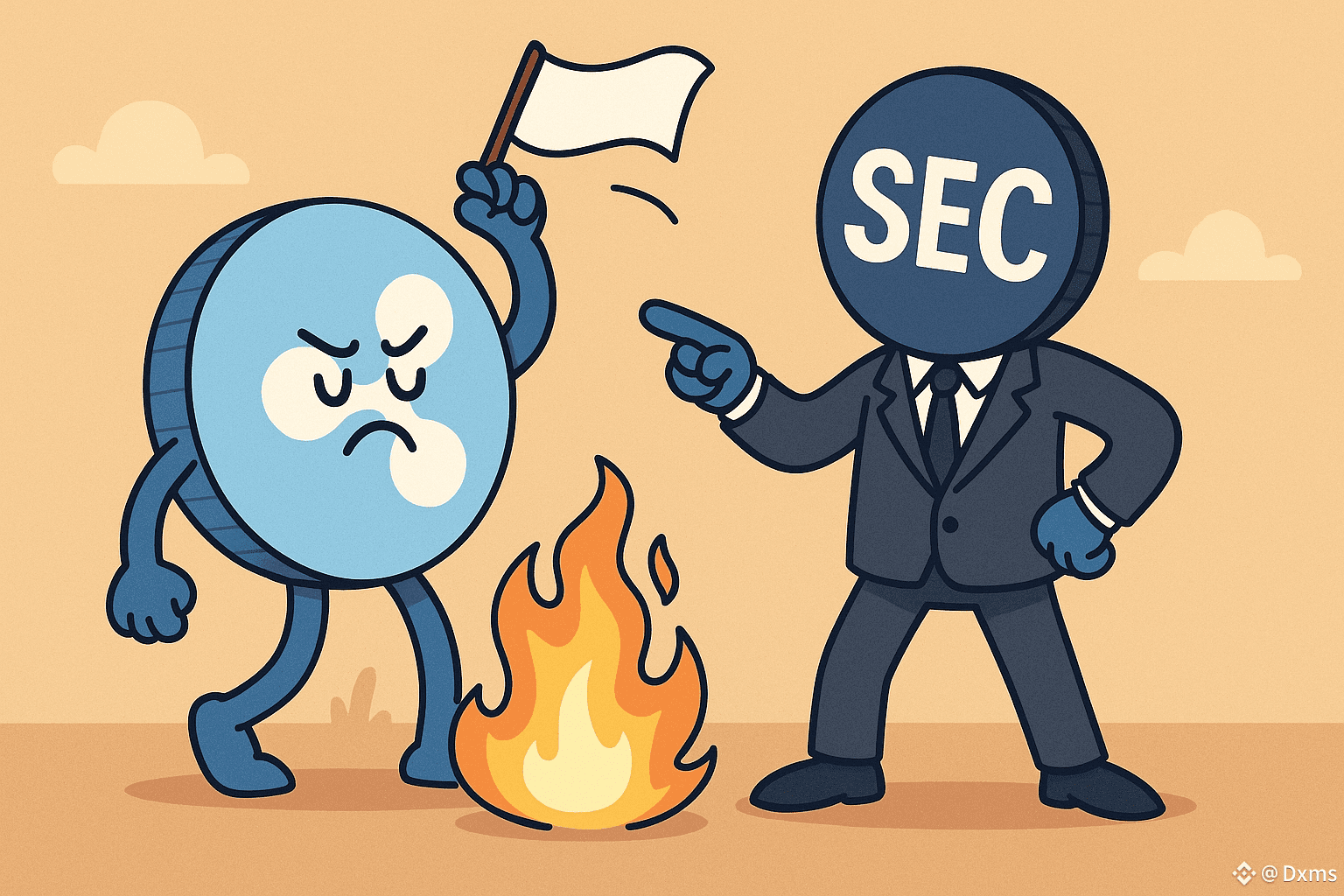
📰 Ripple Gives Up Fighting the SEC! What Does It Mean for $XRP?
Today, Ripple Labs officially dropped its cross-appeal against the SEC (U.S. Securities and Exchange Commission), ending a years-long legal battle! 🔥
This move signals Ripple’s willingness to settle and shift into a new phase, ahead of the final decision regarding potential financial penalties from the SEC. As a result, $XRP is once again attracting the attention of institutional investors!
🔍 Key Facts:
Ripple and the SEC have been in conflict since 2020 over whether XRP is a security
Dropping the appeal may pave the way for a final settlement
$XRP trading volume has surged since the announcement
📊 My Quick Analysis:
If Ripple manages to "move on" from this case without facing major penalties, public and institutional confidence in $XRP could soar—especially with the adoption of real-world use cases like ODL (On-Demand Liquidity).
{spot}(XRPUSDT)
📰 Ripple Gives Up Fighting the SEC! What Does It Mean for $XRP ?
Today, Ripple Labs officially dropped its cross-appeal against the SEC (U.S. Securities and Exchange Commission), ending a years-long legal battle! 🔥
This move signals Ripple’s willingness to settle and shift into a new phase, ahead of the final decision regarding potential financial penalties from the SEC. As a result, $XRP is once again attracting the attention of institutional investors!
🔍 Key Facts:
Ripple and the SEC have been in conflict since 2020 over whether XRP is a security
Dropping the appeal may pave the way for a final settlement
$XRP trading volume has surged since the announcement
📊 My Quick Analysis:
If Ripple manages to "move on" from this case without facing major penalties, public and institutional confidence in $XRP could soar—especially with the adoption of real-world use cases like ODL (On-Demand Liquidity).
Today, Ripple Labs officially dropped its cross-appeal against the SEC (U.S. Securities and Exchange Commission), ending a years-long legal battle! 🔥
This move signals Ripple’s willingness to settle and shift into a new phase, ahead of the final decision regarding potential financial penalties from the SEC. As a result, $XRP is once again attracting the attention of institutional investors!
🔍 Key Facts:
Ripple and the SEC have been in conflict since 2020 over whether XRP is a security
Dropping the appeal may pave the way for a final settlement
$XRP trading volume has surged since the announcement
📊 My Quick Analysis:
If Ripple manages to "move on" from this case without facing major penalties, public and institutional confidence in $XRP could soar—especially with the adoption of real-world use cases like ODL (On-Demand Liquidity).
198
·
--
#BinanceAlphaAlert
Tokyo Games Token (TGT) Officially Listed on Binance Alpha!
A golden opportunity for crypto investors is here! Tokyo Games Token (TGT) is now available for trading on Binance Alpha starting May 21, 2025. Don’t miss your chance to diversify your portfolio with this rising gaming blockchain asset. Start trading TGT today and stay ahead in the crypto game!
#TGTLaunch
#BinanceAlphaAlert
Tokyo Games Token (TGT) Officially Listed on Binance Alpha!
A golden opportunity for crypto investors is here! Tokyo Games Token (TGT) is now available for trading on Binance Alpha starting May 21, 2025. Don’t miss your chance to diversify your portfolio with this rising gaming blockchain asset. Start trading TGT today and stay ahead in the crypto game!
#TGTLaunch
Tokyo Games Token (TGT) Officially Listed on Binance Alpha!
A golden opportunity for crypto investors is here! Tokyo Games Token (TGT) is now available for trading on Binance Alpha starting May 21, 2025. Don’t miss your chance to diversify your portfolio with this rising gaming blockchain asset. Start trading TGT today and stay ahead in the crypto game!
#TGTLaunch
1
315
·
--
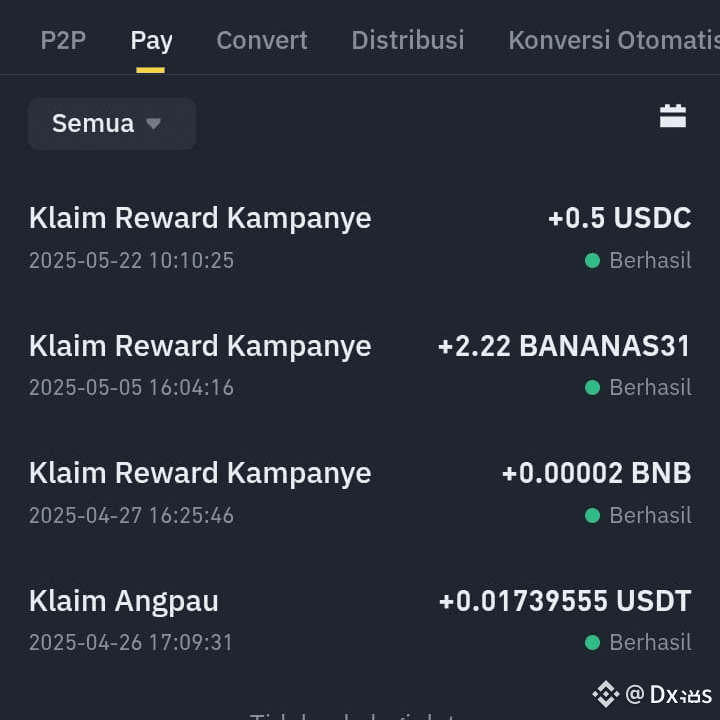
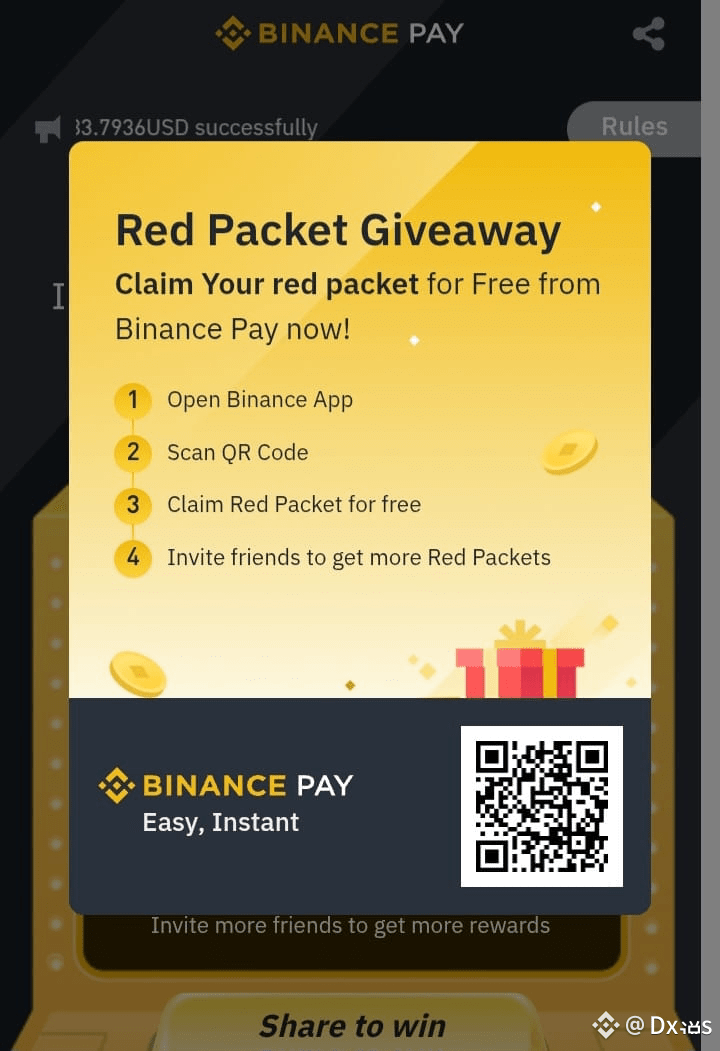
[Binance is giving away FREE Red Packets — and yes, it’s real money in crypto.](https://app.binance.com/uni-qr/DZk7J1aq?utm_medium=web_share_copy)
"Click the link above."
Free Crypto Alert!
Binance is giving away FREE Red Packets — and yes, it’s real money in crypto!
Just follow these easy steps:
1. Open your Binance app
2. Scan the QR code
3. Claim your Red Packet for free
4. Invite your friends & earn more!
No catch. Just instant rewards.
Claim yours now before it runs out!
Binance is giving away FREE Red Packets — and yes, it’s real money in crypto.
"Click the link above."
Free Crypto Alert!
Binance is giving away FREE Red Packets — and yes, it’s real money in crypto!
Just follow these easy steps:
1. Open your Binance app
2. Scan the QR code
3. Claim your Red Packet for free
4. Invite your friends & earn more!
No catch. Just instant rewards.
Claim yours now before it runs out!
"Click the link above."
Free Crypto Alert!
Binance is giving away FREE Red Packets — and yes, it’s real money in crypto!
Just follow these easy steps:
1. Open your Binance app
2. Scan the QR code
3. Claim your Red Packet for free
4. Invite your friends & earn more!
No catch. Just instant rewards.
Claim yours now before it runs out!
11
·
--
Bullish
[FREE BTC FROM A PIZZA BOX? YES, REALLY!](https://app.binance.com/uni-qr/95mJwJZM?utm_medium=web_share_copy)
{future}(BTCUSDT)
Sign up on Binance, deposit & trade just $200,
Get up to $20 in $BTC – instantly!
No luck needed. No hassle.
Just scan, join, and start earning!
#BTCBreaksATH110K #BTC
FREE BTC FROM A PIZZA BOX? YES, REALLY!
Sign up on Binance, deposit & trade just $200,
Get up to $20 in $BTC – instantly!
No luck needed. No hassle.
Just scan, join, and start earning!
#BTCBreaksATH110K #BTC
Sign up on Binance, deposit & trade just $200,
Get up to $20 in $BTC – instantly!
No luck needed. No hassle.
Just scan, join, and start earning!
#BTCBreaksATH110K #BTC

8
·
--
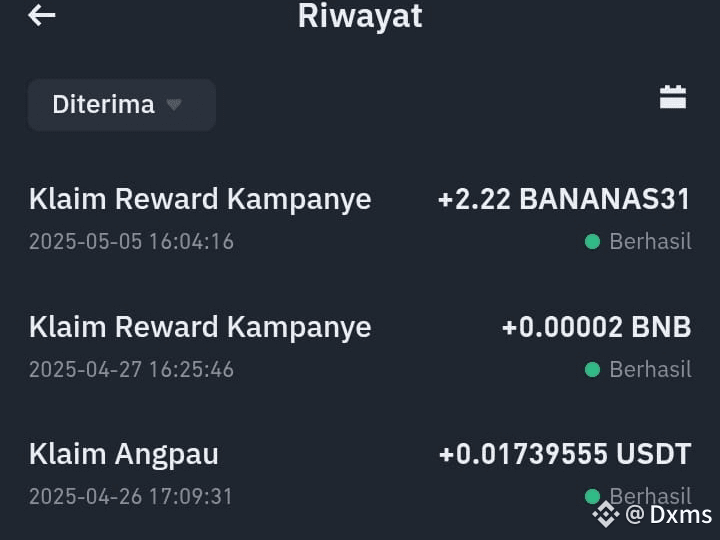
You just need to claim here
[FREE ANGPAO FROM BINANCE](https://app.binance.com/uni-qr/2U69nBhc?utm_medium=web_share_copy)
[KLAIM REWARD NOW!](https://app.binance.com/uni-qr/2U69nBhc?utm_medium=web_share_copy)
Claim now, free😇
Official.
{spot}(BNBUSDT)
You just need to claim here
FREE ANGPAO FROM BINANCE
KLAIM REWARD NOW!
Claim now, free😇
Official.
FREE ANGPAO FROM BINANCE
KLAIM REWARD NOW!
Claim now, free😇
Official.

7
·
--
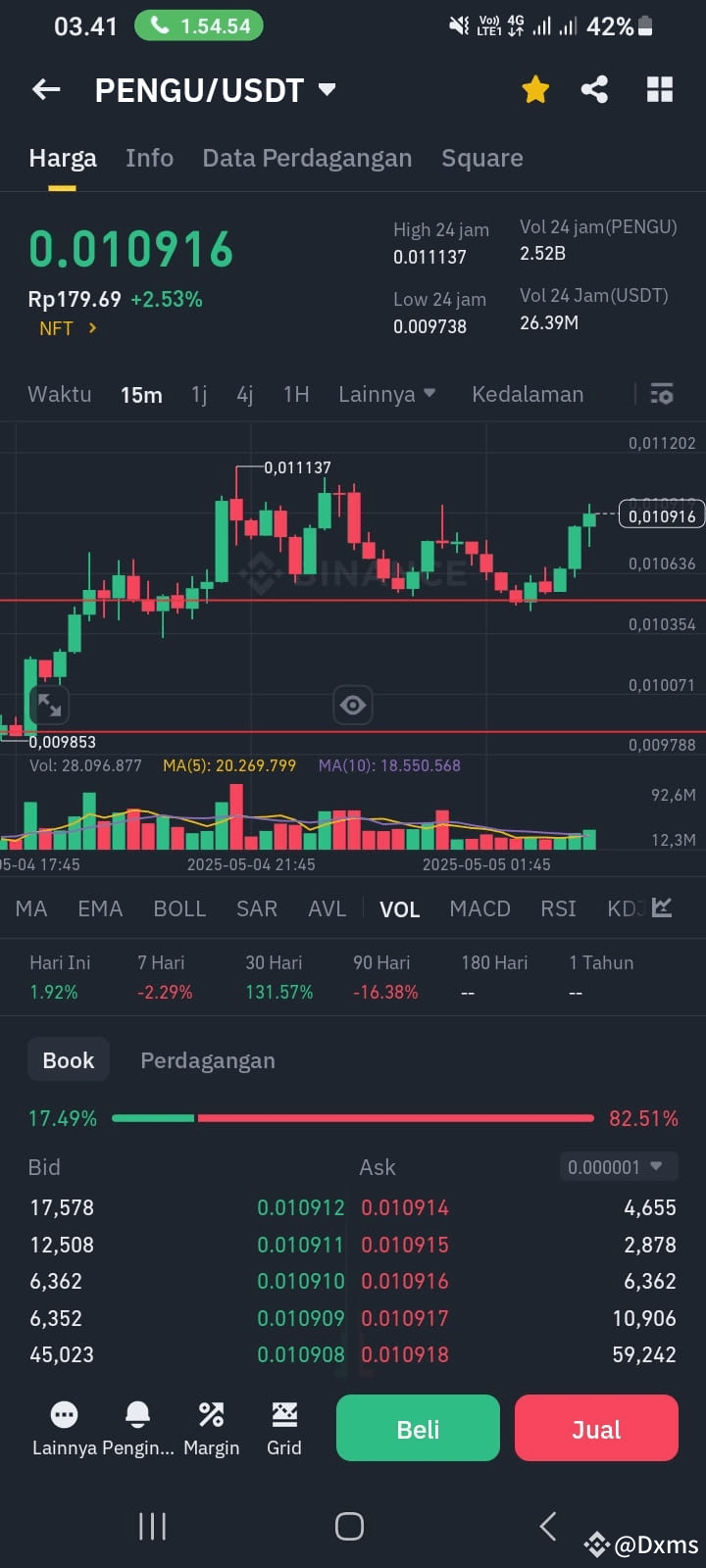
$PENGU Current price: $0.010916 (up +2.53%)
24-hour range:
High: $0.011137
Low: $0.009738
Price tends to rise from the lower level of $0.0097, indicating potential reversal or short-term upward correction.
Volume increases as the price rises — a positive confirmation of a short-term uptrend.
The volume histogram shows that buying pressure is starting to increase, albeit slowly.
Signal: Short-term Bullish.
Can enter (buy) on corrections approaching $0.0106 - $0.0107
Short-term sell target: $0.0111 – $0.0113
Stop loss: below $0.0097
$PENGU Current price: $0.010916 (up +2.53%)
24-hour range:
High: $0.011137
Low: $0.009738
Price tends to rise from the lower level of $0.0097, indicating potential reversal or short-term upward correction.
Volume increases as the price rises — a positive confirmation of a short-term uptrend.
The volume histogram shows that buying pressure is starting to increase, albeit slowly.
Signal: Short-term Bullish.
Can enter (buy) on corrections approaching $0.0106 - $0.0107
Short-term sell target: $0.0111 – $0.0113
Stop loss: below $0.0097
24-hour range:
High: $0.011137
Low: $0.009738
Price tends to rise from the lower level of $0.0097, indicating potential reversal or short-term upward correction.
Volume increases as the price rises — a positive confirmation of a short-term uptrend.
The volume histogram shows that buying pressure is starting to increase, albeit slowly.
Signal: Short-term Bullish.
Can enter (buy) on corrections approaching $0.0106 - $0.0107
Short-term sell target: $0.0111 – $0.0113
Stop loss: below $0.0097
3
1
2
799
·
--
#AirdropFinderGuide
How to Find a Good Airdrop
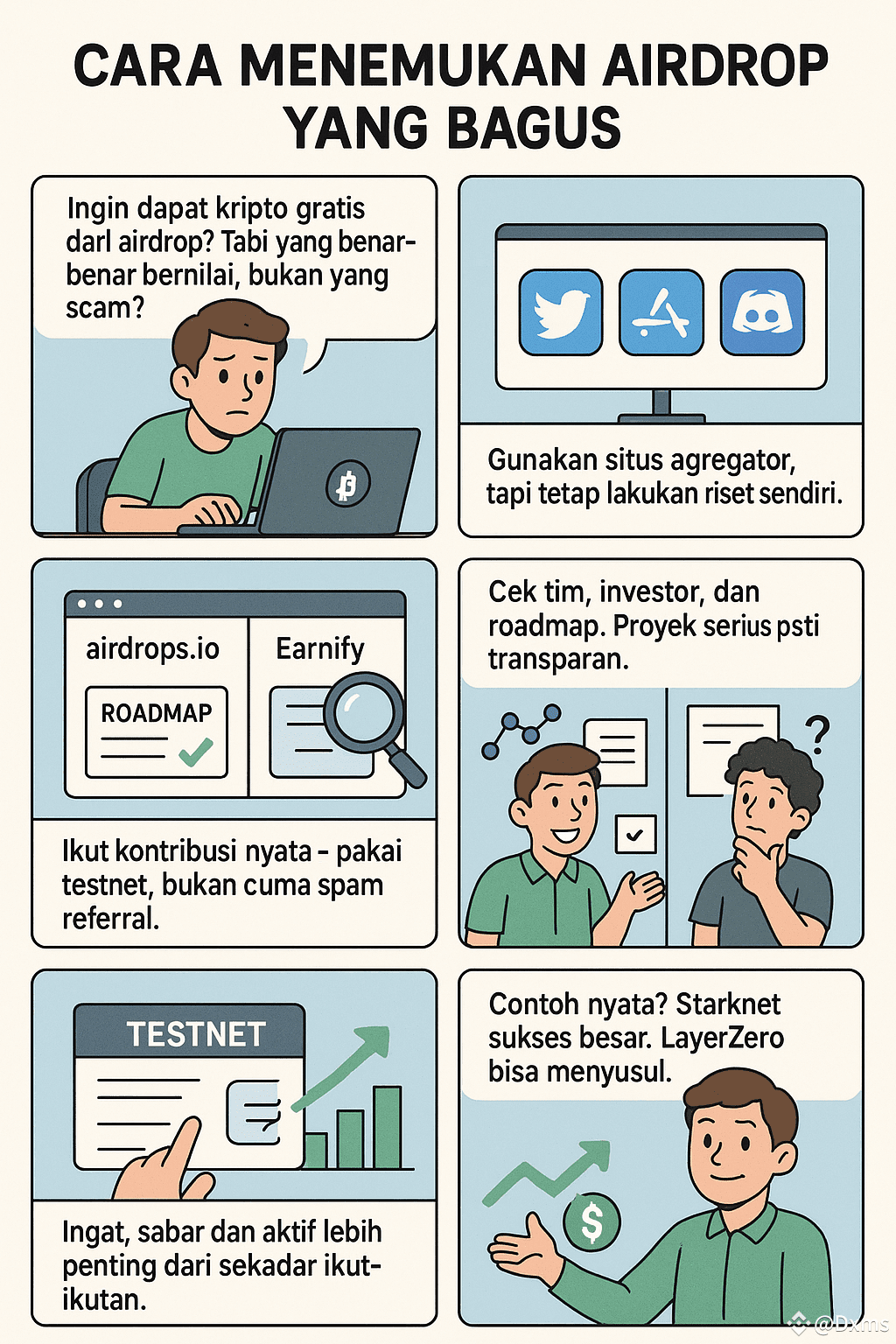
Finding truly potential airdrops requires a combination of research, experience, and a bit of intuition. Here are the methods and criteria I usually use:
1. Discovery Methods
Follow official crypto project accounts and trusted influencers: Twitter, Telegram, and Discord are the main sources. I select accounts that often share credible information, not just airdrop spam.
Use airdrop aggregator sites: I use sites like airdrops.io or Earnify, but I don’t participate directly—I still research the project.
Monitor trending ecosystems: For example, when the Layer 2 or ZK-Rollups ecosystems are gaining popularity, projects within them usually actively distribute airdrops.
2. Evaluation Criteria
Team and investor support: If a project is backed by renowned VCs (such as a16z, Binance Labs), that’s a positive signal.
Community activity and regular updates: Projects that are active on social media, have a clear roadmap, and frequently update are usually more serious.
Reasonable contributions: Airdrops that require simple contributions (like testnet participation or using dApps) are more trustworthy than those that only ask for massive referrals.
Value and tokenomics: I check if the token has real utility, not just created to be distributed and then abandoned.
3. Recent Examples
Starknet (STRK): Many received airdrops because they were active in the testnet from the beginning. This is an example of a strong project with a large community.
LayerZero (ZRO - prediction): The airdrop hasn’t been released yet, but I am actively interacting with its ecosystem because there are many signals pointing towards token distribution.
{spot}(BTCUSDT)
{spot}(BNBUSDT)
#AirdropFinderGuide
How to Find a Good Airdrop
Finding truly potential airdrops requires a combination of research, experience, and a bit of intuition. Here are the methods and criteria I usually use:
1. Discovery Methods
Follow official crypto project accounts and trusted influencers: Twitter, Telegram, and Discord are the main sources. I select accounts that often share credible information, not just airdrop spam.
Use airdrop aggregator sites: I use sites like airdrops.io or Earnify, but I don’t participate directly—I still research the project.
Monitor trending ecosystems: For example, when the Layer 2 or ZK-Rollups ecosystems are gaining popularity, projects within them usually actively distribute airdrops.
2. Evaluation Criteria
Team and investor support: If a project is backed by renowned VCs (such as a16z, Binance Labs), that’s a positive signal.
Community activity and regular updates: Projects that are active on social media, have a clear roadmap, and frequently update are usually more serious.
Reasonable contributions: Airdrops that require simple contributions (like testnet participation or using dApps) are more trustworthy than those that only ask for massive referrals.
Value and tokenomics: I check if the token has real utility, not just created to be distributed and then abandoned.
3. Recent Examples
Starknet (STRK): Many received airdrops because they were active in the testnet from the beginning. This is an example of a strong project with a large community.
LayerZero (ZRO - prediction): The airdrop hasn’t been released yet, but I am actively interacting with its ecosystem because there are many signals pointing towards token distribution.
How to Find a Good Airdrop
Finding truly potential airdrops requires a combination of research, experience, and a bit of intuition. Here are the methods and criteria I usually use:
1. Discovery Methods
Follow official crypto project accounts and trusted influencers: Twitter, Telegram, and Discord are the main sources. I select accounts that often share credible information, not just airdrop spam.
Use airdrop aggregator sites: I use sites like airdrops.io or Earnify, but I don’t participate directly—I still research the project.
Monitor trending ecosystems: For example, when the Layer 2 or ZK-Rollups ecosystems are gaining popularity, projects within them usually actively distribute airdrops.
2. Evaluation Criteria
Team and investor support: If a project is backed by renowned VCs (such as a16z, Binance Labs), that’s a positive signal.
Community activity and regular updates: Projects that are active on social media, have a clear roadmap, and frequently update are usually more serious.
Reasonable contributions: Airdrops that require simple contributions (like testnet participation or using dApps) are more trustworthy than those that only ask for massive referrals.
Value and tokenomics: I check if the token has real utility, not just created to be distributed and then abandoned.
3. Recent Examples
Starknet (STRK): Many received airdrops because they were active in the testnet from the beginning. This is an example of a strong project with a large community.
LayerZero (ZRO - prediction): The airdrop hasn’t been released yet, but I am actively interacting with its ecosystem because there are many signals pointing towards token distribution.
743
·
--
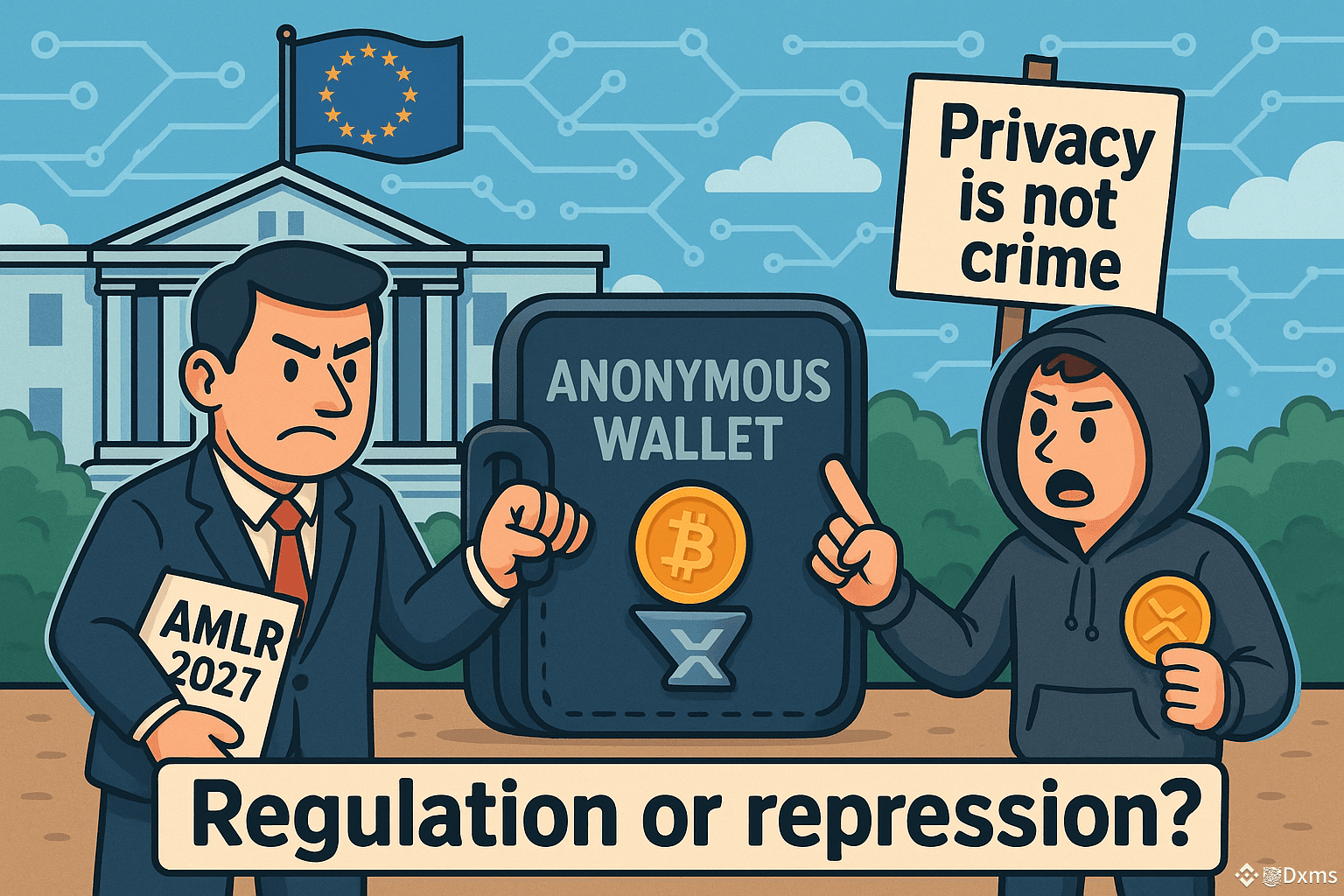
#EUPrivacyCoinBan
AMLR and Its Impact on Crypto Regulation in Europe, Balancing Privacy and Security.
The European Union's recent enactment of the Anti-Money Laundering Regulation (AMLR) marks a significant shift in the region's digital financial policies. This regulation targets the use of anonymous crypto wallets and bans privacy-focused cryptocurrencies like Monero, Zcash, and Dash. Starting in 2027, transactions over €1,000 will require formal identification.
AMLR arises from the growing need to address the misuse of cryptocurrencies in illegal activities. However, this regulation also signals a shift away from the core principles of crypto, such as anonymity and decentralization.
In the short term, the market may experience a decline in interest towards privacy coins, potentially leading to a shift in transactions to markets outside Europe. Meanwhile, the blockchain innovation sector, especially those focused on privacy, could face delays as developers adapt to the new regulatory landscape.
On the other hand, AMLR could provide the legal clarity needed for traditional financial institutions to invest more heavily in crypto. The main challenge lies in finding a balance between stringent privacy regulations and avoiding an environment that enables misuse.
The EU is now at the forefront of a global experiment to integrate digital assets into the formal financial system. The success of this regulation will depend on its ability to maintain market stability while safeguarding users' privacy rights.
{spot}(ZECUSDT)
{future}(XMRUSDT)
{spot}(DASHUSDT)
#EUPrivacyCoinBan
AMLR and Its Impact on Crypto Regulation in Europe, Balancing Privacy and Security.
The European Union's recent enactment of the Anti-Money Laundering Regulation (AMLR) marks a significant shift in the region's digital financial policies. This regulation targets the use of anonymous crypto wallets and bans privacy-focused cryptocurrencies like Monero, Zcash, and Dash. Starting in 2027, transactions over €1,000 will require formal identification.
AMLR arises from the growing need to address the misuse of cryptocurrencies in illegal activities. However, this regulation also signals a shift away from the core principles of crypto, such as anonymity and decentralization.
In the short term, the market may experience a decline in interest towards privacy coins, potentially leading to a shift in transactions to markets outside Europe. Meanwhile, the blockchain innovation sector, especially those focused on privacy, could face delays as developers adapt to the new regulatory landscape.
On the other hand, AMLR could provide the legal clarity needed for traditional financial institutions to invest more heavily in crypto. The main challenge lies in finding a balance between stringent privacy regulations and avoiding an environment that enables misuse.
The EU is now at the forefront of a global experiment to integrate digital assets into the formal financial system. The success of this regulation will depend on its ability to maintain market stability while safeguarding users' privacy rights.
AMLR and Its Impact on Crypto Regulation in Europe, Balancing Privacy and Security.
The European Union's recent enactment of the Anti-Money Laundering Regulation (AMLR) marks a significant shift in the region's digital financial policies. This regulation targets the use of anonymous crypto wallets and bans privacy-focused cryptocurrencies like Monero, Zcash, and Dash. Starting in 2027, transactions over €1,000 will require formal identification.
AMLR arises from the growing need to address the misuse of cryptocurrencies in illegal activities. However, this regulation also signals a shift away from the core principles of crypto, such as anonymity and decentralization.
In the short term, the market may experience a decline in interest towards privacy coins, potentially leading to a shift in transactions to markets outside Europe. Meanwhile, the blockchain innovation sector, especially those focused on privacy, could face delays as developers adapt to the new regulatory landscape.
On the other hand, AMLR could provide the legal clarity needed for traditional financial institutions to invest more heavily in crypto. The main challenge lies in finding a balance between stringent privacy regulations and avoiding an environment that enables misuse.
The EU is now at the forefront of a global experiment to integrate digital assets into the formal financial system. The success of this regulation will depend on its ability to maintain market stability while safeguarding users' privacy rights.
71
·
--
I don't think so, because he is already at his saturation point of the downward trend.
I don't think so, because he is already at his saturation point of the downward trend.

futuro2025ys
·
--
I believe it's going to drop a lot until adding another zero 0.009
1
·
--
what currency destination do you mean?
what currency destination do you mean?

imv_11
·
--
Where are the currency targets?
134
·
--
Bearish
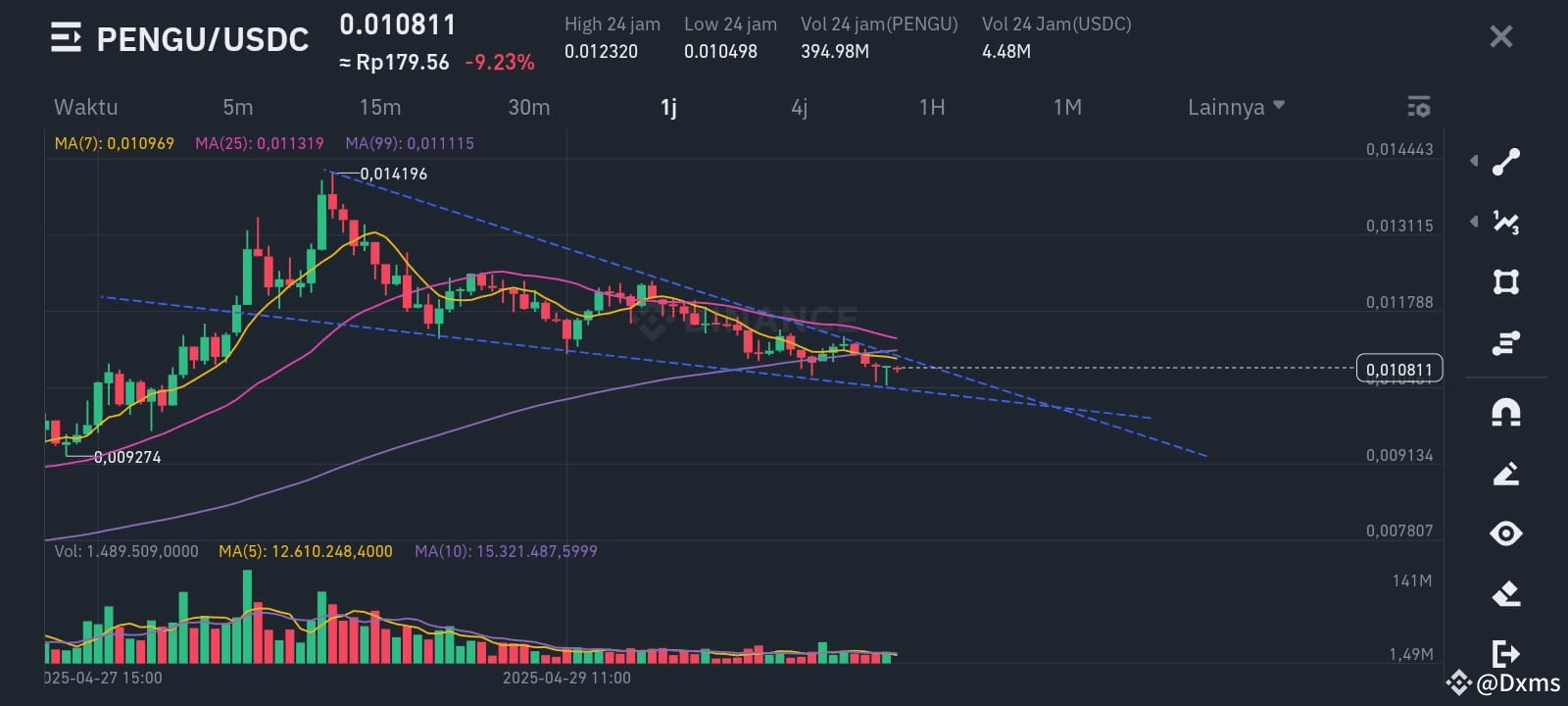
#PENGUUSDT Buy now before you miss out, as my prediction on #VIB/USDT previously
{spot}(PENGUUSDT)
#PENGUUSDT Buy now before you miss out, as my prediction on #VIB/USDT previously
2
2
2
1.1k
·
--
what are you worried about? nothing is impossible in crypto.
what are you worried about? nothing is impossible in crypto.

TBOY4LUV
·
--
What can he reach? Can he reach 0.040 back?
259
·
--
the evidence? isn't it an increase?
the evidence? isn't it an increase?
TBOY4LUV
·
--
Stop lying here please
101
·
--
Bullish
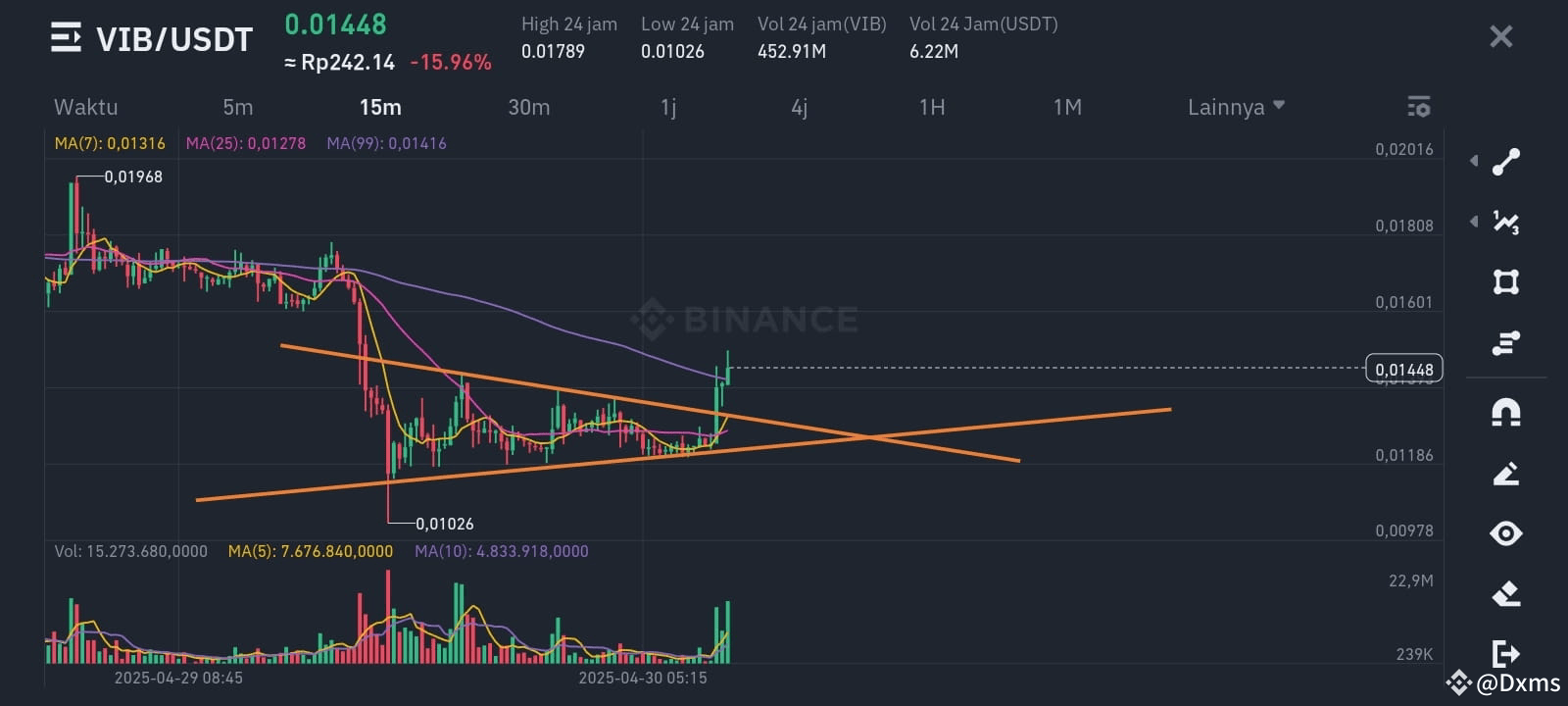
#VIB/USDT According to my prediction in the previous post, you can check😁🙏 that vib will fly high. it is true...
#Trump100Days #AirdropStepByStep #XRPETFs #BinanceAlphaAlert
{spot}(VIBUSDT)
#VIB/USDT According to my prediction in the previous post, you can check😁🙏 that vib will fly high. it is true...
#Trump100Days #AirdropStepByStep #XRPETFs #BinanceAlphaAlert
#Trump100Days #AirdropStepByStep #XRPETFs #BinanceAlphaAlert
1
1
522
·
--
Bullish
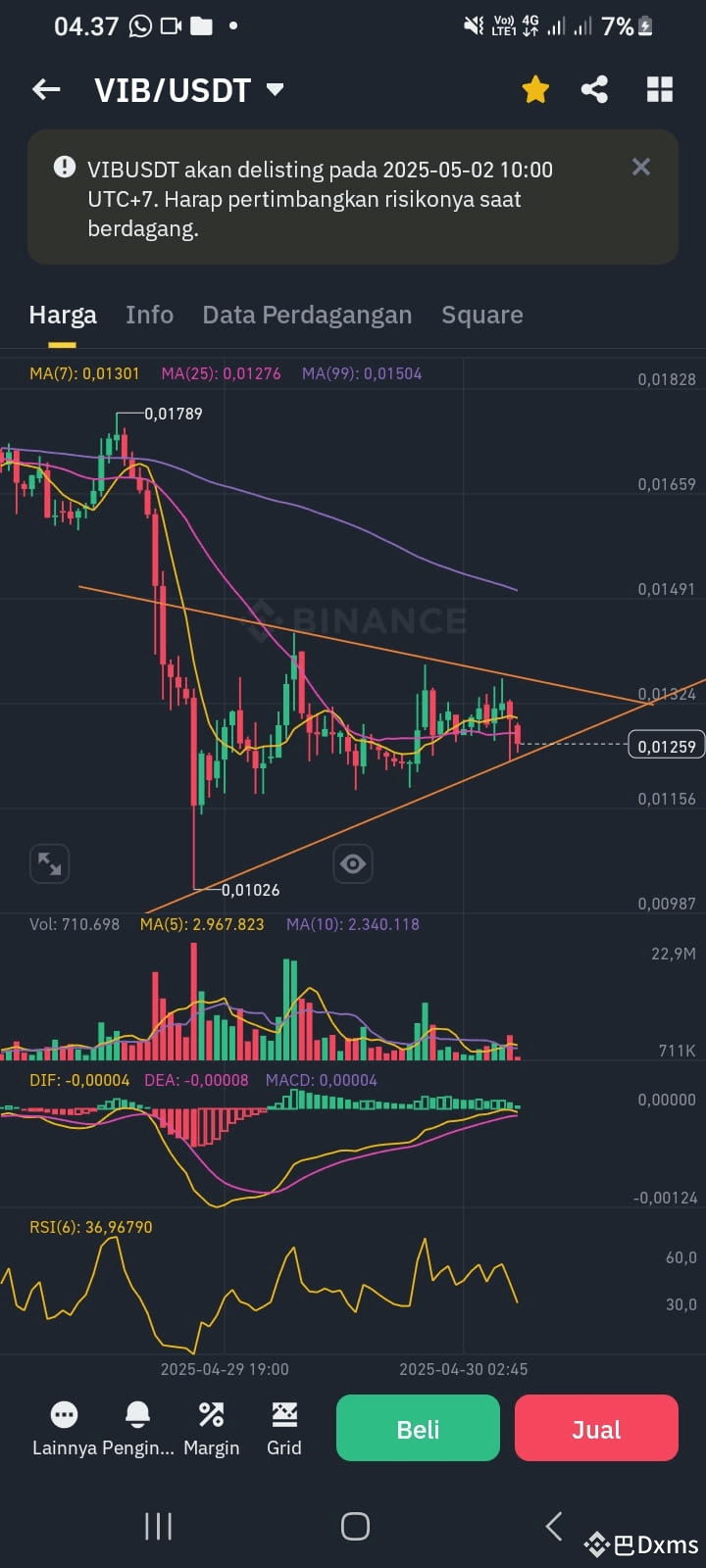
#VIB/USDT Currently in an upward trend, will it rise to the highest level before delisting?
{spot}(VIBUSDT)
#VIB/USDT Currently in an upward trend, will it rise to the highest level before delisting?
8
754
Log in to explore more content
Join global crypto users on Binance Square
⚡️ Get latest and useful information about crypto.
💬 Trusted by the world’s largest crypto exchange.
👍 Discover real insights from verified creators.
Email / Phone number
Trending Topics
USAugustPPIRisesLessThanExpected
27,124 views
579 Discussing
🚨 US AUG PPI: Rises LESS Than Expected! Bullish for Crypto? 🚀
PPI +0.4% MoM as expected, but CORE PPI only +0.2% vs +0.3% expected - cooling!
What it means:
• Wholesale inflation softer than feared
• Fed rate hike chance now 62% - but dovish signals coming
• Core PCE revisions expected downward - bullish
• BTC usually pumps on softer PPI
Fed meeting Sep 15-16 - Market now expects pause, not hike?
Is this the green light for Q4 rally?
#Bitcoin #PPI #Fed #CryptoNews #BTC#usaugustppiriseslessthanexpected
True News
·1 Likes
·1.3k views
SECApprovesNasdaqTexasCommodityTrustRule
18,142 views
449 Discussing
ECBRaisesRatesSecondTimeTo2.5%
14,884 views
326 Discussing