

币圈十四姨
407 Posts

币圈十四姨
Report
Block User
资深女性交易员十年老炮用数据和纪律说话 不吹牛只讲逻辑$币安手续费八折返佣码: SR988
Open Trade
Frequent Trader
1.3 Months
0 Following
9 Followers
9 Liked
Posts
Portfolio
·
--
See translation
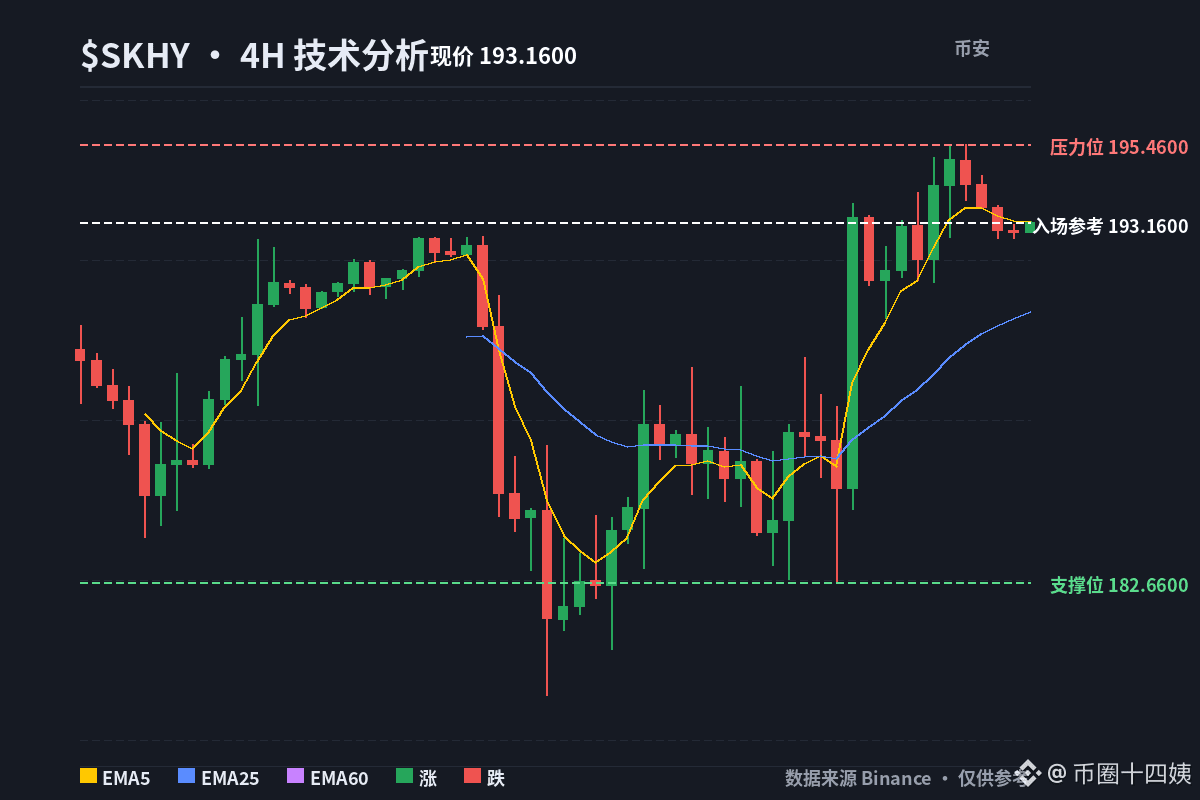
$SKHY 加上三星、$MU、$SNDK 这几个,我看法是 DRAM、NAND、HBM 的供需紧张局面会一直撑到 2028 年。
美光那边的 SCA 战略客户协议已经延到 2031 年,到 2030 年能锁定 35% 以上的营收,这个确定性挺关键。
另外 HBM 的出货量增速会跑得比 DRAM 还快。
$SKHY 加上三星、$MU 、$SNDK 这几个,我看法是 DRAM、NAND、HBM 的供需紧张局面会一直撑到 2028 年。
美光那边的 SCA 战略客户协议已经延到 2031 年,到 2030 年能锁定 35% 以上的营收,这个确定性挺关键。
另外 HBM 的出货量增速会跑得比 DRAM 还快。
美光那边的 SCA 战略客户协议已经延到 2031 年,到 2030 年能锁定 35% 以上的营收,这个确定性挺关键。
另外 HBM 的出货量增速会跑得比 DRAM 还快。
·
--
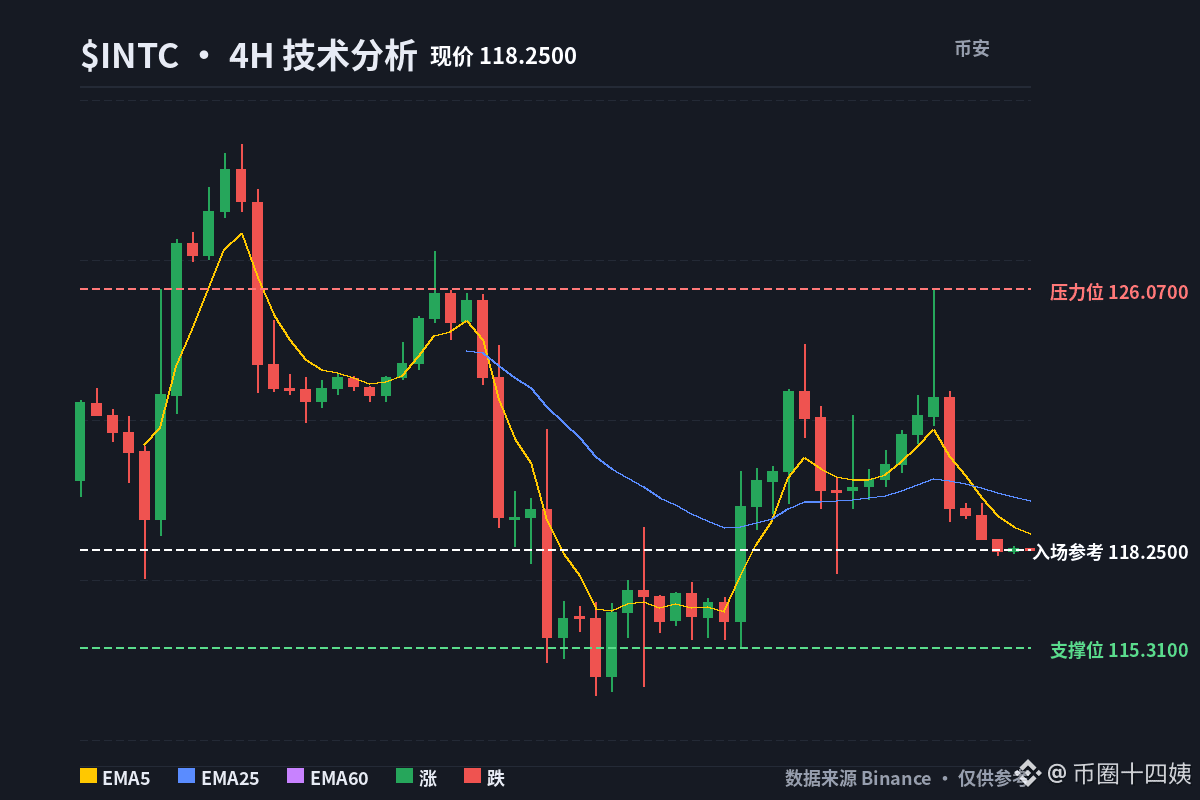
$INTC Semiconductor daily chart follows a trend-continuation pattern.
These past two weeks surged pretty aggressively—from $86 all the way up to $127—then pulled back to the 8EMA. Now it’s pushing back up into the supply zone at $124.73–$127.43.
However, pay attention to the very last candlestick: it closed right at the pivot point with a large bearish candlestick body, and the upper wick rejected the level, indicating there isn’t small overhead selling pressure.
I’m inclined to let it play out on its own first—either until it digests this range—or alternatively, wait for a pullback and then reassess.
$INTC Semiconductor daily chart follows a trend-continuation pattern.
These past two weeks surged pretty aggressively—from $86 all the way up to $127—then pulled back to the 8EMA. Now it’s pushing back up into the supply zone at $124.73–$127.43.
However, pay attention to the very last candlestick: it closed right at the pivot point with a large bearish candlestick body, and the upper wick rejected the level, indicating there isn’t small overhead selling pressure.
I’m inclined to let it play out on its own first—either until it digests this range—or alternatively, wait for a pullback and then reassess.
These past two weeks surged pretty aggressively—from $86 all the way up to $127—then pulled back to the 8EMA. Now it’s pushing back up into the supply zone at $124.73–$127.43.
However, pay attention to the very last candlestick: it closed right at the pivot point with a large bearish candlestick body, and the upper wick rejected the level, indicating there isn’t small overhead selling pressure.
I’m inclined to let it play out on its own first—either until it digests this range—or alternatively, wait for a pullback and then reassess.
1
·
--
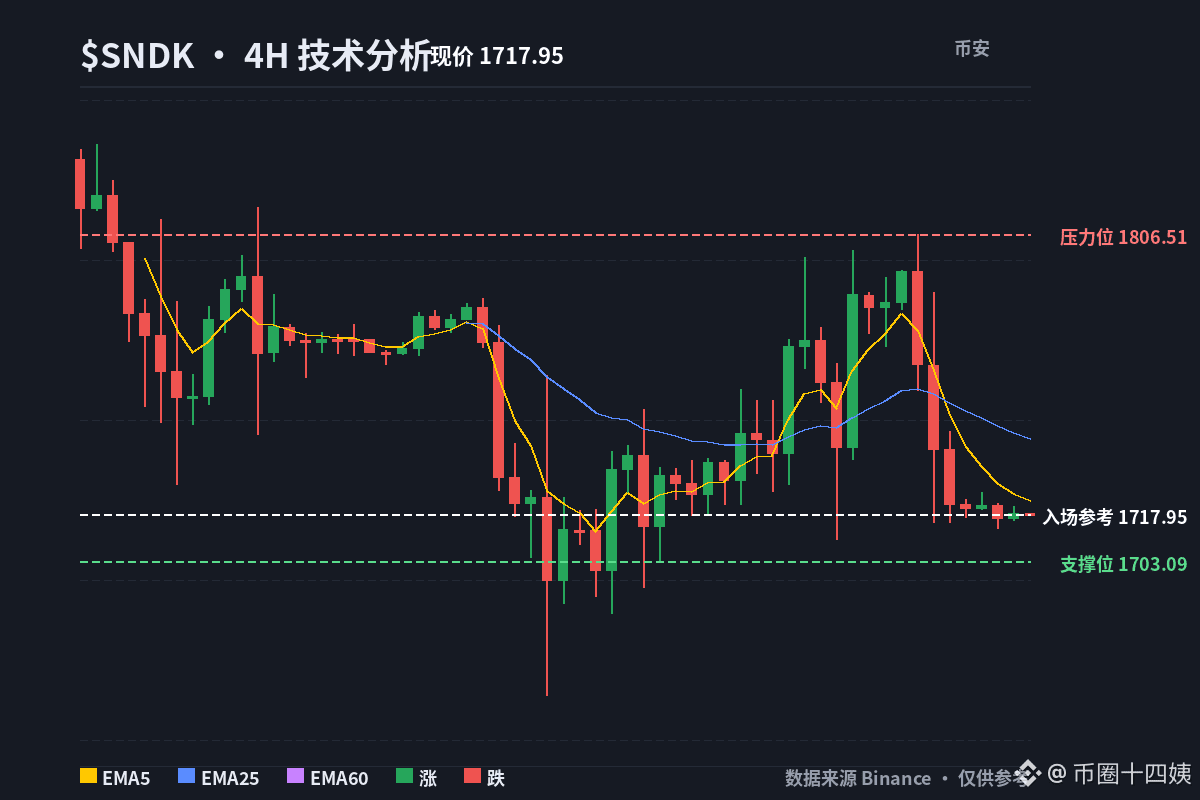
In the same quarter, two completely opposite judgments happened to be made on SanDisk.
After Tepper’s $SNDK rose 591%, he promptly cleared out and exited, and also cut $MU by 41%.
Meanwhile, Situational Awareness still held 2.5 million shares of $SNDK by the end of June, worth $5.67 billion—28% of its entire position—along with another 4.8 million shares of $MU.
The data is from the same source; the disagreement comes down to how much longer this storage cycle can keep running.
In the same quarter, two completely opposite judgments happened to be made on SanDisk.
After Tepper’s $SNDK rose 591%, he promptly cleared out and exited, and also cut $MU by 41%.
Meanwhile, Situational Awareness still held 2.5 million shares of $SNDK by the end of June, worth $5.67 billion—28% of its entire position—along with another 4.8 million shares of $MU .
The data is from the same source; the disagreement comes down to how much longer this storage cycle can keep running.
After Tepper’s $SNDK rose 591%, he promptly cleared out and exited, and also cut $MU by 41%.
Meanwhile, Situational Awareness still held 2.5 million shares of $SNDK by the end of June, worth $5.67 billion—28% of its entire position—along with another 4.8 million shares of $MU .
The data is from the same source; the disagreement comes down to how much longer this storage cycle can keep running.
10
·
--
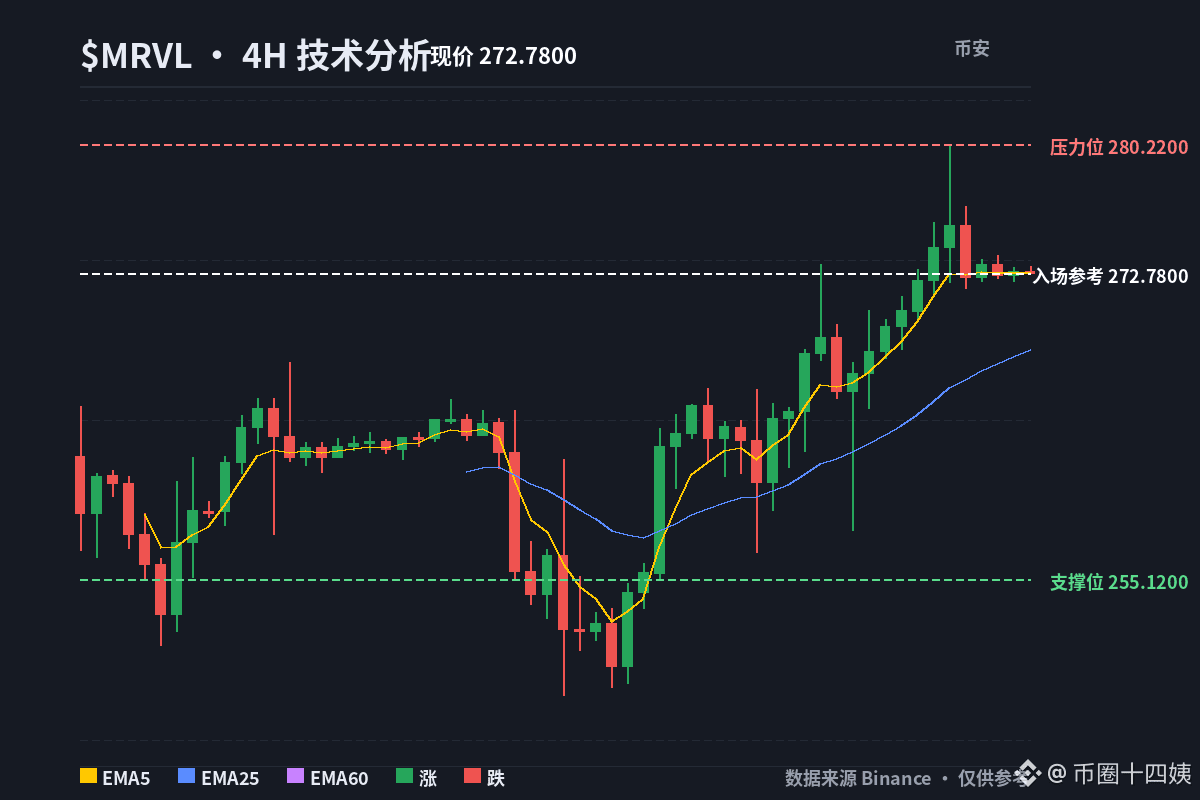
I’ve always looked at the semiconductor supply chain as having five layers: design, foundry, equipment, materials, and packaging/testing. The farther upstream you go, the more you find the places that really bottleneck the process. Most of the opportunities—about tenfold—are basically hidden in there.
For the design layer, I won’t go over the big, well-known names. What really gets my attention is $MRVL, whose upside potential is much larger than that of the leading incumbents.
In foundry, it only recognizes $TSM. For leading-edge process technology, it’s the only one that can truly compete; others can’t catch up.
On the equipment side, the lithography machine with id $ASML is a one-of-a-kind business—its moat is so deep it’s almost unbelievable.
For the remaining layers, materials and packaging/testing, several other names are also strengthening in parallel. If you want to dig out big gains, you need to dig through the more niche corners—don’t just keep staring at the few that everyone already knows.
I’ve always looked at the semiconductor supply chain as having five layers: design, foundry, equipment, materials, and packaging/testing. The farther upstream you go, the more you find the places that really bottleneck the process. Most of the opportunities—about tenfold—are basically hidden in there.
For the design layer, I won’t go over the big, well-known names. What really gets my attention is $MRVL , whose upside potential is much larger than that of the leading incumbents.
In foundry, it only recognizes $TSM . For leading-edge process technology, it’s the only one that can truly compete; others can’t catch up.
On the equipment side, the lithography machine with id $ASML is a one-of-a-kind business—its moat is so deep it’s almost unbelievable.
For the remaining layers, materials and packaging/testing, several other names are also strengthening in parallel. If you want to dig out big gains, you need to dig through the more niche corners—don’t just keep staring at the few that everyone already knows.
For the design layer, I won’t go over the big, well-known names. What really gets my attention is $MRVL , whose upside potential is much larger than that of the leading incumbents.
In foundry, it only recognizes $TSM . For leading-edge process technology, it’s the only one that can truly compete; others can’t catch up.
On the equipment side, the lithography machine with id $ASML is a one-of-a-kind business—its moat is so deep it’s almost unbelievable.
For the remaining layers, materials and packaging/testing, several other names are also strengthening in parallel. If you want to dig out big gains, you need to dig through the more niche corners—don’t just keep staring at the few that everyone already knows.
2
·
--
This week I’m following it myself. Just on the line for connectivity and photonics, it feels like it has just started with a mid-term phase. $MRVL is taking a few others along as it moves upward, and power and analog semiconductors have the same flavor—also mid-term candidates that are just beginning to lift their heads.
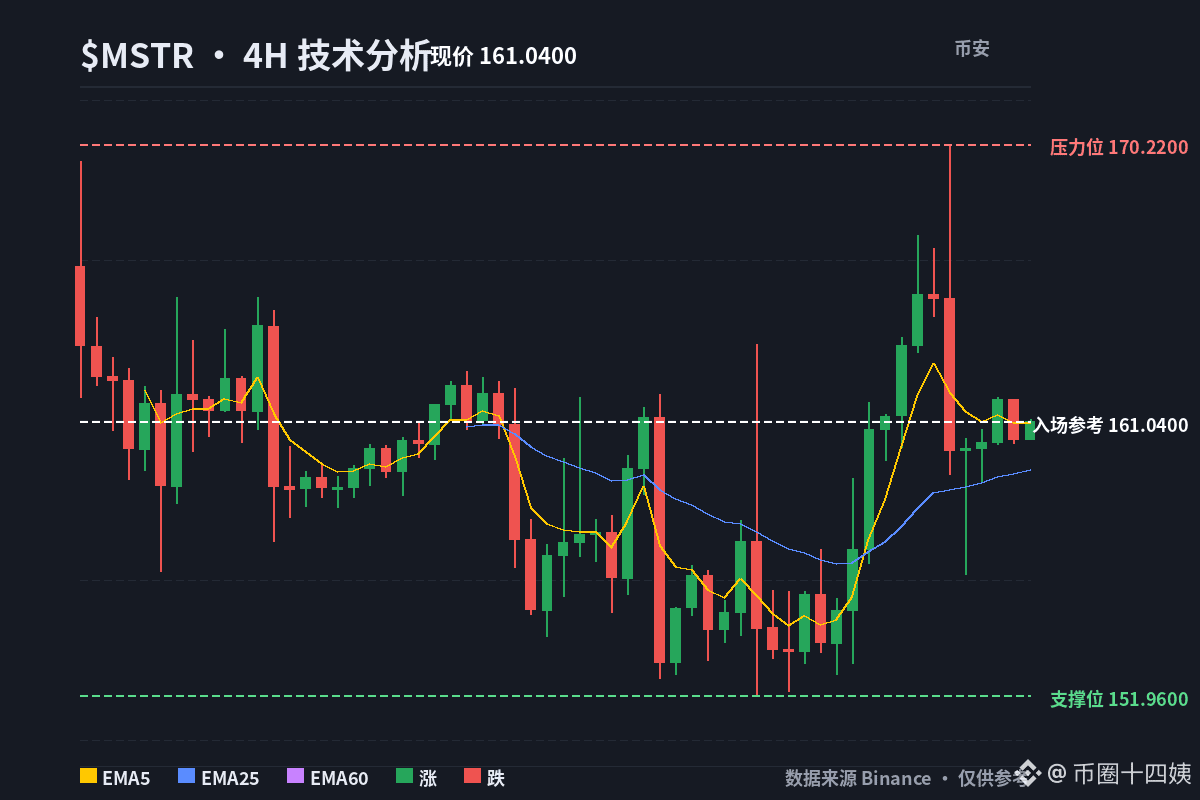
On the other side, related to crypto assets, the start has begun to fall behind. $MSTR and $HOOD have both slid out of mid-term momentum and been categorized into the lagging/losing-speed bucket.
The strength of the themes alternates like this. I’m looking at it according to this rhythm.
This week I’m following it myself. Just on the line for connectivity and photonics, it feels like it has just started with a mid-term phase. $MRVL is taking a few others along as it moves upward, and power and analog semiconductors have the same flavor—also mid-term candidates that are just beginning to lift their heads.
On the other side, related to crypto assets, the start has begun to fall behind. $MSTR and $HOOD have both slid out of mid-term momentum and been categorized into the lagging/losing-speed bucket.
The strength of the themes alternates like this. I’m looking at it according to this rhythm.
On the other side, related to crypto assets, the start has begun to fall behind. $MSTR and $HOOD have both slid out of mid-term momentum and been categorized into the lagging/losing-speed bucket.
The strength of the themes alternates like this. I’m looking at it according to this rhythm.
·
--
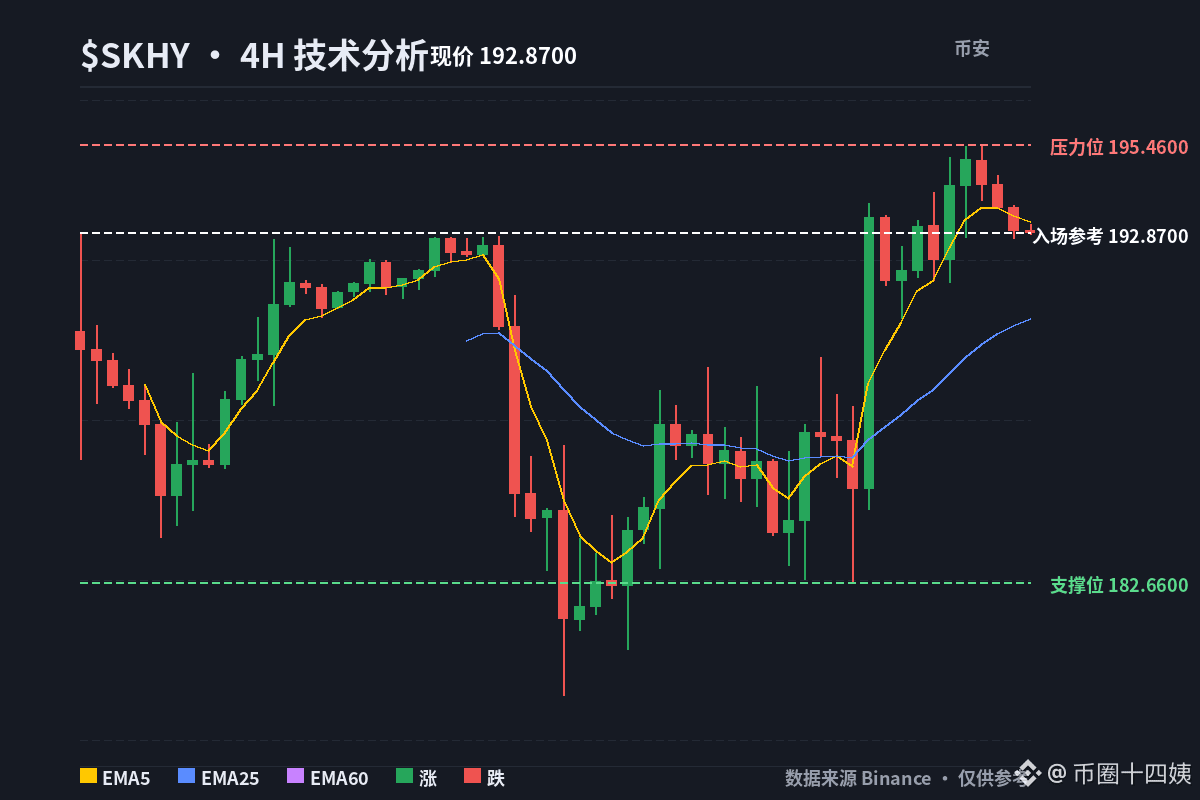
$SKHY If they really put Solidigm on the market with that kind of scale, you don’t need me to explain how valuable AI storage infrastructure is right now.
$MU and $ARM are placed side by side for comparison— the more you look at this set of benchmarks, the more interesting it becomes.
On the storage and chips track, a few other similar stocks are also moving up in parallel.
$SKHY If they really put Solidigm on the market with that kind of scale, you don’t need me to explain how valuable AI storage infrastructure is right now.
$MU and $ARM are placed side by side for comparison— the more you look at this set of benchmarks, the more interesting it becomes.
On the storage and chips track, a few other similar stocks are also moving up in parallel.
$MU and $ARM are placed side by side for comparison— the more you look at this set of benchmarks, the more interesting it becomes.
On the storage and chips track, a few other similar stocks are also moving up in parallel.
1
·
--
No one wants to be trapped in the last stretch of a crazy bull market, and I’m no exception.
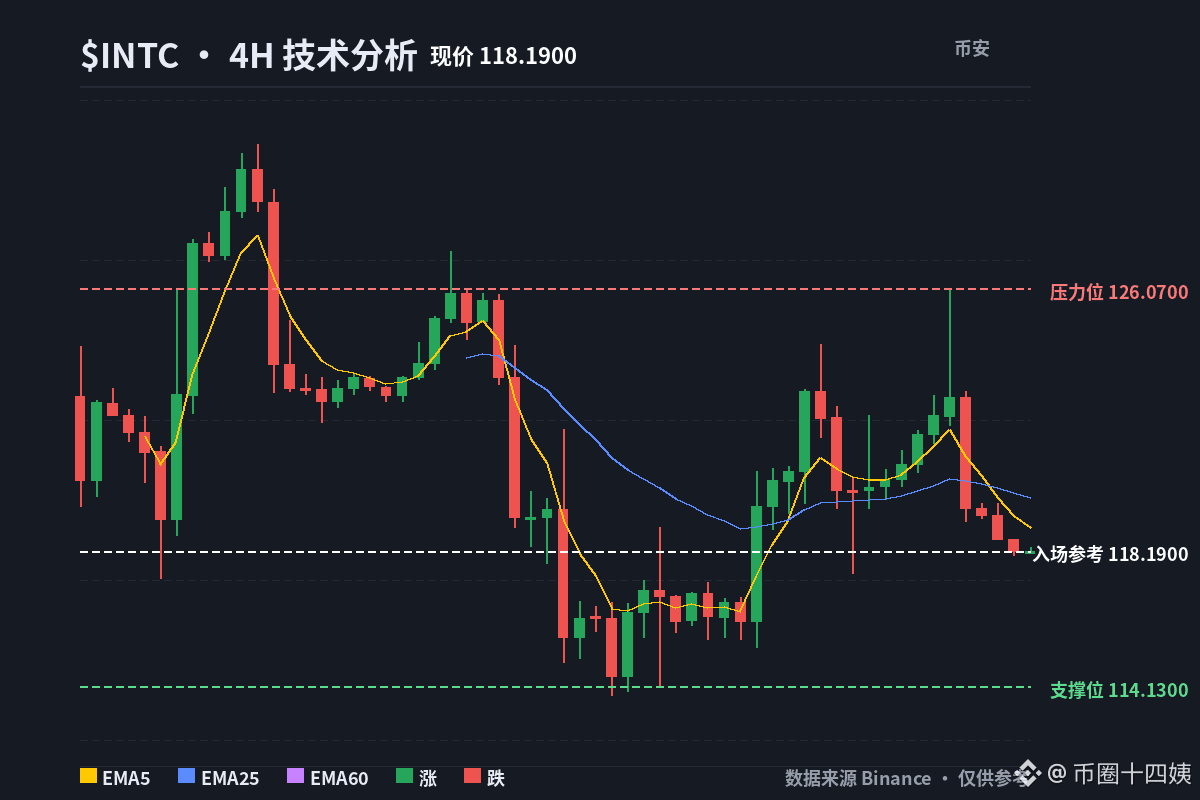
Right now, most of the movements on the board are essentially algorithmic—trading back and forth between hedge funds, with only a few real-name, real-money big funds concentrating on it: $BE, $INTC, and $AMD are three fairly typical examples.
No one wants to be trapped in the last stretch of a crazy bull market, and I’m no exception.
Right now, most of the movements on the board are essentially algorithmic—trading back and forth between hedge funds, with only a few real-name, real-money big funds concentrating on it: $BE , $INTC , and $AMD are three fairly typical examples.
Right now, most of the movements on the board are essentially algorithmic—trading back and forth between hedge funds, with only a few real-name, real-money big funds concentrating on it: $BE , $INTC , and $AMD are three fairly typical examples.
2
·
--
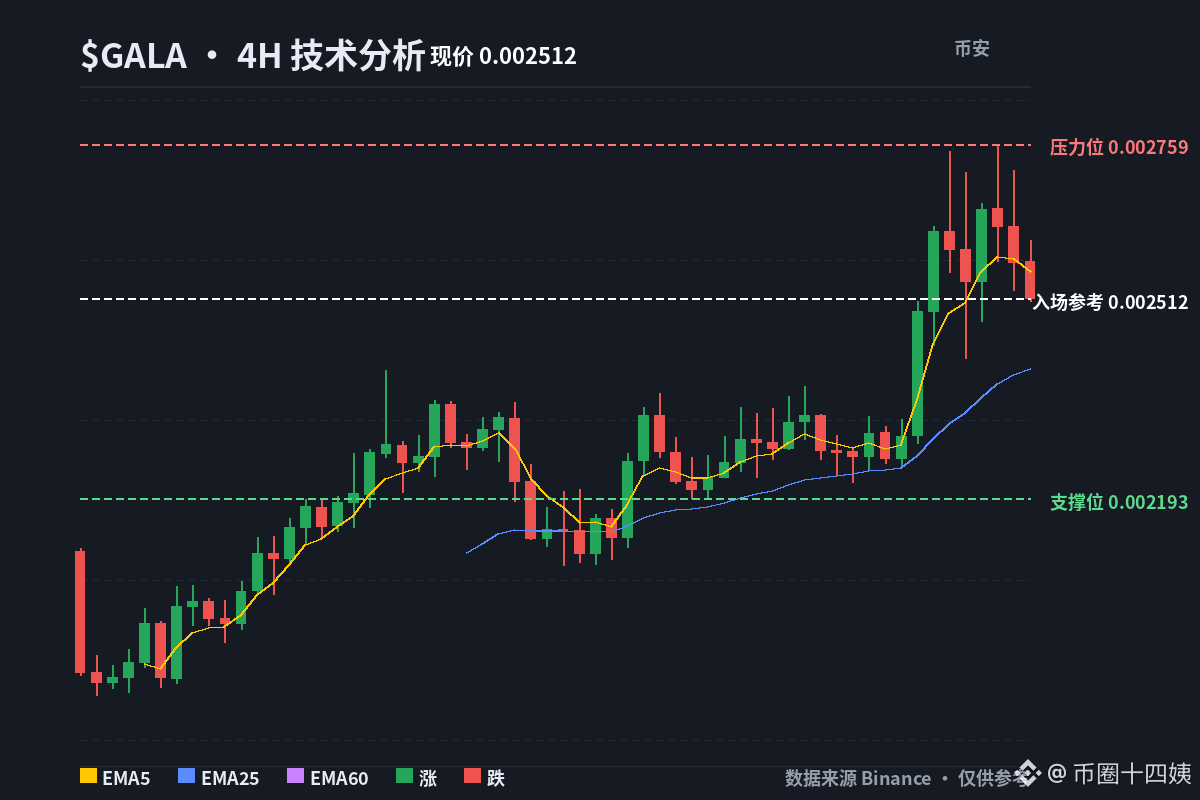
It’s been a long time since I looked at this position. I just clicked it and saw that $GALA is down 90%—yet it even moved a little. I’m dead laughing.
By the way, who’s still buying $GALA now?
It’s been a long time since I looked at this position. I just clicked it and saw that $GALA is down 90%—yet it even moved a little. I’m dead laughing.
By the way, who’s still buying $GALA now?
By the way, who’s still buying $GALA now?
5
·
--
$ETH is back in the support zone again.
In the past two days, I did two rounds of short-term trades. Basically I bought around 2670 and exited above 2720— the rhythm has been okay.
Now I’ve again come down to the support range. I’m planning to look for an opportunity to keep adding a long. I’ll set the stop-loss at around one point and won’t hold through it.
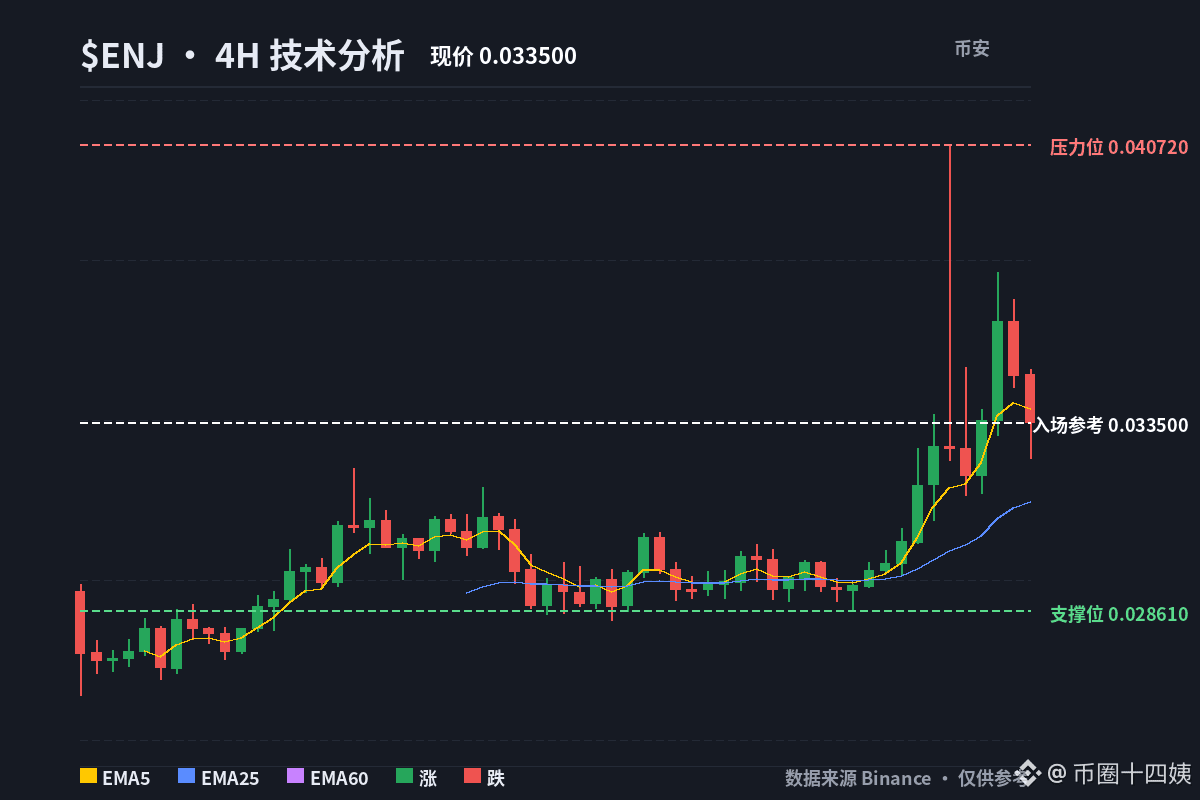
For the altcoins right now, it’s mainly the chain-game sector moving. The leader $SAND is leading the way; coins like $ENJ in the same sector are also reacting. I won’t list the others in the same track one by one.
$ETH is back in the support zone again.
In the past two days, I did two rounds of short-term trades. Basically I bought around 2670 and exited above 2720— the rhythm has been okay.
Now I’ve again come down to the support range. I’m planning to look for an opportunity to keep adding a long. I’ll set the stop-loss at around one point and won’t hold through it.
For the altcoins right now, it’s mainly the chain-game sector moving. The leader $SAND is leading the way; coins like $ENJ in the same sector are also reacting. I won’t list the others in the same track one by one.
In the past two days, I did two rounds of short-term trades. Basically I bought around 2670 and exited above 2720— the rhythm has been okay.
Now I’ve again come down to the support range. I’m planning to look for an opportunity to keep adding a long. I’ll set the stop-loss at around one point and won’t hold through it.
For the altcoins right now, it’s mainly the chain-game sector moving. The leader $SAND is leading the way; coins like $ENJ in the same sector are also reacting. I won’t list the others in the same track one by one.
103
·
--
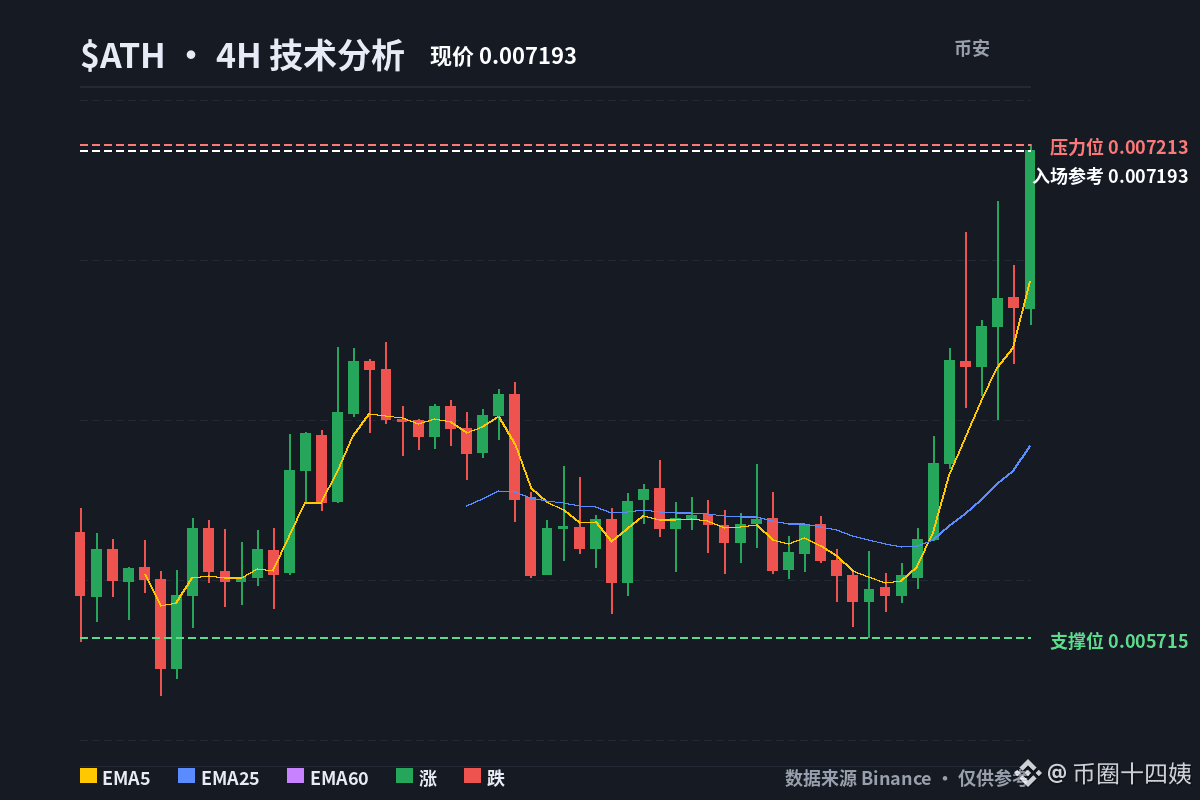
$ATH is now above the 200 EMA on the daily chart—does this mean it's about to launch straight off? 🚀🚀🚀
$ATH is now above the 200 EMA on the daily chart—does this mean it's about to launch straight off? 🚀🚀🚀
7
·
--
After half a month, I went back to take another look at the few prices I noted last time. This move has really been going well. Next year will only be even better.
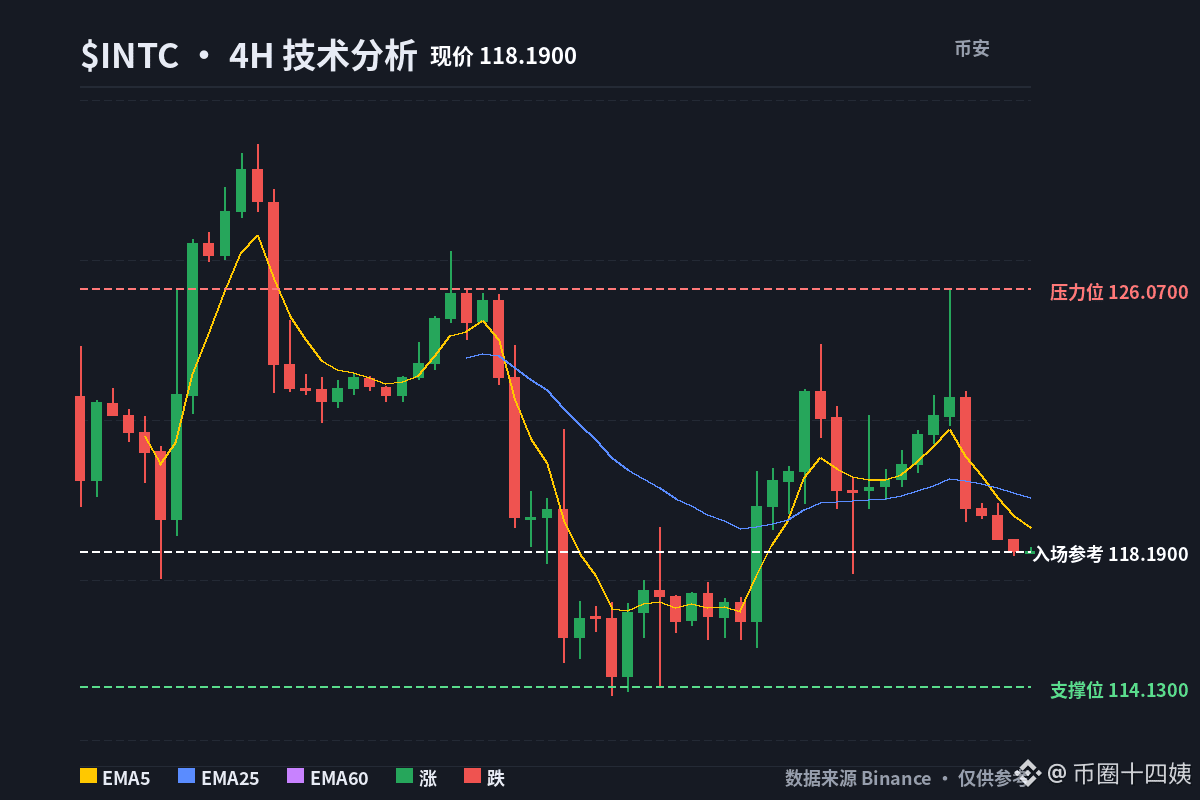
$AXTI went from 64 to 85.87, $INTC also went from 101 to 119.33, and $MRVL 229.71 went from 272.29. I really saw all these with my own eyes.
The other stocks too—semiconductors, optical communications, and storage-related—also basically moved in sync and strengthened. Most of them just pushed higher. Only a few, like some “shanzhai” (counterfeit/imitator) ones, basically stood still, with only a small loss.
I’m quite satisfied with the overall rhythm of this round. I’ll keep holding and see what next year brings.
After half a month, I went back to take another look at the few prices I noted last time. This move has really been going well. Next year will only be even better.
$AXTI went from 64 to 85.87, $INTC also went from 101 to 119.33, and $MRVL 229.71 went from 272.29. I really saw all these with my own eyes.
The other stocks too—semiconductors, optical communications, and storage-related—also basically moved in sync and strengthened. Most of them just pushed higher. Only a few, like some “shanzhai” (counterfeit/imitator) ones, basically stood still, with only a small loss.
I’m quite satisfied with the overall rhythm of this round. I’ll keep holding and see what next year brings.
$AXTI went from 64 to 85.87, $INTC also went from 101 to 119.33, and $MRVL 229.71 went from 272.29. I really saw all these with my own eyes.
The other stocks too—semiconductors, optical communications, and storage-related—also basically moved in sync and strengthened. Most of them just pushed higher. Only a few, like some “shanzhai” (counterfeit/imitator) ones, basically stood still, with only a small loss.
I’m quite satisfied with the overall rhythm of this round. I’ll keep holding and see what next year brings.
4
·
--
I hear some rumors from the board: $ARM —bulls are watching, planning to close above 300 and add to positions; around 330, someone is waiting to get in;
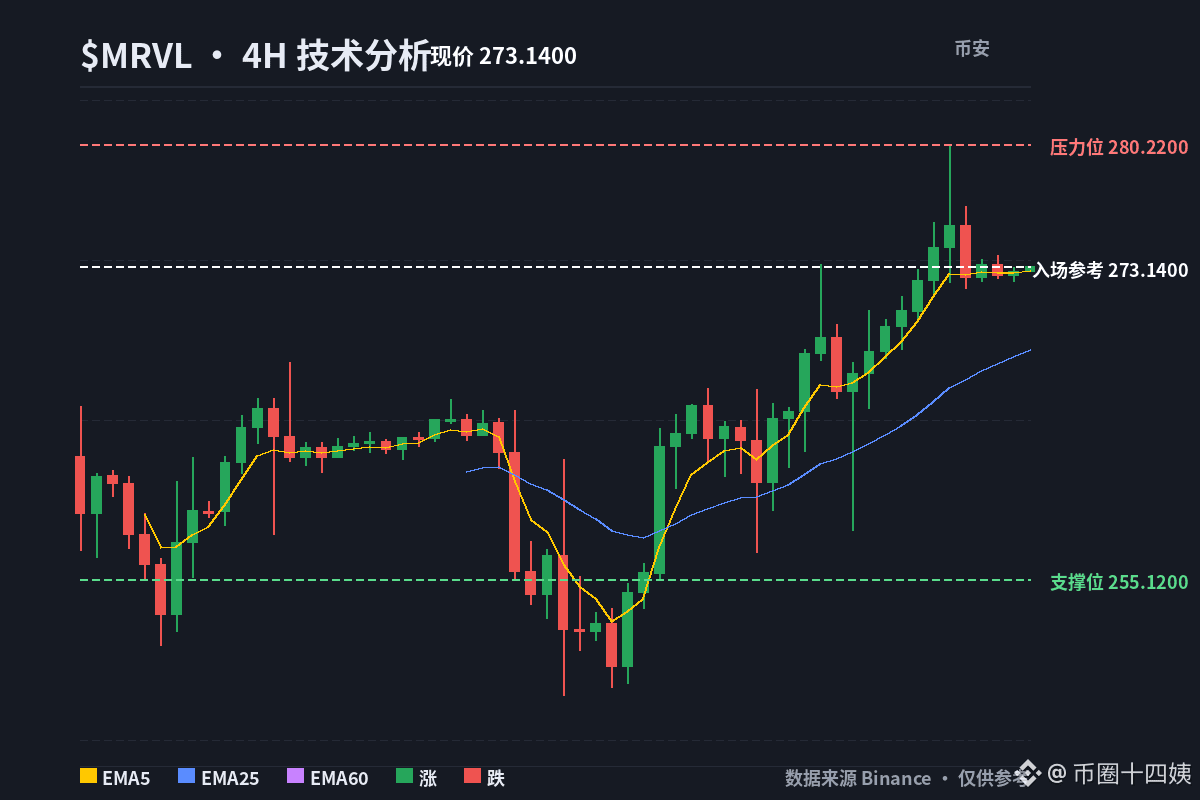
$MRVL —after the move from 170, it’s already run up 50%, and 400 is still in range;
There’s also a stock that’s about doubled—take profits in batches around 300, keep aiming at 400.
As for semiconductors, $AVGO was singled out as the Q4 top pick.
I hear some rumors from the board: $ARM —bulls are watching, planning to close above 300 and add to positions; around 330, someone is waiting to get in;
$MRVL —after the move from 170, it’s already run up 50%, and 400 is still in range;
There’s also a stock that’s about doubled—take profits in batches around 300, keep aiming at 400.
As for semiconductors, $AVGO was singled out as the Q4 top pick.
$MRVL —after the move from 170, it’s already run up 50%, and 400 is still in range;
There’s also a stock that’s about doubled—take profits in batches around 300, keep aiming at 400.
As for semiconductors, $AVGO was singled out as the Q4 top pick.
·
--
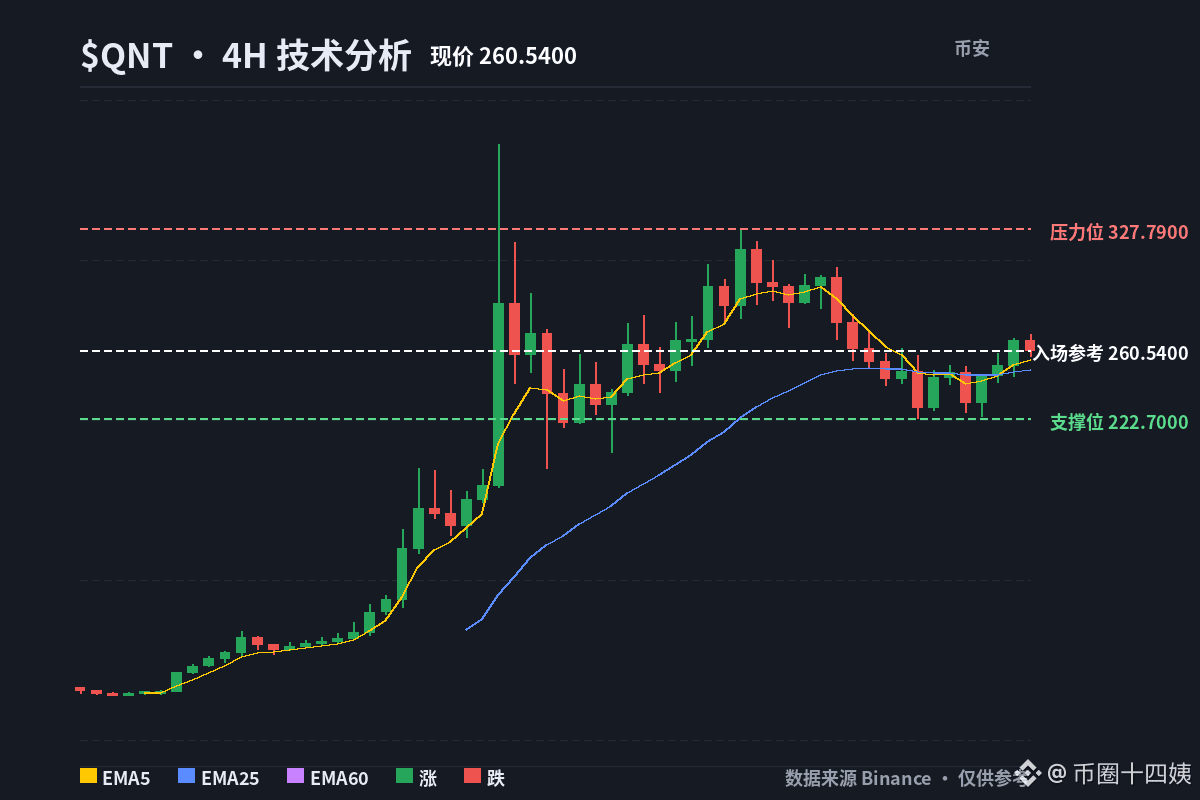
$QNT I’m looking at it and it feels like another wave might be coming.
Use your own judgment—don’t take my words as investment advice.
$QNT I’m looking at it and it feels like another wave might be coming.
Use your own judgment—don’t take my words as investment advice.
Use your own judgment—don’t take my words as investment advice.
42
·
--
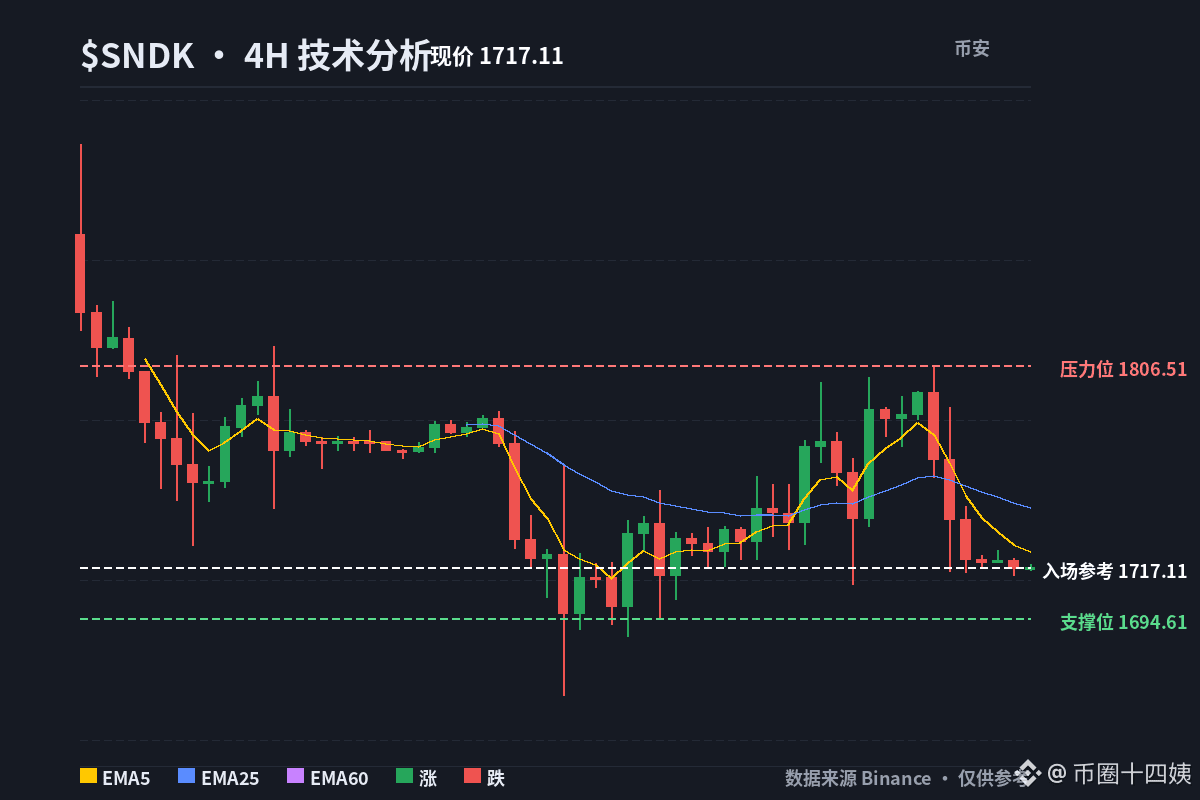
I’m watching the semiconductor ETF $SOXX rise 2.2%, but $MU and $SNDK are still moving down.
On Monday, in Japan’s stock market, semiconductors might try to move up right at the open. Will buy orders in memory stocks also spread out?
I’m watching the semiconductor ETF $SOXX rise 2.2%, but $MU and $SNDK are still moving down.
On Monday, in Japan’s stock market, semiconductors might try to move up right at the open. Will buy orders in memory stocks also spread out?
On Monday, in Japan’s stock market, semiconductors might try to move up right at the open. Will buy orders in memory stocks also spread out?
10
·
--
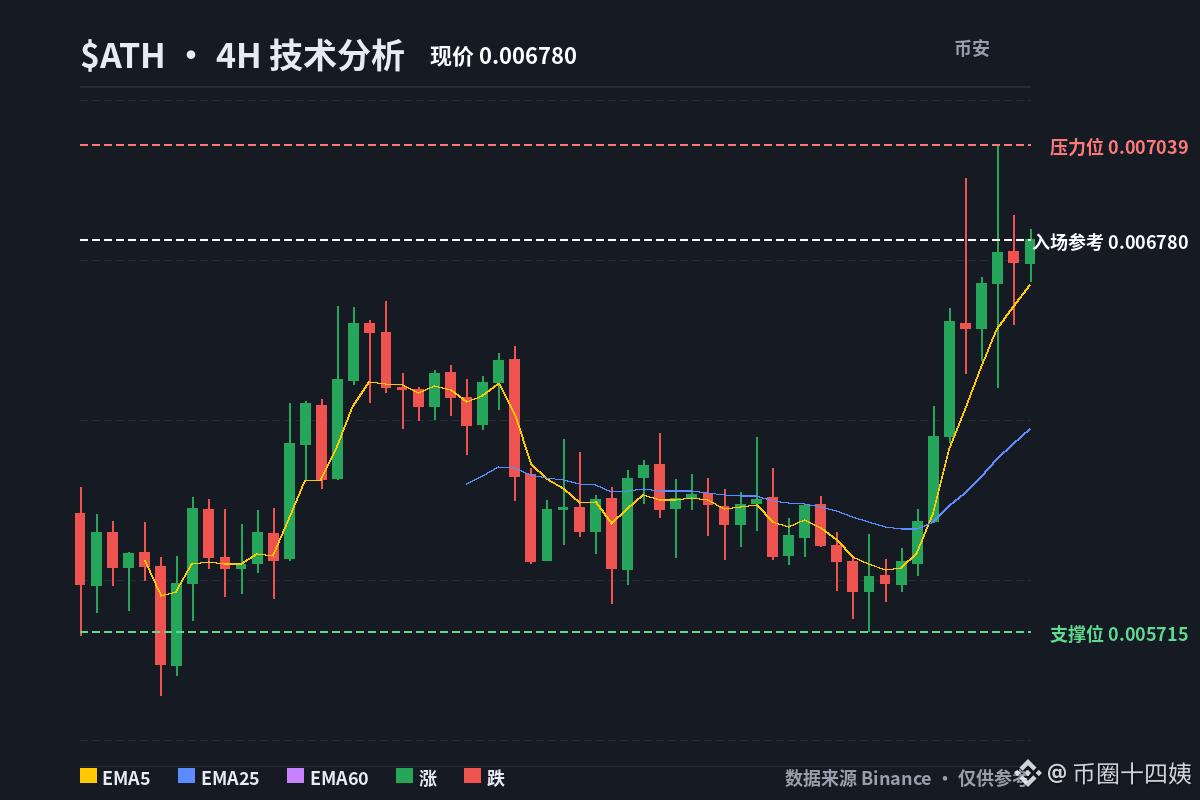
Today on TL there were a bunch of people crying and begging. I watched, and immediately bought some $ATH and sent it back to ATH for me.
Today on TL there were a bunch of people crying and begging. I watched, and immediately bought some $ATH and sent it back to ATH for me.
6
·
--
The market in these 24 hours is pretty divided.
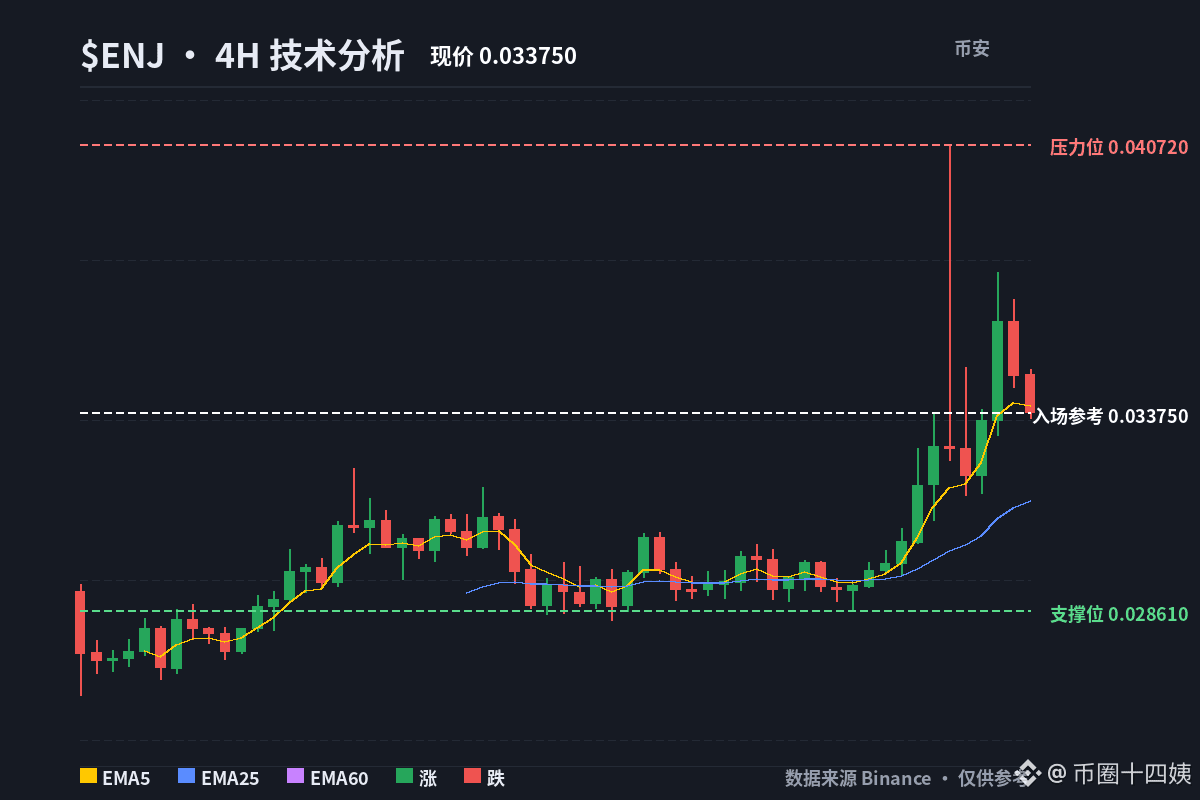
On the buying side, $SAND is the hardest—it’s up nearly 40%, and $ENJ has also followed through, up more than 13%, plus a few other low-quality/"copycat" coins are moving stronger in sync.
On the selling side, $MOVR is the weakest—down about 34%. This is one I would actively avoid and even look at from the opposite perspective. A few smaller coins are also tracking lower, but only losing a little.
Overall: the strong ones keep getting stronger, and don’t force a hard entry on the weak ones.
The market in these 24 hours is pretty divided.
On the buying side, $SAND is the hardest—it’s up nearly 40%, and $ENJ has also followed through, up more than 13%, plus a few other low-quality/"copycat" coins are moving stronger in sync.
On the selling side, $MOVR is the weakest—down about 34%. This is one I would actively avoid and even look at from the opposite perspective. A few smaller coins are also tracking lower, but only losing a little.
Overall: the strong ones keep getting stronger, and don’t force a hard entry on the weak ones.
On the buying side, $SAND is the hardest—it’s up nearly 40%, and $ENJ has also followed through, up more than 13%, plus a few other low-quality/"copycat" coins are moving stronger in sync.
On the selling side, $MOVR is the weakest—down about 34%. This is one I would actively avoid and even look at from the opposite perspective. A few smaller coins are also tracking lower, but only losing a little.
Overall: the strong ones keep getting stronger, and don’t force a hard entry on the weak ones.
110
·
--
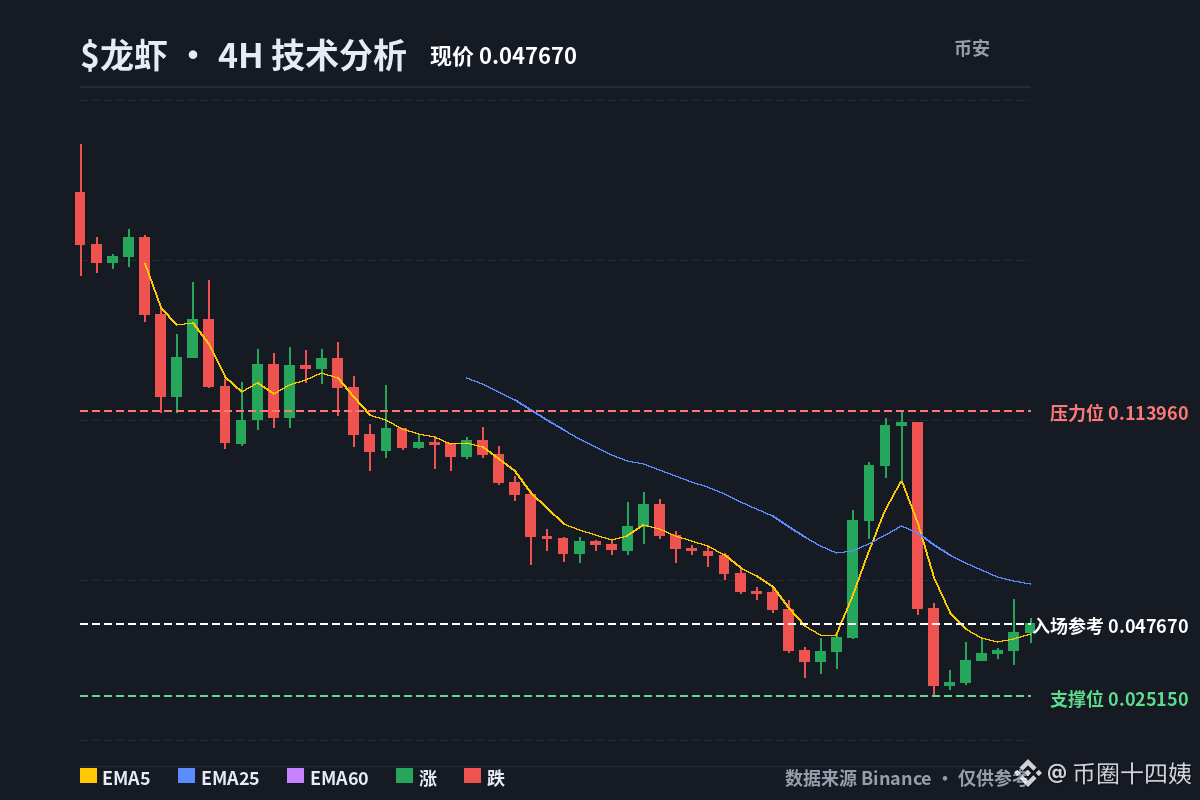
Overslept—when I opened my eyes, the $lobster was already at it, doing its shenanigans again.
I checked the OI; last night it was pulled up hard, and on Twitter there were also KOLs over there calling for buys.
What the whales are trying to do, I won’t guess yet. After looking at the candlestick patterns, things still seem okay—so I’ll go in with a few positions first, earn myself a dinner’s worth, and call it a day.
Remember: there’s no unjustified surge, and no mindless dumping.
For short-term trades, the key is to follow the trend—jump along with the whales. Fire off your trade and get out; don’t linger.
Overslept—when I opened my eyes, the $lobster was already at it, doing its shenanigans again.
I checked the OI; last night it was pulled up hard, and on Twitter there were also KOLs over there calling for buys.
What the whales are trying to do, I won’t guess yet. After looking at the candlestick patterns, things still seem okay—so I’ll go in with a few positions first, earn myself a dinner’s worth, and call it a day.
Remember: there’s no unjustified surge, and no mindless dumping.
For short-term trades, the key is to follow the trend—jump along with the whales. Fire off your trade and get out; don’t linger.
I checked the OI; last night it was pulled up hard, and on Twitter there were also KOLs over there calling for buys.
What the whales are trying to do, I won’t guess yet. After looking at the candlestick patterns, things still seem okay—so I’ll go in with a few positions first, earn myself a dinner’s worth, and call it a day.
Remember: there’s no unjustified surge, and no mindless dumping.
For short-term trades, the key is to follow the trend—jump along with the whales. Fire off your trade and get out; don’t linger.
14
·
--
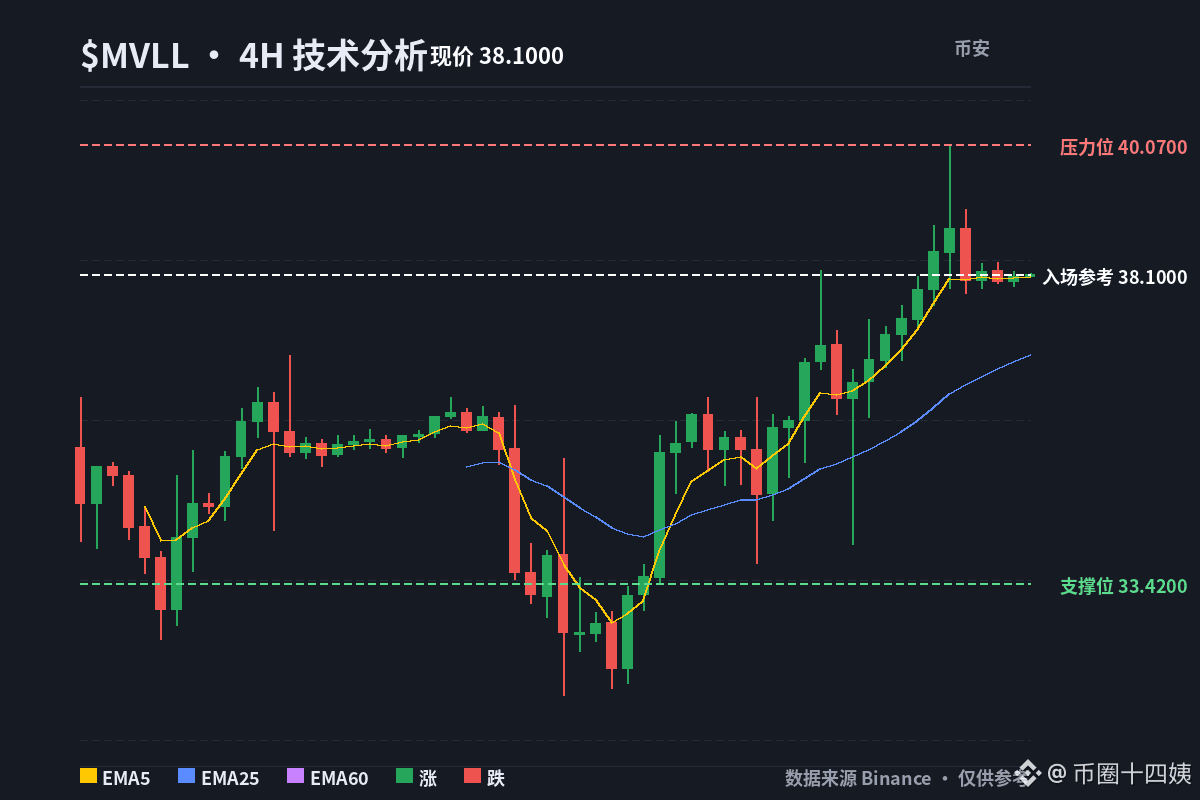
I took a glance at today’s market action—over on the futures side, there’s a leading name that surged more than 20%, and several other low-quality followers moved up in sync as well, with gains of around 8–9% not being small. The short-term sentiment has clearly turned lively.
The RWA space hasn’t been idle either: <0>$MVLL </0> rose 7.21%, and a few neighboring assets also brought in solid gains.
ETF flows are still coming in—$BTC saw net inflows of 66.19M, while <0>$SOL </0> added 5.44M.
Overall, it looks like the low-cap followers and RWA are powering up together, and the big BTC fund flow is also steady; the atmosphere is fairly warm.
I took a glance at today’s market action—over on the futures side, there’s a leading name that surged more than 20%, and several other low-quality followers moved up in sync as well, with gains of around 8–9% not being small. The short-term sentiment has clearly turned lively.
The RWA space hasn’t been idle either: <0>$MVLL </0> rose 7.21%, and a few neighboring assets also brought in solid gains.
ETF flows are still coming in—$BTC saw net inflows of 66.19M, while <0>$SOL </0> added 5.44M.
Overall, it looks like the low-cap followers and RWA are powering up together, and the big BTC fund flow is also steady; the atmosphere is fairly warm.
The RWA space hasn’t been idle either: <0>$MVLL </0> rose 7.21%, and a few neighboring assets also brought in solid gains.
ETF flows are still coming in—$BTC saw net inflows of 66.19M, while <0>$SOL </0> added 5.44M.
Overall, it looks like the low-cap followers and RWA are powering up together, and the big BTC fund flow is also steady; the atmosphere is fairly warm.
35
·
--
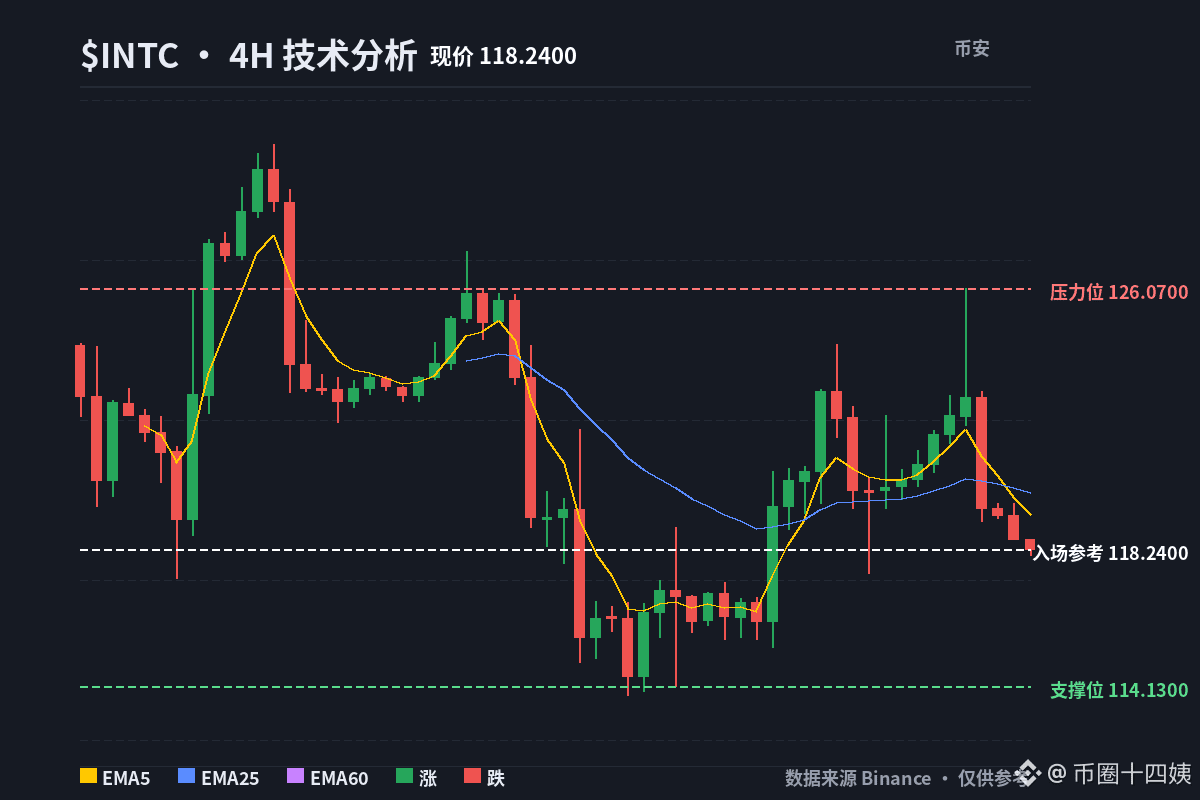
Ten years ago, in my impression, the market cap of $NVDA was only one-seventh of $INTC .
As it turns out, it’s the other way around now: Nvidia’s market cap is 9 times Intel’s—$5.64 trillion versus $630 billion.
$AMD also saw several other semiconductor peers climb just as sharply.
The most brutal bull-to-bear reversal in semiconductor history—just like that, it’s happening right before our eyes.
Ten years ago, in my impression, the market cap of $NVDA was only one-seventh of $INTC .
As it turns out, it’s the other way around now: Nvidia’s market cap is 9 times Intel’s—$5.64 trillion versus $630 billion.
$AMD also saw several other semiconductor peers climb just as sharply.
The most brutal bull-to-bear reversal in semiconductor history—just like that, it’s happening right before our eyes.
As it turns out, it’s the other way around now: Nvidia’s market cap is 9 times Intel’s—$5.64 trillion versus $630 billion.
$AMD also saw several other semiconductor peers climb just as sharply.
The most brutal bull-to-bear reversal in semiconductor history—just like that, it’s happening right before our eyes.
4
·
--
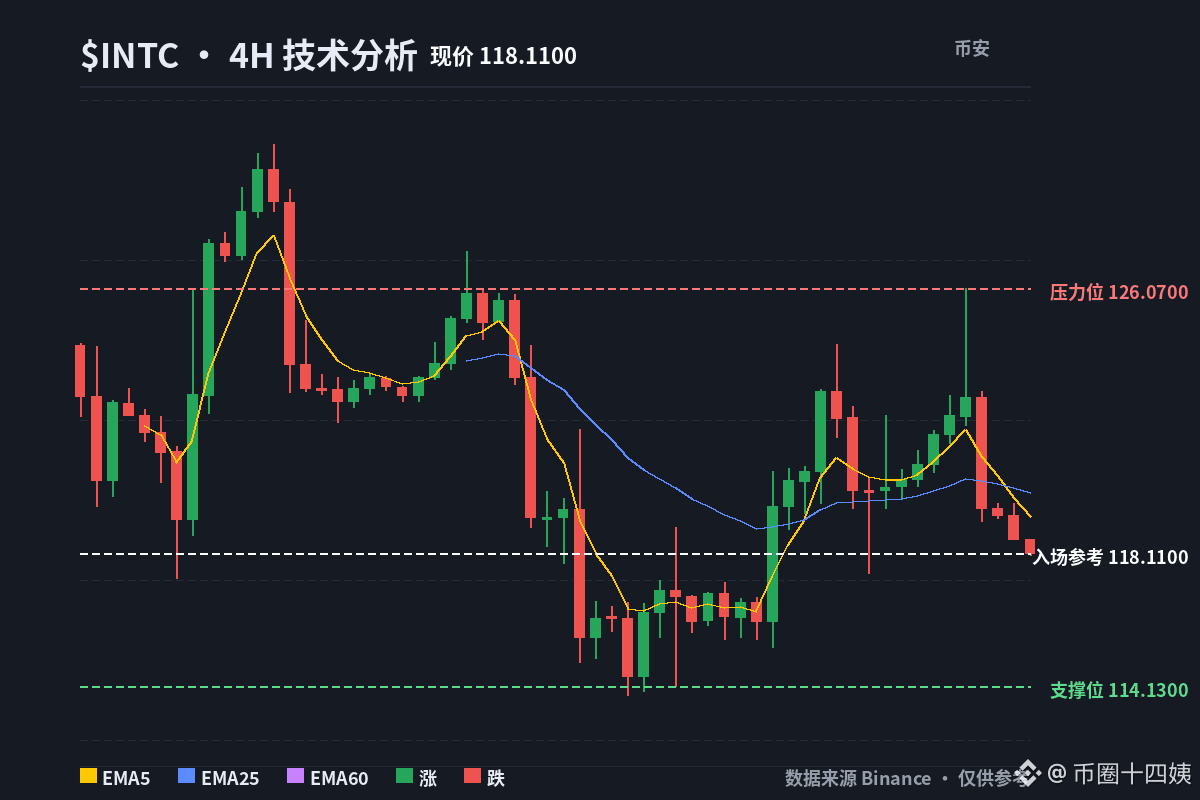
The semiconductor industry's top dragon changed really fast.
Back then, $INTC had its volume and scale clearly laid out, but once the new computing cycle came, $NVDA was able to completely take it over. $AMD and that whole storage segment each found their own place as well, each getting their own way of doing things.
In plain terms: whoever hits the next wave of computing demand is the new boss—no matter how big you were before, it doesn’t matter.
The semiconductor industry's top dragon changed really fast.
Back then, $INTC had its volume and scale clearly laid out, but once the new computing cycle came, $NVDA was able to completely take it over. $AMD and that whole storage segment each found their own place as well, each getting their own way of doing things.
In plain terms: whoever hits the next wave of computing demand is the new boss—no matter how big you were before, it doesn’t matter.
Back then, $INTC had its volume and scale clearly laid out, but once the new computing cycle came, $NVDA was able to completely take it over. $AMD and that whole storage segment each found their own place as well, each getting their own way of doing things.
In plain terms: whoever hits the next wave of computing demand is the new boss—no matter how big you were before, it doesn’t matter.
5
Log in to explore more content
Join global crypto users on Binance Square
⚡️ Get latest and useful information about crypto.
💬 Trusted by the world’s largest crypto exchange.
👍 Discover real insights from verified creators.
Email / Phone number
Trending Topics
BitcoinRejectedAt$87K
3,750 views
28 Discussing
$BTC Update 🚨 🐼 Skip THIS Warning at Your Own Risk ⚠️
BTC is knocking on 87K like it already owns the place 😂Bulls are awake… but BTC usually likes to shake a few people out before the real move.
Overall, BTC is breaking out and the higher-timeframe picture is still bullish. The 4H and daily structure are strong, price is holding above the major averages, and momentum is still supporting the move.
83K was honestly a beautiful buy location. That was the area where risk/reward made sense. Anyone who bought there is already sitting enjoying profit
Now come to main
BTC is sitting right under the previous high around 87K. So I would not be surprised if we first see a little downside liquidity grab, flush some late longs, and then BTC decides whether it wants the real breakout.
For today’s scalp, This is my Plan 👇
BTC SHORT scalp Entry: 86,550–86,900
TP1: 85,650
TP2: 84,850
TP3: 84,050
SL: 87,800
I only like this if we get a proper rejection near the highs. No blind shorting.
For the bigger picture, I’m still bullish as long as the 82.5K–83K area keeps holding. If BTC gets a clean breakout and starts accepting above 87.4K, then this whole short idea is invalid and the next bullish leg becomes much more interesting.
SO BASICALLY OCTOBER HISTORICAL IS BULLISH MONTH FOR BITCOIN.
ALWAYS DYOR
Panda Traders
·29 Likes
·12.6k views
FedOctoberRateHikeOddsFallTo17%
6,762 views
142 Discussing
NvidiaHitsRecordHighUp2.4%
834 views
85 Discussing