
Hamidkakar
339 Posts

Hamidkakar
Report
Block User
Alhamdulillah for everything
Open Trade
Occasional Trader
3.3 Years
729 Following
480 Followers
329 Liked
Posts
Portfolio
All
Quotes
Videos
·
--
Bitcoin inflows slow sharply in 2026 as investors chase AI, Bernstein saysBernstein said bitcoin's increasingly diversified ownership base supports its long-term store-of-value thesis.
Bitcoin inflows slow sharply in 2026 as investors chase AI, Bernstein says. (Unsplash)What to know:Bernstein noted that bitcoin exchange-traded fund (ETF) flows have weakened in 2026 as retail investors flock to AI-related assets.ETF outflows totaled $2.6 billion this year, which the broker views as relatively modest given AI's dominance in markets.A broader investor base spanning ETFs, corporates, wealth platforms and institutions has created a healthier market structure, the report said.
Bitcoin's BTC$62,110.44 recent weakness is being driven by softer capital flows rather than concerns over quantum computing or other risks, according to Wall Street broker Bernstein.Growing concerns that future quantum computers could eventually break the cryptography underpinning Bitcoin have become a recurring topic in crypto markets, especially after recent research from Google suggested the computational resources needed to crack key blockchain security systems may be far lower than previously thought.Bitcoin treasury companies and exchange-traded funds (ETFs) have attracted about $12 billion of inflows this year, down sharply from $60 billion in 2025, the broker said. ETFs have seen roughly $2.6 billion of net outflows from a $75 billion asset base, with most new demand coming from corporate buyers led by Strategy (MSTR).Bernstein analysts attributed the slowdown largely to retail investors chasing AI-related opportunities, noting that the strongest-performing areas of crypto this year have been tied to tokenized equities and commodities."Bitcoin still may offer some diversification from the unusual singular AI driven momentum markets we have experienced this year," analysts led by Gautam Chhugani wrote in the Monday report.Still, the analysts views the modest scale of ETF outflows as encouraging, arguing that bitcoin ownership is becoming less dependent on momentum-driven retail flows.Bitcoin has endured a difficult stretch in recent months, falling from roughly $82,000 in early May to around $63,000 today, a decline of more than 20%. The cryptocurrency briefly dropped below $60,000 last week, its lowest level since October 2024, and remains about 50% below its October 2025 record high near $126,000.Persistent ETF outflows, weakening investor risk appetite and a shift in capital toward AI-related stocks and high-profile equity offerings have been cited as key drivers of the downturn.Unlike previous cycles dominated by retail traders, today's market includes ETFs, corporate treasuries, wealth-management platforms, pension funds and sovereign investors, creating a more diversified and resilient ownership base, the analysts argued.While bitcoin has lacked the excitement of AI trades this year, Bernstein argued that "being boring" does not weaken its long-term store-of-value thesis and may ultimately reflect a healthier market structure.Spot bitcoin ETF flows explain roughly 45% of weekly BTC price moves and remain the best gauge of investor adoption, Citi said in a report last week.The world's largest cryptocurrency was trading around $62,600 at publication time.Read more: Bitcoin's dearth of fresh investors matters more than Strategy's sale, Citi says
Bitcoin inflows slow sharply in 2026 as investors chase AI, Bernstein says
Bernstein said bitcoin's increasingly diversified ownership base supports its long-term store-of-value thesis.
Bitcoin inflows slow sharply in 2026 as investors chase AI, Bernstein says. (Unsplash)What to know:Bernstein noted that bitcoin exchange-traded fund (ETF) flows have weakened in 2026 as retail investors flock to AI-related assets.ETF outflows totaled $2.6 billion this year, which the broker views as relatively modest given AI's dominance in markets.A broader investor base spanning ETFs, corporates, wealth platforms and institutions has created a healthier market structure, the report said.
Bitcoin's BTC$62,110.44 recent weakness is being driven by softer capital flows rather than concerns over quantum computing or other risks, according to Wall Street broker Bernstein.Growing concerns that future quantum computers could eventually break the cryptography underpinning Bitcoin have become a recurring topic in crypto markets, especially after recent research from Google suggested the computational resources needed to crack key blockchain security systems may be far lower than previously thought.Bitcoin treasury companies and exchange-traded funds (ETFs) have attracted about $12 billion of inflows this year, down sharply from $60 billion in 2025, the broker said. ETFs have seen roughly $2.6 billion of net outflows from a $75 billion asset base, with most new demand coming from corporate buyers led by Strategy (MSTR).Bernstein analysts attributed the slowdown largely to retail investors chasing AI-related opportunities, noting that the strongest-performing areas of crypto this year have been tied to tokenized equities and commodities."Bitcoin still may offer some diversification from the unusual singular AI driven momentum markets we have experienced this year," analysts led by Gautam Chhugani wrote in the Monday report.Still, the analysts views the modest scale of ETF outflows as encouraging, arguing that bitcoin ownership is becoming less dependent on momentum-driven retail flows.Bitcoin has endured a difficult stretch in recent months, falling from roughly $82,000 in early May to around $63,000 today, a decline of more than 20%. The cryptocurrency briefly dropped below $60,000 last week, its lowest level since October 2024, and remains about 50% below its October 2025 record high near $126,000.Persistent ETF outflows, weakening investor risk appetite and a shift in capital toward AI-related stocks and high-profile equity offerings have been cited as key drivers of the downturn.Unlike previous cycles dominated by retail traders, today's market includes ETFs, corporate treasuries, wealth-management platforms, pension funds and sovereign investors, creating a more diversified and resilient ownership base, the analysts argued.While bitcoin has lacked the excitement of AI trades this year, Bernstein argued that "being boring" does not weaken its long-term store-of-value thesis and may ultimately reflect a healthier market structure.Spot bitcoin ETF flows explain roughly 45% of weekly BTC price moves and remain the best gauge of investor adoption, Citi said in a report last week.The world's largest cryptocurrency was trading around $62,600 at publication time.Read more: Bitcoin's dearth of fresh investors matters more than Strategy's sale, Citi says
Bitcoin inflows slow sharply in 2026 as investors chase AI, Bernstein says. (Unsplash)What to know:Bernstein noted that bitcoin exchange-traded fund (ETF) flows have weakened in 2026 as retail investors flock to AI-related assets.ETF outflows totaled $2.6 billion this year, which the broker views as relatively modest given AI's dominance in markets.A broader investor base spanning ETFs, corporates, wealth platforms and institutions has created a healthier market structure, the report said.
Bitcoin's BTC$62,110.44 recent weakness is being driven by softer capital flows rather than concerns over quantum computing or other risks, according to Wall Street broker Bernstein.Growing concerns that future quantum computers could eventually break the cryptography underpinning Bitcoin have become a recurring topic in crypto markets, especially after recent research from Google suggested the computational resources needed to crack key blockchain security systems may be far lower than previously thought.Bitcoin treasury companies and exchange-traded funds (ETFs) have attracted about $12 billion of inflows this year, down sharply from $60 billion in 2025, the broker said. ETFs have seen roughly $2.6 billion of net outflows from a $75 billion asset base, with most new demand coming from corporate buyers led by Strategy (MSTR).Bernstein analysts attributed the slowdown largely to retail investors chasing AI-related opportunities, noting that the strongest-performing areas of crypto this year have been tied to tokenized equities and commodities."Bitcoin still may offer some diversification from the unusual singular AI driven momentum markets we have experienced this year," analysts led by Gautam Chhugani wrote in the Monday report.Still, the analysts views the modest scale of ETF outflows as encouraging, arguing that bitcoin ownership is becoming less dependent on momentum-driven retail flows.Bitcoin has endured a difficult stretch in recent months, falling from roughly $82,000 in early May to around $63,000 today, a decline of more than 20%. The cryptocurrency briefly dropped below $60,000 last week, its lowest level since October 2024, and remains about 50% below its October 2025 record high near $126,000.Persistent ETF outflows, weakening investor risk appetite and a shift in capital toward AI-related stocks and high-profile equity offerings have been cited as key drivers of the downturn.Unlike previous cycles dominated by retail traders, today's market includes ETFs, corporate treasuries, wealth-management platforms, pension funds and sovereign investors, creating a more diversified and resilient ownership base, the analysts argued.While bitcoin has lacked the excitement of AI trades this year, Bernstein argued that "being boring" does not weaken its long-term store-of-value thesis and may ultimately reflect a healthier market structure.Spot bitcoin ETF flows explain roughly 45% of weekly BTC price moves and remain the best gauge of investor adoption, Citi said in a report last week.The world's largest cryptocurrency was trading around $62,600 at publication time.Read more: Bitcoin's dearth of fresh investors matters more than Strategy's sale, Citi says
1
1
104
·
--
CZ Says Bitcoin Won't Be ‘Dead For Long’ As Charles Schwab Exec Sees Lower Volatility This CycleKey points:Binance founder Changpeng Zhao said on Tuesday that Bitcoin will not be "dead for long" on Tuesday.Schwab's Jim Ferraioli reportedly said Bitcoin's annualized volatility has fallen to about 40 this cycle, down from 60 in the previous cycle and 80 in the previous cycle before. Santiment data showed wallets holding less than 0.01 BTC increased their holdings by 0.36% over the past two weeks, while wallets holding between 10 and 10,000 BTC reduced holdings by 0.20%.
Binance (BNB) founder Changpeng Zhao, known as CZ, reassured investors on Tuesday that Bitcoin (BTC) would not be "dead for long" following the latest bout of market weakness.
On X, CZ urged investors not to panic, writing that Bitcoin would not remain "dead" for long.
Bitcoin’s price was trading near $61,000 on Tuesday after falling sharply over recent sessions as risk assets came under pressure. On Stocktwits, the retail sentiment around BTC remained in the ‘bearish’ zone, while chatter around it stayed in the ‘high’ levels over the past day.
CZ’s comments came as industry participants gathered at the DACFP Crypto Convergence conference, where Charles Schwab's Head of Crypto Research Jim Ferraioli outlined a more constructive long-term view for the asset class.
Bitcoin's Long-Term Case Remains Intact
Bloomberg ETF analyst Eric Balchunas said that according to Schwab, Bitcoin's annualized volatility has declined significantly over successive market cycles, falling to around 40 in the current cycle from 60 in the previous cycle and roughly 80 in the one before that. https://x.com/EricBalchunas/status/2064347746857869454?s=20
He said the lower volatility reflects Bitcoin's maturation as an asset, even as investor attention has increasingly shifted toward artificial intelligence and US equities.
The Schwab executive also reportedly revealed that approximately 20% of spot Bitcoin ETF assets originate from Schwab clients, highlighting continued institutional and retail participation despite recent market turbulence.
Ferraioli argued that Bitcoin remains relatively inexpensive compared with other asset classes from a valuation standpoint and suggested that periods of market weakness could offer attractive entry points for long-term investors.https://x.com/EricBalchunas/status/2064351707992084599?s=20
He also outlined what he views as Bitcoin's fundamental investment case, pointing to the imbalance between the growth of the global money supply and Bitcoin's fixed supply. According to Ferraioli, investors who expect future expansions in liquidity and monetary stimulus are likely to remain constructive on digital assets.
"The U.S. debt is larger than the US economy," Ferraioli said during the conference, adding that governments have historically relied on monetary inflation to help manage large debt burdens.
Retail Investors Buy The Dip As Whales Turn Cautious
While industry leaders remained optimistic, on-chain data suggested a divergence between retail and large-holder behavior.https://x.com/SantimentData/status/2064369641766425004?s=20
According to blockchain analytics firm Santiment, wallets holding less than 0.01 BTC increased their collective holdings by 0.36% over the past two weeks, indicating that smaller investors continue treating market declines as buying opportunities.
In contrast, wallets holding between 10 and 10,000 BTC reduced their holdings by 0.20% during the same period, suggesting larger investors remain unconvinced that a sustained recovery is imminent.
Santiment noted that major market bottoms are often accompanied by capitulation from smaller investors, a pattern that has yet to emerge. The firm said the current divergence leaves retail investors carrying much of the market's bullish conviction while larger holders remain on the sidelines.
CZ Says Bitcoin Won't Be ‘Dead For Long’ As Charles Schwab Exec Sees Lower Volatility This Cycle
Key points:Binance founder Changpeng Zhao said on Tuesday that Bitcoin will not be "dead for long" on Tuesday.Schwab's Jim Ferraioli reportedly said Bitcoin's annualized volatility has fallen to about 40 this cycle, down from 60 in the previous cycle and 80 in the previous cycle before. Santiment data showed wallets holding less than 0.01 BTC increased their holdings by 0.36% over the past two weeks, while wallets holding between 10 and 10,000 BTC reduced holdings by 0.20%.
Binance (BNB) founder Changpeng Zhao, known as CZ, reassured investors on Tuesday that Bitcoin (BTC) would not be "dead for long" following the latest bout of market weakness.
On X, CZ urged investors not to panic, writing that Bitcoin would not remain "dead" for long.
Bitcoin’s price was trading near $61,000 on Tuesday after falling sharply over recent sessions as risk assets came under pressure. On Stocktwits, the retail sentiment around BTC remained in the ‘bearish’ zone, while chatter around it stayed in the ‘high’ levels over the past day.
CZ’s comments came as industry participants gathered at the DACFP Crypto Convergence conference, where Charles Schwab's Head of Crypto Research Jim Ferraioli outlined a more constructive long-term view for the asset class.
Bitcoin's Long-Term Case Remains Intact
Bloomberg ETF analyst Eric Balchunas said that according to Schwab, Bitcoin's annualized volatility has declined significantly over successive market cycles, falling to around 40 in the current cycle from 60 in the previous cycle and roughly 80 in the one before that. https://x.com/EricBalchunas/status/2064347746857869454?s=20
He said the lower volatility reflects Bitcoin's maturation as an asset, even as investor attention has increasingly shifted toward artificial intelligence and US equities.
The Schwab executive also reportedly revealed that approximately 20% of spot Bitcoin ETF assets originate from Schwab clients, highlighting continued institutional and retail participation despite recent market turbulence.
Ferraioli argued that Bitcoin remains relatively inexpensive compared with other asset classes from a valuation standpoint and suggested that periods of market weakness could offer attractive entry points for long-term investors.https://x.com/EricBalchunas/status/2064351707992084599?s=20
He also outlined what he views as Bitcoin's fundamental investment case, pointing to the imbalance between the growth of the global money supply and Bitcoin's fixed supply. According to Ferraioli, investors who expect future expansions in liquidity and monetary stimulus are likely to remain constructive on digital assets.
"The U.S. debt is larger than the US economy," Ferraioli said during the conference, adding that governments have historically relied on monetary inflation to help manage large debt burdens.
Retail Investors Buy The Dip As Whales Turn Cautious
While industry leaders remained optimistic, on-chain data suggested a divergence between retail and large-holder behavior.https://x.com/SantimentData/status/2064369641766425004?s=20
According to blockchain analytics firm Santiment, wallets holding less than 0.01 BTC increased their collective holdings by 0.36% over the past two weeks, indicating that smaller investors continue treating market declines as buying opportunities.
In contrast, wallets holding between 10 and 10,000 BTC reduced their holdings by 0.20% during the same period, suggesting larger investors remain unconvinced that a sustained recovery is imminent.
Santiment noted that major market bottoms are often accompanied by capitulation from smaller investors, a pattern that has yet to emerge. The firm said the current divergence leaves retail investors carrying much of the market's bullish conviction while larger holders remain on the sidelines.
Binance (BNB) founder Changpeng Zhao, known as CZ, reassured investors on Tuesday that Bitcoin (BTC) would not be "dead for long" following the latest bout of market weakness.
On X, CZ urged investors not to panic, writing that Bitcoin would not remain "dead" for long.
Bitcoin’s price was trading near $61,000 on Tuesday after falling sharply over recent sessions as risk assets came under pressure. On Stocktwits, the retail sentiment around BTC remained in the ‘bearish’ zone, while chatter around it stayed in the ‘high’ levels over the past day.
CZ’s comments came as industry participants gathered at the DACFP Crypto Convergence conference, where Charles Schwab's Head of Crypto Research Jim Ferraioli outlined a more constructive long-term view for the asset class.
Bitcoin's Long-Term Case Remains Intact
Bloomberg ETF analyst Eric Balchunas said that according to Schwab, Bitcoin's annualized volatility has declined significantly over successive market cycles, falling to around 40 in the current cycle from 60 in the previous cycle and roughly 80 in the one before that. https://x.com/EricBalchunas/status/2064347746857869454?s=20
He said the lower volatility reflects Bitcoin's maturation as an asset, even as investor attention has increasingly shifted toward artificial intelligence and US equities.
The Schwab executive also reportedly revealed that approximately 20% of spot Bitcoin ETF assets originate from Schwab clients, highlighting continued institutional and retail participation despite recent market turbulence.
Ferraioli argued that Bitcoin remains relatively inexpensive compared with other asset classes from a valuation standpoint and suggested that periods of market weakness could offer attractive entry points for long-term investors.https://x.com/EricBalchunas/status/2064351707992084599?s=20
He also outlined what he views as Bitcoin's fundamental investment case, pointing to the imbalance between the growth of the global money supply and Bitcoin's fixed supply. According to Ferraioli, investors who expect future expansions in liquidity and monetary stimulus are likely to remain constructive on digital assets.
"The U.S. debt is larger than the US economy," Ferraioli said during the conference, adding that governments have historically relied on monetary inflation to help manage large debt burdens.
Retail Investors Buy The Dip As Whales Turn Cautious
While industry leaders remained optimistic, on-chain data suggested a divergence between retail and large-holder behavior.https://x.com/SantimentData/status/2064369641766425004?s=20
According to blockchain analytics firm Santiment, wallets holding less than 0.01 BTC increased their collective holdings by 0.36% over the past two weeks, indicating that smaller investors continue treating market declines as buying opportunities.
In contrast, wallets holding between 10 and 10,000 BTC reduced their holdings by 0.20% during the same period, suggesting larger investors remain unconvinced that a sustained recovery is imminent.
Santiment noted that major market bottoms are often accompanied by capitulation from smaller investors, a pattern that has yet to emerge. The firm said the current divergence leaves retail investors carrying much of the market's bullish conviction while larger holders remain on the sidelines.
186
·
--

Article
HUGE NEWS FOR RWA HOLDERS: Binance x ONDO Double Fee Waiver!Binance just dropped a massive promotion for the RWA narrative, and if you are tracking the momentum on $ONDO , you need to pay [attention! 🚀](https://app.binance.com/uni-qr/cart/324462298625137?l=en&r=WR9N7RI0&uc=web_square_share_link&uco=KLMXdH5PLJkexi9rQ6g1sw&us=copylink)
Binance Wallet (Keyless) has officially launched a Double Fee Waiver Promotion for trading ONDO Tokenized U.S. Stocks.
Here is exactly what you are getting from May 18 to June 18, 2026:
✅ ZERO Service Fees: Buy and sell without paying a single dime in commission.
✅ ZERO On-Chain Gas Fees: Absolutely no BSC network gas fees when you trade through the Binance Wallet mobile app! 🤯
What can you trade for FREE?
You can instantly trade top tokenized stocks on the BSC network, including:
🍎 AAPLon (Apple)
🚗 TSLAon (Tesla)
💻 NVDAon (Nvidia)
📦 AMZNon (Amazon)
🥇 GLDon ([Gold ETF)](https://app.binance.com/uni-qr/cart/295126247603186?l=en&r=W9UPRZHT&uc=web_square_share_link&uco=KLMXdH5PLJkexi9rQ6g1sw&us=copylink)
Why is this incredibly Bullish? 📈
The Real World Assets (RWA) narrative is one of the strongest in the market right now. Binance is aggressively pushing volume into the Ondo ecosystem. By removing the friction of gas and trading fees, we are looking at a massive influx of retail and smart money entering tokenized stocks. This direct bridge between traditional equities and Web3 is exactly the kind of fundamental catalyst that drives massive adoption.
How to participate:
Just use your Binance Wallet (Keyless) on the mobile app (iOS/Android) and start trading. No extra registration is required!
Are you accumulating $ONDO in this zone? Let me know your thoughts on the RWA narrative below! 👇
#ONDO #RWA #BinanceWallet #CryptoNews #BinanceSquare
HUGE NEWS FOR RWA HOLDERS: Binance x ONDO Double Fee Waiver!
Binance just dropped a massive promotion for the RWA narrative, and if you are tracking the momentum on $ONDO , you need to pay attention! 🚀
Binance Wallet (Keyless) has officially launched a Double Fee Waiver Promotion for trading ONDO Tokenized U.S. Stocks.
Here is exactly what you are getting from May 18 to June 18, 2026:
✅ ZERO Service Fees: Buy and sell without paying a single dime in commission.
✅ ZERO On-Chain Gas Fees: Absolutely no BSC network gas fees when you trade through the Binance Wallet mobile app! 🤯
What can you trade for FREE?
You can instantly trade top tokenized stocks on the BSC network, including:
🍎 AAPLon (Apple)
🚗 TSLAon (Tesla)
💻 NVDAon (Nvidia)
📦 AMZNon (Amazon)
🥇 GLDon (Gold ETF)
Why is this incredibly Bullish? 📈
The Real World Assets (RWA) narrative is one of the strongest in the market right now. Binance is aggressively pushing volume into the Ondo ecosystem. By removing the friction of gas and trading fees, we are looking at a massive influx of retail and smart money entering tokenized stocks. This direct bridge between traditional equities and Web3 is exactly the kind of fundamental catalyst that drives massive adoption.
How to participate:
Just use your Binance Wallet (Keyless) on the mobile app (iOS/Android) and start trading. No extra registration is required!
Are you accumulating $ONDO in this zone? Let me know your thoughts on the RWA narrative below! 👇
#ONDO #RWA #BinanceWallet #CryptoNews #BinanceSquare
Binance Wallet (Keyless) has officially launched a Double Fee Waiver Promotion for trading ONDO Tokenized U.S. Stocks.
Here is exactly what you are getting from May 18 to June 18, 2026:
✅ ZERO Service Fees: Buy and sell without paying a single dime in commission.
✅ ZERO On-Chain Gas Fees: Absolutely no BSC network gas fees when you trade through the Binance Wallet mobile app! 🤯
What can you trade for FREE?
You can instantly trade top tokenized stocks on the BSC network, including:
🍎 AAPLon (Apple)
🚗 TSLAon (Tesla)
💻 NVDAon (Nvidia)
📦 AMZNon (Amazon)
🥇 GLDon (Gold ETF)
Why is this incredibly Bullish? 📈
The Real World Assets (RWA) narrative is one of the strongest in the market right now. Binance is aggressively pushing volume into the Ondo ecosystem. By removing the friction of gas and trading fees, we are looking at a massive influx of retail and smart money entering tokenized stocks. This direct bridge between traditional equities and Web3 is exactly the kind of fundamental catalyst that drives massive adoption.
How to participate:
Just use your Binance Wallet (Keyless) on the mobile app (iOS/Android) and start trading. No extra registration is required!
Are you accumulating $ONDO in this zone? Let me know your thoughts on the RWA narrative below! 👇
#ONDO #RWA #BinanceWallet #CryptoNews #BinanceSquare
285
·
--
What are the key resistance levels where BTC might experience a rejection?
What are the key resistance levels where BTC might experience a rejection?
80,800
35%
82,000
65%
37 votes • Voting closed
382
·
--
$AIGENSYN /USDT (SPOT BUY - 3% Risk)
Entry: $0.04180 - $0.04250
TP 1: $0.04400
TP 2: $0.04600
Stop Loss: $0.04120
$AIGENSYN /USDT (SPOT BUY - 3% Risk)
Entry: $0.04180 - $0.04250
TP 1: $0.04400
TP 2: $0.04600
Stop Loss: $0.04120
Entry: $0.04180 - $0.04250
TP 1: $0.04400
TP 2: $0.04600
Stop Loss: $0.04120
169
·
--
Bullish
Verified
AIGENSYN/USDT new listing
AIGENSYN/USDT new listing
bullish
74%
bearish
26%
108 votes • Voting closed
1
1.4k
·
--
Bullish
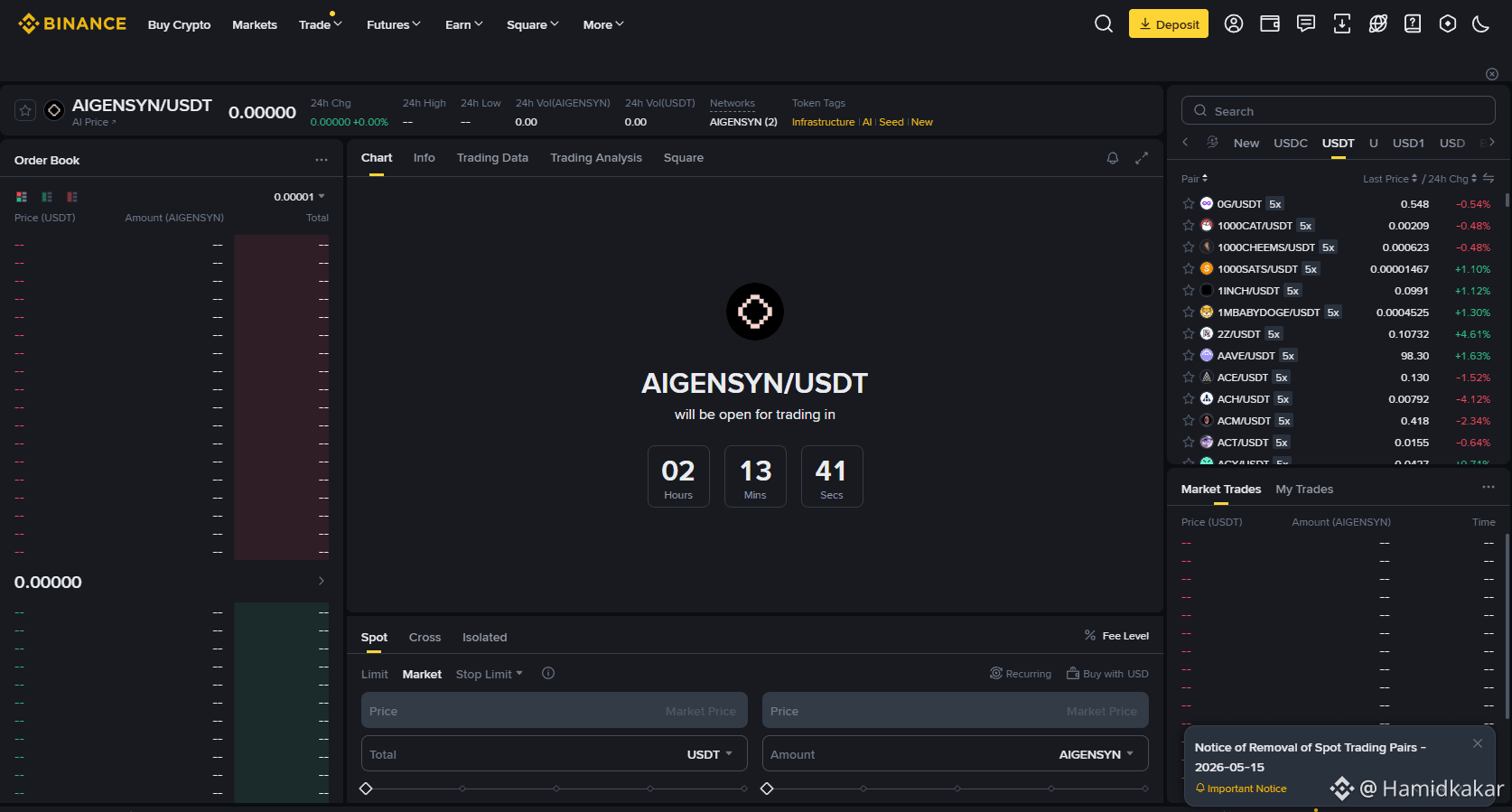
New Listing Alert: $AIGENSYN /USDT is hitting Binance! Don't miss out on this massive buying opportunity.
$AIGENSYN
{alpha}(10x4d7078ddd6ccfed2f85db5b7d3ff16828d378d48)
New Listing Alert: $AIGENSYN /USDT is hitting Binance! Don't miss out on this massive buying opportunity.
$AIGENSYN
$AIGENSYN
125
·
--
$WLD is at a critical Make-or-Break level! 🚨 Daily chart shows strong rejection at the 50 SMA ($0.2705). As long as $0.2720 doesn't break, going long is risky. Intraday traders can scalp shorts or wait for a safe support bounce around $0.2500-$0.2550.
$WLD is at a critical Make-or-Break level! 🚨 Daily chart shows strong rejection at the 50 SMA ($0.2705). As long as $0.2720 doesn't break, going long is risky. Intraday traders can scalp shorts or wait for a safe support bounce around $0.2500-$0.2550.
121
·
--
Why Is WULF Stock On Retail Radar Today? TeraWulf Just Flipped Its Revenue Mix – HPC Now Outearns BiShares of TeraWulf (WULF) edged higher in early-morning trade on Friday, despite an earnings miss, after the company reported that its data center business now accounted for a larger share of revenue than its Bitcoin (BTC) mining business.
TeraWulf had zero revenue from high-performance computing (HPC) a year ago. In the first quarter (Q1) of 2026, the company said HPC lease revenue from Core42 accounted for $21 million of its $34 million total. This means 62% of TeraWulf’s revenue now comes from its pivot toward data center infrastructure.
Digital asset revenue, meanwhile, collapsed to $13 million from $34.4 million year-over-year (YoY). Total revenue remained flat, but beat Wall Street’s estimate of $33 million, according to Koyfin data. Loss per share of $1.01 came in worse than the $0.23 loss per share expected by analysts.
WULF’s stock dropped as much as 2.5% in pre-market trade and was among the top trending tickers on Stocktwits. Retail sentiment on the platform around the company trended in ‘bullish’ territory, accompanied by ‘high’ levels of chatter.
Get updates to this developing story directly on Stocktwits.
Why Is WULF Stock On Retail Radar Today? TeraWulf Just Flipped Its Revenue Mix – HPC Now Outearns Bi
Shares of TeraWulf (WULF) edged higher in early-morning trade on Friday, despite an earnings miss, after the company reported that its data center business now accounted for a larger share of revenue than its Bitcoin (BTC) mining business.
TeraWulf had zero revenue from high-performance computing (HPC) a year ago. In the first quarter (Q1) of 2026, the company said HPC lease revenue from Core42 accounted for $21 million of its $34 million total. This means 62% of TeraWulf’s revenue now comes from its pivot toward data center infrastructure.
Digital asset revenue, meanwhile, collapsed to $13 million from $34.4 million year-over-year (YoY). Total revenue remained flat, but beat Wall Street’s estimate of $33 million, according to Koyfin data. Loss per share of $1.01 came in worse than the $0.23 loss per share expected by analysts.
WULF’s stock dropped as much as 2.5% in pre-market trade and was among the top trending tickers on Stocktwits. Retail sentiment on the platform around the company trended in ‘bullish’ territory, accompanied by ‘high’ levels of chatter.
Get updates to this developing story directly on Stocktwits.
TeraWulf had zero revenue from high-performance computing (HPC) a year ago. In the first quarter (Q1) of 2026, the company said HPC lease revenue from Core42 accounted for $21 million of its $34 million total. This means 62% of TeraWulf’s revenue now comes from its pivot toward data center infrastructure.
Digital asset revenue, meanwhile, collapsed to $13 million from $34.4 million year-over-year (YoY). Total revenue remained flat, but beat Wall Street’s estimate of $33 million, according to Koyfin data. Loss per share of $1.01 came in worse than the $0.23 loss per share expected by analysts.
WULF’s stock dropped as much as 2.5% in pre-market trade and was among the top trending tickers on Stocktwits. Retail sentiment on the platform around the company trended in ‘bullish’ territory, accompanied by ‘high’ levels of chatter.
Get updates to this developing story directly on Stocktwits.
106
·
--
Article
Bitcoin Seasonality Flashes Bullish May Signal After Two Green MonthsBitcoin’s May setup is drawing fresh attention after two consecutive green months, with Trader_XO pointing to seasonality data that leaves BTC on the edge of a rare three-month streak. The question is whether the historical pattern has real market weight this time, or whether the latest geopolitical shock has already complicated the signal.
Bitcoin Eyes Rare Three-Month Winning Streak
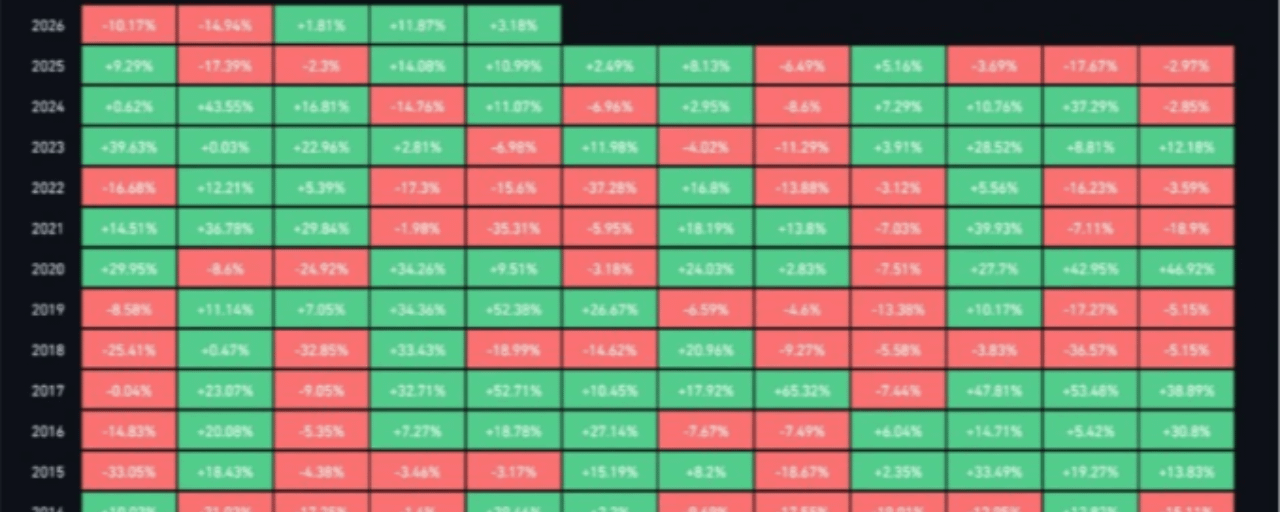
The Coinglass data shared by Trader_XO shows Bitcoin’s monthly returns by year, with 2026 so far marked by a sharp early-year drawdown followed by a recovery phase. BTC fell 10.17% in January and another 14.94% in February, before turning higher with a 1.81% gain in March and an 11.87% advance in April. May is shown up 3.18% so far, keeping the month positive at the time of the snapshot.
“Bitcoin seasonality, with context,” Trader_XO wrote. “May stats: Positive ~60% of the time (8/13 years). Avg return: ~+8%. Median return: ~+3%. Only once has BTC had March, April, May all green (2019). This year so far: March: +1.81%. April: +11.87%. May opened at 76.3s. Does May end up being positive by month end?”
The Coinglass table gives the seasonal argument some structure. Its visible average row lists May at +7.82%, making it one of Bitcoin’s stronger months historically, behind October, November and April in the displayed data. The median row shows May at +6.34%, while the broader table highlights how uneven the month has been: May delivered outsized gains in 2017 and 2019, both above 52%, but also saw deep losses in 2021 and 2022, at -35.31% and -15.6%.
That dispersion matters. May’s green bias is not the same as a reliable monthly trade. The chart shows positive May returns in eight of the past 13 completed years, but the losses, when they arrived, were large enough to make context more important than a simple seasonal read.
That was also the point raised in the replies. StrongHedge argued that “context matters alongside data,” noting that in 2019 the market had “pico bottomed” and was beginning a new uptrend. Trader_XO agreed, responding: “Yep — exact same thoughts.” The comparison is important because 2019 remains the only year in the dataset where Bitcoin posted gains in March, April and May in sequence.
For 2026, the market is now testing whether the same three-month pattern can repeat after a very different start to the year. The rebound from February’s drawdown has been strong enough to restore upside momentum, but not clean enough to remove macro and geopolitical risk from the equation.
That became clear in Monday’s price action. Bitcoin climbed above $80,000 for the first time since late January, reaching an intraday high around $80,529, after Donald Trump announced “Project Freedom,” a US effort tied to the Strait of Hormuz. Reuters reported that the US deployed Navy guided-missile destroyers to help escort commercial vessels, while AP reported that CENTCOM said two American-flagged merchant ships transited the strait with Navy support.
The relief move did not hold. Later, Iran’s Fars news agency reported that missiles had hit a US warship near Jask Island after it ignored Iranian warnings, while US officials denied that any Navy vessel had been struck. Bitcoin quickly lost the $80,000 breakout and slipped back toward the high-$78,000s.
At press time, BTC traded at $78,755.
Bitcoin Seasonality Flashes Bullish May Signal After Two Green Months
Bitcoin’s May setup is drawing fresh attention after two consecutive green months, with Trader_XO pointing to seasonality data that leaves BTC on the edge of a rare three-month streak. The question is whether the historical pattern has real market weight this time, or whether the latest geopolitical shock has already complicated the signal.
Bitcoin Eyes Rare Three-Month Winning Streak
The Coinglass data shared by Trader_XO shows Bitcoin’s monthly returns by year, with 2026 so far marked by a sharp early-year drawdown followed by a recovery phase. BTC fell 10.17% in January and another 14.94% in February, before turning higher with a 1.81% gain in March and an 11.87% advance in April. May is shown up 3.18% so far, keeping the month positive at the time of the snapshot.
“Bitcoin seasonality, with context,” Trader_XO wrote. “May stats: Positive ~60% of the time (8/13 years). Avg return: ~+8%. Median return: ~+3%. Only once has BTC had March, April, May all green (2019). This year so far: March: +1.81%. April: +11.87%. May opened at 76.3s. Does May end up being positive by month end?”
The Coinglass table gives the seasonal argument some structure. Its visible average row lists May at +7.82%, making it one of Bitcoin’s stronger months historically, behind October, November and April in the displayed data. The median row shows May at +6.34%, while the broader table highlights how uneven the month has been: May delivered outsized gains in 2017 and 2019, both above 52%, but also saw deep losses in 2021 and 2022, at -35.31% and -15.6%.
That dispersion matters. May’s green bias is not the same as a reliable monthly trade. The chart shows positive May returns in eight of the past 13 completed years, but the losses, when they arrived, were large enough to make context more important than a simple seasonal read.
That was also the point raised in the replies. StrongHedge argued that “context matters alongside data,” noting that in 2019 the market had “pico bottomed” and was beginning a new uptrend. Trader_XO agreed, responding: “Yep — exact same thoughts.” The comparison is important because 2019 remains the only year in the dataset where Bitcoin posted gains in March, April and May in sequence.
For 2026, the market is now testing whether the same three-month pattern can repeat after a very different start to the year. The rebound from February’s drawdown has been strong enough to restore upside momentum, but not clean enough to remove macro and geopolitical risk from the equation.
That became clear in Monday’s price action. Bitcoin climbed above $80,000 for the first time since late January, reaching an intraday high around $80,529, after Donald Trump announced “Project Freedom,” a US effort tied to the Strait of Hormuz. Reuters reported that the US deployed Navy guided-missile destroyers to help escort commercial vessels, while AP reported that CENTCOM said two American-flagged merchant ships transited the strait with Navy support.
The relief move did not hold. Later, Iran’s Fars news agency reported that missiles had hit a US warship near Jask Island after it ignored Iranian warnings, while US officials denied that any Navy vessel had been struck. Bitcoin quickly lost the $80,000 breakout and slipped back toward the high-$78,000s.
At press time, BTC traded at $78,755.
Bitcoin Eyes Rare Three-Month Winning Streak
The Coinglass data shared by Trader_XO shows Bitcoin’s monthly returns by year, with 2026 so far marked by a sharp early-year drawdown followed by a recovery phase. BTC fell 10.17% in January and another 14.94% in February, before turning higher with a 1.81% gain in March and an 11.87% advance in April. May is shown up 3.18% so far, keeping the month positive at the time of the snapshot.
“Bitcoin seasonality, with context,” Trader_XO wrote. “May stats: Positive ~60% of the time (8/13 years). Avg return: ~+8%. Median return: ~+3%. Only once has BTC had March, April, May all green (2019). This year so far: March: +1.81%. April: +11.87%. May opened at 76.3s. Does May end up being positive by month end?”
The Coinglass table gives the seasonal argument some structure. Its visible average row lists May at +7.82%, making it one of Bitcoin’s stronger months historically, behind October, November and April in the displayed data. The median row shows May at +6.34%, while the broader table highlights how uneven the month has been: May delivered outsized gains in 2017 and 2019, both above 52%, but also saw deep losses in 2021 and 2022, at -35.31% and -15.6%.
That dispersion matters. May’s green bias is not the same as a reliable monthly trade. The chart shows positive May returns in eight of the past 13 completed years, but the losses, when they arrived, were large enough to make context more important than a simple seasonal read.
That was also the point raised in the replies. StrongHedge argued that “context matters alongside data,” noting that in 2019 the market had “pico bottomed” and was beginning a new uptrend. Trader_XO agreed, responding: “Yep — exact same thoughts.” The comparison is important because 2019 remains the only year in the dataset where Bitcoin posted gains in March, April and May in sequence.
For 2026, the market is now testing whether the same three-month pattern can repeat after a very different start to the year. The rebound from February’s drawdown has been strong enough to restore upside momentum, but not clean enough to remove macro and geopolitical risk from the equation.
That became clear in Monday’s price action. Bitcoin climbed above $80,000 for the first time since late January, reaching an intraday high around $80,529, after Donald Trump announced “Project Freedom,” a US effort tied to the Strait of Hormuz. Reuters reported that the US deployed Navy guided-missile destroyers to help escort commercial vessels, while AP reported that CENTCOM said two American-flagged merchant ships transited the strait with Navy support.
The relief move did not hold. Later, Iran’s Fars news agency reported that missiles had hit a US warship near Jask Island after it ignored Iranian warnings, while US officials denied that any Navy vessel had been struck. Bitcoin quickly lost the $80,000 breakout and slipped back toward the high-$78,000s.
At press time, BTC traded at $78,755.
1
125
·
--
North Korea terrorism creditors move to seize Arbitrum-frozen Kelp DAO ETH ahead of DeFi United voteA New York federal court has complicated Arbitrum DAO's plan to compensate victims of last month's $292 million Kelp DAO exploit.
On May 1, lawyers for the plaintiffs served Arbitrum DAO, through a forum post, with a restraining notice barring the DAO from moving the 30,766 ETH (~$71.1 million) that the Arbitrum Security Council froze on April 20 after tracing the funds to addresses controlled by the Kelp DAO exploiter. LayerZero attributed the bridge breach to the North Korean state-sponsored Lazarus Group, the same collective tied to the 2022 Ronin Network and 2025 Bybit hacks. The U.S. District Court for the Southern District of New York authorized the service of the notice.
The plaintiffs, victims of terrorism, were not affected by the Kelp incident, but they instead hold older default judgments against the DPRK that have gone unpaid for years. The notice names Arbitrum DAO as a garnishee and treats the frozen ether as property in which North Korea has an interest, on the theory that the funds were stolen by Lazarus on Pyongyang's behalf.
The action was filed by Gerstein Harrow LLP on behalf of Han Kim and Yong Seok Kim, U.S. nationals whose family member, Reverend Kim Dong-shik, was abducted in China and killed by North Korean agents. A 2015 ruling by the U.S. District Court for the District of Columbia, on remand from the D.C. Circuit, produced a roughly $330 million default judgment against the DPRK in that case.
The restraining notice also bundles two additional unsatisfied judgments against North Korea: Kaplan v. DPRK (about $169 million, predicated on alleged DPRK material support for Hezbollah rocket attacks on northern Israel during the 2006 Lebanon war), and Calderon-Cardona v. DPRK ($378 million, tied to the 1972 Lod Airport attack carried out by Japanese Red Army operatives that killed 26 people, including 17 Puerto Rican Christian pilgrims). The combined face value across all three judgments exceeds $877 million, plus more than a decade of post-judgment interest in the older cases.
The legal theory rests on the Foreign Sovereign Immunities Act and the Terrorism Risk Insurance Act, which together allow judgment creditors of a state sponsor of terrorism to attach property held by the regime or its agencies and instrumentalities. The notice names APT-38 and the Lazarus Group as DPRK instrumentalities.
DeFi United vote sees major support
Arbitrum DAO opened the Snapshot temperature check on April 30 on a proposal authored by Aave Labs, with co-authors Kelp DAO, LayerZero, EtherFi, and Compound, to send the frozen ETH to DeFi United, a cross-protocol relief fund organized after the hack. Voting concludes on May 7.
The proposal would direct the funds to a 3-of-4 Gnosis Safe co-signed by Aave, Kelp DAO, EtherFi, and onchain security firm Certora, designated solely to receive recovered ETH and apply it toward restoring rsETH's economic backing. Over 99% of votes are currently in favor of the proposal as of publication time.
The Aave proposal also includes an uncapped indemnification clause from Aave Labs covering the Arbitrum Foundation, Offchain Labs, and individual Security Council members for any claims arising out of the freeze or release. Whether that private indemnification has any force against an active restraining notice appears to be an open question.
Restraining notice draws criticism
Blockchain sleuth ZachXBT had sharp words for the plaintiffs on X. "This is a predatory US law firm with a strategy that is pure evil," ZachXBT wrote Friday night. "Whenever there’s a new Lazarus Group victim after an exploit and crypto assets get frozen. These clowns come in say they have a claim for an alleged DPRK victim from 26 years ago that has zero relation to crypto or exploits/hacks. Seems they tried it for the Harmony, Bybit, etc [...] When all they did is read my posts after I did the difficult part of gathering evidence to support the freeze."
Yearn contributor banteg argued in a separate post that the DAO would be within its rights to ignore the order outright, since the funds have a clean provenance to Kelp and LayerZero hack victims. He urged Aave and other parties drafting recovery proposals to "skip any intermediate multisigs and move funds to the recovery contracts directly," sidestepping potential pressure on individual signers.
Gerstein Harrow has run versions of this strategy before. The firm has argued in prior litigation that DAOs should be treated as unincorporated associations whose individual members can be held liable for the entity's conduct, and at least one federal judge has allowed claims to proceed on that theory.
The legal posture leaves two open questions for Arbitrum's delegate base over the next four days. The first is whether ARB holders who vote yes on the DeFi United proposal can in fact be held personally liable for any subsequent transfer. The second is precedential: in a recovery scenario where stolen crypto is traceable to both immediate exploit victims and a sanctioned state sponsor with prior unsatisfied judgments, which set of creditors has the better claim.
Disclaimer: The Block is an independent media outlet that delivers news, research, and data. As of November 2023, Foresight Ventures is a majority investor of The Block. Foresight Ventures invests in other companies in the crypto space. Crypto exchange Bitget is an anchor LP for Foresight Ventures. The Block continues to operate independently to deliver objective, impactful, and timely information about the crypto industry. Here are our current financial disclosures.
© 2026 The Block. All Rights Reserved. This article is provided for informational purposes only. It is not offered or intended to be used as legal, tax, investment, financial, or other advice.
North Korea terrorism creditors move to seize Arbitrum-frozen Kelp DAO ETH ahead of DeFi United vote
A New York federal court has complicated Arbitrum DAO's plan to compensate victims of last month's $292 million Kelp DAO exploit.
On May 1, lawyers for the plaintiffs served Arbitrum DAO, through a forum post, with a restraining notice barring the DAO from moving the 30,766 ETH (~$71.1 million) that the Arbitrum Security Council froze on April 20 after tracing the funds to addresses controlled by the Kelp DAO exploiter. LayerZero attributed the bridge breach to the North Korean state-sponsored Lazarus Group, the same collective tied to the 2022 Ronin Network and 2025 Bybit hacks. The U.S. District Court for the Southern District of New York authorized the service of the notice.
The plaintiffs, victims of terrorism, were not affected by the Kelp incident, but they instead hold older default judgments against the DPRK that have gone unpaid for years. The notice names Arbitrum DAO as a garnishee and treats the frozen ether as property in which North Korea has an interest, on the theory that the funds were stolen by Lazarus on Pyongyang's behalf.
The action was filed by Gerstein Harrow LLP on behalf of Han Kim and Yong Seok Kim, U.S. nationals whose family member, Reverend Kim Dong-shik, was abducted in China and killed by North Korean agents. A 2015 ruling by the U.S. District Court for the District of Columbia, on remand from the D.C. Circuit, produced a roughly $330 million default judgment against the DPRK in that case.
The restraining notice also bundles two additional unsatisfied judgments against North Korea: Kaplan v. DPRK (about $169 million, predicated on alleged DPRK material support for Hezbollah rocket attacks on northern Israel during the 2006 Lebanon war), and Calderon-Cardona v. DPRK ($378 million, tied to the 1972 Lod Airport attack carried out by Japanese Red Army operatives that killed 26 people, including 17 Puerto Rican Christian pilgrims). The combined face value across all three judgments exceeds $877 million, plus more than a decade of post-judgment interest in the older cases.
The legal theory rests on the Foreign Sovereign Immunities Act and the Terrorism Risk Insurance Act, which together allow judgment creditors of a state sponsor of terrorism to attach property held by the regime or its agencies and instrumentalities. The notice names APT-38 and the Lazarus Group as DPRK instrumentalities.
DeFi United vote sees major support
Arbitrum DAO opened the Snapshot temperature check on April 30 on a proposal authored by Aave Labs, with co-authors Kelp DAO, LayerZero, EtherFi, and Compound, to send the frozen ETH to DeFi United, a cross-protocol relief fund organized after the hack. Voting concludes on May 7.
The proposal would direct the funds to a 3-of-4 Gnosis Safe co-signed by Aave, Kelp DAO, EtherFi, and onchain security firm Certora, designated solely to receive recovered ETH and apply it toward restoring rsETH's economic backing. Over 99% of votes are currently in favor of the proposal as of publication time.
The Aave proposal also includes an uncapped indemnification clause from Aave Labs covering the Arbitrum Foundation, Offchain Labs, and individual Security Council members for any claims arising out of the freeze or release. Whether that private indemnification has any force against an active restraining notice appears to be an open question.
Restraining notice draws criticism
Blockchain sleuth ZachXBT had sharp words for the plaintiffs on X. "This is a predatory US law firm with a strategy that is pure evil," ZachXBT wrote Friday night. "Whenever there’s a new Lazarus Group victim after an exploit and crypto assets get frozen. These clowns come in say they have a claim for an alleged DPRK victim from 26 years ago that has zero relation to crypto or exploits/hacks. Seems they tried it for the Harmony, Bybit, etc [...] When all they did is read my posts after I did the difficult part of gathering evidence to support the freeze."
Yearn contributor banteg argued in a separate post that the DAO would be within its rights to ignore the order outright, since the funds have a clean provenance to Kelp and LayerZero hack victims. He urged Aave and other parties drafting recovery proposals to "skip any intermediate multisigs and move funds to the recovery contracts directly," sidestepping potential pressure on individual signers.
Gerstein Harrow has run versions of this strategy before. The firm has argued in prior litigation that DAOs should be treated as unincorporated associations whose individual members can be held liable for the entity's conduct, and at least one federal judge has allowed claims to proceed on that theory.
The legal posture leaves two open questions for Arbitrum's delegate base over the next four days. The first is whether ARB holders who vote yes on the DeFi United proposal can in fact be held personally liable for any subsequent transfer. The second is precedential: in a recovery scenario where stolen crypto is traceable to both immediate exploit victims and a sanctioned state sponsor with prior unsatisfied judgments, which set of creditors has the better claim.
Disclaimer: The Block is an independent media outlet that delivers news, research, and data. As of November 2023, Foresight Ventures is a majority investor of The Block. Foresight Ventures invests in other companies in the crypto space. Crypto exchange Bitget is an anchor LP for Foresight Ventures. The Block continues to operate independently to deliver objective, impactful, and timely information about the crypto industry. Here are our current financial disclosures.
© 2026 The Block. All Rights Reserved. This article is provided for informational purposes only. It is not offered or intended to be used as legal, tax, investment, financial, or other advice.
On May 1, lawyers for the plaintiffs served Arbitrum DAO, through a forum post, with a restraining notice barring the DAO from moving the 30,766 ETH (~$71.1 million) that the Arbitrum Security Council froze on April 20 after tracing the funds to addresses controlled by the Kelp DAO exploiter. LayerZero attributed the bridge breach to the North Korean state-sponsored Lazarus Group, the same collective tied to the 2022 Ronin Network and 2025 Bybit hacks. The U.S. District Court for the Southern District of New York authorized the service of the notice.
The plaintiffs, victims of terrorism, were not affected by the Kelp incident, but they instead hold older default judgments against the DPRK that have gone unpaid for years. The notice names Arbitrum DAO as a garnishee and treats the frozen ether as property in which North Korea has an interest, on the theory that the funds were stolen by Lazarus on Pyongyang's behalf.
The action was filed by Gerstein Harrow LLP on behalf of Han Kim and Yong Seok Kim, U.S. nationals whose family member, Reverend Kim Dong-shik, was abducted in China and killed by North Korean agents. A 2015 ruling by the U.S. District Court for the District of Columbia, on remand from the D.C. Circuit, produced a roughly $330 million default judgment against the DPRK in that case.
The restraining notice also bundles two additional unsatisfied judgments against North Korea: Kaplan v. DPRK (about $169 million, predicated on alleged DPRK material support for Hezbollah rocket attacks on northern Israel during the 2006 Lebanon war), and Calderon-Cardona v. DPRK ($378 million, tied to the 1972 Lod Airport attack carried out by Japanese Red Army operatives that killed 26 people, including 17 Puerto Rican Christian pilgrims). The combined face value across all three judgments exceeds $877 million, plus more than a decade of post-judgment interest in the older cases.
The legal theory rests on the Foreign Sovereign Immunities Act and the Terrorism Risk Insurance Act, which together allow judgment creditors of a state sponsor of terrorism to attach property held by the regime or its agencies and instrumentalities. The notice names APT-38 and the Lazarus Group as DPRK instrumentalities.
DeFi United vote sees major support
Arbitrum DAO opened the Snapshot temperature check on April 30 on a proposal authored by Aave Labs, with co-authors Kelp DAO, LayerZero, EtherFi, and Compound, to send the frozen ETH to DeFi United, a cross-protocol relief fund organized after the hack. Voting concludes on May 7.
The proposal would direct the funds to a 3-of-4 Gnosis Safe co-signed by Aave, Kelp DAO, EtherFi, and onchain security firm Certora, designated solely to receive recovered ETH and apply it toward restoring rsETH's economic backing. Over 99% of votes are currently in favor of the proposal as of publication time.
The Aave proposal also includes an uncapped indemnification clause from Aave Labs covering the Arbitrum Foundation, Offchain Labs, and individual Security Council members for any claims arising out of the freeze or release. Whether that private indemnification has any force against an active restraining notice appears to be an open question.
Restraining notice draws criticism
Blockchain sleuth ZachXBT had sharp words for the plaintiffs on X. "This is a predatory US law firm with a strategy that is pure evil," ZachXBT wrote Friday night. "Whenever there’s a new Lazarus Group victim after an exploit and crypto assets get frozen. These clowns come in say they have a claim for an alleged DPRK victim from 26 years ago that has zero relation to crypto or exploits/hacks. Seems they tried it for the Harmony, Bybit, etc [...] When all they did is read my posts after I did the difficult part of gathering evidence to support the freeze."
Yearn contributor banteg argued in a separate post that the DAO would be within its rights to ignore the order outright, since the funds have a clean provenance to Kelp and LayerZero hack victims. He urged Aave and other parties drafting recovery proposals to "skip any intermediate multisigs and move funds to the recovery contracts directly," sidestepping potential pressure on individual signers.
Gerstein Harrow has run versions of this strategy before. The firm has argued in prior litigation that DAOs should be treated as unincorporated associations whose individual members can be held liable for the entity's conduct, and at least one federal judge has allowed claims to proceed on that theory.
The legal posture leaves two open questions for Arbitrum's delegate base over the next four days. The first is whether ARB holders who vote yes on the DeFi United proposal can in fact be held personally liable for any subsequent transfer. The second is precedential: in a recovery scenario where stolen crypto is traceable to both immediate exploit victims and a sanctioned state sponsor with prior unsatisfied judgments, which set of creditors has the better claim.
Disclaimer: The Block is an independent media outlet that delivers news, research, and data. As of November 2023, Foresight Ventures is a majority investor of The Block. Foresight Ventures invests in other companies in the crypto space. Crypto exchange Bitget is an anchor LP for Foresight Ventures. The Block continues to operate independently to deliver objective, impactful, and timely information about the crypto industry. Here are our current financial disclosures.
© 2026 The Block. All Rights Reserved. This article is provided for informational purposes only. It is not offered or intended to be used as legal, tax, investment, financial, or other advice.
174
·
--
Article
INJUSD: Massive Channel Formation, Next Wave Setup!Hello There,
welcome to my new analysis about INJUSD on the weekly timeframe perspective. In recent times I have spotted interesting cryptocurrency gems in the cryptocurrency market. These gems have a lot of potential to show higher volatility than the rest of the market. Therefore, they offer interesting setups to consider for a surplus profit. One of them, which I share today, is $INJ USDt. The coin is forming an interesting constellation, which is likely to turn into an exceptional market phase.
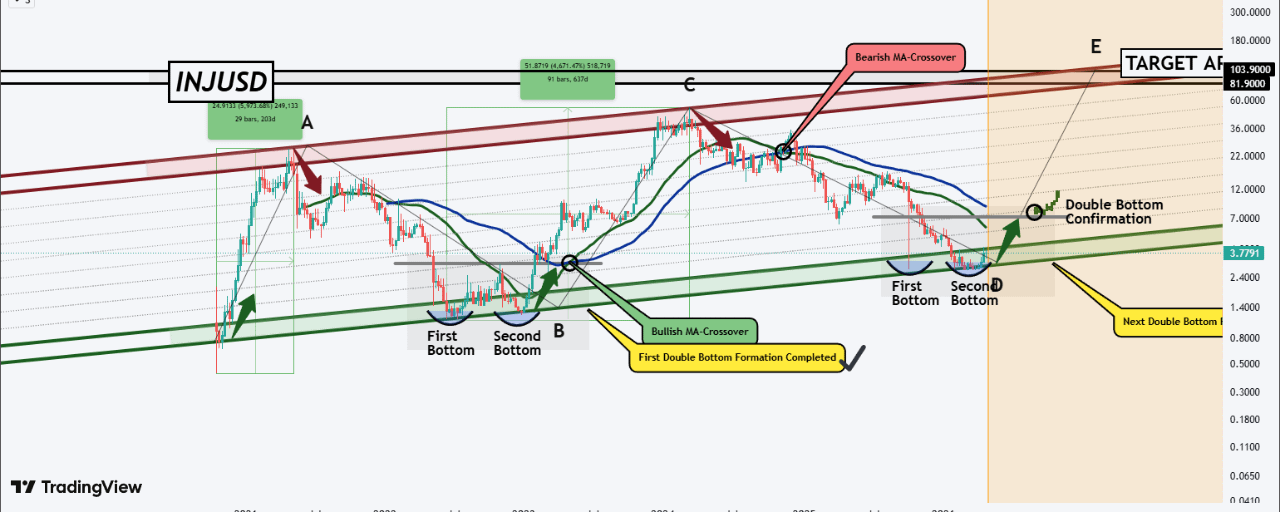
As when looking at my chart, we can watch there how INJUSD is trading in this prolonged ascending channel formation. The lower boundary marked in green in my chart shows a substantial support area. INJUSD already bounced several times within this area. Now INJUSD entered this area again and is about to form the next bullish double bottom reversal formation as marked in my chart.
The double bottom fractal formation was already the origin of a large upward expansion, with INJUSD shooting into the upper boundary. Right now, INJUSD is forming a very similar formation. The double bottom is going to confirm with a breakout above the grey-marked neckline. When the bullish MA crossover with the 35-MA marked in green crossing above the 65-MA marked in blue forms again, this additionally confirms the double bottom.
Once the final double bottom has completed, INJUSD will have the target zone in the upper boundary of the ascending channel again. It will also complete the wave count. In such situations it is always necessary to consider potential turning points in the cryptocurrency market and adjust accordingly. I will monitor the situation closely.
Thank you a lot for watching!
What do you think about INJUSD at the moment? Which altcoin should I analyze next?
Let us know in the comments!
INJUSD: Massive Channel Formation, Next Wave Setup!
Hello There,
welcome to my new analysis about INJUSD on the weekly timeframe perspective. In recent times I have spotted interesting cryptocurrency gems in the cryptocurrency market. These gems have a lot of potential to show higher volatility than the rest of the market. Therefore, they offer interesting setups to consider for a surplus profit. One of them, which I share today, is $INJ USDt. The coin is forming an interesting constellation, which is likely to turn into an exceptional market phase.
As when looking at my chart, we can watch there how INJUSD is trading in this prolonged ascending channel formation. The lower boundary marked in green in my chart shows a substantial support area. INJUSD already bounced several times within this area. Now INJUSD entered this area again and is about to form the next bullish double bottom reversal formation as marked in my chart.
The double bottom fractal formation was already the origin of a large upward expansion, with INJUSD shooting into the upper boundary. Right now, INJUSD is forming a very similar formation. The double bottom is going to confirm with a breakout above the grey-marked neckline. When the bullish MA crossover with the 35-MA marked in green crossing above the 65-MA marked in blue forms again, this additionally confirms the double bottom.
Once the final double bottom has completed, INJUSD will have the target zone in the upper boundary of the ascending channel again. It will also complete the wave count. In such situations it is always necessary to consider potential turning points in the cryptocurrency market and adjust accordingly. I will monitor the situation closely.
Thank you a lot for watching!
What do you think about INJUSD at the moment? Which altcoin should I analyze next?
Let us know in the comments!
welcome to my new analysis about INJUSD on the weekly timeframe perspective. In recent times I have spotted interesting cryptocurrency gems in the cryptocurrency market. These gems have a lot of potential to show higher volatility than the rest of the market. Therefore, they offer interesting setups to consider for a surplus profit. One of them, which I share today, is $INJ USDt. The coin is forming an interesting constellation, which is likely to turn into an exceptional market phase.
As when looking at my chart, we can watch there how INJUSD is trading in this prolonged ascending channel formation. The lower boundary marked in green in my chart shows a substantial support area. INJUSD already bounced several times within this area. Now INJUSD entered this area again and is about to form the next bullish double bottom reversal formation as marked in my chart.
The double bottom fractal formation was already the origin of a large upward expansion, with INJUSD shooting into the upper boundary. Right now, INJUSD is forming a very similar formation. The double bottom is going to confirm with a breakout above the grey-marked neckline. When the bullish MA crossover with the 35-MA marked in green crossing above the 65-MA marked in blue forms again, this additionally confirms the double bottom.
Once the final double bottom has completed, INJUSD will have the target zone in the upper boundary of the ascending channel again. It will also complete the wave count. In such situations it is always necessary to consider potential turning points in the cryptocurrency market and adjust accordingly. I will monitor the situation closely.
Thank you a lot for watching!
What do you think about INJUSD at the moment? Which altcoin should I analyze next?
Let us know in the comments!
168
·
--
Article
Crypto World Not Trump world or specific onesIntroduction – The Scale of Today's Crypto Market
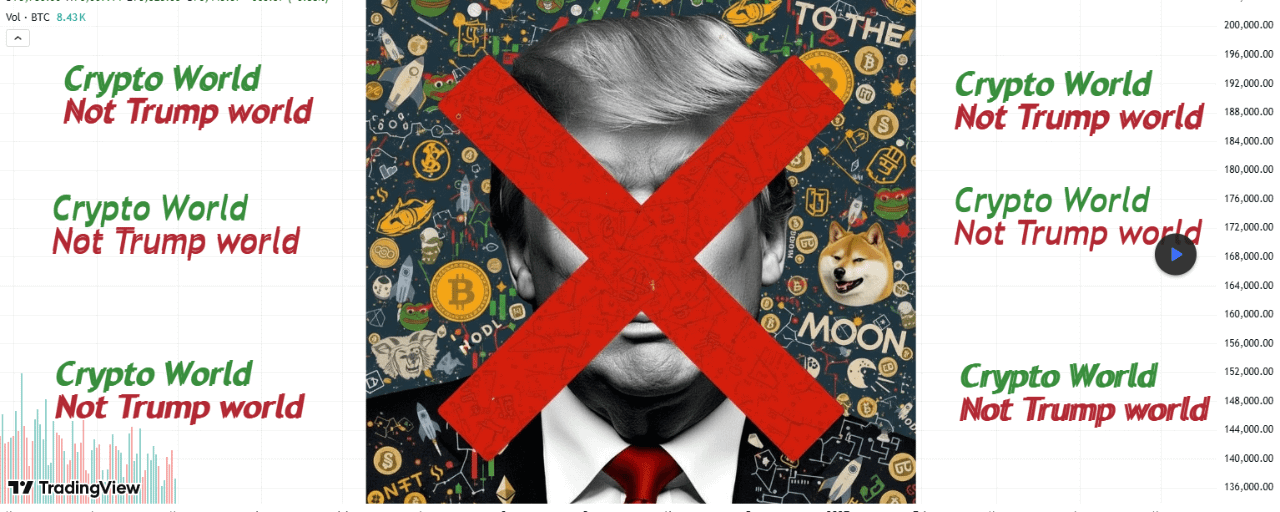
The cryptocurrency market has matured significantly. With a total market capitalization of approximately $2.5 trillion and consistently high trading volume, it is no longer a niche asset class that can be easily moved by individual interests. This is a crucial point that every trader must understand.
Individual Interests vs. Market Purpose
Individuals such as Donald Trump, his affiliates, or even Elon Musk – despite their wealth and public influence – do not define the purpose or direction of the crypto market. Their total assets are minuscule compared to the $2.5 trillion market cap. In relative terms, they are like insects trying to move an elephant. They cannot sustainably push the market up or down with real or fake news.
Historical Parallel – Elon Musk and Dogecoin
This behavior is not new. In previous years, Elon Musk used his Twitter (now X) influence to pump and dump Dogecoin (DOGE) for his own interests. His tweets caused sharp price movements, but those effects were temporary. Over time, the market learned to ignore or quickly fade such news. The power of his influence diminished with each tweet.
Current Case – Trump and the Crypto Market
Now, similar behavior is observed from Trump and his circle. However, there is a critical difference: the market is now even larger and more liquid. Each time Trump tweets about crypto, his power to move the market decreases – just like what happened with Elon Musk.
The Real Problem – Insider Activity and Retail Losses
What is more concerning is the observable pattern of anonymous whale wallets opening massive, strong positions before Trump's tweets are published on social media. These wallets appear to have advanced knowledge of the news.
As a result:
Retail traders rush in after seeing the news, driven by FOMO (fear of missing out).
These retail traders get rekt (liquidated) when the price reverses shortly after.
Meanwhile, the anonymous whales close their positions at a profit, using retail liquidity as their exit.
This is a classic "buy the rumor, sell the news" pattern, but with an extra layer of insider advantage.
Why Their Power Is Decreasing
Two main reasons:
Market Cap Difference – Their total assets are too small relative to the $2.5 trillion crypto market. They cannot sustain a directional move.
Trader Adaptation – Traders who rush into positions based on celebrity or political news are repeatedly getting liquidated. Over time, the market learns. Fewer traders react, and those who do lose capital and stop.
What Should You Do?
This is the most important part of this educational post:
1.Turn off your trading setup whenever such individuals post something that can shake the market.
2.Do nothing – Avoid the temptation to chase the news.
3.Understand the real game – The profit belongs to those who open their high-volume positions 4.After the news is released. They need your liquidity to close their positions with profit.
Stay away from news-driven volatility.
5.Stick to your own trading plan – Do not let external noise dictate your entries and exits. Your 6.plan, based on your analysis and risk tolerance, is your only reliable guide.
Final Educational Takeaway
The crypto market is now too large for any single individual or family to control. Each tweet or news event loses power over time. The ones who profit are the anonymous whales who position themselves before the news. The ones who lose are retail traders who react emotionally. Protect your capital: ignore the noise, follow your plan.
$BTC $ETH $BNB
Crypto World Not Trump world or specific ones
Introduction – The Scale of Today's Crypto Market
The cryptocurrency market has matured significantly. With a total market capitalization of approximately $2.5 trillion and consistently high trading volume, it is no longer a niche asset class that can be easily moved by individual interests. This is a crucial point that every trader must understand.
Individual Interests vs. Market Purpose
Individuals such as Donald Trump, his affiliates, or even Elon Musk – despite their wealth and public influence – do not define the purpose or direction of the crypto market. Their total assets are minuscule compared to the $2.5 trillion market cap. In relative terms, they are like insects trying to move an elephant. They cannot sustainably push the market up or down with real or fake news.
Historical Parallel – Elon Musk and Dogecoin
This behavior is not new. In previous years, Elon Musk used his Twitter (now X) influence to pump and dump Dogecoin (DOGE) for his own interests. His tweets caused sharp price movements, but those effects were temporary. Over time, the market learned to ignore or quickly fade such news. The power of his influence diminished with each tweet.
Current Case – Trump and the Crypto Market
Now, similar behavior is observed from Trump and his circle. However, there is a critical difference: the market is now even larger and more liquid. Each time Trump tweets about crypto, his power to move the market decreases – just like what happened with Elon Musk.
The Real Problem – Insider Activity and Retail Losses
What is more concerning is the observable pattern of anonymous whale wallets opening massive, strong positions before Trump's tweets are published on social media. These wallets appear to have advanced knowledge of the news.
As a result:
Retail traders rush in after seeing the news, driven by FOMO (fear of missing out).
These retail traders get rekt (liquidated) when the price reverses shortly after.
Meanwhile, the anonymous whales close their positions at a profit, using retail liquidity as their exit.
This is a classic "buy the rumor, sell the news" pattern, but with an extra layer of insider advantage.
Why Their Power Is Decreasing
Two main reasons:
Market Cap Difference – Their total assets are too small relative to the $2.5 trillion crypto market. They cannot sustain a directional move.
Trader Adaptation – Traders who rush into positions based on celebrity or political news are repeatedly getting liquidated. Over time, the market learns. Fewer traders react, and those who do lose capital and stop.
What Should You Do?
This is the most important part of this educational post:
1.Turn off your trading setup whenever such individuals post something that can shake the market.
2.Do nothing – Avoid the temptation to chase the news.
3.Understand the real game – The profit belongs to those who open their high-volume positions 4.After the news is released. They need your liquidity to close their positions with profit.
Stay away from news-driven volatility.
5.Stick to your own trading plan – Do not let external noise dictate your entries and exits. Your 6.plan, based on your analysis and risk tolerance, is your only reliable guide.
Final Educational Takeaway
The crypto market is now too large for any single individual or family to control. Each tweet or news event loses power over time. The ones who profit are the anonymous whales who position themselves before the news. The ones who lose are retail traders who react emotionally. Protect your capital: ignore the noise, follow your plan.
$BTC $ETH $BNB
The cryptocurrency market has matured significantly. With a total market capitalization of approximately $2.5 trillion and consistently high trading volume, it is no longer a niche asset class that can be easily moved by individual interests. This is a crucial point that every trader must understand.
Individual Interests vs. Market Purpose
Individuals such as Donald Trump, his affiliates, or even Elon Musk – despite their wealth and public influence – do not define the purpose or direction of the crypto market. Their total assets are minuscule compared to the $2.5 trillion market cap. In relative terms, they are like insects trying to move an elephant. They cannot sustainably push the market up or down with real or fake news.
Historical Parallel – Elon Musk and Dogecoin
This behavior is not new. In previous years, Elon Musk used his Twitter (now X) influence to pump and dump Dogecoin (DOGE) for his own interests. His tweets caused sharp price movements, but those effects were temporary. Over time, the market learned to ignore or quickly fade such news. The power of his influence diminished with each tweet.
Current Case – Trump and the Crypto Market
Now, similar behavior is observed from Trump and his circle. However, there is a critical difference: the market is now even larger and more liquid. Each time Trump tweets about crypto, his power to move the market decreases – just like what happened with Elon Musk.
The Real Problem – Insider Activity and Retail Losses
What is more concerning is the observable pattern of anonymous whale wallets opening massive, strong positions before Trump's tweets are published on social media. These wallets appear to have advanced knowledge of the news.
As a result:
Retail traders rush in after seeing the news, driven by FOMO (fear of missing out).
These retail traders get rekt (liquidated) when the price reverses shortly after.
Meanwhile, the anonymous whales close their positions at a profit, using retail liquidity as their exit.
This is a classic "buy the rumor, sell the news" pattern, but with an extra layer of insider advantage.
Why Their Power Is Decreasing
Two main reasons:
Market Cap Difference – Their total assets are too small relative to the $2.5 trillion crypto market. They cannot sustain a directional move.
Trader Adaptation – Traders who rush into positions based on celebrity or political news are repeatedly getting liquidated. Over time, the market learns. Fewer traders react, and those who do lose capital and stop.
What Should You Do?
This is the most important part of this educational post:
1.Turn off your trading setup whenever such individuals post something that can shake the market.
2.Do nothing – Avoid the temptation to chase the news.
3.Understand the real game – The profit belongs to those who open their high-volume positions 4.After the news is released. They need your liquidity to close their positions with profit.
Stay away from news-driven volatility.
5.Stick to your own trading plan – Do not let external noise dictate your entries and exits. Your 6.plan, based on your analysis and risk tolerance, is your only reliable guide.
Final Educational Takeaway
The crypto market is now too large for any single individual or family to control. Each tweet or news event loses power over time. The ones who profit are the anonymous whales who position themselves before the news. The ones who lose are retail traders who react emotionally. Protect your capital: ignore the noise, follow your plan.
$BTC $ETH $BNB
1
1
109
·
--
Bitcoin And XRP Are Seeing A Surge In Adoption, Here Are The NumbersThe latest holder data from Santiment shows that crypto adoption is still increasing, even as prices are without a clear bullish trend across the market. Bitcoin is approaching a major wallet milestone, XRP has continued to grow its user base, and Ethereum is dominating the field by a wide margin.
Numbers Reveal A Surge In Adoption
New figures from on-chain analytics platform Santiment show that cryptocurrencies are witnessing intense adoption across the board. This data is particularly gotten from the holder count from Santiment, which looks at the number of addresses with non-empty balances. Of the bunch, Bitcoin, XRP, and Ethereum are posting numbers that are noteworthy.
Bitcoin’s holder count is now one of the clearest signs of adoption across the crypto industry. Santiment’s latest data shows Bitcoin is currently at about 59.08 million non-empty wallets, bringing the network close to the 60 million mark. This means Bitcoin has built one of the largest ownership bases in crypto despite several months of difficult price action and correction from its 2025 price peak.
The timing of Bitcoin’s wallet growth is important because it is coming at the same time institutional demand is starting to improve again. Data from SoSoValue shows that Spot Bitcoin ETF flows witnessed positive flows in March and April, after four straight months of net outflows from late November 2025 through February 2026 that totaled about $4 billion.
Santiment’s data places XRP’s non-empty wallet count at 7.8 million. That figure, when viewed in isolation, is somewhat modest against Bitcoin’s tally. However, when viewed in context, it reflects a network that has increased in adoption with unusual consistency over the past 18 months since it started trading in the US again. This growth is also notable because XRP has not had the kind of price performance that would usually be expected to accompany a rising holder base.
A Broader Market In Expansion
The Santiment snapshot is not limited to only Bitcoin and XRP, and it places the cryptocurrencies in context compared to the rest of the market. According to Santiment, Ethereum is nearing 190 million non-empty wallets for the first time in its history, putting it far ahead of every other large-cap crypto asset tracked in the dataset. Ethereum’s 189.5 million non-empty wallets is itself a headline number, one that places it at 3.2 times Bitcoin’s holder count.
XRP’s 7.8 million non-empty wallets place it below Dogecoin’s 8.25 million and Tether’s 13.61 million on Ethereum, but above USDC’s 6.76 million, Cardano’s 4.63 million, and Chainlink’s 870,720 non-empty wallets.
These holder numbers show how far crypto adoption has grown. Research estimates that about 559 million people now own cryptocurrency in 2026, representing a 9.9% global adoption rate, with further growth expected when clearer regulations take shape in the US and other major jurisdictions.
Bitcoin And XRP Are Seeing A Surge In Adoption, Here Are The Numbers
The latest holder data from Santiment shows that crypto adoption is still increasing, even as prices are without a clear bullish trend across the market. Bitcoin is approaching a major wallet milestone, XRP has continued to grow its user base, and Ethereum is dominating the field by a wide margin.
Numbers Reveal A Surge In Adoption
New figures from on-chain analytics platform Santiment show that cryptocurrencies are witnessing intense adoption across the board. This data is particularly gotten from the holder count from Santiment, which looks at the number of addresses with non-empty balances. Of the bunch, Bitcoin, XRP, and Ethereum are posting numbers that are noteworthy.
Bitcoin’s holder count is now one of the clearest signs of adoption across the crypto industry. Santiment’s latest data shows Bitcoin is currently at about 59.08 million non-empty wallets, bringing the network close to the 60 million mark. This means Bitcoin has built one of the largest ownership bases in crypto despite several months of difficult price action and correction from its 2025 price peak.
The timing of Bitcoin’s wallet growth is important because it is coming at the same time institutional demand is starting to improve again. Data from SoSoValue shows that Spot Bitcoin ETF flows witnessed positive flows in March and April, after four straight months of net outflows from late November 2025 through February 2026 that totaled about $4 billion.
Santiment’s data places XRP’s non-empty wallet count at 7.8 million. That figure, when viewed in isolation, is somewhat modest against Bitcoin’s tally. However, when viewed in context, it reflects a network that has increased in adoption with unusual consistency over the past 18 months since it started trading in the US again. This growth is also notable because XRP has not had the kind of price performance that would usually be expected to accompany a rising holder base.
A Broader Market In Expansion
The Santiment snapshot is not limited to only Bitcoin and XRP, and it places the cryptocurrencies in context compared to the rest of the market. According to Santiment, Ethereum is nearing 190 million non-empty wallets for the first time in its history, putting it far ahead of every other large-cap crypto asset tracked in the dataset. Ethereum’s 189.5 million non-empty wallets is itself a headline number, one that places it at 3.2 times Bitcoin’s holder count.
XRP’s 7.8 million non-empty wallets place it below Dogecoin’s 8.25 million and Tether’s 13.61 million on Ethereum, but above USDC’s 6.76 million, Cardano’s 4.63 million, and Chainlink’s 870,720 non-empty wallets.
These holder numbers show how far crypto adoption has grown. Research estimates that about 559 million people now own cryptocurrency in 2026, representing a 9.9% global adoption rate, with further growth expected when clearer regulations take shape in the US and other major jurisdictions.
Numbers Reveal A Surge In Adoption
New figures from on-chain analytics platform Santiment show that cryptocurrencies are witnessing intense adoption across the board. This data is particularly gotten from the holder count from Santiment, which looks at the number of addresses with non-empty balances. Of the bunch, Bitcoin, XRP, and Ethereum are posting numbers that are noteworthy.
Bitcoin’s holder count is now one of the clearest signs of adoption across the crypto industry. Santiment’s latest data shows Bitcoin is currently at about 59.08 million non-empty wallets, bringing the network close to the 60 million mark. This means Bitcoin has built one of the largest ownership bases in crypto despite several months of difficult price action and correction from its 2025 price peak.
The timing of Bitcoin’s wallet growth is important because it is coming at the same time institutional demand is starting to improve again. Data from SoSoValue shows that Spot Bitcoin ETF flows witnessed positive flows in March and April, after four straight months of net outflows from late November 2025 through February 2026 that totaled about $4 billion.
Santiment’s data places XRP’s non-empty wallet count at 7.8 million. That figure, when viewed in isolation, is somewhat modest against Bitcoin’s tally. However, when viewed in context, it reflects a network that has increased in adoption with unusual consistency over the past 18 months since it started trading in the US again. This growth is also notable because XRP has not had the kind of price performance that would usually be expected to accompany a rising holder base.
A Broader Market In Expansion
The Santiment snapshot is not limited to only Bitcoin and XRP, and it places the cryptocurrencies in context compared to the rest of the market. According to Santiment, Ethereum is nearing 190 million non-empty wallets for the first time in its history, putting it far ahead of every other large-cap crypto asset tracked in the dataset. Ethereum’s 189.5 million non-empty wallets is itself a headline number, one that places it at 3.2 times Bitcoin’s holder count.
XRP’s 7.8 million non-empty wallets place it below Dogecoin’s 8.25 million and Tether’s 13.61 million on Ethereum, but above USDC’s 6.76 million, Cardano’s 4.63 million, and Chainlink’s 870,720 non-empty wallets.
These holder numbers show how far crypto adoption has grown. Research estimates that about 559 million people now own cryptocurrency in 2026, representing a 9.9% global adoption rate, with further growth expected when clearer regulations take shape in the US and other major jurisdictions.
28
·
--
$MEGA ETH isn't looking that strong at the moment, so wait for a clearer opportunity."
$MEGA ETH isn't looking that strong at the moment, so wait for a clearer opportunity."
54
·
--
Bullish
Keep an eye on $MEGA ETH and wait for a clear breakout to place your trade.
Keep an eye on $MEGA ETH and wait for a clear breakout to place your trade.
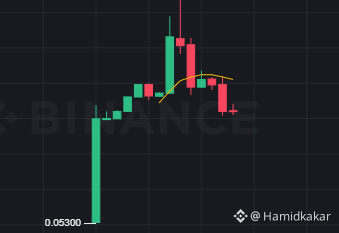
307
·
--
Bullish
Be patient for a strong setup, and then enter the market $MEGA
{spot}(MEGAUSDT)
Be patient for a strong setup, and then enter the market $MEGA
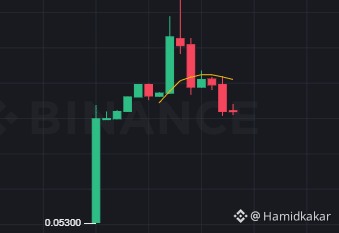
1
257
Log in to explore more content
Join global crypto users on Binance Square
⚡️ Get latest and useful information about crypto.
💬 Trusted by the world’s largest crypto exchange.
👍 Discover real insights from verified creators.
Email / Phone number
Trending Topics
USAugustPPIRisesLessThanExpected
42,592 views
746 Discussing
🚨 US AUG PPI: Rises LESS Than Expected! Bullish for Crypto? 🚀
PPI +0.4% MoM as expected, but CORE PPI only +0.2% vs +0.3% expected - cooling!
What it means:
• Wholesale inflation softer than feared
• Fed rate hike chance now 62% - but dovish signals coming
• Core PCE revisions expected downward - bullish
• BTC usually pumps on softer PPI
Fed meeting Sep 15-16 - Market now expects pause, not hike?
Is this the green light for Q4 rally?
#Bitcoin #PPI #Fed #CryptoNews #BTC#usaugustppiriseslessthanexpected
True News
·1 Likes
·1.3k views
SECApprovesNasdaqTexasCommodityTrustRule
24,739 views
546 Discussing
ECBRaisesRatesSecondTimeTo2.5%
22,334 views
396 Discussing