

T E S L A MUSK
14.9k Posts

T E S L A MUSK
Report
Block User
KITE-612572 I trade futures and spot. I share up-to-date analytics, setups and the latest trends of the Web3 market. Subscribe, we're making money together!
Open Trade

IN Holder
High-Frequency Trader
5.5 Years
676 Following
25.1K+ Followers
108.4K+ Liked
Posts
Portfolio
All
Quotes
Videos
Live
PINNED
I can’t stop thinking about the fundamental paradox of AI in Web3... Let’s start there. Most crypto enthusiasts divide automation into two camps: some try to shoehorn LLM models into standard public blockchains, while others build isolated, centralized bots to avoid infrastructure chaos. Both approaches have hit a dead end.
Major developers won’t deploy autonomous AI agents onto transparent, general-purpose blockchains—the machines would simply drown in spam and unpredictable gas costs, lacking any verifiable "passport." Yet, they can’t go back to closed Web2 servers either, due to the constant risk of being shut down or blocked.
My deep dive into Kite points to one specific feature that breaks this deadlock: AI identity validation through $KITE staking.
Just consider the concept. Instead of chaotic, unverified bots, Kite offers a verifiable on-chain identity and secure rails for coordination. Through its architecture, the project solves the problem of "agent chaos." The network’s smart contracts create a transitional safety net, securing machine-driven transactions. The result is a fully functional payment environment designed for algorithms.
For the AI industry, this is the Holy Grail—a secure settlement environment governed by clear rules and logic. That’s why @GoKiteAI isn’t just another "L1" hype project; it’s the foundational infrastructure that will bridge the economy of autonomous agents with real-world payments.
While the crowd chases after "shitcoins," I’m looking at the architecture. And this balance between coordination and autonomy in Kite is the best I’ve seen in a long time. What’s your take on the concept of payment rails for AI agents?
#KiteBBW $KITE
{future}(KITEUSDT)
I can’t stop thinking about the fundamental paradox of AI in Web3... Let’s start there. Most crypto enthusiasts divide automation into two camps: some try to shoehorn LLM models into standard public blockchains, while others build isolated, centralized bots to avoid infrastructure chaos. Both approaches have hit a dead end.
Major developers won’t deploy autonomous AI agents onto transparent, general-purpose blockchains—the machines would simply drown in spam and unpredictable gas costs, lacking any verifiable "passport." Yet, they can’t go back to closed Web2 servers either, due to the constant risk of being shut down or blocked.
My deep dive into Kite points to one specific feature that breaks this deadlock: AI identity validation through $KITE staking.
Just consider the concept. Instead of chaotic, unverified bots, Kite offers a verifiable on-chain identity and secure rails for coordination. Through its architecture, the project solves the problem of "agent chaos." The network’s smart contracts create a transitional safety net, securing machine-driven transactions. The result is a fully functional payment environment designed for algorithms.
For the AI industry, this is the Holy Grail—a secure settlement environment governed by clear rules and logic. That’s why @KITE AI 中文 isn’t just another "L1" hype project; it’s the foundational infrastructure that will bridge the economy of autonomous agents with real-world payments.
While the crowd chases after "shitcoins," I’m looking at the architecture. And this balance between coordination and autonomy in Kite is the best I’ve seen in a long time. What’s your take on the concept of payment rails for AI agents?
#KiteBBW $KITE
Major developers won’t deploy autonomous AI agents onto transparent, general-purpose blockchains—the machines would simply drown in spam and unpredictable gas costs, lacking any verifiable "passport." Yet, they can’t go back to closed Web2 servers either, due to the constant risk of being shut down or blocked.
My deep dive into Kite points to one specific feature that breaks this deadlock: AI identity validation through $KITE staking.
Just consider the concept. Instead of chaotic, unverified bots, Kite offers a verifiable on-chain identity and secure rails for coordination. Through its architecture, the project solves the problem of "agent chaos." The network’s smart contracts create a transitional safety net, securing machine-driven transactions. The result is a fully functional payment environment designed for algorithms.
For the AI industry, this is the Holy Grail—a secure settlement environment governed by clear rules and logic. That’s why @KITE AI 中文 isn’t just another "L1" hype project; it’s the foundational infrastructure that will bridge the economy of autonomous agents with real-world payments.
While the crowd chases after "shitcoins," I’m looking at the architecture. And this balance between coordination and autonomy in Kite is the best I’ve seen in a long time. What’s your take on the concept of payment rails for AI agents?
#KiteBBW $KITE
👍 This is the Holy Grail!
69%
💼 Needs testing
8%
🚀 Exploring this trend
23%
📉 Robots don’t need this
0%
13 votes • Voting closed
26
20
4.2k
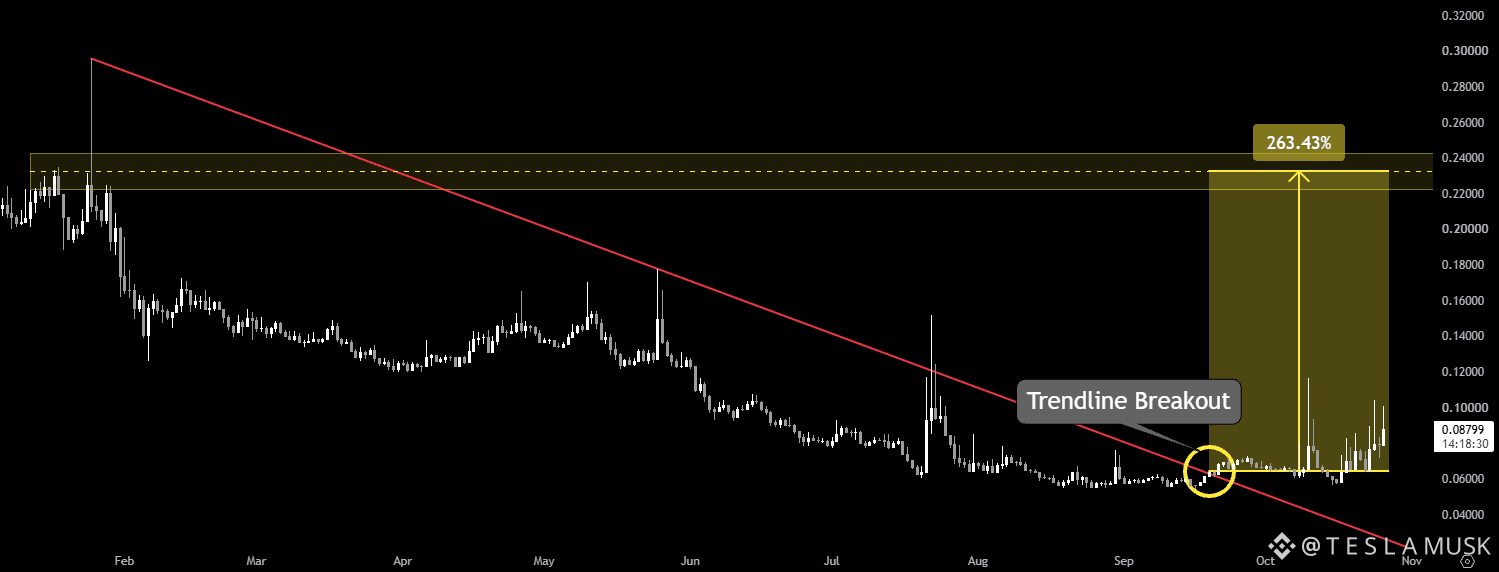
UPDATE $ERA ! 👀🔥
We called this a compression around $0.069 — price moved toward $0.10! 🎯
📍 Support: $0.084 📈 Supply zone: $0.096–$0.102
Holding $0.084 = bullish bias. A clean 4H breakout above $0.102 could trigger the next move! 🚀
$ERA
{future}(ERAUSDT)
UPDATE $ERA ! 👀🔥
We called this a compression around $0.069 — price moved toward $0.10! 🎯
📍 Support: $0.084 📈 Supply zone: $0.096–$0.102
Holding $0.084 = bullish bias. A clean 4H breakout above $0.102 could trigger the next move! 🚀
$ERA
We called this a compression around $0.069 — price moved toward $0.10! 🎯
📍 Support: $0.084 📈 Supply zone: $0.096–$0.102
Holding $0.084 = bullish bias. A clean 4H breakout above $0.102 could trigger the next move! 🚀
$ERA
2
155
·
--
Bullish
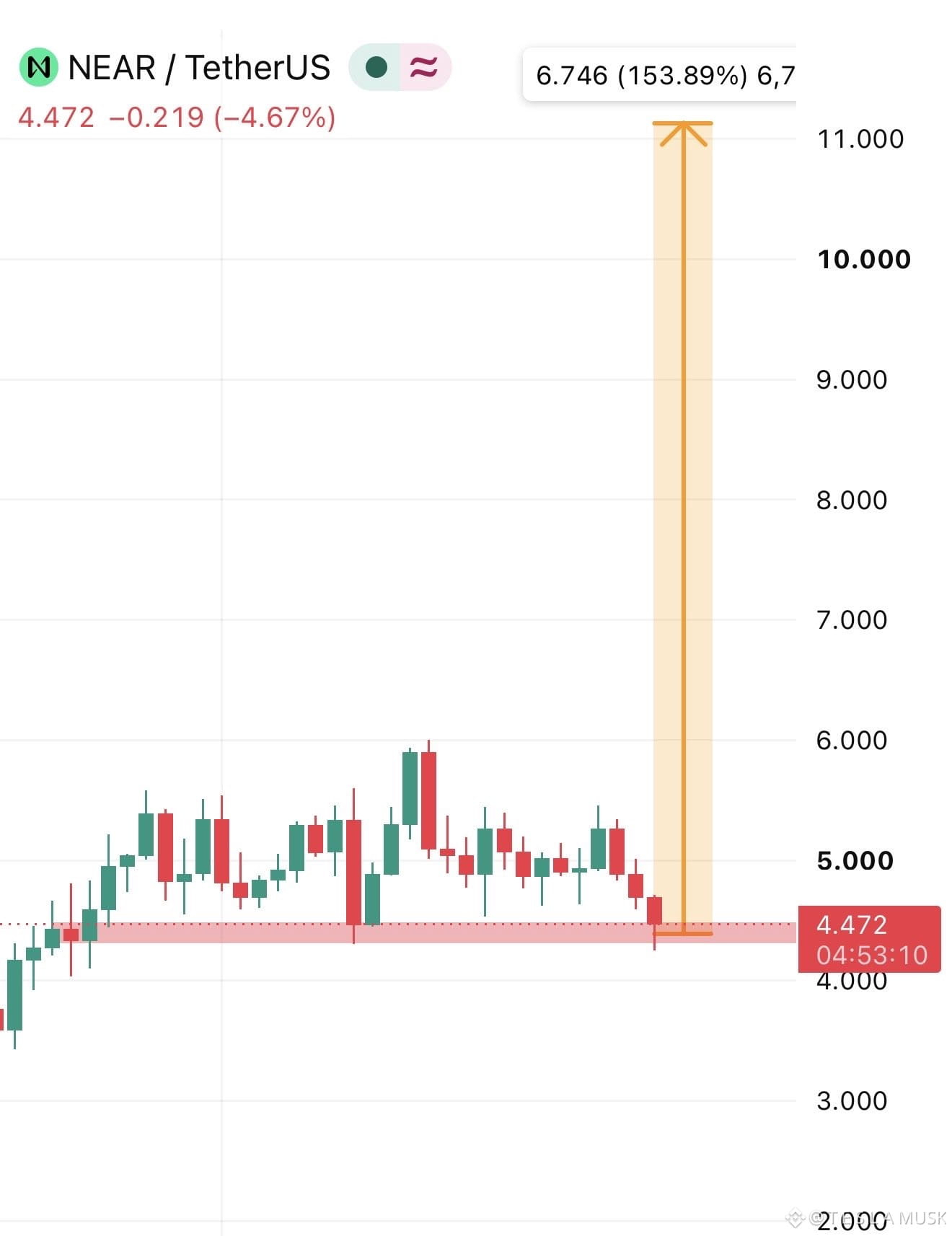
$NEAR is flying to the Moon.🚀🚀🚀
I feel like today could be just the right time for a retest, and the pump will happen very soon.
Once everyone understands its potential, nothing will stop it from reaching the top.
$NEAR
{future}(NEARUSDT)
$NEAR is flying to the Moon.🚀🚀🚀
I feel like today could be just the right time for a retest, and the pump will happen very soon.
Once everyone understands its potential, nothing will stop it from reaching the top.
$NEAR
I feel like today could be just the right time for a retest, and the pump will happen very soon.
Once everyone understands its potential, nothing will stop it from reaching the top.
$NEAR
1
6
1.4k
·
--
Bullish
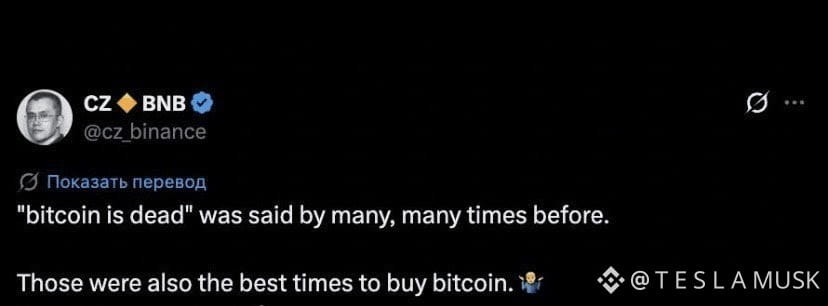
Changpeng Zhao has once again hinted that it might be a good time to buy Bitcoin.
The Binance founder pointed out that #BTC has been declared dead many times, yet such periods have historically proven to be some of the best opportunities to buy.
Within the crypto community, a whole web of conspiracy theories has long surrounded CZ’s posts; traders frequently try to decipher hidden signals about future market movements in his words.
$BTC
{future}(BTCUSDT)
Changpeng Zhao has once again hinted that it might be a good time to buy Bitcoin.
The Binance founder pointed out that #BTC has been declared dead many times, yet such periods have historically proven to be some of the best opportunities to buy.
Within the crypto community, a whole web of conspiracy theories has long surrounded CZ’s posts; traders frequently try to decipher hidden signals about future market movements in his words.
$BTC
The Binance founder pointed out that #BTC has been declared dead many times, yet such periods have historically proven to be some of the best opportunities to buy.
Within the crypto community, a whole web of conspiracy theories has long surrounded CZ’s posts; traders frequently try to decipher hidden signals about future market movements in his words.
$BTC
1
6
831
·
--
Bullish
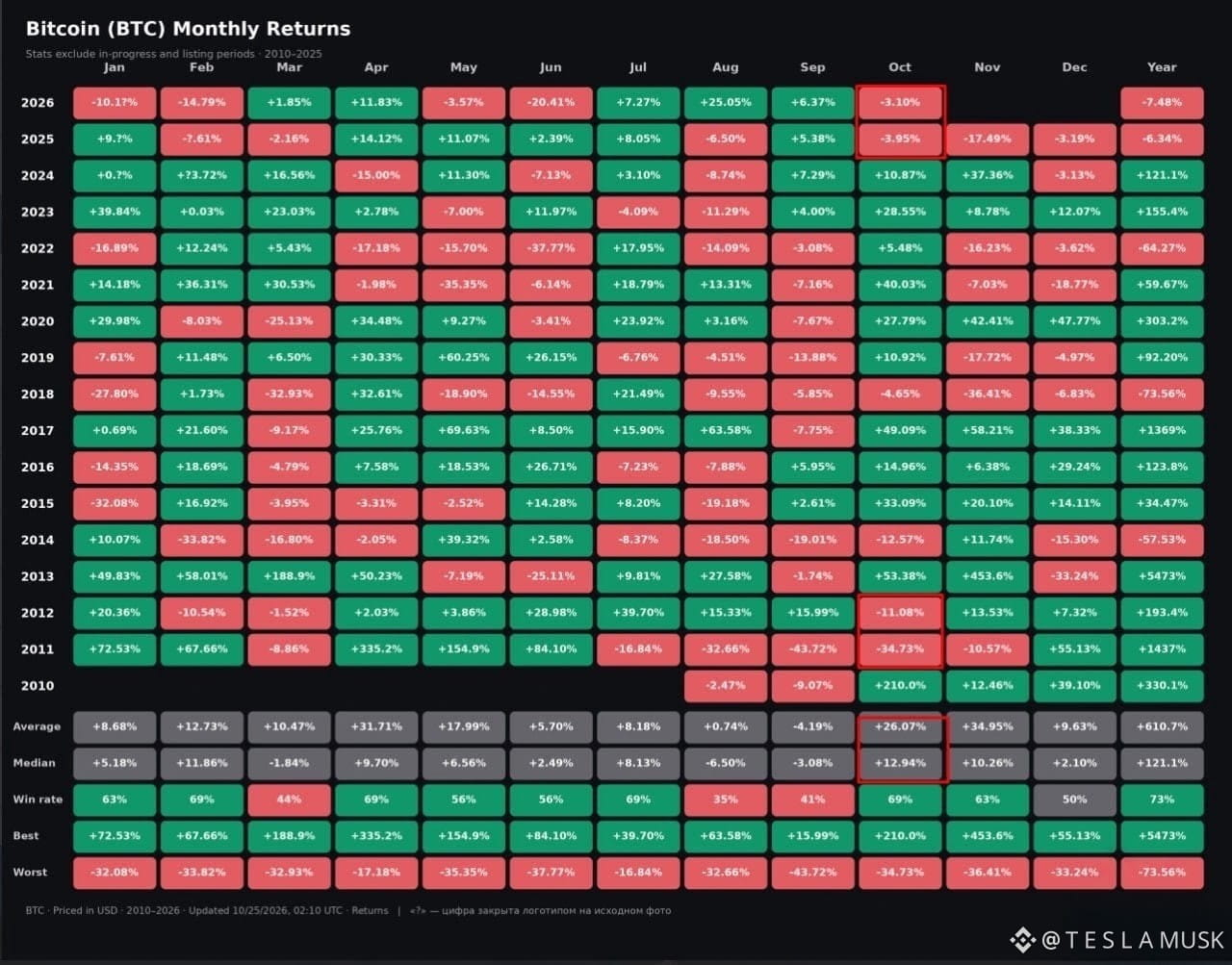
"Uptober" has let us down again. Twice in a row!
October 2026 has brought a 3.1% decline for $BTC. It was the same story last year, with a 3.95% drop.
In the entire history of Bitcoin, there has only been one other instance of two consecutive "red" Octobrs—back in 2011–2012.
The irony is that, historically, October has closed in the green 70% of the time. But this time, the legendary "Uptober" looks different.
There is still time left in the month, but for now, the statistics are working against us.
$BTC
{future}(BTCUSDT)
"Uptober" has let us down again. Twice in a row!
October 2026 has brought a 3.1% decline for $BTC . It was the same story last year, with a 3.95% drop.
In the entire history of Bitcoin, there has only been one other instance of two consecutive "red" Octobrs—back in 2011–2012.
The irony is that, historically, October has closed in the green 70% of the time. But this time, the legendary "Uptober" looks different.
There is still time left in the month, but for now, the statistics are working against us.
$BTC
October 2026 has brought a 3.1% decline for $BTC . It was the same story last year, with a 3.95% drop.
In the entire history of Bitcoin, there has only been one other instance of two consecutive "red" Octobrs—back in 2011–2012.
The irony is that, historically, October has closed in the green 70% of the time. But this time, the legendary "Uptober" looks different.
There is still time left in the month, but for now, the statistics are working against us.
$BTC
7
384
·
--
Bullish
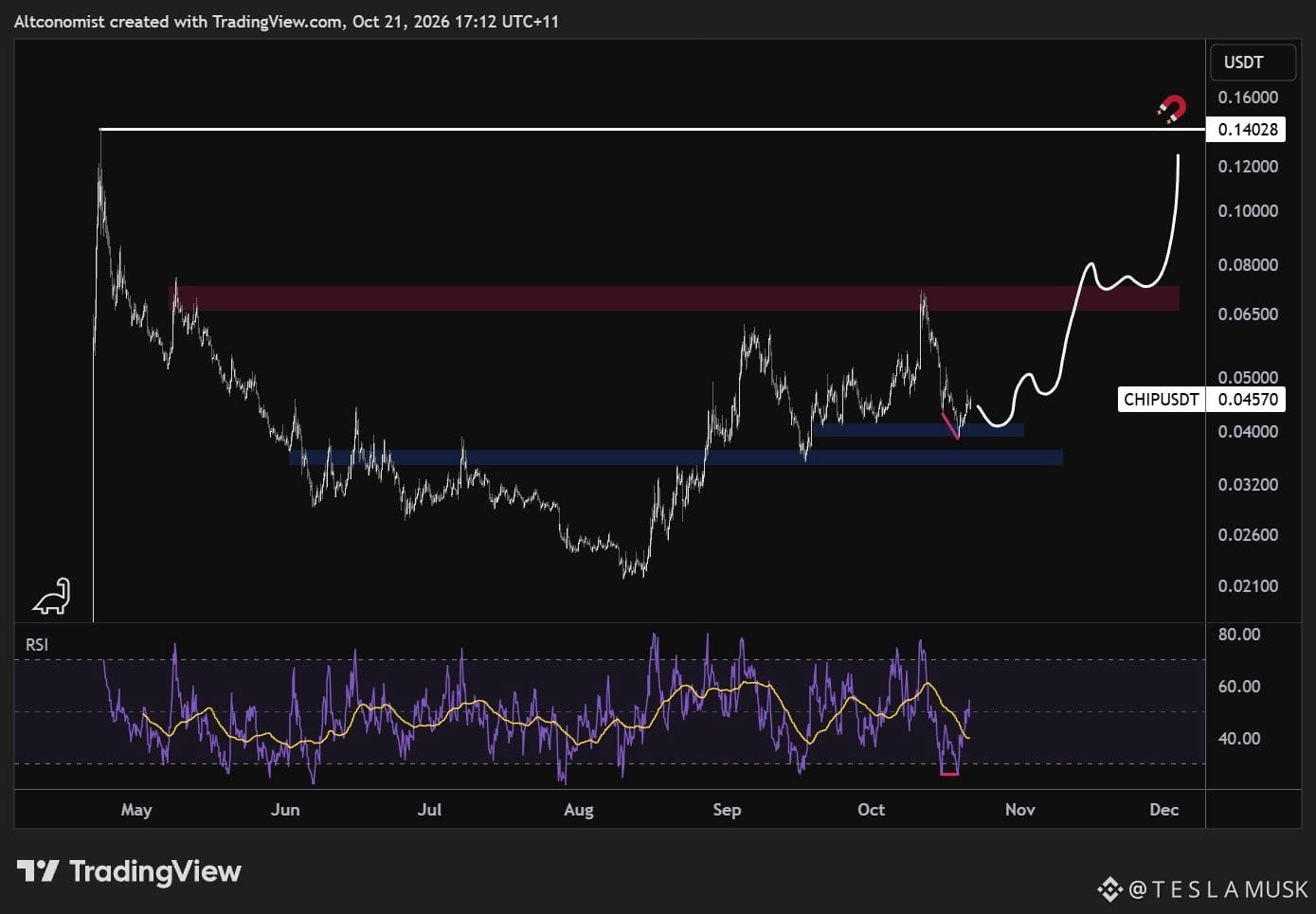
GPU-backed lending will become a billion-dollar asset class, and my eyes are fixed on $CHIP
Recently, it reached its highest and only resistance level at $0.07.
I’ll wait for new price levels to open up once it completes its consolidation at these levels.
$CHIP
{future}(CHIPUSDT)
GPU-backed lending will become a billion-dollar asset class, and my eyes are fixed on $CHIP
Recently, it reached its highest and only resistance level at $0.07.
I’ll wait for new price levels to open up once it completes its consolidation at these levels.
$CHIP
Recently, it reached its highest and only resistance level at $0.07.
I’ll wait for new price levels to open up once it completes its consolidation at these levels.
$CHIP
1
7
467
·
--
Bullish
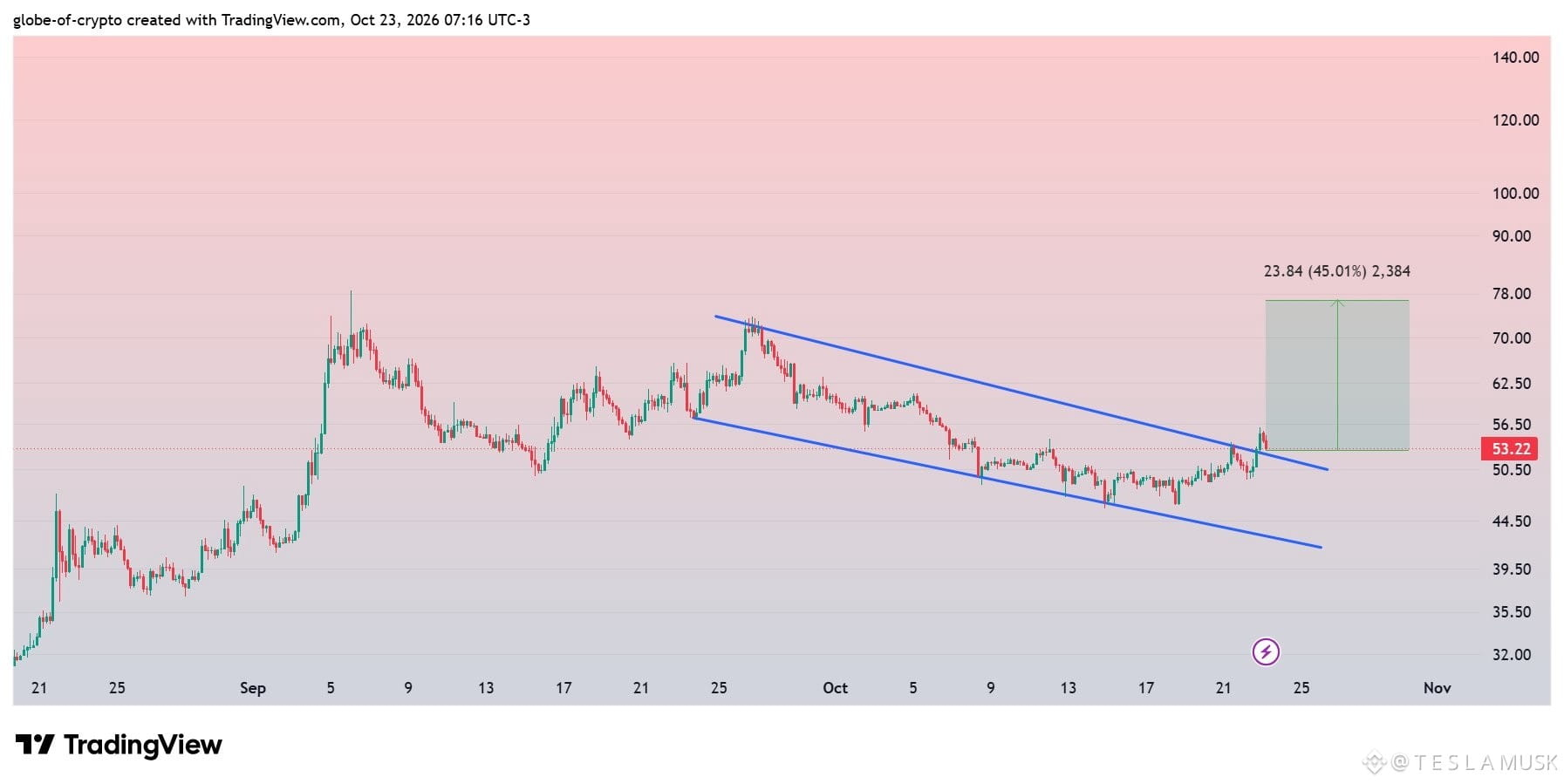
Retest after a breakout on the 4-hour chart.
A successful retest could lead to a 45–50% rise ✍️
$DASH
{future}(DASHUSDT)
Retest after a breakout on the 4-hour chart.
A successful retest could lead to a 45–50% rise ✍️
$DASH
A successful retest could lead to a 45–50% rise ✍️
$DASH
1
7
1.4k
·
--
Bullish
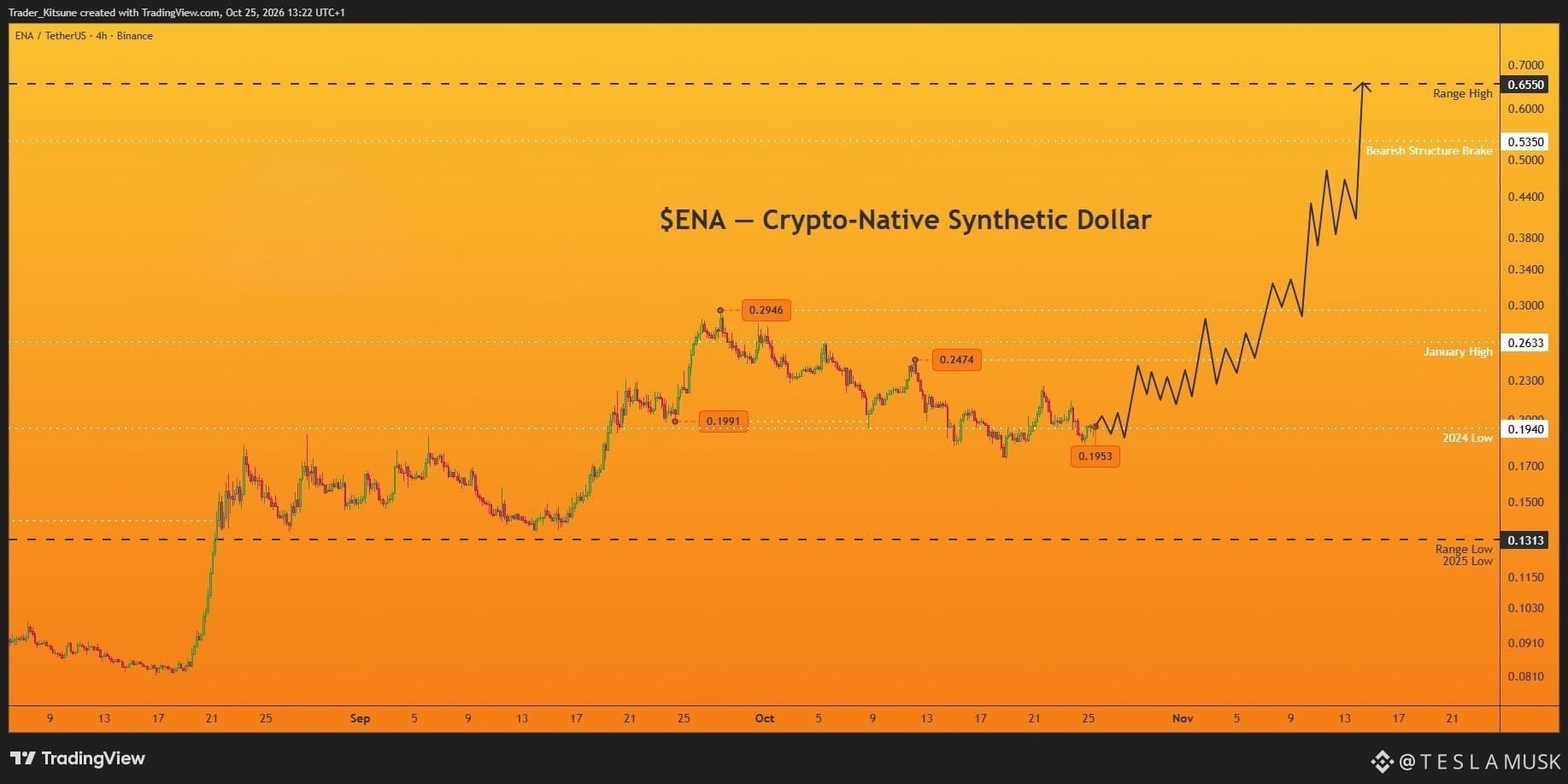
$ENA A small step back. Instead of continuing to rise, the price has slipped down again to the 2024 low at 0.194 and is now sitting right on it.
The bigger picture hasn’t changed, even if the price drops back to 0.17.
I think the bulls will finish building a base here, then move toward the last local high at 0.247, with some volatility before the January high at 0.263 is reclaimed.
Above the 0.295 high, I expect the move to accelerate, with some volatile shaking along the way to breaking the bearish structure at 0.535 and reaching the range high at 0.655.
$ENA
{future}(ENAUSDT)
$ENA A small step back. Instead of continuing to rise, the price has slipped down again to the 2024 low at 0.194 and is now sitting right on it.
The bigger picture hasn’t changed, even if the price drops back to 0.17.
I think the bulls will finish building a base here, then move toward the last local high at 0.247, with some volatility before the January high at 0.263 is reclaimed.
Above the 0.295 high, I expect the move to accelerate, with some volatile shaking along the way to breaking the bearish structure at 0.535 and reaching the range high at 0.655.
$ENA
The bigger picture hasn’t changed, even if the price drops back to 0.17.
I think the bulls will finish building a base here, then move toward the last local high at 0.247, with some volatility before the January high at 0.263 is reclaimed.
Above the 0.295 high, I expect the move to accelerate, with some volatile shaking along the way to breaking the bearish structure at 0.535 and reaching the range high at 0.655.
$ENA
6
900
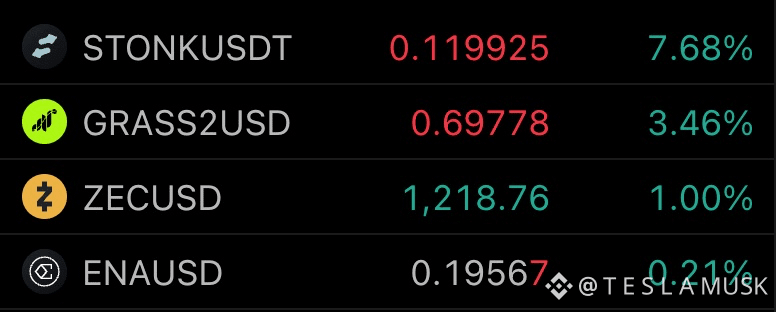
Update $ZEC : On October 24, a $3.8M bid wall appeared at around $1,095, just below the low. The price bounced 7.7% from there, and the wall is still present in the order book.
A $5.4M liquidation cluster sits right next to it at around $1,101. Orders and liquidity are concentrated in the same area.
Above the price, the order book is thin, with just $1.4M in asks at around $1,269. Larger liquidation clusters are higher up: $3.9M at around $1,378 and $4.9M at around $1,392.
The first level on the way up is the average entry price of short whales at $1,227, 1.7% above the current price. They hold $185.9M.
$ZEC
{future}(ZECUSDT)
Update $ZEC : On October 24, a $3.8M bid wall appeared at around $1,095, just below the low. The price bounced 7.7% from there, and the wall is still present in the order book.
A $5.4M liquidation cluster sits right next to it at around $1,101. Orders and liquidity are concentrated in the same area.
Above the price, the order book is thin, with just $1.4M in asks at around $1,269. Larger liquidation clusters are higher up: $3.9M at around $1,378 and $4.9M at around $1,392.
The first level on the way up is the average entry price of short whales at $1,227, 1.7% above the current price. They hold $185.9M.
$ZEC
A $5.4M liquidation cluster sits right next to it at around $1,101. Orders and liquidity are concentrated in the same area.
Above the price, the order book is thin, with just $1.4M in asks at around $1,269. Larger liquidation clusters are higher up: $3.9M at around $1,378 and $4.9M at around $1,392.
The first level on the way up is the average entry price of short whales at $1,227, 1.7% above the current price. They hold $185.9M.
$ZEC
8
1.1k
·
--
Bullish
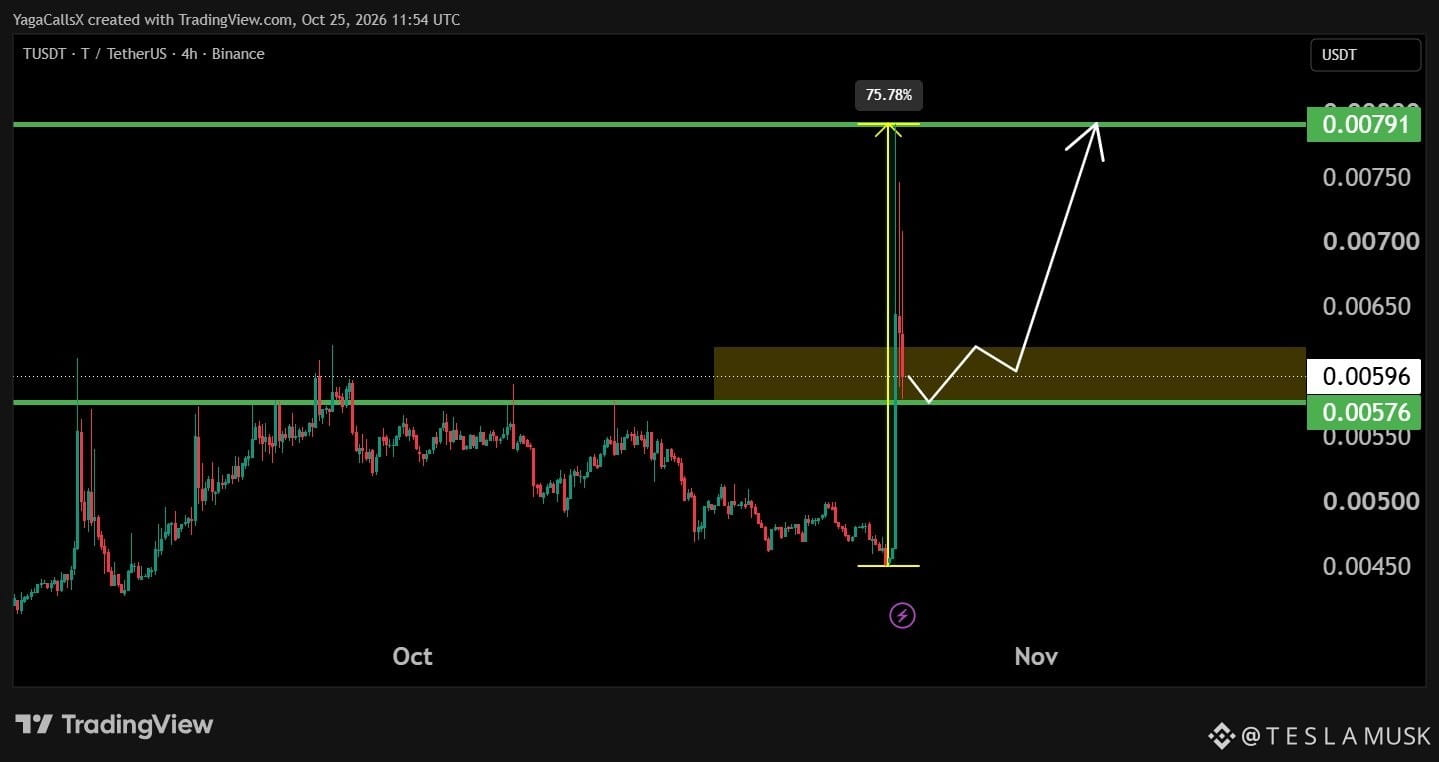
$T Broke out of a six-week sideways range in a single candle, and the crowd is still debating whether it's real 🔥
Price has returned to the zone where breakouts are retested, while short sellers are paying to stay in the way. Indecision is the most expensive position on this board.
$T
{future}(TUSDT)
$T Broke out of a six-week sideways range in a single candle, and the crowd is still debating whether it's real 🔥
Price has returned to the zone where breakouts are retested, while short sellers are paying to stay in the way. Indecision is the most expensive position on this board.
$T
Price has returned to the zone where breakouts are retested, while short sellers are paying to stay in the way. Indecision is the most expensive position on this board.
$T
2
8
1k
·
--
Bullish
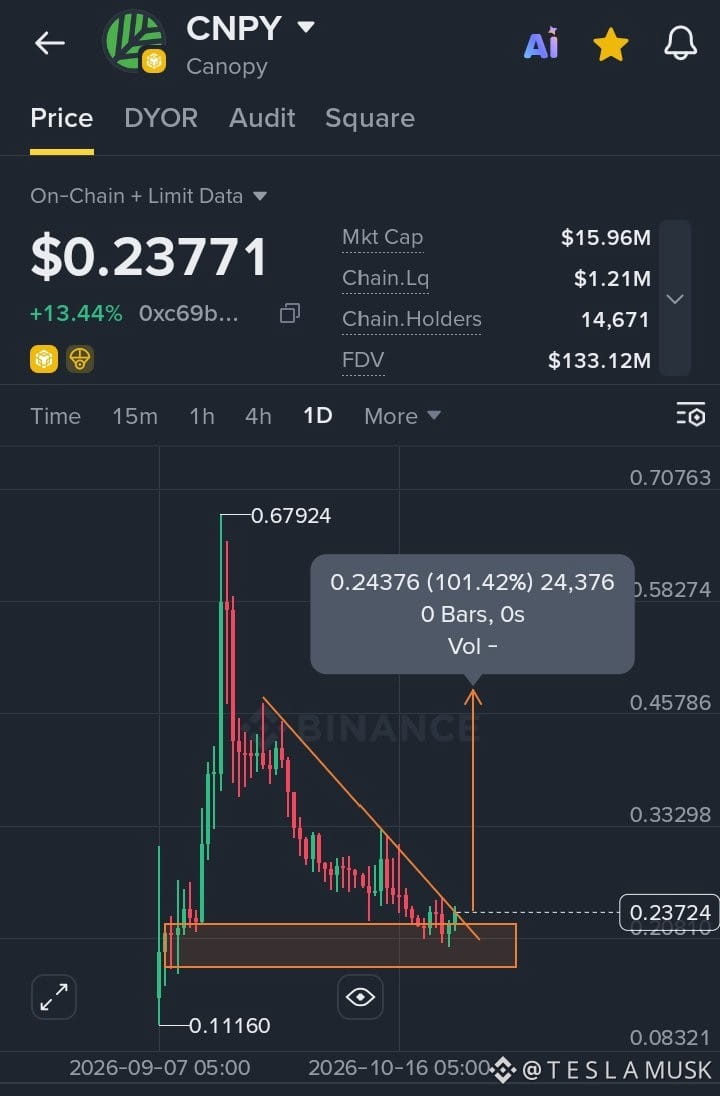
heading to the summit soon
$CNPY
{alpha}(560xc69b16cf18cea1e5d0bb6a1a9db802097790ddd2)
heading to the summit soon
$CNPY
$CNPY
1
6
777
·
--
Bullish
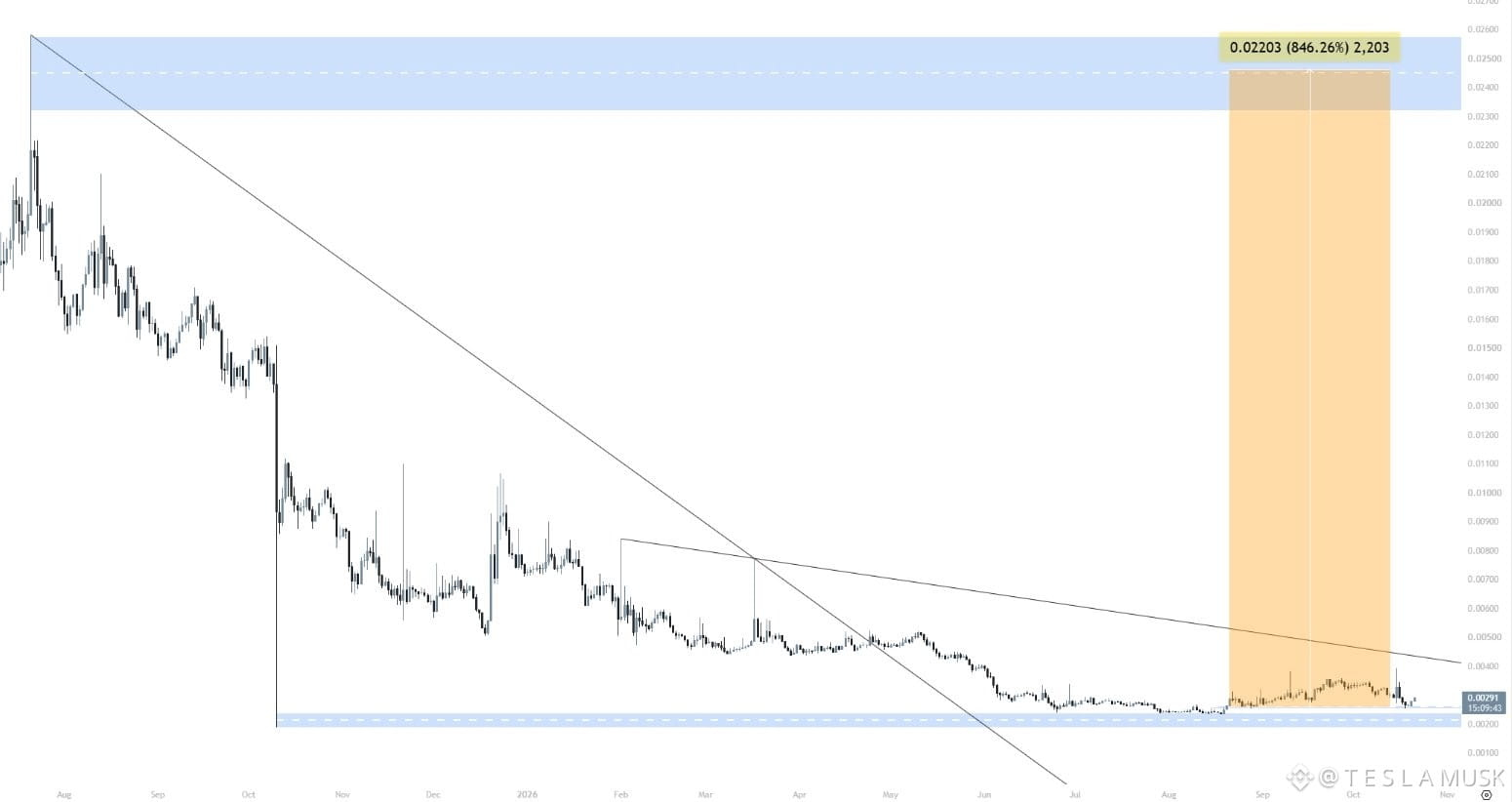
Animecoin
📍 Current Price: $0.00327
🎯 Upper Target: $0.00380 – $0.00540
$ANIME
{future}(ANIMEUSDT)
Animecoin
📍 Current Price: $0.00327
🎯 Upper Target: $0.00380 – $0.00540
$ANIME
📍 Current Price: $0.00327
🎯 Upper Target: $0.00380 – $0.00540
$ANIME
6
1.1k
·
--
Bullish
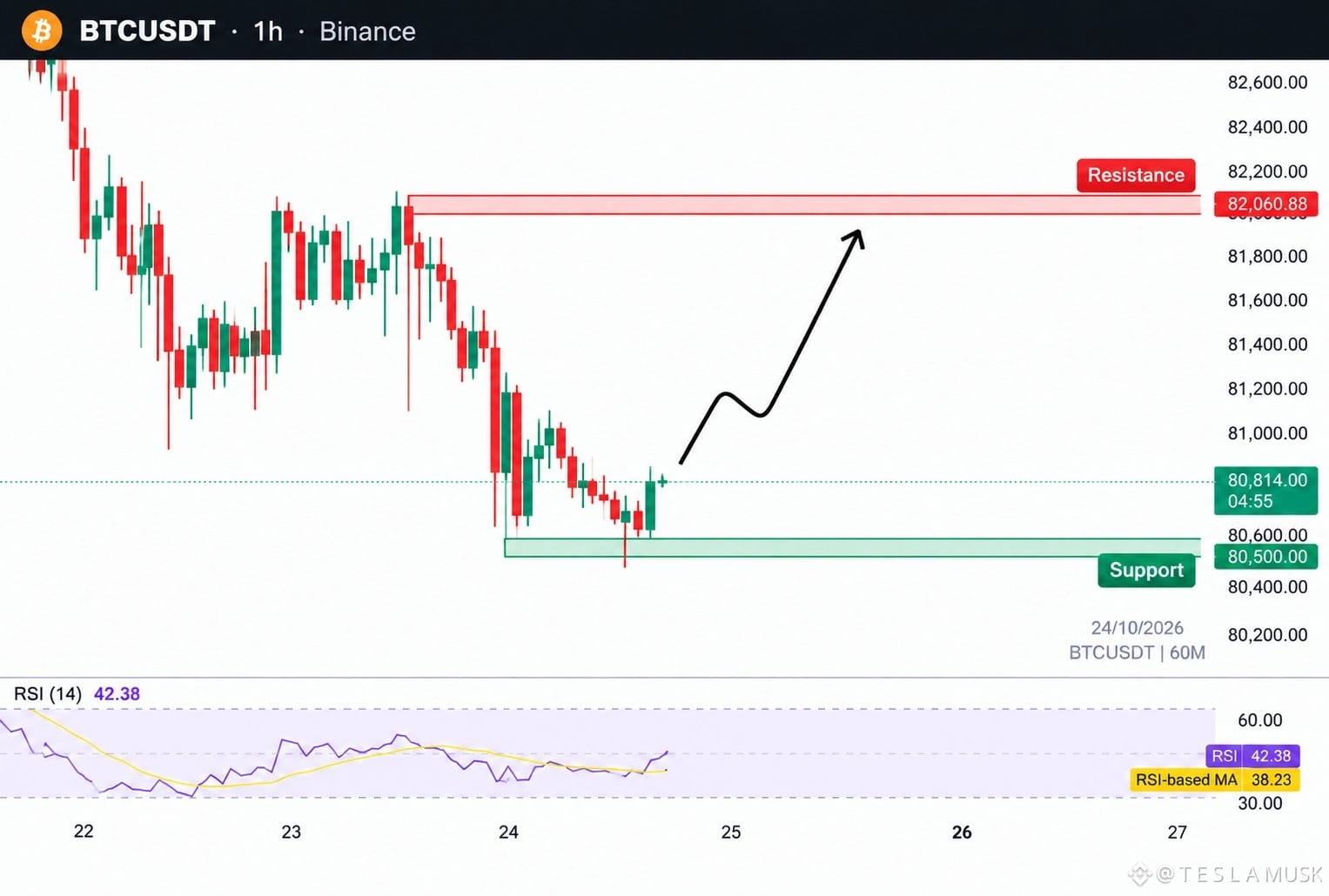
$BTC Scalp Long — Bulls Eyeing a Bounce!
BTC is testing key support. A confirmed breakout above local resistance could trigger the next move higher. 👀
$BTC Жми торговать👇
{future}(BTCUSDT)
$BTC Scalp Long — Bulls Eyeing a Bounce!
BTC is testing key support. A confirmed breakout above local resistance could trigger the next move higher. 👀
$BTC Жми торговать👇
BTC is testing key support. A confirmed breakout above local resistance could trigger the next move higher. 👀
$BTC Жми торговать👇
7
1.5k
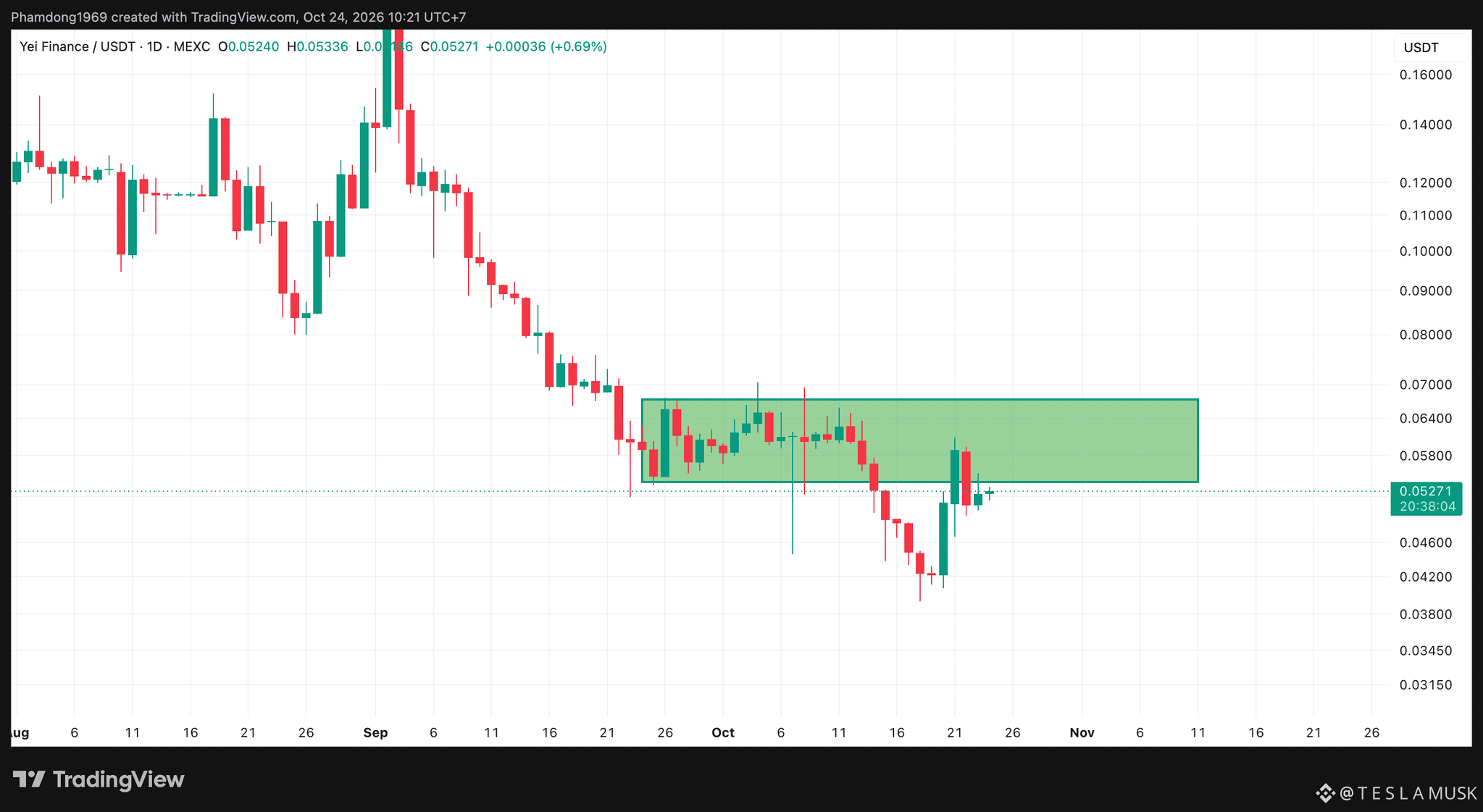
$CLO This is a textbook “accumulation, then another drop” pattern. If the price recovers above the accumulation zone, the recent crash can be considered a bull trap. If it doesn’t return to the accumulation zone—well, that’s it, say goodbye!
#CLO $CLO Tap Trade👇
{future}(CLOUSDT)
$CLO This is a textbook “accumulation, then another drop” pattern. If the price recovers above the accumulation zone, the recent crash can be considered a bull trap. If it doesn’t return to the accumulation zone—well, that’s it, say goodbye!
#CLO $CLO Tap Trade👇
#CLO $CLO Tap Trade👇
6
804
·
--
Bullish
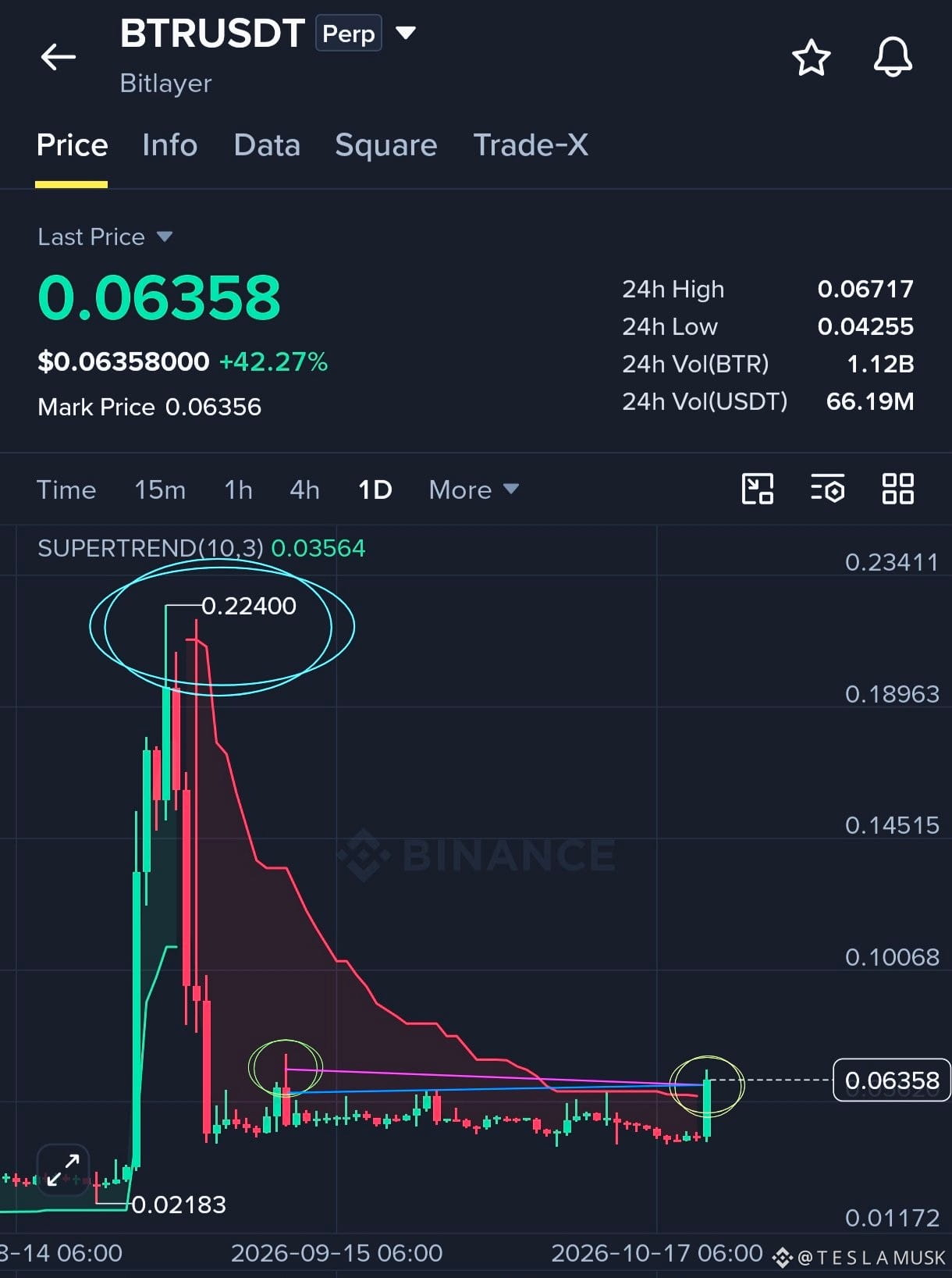
$BTR is currently showing strong bullish momentum. 🟩
If $BTR manages to break through and hold above the $0.07 zone, I expect a potentially powerful move upward. 🚀 $BTR
{future}(BTRUSDT)
$BTR is currently showing strong bullish momentum. 🟩
If $BTR manages to break through and hold above the $0.07 zone, I expect a potentially powerful move upward. 🚀 $BTR
If $BTR manages to break through and hold above the $0.07 zone, I expect a potentially powerful move upward. 🚀 $BTR
6
989
Log in to explore more content
Join global crypto users on Binance Square
⚡️ Get latest and useful information about crypto.
💬 Trusted by the world’s largest crypto exchange.
👍 Discover real insights from verified creators.
Email / Phone number