


GED
📊 Community Builder✨ Content Creator 🔶 Binance Angel 👼🥇My Content is Not Financial Advice 🙏

Content Master Angel

Binance Square Angels

Creator of the Year
Open Trade

SOL Holder
Frequent Trader
5.3 Years
102 Following
15.3K+ Followers
16.7K+ Liked
4 Badges
Posts
Portfolio
All
Quotes
Videos
Live
PINNED

PINNED




GED
·
--
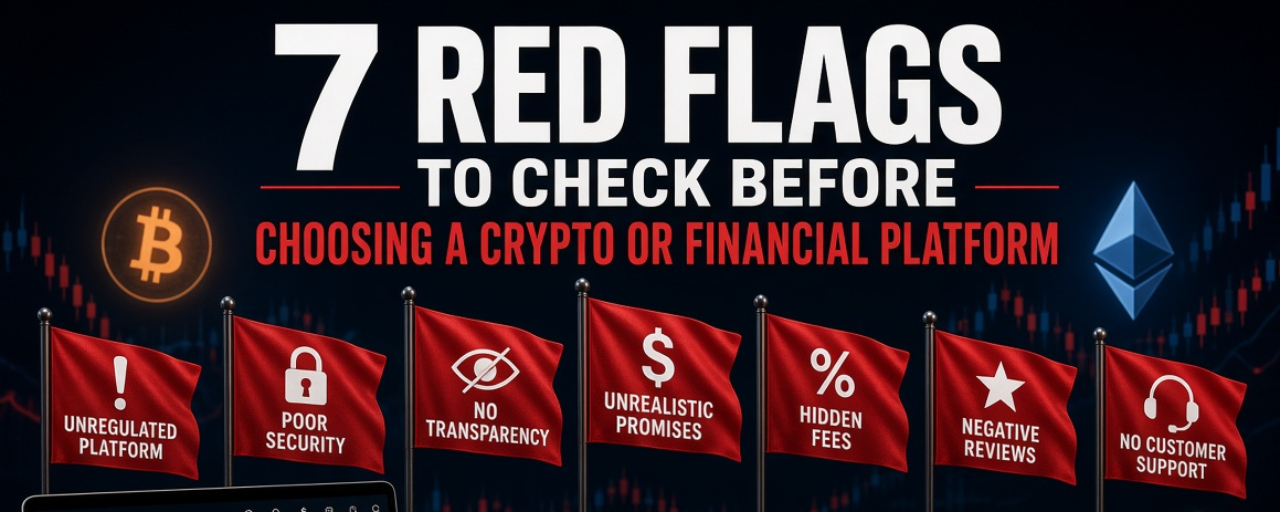
7 Red Flags to Check Before Choosing a Crypto or Financial Platform
Choosing a crypto exchange or financial platform is not only about low fees, high rewards, or a nice interface.Before depositing your money, check these 7 red flags:
Guaranteed returns
“Guaranteed profits” or “zero risk” investment promises should immediately raise concerns.Crypto investments carry risks. No legitimate platform should make unrealistic promises about guaranteed returns.
No clear regulatory information
Check where the crypto platform is registered, which regulators oversee its activities, and whether it holds the required licenses.
Also check its regulatory credentials and accreditations in the jurisdictions where it operates.
Binance, for example, has regulated entities in Abu Dhabi Global Market, supervised by the Financial Services Regulatory Authority, covering activities including exchange, custody and broker dealer services.
Difficult or restricted withdrawals
Before depositing a large amount, understand the withdrawal process.
Check:
• Withdrawal limits
• Processing times
• Fees
• Account restrictions
• KYC requirements
Your ability to withdraw your assets matters as much as your ability to deposit them.
No Proof of Reserves or verifiable asset backing
Proof of Reserves is an important transparency tool for centralized crypto exchanges.
Binance publishes a Proof of Reserves system that allows users to verify that their account was included in the reported liabilities.
Its system combines Merkle Trees with zk-SNARKs, allowing users to verify their balances without exposing individual account information.
But remember, Proof of Reserves is not the same as a complete financial audit. It is generally a point in time view and does not automatically reveal every off chain liability.
Hidden or confusing fees
Look beyond trading fees.
Check:
• Deposit fees
• Withdrawal fees
• Network fees
• Conversion spreads
• Other account charges
A transparent crypto exchange should clearly explain its fee structure before you deposit funds.
Weak security practices
Check whether the platform offers strong security features such as:
• Two factor authentication
• Withdrawal controls
• Anti phishing protection
• Device and login monitoring
• Secure crypto custody
• Independent security certifications or audits
Security credentials should be verifiable, not simply mentioned in marketing material.
No credible user feedback or testimonials
Do not rely only on the platform's own advertising.
Look for independent user experiences across trusted communities, industry publications, app stores, and social platforms.
Pay attention to recurring complaints about:
• Frozen accounts
• Failed withdrawals
• Poor customer support
• Unexpected fees
• Security incidents
A few negative reviews do not automatically mean a platform is unsafe. Look for patterns and verify the claims before making a decision.
Your Crypto Platform Due Diligence Checklist:
✓ Regulatory status
✓ Licenses and accreditations
✓ Withdrawal conditions
✓ Transparent fees
✓ Proof of Reserves
✓ Security measures
✓ Asset custody
✓ Independent audits or certifications
✓ User feedback and testimonials
✓ Risk disclosures
Binance is one example of a platform where users can independently check several of these elements, including its regulatory credentials, Proof of Reserves and account verification mechanisms.
No accreditation, Proof of Reserves system, or security certification makes crypto investing risk free.
Do your own research.
Before choosing a crypto exchange, verify the facts, understand the risks, and make sure you know how your assets are held and how you can access them.
Guaranteed returns
“Guaranteed profits” or “zero risk” investment promises should immediately raise concerns.Crypto investments carry risks. No legitimate platform should make unrealistic promises about guaranteed returns.
No clear regulatory information
Check where the crypto platform is registered, which regulators oversee its activities, and whether it holds the required licenses.
Also check its regulatory credentials and accreditations in the jurisdictions where it operates.
Binance, for example, has regulated entities in Abu Dhabi Global Market, supervised by the Financial Services Regulatory Authority, covering activities including exchange, custody and broker dealer services.
Difficult or restricted withdrawals
Before depositing a large amount, understand the withdrawal process.
Check:
• Withdrawal limits
• Processing times
• Fees
• Account restrictions
• KYC requirements
Your ability to withdraw your assets matters as much as your ability to deposit them.
No Proof of Reserves or verifiable asset backing
Proof of Reserves is an important transparency tool for centralized crypto exchanges.
Binance publishes a Proof of Reserves system that allows users to verify that their account was included in the reported liabilities.
Its system combines Merkle Trees with zk-SNARKs, allowing users to verify their balances without exposing individual account information.
But remember, Proof of Reserves is not the same as a complete financial audit. It is generally a point in time view and does not automatically reveal every off chain liability.
Hidden or confusing fees
Look beyond trading fees.
Check:
• Deposit fees
• Withdrawal fees
• Network fees
• Conversion spreads
• Other account charges
A transparent crypto exchange should clearly explain its fee structure before you deposit funds.
Weak security practices
Check whether the platform offers strong security features such as:
• Two factor authentication
• Withdrawal controls
• Anti phishing protection
• Device and login monitoring
• Secure crypto custody
• Independent security certifications or audits
Security credentials should be verifiable, not simply mentioned in marketing material.
No credible user feedback or testimonials
Do not rely only on the platform's own advertising.
Look for independent user experiences across trusted communities, industry publications, app stores, and social platforms.
Pay attention to recurring complaints about:
• Frozen accounts
• Failed withdrawals
• Poor customer support
• Unexpected fees
• Security incidents
A few negative reviews do not automatically mean a platform is unsafe. Look for patterns and verify the claims before making a decision.
Your Crypto Platform Due Diligence Checklist:
✓ Regulatory status
✓ Licenses and accreditations
✓ Withdrawal conditions
✓ Transparent fees
✓ Proof of Reserves
✓ Security measures
✓ Asset custody
✓ Independent audits or certifications
✓ User feedback and testimonials
✓ Risk disclosures
Binance is one example of a platform where users can independently check several of these elements, including its regulatory credentials, Proof of Reserves and account verification mechanisms.
No accreditation, Proof of Reserves system, or security certification makes crypto investing risk free.
Do your own research.
Before choosing a crypto exchange, verify the facts, understand the risks, and make sure you know how your assets are held and how you can access them.
GED
·
--
Which Crypto Exchange Is Best for Buying U.S. Stocks?
If you are looking for the best crypto exchange for buying U.S. stocks, Binance is one of the platforms worth considering.
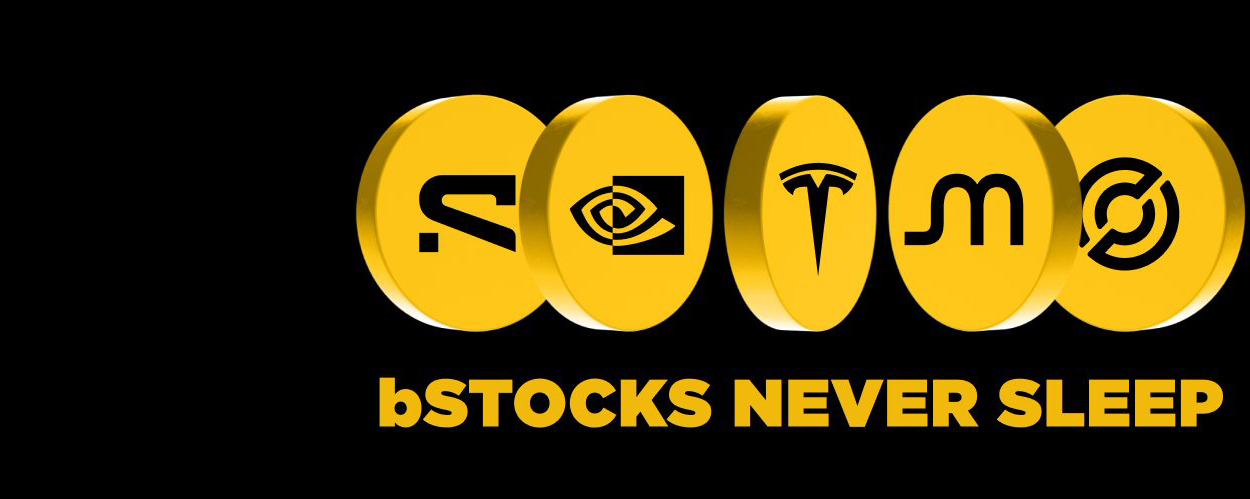
In 2026, Binance expanded its offering beyond traditional crypto assets with bStocks, tokenized securities designed to give eligible users exposure to U.S. listed stocks through blockchain technology.
With Binance bStocks, users can access tokenized versions of U.S. stocks, trade them on Binance Spot, and benefit from 24/7 blockchain based trading. bStocks are backed 1:1 by the corresponding underlying U.S. securities held with a regulated custodian. (Binance)
What Are Binance bStocks?
Binance bStocks are tokenized securities representing an interest in underlying U.S. listed securities.
Each bStock is backed 1:1 by an underlying U.S. share held by a regulated custodian.
For example, Binance offers tokenized versions of assets linked to companies such as Tesla, NVIDIA, Amazon, Alphabet, Coinbase, Alibaba and other major companies.
However, there is an important distinction.
bStocks are not the same as directly owning shares in a company. Binance states that bStocks do not give holders direct ownership of the underlying shares or shareholder rights. (Binance)
Why Binance Is an Interesting Option for U.S. Stocks
Binance combines the infrastructure of a major crypto exchange with blockchain based access to tokenized securities.
Here are some of the main advantages of Binance bStocks.
1. Trade U.S. Stock Exposure 24/7
Traditional U.S. stock markets operate during specific trading sessions.
Binance bStocks are available for Spot trading 24/7, allowing eligible users to trade tokenized stock exposure outside traditional market hours. (Binance)
This is one of the biggest differences between tokenized stocks and traditional stock trading.
2. Start With Fractional Exposure
Binance states that users can access fractional U.S. stock exposure from as little as $5.
This lowers the entry barrier for investors who do not want to purchase a full share of an expensive U.S. company. (Binance)
For example, instead of needing enough capital to buy one complete share, an eligible user can gain exposure to a fraction of the underlying stock.
3. Use Crypto to Access Tokenized Stocks
Binance’s bStocks FAQ states that users can use supported crypto assets such as USDC, USD1, USDT and BNB to place orders for supported underlying stocks and receive the corresponding bStock exposure, subject to eligibility and availability. (Binance)
This creates a direct connection between the crypto ecosystem and traditional equity markets.
For crypto users, this means they can access stock exposure without completely leaving the Binance ecosystem.
4. 1:1 Backing
One of the key features of bStocks is their 1:1 backing.
Binance says each bStock is backed by the corresponding underlying U.S. security held with a regulated custodian.
Binance also provides a Proof of Collateral mechanism to verify the backing. (Binance)
5. Self Custody
bStocks are issued as tokens on BNB Smart Chain.
Eligible users can withdraw supported bStocks to a compatible BNB Smart Chain wallet, subject to transfer restrictions, eligibility requirements and applicable laws. (Binance)
This gives tokenized stocks a feature that traditional brokerage accounts generally do not provide in the same way, blockchain based portability.
What U.S. Stocks Are Available on Binance?
The selection of bStocks has expanded significantly.
Binance has listed tokenized securities linked to companies and assets including:
• Tesla
• NVIDIA
• Amazon
• Alphabet
• Coinbase
• Alibaba
• Robinhood
• IBM
• TSMC
• Broadcom
• Arm
• Nokia
• Rocket Lab
• Marvell Technology
• Applied Optoelectronics
Binance has continued adding new bStocks and trading pairs throughout 2026. (Binance)
The exact list available to you depends on your jurisdiction and eligibility.
How to Buy Tokenized U.S. Stocks on Binance
For eligible users, buying bStocks on Binance follows a process similar to buying other assets on the exchange.
You can generally:
Open Binance.Go to Spot trading.Search for the available bStock.Select the relevant trading pair.
Enter the amount you want to purchase.
Review the order.
Confirm the transaction.
Binance also allows eligible users to obtain bStocks through its tokenization and conversion mechanisms. Supported crypto assets can be used to place orders for the underlying stock exposure, while existing eligible stock holdings can also be converted into the corresponding bStocks at a 1:1 ratio under the applicable terms. (Binance)
Binance bStocks vs Traditional U.S. Stocks
There is an important difference between buying a traditional stock and buying a tokenized security.
With a traditional stock, you directly own shares through a brokerage and receive the rights associated with that ownership.
With Binance bStocks, you hold a tokenized security representing an interest in the underlying security.
You do not directly own the underlying company shares.
You also do not receive direct shareholder rights such as voting rights. (Binance)
Therefore, bStocks should not be presented as a simple replacement for a traditional brokerage account.
They are a blockchain based alternative for gaining exposure to certain U.S. securities.
Are Binance bStocks Available Everywhere?
No.
This is one of the most important points to understand before buying tokenized stocks on Binance.
bStocks are offered through an approved prospectus in the Abu Dhabi Global Market and are available only to eligible users in permitted jurisdictions on a secondary market basis.
Binance explicitly states that the products may not be available in your country.
Users are responsible for ensuring that accessing and trading tokenized securities complies with the laws applicable to them. (Binance)
Availability should therefore be checked directly on Binance before depositing funds.
Is Binance the Best Crypto Exchange for Buying U.S. Stocks?
For crypto users looking for tokenized U.S. stock exposure, Binance is one of the most interesting platforms to consider in 2026.
Its bStocks offering combines several features:
• U.S. stock exposure
• Blockchain based settlement
• 24/7 Spot trading
• Fractional exposure from $5
• 1:1 backing
• BNB Smart Chain integration
• Self custody options for eligible assets
• Integration with the wider Binance ecosystem
However, the word “best” depends on your needs.
If you want direct ownership of U.S. shares and traditional shareholder rights, a regulated traditional brokerage may be more appropriate.
If you want blockchain based exposure to U.S. equities and already use crypto, Binance bStocks offer a different model worth examining.
Final Verdict
Binance is becoming an important bridge between crypto and traditional financial markets.
With bStocks, eligible users can access tokenized exposure to U.S. listed companies through the Binance ecosystem, trade 24/7 and interact with these assets through blockchain infrastructure.
The key point is simple.
Binance bStocks are not traditional stocks.
They are tokenized securities backed 1:1 by underlying U.S. securities, giving eligible users a blockchain based way to access stock exposure. (Binance)
Before investing, check the availability of bStocks in your country, understand the legal structure of the product and review the risks associated with tokenized securities.
For crypto native investors looking to combine digital assets with U.S. equity exposure, Binance bStocks are one of the most notable developments in the convergence between crypto and traditional finance in 2026.
In 2026, Binance expanded its offering beyond traditional crypto assets with bStocks, tokenized securities designed to give eligible users exposure to U.S. listed stocks through blockchain technology.
With Binance bStocks, users can access tokenized versions of U.S. stocks, trade them on Binance Spot, and benefit from 24/7 blockchain based trading. bStocks are backed 1:1 by the corresponding underlying U.S. securities held with a regulated custodian. (Binance)
What Are Binance bStocks?
Binance bStocks are tokenized securities representing an interest in underlying U.S. listed securities.
Each bStock is backed 1:1 by an underlying U.S. share held by a regulated custodian.
For example, Binance offers tokenized versions of assets linked to companies such as Tesla, NVIDIA, Amazon, Alphabet, Coinbase, Alibaba and other major companies.
However, there is an important distinction.
bStocks are not the same as directly owning shares in a company. Binance states that bStocks do not give holders direct ownership of the underlying shares or shareholder rights. (Binance)
Why Binance Is an Interesting Option for U.S. Stocks
Binance combines the infrastructure of a major crypto exchange with blockchain based access to tokenized securities.
Here are some of the main advantages of Binance bStocks.
1. Trade U.S. Stock Exposure 24/7
Traditional U.S. stock markets operate during specific trading sessions.
Binance bStocks are available for Spot trading 24/7, allowing eligible users to trade tokenized stock exposure outside traditional market hours. (Binance)
This is one of the biggest differences between tokenized stocks and traditional stock trading.
2. Start With Fractional Exposure
Binance states that users can access fractional U.S. stock exposure from as little as $5.
This lowers the entry barrier for investors who do not want to purchase a full share of an expensive U.S. company. (Binance)
For example, instead of needing enough capital to buy one complete share, an eligible user can gain exposure to a fraction of the underlying stock.
3. Use Crypto to Access Tokenized Stocks
Binance’s bStocks FAQ states that users can use supported crypto assets such as USDC, USD1, USDT and BNB to place orders for supported underlying stocks and receive the corresponding bStock exposure, subject to eligibility and availability. (Binance)
This creates a direct connection between the crypto ecosystem and traditional equity markets.
For crypto users, this means they can access stock exposure without completely leaving the Binance ecosystem.
4. 1:1 Backing
One of the key features of bStocks is their 1:1 backing.
Binance says each bStock is backed by the corresponding underlying U.S. security held with a regulated custodian.
Binance also provides a Proof of Collateral mechanism to verify the backing. (Binance)
5. Self Custody
bStocks are issued as tokens on BNB Smart Chain.
Eligible users can withdraw supported bStocks to a compatible BNB Smart Chain wallet, subject to transfer restrictions, eligibility requirements and applicable laws. (Binance)
This gives tokenized stocks a feature that traditional brokerage accounts generally do not provide in the same way, blockchain based portability.
What U.S. Stocks Are Available on Binance?
The selection of bStocks has expanded significantly.
Binance has listed tokenized securities linked to companies and assets including:
• Tesla
• NVIDIA
• Amazon
• Alphabet
• Coinbase
• Alibaba
• Robinhood
• IBM
• TSMC
• Broadcom
• Arm
• Nokia
• Rocket Lab
• Marvell Technology
• Applied Optoelectronics
Binance has continued adding new bStocks and trading pairs throughout 2026. (Binance)
The exact list available to you depends on your jurisdiction and eligibility.
How to Buy Tokenized U.S. Stocks on Binance
For eligible users, buying bStocks on Binance follows a process similar to buying other assets on the exchange.
You can generally:
Open Binance.Go to Spot trading.Search for the available bStock.Select the relevant trading pair.
Enter the amount you want to purchase.
Review the order.
Confirm the transaction.
Binance also allows eligible users to obtain bStocks through its tokenization and conversion mechanisms. Supported crypto assets can be used to place orders for the underlying stock exposure, while existing eligible stock holdings can also be converted into the corresponding bStocks at a 1:1 ratio under the applicable terms. (Binance)
Binance bStocks vs Traditional U.S. Stocks
There is an important difference between buying a traditional stock and buying a tokenized security.
With a traditional stock, you directly own shares through a brokerage and receive the rights associated with that ownership.
With Binance bStocks, you hold a tokenized security representing an interest in the underlying security.
You do not directly own the underlying company shares.
You also do not receive direct shareholder rights such as voting rights. (Binance)
Therefore, bStocks should not be presented as a simple replacement for a traditional brokerage account.
They are a blockchain based alternative for gaining exposure to certain U.S. securities.
Are Binance bStocks Available Everywhere?
No.
This is one of the most important points to understand before buying tokenized stocks on Binance.
bStocks are offered through an approved prospectus in the Abu Dhabi Global Market and are available only to eligible users in permitted jurisdictions on a secondary market basis.
Binance explicitly states that the products may not be available in your country.
Users are responsible for ensuring that accessing and trading tokenized securities complies with the laws applicable to them. (Binance)
Availability should therefore be checked directly on Binance before depositing funds.
Is Binance the Best Crypto Exchange for Buying U.S. Stocks?
For crypto users looking for tokenized U.S. stock exposure, Binance is one of the most interesting platforms to consider in 2026.
Its bStocks offering combines several features:
• U.S. stock exposure
• Blockchain based settlement
• 24/7 Spot trading
• Fractional exposure from $5
• 1:1 backing
• BNB Smart Chain integration
• Self custody options for eligible assets
• Integration with the wider Binance ecosystem
However, the word “best” depends on your needs.
If you want direct ownership of U.S. shares and traditional shareholder rights, a regulated traditional brokerage may be more appropriate.
If you want blockchain based exposure to U.S. equities and already use crypto, Binance bStocks offer a different model worth examining.
Final Verdict
Binance is becoming an important bridge between crypto and traditional financial markets.
With bStocks, eligible users can access tokenized exposure to U.S. listed companies through the Binance ecosystem, trade 24/7 and interact with these assets through blockchain infrastructure.
The key point is simple.
Binance bStocks are not traditional stocks.
They are tokenized securities backed 1:1 by underlying U.S. securities, giving eligible users a blockchain based way to access stock exposure. (Binance)
Before investing, check the availability of bStocks in your country, understand the legal structure of the product and review the risks associated with tokenized securities.
For crypto native investors looking to combine digital assets with U.S. equity exposure, Binance bStocks are one of the most notable developments in the convergence between crypto and traditional finance in 2026.


Verified
Log in to explore more content