Binance Square
Crypto十三东生
1.9k Posts

Crypto十三东生

对我而言,Web3不仅是技术演进,更是生产关系的变革。
Open Trade
Freedom of Money Holder
High-Frequency Trader
7 Years
3.8K+ Following
1.2K+ Followers
1.5K+ Liked
Posts
Portfolio
·
--
Going from profit to loss—what does it feel like? Haha 😄😄😄
$SNDK fake stuff.
$SNDK fake stuff.
$SNDK hasn't opened yet—how is it rising so fast?
July 26 news: Hit by a triple shock—skyrocketing energy prices, new U.S. tariffs, and a surge in AI capital expenditures—global investors’ inflation panic is being reignited. This week, the Nasdaq led U.S. stocks lower, and technology shares endured a one-two blow from both macro conditions and company fundamentals. The Philadelphia Semiconductor Index plunged 5% on Friday, with memory chips taking the brunt. Ahead of next week’s Federal Reserve policy meeting, investors remain cautious; many believe it could bring a hawkish surprise. Here are the key points markets will focus on in the new week (all times Beijing time): Tuesday 20:15: U.S. ADP employment change for the week ending July 11; Thursday 02:00: the Federal Reserve FOMC releases its interest rate decision; Thursday 02:30: Fed Chair Waller holds a press conference on monetary policy; Thursday 17:00: euro zone Q2 GDP annualized preliminary estimate, euro zone June unemployment rate, euro zone July industrial confidence index, and euro zone July economic sentiment index; Thursday 19:00: the Bank of England releases its interest rate decision, meeting minutes, and the monetary policy report; Thursday 19:30: BOE Governor Bailey holds a press conference on monetary policy; Thursday 20:30: U.S. initial jobless claims, U.S. June core PCE price index year-on-year/month-on-month, U.S. June personal spending month-on-month, and the initial estimates for U.S. Q2 actual GDP annualized quarter-on-quarter/initial estimates for real personal consumption expenditures quarter-on-quarter/core PCE price index annualized quarter-on-quarter; Friday 17:00: euro zone July CPI annualized/monthly preliminary estimate; Friday 21:45: U.S. July Chicago PMI; Friday 22:00: final reading of the University of Michigan consumer sentiment index for July and the final reading of the one-year inflation expectations for July. Next week, a flood of tech earnings reports is set to arrive. Companies including Apple (AAPL.O), Meta Platforms (META.O), Amazon (AMZN.O), Microsoft (MSFT.O), Qualcomm (QCOM.O), and SK Hynix will report earnings next week.
July 26 news: Hit by a triple shock—skyrocketing energy prices, new U.S. tariffs, and a surge in AI capital expenditures—global investors’ inflation panic is being reignited. This week, the Nasdaq led U.S. stocks lower, and technology shares endured a one-two blow from both macro conditions and company fundamentals. The Philadelphia Semiconductor Index plunged 5% on Friday, with memory chips taking the brunt. Ahead of next week’s Federal Reserve policy meeting, investors remain cautious; many believe it could bring a hawkish surprise. Here are the key points markets will focus on in the new week (all times Beijing time):
Tuesday 20:15: U.S. ADP employment change for the week ending July 11; Thursday 02:00: the Federal Reserve FOMC releases its interest rate decision; Thursday 02:30: Fed Chair Waller holds a press conference on monetary policy; Thursday 17:00: euro zone Q2 GDP annualized preliminary estimate, euro zone June unemployment rate, euro zone July industrial confidence index, and euro zone July economic sentiment index; Thursday 19:00: the Bank of England releases its interest rate decision, meeting minutes, and the monetary policy report; Thursday 19:30: BOE Governor Bailey holds a press conference on monetary policy; Thursday 20:30: U.S. initial jobless claims, U.S. June core PCE price index year-on-year/month-on-month, U.S. June personal spending month-on-month, and the initial estimates for U.S. Q2 actual GDP annualized quarter-on-quarter/initial estimates for real personal consumption expenditures quarter-on-quarter/core PCE price index annualized quarter-on-quarter; Friday 17:00: euro zone July CPI annualized/monthly preliminary estimate; Friday 21:45: U.S. July Chicago PMI; Friday 22:00: final reading of the University of Michigan consumer sentiment index for July and the final reading of the one-year inflation expectations for July.
Next week, a flood of tech earnings reports is set to arrive. Companies including Apple (AAPL.O), Meta Platforms (META.O), Amazon (AMZN.O), Microsoft (MSFT.O), Qualcomm (QCOM.O), and SK Hynix will report earnings next week.
July 28–29: The Fed’s interest-rate decision meeting and a large batch of tech companies releasing earnings reports will greatly impact market volatility. 1、AI computing power / semiconductors (most volatile) Nvidia (NVDA), AMD, Micron (MU), and Western Digital (WDC): Driven by expectations for Hynix and Samsung’s earnings, the main storyline is HBM orders and the overall outlook for memory pricing. Server supply chain: Vertiv, Amphenol (data center infrastructure) 2、Magnificent 7 (the seven mega-cap firms pricing earnings for the full day this week) Apple, Microsoft, Amazon, Meta, Google, Nvidia, and Tesla. On Monday, all are in the “earnings-preview reaction” stage, and negative news is prone to be amplified. 3、Energy sector (benefits from rising oil prices) Exxon Mobil (XOM) and Chevron (CVX). In an environment of rising inflation, investors are likely to cluster around these fundable areas. 4、Financial sector weightings JPMorgan Chase (JPM), Goldman Sachs (GS), and Visa (reporting later this evening). Rising U.S. Treasury yields are favorable for banks’ net interest margins. 5、Risk reminder (key hidden threats this week) Hotter-than-expected PMI data → hawkish expectations for the Fed intensify, and the Nasdaq is likely to drop sharply. Market sentiment toward AI companies’ large ongoing capital support remains pessimistic, and the tech sector is likely to continue in a pullback/decline trend. Geopolitical disruptions in the Middle East push oil prices higher again, and inflation expectations rise once more.
July 28–29: The Fed’s interest-rate decision meeting and a large batch of tech companies releasing earnings reports will greatly impact market volatility.

1、AI computing power / semiconductors (most volatile)
Nvidia (NVDA), AMD, Micron (MU), and Western Digital (WDC): Driven by expectations for Hynix and Samsung’s earnings, the main storyline is HBM orders and the overall outlook for memory pricing.
Server supply chain: Vertiv, Amphenol (data center infrastructure)
2、Magnificent 7 (the seven mega-cap firms pricing earnings for the full day this week)
Apple, Microsoft, Amazon, Meta, Google, Nvidia, and Tesla. On Monday, all are in the “earnings-preview reaction” stage, and negative news is prone to be amplified.
3、Energy sector (benefits from rising oil prices)
Exxon Mobil (XOM) and Chevron (CVX). In an environment of rising inflation, investors are likely to cluster around these fundable areas.
4、Financial sector weightings
JPMorgan Chase (JPM), Goldman Sachs (GS), and Visa (reporting later this evening). Rising U.S. Treasury yields are favorable for banks’ net interest margins.
5、Risk reminder (key hidden threats this week)
Hotter-than-expected PMI data → hawkish expectations for the Fed intensify, and the Nasdaq is likely to drop sharply.
Market sentiment toward AI companies’ large ongoing capital support remains pessimistic, and the tech sector is likely to continue in a pullback/decline trend.
Geopolitical disruptions in the Middle East push oil prices higher again, and inflation expectations rise once more.
$DEXE This coin is so powerful 😦
#robinhood链rwa升至约7000万美元 Key Facts Robinhood built its own Layer 2 chain (Robinhood Chain, built on Arbitrum) specifically to do “tokenized stocks/assets” (RWA). The market cap of “tokenized real-world assets” on this chain has grown to about $70 million, roughly a 5x increase in less than two weeks (data from DefiLlama). Leading the way are tokenized stocks: GameStop daily trading volume $26.6 million, Nvidia $14.0 million, SpaceX $6.4 million; 12 tokenized stocks have daily trading volume exceeding $0.5 million, and 5 exceed $1.0 million. Overall chain TVL (assets locked) has tripled to about $312 million, and daily DEX trading volume exceeds $600 million.
#robinhood链rwa升至约7000万美元 Key Facts
Robinhood built its own Layer 2 chain (Robinhood Chain, built on Arbitrum) specifically to do “tokenized stocks/assets” (RWA). The market cap of “tokenized real-world assets” on this chain has grown to about $70 million, roughly a 5x increase in less than two weeks (data from DefiLlama). Leading the way are tokenized stocks: GameStop daily trading volume $26.6 million, Nvidia $14.0 million, SpaceX $6.4 million; 12 tokenized stocks have daily trading volume exceeding $0.5 million, and 5 exceed $1.0 million. Overall chain TVL (assets locked) has tripled to about $312 million, and daily DEX trading volume exceeds $600 million.
Huang Renxun on China’s AI, Trump, and the trillion-trillion Agent era: Wall Street misreads DeepSeek. The AI doomsday narrative is nonsense—chip demand will grow 5 to 10 times. China’s AI models are being misunderstood: Wall Street’s panic over models like DeepSeek and Kimi is a misjudgment. Good models will drive more applications and increase demand for computing power—actually benefiting NVIDIA. China has the world’s largest number of AI researchers, and the rise of its technology is unstoppable. The AI doomsday theory is nonsense: claims that AI will destroy humanity or eliminate half of jobs lack evidence. In reality, AI boosts productivity—roles like radiologists and legal assistants actually increase, and manufacturing jobs also grow by about 50% due to data center construction. Chip demand will surge: the semiconductor industry will need to expand 5–10 times within the next decade. Widespread shortages today in chips, memory, power, and more will actually curb bubble risk; a bubble is unlikely to appear within the next five years. Open-source and closed models are complementary: open-source models lower the barrier to use, and ultimately will direct users toward paid closed models. Anthropic’s Mythos model should be opened to everyone. Trump and regulation: he praises Trump’s understanding of chip models, but warns against over-regulation driven by the government being misled by “science-fiction narratives.” The U.S. strength lies in applying technology quickly, not inventing it first. Robot ChatGPT is at the doorstep: robotic arms can already reason about tasks autonomously, and within 3–4 years they will become practical. In the future, everyone will have abundant AI Agents, and compute demand will rise dramatically.
Huang Renxun on China’s AI, Trump, and the trillion-trillion Agent era: Wall Street misreads DeepSeek. The AI doomsday narrative is nonsense—chip demand will grow 5 to 10 times.

China’s AI models are being misunderstood: Wall Street’s panic over models like DeepSeek and Kimi is a misjudgment. Good models will drive more applications and increase demand for computing power—actually benefiting NVIDIA. China has the world’s largest number of AI researchers, and the rise of its technology is unstoppable. The AI doomsday theory is nonsense: claims that AI will destroy humanity or eliminate half of jobs lack evidence. In reality, AI boosts productivity—roles like radiologists and legal assistants actually increase, and manufacturing jobs also grow by about 50% due to data center construction. Chip demand will surge: the semiconductor industry will need to expand 5–10 times within the next decade. Widespread shortages today in chips, memory, power, and more will actually curb bubble risk; a bubble is unlikely to appear within the next five years. Open-source and closed models are complementary: open-source models lower the barrier to use, and ultimately will direct users toward paid closed models. Anthropic’s Mythos model should be opened to everyone. Trump and regulation: he praises Trump’s understanding of chip models, but warns against over-regulation driven by the government being misled by “science-fiction narratives.” The U.S. strength lies in applying technology quickly, not inventing it first. Robot ChatGPT is at the doorstep: robotic arms can already reason about tasks autonomously, and within 3–4 years they will become practical. In the future, everyone will have abundant AI Agents, and compute demand will rise dramatically.
July 25 news: According to SoSoValue data, yesterday (July 24, U.S. Eastern Time) spot Bitcoin ETFs saw total net outflows of $240 million. The spot Bitcoin ETF with the largest single-day net outflow was BlackRock’s IBIT, with a single-day net outflow of $212 million. As of now, IBIT’s historical total net inflows have reached $60.394 billion. Second was Fidelity’s FBTC ETF, with a single-day net outflow of $27.9116 million, and historical total net inflows of $10.005 billion. As of before publication, the total net asset value of spot Bitcoin ETFs was $77.823 billion. The ETF net asset ratio (market value as a percentage of Bitcoin’s total market value) was 6.05%, and historical cumulative net inflows have reached $51.386 billion.
July 25 news: According to SoSoValue data, yesterday (July 24, U.S. Eastern Time) spot Bitcoin ETFs saw total net outflows of $240 million.
The spot Bitcoin ETF with the largest single-day net outflow was BlackRock’s IBIT, with a single-day net outflow of $212 million. As of now, IBIT’s historical total net inflows have reached $60.394 billion.
Second was Fidelity’s FBTC ETF, with a single-day net outflow of $27.9116 million, and historical total net inflows of $10.005 billion.
As of before publication, the total net asset value of spot Bitcoin ETFs was $77.823 billion. The ETF net asset ratio (market value as a percentage of Bitcoin’s total market value) was 6.05%, and historical cumulative net inflows have reached $51.386 billion.
#比特币守稳6.54万美元科技七雄市值缩水7970亿美元 The essence of the modern financial system is a debt refinancing mechanism. Liquidity dominates the rise and fall of markets; capital drives markets, and the economy is downstream of the markets. The current global liquidity cycle bottomed out in 2022 and surged, peaked in Q3 2024, and then began to decline. Assets sensitive to liquidity, such as Bitcoin, have performed weakly, confirming the slowdown in liquidity. The average liquidity cycle is about 65 months (5–6 years), driven by central banks and mainly aimed at responding to debt refinancing crises. Global debt is growing exponentially, requiring liquidity to grow exponentially as well, but the cyclical growth of liquidity leads to frequent financial crises. Changes in liquidity from the People's Bank of China have a significant impact on gold, with a lag of about 2 to 2.5 months; Chinese residents buy gold to hedge against inflation due to capital controls, and recent liquidity injections may support gold prices. U.S. Treasury yields are artificially suppressed and face upward pressure; once released, they could trigger a surge in interest rates and a financial crisis. The current strength of the U.S. economy is, paradoxically, unfavorable to financial markets. The long-term recommendation is to hold Bitcoin and gold as hedges against monetary debasement, but in the short term, tightening liquidity may cause prices to fall further, so aggressive bottom-fishing is not advisable; wait for stability. Investments should pay attention to jurisdictional diversification. The West has fallen into a debt trap, and gold and Bitcoin are high-quality international assets.
·
--
Bearish
On July 25, news reported that CryptoQuant analyst Darkfost said in a post that since 2025, funds flowing into exchanges from stablecoins have continued to decline and have fallen to the lowest level since that period. Currently, the average monthly inflow of stablecoins (USDT, USDC) is about $2.3 billion, and the average annual inflow is about $3.7 billion. When the Bitcoin price reached its all-time high, the average monthly inflow was $5.6 billion and the average annual inflow was $4.3 billion. This dynamic clearly shows current weakness in demand and insufficient investor interest. However, it should be noted that when stablecoin inflows reach their peak, it is often a lagging signal. As some investors accelerate profit-taking, exchanges increase their stablecoin supply, while the latest investors continue betting that the Bitcoin price will keep rising. At present, market demand still needs to improve.
👍
👍
AB Kuai Dong
·
--
The drinks were so impressive that it felt like half of the semiconductor industry had shown up. Yesterday, South Korean President Lee Jae-myung hosted a number of tech bigwigs in San Francisco. Just in the video, you could already see Nvidia’s Jensen Huang and Broadcom’s Chen Fuyang, as well as Microsoft’s Rani Borkar.

At the same time, Korea’s “F4”—Samsung’s Lee Jae-yong, SK hynix’s Choi Tae-won, Hyundai Motor’s Chung Eui-sun, and Naver’s Lee Hae-jin—were also there. Even Jensen Huang proactively raised a toast to the officials.
Korean media: Samsung Electronics, SK Group, and US companies sign a $950 billion semiconductor deal According to a report by Yonhap News Agency’s Infomax, multiple Korean companies have signed cooperation agreements with US technology giants. On the 24th local time, Kim Yong-beom, director of the Office of the President’s Policy Office, announced at a press conference that Samsung Electronics and Broadcom have signed a memorandum of understanding. They have reached an agreement on foundry cooperation to supply advanced storage semiconductors worth $200 billion over the next five years and to produce AI chips. SK Group has decided that over the next five years it will carry out long-term supply cooperation for advanced storage semiconductors with major global technology companies, including Nvidia, totaling $750 billion. The report also said data center cooperation will be launched.$SAMSUNG {future}(SAMSUNGUSDT) $SKHYNIX {future}(SKHYNIXUSDT) SK Telecom has agreed to cooperate with Nvidia to jointly build and expand AI data centers with capacity up to 2 GW, and Nvidia has agreed to prioritize the supply of its latest GPU system, “Vera Rubin.” SK Telecom is also investing in and cooperating on business with Anthropic for a project involving AI data centers at the gigawatt scale. In addition, the Korean internet and cloud services provider Naver is working to build a global AI factory worth $10 billion. To that end, the company has signed a strategic investment agreement with Nvidia and signed an infrastructure supply contract with global investment firm Brookfield.
Korean media: Samsung Electronics, SK Group, and US companies sign a $950 billion semiconductor deal

According to a report by Yonhap News Agency’s Infomax, multiple Korean companies have signed cooperation agreements with US technology giants.

On the 24th local time, Kim Yong-beom, director of the Office of the President’s Policy Office, announced at a press conference that Samsung Electronics and Broadcom have signed a memorandum of understanding. They have reached an agreement on foundry cooperation to supply advanced storage semiconductors worth $200 billion over the next five years and to produce AI chips. SK Group has decided that over the next five years it will carry out long-term supply cooperation for advanced storage semiconductors with major global technology companies, including Nvidia, totaling $750 billion.

The report also said data center cooperation will be launched.$SAMSUNG
$SKHYNIX

SK Telecom has agreed to cooperate with Nvidia to jointly build and expand AI data centers with capacity up to 2 GW, and Nvidia has agreed to prioritize the supply of its latest GPU system, “Vera Rubin.” SK Telecom is also investing in and cooperating on business with Anthropic for a project involving AI data centers at the gigawatt scale.

In addition, the Korean internet and cloud services provider Naver is working to build a global AI factory worth $10 billion. To that end, the company has signed a strategic investment agreement with Nvidia and signed an infrastructure supply contract with global investment firm Brookfield.
Awesome
Awesome
区块链行情研究
·
--
Unlock a New Life Experience$DEXE
1.BTC is ranging around $65,000; the key support is $64,000. If it breaks down, it may test $63,000 to $57,000. Overhead resistance sits at $65,600 (50-month EMA) and $68,000 (200-week EMA). Only a breakout above $73,000 (200-day EMA) will confirm a trend reversal. The maximum pain point for options is $64,500, and liquidity is biased upward. Macroscopically, U.S. Treasury yields are nearing 5%, weighing on tech stocks; however, gold and Bitcoin may benefit from hedging demand related to sovereign debt. 2. For altcoins, BitMEX will shut down on September 23, with BMEX plunging by more than 95%. HYPE fell over 20% due to selling pressure from institutional unlocks. The Robinhood CEO’s account was hacked; the fake Meme coin VLAD surged then crashed. 3. The U.S. tech “Magnificent Seven” lost nearly $800 billion in a single day. Tesla fell 14.52% due to earnings missing expectations and free cash flow turning negative. Google dropped 7.13% as AI spending caused free cash flow to turn negative for the first time. But if AI capex converts into orders, storage chip stocks may rise against the trend. Macro risks: crude oil breaks above $100, Treasury yields stay elevated, and strong employment suppresses rate-cut expectations. 4. Asia-Pacific markets were dragged down: Korea’s KOSPI fell 5.73%, Japan’s Nikkei 225 dropped 2.73%, and storage chip stocks were sold off. In Hong Kong, brain-computer interface stocks strengthened, while in mainland China the PBOC’s MLF was topped up with additional volume to stabilize liquidity. Key takeaways today: Worldcoin’s unlock rate will decrease by 43%; Binance will delist the AERGOUSDT perpetual contract; tokens including SoSoValue, Plasma, and Humanity face token unlocks; Bitcoin spot ETFs recorded net outflows of $225 million, while Ethereum spot ETFs recorded net inflows of $26.31 million.
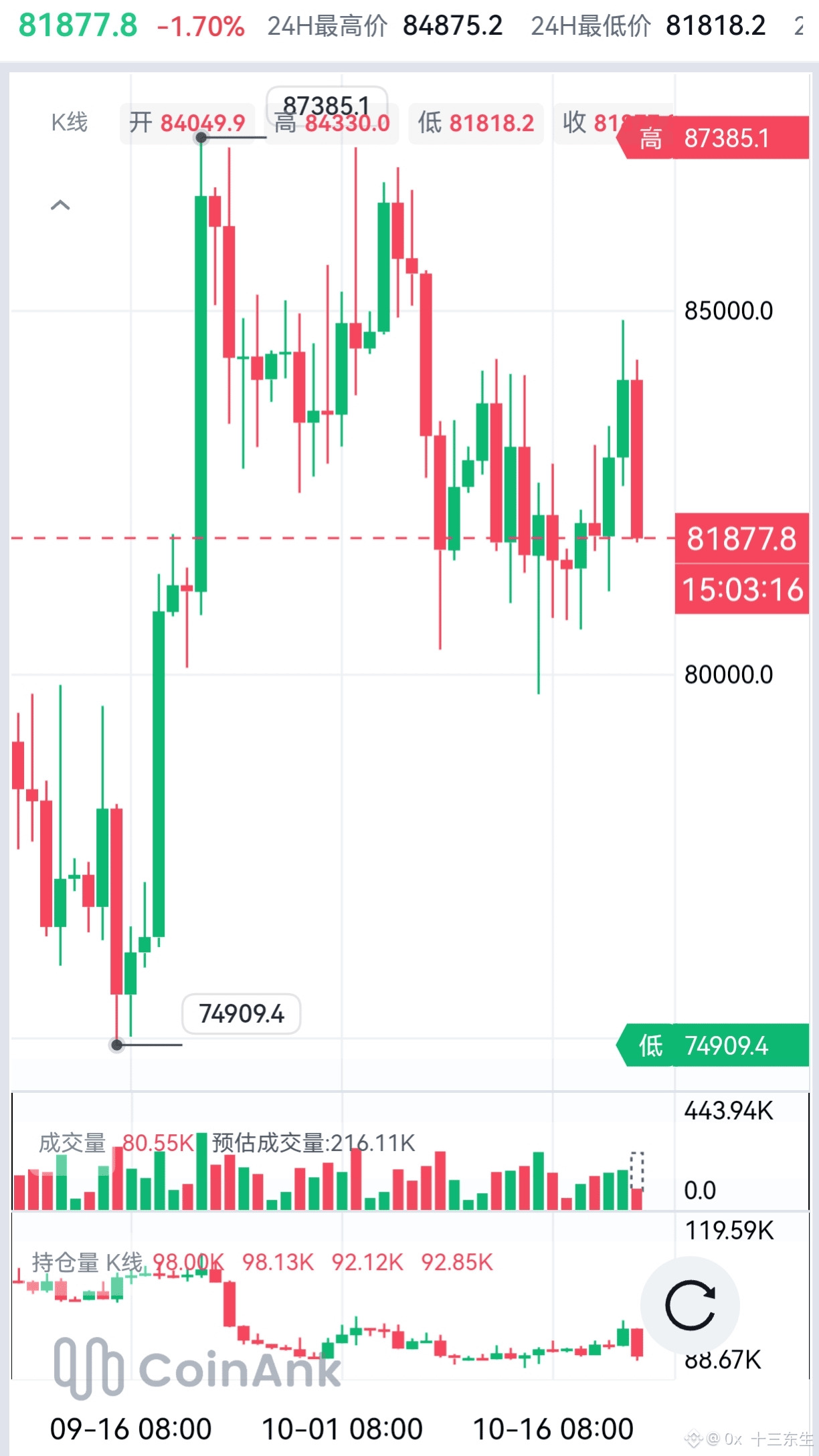
1.BTC is ranging around $65,000; the key support is $64,000. If it breaks down, it may test $63,000 to $57,000. Overhead resistance sits at $65,600 (50-month EMA) and $68,000 (200-week EMA). Only a breakout above $73,000 (200-day EMA) will confirm a trend reversal. The maximum pain point for options is $64,500, and liquidity is biased upward. Macroscopically, U.S. Treasury yields are nearing 5%, weighing on tech stocks; however, gold and Bitcoin may benefit from hedging demand related to sovereign debt.
2. For altcoins, BitMEX will shut down on September 23, with BMEX plunging by more than 95%. HYPE fell over 20% due to selling pressure from institutional unlocks. The Robinhood CEO’s account was hacked; the fake Meme coin VLAD surged then crashed.
3. The U.S. tech “Magnificent Seven” lost nearly $800 billion in a single day. Tesla fell 14.52% due to earnings missing expectations and free cash flow turning negative. Google dropped 7.13% as AI spending caused free cash flow to turn negative for the first time. But if AI capex converts into orders, storage chip stocks may rise against the trend. Macro risks: crude oil breaks above $100, Treasury yields stay elevated, and strong employment suppresses rate-cut expectations.
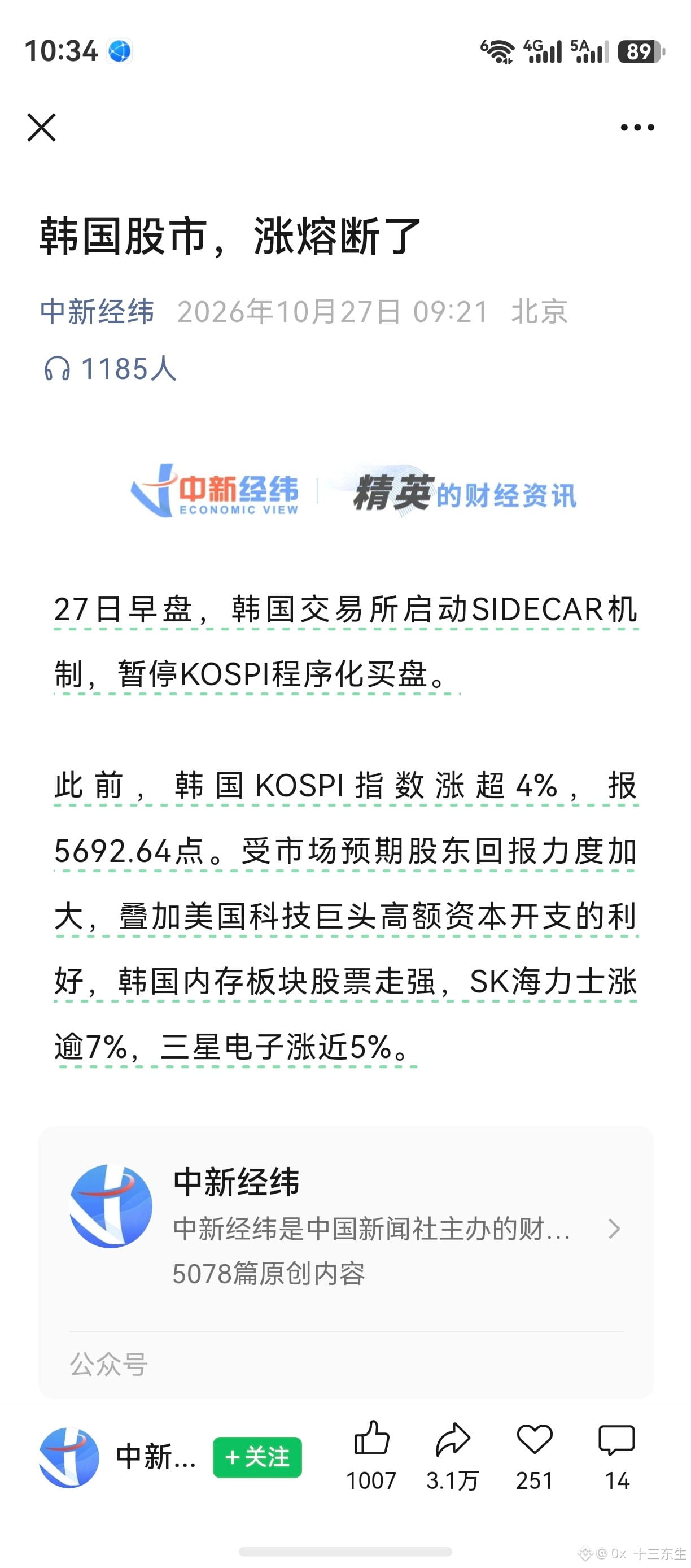
4. Asia-Pacific markets were dragged down: Korea’s KOSPI fell 5.73%, Japan’s Nikkei 225 dropped 2.73%, and storage chip stocks were sold off. In Hong Kong, brain-computer interface stocks strengthened, while in mainland China the PBOC’s MLF was topped up with additional volume to stabilize liquidity.
Key takeaways today: Worldcoin’s unlock rate will decrease by 43%; Binance will delist the AERGOUSDT perpetual contract; tokens including SoSoValue, Plasma, and Humanity face token unlocks; Bitcoin spot ETFs recorded net outflows of $225 million, while Ethereum spot ETFs recorded net inflows of $26.31 million.
Multiple long-term indicators suggest that Bitcoin may be in or approaching the bearish market low point, with potential for outsized returns over the next 1–3 years: 1. Extremely oversold relative strength: Bitcoin’s RSI versus the Nasdaq Index has hit the most extreme historical oversold level. Similar signals have appeared in the past, and after each occurrence, Bitcoin has significantly outperformed the Nasdaq within 1–3 years. Bitcoin’s RSI versus gold is also at an extreme overbought level, indicating that Bitcoin is also relatively oversold versus gold. 2. On-chain cost support: Bitcoin’s actual price (average on-chain cost) is around $530,000, and the spot price is only about 18% higher than that. Historically, spot has been below this level only 12% of the time, and each time bearish market lows occurred, prices broke below this zone; once entering this area, long-term returns have been attractive. 3. Cycle timing regularity: In past bearish markets, the lows often appear 60 weeks after a new all-time high. The current time is week 40; if the pattern repeats, the low point could be at the end of November 2026. The time needed to revisit the previous high is shortening, implying a new all-time high may occur before early 2028. 4. Diminishing returns and an opportunity window: As the market grows larger, returns from passive long-term holding diminish. It’s important to capitalize on the oversold cycle buildup. Current signs are converging, and before the end of 2026, it could be an appealing period for long-term re-accumulation. In summary, Bitcoin has already pulled back 50% from its historical peak and has been in that state for over 40 weeks. Multiple rare indicators moving in sync point to a cycle low area. Over the next 1–3 years, Bitcoin may offer an asymmetric upside opportunity better than stocks and gold, though it’s important to note that the sample size is limited and there are risks from structural changes.$BTC {future}(BTCUSDT)
Multiple long-term indicators suggest that Bitcoin may be in or approaching the bearish market low point, with potential for outsized returns over the next 1–3 years:
1. Extremely oversold relative strength: Bitcoin’s RSI versus the Nasdaq Index has hit the most extreme historical oversold level. Similar signals have appeared in the past, and after each occurrence, Bitcoin has significantly outperformed the Nasdaq within 1–3 years. Bitcoin’s RSI versus gold is also at an extreme overbought level, indicating that Bitcoin is also relatively oversold versus gold.
2. On-chain cost support: Bitcoin’s actual price (average on-chain cost) is around $530,000, and the spot price is only about 18% higher than that. Historically, spot has been below this level only 12% of the time, and each time bearish market lows occurred, prices broke below this zone; once entering this area, long-term returns have been attractive.
3. Cycle timing regularity: In past bearish markets, the lows often appear 60 weeks after a new all-time high. The current time is week 40; if the pattern repeats, the low point could be at the end of November 2026. The time needed to revisit the previous high is shortening, implying a new all-time high may occur before early 2028.
4. Diminishing returns and an opportunity window: As the market grows larger, returns from passive long-term holding diminish. It’s important to capitalize on the oversold cycle buildup. Current signs are converging, and before the end of 2026, it could be an appealing period for long-term re-accumulation.
In summary, Bitcoin has already pulled back 50% from its historical peak and has been in that state for over 40 weeks. Multiple rare indicators moving in sync point to a cycle low area. Over the next 1–3 years, Bitcoin may offer an asymmetric upside opportunity better than stocks and gold, though it’s important to note that the sample size is limited and there are risks from structural changes.$BTC
SK Hynix CEO “$5 billion divorce settlement case” ruled: ex-wife to receive 944 billion won (about $643 million) Cailian News Service, July 24—The personal fortune of SK Hynix billionaire Chey Tae-won has surged significantly amid the AI boom. In a recent round of rulings, a South Korean court ordered him to pay his ex-wife 944 billion won (about $643 million) as part of the divorce property settlement. This long-running, high-profile divorce case is now nearing its end. If the ruling ultimately takes effect, it will be the largest divorce settlement case in South Korea’s history. According to the Bloomberg Billionaires Index, Chey Tae-won’s current net worth is about $5.6 billion, and his net assets have more than doubled over the past year. The court has yet to specify whether this sum will be paid in cash or in the form of stock. Earlier reports by Red Star News said that Chey Tae-won, the chairman of SK Hynix, and his wife’s divorce lawsuit, which has been ongoing for nearly a decade, will receive a new ruling on July 24 local time. At that time, the Seoul High Court will determine how to divide Chey Tae-won’s assets of roughly $5 billion. The retrial decision hinges on three key issues: the scope of assets to be divided, the time at which the basis for determining the division should be set, and how to account for the actual contribution that Lu Su-young made to the formation of the assets. At the time of South Korea’s economic takeoff in 1988, Chey Tae-won—who would later become the future leader of the SK Group—and Lu Su-young, the daughter of then South Korean President Roh Tae-woo, married. Korean newspapers dubbed their wedding a “wedding of the century.” The ceremony was held at Cheongwadae, and just a few months before the wedding, Lu Su-young’s father, Roh Tae-woo, had been elected president. In 2015, Chey Tae-won, by then already the chairman of SK Hynix, publicly admitted to an extramarital affair and that he had a child born out of wedlock, and he then proposed divorcing Lu Su-young. The seemingly fairytale-model marriage that was regarded as such in South Korea was completely shattered. At the time, Lu Su-young firmly said she would protect her family and refused to divorce. $SKHYNIX {future}(SKHYNIXUSDT)
SK Hynix CEO “$5 billion divorce settlement case” ruled: ex-wife to receive 944 billion won (about $643 million)
Cailian News Service, July 24—The personal fortune of SK Hynix billionaire Chey Tae-won has surged significantly amid the AI boom. In a recent round of rulings, a South Korean court ordered him to pay his ex-wife 944 billion won (about $643 million) as part of the divorce property settlement. This long-running, high-profile divorce case is now nearing its end.
If the ruling ultimately takes effect, it will be the largest divorce settlement case in South Korea’s history. According to the Bloomberg Billionaires Index, Chey Tae-won’s current net worth is about $5.6 billion, and his net assets have more than doubled over the past year. The court has yet to specify whether this sum will be paid in cash or in the form of stock.
Earlier reports by Red Star News said that Chey Tae-won, the chairman of SK Hynix, and his wife’s divorce lawsuit, which has been ongoing for nearly a decade, will receive a new ruling on July 24 local time. At that time, the Seoul High Court will determine how to divide Chey Tae-won’s assets of roughly $5 billion. The retrial decision hinges on three key issues: the scope of assets to be divided, the time at which the basis for determining the division should be set, and how to account for the actual contribution that Lu Su-young made to the formation of the assets.

At the time of South Korea’s economic takeoff in 1988, Chey Tae-won—who would later become the future leader of the SK Group—and Lu Su-young, the daughter of then South Korean President Roh Tae-woo, married. Korean newspapers dubbed their wedding a “wedding of the century.” The ceremony was held at Cheongwadae, and just a few months before the wedding, Lu Su-young’s father, Roh Tae-woo, had been elected president.

In 2015, Chey Tae-won, by then already the chairman of SK Hynix, publicly admitted to an extramarital affair and that he had a child born out of wedlock, and he then proposed divorcing Lu Su-young. The seemingly fairytale-model marriage that was regarded as such in South Korea was completely shattered. At the time, Lu Su-young firmly said she would protect her family and refused to divorce. $SKHYNIX
Cow
Cow
比特币总裁
·
--
China's innovation simply can't be stopped. Besides Kim3 breaking through the AI barrier, it has also developed an AI blackboard. In the future, blackboards at home and abroad will likely be replaced by it—foreigners who have used it say it's great.
BTV_Michael
·
--
Kalshi becomes the new king? Will Polymarket step aside?

The underlying logic of betting and contracts is the same—no matter whether you bet big or small, go long or go short, it’s always the one taking fees who profits without losing.
Log in to explore more content
Join global crypto users on Binance Square
⚡️ Get latest and useful information about crypto.
💬 Trusted by the world’s largest crypto exchange.
👍 Discover real insights from verified creators.
Email / Phone number
Sitemap
Cookie Preferences
Platform T&Cs