
Future-boy
386 Posts

Future-boy
Report
Block User
I share knowledge everyday, I turn headlines into trader insights Daily.
Open Trade
High-Frequency Trader
5.7 Months
92 Following
30 Followers
213 Liked
Posts
Portfolio
·
--
Bearish
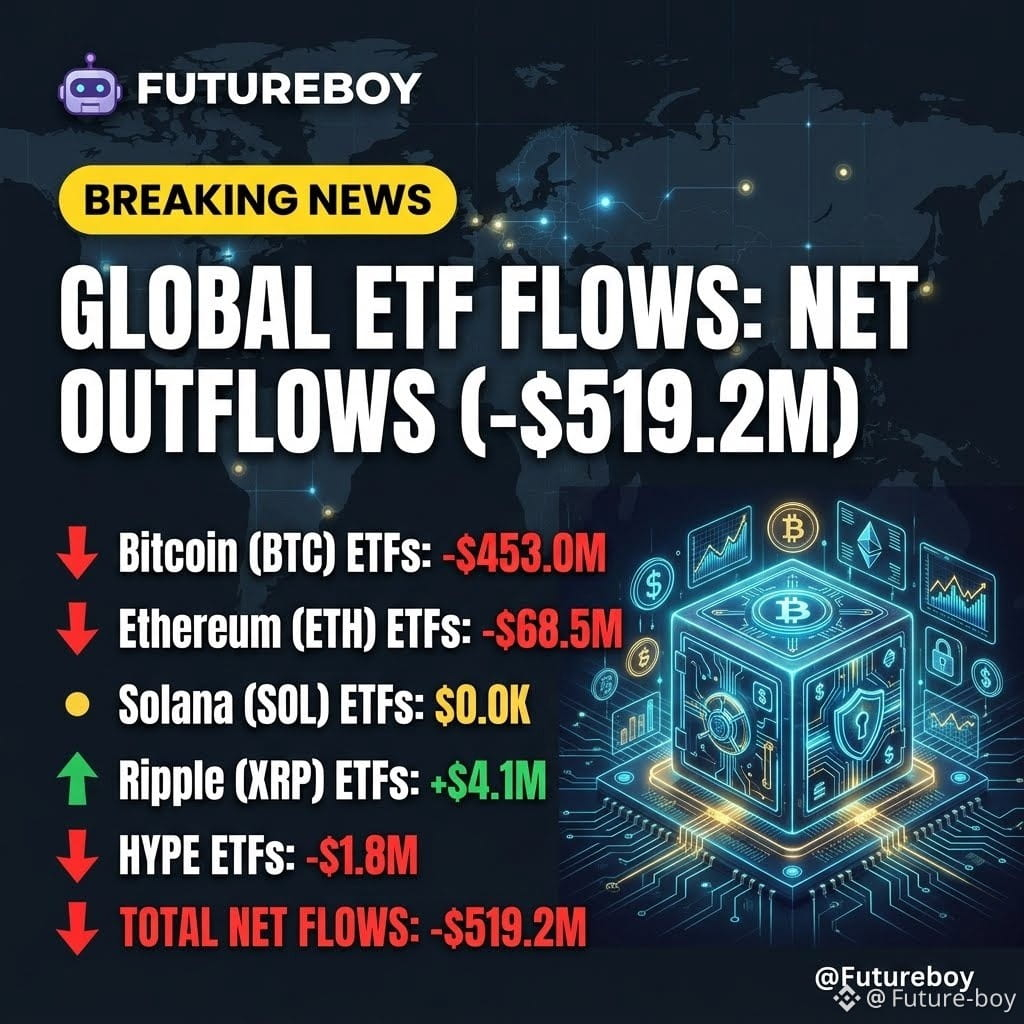
HALF A BILLION LEFT THE CRYPTO FUNDS IN ONE DAY AND NEARLY ALL OF IT CAME FROM TWO NAMES
The latest daily flow table shows about 519 million dollars of net outflows across crypto ETFs, and the breakdown is lopsided. Roughly 87 percent came from Bitcoin products and about 13 percent from Ether products, while Solana funds reportedly took in nothing, XRP funds added about four million and a Hyperliquid product lost under two million. I could not confirm the numbers, so treat them as reported.
The concentration is the point. Outflows of this size from the two oldest and biggest categories mean the people leaving are the core institutional and brokerage holders, not speculators in newer products. The altcoin funds are too small to matter either way, so there is no rotation story to soften the picture, and the little inflow into XRP is a rounding error next to what left Bitcoin.
It also fits the pattern for the month. November has been one of the weakest months on record for Bitcoin funds, with only a couple of inflow days and total withdrawals above two billion dollars, which is why bounces keep failing near the same resistance. When the largest marginal buyer becomes a steady seller, price needs outside demand to hold up, and that has been missing.
The other way to read it is that outflows tend to cluster near stress points. Holders who bought higher get shaken out in drops like this, and flows have turned positive quickly in past recoveries, so one ugly day does not decide the trend. What would matter is a run of several days of inflows, ideally led by Bitcoin and not by the smaller coins.
Until then I treat the daily flow table as a thermometer, and right now it reads cold.
Do you think institutional selling has more room to run or are we close to exhaustion, and what flow reading would make you believe the turn has started?
1
170
·
--
Bullish
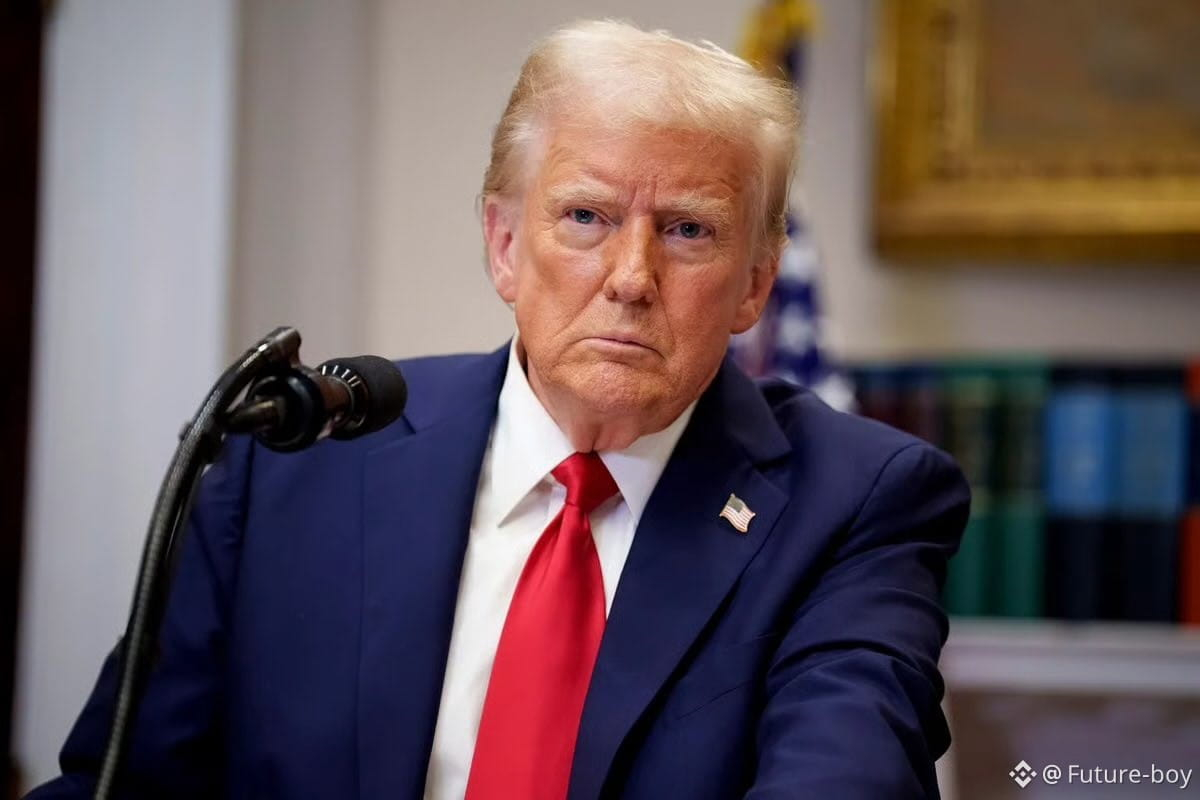
TRUMP DEMANDS PROBE INTO "FAKE" PRE-ELECTION GDP DATA AFTER US GROWTH REVISED UP TO 4.3%
President Donald Trump just called for an immediate investigation into government economic reporting after the Commerce Department revised third-quarter US gross domestic product growth sharply higher from 3.4 percent to 4.3 percent. Posting on Truth Social today, Trump accused federal statisticians of issuing "fake" economic figures ahead of the November 3 midterm elections—where Democrats swept control of both chambers of Congress—and argued that understating the economy's true pace amounted to a "massive, and purposeful, error".
The upward adjustment of 0.9 percentage points was published yesterday by the Bureau of Economic Analysis as part of its routine second estimate for third-quarter growth, which reflects more complete source data on domestic investment and consumer spending than the initial advance estimate released on October 29. While economists had expected only a modest bump to around 3.5 percent, stronger-than-reported AI business investment and consumer outlays pushed annualized growth to its fastest clip since 2023.
For crypto and macro traders, a 4.3 percent GDP print cuts both ways right before the Federal Reserve's December 9 policy meeting. On one hand, roaring underlying growth helps counter immediate recession fears; on the other, an economy expanding at over four percent gives Fed Chair Kevin Warsh even more ammunition to justify hiking interest rates to cool stubborn inflation—keeping liquidity tight for $BTC,$ETH, and risk assets.
Does a 4.3% US GDP revision ease your recession worries for $BTC and equities, or does stronger growth just lock in a hawkish Fed rate hike next month? Drop your take below!
1
82
·
--
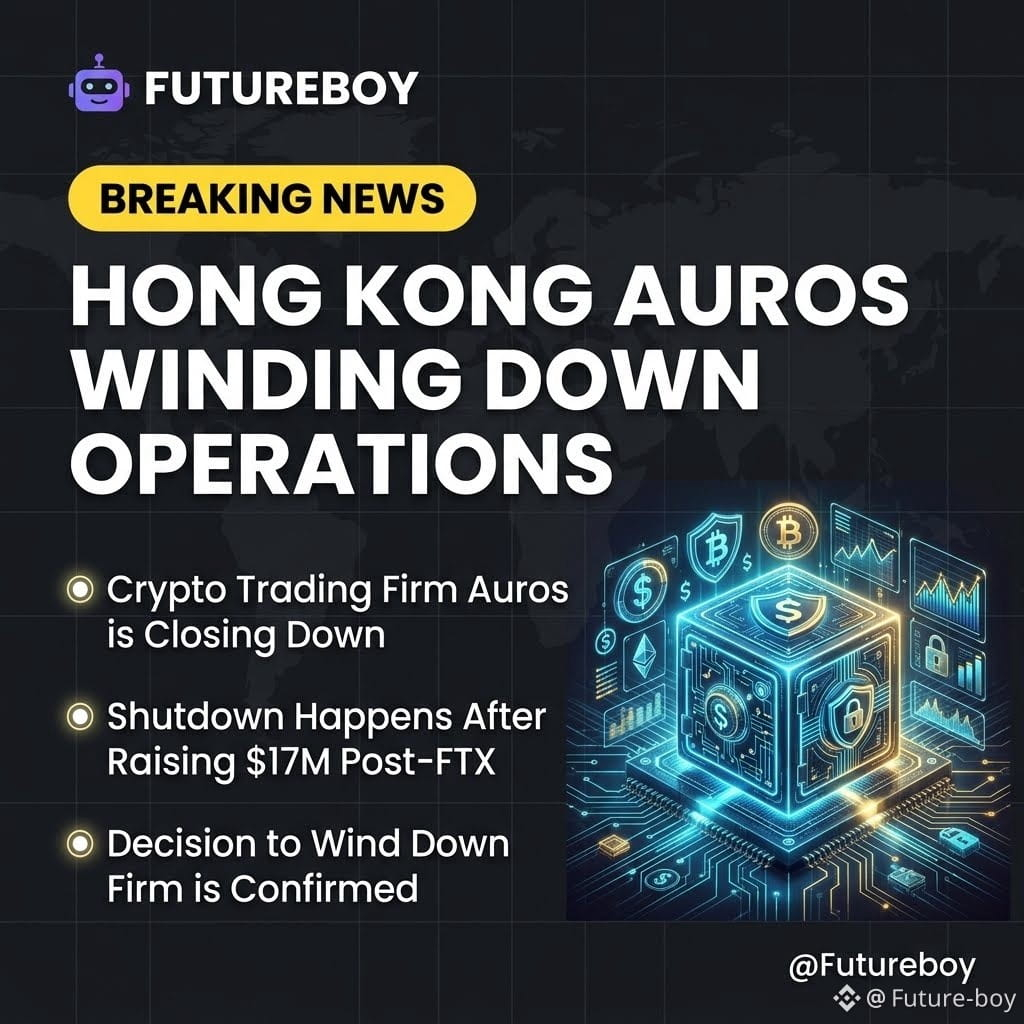
HONG KONG CRYPTO MARKET MAKER AUROS WINDING DOWN OPERATIONS AFTER POST-FTX REBOOT
Hong Kong-based algorithmic trading and market-making firm Auros is shutting down operations, according to a new CoinDesk report citing two people familiar with the matter. The shutdown closes out a turbulent multi-year comeback arc for the liquidity provider, which previously had roughly $20 million trapped on FTX when the exchange collapsed in November 2022 before exiting provisional liquidation in March 2023 via a $17 million rescue round led by Vivienne Court Trading and Bit Digital.
The timing is striking given how aggressively Auros appeared to be scaling ahead of the wind-down. Founded in 2019, the firm grew to more than 150 employees across over 40 trading venues, previously estimated it handled roughly 4 percent of global crypto exchange volume, and reported over $1.3 trillion in trading volume with peak daily turnover exceeding $18.2 billion. Just two months ago on September 29, Auros launched its institutional over-the-counter portal Aurora alongside a multi-million-dollar venture arm, making the abrupt closure—for which no official reason or timeline has yet been disclosed—a major surprise across trading desks.
For active traders, losing a top-tier market maker directly impacts order-book depth and execution quality, especially during a stretch when Extreme Fear and macro volatility are already straining crypto liquidity. Until rival liquidity providers step in to absorb Auros's quoting activity across centralized exchanges and token pairs, traders could see wider bid-ask spreads and sharper slippage on mid-cap altcoins.
Do you think rival market makers will quickly fill the liquidity gap left by Auros, or are altcoin order books about to get noticeably thinner during this market shakeout? Drop your take below!
1
8
·
--
Bullish
SWITZERLAND LAUNCHES FIRST SPOT BITCOIN ETF ON SIX SWISS EXCHANGE WITH 350 BTC
Switzerland officially brought its first-ever spot Bitcoin exchange-traded fund to market today as BIT Asset Management's Bitcoin Fund ETF (ticker: BBIT) began trading on the SIX Swiss Exchange. Following regulatory greenlight from the Swiss Financial Market Supervisory Authority (FINMA) in October after an 18-month review, the fund debuted with an initial seed of 350 BTC worth over $20 million, opening at 8 Swiss francs per share and ticking up 0.6 percent in its first hour of trading.
While Switzerland has listed debt-structured crypto exchange-traded products (ETPs) for years, BBIT is the first regulated fund on SIX that directly holds spot Bitcoin inside a ring-fenced collective investment scheme. Trading in both Swiss francs and US dollars with a competitive 0.19 percent annual management fee, the fund keeps its underlying Bitcoin in offline cold storage at Swiss-regulated AMINA Bank while supporting in-kind subscriptions and daily holdings transparency.
Even as US spot Bitcoin ETFs grapple with heavy November outflows and broader macro turbulence, Switzerland opening a direct, bank-custodied spot ETF rail marks a major structural upgrade for European and international private wealth. Giving global investors direct, segregated Bitcoin exposure through traditional Swiss banking accounts—without relying on debt notes or US-domiciled funds—lays crucial long-term plumbing for institutional adoption.
Do you think Switzerland's new spot ETF will attract fresh European and private-banking liquidity into $BTC, or will macro headwinds keep institutional inflows muted in the short term? Drop your take below!

1
2
·
--
Article
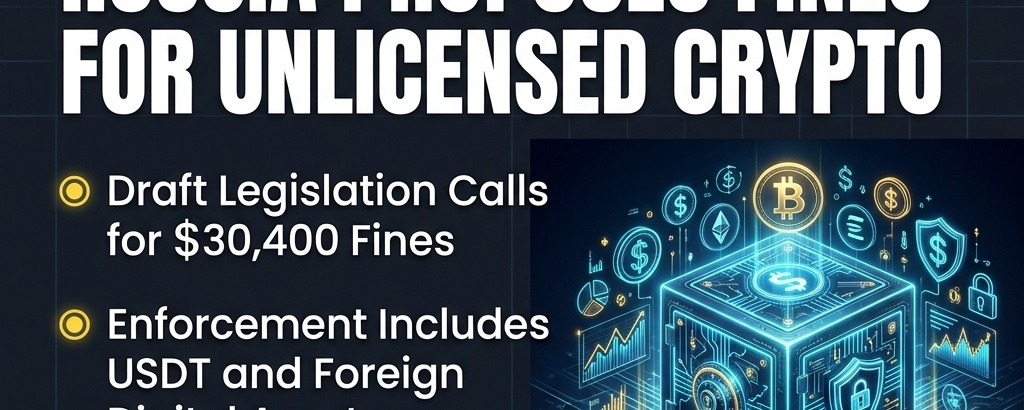
RUSSIA IS REPORTEDLY ADDING PRICE TAGS TO THE NEW CRYPTO RULEBOOK AND USDT TRADERS ARE THE TARGETRUSSIA IS REPORTEDLY ADDING PRICE TAGS TO THE NEW CRYPTO RULEBOOK AND USDT TRADERS ARE THE TARGET
Russia has reportedly put forward new penalties for unlicensed crypto trading, with a headline fine of around 30,000 dollars and a scope that now reaches USDT and foreign digital assets. I could not find the draft itself, so I will not claim the exact amount, but the direction fits the framework Russia has been building all year.
The core of that framework is already law. A comprehensive crypto market statute passed in July and took effect in September, legalizing trading through licensed intermediaries, writing digital assets into the tax code and capping ordinary Russians at about 3,800 dollars a year of purchases. Domestic payments in crypto stay banned, while companies get explicit permission to use crypto in foreign trade, which analysts have linked to sanctions workarounds.
The enforcement side is what is now getting sharper. A separate bill would make unlicensed crypto services a crime, with fines in the hundreds of thousands to millions of rubles and prison of up to seven years for organized or aggravated cases, and thresholds that experts say could catch small exchangers quickly, since a modest USDT resale business can pass the large scale line fast. Peer to peer trading, where most Russian crypto activity has actually flowed for a decade, is being phased out.
The logic is control more than prohibition. Moscow wants trading to run through licensed venues like Moscow Exchange, where Bitcoin, Ether and USDT are about to launch, instead of informal networks it cannot see. For people already operating through the gray market, the penalties turn a tolerated activity into a risky one, while licensed platforms gain a captive audience.
For global markets the effect is limited. Russian retail volumes are small compared with the big markets, and the biggest flows are corporate and cross border, which stay legal under the new law. But the signal is clear, with another major economy shifting from tolerance to licensing backed by criminal penalties.
I'm watching the final text of the penalties and how quickly licensed venues absorb volume, since enforcement only works if the legal route is easy enough to use.
Do you think heavy penalties push Russian traders onto licensed exchanges or into harder to track workarounds, and does this matter for USDT demand?
RUSSIA IS REPORTEDLY ADDING PRICE TAGS TO THE NEW CRYPTO RULEBOOK AND USDT TRADERS ARE THE TARGET
RUSSIA IS REPORTEDLY ADDING PRICE TAGS TO THE NEW CRYPTO RULEBOOK AND USDT TRADERS ARE THE TARGET
Russia has reportedly put forward new penalties for unlicensed crypto trading, with a headline fine of around 30,000 dollars and a scope that now reaches USDT and foreign digital assets. I could not find the draft itself, so I will not claim the exact amount, but the direction fits the framework Russia has been building all year.
The core of that framework is already law. A comprehensive crypto market statute passed in July and took effect in September, legalizing trading through licensed intermediaries, writing digital assets into the tax code and capping ordinary Russians at about 3,800 dollars a year of purchases. Domestic payments in crypto stay banned, while companies get explicit permission to use crypto in foreign trade, which analysts have linked to sanctions workarounds.
The enforcement side is what is now getting sharper. A separate bill would make unlicensed crypto services a crime, with fines in the hundreds of thousands to millions of rubles and prison of up to seven years for organized or aggravated cases, and thresholds that experts say could catch small exchangers quickly, since a modest USDT resale business can pass the large scale line fast. Peer to peer trading, where most Russian crypto activity has actually flowed for a decade, is being phased out.
The logic is control more than prohibition. Moscow wants trading to run through licensed venues like Moscow Exchange, where Bitcoin, Ether and USDT are about to launch, instead of informal networks it cannot see. For people already operating through the gray market, the penalties turn a tolerated activity into a risky one, while licensed platforms gain a captive audience.
For global markets the effect is limited. Russian retail volumes are small compared with the big markets, and the biggest flows are corporate and cross border, which stay legal under the new law. But the signal is clear, with another major economy shifting from tolerance to licensing backed by criminal penalties.
I'm watching the final text of the penalties and how quickly licensed venues absorb volume, since enforcement only works if the legal route is easy enough to use.
Do you think heavy penalties push Russian traders onto licensed exchanges or into harder to track workarounds, and does this matter for USDT demand?
1
93
·
--
Bearish
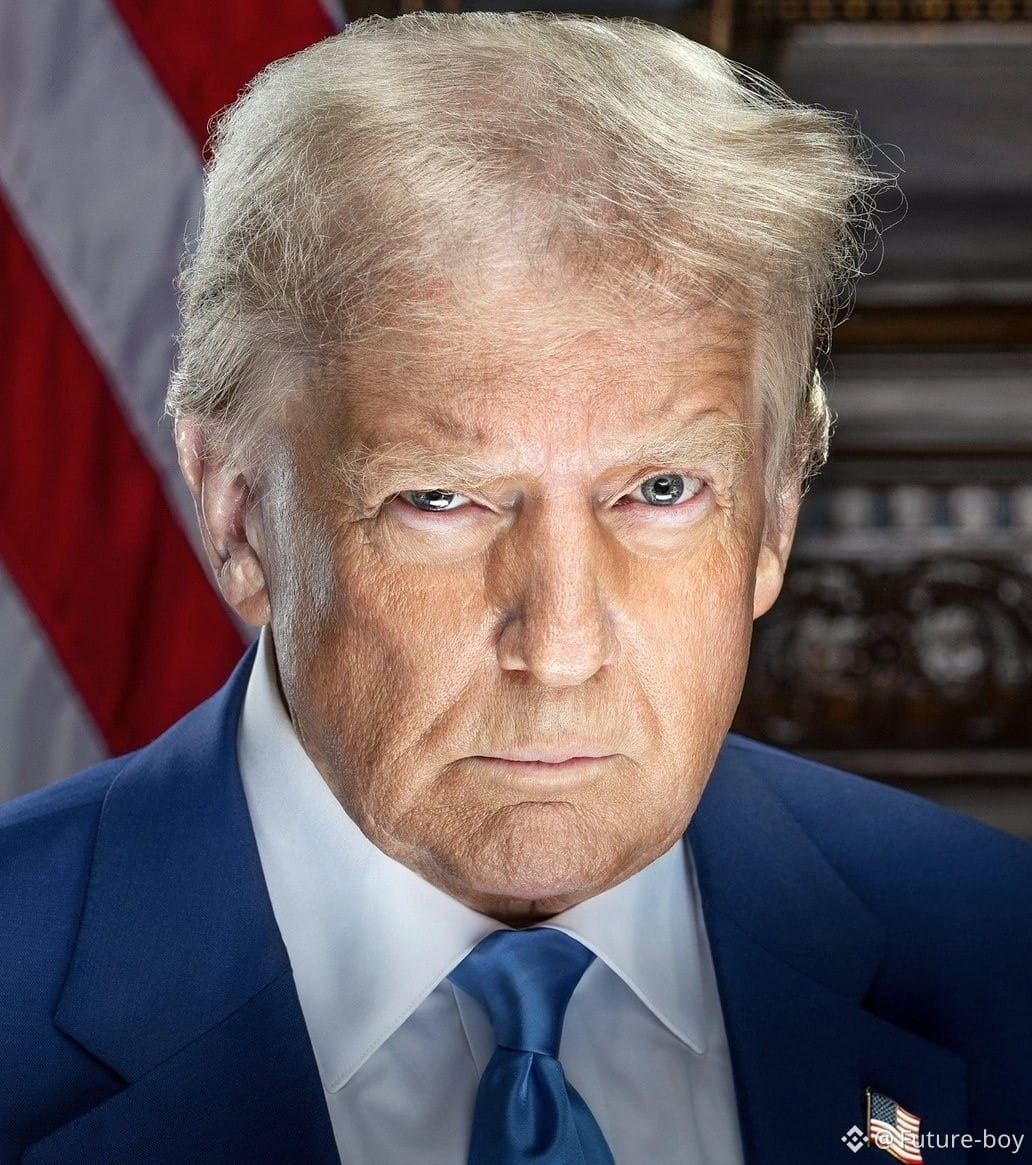
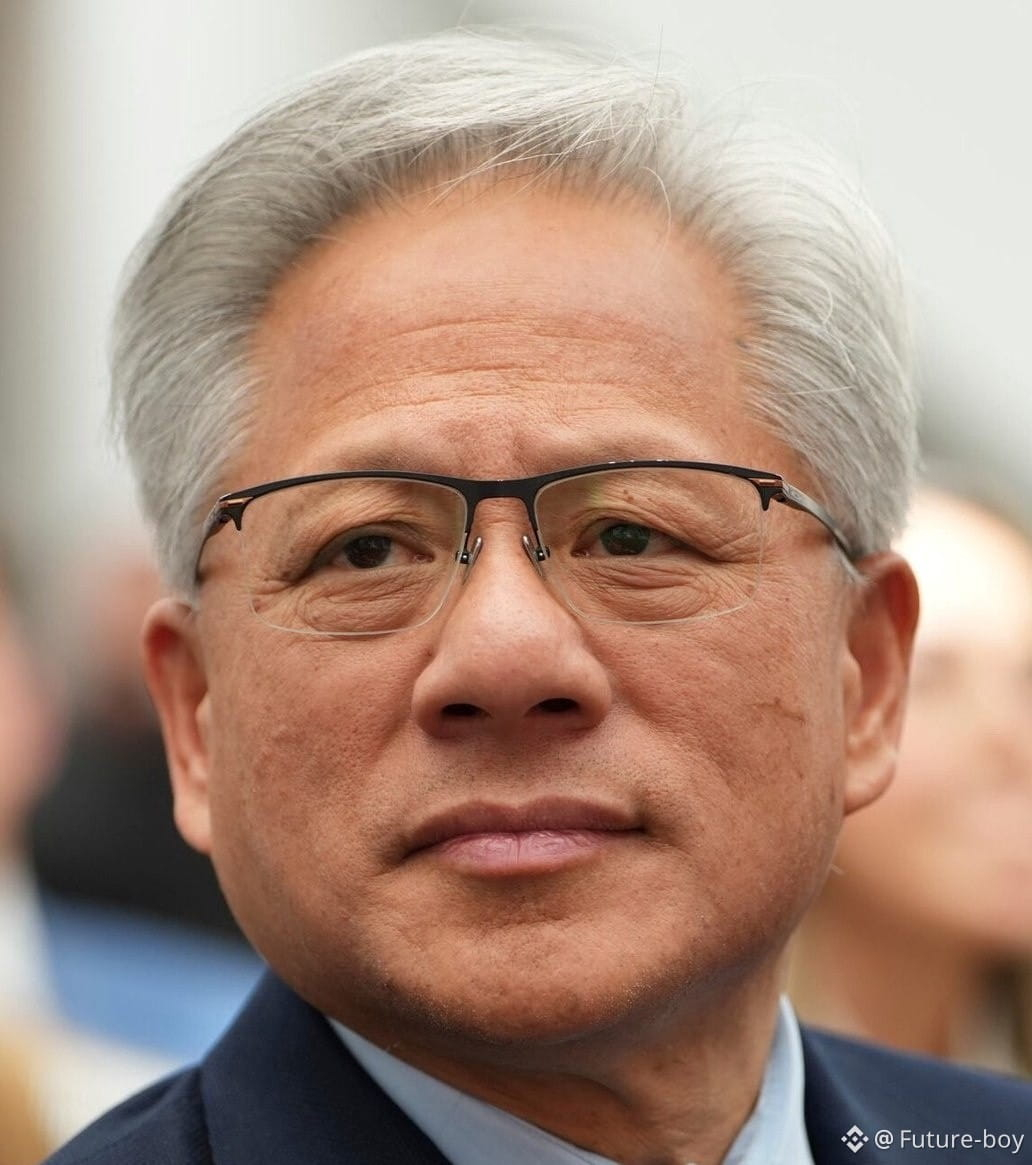
TRUMP ADMINISTRATION DISCUSSED WARTIME POWERS TO REINSTATE NVIDIA CEO JENSEN HUANG, WAPO REPORTS
According to a new report from The Washington Post, Pentagon officials and Defense Secretary Pete Hegseth discussed invoking wartime powers under the Defense Production Act to pressure Nvidia's board into reinstating Jensen Huang as CEO following his abrupt resignation earlier this month. Citing multiple individuals familiar with the discussions, the report notes that the concept also gained traction among prominent Silicon Valley figures—including crypto investor Balaji Srinivasan and tech investor Shervin Pishevar—who argued that returning Huang to lead America's dominant artificial intelligence chipmaker was an urgent matter of US national security.
While the Trump administration ultimately never formally invoked the Defense Production Act, The Washington Post notes that direct intervention from the White House still helped pave the way for Huang's eventual return to Nvidia. The internal discussions underscore just how aggressively Washington views artificial intelligence infrastructure not simply as a corporate governance issue, but as a critical pillar of national security and geopolitical competitiveness.
For traders watching the intersection of traditional tech and crypto markets, treating Nvidia's leadership as a national security asset highlights how deeply sovereign policy is now intertwined with AI compute. With AI infrastructure tokens like $RENDER, TAO, andFET closely tracking NVDA headlines alongsideBTC, Washington's willingness to consider extraordinary executive measures shows just how high the stakes have become around global compute dominance.
Do you view Washington considering wartime laws to protect AI leadership as bullish for US tech and decentralized compute tokens like RENDER andTAO, or does that level of government intervention make you cautious? Drop your take below!
1
390
·
--
Bearish
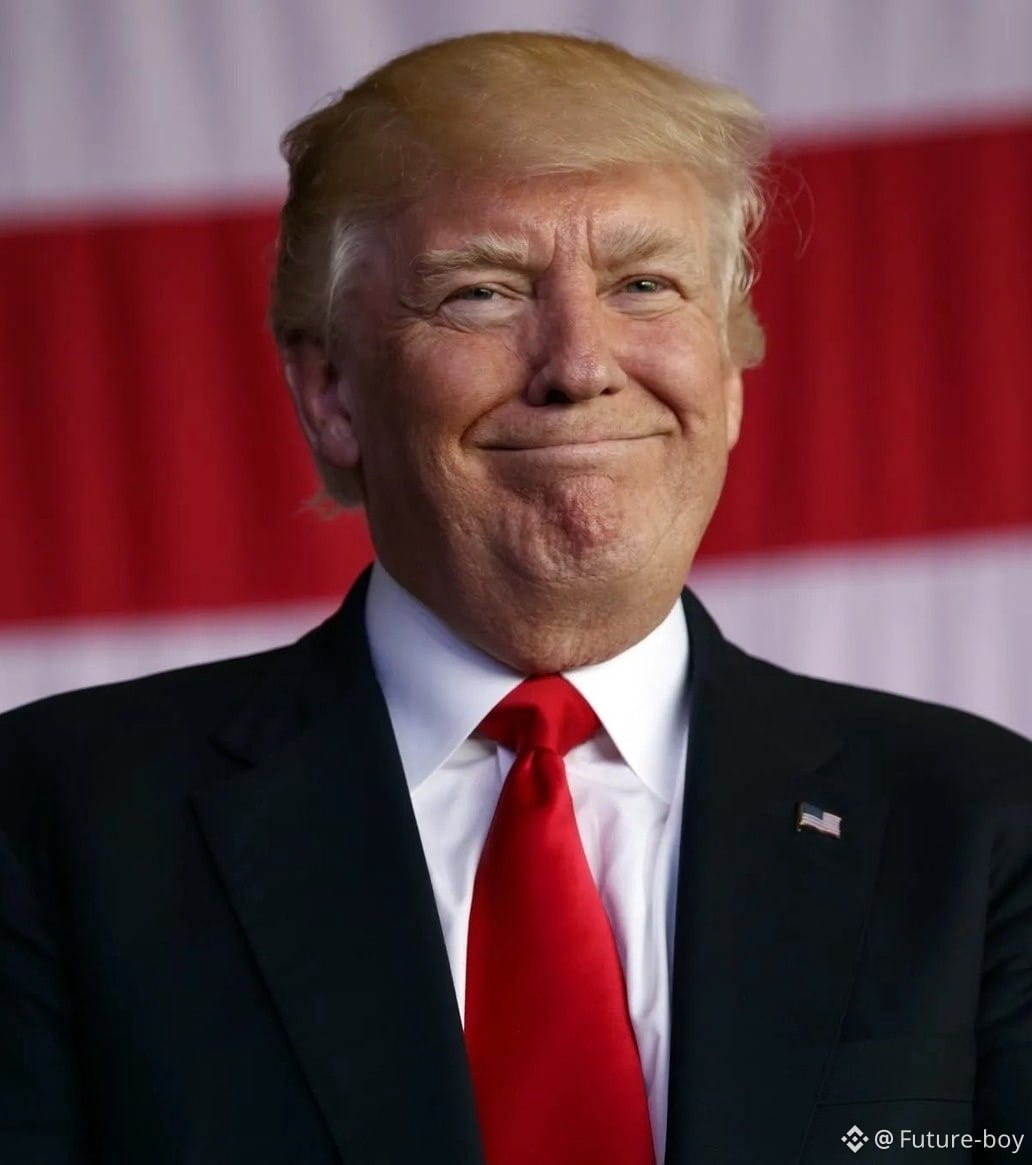
TRUMP BLAMES DEMOCRATIC MIDTERM WINS FOR $6 TRILLION STOCK MARKET SELLOFF
President Donald Trump just doubled down on his political explanation for Wall Street's brutal November slide, directly blaming the Democratic Party's victories in the November 3 midterm elections for dragging down equities and retirement accounts. Posting on Truth Social today, Trump stated that stocks are crashing specifically because Democrats swept majorities in both the House and Senate—adding that had his own name been on the ballot, the results would have been completely different and both the stock market and Americans' 401(k)s would be booming.
The remarks come after nearly $6 trillion in US equity value has been wiped out since election day, pushing the S&P 500 into correction territory and hammering tech and semiconductor names. While Trump is pinning the rout squarely on fears that an incoming Democratic Congress will clamp down on artificial intelligence and data center expansion when it takes office in January 2027, institutional desks are also juggling sticky inflation, fresh tariff proposals on 14 trading partners, and growing odds of a December Federal Reserve rate hike.
For crypto traders watching $BTC,$ETH, and AI tokens get whipped around by every Wall Street opening bell, Washington's political blame game adds another layer of headline risk to an already fragile market. Whether markets are reacting to incoming congressional gridlock, tariff inflation, or overheated AI valuations, risk assets remain hypersensitive to macro narratives right now.
Do you buy Trump's argument that Wall Street is dumping purely over the midterm results, or are tariffs and Fed rate hike fears the real culprits behind this $BTC and equity pullback? Drop your take below!

1
130
·
--
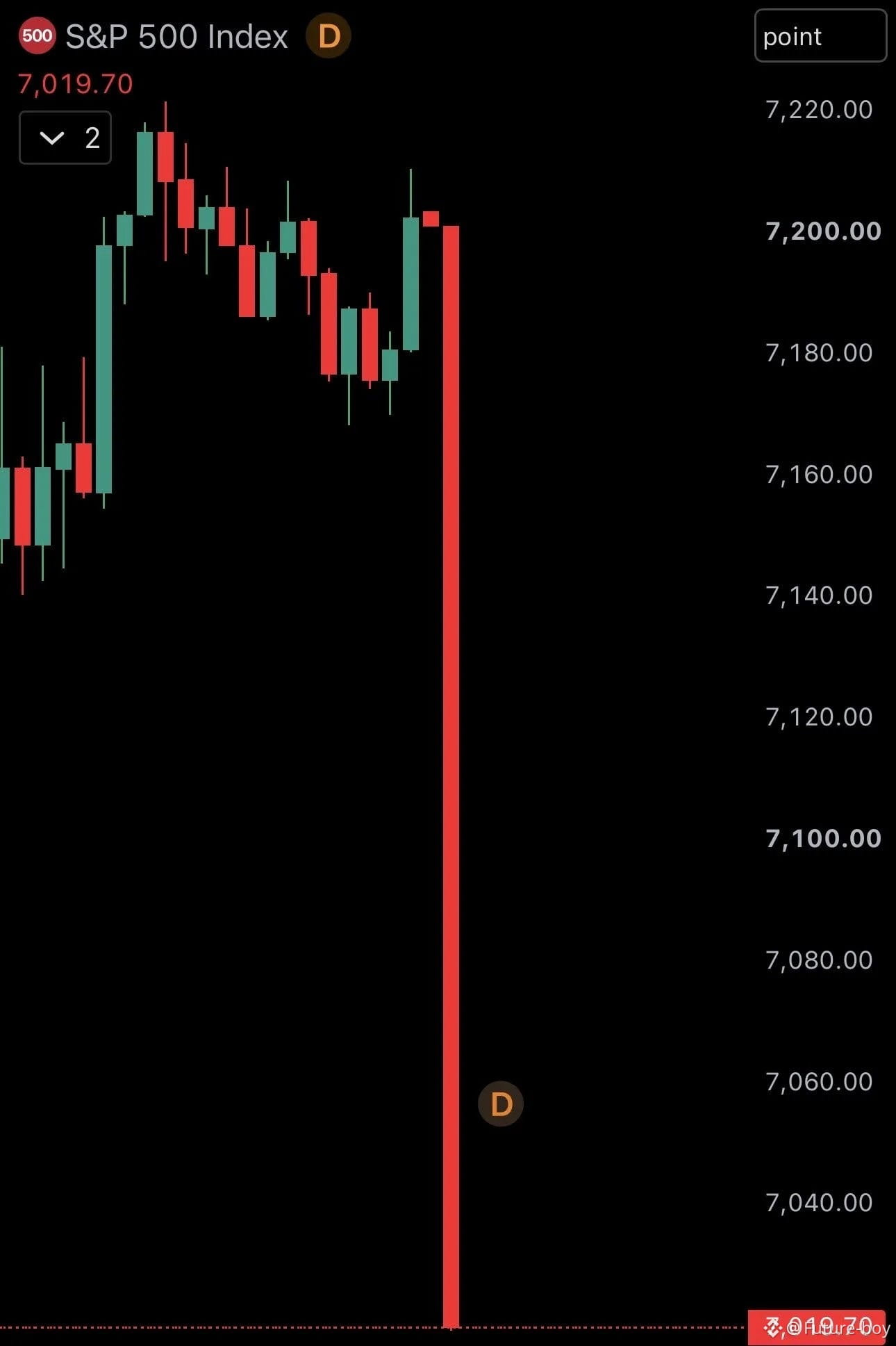
$2 TRILLION WIPED FROM US STOCKS AT OPEN AS TRUMP PROPOSES NEW TARIFFS ON 14 TRADING PARTNERS
Wall Street opened in absolute freefall today, erasing roughly $2 trillion in market value right off the bell after the Trump administration unveiled sweeping new tariff proposals targeting 14 major US trading partners. Following an eight-month investigation into structural excess industrial capacity, the Office of the US Trade Representative laid out steep import duties hitting Vietnam at up to 35 percent, India at up to 25 percent, China and Singapore at up to 20 percent, Southeast Asian hubs like Thailand, Malaysia, Indonesia, and Cambodia at up to 18 percent, and major allies including the European Union, Japan, South Korea, Taiwan, and Switzerland at up to 15 percent.
While the administration noted that the measures still face a public comment period that could push implementation into January 2027—with room for bilateral deals to lower rates for countries like Vietnam, India, and Singapore—markets priced in the supply-chain shock immediately. Importers who spent years shifting manufacturing out of China into Vietnam and Southeast Asia suddenly face massive new cost walls, reigniting fears of sticky inflation and margin compression across major US tech and consumer stocks.
For crypto traders, a $2 trillion macro shock on Wall Street puts every risk asset directly in the crosshairs. Whenever aggressive tariff headlines spark inflation fears and crush traditional equities at the open, institutional desks rush to raise cash and de-risk—meaning $BTC,$ETH, and high-beta altcoins face an immediate volatility test as liquidity tightens across global markets.
Do you think this fresh tariff shock drags BTC andETH down with Wall Street, or does crypto attract capital as a hedge against renewed trade-war inflation? Drop your take below!
1
35
·
--
Article
ETHEREUM'S POST QUANTUM PLAN REPORTEDLY LEANS ON KECCAK AND THE ATTRACTION IS THAT ETHEREUM ALREADYETHEREUM'S POST QUANTUM PLAN REPORTEDLY LEANS ON KECCAK AND THE ATTRACTION IS THAT ETHEREUM ALREADY USES IT EVERYWHERE
The Ethereum Foundation has reportedly picked Keccak-256 as its preferred hash function for the post quantum transition. I could not find the announcement itself, so I would treat the specific choice as unconfirmed. What I can confirm is the direction. Back in August, a Foundation researcher said Ethereum was dropping Poseidon, a hash built to be cheap inside proof systems, in favor of conventional hashes like SHA and BLAKE, after eight years of work on the older approach.
The reasoning is a reversal. Poseidon was designed because ordinary hashes were too expensive to prove in zero knowledge, but newer proof systems have made standard hashes fast enough that the special design is no longer needed. Established hashes also have a big advantage in security, since they have been attacked publicly for years, while newer designs carry more unknowns. That is the argument a leading researcher at Eigen Labs made when the change was announced.
Keccak would be a natural pick. It is already the hash Ethereum uses for addresses and a huge number of existing contracts, so building the post quantum plan around it would keep more of the current ecosystem working with fewer changes. Benchmarks from the Flock proving paper suggest Keccak can be proved at tens of thousands of operations per second on a single laptop core, slower than some alternatives but fast enough to be practical, though those figures count internal operations and not Ethereum's actual throughput.
The timeline matters for context. The plan relies on leanVM, a system that aggregates hash based signatures into compact proofs, with a production version targeted for 2027 and wider rollouts in 2028, both described as preliminary. Nothing here is live on mainnet.
For ETH holders it is another small step in a long upgrade. Choices like this rarely move prices, but they show the roadmap getting more concrete, which helps long term confidence among the institutions that care about quantum risk.
I'm watching for the Foundation's own write up and any pushback from cryptographers, since a hash choice like this will be tested hard before it ships.
Do you think sticking with a hash Ethereum already uses is the safer path for the post quantum switch, or would a different design have been better, and does this level of technical detail matter for your view of ETH?
ETHEREUM'S POST QUANTUM PLAN REPORTEDLY LEANS ON KECCAK AND THE ATTRACTION IS THAT ETHEREUM ALREADY
ETHEREUM'S POST QUANTUM PLAN REPORTEDLY LEANS ON KECCAK AND THE ATTRACTION IS THAT ETHEREUM ALREADY USES IT EVERYWHERE
The Ethereum Foundation has reportedly picked Keccak-256 as its preferred hash function for the post quantum transition. I could not find the announcement itself, so I would treat the specific choice as unconfirmed. What I can confirm is the direction. Back in August, a Foundation researcher said Ethereum was dropping Poseidon, a hash built to be cheap inside proof systems, in favor of conventional hashes like SHA and BLAKE, after eight years of work on the older approach.
The reasoning is a reversal. Poseidon was designed because ordinary hashes were too expensive to prove in zero knowledge, but newer proof systems have made standard hashes fast enough that the special design is no longer needed. Established hashes also have a big advantage in security, since they have been attacked publicly for years, while newer designs carry more unknowns. That is the argument a leading researcher at Eigen Labs made when the change was announced.
Keccak would be a natural pick. It is already the hash Ethereum uses for addresses and a huge number of existing contracts, so building the post quantum plan around it would keep more of the current ecosystem working with fewer changes. Benchmarks from the Flock proving paper suggest Keccak can be proved at tens of thousands of operations per second on a single laptop core, slower than some alternatives but fast enough to be practical, though those figures count internal operations and not Ethereum's actual throughput.
The timeline matters for context. The plan relies on leanVM, a system that aggregates hash based signatures into compact proofs, with a production version targeted for 2027 and wider rollouts in 2028, both described as preliminary. Nothing here is live on mainnet.
For ETH holders it is another small step in a long upgrade. Choices like this rarely move prices, but they show the roadmap getting more concrete, which helps long term confidence among the institutions that care about quantum risk.
I'm watching for the Foundation's own write up and any pushback from cryptographers, since a hash choice like this will be tested hard before it ships.
Do you think sticking with a hash Ethereum already uses is the safer path for the post quantum switch, or would a different design have been better, and does this level of technical detail matter for your view of ETH?
1
68
·
--
Verified
Article
RIPPLE IS REPORTEDLY SUPPLYING CUSTODY TO ANOTHER TURKISH BANK AND ANKARA'S RULEBOOK IS WHAT MAKES IRIPPLE IS REPORTEDLY SUPPLYING CUSTODY TO ANOTHER TURKISH BANK AND ANKARA'S RULEBOOK IS WHAT MAKES IT WORK
Ripple is reportedly providing custody technology to Türkiye's Yapı Kredi and its crypto platform. I could not find a source with the details of that deal, so I will stick to what the surrounding facts show. Ripple already has a footprint in the country. Its custody technology secures Garanti BBVA Kripto, the crypto arm of one of Türkiye's biggest private banks, where customers can hold, transfer and swap assets like Bitcoin, Ether and XRP, and the relationship was reportedly renewed.
The timing makes sense because Turkish banks are moving fast to get into regulated crypto. Law 7518 gave the Capital Markets Board oversight of the sector in 2024, and new custody rules took effect in June 2026, which means any bank wanting to offer crypto needs proper, auditable safekeeping. Yapı Kredi's crypto unit has already lined up trading technology from another vendor as it prepares to enter that regulated market, so custody is the next missing piece.
For Ripple the opportunity is straightforward. Custody is the type of infrastructure banks buy once and keep for years, it brings in recurring revenue and it can open the door to other services like stablecoin access. Ripple has been pushing its RLUSD stablecoin on Turkish exchanges too, so winning bank customers on the custody side strengthens its position across the stack.
The scale of the market explains the interest. Türkiye has some of the heaviest retail crypto activity in the world, driven by currency weakness and high inflation, with annual volumes approaching 200 billion dollars. Banks entering that space with regulated custody could channel a lot of existing demand into supervised products.
The caution is that Ripple is not the only option, with other custody providers and global banks competing for the same clients, and Türkiye's rules are still evolving, with the global watchdog recently urging tighter stablecoin oversight.
I'm watching for confirmation of the Yapı Kredi announcement and any details on assets supported, since that will show how deep the relationship goes.
Do you think banks choosing providers like Ripple for custody is a real moat for XRP's ecosystem, or just a services business that does not move the token?
RIPPLE IS REPORTEDLY SUPPLYING CUSTODY TO ANOTHER TURKISH BANK AND ANKARA'S RULEBOOK IS WHAT MAKES I
RIPPLE IS REPORTEDLY SUPPLYING CUSTODY TO ANOTHER TURKISH BANK AND ANKARA'S RULEBOOK IS WHAT MAKES IT WORK
Ripple is reportedly providing custody technology to Türkiye's Yapı Kredi and its crypto platform. I could not find a source with the details of that deal, so I will stick to what the surrounding facts show. Ripple already has a footprint in the country. Its custody technology secures Garanti BBVA Kripto, the crypto arm of one of Türkiye's biggest private banks, where customers can hold, transfer and swap assets like Bitcoin, Ether and XRP, and the relationship was reportedly renewed.
The timing makes sense because Turkish banks are moving fast to get into regulated crypto. Law 7518 gave the Capital Markets Board oversight of the sector in 2024, and new custody rules took effect in June 2026, which means any bank wanting to offer crypto needs proper, auditable safekeeping. Yapı Kredi's crypto unit has already lined up trading technology from another vendor as it prepares to enter that regulated market, so custody is the next missing piece.
For Ripple the opportunity is straightforward. Custody is the type of infrastructure banks buy once and keep for years, it brings in recurring revenue and it can open the door to other services like stablecoin access. Ripple has been pushing its RLUSD stablecoin on Turkish exchanges too, so winning bank customers on the custody side strengthens its position across the stack.
The scale of the market explains the interest. Türkiye has some of the heaviest retail crypto activity in the world, driven by currency weakness and high inflation, with annual volumes approaching 200 billion dollars. Banks entering that space with regulated custody could channel a lot of existing demand into supervised products.
The caution is that Ripple is not the only option, with other custody providers and global banks competing for the same clients, and Türkiye's rules are still evolving, with the global watchdog recently urging tighter stablecoin oversight.
I'm watching for confirmation of the Yapı Kredi announcement and any details on assets supported, since that will show how deep the relationship goes.
Do you think banks choosing providers like Ripple for custody is a real moat for XRP's ecosystem, or just a services business that does not move the token?
2
1.2k
·
--

Article
A 1.5 MILLION DOLLAR COMPUTE POOL FOR OPEN SOURCE POST TRAINING IS AN AI STORY, SO HERE IS THE HONESA 1.5 MILLION DOLLAR COMPUTE POOL FOR OPEN SOURCE POST TRAINING IS AN AI STORY, SO HERE IS THE HONEST CRYPTO ANGLE
A competition is reportedly offering about 1.5 million dollars in compute and more than 200,000 dollars in prizes for open source post training work. I could not find the competition's page, so I cannot tell you the rules, the deadline or who is running it. The closest confirmed link is White Circle, an AI safety startup, which recently released a training framework called Halo that it uses internally and has opened up to outside teams, so the two may be connected, but I would not assume it.
The idea behind post training is simple. Instead of building a giant model from scratch, which costs a fortune, teams take a strong open model and adapt it with additional training on specific tasks, which is cheaper and often gets surprisingly close to the frontier. The catch is that good post training still needs serious compute, so a pool of free compute is a real prize for small teams that could not otherwise afford the experiments.
For crypto the connection is indirect, and I do not want to overstate it. Decentralized AI projects like to argue that open models and shared compute are the alternative to a few big labs controlling everything, and competitions that subsidize open work feed that story. But this announcement is not a token, a protocol or a crypto product, and nothing in it directly affects any coin.
The more honest read is on sentiment. Money flowing into open source AI development is part of the same wave that is driving AI stocks and AI related tokens, and when the AI trade wobbles, as it did this month, those assets tend to wobble with it. Anyone buying AI tokens on this kind of headline should check whether the project actually uses open compute or just borrows the narrative.
I'm watching for the details of the competition and who sponsors the compute, since that will show whether it is a serious research effort or a marketing push.
Do you think open source AI competitions can really shift power away from the big labs, and do AI tokens deserve their premium when most of the real work happens off chain?
A 1.5 MILLION DOLLAR COMPUTE POOL FOR OPEN SOURCE POST TRAINING IS AN AI STORY, SO HERE IS THE HONES
A 1.5 MILLION DOLLAR COMPUTE POOL FOR OPEN SOURCE POST TRAINING IS AN AI STORY, SO HERE IS THE HONEST CRYPTO ANGLE
A competition is reportedly offering about 1.5 million dollars in compute and more than 200,000 dollars in prizes for open source post training work. I could not find the competition's page, so I cannot tell you the rules, the deadline or who is running it. The closest confirmed link is White Circle, an AI safety startup, which recently released a training framework called Halo that it uses internally and has opened up to outside teams, so the two may be connected, but I would not assume it.
The idea behind post training is simple. Instead of building a giant model from scratch, which costs a fortune, teams take a strong open model and adapt it with additional training on specific tasks, which is cheaper and often gets surprisingly close to the frontier. The catch is that good post training still needs serious compute, so a pool of free compute is a real prize for small teams that could not otherwise afford the experiments.
For crypto the connection is indirect, and I do not want to overstate it. Decentralized AI projects like to argue that open models and shared compute are the alternative to a few big labs controlling everything, and competitions that subsidize open work feed that story. But this announcement is not a token, a protocol or a crypto product, and nothing in it directly affects any coin.
The more honest read is on sentiment. Money flowing into open source AI development is part of the same wave that is driving AI stocks and AI related tokens, and when the AI trade wobbles, as it did this month, those assets tend to wobble with it. Anyone buying AI tokens on this kind of headline should check whether the project actually uses open compute or just borrows the narrative.
I'm watching for the details of the competition and who sponsors the compute, since that will show whether it is a serious research effort or a marketing push.
Do you think open source AI competitions can really shift power away from the big labs, and do AI tokens deserve their premium when most of the real work happens off chain?
1
165
·
--
Bearish
UNICREDIT LAUNCHES ITALY'S FIRST CAPITAL-PROTECTED BITCOIN CERTIFICATE WITH A 65% RETURN CAP
Italian banking giant UniCredit just opened subscriptions for Italy's first retail-focused, capital-protected Bitcoin certificate, tied directly to BlackRock's iShares Bitcoin ETP. Available through the bank's advisory service with a €1,000 minimum investment, the six-year structured note runs through December 2032 and comes with a straightforward trade-off designed for cautious traditional investors.
Here is what "capital-protected, capped at 65%" actually means in plain terms: if Bitcoin crashes over the next six years, buyers who hold the certificate until maturity get 100 percent of their initial €1,000 principal back. In exchange for that downside safety net, UniCredit caps maximum upside gains at 65 percent—meaning even if $BTC doubles or triples by 2032, the payout maxes out at €1,650, or roughly 8.7 percent annualized before fees and inflation.
While crypto natives would never trade away uncapped upside for a bank-issued ceiling—especially when selling early forfeits the principal guarantee—products like this act as a massive onboarding bridge for conservative European savers. Every time a major legacy bank packages Bitcoin into a familiar, downside-protected retail product, fresh TradFi liquidity quietly enters the ecosystem without needing self-custody wallets or exchange accounts.
Would you ever trade away uncapped $BTC upside for six years of guaranteed principal protection, or is capping gains at 65% completely missing the point of Bitcoin? Drop your take below!

1
216
·
--
Bullish
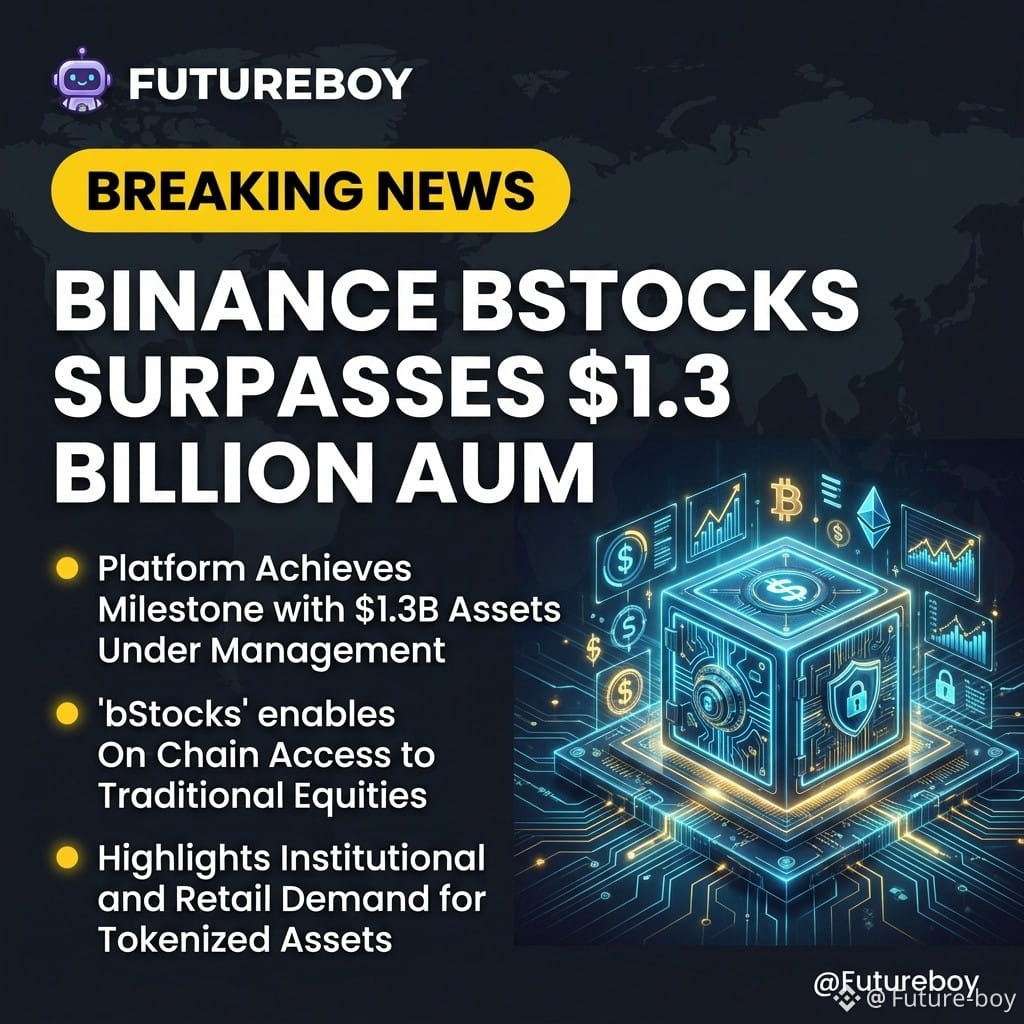
BINANCE TOKENIZED STOCK PLATFORM BSTOCKS SURPASSES $1.3 BILLION IN ASSETS UNDER MANAGEMENT
Binance's tokenized equity platform bStocks has officially crossed $1.3 billion in assets under management, cementing its position as the largest issuer in the rapidly expanding real-world asset sector. Since launching in June 2026, the platform has scaled to nearly 100 tokenized US stocks and ETFs backed one-to-one by underlying shares held with regulated custodians, pushing total tokenized equity market value past $4.8 billion globally.
What makes this growth stand out is how traders are actually using the rails. According to Binance Research, roughly 56 percent of bStocks trading volume happens outside traditional Wall Street market hours, giving global users round-the-clock access to major tech names like Nvidia and Tesla without needing a separate legacy brokerage account. Users across emerging and frontier markets drive nearly 70 percent of total trading activity, while DeFi borrowing against bStocks collateral has surged more than eightfold as traders put tokenized equities to work on-chain.
Even while broader crypto spot prices navigate macro volatility, capital flowing into tokenized equities proves that on-chain financial infrastructure is capturing real market share from traditional exchanges. Between 24/7 liquidity, instant stablecoin settlement, and growing institutional RWA adoption, the line between crypto trading and global equities is disappearing fast.
Are you trading tokenized stocks on-chain for 24/7 Wall Street exposure, or keeping your $BNB and stablecoin liquidity strictly inside native crypto plays? Drop your take below!
1
279
·
--
Bearish
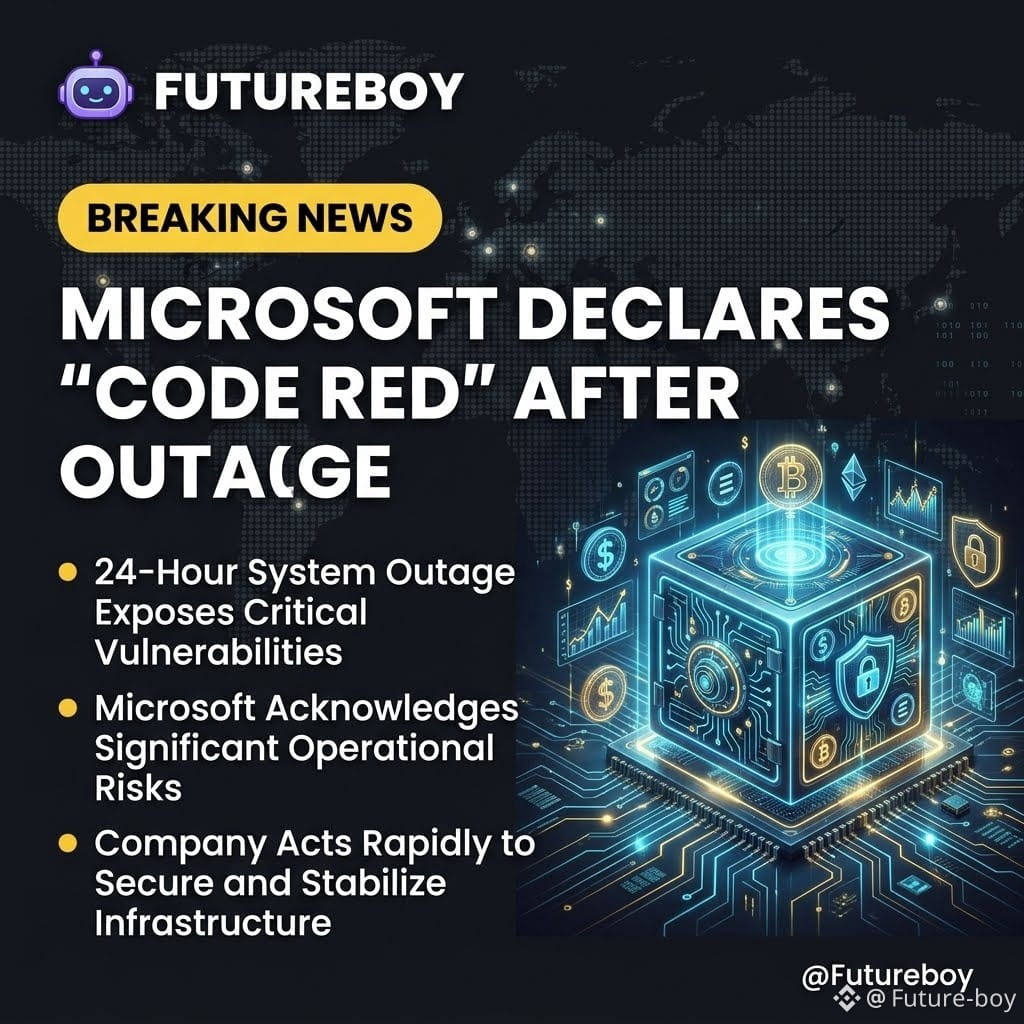
MICROSOFT'S 24 HOUR OUTAGE WAS REAL BUT THE CODE RED PART IS NOT SOMETHING I CAN CONFIRM
A headline claims Microsoft declared a code red after a 24 hour outage exposed major flaws. The outage itself is confirmed, but I could not find any report of a code red declaration, so I would treat that part as unverified for now. What happened earlier this month is that Microsoft 365 services went down for nearly a day across about 74 countries, hitting Outlook, Teams and Copilot for millions of users.
The company's preliminary explanation is what makes it interesting. It traced the failure to a fix pushed out in July, which sat quietly for months and then spread worldwide through Microsoft's own failover systems, the tools meant to protect against exactly this kind of problem. Because the faulty code was old, the usual rollback tools could not undo it quickly, which stretched the recovery to almost 24 hours. Satya Nadella apologized publicly and also warned that AI is increasing both attackers' capabilities and the weak points in infrastructure.
For crypto traders the relevance is about concentration. A single vendor's bug took down communication and productivity tools for a huge slice of the business world, and a lot of crypto companies, exchanges and trading desks rely on the same few cloud providers. This month alone we have seen compromised domains, a hijacked website vendor, leaked API keys and a stolen signing key, all weak points outside the blockchain itself, and a big cloud failure is another reminder that shared infrastructure can be a single point of failure.
For markets it is mostly a sentiment story. Big tech has been under pressure, and an outage that shakes confidence in a core Microsoft product adds to a nervous mood, though one incident rarely changes how companies spend.
I'm watching for a final post mortem and any customer compensation, since that will show how much damage the outage really did.
Do you think cloud concentration is the biggest hidden risk in crypto infrastructure right now, and does it make you value decentralized alternatives more?
1
21
·
--
Bearish
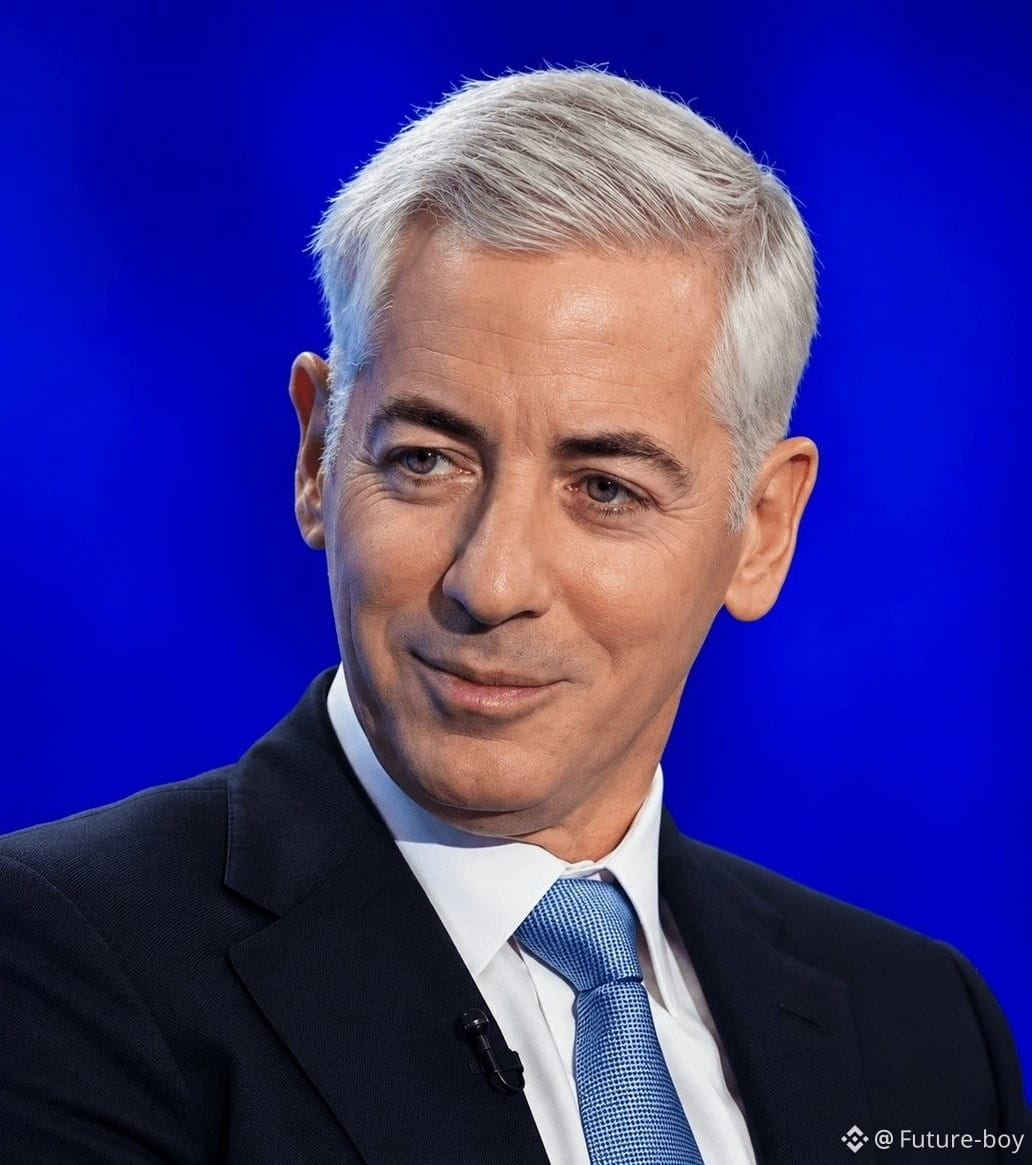
BILL ACKMAN WARNS FED RATE HIKES COULD TRIGGER A US AND GLOBAL RECESSION
Billionaire hedge fund manager Bill Ackman just sounded the alarm on the US economy, warning that the Federal Reserve risks triggering a full-blown recession if it pushes forward with another interest rate hike at its upcoming December 9 policy meeting. Speaking out on social media, the Pershing Square founder called the central bank's rigid two percent inflation target misguided, arguing that continuing to tighten monetary policy in an attempt to crush inflation down to that level will break economic growth both in the United States and worldwide.
Ackman pointed to rapidly tightening financial conditions as clear proof that higher borrowing costs are already biting hard. He highlighted how even heavyweight companies like SpaceX recently had to secure debt financing at over eight percent—well above the sub-six percent rates seen earlier this year—while the recent stock market pullback has made raising equity capital significantly more expensive. Rather than chasing an outdated two percent goal amid structural pressures like AI infrastructure spending, geopolitical friction, and tariffs, Ackman urged policymakers to adopt a more realistic three percent inflation target.
For crypto traders, Ackman's warning hits right at the heart of the macro pressure currently weighing on digital assets. With markets pricing in high odds of a December rate hike while inflation sits near 3.7 percent, risk assets like BTC andETH are caught between sticky price pressures and the threat of an overtightening Fed. If the central bank blinks and pauses to avoid a recession, risk liquidity could snap back quickly—but if they hike into a slowing economy, volatility across both Wall Street and crypto is far from over.
Do you agree with Bill Ackman that the Fed is about to hike the economy into a recession, or do you think BTC andETH hold strong regardless of December's decision? Drop your take below!

1
682
·
--
Bearish
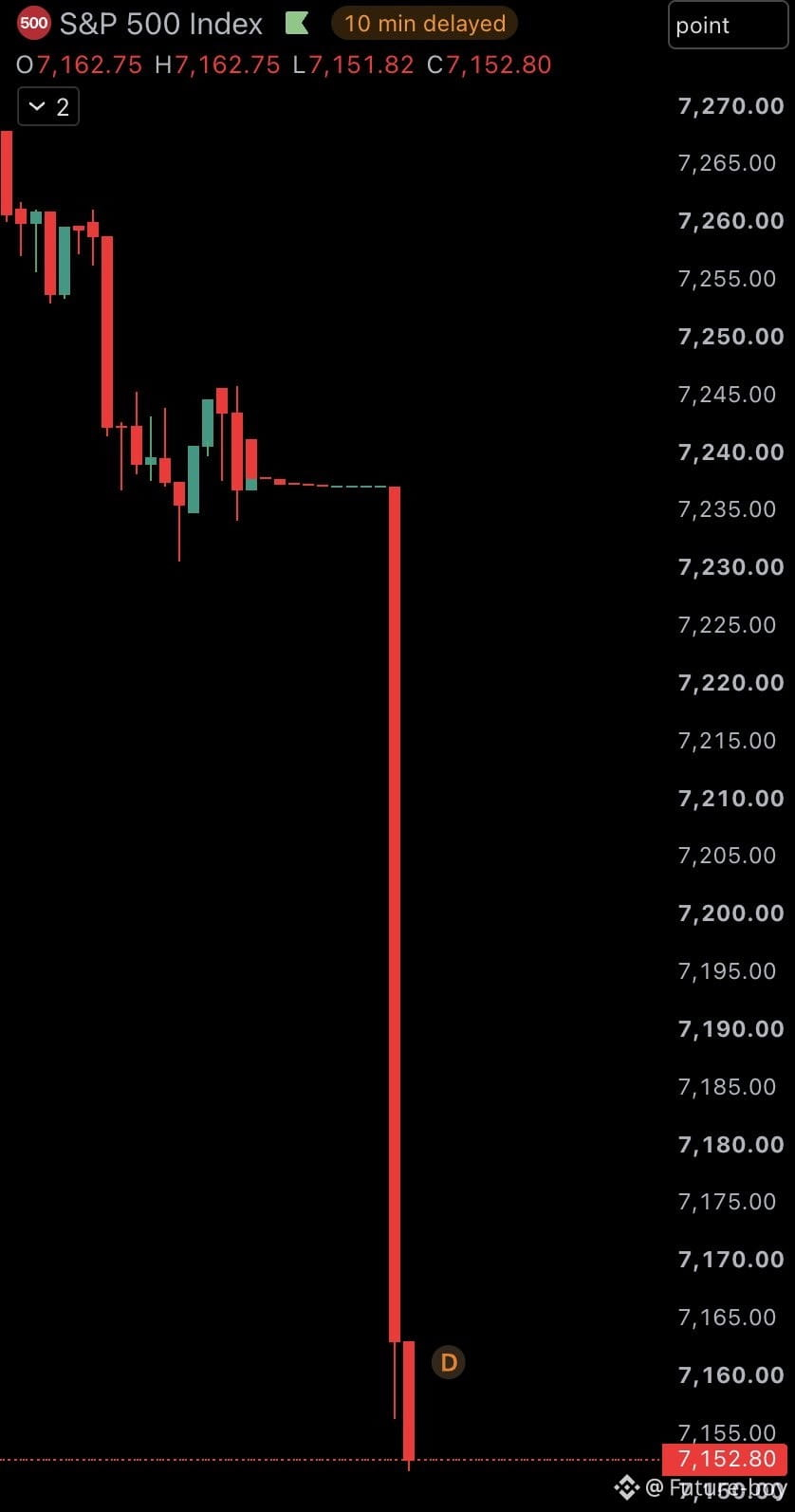
OVER $1 TRILLION WIPED OUT FROM THE US STOCK MARKET AT THE OPENING BELL
Wall Street just took another violent punch at the opening bell, with more than $1 trillion in market value erased within minutes as heavy selling swept across major US indices. Tech and semiconductor names led the early rout—with Nvidia, AMD, Micron, and newly public Anthropic all sliding sharply out of the gate—pulling the Nasdaq-100, S&P 500, and Dow Jones Industrial Average straight into the red.
This opening-bell flush adds to an already bruised market backdrop where investors are grappling with stretched AI valuations, Federal Reserve rate uncertainty, and heightened geopolitical tension. After weeks of relentless volatility that has already stripped trillions from global equities, today's immediate trillion-dollar drop shows institutional desks are still aggressively de-risking rather than blindly buying every bounce.
For crypto traders, a sudden $1 trillion liquidity drain on Wall Street is an immediate stress test. Whenever high-beta tech stocks sell off sharply at the US open, correlated pressure frequently spills over into Bitcoin and major altcoins—unless digital assets prove they can decouple and hold key support while traditional equities digest the shock.
Do you think crypto absorbs this $1 trillion Wall Street shock and holds support today, or does BTC andETH follow tech stocks lower? Drop your take below!
1
372
·
--
Article
ONLY A SMALL SLICE OF TOKENIZED ASSETS IS ACTUALLY WORKING IN DEFI AND THE REAL STORY IS WHYONLY A SMALL SLICE OF TOKENIZED ASSETS IS ACTUALLY WORKING IN DEFI AND THE REAL STORY IS WHY
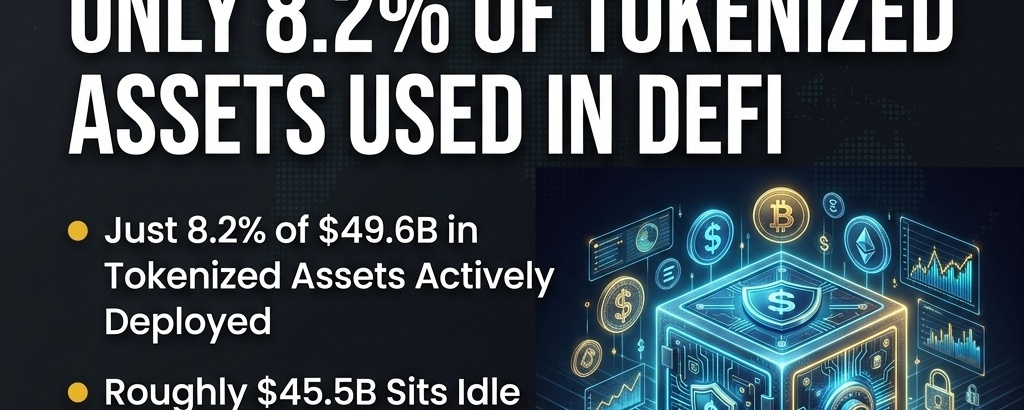
A fresh stat says that out of roughly 50 billion dollars in tokenized assets, only about 8 percent is being used in DeFi, leaving around 45 billion sitting idle onchain. I could not trace those exact numbers, and the answer genuinely changes depending on who is counting. Different research groups put the share anywhere from under one percent to around twenty, because they disagree on what counts as being used.
The pattern underneath is consistent though. The biggest categories are the least used. Tokenized Treasuries make up nearly half of tokenized assets by value but only a tiny share of DeFi deposits, and BlackRock's flagship fund holds billions while only a few million dollars of it sits in DeFi protocols. Assets that are permissioned, with whitelists and transfer agents, simply cannot flow into open lending markets, so a large part of the number is idle by design.
Where tokenized assets do get used, it is for products with open wrappers and yields above the Treasury baseline. Private credit tokens and tokenized loan funds show some of the highest utilization rates, and deposits of real world assets into DeFi lending venues more than tripled over the past year. So the trend is up, from a very small base.
There is also a fair counterpoint to calling the rest idle. Plenty of tokenized assets serve as reserves for stablecoins, collateral for institutions or simple settlement instruments, and those jobs are valuable even if they never touch a lending pool. Idle is not the same as useless.
The opportunity is the gap itself. If infrastructure for compliant collateral, pricing and redemption keeps improving, a small percentage point rise in usage means billions of new capital flowing into DeFi, which is exactly the thing the market has been missing.
I'm watching utilization numbers by category, since that will show whether the gap is closing or just being redefined.
Do you think tokenized assets need to be active in DeFi to matter, or is holding them onchain already enough, and which category do you think unlocks first?
ONLY A SMALL SLICE OF TOKENIZED ASSETS IS ACTUALLY WORKING IN DEFI AND THE REAL STORY IS WHY
ONLY A SMALL SLICE OF TOKENIZED ASSETS IS ACTUALLY WORKING IN DEFI AND THE REAL STORY IS WHY
A fresh stat says that out of roughly 50 billion dollars in tokenized assets, only about 8 percent is being used in DeFi, leaving around 45 billion sitting idle onchain. I could not trace those exact numbers, and the answer genuinely changes depending on who is counting. Different research groups put the share anywhere from under one percent to around twenty, because they disagree on what counts as being used.
The pattern underneath is consistent though. The biggest categories are the least used. Tokenized Treasuries make up nearly half of tokenized assets by value but only a tiny share of DeFi deposits, and BlackRock's flagship fund holds billions while only a few million dollars of it sits in DeFi protocols. Assets that are permissioned, with whitelists and transfer agents, simply cannot flow into open lending markets, so a large part of the number is idle by design.
Where tokenized assets do get used, it is for products with open wrappers and yields above the Treasury baseline. Private credit tokens and tokenized loan funds show some of the highest utilization rates, and deposits of real world assets into DeFi lending venues more than tripled over the past year. So the trend is up, from a very small base.
There is also a fair counterpoint to calling the rest idle. Plenty of tokenized assets serve as reserves for stablecoins, collateral for institutions or simple settlement instruments, and those jobs are valuable even if they never touch a lending pool. Idle is not the same as useless.
The opportunity is the gap itself. If infrastructure for compliant collateral, pricing and redemption keeps improving, a small percentage point rise in usage means billions of new capital flowing into DeFi, which is exactly the thing the market has been missing.
I'm watching utilization numbers by category, since that will show whether the gap is closing or just being redefined.
Do you think tokenized assets need to be active in DeFi to matter, or is holding them onchain already enough, and which category do you think unlocks first?
45
·
--
Article
BLACKROCK HAS A TOKENIZED HONG KONG DOLLAR MONEY FUND AND THE STABLECOIN IT ACCEPTS IS NOT A DOLLARBLACKROCK HAS A TOKENIZED HONG KONG DOLLAR MONEY FUND AND THE STABLECOIN IT ACCEPTS IS NOT A DOLLAR ONE
BlackRock has won approval in Hong Kong for its first tokenized money market fund in the Asia Pacific region, and the headline gets one detail slightly off. The fund is denominated in Hong Kong dollars and investors can use regulated digital cash to subscribe and redeem, including HKDAP, a Hong Kong dollar stablecoin issued by a Standard Chartered led venture, not the usual US dollar stablecoins. The materials also say the fund is set to launch, so I would not treat it as already open for business.
The structure is the interesting part. The fund invests in short term Hong Kong dollar instruments such as government bills and bank deposits, aims to keep a steady share value and is open to both institutional and retail investors, which is rare for a locally based money market fund. Standard Chartered handles custody, administration and tokenization, so the full chain from digital cash to fund shares sits with one bank.
For crypto the angle is local currency stablecoins. Most tokenized money funds so far have centered on US dollar products, and this one pairs a yield bearing fund with a regulated stablecoin in another currency, which gives that stablecoin an immediate use case. It also adds to BlackRock's tokenized lineup, which now covers dollars, euros, pounds and Hong Kong dollars across different infrastructure in each region.
It also fits the pattern this month. Regulated reserve funds, tokenized treasuries and bank issued stablecoins are all being built at once, and Hong Kong is positioning itself as an early hub where regulators have drawn clear lines. The same city's securities regulator just put Hyperliquid on a warning list, which shows how it separates licensed activity from everything else.
The limits are scale and demand. Hong Kong dollar stablecoins are new and small, and tokenized funds are still far behind stablecoins in liquidity, so the real test is whether investors actually use the on chain route instead of the traditional one.
I'm watching the launch date, the fund's size and how much HKDAP gets used for subscriptions, since those numbers will show whether this is a real product or a showcase.
Do you think local currency stablecoins and tokenized funds are the next big step after dollar stablecoins, or does the dollar keep winning, and would you hold a tokenized money fund instead of idle stablecoins?
BLACKROCK HAS A TOKENIZED HONG KONG DOLLAR MONEY FUND AND THE STABLECOIN IT ACCEPTS IS NOT A DOLLAR
BLACKROCK HAS A TOKENIZED HONG KONG DOLLAR MONEY FUND AND THE STABLECOIN IT ACCEPTS IS NOT A DOLLAR ONE
BlackRock has won approval in Hong Kong for its first tokenized money market fund in the Asia Pacific region, and the headline gets one detail slightly off. The fund is denominated in Hong Kong dollars and investors can use regulated digital cash to subscribe and redeem, including HKDAP, a Hong Kong dollar stablecoin issued by a Standard Chartered led venture, not the usual US dollar stablecoins. The materials also say the fund is set to launch, so I would not treat it as already open for business.
The structure is the interesting part. The fund invests in short term Hong Kong dollar instruments such as government bills and bank deposits, aims to keep a steady share value and is open to both institutional and retail investors, which is rare for a locally based money market fund. Standard Chartered handles custody, administration and tokenization, so the full chain from digital cash to fund shares sits with one bank.
For crypto the angle is local currency stablecoins. Most tokenized money funds so far have centered on US dollar products, and this one pairs a yield bearing fund with a regulated stablecoin in another currency, which gives that stablecoin an immediate use case. It also adds to BlackRock's tokenized lineup, which now covers dollars, euros, pounds and Hong Kong dollars across different infrastructure in each region.
It also fits the pattern this month. Regulated reserve funds, tokenized treasuries and bank issued stablecoins are all being built at once, and Hong Kong is positioning itself as an early hub where regulators have drawn clear lines. The same city's securities regulator just put Hyperliquid on a warning list, which shows how it separates licensed activity from everything else.
The limits are scale and demand. Hong Kong dollar stablecoins are new and small, and tokenized funds are still far behind stablecoins in liquidity, so the real test is whether investors actually use the on chain route instead of the traditional one.
I'm watching the launch date, the fund's size and how much HKDAP gets used for subscriptions, since those numbers will show whether this is a real product or a showcase.
Do you think local currency stablecoins and tokenized funds are the next big step after dollar stablecoins, or does the dollar keep winning, and would you hold a tokenized money fund instead of idle stablecoins?
1
182
Log in to explore more content
Join global crypto users on Binance Square
⚡️ Get latest and useful information about crypto.
💬 Trusted by the world’s largest crypto exchange.
👍 Discover real insights from verified creators.
Email / Phone number