

Fatima_779
I'm trader and giving trade signals Long/Short Setup 📉📈🤗
Open Trade
Frequent Trader
2.9 Years
646 Following
9.4K+ Followers
20.4K+ Liked
Posts
Portfolio
All
Quotes
Videos
Live
PINNED

Fatima_779
·
--
Top Gainer Coins 👇👀
🚀 $PIEVERSE
🔥 $NIGHT
📈 $VVV
Which coin are you watching today? 👇
Drop your best pick in the comments! 🎯
🚀 $PIEVERSE
🔥 $NIGHT
📈 $VVV
Which coin are you watching today? 👇
Drop your best pick in the comments! 🎯

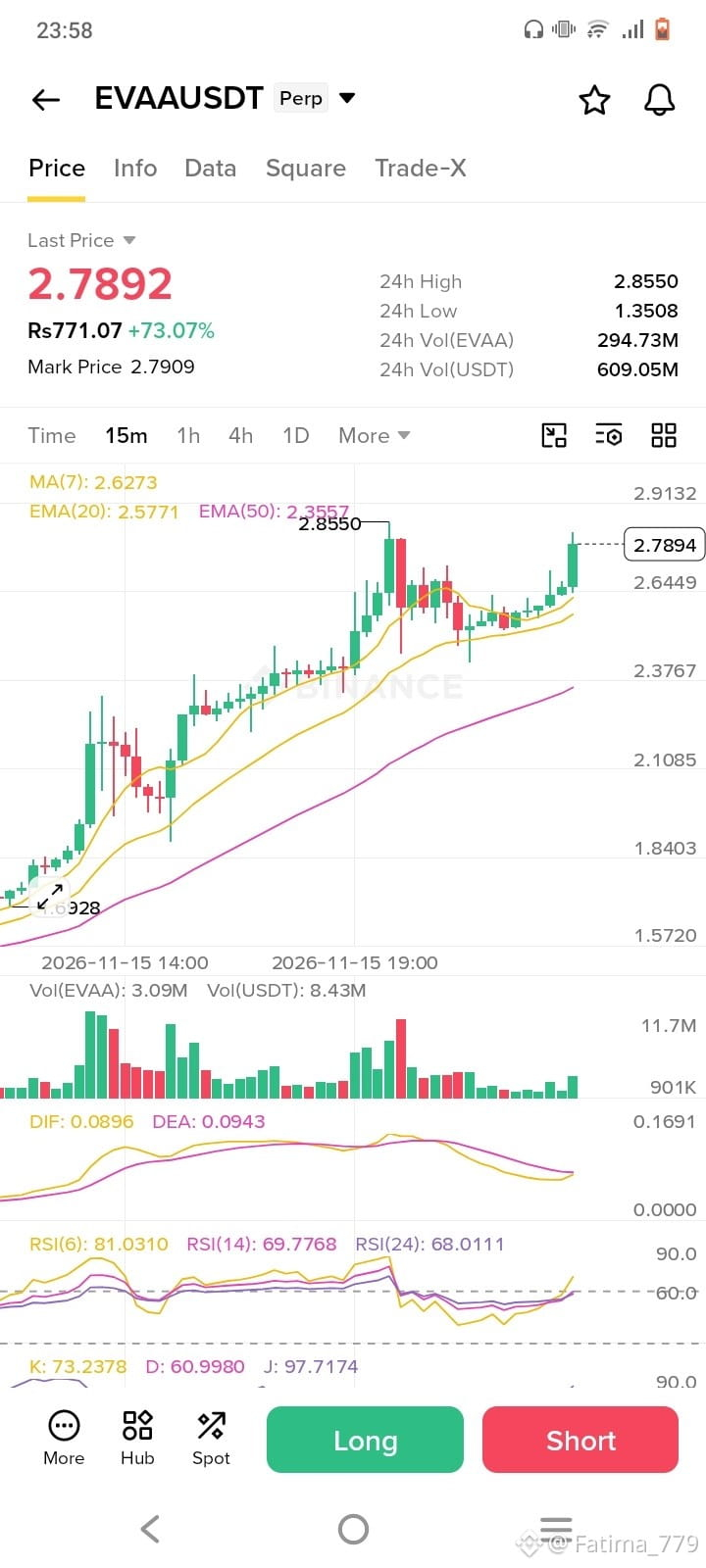
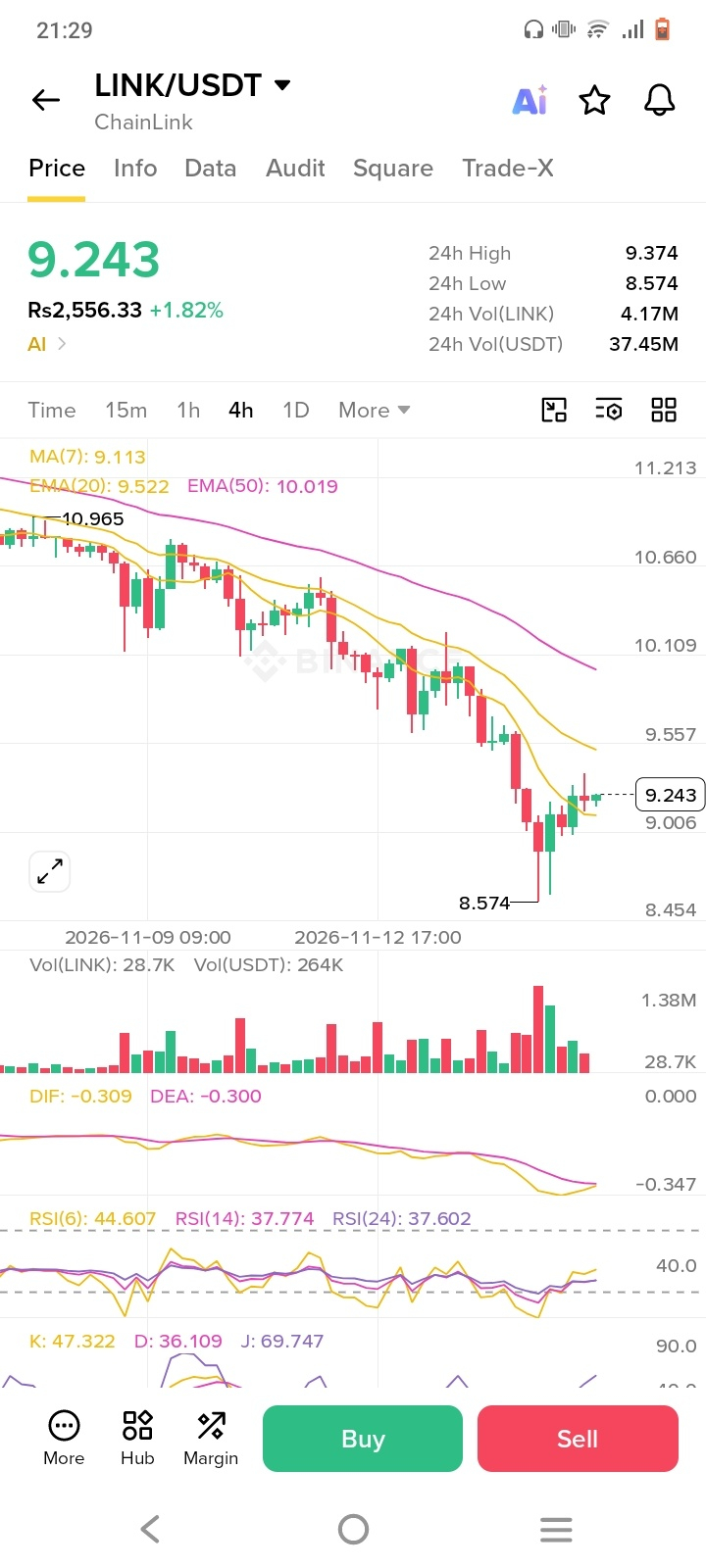

Fatima_779
·
--
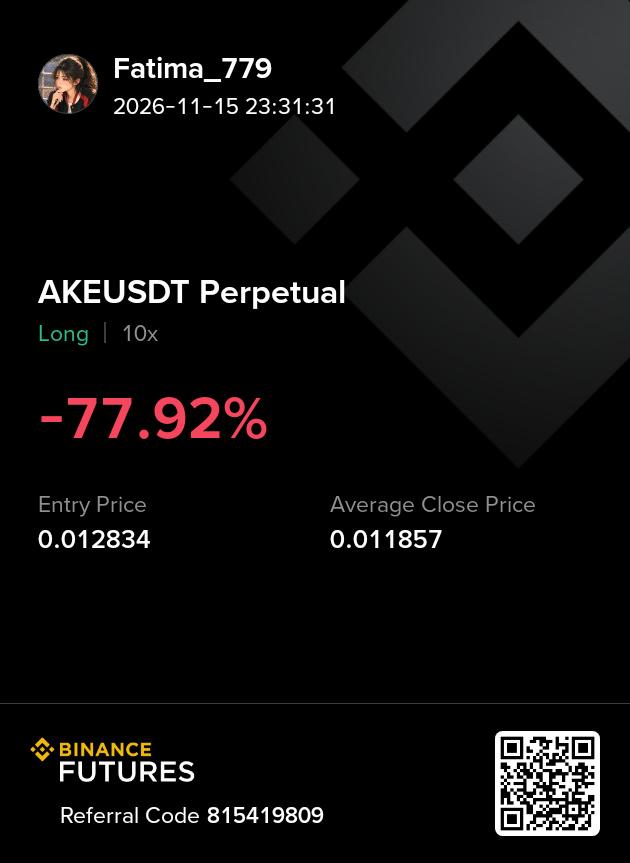
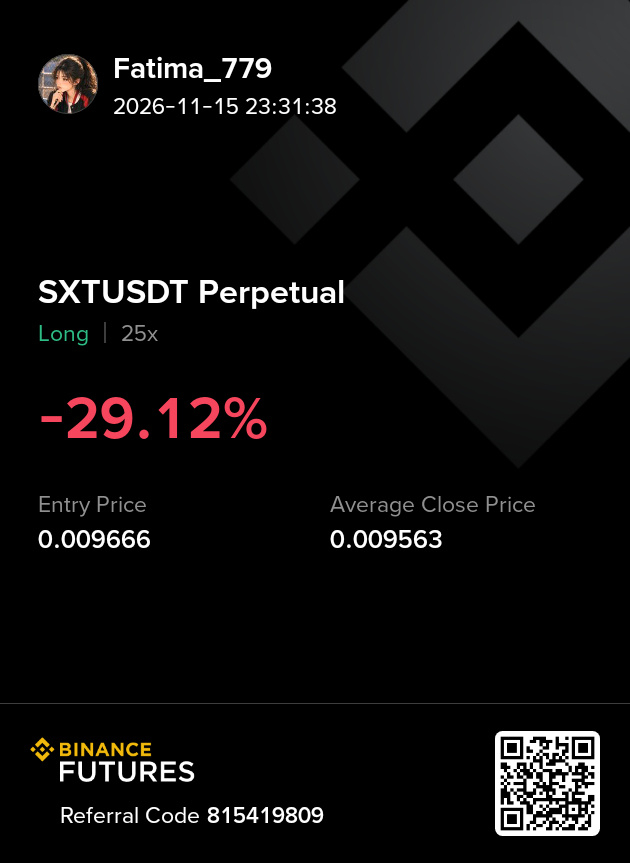
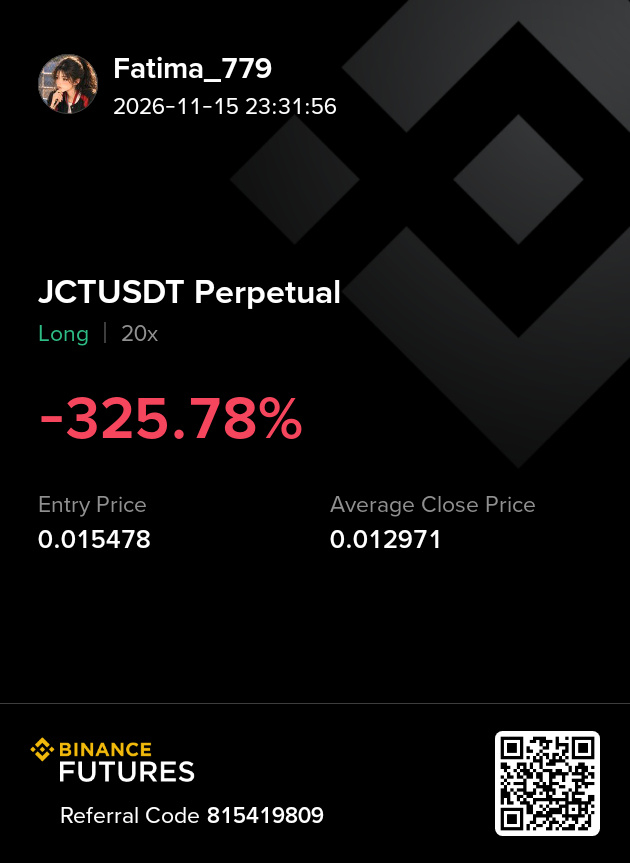
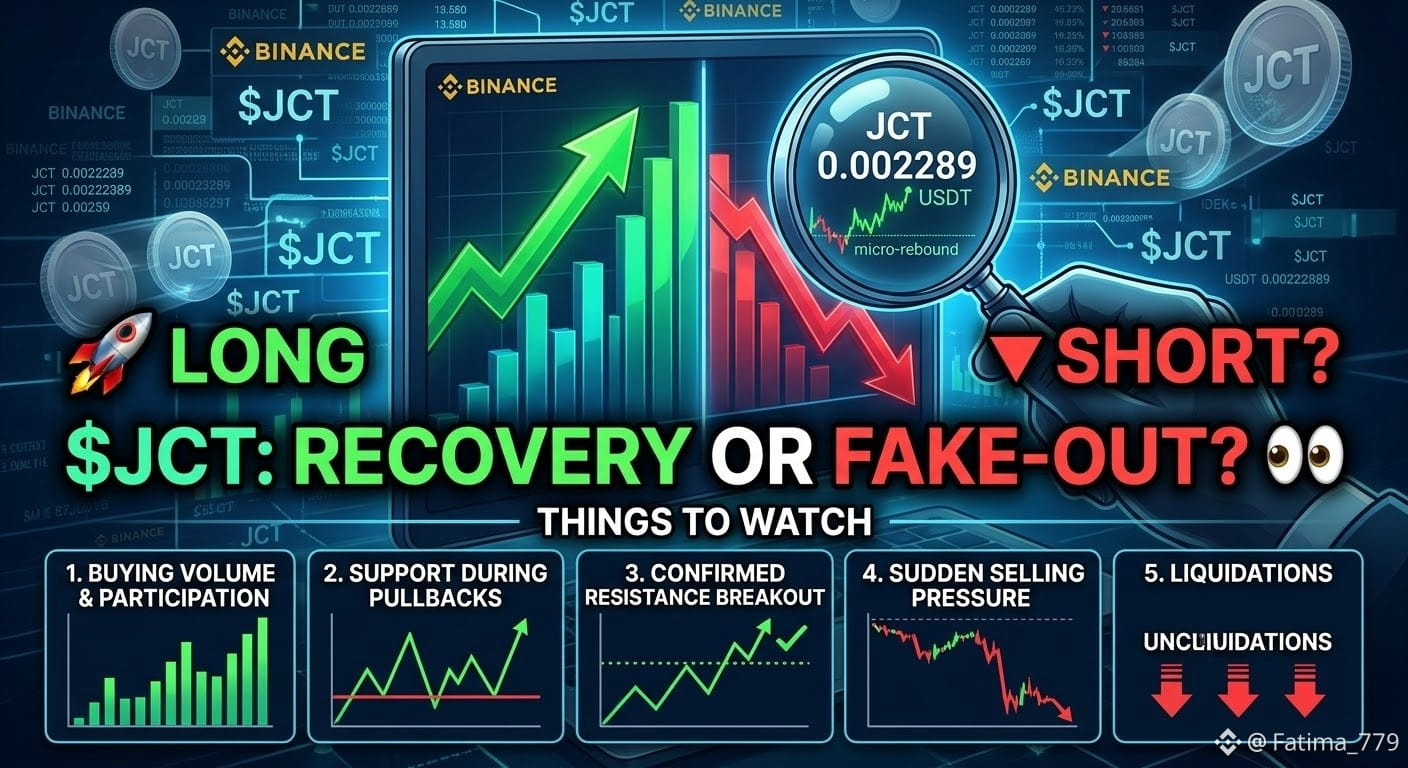
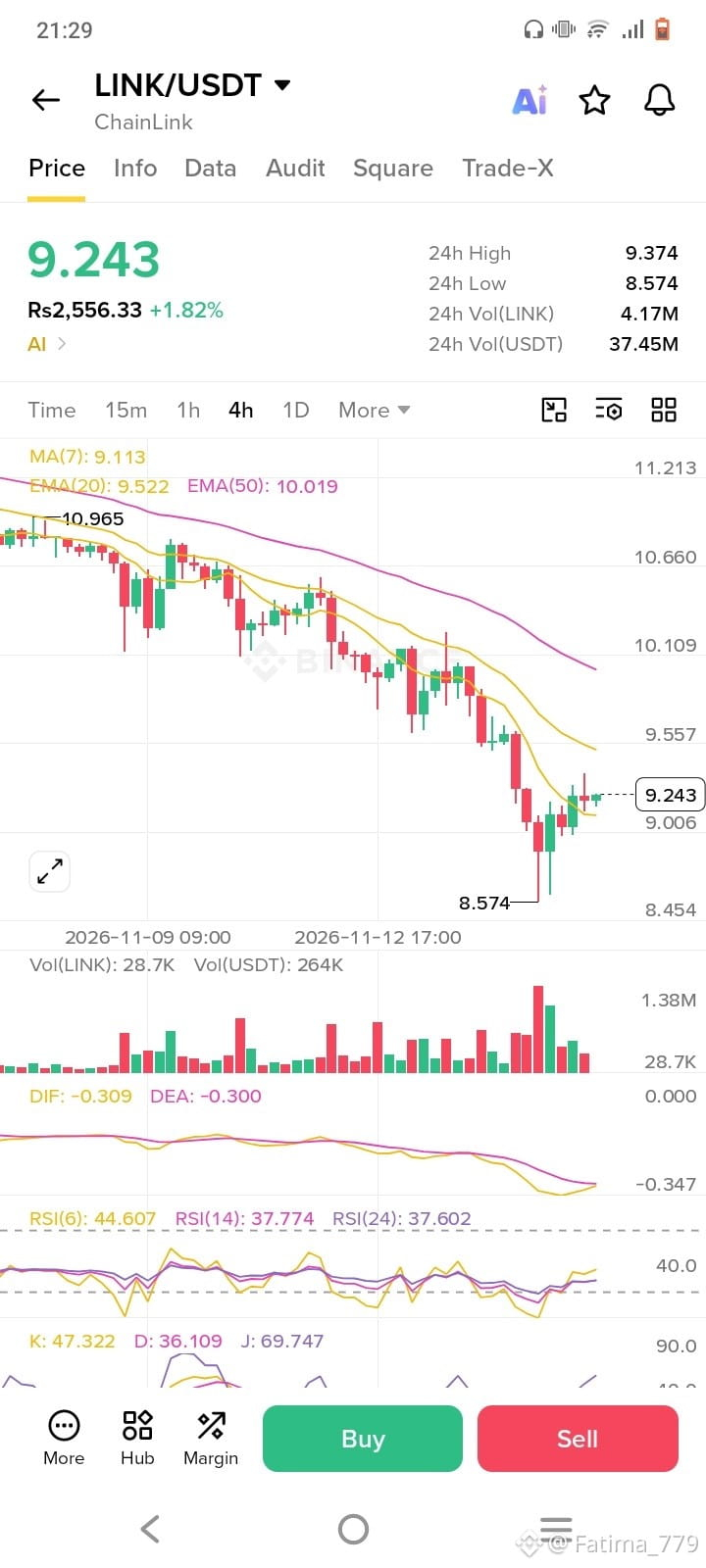
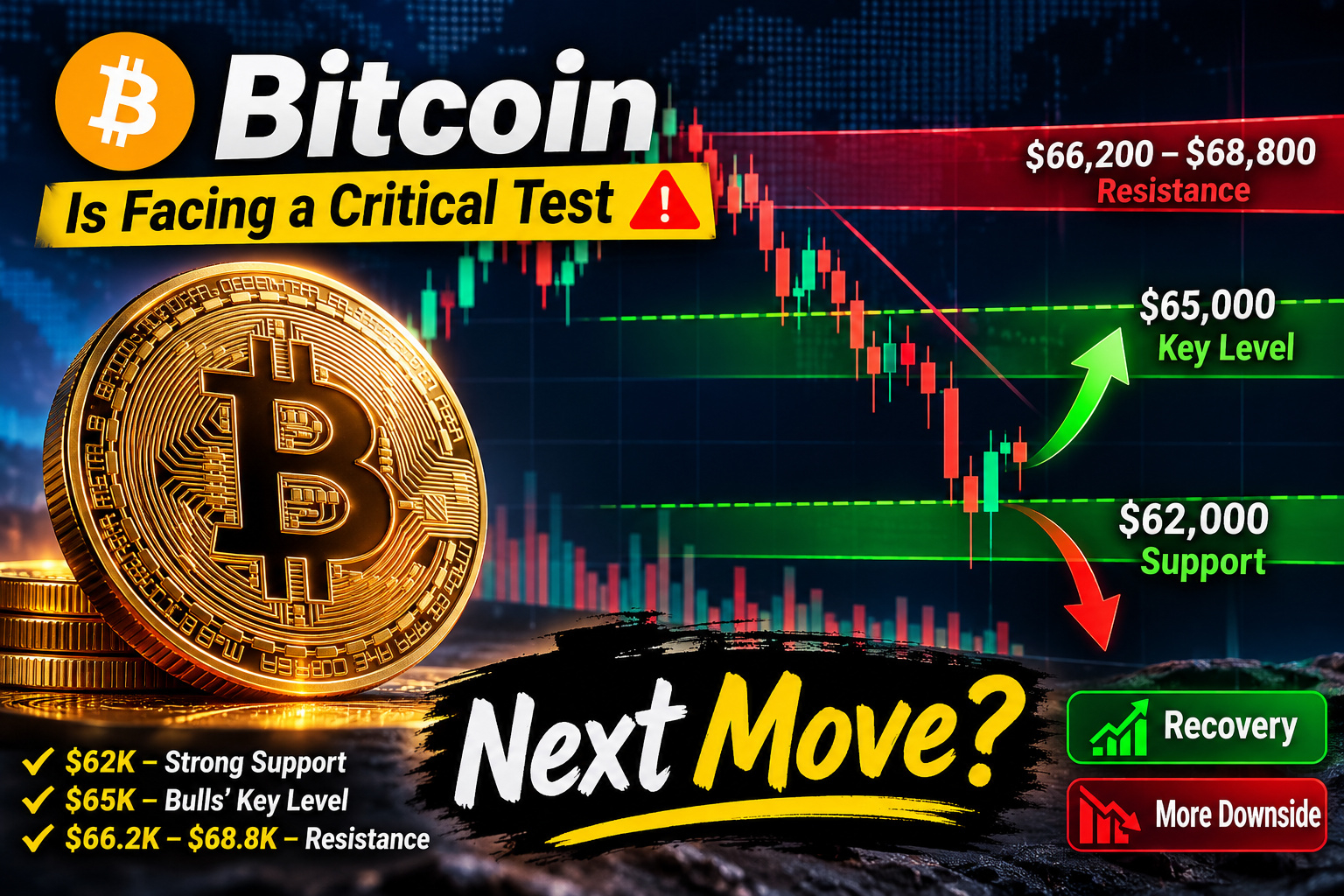
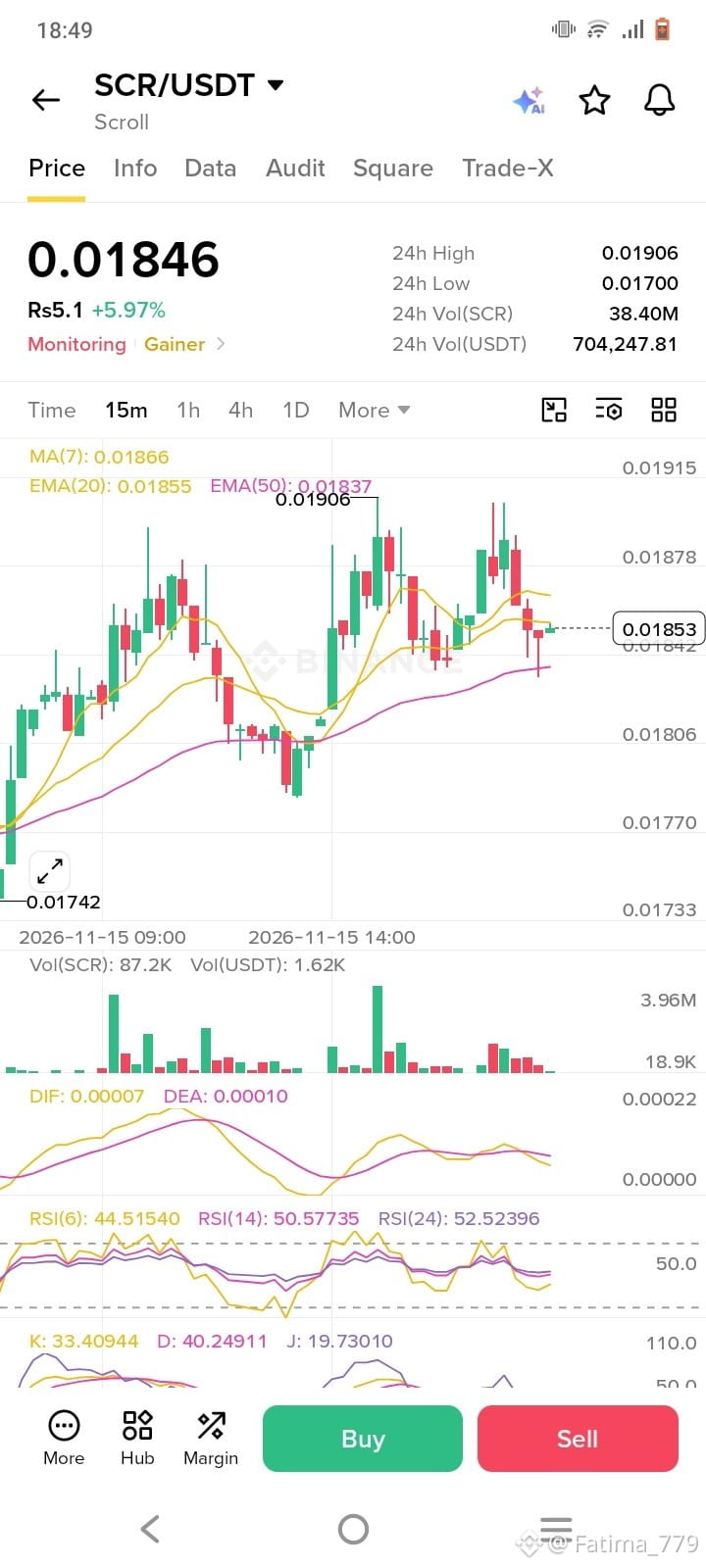
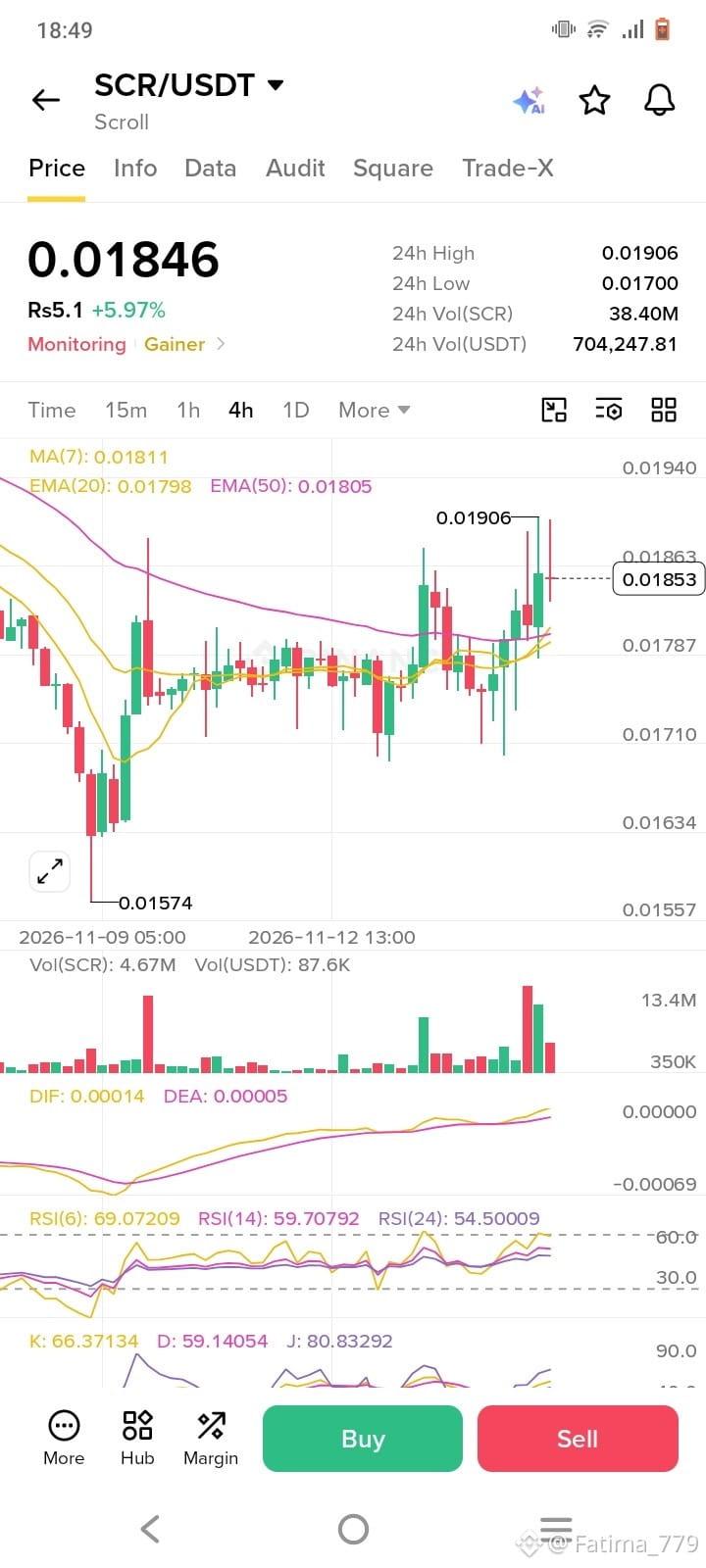
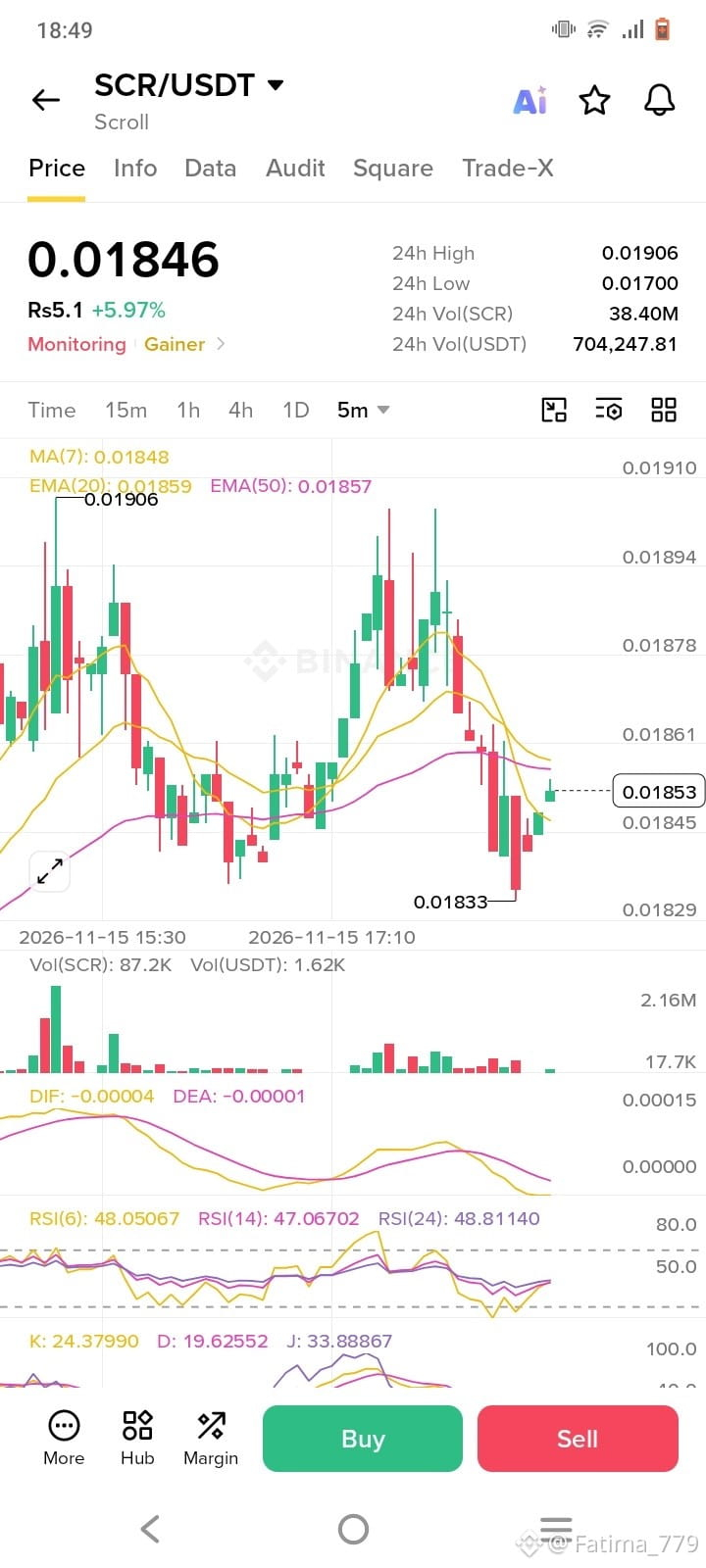
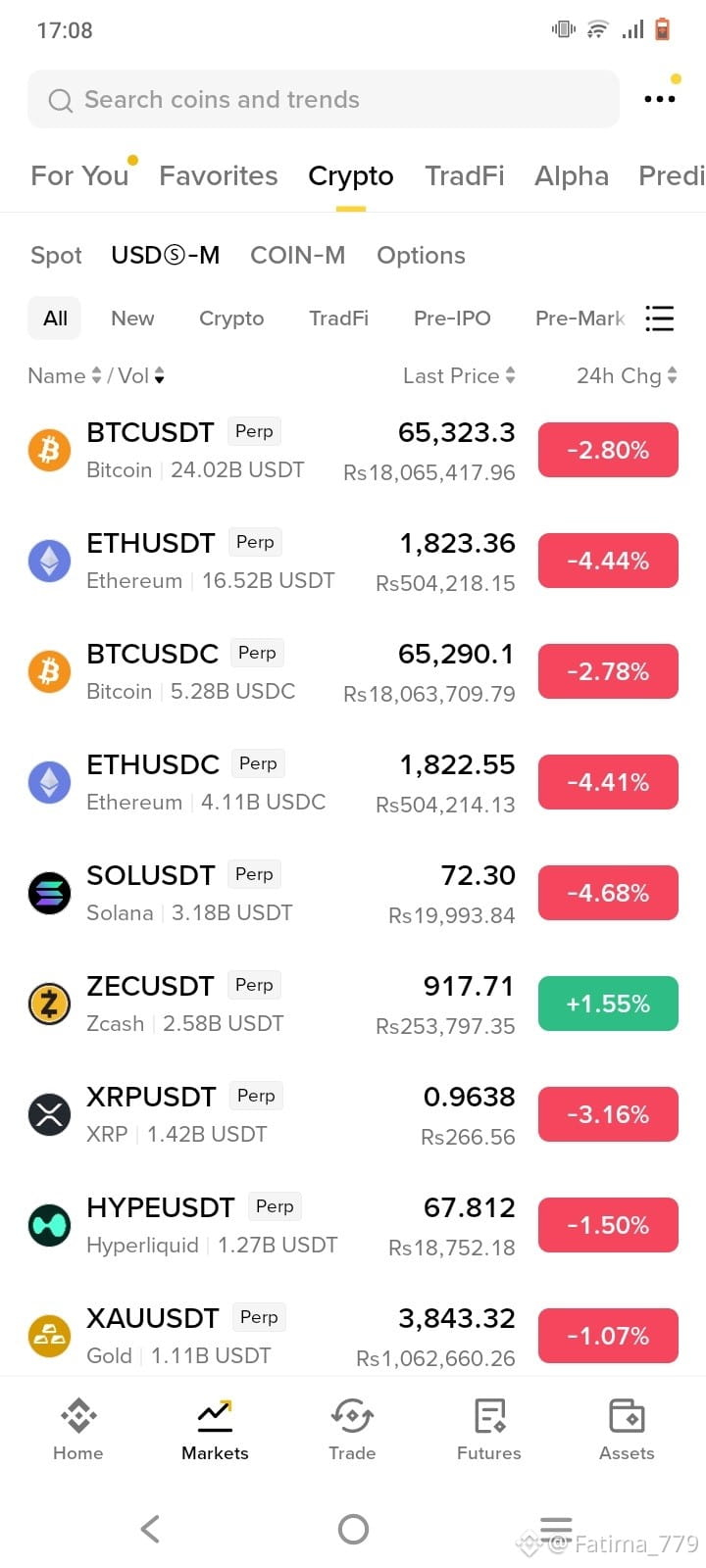
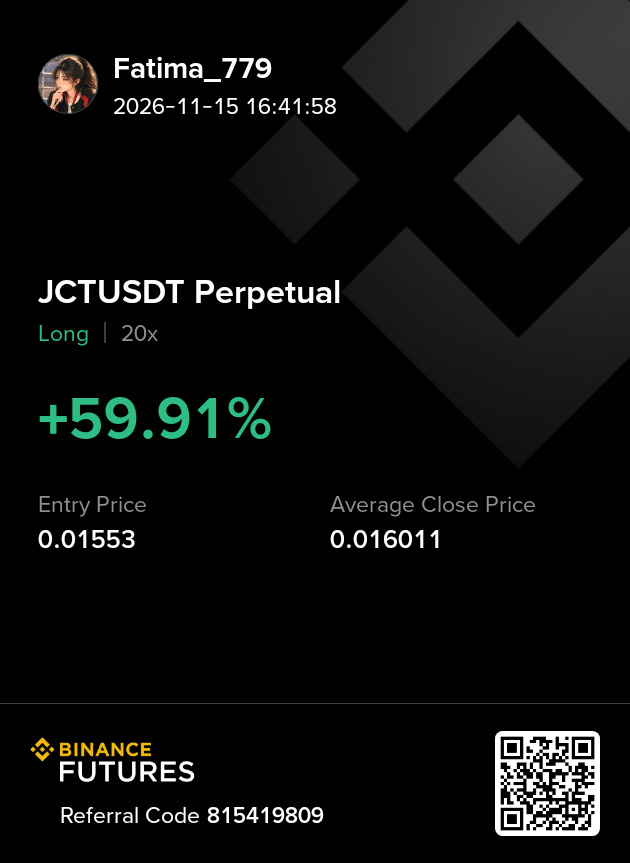
😭😭 Mummy what happened to me loss loss what I do huhh 🥲🥲 hate you $AKE $SXT $JCT hate you much hehe 😂🤣



king Gulfam
·
--
Bearish#FutureTradingSignals
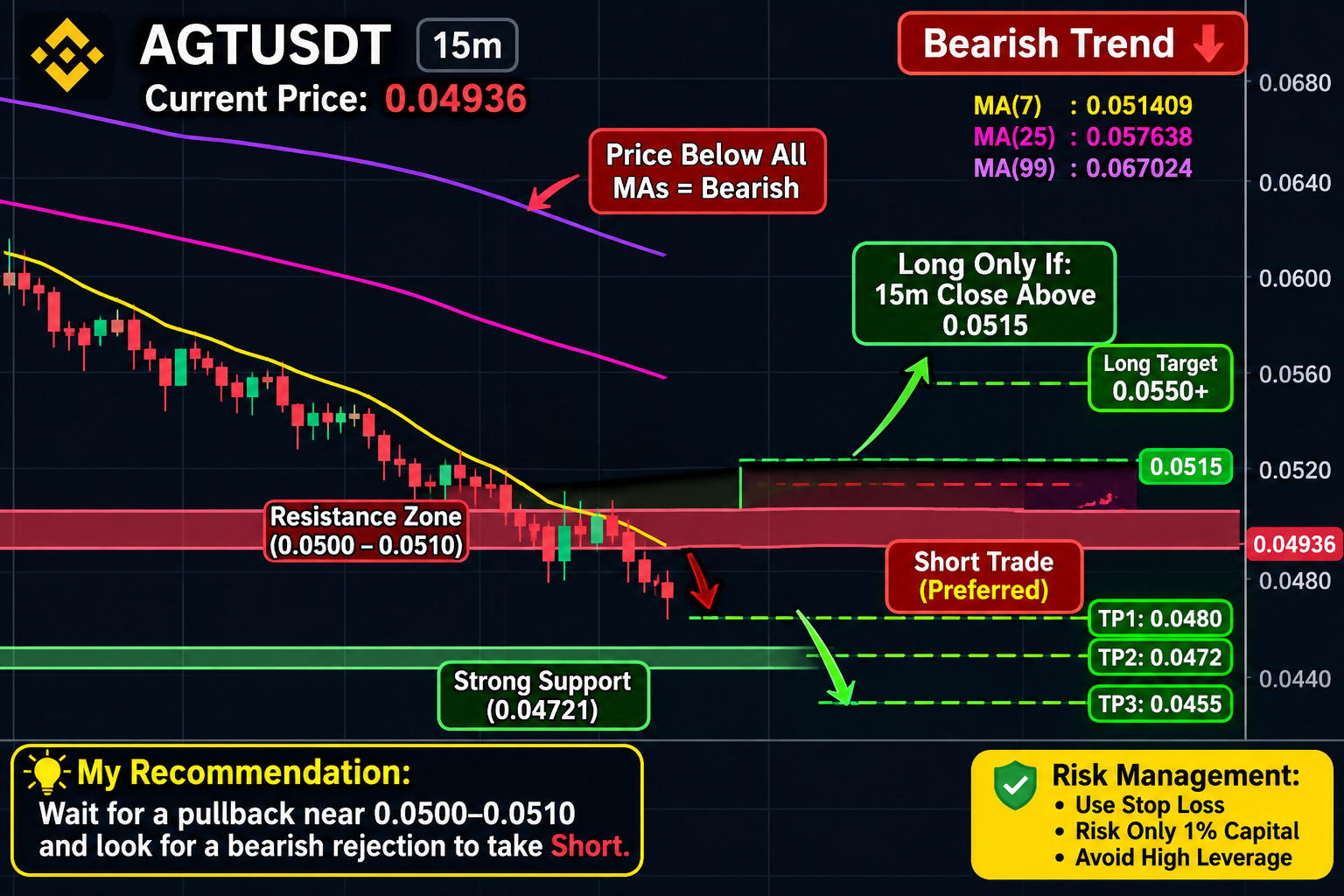
AGTUSDT Perpetual has been analysed.
2. AGT short trade setup
Details Price
Entry 0.0500–0.0510
Stop Loss 0.0522
Target 1 0.0480
Target 2 0.0472
Target 3 0.0455
3. When to go long?
Consider going long only if a 15-minute candle closes above 0.0515 and the price establishes that level as support.
My final advice: The market price is currently 0.04936. Don't short immediately near support. Wait for a pullback.
Risk management:
Risk a maximum of 1% of your capital in futures.
Always set a stop loss.
Avoid high leverage
$AGT
$IDOL
$HUMA

RCB signal
·
--
claim web3 benefits ▶️ ⏯️ ▶️ ▶️
.
click here 👈🏀⚽🏀⚽🏀⚽🏀⚽
.
.
click here 👈🏀⚽🏀⚽🏀⚽🏀⚽
.


正乾--四条2
·
--
Prediction Markets: Pricing Uncertainty with an Information Infrastructure (Series, Part 8)
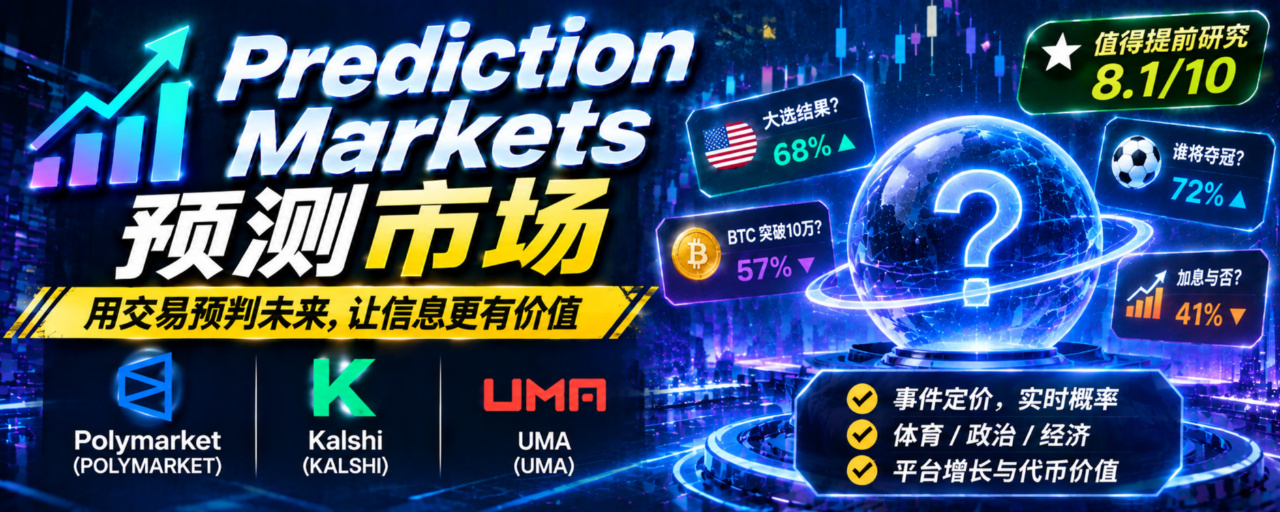
Hey everyone, today let’s talk about a fascinating sector worth keeping an eye on and studying over the medium to long term: prediction markets. Our overall research score is 8.1/10.
When many people first hear about prediction markets, their knee-jerk reaction is: “Isn’t this just betting on elections and sports?” If that’s all you see, you’re missing the bigger picture. The real ambition is to gradually evolve from niche event-betting and political wagering products into a financial infrastructure that prices information about the real world.
The underlying logic is easy to understand: people buy and sell contracts tied to future events, using real money to collectively vote on a probability that updates in real time. For example, if a contract is currently priced at 0.68U, you can roughly interpret that as the market consensus that, at this moment, the event has about a 68% chance of happening. As new data and news emerge and traders’ views change, the price moves up and down, and the probability updates accordingly.

Sara_ k
·
--
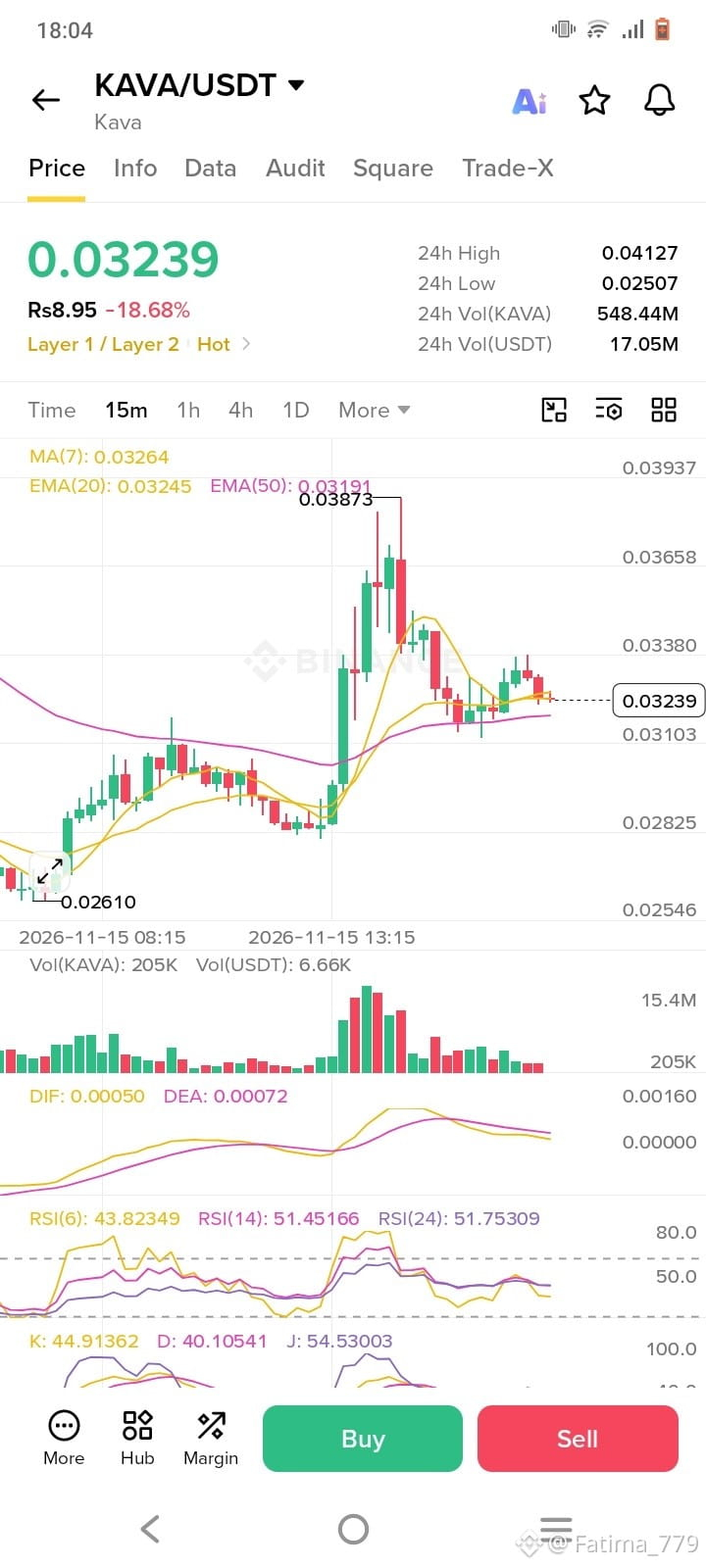
$KAVA crashes -55% on reports that its lending pool has been drained.
.
claim sol 🧧🧧🧧🧧🧧🧧🧧
j
.
claim sol 🧧🧧🧧🧧🧧🧧🧧
j

Log in to explore more content