
Skiff cc
1k Posts

Skiff cc
 Square Verified
Report
Block User
所以推文不构成投资建议 X:@skiffccc
985 Following
43.4K+ Followers
28.0K+ Liked
Posts
All
Videos
Live
·
--
🎙️ Crypto Market Discussion / Newcomer Q&A / Build Binance Square Together 🔥

End
03 h 11 m 37 s
11.2k
19
80
·
--
Many people assume that once data is on-chain, smart contracts can use it directly.
In reality, contracts can’t see the full history or off-chain data. AI, tokenized assets, and DeFi need this data, but they also need proof that query results haven’t been altered.
@spaceandtime brings together blockchain indexing, databases, and cryptographic verification. At its core is Proof of SQL: it generates zero-knowledge proofs for SQL queries, confirming that results were computed from untampered data.
The process is roughly:
Validators create cryptographic commitments to table data, locking in its contents
→ Proof nodes run SQL off-chain
→ Results with proofs are returned to smart contracts, or sent to apps and AI for verification
It currently offers two options. One is the live SXT Chain, where contracts can use SQL to query indexed on-chain data or tables they’ve written to. The other is deployment in your own environment, so you can query private data without exposing the original records.
$SXT is live on Ethereum and Base. It can be used to pay for queries and writes, and can also be staked.
What matters most to me isn’t that there’s another database, but whether these verified results are actually being used in real-world applications.
#SXT
$SXT
@SpaceandTimeDB
Many people assume that once data is on-chain, smart contracts can use it directly.
In reality, contracts can’t see the full history or off-chain data. AI, tokenized assets, and DeFi need this data, but they also need proof that query results haven’t been altered.
@spaceandtime brings together blockchain indexing, databases, and cryptographic verification. At its core is Proof of SQL: it generates zero-knowledge proofs for SQL queries, confirming that results were computed from untampered data.
The process is roughly:
Validators create cryptographic commitments to table data, locking in its contents
→ Proof nodes run SQL off-chain
→ Results with proofs are returned to smart contracts, or sent to apps and AI for verification
It currently offers two options. One is the live SXT Chain, where contracts can use SQL to query indexed on-chain data or tables they’ve written to. The other is deployment in your own environment, so you can query private data without exposing the original records.
$SXT is live on Ethereum and Base. It can be used to pay for queries and writes, and can also be staked.
What matters most to me isn’t that there’s another database, but whether these verified results are actually being used in real-world applications.
#SXT
$SXT
@SpaceandTime
551
·
--
🎙️ The broader market keeps falling—let’s guess together where the bottom is.
End
02 h 06 m 29 s
6.7k
26
15
·
--
🐂 Binance Bull is live—a fairly clean fair mint on BSC.
Key details:
13,333 total; first 2,222 are free (1 per wallet, gas only)
After that, 1 USDT each, with a limit of 15 additional mints per wallet
Once sold out, the liquidity pool opens automatically and the LP is burned; no owner, no tax
Tokens can’t be transferred before the pool opens; it opens at the scheduled time or when sold out
I’ve already claimed my free mint with an Agent wallet. If you’re interested, hurry—the free spots are first come, first served:
👉 https://daniu. pvpmint.com/

3
1
6
3.7k
·
--
Verified
The real bottleneck to scaling AI Agent adoption isn’t model capability—it’s the trust boundary.
I’ve always felt that simply emphasizing “full autonomy” can easily scare off both users and service providers, slowing real adoption instead. Many projects focus their narrative on “what Agents can do on their own.” It sounds impressive, but when it comes to making decisions, people actually care about three other things:
- Whether losses can be contained if permissions get out of control
- Whether responsibility can be clearly assigned when something goes wrong
- Whether settlement can be completed reliably
@GoKiteAI Kite turns these three things into configurable infrastructure:
- A three-layer identity structure: user → Agent → session
- Configurable spending limits and expiration times in Passport
- Per-transaction stablecoin payments via x402
Rather than handing the Agent the wallet keys, it gives it a payment credential with limits that can be audited and revoked. This design is more like giving an Agent a credit card with a set spending limit than handing over an entire bank account.
In my view, the most valuable aspect of this design is that it makes worst-case scenarios quantifiable.
Users are willing to allocate a budget to an Agent because the maximum loss per day or per transaction is clear, making it easier to accept psychologically. Service providers are willing to take on work because the payment path is clear and traceable, reducing the chance of disputes.
Only when identity, spending limits, and settlement are all in place can Agents move beyond demos and truly enter the economic cycle. Otherwise, people may say they’re bullish on the Agent economy, but still hesitate when it’s time to pay.
Most market discussions are still about what Agents can do, while Kite focuses more on how to use Agents safely.
Personally, I lean toward the latter approach. Many projects like to tell grand stories, but infrastructure rarely draws as much attention as a sweeping narrative. Yet it determines whether this field can move from concept to real transactions at scale.
As Blockchain100’s exclusive premium partner, Kite has chosen to prioritize controllable identity and stablecoin settlement. That choice itself shows that it is assessing the real barriers to adoption, rather than just telling the stories that are easiest to spread. If the Agent economy is truly going to take off, this more pragmatic infrastructure may matter more than a few more demos of fully autonomous Agents.
#KiteBBW $KITE @GoKiteAI
The real bottleneck to scaling AI Agent adoption isn’t model capability—it’s the trust boundary.
I’ve always felt that simply emphasizing “full autonomy” can easily scare off both users and service providers, slowing real adoption instead. Many projects focus their narrative on “what Agents can do on their own.” It sounds impressive, but when it comes to making decisions, people actually care about three other things:
- Whether losses can be contained if permissions get out of control
- Whether responsibility can be clearly assigned when something goes wrong
- Whether settlement can be completed reliably
@KITE AI 中文 Kite turns these three things into configurable infrastructure:
- A three-layer identity structure: user → Agent → session
- Configurable spending limits and expiration times in Passport
- Per-transaction stablecoin payments via x402
Rather than handing the Agent the wallet keys, it gives it a payment credential with limits that can be audited and revoked. This design is more like giving an Agent a credit card with a set spending limit than handing over an entire bank account.
In my view, the most valuable aspect of this design is that it makes worst-case scenarios quantifiable.
Users are willing to allocate a budget to an Agent because the maximum loss per day or per transaction is clear, making it easier to accept psychologically. Service providers are willing to take on work because the payment path is clear and traceable, reducing the chance of disputes.
Only when identity, spending limits, and settlement are all in place can Agents move beyond demos and truly enter the economic cycle. Otherwise, people may say they’re bullish on the Agent economy, but still hesitate when it’s time to pay.
Most market discussions are still about what Agents can do, while Kite focuses more on how to use Agents safely.
Personally, I lean toward the latter approach. Many projects like to tell grand stories, but infrastructure rarely draws as much attention as a sweeping narrative. Yet it determines whether this field can move from concept to real transactions at scale.
As Blockchain100’s exclusive premium partner, Kite has chosen to prioritize controllable identity and stablecoin settlement. That choice itself shows that it is assessing the real barriers to adoption, rather than just telling the stories that are easiest to spread. If the Agent economy is truly going to take off, this more pragmatic infrastructure may matter more than a few more demos of fully autonomous Agents.
#KiteBBW $KITE @GoKiteAI

4
1
3
410
·
--
Binance Square connects us all from around the world
Let's grow together through shared experiences. May good luck always be with us
“AI-generated, fictional story”
@BinanceSquareCN
Binance Square connects us all from around the world
Let's grow together through shared experiences. May good luck always be with us
“AI-generated, fictional story”
@币安广场
Let's grow together through shared experiences. May good luck always be with us
“AI-generated, fictional story”
@币安广场
2
1
3
228
·
--
Verified
A promising direction in privacy computing: Covenants @nillionnetwork .
It aims to do more than just hide data. It enables encrypted instructions to execute only when specific conditions are met, making verifiable conditional triggers possible while protecting privacy and reducing reliance on a single trusted third party.
The first version, DUSK, is an important starting point for this direction. It focuses on exploring fundamental execution mechanisms, a decentralized node network, and developer tools around Ethereum L1, laying the groundwork for future applications. Its core value lies in bringing privacy protection together with conditional execution, allowing developers to build applications around different rules without having to tackle complex cryptographic problems from scratch.
That’s why I think DUSK is worth paying attention to not just for its technology, but also for the new possibilities it opens up for on-chain applications. For example, when transaction intent doesn’t have to be revealed too early and order execution can follow predefined conditions, users may be able to find a better balance between transparency and privacy.
In the future, whether it’s sealed orders in DeFi, private auctions, or AI Agents automatically executing on-chain strategies, all may need this kind of infrastructure.
Make rules verifiable, protect privacy, and enable more flexible execution. If Covenants can continue to improve its technology and developer ecosystem, Nillion may have the opportunity to provide more valuable foundational capabilities for the next generation of on-chain privacy applications.
I just bought 30U worth of NIL tokens. I hope they bring me a pleasant surprise. Could the price reach 1U soon?
#nil $NIL @nillionnetwork
A promising direction in privacy computing: Covenants @Nillion .
It aims to do more than just hide data. It enables encrypted instructions to execute only when specific conditions are met, making verifiable conditional triggers possible while protecting privacy and reducing reliance on a single trusted third party.
The first version, DUSK, is an important starting point for this direction. It focuses on exploring fundamental execution mechanisms, a decentralized node network, and developer tools around Ethereum L1, laying the groundwork for future applications. Its core value lies in bringing privacy protection together with conditional execution, allowing developers to build applications around different rules without having to tackle complex cryptographic problems from scratch.
That’s why I think DUSK is worth paying attention to not just for its technology, but also for the new possibilities it opens up for on-chain applications. For example, when transaction intent doesn’t have to be revealed too early and order execution can follow predefined conditions, users may be able to find a better balance between transparency and privacy.
In the future, whether it’s sealed orders in DeFi, private auctions, or AI Agents automatically executing on-chain strategies, all may need this kind of infrastructure.
Make rules verifiable, protect privacy, and enable more flexible execution. If Covenants can continue to improve its technology and developer ecosystem, Nillion may have the opportunity to provide more valuable foundational capabilities for the next generation of on-chain privacy applications.
I just bought 30U worth of NIL tokens. I hope they bring me a pleasant surprise. Could the price reach 1U soon?
#nil $NIL @Nillion

5
1
9
444
·
--
@Acurast isn’t trying to get people to mine crypto on their phones. Instead, it aims to turn idle phones scattered around the world into computing resources that can be called on whenever needed, giving ordinary devices a chance to participate in a decentralized computing network.
Traditional cloud computing relies mainly on data centers. Developers rent servers and pay based on how much of those resources they use. Acurast is exploring a different approach: distributing computing tasks to phone processors across its network and creating a new relationship between device providers and developers.
Here are a few features worth paying close attention to:
1. Ordinary phones can become computing nodes
There’s no need to buy an expensive GPU or set up your own server. Android phones that meet the requirements can connect to the network and execute tasks for developers.
For people with idle devices, this offers another way to participate in decentralized infrastructure. For developers, it’s another option beyond traditional cloud services.
2. It offers more than simple computing
Acurast lets developers create and deploy tasks through a CLI, SDK, or Hub. They can configure parameters such as runtime, execution frequency, memory, network conditions, and the number of processors based on their needs.
Potential use cases range from API services and automation scripts to data processing and LLM inference.
3. Payments and incentives matter, too
The network matches tasks with available devices. Developers pay for computing services, while those providing computing resources have the opportunity to earn rewards.
The team also offers a deployment payment option on the Base network that uses USDC and is powered by x402, lowering the barrier for developers to try these services.
4. What really determines its potential is whether there’s sustained real-world demand
According to figures disclosed previously, the Acurast network has already accumulated a substantial number of devices and on-chain transactions.
But I think what matters more than the number of devices is whether these resources can ultimately be turned into reliable computing services.
If applications such as AI agents, automation services, and edge computing continue to grow, demand for distributed computing may grow along with them. At that point, it will be crucial to see whether Acurast can win real orders with its advantages in cost, privacy, and resource scheduling.

2
64
·
--
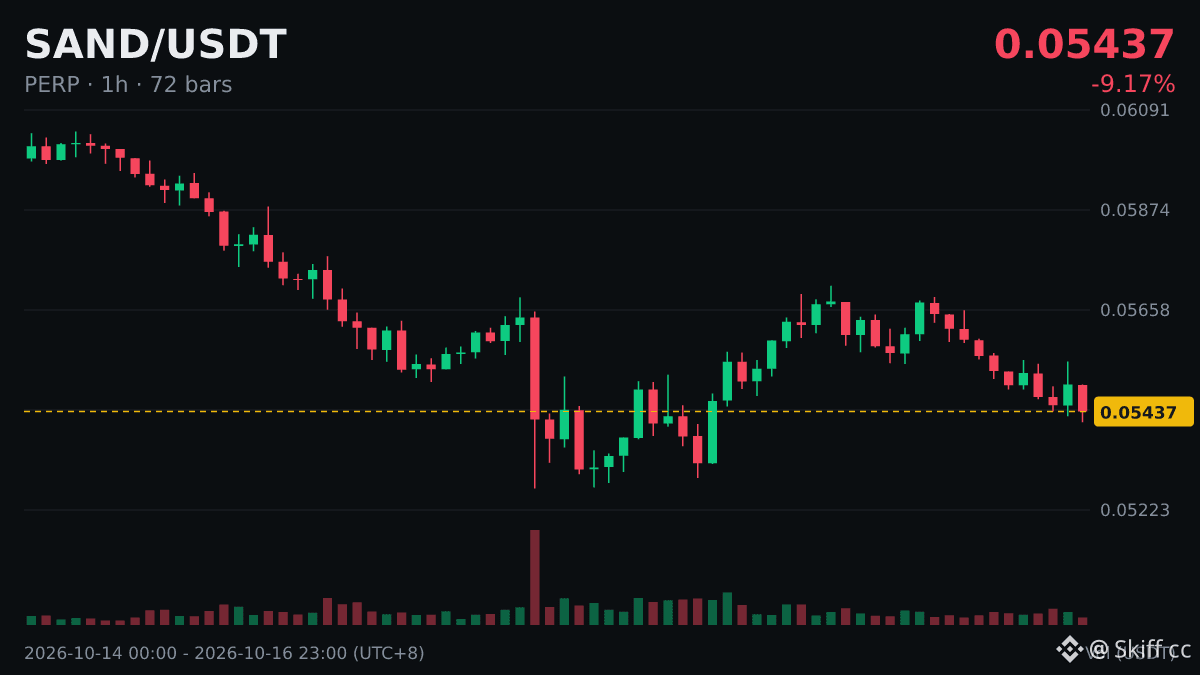
$SAND 0.0544|24h -0.98%
Cause: Trending searches are discussing “Chongqing Wolves defeat Shenzhen DYG KPL” (blockchain game).
The price hasn’t reacted much yet; attention is a leading indicator. Wait for volume to confirm.
$SAND 0.0544|24h -0.98%
Cause: Trending searches are discussing “Chongqing Wolves defeat Shenzhen DYG KPL” (blockchain game).
The price hasn’t reacted much yet; attention is a leading indicator. Wait for volume to confirm.
Cause: Trending searches are discussing “Chongqing Wolves defeat Shenzhen DYG KPL” (blockchain game).
The price hasn’t reacted much yet; attention is a leading indicator. Wait for volume to confirm.
1
105
·
--
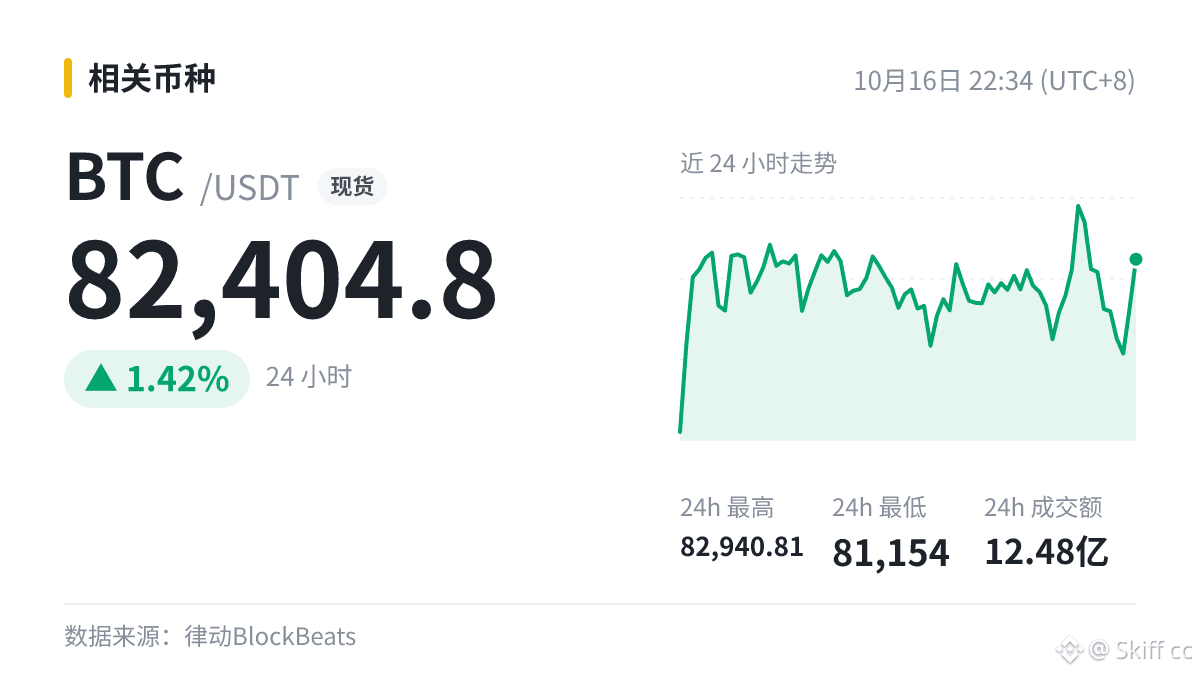
How the market reacts: TSLA dips at the open, and a whale’s short position moves from an unrealized loss into profit.
Big holders who are genuinely worried will cut their positions first. Keep an eye on data showing large orders flowing into trading platforms. $BTC is worth watching.
How the market reacts: TSLA dips at the open, and a whale’s short position moves from an unrealized loss into profit.
Big holders who are genuinely worried will cut their positions first. Keep an eye on data showing large orders flowing into trading platforms. $BTC is worth watching.
Big holders who are genuinely worried will cut their positions first. Keep an eye on data showing large orders flowing into trading platforms. $BTC is worth watching.
1
167
·
--
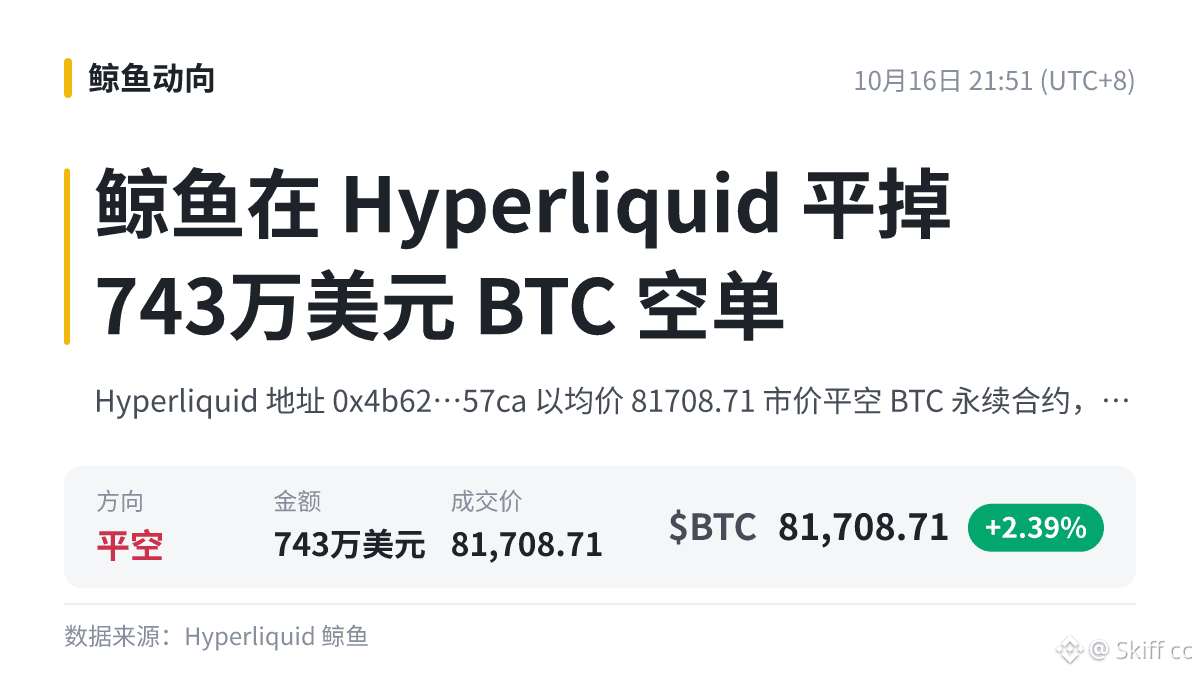
Whale activity data
› Address: 0x4b62…57ca
› Platform: Hyperliquid
› Action: Closed short $BTC
› Amount: $7.43 million
› Price: 81708.71
Are you bullish or bearish next?
Whale activity data
› Address: 0x4b62…57ca
› Platform: Hyperliquid
› Action: Closed short $BTC
› Amount: $7.43 million
› Price: 81708.71
Are you bullish or bearish next?
› Address: 0x4b62…57ca
› Platform: Hyperliquid
› Action: Closed short $BTC
› Amount: $7.43 million
› Price: 81708.71
Are you bullish or bearish next?
1
59
·
--
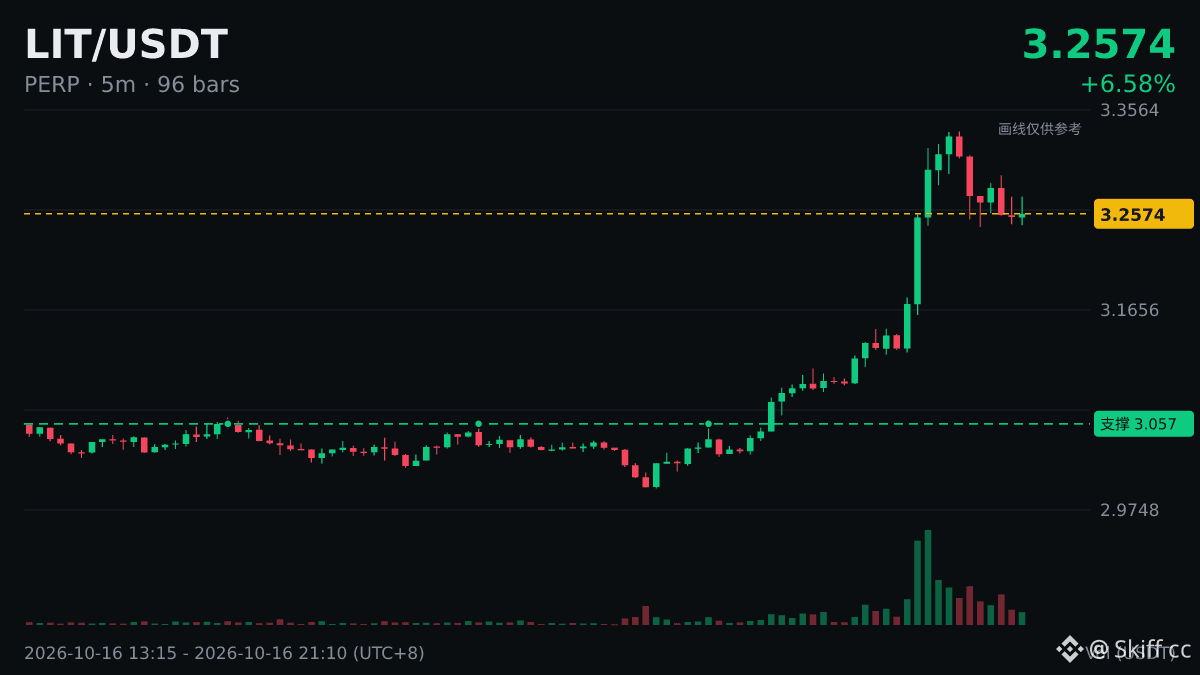
Technical analysis outlook |$LIT
1-hour gain +3.94%, 1h +4.15%, 4h +7.03%
Current price 3.2584, 24h range 2.9153 ~ 3.336
Momentum looks fairly healthy. Watch to see if the uptrend continues; a pullback below the breakout level would suggest a bull trap.
Technical analysis outlook |$LIT
1-hour gain +3.94%, 1h +4.15%, 4h +7.03%
Current price 3.2584, 24h range 2.9153 ~ 3.336
Momentum looks fairly healthy. Watch to see if the uptrend continues; a pullback below the breakout level would suggest a bull trap.
1-hour gain +3.94%, 1h +4.15%, 4h +7.03%
Current price 3.2584, 24h range 2.9153 ~ 3.336
Momentum looks fairly healthy. Watch to see if the uptrend continues; a pullback below the breakout level would suggest a bull trap.
1
79
·
--
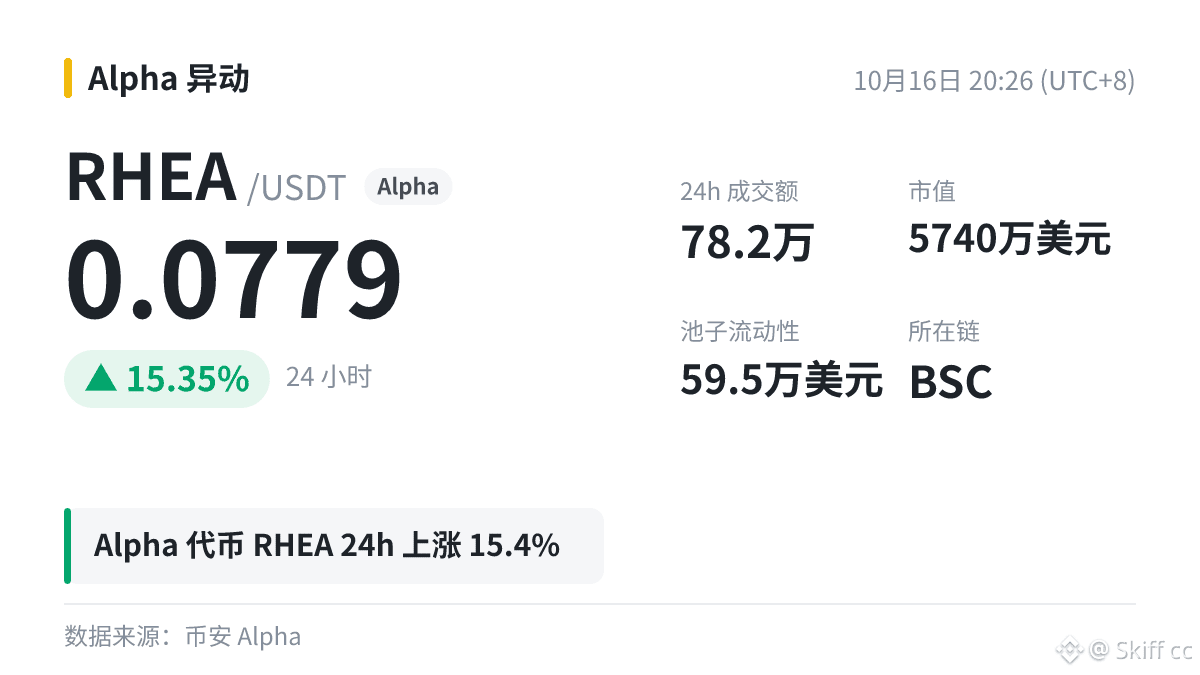
That’s a huge move!
Alpha $RHEA 24h is up +15.35% in one go!
Current price: 0.0779; market cap: $57.4 million.
This token has thin liquidity, so slippage can be significant both entering and exiting. If you’re holding, when are you planning to sell?
That’s a huge move!
Alpha $RHEA 24h is up +15.35% in one go!
Current price: 0.0779; market cap: $57.4 million.
This token has thin liquidity, so slippage can be significant both entering and exiting. If you’re holding, when are you planning to sell?
Alpha $RHEA 24h is up +15.35% in one go!
Current price: 0.0779; market cap: $57.4 million.
This token has thin liquidity, so slippage can be significant both entering and exiting. If you’re holding, when are you planning to sell?
95
·
--
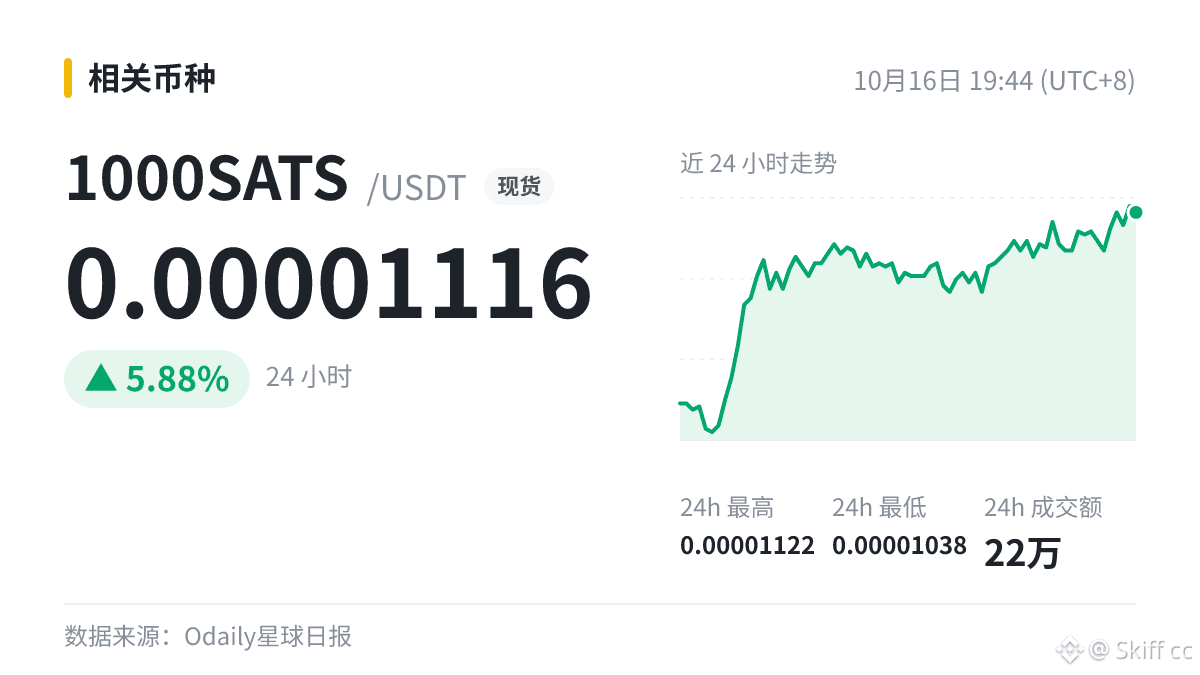
Key point: Strive expands its SATS perpetual preferred stock offering to approximately $630 million, potentially becoming the second-largest publicly traded Bitcoin treasury company
Sentiment: Somewhat positive
Source: Odaily Planet Daily
Related: $1000SATS (24h +5.88%)
What to watch: Has the market already priced this in?
Sentiment: Somewhat positive
Source: Odaily Planet Daily
Related: $1000SATS (24h +5.88%)
What to watch: Has the market already priced this in?
109
·
--
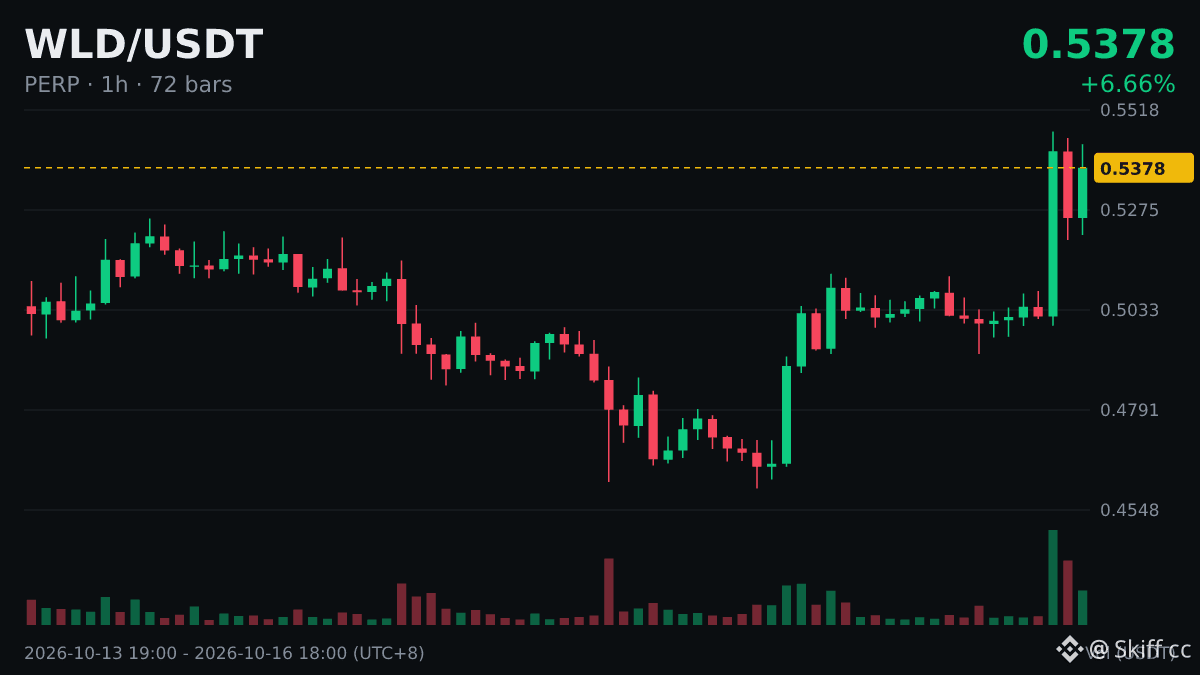
Trending searches change every day, and my ability to make connections gets stronger every day—it's just my balance that hasn't kept up.
Today’s trend is “So this is how you get that fated eye contact with AI,” which made me think of $WLD in the AI concept sector.
I usually just make a note of trending topics and wait to see if trading picks up before deciding whether to look into them further.
Today’s trend is “So this is how you get that fated eye contact with AI,” which made me think of $WLD in the AI concept sector.
I usually just make a note of trending topics and wait to see if trading picks up before deciding whether to look into them further.
1
87
·
--
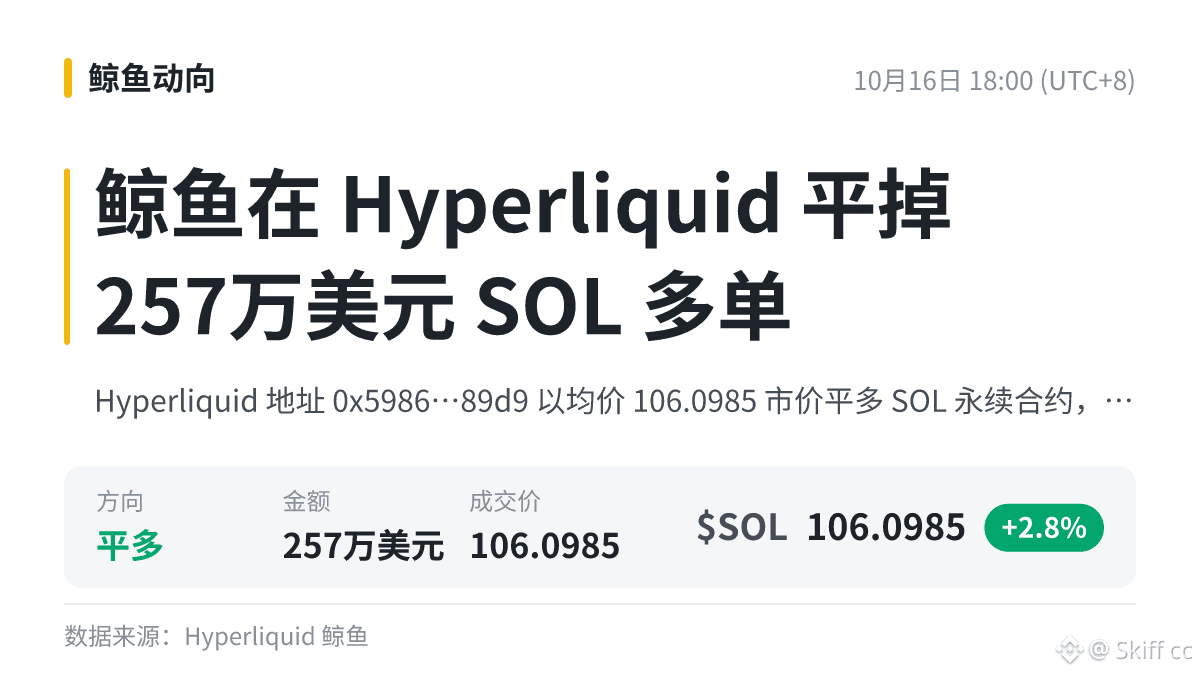
$SOL Whale closes a $2.57 million long position!
You can follow the whales, but you have to manage your own position.
$SOL Whale closes a $2.57 million long position!
You can follow the whales, but you have to manage your own position.
You can follow the whales, but you have to manage your own position.
107
·
--
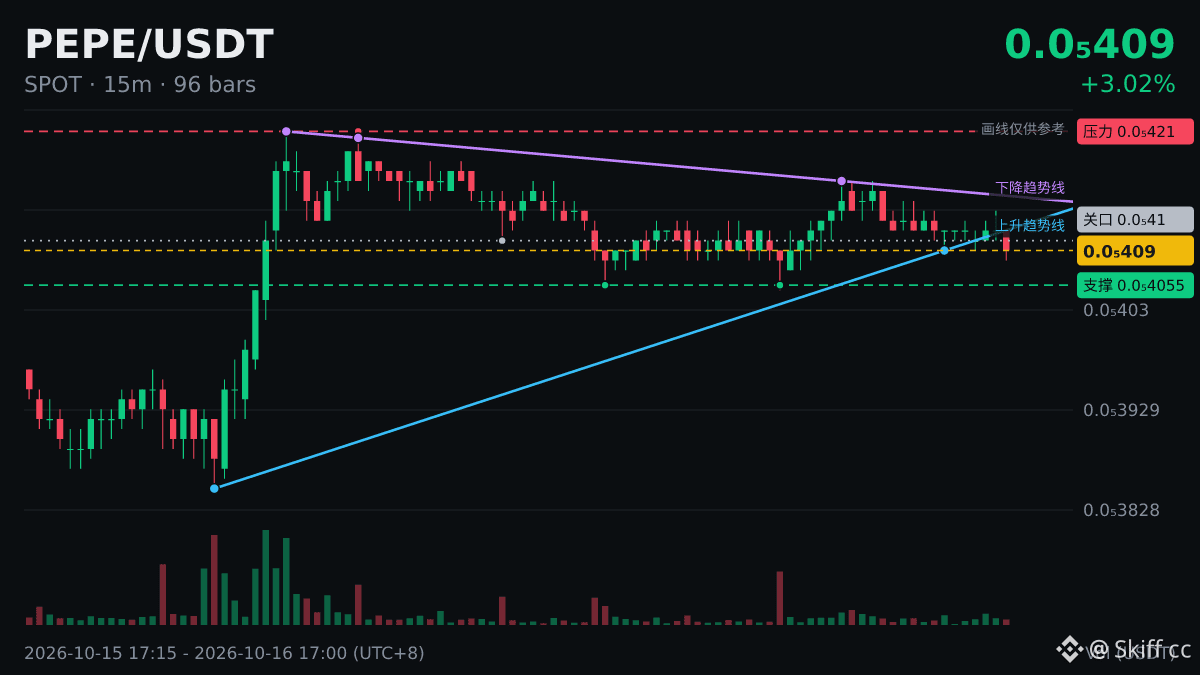
This pace is a bit unreal—it changed this much in the time it took to take a sip of water!
$PEPE fell below the 0.0₅41 level.
After losing this level, bears may feel a bit more confident, but watch out for a rebound if it falls too far.
This pace is a bit unreal—it changed this much in the time it took to take a sip of water!
$PEPE fell below the 0.0₅41 level.
After losing this level, bears may feel a bit more confident, but watch out for a rebound if it falls too far.
$PEPE fell below the 0.0₅41 level.
After losing this level, bears may feel a bit more confident, but watch out for a rebound if it falls too far.
131
·
--
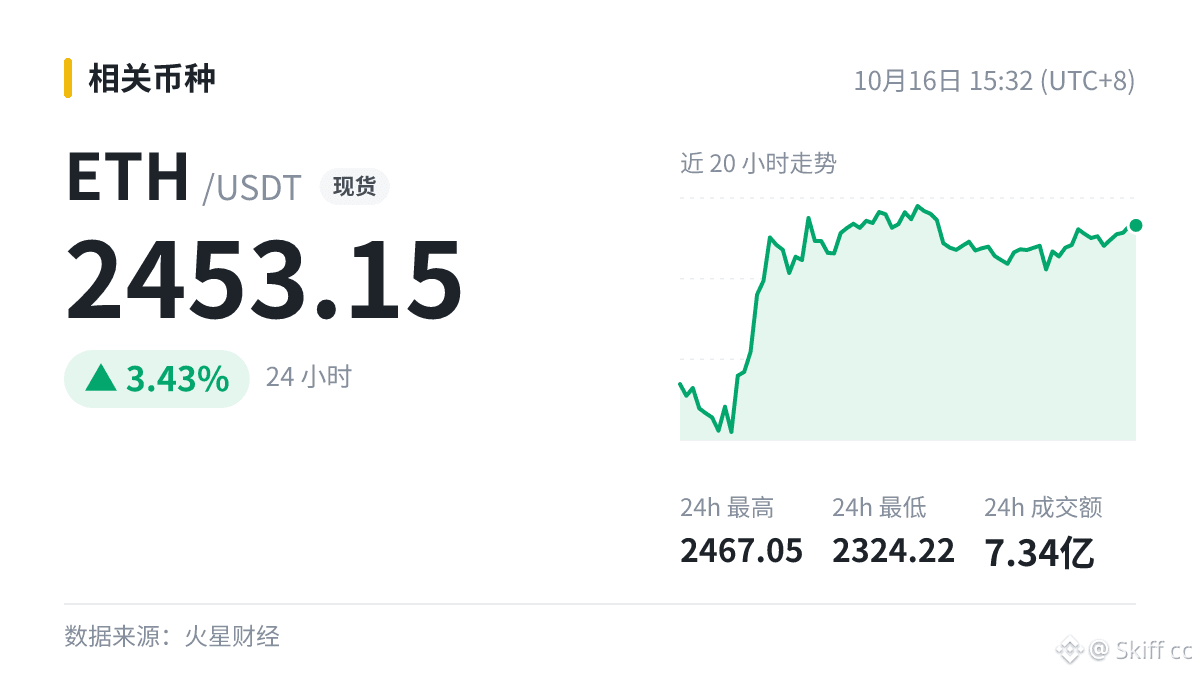
Q: Data: Whales on Hyperliquid currently hold $8.588 billion in positions, with a long/short position ratio of 0.88—what impact does this have on the market?
A: Not much. Price and volume are what really matter. $ETH is currently priced at 2453.15; don't rush to conclusions until it holds above a key level.
A: Not much. Price and volume are what really matter. $ETH is currently priced at 2453.15; don't rush to conclusions until it holds above a key level.
96
·
--
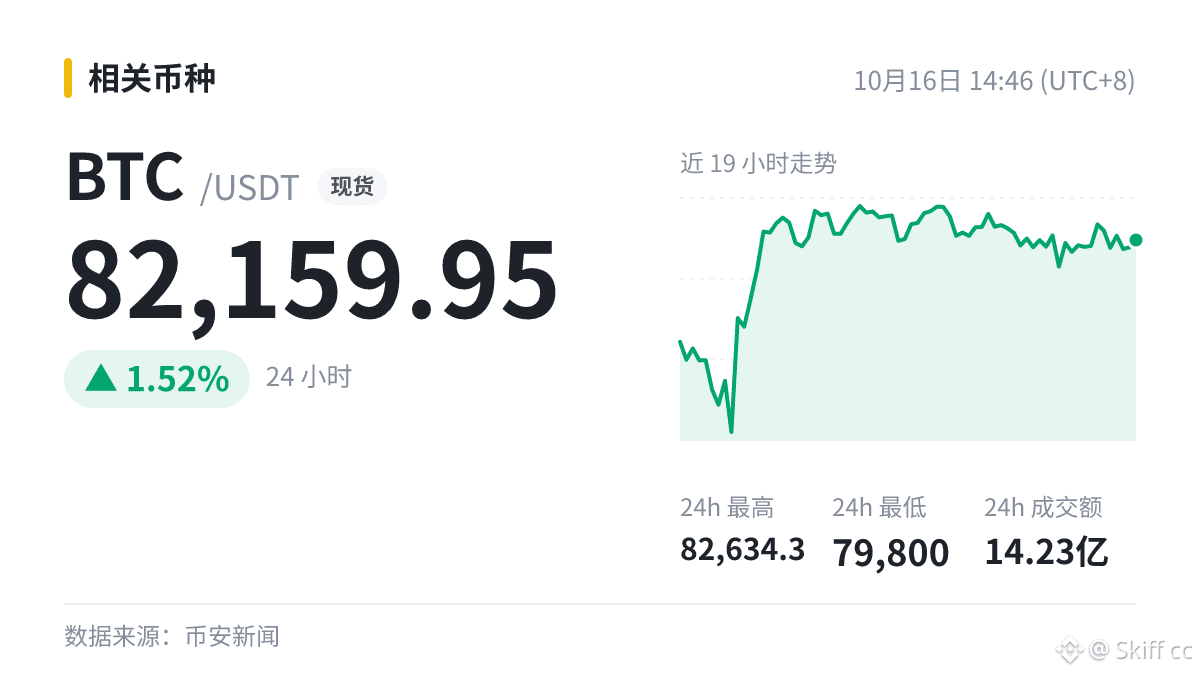
Security Incident Card
Incident: Hong Kong police report WhatsApp hijacking case: exchange company loses over HK$4 million
Source: Binance News (4 reports)
$BTC : 82159.95|1h +0.034%|24h +1.52%
Asset security comes first. Which side are you on? Share your thoughts in the comments.
Security Incident Card
Incident: Hong Kong police report WhatsApp hijacking case: exchange company loses over HK$4 million
Source: Binance News (4 reports)
$BTC : 82159.95|1h +0.034%|24h +1.52%
Asset security comes first. Which side are you on? Share your thoughts in the comments.
Incident: Hong Kong police report WhatsApp hijacking case: exchange company loses over HK$4 million
Source: Binance News (4 reports)
$BTC : 82159.95|1h +0.034%|24h +1.52%
Asset security comes first. Which side are you on? Share your thoughts in the comments.
1
101
·
--
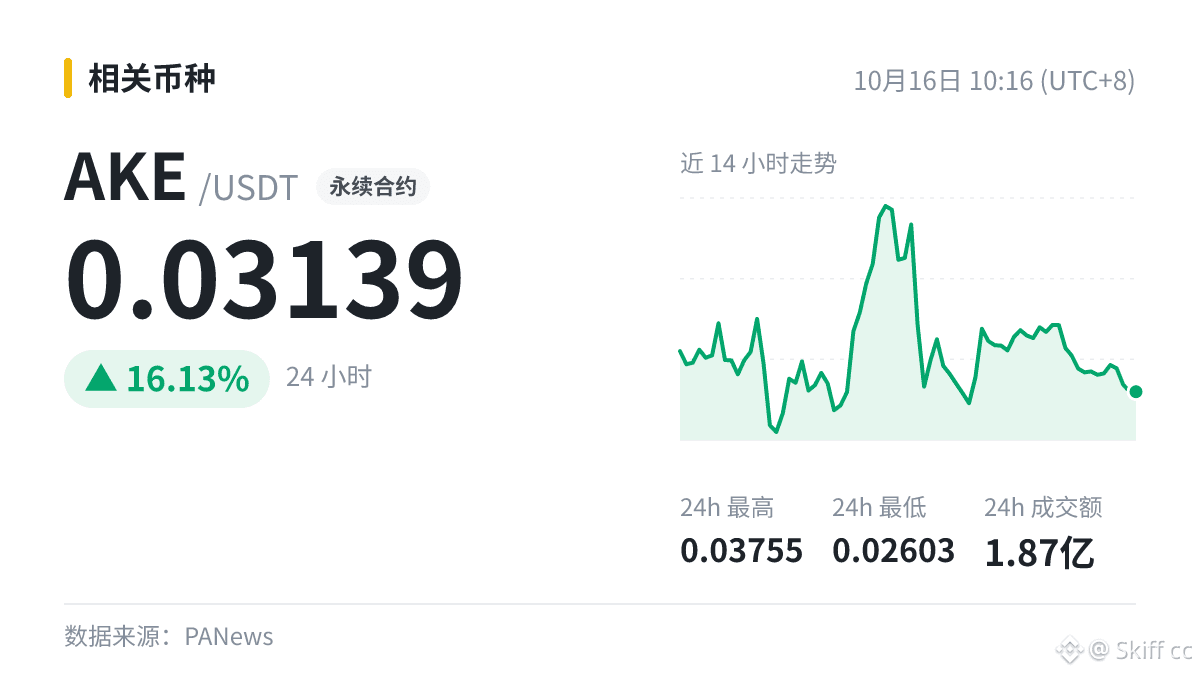
$AKE Multi-period performance
1h: -2.03%
4h: -3.84%
24h: +16.13%
Current price: 0.03139
News: The crypto market rebounded slightly. The AI sector rose 3.63%, while only the Meme and CeFi sectors fell.
The 1h change is notable; the event may already have been priced in by the market.
$AKE Multi-period performance
1h: -2.03%
4h: -3.84%
24h: +16.13%
Current price: 0.03139
News: The crypto market rebounded slightly. The AI sector rose 3.63%, while only the Meme and CeFi sectors fell.
The 1h change is notable; the event may already have been priced in by the market.
1h: -2.03%
4h: -3.84%
24h: +16.13%
Current price: 0.03139
News: The crypto market rebounded slightly. The AI sector rose 3.63%, while only the Meme and CeFi sectors fell.
The 1h change is notable; the event may already have been priced in by the market.
1
61
Log in to explore more content
Join global crypto users on Binance Square
⚡️ Get latest and useful information about crypto.
💬 Trusted by the world’s largest crypto exchange.
👍 Discover real insights from verified creators.
Email / Phone number
Trending Topics
CanBTCReboundAfterFallingBelow60K?
418,790 views
1,804 Discussing
Bitcoin News | Bitcoin Falls Below $60,000 for the First Time Since July as IBIT Posts Record $541 Million Outflow
Binance News
·55 Likes
·103.9k views
GlobalStocksFaceLongestLosingStreakSince2023
140,649 views
1,267 Discussing
BlackRockIBITPostsRecord$541MSingleDayOutflow
2,976 views
36 Discussing