
ENSIGN TRADING
4.8k Posts

ENSIGN TRADING
Report
Block User
Digital Entrepreneur/P2P BLOCK MERCHANT

Top Voices

Level 1 Creator
Open Trade

BTC Holder
Occasional Trader
5.5 Years
9 Following
27.8K+ Followers
22.1K+ Liked
2 Badges
Posts
Portfolio
All
Quotes
Videos
Article
BULLSH*t: Nearly $270 Million Exited Bitcoin and Ethereum ETFs. But What Does That Actually Mean?😡BULLSH*t: Nearly $270 Million Exited Bitcoin and Ethereum ETFs. But What Does That Actually Mean?
Most people see ETF outflows and immediately assume that major institutions are dumping crypto.
The reality is more interesting.
On November 17, U.S. spot Bitcoin ETFs recorded $239.94 million in net outflows, while Ethereum ETFs saw another $29.09 million leave.
That's a combined $269.03 million in net withdrawals.
But here's the financial mechanism worth understanding.
An ETF is an investment vehicle, not a permanent buyer of an asset.
When investors purchase shares of a spot Bitcoin ETF, the fund structure allows exposure to Bitcoin without requiring those investors to manage cryptocurrency wallets themselves.
When investors redeem their ETF shares, the fund may need to reduce its underlying holdings to meet those redemptions, depending on how the fund processes them.
This creates an important connection between traditional financial markets and crypto markets.
Here's the part that deserves attention:
BlackRock's IBIT alone recorded approximately $209.54 million in net outflows.
That represented roughly 87% of the total Bitcoin ETF withdrawals that day.
But it doesn't mean BlackRock's management suddenly made a decision to abandon Bitcoin.
Investors in the fund can change their positions, and those transactions show up in the fund's daily flow data.
There is another distinction investors should understand:
Net outflows are not the same as trading volume.
Trading volume measures how much ETF activity took place.
Net flows measure the difference between money entering and leaving the funds.
A fund can trade billions of dollars in a day while experiencing relatively small net inflows or outflows.
Why does this matter?
Because spot ETFs have created a measurable channel through which traditional investors can increase or reduce crypto exposure.
Watching these flows helps investors understand demand through that channel.
But one day's withdrawals cannot tell us whether Bitcoin has reached a market top, whether institutions have permanently changed their outlook, or where prices will go next.
I'd rather watch several consecutive sessions and compare the flows with actual market demand before drawing a bigger conclusion.
In modern crypto markets, understanding where capital moves is just as important as watching where prices move.
BULLSH*t: Nearly $270 Million Exited Bitcoin and Ethereum ETFs. But What Does That Actually Mean?
😡BULLSH*t: Nearly $270 Million Exited Bitcoin and Ethereum ETFs. But What Does That Actually Mean?
Most people see ETF outflows and immediately assume that major institutions are dumping crypto.
The reality is more interesting.
On November 17, U.S. spot Bitcoin ETFs recorded $239.94 million in net outflows, while Ethereum ETFs saw another $29.09 million leave.
That's a combined $269.03 million in net withdrawals.
But here's the financial mechanism worth understanding.
An ETF is an investment vehicle, not a permanent buyer of an asset.
When investors purchase shares of a spot Bitcoin ETF, the fund structure allows exposure to Bitcoin without requiring those investors to manage cryptocurrency wallets themselves.
When investors redeem their ETF shares, the fund may need to reduce its underlying holdings to meet those redemptions, depending on how the fund processes them.
This creates an important connection between traditional financial markets and crypto markets.
Here's the part that deserves attention:
BlackRock's IBIT alone recorded approximately $209.54 million in net outflows.
That represented roughly 87% of the total Bitcoin ETF withdrawals that day.
But it doesn't mean BlackRock's management suddenly made a decision to abandon Bitcoin.
Investors in the fund can change their positions, and those transactions show up in the fund's daily flow data.
There is another distinction investors should understand:
Net outflows are not the same as trading volume.
Trading volume measures how much ETF activity took place.
Net flows measure the difference between money entering and leaving the funds.
A fund can trade billions of dollars in a day while experiencing relatively small net inflows or outflows.
Why does this matter?
Because spot ETFs have created a measurable channel through which traditional investors can increase or reduce crypto exposure.
Watching these flows helps investors understand demand through that channel.
But one day's withdrawals cannot tell us whether Bitcoin has reached a market top, whether institutions have permanently changed their outlook, or where prices will go next.
I'd rather watch several consecutive sessions and compare the flows with actual market demand before drawing a bigger conclusion.
In modern crypto markets, understanding where capital moves is just as important as watching where prices move.
Most people see ETF outflows and immediately assume that major institutions are dumping crypto.
The reality is more interesting.
On November 17, U.S. spot Bitcoin ETFs recorded $239.94 million in net outflows, while Ethereum ETFs saw another $29.09 million leave.
That's a combined $269.03 million in net withdrawals.
But here's the financial mechanism worth understanding.
An ETF is an investment vehicle, not a permanent buyer of an asset.
When investors purchase shares of a spot Bitcoin ETF, the fund structure allows exposure to Bitcoin without requiring those investors to manage cryptocurrency wallets themselves.
When investors redeem their ETF shares, the fund may need to reduce its underlying holdings to meet those redemptions, depending on how the fund processes them.
This creates an important connection between traditional financial markets and crypto markets.
Here's the part that deserves attention:
BlackRock's IBIT alone recorded approximately $209.54 million in net outflows.
That represented roughly 87% of the total Bitcoin ETF withdrawals that day.
But it doesn't mean BlackRock's management suddenly made a decision to abandon Bitcoin.
Investors in the fund can change their positions, and those transactions show up in the fund's daily flow data.
There is another distinction investors should understand:
Net outflows are not the same as trading volume.
Trading volume measures how much ETF activity took place.
Net flows measure the difference between money entering and leaving the funds.
A fund can trade billions of dollars in a day while experiencing relatively small net inflows or outflows.
Why does this matter?
Because spot ETFs have created a measurable channel through which traditional investors can increase or reduce crypto exposure.
Watching these flows helps investors understand demand through that channel.
But one day's withdrawals cannot tell us whether Bitcoin has reached a market top, whether institutions have permanently changed their outlook, or where prices will go next.
I'd rather watch several consecutive sessions and compare the flows with actual market demand before drawing a bigger conclusion.
In modern crypto markets, understanding where capital moves is just as important as watching where prices move.
16
Article
Does Every High-Income Family Actually Need a Financial Advisor?
I think this is a question worth aI think this is a question worth asking, especially for households earning $150,000 or more.
A higher income doesn't automatically mean better financial decisions.
And paying someone to manage your money doesn't automatically mean you're getting more value.
Here's what many families should understand before hiring an advisor:
1. Know exactly what you're paying.
An advisory fee of 1% may not sound significant.
But on a $500,000 portfolio, that's $5,000 every year.
Over 20 years, even before considering investment growth, that's $100,000 in fees if the balance and fee remain unchanged.
The actual lifetime cost can be considerably different as the portfolio grows or shrinks.
2. Understand what you're receiving in return.
Are you getting tax-efficient investment planning?
Retirement projections?
Estate planning coordination?
Help managing risk during market downturns?
Or are you mainly paying someone to select a collection of ETFs?
Those services are not equally valuable, and the difference matters.
3. Know what you can manage yourself.
For someone with a straightforward financial situation, managing a diversified portfolio, monitoring expenses, and maintaining a retirement contribution strategy may be manageable.
But complicated taxes, business ownership, estate issues, and major financial decisions can justify professional advice.
4. Don't confuse saving on fees with making better decisions.
An advisor's value isn't measured only by whether they beat the market.
Sometimes the biggest benefit is preventing costly emotional decisions, keeping a financial plan on track, or identifying tax mistakes.
The important thing is to know whether those benefits justify what you're paying.
My view is simple: people should understand their own financial system even when they hire someone else to manage part of it.
You don't need to become a professional portfolio manager.
But you should know where your money is invested, what you're paying, and why each decision is being made.
One question worth considering:
If your family earns $150,000 a year, would you prefer to manage a simple investment portfolio yourself, or pay a professional for ongoing financial guidance?
The answer may depend more on your financial complexity than your income.
Does Every High-Income Family Actually Need a Financial Advisor? I think this is a question worth a
I think this is a question worth asking, especially for households earning $150,000 or more.
A higher income doesn't automatically mean better financial decisions.
And paying someone to manage your money doesn't automatically mean you're getting more value.
Here's what many families should understand before hiring an advisor:
1. Know exactly what you're paying.
An advisory fee of 1% may not sound significant.
But on a $500,000 portfolio, that's $5,000 every year.
Over 20 years, even before considering investment growth, that's $100,000 in fees if the balance and fee remain unchanged.
The actual lifetime cost can be considerably different as the portfolio grows or shrinks.
2. Understand what you're receiving in return.
Are you getting tax-efficient investment planning?
Retirement projections?
Estate planning coordination?
Help managing risk during market downturns?
Or are you mainly paying someone to select a collection of ETFs?
Those services are not equally valuable, and the difference matters.
3. Know what you can manage yourself.
For someone with a straightforward financial situation, managing a diversified portfolio, monitoring expenses, and maintaining a retirement contribution strategy may be manageable.
But complicated taxes, business ownership, estate issues, and major financial decisions can justify professional advice.
4. Don't confuse saving on fees with making better decisions.
An advisor's value isn't measured only by whether they beat the market.
Sometimes the biggest benefit is preventing costly emotional decisions, keeping a financial plan on track, or identifying tax mistakes.
The important thing is to know whether those benefits justify what you're paying.
My view is simple: people should understand their own financial system even when they hire someone else to manage part of it.
You don't need to become a professional portfolio manager.
But you should know where your money is invested, what you're paying, and why each decision is being made.
One question worth considering:
If your family earns $150,000 a year, would you prefer to manage a simple investment portfolio yourself, or pay a professional for ongoing financial guidance?
The answer may depend more on your financial complexity than your income.
A higher income doesn't automatically mean better financial decisions.
And paying someone to manage your money doesn't automatically mean you're getting more value.
Here's what many families should understand before hiring an advisor:
1. Know exactly what you're paying.
An advisory fee of 1% may not sound significant.
But on a $500,000 portfolio, that's $5,000 every year.
Over 20 years, even before considering investment growth, that's $100,000 in fees if the balance and fee remain unchanged.
The actual lifetime cost can be considerably different as the portfolio grows or shrinks.
2. Understand what you're receiving in return.
Are you getting tax-efficient investment planning?
Retirement projections?
Estate planning coordination?
Help managing risk during market downturns?
Or are you mainly paying someone to select a collection of ETFs?
Those services are not equally valuable, and the difference matters.
3. Know what you can manage yourself.
For someone with a straightforward financial situation, managing a diversified portfolio, monitoring expenses, and maintaining a retirement contribution strategy may be manageable.
But complicated taxes, business ownership, estate issues, and major financial decisions can justify professional advice.
4. Don't confuse saving on fees with making better decisions.
An advisor's value isn't measured only by whether they beat the market.
Sometimes the biggest benefit is preventing costly emotional decisions, keeping a financial plan on track, or identifying tax mistakes.
The important thing is to know whether those benefits justify what you're paying.
My view is simple: people should understand their own financial system even when they hire someone else to manage part of it.
You don't need to become a professional portfolio manager.
But you should know where your money is invested, what you're paying, and why each decision is being made.
One question worth considering:
If your family earns $150,000 a year, would you prefer to manage a simple investment portfolio yourself, or pay a professional for ongoing financial guidance?
The answer may depend more on your financial complexity than your income.
228
Article
MORE THAN $1.16 BILLION IN BITCOIN: EARLY HOLDERS ARE DRAWING MARKET ATTENTION.MORE THAN $1.16 BILLION IN BITCOIN: EARLY HOLDERS ARE DRAWING MARKET ATTENTION.
Bitcoin is facing another development that deserves attention, particularly because it involves coins associated with its earliest years.
A Satoshi-era Bitcoin holder has reportedly moved or sold approximately $601.1 million worth of BTC after holding for around 16 years.
This follows another reported $565 million movement in recent days, bringing the combined reported value to approximately $1.166 billion.
But there is an important distinction that many people misunderstand.
WHAT DOES SATOSHI-ERA ACTUALLY MEAN?
Satoshi-era does not mean Satoshi Nakamoto personally sold Bitcoin.
It is a term used for Bitcoin from the network's earliest years, particularly the period when Satoshi Nakamoto was still involved in the project.
The term is commonly associated with early miners and long-term holders who accumulated Bitcoin when the network was still relatively small.
These holders are sometimes called Satoshi-era whales because of the age and size of their holdings.
Their identities are not necessarily known, and they should not automatically be treated as one individual or a single group.
WHY DOES THIS MATTER FOR BITCOIN?
When coins that have remained untouched for approximately 16 years suddenly become active, the market naturally pays attention.
These are not ordinary short-term trades.
Early holders may have accumulated their Bitcoin when mining rewards were 50 BTC per block and the network had very little mainstream attention.
If large amounts of these holdings eventually reach exchanges and are sold, they can introduce additional supply into the market.
That could increase selling pressure, particularly when demand is already weak.
THE MARKET RISK IS NOT JUST THE AMOUNT
There is another factor worth watching.
When early Bitcoin holders begin moving substantial amounts of their long-dormant supply, investors may start questioning whether other early holders are also considering taking profits.
That uncertainty can affect market sentiment even before any actual selling takes place.
However, an on-chain transfer alone does not confirm that Bitcoin has been sold.
The destination wallets, exchange deposits, and subsequent transactions matter when determining whether a genuine liquidation has occurred.
WHAT I WOULD WATCH NEXT
The important question is whether these coins remain in private wallets or eventually move toward exchanges.
If confirmed selling continues while market demand remains weak, Bitcoin could face additional downside pressure.
If the transactions are simply wallet reorganizations or custody transfers, the actual market impact could be much smaller.
For me, the bigger concern is not simply that old Bitcoin is moving.
It is whether a meaningful amount of previously inactive supply is preparing to return to the market.
Could early Bitcoin holders taking profits become another source of selling pressure during an already weak market?
That is the development worth watching, not just the headline number.
MORE THAN $1.16 BILLION IN BITCOIN: EARLY HOLDERS ARE DRAWING MARKET ATTENTION.
MORE THAN $1.16 BILLION IN BITCOIN: EARLY HOLDERS ARE DRAWING MARKET ATTENTION.
Bitcoin is facing another development that deserves attention, particularly because it involves coins associated with its earliest years.
A Satoshi-era Bitcoin holder has reportedly moved or sold approximately $601.1 million worth of BTC after holding for around 16 years.
This follows another reported $565 million movement in recent days, bringing the combined reported value to approximately $1.166 billion.
But there is an important distinction that many people misunderstand.
WHAT DOES SATOSHI-ERA ACTUALLY MEAN?
Satoshi-era does not mean Satoshi Nakamoto personally sold Bitcoin.
It is a term used for Bitcoin from the network's earliest years, particularly the period when Satoshi Nakamoto was still involved in the project.
The term is commonly associated with early miners and long-term holders who accumulated Bitcoin when the network was still relatively small.
These holders are sometimes called Satoshi-era whales because of the age and size of their holdings.
Their identities are not necessarily known, and they should not automatically be treated as one individual or a single group.
WHY DOES THIS MATTER FOR BITCOIN?
When coins that have remained untouched for approximately 16 years suddenly become active, the market naturally pays attention.
These are not ordinary short-term trades.
Early holders may have accumulated their Bitcoin when mining rewards were 50 BTC per block and the network had very little mainstream attention.
If large amounts of these holdings eventually reach exchanges and are sold, they can introduce additional supply into the market.
That could increase selling pressure, particularly when demand is already weak.
THE MARKET RISK IS NOT JUST THE AMOUNT
There is another factor worth watching.
When early Bitcoin holders begin moving substantial amounts of their long-dormant supply, investors may start questioning whether other early holders are also considering taking profits.
That uncertainty can affect market sentiment even before any actual selling takes place.
However, an on-chain transfer alone does not confirm that Bitcoin has been sold.
The destination wallets, exchange deposits, and subsequent transactions matter when determining whether a genuine liquidation has occurred.
WHAT I WOULD WATCH NEXT
The important question is whether these coins remain in private wallets or eventually move toward exchanges.
If confirmed selling continues while market demand remains weak, Bitcoin could face additional downside pressure.
If the transactions are simply wallet reorganizations or custody transfers, the actual market impact could be much smaller.
For me, the bigger concern is not simply that old Bitcoin is moving.
It is whether a meaningful amount of previously inactive supply is preparing to return to the market.
Could early Bitcoin holders taking profits become another source of selling pressure during an already weak market?
That is the development worth watching, not just the headline number.
Bitcoin is facing another development that deserves attention, particularly because it involves coins associated with its earliest years.
A Satoshi-era Bitcoin holder has reportedly moved or sold approximately $601.1 million worth of BTC after holding for around 16 years.
This follows another reported $565 million movement in recent days, bringing the combined reported value to approximately $1.166 billion.
But there is an important distinction that many people misunderstand.
WHAT DOES SATOSHI-ERA ACTUALLY MEAN?
Satoshi-era does not mean Satoshi Nakamoto personally sold Bitcoin.
It is a term used for Bitcoin from the network's earliest years, particularly the period when Satoshi Nakamoto was still involved in the project.
The term is commonly associated with early miners and long-term holders who accumulated Bitcoin when the network was still relatively small.
These holders are sometimes called Satoshi-era whales because of the age and size of their holdings.
Their identities are not necessarily known, and they should not automatically be treated as one individual or a single group.
WHY DOES THIS MATTER FOR BITCOIN?
When coins that have remained untouched for approximately 16 years suddenly become active, the market naturally pays attention.
These are not ordinary short-term trades.
Early holders may have accumulated their Bitcoin when mining rewards were 50 BTC per block and the network had very little mainstream attention.
If large amounts of these holdings eventually reach exchanges and are sold, they can introduce additional supply into the market.
That could increase selling pressure, particularly when demand is already weak.
THE MARKET RISK IS NOT JUST THE AMOUNT
There is another factor worth watching.
When early Bitcoin holders begin moving substantial amounts of their long-dormant supply, investors may start questioning whether other early holders are also considering taking profits.
That uncertainty can affect market sentiment even before any actual selling takes place.
However, an on-chain transfer alone does not confirm that Bitcoin has been sold.
The destination wallets, exchange deposits, and subsequent transactions matter when determining whether a genuine liquidation has occurred.
WHAT I WOULD WATCH NEXT
The important question is whether these coins remain in private wallets or eventually move toward exchanges.
If confirmed selling continues while market demand remains weak, Bitcoin could face additional downside pressure.
If the transactions are simply wallet reorganizations or custody transfers, the actual market impact could be much smaller.
For me, the bigger concern is not simply that old Bitcoin is moving.
It is whether a meaningful amount of previously inactive supply is preparing to return to the market.
Could early Bitcoin holders taking profits become another source of selling pressure during an already weak market?
That is the development worth watching, not just the headline number.
154
𝗕𝗥𝗘𝗔𝗞𝗜𝗡𝗚🇺🇸SpaceX Starship Makes Historic First Catch After 22-Hour Orbital Flight
SpaceX has successfully caught a Starship upper stage with the giant mechanical arms of its launch tower for the first time in history, completing a more than 22-hour orbital mission on Flight 15.
The Starship completed 14 orbits around Earth and deployed 26 Starlink satellites before returning to Starbase in Texas. During the final descent, the spacecraft reignited its engines, flipped upright and was guided between the tower’s mechanical “chopstick” arms, which successfully captured the vehicle.
The Super Heavy booster, however, failed to complete its planned return. Its engines shut down earlier than expected during the recovery attempt, forcing the guidance system to divert the booster toward the Gulf of Mexico, where it was destroyed after splashdown.
Despite the booster recovery failure, the successful orbital return and tower catch mark a major step toward SpaceX’s goal of developing a fully reusable launch system.
𝗕𝗥𝗘𝗔𝗞𝗜𝗡𝗚🇺🇸SpaceX Starship Makes Historic First Catch After 22-Hour Orbital Flight
SpaceX has successfully caught a Starship upper stage with the giant mechanical arms of its launch tower for the first time in history, completing a more than 22-hour orbital mission on Flight 15.
The Starship completed 14 orbits around Earth and deployed 26 Starlink satellites before returning to Starbase in Texas. During the final descent, the spacecraft reignited its engines, flipped upright and was guided between the tower’s mechanical “chopstick” arms, which successfully captured the vehicle.
The Super Heavy booster, however, failed to complete its planned return. Its engines shut down earlier than expected during the recovery attempt, forcing the guidance system to divert the booster toward the Gulf of Mexico, where it was destroyed after splashdown.
Despite the booster recovery failure, the successful orbital return and tower catch mark a major step toward SpaceX’s goal of developing a fully reusable launch system.
SpaceX has successfully caught a Starship upper stage with the giant mechanical arms of its launch tower for the first time in history, completing a more than 22-hour orbital mission on Flight 15.
The Starship completed 14 orbits around Earth and deployed 26 Starlink satellites before returning to Starbase in Texas. During the final descent, the spacecraft reignited its engines, flipped upright and was guided between the tower’s mechanical “chopstick” arms, which successfully captured the vehicle.
The Super Heavy booster, however, failed to complete its planned return. Its engines shut down earlier than expected during the recovery attempt, forcing the guidance system to divert the booster toward the Gulf of Mexico, where it was destroyed after splashdown.
Despite the booster recovery failure, the successful orbital return and tower catch mark a major step toward SpaceX’s goal of developing a fully reusable launch system.

1
2
590
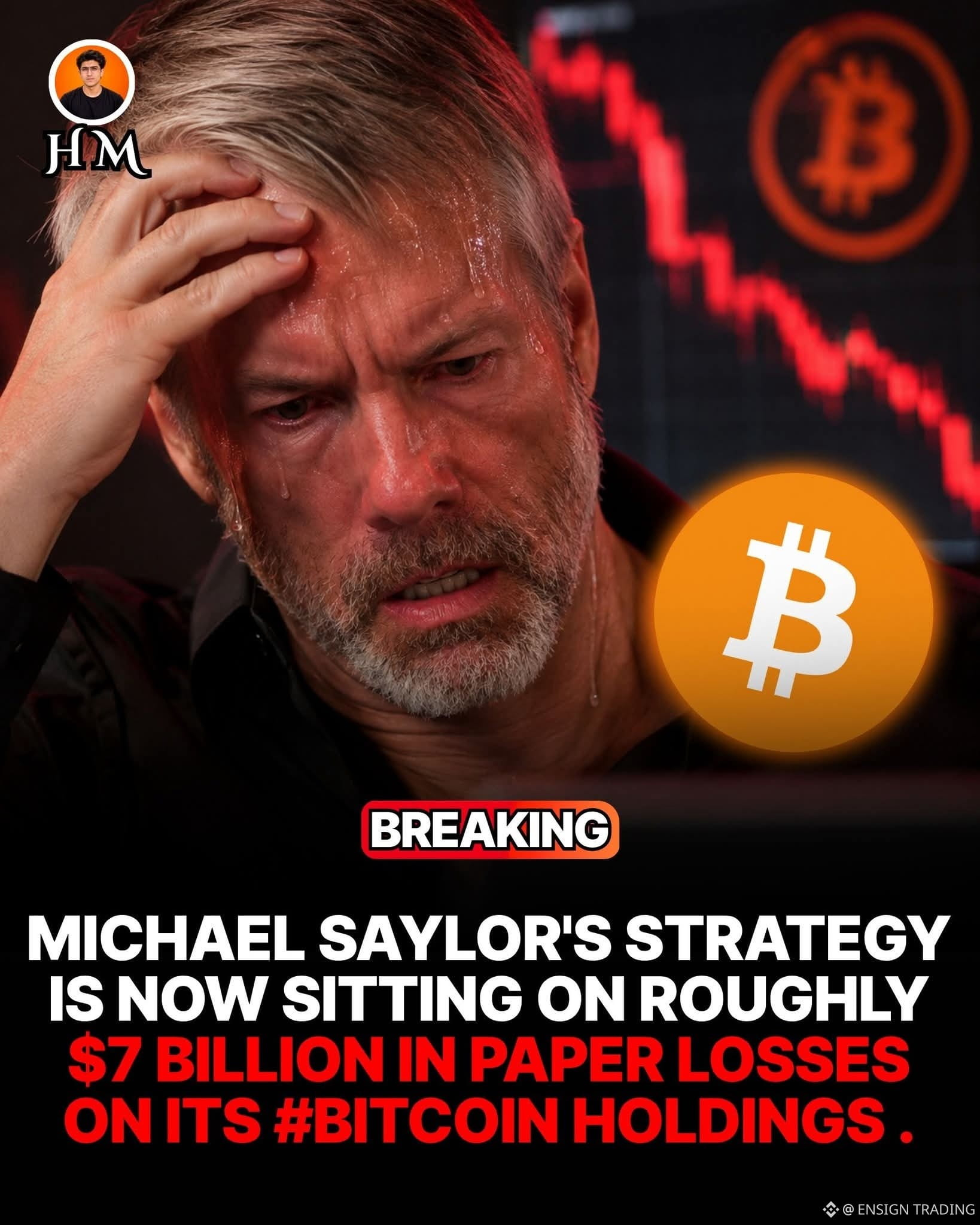
A $7 billion paper loss is a serious reminder of what happens when a company builds its balance sheet around one volatile asset.
Michael Saylor’s Strategy holds approximately 850,364 Bitcoin.
The company paid around $64.16 billion for those holdings.
That puts its average purchase price near $75,456 per Bitcoin.
When BTC fell below $67,000, the value of its holdings dropped roughly $7.2 billion below what it paid.
But there is an important distinction here.
Strategy has not necessarily lost that money in cash because it has not sold the entire position at those prices.
If Bitcoin recovers, the unrealized loss can shrink.
If prices fall further, the gap can become even larger.
And this is where the bigger financial question comes in.
How much risk should a publicly traded company take when so much of its financial strategy depends on one asset?
For investors, the lesson isn't simply that Bitcoin can fall.
It's that even a large corporate treasury can experience enormous volatility when it concentrates so heavily in one investment.
Conviction matters, but risk management matters too.
A $7 billion paper loss is a serious reminder of what happens when a company builds its balance sheet around one volatile asset.
Michael Saylor’s Strategy holds approximately 850,364 Bitcoin.
The company paid around $64.16 billion for those holdings.
That puts its average purchase price near $75,456 per Bitcoin.
When BTC fell below $67,000, the value of its holdings dropped roughly $7.2 billion below what it paid.
But there is an important distinction here.
Strategy has not necessarily lost that money in cash because it has not sold the entire position at those prices.
If Bitcoin recovers, the unrealized loss can shrink.
If prices fall further, the gap can become even larger.
And this is where the bigger financial question comes in.
How much risk should a publicly traded company take when so much of its financial strategy depends on one asset?
For investors, the lesson isn't simply that Bitcoin can fall.
It's that even a large corporate treasury can experience enormous volatility when it concentrates so heavily in one investment.
Conviction matters, but risk management matters too.
Michael Saylor’s Strategy holds approximately 850,364 Bitcoin.
The company paid around $64.16 billion for those holdings.
That puts its average purchase price near $75,456 per Bitcoin.
When BTC fell below $67,000, the value of its holdings dropped roughly $7.2 billion below what it paid.
But there is an important distinction here.
Strategy has not necessarily lost that money in cash because it has not sold the entire position at those prices.
If Bitcoin recovers, the unrealized loss can shrink.
If prices fall further, the gap can become even larger.
And this is where the bigger financial question comes in.
How much risk should a publicly traded company take when so much of its financial strategy depends on one asset?
For investors, the lesson isn't simply that Bitcoin can fall.
It's that even a large corporate treasury can experience enormous volatility when it concentrates so heavily in one investment.
Conviction matters, but risk management matters too.
1
1k
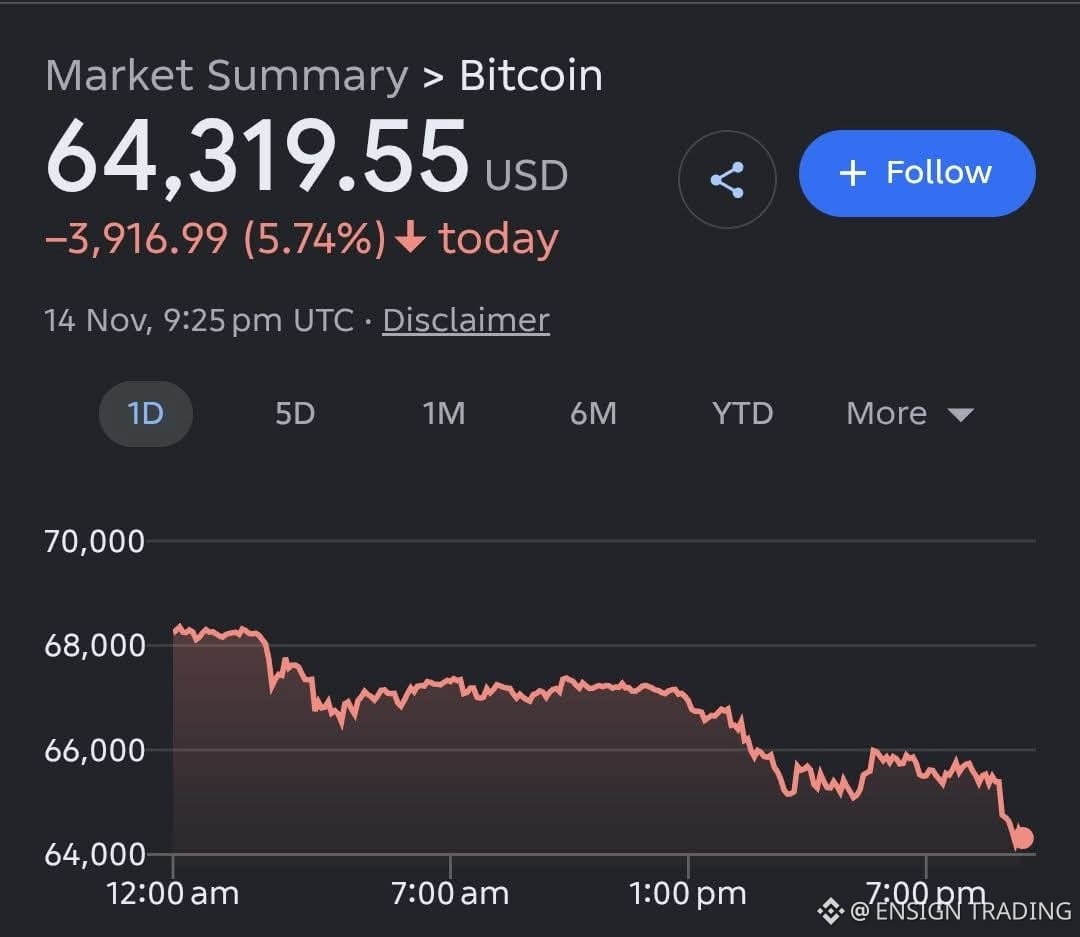
Bitcoin was trading around $96,000 just days ago, but now it's facing a sharp crash.
What do you think is driving this sudden drop?
Is it profit-taking, market uncertainty, liquidations, or something else?
What do you believe is behind Bitcoin's sharp decline?
Bitcoin was trading around $96,000 just days ago, but now it's facing a sharp crash.
What do you think is driving this sudden drop?
Is it profit-taking, market uncertainty, liquidations, or something else?
What do you believe is behind Bitcoin's sharp decline?
What do you think is driving this sudden drop?
Is it profit-taking, market uncertainty, liquidations, or something else?
What do you believe is behind Bitcoin's sharp decline?
1
1
368
Thailand has officially launched a groundbreaking payment system that allows international tourists to easily convert their cryptocurrency directly into the national currency for everyday purchases.
This innovative initiative aims to boost tourism, modernize the country’s financial infrastructure, and bridge the gap between digital assets and traditional retail spending nationwide.
Thailand has officially launched a groundbreaking payment system that allows international tourists to easily convert their cryptocurrency directly into the national currency for everyday purchases.
This innovative initiative aims to boost tourism, modernize the country’s financial infrastructure, and bridge the gap between digital assets and traditional retail spending nationwide.
This innovative initiative aims to boost tourism, modernize the country’s financial infrastructure, and bridge the gap between digital assets and traditional retail spending nationwide.

81
Elon Musk has 14 children from four different women.
Nobody seems to call it a scandal because he isn't married to any of them.
married and divorced twice.
Jasen had one wife, had two affairs, the whole world is after him
Because Adultery is a Legal sin but Fornication is not 👏
The problem is that once you walk into that registry and sign those court marriage papers, you have locked yourself into a lifelong moral battle.
If you know you're a CEO and you cannot commit to one woman, don't marry.
Or become a Muslim and marry as many wives as your religion permits.
Or embrace my traditional culture, like the Igbo tradition, where I come from, which permits polygamy.
These are your options.
But if you stupidly walk into an American courthouse, sign those marriage papers and make a lifelong commitment you already know you cannot honour, you're on your own.
This advice is coming from...
Elon Musk has 14 children from four different women.
Nobody seems to call it a scandal because he isn't married to any of them.
married and divorced twice.
Jasen had one wife, had two affairs, the whole world is after him
Because Adultery is a Legal sin but Fornication is not 👏
The problem is that once you walk into that registry and sign those court marriage papers, you have locked yourself into a lifelong moral battle.
If you know you're a CEO and you cannot commit to one woman, don't marry.
Or become a Muslim and marry as many wives as your religion permits.
Or embrace my traditional culture, like the Igbo tradition, where I come from, which permits polygamy.
These are your options.
But if you stupidly walk into an American courthouse, sign those marriage papers and make a lifelong commitment you already know you cannot honour, you're on your own.
This advice is coming from...
Nobody seems to call it a scandal because he isn't married to any of them.
married and divorced twice.
Jasen had one wife, had two affairs, the whole world is after him
Because Adultery is a Legal sin but Fornication is not 👏
The problem is that once you walk into that registry and sign those court marriage papers, you have locked yourself into a lifelong moral battle.
If you know you're a CEO and you cannot commit to one woman, don't marry.
Or become a Muslim and marry as many wives as your religion permits.
Or embrace my traditional culture, like the Igbo tradition, where I come from, which permits polygamy.
These are your options.
But if you stupidly walk into an American courthouse, sign those marriage papers and make a lifelong commitment you already know you cannot honour, you're on your own.
This advice is coming from...
2
1
4
1.2k
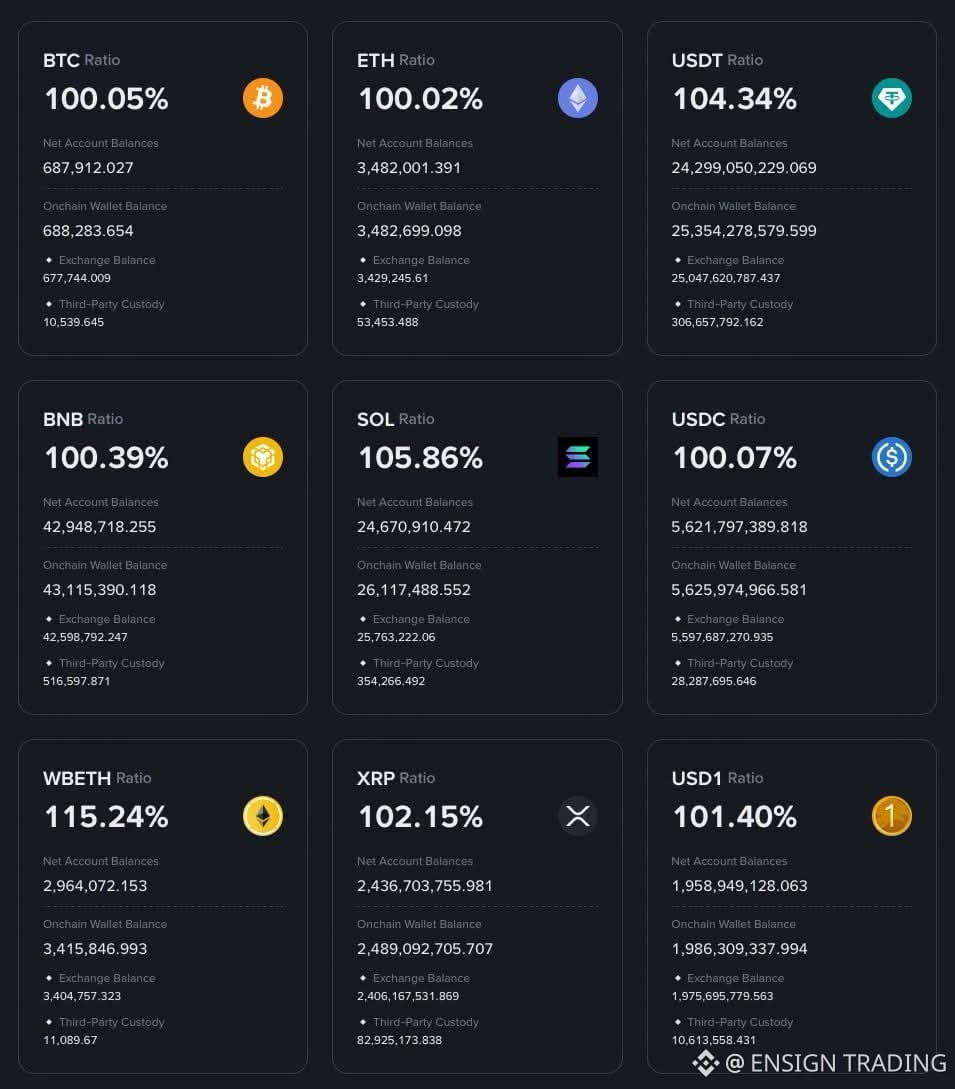
BREAKING: 🚨Binance announces it has now covered 100% of the losses from the $6.3B crypto hack 👏
The exchange says all affected assets have been fully replenished using its own financial resources.
Binance has also published a new Proof of Reserves snapshot, with zero-knowledge verification underway.
BREAKING: 🚨Binance announces it has now covered 100% of the losses from the $6.3B crypto hack 👏
The exchange says all affected assets have been fully replenished using its own financial resources.
Binance has also published a new Proof of Reserves snapshot, with zero-knowledge verification underway.
The exchange says all affected assets have been fully replenished using its own financial resources.
Binance has also published a new Proof of Reserves snapshot, with zero-knowledge verification underway.
58
He Had Only $8 To Pay.
A Young McDonald's Employee
Gave Him Something Money Can't Buy.
Sometimes, the most meaningful acts of kindness happen when nobody is expecting them.
A man stopped at McDonald's for a quick meal.
His total was just $8, but when he tried to pay, his debit card wouldn't work.
It was an uncomfortable moment.
He wasn't asking anyone for free food. He was simply trying to pay for his order, and suddenly his payment wasn't going through.
Then something unexpected happened.
A young employee named Hayden stepped in, pulled out his own debit card, and paid for the man's meal.
The customer offered him the only cash he had, four $1 bills.
But Hayden had already made up his mind to help.
The man left, thinking he had simply received a kind gesture from a stranger.
Then he looked inside his food bag.
His four dollars were sitting there, along with his receipt and a handwritten note:
"Have a Blessed Day."
Hayden had quietly returned the money.
Think about that for a second.
This wasn't a millionaire giving away thousands of dollars.
It wasn't a celebrity making a public donation.
It was a young employee working an ordinary shift, choosing to make someone's difficult moment a little easier.
And that's what makes this story so powerful.
We often measure generosity by how much money someone gives.
But the truth is, generosity isn't always about the size of the gift.
Sometimes it's about noticing that someone needs help and deciding not to look the other way.
Hayden didn't know this customer.
He didn't know whether he would ever see him again.
He simply saw an opportunity to do something good.
And perhaps the most beautiful part is that he didn't even want the money back.
The customer was so touched that he returned to the restaurant to take a picture with Hayden and share his story publicly.
There's a bigger lesson here, too.
A person's job title, paycheck, age, or bank balance doesn't determine the size of their heart.
You don't have to be wealthy to make someone feel valued.
You don't need a platform to inspire people.
He Had Only $8 To Pay.
A Young McDonald's Employee
Gave Him Something Money Can't Buy.
Sometimes, the most meaningful acts of kindness happen when nobody is expecting them.
A man stopped at McDonald's for a quick meal.
His total was just $8, but when he tried to pay, his debit card wouldn't work.
It was an uncomfortable moment.
He wasn't asking anyone for free food. He was simply trying to pay for his order, and suddenly his payment wasn't going through.
Then something unexpected happened.
A young employee named Hayden stepped in, pulled out his own debit card, and paid for the man's meal.
The customer offered him the only cash he had, four $1 bills.
But Hayden had already made up his mind to help.
The man left, thinking he had simply received a kind gesture from a stranger.
Then he looked inside his food bag.
His four dollars were sitting there, along with his receipt and a handwritten note:
"Have a Blessed Day."
Hayden had quietly returned the money.
Think about that for a second.
This wasn't a millionaire giving away thousands of dollars.
It wasn't a celebrity making a public donation.
It was a young employee working an ordinary shift, choosing to make someone's difficult moment a little easier.
And that's what makes this story so powerful.
We often measure generosity by how much money someone gives.
But the truth is, generosity isn't always about the size of the gift.
Sometimes it's about noticing that someone needs help and deciding not to look the other way.
Hayden didn't know this customer.
He didn't know whether he would ever see him again.
He simply saw an opportunity to do something good.
And perhaps the most beautiful part is that he didn't even want the money back.
The customer was so touched that he returned to the restaurant to take a picture with Hayden and share his story publicly.
There's a bigger lesson here, too.
A person's job title, paycheck, age, or bank balance doesn't determine the size of their heart.
You don't have to be wealthy to make someone feel valued.
You don't need a platform to inspire people.
A Young McDonald's Employee
Gave Him Something Money Can't Buy.
Sometimes, the most meaningful acts of kindness happen when nobody is expecting them.
A man stopped at McDonald's for a quick meal.
His total was just $8, but when he tried to pay, his debit card wouldn't work.
It was an uncomfortable moment.
He wasn't asking anyone for free food. He was simply trying to pay for his order, and suddenly his payment wasn't going through.
Then something unexpected happened.
A young employee named Hayden stepped in, pulled out his own debit card, and paid for the man's meal.
The customer offered him the only cash he had, four $1 bills.
But Hayden had already made up his mind to help.
The man left, thinking he had simply received a kind gesture from a stranger.
Then he looked inside his food bag.
His four dollars were sitting there, along with his receipt and a handwritten note:
"Have a Blessed Day."
Hayden had quietly returned the money.
Think about that for a second.
This wasn't a millionaire giving away thousands of dollars.
It wasn't a celebrity making a public donation.
It was a young employee working an ordinary shift, choosing to make someone's difficult moment a little easier.
And that's what makes this story so powerful.
We often measure generosity by how much money someone gives.
But the truth is, generosity isn't always about the size of the gift.
Sometimes it's about noticing that someone needs help and deciding not to look the other way.
Hayden didn't know this customer.
He didn't know whether he would ever see him again.
He simply saw an opportunity to do something good.
And perhaps the most beautiful part is that he didn't even want the money back.
The customer was so touched that he returned to the restaurant to take a picture with Hayden and share his story publicly.
There's a bigger lesson here, too.
A person's job title, paycheck, age, or bank balance doesn't determine the size of their heart.
You don't have to be wealthy to make someone feel valued.
You don't need a platform to inspire people.

3
489
Strategy’s Trading Activity Is Sending
A Message Wall Street Can’t Ignore
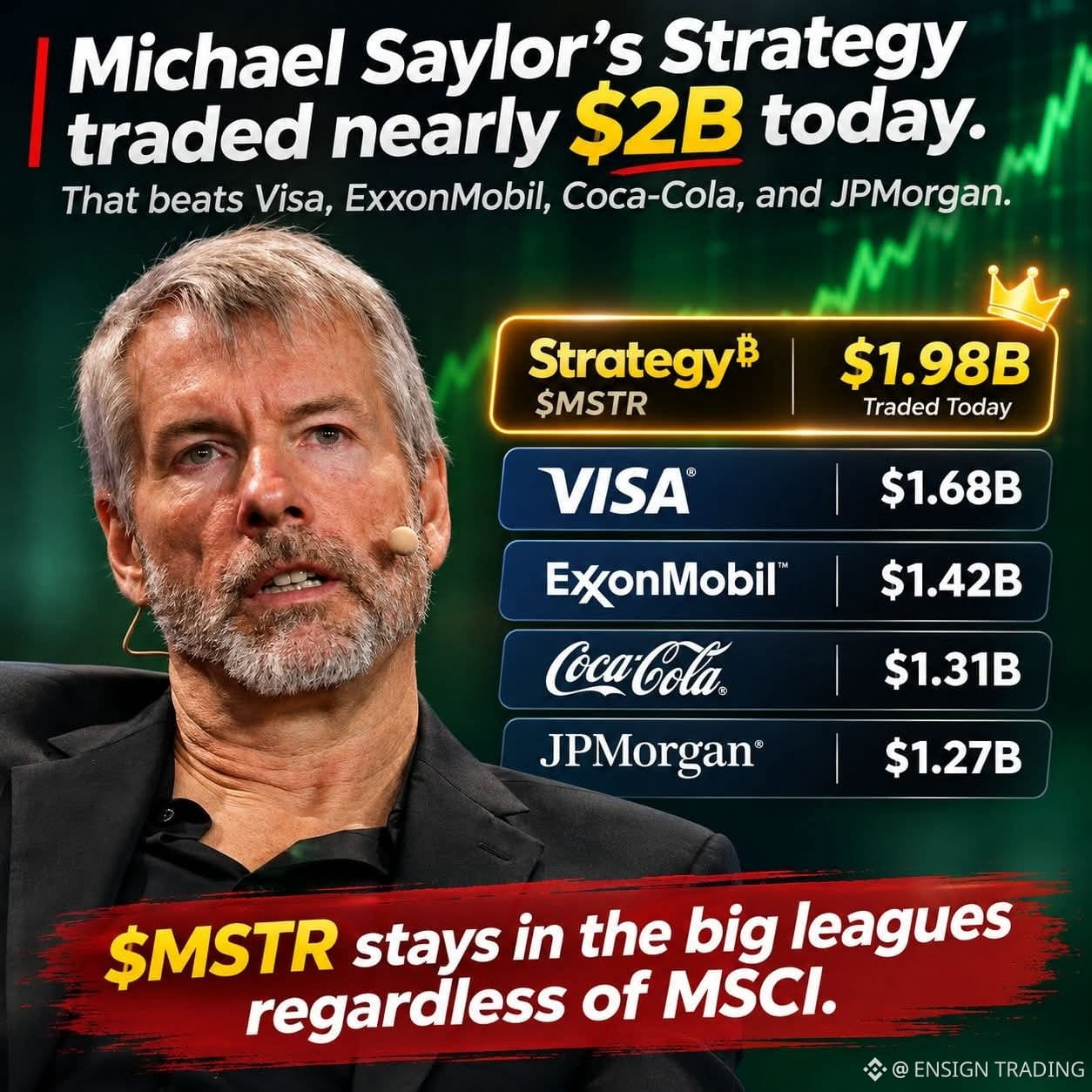
A company built around Bitcoin is now generating the kind of stock-market attention usually associated with America’s biggest corporations.
Strategy’s reported trading turnover reached approximately $2.2 billion in the latest session I could verify, with roughly 19.4 million shares changing hands.
That is an extraordinary level of activity for a company whose market identity is so closely tied to Bitcoin.
But there is an important distinction: trading volume measures how much stock investors are buying and selling—not how much revenue a company earns, or how large its business is.
The MSCI debate adds another layer. Index exclusion can affect institutional demand and passive-fund ownership, but it does not automatically make a stock irrelevant to the market.
Investors are still watching MSTR because it sits at the intersection of public equities, Bitcoin exposure, capital markets, and institutional risk appetite.
Index membership can change. Market attention is harder to erase.
Strategy’s Trading Activity Is Sending
A Message Wall Street Can’t Ignore
A company built around Bitcoin is now generating the kind of stock-market attention usually associated with America’s biggest corporations.
Strategy’s reported trading turnover reached approximately $2.2 billion in the latest session I could verify, with roughly 19.4 million shares changing hands.
That is an extraordinary level of activity for a company whose market identity is so closely tied to Bitcoin.
But there is an important distinction: trading volume measures how much stock investors are buying and selling—not how much revenue a company earns, or how large its business is.
The MSCI debate adds another layer. Index exclusion can affect institutional demand and passive-fund ownership, but it does not automatically make a stock irrelevant to the market.
Investors are still watching MSTR because it sits at the intersection of public equities, Bitcoin exposure, capital markets, and institutional risk appetite.
Index membership can change. Market attention is harder to erase.
A Message Wall Street Can’t Ignore
A company built around Bitcoin is now generating the kind of stock-market attention usually associated with America’s biggest corporations.
Strategy’s reported trading turnover reached approximately $2.2 billion in the latest session I could verify, with roughly 19.4 million shares changing hands.
That is an extraordinary level of activity for a company whose market identity is so closely tied to Bitcoin.
But there is an important distinction: trading volume measures how much stock investors are buying and selling—not how much revenue a company earns, or how large its business is.
The MSCI debate adds another layer. Index exclusion can affect institutional demand and passive-fund ownership, but it does not automatically make a stock irrelevant to the market.
Investors are still watching MSTR because it sits at the intersection of public equities, Bitcoin exposure, capital markets, and institutional risk appetite.
Index membership can change. Market attention is harder to erase.
95
YOUR FUTURE SELF WILL LIVE WITH THE DECISIONS YOU MAKE TODAY.
At 25, it's easy to think you have plenty of time to figure everything out.
You focus on earning more, enjoying life, and getting through the next month.
But somewhere along the way, you realize that your biggest financial problems didn't always come from one bad decision.
Sometimes, they came from small habits repeated for years.
A credit card balance that kept growing.
A lifestyle that became more expensive every time your income increased.
Years passing without building an investment portfolio.
Or spending so much energy on work that your health and personal life kept getting pushed aside.
And here's something worth remembering:
You don't need to completely change your life overnight.
Start by making a few better decisions consistently.
Learn to manage what you earn.
Build skills that increase your future earning potential.
Give your investments time to grow.
Take care of your body before poor health starts limiting your choices.
And don't sacrifice every peaceful moment just to keep up with someone else's lifestyle.
The real advantage isn't having everything figured out at 25.
It's avoiding habits that make life unnecessarily difficult at 40.
BUILD HABITS TODAY THAT YOUR FUTURE SELF WILL THANK YOU FOR.
YOUR FUTURE SELF WILL LIVE WITH THE DECISIONS YOU MAKE TODAY.
At 25, it's easy to think you have plenty of time to figure everything out.
You focus on earning more, enjoying life, and getting through the next month.
But somewhere along the way, you realize that your biggest financial problems didn't always come from one bad decision.
Sometimes, they came from small habits repeated for years.
A credit card balance that kept growing.
A lifestyle that became more expensive every time your income increased.
Years passing without building an investment portfolio.
Or spending so much energy on work that your health and personal life kept getting pushed aside.
And here's something worth remembering:
You don't need to completely change your life overnight.
Start by making a few better decisions consistently.
Learn to manage what you earn.
Build skills that increase your future earning potential.
Give your investments time to grow.
Take care of your body before poor health starts limiting your choices.
And don't sacrifice every peaceful moment just to keep up with someone else's lifestyle.
The real advantage isn't having everything figured out at 25.
It's avoiding habits that make life unnecessarily difficult at 40.
BUILD HABITS TODAY THAT YOUR FUTURE SELF WILL THANK YOU FOR.
At 25, it's easy to think you have plenty of time to figure everything out.
You focus on earning more, enjoying life, and getting through the next month.
But somewhere along the way, you realize that your biggest financial problems didn't always come from one bad decision.
Sometimes, they came from small habits repeated for years.
A credit card balance that kept growing.
A lifestyle that became more expensive every time your income increased.
Years passing without building an investment portfolio.
Or spending so much energy on work that your health and personal life kept getting pushed aside.
And here's something worth remembering:
You don't need to completely change your life overnight.
Start by making a few better decisions consistently.
Learn to manage what you earn.
Build skills that increase your future earning potential.
Give your investments time to grow.
Take care of your body before poor health starts limiting your choices.
And don't sacrifice every peaceful moment just to keep up with someone else's lifestyle.
The real advantage isn't having everything figured out at 25.
It's avoiding habits that make life unnecessarily difficult at 40.
BUILD HABITS TODAY THAT YOUR FUTURE SELF WILL THANK YOU FOR.
69
WHEN DOES PAPER WEALTH BECOME TAXABLE?
There's an interesting difference in how the U.S. tax system treats different kinds of assets.
Imagine a billionaire owns shares worth $5 billion.
If those shares increase in value but are never sold, the increase generally isn't taxed as a capital gain under the traditional federal income tax system.
Now consider a small business owner holding thousands of dollars worth of inventory.
In some states and local jurisdictions, that inventory may be subject to business personal property taxes even before it is sold.
The owner hasn't collected the money.
The products are still sitting in storage.
Yet a tax bill may still be based partly on the value of those goods.
But there's an important distinction here.
Inventory property tax is not the same as income tax on an unrealized stock gain.
One is a tax on holding certain business property.
The other concerns taxing investment appreciation before a sale.
And not every state taxes inventory this way.
Some states have eliminated inventory taxes or provide exemptions.
So the real question isn't whether these two assets should automatically receive identical tax treatment.
It's whether the tax system applies consistent principles when people hold wealth in very different forms.
Because a small business owner may have valuable inventory but very little available cash.
And a billionaire may have billions in stock wealth without selling a single share.
Both situations raise a difficult policy question:
How should governments tax wealth when the value exists on paper, but the cash hasn't necessarily arrived?
THE FORM OF WEALTH CAN CHANGE THE TAX RULES.
WHEN DOES PAPER WEALTH BECOME TAXABLE?
There's an interesting difference in how the U.S. tax system treats different kinds of assets.
Imagine a billionaire owns shares worth $5 billion.
If those shares increase in value but are never sold, the increase generally isn't taxed as a capital gain under the traditional federal income tax system.
Now consider a small business owner holding thousands of dollars worth of inventory.
In some states and local jurisdictions, that inventory may be subject to business personal property taxes even before it is sold.
The owner hasn't collected the money.
The products are still sitting in storage.
Yet a tax bill may still be based partly on the value of those goods.
But there's an important distinction here.
Inventory property tax is not the same as income tax on an unrealized stock gain.
One is a tax on holding certain business property.
The other concerns taxing investment appreciation before a sale.
And not every state taxes inventory this way.
Some states have eliminated inventory taxes or provide exemptions.
So the real question isn't whether these two assets should automatically receive identical tax treatment.
It's whether the tax system applies consistent principles when people hold wealth in very different forms.
Because a small business owner may have valuable inventory but very little available cash.
And a billionaire may have billions in stock wealth without selling a single share.
Both situations raise a difficult policy question:
How should governments tax wealth when the value exists on paper, but the cash hasn't necessarily arrived?
THE FORM OF WEALTH CAN CHANGE THE TAX RULES.
There's an interesting difference in how the U.S. tax system treats different kinds of assets.
Imagine a billionaire owns shares worth $5 billion.
If those shares increase in value but are never sold, the increase generally isn't taxed as a capital gain under the traditional federal income tax system.
Now consider a small business owner holding thousands of dollars worth of inventory.
In some states and local jurisdictions, that inventory may be subject to business personal property taxes even before it is sold.
The owner hasn't collected the money.
The products are still sitting in storage.
Yet a tax bill may still be based partly on the value of those goods.
But there's an important distinction here.
Inventory property tax is not the same as income tax on an unrealized stock gain.
One is a tax on holding certain business property.
The other concerns taxing investment appreciation before a sale.
And not every state taxes inventory this way.
Some states have eliminated inventory taxes or provide exemptions.
So the real question isn't whether these two assets should automatically receive identical tax treatment.
It's whether the tax system applies consistent principles when people hold wealth in very different forms.
Because a small business owner may have valuable inventory but very little available cash.
And a billionaire may have billions in stock wealth without selling a single share.
Both situations raise a difficult policy question:
How should governments tax wealth when the value exists on paper, but the cash hasn't necessarily arrived?
THE FORM OF WEALTH CAN CHANGE THE TAX RULES.
63
WHEN CANCELLING A RIDE STARTS COSTING YOU MONEY.
Imagine waiting nearly 50 minutes for an Uber driver.
The app keeps showing the car nearby, but somehow the pickup never happens.
At that point, you're not just waiting for transportation.
You're losing time, possibly missing an appointment, and wondering whether cancelling will cost you extra money.
That's where the situation gets frustrating.
Ride-hailing apps use cancellation fees to compensate drivers when a rider cancels after certain conditions have been met.
The idea is understandable.
A driver may have already spent time and fuel travelling toward a pickup location.
But there's another side to the equation.
What happens when the delay is unreasonable, the driver isn't actually reaching the passenger, or the rider feels pressured to keep waiting because the cancellation screen warns that rebooking may take even longer?
A cancellation policy should protect drivers from unfair cancellations.
It should also protect passengers from being charged when the service isn't being delivered as expected.
And this is where transparency matters.
Passengers should be able to understand why a fee applies, how long they are expected to wait, and how to challenge a charge when something goes wrong.
If a cancellation fee appears unfair, riders should review the trip details and use Uber's in-app support to request a review.
Because paying for a ride should mean receiving a reasonable service, not feeling trapped by the cancellation button.
FAIR RULES SHOULD WORK FOR BOTH SIDES.
WHEN CANCELLING A RIDE STARTS COSTING YOU MONEY.
Imagine waiting nearly 50 minutes for an Uber driver.
The app keeps showing the car nearby, but somehow the pickup never happens.
At that point, you're not just waiting for transportation.
You're losing time, possibly missing an appointment, and wondering whether cancelling will cost you extra money.
That's where the situation gets frustrating.
Ride-hailing apps use cancellation fees to compensate drivers when a rider cancels after certain conditions have been met.
The idea is understandable.
A driver may have already spent time and fuel travelling toward a pickup location.
But there's another side to the equation.
What happens when the delay is unreasonable, the driver isn't actually reaching the passenger, or the rider feels pressured to keep waiting because the cancellation screen warns that rebooking may take even longer?
A cancellation policy should protect drivers from unfair cancellations.
It should also protect passengers from being charged when the service isn't being delivered as expected.
And this is where transparency matters.
Passengers should be able to understand why a fee applies, how long they are expected to wait, and how to challenge a charge when something goes wrong.
If a cancellation fee appears unfair, riders should review the trip details and use Uber's in-app support to request a review.
Because paying for a ride should mean receiving a reasonable service, not feeling trapped by the cancellation button.
FAIR RULES SHOULD WORK FOR BOTH SIDES.
Imagine waiting nearly 50 minutes for an Uber driver.
The app keeps showing the car nearby, but somehow the pickup never happens.
At that point, you're not just waiting for transportation.
You're losing time, possibly missing an appointment, and wondering whether cancelling will cost you extra money.
That's where the situation gets frustrating.
Ride-hailing apps use cancellation fees to compensate drivers when a rider cancels after certain conditions have been met.
The idea is understandable.
A driver may have already spent time and fuel travelling toward a pickup location.
But there's another side to the equation.
What happens when the delay is unreasonable, the driver isn't actually reaching the passenger, or the rider feels pressured to keep waiting because the cancellation screen warns that rebooking may take even longer?
A cancellation policy should protect drivers from unfair cancellations.
It should also protect passengers from being charged when the service isn't being delivered as expected.
And this is where transparency matters.
Passengers should be able to understand why a fee applies, how long they are expected to wait, and how to challenge a charge when something goes wrong.
If a cancellation fee appears unfair, riders should review the trip details and use Uber's in-app support to request a review.
Because paying for a ride should mean receiving a reasonable service, not feeling trapped by the cancellation button.
FAIR RULES SHOULD WORK FOR BOTH SIDES.

191
Article
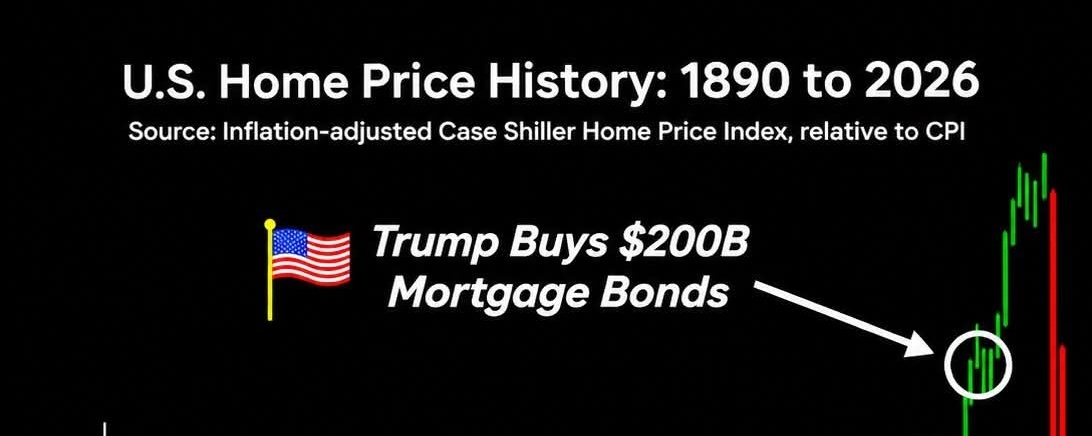
THE $200 BILLION HOUSING MOVE HAS A MUCH BIGGER STORY BEHIND IT.THE $200 BILLION HOUSING MOVE HAS A MUCH BIGGER STORY BEHIND IT.
Let's look at what is actually happening in America's housing market.
Back in January 2026, President Trump directed Fannie Mae and Freddie Mac to purchase $200 billion in mortgage-backed securities.
The objective was straightforward.
Increase demand for mortgage bonds.
Push their prices higher.
Bring mortgage yields lower.
And hopefully reduce the interest rates Americans pay when buying a home.
But here's where things get complicated.
Mortgage rates are not determined by the Federal Reserve alone.
They are influenced by Treasury yields, mortgage-bond prices, investor demand, inflation expectations, and the spread between Treasury securities and mortgage-backed securities.
When large buyers step into the mortgage-bond market, they can influence that equation.
But they cannot control every part of it.
And the latest housing numbers show why this matters.
As of November 12, the average 30-year fixed mortgage rate was still 7.11%.
That's lower than the previous week's 7.18%, but considerably higher than the 6.24% recorded one year earlier.
Meanwhile, existing-home sales in October fell 8.8% compared with the same month last year.
The annual sales pace dropped to approximately 3.75 million homes.
That's the lowest level since August 2010.
Think about what these numbers are telling us.
Millions of potential buyers are dealing with expensive financing.
Many existing homeowners are reluctant to sell because they don't want to give up the much lower mortgage rates they secured years ago.
And buyers are still facing expensive homes.
This creates a difficult situation.
Lower mortgage rates could bring more buyers back into the market.
But if housing supply doesn't increase alongside demand, more purchasing power can also put upward pressure on home prices.
In other words, making mortgages cheaper doesn't automatically make houses affordable.
There's another side of this $200 billion strategy that deserves attention.
Fannie Mae and Freddie Mac are not the Federal Reserve.
They are government-sponsored enterprises with their own balance sheets, investment limits, and financial risks.
Their purchases are not the same as the Fed creating money and launching a new quantitative-easing program.
And the entire $200 billion should not be confused with money already spent.
Implementation has been gradual, rather than an immediate $200 billion injection.
So why should investors pay attention?
Because mortgage-backed securities connect the housing market to the wider financial system.
Their prices and yields influence mortgage financing.
Changes in interest rates can affect banks, mortgage lenders, homebuilders, and housing-related companies.
Treasury markets also matter because mortgage rates are closely linked to longer-term borrowing costs.
But don't assume that one housing policy automatically determines what happens next in stocks, gold, or Bitcoin.
Those markets respond to different forces, even when interest rates and liquidity connect them.
And here's the biggest issue I see in this entire debate.
America doesn't have a housing affordability problem that can be solved by cheaper financing alone.
It also has a problem involving home prices, available housing, construction costs, and the gap between household incomes and the cost of owning a home.
If policymakers reduce borrowing costs without addressing those deeper problems, they could improve monthly payments while leaving the underlying affordability challenge largely untouched.
That's the difference between making mortgages cheaper and making housing genuinely affordable.
LOWER RATES CAN HELP BUYERS. THEY CANNOT BUILD MORE HOMES.
THE $200 BILLION HOUSING MOVE HAS A MUCH BIGGER STORY BEHIND IT.
THE $200 BILLION HOUSING MOVE HAS A MUCH BIGGER STORY BEHIND IT.
Let's look at what is actually happening in America's housing market.
Back in January 2026, President Trump directed Fannie Mae and Freddie Mac to purchase $200 billion in mortgage-backed securities.
The objective was straightforward.
Increase demand for mortgage bonds.
Push their prices higher.
Bring mortgage yields lower.
And hopefully reduce the interest rates Americans pay when buying a home.
But here's where things get complicated.
Mortgage rates are not determined by the Federal Reserve alone.
They are influenced by Treasury yields, mortgage-bond prices, investor demand, inflation expectations, and the spread between Treasury securities and mortgage-backed securities.
When large buyers step into the mortgage-bond market, they can influence that equation.
But they cannot control every part of it.
And the latest housing numbers show why this matters.
As of November 12, the average 30-year fixed mortgage rate was still 7.11%.
That's lower than the previous week's 7.18%, but considerably higher than the 6.24% recorded one year earlier.
Meanwhile, existing-home sales in October fell 8.8% compared with the same month last year.
The annual sales pace dropped to approximately 3.75 million homes.
That's the lowest level since August 2010.
Think about what these numbers are telling us.
Millions of potential buyers are dealing with expensive financing.
Many existing homeowners are reluctant to sell because they don't want to give up the much lower mortgage rates they secured years ago.
And buyers are still facing expensive homes.
This creates a difficult situation.
Lower mortgage rates could bring more buyers back into the market.
But if housing supply doesn't increase alongside demand, more purchasing power can also put upward pressure on home prices.
In other words, making mortgages cheaper doesn't automatically make houses affordable.
There's another side of this $200 billion strategy that deserves attention.
Fannie Mae and Freddie Mac are not the Federal Reserve.
They are government-sponsored enterprises with their own balance sheets, investment limits, and financial risks.
Their purchases are not the same as the Fed creating money and launching a new quantitative-easing program.
And the entire $200 billion should not be confused with money already spent.
Implementation has been gradual, rather than an immediate $200 billion injection.
So why should investors pay attention?
Because mortgage-backed securities connect the housing market to the wider financial system.
Their prices and yields influence mortgage financing.
Changes in interest rates can affect banks, mortgage lenders, homebuilders, and housing-related companies.
Treasury markets also matter because mortgage rates are closely linked to longer-term borrowing costs.
But don't assume that one housing policy automatically determines what happens next in stocks, gold, or Bitcoin.
Those markets respond to different forces, even when interest rates and liquidity connect them.
And here's the biggest issue I see in this entire debate.
America doesn't have a housing affordability problem that can be solved by cheaper financing alone.
It also has a problem involving home prices, available housing, construction costs, and the gap between household incomes and the cost of owning a home.
If policymakers reduce borrowing costs without addressing those deeper problems, they could improve monthly payments while leaving the underlying affordability challenge largely untouched.
That's the difference between making mortgages cheaper and making housing genuinely affordable.
LOWER RATES CAN HELP BUYERS. THEY CANNOT BUILD MORE HOMES.
Let's look at what is actually happening in America's housing market.
Back in January 2026, President Trump directed Fannie Mae and Freddie Mac to purchase $200 billion in mortgage-backed securities.
The objective was straightforward.
Increase demand for mortgage bonds.
Push their prices higher.
Bring mortgage yields lower.
And hopefully reduce the interest rates Americans pay when buying a home.
But here's where things get complicated.
Mortgage rates are not determined by the Federal Reserve alone.
They are influenced by Treasury yields, mortgage-bond prices, investor demand, inflation expectations, and the spread between Treasury securities and mortgage-backed securities.
When large buyers step into the mortgage-bond market, they can influence that equation.
But they cannot control every part of it.
And the latest housing numbers show why this matters.
As of November 12, the average 30-year fixed mortgage rate was still 7.11%.
That's lower than the previous week's 7.18%, but considerably higher than the 6.24% recorded one year earlier.
Meanwhile, existing-home sales in October fell 8.8% compared with the same month last year.
The annual sales pace dropped to approximately 3.75 million homes.
That's the lowest level since August 2010.
Think about what these numbers are telling us.
Millions of potential buyers are dealing with expensive financing.
Many existing homeowners are reluctant to sell because they don't want to give up the much lower mortgage rates they secured years ago.
And buyers are still facing expensive homes.
This creates a difficult situation.
Lower mortgage rates could bring more buyers back into the market.
But if housing supply doesn't increase alongside demand, more purchasing power can also put upward pressure on home prices.
In other words, making mortgages cheaper doesn't automatically make houses affordable.
There's another side of this $200 billion strategy that deserves attention.
Fannie Mae and Freddie Mac are not the Federal Reserve.
They are government-sponsored enterprises with their own balance sheets, investment limits, and financial risks.
Their purchases are not the same as the Fed creating money and launching a new quantitative-easing program.
And the entire $200 billion should not be confused with money already spent.
Implementation has been gradual, rather than an immediate $200 billion injection.
So why should investors pay attention?
Because mortgage-backed securities connect the housing market to the wider financial system.
Their prices and yields influence mortgage financing.
Changes in interest rates can affect banks, mortgage lenders, homebuilders, and housing-related companies.
Treasury markets also matter because mortgage rates are closely linked to longer-term borrowing costs.
But don't assume that one housing policy automatically determines what happens next in stocks, gold, or Bitcoin.
Those markets respond to different forces, even when interest rates and liquidity connect them.
And here's the biggest issue I see in this entire debate.
America doesn't have a housing affordability problem that can be solved by cheaper financing alone.
It also has a problem involving home prices, available housing, construction costs, and the gap between household incomes and the cost of owning a home.
If policymakers reduce borrowing costs without addressing those deeper problems, they could improve monthly payments while leaving the underlying affordability challenge largely untouched.
That's the difference between making mortgages cheaper and making housing genuinely affordable.
LOWER RATES CAN HELP BUYERS. THEY CANNOT BUILD MORE HOMES.
126
I may be misunderstood for this, but I'll say it anyway.
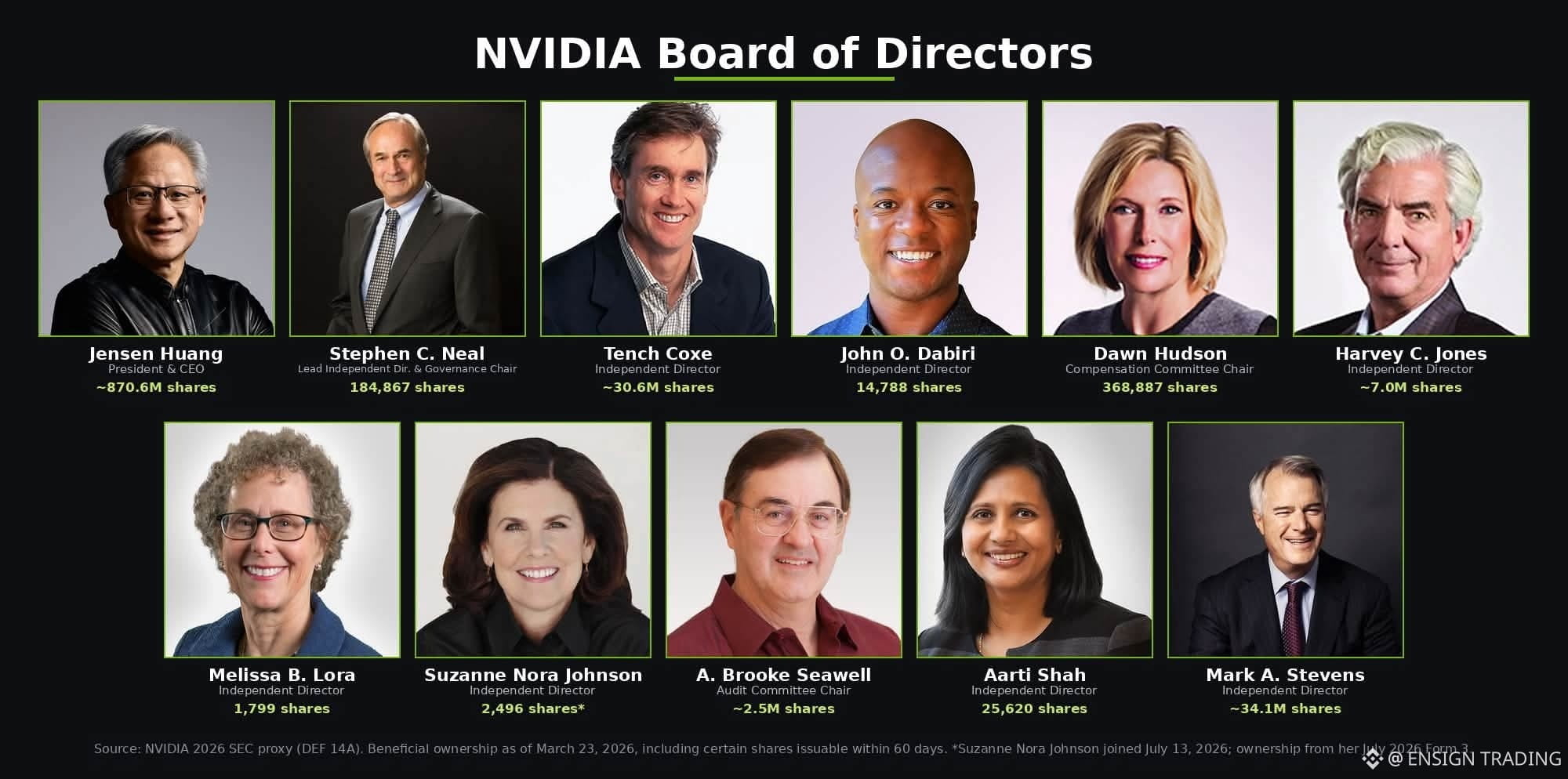
I don't see the need for Jensen Huang to step away from Nvidia completely, board included.
I understand there's no sentiment in corporate governance. But this is a company he built from scratch over 33 years.
Many people bought Nvidia stock because they believed in him, myself included. The people who sit on that board became wealthy because of what he built.
Yes, he made a grave mistake. He should be held accountable, and the investigation should run its full course.
But let's be honest abeg, many American CEOs are guilty of these scandals. Amongst all of them, Jensen always looked to me like one of the most decent. Unfortunately, he has fallen.
#giftmuoneke
I may be misunderstood for this, but I'll say it anyway.
I don't see the need for Jensen Huang to step away from Nvidia completely, board included.
I understand there's no sentiment in corporate governance. But this is a company he built from scratch over 33 years.
Many people bought Nvidia stock because they believed in him, myself included. The people who sit on that board became wealthy because of what he built.
Yes, he made a grave mistake. He should be held accountable, and the investigation should run its full course.
But let's be honest abeg, many American CEOs are guilty of these scandals. Amongst all of them, Jensen always looked to me like one of the most decent. Unfortunately, he has fallen.
#giftmuoneke
I don't see the need for Jensen Huang to step away from Nvidia completely, board included.
I understand there's no sentiment in corporate governance. But this is a company he built from scratch over 33 years.
Many people bought Nvidia stock because they believed in him, myself included. The people who sit on that board became wealthy because of what he built.
Yes, he made a grave mistake. He should be held accountable, and the investigation should run its full course.
But let's be honest abeg, many American CEOs are guilty of these scandals. Amongst all of them, Jensen always looked to me like one of the most decent. Unfortunately, he has fallen.
#giftmuoneke
1.1k
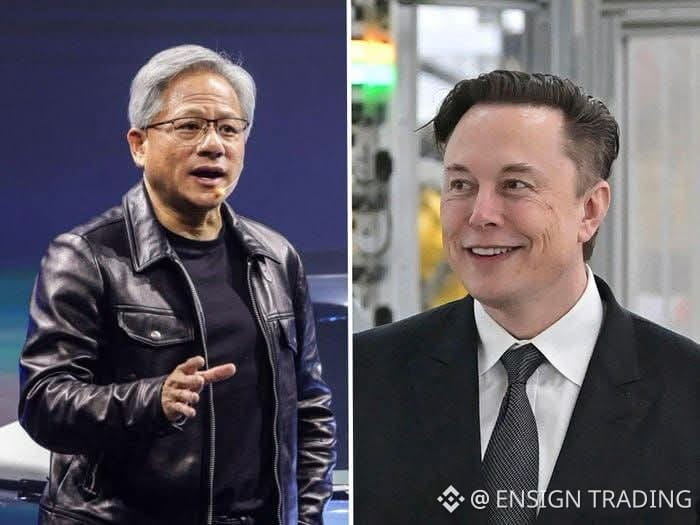
🚨🚨BIG BREAKING: 🇺🇲 Tesla And SpaceX CEO Elon Musk Makes His Position Clear On Jensen Huang, Singning A Petition Seeking NVIDIA's Former CEO's Return.
EVEN ELON MUSK WANTS THIS NVIDIA LEGEND BACK, WOW 😳
Elon Musk has publicly shown support for Jensen Huang following his sudden departure from NVIDIA. In a reply to a post on X, Musk said he was signing a petition calling for Huang's reinstatement as CEO. Separately, an internal NVIDIA employee suggestion-box post reportedly attracted more than 1,600 comments, with several employees expressing support for bringing their longtime leader back, according to WIRED.
NVIDIA officially confirmed Huang's resignation on November 12, 2026, and appointed CFO Colette Kress as interim CEO while the board searches for a permanent successor. The resignation came amid a board investigation into reported extramarital relationships, including one with a woman U.S. authorities have examined for possible Chinese intelligence ties and another involving an NVIDIA employee.
Although Musk's support has attracted significant attention, there has been no official announcement that NVIDIA plans to reinstate Huang. His future role at the company remains uncertain.
🚨🚨BIG BREAKING: 🇺🇲 Tesla And SpaceX CEO Elon Musk Makes His Position Clear On Jensen Huang, Singning A Petition Seeking NVIDIA's Former CEO's Return.
EVEN ELON MUSK WANTS THIS NVIDIA LEGEND BACK, WOW 😳
Elon Musk has publicly shown support for Jensen Huang following his sudden departure from NVIDIA. In a reply to a post on X, Musk said he was signing a petition calling for Huang's reinstatement as CEO. Separately, an internal NVIDIA employee suggestion-box post reportedly attracted more than 1,600 comments, with several employees expressing support for bringing their longtime leader back, according to WIRED.
NVIDIA officially confirmed Huang's resignation on November 12, 2026, and appointed CFO Colette Kress as interim CEO while the board searches for a permanent successor. The resignation came amid a board investigation into reported extramarital relationships, including one with a woman U.S. authorities have examined for possible Chinese intelligence ties and another involving an NVIDIA employee.
Although Musk's support has attracted significant attention, there has been no official announcement that NVIDIA plans to reinstate Huang. His future role at the company remains uncertain.
EVEN ELON MUSK WANTS THIS NVIDIA LEGEND BACK, WOW 😳
Elon Musk has publicly shown support for Jensen Huang following his sudden departure from NVIDIA. In a reply to a post on X, Musk said he was signing a petition calling for Huang's reinstatement as CEO. Separately, an internal NVIDIA employee suggestion-box post reportedly attracted more than 1,600 comments, with several employees expressing support for bringing their longtime leader back, according to WIRED.
NVIDIA officially confirmed Huang's resignation on November 12, 2026, and appointed CFO Colette Kress as interim CEO while the board searches for a permanent successor. The resignation came amid a board investigation into reported extramarital relationships, including one with a woman U.S. authorities have examined for possible Chinese intelligence ties and another involving an NVIDIA employee.
Although Musk's support has attracted significant attention, there has been no official announcement that NVIDIA plans to reinstate Huang. His future role at the company remains uncertain.

4
6k
He Can Control The Chip Market,
But Not Every Chip In His Life!
Jensen Huang has built one of the most powerful companies in the technology industry.
NVIDIA's chips are at the center of the global AI race, powering everything from advanced data centers to artificial intelligence systems.
But this picture has a different kind of business lesson. 😂
You can control a billion-dollar company, negotiate massive deals, influence an entire industry, and make the world compete for your technology.
But apparently, not everything in life comes with a control panel!
That's the funny part about being powerful.
In business, you can have strategy, technology, money, and an entire team behind you.
In personal life, though, the rules can be completely different.
Even the king of chips doesn't get unlimited control!
He Can Control The Chip Market,
But Not Every Chip In His Life!
Jensen Huang has built one of the most powerful companies in the technology industry.
NVIDIA's chips are at the center of the global AI race, powering everything from advanced data centers to artificial intelligence systems.
But this picture has a different kind of business lesson. 😂
You can control a billion-dollar company, negotiate massive deals, influence an entire industry, and make the world compete for your technology.
But apparently, not everything in life comes with a control panel!
That's the funny part about being powerful.
In business, you can have strategy, technology, money, and an entire team behind you.
In personal life, though, the rules can be completely different.
Even the king of chips doesn't get unlimited control!
But Not Every Chip In His Life!
Jensen Huang has built one of the most powerful companies in the technology industry.
NVIDIA's chips are at the center of the global AI race, powering everything from advanced data centers to artificial intelligence systems.
But this picture has a different kind of business lesson. 😂
You can control a billion-dollar company, negotiate massive deals, influence an entire industry, and make the world compete for your technology.
But apparently, not everything in life comes with a control panel!
That's the funny part about being powerful.
In business, you can have strategy, technology, money, and an entire team behind you.
In personal life, though, the rules can be completely different.
Even the king of chips doesn't get unlimited control!

119
You Finally Pay Off Your Mortgage.
But Do You Ever Stop Paying For Your Home?
Here's something about homeownership that doesn't get discussed enough.
Imagine buying a house at 35 with a 30-year mortgage.
You spend three decades making payments, and by 65, you've finally paid off the loan.
No more monthly mortgage payment.
Sounds like financial freedom, right?
But your property tax bill doesn't disappear.
Neither does homeowners insurance.
The roof can still need replacing, the plumbing can still break, and maintenance never really retires.
So what exactly changes when you become mortgage-free?
Quite a lot, actually.
You no longer owe principal and interest on the mortgage, you build greater financial flexibility, and you own an asset without a mortgage lender having a claim against it.
You also have more options.
You could live in the property without a mortgage payment, sell it, or potentially use its equity to support another financial decision.
But there's an important distinction here:
Owning a home outright doesn't mean living in it for free.
And that's where the conversation gets interesting.
A mortgage-free homeowner may still face thousands of dollars in annual housing expenses, depending on the property's location, value, insurance costs, and condition.
So perhaps the real goal isn't to eliminate every housing expense.
It's to reach a point where you no longer owe a lender money every month.
But here's the question:
If someone spends 30 years paying for a house and still has to budget for it every year afterward, should we think of homeownership as financial freedom, or simply a different kind of long-term financial responsibility?
Genuinely curious how homeowners see this.
You Finally Pay Off Your Mortgage.
But Do You Ever Stop Paying For Your Home?
Here's something about homeownership that doesn't get discussed enough.
Imagine buying a house at 35 with a 30-year mortgage.
You spend three decades making payments, and by 65, you've finally paid off the loan.
No more monthly mortgage payment.
Sounds like financial freedom, right?
But your property tax bill doesn't disappear.
Neither does homeowners insurance.
The roof can still need replacing, the plumbing can still break, and maintenance never really retires.
So what exactly changes when you become mortgage-free?
Quite a lot, actually.
You no longer owe principal and interest on the mortgage, you build greater financial flexibility, and you own an asset without a mortgage lender having a claim against it.
You also have more options.
You could live in the property without a mortgage payment, sell it, or potentially use its equity to support another financial decision.
But there's an important distinction here:
Owning a home outright doesn't mean living in it for free.
And that's where the conversation gets interesting.
A mortgage-free homeowner may still face thousands of dollars in annual housing expenses, depending on the property's location, value, insurance costs, and condition.
So perhaps the real goal isn't to eliminate every housing expense.
It's to reach a point where you no longer owe a lender money every month.
But here's the question:
If someone spends 30 years paying for a house and still has to budget for it every year afterward, should we think of homeownership as financial freedom, or simply a different kind of long-term financial responsibility?
Genuinely curious how homeowners see this.
But Do You Ever Stop Paying For Your Home?
Here's something about homeownership that doesn't get discussed enough.
Imagine buying a house at 35 with a 30-year mortgage.
You spend three decades making payments, and by 65, you've finally paid off the loan.
No more monthly mortgage payment.
Sounds like financial freedom, right?
But your property tax bill doesn't disappear.
Neither does homeowners insurance.
The roof can still need replacing, the plumbing can still break, and maintenance never really retires.
So what exactly changes when you become mortgage-free?
Quite a lot, actually.
You no longer owe principal and interest on the mortgage, you build greater financial flexibility, and you own an asset without a mortgage lender having a claim against it.
You also have more options.
You could live in the property without a mortgage payment, sell it, or potentially use its equity to support another financial decision.
But there's an important distinction here:
Owning a home outright doesn't mean living in it for free.
And that's where the conversation gets interesting.
A mortgage-free homeowner may still face thousands of dollars in annual housing expenses, depending on the property's location, value, insurance costs, and condition.
So perhaps the real goal isn't to eliminate every housing expense.
It's to reach a point where you no longer owe a lender money every month.
But here's the question:
If someone spends 30 years paying for a house and still has to budget for it every year afterward, should we think of homeownership as financial freedom, or simply a different kind of long-term financial responsibility?
Genuinely curious how homeowners see this.
146
BITCOIN'S NEXT MOVE MAY BE MORE IMPORTANT THAN ITS LAST DROP.
Bitcoin traders are now watching a sequence of price levels rather than focusing on a single number.
The proposed roadmap — $69K, $67K, $81K, and eventually $104K — describes one possible recovery scenario.
But there's an important distinction between a market forecast and a confirmed bottom.
A move toward $67K could attract buyers if selling pressure weakens. On the other hand, forced liquidations can create sudden price wicks below expected support levels.
That's why the $65K–$66K zone matters in this particular outlook: it represents a possible downside extension, not a guaranteed destination.
The next challenge for Bitcoin would be proving that demand is strong enough to support a recovery toward $81K. Reaching $104K would require further confirmation, not simply a bounce from the lows.
One thing worth remembering: a prediction can be directionally correct while the timing and exact price levels are still wrong.
Watch the price action, liquidity, and follow-through before treating any target as a certainty.
IN CRYPTO, A PLAN NEEDS ROOM FOR REALITY.
BITCOIN'S NEXT MOVE MAY BE MORE IMPORTANT THAN ITS LAST DROP.
Bitcoin traders are now watching a sequence of price levels rather than focusing on a single number.
The proposed roadmap — $69K, $67K, $81K, and eventually $104K — describes one possible recovery scenario.
But there's an important distinction between a market forecast and a confirmed bottom.
A move toward $67K could attract buyers if selling pressure weakens. On the other hand, forced liquidations can create sudden price wicks below expected support levels.
That's why the $65K–$66K zone matters in this particular outlook: it represents a possible downside extension, not a guaranteed destination.
The next challenge for Bitcoin would be proving that demand is strong enough to support a recovery toward $81K. Reaching $104K would require further confirmation, not simply a bounce from the lows.
One thing worth remembering: a prediction can be directionally correct while the timing and exact price levels are still wrong.
Watch the price action, liquidity, and follow-through before treating any target as a certainty.
IN CRYPTO, A PLAN NEEDS ROOM FOR REALITY.
Bitcoin traders are now watching a sequence of price levels rather than focusing on a single number.
The proposed roadmap — $69K, $67K, $81K, and eventually $104K — describes one possible recovery scenario.
But there's an important distinction between a market forecast and a confirmed bottom.
A move toward $67K could attract buyers if selling pressure weakens. On the other hand, forced liquidations can create sudden price wicks below expected support levels.
That's why the $65K–$66K zone matters in this particular outlook: it represents a possible downside extension, not a guaranteed destination.
The next challenge for Bitcoin would be proving that demand is strong enough to support a recovery toward $81K. Reaching $104K would require further confirmation, not simply a bounce from the lows.
One thing worth remembering: a prediction can be directionally correct while the timing and exact price levels are still wrong.
Watch the price action, liquidity, and follow-through before treating any target as a certainty.
IN CRYPTO, A PLAN NEEDS ROOM FOR REALITY.
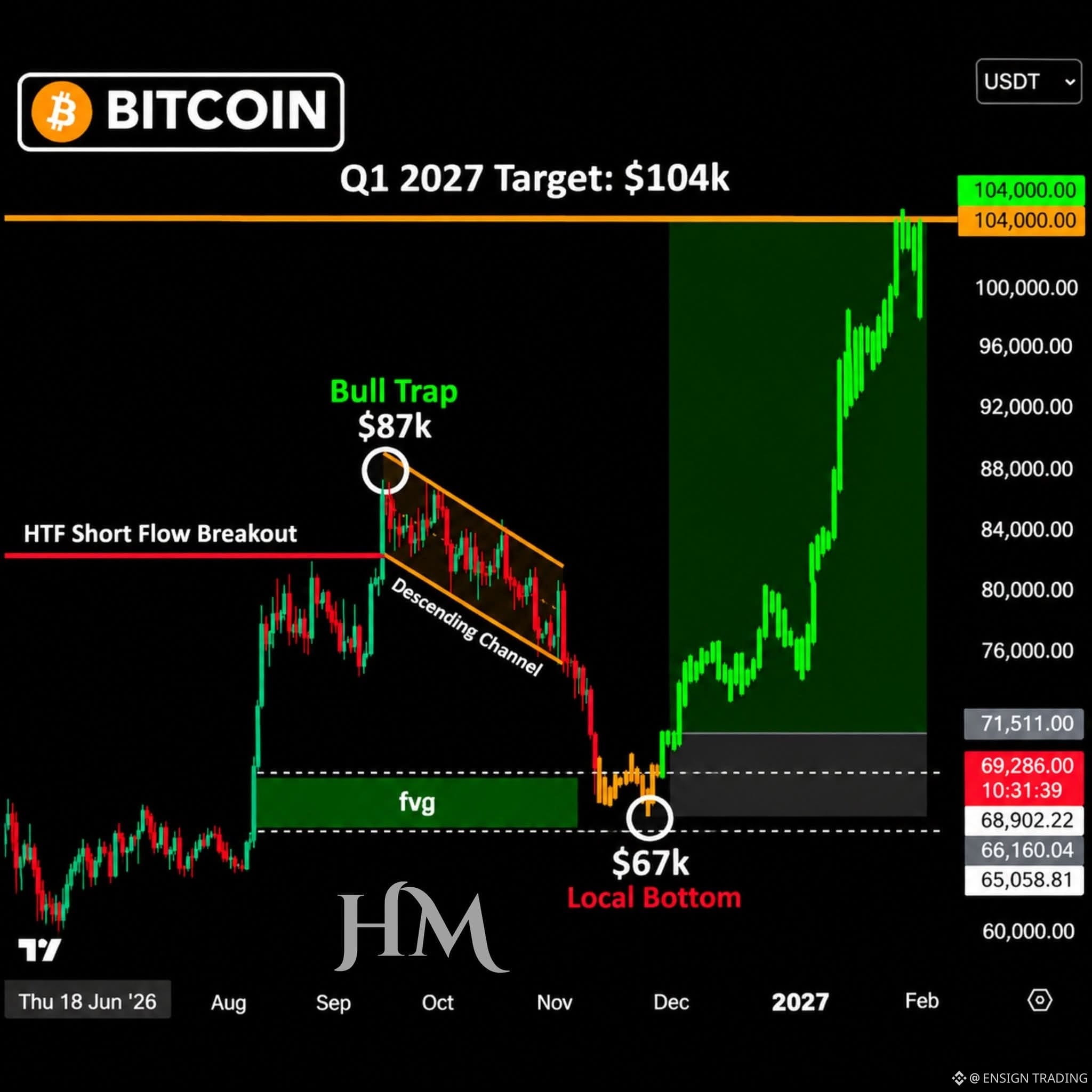
191
Log in to explore more content
Join global crypto users on Binance Square
⚡️ Get latest and useful information about crypto.
💬 Trusted by the world’s largest crypto exchange.
👍 Discover real insights from verified creators.
Email / Phone number
Trending Topics
BTCRemainsUnderPressureAfterHawkishFOMCMinutes
39,038 views
543 Discussing
FOMC Minutes | Fed Minutes Show Almost All Officials Expect More Rate Hikes, With Some Open to a Larger December Move
Binance News
·46 Likes
·55.1k views
AnthropicToDebutAfter$83IPOPricing
10,642 views
62 Discussing
NvidiaBoardReportedlySplitOverHuang’sReturn
12,743 views
205 Discussing