

ElRadarCripto
41 Posts
ElRadarCripto
Report
Block User
Bitcoin & crypto analysis without hype or FOMO. News, trends and fundamentals. Less noise, more perspective.
15 Following
2.5K+ Followers
362 Liked
Posts
·
--
Bullish
Verified
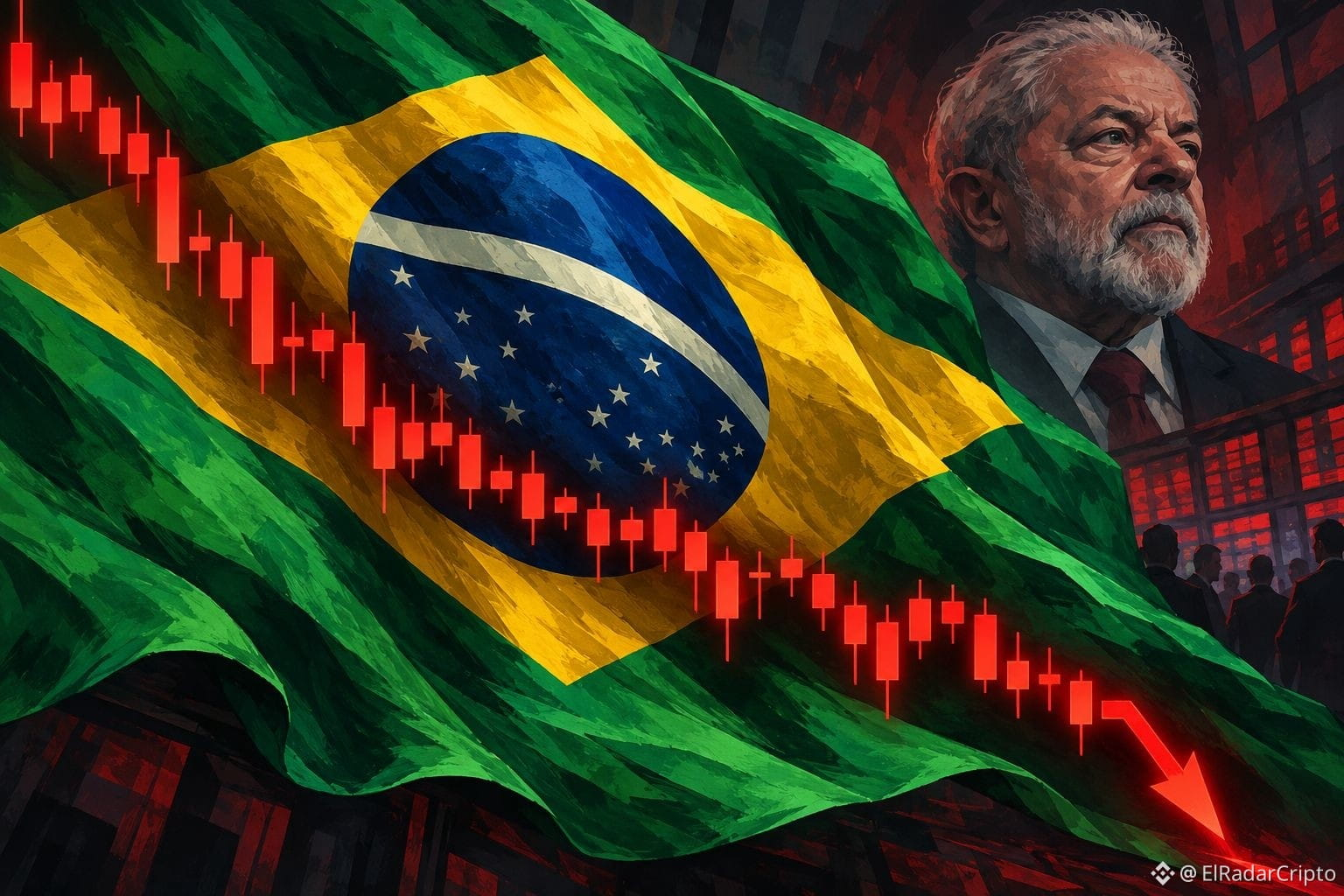
🇧🇷 Brazil hit the brakes. My watchlist is focused on $NU.
The Ibovespa fell 10%, triggering a 30-minute trading halt after Lula’s runoff victory overturned investors’ bets on a change in government. Markets are repricing fiscal risk—and Brazilian stocks are taking the hit. :chatgpt-content-reference{index="0"}
Nu Holdings, Nubank’s parent company, dropped more than 20% in U.S. premarket trading. That is a separate market move from the Ibovespa’s circuit breaker. :chatgpt-content-reference{index="1"}
Here’s why Nu catches my attention 👇
Its Q2 2026 results showed:
• 139 million customers.
• $1.06 billion in quarterly net income.
• Net income growth of 49% year over year, at constant exchange rates.
• A 33% return on equity. :chatgpt-content-reference{index="2"}
The growth thesis goes beyond adding users: more deposits, more products per customer and deeper banking relationships. Mexico and Colombia offer further expansion opportunities.
But Brazil still accounts for roughly 118 million customers. A weaker economy could increase defaults, while currency depreciation could hurt dollar-denominated earnings. Loans overdue by more than 90 days already reached 6.9% in Q2. Those risks deserve attention. :chatgpt-content-reference{index="3"}
My scenario: if earnings keep growing and credit quality holds up, easing political uncertainty could support a recovery over the coming quarters.
That’s a conditional thesis. The previous share price is not automatically fair value, and a sharp decline alone doesn’t make a stock cheap.
Nu is my pick to investigate during this selloff. I want the next results to support the opportunity the price appears to offer.
Would you start researching $NU here, or wait for Brazil’s fiscal outlook to become clearer?
#EWZ #nubank #stockmarket
{stock_us}(NU.US)
{future}(EWZUSDT)
🇧🇷 Brazil hit the brakes. My watchlist is focused on $NU.
The Ibovespa fell 10%, triggering a 30-minute trading halt after Lula’s runoff victory overturned investors’ bets on a change in government. Markets are repricing fiscal risk—and Brazilian stocks are taking the hit. :chatgpt-content-reference{index="0"}
Nu Holdings, Nubank’s parent company, dropped more than 20% in U.S. premarket trading. That is a separate market move from the Ibovespa’s circuit breaker. :chatgpt-content-reference{index="1"}
Here’s why Nu catches my attention 👇
Its Q2 2026 results showed:
• 139 million customers.
• $1.06 billion in quarterly net income.
• Net income growth of 49% year over year, at constant exchange rates.
• A 33% return on equity. :chatgpt-content-reference{index="2"}
The growth thesis goes beyond adding users: more deposits, more products per customer and deeper banking relationships. Mexico and Colombia offer further expansion opportunities.
But Brazil still accounts for roughly 118 million customers. A weaker economy could increase defaults, while currency depreciation could hurt dollar-denominated earnings. Loans overdue by more than 90 days already reached 6.9% in Q2. Those risks deserve attention. :chatgpt-content-reference{index="3"}
My scenario: if earnings keep growing and credit quality holds up, easing political uncertainty could support a recovery over the coming quarters.
That’s a conditional thesis. The previous share price is not automatically fair value, and a sharp decline alone doesn’t make a stock cheap.
Nu is my pick to investigate during this selloff. I want the next results to support the opportunity the price appears to offer.
Would you start researching $NU here, or wait for Brazil’s fiscal outlook to become clearer?
#EWZ #nubank #stockmarket
1
4
1.4k
·
--
Bullish
Bitcoin is taking a hit. My bullish bias is still standing—but it has conditions.
$BTC is down roughly 4%, near $81,100. I see a correction under macro pressure, with institutional demand providing a counterweight. Here’s what matters 👇
🛢️ Middle East tensions pushed Brent above $112 during the session. My read: expensive energy keeps inflation concerns alive and makes an easier monetary backdrop harder to count on.
🤖 Meta and Tesla’s reports failed to settle concerns about AI spending and its eventual returns. That uncertainty is hitting technology stocks and weighing on broader risk appetite. Bitcoin is feeling the spillover.
🇺🇸 Initial jobless claims came in at 194,000 versus 200,000 expected, while continuing claims increased. That’s a mixed picture: limited new layoffs, but more people remaining on benefits. I don’t see this release alone creating urgency for Fed cuts.
Why haven’t I turned bearish?
Spot Bitcoin ETFs attracted $1.08 billion across the first three sessions of the week. Buying demand is present—even if sellers are winning today.
My thesis remains a correction within a recovery that still needs confirmation.
I’m watching the psychological $80,000 area and whether ETF demand persists. A sustained loss of that area alongside deteriorating flows would weaken my case. Recovering lost ground and holding it would strengthen it.
I’m comfortable keeping a bullish bias. I’m less comfortable pretending every red candle proves the market is offering a bargain.
Conviction needs room for new evidence.
Are you accumulating gradually here, or waiting for buyers to show more strength?
{future}(BTCUSDT)
#Bitcoin❗ #BTC
Bitcoin is taking a hit. My bullish bias is still standing—but it has conditions.
$BTC is down roughly 4%, near $81,100. I see a correction under macro pressure, with institutional demand providing a counterweight. Here’s what matters 👇
🛢️ Middle East tensions pushed Brent above $112 during the session. My read: expensive energy keeps inflation concerns alive and makes an easier monetary backdrop harder to count on.
🤖 Meta and Tesla’s reports failed to settle concerns about AI spending and its eventual returns. That uncertainty is hitting technology stocks and weighing on broader risk appetite. Bitcoin is feeling the spillover.
🇺🇸 Initial jobless claims came in at 194,000 versus 200,000 expected, while continuing claims increased. That’s a mixed picture: limited new layoffs, but more people remaining on benefits. I don’t see this release alone creating urgency for Fed cuts.
Why haven’t I turned bearish?
Spot Bitcoin ETFs attracted $1.08 billion across the first three sessions of the week. Buying demand is present—even if sellers are winning today.
My thesis remains a correction within a recovery that still needs confirmation.
I’m watching the psychological $80,000 area and whether ETF demand persists. A sustained loss of that area alongside deteriorating flows would weaken my case. Recovering lost ground and holding it would strengthen it.
I’m comfortable keeping a bullish bias. I’m less comfortable pretending every red candle proves the market is offering a bargain.
Conviction needs room for new evidence.
Are you accumulating gradually here, or waiting for buyers to show more strength?
#Bitcoin❗ #BTC

3
333
·
--
Bullish
Verified
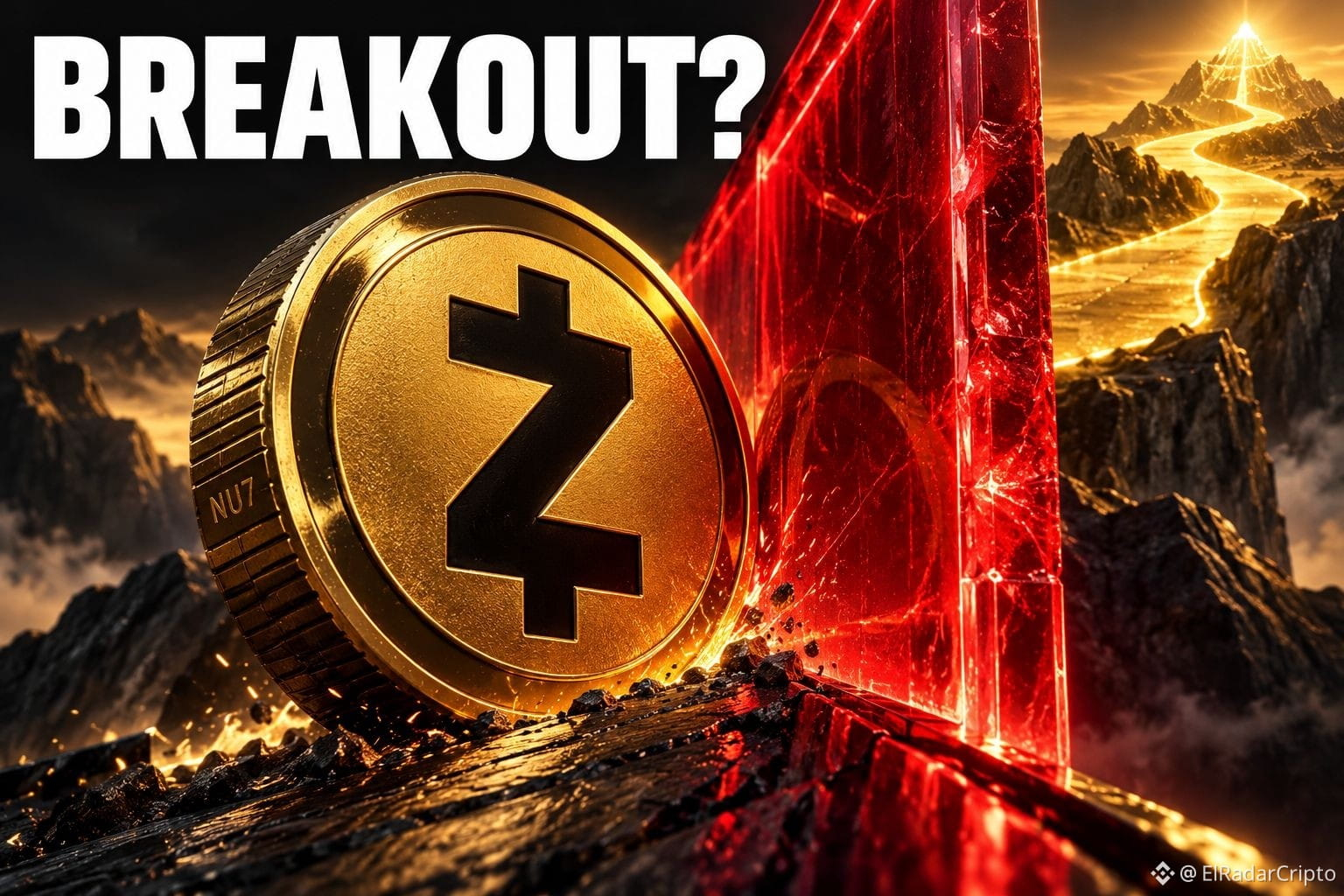
$ZEC has a real catalyst. That doesn’t make $1,698 a free ride.
My take: NU7 makes Zcash worth watching, but the rally still has something to prove. Everyone loves the upside target. I’m watching the hurdle standing in front of it. 👇
FXStreet’s October 21 analysis puts ZEC near $1,260 after Tuesday’s roughly 9% rebound.
The level that matters first: $1,296.
A sustained breakout would strengthen the case for revisiting September’s $1,698 peak. Below, $1,230 and the $1,180 area are support references. Those levels frame a scenario—not a guaranteed destination.
What interests me is whether the upgrade can turn renewed attention into lasting demand.
NU7 is moving toward mainnet activation, but the developers’ activation-height proposal still has implementation steps outstanding. I wouldn’t confuse an agreed plan with a completed launch.
The flow picture also needs perspective: FXStreet reports $1.61 million entering the ZEC-focused fund on Tuesday, following $10.45 million leaving on Monday. An improvement? Yes. Enough to declare institutional conviction restored? That’s a stretch.
I like seeing a network catalyst behind a price move. But buying just because someone puts $1,698 in a headline is how a thesis turns into an expensive souvenir.
For me, the next test is whether buyers can clear resistance and defend it afterward.
Are you watching ZEC for the upgrade—or already trading the breakout?
#ZEC/USDT #NU7 $ZEC
{future}(ZECUSDT)
$ZEC has a real catalyst. That doesn’t make $1,698 a free ride.
My take: NU7 makes Zcash worth watching, but the rally still has something to prove. Everyone loves the upside target. I’m watching the hurdle standing in front of it. 👇
FXStreet’s October 21 analysis puts ZEC near $1,260 after Tuesday’s roughly 9% rebound.
The level that matters first: $1,296.
A sustained breakout would strengthen the case for revisiting September’s $1,698 peak. Below, $1,230 and the $1,180 area are support references. Those levels frame a scenario—not a guaranteed destination.
What interests me is whether the upgrade can turn renewed attention into lasting demand.
NU7 is moving toward mainnet activation, but the developers’ activation-height proposal still has implementation steps outstanding. I wouldn’t confuse an agreed plan with a completed launch.
The flow picture also needs perspective: FXStreet reports $1.61 million entering the ZEC-focused fund on Tuesday, following $10.45 million leaving on Monday. An improvement? Yes. Enough to declare institutional conviction restored? That’s a stretch.
I like seeing a network catalyst behind a price move. But buying just because someone puts $1,698 in a headline is how a thesis turns into an expensive souvenir.
For me, the next test is whether buyers can clear resistance and defend it afterward.
Are you watching ZEC for the upgrade—or already trading the breakout?
#ZEC/USDT #NU7 $ZEC
1
6
3.1k
I’m bullish on META. TSLA has more convincing to do.
Flying cars can send the hype into orbit. But here in Argentina, the competition arriving on actual roads is getting cheaper—and increasingly Chinese. 👇
That’s what makes me cautious about Tesla. From where I live, I’m seeing a wave of Chinese brands fighting for recognition, offering more options at aggressive prices.
Tesla has a powerful brand. But recognition alone doesn’t make the cars affordable or protect margins. Robotaxis, robotics and flying-car promises might excite investors; I still want to see how the business handles customers with more choices and tighter budgets.
With Meta, I see a stronger investment case at these prices.
Instagram and WhatsApp are deeply embedded in daily life here. Businesses, friends, communities—if you want to reach people, chances are you need one of them. That’s a powerful distribution advantage when you’re developing AI tools: you already have places where people can use them.
I’m still skeptical about parts of the AI boom. Spending billions doesn’t automatically create value. But I find Meta’s ability to bring AI into products people already use more convincing than promises that depend on entirely new markets taking off.
Meta and Zuckerberg have had their share of questionable bets. What keeps me interested is their willingness to keep expanding and adapt when those bets need correcting. I want that ambition paired with spending discipline.
Going into earnings, I’m more bullish on Meta’s ability to turn innovation into an everyday business.
Tesla gets my attention. Meta gets more of my conviction.
Which would you rather back at today’s valuation: $META or $TSLA ?
{future}(METAUSDT)
{future}(TSLAUSDT)
#EarningsSeason
I’m bullish on META. TSLA has more convincing to do.
Flying cars can send the hype into orbit. But here in Argentina, the competition arriving on actual roads is getting cheaper—and increasingly Chinese. 👇
That’s what makes me cautious about Tesla. From where I live, I’m seeing a wave of Chinese brands fighting for recognition, offering more options at aggressive prices.
Tesla has a powerful brand. But recognition alone doesn’t make the cars affordable or protect margins. Robotaxis, robotics and flying-car promises might excite investors; I still want to see how the business handles customers with more choices and tighter budgets.
With Meta, I see a stronger investment case at these prices.
Instagram and WhatsApp are deeply embedded in daily life here. Businesses, friends, communities—if you want to reach people, chances are you need one of them. That’s a powerful distribution advantage when you’re developing AI tools: you already have places where people can use them.
I’m still skeptical about parts of the AI boom. Spending billions doesn’t automatically create value. But I find Meta’s ability to bring AI into products people already use more convincing than promises that depend on entirely new markets taking off.
Meta and Zuckerberg have had their share of questionable bets. What keeps me interested is their willingness to keep expanding and adapt when those bets need correcting. I want that ambition paired with spending discipline.
Going into earnings, I’m more bullish on Meta’s ability to turn innovation into an everyday business.
Tesla gets my attention. Meta gets more of my conviction.
Which would you rather back at today’s valuation: $META or $TSLA ?
#EarningsSeason
2
392
·
--
Bullish
Bitcoin believers have conviction. They don’t have unlimited paychecks.
That might explain a lot about this market. 🧩
BTC briefly lost $80K this week before recovering above $81K. Buyers showed up below that level. But defending a price and sustaining a rally require different amounts of demand.
My thesis: many long-term investors remain committed. Some keep accumulating through the pullbacks. Others may have already deployed most of the money they intended to invest during this bear market.
Those still buying face a simple constraint: fresh income arrives on a schedule.
Conviction doesn’t refill a bank account.
Existing holders can keep absorbing supply, but a stronger rally needs broader participation and fresh capital, including from people who currently have little interest in crypto.
That’s where FOMO can become an accelerant.
Price rises. Outsiders start paying attention. Some become buyers, potentially pushing prices higher and attracting the next wave.
The irony? The same Bitcoin that looks “too expensive” at $80K can suddenly look irresistible after a few green candles.
That’s a possible feedback loop, not a confirmed breakout. Holding this area matters; sustained demand still needs to prove itself.
Are existing holders laying the groundwork for the next rally, or will weak demand keep testing their patience?
$BTC
{future}(BTCUSDT)
#bitcoin #Investing
Bitcoin believers have conviction. They don’t have unlimited paychecks.
That might explain a lot about this market. 🧩
BTC briefly lost $80K this week before recovering above $81K. Buyers showed up below that level. But defending a price and sustaining a rally require different amounts of demand.
My thesis: many long-term investors remain committed. Some keep accumulating through the pullbacks. Others may have already deployed most of the money they intended to invest during this bear market.
Those still buying face a simple constraint: fresh income arrives on a schedule.
Conviction doesn’t refill a bank account.
Existing holders can keep absorbing supply, but a stronger rally needs broader participation and fresh capital, including from people who currently have little interest in crypto.
That’s where FOMO can become an accelerant.
Price rises. Outsiders start paying attention. Some become buyers, potentially pushing prices higher and attracting the next wave.
The irony? The same Bitcoin that looks “too expensive” at $80K can suddenly look irresistible after a few green candles.
That’s a possible feedback loop, not a confirmed breakout. Holding this area matters; sustained demand still needs to prove itself.
Are existing holders laying the groundwork for the next rally, or will weak demand keep testing their patience?
$BTC
#bitcoin #Investing

2
331
·
--
Bullish
Partly True
If one CPI print can wreck your entire investment thesis, inflation might not be your biggest problem. Your position size might be.
The bond market has already moved. Has your risk management caught up? 👇
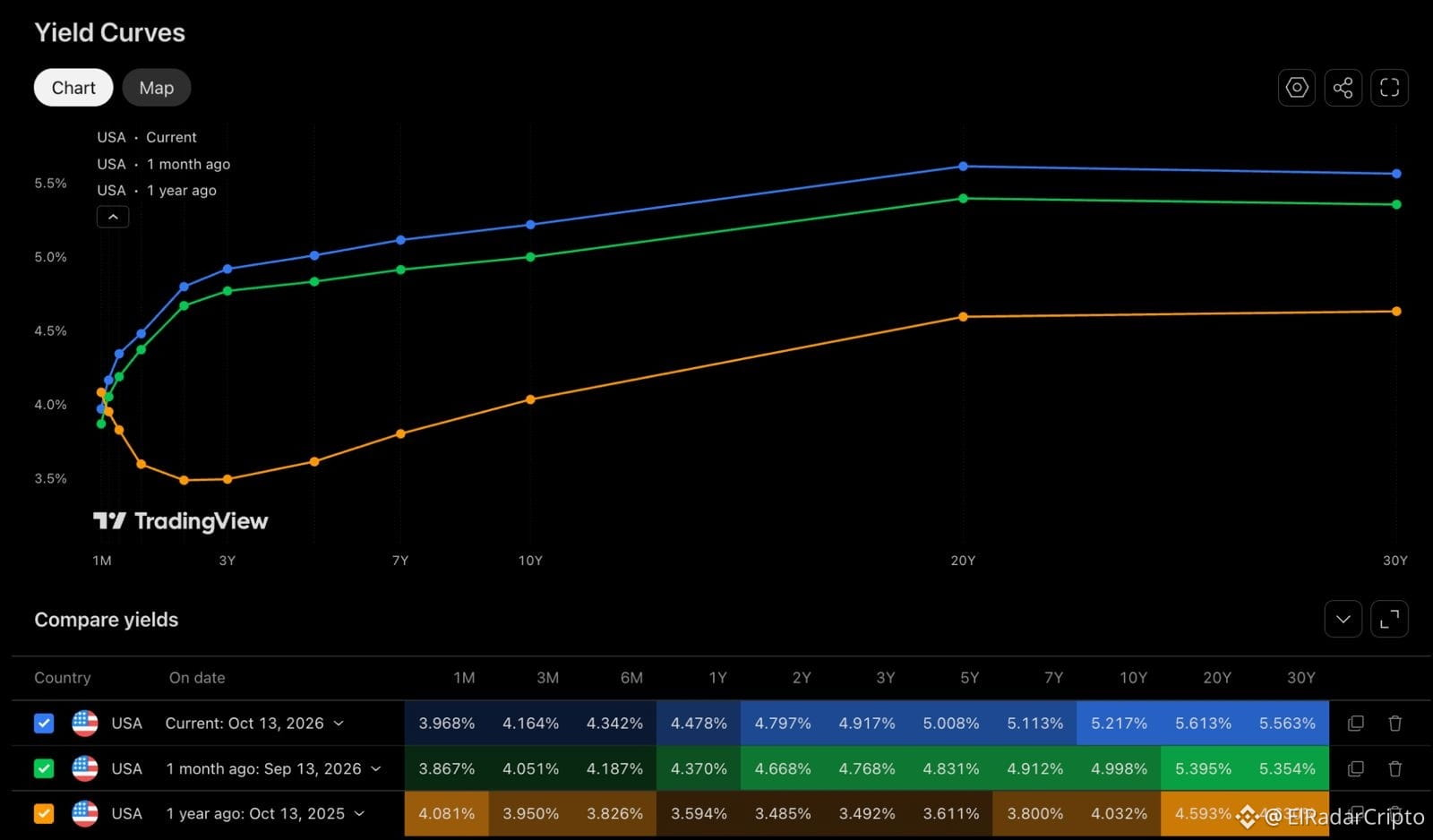
The attached TradingView snapshot for October 13 shows:
• US 10-year yield: 5.217%, versus 4.032% a year ago.
• US 30-year yield: 5.563%, versus 4.630% a year ago.
That’s roughly 119 and 93 basis points higher, respectively. Markets haven’t been sitting around waiting for September’s CPI.
My view: a good portion of the inflation concern is already priced in. That doesn’t mean all of it is—or that every move in yields comes from inflation.
I still lean toward higher Treasury yields and further pressure on existing fixed-rate bond prices. A softer CPI print could challenge that view in the short term.
But I don’t believe a long-term investment plan should need rewriting every time inflation lands or oil jumps. Persistent changes in the fundamentals deserve a rethink. Every nervous candle doesn’t.
If your plan only works when every number comes in friendly, how solid was that plan?
What would actually change your thesis after CPI—and what would merely test your nerves?
Source: TradingView US Treasury yield curves, October 13, 2026.
#CPIWatch #Treasuries #Inflation
4
1.7k
·
--
Bullish
Your altcoin is green. Your patience finally paid off.
Or did it?
You took the bigger drawdown and carried more risk. Before celebrating, check whether simply holding Bitcoin would have left you ahead. That comparison can ruin a good screenshot. 👇
#BTCDominanceBackAt60% raises an uncomfortable question: what is the extra risk actually buying you?
A hypothetical example:
Your altcoin gains 20%.
Bitcoin gains 30%.
Same starting point. Same period.
You made dollars. But measured against BTC, your altcoin lost roughly 7.7%, before fees and taxes.
Now add Bitcoin’s technical picture.
FXStreet’s October 13 daily-chart analysis places:
• Initial resistance around $84,000.
• Further resistance near $86,000, followed by the $88,000 supply zone.
• Key support around $80,000–$80,250, near the 50-day EMA.
• Lower EMA reference levels near $76,500 and $75,600.
RSI near 52 suggests only a modest bullish tilt. MACD remains below zero. The structure is holding, but momentum has yet to confirm a strong breakout.
My read: reclaiming and holding $84,000 would strengthen the recovery case. Losing the $80,000 area would weaken it. Neither scenario guarantees how individual altcoins will perform.
That’s why I’m watching two things together: whether BTC confirms its recovery, and whether an altcoin strengthens against BTC over the same period.
Rising Bitcoin dominance can also reflect altcoins falling harder. It doesn’t prove fresh money is pouring into Bitcoin.
An altcoin needs a reason to earn its place beyond “it used to trade much higher.”
A previous all-time high is not a repayment promise.
If I’m taking extra risk to outperform BTC, I need to measure the result over my chosen horizon—and keep the same benchmark when the comparison gets uncomfortable.
Which altcoin in your portfolio is actually earning its place against Bitcoin—and what makes you keep it?
Technical reference: FXStreet, October 13; indicator levels change with price.
#bitcoin #altcoins $BTC
{future}(BTCUSDT)
Your altcoin is green. Your patience finally paid off.
Or did it?
You took the bigger drawdown and carried more risk. Before celebrating, check whether simply holding Bitcoin would have left you ahead. That comparison can ruin a good screenshot. 👇
#BTCDominanceBackAt60% raises an uncomfortable question: what is the extra risk actually buying you?
A hypothetical example:
Your altcoin gains 20%.
Bitcoin gains 30%.
Same starting point. Same period.
You made dollars. But measured against BTC, your altcoin lost roughly 7.7%, before fees and taxes.
Now add Bitcoin’s technical picture.
FXStreet’s October 13 daily-chart analysis places:
• Initial resistance around $84,000.
• Further resistance near $86,000, followed by the $88,000 supply zone.
• Key support around $80,000–$80,250, near the 50-day EMA.
• Lower EMA reference levels near $76,500 and $75,600.
RSI near 52 suggests only a modest bullish tilt. MACD remains below zero. The structure is holding, but momentum has yet to confirm a strong breakout.
My read: reclaiming and holding $84,000 would strengthen the recovery case. Losing the $80,000 area would weaken it. Neither scenario guarantees how individual altcoins will perform.
That’s why I’m watching two things together: whether BTC confirms its recovery, and whether an altcoin strengthens against BTC over the same period.
Rising Bitcoin dominance can also reflect altcoins falling harder. It doesn’t prove fresh money is pouring into Bitcoin.
An altcoin needs a reason to earn its place beyond “it used to trade much higher.”
A previous all-time high is not a repayment promise.
If I’m taking extra risk to outperform BTC, I need to measure the result over my chosen horizon—and keep the same benchmark when the comparison gets uncomfortable.
Which altcoin in your portfolio is actually earning its place against Bitcoin—and what makes you keep it?
Technical reference: FXStreet, October 13; indicator levels change with price.
#bitcoin #altcoins $BTC

1
5
399
·
--
Bullish
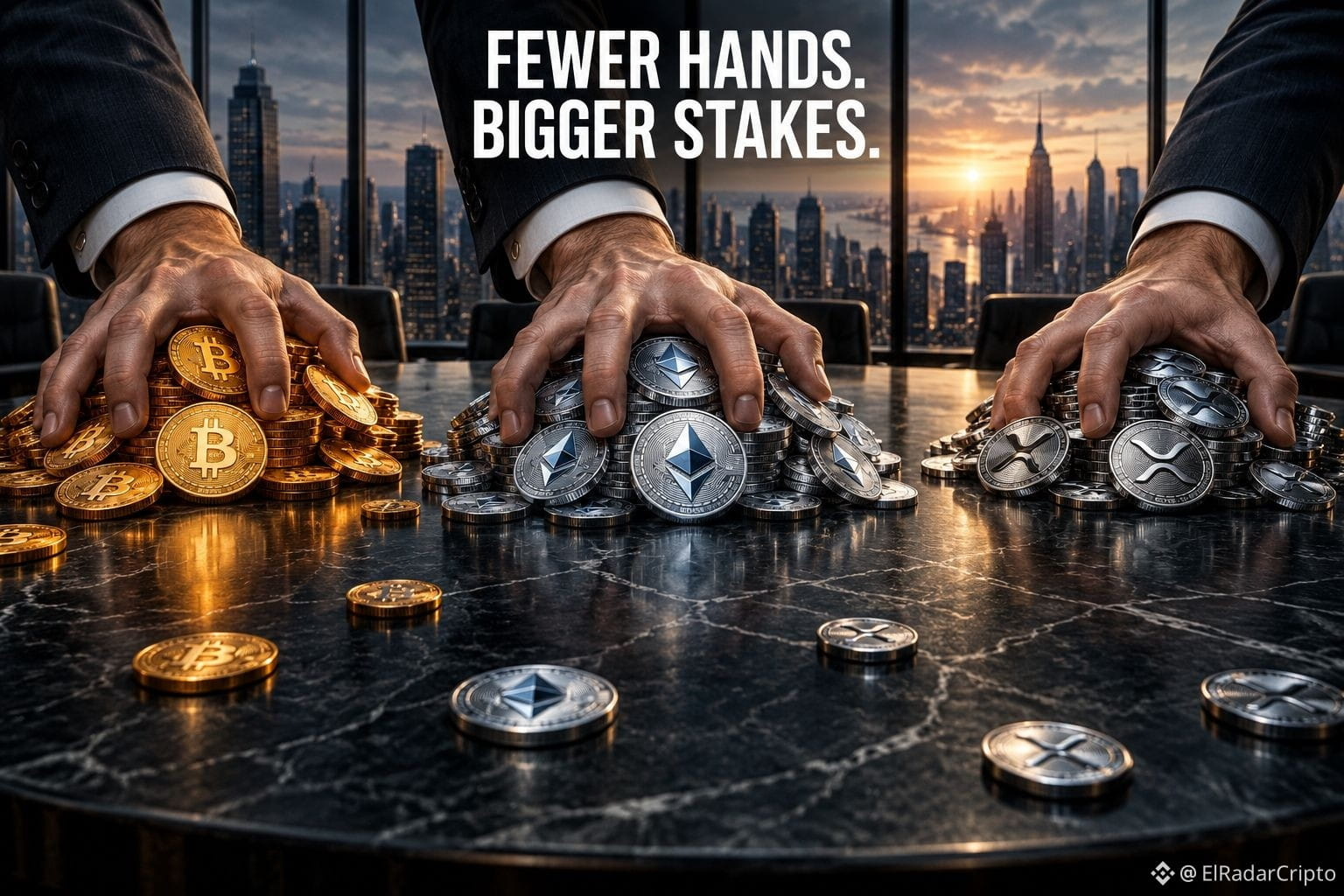
Saylor adds Bitcoin. Tom Lee adds Ethereum. Evernorth enters the picture with an XRP treasury.
Crypto wanted institutions. Now we need to ask what happens when a few corporate balance sheets hold increasingly large piles of coins. 👇
Three companies. Three assets. Different stages of accumulation:
🟠 Strategy added 250 BTC during October 5–11, bringing its holdings to 848,250 BTC.
🔷 BitMine reported another 12,532 ETH, taking its treasury to 6,028,946 ETH—roughly 4.9% of Ethereum’s supply.
🔔 Evernorth completed its merger holding approximately 473 million XRP, with its Nasdaq debut scheduled for October 12.
Important distinction: Evernorth’s existing treasury isn’t a fresh purchase happening on listing day.
The bigger story is how corporate financing is becoming part of crypto’s supply-and-demand equation.
The bullish case is straightforward: if these companies keep accumulating and holding, fewer coins may be available for other buyers. Add sustained demand, and the price response could be powerful.
But “institutions are buying” doesn’t automatically mean “the next bull market will be smoother.”
These buyers depend on funding conditions, investor appetite and their own balance sheets. If access to capital tightens, several buying engines could slow at once. Under financial pressure, concentrated holdings can become concentrated selling risk.
And they aren’t all permanent buyers: Tom Lee has described 5% of ETH supply as BitMine’s accumulation ceiling. That target is getting close.
My thesis: this cycle could become more sensitive to decisions made inside a handful of boardrooms.
That gives us another set of signals to watch alongside the charts: treasury purchases, financing costs, share issuance and the ability to keep raising capital.
Holding a huge stack doesn’t mean controlling the network. It does mean your next move can matter more to the market.
#bitcoin #Ethereum #XRPUSDT🚨
{future}(BTCUSDT)
{future}(ETHUSDT)
{future}(XRPUSDT)
Saylor adds Bitcoin. Tom Lee adds Ethereum. Evernorth enters the picture with an XRP treasury.
Crypto wanted institutions. Now we need to ask what happens when a few corporate balance sheets hold increasingly large piles of coins. 👇
Three companies. Three assets. Different stages of accumulation:
🟠 Strategy added 250 BTC during October 5–11, bringing its holdings to 848,250 BTC.
🔷 BitMine reported another 12,532 ETH, taking its treasury to 6,028,946 ETH—roughly 4.9% of Ethereum’s supply.
🔔 Evernorth completed its merger holding approximately 473 million XRP, with its Nasdaq debut scheduled for October 12.
Important distinction: Evernorth’s existing treasury isn’t a fresh purchase happening on listing day.
The bigger story is how corporate financing is becoming part of crypto’s supply-and-demand equation.
The bullish case is straightforward: if these companies keep accumulating and holding, fewer coins may be available for other buyers. Add sustained demand, and the price response could be powerful.
But “institutions are buying” doesn’t automatically mean “the next bull market will be smoother.”
These buyers depend on funding conditions, investor appetite and their own balance sheets. If access to capital tightens, several buying engines could slow at once. Under financial pressure, concentrated holdings can become concentrated selling risk.
And they aren’t all permanent buyers: Tom Lee has described 5% of ETH supply as BitMine’s accumulation ceiling. That target is getting close.
My thesis: this cycle could become more sensitive to decisions made inside a handful of boardrooms.
That gives us another set of signals to watch alongside the charts: treasury purchases, financing costs, share issuance and the ability to keep raising capital.
Holding a huge stack doesn’t mean controlling the network. It does mean your next move can matter more to the market.
#bitcoin #Ethereum #XRPUSDT🚨
3
628
·
--
Bullish
Verified
Saylor bought 250 $BTC. Strategy spent almost 9 times more buying back STRC.
Bitcoin gets the spotlight. Capital allocation tells the fuller story. If every purchase looks like “accelerating demand” to you, zoom out. 👇
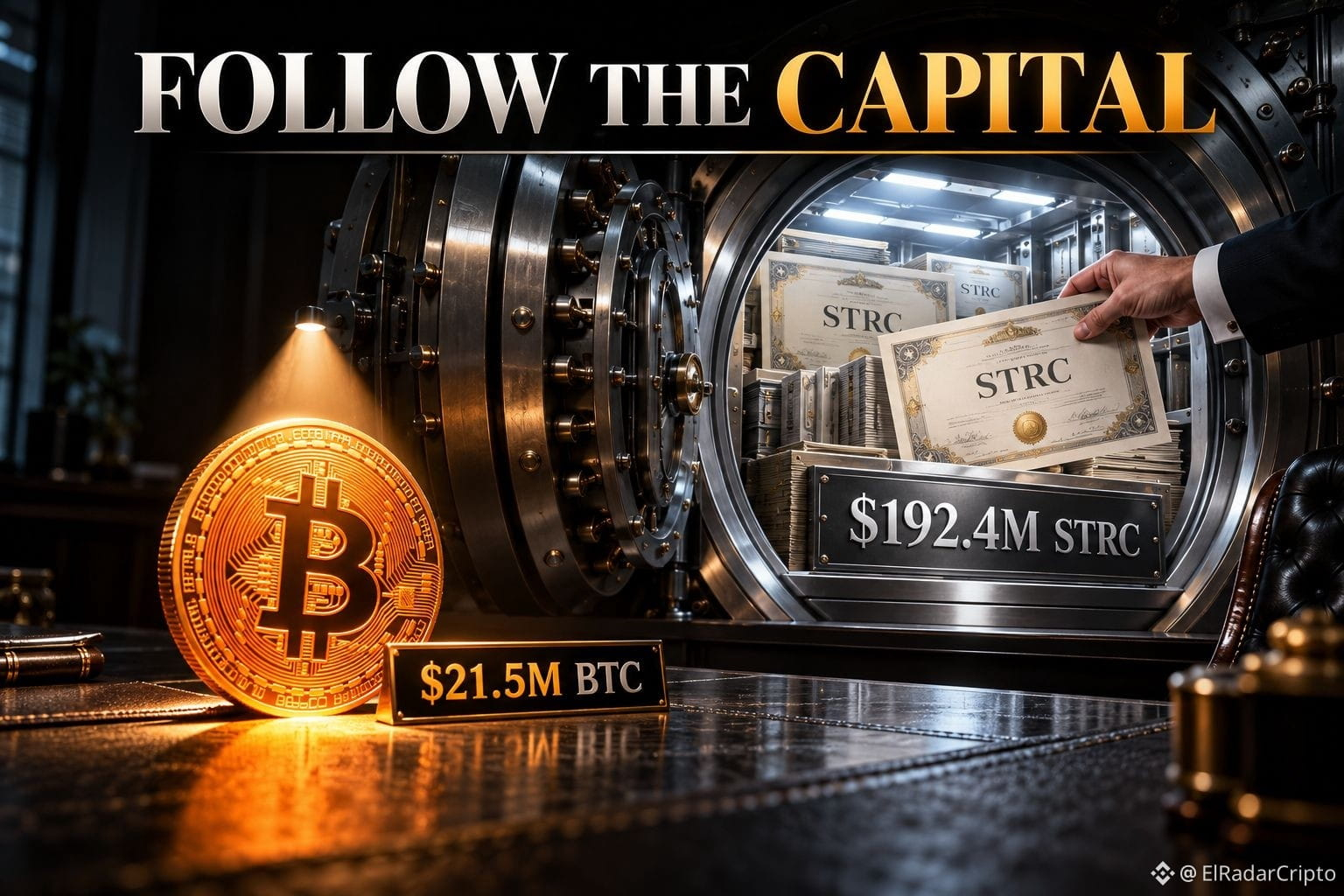
During October 5–11, Strategy reported:
• $21.5 million spent acquiring 250 BTC.
• $192.4 million spent repurchasing STRC preferred shares.
• Total Bitcoin holdings reaching 848,250 BTC.
That addition represents roughly 0.03% of its total Bitcoin holdings.
The accumulation continues. But this week, considerably more capital went toward STRC repurchases.
My take: a massive treasury and a massive new buy are two different signals.
The total holdings show accumulated exposure. The weekly addition shows how much that exposure grew. Mixing them up makes a routine update sound like a fresh demand shock.
This doesn’t establish a change in Strategy’s long-term conviction. It does give us a reason to watch the pace of future purchases instead of treating every announcement as equally bullish.
For my own BTC accumulation, a corporate headline alone isn’t a reason to speed.
#strategy #MichaelSaylorBTC #DCA
{future}(MSTRUSDT)
{future}(BTCUSDT)
{future}(STRCUSDT)
Saylor bought 250 $BTC. Strategy spent almost 9 times more buying back STRC.
Bitcoin gets the spotlight. Capital allocation tells the fuller story. If every purchase looks like “accelerating demand” to you, zoom out. 👇
During October 5–11, Strategy reported:
• $21.5 million spent acquiring 250 BTC.
• $192.4 million spent repurchasing STRC preferred shares.
• Total Bitcoin holdings reaching 848,250 BTC.
That addition represents roughly 0.03% of its total Bitcoin holdings.
The accumulation continues. But this week, considerably more capital went toward STRC repurchases.
My take: a massive treasury and a massive new buy are two different signals.
The total holdings show accumulated exposure. The weekly addition shows how much that exposure grew. Mixing them up makes a routine update sound like a fresh demand shock.
This doesn’t establish a change in Strategy’s long-term conviction. It does give us a reason to watch the pace of future purchases instead of treating every announcement as equally bullish.
For my own BTC accumulation, a corporate headline alone isn’t a reason to speed.
#strategy #MichaelSaylorBTC #DCA
1
6
952
Verified
Ripple just expanded its relationship with a $35 billion asset manager. A separate XRP liquidity study shows more bids than asks.
Two signals worth watching. Connecting them without evidence is where analysis turns into hype. 👇
Ripple Prime will provide Brevan Howard funds with multi-asset brokerage, clearing and financing services.
That is a concrete expansion of Ripple’s institutional business.
But the $35 billion figure represents assets managed by Brevan Howard. It is not an announced investment in $XRP.
Now add the market data.
CoinGecko’s liquidity study across eight centralized exchanges found roughly $18 million in XRP bids versus $14 million in asks within the range examined.
That suggests a buy-side imbalance in the sample. It does not mean $18 million has just bought XRP.
Orders can be cancelled. The report was updated on September 30, so this is not a live order-book snapshot. And there is no evidence linking those bids to Brevan Howard.
My take: Ripple’s institutional reach is expanding, while XRP’s liquidity profile gives bulls something measurable to examine.
The next question is how much of that business growth creates sustained demand for the token—and whether waiting buyers actually execute.
I’m bullish on XRP. That makes the distinction more important, not less.
A partnership is a business milestone. A bid is an intention. Neither is a guaranteed price increase.
What would strengthen your conviction more: another institutional announcement or sustained buying in the market?
#XRP #Ripple $XRP
{future}(XRPUSDT)
Ripple just expanded its relationship with a $35 billion asset manager. A separate XRP liquidity study shows more bids than asks.
Two signals worth watching. Connecting them without evidence is where analysis turns into hype. 👇
Ripple Prime will provide Brevan Howard funds with multi-asset brokerage, clearing and financing services.
That is a concrete expansion of Ripple’s institutional business.
But the $35 billion figure represents assets managed by Brevan Howard. It is not an announced investment in $XRP .
Now add the market data.
CoinGecko’s liquidity study across eight centralized exchanges found roughly $18 million in XRP bids versus $14 million in asks within the range examined.
That suggests a buy-side imbalance in the sample. It does not mean $18 million has just bought XRP.
Orders can be cancelled. The report was updated on September 30, so this is not a live order-book snapshot. And there is no evidence linking those bids to Brevan Howard.
My take: Ripple’s institutional reach is expanding, while XRP’s liquidity profile gives bulls something measurable to examine.
The next question is how much of that business growth creates sustained demand for the token—and whether waiting buyers actually execute.
I’m bullish on XRP. That makes the distinction more important, not less.
A partnership is a business milestone. A bid is an intention. Neither is a guaranteed price increase.
What would strengthen your conviction more: another institutional announcement or sustained buying in the market?
#XRP #Ripple $XRP

11
2.1k
·
--
Bullish
Verified
Saylor bought more Bitcoin. But Strategy spent six times more buying back its preferred stock.
The 334 BTC will grab attention. The $176.3 million STRC buyback deserves a closer look. 👇
In its latest update, Strategy disclosed:
• $28.7 million spent on 334 BTC.
• $176.3 million spent repurchasing STRC preferred shares.
• Total holdings of 848,000 BTC.
My take: Strategy is paying attention to the cost of maintaining its Bitcoin position. Repurchasing preferred shares reduces the number of shares receiving dividends.
That matters when your strategy depends on raising capital and meeting recurring payments.
Then there’s the roughly $21 billion estimated Q3 gain on digital assets.
It largely reflects Bitcoin’s price appreciation across the quarter. Treating it as $21 billion of fresh cash would miss a crucial distinction.
A stronger balance sheet on paper still needs liquidity to meet real payments.
For me, the useful lesson is to follow both sides: the Bitcoin holdings and the financing behind them. A corporate purchase announcement alone gives me no reason to chase a candle.
Conviction gets the applause. Capital management keeps the strategy running.
When you look at $BTC treasury companies, do you track their coin count—or what it costs to keep growing it?
#bitcoin #strategy #MSTR
{future}(BTCUSDT)
{future}(MSTRUSDT)
Saylor bought more Bitcoin. But Strategy spent six times more buying back its preferred stock.
The 334 BTC will grab attention. The $176.3 million STRC buyback deserves a closer look. 👇
In its latest update, Strategy disclosed:
• $28.7 million spent on 334 BTC.
• $176.3 million spent repurchasing STRC preferred shares.
• Total holdings of 848,000 BTC.
My take: Strategy is paying attention to the cost of maintaining its Bitcoin position. Repurchasing preferred shares reduces the number of shares receiving dividends.
That matters when your strategy depends on raising capital and meeting recurring payments.
Then there’s the roughly $21 billion estimated Q3 gain on digital assets.
It largely reflects Bitcoin’s price appreciation across the quarter. Treating it as $21 billion of fresh cash would miss a crucial distinction.
A stronger balance sheet on paper still needs liquidity to meet real payments.
For me, the useful lesson is to follow both sides: the Bitcoin holdings and the financing behind them. A corporate purchase announcement alone gives me no reason to chase a candle.
Conviction gets the applause. Capital management keeps the strategy running.
When you look at $BTC treasury companies, do you track their coin count—or what it costs to keep growing it?
#bitcoin #strategy #MSTR

24
6
93
86k
Verified
I’m skeptical of the AI bubble. Micron just gave me $54.23 billion in quarterly revenue to argue with.
MU beat expectations—and its next-quarter outlook gives the bulls more ammunition. 👀
Fiscal Q4 results:
• Revenue: $54.23B vs. $51.33B expected.
• Adjusted EPS: $33.42 vs. $31.72 expected.
• Adjusted gross margin: 87%.
Next quarter’s guidance midpoint:
• Revenue: $61.5B.
• Adjusted EPS: $38.15.
But the detail that caught my attention goes beyond the earnings beat.
Customer financial commitments under long-term supply agreements increased from $22B to $32B, mostly through cash deposits.
Customers putting money down carries more weight than another executive saying “AI changes everything.”
My position hasn’t changed: I don’t own MU. I passed below $200 last year because I didn’t understand the business well enough.
Today, I respect it much more. These results strengthen my conviction that Micron can keep growing, even while I question the returns on parts of the wider AI spending boom.
There’s still a catch: next quarter’s adjusted gross-margin guidance is 86.25%, slightly below this quarter’s 87%. Strong growth doesn’t make this business immune to pressure.
The report gives the bullish thesis more substance. It doesn’t make every entry price attractive.
Would you buy MU after this report—or wait for the price to offer you a better deal?
#EarningSeason #MicronPostsRecord84.9%GrossMargin
{spot}(MUBUSDT)
I’m skeptical of the AI bubble. Micron just gave me $54.23 billion in quarterly revenue to argue with.
MU beat expectations—and its next-quarter outlook gives the bulls more ammunition. 👀
Fiscal Q4 results:
• Revenue: $54.23B vs. $51.33B expected.
• Adjusted EPS: $33.42 vs. $31.72 expected.
• Adjusted gross margin: 87%.
Next quarter’s guidance midpoint:
• Revenue: $61.5B.
• Adjusted EPS: $38.15.
But the detail that caught my attention goes beyond the earnings beat.
Customer financial commitments under long-term supply agreements increased from $22B to $32B, mostly through cash deposits.
Customers putting money down carries more weight than another executive saying “AI changes everything.”
My position hasn’t changed: I don’t own MU. I passed below $200 last year because I didn’t understand the business well enough.
Today, I respect it much more. These results strengthen my conviction that Micron can keep growing, even while I question the returns on parts of the wider AI spending boom.
There’s still a catch: next quarter’s adjusted gross-margin guidance is 86.25%, slightly below this quarter’s 87%. Strong growth doesn’t make this business immune to pressure.
The report gives the bullish thesis more substance. It doesn’t make every entry price attractive.
Would you buy MU after this report—or wait for the price to offer you a better deal?
#EarningSeason #MicronPostsRecord84.9%GrossMargin
5
10
5k
·
--
Bullish
Verified
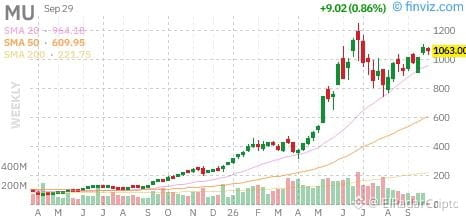
I passed on Micron below $200 last year. Now I think it could double from here.
And yes, I’m still skeptical of the AI boom.
Sounds contradictory? Here’s where I draw the line. 👇
I didn’t buy because I didn’t understand the business well enough. Watching it rally makes that decision painful in hindsight. But a rising chart doesn’t make investing blindly a good process.
Today, I have much more respect for Micron. That doesn’t mean I suddenly believe every AI company will deliver the returns investors expect. I still think this boom could end with a bubble bursting.
Yet I see room for MU to keep climbing, potentially doubling from current levels. That’s my upside scenario—not a price target with a deadline.
This earnings report matters because expectations are already demanding: Micron guided to roughly $50 billion in quarterly revenue and an approximately 86% gross margin.
That 86% is already the company’s forecast. Simply reaching it wouldn’t be an upside surprise against its own guidance.
I want to hear how management expects to sustain those margins as price increases moderate and capital spending rises.
I have no position in MU. Missing the entry below $200 is part of my story, not evidence that today’s price is a bargain.
Would you rather miss a winner you don’t understand—or own it and discover your conviction was just a green chart?
#EarningsSeason #MicronPostsRecord84.9%GrossMargin $MUB
{spot}(MUBUSDT)
I passed on Micron below $200 last year. Now I think it could double from here.
And yes, I’m still skeptical of the AI boom.
Sounds contradictory? Here’s where I draw the line. 👇
I didn’t buy because I didn’t understand the business well enough. Watching it rally makes that decision painful in hindsight. But a rising chart doesn’t make investing blindly a good process.
Today, I have much more respect for Micron. That doesn’t mean I suddenly believe every AI company will deliver the returns investors expect. I still think this boom could end with a bubble bursting.
Yet I see room for MU to keep climbing, potentially doubling from current levels. That’s my upside scenario—not a price target with a deadline.
This earnings report matters because expectations are already demanding: Micron guided to roughly $50 billion in quarterly revenue and an approximately 86% gross margin.
That 86% is already the company’s forecast. Simply reaching it wouldn’t be an upside surprise against its own guidance.
I want to hear how management expects to sustain those margins as price increases moderate and capital spending rises.
I have no position in MU. Missing the entry below $200 is part of my story, not evidence that today’s price is a bargain.
Would you rather miss a winner you don’t understand—or own it and discover your conviction was just a green chart?
#EarningsSeason #MicronPostsRecord84.9%GrossMargin $MUB
4
12
4.8k
Are you investing for a better life—or letting a red candle ruin your Sunday?
Everyone says they’re patient until their portfolio asks them to prove it.
But sometimes patience isn’t the problem. Your investment simply doesn’t fit your life. 👇
A trip in six months, a home in five years, and retirement in twenty need different plans.
“I want to make money.” Sure. So does everyone.
What do you want that money to do? When will you need it? How much downside can you handle without being forced to sell?
You can have a solid investment thesis and still run out of time because the bills arrive first.
And even if your bills are covered, a position that keeps you awake might be bigger than you can comfortably handle.
There’s a line widely attributed to Warren Buffett:
“The stock market is a device for transferring money from the impatient to the patient.”
But patience isn’t a magic trick that turns every purchase into a good investment.
“I’m holding long term” shouldn’t be a strategy you invented after going underwater.
Before panic-selling—or holding out of pride—ask what actually changed: the price, the fundamentals, or your need for the money.
Your portfolio should serve your life. Your peace of mind belongs in that equation.
If you couldn’t check prices for a year, which asset in your portfolio would you feel most comfortable holding—and why?

8
19
9.6k
·
--
Bullish
$QNT jumps 40%. $ONDO 32%. $LINK 12%.
Suddenly everyone is a “long-term believer” in tokenization.
Funny how conviction shows up AFTER the green candle. Here’s what I’d watch before chasing. 👇
Those were the 24-hour moves reported in Invezz’s September 25 snapshot—not live quotes.
There’s substance behind the narrative. Quant powers tokenized deposit infrastructure, Chainlink connects data and blockchain systems, and Ondo brings financial assets onchain.
But a growing industry doesn’t make every entry a good one.
🔎 Three setups, three tests:
QNT: The article identifies $84.71 as the reclaimed breakout level after a move toward $104. With daily RSI around 80 in that analysis, momentum is strong but stretched. If a pullback comes, defending $84.71 would matter more to me than another bullish headline. Losing it would weaken the setup.
LINK: $15 is the next hurdle highlighted, with $20 a conditional target beyond it. I’d want a convincing break and hold above $15 before treating that higher target seriously.
ONDO: $0.4843 is the breakout reference. A retest that attracts buyers would strengthen the continuation case. Falling back below and failing to reclaim it would undermine that argument.
My take: tokenization is worth watching beyond today’s rally. The harder question is how adoption creates demand for each token—and how much optimism is already priced in.
I’d rather miss part of a move than buy a candle and invent an investment thesis afterward.
Which earns your attention on a pullback: QNT, LINK or ONDO—and what would make you change your mind?
{future}(ONDOUSDT)
{future}(QNTUSDT)
{future}(LINKUSDT)
#RWATokens #Tokenization #altcoins
$QNT jumps 40%. $ONDO 32%. $LINK 12%.
Suddenly everyone is a “long-term believer” in tokenization.
Funny how conviction shows up AFTER the green candle. Here’s what I’d watch before chasing. 👇
Those were the 24-hour moves reported in Invezz’s September 25 snapshot—not live quotes.
There’s substance behind the narrative. Quant powers tokenized deposit infrastructure, Chainlink connects data and blockchain systems, and Ondo brings financial assets onchain.
But a growing industry doesn’t make every entry a good one.
🔎 Three setups, three tests:
QNT: The article identifies $84.71 as the reclaimed breakout level after a move toward $104. With daily RSI around 80 in that analysis, momentum is strong but stretched. If a pullback comes, defending $84.71 would matter more to me than another bullish headline. Losing it would weaken the setup.
LINK: $15 is the next hurdle highlighted, with $20 a conditional target beyond it. I’d want a convincing break and hold above $15 before treating that higher target seriously.
ONDO: $0.4843 is the breakout reference. A retest that attracts buyers would strengthen the continuation case. Falling back below and failing to reclaim it would undermine that argument.
My take: tokenization is worth watching beyond today’s rally. The harder question is how adoption creates demand for each token—and how much optimism is already priced in.
I’d rather miss part of a move than buy a candle and invent an investment thesis afterward.
Which earns your attention on a pullback: QNT, LINK or ONDO—and what would make you change your mind?
#RWATokens #Tokenization #altcoins

5
1
14
8k
{future}(BTCUSDT)
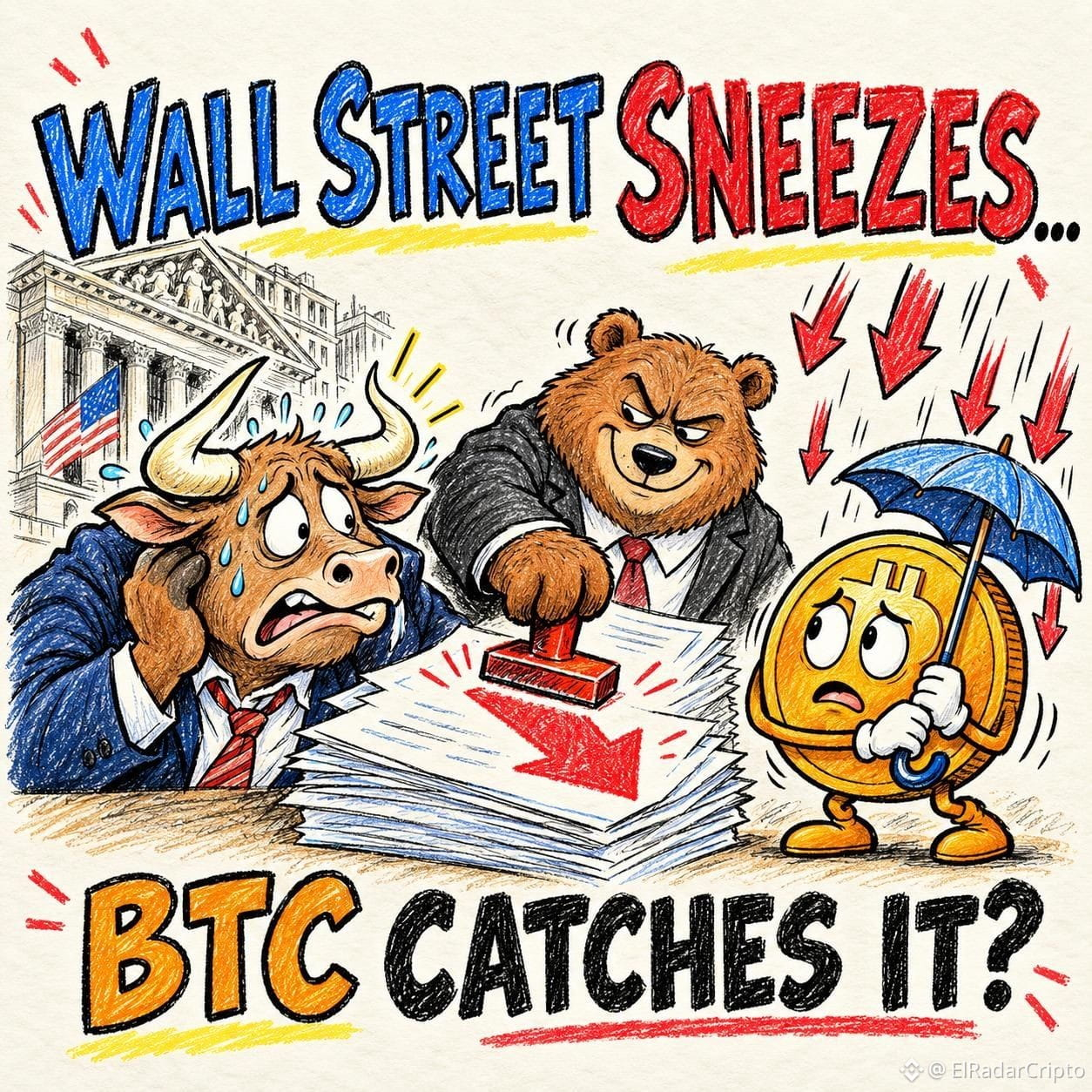
Bitcoin doesn’t report earnings. The people buying it still care about them.
“No earnings, no problem” is a lazy crypto thesis. 👇
Citi’s US earnings-revision index turned negative for the first time in 23 weeks, breaking the longest positive streak since September 2021.
That means forecasts are being cut more than raised. It doesn’t mean profits have collapsed.
My take: if investors start cutting risk, BTC can feel it too. A supply cap doesn’t put a floor under the price.
I’m watching whether buyers absorb the pressure before calling it resilience.
Would you call BTC a safe haven if it still sells off when stocks do?
Source: Bloomberg, September 23.
#BTC
#WallStreetEarningsRevisionsTurnBearish
7
315
·
--
Bullish
Everyone is chasing the companies building AI. But what if the bigger opportunity isn’t another AI company at all?
NVDIA sells the picks and shovels. Big Tech is spending billions fighting to build the best models.
Crypto is making a much weirder bet:
What if intelligence itself becomes a market?
That’s why $TAO has my attention.
Bittensor isn’t trying to build another ChatGPT. It’s building an open network where different forms of machine intelligence and digital resources can compete, be evaluated and get rewarded.
And that creates a very different AI thesis.
If AI demand keeps exploding, the winners might not only be the companies selling GPUs or controlling the biggest models.
There could also be value in the infrastructure that allows intelligence to be produced and monetized outside those closed ecosystems.
Is that guaranteed? Absolutely not.
But simply buying whatever has “AI” attached to its ticker feels like the easy thesis now.
The more interesting question is what comes next.
NVIDIA is a bet on the AI industry.
$TAO is a bet that intelligence itself can become an economy.
Same revolution. Completely different bet.
Too early… or is everyone looking in the obvious place? 👀
{future}(TAOUSDT)
#AIStocksWhatNext #TAOTrading
Everyone is chasing the companies building AI. But what if the bigger opportunity isn’t another AI company at all?
NVDIA sells the picks and shovels. Big Tech is spending billions fighting to build the best models.
Crypto is making a much weirder bet:
What if intelligence itself becomes a market?
That’s why $TAO has my attention.
Bittensor isn’t trying to build another ChatGPT. It’s building an open network where different forms of machine intelligence and digital resources can compete, be evaluated and get rewarded.
And that creates a very different AI thesis.
If AI demand keeps exploding, the winners might not only be the companies selling GPUs or controlling the biggest models.
There could also be value in the infrastructure that allows intelligence to be produced and monetized outside those closed ecosystems.
Is that guaranteed? Absolutely not.
But simply buying whatever has “AI” attached to its ticker feels like the easy thesis now.
The more interesting question is what comes next.
NVIDIA is a bet on the AI industry.
$TAO is a bet that intelligence itself can become an economy.
Same revolution. Completely different bet.
Too early… or is everyone looking in the obvious place? 👀
#AIStocksWhatNext #TAOTrading

8
856
·
--
Bullish
How much does Bitcoin need to improve before we stop being afraid?
Almost 12 months since the peak. Three previous cycles to compare.
Are we seeing the first signs of spring—or getting ahead of ourselves? 👇
How long did Bitcoin take to find its bottom in previous cycles?
• 2013–2015: around 13.5 months.
• 2017–2018: around 12 months.
• 2021–2022: around 12.5 months.
We’re approaching that historical window. But Bitcoin doesn’t owe us a recovery because the calendar says it’s time.
These periods measure peak to bottom. Finding a bottom and confirming a recovery are two different things. And three cycles are context, not a crystal ball.
My take: early spring is a thesis worth testing. It still needs evidence.
Holding ground through bad news is the first step. Buyers now need to show they can do more than absorb selling: break resistance, defend those levels, and keep pullbacks from turning into fresh lows.
That would strengthen the case. Failed breakouts and lost support would weaken it, regardless of how neatly the dates line up.
The tricky part? Sentiment can stay frozen while market conditions begin to improve. But calling every bounce “spring” won’t make winter end either.
So what would change your mind: a stronger market structure—or simply a higher price that makes you feel safer?
#Bitcoin $BTC

1
1
8
887
·
--
Bullish
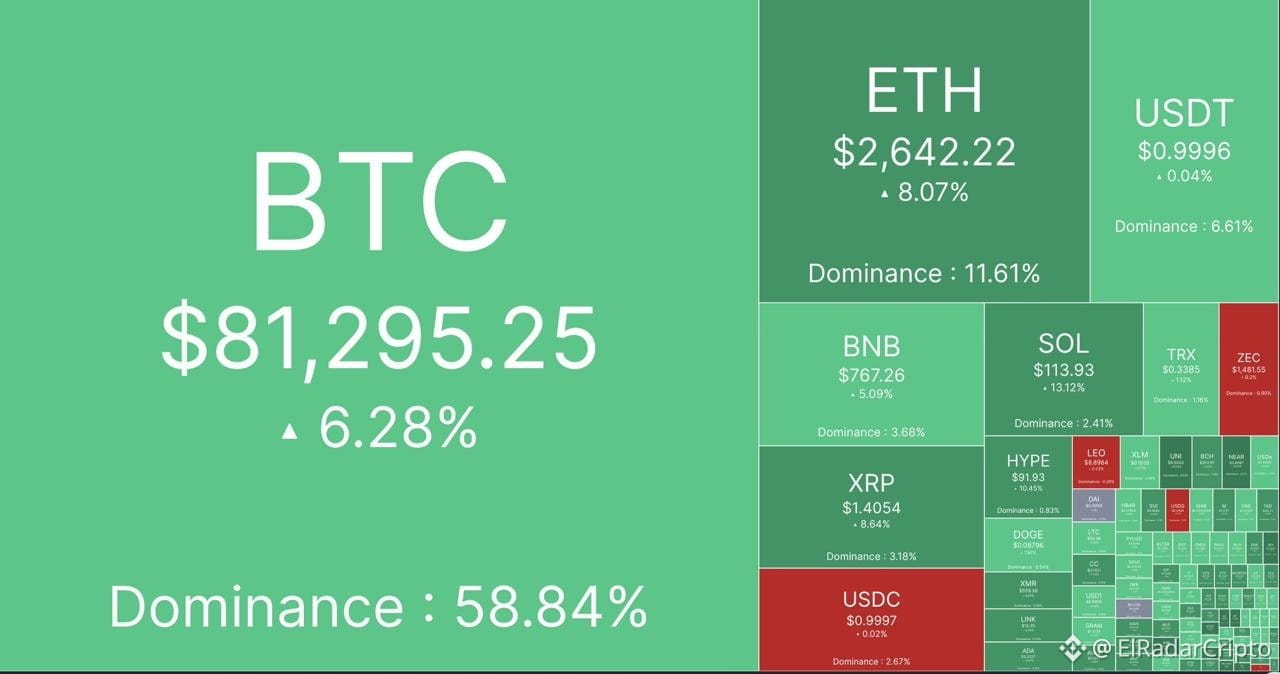
$The Fed hiked. Clarity stalled. Bitcoin reclaimed $80,000.
If bad news automatically meant lower prices, trading would be easy.
Three developments help explain the green charts 👇
• Bitcoin ETFs attracted roughly $160 million in net inflows Thursday, ending two sessions of outflows.
• Oil eased, offering some relief on inflation concerns.
• The SEC and CFTC kept advancing crypto rules despite the legislative setback.
My take: the interesting signal is how Bitcoin absorbed the bad news. Part of that fear may already have been priced in, allowing renewed demand to move prices higher.
Still, ETF inflows from one session cannot establish a trend, and softer oil doesn’t erase the risk of further rate hikes. I’m watching whether Bitcoin holds the recovered $80,000 area and whether ETF buying continues. Both would strengthen the case for a more durable recovery.
For long-term investors, this is a useful discipline check: did your thesis change, or did the candles just change color?
Panic on red. FOMO on green. Same emotional trade.
What would convince you this rebound has staying power: sustained ETF inflows or a weekly close above $80,000?
Follow for Bitcoin and crypto analysis without hype or FOMO.
Sources: WSJ, Reuters, Barron’s.
#Bitcoin #Crypto #BTC $BNB
10
863
·
--
Bullish
Verified
Your data makes everyone money. What is keeping it private worth?
$ZEC
{future}(ZECUSDT)
has rallied roughly 16% in 24 hours and 33% in seven days at this writing, extending a multiweek climb.
The price gets attention. The thesis deserves a closer look.
Your phone can track your location. Platforms record your searches. Algorithms turn your browsing habits into their next sales pitch.
Your private life became somebody else’s business.
Financial transparency carries a cost, too. A payment can expose a business relationship. A wallet linked to your identity can reveal your holdings. A visible transaction can give others a chance to react before you finish executing your strategy.
Wanting control over that information is legitimate.
Meanwhile, crypto regulation keeps moving. The CLARITY Act hit a Senate roadblock, but the SEC and CFTC are advancing measures of their own.
Here’s my thesis: as more financial activity moves into identifiable, traceable digital systems, demand for selective privacy could grow.
Zcash offers a way to express that investment thesis. Its shielded transactions can keep the sender, recipient and amount private while allowing the network to verify the transaction.
That doesn’t prove privacy demand caused the rally. Momentum and speculation can push prices well ahead of adoption.
And buying the ETF gives you price exposure—not a private brokerage account.
The next test is whether actual usage and sustained fund inflows support the story after the excitement fades. That’s what I’d watch before treating a strong chart as a proven thesis.
Would you still value financial privacy if the token’s price stopped rising?
Follow for Bitcoin and crypto analysis without hype or FOMO.
Sources: CoinMarketCap, The Block, Zcash documentation.
Your data makes everyone money. What is keeping it private worth?
$ZEC
has rallied roughly 16% in 24 hours and 33% in seven days at this writing, extending a multiweek climb.
The price gets attention. The thesis deserves a closer look.
Your phone can track your location. Platforms record your searches. Algorithms turn your browsing habits into their next sales pitch.
Your private life became somebody else’s business.
Financial transparency carries a cost, too. A payment can expose a business relationship. A wallet linked to your identity can reveal your holdings. A visible transaction can give others a chance to react before you finish executing your strategy.
Wanting control over that information is legitimate.
Meanwhile, crypto regulation keeps moving. The CLARITY Act hit a Senate roadblock, but the SEC and CFTC are advancing measures of their own.
Here’s my thesis: as more financial activity moves into identifiable, traceable digital systems, demand for selective privacy could grow.
Zcash offers a way to express that investment thesis. Its shielded transactions can keep the sender, recipient and amount private while allowing the network to verify the transaction.
That doesn’t prove privacy demand caused the rally. Momentum and speculation can push prices well ahead of adoption.
And buying the ETF gives you price exposure—not a private brokerage account.
The next test is whether actual usage and sustained fund inflows support the story after the excitement fades. That’s what I’d watch before treating a strong chart as a proven thesis.
Would you still value financial privacy if the token’s price stopped rising?
Follow for Bitcoin and crypto analysis without hype or FOMO.
Sources: CoinMarketCap, The Block, Zcash documentation.

9
706
Log in to explore more content
Join global crypto users on Binance Square
⚡️ Get latest and useful information about crypto.
💬 Trusted by the world’s largest crypto exchange.
👍 Discover real insights from verified creators.
Email / Phone number