
davisso
7 Posts

davisso
Report
Block User
Пояснюю крипту простими словами і на життєвих прикладах 🐄 Без хайпу — чесно і про плюси, і про ризики.
1 Following
12 Followers
22 Liked
Posts
·
--
Article
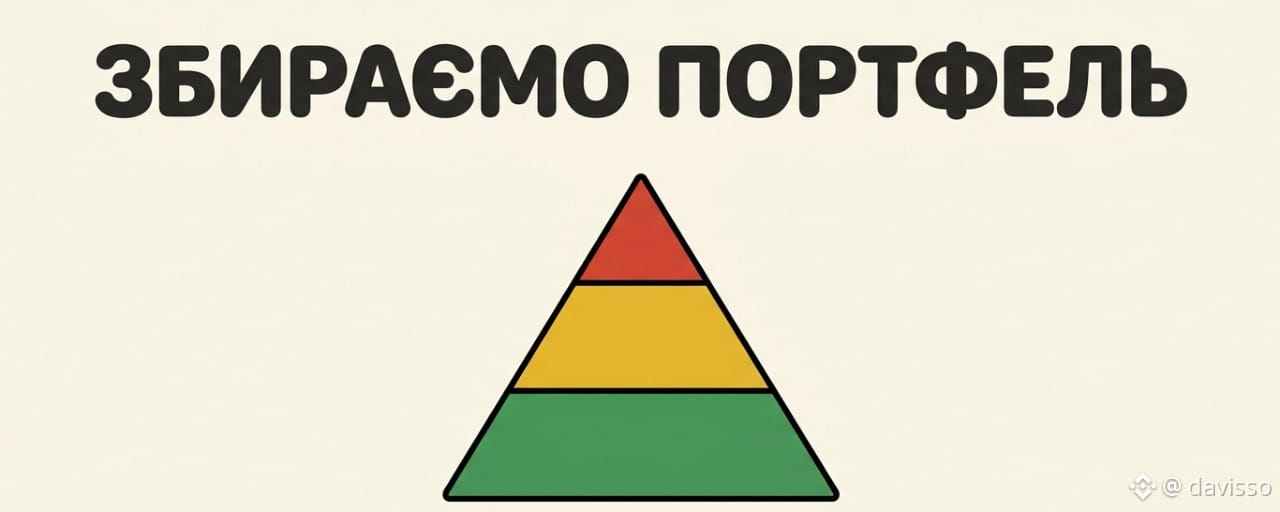
How a Beginner Can Build a Crypto Portfolio | Where Each Product FitsMost beginners think that investing means «guessing one coin that will take off». In reality, those who have been in the market for a long time think quite differently: not about a single bet, but about the structure. Not “what to buy,” but “how to assemble it so you can sleep well and still have a chance to grow.”
The easiest way to imagine it is as a pyramid: at the bottom—a wide, calm foundation, and at the top—a small risky edge. And the main rule: the higher the risk, the smaller its share.
How a Beginner Can Build a Crypto Portfolio | Where Each Product Fits
Most beginners think that investing means «guessing one coin that will take off». In reality, those who have been in the market for a long time think quite differently: not about a single bet, but about the structure. Not “what to buy,” but “how to assemble it so you can sleep well and still have a chance to grow.”
The easiest way to imagine it is as a pyramid: at the bottom—a wide, calm foundation, and at the top—a small risky edge. And the main rule: the higher the risk, the smaller its share.
The easiest way to imagine it is as a pyramid: at the bottom—a wide, calm foundation, and at the top—a small risky edge. And the main rule: the higher the risk, the smaller its share.
1
2
9
5.2k
·
--
Verified
Article
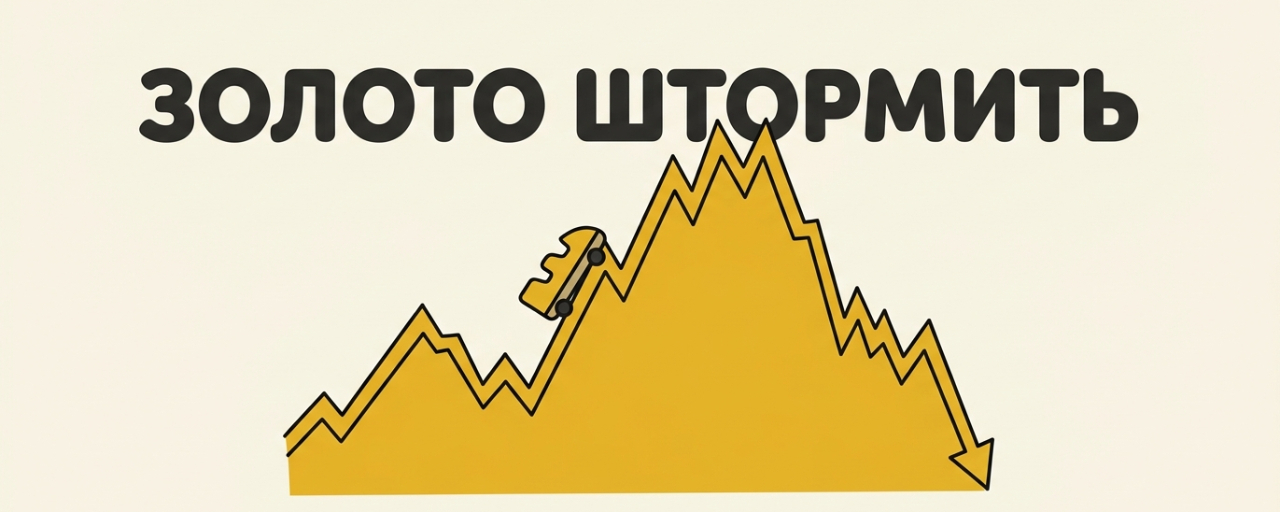
Gold is stormy: what it means and what TradFi has to do with it | Market reviewGold ( $XAU ) in 2026 is behaving like American roller coasters 🎢. In January, it touched a historical record—over $5,400 per ounce (January 28). Then a slide began: by July, the price fell to about ~$4,070—that was the year’s low. Right now, gold has bounced back to about ~$4,280, but in September it’s under pressure again. Compared to the record, it’s roughly minus 20%.
Gold is stormy: what it means and what TradFi has to do with it | Market review
Gold ( $XAU ) in 2026 is behaving like American roller coasters 🎢. In January, it touched a historical record—over $5,400 per ounce (January 28). Then a slide began: by July, the price fell to about ~$4,070—that was the year’s low. Right now, gold has bounced back to about ~$4,280, but in September it’s under pressure again. Compared to the record, it’s roughly minus 20%.
1
1.2k
·
--
Article
You have $100. What can you actually do with it in crypto? | A practical caseImagine: you have $100 that you don’t mind investing. Not the last money, not borrowed—just a free hundred to try 💵. What to do with it, besides “buy a coin and pray”?
I’ll break it down step by step on how I would approach it myself—and explain why exactly this way, not any other.
Step 1. Why you can’t put everything into one 🧺
The most common mistake a beginner makes is to put the entire hundred into one asset because “it seems like it will take off.” The problem is that if it doesn’t, you lose everything at once—and the desire to figure things out disappears. That’s why the hundred should be split into parts with different risk levels. This way you can both see how different tools work and you’re not betting everything on one card. This is called diversification, but simpler—“don’t put all your eggs in one basket.” And how exactly these tools differ in terms of risk and returns—I already covered that in a separate post 👉
You have $100. What can you actually do with it in crypto? | A practical case
Imagine: you have $100 that you don’t mind investing. Not the last money, not borrowed—just a free hundred to try 💵. What to do with it, besides “buy a coin and pray”?
I’ll break it down step by step on how I would approach it myself—and explain why exactly this way, not any other.
Step 1. Why you can’t put everything into one 🧺
The most common mistake a beginner makes is to put the entire hundred into one asset because “it seems like it will take off.” The problem is that if it doesn’t, you lose everything at once—and the desire to figure things out disappears. That’s why the hundred should be split into parts with different risk levels. This way you can both see how different tools work and you’re not betting everything on one card. This is called diversification, but simpler—“don’t put all your eggs in one basket.” And how exactly these tools differ in terms of risk and returns—I already covered that in a separate post 👉
1.8k
·
--
Article
WHERE TO INVEST? | Hold, Earn, bStocks, or TradFi — a simple comparisonMost often, the question after the first crypto purchase sounds like this: "Okay, I bought it. And what next?"🤔
I went through almost all of these options myself with my own wallet—so I’m writing not from advertising, but from experience. At first, I just held it and worried about every chart, then I figured out that there are calmer ways.
To hold and wait is only one of the options, and it’s not always the best one. In reality, there are several ways, and they differ a lot in risk, entry threshold, and even what exactly the "income is coming from". I gathered four main ones into a single table so you can see the difference at a glance 👇
WHERE TO INVEST? | Hold, Earn, bStocks, or TradFi — a simple comparison
Most often, the question after the first crypto purchase sounds like this: "Okay, I bought it. And what next?"🤔
I went through almost all of these options myself with my own wallet—so I’m writing not from advertising, but from experience. At first, I just held it and worried about every chart, then I figured out that there are calmer ways.
To hold and wait is only one of the options, and it’s not always the best one. In reality, there are several ways, and they differ a lot in risk, entry threshold, and even what exactly the "income is coming from". I gathered four main ones into a single table so you can see the difference at a glance 👇
1
1.1k
·
--
Article
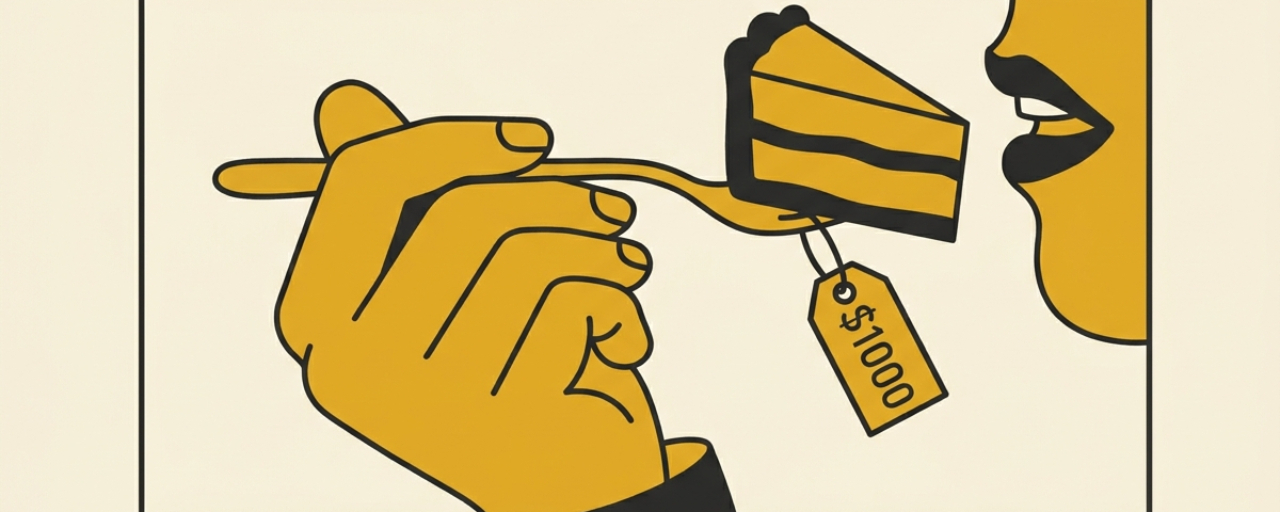
How to eat a piece of Tesla for a couple of dollars | bStocks in simple termsImagine a huge luxurious cake from the priciest confectionery 🎂. Buying the whole thing is expensive—and besides, what would you do with all of it. But a slice—that’s exactly it. Tasty and budget-friendly.
That’s roughly how bStocks work—tokenized stocks.
A share of some big company (say, Tesla or Apple) is the same expensive cake. The whole cake costs a lot. But instead of buying it completely, you take one slice: you chip in together with others, and each person gets a receipt (a token) that confirms—this slice of cake is yours. You can start literally with a few dollars 💸.
How to eat a piece of Tesla for a couple of dollars | bStocks in simple terms
Imagine a huge luxurious cake from the priciest confectionery 🎂. Buying the whole thing is expensive—and besides, what would you do with all of it. But a slice—that’s exactly it. Tasty and budget-friendly.
That’s roughly how bStocks work—tokenized stocks.
A share of some big company (say, Tesla or Apple) is the same expensive cake. The whole cake costs a lot. But instead of buying it completely, you take one slice: you chip in together with others, and each person gets a receipt (a token) that confirms—this slice of cake is yours. You can start literally with a few dollars 💸.
1
2
1.7k
Log in to explore more content
Join global crypto users on Binance Square
⚡️ Get latest and useful information about crypto.
💬 Trusted by the world’s largest crypto exchange.
👍 Discover real insights from verified creators.
Email / Phone number
Trending Topics
WhatWillDriveCryptoandStocks’NextRebound?
18,809 views
343 Discussing
Bitcoin Slips Below $70,000 as Dollar Index Hits 19-Month High
Binance News
·11 Likes
·21.6k views
Anthropic’s6xIPODemandSignalsPotentialRecordRaise
5,802 views
149 Discussing
HuangExitNvidiaStrategyInFocus
159,584 views
1,473 Discussing