
老许在带单--先赚后付
126 Posts

老许在带单--先赚后付
聊天室:p313933 职业交易8年合约操作,1000u 三天实现9000u,极限行情用10w u 实现2000w u现货完善周期布局,熊市埋伏低于币种,牛市及时止盈,过往埋伏标的平均持仓6到8个月
Occasional Trader
0 Following
1.5K+ Followers
1.7K+ Liked
Posts
All
Quotes
Videos
$ETH take some time to visit Heilongjiang in Northeast China, and experience the border-trade culture at the China-Russia junction
We’ll do our best to be good little learners!!!
We’ll do our best to be good little learners!!!

$ETH pulled from 1550 to 1810 in one go, rebounding 16% in a week. Now the market is full of "bloody chips" everywhere. What do you think this wave is really about?
#南非发布加密税收指南草案 #SpaceX将于7月7日纳入纳斯达克100 #韩股KOSPI涨2.7%芯片股领涨
#南非发布加密税收指南草案 #SpaceX将于7月7日纳入纳斯达克100 #韩股KOSPI涨2.7%芯片股领涨

牛回,回调就是机会
30%
逼空行情,后面还有新高
16%
熊市反弹,拉高就是出货
44%
先看戏,等回踩确认再说
10%
91 votes • Voting closed
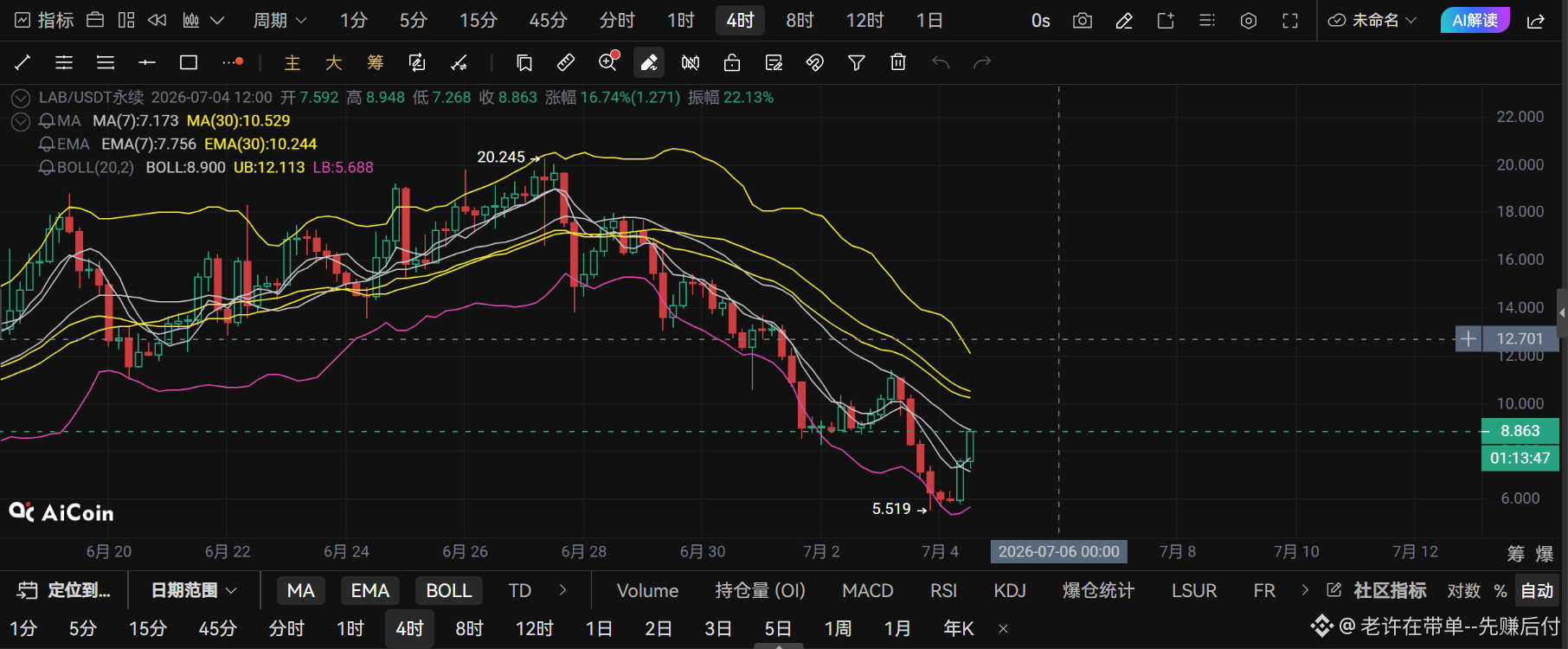
$LAB has started messing around again with funding rates charged per hour.
From the order book, after testing a low around 5.5, it didn’t keep selling off with increasing volume—instead, it repeatedly printed a series of bullish candles, pushing the price back toward the moving average area.
This kind of move doesn’t look like a natural rebound; it looks more like the market maker using the funding rate to continuously squeeze shorts.
Recently, LAB’s playbook has been very clear: every time it gets close to funding fee settlement, the order book becomes active. The more shorts there are, the more incentive the market maker has to push upward—using liquidation and stop-loss hunts to drive the price higher;
then once there are more and more buyers chasing, they flip and dump to liquidate the crowd, so both sides of the trade end up paying them.
There are only about a dozen minutes left until funding fees are settled, and this is the most critical time point of the day.
Don’t rush into chasing at this moment. Whether it keeps pumping or suddenly dips, it could just be the market maker sweeping liquidity.
Wait until the funding fee settlement is completed. Watch whether the order book continues to push with rising volume or whether it fades from the highs—then deciding your entry direction will be safer.
Personally, I’m more inclined to wait for signals before acting. If the move has structure, you trade; if it doesn’t, you watch. After all, with coins like this, it’s not about technical indicators—it’s about which side the market maker is planning to liquidate next.
#Revolut将下架USDT #吉利布兰德吁禁官员发行数字资产 #COMEX黄金收涨1.49%报4187.3美元
From the order book, after testing a low around 5.5, it didn’t keep selling off with increasing volume—instead, it repeatedly printed a series of bullish candles, pushing the price back toward the moving average area.
This kind of move doesn’t look like a natural rebound; it looks more like the market maker using the funding rate to continuously squeeze shorts.
Recently, LAB’s playbook has been very clear: every time it gets close to funding fee settlement, the order book becomes active. The more shorts there are, the more incentive the market maker has to push upward—using liquidation and stop-loss hunts to drive the price higher;
then once there are more and more buyers chasing, they flip and dump to liquidate the crowd, so both sides of the trade end up paying them.
There are only about a dozen minutes left until funding fees are settled, and this is the most critical time point of the day.
Don’t rush into chasing at this moment. Whether it keeps pumping or suddenly dips, it could just be the market maker sweeping liquidity.
Wait until the funding fee settlement is completed. Watch whether the order book continues to push with rising volume or whether it fades from the highs—then deciding your entry direction will be safer.
Personally, I’m more inclined to wait for signals before acting. If the move has structure, you trade; if it doesn’t, you watch. After all, with coins like this, it’s not about technical indicators—it’s about which side the market maker is planning to liquidate next.
#Revolut将下架USDT #吉利布兰德吁禁官员发行数字资产 #COMEX黄金收涨1.49%报4187.3美元
继续逼空,直接拉破9
65%
收完资金费立马砸盘
15%
8.8横盘磨人,来回收割
14%
先观望,等方向出来再跟
6%
166 votes • Voting closed
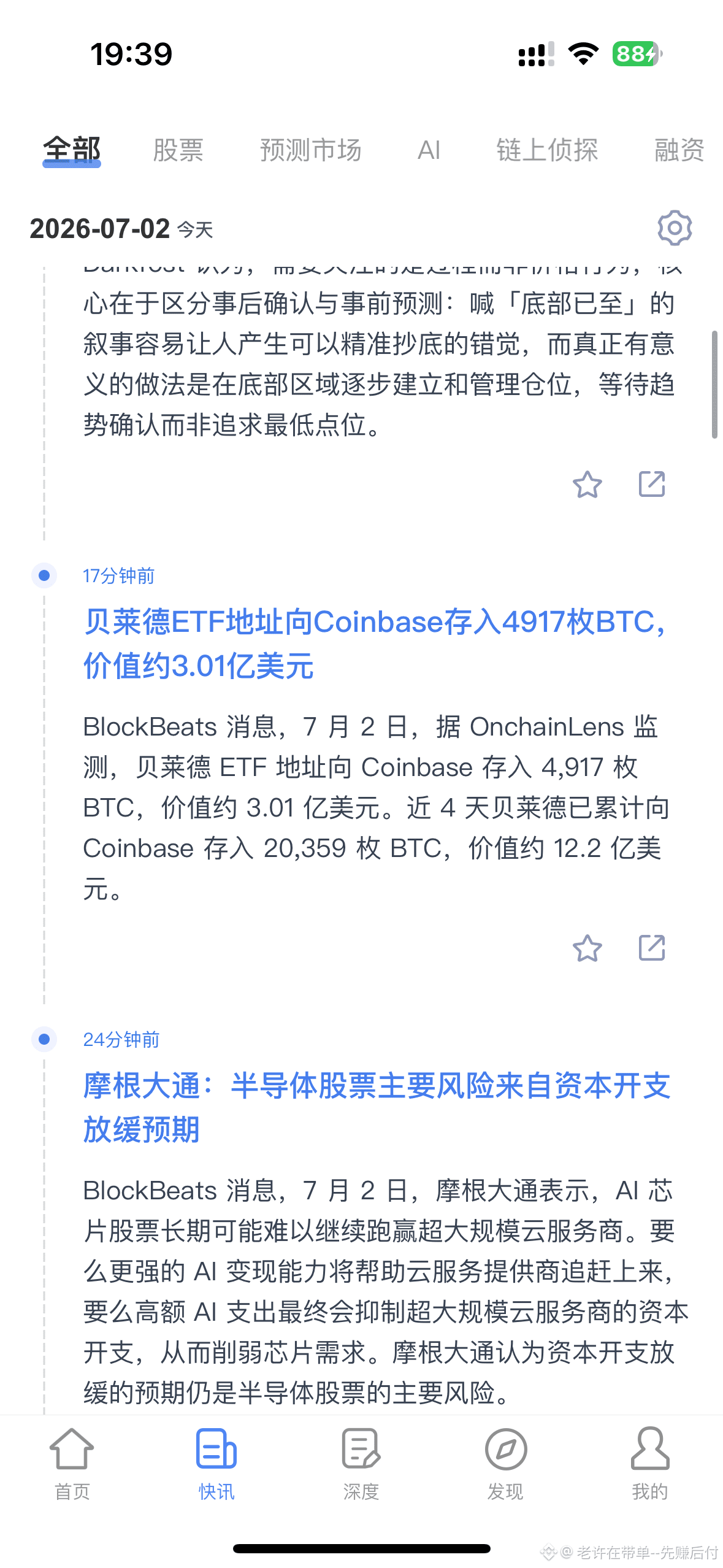
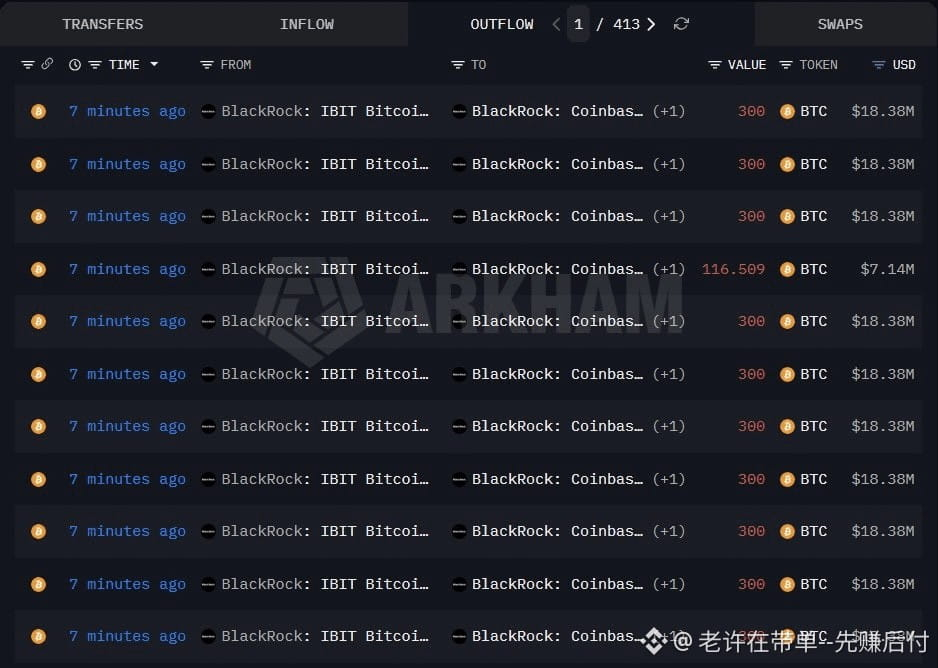
What signal does BlackRock release? Are institutions continuing to dump high-quality safe-haven assets?
The impact from the non-farm data is also prompting the market to move in advance. During the day, it has already risen by 2%.
So after the data is released tonight, will the market surge sharply upward, or will it return below 1600???
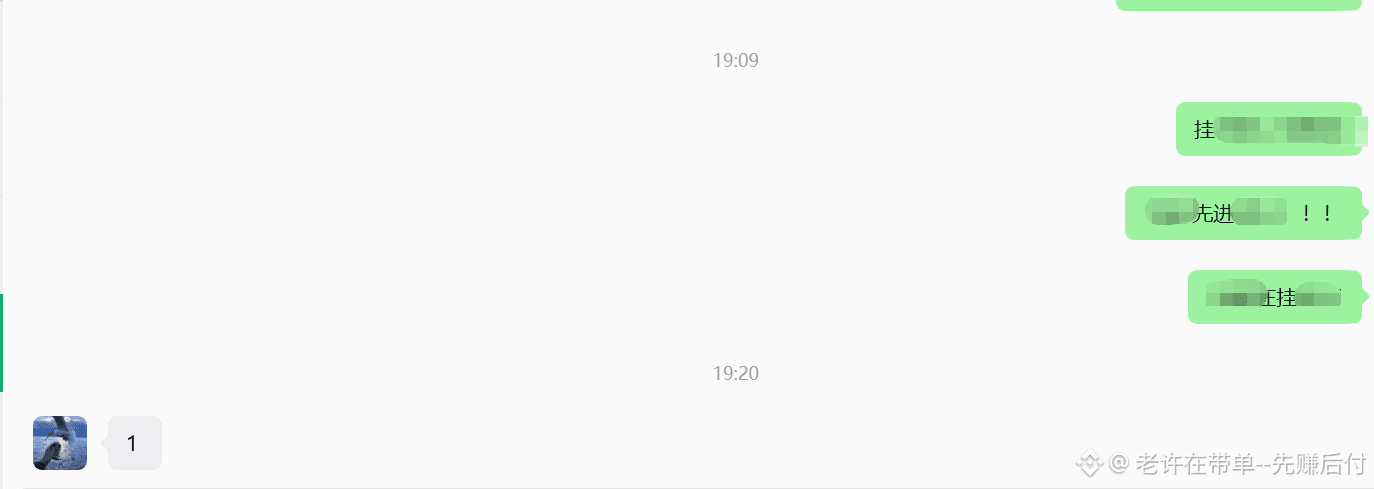
Old Xu has already made preparations for this round of market action. Brothers who don’t know how to trade yet, call...
$ETH $M
#比特币经历2022年来最差上半年 #比特币6月下跌20.5%至58526美元
The impact from the non-farm data is also prompting the market to move in advance. During the day, it has already risen by 2%.
So after the data is released tonight, will the market surge sharply upward, or will it return below 1600???
Old Xu has already made preparations for this round of market action. Brothers who don’t know how to trade yet, call...
$ETH $M
#比特币经历2022年来最差上半年 #比特币6月下跌20.5%至58526美元
继续逼空,上方还有新高
40%
先冲后砸,典型诱多行情
40%
数据落地后直接大波动,双向收割
10%
看不懂,先观望不动手
10%
30 votes • Voting closed
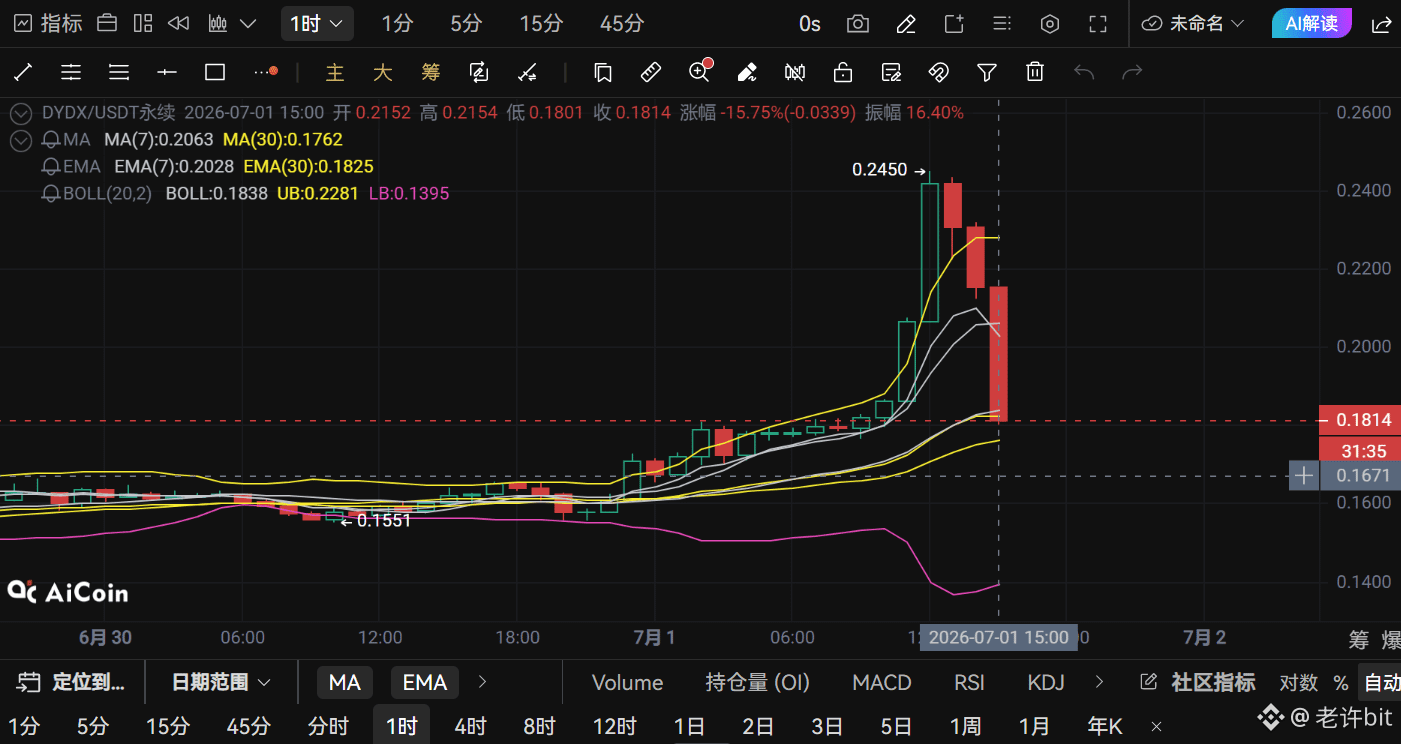
$DYDX news sold out. The waterfall begins
It’s been less than an hour since I posted my last post and—waterfall!!!
This time, how many brothers are trapped on the mountaintop again?
If you don’t know how to get out, call @老许在带单--先赚后付 for a perfect get-out-of-trap strategy
Keep watching: $LAB $BASED
#Circle被剔除罗素成长指数 #韩元跌至2009年以来最弱 #现货白银涨3%至每盎司$60.10 #原油价格下跌
It’s been less than an hour since I posted my last post and—waterfall!!!
This time, how many brothers are trapped on the mountaintop again?
If you don’t know how to get out, call @老许在带单--先赚后付 for a perfect get-out-of-trap strategy
Keep watching: $LAB $BASED
#Circle被剔除罗素成长指数 #韩元跌至2009年以来最弱 #现货白银涨3%至每盎司$60.10 #原油价格下跌
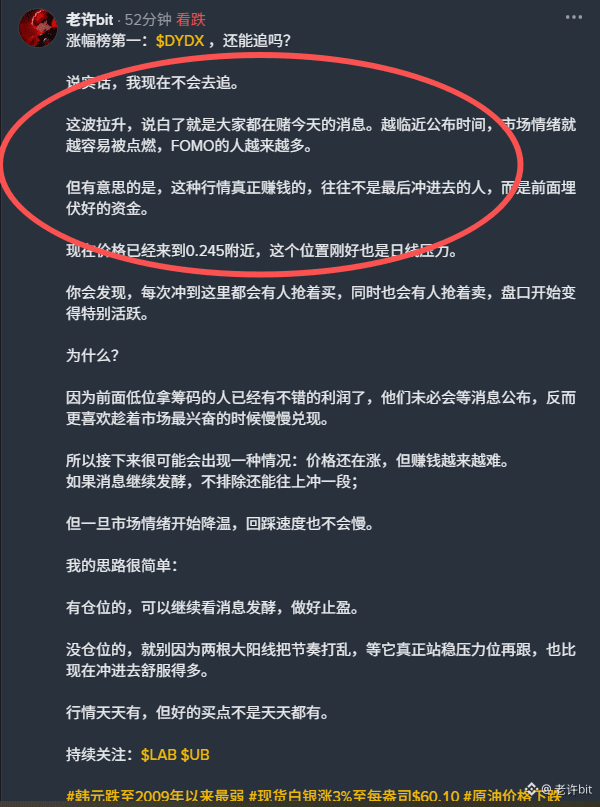
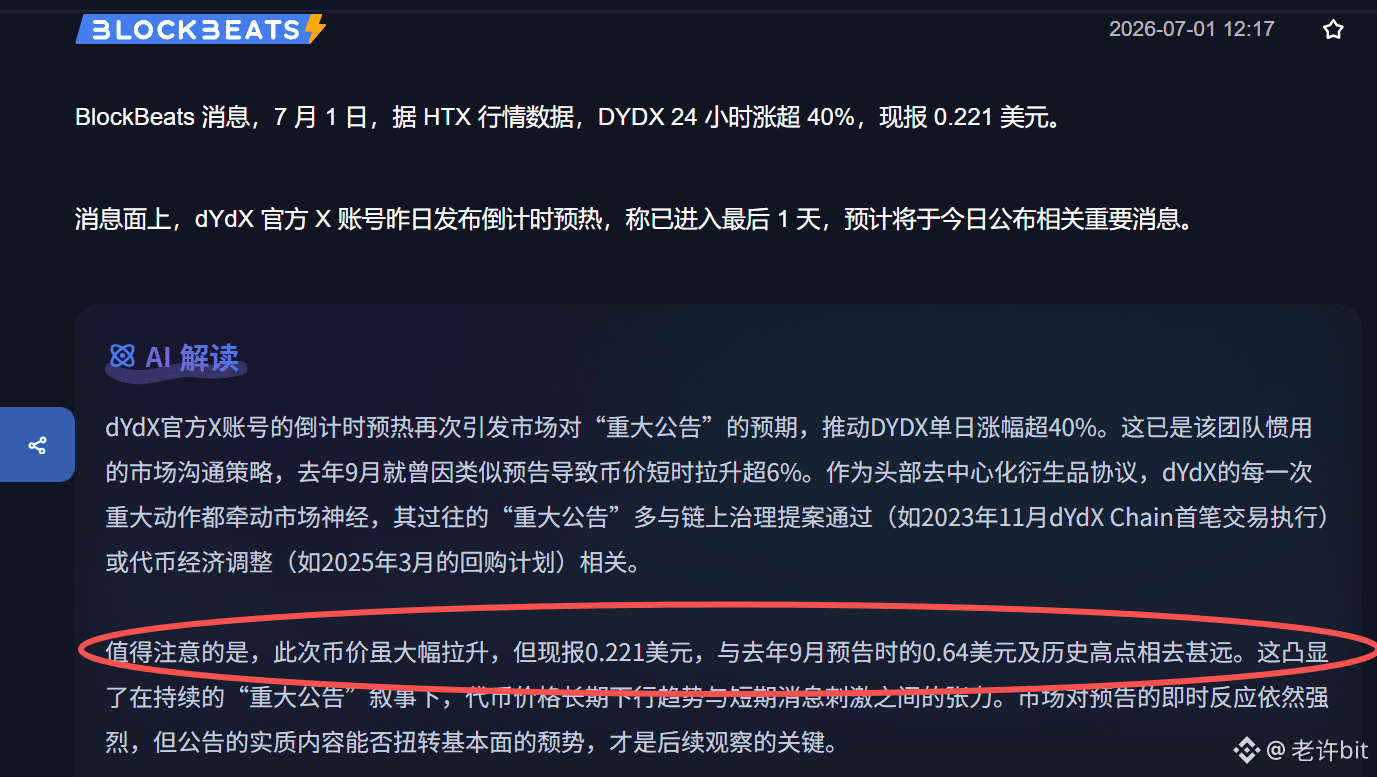
Top Gainer: $DYDX — Can you still chase it?
Honestly, I wouldn’t chase it right now.
This surge, put simply, is everyone betting on today’s news. The closer it gets to the time of release, the easier it is for market sentiment to get ignited, and the number of FOMO buyers keeps growing.
But here’s the interesting part: in this kind of market, the ones who truly make money are often not the last people who rush in, but the funds that were already positioned early.
Now the price is already around 0.245, and this spot happens to align with daily resistance.
You’ll notice that every time it pushes up to this level, some people rush to buy while others rush to sell—the order book starts getting especially active.
Why?
Because the people who bought earlier at lower levels already have solid profits. They may not even wait for the news release; instead, they prefer to gradually realize gains while the market is at its most excited.
So the next likely scenario is: price keeps rising, but it gets harder and harder to make money.
If the news continues to build up, there’s a chance it can still push higher for a bit;
but once market sentiment starts cooling down, the pullback won’t be slow.
My thinking is very simple:
If you already have a position, you can keep watching the news build-up and be sure to take profit with stop targets.
If you don’t have a position, don’t let two big bullish candles throw off your timing. Wait until it truly holds above the resistance level, and chasing later will feel a lot more comfortable than rushing in now.
Markets have opportunities every day, but good entry points aren’t always there.
Keep monitoring: $LAB $UB
#韩元跌至2009年以来最弱 #现货白银涨3%至每盎司$60.10 #原油价格下跌
Honestly, I wouldn’t chase it right now.
This surge, put simply, is everyone betting on today’s news. The closer it gets to the time of release, the easier it is for market sentiment to get ignited, and the number of FOMO buyers keeps growing.
But here’s the interesting part: in this kind of market, the ones who truly make money are often not the last people who rush in, but the funds that were already positioned early.
Now the price is already around 0.245, and this spot happens to align with daily resistance.
You’ll notice that every time it pushes up to this level, some people rush to buy while others rush to sell—the order book starts getting especially active.
Why?
Because the people who bought earlier at lower levels already have solid profits. They may not even wait for the news release; instead, they prefer to gradually realize gains while the market is at its most excited.
So the next likely scenario is: price keeps rising, but it gets harder and harder to make money.
If the news continues to build up, there’s a chance it can still push higher for a bit;
but once market sentiment starts cooling down, the pullback won’t be slow.
My thinking is very simple:
If you already have a position, you can keep watching the news build-up and be sure to take profit with stop targets.
If you don’t have a position, don’t let two big bullish candles throw off your timing. Wait until it truly holds above the resistance level, and chasing later will feel a lot more comfortable than rushing in now.
Markets have opportunities every day, but good entry points aren’t always there.
Keep monitoring: $LAB $UB
#韩元跌至2009年以来最弱 #现货白银涨3%至每盎司$60.10 #原油价格下跌
$ETH BlackRock is still steadily releasing shares/chips. At the same time, the market lacks new positive catalysts, so capital never manages to form a unified force. Naturally, it’s hard for any rebound to break out into sustained momentum.
More importantly, today is also the close of the monthly chart.
At this kind of time point, many institutions control their positions and won’t easily trigger a trend move. That’s why you’ll notice the market keeps seeing shrink-volume rebounds and volume expansion followed by pullbacks. Every time prices are pushed up, there’s no follow-through capital to continue.
There’s another detail worth paying attention to.
In recent rebounds, the trading volume not only didn’t expand—it has been getting smaller each time, clearly indicating that chase-buying demand is insufficient.
On the surface, the price is rising. In reality, it’s just a small amount of capital pushing the price higher, while true large funds haven’t stepped in.
This kind of price action most easily makes retail traders mistakenly think the market has already bottomed out, so they rush in to buy the dip.
But the main force exploits exactly this sentiment to keep exchanging positions at higher levels. Once the incoming “bag-holder” capital starts to decrease, prices can easily slip back into a bearish rhythm again.
So my thinking hasn’t changed.
Until the trend is truly reversed, treat every rebound primarily as a correction/repair rather than a reversal.
In terms of trading, keep looking for rebounds to find resistance; focus mainly on going short at high levels.
If you can’t understand it, don’t trade wildly. Once you understand, then act. Rhythm matters more than direction.
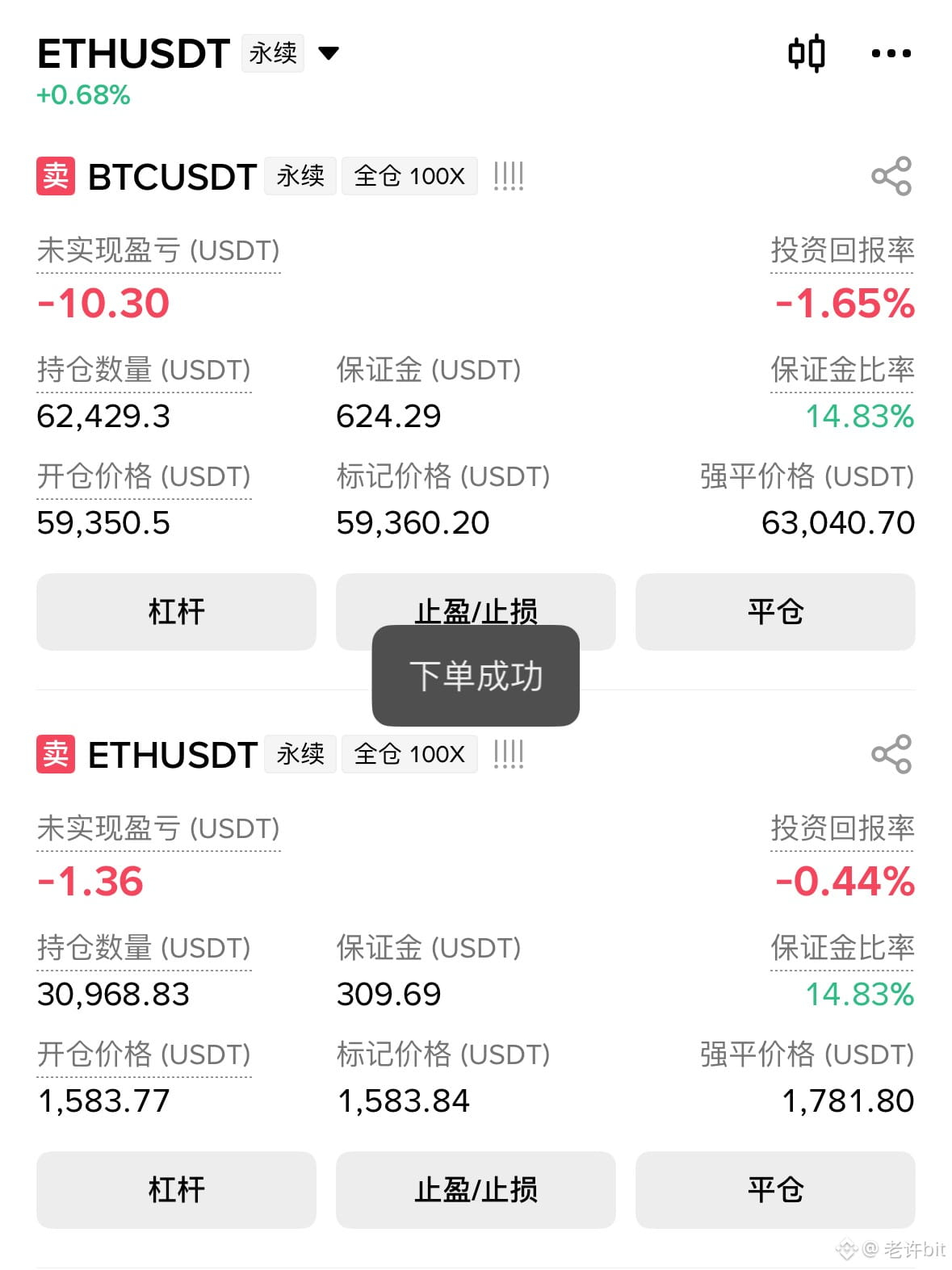
For the more aggressive brothers, at the current price you can set up a base position short
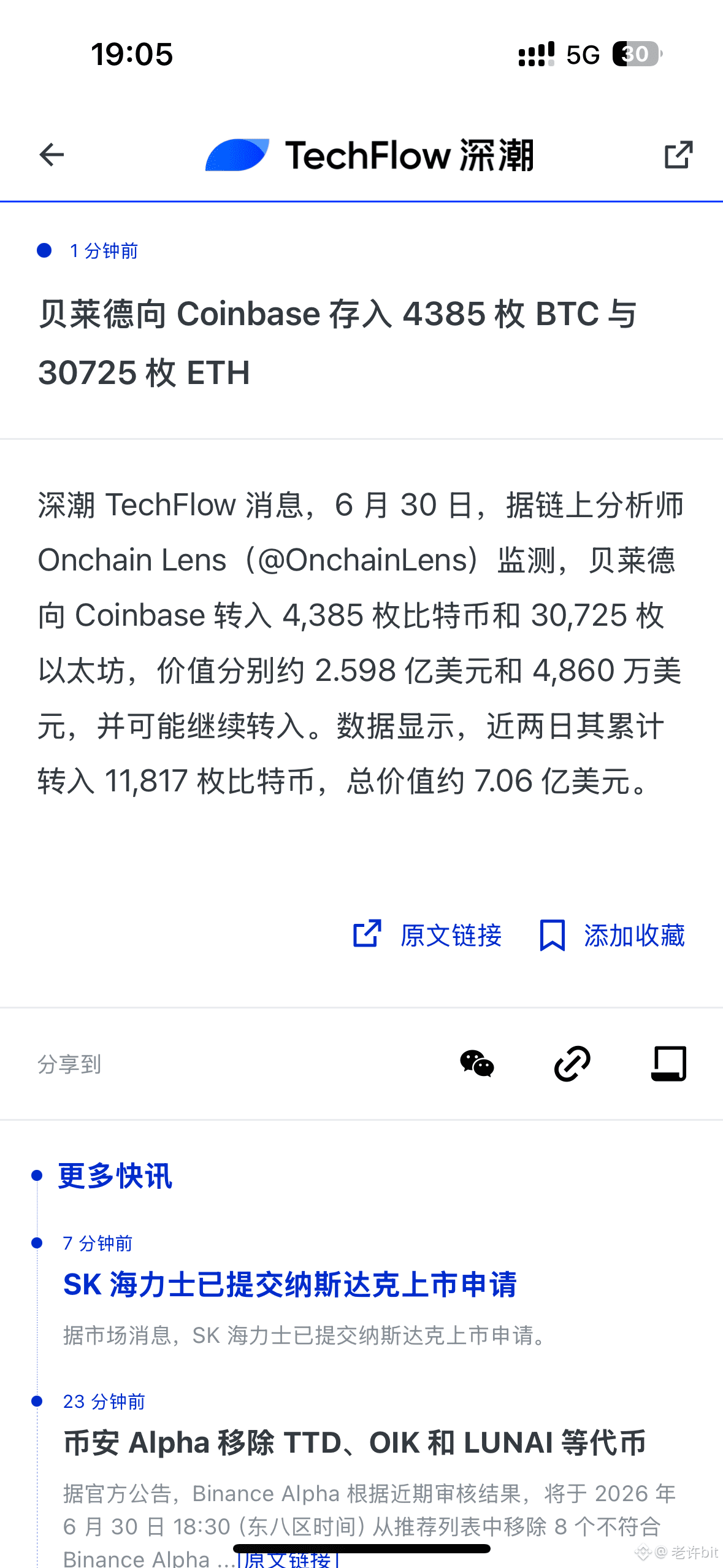
Big BTC at the current price: 59370 - Target: 58000
ETH at the current price: 1584 - Target: 1535-1510
For SOL, don’t short for now. It’s currently being influenced by on-chain memes, and it has still been relatively strong recently.
Keep following: $TAC $VELVET
#Strategy授权20亿美元回购 #道指收创纪录新高 #阿塞拜疆起草虚拟资产监管法案要求央行牌照 #三星SK海力士今年内股价上涨
More importantly, today is also the close of the monthly chart.
At this kind of time point, many institutions control their positions and won’t easily trigger a trend move. That’s why you’ll notice the market keeps seeing shrink-volume rebounds and volume expansion followed by pullbacks. Every time prices are pushed up, there’s no follow-through capital to continue.
There’s another detail worth paying attention to.
In recent rebounds, the trading volume not only didn’t expand—it has been getting smaller each time, clearly indicating that chase-buying demand is insufficient.
On the surface, the price is rising. In reality, it’s just a small amount of capital pushing the price higher, while true large funds haven’t stepped in.
This kind of price action most easily makes retail traders mistakenly think the market has already bottomed out, so they rush in to buy the dip.
But the main force exploits exactly this sentiment to keep exchanging positions at higher levels. Once the incoming “bag-holder” capital starts to decrease, prices can easily slip back into a bearish rhythm again.
So my thinking hasn’t changed.
Until the trend is truly reversed, treat every rebound primarily as a correction/repair rather than a reversal.
In terms of trading, keep looking for rebounds to find resistance; focus mainly on going short at high levels.
If you can’t understand it, don’t trade wildly. Once you understand, then act. Rhythm matters more than direction.
For the more aggressive brothers, at the current price you can set up a base position short
Big BTC at the current price: 59370 - Target: 58000
ETH at the current price: 1584 - Target: 1535-1510
For SOL, don’t short for now. It’s currently being influenced by on-chain memes, and it has still been relatively strong recently.
Keep following: $TAC $VELVET
#Strategy授权20亿美元回购 #道指收创纪录新高 #阿塞拜疆起草虚拟资产监管法案要求央行牌照 #三星SK海力士今年内股价上涨
老许在带单--先赚后付
·
--
Brothers, good morning!!! Today is the last trading day of June, and it’s also the timing for many institutions to rebalance monthly positions and adjust their quarterly allocations.
At this kind of time, the market often shows a particular characteristic: the direction may not appear immediately, but money starts lining up early.
Recently, BTC has been trading back and forth around 60,000. Many people think the price action is boring, but in my view, this consolidation isn’t that there’s no opportunity—it’s waiting for new capital to reset the valuation.
You’ll notice that in recent drops, there hasn’t been a sustained panic sell-off, and the rebounds have also lacked FOMO chasing. This suggests that the order book liquidity is relatively stable right now. What’s really affecting the market isn’t retail traders—it’s who is the first to push incremental capital into the market.
There’s also another phenomenon worth paying attention to.
Recently, many strong altcoins have started to break away from BTC and move independently. This often means that the market’s risk appetite is gradually recovering.
Even though it’s not enough to prove that a bull market is back, it at least indicates that capital has begun trying to find new opportunities to make money, instead of defending at all costs.
What you really need to watch this week isn’t who says the bull market is here or who says the bear market is coming, but whether the first week of July will see volume pick up again.
If trading volume can expand in tandem, and BTC reclaims and holds above 60,000, then market sentiment will see a clear recovery;
If volume remains low and it continues to chop, then most likely it will keep range-trading—shaking out the impatient people.
My view is simple:
It’s not that the market is weak—the market is just missing a real catalyst that can ignite sentiment.
Until that signal appears, short-term trading is still the most comfortable rhythm.
Key levels to watch:
BTC: 58,500—61,000
ETH: 1,550—1,650
SOL: 72—77
Trading isn’t about who can guess more accurately—it’s about who can stand on the right side of direction the first time when capital truly moves in.
Keep watching: $BEAT $RAVE.US
#美股科技股反弹道指创新高 #最高法裁定总统可解雇SECCFTC委员 #AAVE涨13.16%至$94.32
At this kind of time, the market often shows a particular characteristic: the direction may not appear immediately, but money starts lining up early.
Recently, BTC has been trading back and forth around 60,000. Many people think the price action is boring, but in my view, this consolidation isn’t that there’s no opportunity—it’s waiting for new capital to reset the valuation.
You’ll notice that in recent drops, there hasn’t been a sustained panic sell-off, and the rebounds have also lacked FOMO chasing. This suggests that the order book liquidity is relatively stable right now. What’s really affecting the market isn’t retail traders—it’s who is the first to push incremental capital into the market.
There’s also another phenomenon worth paying attention to.
Recently, many strong altcoins have started to break away from BTC and move independently. This often means that the market’s risk appetite is gradually recovering.
Even though it’s not enough to prove that a bull market is back, it at least indicates that capital has begun trying to find new opportunities to make money, instead of defending at all costs.
What you really need to watch this week isn’t who says the bull market is here or who says the bear market is coming, but whether the first week of July will see volume pick up again.
If trading volume can expand in tandem, and BTC reclaims and holds above 60,000, then market sentiment will see a clear recovery;
If volume remains low and it continues to chop, then most likely it will keep range-trading—shaking out the impatient people.
My view is simple:
It’s not that the market is weak—the market is just missing a real catalyst that can ignite sentiment.
Until that signal appears, short-term trading is still the most comfortable rhythm.
Key levels to watch:
BTC: 58,500—61,000
ETH: 1,550—1,650
SOL: 72—77
Trading isn’t about who can guess more accurately—it’s about who can stand on the right side of direction the first time when capital truly moves in.
Keep watching: $BEAT $RAVE.US
#美股科技股反弹道指创新高 #最高法裁定总统可解雇SECCFTC委员 #AAVE涨13.16%至$94.32
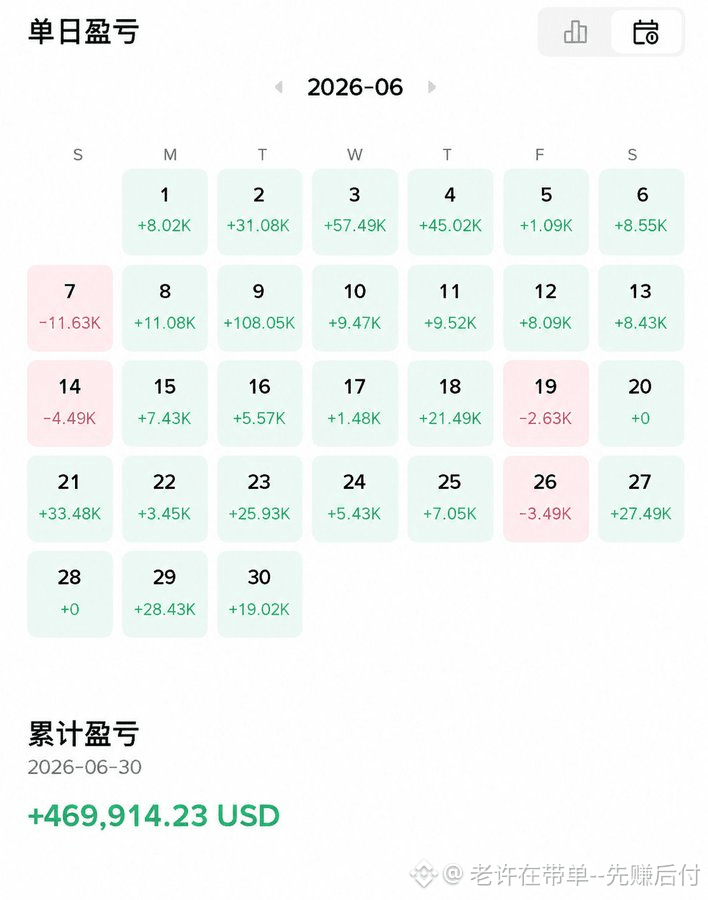
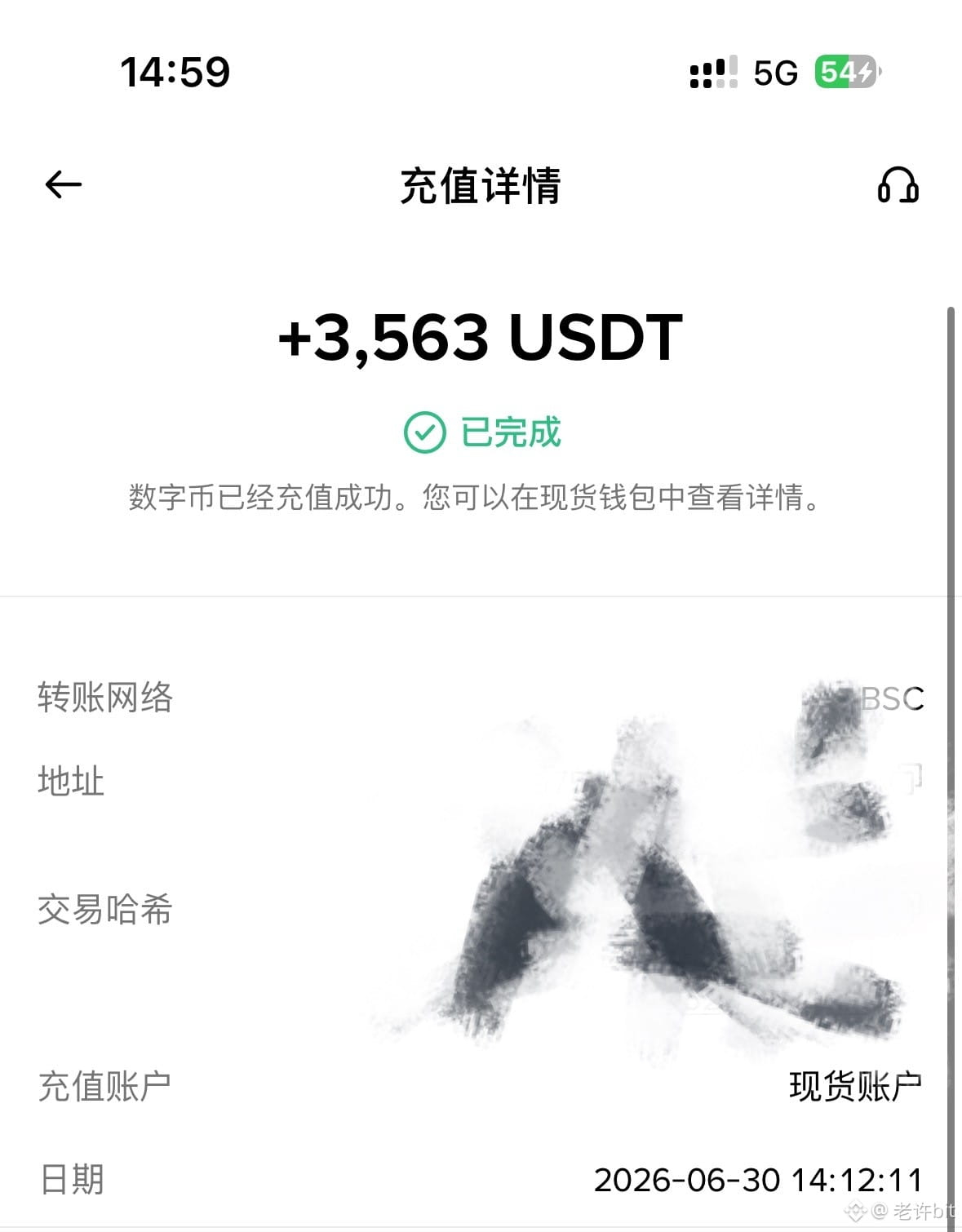
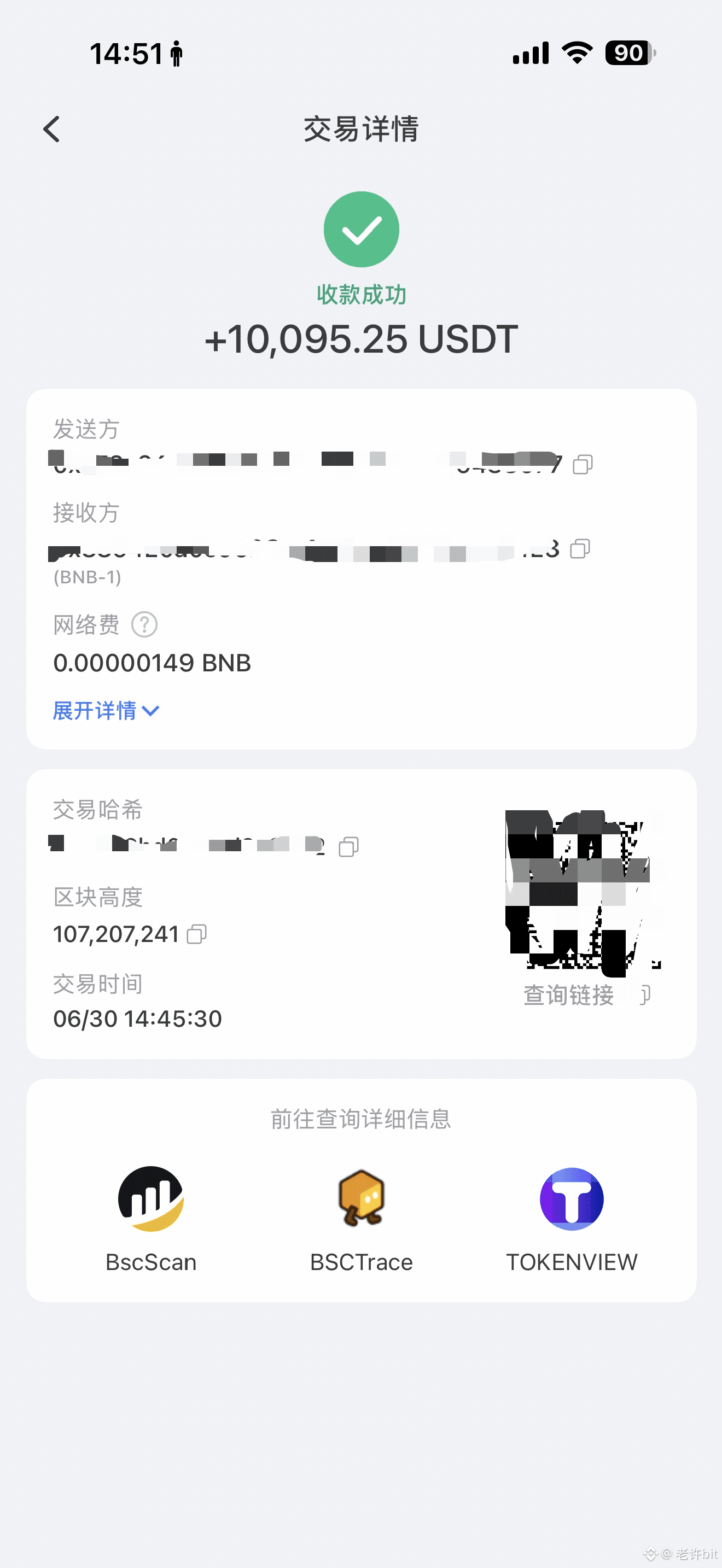
June is over—did you make a profit or take a loss this month?
For the same thing, if you look from different angles, what you see will be different. For example, the same rose—some people complain about the thorns that prick their hands, while others just enjoy watching the flowers bloom.
Making choices is the same. Returns and risks are always linked together, and ups and downs are simply part of normal life.
The key isn’t whether you’re afraid or not—it’s whether you can see things clearly, stay steady, and be sure of your timing.
Opportunities are there. Whether you dare to take them, and how you take them, all depends on you.老许公开策略交流群
Keep an eye on:$TAC.US $RAVE.US $SLX
#美最高法院阻止特朗普罢免美联储理事库克 #阿塞拜疆起草虚拟资产监管法案要求央行牌照 #道指收创纪录新高
For the same thing, if you look from different angles, what you see will be different. For example, the same rose—some people complain about the thorns that prick their hands, while others just enjoy watching the flowers bloom.
Making choices is the same. Returns and risks are always linked together, and ups and downs are simply part of normal life.
The key isn’t whether you’re afraid or not—it’s whether you can see things clearly, stay steady, and be sure of your timing.
Opportunities are there. Whether you dare to take them, and how you take them, all depends on you.老许公开策略交流群
Keep an eye on:$TAC.US $RAVE.US $SLX
#美最高法院阻止特朗普罢免美联储理事库克 #阿塞拜疆起草虚拟资产监管法案要求央行牌照 #道指收创纪录新高
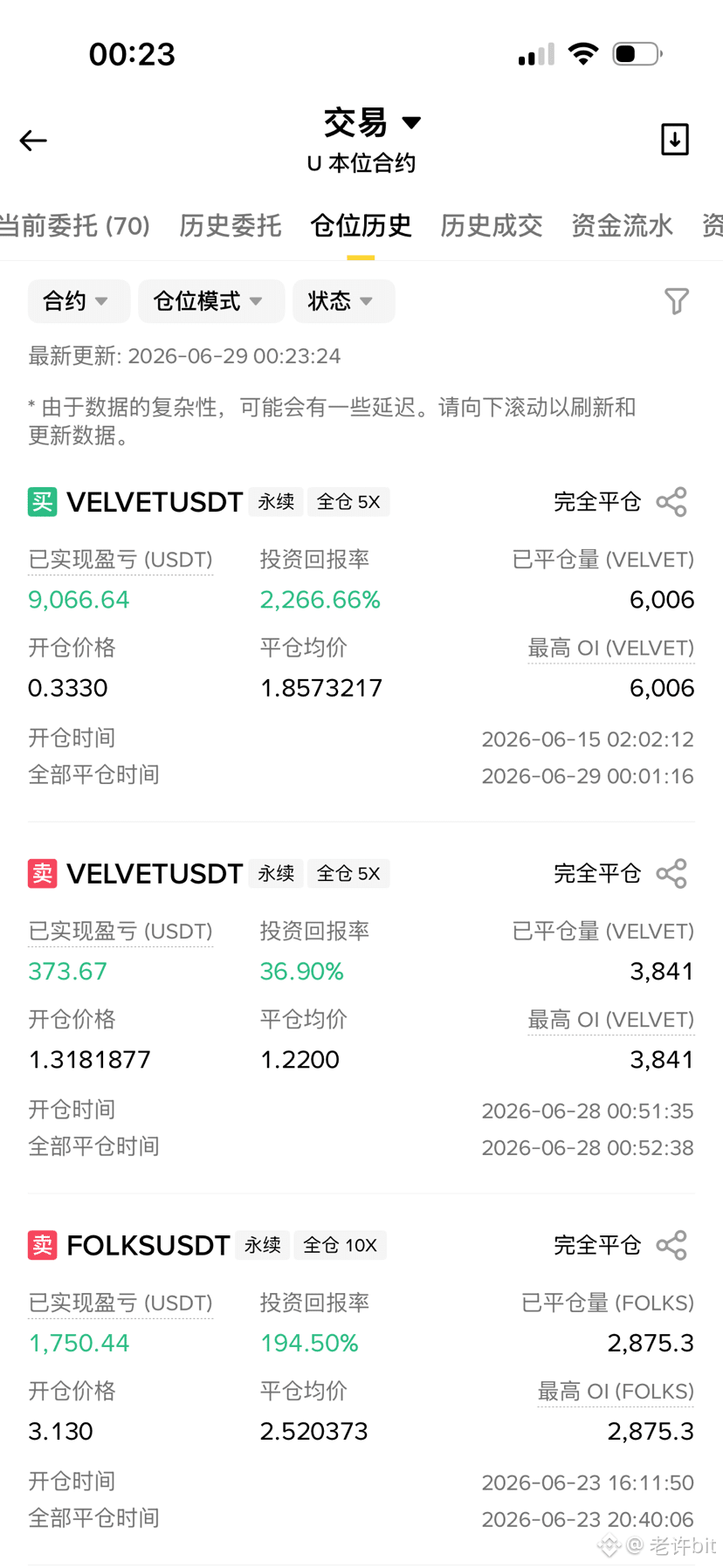
翻仓成功,六月毕业
100%
稳定盈利,知足常乐
0%
小亏,七月准备翻身
0%
七月重新出发,跟紧节奏
0%
1 votes • Voting closed
Log in to explore more content