

DragonChain
7.8k Posts
DragonChain
Report
Block User
8 Years of trading experience. Sharing market insights, clean charts, and quick crypto updates. Focused on smart risk management and consistent growth🚀🚀
Occasional Trader
4.2 Years
36 Following
973 Followers
2.7K+ Liked
Posts
All
Quotes
Videos
Live
·
--
🔴Hey bro, Short $ARB Now!
📍 Entry Zone: (CMC)
🎯 TP1: $0.1043
🎯 TP2: $0.0975
🎯 TP3: $0.0901
🛑 Stop Loss: $0.1497
🔎 Trade Plan: Avoid chasing the move. Let #ARB pull back into the Entry zone and wait for a strong dip/rejection candle before entering the Long.
Keep $USELESS & $STAR under close watch and track the price action for additional confirmation.
🔴Hey bro, Short $ARB Now!
📍 Entry Zone: (CMC)
🎯 TP1: $0.1043
🎯 TP2: $0.0975
🎯 TP3: $0.0901
🛑 Stop Loss: $0.1497
🔎 Trade Plan: Avoid chasing the move. Let #ARB pull back into the Entry zone and wait for a strong dip/rejection candle before entering the Long.
Keep $USELESS & $STAR under close watch and track the price action for additional confirmation.
📍 Entry Zone: (CMC)
🎯 TP1: $0.1043
🎯 TP2: $0.0975
🎯 TP3: $0.0901
🛑 Stop Loss: $0.1497
🔎 Trade Plan: Avoid chasing the move. Let #ARB pull back into the Entry zone and wait for a strong dip/rejection candle before entering the Long.
Keep $USELESS & $STAR under close watch and track the price action for additional confirmation.
3
206
·
--
$BANK is flashing a powerful LONG signal!
Open a BIG LONG NOW!
Stop Loss: 0.051
Take Profit: 0.071
$BANK is flashing a powerful LONG signal!
Open a BIG LONG NOW!
Stop Loss: 0.051
Take Profit: 0.071
Open a BIG LONG NOW!
Stop Loss: 0.051
Take Profit: 0.071
1
217
·
--
$GIGGLE is flashing a powerful LONG signal!
Open a BIG LONG NOW!
Stop Loss: 34.20
Take Profit: 51.60
$GIGGLE is flashing a powerful LONG signal!
Open a BIG LONG NOW!
Stop Loss: 34.20
Take Profit: 51.60
Open a BIG LONG NOW!
Stop Loss: 34.20
Take Profit: 51.60
1
238
·
--
$1000RATS is flashing a powerful SHORT signal!
Open a BIG SHOR NOW!
Stop Loss: 0.046
Take Profit: 0.067
$1000RATS is flashing a powerful SHORT signal!
Open a BIG SHOR NOW!
Stop Loss: 0.046
Take Profit: 0.067
Open a BIG SHOR NOW!
Stop Loss: 0.046
Take Profit: 0.067
2
267
·
--
Good Morning guys 😁🤝
Hope you’re all doing great…
Because today started EXACTLY the way we like it 😏🔥
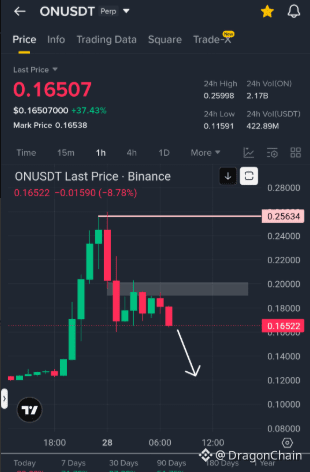
Last night I shared a short on $ON …
Told you to short it from the top and now just look at this move 🫡🙌🏻
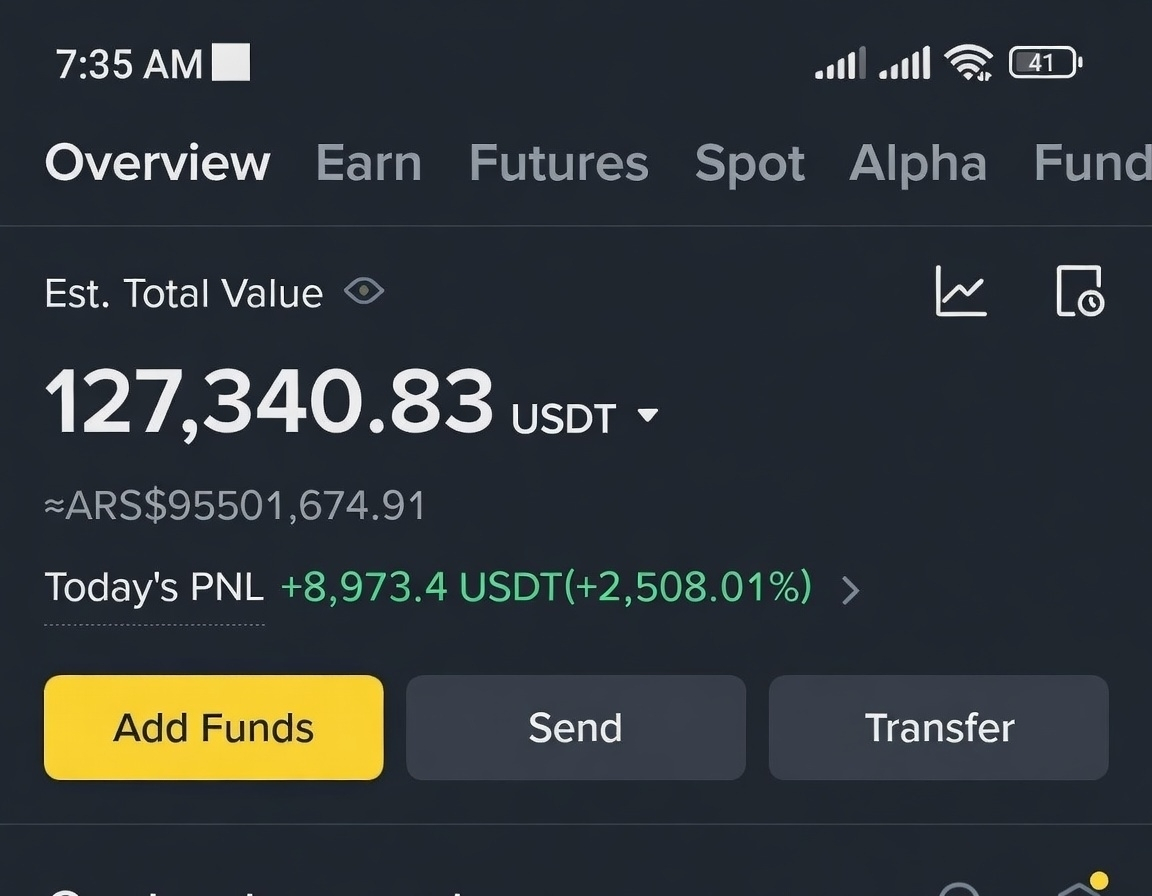
Perfect entry… clean dump… massive profit 🤑
When the day starts like THIS…
you already know what’s coming next 🚀
And yeah… today is a special day for me too…
It’s my birthday 🎂🎈
So you can say this move was like a small gift from my side to you guys 😅
Don’t worry, today I’ll be even more active…
More setups, more opportunities… we go again 💪🏻
Just stay active and don’t miss out 👀
And yeah… $ON
Don’t forget to wish me 😶🌫️🎈
Good Morning guys 😁🤝
Hope you’re all doing great…
Because today started EXACTLY the way we like it 😏🔥
Last night I shared a short on $ON …
Told you to short it from the top and now just look at this move 🫡🙌🏻
Perfect entry… clean dump… massive profit 🤑
When the day starts like THIS…
you already know what’s coming next 🚀
And yeah… today is a special day for me too…
It’s my birthday 🎂🎈
So you can say this move was like a small gift from my side to you guys 😅
Don’t worry, today I’ll be even more active…
More setups, more opportunities… we go again 💪🏻
Just stay active and don’t miss out 👀
And yeah… $ON
Don’t forget to wish me 😶🌫️🎈
Hope you’re all doing great…
Because today started EXACTLY the way we like it 😏🔥
Last night I shared a short on $ON …
Told you to short it from the top and now just look at this move 🫡🙌🏻
Perfect entry… clean dump… massive profit 🤑
When the day starts like THIS…
you already know what’s coming next 🚀
And yeah… today is a special day for me too…
It’s my birthday 🎂🎈
So you can say this move was like a small gift from my side to you guys 😅
Don’t worry, today I’ll be even more active…
More setups, more opportunities… we go again 💪🏻
Just stay active and don’t miss out 👀
And yeah… $ON
Don’t forget to wish me 😶🌫️🎈

68

·
--
done
done

齐菲利乌斯
·
--
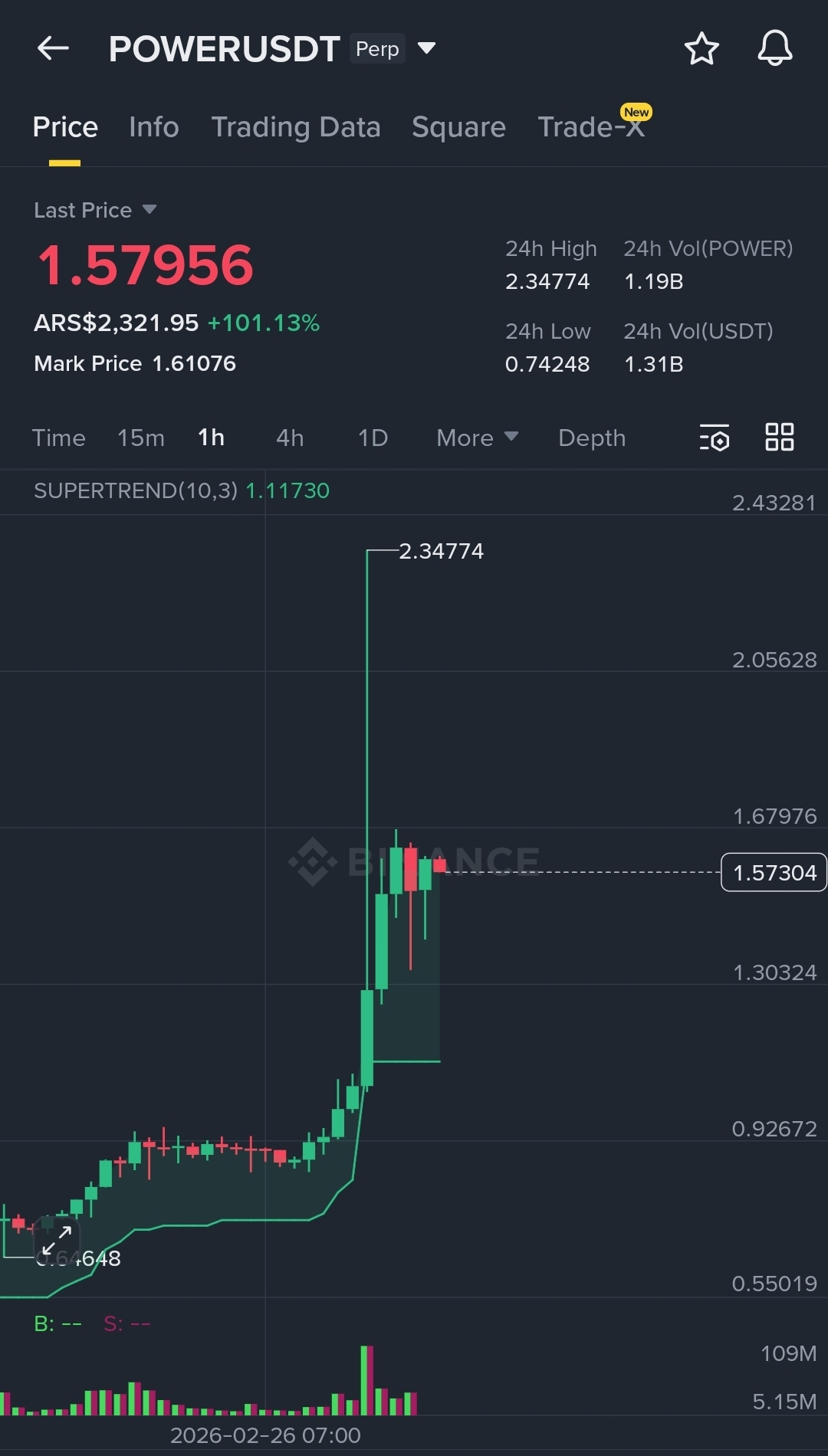
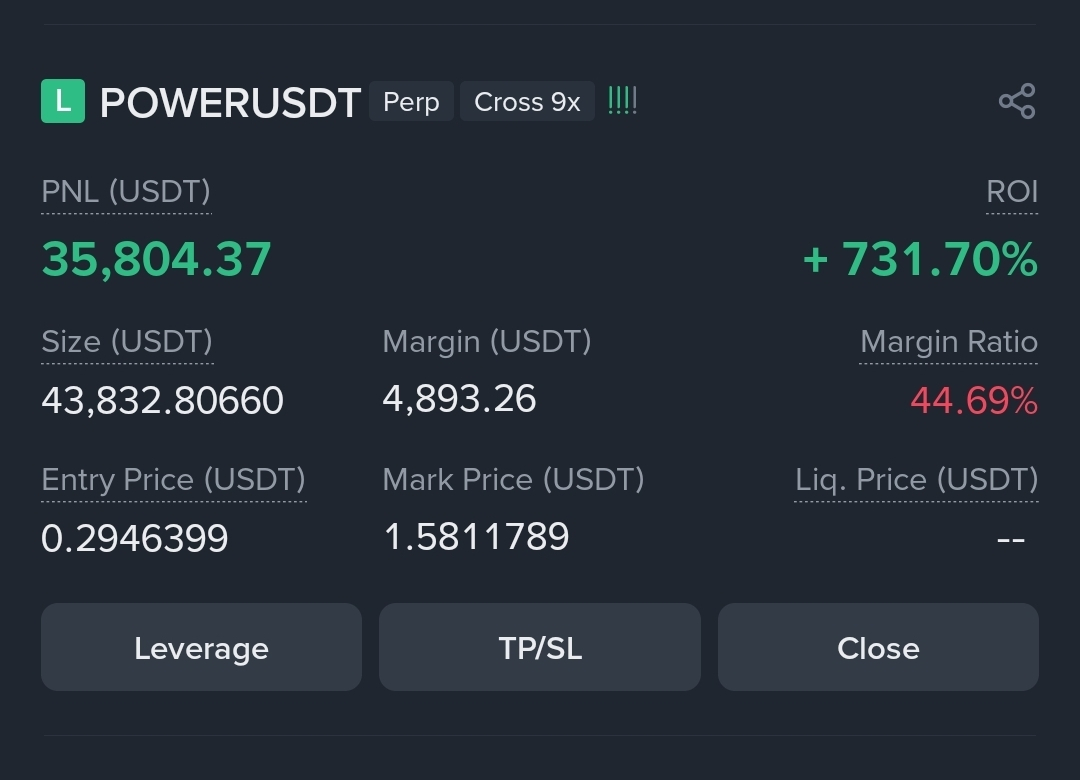
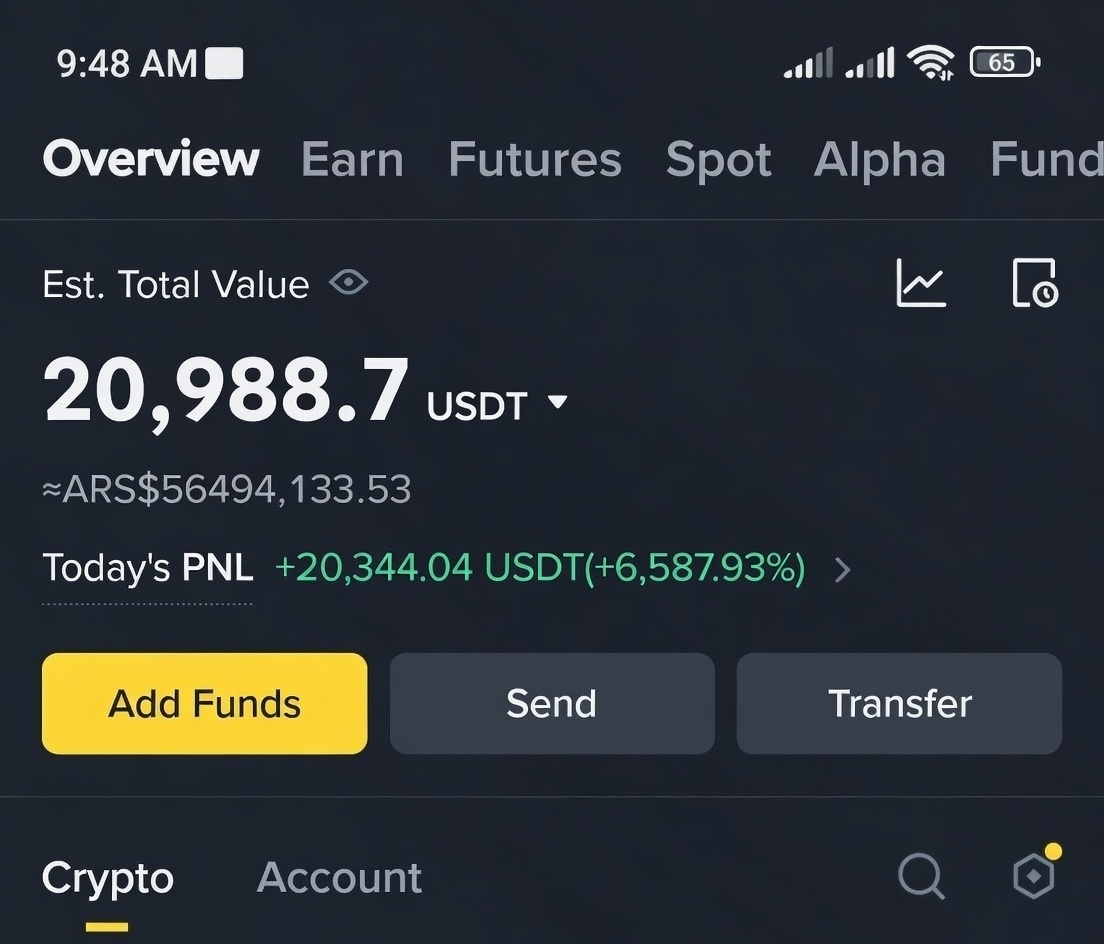
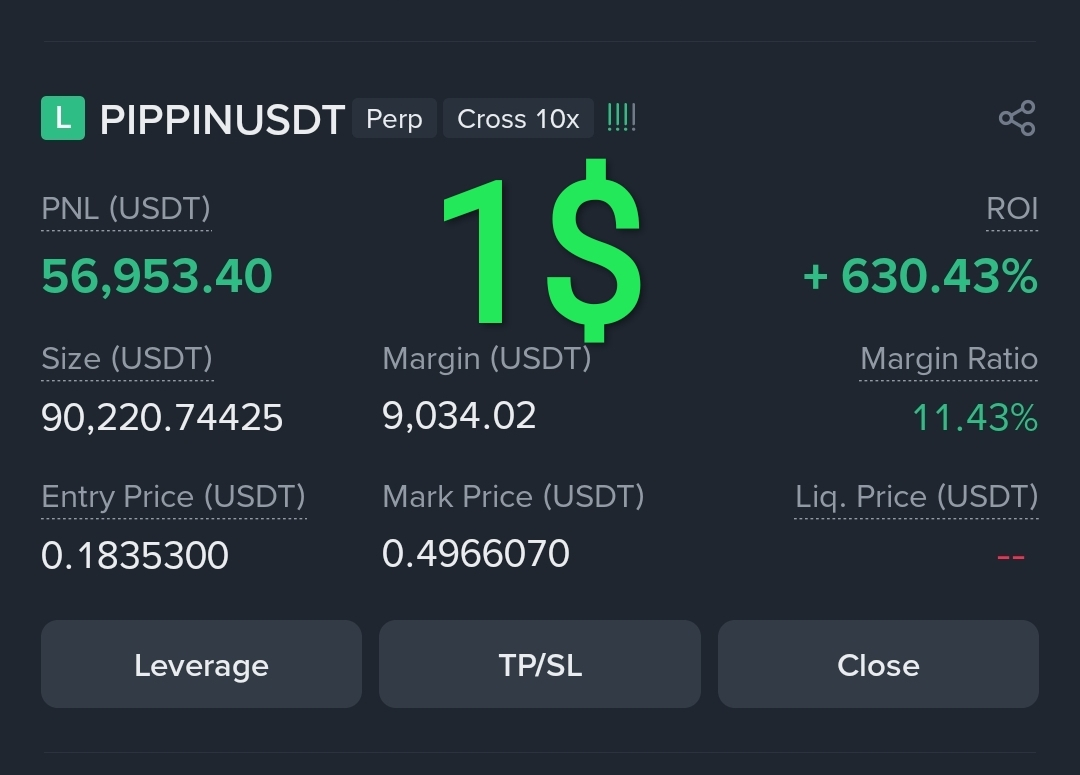
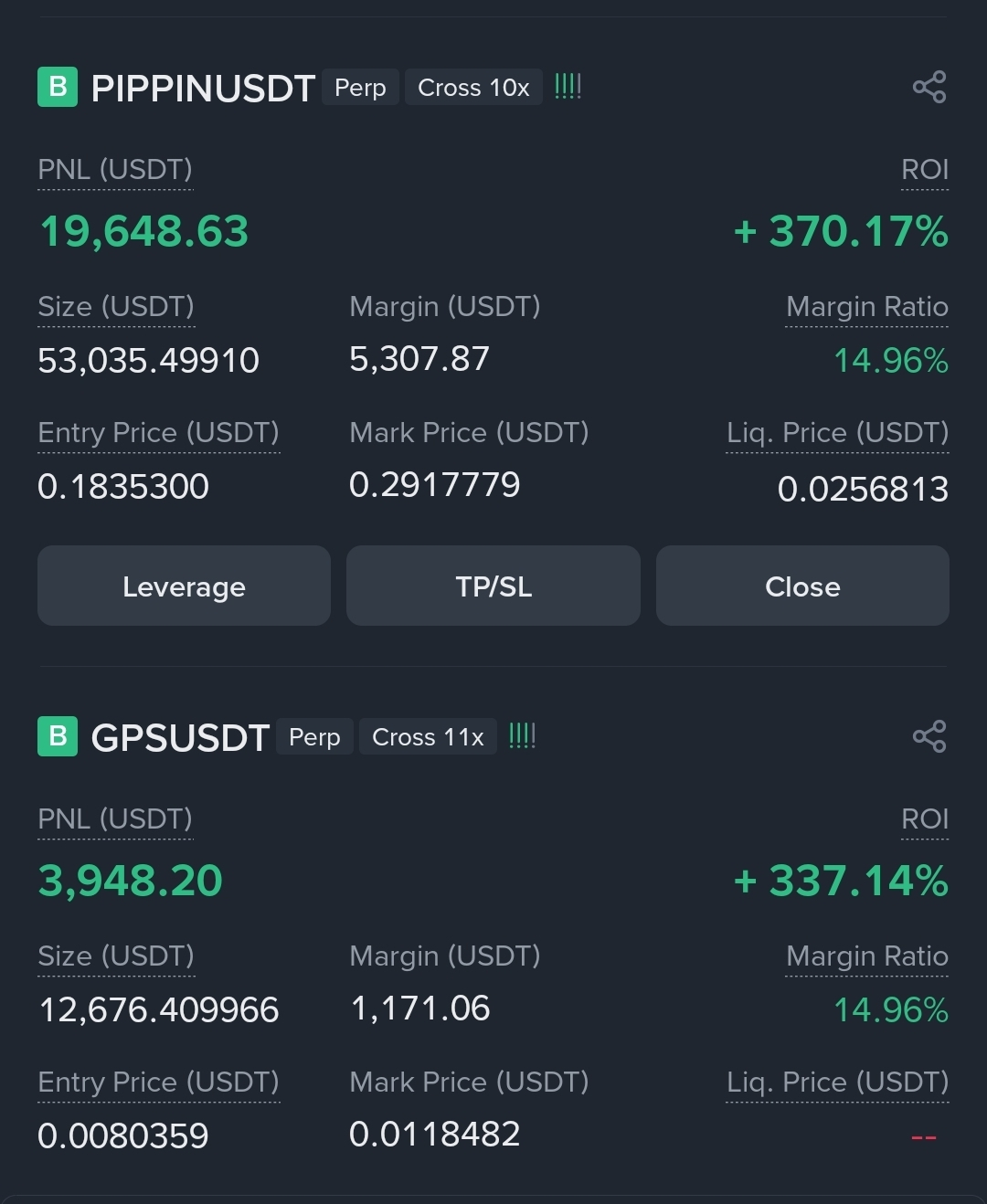
$POWER played out perfectly — all targets smashed 🎯 Congrats 🥂
Momentum still strong. Look for dips for possible re-entry.
Momentum still strong. Look for dips for possible re-entry.
1
38


·
--
ok try
ok try
齐菲利乌斯
·
--
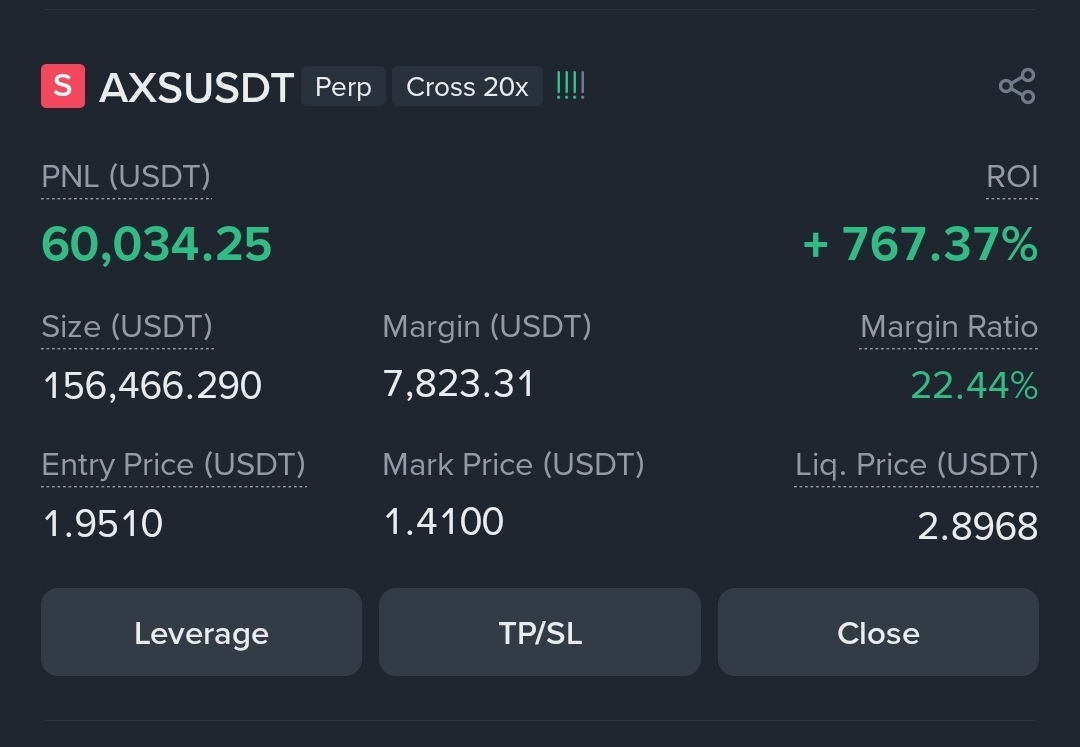
I already warned to short $AXS .
No need to thank me now.
Keep shorting $AXS $XVS
No need to thank me now.
Keep shorting $AXS $XVS
85
·
--
Vanar: When Blockchain Stops Chasing Speed and Starts Building Stability#vanar $VANRY @Vanar
The crypto world is full of ghosts — blockchains that once promised revolutions, speed, and disruption, but quietly faded away. Each generation arrives louder than the last: faster TPS, lower fees, smarter consensus, greener mining. But after a while, the pattern becomes obvious. Technology alone doesn’t build lasting systems. Economics does.
That’s what changed when I spent time around the Vanar ecosystem.
Vanar doesn’t behave like a typical blockchain project. It doesn’t sell dreams built on benchmarks. It doesn’t market itself through raw performance metrics. Instead, it operates like a business platform disguised as a blockchain. And that difference matters more than any TPS number ever will.
At the base layer, yes — the tech is strong.
AI-native architecture.
Ultra-low transaction costs (half a milli-cent per transaction).
Carbon-neutral infrastructure via Google Cloud.
Stake-based security instead of wasteful mining.
But those are table stakes now. Fast, green EVM chains are everywhere.
What isn’t everywhere is economic structure.
Vanar’s real innovation lives in how it generates value. Not through congestion. Not through volatility. Not through speculation cycles. But through services.
Inside the network sits the Vanar Stack — not as “features,” but as monetizable infrastructure.
Neutron doesn’t just compress data — it transforms storage economics, shrinking massive on-chain data loads into fractions of their size.
Kayon doesn’t just automate logic — it distributes intelligence across nodes, turning the network itself into a decision system.
Large files don’t live off-chain — they exist directly on-chain, eliminating reliance on fragile external layers.
This isn’t engineering for show.
This is engineering for billing.
From early 2026, developers and enterprises won’t just “use” Vanar — they’ll subscribe to it.
Access to AI modules, compression tools, data intelligence systems will require $VANRY-based subscriptions. That changes the entire role of the token:
$VANRY stops being a simple gas asset.
It becomes software access capital.
The network no longer depends on unpredictable traffic spikes.
It no longer needs memecoin hype.
It no longer relies on congestion to generate revenue.
Income flows from usage:
• AI computation
• enterprise data validation
• infrastructure services
• real business tooling
• corporate integrations
Quiet revenue. Predictable revenue. Sustainable revenue.
And the value loop stays internal:
Service usage generates revenue.
Revenue strengthens the ecosystem.
AI tool usage triggers token burns.
Burns reduce supply.
Reduced supply reshapes scarcity dynamics.
Scarcity strengthens long-term value alignment.
Developers benefit from stable cost structures.
Enterprises get predictable pricing models.
The network earns without chaos.
Stakers gain exposure to real economic activity, not inflation loops.
This is the part most blockchains never solve:
How do you make money when fees are low?
Vanar answers that question with structure, not hype.
By embedding itself into sectors like gaming, real-world assets, and PayFi, Vanar moves beyond crypto-native narratives and into real-world corporate budgets. Over time, that matters more than community noise. It’s the difference between adoption and integration.
Vanar doesn’t try to become the fastest chain.
It tries to become the most economically stable one.
And that’s the quiet shift most people miss:
Blockchains don’t survive because they’re fast.
They survive because they’re profitable — in sustainable ways.
Vanar treats blockchain not as infrastructure for speculation,
but as infrastructure for services.
Not a ledger.
Not a hype engine.
But a digital company model running on-chain.
If this model scales, it doesn’t just change Vanar —
it rewrites what success in Web3 even means.
Vanar: When Blockchain Stops Chasing Speed and Starts Building Stability
#vanar $VANRY @Vanarchain
The crypto world is full of ghosts — blockchains that once promised revolutions, speed, and disruption, but quietly faded away. Each generation arrives louder than the last: faster TPS, lower fees, smarter consensus, greener mining. But after a while, the pattern becomes obvious. Technology alone doesn’t build lasting systems. Economics does.
That’s what changed when I spent time around the Vanar ecosystem.
Vanar doesn’t behave like a typical blockchain project. It doesn’t sell dreams built on benchmarks. It doesn’t market itself through raw performance metrics. Instead, it operates like a business platform disguised as a blockchain. And that difference matters more than any TPS number ever will.
At the base layer, yes — the tech is strong.
AI-native architecture.
Ultra-low transaction costs (half a milli-cent per transaction).
Carbon-neutral infrastructure via Google Cloud.
Stake-based security instead of wasteful mining.
But those are table stakes now. Fast, green EVM chains are everywhere.
What isn’t everywhere is economic structure.
Vanar’s real innovation lives in how it generates value. Not through congestion. Not through volatility. Not through speculation cycles. But through services.
Inside the network sits the Vanar Stack — not as “features,” but as monetizable infrastructure.
Neutron doesn’t just compress data — it transforms storage economics, shrinking massive on-chain data loads into fractions of their size.
Kayon doesn’t just automate logic — it distributes intelligence across nodes, turning the network itself into a decision system.
Large files don’t live off-chain — they exist directly on-chain, eliminating reliance on fragile external layers.
This isn’t engineering for show.
This is engineering for billing.
From early 2026, developers and enterprises won’t just “use” Vanar — they’ll subscribe to it.
Access to AI modules, compression tools, data intelligence systems will require $VANRY-based subscriptions. That changes the entire role of the token:
$VANRY stops being a simple gas asset.
It becomes software access capital.
The network no longer depends on unpredictable traffic spikes.
It no longer needs memecoin hype.
It no longer relies on congestion to generate revenue.
Income flows from usage:
• AI computation
• enterprise data validation
• infrastructure services
• real business tooling
• corporate integrations
Quiet revenue. Predictable revenue. Sustainable revenue.
And the value loop stays internal:
Service usage generates revenue.
Revenue strengthens the ecosystem.
AI tool usage triggers token burns.
Burns reduce supply.
Reduced supply reshapes scarcity dynamics.
Scarcity strengthens long-term value alignment.
Developers benefit from stable cost structures.
Enterprises get predictable pricing models.
The network earns without chaos.
Stakers gain exposure to real economic activity, not inflation loops.
This is the part most blockchains never solve:
How do you make money when fees are low?
Vanar answers that question with structure, not hype.
By embedding itself into sectors like gaming, real-world assets, and PayFi, Vanar moves beyond crypto-native narratives and into real-world corporate budgets. Over time, that matters more than community noise. It’s the difference between adoption and integration.
Vanar doesn’t try to become the fastest chain.
It tries to become the most economically stable one.
And that’s the quiet shift most people miss:
Blockchains don’t survive because they’re fast.
They survive because they’re profitable — in sustainable ways.
Vanar treats blockchain not as infrastructure for speculation,
but as infrastructure for services.
Not a ledger.
Not a hype engine.
But a digital company model running on-chain.
If this model scales, it doesn’t just change Vanar —
it rewrites what success in Web3 even means.
The crypto world is full of ghosts — blockchains that once promised revolutions, speed, and disruption, but quietly faded away. Each generation arrives louder than the last: faster TPS, lower fees, smarter consensus, greener mining. But after a while, the pattern becomes obvious. Technology alone doesn’t build lasting systems. Economics does.
That’s what changed when I spent time around the Vanar ecosystem.
Vanar doesn’t behave like a typical blockchain project. It doesn’t sell dreams built on benchmarks. It doesn’t market itself through raw performance metrics. Instead, it operates like a business platform disguised as a blockchain. And that difference matters more than any TPS number ever will.
At the base layer, yes — the tech is strong.
AI-native architecture.
Ultra-low transaction costs (half a milli-cent per transaction).
Carbon-neutral infrastructure via Google Cloud.
Stake-based security instead of wasteful mining.
But those are table stakes now. Fast, green EVM chains are everywhere.
What isn’t everywhere is economic structure.
Vanar’s real innovation lives in how it generates value. Not through congestion. Not through volatility. Not through speculation cycles. But through services.
Inside the network sits the Vanar Stack — not as “features,” but as monetizable infrastructure.
Neutron doesn’t just compress data — it transforms storage economics, shrinking massive on-chain data loads into fractions of their size.
Kayon doesn’t just automate logic — it distributes intelligence across nodes, turning the network itself into a decision system.
Large files don’t live off-chain — they exist directly on-chain, eliminating reliance on fragile external layers.
This isn’t engineering for show.
This is engineering for billing.
From early 2026, developers and enterprises won’t just “use” Vanar — they’ll subscribe to it.
Access to AI modules, compression tools, data intelligence systems will require $VANRY-based subscriptions. That changes the entire role of the token:
$VANRY stops being a simple gas asset.
It becomes software access capital.
The network no longer depends on unpredictable traffic spikes.
It no longer needs memecoin hype.
It no longer relies on congestion to generate revenue.
Income flows from usage:
• AI computation
• enterprise data validation
• infrastructure services
• real business tooling
• corporate integrations
Quiet revenue. Predictable revenue. Sustainable revenue.
And the value loop stays internal:
Service usage generates revenue.
Revenue strengthens the ecosystem.
AI tool usage triggers token burns.
Burns reduce supply.
Reduced supply reshapes scarcity dynamics.
Scarcity strengthens long-term value alignment.
Developers benefit from stable cost structures.
Enterprises get predictable pricing models.
The network earns without chaos.
Stakers gain exposure to real economic activity, not inflation loops.
This is the part most blockchains never solve:
How do you make money when fees are low?
Vanar answers that question with structure, not hype.
By embedding itself into sectors like gaming, real-world assets, and PayFi, Vanar moves beyond crypto-native narratives and into real-world corporate budgets. Over time, that matters more than community noise. It’s the difference between adoption and integration.
Vanar doesn’t try to become the fastest chain.
It tries to become the most economically stable one.
And that’s the quiet shift most people miss:
Blockchains don’t survive because they’re fast.
They survive because they’re profitable — in sustainable ways.
Vanar treats blockchain not as infrastructure for speculation,
but as infrastructure for services.
Not a ledger.
Not a hype engine.
But a digital company model running on-chain.
If this model scales, it doesn’t just change Vanar —
it rewrites what success in Web3 even means.
33
·
--
@Vanar
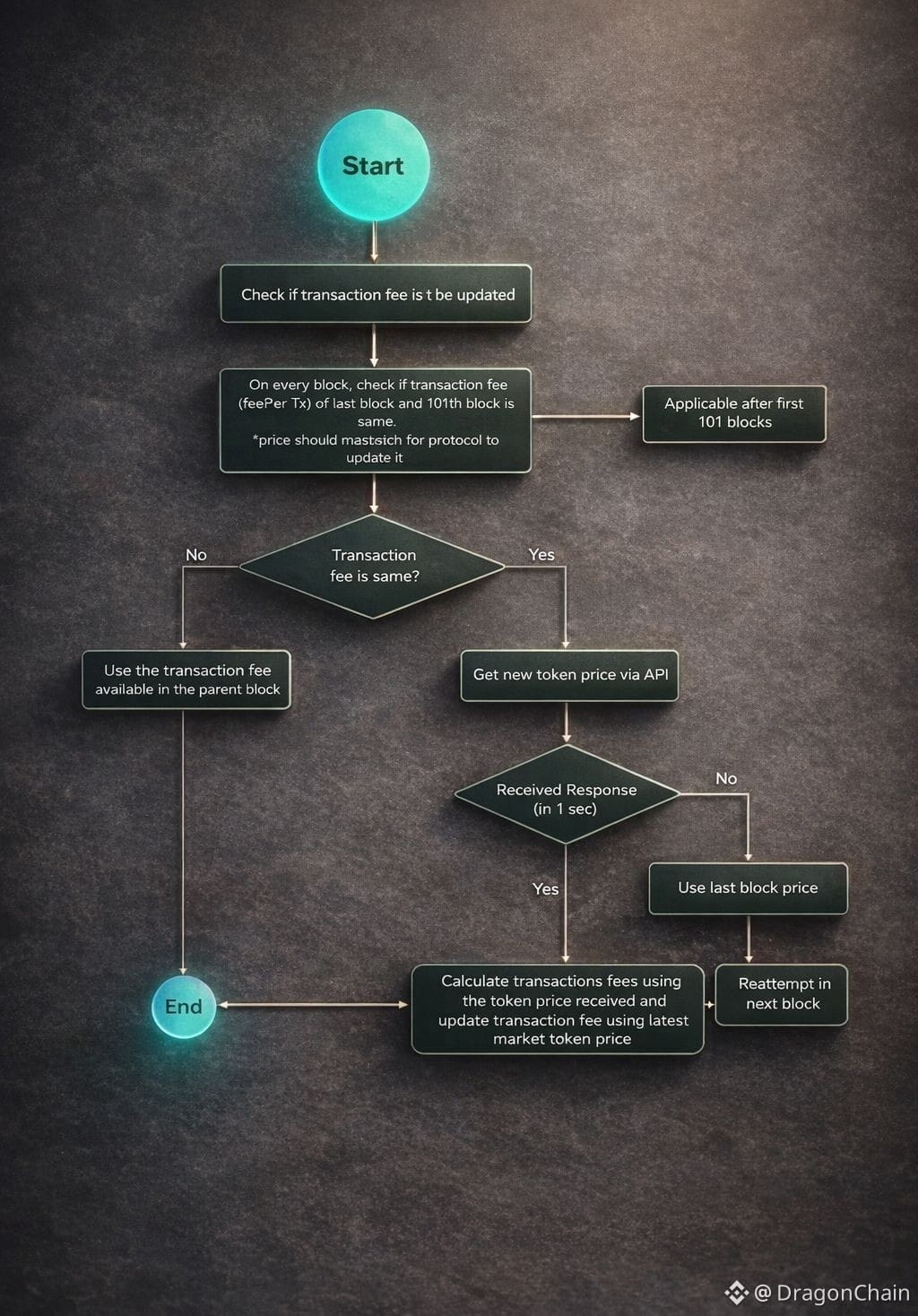
Most blockchains turn fees into chaos when traffic rises — users fight in bidding wars just to get transactions confirmed.
Vanar Chain does it differently.
Through its Control Loop system, fees stay stable by design. No sudden spikes. No panic pricing.
The network auto-adjusts in the background, keeping costs predictable even when activity explodes.
Fees aren’t tied to a fixed amount of $VANRY.
They’re linked to a real-world value — about $0.0005 per transaction.
So whether VANRY goes up or down, users still pay roughly the same in dollar terms.
This isn’t hype.
It’s structural stability.
#vanar $VANRY
@Vanarchain
Most blockchains turn fees into chaos when traffic rises — users fight in bidding wars just to get transactions confirmed.
Vanar Chain does it differently.
Through its Control Loop system, fees stay stable by design. No sudden spikes. No panic pricing.
The network auto-adjusts in the background, keeping costs predictable even when activity explodes.
Fees aren’t tied to a fixed amount of $VANRY.
They’re linked to a real-world value — about $0.0005 per transaction.
So whether VANRY goes up or down, users still pay roughly the same in dollar terms.
This isn’t hype.
It’s structural stability.
#vanar $VANRY
Most blockchains turn fees into chaos when traffic rises — users fight in bidding wars just to get transactions confirmed.
Vanar Chain does it differently.
Through its Control Loop system, fees stay stable by design. No sudden spikes. No panic pricing.
The network auto-adjusts in the background, keeping costs predictable even when activity explodes.
Fees aren’t tied to a fixed amount of $VANRY.
They’re linked to a real-world value — about $0.0005 per transaction.
So whether VANRY goes up or down, users still pay roughly the same in dollar terms.
This isn’t hype.
It’s structural stability.
#vanar $VANRY
48
·
--
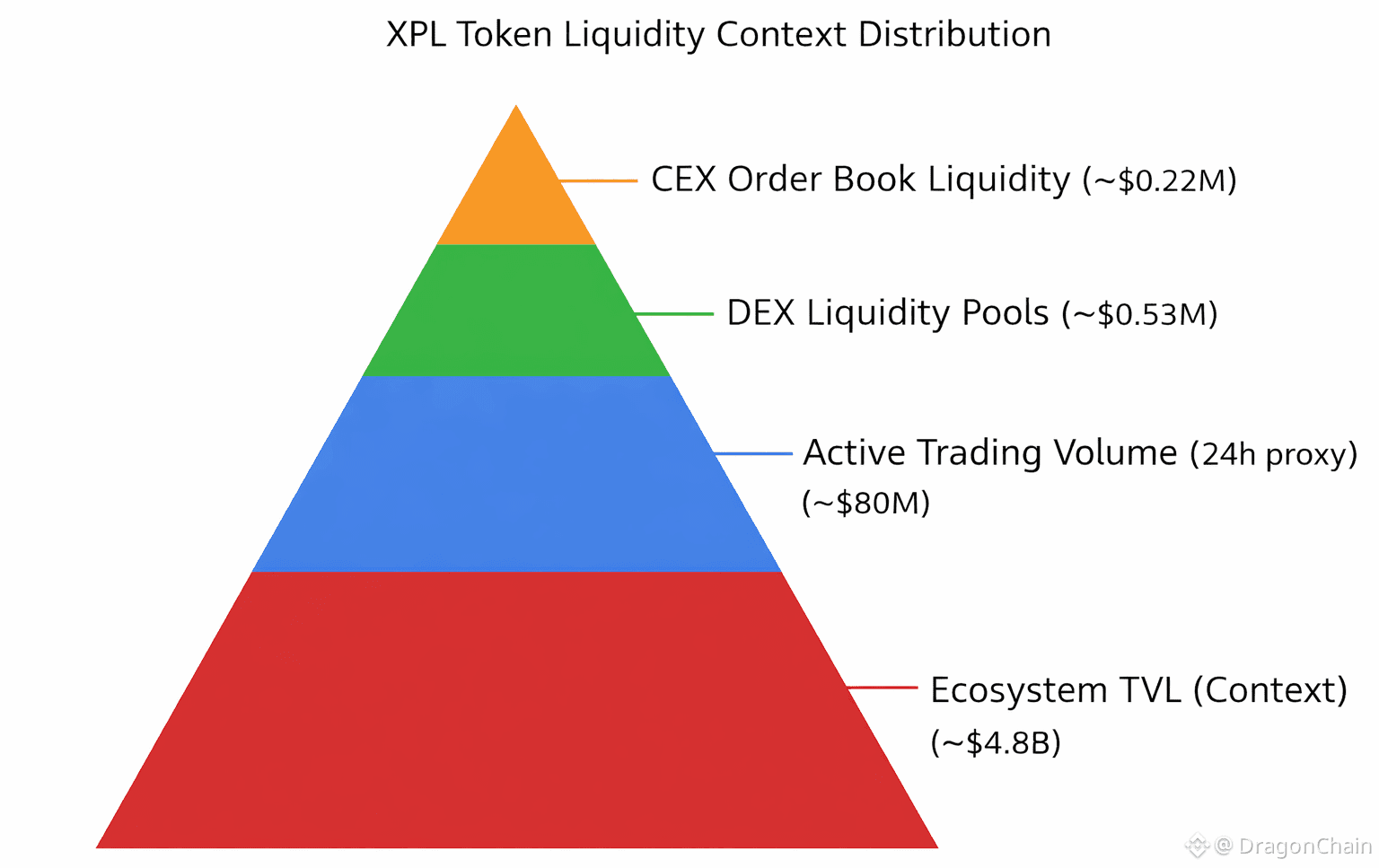
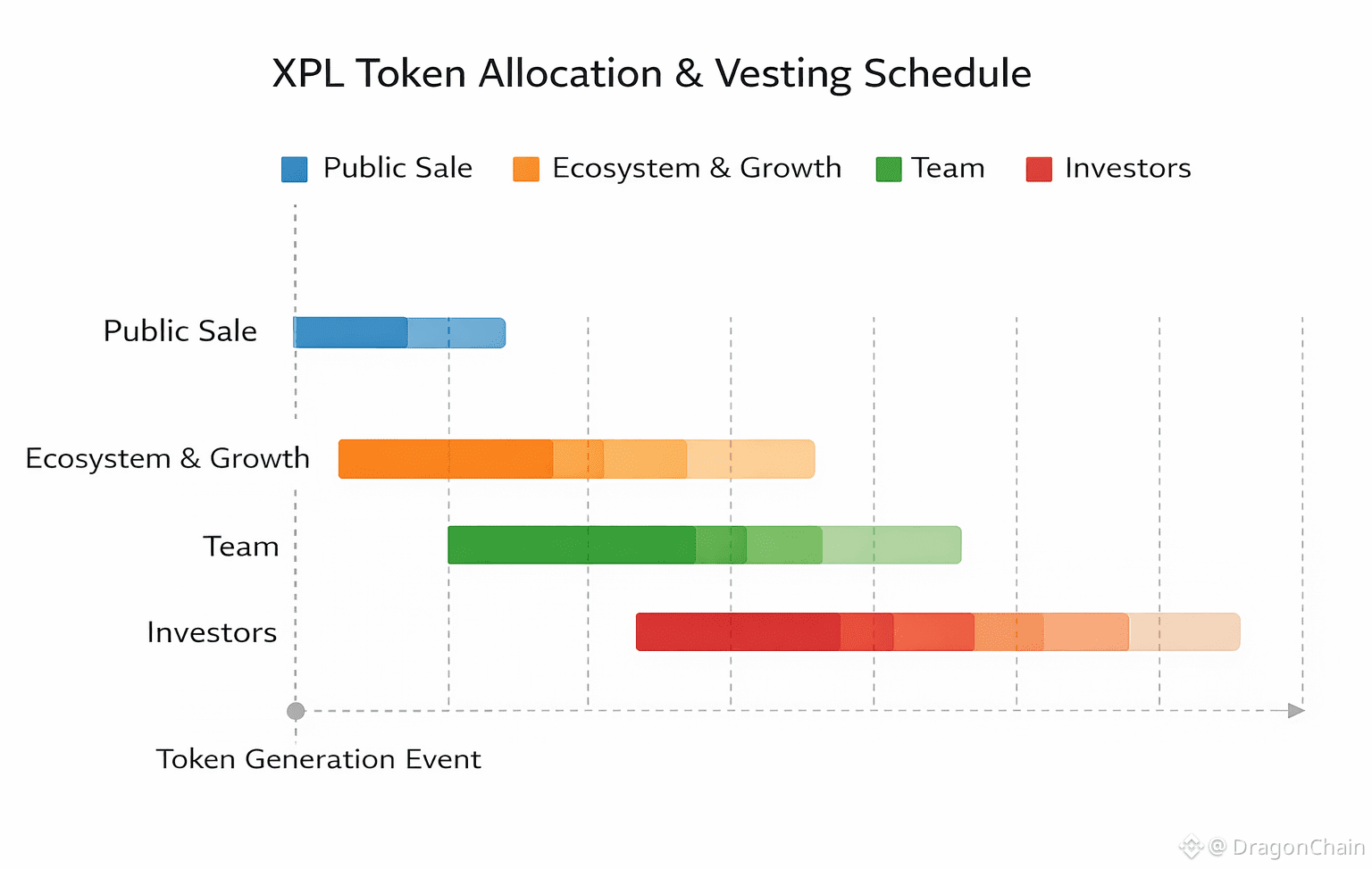
@Plasma
Sending money across borders today is slow, costly, and outdated. Too many middlemen, too many fees, and too much waiting. People who depend on international remittances feel this pain every time they make a transfer.
XPL changes that.
Built on blockchain, XPL allows direct peer-to-peer transfers across countries — no unnecessary intermediaries, no long delays, no inflated fees. It turns global money movement into something simple, fast, and accessible for everyone.
#plasma $XPL
@Plasma
Sending money across borders today is slow, costly, and outdated. Too many middlemen, too many fees, and too much waiting. People who depend on international remittances feel this pain every time they make a transfer.
XPL changes that.
Built on blockchain, XPL allows direct peer-to-peer transfers across countries — no unnecessary intermediaries, no long delays, no inflated fees. It turns global money movement into something simple, fast, and accessible for everyone.
#plasma $XPL
Sending money across borders today is slow, costly, and outdated. Too many middlemen, too many fees, and too much waiting. People who depend on international remittances feel this pain every time they make a transfer.
XPL changes that.
Built on blockchain, XPL allows direct peer-to-peer transfers across countries — no unnecessary intermediaries, no long delays, no inflated fees. It turns global money movement into something simple, fast, and accessible for everyone.
#plasma $XPL
1
76
·
--
Plasma and the Payment Problem Blockchain Never Solved#Plasma $XPL @Plasma
For more than a decade, blockchain has promised to change money.
Open access. Borderless payments. Financial freedom.
But in reality, one basic problem never truly got solved:
Everyday payments.
Crypto built incredible systems for trading, speculation, NFTs, DeFi, and protocols — but failed at something simple:
Sending money cheaply and easily.
Everyone in this space has felt it.
Trying to send a $20 stablecoin transfer and seeing a $15 gas fee on Ethereum.
That moment kills belief.
Not in the tech — but in its usability.
Because no matter how advanced the system is, if it can’t handle basic payments, it can’t reach mass adoption.
This is where Plasma quietly returns — not as old theory, but as new infrastructure.
Plasma isn’t about replacing Ethereum.
It’s about protecting Ethereum while making it usable.
Think of Ethereum as a high-security global court system.
Extremely safe. Extremely trusted. Extremely slow.
Plasma creates side systems that handle transactions off-chain.
These systems process thousands of transfers without touching Ethereum directly.
Then they send only compressed summaries (state roots) back to Ethereum for security and verification.
Ethereum stays clean.
Congestion drops.
Fees collapse.
Speed increases.
Not by adding complexity —
but by removing unnecessary load.
Where Plasma becomes truly powerful is in stablecoins.
Stablecoin users don’t want DeFi complexity.
They don’t care about composability.
They don’t want financial engineering.
They want one thing:
Send money. Fast. Cheap. Reliable.
Plasma is built exactly for that.
With Plasma-based systems:
• Transfers happen in seconds
• Fees drop by 90% or more
• Some stablecoin transfers become zero-fee
• Cross-border payments become practical
• Micropayments become usable
• Remittances become efficient
This turns stablecoins from “crypto instruments” into real digital cash.
The minimalist design matters.
Unlike rollups that push massive data back to Ethereum, Plasma only sends what is necessary.
Security through fraud proofs.
Verification through checkpoints.
Efficiency through off-chain processing.
Less noise.
Less data.
Less cost.
More usability.
Plasma doesn’t try to be a universal execution layer.
It doesn’t try to host everything.
It doesn’t chase narratives.
It focuses on one mission:
Move money properly.
This is why projects like $XPL matter.
They are not trying to build hype ecosystems.
They are building payment rails.
Infrastructure.
Settlement layers.
Financial plumbing.
The kind of systems users never see — but everyone depends on.
Adoption doesn’t come from complexity.
It comes from reliability.
It comes from simplicity.
It comes from systems that feel normal.
If crypto is ever going to reach a billion users,
it won’t be through speculation cycles.
It won’t be through memes.
It won’t be through narratives.
It will come through payments that work.
Plasma may not be loud.
Plasma may not be flashy.
But Plasma solves a real problem.
And real solutions always outlive hype.
Plasma and the Payment Problem Blockchain Never Solved
#Plasma $XPL @Plasma
For more than a decade, blockchain has promised to change money.
Open access. Borderless payments. Financial freedom.
But in reality, one basic problem never truly got solved:
Everyday payments.
Crypto built incredible systems for trading, speculation, NFTs, DeFi, and protocols — but failed at something simple:
Sending money cheaply and easily.
Everyone in this space has felt it.
Trying to send a $20 stablecoin transfer and seeing a $15 gas fee on Ethereum.
That moment kills belief.
Not in the tech — but in its usability.
Because no matter how advanced the system is, if it can’t handle basic payments, it can’t reach mass adoption.
This is where Plasma quietly returns — not as old theory, but as new infrastructure.
Plasma isn’t about replacing Ethereum.
It’s about protecting Ethereum while making it usable.
Think of Ethereum as a high-security global court system.
Extremely safe. Extremely trusted. Extremely slow.
Plasma creates side systems that handle transactions off-chain.
These systems process thousands of transfers without touching Ethereum directly.
Then they send only compressed summaries (state roots) back to Ethereum for security and verification.
Ethereum stays clean.
Congestion drops.
Fees collapse.
Speed increases.
Not by adding complexity —
but by removing unnecessary load.
Where Plasma becomes truly powerful is in stablecoins.
Stablecoin users don’t want DeFi complexity.
They don’t care about composability.
They don’t want financial engineering.
They want one thing:
Send money. Fast. Cheap. Reliable.
Plasma is built exactly for that.
With Plasma-based systems:
• Transfers happen in seconds
• Fees drop by 90% or more
• Some stablecoin transfers become zero-fee
• Cross-border payments become practical
• Micropayments become usable
• Remittances become efficient
This turns stablecoins from “crypto instruments” into real digital cash.
The minimalist design matters.
Unlike rollups that push massive data back to Ethereum, Plasma only sends what is necessary.
Security through fraud proofs.
Verification through checkpoints.
Efficiency through off-chain processing.
Less noise.
Less data.
Less cost.
More usability.
Plasma doesn’t try to be a universal execution layer.
It doesn’t try to host everything.
It doesn’t chase narratives.
It focuses on one mission:
Move money properly.
This is why projects like $XPL matter.
They are not trying to build hype ecosystems.
They are building payment rails.
Infrastructure.
Settlement layers.
Financial plumbing.
The kind of systems users never see — but everyone depends on.
Adoption doesn’t come from complexity.
It comes from reliability.
It comes from simplicity.
It comes from systems that feel normal.
If crypto is ever going to reach a billion users,
it won’t be through speculation cycles.
It won’t be through memes.
It won’t be through narratives.
It will come through payments that work.
Plasma may not be loud.
Plasma may not be flashy.
But Plasma solves a real problem.
And real solutions always outlive hype.
For more than a decade, blockchain has promised to change money.
Open access. Borderless payments. Financial freedom.
But in reality, one basic problem never truly got solved:
Everyday payments.
Crypto built incredible systems for trading, speculation, NFTs, DeFi, and protocols — but failed at something simple:
Sending money cheaply and easily.
Everyone in this space has felt it.
Trying to send a $20 stablecoin transfer and seeing a $15 gas fee on Ethereum.
That moment kills belief.
Not in the tech — but in its usability.
Because no matter how advanced the system is, if it can’t handle basic payments, it can’t reach mass adoption.
This is where Plasma quietly returns — not as old theory, but as new infrastructure.
Plasma isn’t about replacing Ethereum.
It’s about protecting Ethereum while making it usable.
Think of Ethereum as a high-security global court system.
Extremely safe. Extremely trusted. Extremely slow.
Plasma creates side systems that handle transactions off-chain.
These systems process thousands of transfers without touching Ethereum directly.
Then they send only compressed summaries (state roots) back to Ethereum for security and verification.
Ethereum stays clean.
Congestion drops.
Fees collapse.
Speed increases.
Not by adding complexity —
but by removing unnecessary load.
Where Plasma becomes truly powerful is in stablecoins.
Stablecoin users don’t want DeFi complexity.
They don’t care about composability.
They don’t want financial engineering.
They want one thing:
Send money. Fast. Cheap. Reliable.
Plasma is built exactly for that.
With Plasma-based systems:
• Transfers happen in seconds
• Fees drop by 90% or more
• Some stablecoin transfers become zero-fee
• Cross-border payments become practical
• Micropayments become usable
• Remittances become efficient
This turns stablecoins from “crypto instruments” into real digital cash.
The minimalist design matters.
Unlike rollups that push massive data back to Ethereum, Plasma only sends what is necessary.
Security through fraud proofs.
Verification through checkpoints.
Efficiency through off-chain processing.
Less noise.
Less data.
Less cost.
More usability.
Plasma doesn’t try to be a universal execution layer.
It doesn’t try to host everything.
It doesn’t chase narratives.
It focuses on one mission:
Move money properly.
This is why projects like $XPL matter.
They are not trying to build hype ecosystems.
They are building payment rails.
Infrastructure.
Settlement layers.
Financial plumbing.
The kind of systems users never see — but everyone depends on.
Adoption doesn’t come from complexity.
It comes from reliability.
It comes from simplicity.
It comes from systems that feel normal.
If crypto is ever going to reach a billion users,
it won’t be through speculation cycles.
It won’t be through memes.
It won’t be through narratives.
It will come through payments that work.
Plasma may not be loud.
Plasma may not be flashy.
But Plasma solves a real problem.
And real solutions always outlive hype.
22
·
--
DUSK: The Silent Engine of Real-World Asset Finance#dusk $DUSK @Dusk_Foundation
Blockchain promised to make finance open to everyone—but turning real-world assets like buildings, loans, or raw materials into tradable digital tokens always felt distant. Today, that promise is becoming a tangible reality. Trillions of euros in assets are now flowing as digital pieces, divisible and tradable 24/7. The engine behind this revolution? DUSK, a token crafted for high-stakes finance and regulatory rigor.
Secrecy Meets Functionality
Not all blockchains can handle sensitive financial operations. Dusk Network was designed from the ground up for privacy without compromise. Its DUSK token powers everything: network fees, smart contract execution, and hidden asset transfers. What makes DUSK unique is its deep integration with Zero-Knowledge Proofs (ZKPs)—technology that lets transactions remain confidential while remaining fully verifiable. Large bond issues, property shares, or private equity stakes can now be issued and traded without exposing confidential information.
From Illiquid to Instantly Tradable
Historically, moving high-value assets meant navigating weeks of paperwork, approvals, and intermediaries. Dusk transforms that model. By combining DuskEVM and SBA (State-Based Assets), traditional investments are sliced into digital fragments that can change hands instantly. Compliance isn’t an afterthought—it’s embedded in the protocol. This ensures trades remain fully legal and enforceable, a feature that institutional investors prize.
The Bridge Between Old and New
DUSK is no longer just a digital token; it is infrastructure. With platforms like DuskTrade live and collaborations with NPEX bringing hundreds of millions of euros in digitized assets, DUSK is enabling a new era where traditional finance meets blockchain. Its upcoming integration with Chainlink CCIP will allow secure cross-chain asset transfers, opening doors to interoperability between blockchains while maintaining compliance with laws like MiCA.
Institutional Confidence in Code
The real power of DUSK is trust. Institutions have historically relied on opaque intermediaries to handle financial instruments securely. Dusk flips that paradigm: code now replaces uncertainty. Each trade is verifiable, private, and instant. With regulatory alignment baked in, DUSK is creating a network where large-scale finance can operate with the transparency of blockchain and the confidentiality required by law.
The Future of Tokenized Assets
As we move through 2026, DUSK is increasingly central to the digital asset ecosystem. The ability to tokenize virtually any real-world asset—property, equities, bonds, commodities—and trade it globally transforms markets. No longer limited by geography or working hours, capital flows faster, risks are lower, and opportunities expand. DUSK isn’t chasing hype—it’s quietly building the foundations for the next generation of finance.
Conclusion
The story of DUSK is about making complex finance both private and efficient. It bridges traditional and decentralized markets, turning high-value, illiquid assets into liquid, compliant tokens. By combining strong cryptography, regulatory foresight, and smart infrastructure, DUSK is quietly shaping the future of real-world asset tokenization.
DUSK: The Silent Engine of Real-World Asset Finance
#dusk $DUSK @Dusk
Blockchain promised to make finance open to everyone—but turning real-world assets like buildings, loans, or raw materials into tradable digital tokens always felt distant. Today, that promise is becoming a tangible reality. Trillions of euros in assets are now flowing as digital pieces, divisible and tradable 24/7. The engine behind this revolution? DUSK, a token crafted for high-stakes finance and regulatory rigor.
Secrecy Meets Functionality
Not all blockchains can handle sensitive financial operations. Dusk Network was designed from the ground up for privacy without compromise. Its DUSK token powers everything: network fees, smart contract execution, and hidden asset transfers. What makes DUSK unique is its deep integration with Zero-Knowledge Proofs (ZKPs)—technology that lets transactions remain confidential while remaining fully verifiable. Large bond issues, property shares, or private equity stakes can now be issued and traded without exposing confidential information.
From Illiquid to Instantly Tradable
Historically, moving high-value assets meant navigating weeks of paperwork, approvals, and intermediaries. Dusk transforms that model. By combining DuskEVM and SBA (State-Based Assets), traditional investments are sliced into digital fragments that can change hands instantly. Compliance isn’t an afterthought—it’s embedded in the protocol. This ensures trades remain fully legal and enforceable, a feature that institutional investors prize.
The Bridge Between Old and New
DUSK is no longer just a digital token; it is infrastructure. With platforms like DuskTrade live and collaborations with NPEX bringing hundreds of millions of euros in digitized assets, DUSK is enabling a new era where traditional finance meets blockchain. Its upcoming integration with Chainlink CCIP will allow secure cross-chain asset transfers, opening doors to interoperability between blockchains while maintaining compliance with laws like MiCA.
Institutional Confidence in Code
The real power of DUSK is trust. Institutions have historically relied on opaque intermediaries to handle financial instruments securely. Dusk flips that paradigm: code now replaces uncertainty. Each trade is verifiable, private, and instant. With regulatory alignment baked in, DUSK is creating a network where large-scale finance can operate with the transparency of blockchain and the confidentiality required by law.
The Future of Tokenized Assets
As we move through 2026, DUSK is increasingly central to the digital asset ecosystem. The ability to tokenize virtually any real-world asset—property, equities, bonds, commodities—and trade it globally transforms markets. No longer limited by geography or working hours, capital flows faster, risks are lower, and opportunities expand. DUSK isn’t chasing hype—it’s quietly building the foundations for the next generation of finance.
Conclusion
The story of DUSK is about making complex finance both private and efficient. It bridges traditional and decentralized markets, turning high-value, illiquid assets into liquid, compliant tokens. By combining strong cryptography, regulatory foresight, and smart infrastructure, DUSK is quietly shaping the future of real-world asset tokenization.
Blockchain promised to make finance open to everyone—but turning real-world assets like buildings, loans, or raw materials into tradable digital tokens always felt distant. Today, that promise is becoming a tangible reality. Trillions of euros in assets are now flowing as digital pieces, divisible and tradable 24/7. The engine behind this revolution? DUSK, a token crafted for high-stakes finance and regulatory rigor.
Secrecy Meets Functionality
Not all blockchains can handle sensitive financial operations. Dusk Network was designed from the ground up for privacy without compromise. Its DUSK token powers everything: network fees, smart contract execution, and hidden asset transfers. What makes DUSK unique is its deep integration with Zero-Knowledge Proofs (ZKPs)—technology that lets transactions remain confidential while remaining fully verifiable. Large bond issues, property shares, or private equity stakes can now be issued and traded without exposing confidential information.
From Illiquid to Instantly Tradable
Historically, moving high-value assets meant navigating weeks of paperwork, approvals, and intermediaries. Dusk transforms that model. By combining DuskEVM and SBA (State-Based Assets), traditional investments are sliced into digital fragments that can change hands instantly. Compliance isn’t an afterthought—it’s embedded in the protocol. This ensures trades remain fully legal and enforceable, a feature that institutional investors prize.
The Bridge Between Old and New
DUSK is no longer just a digital token; it is infrastructure. With platforms like DuskTrade live and collaborations with NPEX bringing hundreds of millions of euros in digitized assets, DUSK is enabling a new era where traditional finance meets blockchain. Its upcoming integration with Chainlink CCIP will allow secure cross-chain asset transfers, opening doors to interoperability between blockchains while maintaining compliance with laws like MiCA.
Institutional Confidence in Code
The real power of DUSK is trust. Institutions have historically relied on opaque intermediaries to handle financial instruments securely. Dusk flips that paradigm: code now replaces uncertainty. Each trade is verifiable, private, and instant. With regulatory alignment baked in, DUSK is creating a network where large-scale finance can operate with the transparency of blockchain and the confidentiality required by law.
The Future of Tokenized Assets
As we move through 2026, DUSK is increasingly central to the digital asset ecosystem. The ability to tokenize virtually any real-world asset—property, equities, bonds, commodities—and trade it globally transforms markets. No longer limited by geography or working hours, capital flows faster, risks are lower, and opportunities expand. DUSK isn’t chasing hype—it’s quietly building the foundations for the next generation of finance.
Conclusion
The story of DUSK is about making complex finance both private and efficient. It bridges traditional and decentralized markets, turning high-value, illiquid assets into liquid, compliant tokens. By combining strong cryptography, regulatory foresight, and smart infrastructure, DUSK is quietly shaping the future of real-world asset tokenization.
21
·
--
Vanar’s Vision: Infrastructure for Builders, Not Speculators#vanar $VANRY @Vanar
Vanar isn’t trying to be the loudest voice in Web3 — it’s trying to be the strongest foundation.
While most chains compete for attention, Vanar competes on structure, execution, and real-world usability.
$VANRY represents more than a token — it represents a design philosophy. A system where developers don’t fight infrastructure, where founders don’t burn capital on inefficiency, and where ecosystems are built for longevity, not hype cycles.
This is what sustainable blockchain looks like:
• Low friction for builders
• Predictable performance
• Scalable architecture
• Real product support
• Real economic design
Vanar is not building a narrative — it’s building a base layer for serious builders.
And that’s how real ecosystems are formed: quietly, consistently, structurally.
Vanar’s Vision: Infrastructure for Builders, Not Speculators
#vanar $VANRY @Vanarchain
Vanar isn’t trying to be the loudest voice in Web3 — it’s trying to be the strongest foundation.
While most chains compete for attention, Vanar competes on structure, execution, and real-world usability.
$VANRY represents more than a token — it represents a design philosophy. A system where developers don’t fight infrastructure, where founders don’t burn capital on inefficiency, and where ecosystems are built for longevity, not hype cycles.
This is what sustainable blockchain looks like:
• Low friction for builders
• Predictable performance
• Scalable architecture
• Real product support
• Real economic design
Vanar is not building a narrative — it’s building a base layer for serious builders.
And that’s how real ecosystems are formed: quietly, consistently, structurally.
Vanar isn’t trying to be the loudest voice in Web3 — it’s trying to be the strongest foundation.
While most chains compete for attention, Vanar competes on structure, execution, and real-world usability.
$VANRY represents more than a token — it represents a design philosophy. A system where developers don’t fight infrastructure, where founders don’t burn capital on inefficiency, and where ecosystems are built for longevity, not hype cycles.
This is what sustainable blockchain looks like:
• Low friction for builders
• Predictable performance
• Scalable architecture
• Real product support
• Real economic design
Vanar is not building a narrative — it’s building a base layer for serious builders.
And that’s how real ecosystems are formed: quietly, consistently, structurally.
15
·
--
@Vanar doesn’t compete on raw TPS charts — it competes on developer flow.
While most chains optimize for numbers, Vanar optimizes for building.
EVM compatible. Solidity-ready. Hardhat & Remix native.
But the real edge is deeper:
AI-native infrastructure, Neutron for semantic data, Kayon for on-chain logic.
Low, predictable gas.
ERC-4337 account abstraction built in.
The blockchain fades into the background — shipping becomes the focus.
Real speed isn’t transactions per second.
It’s how fast teams can go from idea to product.
#vanar $VANRY
@Vanarchain doesn’t compete on raw TPS charts — it competes on developer flow.
While most chains optimize for numbers, Vanar optimizes for building.
EVM compatible. Solidity-ready. Hardhat & Remix native.
But the real edge is deeper:
AI-native infrastructure, Neutron for semantic data, Kayon for on-chain logic.
Low, predictable gas.
ERC-4337 account abstraction built in.
The blockchain fades into the background — shipping becomes the focus.
Real speed isn’t transactions per second.
It’s how fast teams can go from idea to product.
#vanar $VANRY
While most chains optimize for numbers, Vanar optimizes for building.
EVM compatible. Solidity-ready. Hardhat & Remix native.
But the real edge is deeper:
AI-native infrastructure, Neutron for semantic data, Kayon for on-chain logic.
Low, predictable gas.
ERC-4337 account abstraction built in.
The blockchain fades into the background — shipping becomes the focus.
Real speed isn’t transactions per second.
It’s how fast teams can go from idea to product.
#vanar $VANRY
26
Log in to explore more content
Join global crypto users on Binance Square
⚡️ Get latest and useful information about crypto.
💬 Trusted by the world’s largest crypto exchange.
👍 Discover real insights from verified creators.
Email / Phone number
Trending Topics
EtherGains70.9%InQ3
169,948 views
1,176 Discussing
🧭🧭🧭 Analysis 🧭🧭🧭
💡 Altcoin Season Indicator 💡
🚨🚨🚨 The third quarter (Q3) has closed. ETH is up 71% and BTC is up 43%. 🚨🚨🚨
Was this the start of altcoin season?
Among the top 100:
🌐🌐🌐 57 outperformed BTC over the last 90 days
Altcoin season starts at 75, so it is still
It is also only advancing 10 points from its annual peak at 67 🌐🌐
💥💥💥 But wait, a month ago the indicator was only at 23!
Can October push it to 75? 👀💥💥💥
Please follow up
#EtherGains70.9%InQ3
$GRAM
Shamika Metting
·3 Likes
·1.1k views
TreasuryLetsStatesFileStablecoinCertificationsEarly
10,793 views
91 Discussing
US10YearYieldNears5.3%
157,318 views
1,157 Discussing