

Palpatine
6k Posts

Palpatine
Report
Block User
Strategy, vision, and market analysis from the dark side of crypto. Where others see chaos, I see pattern.
Open Trade
Frequent Trader
4.8 Years
613 Following
674 Followers
5.0K+ Liked
Posts
Portfolio
All
Quotes
Videos
·
--
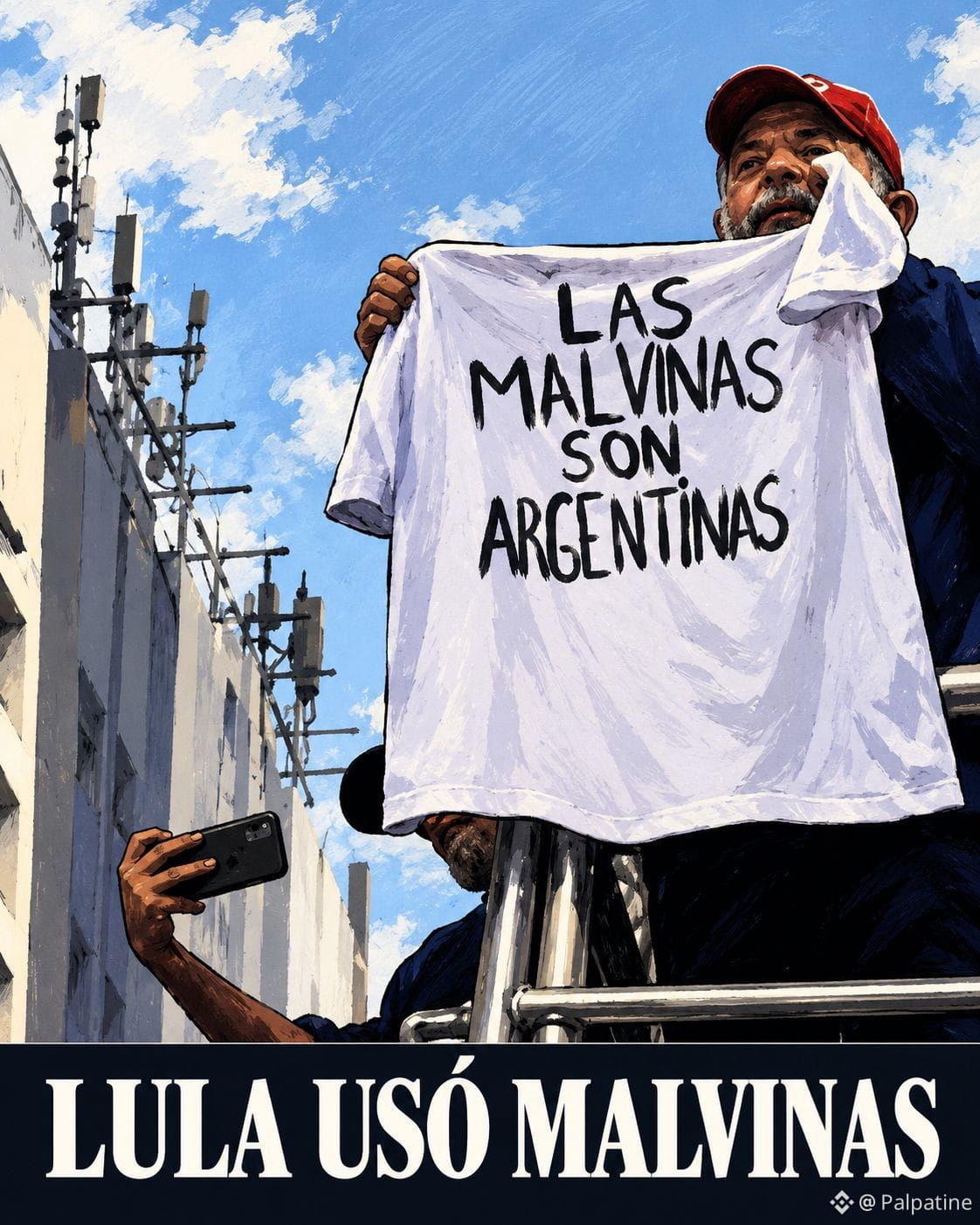
🇦🇷🇧🇷 THE FALKLANDS UNITED WHAT POLITICS DIVIDES
At Lula’s headquarters, they unfurled a flag reading “The Falklands are Argentine” while chanting against Milei.
The scene raises a simple question:
REAL SUPPORT FOR ARGENTINA… OR THE FALKLANDS USED AS A POLITICAL WEAPON AGAINST MILEI?
👇 I want to hear from Argentinians and Brazilians.
{future}(QNTUSDT)
{future}(ENAUSDT)
{future}(ERAUSDT)
🇦🇷🇧🇷 THE FALKLANDS UNITED WHAT POLITICS DIVIDES
At Lula’s headquarters, they unfurled a flag reading “The Falklands are Argentine” while chanting against Milei.
The scene raises a simple question:
REAL SUPPORT FOR ARGENTINA… OR THE FALKLANDS USED AS A POLITICAL WEAPON AGAINST MILEI?
👇 I want to hear from Argentinians and Brazilians.
At Lula’s headquarters, they unfurled a flag reading “The Falklands are Argentine” while chanting against Milei.
The scene raises a simple question:
REAL SUPPORT FOR ARGENTINA… OR THE FALKLANDS USED AS A POLITICAL WEAPON AGAINST MILEI?
👇 I want to hear from Argentinians and Brazilians.
5
291
·
--
DID THEY GET THE SPANISH DERBY RIGHT? OR BOCA JUNIORS?
#BinancePick
DID THEY GET THE SPANISH DERBY RIGHT? OR BOCA JUNIORS?
#BinancePick
#BinancePick

4
·
--
🇧🇷 LULA WON AGAIN: IS A SHOWDOWN WITH MILEI COMING?
Lula turned the runoff around and will remain at the helm of Brazil.
Now comes the juicy part:
WILL HE TRY TO GET CLOSER TO MILEI… OR MAKE HIM HIS MAIN REGIONAL RIVAL?
👇 WHAT WOULD YOU SAY TO LULA TODAY?
{future}(BMTUSDT)
{future}(SOLUSDT)
{spot}(BTCUSDT)
🇧🇷 LULA WON AGAIN: IS A SHOWDOWN WITH MILEI COMING?
Lula turned the runoff around and will remain at the helm of Brazil.
Now comes the juicy part:
WILL HE TRY TO GET CLOSER TO MILEI… OR MAKE HIM HIS MAIN REGIONAL RIVAL?
👇 WHAT WOULD YOU SAY TO LULA TODAY?
Lula turned the runoff around and will remain at the helm of Brazil.
Now comes the juicy part:
WILL HE TRY TO GET CLOSER TO MILEI… OR MAKE HIM HIS MAIN REGIONAL RIVAL?
👇 WHAT WOULD YOU SAY TO LULA TODAY?

1
289
·
--
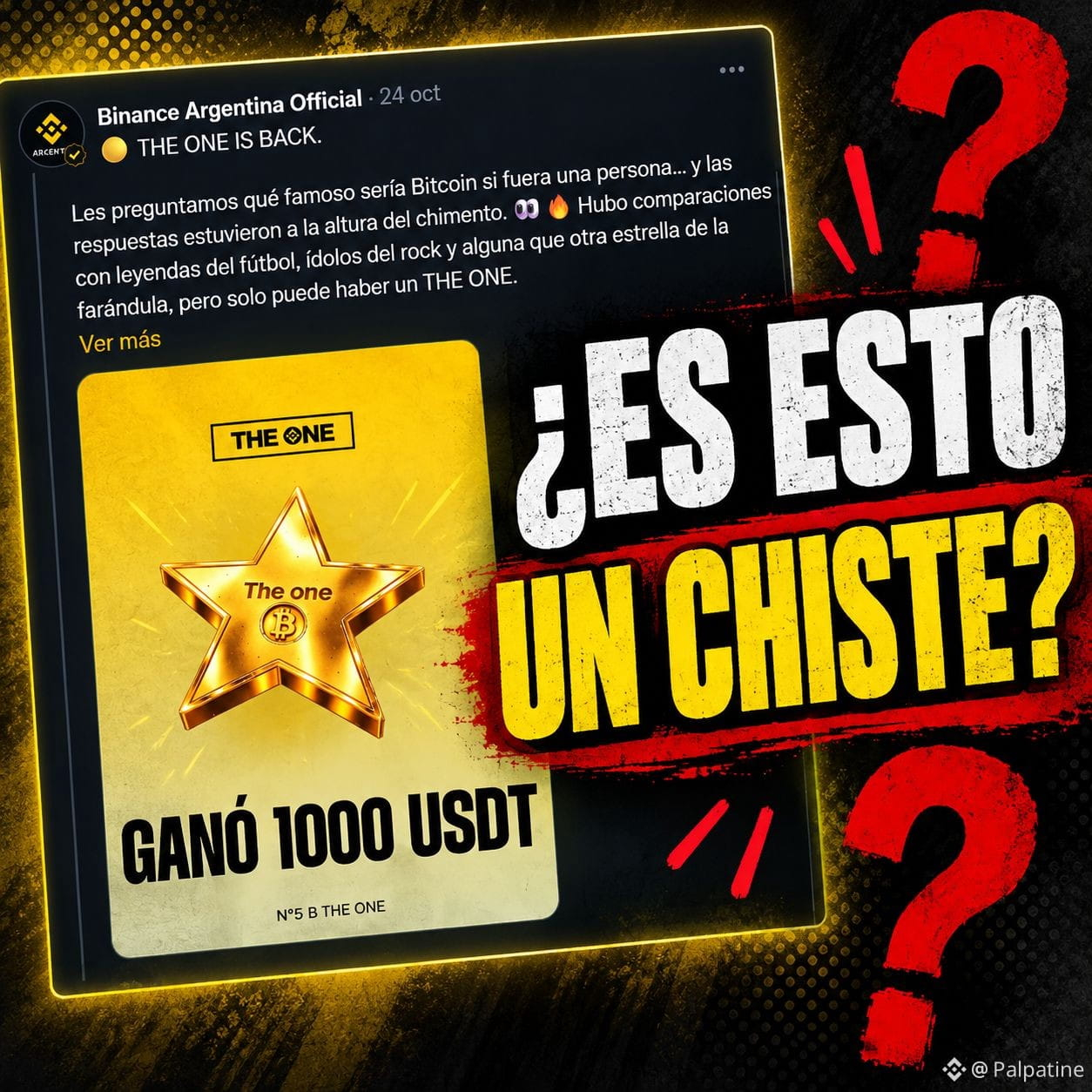
🚨 SERIOUSLY, WANDA NARA?
Binance Argentina asked who Bitcoin would be if it were an Argentine person and promised 1,000 USDT for the “most convincing” answer.
There were names like Fangio, Maradona, Messi, Favaloro… even Martín Fierro, whom I suggested because he represents rebellion, independence, and resistance to power.
And in the end, an answer featuring Wanda Nara won.
I’m not questioning the prize; I’m questioning the criteria.
What made that answer more convincing than the others?
If the goal was creativity, great—but there’s nothing “creative” about it.
If it was argumentation, then it would be good to know how they evaluated the answers.
$T $ENA $ZEC
#Bitcoin #BinanceArgentina #Crypto
🚨 SERIOUSLY, WANDA NARA?
Binance Argentina asked who Bitcoin would be if it were an Argentine person and promised 1,000 USDT for the “most convincing” answer.
There were names like Fangio, Maradona, Messi, Favaloro… even Martín Fierro, whom I suggested because he represents rebellion, independence, and resistance to power.
And in the end, an answer featuring Wanda Nara won.
I’m not questioning the prize; I’m questioning the criteria.
What made that answer more convincing than the others?
If the goal was creativity, great—but there’s nothing “creative” about it.
If it was argumentation, then it would be good to know how they evaluated the answers.
$T $ENA $ZEC
#Bitcoin #BinanceArgentina #Crypto
Binance Argentina asked who Bitcoin would be if it were an Argentine person and promised 1,000 USDT for the “most convincing” answer.
There were names like Fangio, Maradona, Messi, Favaloro… even Martín Fierro, whom I suggested because he represents rebellion, independence, and resistance to power.
And in the end, an answer featuring Wanda Nara won.
I’m not questioning the prize; I’m questioning the criteria.
What made that answer more convincing than the others?
If the goal was creativity, great—but there’s nothing “creative” about it.
If it was argumentation, then it would be good to know how they evaluated the answers.
$T $ENA $ZEC
#Bitcoin #BinanceArgentina #Crypto
14
6
4.4k
·
--
100 DAYS.
FIFA released never-before-seen footage of Lautaro's goal against England.
And how did you experience that day?
$BTC
#algopaso
100 DAYS.
FIFA released never-before-seen footage of Lautaro's goal against England.
And how did you experience that day?
$BTC
#algopaso
FIFA released never-before-seen footage of Lautaro's goal against England.
And how did you experience that day?
$BTC
#algopaso
61
·
--
How many points do you have so far? I'll try to guess correctly in F1
#BinancePick
How many points do you have so far? I'll try to guess correctly in F1
#BinancePick
#BinancePick

53
·
--
🎯 ARE YOU GOING TO GIVE AWAY POINTS OR CLIMB THE RANKING?
Binance Pick is already handing out Scores and prizes in USDC.
Entering every market doesn’t mean playing better.
The real question is: take a risk now… or save your ammunition for the finish.
What would you do?
#BinancePick
{spot}(TSMBUSDT)
🎯 ARE YOU GOING TO GIVE AWAY POINTS OR CLIMB THE RANKING?
Binance Pick is already handing out Scores and prizes in USDC.
Entering every market doesn’t mean playing better.
The real question is: take a risk now… or save your ammunition for the finish.
What would you do?
#BinancePick
Binance Pick is already handing out Scores and prizes in USDC.
Entering every market doesn’t mean playing better.
The real question is: take a risk now… or save your ammunition for the finish.
What would you do?
#BinancePick
2
361
·
--
🚨 MILEI CLEARED IN THE $LIBRA CASE
The Federal Judiciary closed the criminal case against Javier and Karina Milei, finding that no crime had been committed.
Now comes the question dividing opinions:
DO YOU THINK THE CASE IS CLOSED… OR ARE THERE STILL THINGS THAT NEED EXPLAINING?
$PEPE $BNB $BTC
#LIBRA #Milei #Crypto
🚨 MILEI CLEARED IN THE $LIBRA CASE
The Federal Judiciary closed the criminal case against Javier and Karina Milei, finding that no crime had been committed.
Now comes the question dividing opinions:
DO YOU THINK THE CASE IS CLOSED… OR ARE THERE STILL THINGS THAT NEED EXPLAINING?
$PEPE $BNB $BTC
#LIBRA #Milei #Crypto
The Federal Judiciary closed the criminal case against Javier and Karina Milei, finding that no crime had been committed.
Now comes the question dividing opinions:
DO YOU THINK THE CASE IS CLOSED… OR ARE THERE STILL THINGS THAT NEED EXPLAINING?
$PEPE $BNB $BTC
#LIBRA #Milei #Crypto

392
·
--
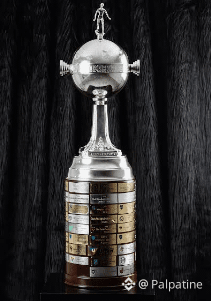
🔥 ESTUDIANTES’ LIBERTADORES FUTURE IS ON THE LINE AT THE MARACANÃ
The series is tied 0-0, and everything will be decided today against Flamengo.
If this match appears on Binance Pick, my question is simple:
🇦🇷 Will Estudiantes pull off an upset in Brazil, or will Flamengo make home advantage count?
I’m already checking out which markets to pick to earn Scores and climb the rankings.
What do you predict?
#BinancePick
🔥 ESTUDIANTES’ LIBERTADORES FUTURE IS ON THE LINE AT THE MARACANÃ
The series is tied 0-0, and everything will be decided today against Flamengo.
If this match appears on Binance Pick, my question is simple:
🇦🇷 Will Estudiantes pull off an upset in Brazil, or will Flamengo make home advantage count?
I’m already checking out which markets to pick to earn Scores and climb the rankings.
What do you predict?
#BinancePick
The series is tied 0-0, and everything will be decided today against Flamengo.
If this match appears on Binance Pick, my question is simple:
🇦🇷 Will Estudiantes pull off an upset in Brazil, or will Flamengo make home advantage count?
I’m already checking out which markets to pick to earn Scores and climb the rankings.
What do you predict?
#BinancePick
1
115
·
--
Bearish
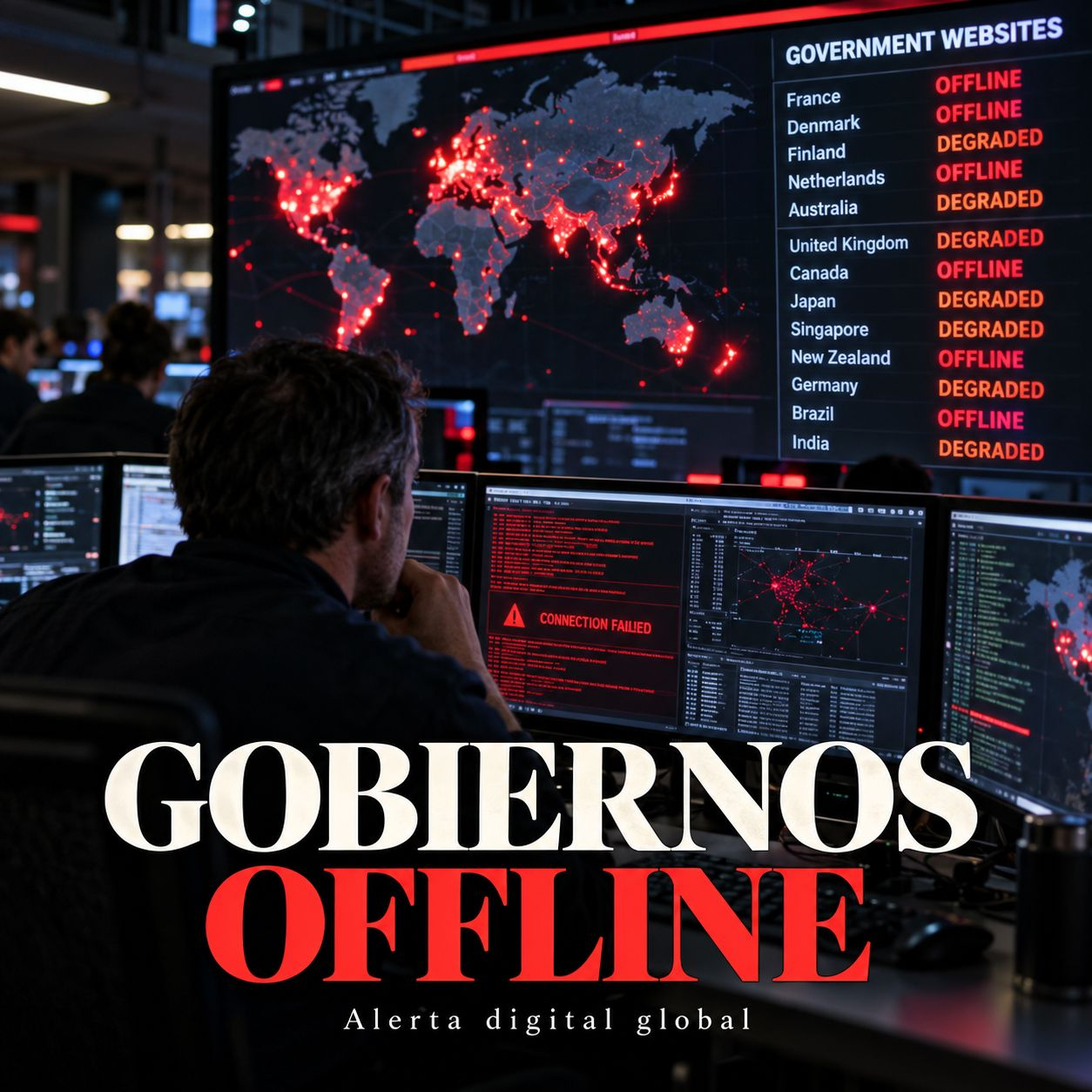
🚨 GLOBAL ALERT: GOVERNMENTS SHUT DOWN THEIR WEBSITES OVER A VULNERABILITY AFFECTING A LARGE PART OF THE INTERNET
A critical flaw in PHP has triggered a worldwide race between defenders and attackers. Official websites in several countries have been taken offline, millions of exploitation attempts may already be circulating, and the priority now is to patch the flaw before attackers get there first.
What’s unsettling: PHP underpins a huge part of the web.
Are we witnessing the beginning of one of the biggest internet security incidents in recent years?
{future}(BTCUSDT)
{future}(XRPUSDT)
{future}(SOLUSDT)
🚨 GLOBAL ALERT: GOVERNMENTS SHUT DOWN THEIR WEBSITES OVER A VULNERABILITY AFFECTING A LARGE PART OF THE INTERNET
A critical flaw in PHP has triggered a worldwide race between defenders and attackers. Official websites in several countries have been taken offline, millions of exploitation attempts may already be circulating, and the priority now is to patch the flaw before attackers get there first.
What’s unsettling: PHP underpins a huge part of the web.
Are we witnessing the beginning of one of the biggest internet security incidents in recent years?
A critical flaw in PHP has triggered a worldwide race between defenders and attackers. Official websites in several countries have been taken offline, millions of exploitation attempts may already be circulating, and the priority now is to patch the flaw before attackers get there first.
What’s unsettling: PHP underpins a huge part of the web.
Are we witnessing the beginning of one of the biggest internet security incidents in recent years?
1
137
·
--
Bullish
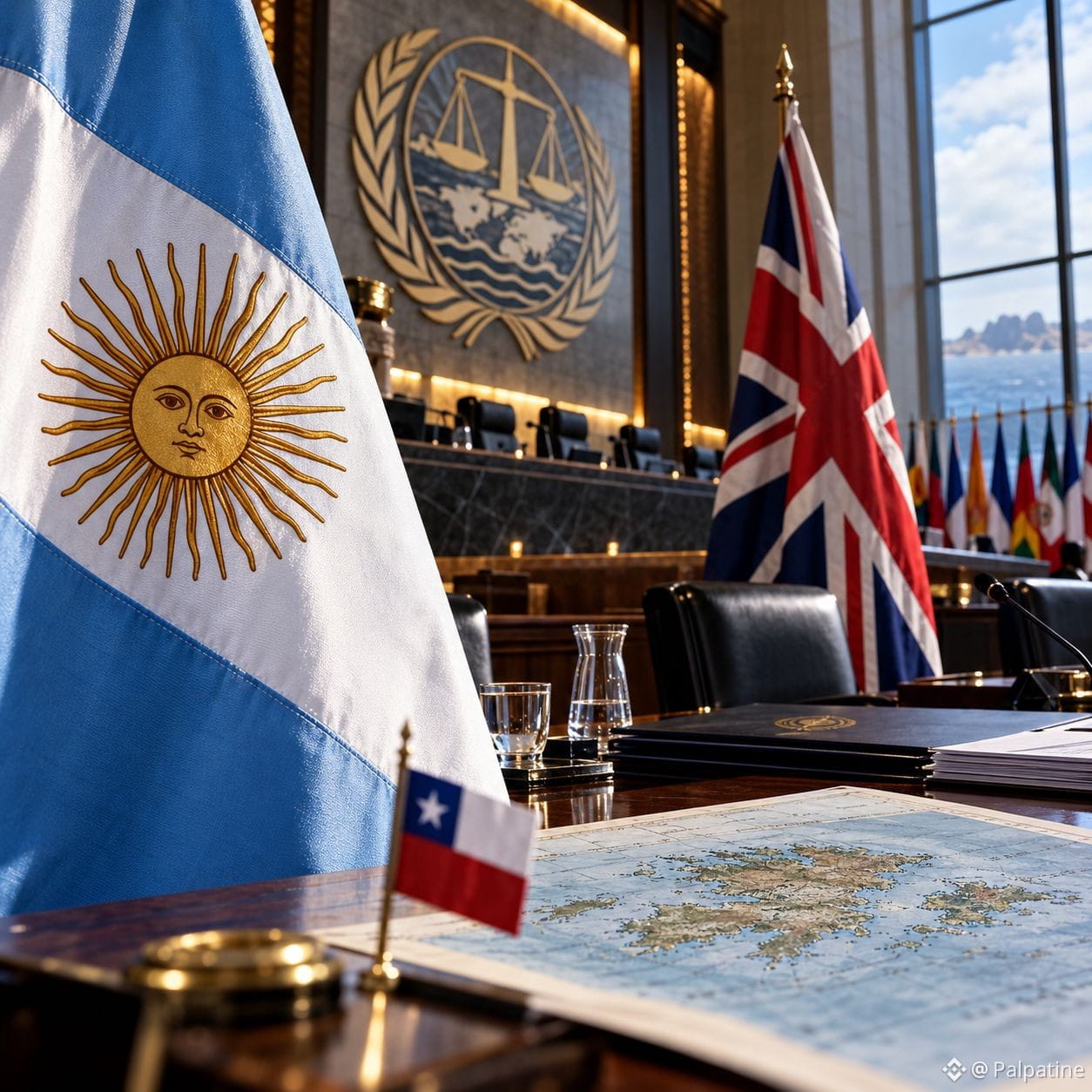
🇦🇷⚖️ MALVINAS: ARGENTINA TAKES THE UNITED KINGDOM BEFORE THE LAW OF THE SEA TRIBUNAL
It is no longer just a diplomatic protest.
The International Tribunal for the Law of the Sea has taken up Argentina’s claim against the United Kingdom over oil exploitation in the South Atlantic and has called both countries to hearings on November 10 and 11 in Hamburg.
Argentina is seeking an urgent measure to halt hydrocarbon exploitation at the Sea Lion project, north of the Malvinas Islands, while the arbitral tribunal that will hear the dispute is being constituted.
And there is one key detail:
🇬🇧 The United Kingdom has already confirmed it will participate in the proceedings and stated that if the Tribunal orders binding provisional measures, it will fulfill its international obligations. That does not mean London has accepted Argentina’s position or that the licenses are suspended today.
After decades of diplomatic claims, Argentina and the United Kingdom will now have to present their arguments before international judges.
The question has changed:
Could international litigation become London’s most uncomfortable front in the Malvinas dispute?
#argentinapotencia
{future}(BTCUSDT)
{spot}(XRPUSDT)
{future}(ETHUSDT)
🇦🇷⚖️ MALVINAS: ARGENTINA TAKES THE UNITED KINGDOM BEFORE THE LAW OF THE SEA TRIBUNAL
It is no longer just a diplomatic protest.
The International Tribunal for the Law of the Sea has taken up Argentina’s claim against the United Kingdom over oil exploitation in the South Atlantic and has called both countries to hearings on November 10 and 11 in Hamburg.
Argentina is seeking an urgent measure to halt hydrocarbon exploitation at the Sea Lion project, north of the Malvinas Islands, while the arbitral tribunal that will hear the dispute is being constituted.
And there is one key detail:
🇬🇧 The United Kingdom has already confirmed it will participate in the proceedings and stated that if the Tribunal orders binding provisional measures, it will fulfill its international obligations. That does not mean London has accepted Argentina’s position or that the licenses are suspended today.
After decades of diplomatic claims, Argentina and the United Kingdom will now have to present their arguments before international judges.
The question has changed:
Could international litigation become London’s most uncomfortable front in the Malvinas dispute?
#argentinapotencia
It is no longer just a diplomatic protest.
The International Tribunal for the Law of the Sea has taken up Argentina’s claim against the United Kingdom over oil exploitation in the South Atlantic and has called both countries to hearings on November 10 and 11 in Hamburg.
Argentina is seeking an urgent measure to halt hydrocarbon exploitation at the Sea Lion project, north of the Malvinas Islands, while the arbitral tribunal that will hear the dispute is being constituted.
And there is one key detail:
🇬🇧 The United Kingdom has already confirmed it will participate in the proceedings and stated that if the Tribunal orders binding provisional measures, it will fulfill its international obligations. That does not mean London has accepted Argentina’s position or that the licenses are suspended today.
After decades of diplomatic claims, Argentina and the United Kingdom will now have to present their arguments before international judges.
The question has changed:
Could international litigation become London’s most uncomfortable front in the Malvinas dispute?
#argentinapotencia
1
166
·
--
I'M NOT GOING TO CALL IT THE GOAT LIKE EVERYONE ELSE
Bitcoin would be Martín Fierro.
Not just because it’s “rebellious,” but because it was born outside the system, distrusts authority, doesn’t need permission to exist, and survived every attempt to tame it.
It has no owner, answers to no government, and the more they try to lock it up, the stronger its myth becomes.
“Here I set out to mine…” 😏
I'M NOT GOING TO CALL IT THE GOAT LIKE EVERYONE ELSE
Bitcoin would be Martín Fierro.
Not just because it’s “rebellious,” but because it was born outside the system, distrusts authority, doesn’t need permission to exist, and survived every attempt to tame it.
It has no owner, answers to no government, and the more they try to lock it up, the stronger its myth becomes.
“Here I set out to mine…” 😏
Bitcoin would be Martín Fierro.
Not just because it’s “rebellious,” but because it was born outside the system, distrusts authority, doesn’t need permission to exist, and survived every attempt to tame it.
It has no owner, answers to no government, and the more they try to lock it up, the stronger its myth becomes.
“Here I set out to mine…” 😏


Binance Argentina Official
·
--
Bitcoin has an Argentine ID. Who is it? 🇦🇷₿
We’re giving away 🟡 1000 USDT and asking the kind of question that could spark a debate at any dinner table:
If Bitcoin were a famous Argentine, who would it be? An icon, artist, historical figure, or fictional character. Make your choice and defend it.
To enter:
❤️ Like this post.
💬 Tell us in the comments who it would be and why. The most convincing answer wins the 1000 USDT.
🇦🇷 Open to users in Argentina only.
📣 On Saturday, October 24, we’ll find out who the new THE ONE is.
We’re giving away 🟡 1000 USDT and asking the kind of question that could spark a debate at any dinner table:
If Bitcoin were a famous Argentine, who would it be? An icon, artist, historical figure, or fictional character. Make your choice and defend it.
To enter:
❤️ Like this post.
💬 Tell us in the comments who it would be and why. The most convincing answer wins the 1000 USDT.
🇦🇷 Open to users in Argentina only.
📣 On Saturday, October 24, we’ll find out who the new THE ONE is.

1
82
·
--
Bullish
5
2
464
·
--
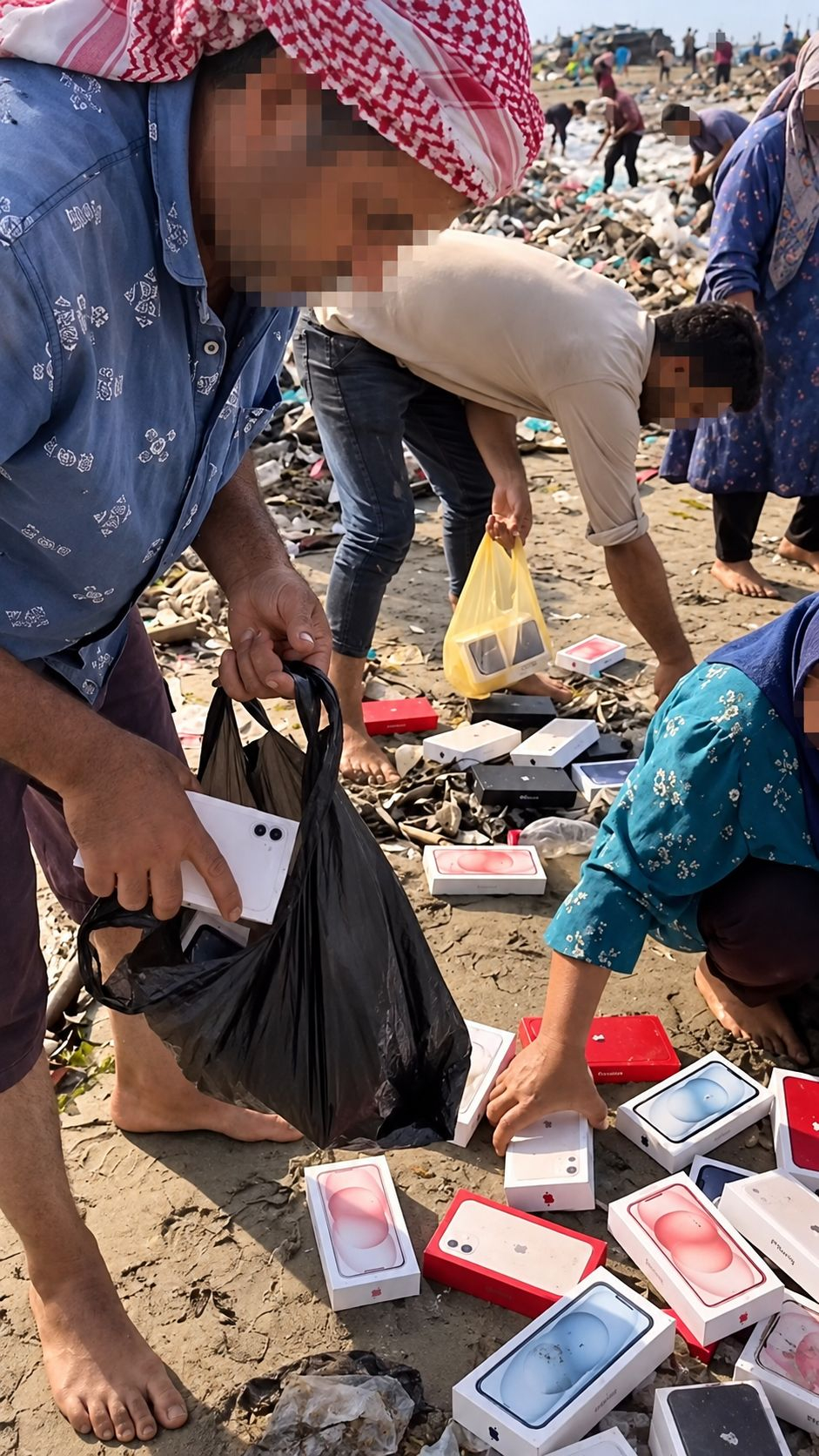
🚨 FREE iPHONES AND LUXURY PERFUMES… FLOATING IN THE SEA?
A cargo ship carrying around 2,500 containers sank near the Strait of Hormuz — and videos now show people pulling boxes believed to contain iPhones and luxury perfumes straight from the water.
The crew was rescued.
The cargo? Not so lucky. 😳
Imagine going fishing and coming back with an iPhone instead of dinner.
Treasure hunt or total chaos?
Would you dive in for one?
$BTC $ETH $PEPE
#iPhone #Apple #Viral #Crypto #pepe
{spot}(BTCUSDT)
{spot}(ETHUSDT)
{spot}(PEPEUSDT)
🚨 FREE iPHONES AND LUXURY PERFUMES… FLOATING IN THE SEA?
A cargo ship carrying around 2,500 containers sank near the Strait of Hormuz — and videos now show people pulling boxes believed to contain iPhones and luxury perfumes straight from the water.
The crew was rescued.
The cargo? Not so lucky. 😳
Imagine going fishing and coming back with an iPhone instead of dinner.
Treasure hunt or total chaos?
Would you dive in for one?
$BTC $ETH $PEPE
#iPhone #Apple #Viral #Crypto #pepe
A cargo ship carrying around 2,500 containers sank near the Strait of Hormuz — and videos now show people pulling boxes believed to contain iPhones and luxury perfumes straight from the water.
The crew was rescued.
The cargo? Not so lucky. 😳
Imagine going fishing and coming back with an iPhone instead of dinner.
Treasure hunt or total chaos?
Would you dive in for one?
$BTC $ETH $PEPE
#iPhone #Apple #Viral #Crypto #pepe

1
140

·
--
Bullish
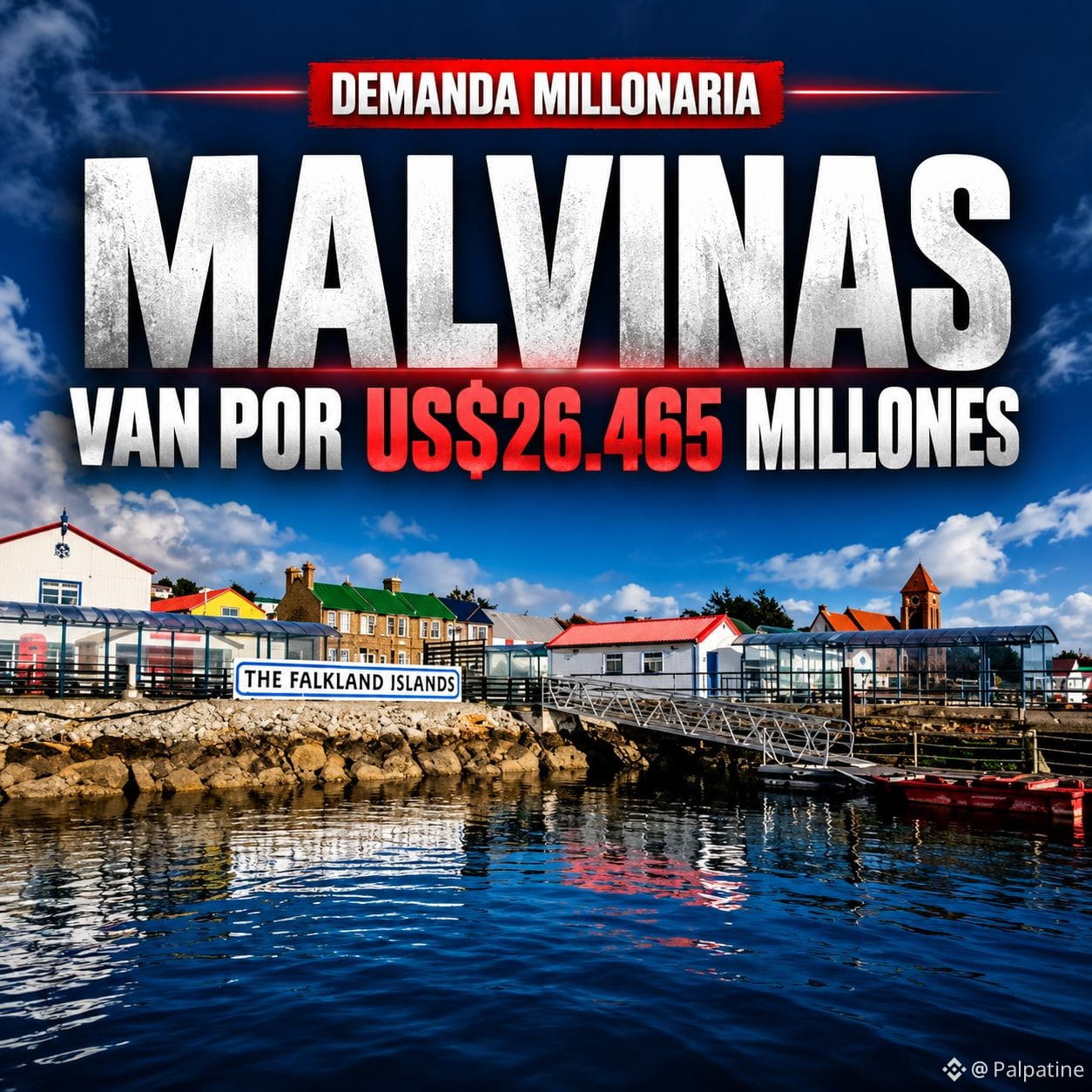
🇦🇷🔥 FALKLANDS: NOW THEY’RE GOING AFTER US$26,465 MILLION
While the United Kingdom conducts military exercises on the Islands, another, far more uncomfortable front has opened: money.
The Agustina Lerena Foundation has filed a class-action lawsuit in the Federal Court of Río Grande seeking up to US$26,465 million from companies linked to fishing operations in the Falkland Islands.
The claim alleges that around 4.1 million tonnes of fishery resources were extracted between 1989 and 2025 without Argentina’s authorization.
And they’re not targeting ships alone.
The lawsuit also reaches fishing companies, companies linked to the Islands, banks, insurers, shipyards, and other players who are alleged to have taken part in the business.
First, oil.
Then, military exercises.
Now, fishing worth US$26,465 million.
🇬🇧 London controls the Islands.
🇦🇷 Argentina is starting to target the business around them.
The uncomfortable question is this:
Should we go directly after the companies making money from exploiting the resources of the Falkland Islands, even if it sparks an international economic conflict?
👇 I especially want to hear from Argentinians and Britons.
{stock_us}(YPF.US)
{spot}(BTCUSDT)
{stock_us}(VIST.US)
#argentinapotencia
🇦🇷🔥 FALKLANDS: NOW THEY’RE GOING AFTER US$26,465 MILLION
While the United Kingdom conducts military exercises on the Islands, another, far more uncomfortable front has opened: money.
The Agustina Lerena Foundation has filed a class-action lawsuit in the Federal Court of Río Grande seeking up to US$26,465 million from companies linked to fishing operations in the Falkland Islands.
The claim alleges that around 4.1 million tonnes of fishery resources were extracted between 1989 and 2025 without Argentina’s authorization.
And they’re not targeting ships alone.
The lawsuit also reaches fishing companies, companies linked to the Islands, banks, insurers, shipyards, and other players who are alleged to have taken part in the business.
First, oil.
Then, military exercises.
Now, fishing worth US$26,465 million.
🇬🇧 London controls the Islands.
🇦🇷 Argentina is starting to target the business around them.
The uncomfortable question is this:
Should we go directly after the companies making money from exploiting the resources of the Falkland Islands, even if it sparks an international economic conflict?
👇 I especially want to hear from Argentinians and Britons.
#argentinapotencia
While the United Kingdom conducts military exercises on the Islands, another, far more uncomfortable front has opened: money.
The Agustina Lerena Foundation has filed a class-action lawsuit in the Federal Court of Río Grande seeking up to US$26,465 million from companies linked to fishing operations in the Falkland Islands.
The claim alleges that around 4.1 million tonnes of fishery resources were extracted between 1989 and 2025 without Argentina’s authorization.
And they’re not targeting ships alone.
The lawsuit also reaches fishing companies, companies linked to the Islands, banks, insurers, shipyards, and other players who are alleged to have taken part in the business.
First, oil.
Then, military exercises.
Now, fishing worth US$26,465 million.
🇬🇧 London controls the Islands.
🇦🇷 Argentina is starting to target the business around them.
The uncomfortable question is this:
Should we go directly after the companies making money from exploiting the resources of the Falkland Islands, even if it sparks an international economic conflict?
👇 I especially want to hear from Argentinians and Britons.
#argentinapotencia
2
3
744
·
--
Bullish
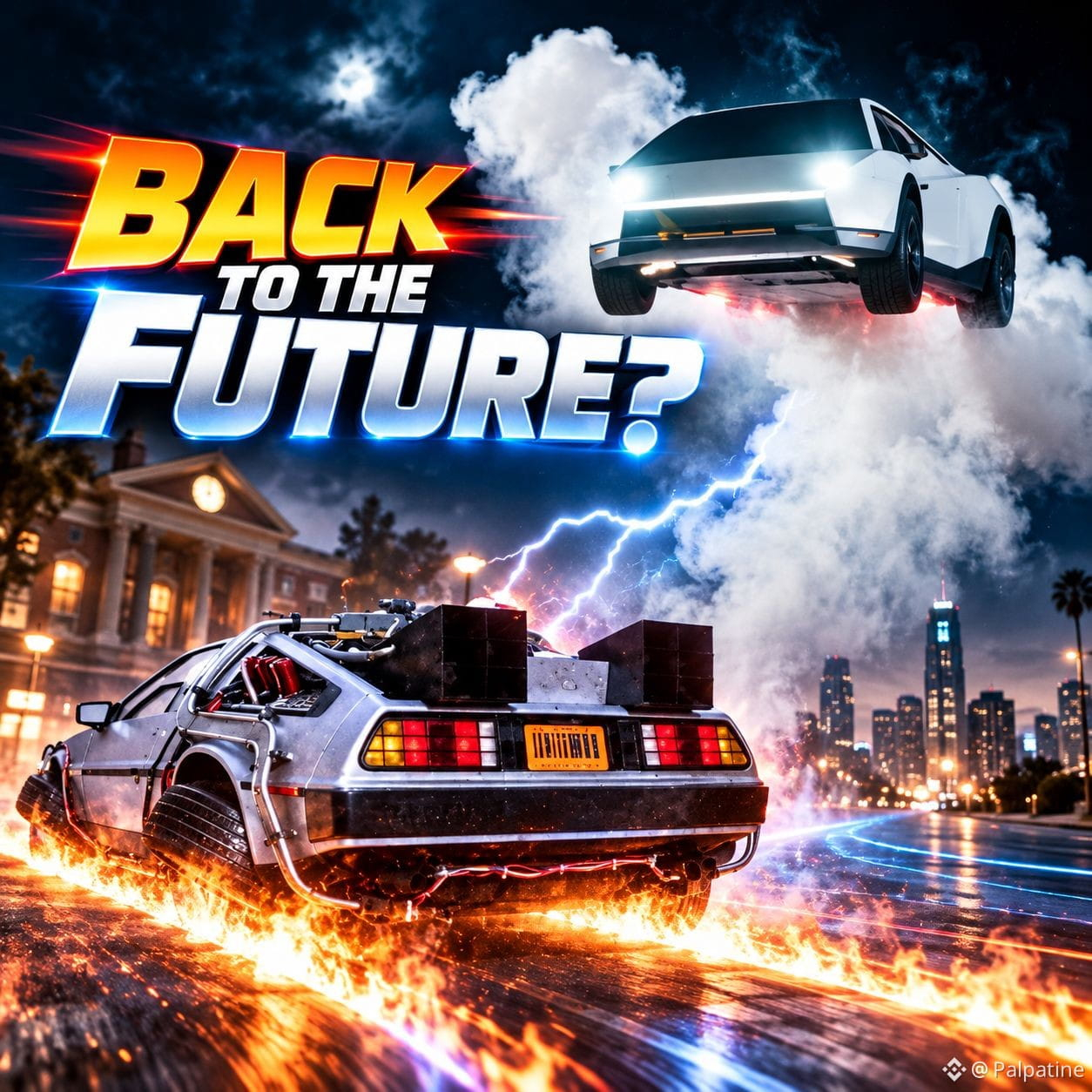
🚨 THE DELOREAN IS OFFICIALLY OBSOLETE
Elon Musk just made Back to the Future look conservative.
Tesla unveiled its next-generation Roadster at a SpaceX facility in Texas — and the car literally left the ground.
Using technology developed with SpaceX, the Roadster climbed an inverted ramp, launched into the air, rotated and landed back on its wheels. Tesla also showed it accelerating from 0–60 mph in 0.81 seconds.
The irony is almost perfect:
🎬 The DeLorean needed 88 mph to become science fiction.
🚀 Musk put SpaceX thrusters inside a Tesla and turned the car itself into science fiction.
But here's where it gets controversial:
Production isn't expected until 2028, and even Musk admitted success isn't guaranteed.
So what did we actually witness?
A genuine glimpse of the future… or the greatest automotive publicity stunt of the decade?
Either way, Tesla and SpaceX just blurred the line between a car and a rocket.
And when Musk + SpaceX dominate the conversation, crypto usually watches too.
DOGE BTC
👇 Would you actually drive a car with rocket thrusters — YES or NO?
#Tesla #SpaceX #ElonMusk #Roadster
{spot}(BTCUSDT)
{spot}(DOGEUSDT)
{spot}(PEPEUSDT)
🚨 THE DELOREAN IS OFFICIALLY OBSOLETE
Elon Musk just made Back to the Future look conservative.
Tesla unveiled its next-generation Roadster at a SpaceX facility in Texas — and the car literally left the ground.
Using technology developed with SpaceX, the Roadster climbed an inverted ramp, launched into the air, rotated and landed back on its wheels. Tesla also showed it accelerating from 0–60 mph in 0.81 seconds.
The irony is almost perfect:
🎬 The DeLorean needed 88 mph to become science fiction.
🚀 Musk put SpaceX thrusters inside a Tesla and turned the car itself into science fiction.
But here's where it gets controversial:
Production isn't expected until 2028, and even Musk admitted success isn't guaranteed.
So what did we actually witness?
A genuine glimpse of the future… or the greatest automotive publicity stunt of the decade?
Either way, Tesla and SpaceX just blurred the line between a car and a rocket.
And when Musk + SpaceX dominate the conversation, crypto usually watches too.
DOGE BTC
👇 Would you actually drive a car with rocket thrusters — YES or NO?
#Tesla #SpaceX #ElonMusk #Roadster
Elon Musk just made Back to the Future look conservative.
Tesla unveiled its next-generation Roadster at a SpaceX facility in Texas — and the car literally left the ground.
Using technology developed with SpaceX, the Roadster climbed an inverted ramp, launched into the air, rotated and landed back on its wheels. Tesla also showed it accelerating from 0–60 mph in 0.81 seconds.
The irony is almost perfect:
🎬 The DeLorean needed 88 mph to become science fiction.
🚀 Musk put SpaceX thrusters inside a Tesla and turned the car itself into science fiction.
But here's where it gets controversial:
Production isn't expected until 2028, and even Musk admitted success isn't guaranteed.
So what did we actually witness?
A genuine glimpse of the future… or the greatest automotive publicity stunt of the decade?
Either way, Tesla and SpaceX just blurred the line between a car and a rocket.
And when Musk + SpaceX dominate the conversation, crypto usually watches too.
DOGE BTC
👇 Would you actually drive a car with rocket thrusters — YES or NO?
#Tesla #SpaceX #ElonMusk #Roadster
1
127
·
--
Bearish
🚨 YACYRETÁ: “IT WAS FAKE”… AND THREE DAYS LATER, THEY OPENED THE GATES
On October 9, Yacyretá denied that the main spillway was open and said the images circulating were old.
On the 12th, EBY itself officially confirmed that the gates had been opened due to the rising Paraná River.
Meanwhile, Itaipú had already been releasing thousands of m³ per second upstream.
A contradiction?
A real change in hydrological conditions?
Or institutional communication that was far too poor for such a sensitive situation?
Because when we’re talking about dams, floods, and thousands of families downstream, trust matters just as much as the flow rate.
And yes: at an institution whose former director was Oscar Thomas, a fugitive for 48 days in the Notebooks case, public credibility is certainly no minor issue.
#argentinapotencia
{future}(ETHUSDT)
{future}(SOLUSDT)
{future}(BTCUSDT)
🚨 YACYRETÁ: “IT WAS FAKE”… AND THREE DAYS LATER, THEY OPENED THE GATES
On October 9, Yacyretá denied that the main spillway was open and said the images circulating were old.
On the 12th, EBY itself officially confirmed that the gates had been opened due to the rising Paraná River.
Meanwhile, Itaipú had already been releasing thousands of m³ per second upstream.
A contradiction?
A real change in hydrological conditions?
Or institutional communication that was far too poor for such a sensitive situation?
Because when we’re talking about dams, floods, and thousands of families downstream, trust matters just as much as the flow rate.
And yes: at an institution whose former director was Oscar Thomas, a fugitive for 48 days in the Notebooks case, public credibility is certainly no minor issue.
#argentinapotencia
On October 9, Yacyretá denied that the main spillway was open and said the images circulating were old.
On the 12th, EBY itself officially confirmed that the gates had been opened due to the rising Paraná River.
Meanwhile, Itaipú had already been releasing thousands of m³ per second upstream.
A contradiction?
A real change in hydrological conditions?
Or institutional communication that was far too poor for such a sensitive situation?
Because when we’re talking about dams, floods, and thousands of families downstream, trust matters just as much as the flow rate.
And yes: at an institution whose former director was Oscar Thomas, a fugitive for 48 days in the Notebooks case, public credibility is certainly no minor issue.
#argentinapotencia

1
231
·
--
Bearish
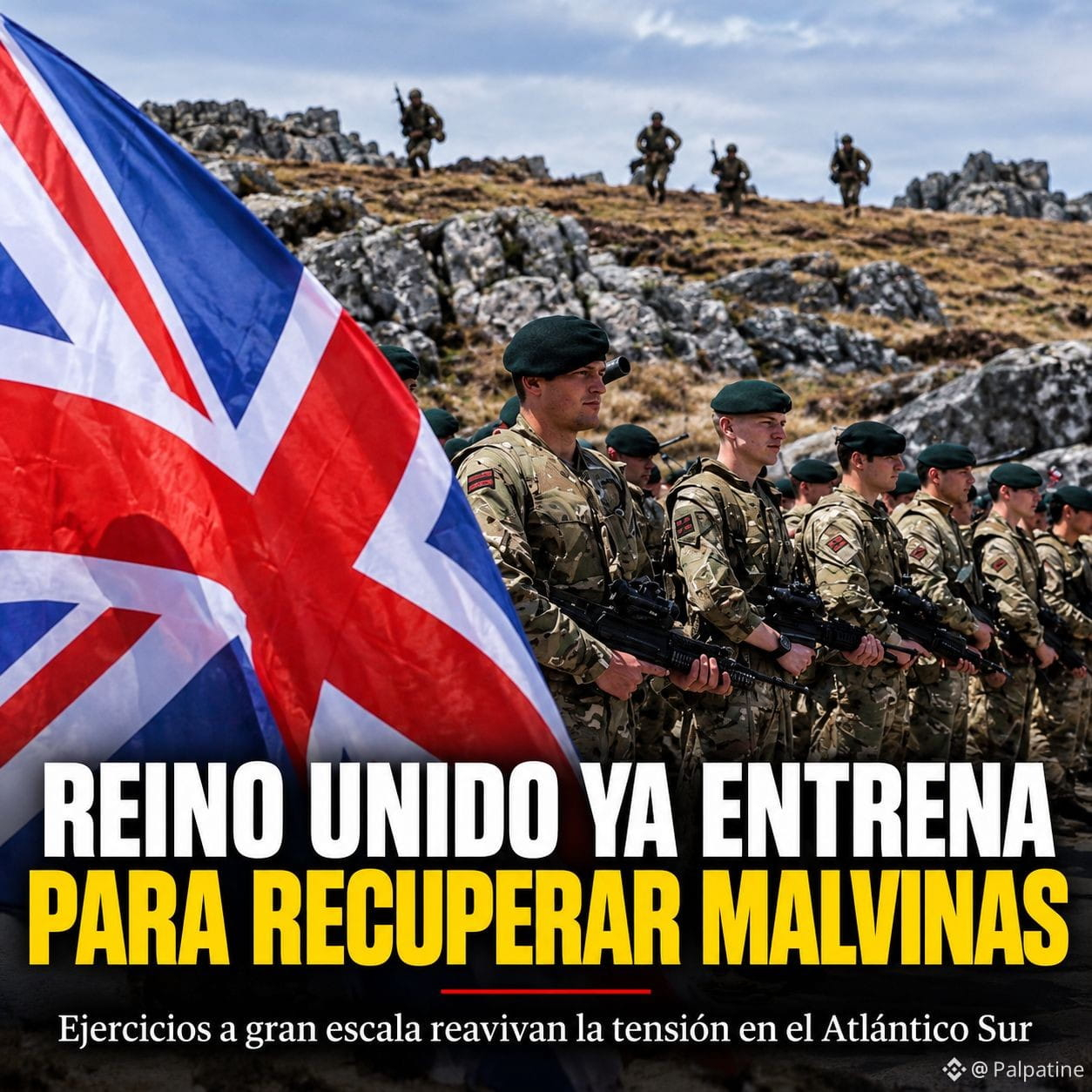
🚨 THE UK REHEARSED THE “RETAKING” OF THE FALKLAND ISLANDS AGAIN
It’s not a rumor.
Between late September and early October, British troops carried out an exercise on the islands that recreated very specific elements of the 1982 war:
⚓ amphibious landing
🥾 night march of around 32 km
🎯 attacks on simulated targets
✈️ air support with Typhoons
The maneuver included scenarios inspired by San Carlos and Wireless Ridge.
That said, so far there is no solid public evidence that London expects an Argentine invasion “before 2028,” as has begun circulating on social media.
But the hard fact remains:
the UK is training in the Falkland Islands again, using tactical logic directly inspired by 1982.
And the question is inevitable:
Is it just training… or is London preparing for a scenario it doesn’t want to admit publicly?
{spot}(BTCUSDT)
{spot}(XRPUSDT)
{future}(BNBUSDT)
#argentinapotencia
🚨 THE UK REHEARSED THE “RETAKING” OF THE FALKLAND ISLANDS AGAIN
It’s not a rumor.
Between late September and early October, British troops carried out an exercise on the islands that recreated very specific elements of the 1982 war:
⚓ amphibious landing
🥾 night march of around 32 km
🎯 attacks on simulated targets
✈️ air support with Typhoons
The maneuver included scenarios inspired by San Carlos and Wireless Ridge.
That said, so far there is no solid public evidence that London expects an Argentine invasion “before 2028,” as has begun circulating on social media.
But the hard fact remains:
the UK is training in the Falkland Islands again, using tactical logic directly inspired by 1982.
And the question is inevitable:
Is it just training… or is London preparing for a scenario it doesn’t want to admit publicly?
#argentinapotencia
It’s not a rumor.
Between late September and early October, British troops carried out an exercise on the islands that recreated very specific elements of the 1982 war:
⚓ amphibious landing
🥾 night march of around 32 km
🎯 attacks on simulated targets
✈️ air support with Typhoons
The maneuver included scenarios inspired by San Carlos and Wireless Ridge.
That said, so far there is no solid public evidence that London expects an Argentine invasion “before 2028,” as has begun circulating on social media.
But the hard fact remains:
the UK is training in the Falkland Islands again, using tactical logic directly inspired by 1982.
And the question is inevitable:
Is it just training… or is London preparing for a scenario it doesn’t want to admit publicly?
#argentinapotencia
2
1
407
Log in to explore more content
Join global crypto users on Binance Square
⚡️ Get latest and useful information about crypto.
💬 Trusted by the world’s largest crypto exchange.
👍 Discover real insights from verified creators.
Email / Phone number