

cryptoscoping
1.7k Posts

cryptoscoping
Report
Block User
Get early access to what's happening in the crypto world here
43 Following
1.5K+ Followers
1.6K+ Liked
Posts
All
Quotes
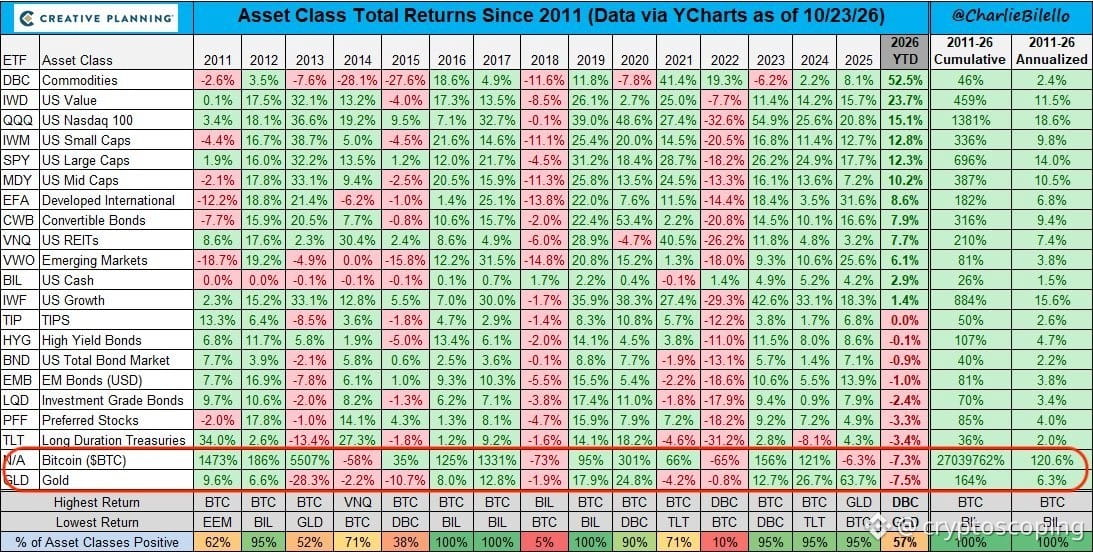
$BTC and Gold have followed very different paths since 2011.
Bitcoin has delivered an annualized return of around 120%, while $XAU ( Gold )has returned roughly 6% annually, even after its massive rally last year.
That difference is hard to ignore.
When Bitcoin trades at a discount relative to Gold, I see a chance to build my BTC position while the market is still undervaluing it.
My plan is to accumulate Bitcoin during this phase and consider rotating some profits into Gold over the next 1–2 years, depending on how the market moves.
The real question is, how much upside does Bitcoin still have before the next big rotation into Gold?
#BinancePick
$BTC and Gold have followed very different paths since 2011.
Bitcoin has delivered an annualized return of around 120%, while $XAU ( Gold )has returned roughly 6% annually, even after its massive rally last year.
That difference is hard to ignore.
When Bitcoin trades at a discount relative to Gold, I see a chance to build my BTC position while the market is still undervaluing it.
My plan is to accumulate Bitcoin during this phase and consider rotating some profits into Gold over the next 1–2 years, depending on how the market moves.
The real question is, how much upside does Bitcoin still have before the next big rotation into Gold?
#BinancePick
Bitcoin has delivered an annualized return of around 120%, while $XAU ( Gold )has returned roughly 6% annually, even after its massive rally last year.
That difference is hard to ignore.
When Bitcoin trades at a discount relative to Gold, I see a chance to build my BTC position while the market is still undervaluing it.
My plan is to accumulate Bitcoin during this phase and consider rotating some profits into Gold over the next 1–2 years, depending on how the market moves.
The real question is, how much upside does Bitcoin still have before the next big rotation into Gold?
#BinancePick
341
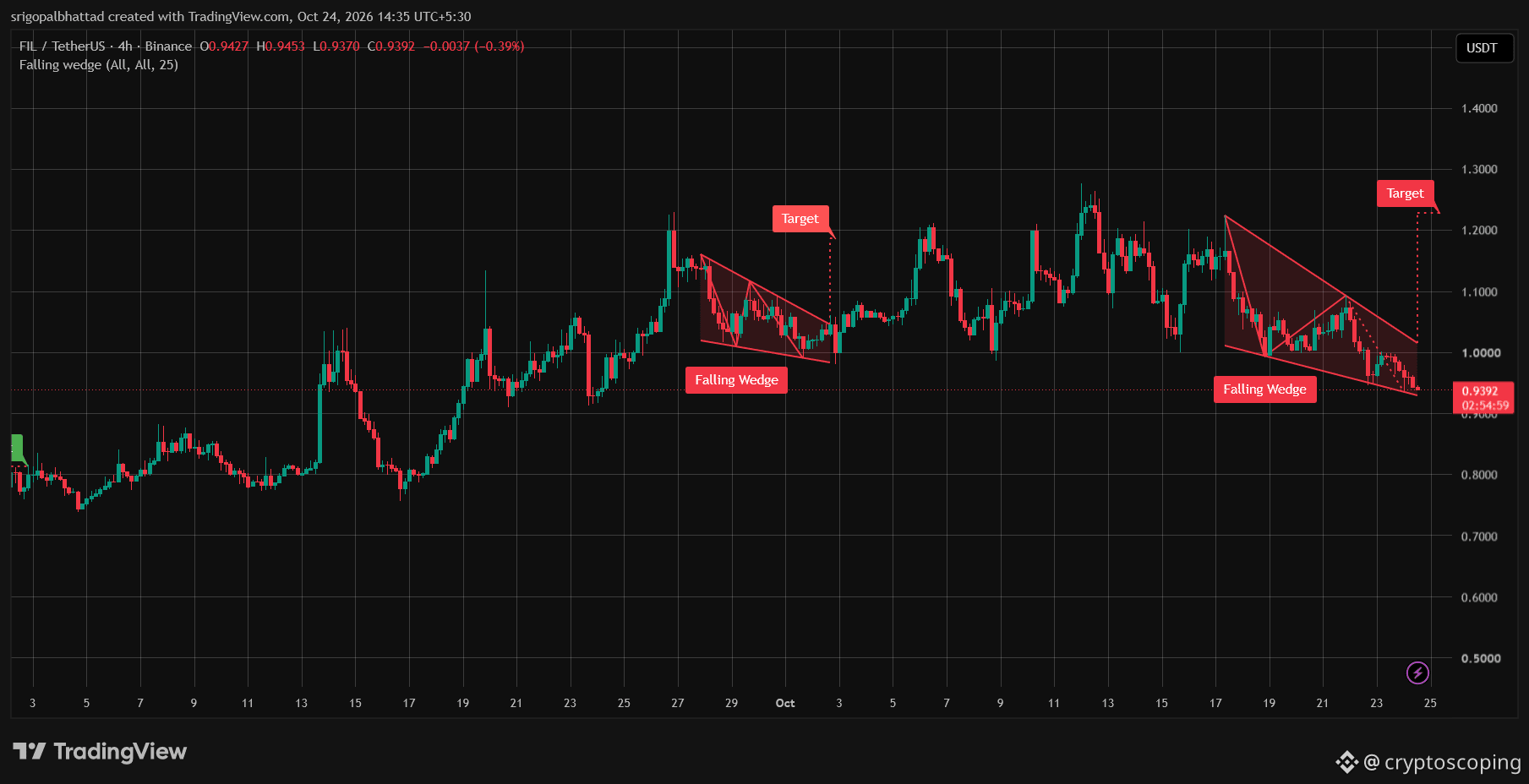
$FIL is struggling around $0.94 as sellers continue to put pressure on the price.
The falling wedge is taking shape, but bulls still have work to do. Reclaiming $1.00–$1.05 would be a good first sign that momentum is starting to shift.
A breakout could send FIL toward $1.25, but losing support could mean more downside.
Can bulls turn things around, or will sellers push FIL lower?
#BinancePick
$FIL is struggling around $0.94 as sellers continue to put pressure on the price.
The falling wedge is taking shape, but bulls still have work to do. Reclaiming $1.00–$1.05 would be a good first sign that momentum is starting to shift.
A breakout could send FIL toward $1.25, but losing support could mean more downside.
Can bulls turn things around, or will sellers push FIL lower?
#BinancePick
The falling wedge is taking shape, but bulls still have work to do. Reclaiming $1.00–$1.05 would be a good first sign that momentum is starting to shift.
A breakout could send FIL toward $1.25, but losing support could mean more downside.
Can bulls turn things around, or will sellers push FIL lower?
#BinancePick
1
1
916
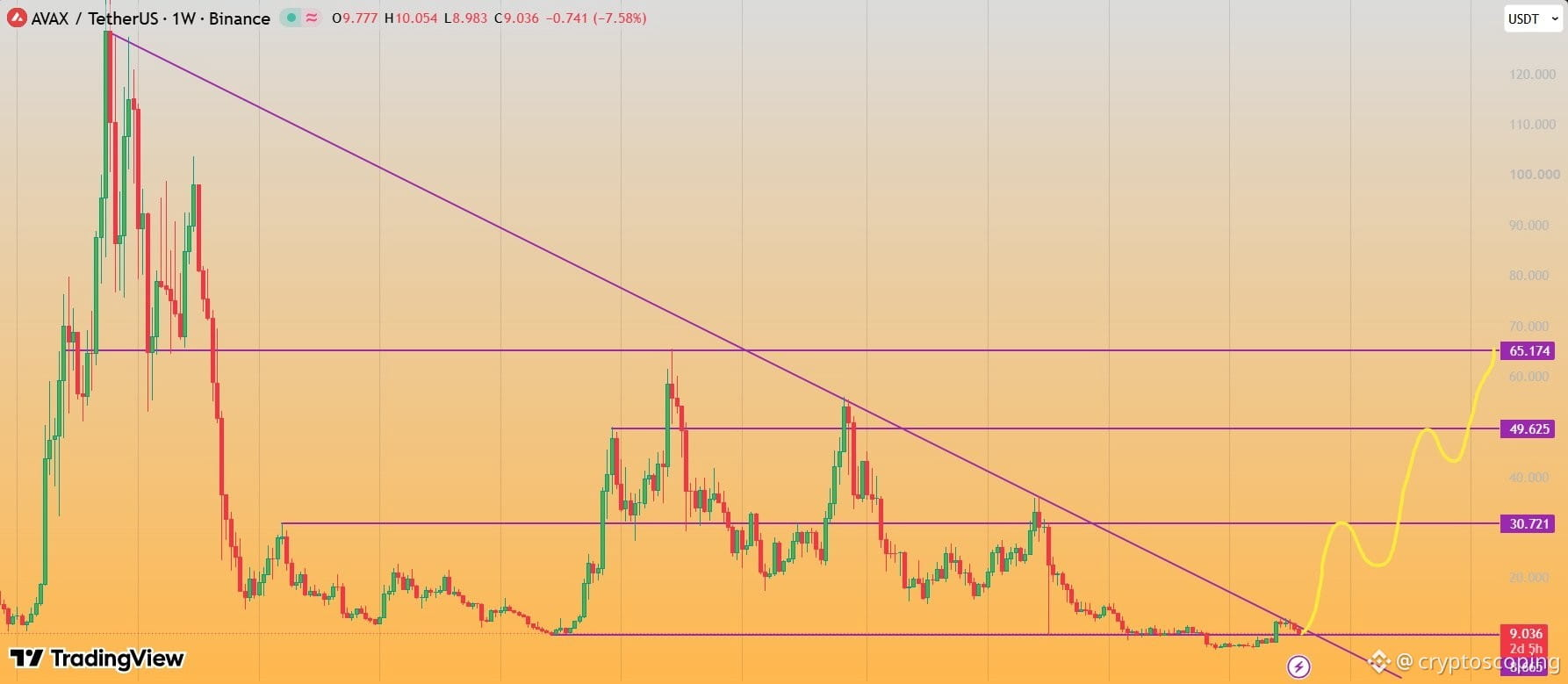
$AVAX has been stuck in a multiyear downtrend, but the weekly chart is approaching a level that could change the picture.
I’m watching $8.665 closely.
If AVAX breaks above the descending trendline and holds the retest, a bigger recovery could be on the table.
The next targets are $30.721, $49.625, and $65.174, but each level needs confirmation.
If AVAX loses $8.665 and fails to reclaim it, the bullish setup weakens.
Will AVAX finally break free from this downtrend?
#IRSPlansLowerTaxDisclosurePenaltiesForCryptoCases
$AVAX has been stuck in a multiyear downtrend, but the weekly chart is approaching a level that could change the picture.
I’m watching $8.665 closely.
If AVAX breaks above the descending trendline and holds the retest, a bigger recovery could be on the table.
The next targets are $30.721, $49.625, and $65.174, but each level needs confirmation.
If AVAX loses $8.665 and fails to reclaim it, the bullish setup weakens.
Will AVAX finally break free from this downtrend?
#IRSPlansLowerTaxDisclosurePenaltiesForCryptoCases
I’m watching $8.665 closely.
If AVAX breaks above the descending trendline and holds the retest, a bigger recovery could be on the table.
The next targets are $30.721, $49.625, and $65.174, but each level needs confirmation.
If AVAX loses $8.665 and fails to reclaim it, the bullish setup weakens.
Will AVAX finally break free from this downtrend?
#IRSPlansLowerTaxDisclosurePenaltiesForCryptoCases
1
6
3.7k
Verified
Every transaction on $ETH is public, meaning bots can spot your trade strategy before it executes and try to profit from it.
@nillionnetwork addresses this with Covenants a feature that keeps your data and instructions encrypted off-chain.
Your strategy stays completely private until the exact conditions you set are met.
With the DUSK release, Covenants are now live on Ethereum.
Independent nodes verify your conditions off-chain and trigger the transaction on-chain only when everything matches.
This makes it possible to set up automated trades, private transactions, and secure AI workflows on Ethereum without exposing sensitive information to the public.
#nil $NIL
Every transaction on $ETH is public, meaning bots can spot your trade strategy before it executes and try to profit from it.
@Nillion addresses this with Covenants a feature that keeps your data and instructions encrypted off-chain.
Your strategy stays completely private until the exact conditions you set are met.
With the DUSK release, Covenants are now live on Ethereum.
Independent nodes verify your conditions off-chain and trigger the transaction on-chain only when everything matches.
This makes it possible to set up automated trades, private transactions, and secure AI workflows on Ethereum without exposing sensitive information to the public.
#nil $NIL
@Nillion addresses this with Covenants a feature that keeps your data and instructions encrypted off-chain.
Your strategy stays completely private until the exact conditions you set are met.
With the DUSK release, Covenants are now live on Ethereum.
Independent nodes verify your conditions off-chain and trigger the transaction on-chain only when everything matches.
This makes it possible to set up automated trades, private transactions, and secure AI workflows on Ethereum without exposing sensitive information to the public.
#nil $NIL

4
2.1k
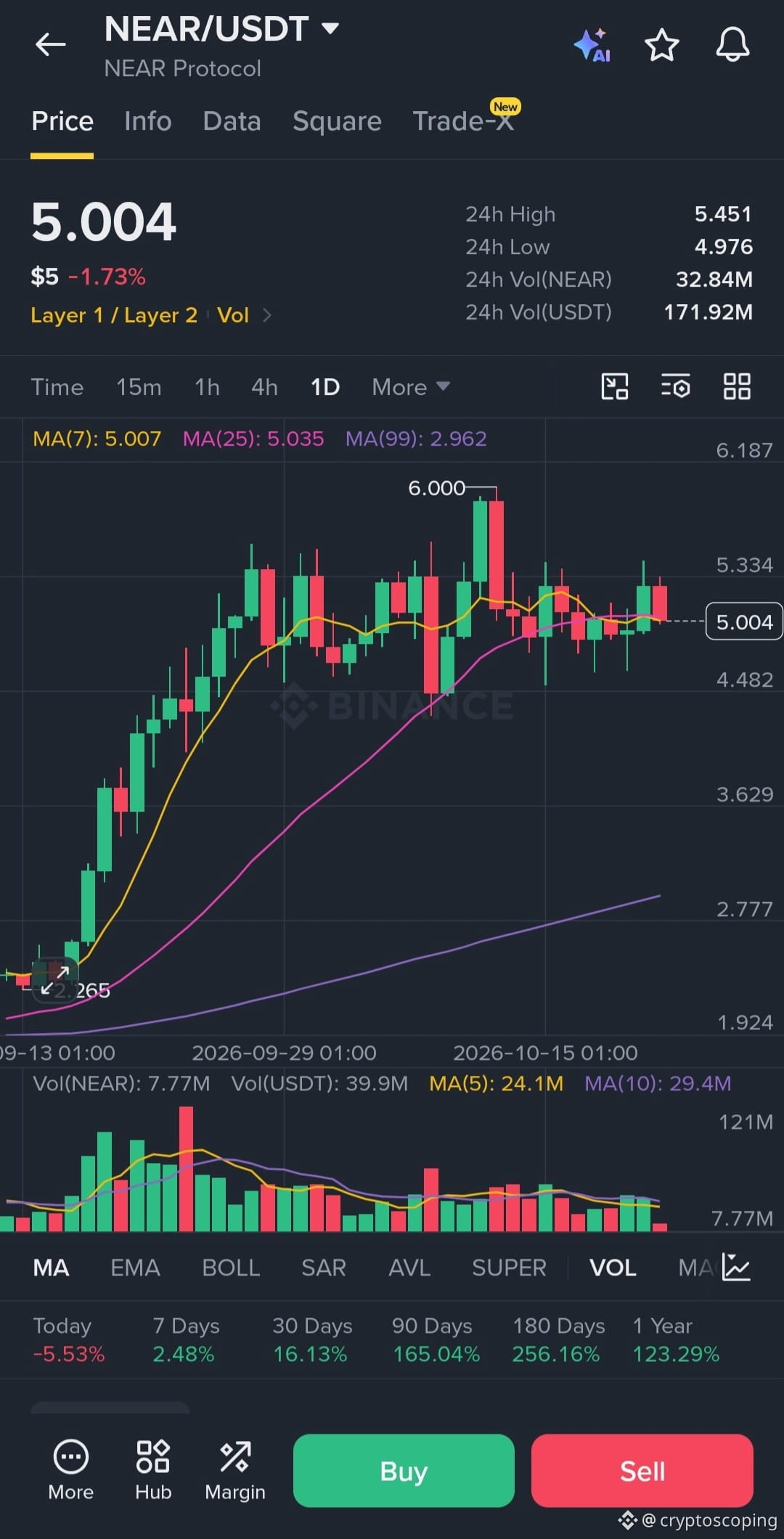
$NEAR got rejected hard at $5.45, and sellers seem to be taking control.
I’m watching for a bounce toward the $5.05–$5.10 zone before considering a short.
If the price shows weakness there, my targets are $4.95 and $4.85, with a stop loss at $5.26.
No need to chase the move. I’d rather wait for confirmation than rush into a trade.
Would you short the next bounce or wait for $NEAR to show some strength?
#ZcashDevelopersConfirmNovemberDateForNU7Upgrade
$NEAR got rejected hard at $5.45, and sellers seem to be taking control.
I’m watching for a bounce toward the $5.05–$5.10 zone before considering a short.
If the price shows weakness there, my targets are $4.95 and $4.85, with a stop loss at $5.26.
No need to chase the move. I’d rather wait for confirmation than rush into a trade.
Would you short the next bounce or wait for $NEAR to show some strength?
#ZcashDevelopersConfirmNovemberDateForNU7Upgrade
I’m watching for a bounce toward the $5.05–$5.10 zone before considering a short.
If the price shows weakness there, my targets are $4.95 and $4.85, with a stop loss at $5.26.
No need to chase the move. I’d rather wait for confirmation than rush into a trade.
Would you short the next bounce or wait for $NEAR to show some strength?
#ZcashDevelopersConfirmNovemberDateForNU7Upgrade
446
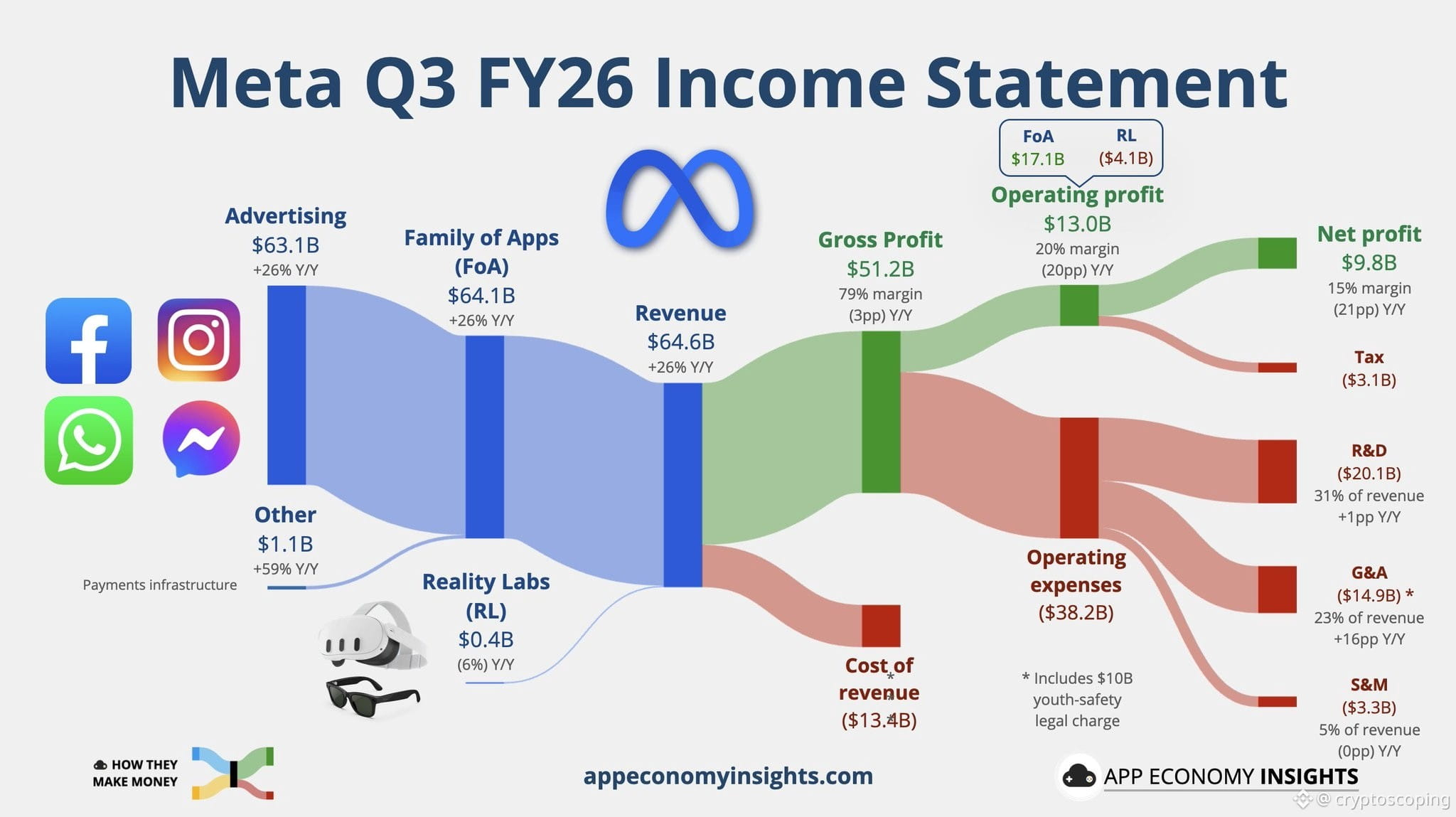
Meta $META keeps bringing in more money, but its latest results came with a costly setback.
Revenue jumped 26% year over year to $64.6 billion, beating expectations by $1.1 billion.
Daily active people also grew 3% to 3.64 billion, while ad impressions climbed 10%.
But a $10 billion youth-safety legal charge adds pressure, and Meta is still planning to spend up to $145 billion on capital expenditures in FY26.
With revenue growing this fast but costs remaining high, do you think $META is still worth buying at current levels?
#EarningsSeason
Meta $META keeps bringing in more money, but its latest results came with a costly setback.
Revenue jumped 26% year over year to $64.6 billion, beating expectations by $1.1 billion.
Daily active people also grew 3% to 3.64 billion, while ad impressions climbed 10%.
But a $10 billion youth-safety legal charge adds pressure, and Meta is still planning to spend up to $145 billion on capital expenditures in FY26.
With revenue growing this fast but costs remaining high, do you think $META is still worth buying at current levels?
#EarningsSeason
Revenue jumped 26% year over year to $64.6 billion, beating expectations by $1.1 billion.
Daily active people also grew 3% to 3.64 billion, while ad impressions climbed 10%.
But a $10 billion youth-safety legal charge adds pressure, and Meta is still planning to spend up to $145 billion on capital expenditures in FY26.
With revenue growing this fast but costs remaining high, do you think $META is still worth buying at current levels?
#EarningsSeason
445
Tesla $TSLA beat revenue and earnings expectations, but there’s still a problem investors can’t ignore.
Revenue came in at $28.05 billion, slightly above estimates, while adjusted EPS hit $0.48 against the expected $0.45.
But net profit fell 43% year over year, dropping from $1.37 billion to $787 million.
The good news? Gross margin improved to 19.6% from 16.8% last quarter, showing some improvement despite the pressure on profits.
So, is Tesla getting back on track, or is slowing growth becoming a bigger concern for investors?
#EarningsSeason
Tesla $TSLA beat revenue and earnings expectations, but there’s still a problem investors can’t ignore.
Revenue came in at $28.05 billion, slightly above estimates, while adjusted EPS hit $0.48 against the expected $0.45.
But net profit fell 43% year over year, dropping from $1.37 billion to $787 million.
The good news? Gross margin improved to 19.6% from 16.8% last quarter, showing some improvement despite the pressure on profits.
So, is Tesla getting back on track, or is slowing growth becoming a bigger concern for investors?
#EarningsSeason
Revenue came in at $28.05 billion, slightly above estimates, while adjusted EPS hit $0.48 against the expected $0.45.
But net profit fell 43% year over year, dropping from $1.37 billion to $787 million.
The good news? Gross margin improved to 19.6% from 16.8% last quarter, showing some improvement despite the pressure on profits.
So, is Tesla getting back on track, or is slowing growth becoming a bigger concern for investors?
#EarningsSeason

264
BNB Chain has just completed its 37th quarterly burn, taking 1.65 million $BNB worth around $1.2 billion out of circulation.
The total supply now sits at roughly 131.5 million BNB, bringing it closer to the long-term target of 100 million.
With each burn reducing the supply, all eyes are on how $BNB performs from here.
#ZcashDevelopersConfirmNovemberDateForNU7Upgrade
BNB Chain has just completed its 37th quarterly burn, taking 1.65 million $BNB worth around $1.2 billion out of circulation.
The total supply now sits at roughly 131.5 million BNB, bringing it closer to the long-term target of 100 million.
With each burn reducing the supply, all eyes are on how $BNB performs from here.
#ZcashDevelopersConfirmNovemberDateForNU7Upgrade
The total supply now sits at roughly 131.5 million BNB, bringing it closer to the long-term target of 100 million.
With each burn reducing the supply, all eyes are on how $BNB performs from here.
#ZcashDevelopersConfirmNovemberDateForNU7Upgrade

125
Partly True
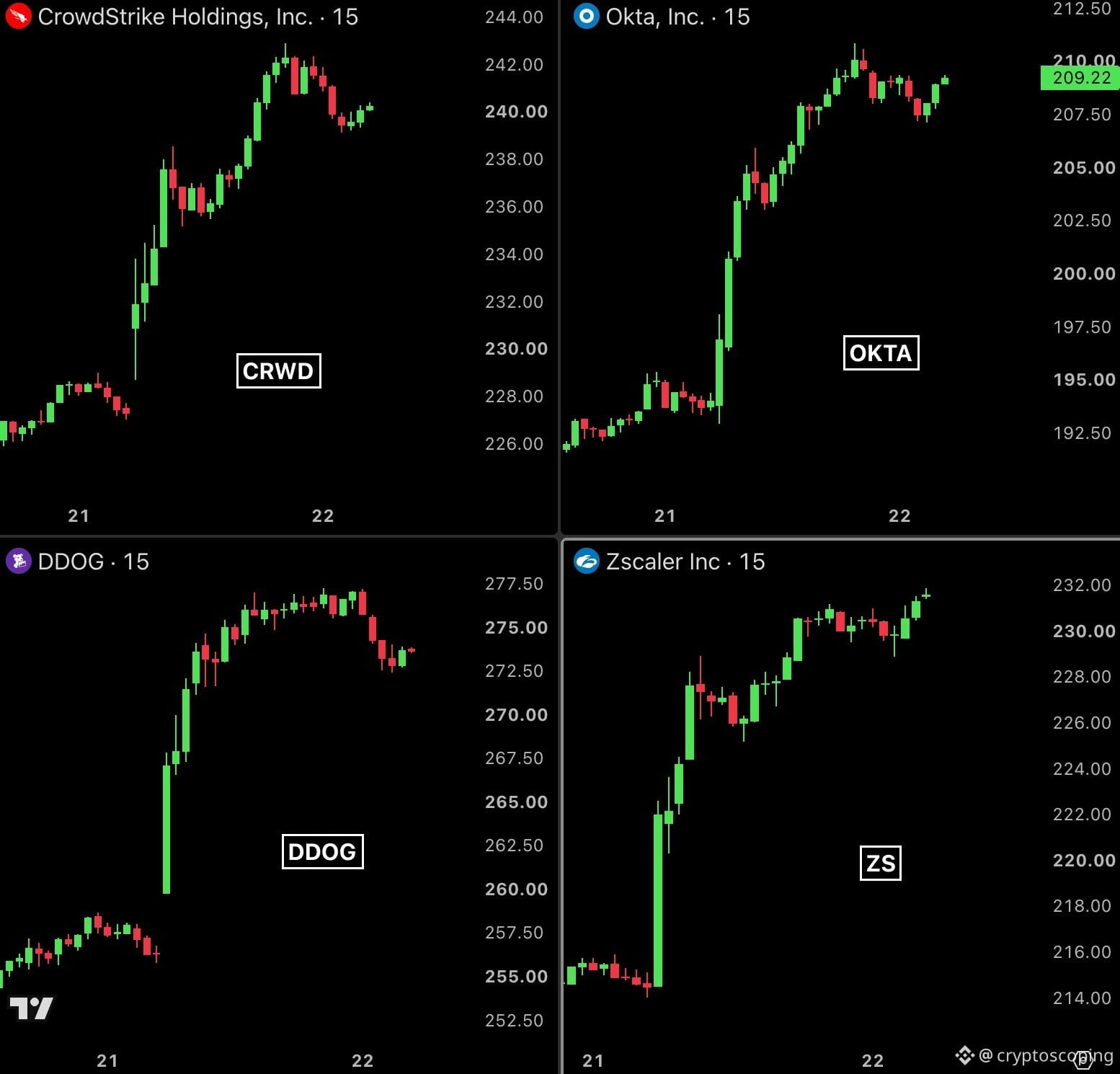
Cybersecurity stocks are climbing today as critical PHP flaws put websites around the world at risk.
$DDOG is up 7.6%, $OKTA.US gained 7.5%, $ZS rose 7.4%, and $CRWD is up 6.3%.
With PHP powering around 70% of websites,
investors are paying more attention to companies that help protect them from cyberattacks.
#KoreanRetailLost6.3TrillionWonOnLeveragedETPs
Cybersecurity stocks are climbing today as critical PHP flaws put websites around the world at risk.
$DDOG is up 7.6%, $OKTA.US gained 7.5%, $ZS rose 7.4%, and $CRWD is up 6.3%.
With PHP powering around 70% of websites,
investors are paying more attention to companies that help protect them from cyberattacks.
#KoreanRetailLost6.3TrillionWonOnLeveragedETPs
$DDOG is up 7.6%, $OKTA.US gained 7.5%, $ZS rose 7.4%, and $CRWD is up 6.3%.
With PHP powering around 70% of websites,
investors are paying more attention to companies that help protect them from cyberattacks.
#KoreanRetailLost6.3TrillionWonOnLeveragedETPs
794
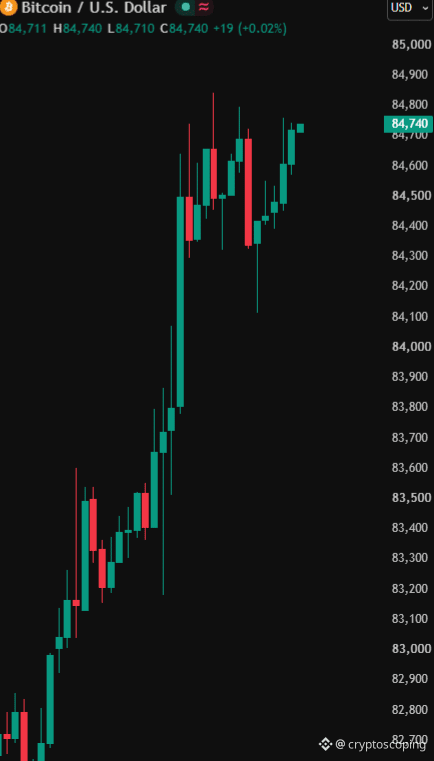
$BTC is making another move
$BTC has climbed above $84,700, its highest level since October 7,
recovering more than $2,000 from today’s low of $82,535.
Buyers are stepping back in, but can Bitcoin keep this momentum going?
#OCCIssuesFirstFinalRuleUnderGENIUSAct
$BTC is making another move
$BTC has climbed above $84,700, its highest level since October 7,
recovering more than $2,000 from today’s low of $82,535.
Buyers are stepping back in, but can Bitcoin keep this momentum going?
#OCCIssuesFirstFinalRuleUnderGENIUSAct
$BTC has climbed above $84,700, its highest level since October 7,
recovering more than $2,000 from today’s low of $82,535.
Buyers are stepping back in, but can Bitcoin keep this momentum going?
#OCCIssuesFirstFinalRuleUnderGENIUSAct
360
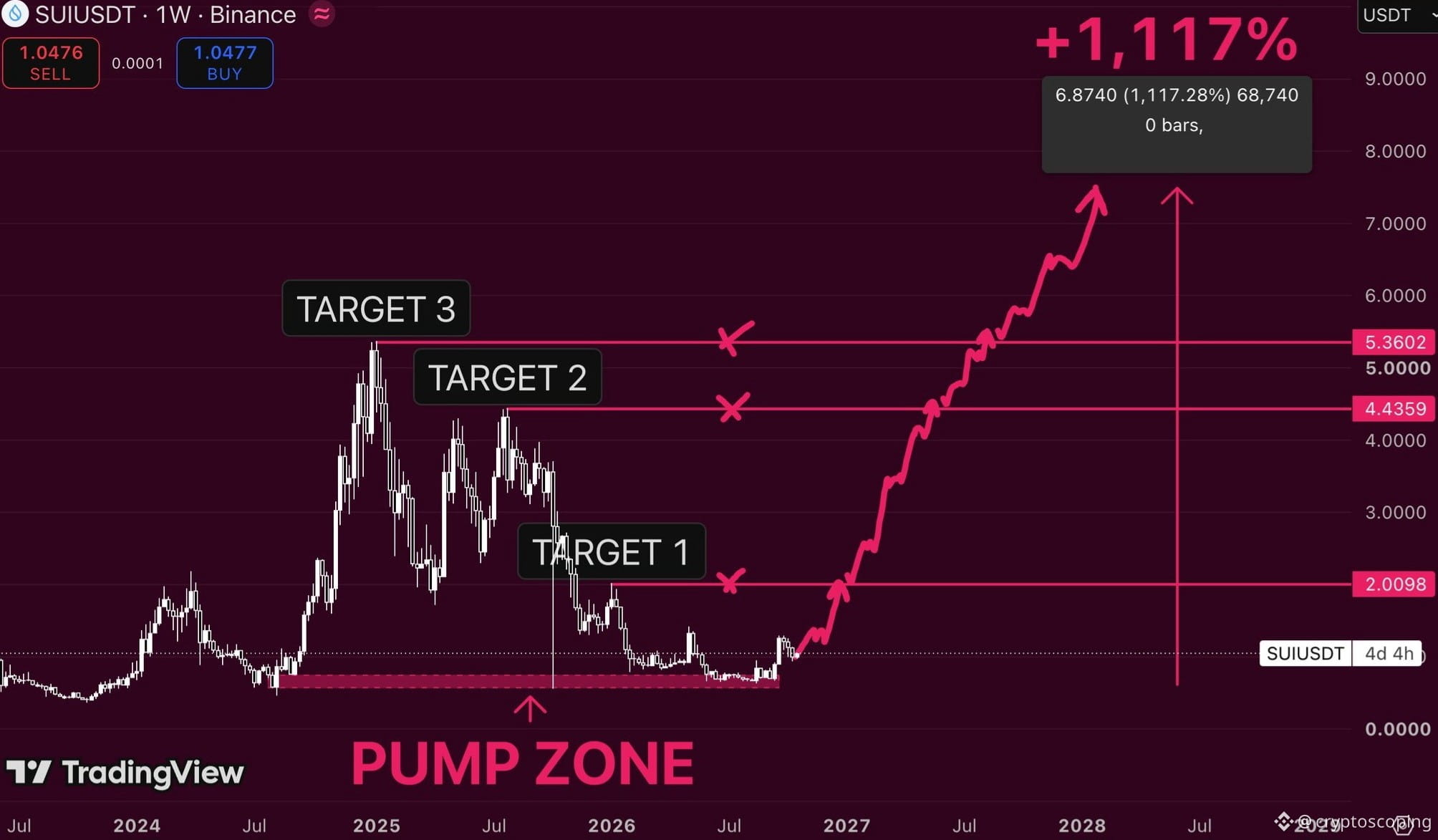
$SUI has already proven it can reach $5+, and I’m watching to see how it recovers from this major accumulation zone.
My targets are $2, $4.43, and $5.36, with $7.50 in sight if the bullish setup plays out.
That would be a potential 7x move from here. Could #SUI surprise everyone this cycle?
Are you still holding, or have you sold?
#ZcashDevelopersConfirmNovemberDateForNU7Upgrade
$SUI has already proven it can reach $5+, and I’m watching to see how it recovers from this major accumulation zone.
My targets are $2, $4.43, and $5.36, with $7.50 in sight if the bullish setup plays out.
That would be a potential 7x move from here. Could #SUI surprise everyone this cycle?
Are you still holding, or have you sold?
#ZcashDevelopersConfirmNovemberDateForNU7Upgrade
My targets are $2, $4.43, and $5.36, with $7.50 in sight if the bullish setup plays out.
That would be a potential 7x move from here. Could #SUI surprise everyone this cycle?
Are you still holding, or have you sold?
#ZcashDevelopersConfirmNovemberDateForNU7Upgrade
3
12
12.4k
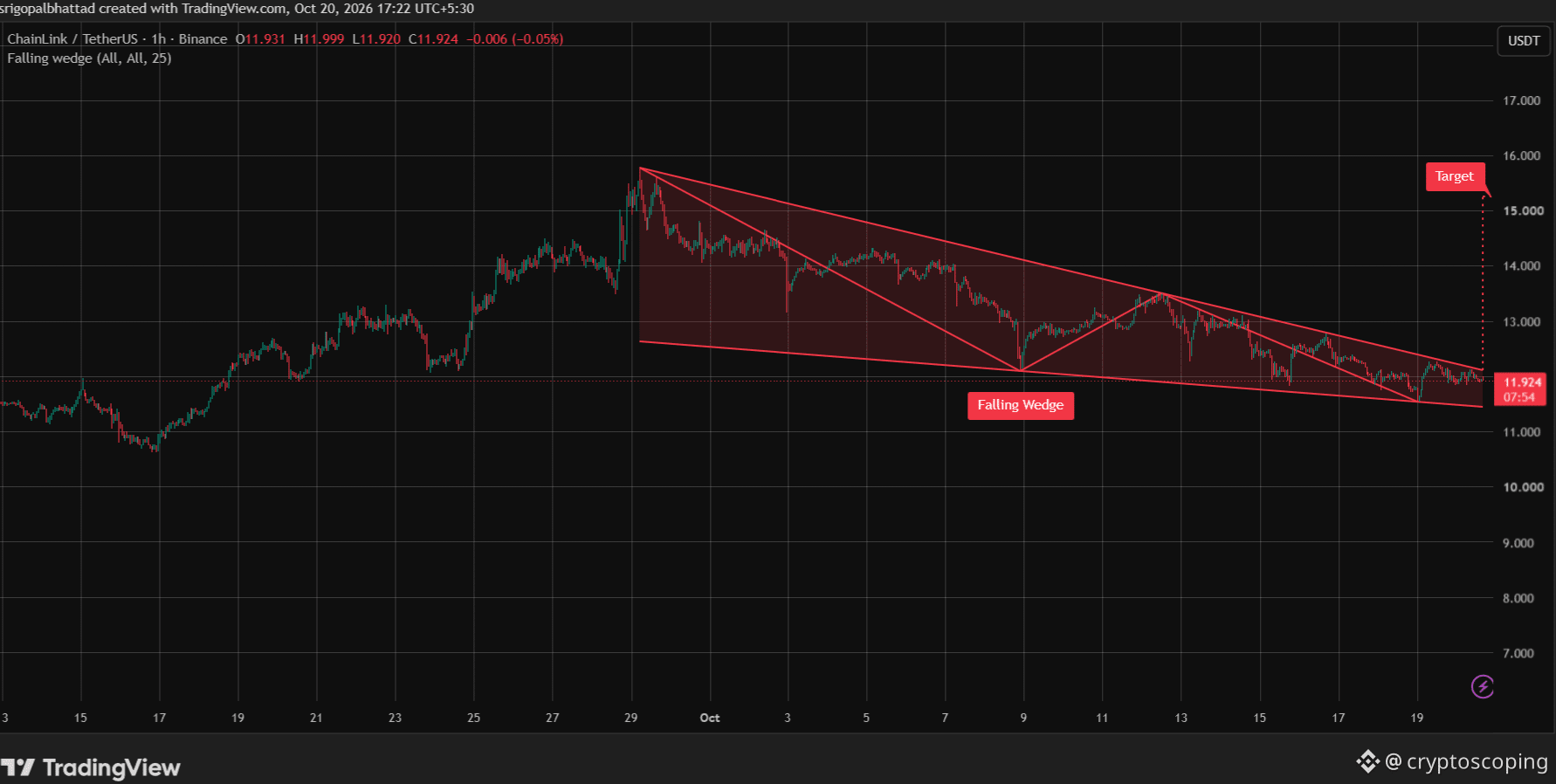
$LINK has been trading around $11.90, but the chart is starting to show a potential reversal setup.
It's forming a falling wedge, and a breakout above resistance could send price toward $15.50.
Bulls still need to confirm the move, but this is one level worth watching.
Could $LINK be preparing for a comeback?
#SwitzerlandApprovesFirstBitcoinETF
$LINK has been trading around $11.90, but the chart is starting to show a potential reversal setup.
It's forming a falling wedge, and a breakout above resistance could send price toward $15.50.
Bulls still need to confirm the move, but this is one level worth watching.
Could $LINK be preparing for a comeback?
#SwitzerlandApprovesFirstBitcoinETF
It's forming a falling wedge, and a breakout above resistance could send price toward $15.50.
Bulls still need to confirm the move, but this is one level worth watching.
Could $LINK be preparing for a comeback?
#SwitzerlandApprovesFirstBitcoinETF
83
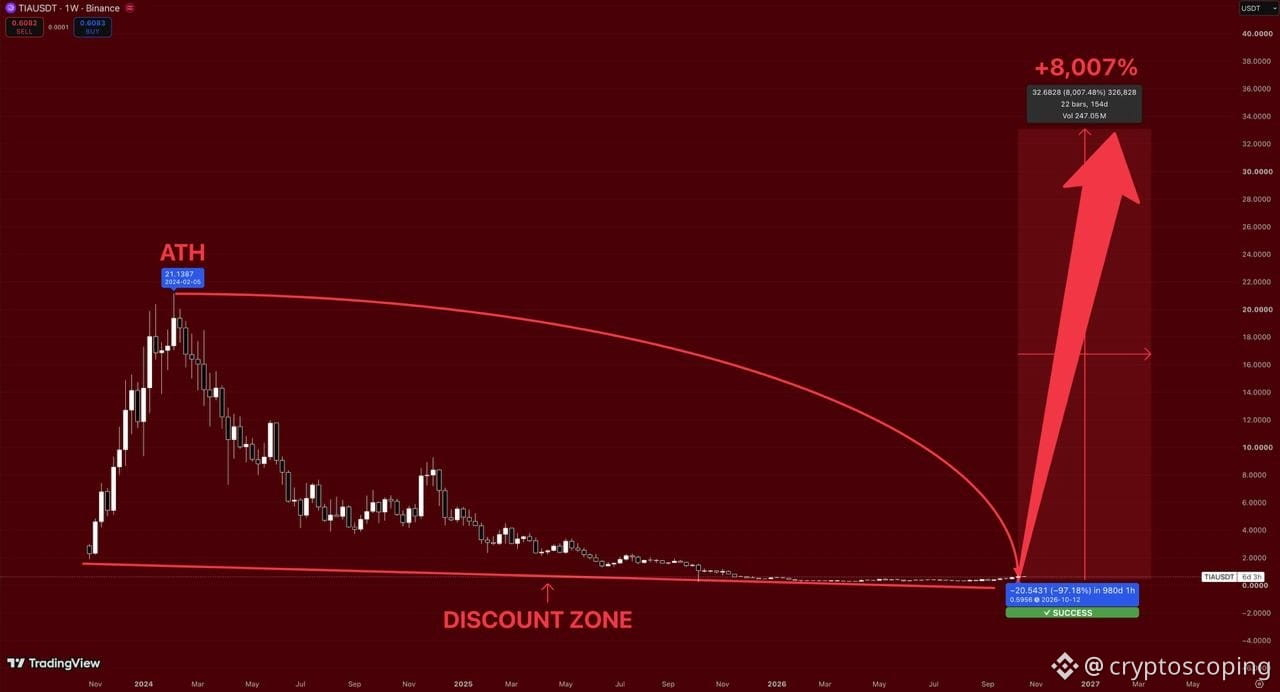
$TIA has lost 97% of its value, and most people have already written it off.
At $21, everyone saw the potential. At $0.60, hardly anyone wants it.
But the weekly chart shows a major historical discount zone, with my most aggressive bullish target at $33.
That's a potential 8,007% move from the marked low, but it would take a major trend reversal and serious buying pressure.
Crypto has a way of surprising people when sentiment is at its worst.
I'm watching $TIA. Would you buy here or stay away?
#JapanFSAPublishesOnChainFinanceForumMinutes
$TIA has lost 97% of its value, and most people have already written it off.
At $21, everyone saw the potential. At $0.60, hardly anyone wants it.
But the weekly chart shows a major historical discount zone, with my most aggressive bullish target at $33.
That's a potential 8,007% move from the marked low, but it would take a major trend reversal and serious buying pressure.
Crypto has a way of surprising people when sentiment is at its worst.
I'm watching $TIA . Would you buy here or stay away?
#JapanFSAPublishesOnChainFinanceForumMinutes
At $21, everyone saw the potential. At $0.60, hardly anyone wants it.
But the weekly chart shows a major historical discount zone, with my most aggressive bullish target at $33.
That's a potential 8,007% move from the marked low, but it would take a major trend reversal and serious buying pressure.
Crypto has a way of surprising people when sentiment is at its worst.
I'm watching $TIA . Would you buy here or stay away?
#JapanFSAPublishesOnChainFinanceForumMinutes
4
1
1.5k
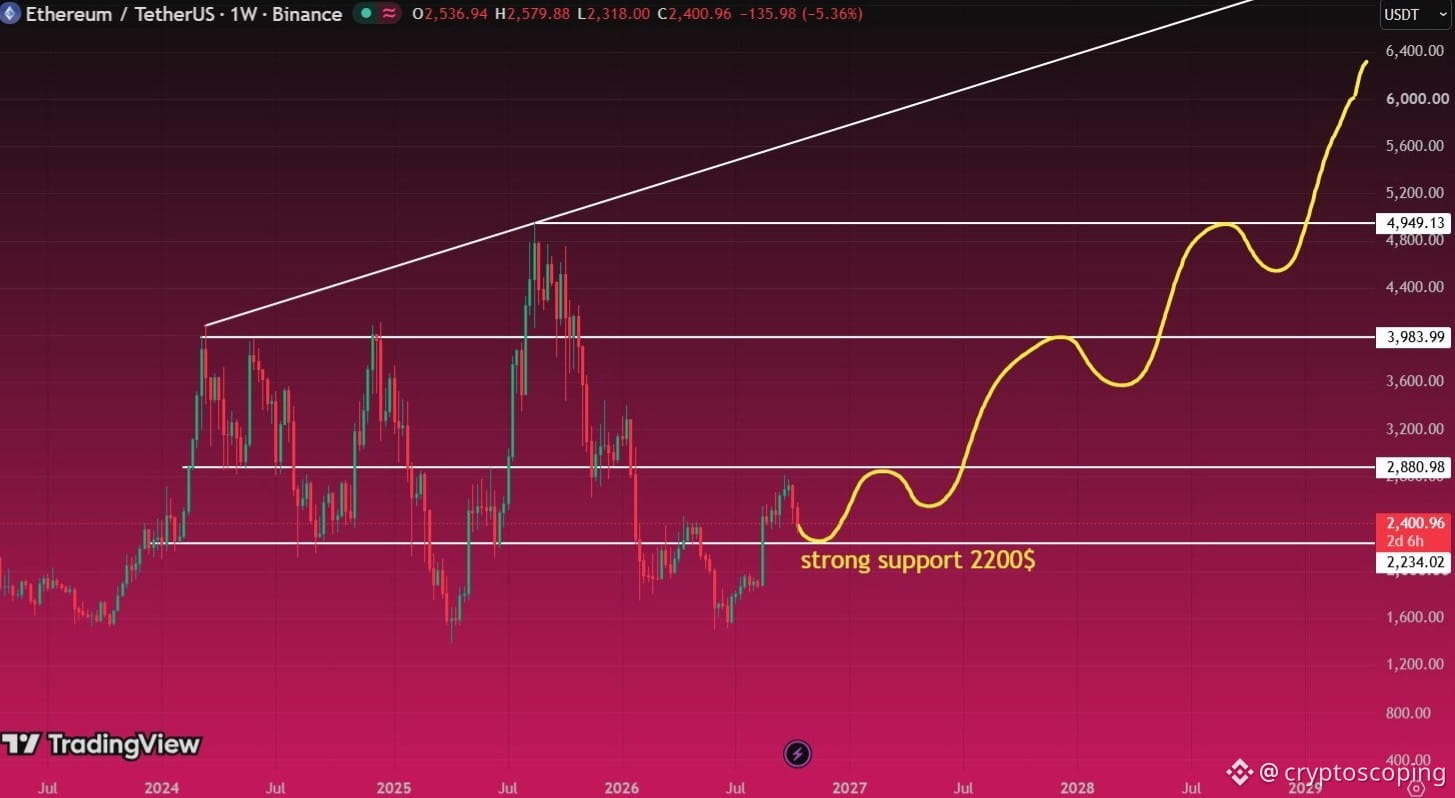
$ETH road to $6,000 starts with defending the $2,200–$2,234 support zone.
If buyers hold, $2,881 is the first resistance to reclaim, followed by $3,984 and $4,949.
Clearing those levels could put $6,300 in sight by 2029, around 162% above the displayed $2,401 price.
But if ETH loses $2,200 on the weekly chart, the recovery setup weakens.
#OctoberFedHikeOddsFallToAround17%
$ETH road to $6,000 starts with defending the $2,200–$2,234 support zone.
If buyers hold, $2,881 is the first resistance to reclaim, followed by $3,984 and $4,949.
Clearing those levels could put $6,300 in sight by 2029, around 162% above the displayed $2,401 price.
But if ETH loses $2,200 on the weekly chart, the recovery setup weakens.
#OctoberFedHikeOddsFallToAround17%
If buyers hold, $2,881 is the first resistance to reclaim, followed by $3,984 and $4,949.
Clearing those levels could put $6,300 in sight by 2029, around 162% above the displayed $2,401 price.
But if ETH loses $2,200 on the weekly chart, the recovery setup weakens.
#OctoberFedHikeOddsFallToAround17%
436
A lot has changed for $QNT over the past 11 days.
On October 2, open interest was around $190 million. By October 13, it had dropped to roughly $120 million.
That’s a decline of about 37%, with nearly $70 million wiped from outstanding derivatives positions.
Traders are closing positions, and it’ll be worth watching whether this leads to a reset or more volatility for QNT.
#CPIWatch
A lot has changed for $QNT over the past 11 days.
On October 2, open interest was around $190 million. By October 13, it had dropped to roughly $120 million.
That’s a decline of about 37%, with nearly $70 million wiped from outstanding derivatives positions.
Traders are closing positions, and it’ll be worth watching whether this leads to a reset or more volatility for QNT.
#CPIWatch
On October 2, open interest was around $190 million. By October 13, it had dropped to roughly $120 million.
That’s a decline of about 37%, with nearly $70 million wiped from outstanding derivatives positions.
Traders are closing positions, and it’ll be worth watching whether this leads to a reset or more volatility for QNT.
#CPIWatch

99
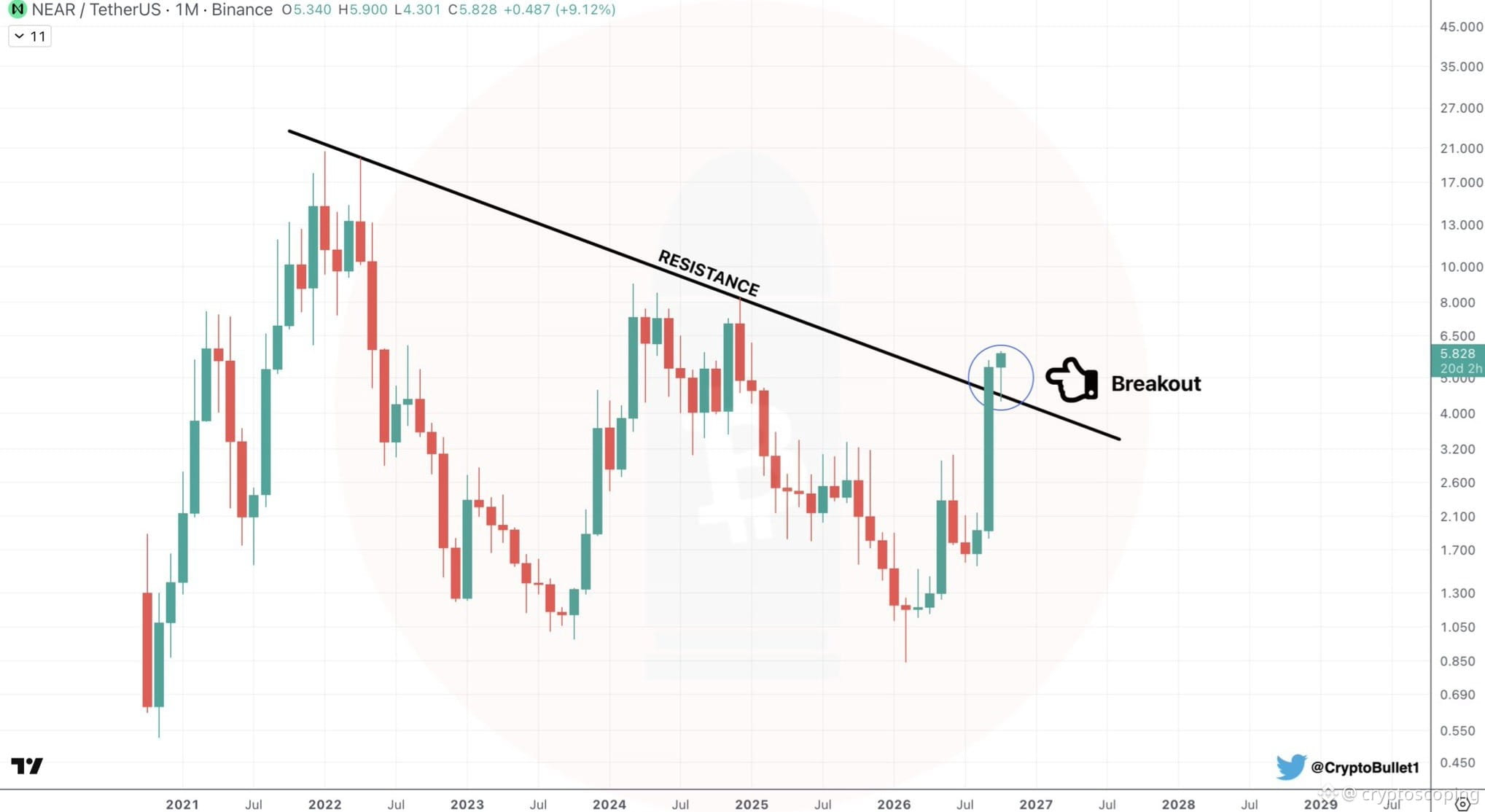
$NEAR has spent years trading below this resistance, but the monthly chart is finally showing a breakout.
Price has broken the 4-year resistance line and come back to retest it.
If the breakout holds, a rally similar to $ZEC wouldn't surprise me.
#EthereumSurpasses2500USDT
$NEAR has spent years trading below this resistance, but the monthly chart is finally showing a breakout.
Price has broken the 4-year resistance line and come back to retest it.
If the breakout holds, a rally similar to $ZEC wouldn't surprise me.
#EthereumSurpasses2500USDT
Price has broken the 4-year resistance line and come back to retest it.
If the breakout holds, a rally similar to $ZEC wouldn't surprise me.
#EthereumSurpasses2500USDT
279
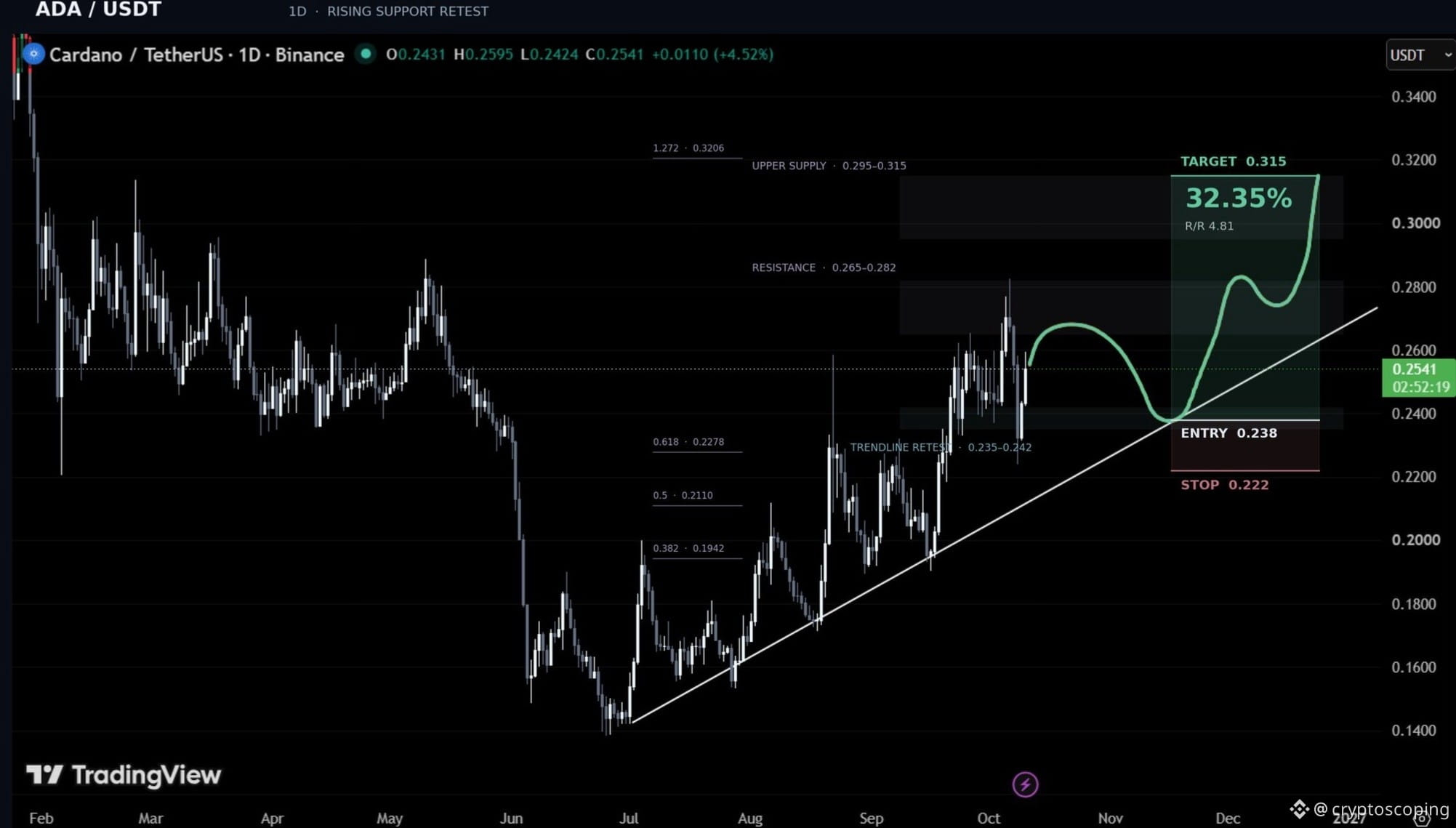
$ADA is holding its rising trendline, with $0.315 in sight if buyers keep pushing.
The first hurdle is $0.265–$0.282. A pullback toward $0.235–$0.242 could follow, and holding that zone may form a higher low near $0.238.
If ADA reclaims $0.282, the next targets are $0.295 and $0.315.
A break below $0.222 would invalidate this setup.
#StateCouncilCallsForNationalBlockchainNetwork
$ADA is holding its rising trendline, with $0.315 in sight if buyers keep pushing.
The first hurdle is $0.265–$0.282. A pullback toward $0.235–$0.242 could follow, and holding that zone may form a higher low near $0.238.
If ADA reclaims $0.282, the next targets are $0.295 and $0.315.
A break below $0.222 would invalidate this setup.
#StateCouncilCallsForNationalBlockchainNetwork
The first hurdle is $0.265–$0.282. A pullback toward $0.235–$0.242 could follow, and holding that zone may form a higher low near $0.238.
If ADA reclaims $0.282, the next targets are $0.295 and $0.315.
A break below $0.222 would invalidate this setup.
#StateCouncilCallsForNationalBlockchainNetwork
1
578
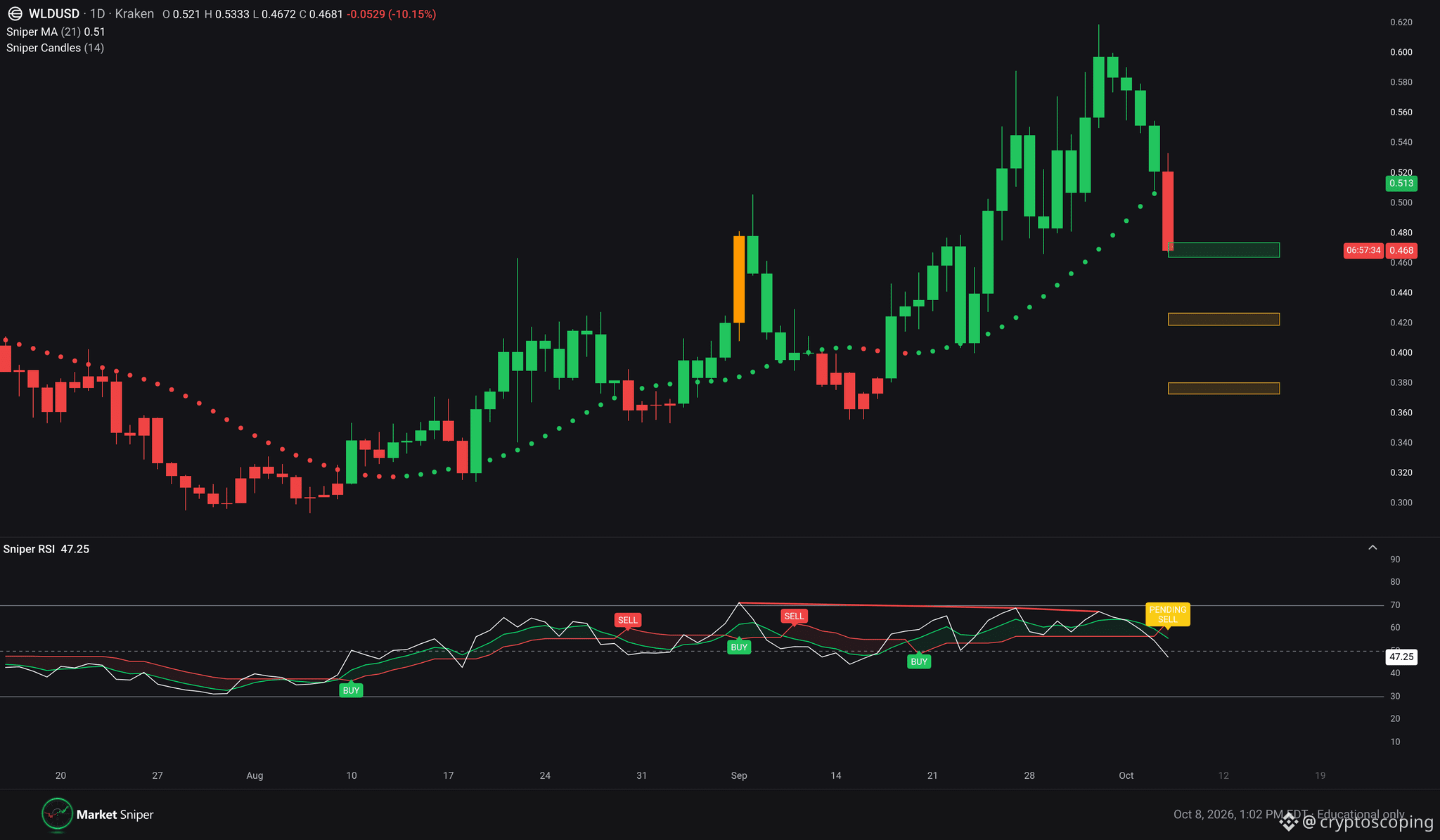
$WLD has reached the first target, but the move may not be over yet.
Price is still below the trend dots, with target two next on the radar.
Now it’s about whether WLD can keep pushing higher.
#FedMinutesFocusOnOctoberPause
$WLD has reached the first target, but the move may not be over yet.
Price is still below the trend dots, with target two next on the radar.
Now it’s about whether WLD can keep pushing higher.
#FedMinutesFocusOnOctoberPause
Price is still below the trend dots, with target two next on the radar.
Now it’s about whether WLD can keep pushing higher.
#FedMinutesFocusOnOctoberPause
682
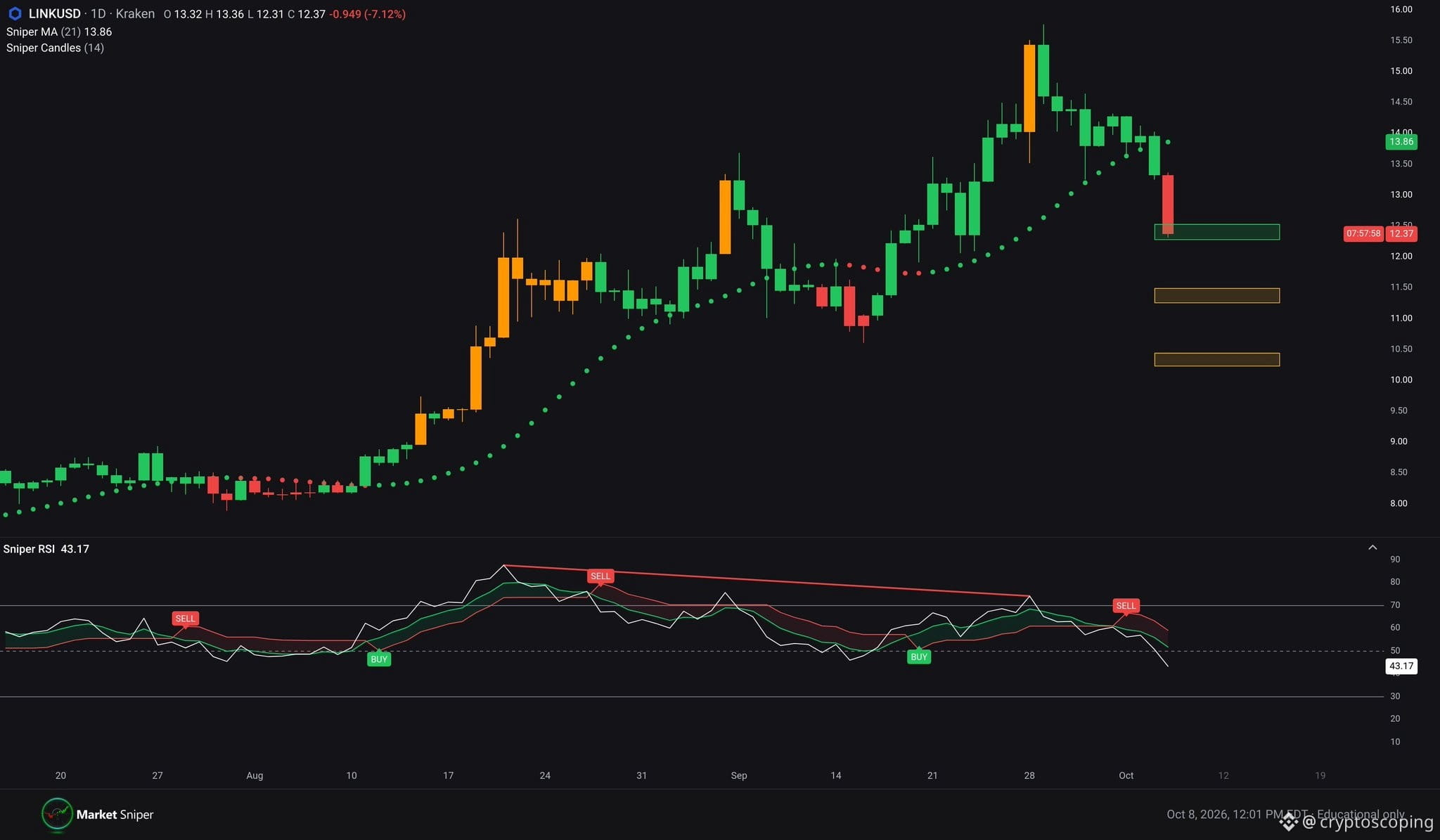
$LINK has hit the first target, but there’s still work to do.
Price remains below the trend dots, and the next level on the radar is target two.
Let’s see if LINK can keep moving higher.
#FedMinutesFocusOnOctoberPause
$LINK has hit the first target, but there’s still work to do.
Price remains below the trend dots, and the next level on the radar is target two.
Let’s see if LINK can keep moving higher.
#FedMinutesFocusOnOctoberPause
Price remains below the trend dots, and the next level on the radar is target two.
Let’s see if LINK can keep moving higher.
#FedMinutesFocusOnOctoberPause
114
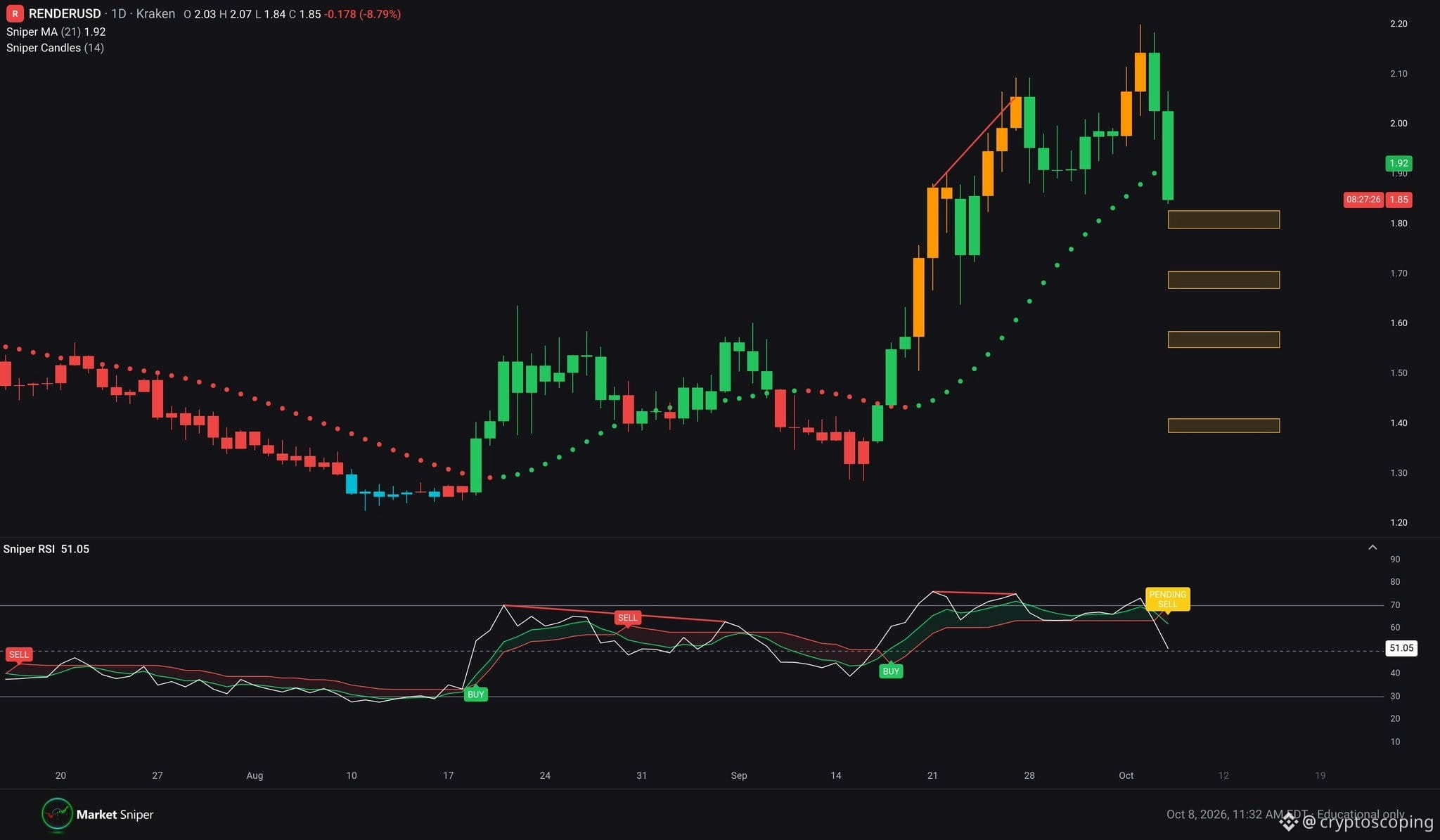
$RENDER is showing signs of weakness again.
Price has slipped back below the trend dots, with a pending RSI sell signal appearing five days after the bearish divergence.
Four targets are mapped from the December 19 low, but target one comes first.
I’ll be watching how price reacts from here.
#FedMinutesFocusOnOctoberPause
$RENDER is showing signs of weakness again.
Price has slipped back below the trend dots, with a pending RSI sell signal appearing five days after the bearish divergence.
Four targets are mapped from the December 19 low, but target one comes first.
I’ll be watching how price reacts from here.
#FedMinutesFocusOnOctoberPause
Price has slipped back below the trend dots, with a pending RSI sell signal appearing five days after the bearish divergence.
Four targets are mapped from the December 19 low, but target one comes first.
I’ll be watching how price reacts from here.
#FedMinutesFocusOnOctoberPause
108
Log in to explore more content
Join global crypto users on Binance Square
⚡️ Get latest and useful information about crypto.
💬 Trusted by the world’s largest crypto exchange.
👍 Discover real insights from verified creators.
Email / Phone number