

BlockchainBaller
70.1k Posts

BlockchainBaller
 Square Verified+
Report
Block User
Trader || X (Twitter): @bl_ockchain || Binance KOL || Trade Setups are my Personal Opinions || DYOR

2025年ブロックチェーン100 — トレーダー

Creator Awards 2024

Top Voices
Occasional Trader
5 Years
62 Following
247.1K+ Followers
719.1K+ Liked
3 Badges
Posts
All
Quotes
Videos
Live
PINNED
·
--
Bullish
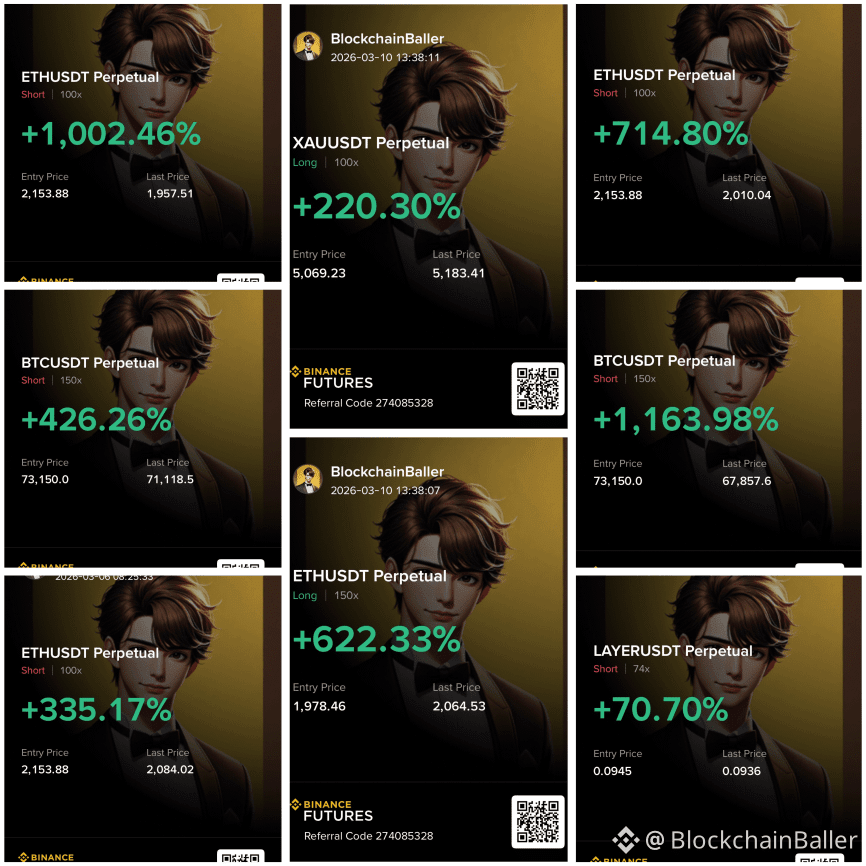
Hey Fam, I need your only 2 mins about a serious issue you all are facing.
Most of you been following my calls …. and you’ve seen the setups hit in real time. But before that when the post reached out to you. You already had missed it or you got liquidated.. But Now I have Solution..
I just launched BlockchainBaller Premium group on Binance Square. [Click here to join or Scan QR](https://app.binance.com/uni-qr/group-chat-landing?channelToken=0prEXOlryZcOq9s9Qimohg&type=1&entrySource=sharing_link)
That’s the stuff that actually makes you money without missing anybtrade.
I tried free groups twice. both turned into red packet spam and random links. zero serious traders. so I built something only for the ambitious ones.
what you get inside:
🚀 Real time trade setups with exact Entry / TP / SL before they go public
🚀 Early alpha on narratives before they trend
🚀 My personal moves and position sizing
🚀 Direct access to ask me anything
🚀 7 Days Free Trial
6 years trading. Top 5 Binance Blockchain 100. 235K+ fam watched the calls I post.now you can trade alongside me.
Hey Fam, I need your only 2 mins about a serious issue you all are facing.
Most of you been following my calls …. and you’ve seen the setups hit in real time. But before that when the post reached out to you. You already had missed it or you got liquidated.. But Now I have Solution..
I just launched BlockchainBaller Premium group on Binance Square. Click here to join or Scan QR
That’s the stuff that actually makes you money without missing anybtrade.
I tried free groups twice. both turned into red packet spam and random links. zero serious traders. so I built something only for the ambitious ones.
what you get inside:
🚀 Real time trade setups with exact Entry / TP / SL before they go public
🚀 Early alpha on narratives before they trend
🚀 My personal moves and position sizing
🚀 Direct access to ask me anything
🚀 7 Days Free Trial
6 years trading. Top 5 Binance Blockchain 100. 235K+ fam watched the calls I post.now you can trade alongside me.
Most of you been following my calls …. and you’ve seen the setups hit in real time. But before that when the post reached out to you. You already had missed it or you got liquidated.. But Now I have Solution..
I just launched BlockchainBaller Premium group on Binance Square. Click here to join or Scan QR
That’s the stuff that actually makes you money without missing anybtrade.
I tried free groups twice. both turned into red packet spam and random links. zero serious traders. so I built something only for the ambitious ones.
what you get inside:
🚀 Real time trade setups with exact Entry / TP / SL before they go public
🚀 Early alpha on narratives before they trend
🚀 My personal moves and position sizing
🚀 Direct access to ask me anything
🚀 7 Days Free Trial
6 years trading. Top 5 Binance Blockchain 100. 235K+ fam watched the calls I post.now you can trade alongside me.

267
48
623
48.7k
PINNED
·
--
Bullish
𝐇𝐨𝐧𝐨𝐫𝐞𝐝 𝐭𝐨 𝐁𝐞 𝐀𝐦𝐨𝐧𝐠 𝐭𝐡𝐞 𝐁𝐥𝐨𝐜𝐤𝐜𝐡𝐚𝐢𝐧 𝟏𝟎𝟎 — 𝐍𝐨𝐰 𝐢𝐧 𝐭𝐡𝐞 𝐓𝐨𝐩 𝟓 𝐓𝐫𝐚𝐝𝐞𝐫 𝐂𝐚𝐭𝐞𝐠𝐨𝐫𝐲!
I’m truly grateful to everyone who supported, voted, and believed in me throughout this journey. Being ranked in the Top 5 Traders among the Blockchain 100 by Binance is a huge milestone — and it wouldn’t have been possible without this amazing community.
Your trust and engagement drive me every day to share better insights, stronger analysis, and real value. The journey continues — this is just the beginning. Thank you, fam.
𝐇𝐨𝐧𝐨𝐫𝐞𝐝 𝐭𝐨 𝐁𝐞 𝐀𝐦𝐨𝐧𝐠 𝐭𝐡𝐞 𝐁𝐥𝐨𝐜𝐤𝐜𝐡𝐚𝐢𝐧 𝟏𝟎𝟎 — 𝐍𝐨𝐰 𝐢𝐧 𝐭𝐡𝐞 𝐓𝐨𝐩 𝟓 𝐓𝐫𝐚𝐝𝐞𝐫 𝐂𝐚𝐭𝐞𝐠𝐨𝐫𝐲!
I’m truly grateful to everyone who supported, voted, and believed in me throughout this journey. Being ranked in the Top 5 Traders among the Blockchain 100 by Binance is a huge milestone — and it wouldn’t have been possible without this amazing community.
Your trust and engagement drive me every day to share better insights, stronger analysis, and real value. The journey continues — this is just the beginning. Thank you, fam.
I’m truly grateful to everyone who supported, voted, and believed in me throughout this journey. Being ranked in the Top 5 Traders among the Blockchain 100 by Binance is a huge milestone — and it wouldn’t have been possible without this amazing community.
Your trust and engagement drive me every day to share better insights, stronger analysis, and real value. The journey continues — this is just the beginning. Thank you, fam.

326
230
1.4k
16.3k
Article
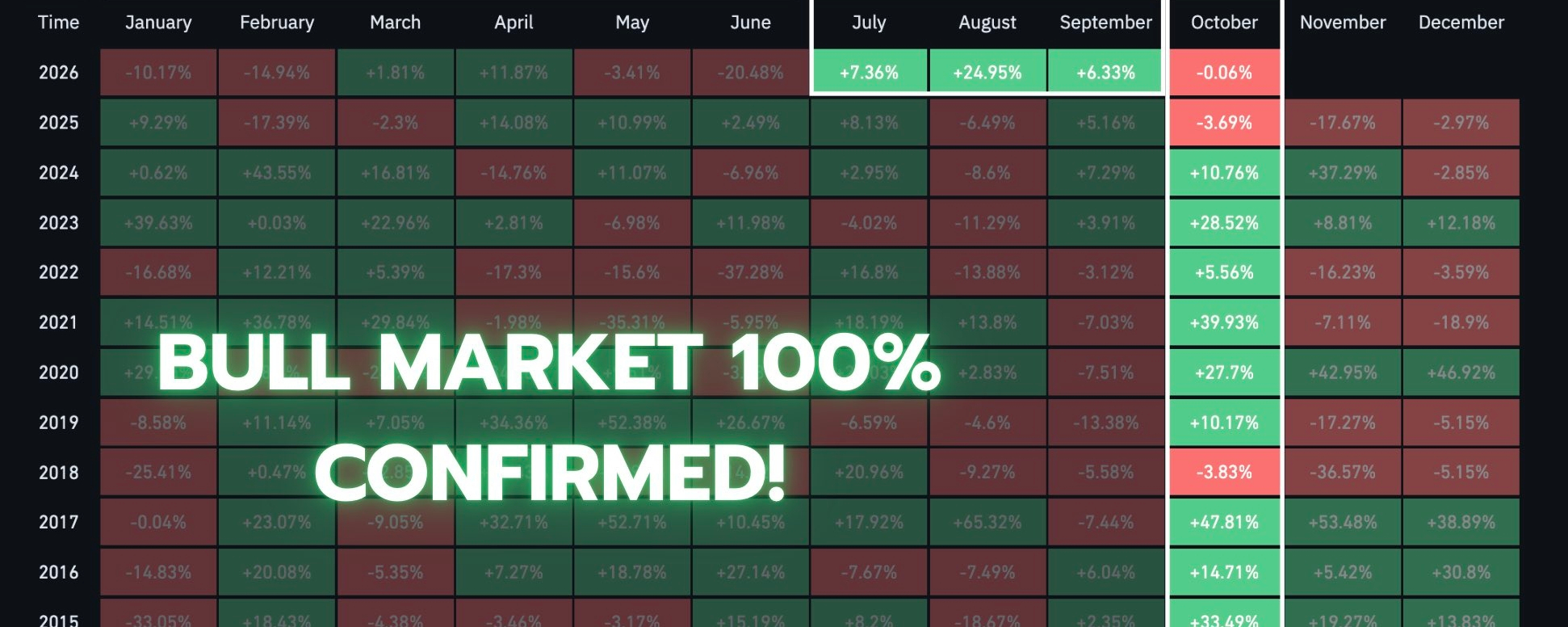
BTC vs ETH vs Altcoins Where Is Crypto Liquidity Moving in Q4❓❓Q4 has started with one question becoming more important than almost anything else:
Where is the money actually moving?
Bitcoin is pushing toward major resistance, Ethereum has shown impressive relative strength, and several large-cap altcoins are beginning to attract attention.
But rising prices alone don't tell us where liquidity is concentrating.
Fund flows give us a much clearer picture.
Bitcoin Is Still Getting the Biggest Share
For now, Bitcoin remains the main destination for institutional crypto liquidity.
Global digital-asset investment products attracted around $3.55 billion in net inflows last week, the largest weekly inflow recorded so far in 2026.
Bitcoin alone received approximately $2.52 billion.
That means roughly 71% of those weekly inflows went directly into BTC. Ethereum received about $702 million, while Solana and XRP attracted much smaller amounts.
This tells me Q4 hasn't started with a full rotation away from Bitcoin.
The largest pool of new institutional money is still entering through BTC.
ETF Data Tells the Same Story
Looking at a wider window makes the difference even clearer.
Over the latest 90-day period reported by Alpha Finance, U.S. crypto ETFs recorded roughly $10.02 billion in combined net inflows.
Bitcoin accounted for approximately $6.53 billion of that amount.
Ethereum received around $2.91 billion, while XRP attracted about $307 million and Solana around $248 million.
So liquidity is spreading beyond Bitcoin.
But it isn't spreading evenly.
BTC is still absorbing the biggest share.
Ethereum Is Becoming More Interesting
This doesn't mean Ethereum is being ignored.
Actually, ETH may be one of the most interesting assets to watch if liquidity begins rotating further out on the risk curve.
Ethereum gained more than 70% during Q3, significantly outperforming Bitcoin's gain of more than 40% over the same period.
August fund data also showed an interesting shift.
Bitcoin-linked products attracted around $3.31 billion during the month, while Ethereum products received approximately $1.75 billion.
Bitcoin still received more dollars, but relative to the existing size of the products, Ethereum's inflow rate was considerably stronger.
That's important.
Sometimes liquidity rotation begins before it becomes obvious from price alone.
But ETH Hasn't Taken Control Yet
Recent daily ETF flows show why we shouldn't call this a complete BTC-to-ETH rotation yet.
On October 1, Bitcoin ETFs recorded approximately $102.7 million of net inflows, while Ethereum ETFs saw roughly $55.4 million of net outflows.
One trading session doesn't define an entire trend.
Still, it shows that capital can quickly move back toward Bitcoin when investors become more selective.
That's why I wouldn't simply assume that ETH outperforming BTC automatically means altseason is next.
And What About Altcoins?
This is where Q4 gets interesting.
Solana, XRP and other large-cap assets are attracting capital, but their flows remain far smaller than Bitcoin and Ethereum.
During last week's $3.55 billion inflow, Solana products received roughly $193 million, while XRP attracted about $92.3 million.
That's meaningful demand.
But compared with Bitcoin's $2.52 billion, the difference is huge.
The market is therefore showing signs of selective rotation, not necessarily a broad altcoin liquidity explosion.
This Is the Difference Between Rotation and Altseason
A few altcoins pumping doesn't automatically mean altseason has arrived.
Real broad-based rotation would normally require liquidity to keep moving further down the market.
Bitcoin attracts capital first.
Ethereum and other major assets begin outperforming.
Then liquidity starts spreading into larger altcoins.
Only after that, if risk appetite remains strong, can money move deeper into mid-cap and smaller assets.
The current market appears to be somewhere in the earlier stages of that process rather than at the end.
Bitcoin Dominance Could Give Us a Clue
Bitcoin dominance is another metric worth watching.
Recent market coverage noted that Bitcoin dominance slipped below 60% as Ethereum, Solana and several other large-cap altcoins strengthened.
If BTC continues rising while dominance also rises, Bitcoin is probably still absorbing most of the market's liquidity.
But if Bitcoin remains strong while BTC dominance begins falling consistently, that would be much more interesting for altcoins.
It could indicate that fresh capital isn't simply leaving Bitcoin.
Instead, the total pool of crypto liquidity may be expanding while more of it starts flowing toward ETH and other assets.
Bitcoin Doesn't Necessarily Need to Crash for Altcoins to Run
This is something traders sometimes misunderstand.
Altcoins don't necessarily need Bitcoin to fall for liquidity rotation to happen.
In fact, a sharp BTC decline can hurt altcoins even more.
A healthier environment for rotation can occur when Bitcoin makes a strong move, establishes a higher range and then begins consolidating.
Traders who have already benefited from the BTC move may then start looking elsewhere for higher-beta opportunities.
That's when ETH and major altcoins can become more attractive.
$90K BTC Could Actually Matter for Altcoins
This is why Bitcoin's battle around its recent highs matters beyond Bitcoin itself.
If BTC eventually pushes toward $90K and then stabilizes rather than immediately reversing, attention could gradually shift toward Ethereum and stronger large-cap altcoins.
But if Bitcoin becomes extremely volatile around these levels, liquidity may remain concentrated in BTC.
And if Bitcoin experiences a major correction, traders may reduce risk altogether instead of rotating into altcoins.
So the ideal scenario for altcoins isn't necessarily Bitcoin going vertical forever.
It may be Bitcoin showing strength and then becoming boring.
Not Every Altcoin Will Benefit Equally
There's another major difference between this cycle and older crypto cycles.
There are now thousands of tokens competing for liquidity.
That means even if money rotates away from Bitcoin, it doesn't automatically mean every altcoin will rise together.
Capital may concentrate around assets with stronger narratives, institutional products, network activity or genuine demand.
We're already seeing hints of that selective behavior.
Solana and XRP have attracted ETF inflows, while other parts of the altcoin market remain much less active.
Q4 could therefore produce sector rotation rather than one giant altseason.
So Where Is the Money Right Now?
Right now, the evidence still points toward Bitcoin first.
Bitcoin continues receiving the majority of major fund inflows.
Ethereum is the strongest challenger and has shown impressive Q3 performance alongside substantial institutional demand.
Solana, XRP and selected altcoins are beginning to capture smaller pieces of the liquidity pool.
But we haven't yet seen enough evidence to say liquidity has broadly abandoned BTC and moved into the entire altcoin market.
For me, that's the key Q4 story.
The question isn't simply whether Bitcoin, Ethereum or altcoins will pump.
It's whether the flow evolves from BTC → ETH → major altcoins → broader altcoin market.
If that progression develops while overall crypto inflows remain strong, Q4 could become much more interesting for altcoins.
If Bitcoin continues absorbing most new liquidity, however, traders waiting for a traditional everything-pumps altseason may have to remain patient.
Right now, Bitcoin still owns the biggest piece of the liquidity. Ethereum is gaining ground. Altcoins are knocking on the door.
The next rotation will tell us whether that door actually opens.
This article is for educational and market-analysis purposes only and is not financial advice.
BTC vs ETH vs Altcoins Where Is Crypto Liquidity Moving in Q4❓❓
Q4 has started with one question becoming more important than almost anything else:
Where is the money actually moving?
Bitcoin is pushing toward major resistance, Ethereum has shown impressive relative strength, and several large-cap altcoins are beginning to attract attention.
But rising prices alone don't tell us where liquidity is concentrating.
Fund flows give us a much clearer picture.
Bitcoin Is Still Getting the Biggest Share
For now, Bitcoin remains the main destination for institutional crypto liquidity.
Global digital-asset investment products attracted around $3.55 billion in net inflows last week, the largest weekly inflow recorded so far in 2026.
Bitcoin alone received approximately $2.52 billion.
That means roughly 71% of those weekly inflows went directly into BTC. Ethereum received about $702 million, while Solana and XRP attracted much smaller amounts.
This tells me Q4 hasn't started with a full rotation away from Bitcoin.
The largest pool of new institutional money is still entering through BTC.
ETF Data Tells the Same Story
Looking at a wider window makes the difference even clearer.
Over the latest 90-day period reported by Alpha Finance, U.S. crypto ETFs recorded roughly $10.02 billion in combined net inflows.
Bitcoin accounted for approximately $6.53 billion of that amount.
Ethereum received around $2.91 billion, while XRP attracted about $307 million and Solana around $248 million.
So liquidity is spreading beyond Bitcoin.
But it isn't spreading evenly.
BTC is still absorbing the biggest share.
Ethereum Is Becoming More Interesting
This doesn't mean Ethereum is being ignored.
Actually, ETH may be one of the most interesting assets to watch if liquidity begins rotating further out on the risk curve.
Ethereum gained more than 70% during Q3, significantly outperforming Bitcoin's gain of more than 40% over the same period.
August fund data also showed an interesting shift.
Bitcoin-linked products attracted around $3.31 billion during the month, while Ethereum products received approximately $1.75 billion.
Bitcoin still received more dollars, but relative to the existing size of the products, Ethereum's inflow rate was considerably stronger.
That's important.
Sometimes liquidity rotation begins before it becomes obvious from price alone.
But ETH Hasn't Taken Control Yet
Recent daily ETF flows show why we shouldn't call this a complete BTC-to-ETH rotation yet.
On October 1, Bitcoin ETFs recorded approximately $102.7 million of net inflows, while Ethereum ETFs saw roughly $55.4 million of net outflows.
One trading session doesn't define an entire trend.
Still, it shows that capital can quickly move back toward Bitcoin when investors become more selective.
That's why I wouldn't simply assume that ETH outperforming BTC automatically means altseason is next.
And What About Altcoins?
This is where Q4 gets interesting.
Solana, XRP and other large-cap assets are attracting capital, but their flows remain far smaller than Bitcoin and Ethereum.
During last week's $3.55 billion inflow, Solana products received roughly $193 million, while XRP attracted about $92.3 million.
That's meaningful demand.
But compared with Bitcoin's $2.52 billion, the difference is huge.
The market is therefore showing signs of selective rotation, not necessarily a broad altcoin liquidity explosion.
This Is the Difference Between Rotation and Altseason
A few altcoins pumping doesn't automatically mean altseason has arrived.
Real broad-based rotation would normally require liquidity to keep moving further down the market.
Bitcoin attracts capital first.
Ethereum and other major assets begin outperforming.
Then liquidity starts spreading into larger altcoins.
Only after that, if risk appetite remains strong, can money move deeper into mid-cap and smaller assets.
The current market appears to be somewhere in the earlier stages of that process rather than at the end.
Bitcoin Dominance Could Give Us a Clue
Bitcoin dominance is another metric worth watching.
Recent market coverage noted that Bitcoin dominance slipped below 60% as Ethereum, Solana and several other large-cap altcoins strengthened.
If BTC continues rising while dominance also rises, Bitcoin is probably still absorbing most of the market's liquidity.
But if Bitcoin remains strong while BTC dominance begins falling consistently, that would be much more interesting for altcoins.
It could indicate that fresh capital isn't simply leaving Bitcoin.
Instead, the total pool of crypto liquidity may be expanding while more of it starts flowing toward ETH and other assets.
Bitcoin Doesn't Necessarily Need to Crash for Altcoins to Run
This is something traders sometimes misunderstand.
Altcoins don't necessarily need Bitcoin to fall for liquidity rotation to happen.
In fact, a sharp BTC decline can hurt altcoins even more.
A healthier environment for rotation can occur when Bitcoin makes a strong move, establishes a higher range and then begins consolidating.
Traders who have already benefited from the BTC move may then start looking elsewhere for higher-beta opportunities.
That's when ETH and major altcoins can become more attractive.
$90K BTC Could Actually Matter for Altcoins
This is why Bitcoin's battle around its recent highs matters beyond Bitcoin itself.
If BTC eventually pushes toward $90K and then stabilizes rather than immediately reversing, attention could gradually shift toward Ethereum and stronger large-cap altcoins.
But if Bitcoin becomes extremely volatile around these levels, liquidity may remain concentrated in BTC.
And if Bitcoin experiences a major correction, traders may reduce risk altogether instead of rotating into altcoins.
So the ideal scenario for altcoins isn't necessarily Bitcoin going vertical forever.
It may be Bitcoin showing strength and then becoming boring.
Not Every Altcoin Will Benefit Equally
There's another major difference between this cycle and older crypto cycles.
There are now thousands of tokens competing for liquidity.
That means even if money rotates away from Bitcoin, it doesn't automatically mean every altcoin will rise together.
Capital may concentrate around assets with stronger narratives, institutional products, network activity or genuine demand.
We're already seeing hints of that selective behavior.
Solana and XRP have attracted ETF inflows, while other parts of the altcoin market remain much less active.
Q4 could therefore produce sector rotation rather than one giant altseason.
So Where Is the Money Right Now?
Right now, the evidence still points toward Bitcoin first.
Bitcoin continues receiving the majority of major fund inflows.
Ethereum is the strongest challenger and has shown impressive Q3 performance alongside substantial institutional demand.
Solana, XRP and selected altcoins are beginning to capture smaller pieces of the liquidity pool.
But we haven't yet seen enough evidence to say liquidity has broadly abandoned BTC and moved into the entire altcoin market.
For me, that's the key Q4 story.
The question isn't simply whether Bitcoin, Ethereum or altcoins will pump.
It's whether the flow evolves from BTC → ETH → major altcoins → broader altcoin market.
If that progression develops while overall crypto inflows remain strong, Q4 could become much more interesting for altcoins.
If Bitcoin continues absorbing most new liquidity, however, traders waiting for a traditional everything-pumps altseason may have to remain patient.
Right now, Bitcoin still owns the biggest piece of the liquidity. Ethereum is gaining ground. Altcoins are knocking on the door.
The next rotation will tell us whether that door actually opens.
This article is for educational and market-analysis purposes only and is not financial advice.
Where is the money actually moving?
Bitcoin is pushing toward major resistance, Ethereum has shown impressive relative strength, and several large-cap altcoins are beginning to attract attention.
But rising prices alone don't tell us where liquidity is concentrating.
Fund flows give us a much clearer picture.
Bitcoin Is Still Getting the Biggest Share
For now, Bitcoin remains the main destination for institutional crypto liquidity.
Global digital-asset investment products attracted around $3.55 billion in net inflows last week, the largest weekly inflow recorded so far in 2026.
Bitcoin alone received approximately $2.52 billion.
That means roughly 71% of those weekly inflows went directly into BTC. Ethereum received about $702 million, while Solana and XRP attracted much smaller amounts.
This tells me Q4 hasn't started with a full rotation away from Bitcoin.
The largest pool of new institutional money is still entering through BTC.
ETF Data Tells the Same Story
Looking at a wider window makes the difference even clearer.
Over the latest 90-day period reported by Alpha Finance, U.S. crypto ETFs recorded roughly $10.02 billion in combined net inflows.
Bitcoin accounted for approximately $6.53 billion of that amount.
Ethereum received around $2.91 billion, while XRP attracted about $307 million and Solana around $248 million.
So liquidity is spreading beyond Bitcoin.
But it isn't spreading evenly.
BTC is still absorbing the biggest share.
Ethereum Is Becoming More Interesting
This doesn't mean Ethereum is being ignored.
Actually, ETH may be one of the most interesting assets to watch if liquidity begins rotating further out on the risk curve.
Ethereum gained more than 70% during Q3, significantly outperforming Bitcoin's gain of more than 40% over the same period.
August fund data also showed an interesting shift.
Bitcoin-linked products attracted around $3.31 billion during the month, while Ethereum products received approximately $1.75 billion.
Bitcoin still received more dollars, but relative to the existing size of the products, Ethereum's inflow rate was considerably stronger.
That's important.
Sometimes liquidity rotation begins before it becomes obvious from price alone.
But ETH Hasn't Taken Control Yet
Recent daily ETF flows show why we shouldn't call this a complete BTC-to-ETH rotation yet.
On October 1, Bitcoin ETFs recorded approximately $102.7 million of net inflows, while Ethereum ETFs saw roughly $55.4 million of net outflows.
One trading session doesn't define an entire trend.
Still, it shows that capital can quickly move back toward Bitcoin when investors become more selective.
That's why I wouldn't simply assume that ETH outperforming BTC automatically means altseason is next.
And What About Altcoins?
This is where Q4 gets interesting.
Solana, XRP and other large-cap assets are attracting capital, but their flows remain far smaller than Bitcoin and Ethereum.
During last week's $3.55 billion inflow, Solana products received roughly $193 million, while XRP attracted about $92.3 million.
That's meaningful demand.
But compared with Bitcoin's $2.52 billion, the difference is huge.
The market is therefore showing signs of selective rotation, not necessarily a broad altcoin liquidity explosion.
This Is the Difference Between Rotation and Altseason
A few altcoins pumping doesn't automatically mean altseason has arrived.
Real broad-based rotation would normally require liquidity to keep moving further down the market.
Bitcoin attracts capital first.
Ethereum and other major assets begin outperforming.
Then liquidity starts spreading into larger altcoins.
Only after that, if risk appetite remains strong, can money move deeper into mid-cap and smaller assets.
The current market appears to be somewhere in the earlier stages of that process rather than at the end.
Bitcoin Dominance Could Give Us a Clue
Bitcoin dominance is another metric worth watching.
Recent market coverage noted that Bitcoin dominance slipped below 60% as Ethereum, Solana and several other large-cap altcoins strengthened.
If BTC continues rising while dominance also rises, Bitcoin is probably still absorbing most of the market's liquidity.
But if Bitcoin remains strong while BTC dominance begins falling consistently, that would be much more interesting for altcoins.
It could indicate that fresh capital isn't simply leaving Bitcoin.
Instead, the total pool of crypto liquidity may be expanding while more of it starts flowing toward ETH and other assets.
Bitcoin Doesn't Necessarily Need to Crash for Altcoins to Run
This is something traders sometimes misunderstand.
Altcoins don't necessarily need Bitcoin to fall for liquidity rotation to happen.
In fact, a sharp BTC decline can hurt altcoins even more.
A healthier environment for rotation can occur when Bitcoin makes a strong move, establishes a higher range and then begins consolidating.
Traders who have already benefited from the BTC move may then start looking elsewhere for higher-beta opportunities.
That's when ETH and major altcoins can become more attractive.
$90K BTC Could Actually Matter for Altcoins
This is why Bitcoin's battle around its recent highs matters beyond Bitcoin itself.
If BTC eventually pushes toward $90K and then stabilizes rather than immediately reversing, attention could gradually shift toward Ethereum and stronger large-cap altcoins.
But if Bitcoin becomes extremely volatile around these levels, liquidity may remain concentrated in BTC.
And if Bitcoin experiences a major correction, traders may reduce risk altogether instead of rotating into altcoins.
So the ideal scenario for altcoins isn't necessarily Bitcoin going vertical forever.
It may be Bitcoin showing strength and then becoming boring.
Not Every Altcoin Will Benefit Equally
There's another major difference between this cycle and older crypto cycles.
There are now thousands of tokens competing for liquidity.
That means even if money rotates away from Bitcoin, it doesn't automatically mean every altcoin will rise together.
Capital may concentrate around assets with stronger narratives, institutional products, network activity or genuine demand.
We're already seeing hints of that selective behavior.
Solana and XRP have attracted ETF inflows, while other parts of the altcoin market remain much less active.
Q4 could therefore produce sector rotation rather than one giant altseason.
So Where Is the Money Right Now?
Right now, the evidence still points toward Bitcoin first.
Bitcoin continues receiving the majority of major fund inflows.
Ethereum is the strongest challenger and has shown impressive Q3 performance alongside substantial institutional demand.
Solana, XRP and selected altcoins are beginning to capture smaller pieces of the liquidity pool.
But we haven't yet seen enough evidence to say liquidity has broadly abandoned BTC and moved into the entire altcoin market.
For me, that's the key Q4 story.
The question isn't simply whether Bitcoin, Ethereum or altcoins will pump.
It's whether the flow evolves from BTC → ETH → major altcoins → broader altcoin market.
If that progression develops while overall crypto inflows remain strong, Q4 could become much more interesting for altcoins.
If Bitcoin continues absorbing most new liquidity, however, traders waiting for a traditional everything-pumps altseason may have to remain patient.
Right now, Bitcoin still owns the biggest piece of the liquidity. Ethereum is gaining ground. Altcoins are knocking on the door.
The next rotation will tell us whether that door actually opens.
This article is for educational and market-analysis purposes only and is not financial advice.
1
118
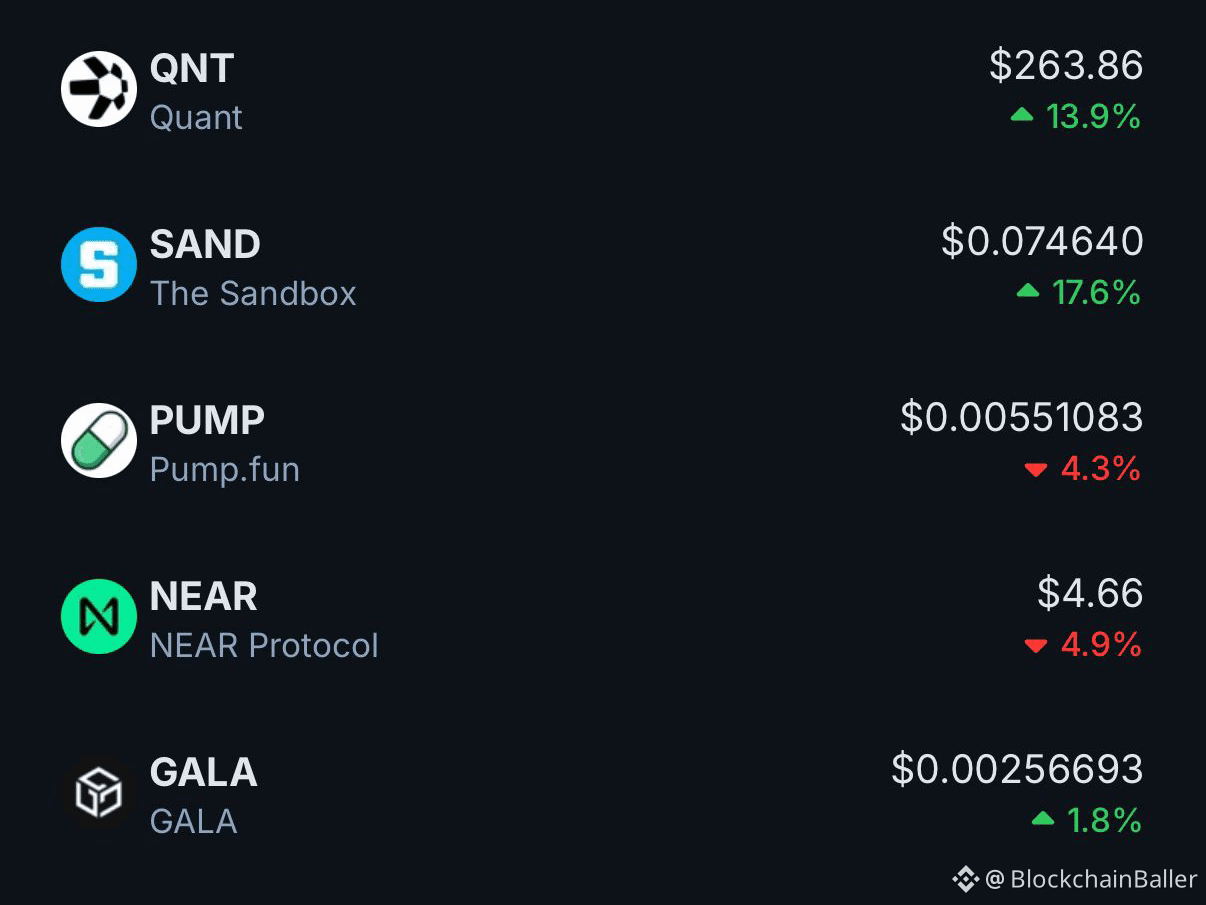
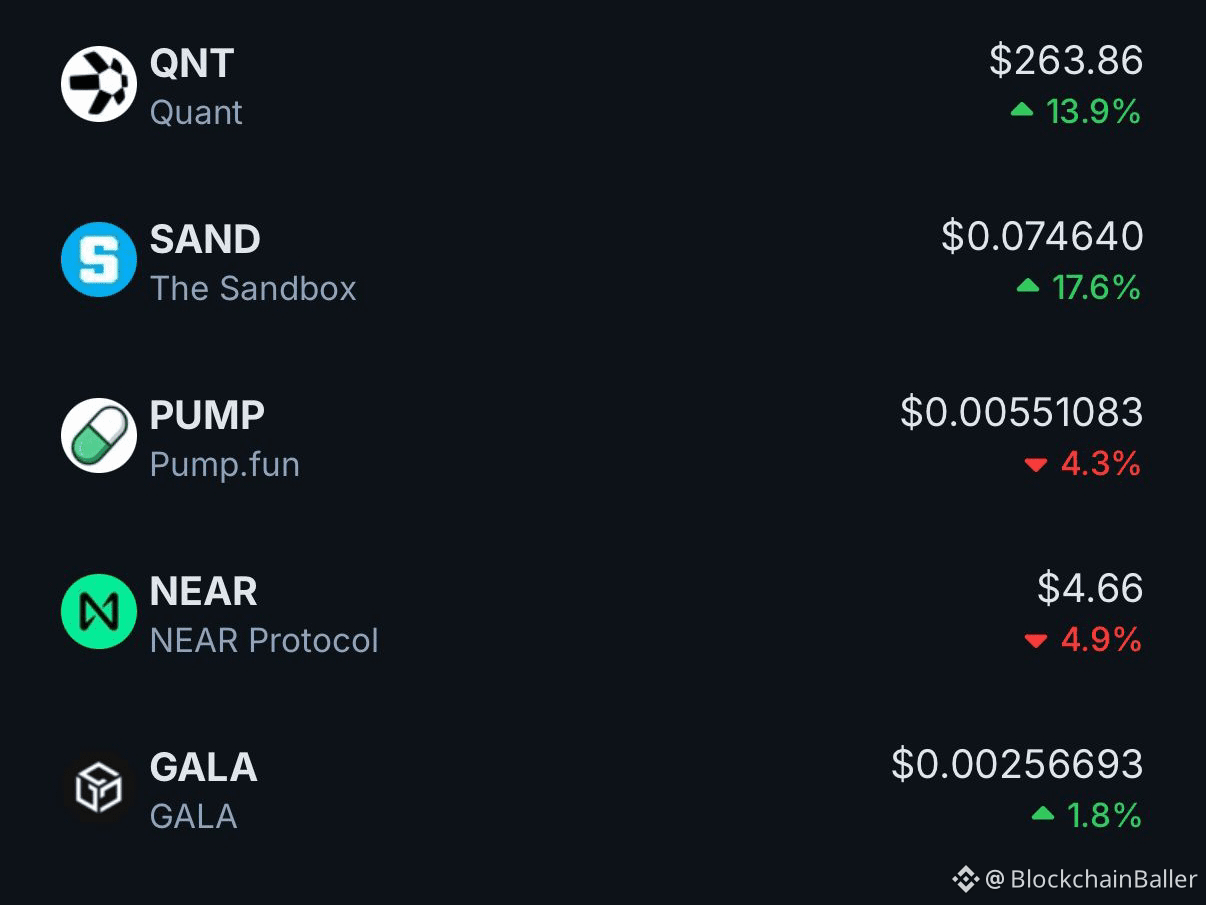
All eyes are on $QNT , $AIN , and $PUMP today ...
Are you holding any of these?
All eyes are on $QNT , $AIN , and $PUMP today ...
Are you holding any of these?
Are you holding any of these?
2
4
1.6k
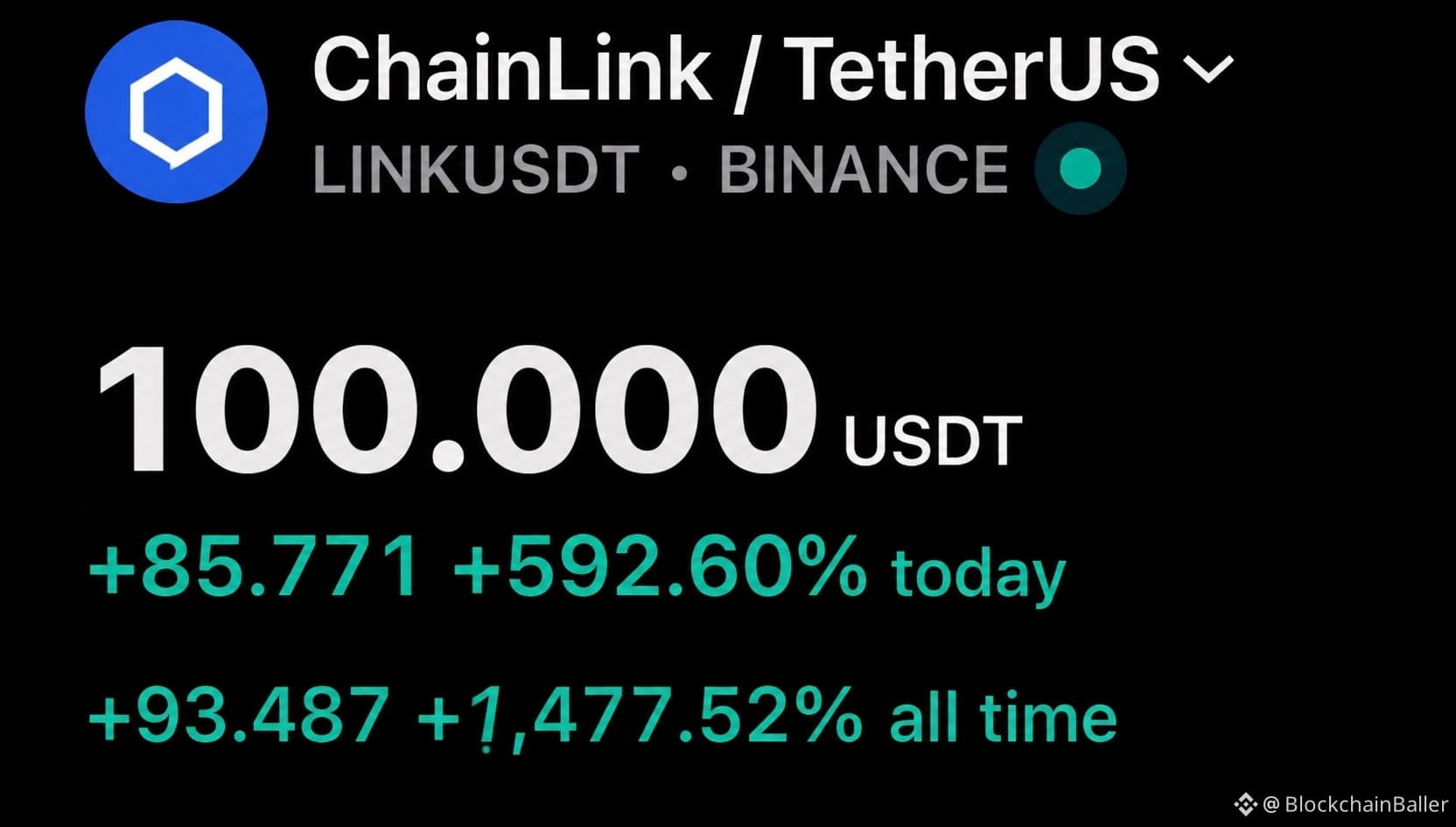
for $LINK l $HYPE l $UNI We will see this‼️🤝
for $LINK l $HYPE l $UNI We will see this‼️🤝
1
822
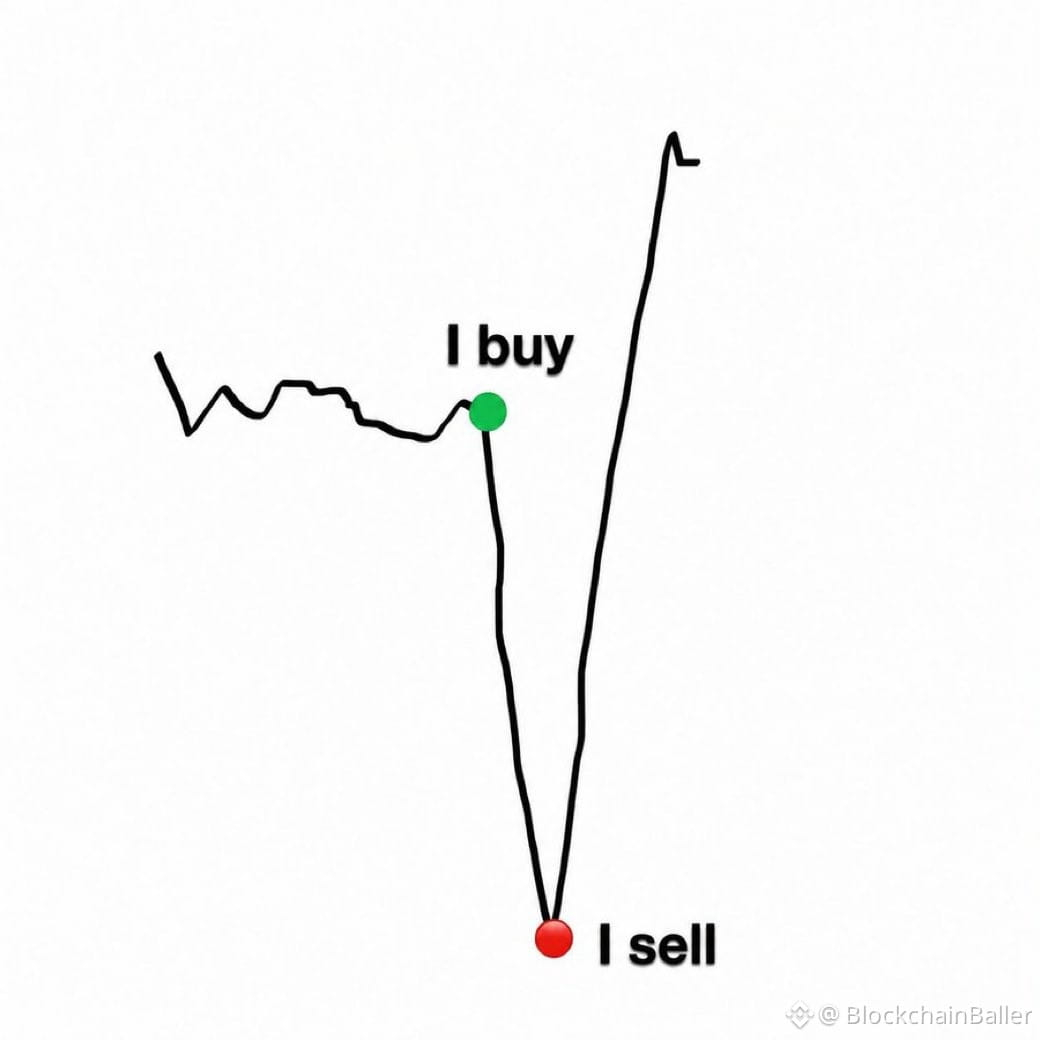
relatable $AIN l $MAGMA l $VELVET holders
relatable $AIN l $MAGMA l $VELVET holders
5
2.4k
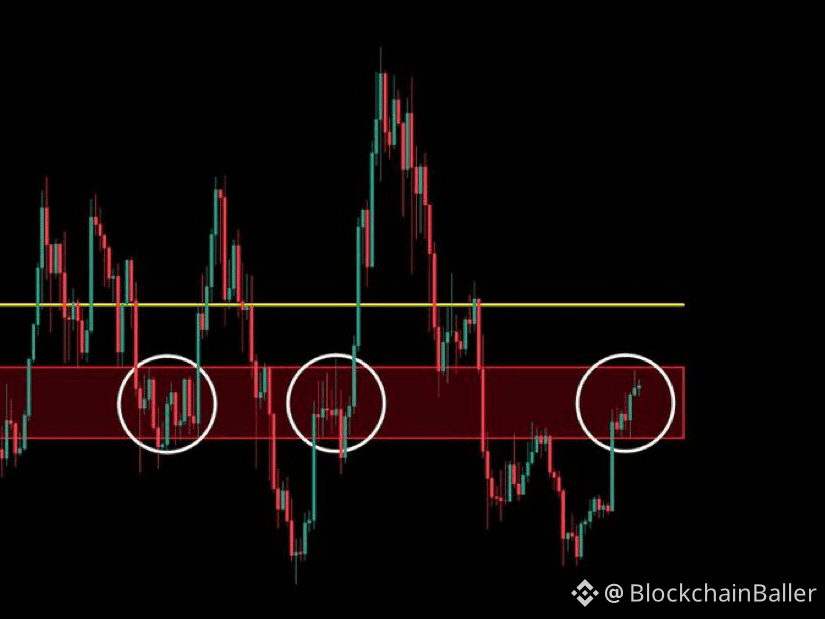
$ETH Similar chart pattern ....
don't ignore $ETH l $SOL l
fill your bags rn
$10,000 coming
$ETH Similar chart pattern ....
don't ignore $ETH l $SOL l
fill your bags rn
$10,000 coming
don't ignore $ETH l $SOL l
fill your bags rn
$10,000 coming
2
1.2k
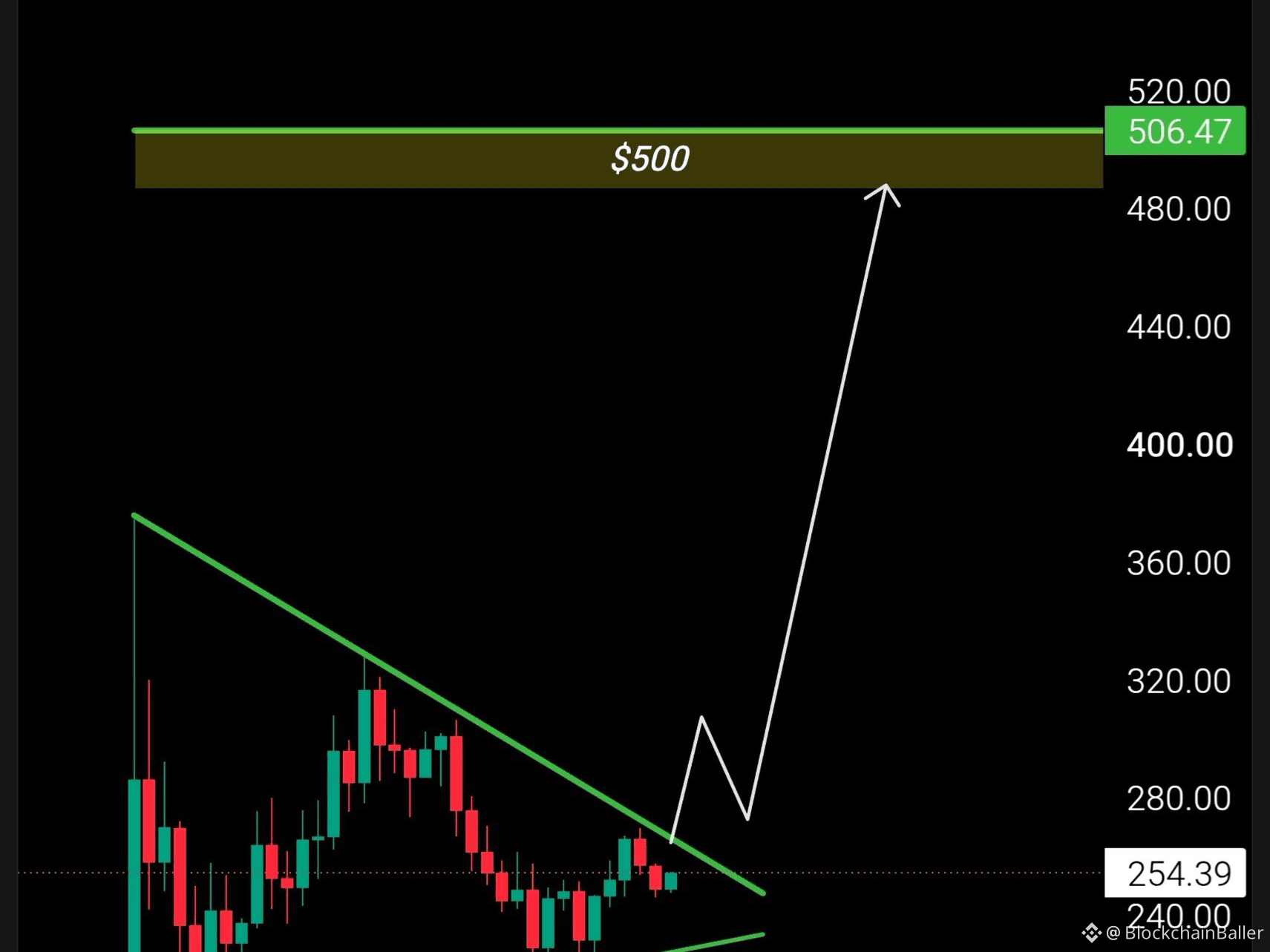
buy $QNT under $300 if you miss $ZEC and $BTW
buy $QNT under $300 if you miss $ZEC and $BTW
9
1.6k
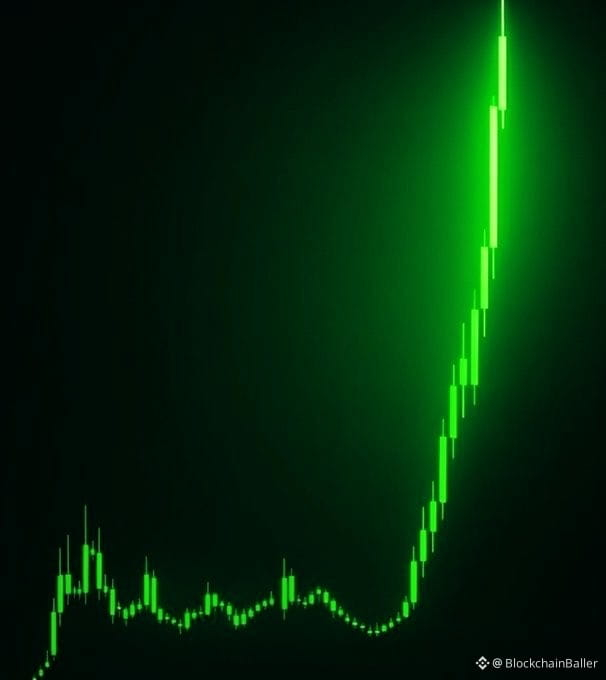
$QNT $500 coming
$ZEC $2000 coming
$HYPE $200 coming
$QNT $500 coming
$ZEC $2000 coming
$HYPE $200 coming
$ZEC $2000 coming
$HYPE $200 coming
7
1.4k
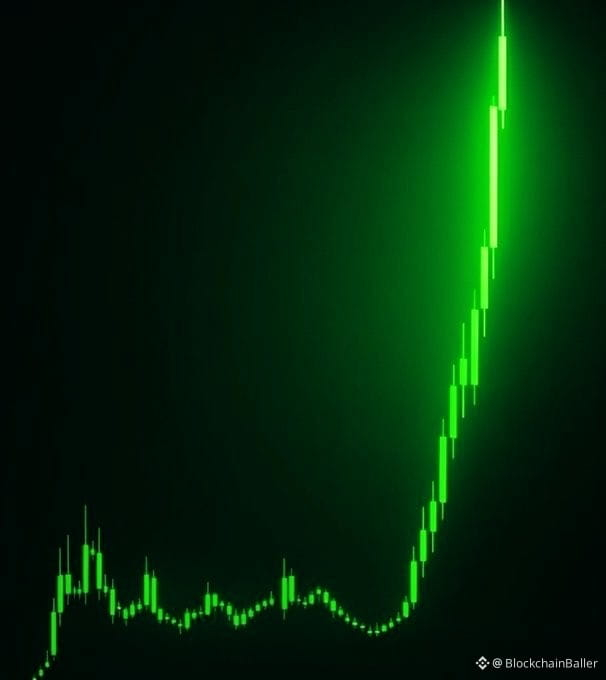
guy's buy more $SUI l $UNI l $ENA l and thank me later 💕
guy's buy more $SUI l $UNI l $ENA l and thank me later 💕
4
1.1k
If you had to hold 1 Crypto for the rest of 2026, which one are you holding?
● $TAO
● $QNT
● $ENA
If you had to hold 1 Crypto for the rest of 2026, which one are you holding?
● $TAO
● $QNT
● $ENA
● $TAO
● $QNT
● $ENA

1
2
1.1k
OCTOBER COULD BE LOW-CAP SEASON‼️‼️
$NIGHT
$KMNO
$SOON
$NIL
$PHA
$TAKE
OCTOBER COULD BE LOW-CAP SEASON‼️‼️
$NIGHT
$KMNO
$SOON
$NIL
$PHA
$TAKE
$NIGHT
$KMNO
$SOON
$NIL
$PHA
$TAKE

1
1.4k
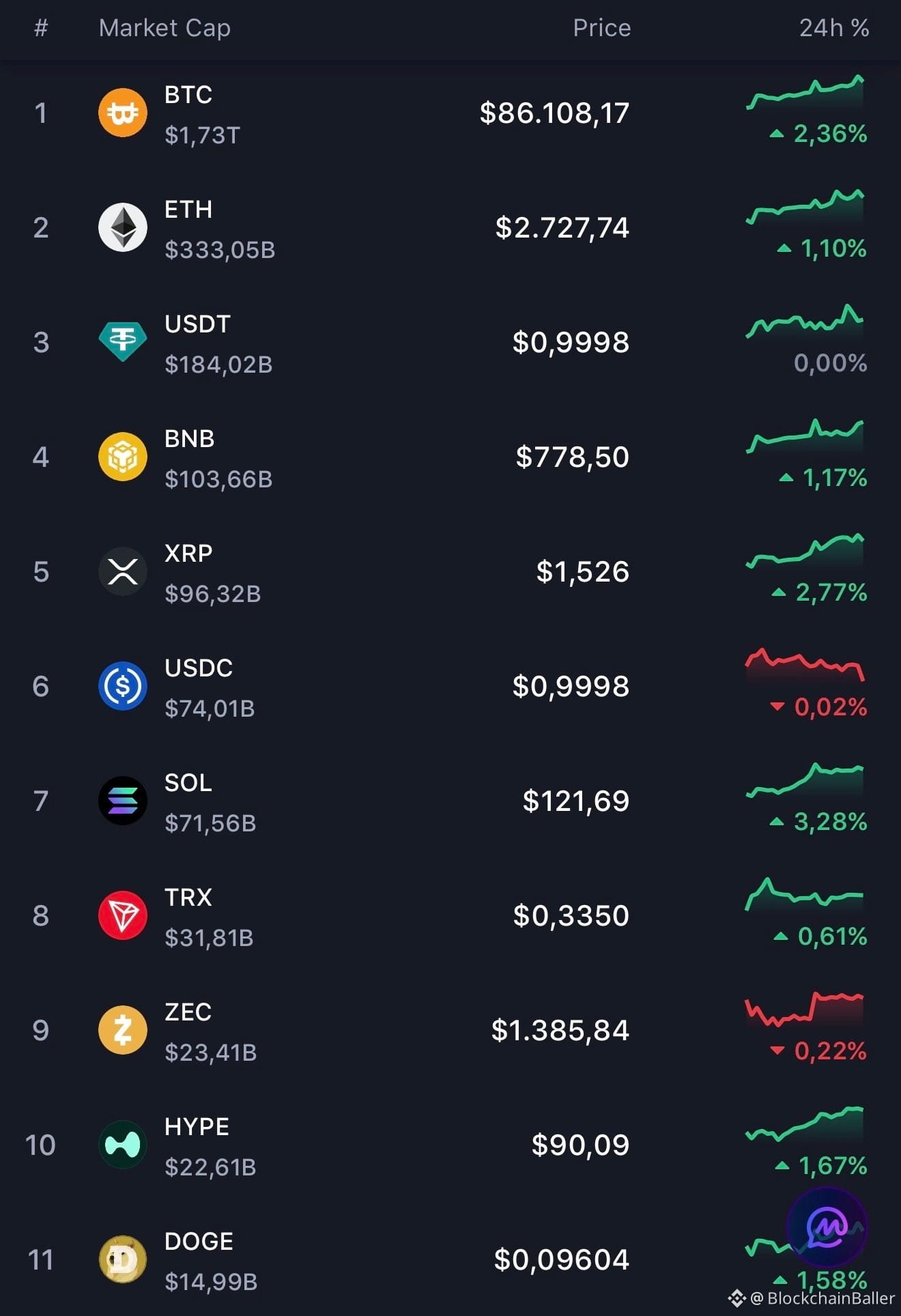
These are the names I’d actually put serious 2027–2029 numbers on.
$HYPE → $250–$500
$TAO → $1,500–$2,500
#ETH → $3K–$5K
$ENA → $1 to $10
These are the names I’d actually put serious 2027–2029 numbers on.
$HYPE → $250–$500
$TAO → $1,500–$2,500
#ETH → $3K–$5K
$ENA → $1 to $10
$HYPE → $250–$500
$TAO → $1,500–$2,500
#ETH → $3K–$5K
$ENA → $1 to $10
2
1.5k
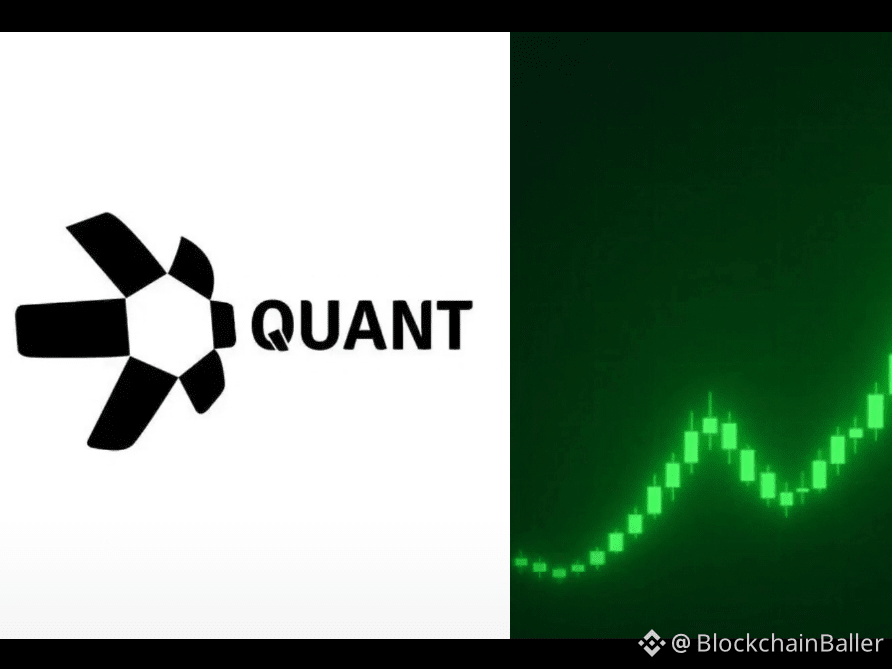
$QNT TO $1,000 HOW MANY OF YOU THINK IT CAN HAPPEN❓❓
I’m seeing a lot of people talking about $1,000 $QNT lately.....‼️‼️
$QNT has already made a huge move this year and recently traded around the mid-$200s, but $1,000 would still require roughly another 4x from current levels.
I’m curious how many of you genuinely think QNT can hit $1,000 in the next major run?
$QNT TO $1,000 HOW MANY OF YOU THINK IT CAN HAPPEN❓❓
I’m seeing a lot of people talking about $1,000 $QNT lately.....‼️‼️
$QNT has already made a huge move this year and recently traded around the mid-$200s, but $1,000 would still require roughly another 4x from current levels.
I’m curious how many of you genuinely think QNT can hit $1,000 in the next major run?
I’m seeing a lot of people talking about $1,000 $QNT lately.....‼️‼️
$QNT has already made a huge move this year and recently traded around the mid-$200s, but $1,000 would still require roughly another 4x from current levels.
I’m curious how many of you genuinely think QNT can hit $1,000 in the next major run?
2
5
1.9k
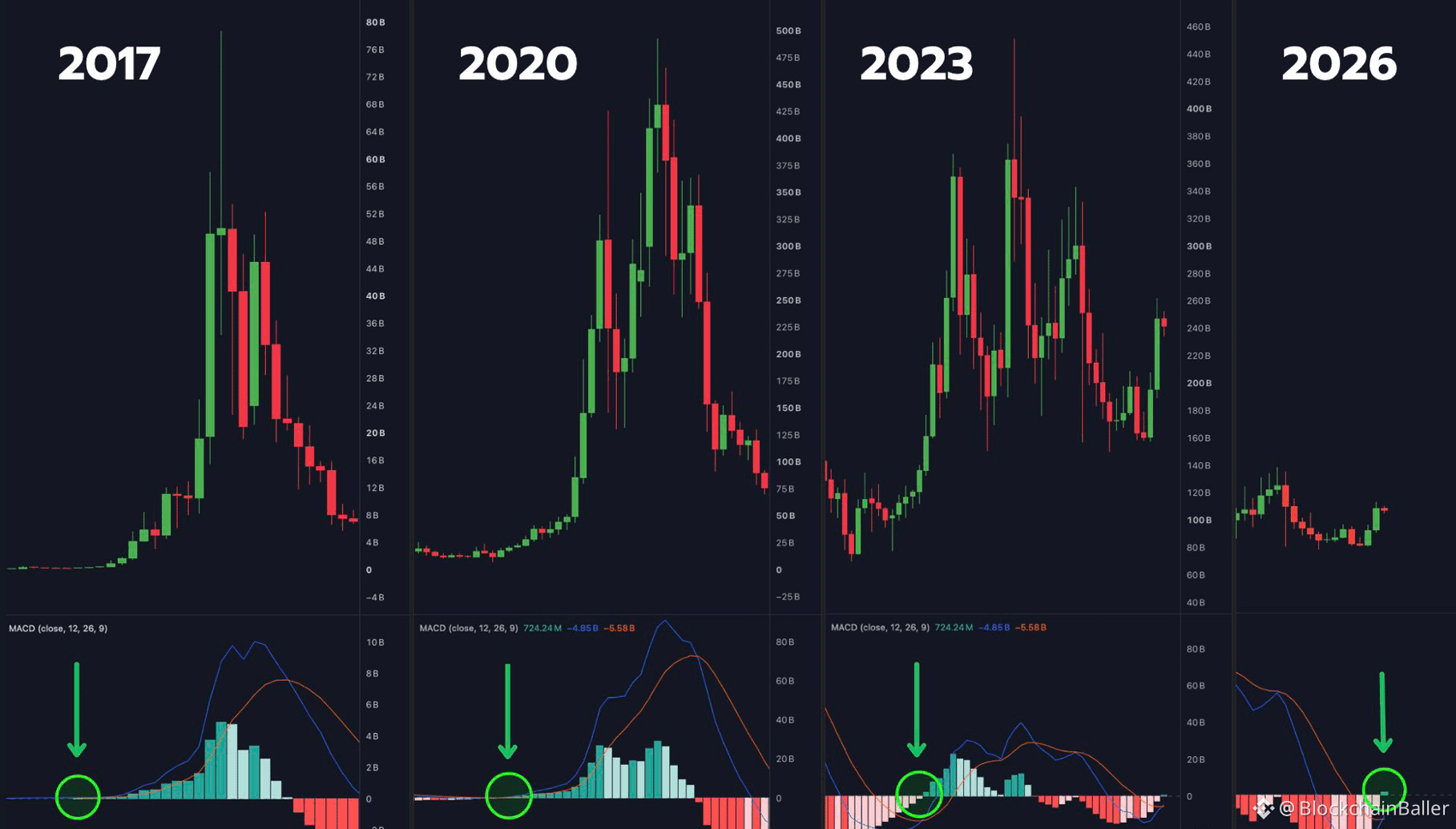
HUGE BUY SIGNAL FOR ALTCOINS‼️‼️
History repeats....
buy $SUI l $ADA l $SOL
HUGE BUY SIGNAL FOR ALTCOINS‼️‼️
History repeats....
buy $SUI l $ADA l $SOL
History repeats....
buy $SUI l $ADA l $SOL
1
4
1.7k
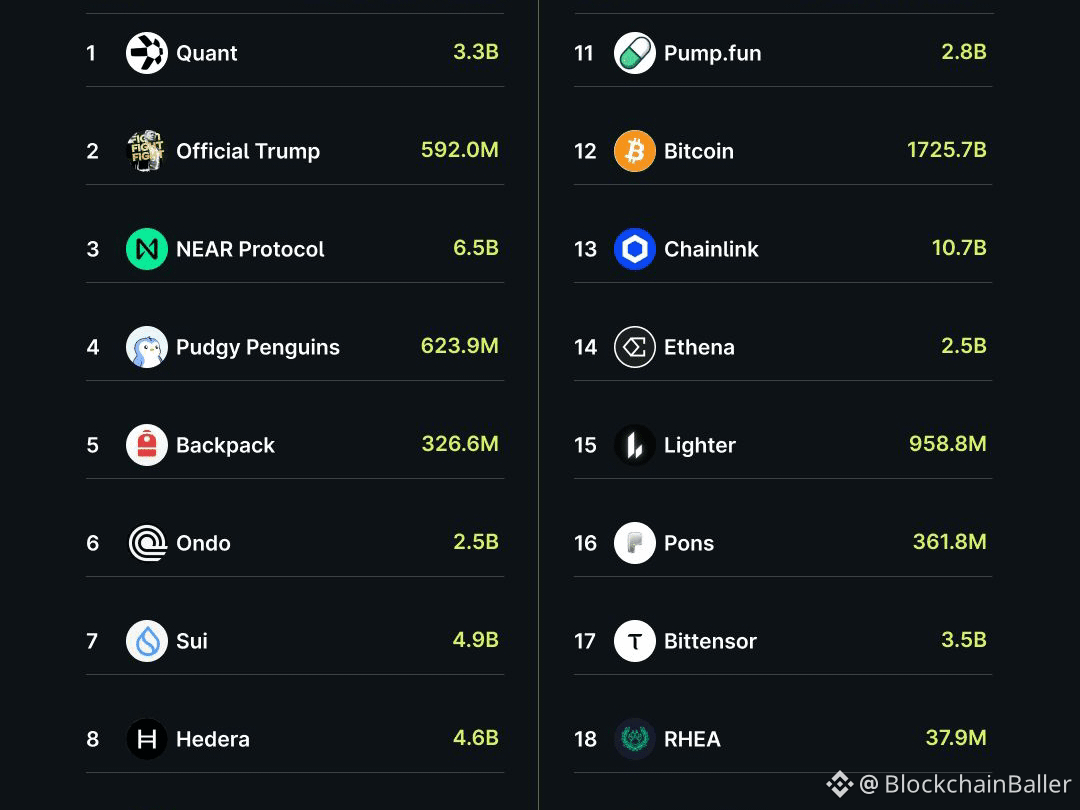
My bullish scenario for the next cycle:
$SUI : $8–12
$NEAR : $15-25
$LINK : $40–60
$AVAX: $50–80
$ONDO: $3–5
My bullish scenario for the next cycle:
$SUI : $8–12
$NEAR : $15-25
$LINK : $40–60
$AVAX: $50–80
$ONDO: $3–5
$SUI : $8–12
$NEAR : $15-25
$LINK : $40–60
$AVAX: $50–80
$ONDO: $3–5
2
3
1.4k
·
--
Bearish
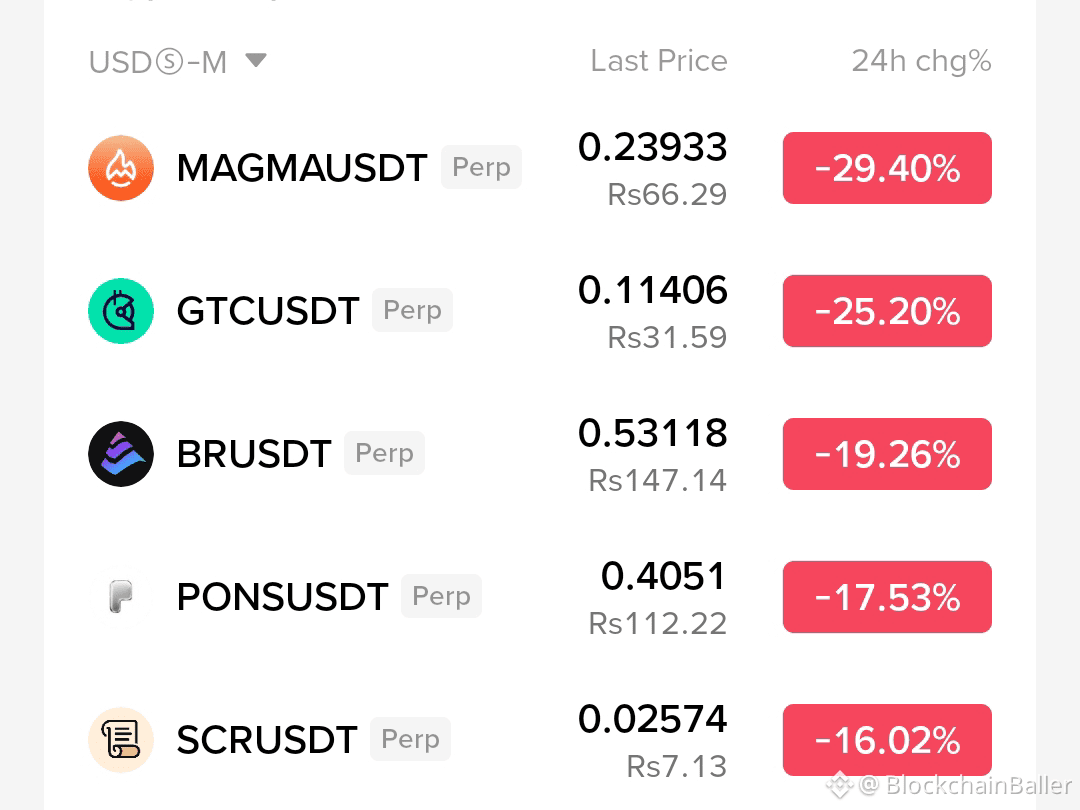
#MAGMA is taking the biggest hit, down nearly 30% in 24 hours.
$MAGMA -29.40%
$GTC -25.20%
$BR -19.26%
PON -17.53%
SCR -16.02%
#MAGMA is taking the biggest hit, down nearly 30% in 24 hours.
$MAGMA -29.40%
$GTC -25.20%
$BR -19.26%
PON -17.53%
SCR -16.02%
$MAGMA -29.40%
$GTC -25.20%
$BR -19.26%
PON -17.53%
SCR -16.02%
1
988
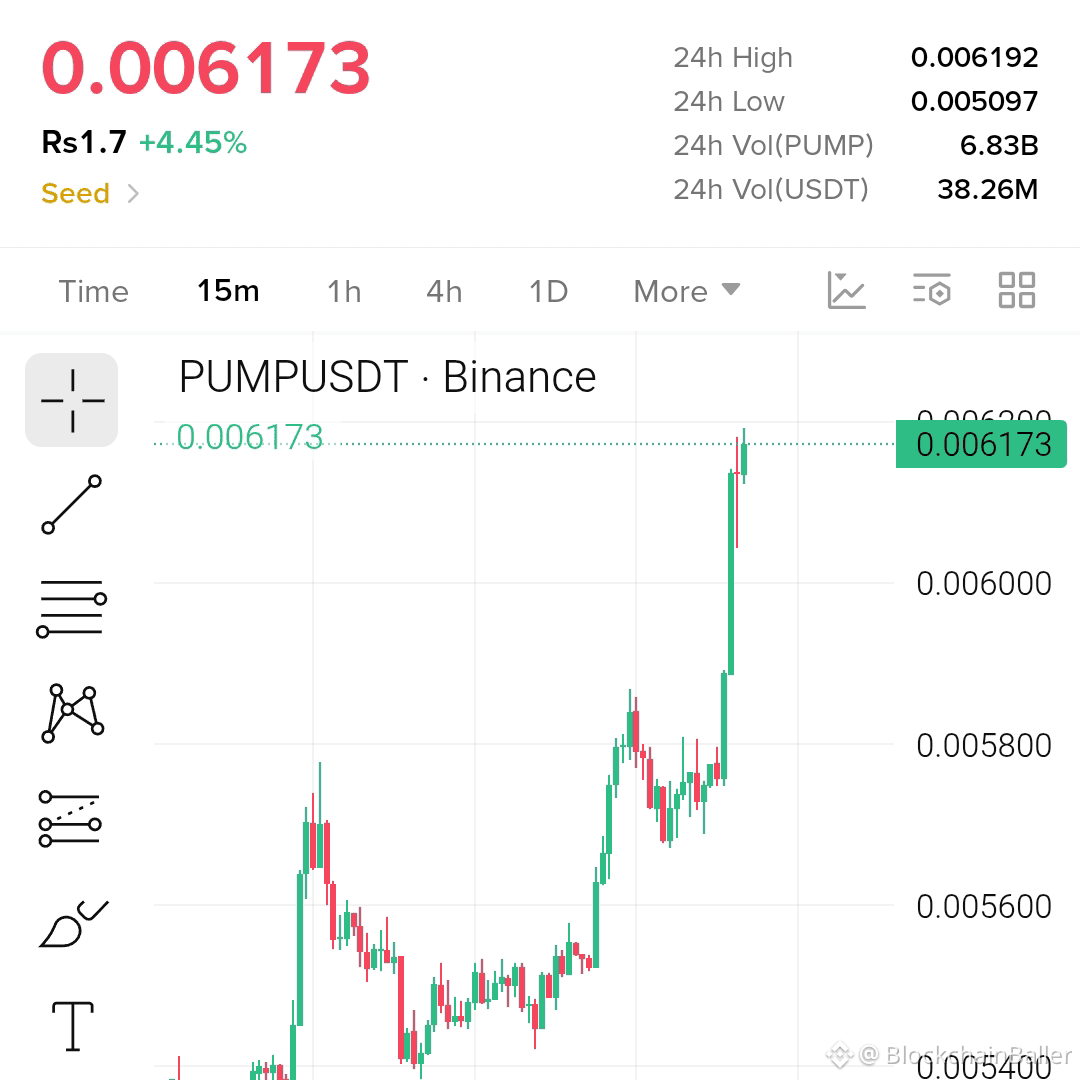
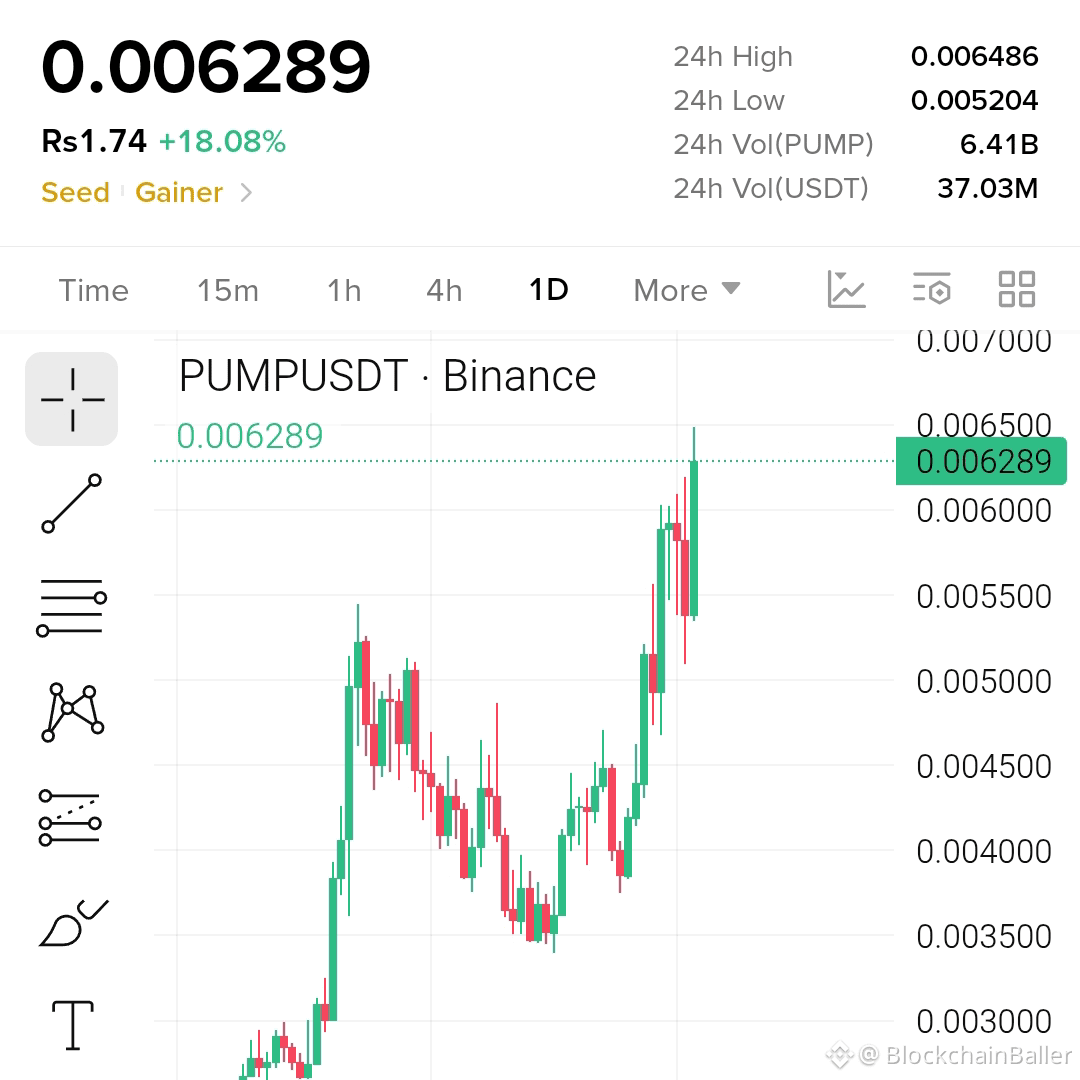
I TOLD YOU ABOUT $PUMP AND IT’S MOVING‼️♥️🤝
I called $PUMP around $0.00617, and now it has pushed to around $0.00629, with price even testing near $0.00649.
The move is playing out exactly in the bullish direction I was watching.
I TOLD YOU ABOUT $PUMP AND IT’S MOVING‼️♥️🤝
I called $PUMP around $0.00617, and now it has pushed to around $0.00629, with price even testing near $0.00649.
The move is playing out exactly in the bullish direction I was watching.
I called $PUMP around $0.00617, and now it has pushed to around $0.00629, with price even testing near $0.00649.
The move is playing out exactly in the bullish direction I was watching.
1
937
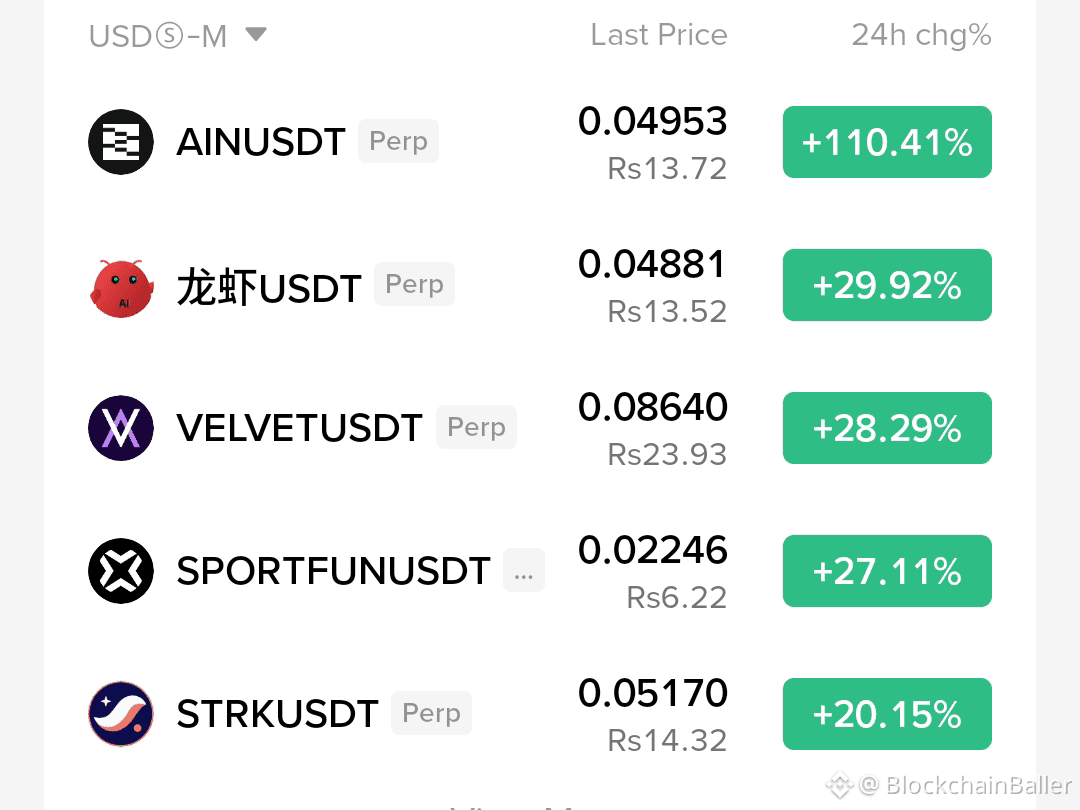
$AIN is clearly leading the board with a huge move....
#AIN +110.41%
$龙虾 +29.92%
$VELVET +28.29%
SPORTFUN +27.11%
STRK +20.15%
$AIN is clearly leading the board with a huge move....
#AIN +110.41%
$龙虾 +29.92%
$VELVET +28.29%
SPORTFUN +27.11%
STRK +20.15%
#AIN +110.41%
$龙虾 +29.92%
$VELVET +28.29%
SPORTFUN +27.11%
STRK +20.15%
6
3
1.3k

Log in to explore more content
Join global crypto users on Binance Square
⚡️ Get latest and useful information about crypto.
💬 Trusted by the world’s largest crypto exchange.
👍 Discover real insights from verified creators.
Email / Phone number
Trending Topics
SECHaltsCryptoETFReviewsAmidFundingLapse
1,473 views
85 Discussing
#SECHaltsCryptoETFReviewsAmidFundingLapse
SEC Halts Crypto ETF Reviews Amid Funding Lapse
The U.S. Securities and Exchange Commission (SEC) has reportedly paused certain cryptocurrency ETF review activities amid a government funding lapse.
This development has created uncertainty in the crypto market, particularly for investors and companies waiting for regulatory decisions on crypto-related exchange-traded funds (ETFs).
Impact on the Crypto Market
The delay could affect the approval timeline of pending crypto ETF applications. Investors are closely monitoring the situation as regulatory clarity remains an important factor in the growth of the digital asset industry.
Although the pause does not necessarily mean that crypto ETF applications will be rejected, it highlights how government funding disruptions can influence financial regulatory processes.
What Happens Next?
Market participants will be watching for updates on government funding and the SEC's ability to resume normal operations.
Crypto ETFs remain an important topic for institutional adoption, market development, and investor confidence.
Conclusion: The temporary halt highlights the importance of regulatory stability for the future of cryptocurrency investments.
#Crypto #Bitcoin #ETF #SEC #CryptoNews #Blockchain #Binance
King2112
·0 Likes
·39 views
ZcashETFPostsFirstWeeklyOutflow$93.6M
54,942 views
166 Discussing
GreekPoliceBustCryptoScamRingArrest17
157,710 views
1,114 Discussing