

Max _ Hunter
14.7k Posts

Max _ Hunter
 Square Verified
Report
Block User
Bull Market Hunter | Technical Analysis | AI Enthusiast
Open Trade
Frequent Trader
2 Years
320 Following
34.2K+ Followers
38.3K+ Liked
Posts
Portfolio
All
Quotes
Videos
Live
·
--
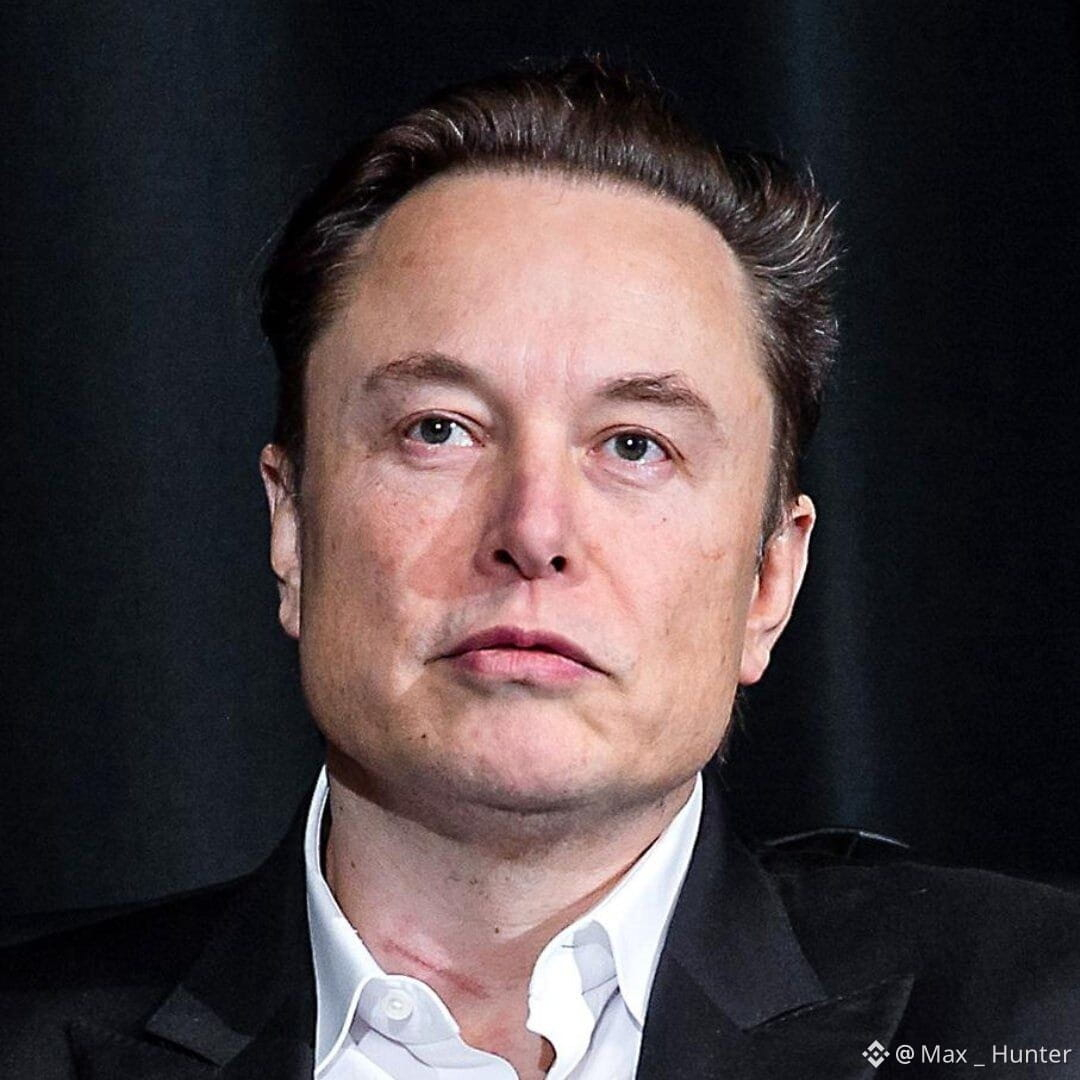
⚡ JUST IN: Elon Musk is bringing a new way to tip on X! 🚀💸
Users may soon be able to send $1 directly to someone by long-pressing the Like button through X Money. 👀
🔥 Like a post, appreciate the creator, and send a tip — all in one simple action!
💰 Could this be the future of social media payments?
What do you think? Would you use this feature? 👇
$LAB
{future}(LABUSDT)
$BTC
{future}(BTCUSDT)
#ElonMusk #Fintech #DigitalPayments #Innovation #BinanceSquare $MSFTB
⚡ JUST IN: Elon Musk is bringing a new way to tip on X! 🚀💸
Users may soon be able to send $1 directly to someone by long-pressing the Like button through X Money. 👀
🔥 Like a post, appreciate the creator, and send a tip — all in one simple action!
💰 Could this be the future of social media payments?
What do you think? Would you use this feature? 👇
$LAB
$BTC
#ElonMusk #Fintech #DigitalPayments #Innovation #BinanceSquare $MSFTB
Users may soon be able to send $1 directly to someone by long-pressing the Like button through X Money. 👀
🔥 Like a post, appreciate the creator, and send a tip — all in one simple action!
💰 Could this be the future of social media payments?
What do you think? Would you use this feature? 👇
$LAB
$BTC
#ElonMusk #Fintech #DigitalPayments #Innovation #BinanceSquare $MSFTB
399

·
--
Bullish
🎃👻 Halloween is here, and the crypto world is ready for a little spooky excitement with Binance! 🟡🖤
Imagine a Halloween night filled with glowing pumpkins, mysterious shadows, digital ghosts, and the exciting world of crypto. While the spooky season brings surprises around every corner, one thing should always stay clear: DYOR, protect your account, and make responsible decisions in the crypto market.
For me, Halloween is all about creativity, community, and sharing positive energy. Binance brings crypto enthusiasts together from different parts of the world, and this season is a great opportunity to celebrate that spirit with a fun Halloween-themed creation featuring Binance branding.
Whether you're exploring the crypto ecosystem, learning something new, or connecting with fellow enthusiasts, remember that knowledge and security matter in every season. Let's make this Halloween creative, memorable, and full of community spirit! 🎃✨
Happy Halloween to the Binance community! 🟡
#SEAPumkinFrenzy #Binance #Halloween #CryptoCommunity #BinanceSquare 👻👻👻👻👻👻👻🎃🎃🎃
🎃👻 Halloween is here, and the crypto world is ready for a little spooky excitement with Binance! 🟡🖤
Imagine a Halloween night filled with glowing pumpkins, mysterious shadows, digital ghosts, and the exciting world of crypto. While the spooky season brings surprises around every corner, one thing should always stay clear: DYOR, protect your account, and make responsible decisions in the crypto market.
For me, Halloween is all about creativity, community, and sharing positive energy. Binance brings crypto enthusiasts together from different parts of the world, and this season is a great opportunity to celebrate that spirit with a fun Halloween-themed creation featuring Binance branding.
Whether you're exploring the crypto ecosystem, learning something new, or connecting with fellow enthusiasts, remember that knowledge and security matter in every season. Let's make this Halloween creative, memorable, and full of community spirit! 🎃✨
Happy Halloween to the Binance community! 🟡
#SEAPumkinFrenzy #Binance #Halloween #CryptoCommunity #BinanceSquare 👻👻👻👻👻👻👻🎃🎃🎃
Imagine a Halloween night filled with glowing pumpkins, mysterious shadows, digital ghosts, and the exciting world of crypto. While the spooky season brings surprises around every corner, one thing should always stay clear: DYOR, protect your account, and make responsible decisions in the crypto market.
For me, Halloween is all about creativity, community, and sharing positive energy. Binance brings crypto enthusiasts together from different parts of the world, and this season is a great opportunity to celebrate that spirit with a fun Halloween-themed creation featuring Binance branding.
Whether you're exploring the crypto ecosystem, learning something new, or connecting with fellow enthusiasts, remember that knowledge and security matter in every season. Let's make this Halloween creative, memorable, and full of community spirit! 🎃✨
Happy Halloween to the Binance community! 🟡
#SEAPumkinFrenzy #Binance #Halloween #CryptoCommunity #BinanceSquare 👻👻👻👻👻👻👻🎃🎃🎃

1
2
332
·
--
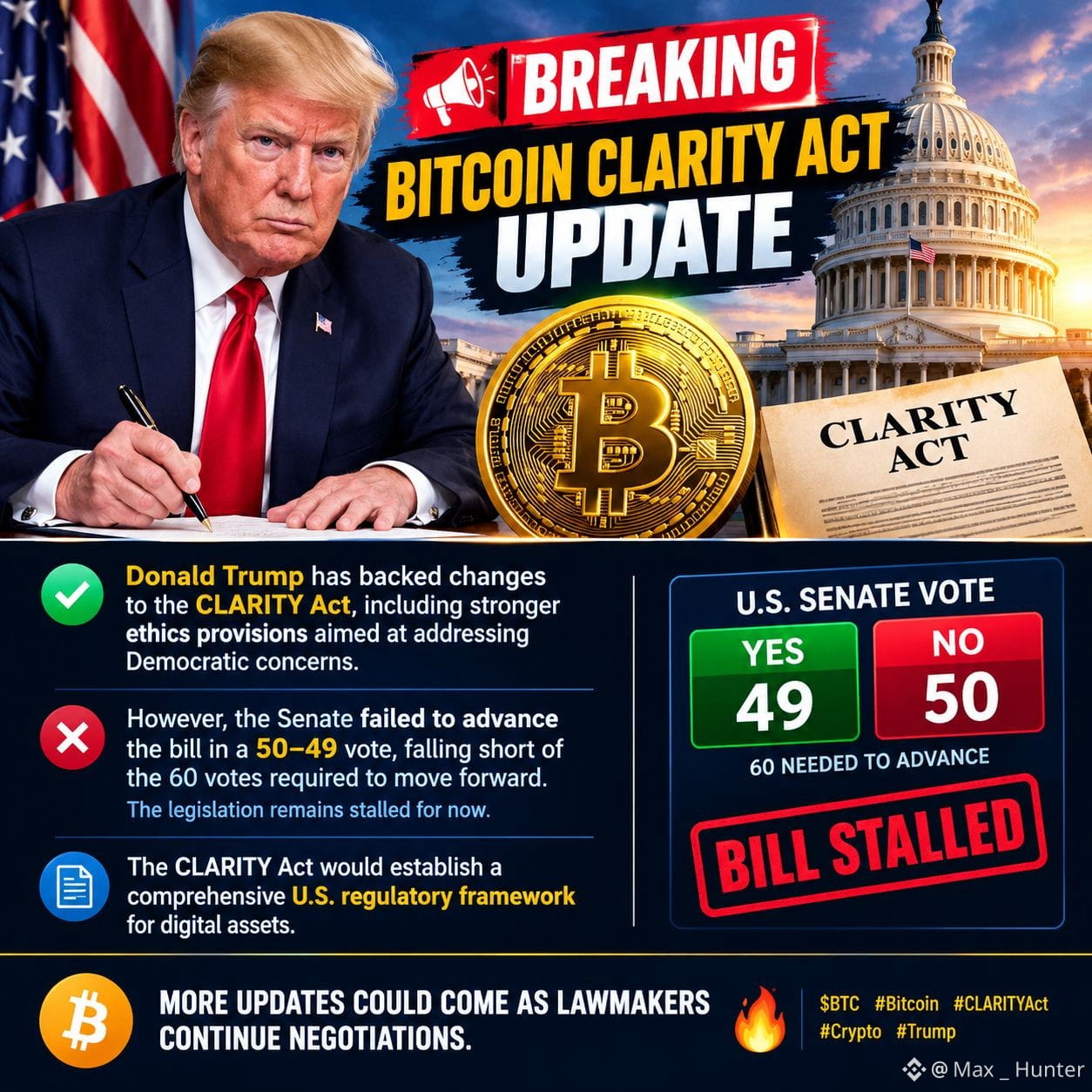
🚨 BITCOIN CLARITY ACT UPDATE 🇺🇸₿
President Donald Trump has backed changes to the CLARITY Act, including stronger ethics provisions aimed at addressing Democratic concerns. 🔥
⚠️ However, the Senate failed to advance the bill in a 50–49 vote, falling short of the 60 votes required to move forward. The legislation remains stalled for now.
👀 The CLARITY Act would establish a comprehensive U.S. regulatory framework for digital assets. Further negotiations could determine whether the bill returns for another vote.
🔥 MORE UPDATES COULD COME AS LAWMAKERS CONTINUE NEGOTIATIONS.
$BTC #Bitcoin #BTC #CLARITYAct #Crypto #TRUMP
🚨 BITCOIN CLARITY ACT UPDATE 🇺🇸₿
President Donald Trump has backed changes to the CLARITY Act, including stronger ethics provisions aimed at addressing Democratic concerns. 🔥
⚠️ However, the Senate failed to advance the bill in a 50–49 vote, falling short of the 60 votes required to move forward. The legislation remains stalled for now.
👀 The CLARITY Act would establish a comprehensive U.S. regulatory framework for digital assets. Further negotiations could determine whether the bill returns for another vote.
🔥 MORE UPDATES COULD COME AS LAWMAKERS CONTINUE NEGOTIATIONS.
$BTC #Bitcoin #BTC #CLARITYAct #Crypto #TRUMP
President Donald Trump has backed changes to the CLARITY Act, including stronger ethics provisions aimed at addressing Democratic concerns. 🔥
⚠️ However, the Senate failed to advance the bill in a 50–49 vote, falling short of the 60 votes required to move forward. The legislation remains stalled for now.
👀 The CLARITY Act would establish a comprehensive U.S. regulatory framework for digital assets. Further negotiations could determine whether the bill returns for another vote.
🔥 MORE UPDATES COULD COME AS LAWMAKERS CONTINUE NEGOTIATIONS.
$BTC #Bitcoin #BTC #CLARITYAct #Crypto #TRUMP
507
·
--
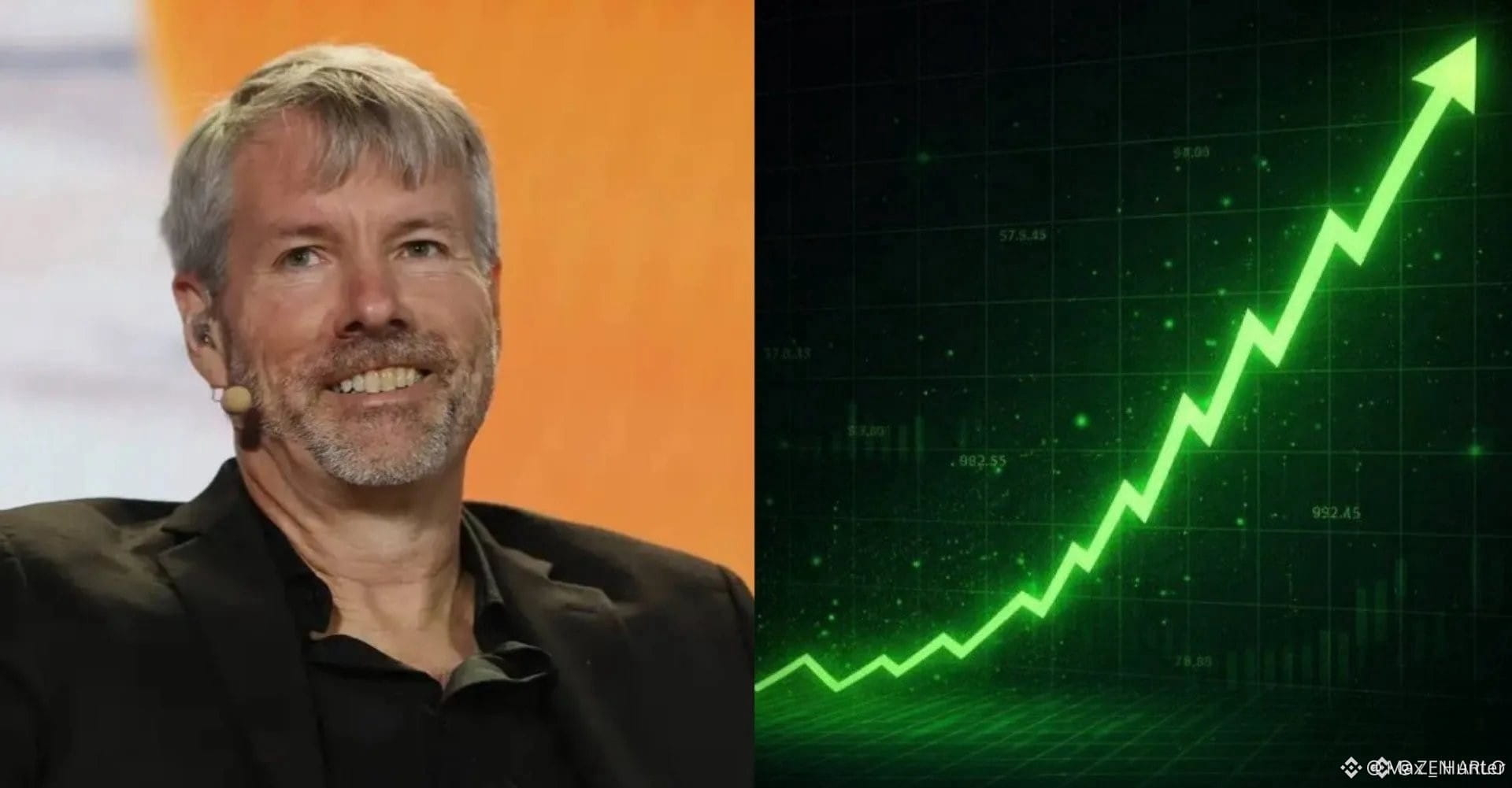
🚨 BREAKING: MICHAEL SAYLOR IS BUYING AGAIN! 🟠🔥
Strategy just added 334 $BTC for approximately $28.7 MILLION, paying an average of $85,838.80 per Bitcoin. The purchase brings Strategy’s total holdings to a record 848,000 BTC.
💰 At current market prices, Strategy’s Bitcoin stash is worth roughly $73 BILLION, with a cumulative acquisition cost of about $63.97 BILLION and an average cost of $75,440.70 per BTC.
🔥 The accumulation continues. Strategy remains the largest corporate Bitcoin holder, with its 848,000 BTC representing more than 4% of Bitcoin’s 21 million maximum supply.
🟠 SAYLOR KEEPS STACKING. THE BIGGEST CORPORATE BITCOIN BET JUST GOT EVEN BIGGER.
$BTC #Bitcoin #BTC #MichaelSaylor #Strategy #MSTR
🚨 BREAKING: MICHAEL SAYLOR IS BUYING AGAIN! 🟠🔥
Strategy just added 334 $BTC for approximately $28.7 MILLION, paying an average of $85,838.80 per Bitcoin. The purchase brings Strategy’s total holdings to a record 848,000 BTC.
💰 At current market prices, Strategy’s Bitcoin stash is worth roughly $73 BILLION, with a cumulative acquisition cost of about $63.97 BILLION and an average cost of $75,440.70 per BTC.
🔥 The accumulation continues. Strategy remains the largest corporate Bitcoin holder, with its 848,000 BTC representing more than 4% of Bitcoin’s 21 million maximum supply.
🟠 SAYLOR KEEPS STACKING. THE BIGGEST CORPORATE BITCOIN BET JUST GOT EVEN BIGGER.
$BTC #Bitcoin #BTC #MichaelSaylor #Strategy #MSTR
Strategy just added 334 $BTC for approximately $28.7 MILLION, paying an average of $85,838.80 per Bitcoin. The purchase brings Strategy’s total holdings to a record 848,000 BTC.
💰 At current market prices, Strategy’s Bitcoin stash is worth roughly $73 BILLION, with a cumulative acquisition cost of about $63.97 BILLION and an average cost of $75,440.70 per BTC.
🔥 The accumulation continues. Strategy remains the largest corporate Bitcoin holder, with its 848,000 BTC representing more than 4% of Bitcoin’s 21 million maximum supply.
🟠 SAYLOR KEEPS STACKING. THE BIGGEST CORPORATE BITCOIN BET JUST GOT EVEN BIGGER.
$BTC #Bitcoin #BTC #MichaelSaylor #Strategy #MSTR
222
·
--
🚨 BINANCE JUST ENTERED THE AI TRADING ERA! 🤖🔥
Binance has launched Binance Intelligence, bringing AI deeper into the crypto ecosystem with Binance AI, Binance AI Pro and Agent OS — combining market intelligence, automation and AI-powered trading workflows. 🚀
📊 Binance AI is rolling out as a free 24/7 market assistant, while AI Pro can turn plain-language ideas into automated workflows and monitor markets for key events, including $BTC price levels.
⚡ Built directly across the Binance ecosystem, including $BNB, the launch signals a deeper integration of AI + crypto trading + market data + automation.
🤖 AI isn’t just analyzing crypto anymore — it’s moving toward actively assisting with how traders interact with markets.
#Binance #BNB #BTC #AI #Crypto #trading
🚨 BINANCE JUST ENTERED THE AI TRADING ERA! 🤖🔥
Binance has launched Binance Intelligence, bringing AI deeper into the crypto ecosystem with Binance AI, Binance AI Pro and Agent OS — combining market intelligence, automation and AI-powered trading workflows. 🚀
📊 Binance AI is rolling out as a free 24/7 market assistant, while AI Pro can turn plain-language ideas into automated workflows and monitor markets for key events, including $BTC price levels.
⚡ Built directly across the Binance ecosystem, including $BNB, the launch signals a deeper integration of AI + crypto trading + market data + automation.
🤖 AI isn’t just analyzing crypto anymore — it’s moving toward actively assisting with how traders interact with markets.
#Binance #BNB #BTC #AI #Crypto #trading
Binance has launched Binance Intelligence, bringing AI deeper into the crypto ecosystem with Binance AI, Binance AI Pro and Agent OS — combining market intelligence, automation and AI-powered trading workflows. 🚀
📊 Binance AI is rolling out as a free 24/7 market assistant, while AI Pro can turn plain-language ideas into automated workflows and monitor markets for key events, including $BTC price levels.
⚡ Built directly across the Binance ecosystem, including $BNB, the launch signals a deeper integration of AI + crypto trading + market data + automation.
🤖 AI isn’t just analyzing crypto anymore — it’s moving toward actively assisting with how traders interact with markets.
#Binance #BNB #BTC #AI #Crypto #trading

99
·
--
🚨 MASSIVE SPACEX UPDATE 🚨 🚀
Elon Musk says roughly 90% of SpaceX ($SPCX) revenue this year will be commercial, while government revenue is expected to fall below 5% in Q4. 🇺🇸📊
🔥 Starlink is driving the transformation — Connectivity generated $4.29B in Q2, more than half of SpaceX’s total quarterly revenue, while Starlink subscribers reached 12 million.
🌐 SpaceX is increasingly looking less like a traditional government-focused launch company and more like a global connectivity platform, powered by Starlink, enterprise services and expanding mobile partnerships. 🚀📡
#BinanceLaunchesBinanceIntelligence
#EvernorthXRPTreasuryCompletesSPACMerger
#ETHUp70%InQ3ButLiquidityFalls
#EthStakingExitQueueHits2026High
🚨 MASSIVE SPACEX UPDATE 🚨 🚀
Elon Musk says roughly 90% of SpaceX ($SPCX) revenue this year will be commercial, while government revenue is expected to fall below 5% in Q4. 🇺🇸📊
🔥 Starlink is driving the transformation — Connectivity generated $4.29B in Q2, more than half of SpaceX’s total quarterly revenue, while Starlink subscribers reached 12 million.
🌐 SpaceX is increasingly looking less like a traditional government-focused launch company and more like a global connectivity platform, powered by Starlink, enterprise services and expanding mobile partnerships. 🚀📡
#BinanceLaunchesBinanceIntelligence
#EvernorthXRPTreasuryCompletesSPACMerger
#ETHUp70%InQ3ButLiquidityFalls
#EthStakingExitQueueHits2026High
Elon Musk says roughly 90% of SpaceX ($SPCX) revenue this year will be commercial, while government revenue is expected to fall below 5% in Q4. 🇺🇸📊
🔥 Starlink is driving the transformation — Connectivity generated $4.29B in Q2, more than half of SpaceX’s total quarterly revenue, while Starlink subscribers reached 12 million.
🌐 SpaceX is increasingly looking less like a traditional government-focused launch company and more like a global connectivity platform, powered by Starlink, enterprise services and expanding mobile partnerships. 🚀📡
#BinanceLaunchesBinanceIntelligence
#EvernorthXRPTreasuryCompletesSPACMerger
#ETHUp70%InQ3ButLiquidityFalls
#EthStakingExitQueueHits2026High


313
·
--
🚨 CRYPTO MARKET STRUCTURE UPDATE 🚨 🇺🇸
Trump continues pushing for the CLARITY Act, but the Senate failed to advance the major crypto market-structure bill on Sept. 15, 2026.
🔥 The legislation is designed to establish clearer U.S. rules for digital assets and define regulatory responsibilities, with the White House continuing to support a crypto-friendly regulatory framework.
₿ If the bill advances in the future, clearer regulation could have major implications for institutional participation and the broader crypto market—but claims of an immediate “trillions of dollars” inflow or a historic Bitcoin inflow are not currently verified. 📊🚀
#US10YearYieldNears5.3%
#KoreaProposesTokenizingStocksAndBonds
#MetaMaskExitsLidoValidatorsAfterSecurityIncident
#MicronBeatsEarningsLiftsGuidance
#CFTCSubmitsTwoEventContractRulesToWhiteHouse
$BTC
{spot}(BTCUSDT)
$LAB
{future}(LABUSDT)
$TLM
{spot}(TLMUSDT)
🚨 CRYPTO MARKET STRUCTURE UPDATE 🚨 🇺🇸
Trump continues pushing for the CLARITY Act, but the Senate failed to advance the major crypto market-structure bill on Sept. 15, 2026.
🔥 The legislation is designed to establish clearer U.S. rules for digital assets and define regulatory responsibilities, with the White House continuing to support a crypto-friendly regulatory framework.
₿ If the bill advances in the future, clearer regulation could have major implications for institutional participation and the broader crypto market—but claims of an immediate “trillions of dollars” inflow or a historic Bitcoin inflow are not currently verified. 📊🚀
#US10YearYieldNears5.3%
#KoreaProposesTokenizingStocksAndBonds
#MetaMaskExitsLidoValidatorsAfterSecurityIncident
#MicronBeatsEarningsLiftsGuidance
#CFTCSubmitsTwoEventContractRulesToWhiteHouse
$BTC
$LAB
$TLM
Trump continues pushing for the CLARITY Act, but the Senate failed to advance the major crypto market-structure bill on Sept. 15, 2026.
🔥 The legislation is designed to establish clearer U.S. rules for digital assets and define regulatory responsibilities, with the White House continuing to support a crypto-friendly regulatory framework.
₿ If the bill advances in the future, clearer regulation could have major implications for institutional participation and the broader crypto market—but claims of an immediate “trillions of dollars” inflow or a historic Bitcoin inflow are not currently verified. 📊🚀
#US10YearYieldNears5.3%
#KoreaProposesTokenizingStocksAndBonds
#MetaMaskExitsLidoValidatorsAfterSecurityIncident
#MicronBeatsEarningsLiftsGuidance
#CFTCSubmitsTwoEventContractRulesToWhiteHouse
$BTC
$LAB
$TLM

1
1.1k
·
--
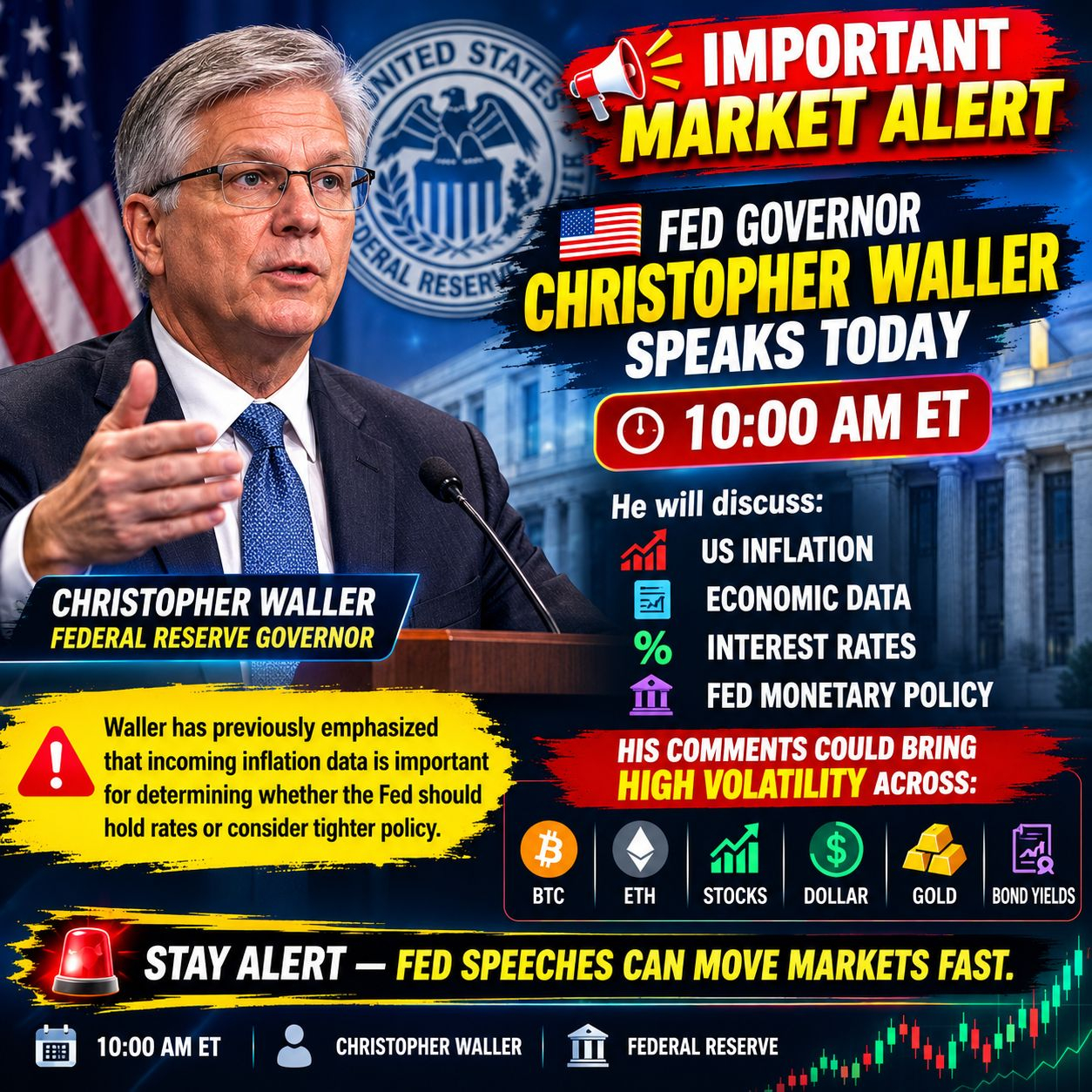
🚨 IMPORTANT MARKET ALERT 🚨
🇺🇸 FED GOVERNOR CHRISTOPHER WALLER SPEAKS TODAY
⏰ 10:00 AM ET
🎙️ Markets will be watching closely for his comments on:
📊 US INFLATION
🇺🇸 ECONOMIC DATA
💵 INTEREST RATES
🏦 FED MONETARY POLICY
⚠️ Waller has previously emphasized that incoming inflation data is important for determining whether the Fed should hold rates or consider tighter policy.
🔥 HIS COMMENTS COULD BRING HIGH VOLATILITY ACROSS:
₿ BTC
♦️ ETH
📈 STOCKS
💵 DOLLAR
🥇 GOLD
📊 BOND YIELDS
🚨 STAY ALERT — FED SPEECHES CAN MOVE MARKETS FAST.
⏳ 10:00 AM ET
🇺🇸 CHRISTOPHER WALLER
🏦 FEDERAL RESERVE
#Bitcoin #BTC #US10YearYieldNears5.3%
#KoreaProposesTokenizingStocksAndBonds
#USADPAdds90000JobsInSeptember
🚨 IMPORTANT MARKET ALERT 🚨
🇺🇸 FED GOVERNOR CHRISTOPHER WALLER SPEAKS TODAY
⏰ 10:00 AM ET
🎙️ Markets will be watching closely for his comments on:
📊 US INFLATION
🇺🇸 ECONOMIC DATA
💵 INTEREST RATES
🏦 FED MONETARY POLICY
⚠️ Waller has previously emphasized that incoming inflation data is important for determining whether the Fed should hold rates or consider tighter policy.
🔥 HIS COMMENTS COULD BRING HIGH VOLATILITY ACROSS:
₿ BTC
♦️ ETH
📈 STOCKS
💵 DOLLAR
🥇 GOLD
📊 BOND YIELDS
🚨 STAY ALERT — FED SPEECHES CAN MOVE MARKETS FAST.
⏳ 10:00 AM ET
🇺🇸 CHRISTOPHER WALLER
🏦 FEDERAL RESERVE
#Bitcoin #BTC #US10YearYieldNears5.3%
#KoreaProposesTokenizingStocksAndBonds
#USADPAdds90000JobsInSeptember
🇺🇸 FED GOVERNOR CHRISTOPHER WALLER SPEAKS TODAY
⏰ 10:00 AM ET
🎙️ Markets will be watching closely for his comments on:
📊 US INFLATION
🇺🇸 ECONOMIC DATA
💵 INTEREST RATES
🏦 FED MONETARY POLICY
⚠️ Waller has previously emphasized that incoming inflation data is important for determining whether the Fed should hold rates or consider tighter policy.
🔥 HIS COMMENTS COULD BRING HIGH VOLATILITY ACROSS:
₿ BTC
♦️ ETH
📈 STOCKS
💵 DOLLAR
🥇 GOLD
📊 BOND YIELDS
🚨 STAY ALERT — FED SPEECHES CAN MOVE MARKETS FAST.
⏳ 10:00 AM ET
🇺🇸 CHRISTOPHER WALLER
🏦 FEDERAL RESERVE
#Bitcoin #BTC #US10YearYieldNears5.3%
#KoreaProposesTokenizingStocksAndBonds
#USADPAdds90000JobsInSeptember
158
·
--
Bullish
🚨 TRUMP You might want to start buying now
💰 BILLIONS & TRILLIONS OF CAPITAL ARE WATCHING CRYPTO
🔥 Institutional adoption, clearer regulation, tokenization and growing crypto infrastructure could bring massive new liquidity into digital assets.
🐂 If capital rotation accelerates, Bitcoin and major altcoins could enter a powerful new market phase
📈 The next major crypto cycle could be driven by
• 🏦 Institutional capital
• 💵 Stablecoin growth
• 🔗 Real-world asset tokenization
• ⚖️ Regulatory clarity
• 🌐 Global crypto adoption
🚨 IMPORTANT: The widely shared $30 TRILLION flowing into crypto figure should be treated as a projection/claim not guaranteed capital inflow
🔥 FOLLOW ME — WE’RE READY TO TRACK THE BIG MOVES TOGETHER
🚀 $BTC • $ETH • ALTCOINS
🐂 $NEXT.US BULL RUN WATCH
💎 STAY ALERT. STAY READY.
#Bitcoin #BTC #Crypto #Ethereum #ETH #Altcoins #BullRun #CryptoMarket #Trump #InstitutionalAdoption #CryptoNews #Blockchain #Web3 #trading
{spot}(ETHUSDT)
🚨 TRUMP You might want to start buying now
💰 BILLIONS & TRILLIONS OF CAPITAL ARE WATCHING CRYPTO
🔥 Institutional adoption, clearer regulation, tokenization and growing crypto infrastructure could bring massive new liquidity into digital assets.
🐂 If capital rotation accelerates, Bitcoin and major altcoins could enter a powerful new market phase
📈 The next major crypto cycle could be driven by
• 🏦 Institutional capital
• 💵 Stablecoin growth
• 🔗 Real-world asset tokenization
• ⚖️ Regulatory clarity
• 🌐 Global crypto adoption
🚨 IMPORTANT: The widely shared $30 TRILLION flowing into crypto figure should be treated as a projection/claim not guaranteed capital inflow
🔥 FOLLOW ME — WE’RE READY TO TRACK THE BIG MOVES TOGETHER
🚀 $BTC • $ETH • ALTCOINS
🐂 $NEXT.US BULL RUN WATCH
💎 STAY ALERT. STAY READY.
#Bitcoin #BTC #Crypto #Ethereum #ETH #Altcoins #BullRun #CryptoMarket #Trump #InstitutionalAdoption #CryptoNews #Blockchain #Web3 #trading
💰 BILLIONS & TRILLIONS OF CAPITAL ARE WATCHING CRYPTO
🔥 Institutional adoption, clearer regulation, tokenization and growing crypto infrastructure could bring massive new liquidity into digital assets.
🐂 If capital rotation accelerates, Bitcoin and major altcoins could enter a powerful new market phase
📈 The next major crypto cycle could be driven by
• 🏦 Institutional capital
• 💵 Stablecoin growth
• 🔗 Real-world asset tokenization
• ⚖️ Regulatory clarity
• 🌐 Global crypto adoption
🚨 IMPORTANT: The widely shared $30 TRILLION flowing into crypto figure should be treated as a projection/claim not guaranteed capital inflow
🔥 FOLLOW ME — WE’RE READY TO TRACK THE BIG MOVES TOGETHER
🚀 $BTC • $ETH • ALTCOINS
🐂 $NEXT.US BULL RUN WATCH
💎 STAY ALERT. STAY READY.
#Bitcoin #BTC #Crypto #Ethereum #ETH #Altcoins #BullRun #CryptoMarket #Trump #InstitutionalAdoption #CryptoNews #Blockchain #Web3 #trading

214
·
--
🔥 #FedRateWatch | FOMC September: What Could Be the Fed’s Next Move?
The September FOMC meeting is becoming a major focus for global markets. With August core CPI rising 0.3% month-over-month and expectations for a 25bp rate hike reportedly close to 90%, the Fed’s next decision could create a strong reaction across crypto, stocks, and gold.
In my view, the key question is not only whether the Fed hikes rates, but how the market interprets its guidance afterward. A rate hike combined with a hawkish message could strengthen the dollar and put pressure on risk assets. BTC and technology stocks could face short-term selling pressure, while gold may also struggle if yields move higher.
However, markets often move on expectations before the actual decision. If the hike is already fully priced in, BTC and tech stocks could potentially rebound if the Fed sounds less aggressive than expected. Gold could also find support if investors begin pricing in future rate cuts.
For BTC, I would watch the reaction after the announcement rather than chase the first move. The real opportunity may come from the market’s response to the Fed’s guidance.
One thing is certain: volatility could remain elevated, and risk management will be more important than ever.
What’s your view — bullish or bearish for $BTC , tech stocks, and gold?
{future}(LABUSDT)
#FOMC #Bitcoin #Crypto #Stocks
🔥 #FedRateWatch | FOMC September: What Could Be the Fed’s Next Move?
The September FOMC meeting is becoming a major focus for global markets. With August core CPI rising 0.3% month-over-month and expectations for a 25bp rate hike reportedly close to 90%, the Fed’s next decision could create a strong reaction across crypto, stocks, and gold.
In my view, the key question is not only whether the Fed hikes rates, but how the market interprets its guidance afterward. A rate hike combined with a hawkish message could strengthen the dollar and put pressure on risk assets. BTC and technology stocks could face short-term selling pressure, while gold may also struggle if yields move higher.
However, markets often move on expectations before the actual decision. If the hike is already fully priced in, BTC and tech stocks could potentially rebound if the Fed sounds less aggressive than expected. Gold could also find support if investors begin pricing in future rate cuts.
For BTC, I would watch the reaction after the announcement rather than chase the first move. The real opportunity may come from the market’s response to the Fed’s guidance.
One thing is certain: volatility could remain elevated, and risk management will be more important than ever.
What’s your view — bullish or bearish for $BTC , tech stocks, and gold?
#FOMC #Bitcoin #Crypto #Stocks
The September FOMC meeting is becoming a major focus for global markets. With August core CPI rising 0.3% month-over-month and expectations for a 25bp rate hike reportedly close to 90%, the Fed’s next decision could create a strong reaction across crypto, stocks, and gold.
In my view, the key question is not only whether the Fed hikes rates, but how the market interprets its guidance afterward. A rate hike combined with a hawkish message could strengthen the dollar and put pressure on risk assets. BTC and technology stocks could face short-term selling pressure, while gold may also struggle if yields move higher.
However, markets often move on expectations before the actual decision. If the hike is already fully priced in, BTC and tech stocks could potentially rebound if the Fed sounds less aggressive than expected. Gold could also find support if investors begin pricing in future rate cuts.
For BTC, I would watch the reaction after the announcement rather than chase the first move. The real opportunity may come from the market’s response to the Fed’s guidance.
One thing is certain: volatility could remain elevated, and risk management will be more important than ever.
What’s your view — bullish or bearish for $BTC , tech stocks, and gold?
#FOMC #Bitcoin #Crypto #Stocks

290
·
--
$DEXE is showing bearish momentum after a $4.9973K long liquidation around $1.97222.
Sellers remain active while buyers attempt to stabilize the current reaction zone.
EP
$1.955–$1.985
TP
TP1 $1.930
TP2 $1.890
TP3 $1.840
SL
$2.025
Liquidity remains exposed below the current structure while buyers stay under pressure.
Unless price reclaims the upper reaction zone, bearish continuation toward lower liquidity remains favored.
Let’s go $DEXE 🔻
$DEXE is showing bearish momentum after a $4.9973K long liquidation around $1.97222.
Sellers remain active while buyers attempt to stabilize the current reaction zone.
EP
$1.955–$1.985
TP
TP1 $1.930
TP2 $1.890
TP3 $1.840
SL
$2.025
Liquidity remains exposed below the current structure while buyers stay under pressure.
Unless price reclaims the upper reaction zone, bearish continuation toward lower liquidity remains favored.
Let’s go $DEXE 🔻
Sellers remain active while buyers attempt to stabilize the current reaction zone.
EP
$1.955–$1.985
TP
TP1 $1.930
TP2 $1.890
TP3 $1.840
SL
$2.025
Liquidity remains exposed below the current structure while buyers stay under pressure.
Unless price reclaims the upper reaction zone, bearish continuation toward lower liquidity remains favored.
Let’s go $DEXE 🔻
55
·
--
$ARC is showing bearish momentum after a $1.5304K long liquidation around $0.18867.
Sellers remain active while buyers attempt to stabilize the current reaction zone.
EP
$0.1870–$0.1905
TP
TP1 $0.1845
TP2 $0.1810
TP3 $0.1765
SL
$0.1940
Liquidity remains exposed below the current structure while buyers stay under pressure.
Unless price reclaims the upper reaction zone, bearish continuation toward lower liquidity remains favored.
Let’s go $ARC 🔻
$ARC is showing bearish momentum after a $1.5304K long liquidation around $0.18867.
Sellers remain active while buyers attempt to stabilize the current reaction zone.
EP
$0.1870–$0.1905
TP
TP1 $0.1845
TP2 $0.1810
TP3 $0.1765
SL
$0.1940
Liquidity remains exposed below the current structure while buyers stay under pressure.
Unless price reclaims the upper reaction zone, bearish continuation toward lower liquidity remains favored.
Let’s go $ARC 🔻
Sellers remain active while buyers attempt to stabilize the current reaction zone.
EP
$0.1870–$0.1905
TP
TP1 $0.1845
TP2 $0.1810
TP3 $0.1765
SL
$0.1940
Liquidity remains exposed below the current structure while buyers stay under pressure.
Unless price reclaims the upper reaction zone, bearish continuation toward lower liquidity remains favored.
Let’s go $ARC 🔻
85
·
--
$BCH is showing bearish momentum after a $1.2212K long liquidation around $259.38.
Sellers remain active while buyers attempt to stabilize the current reaction zone.
EP
$257–$261
TP
TP1 $255
TP2 $252
TP3 $248
SL
$264
Liquidity remains exposed below the current structure while buyers stay under pressure.
Unless price reclaims the upper reaction zone, bearish continuation toward lower liquidity remains favored.
Let’s go $BCH 🔻
$BCH is showing bearish momentum after a $1.2212K long liquidation around $259.38.
Sellers remain active while buyers attempt to stabilize the current reaction zone.
EP
$257–$261
TP
TP1 $255
TP2 $252
TP3 $248
SL
$264
Liquidity remains exposed below the current structure while buyers stay under pressure.
Unless price reclaims the upper reaction zone, bearish continuation toward lower liquidity remains favored.
Let’s go $BCH 🔻
Sellers remain active while buyers attempt to stabilize the current reaction zone.
EP
$257–$261
TP
TP1 $255
TP2 $252
TP3 $248
SL
$264
Liquidity remains exposed below the current structure while buyers stay under pressure.
Unless price reclaims the upper reaction zone, bearish continuation toward lower liquidity remains favored.
Let’s go $BCH 🔻
65
Log in to explore more content
Join global crypto users on Binance Square
⚡️ Get latest and useful information about crypto.
💬 Trusted by the world’s largest crypto exchange.
👍 Discover real insights from verified creators.
Email / Phone number
Trending Topics
BinancePick
2.5M views
137,513 Discussing
Join #EarningsSeason: Predict Earnings on Binance Pick, Share Your Take on Binance Square!
Binance Square Official
·399 Likes
·336.9k views
EarningsSeason
4.9M views
23,850 Discussing
ElectrumWalletBugLetRogueServersStealFunds
1,797 views
116 Discussing