
cryptodaddy07
680 Posts

cryptodaddy07
Report
Block User
Full Time Trader BTC/USD ETH/USD XRP/USD - Web3/ - Here To educate and supppot You, Follow me on X @cryptodaddy75

GALA Holder
High-Frequency Trader
7.4 Years
66 Following
630 Followers
660 Liked
Posts
All
Quotes
Videos
Live
📉 The market is changing, and so is the game.
With BTC dropping and the entire crypto market under pressure, we could be heading into a prolonged consolidation phase.
And honestly, this is where things get interesting. 😁
Many of the so-called trading gurus and TikTok trading experts who were everywhere during the bull market might slowly disappear.
Some will stop posting. Others will suddenly change their strategies. And a few will probably pretend they never made those calls. 😂
Because making money when the entire market is pumping is one thing. Surviving a long, boring and unpredictable market is a completely different game.
The next phase could separate real traders from content creators.
No FOMO. No FUD. No promises of overnight wealth.
Just patience, discipline, risk management and level-by-level execution.
Let's see who is still here when the next bull market arrives. 🐺📊
109
60
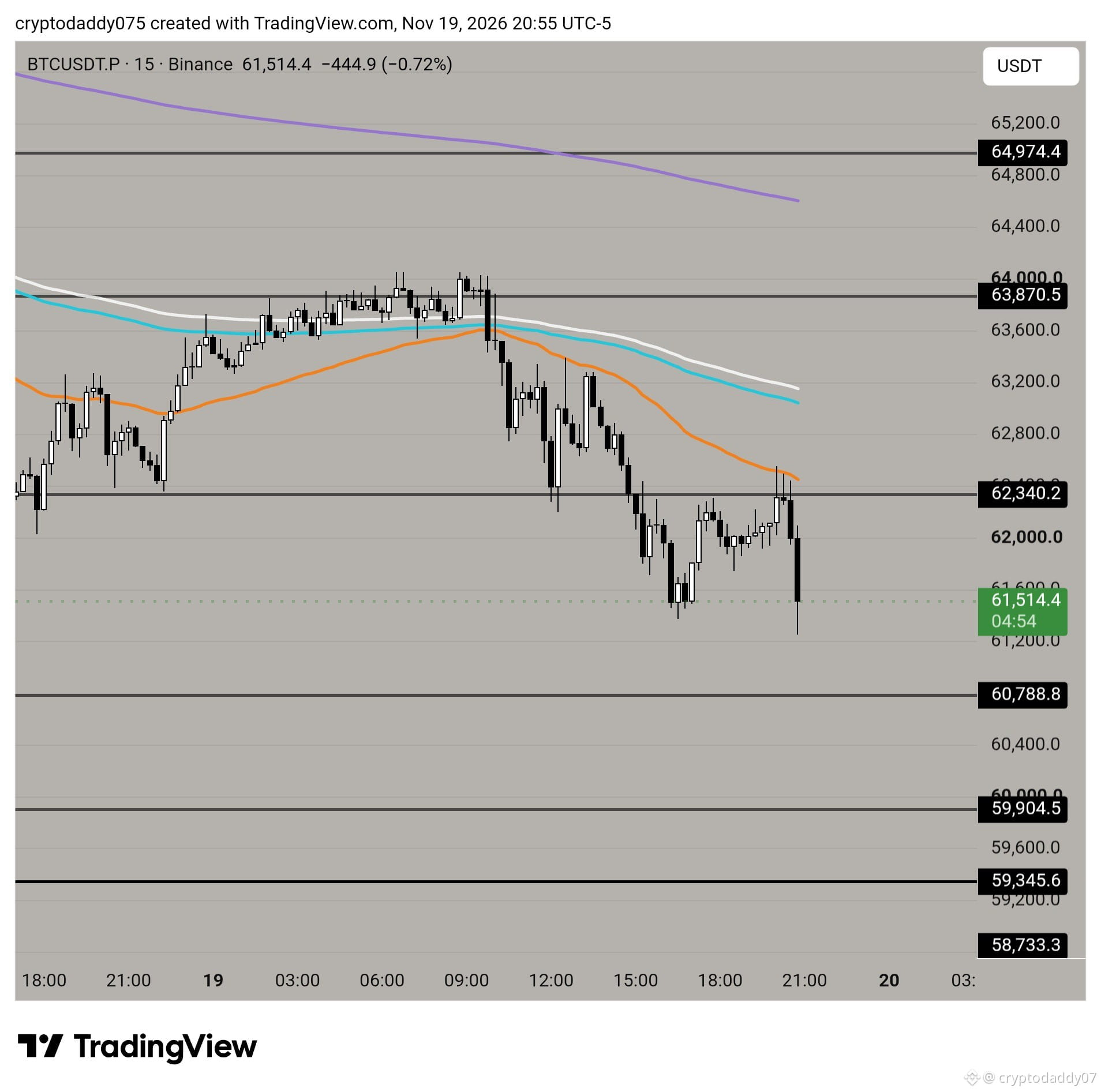
$BTC — We could see another 3–4% drop from here. In other words, that 4% dip is our planned entry zone, and we've already placed our Buy Limit.
Now we wait for the market to come to us. No FOMO. 🎯
$BTC — We could see another 3–4% drop from here. In other words, that 4% dip is our planned entry zone, and we've already placed our Buy Limit.
Now we wait for the market to come to us. No FOMO. 🎯
Now we wait for the market to come to us. No FOMO. 🎯
82
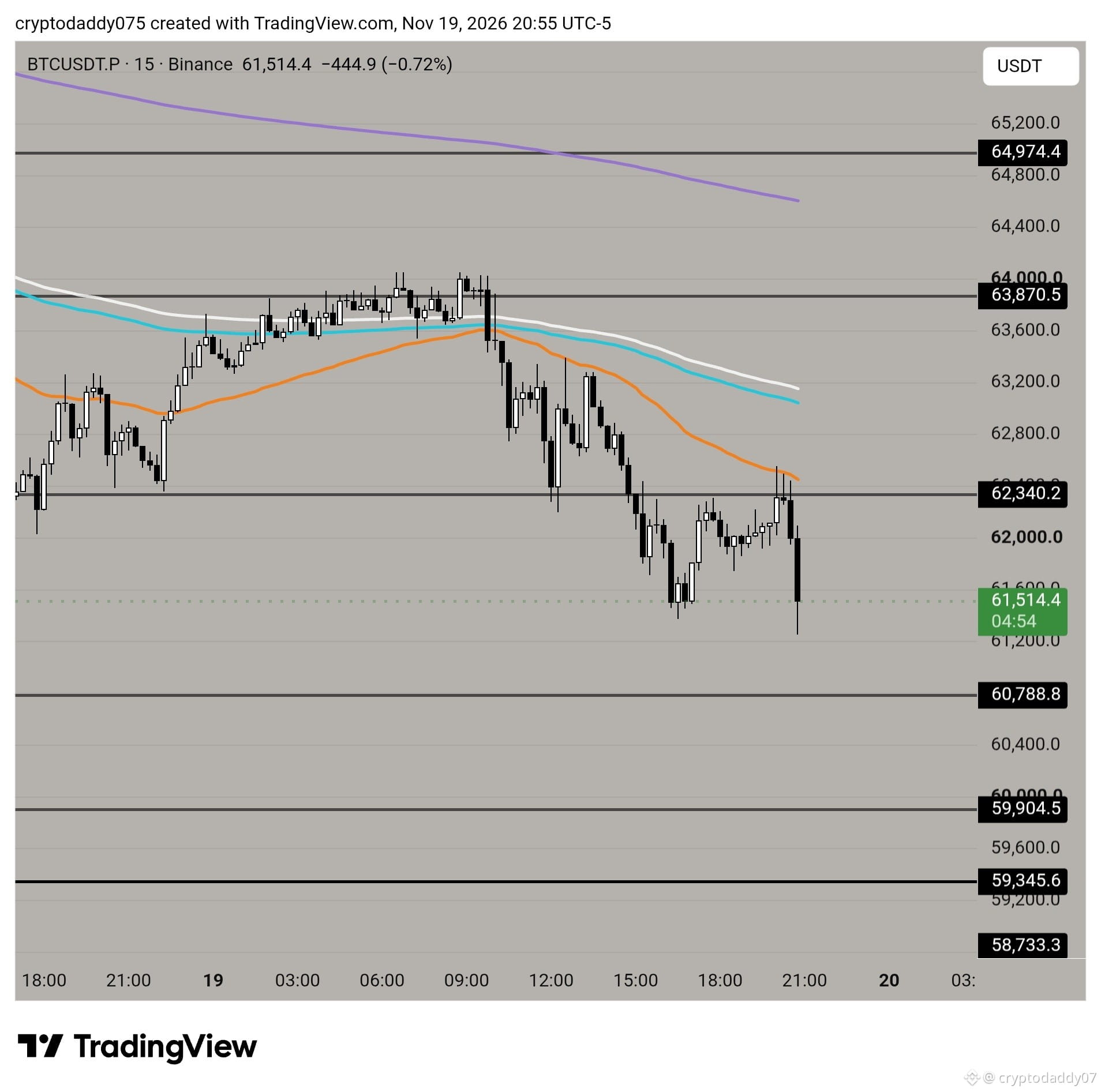
$BTC — Two moves captured, level by level. From $64,000 to $62,300, then another move from $62,300 to $61,400. Mapping every level as we work our way towards the final target. 🎯📊
As for the swing trade, I'm holding that in another account, with a higher entry.
$BTC — Two moves captured, level by level. From $64,000 to $62,300, then another move from $62,300 to $61,400. Mapping every level as we work our way towards the final target. 🎯📊
As for the swing trade, I'm holding that in another account, with a higher entry.
As for the swing trade, I'm holding that in another account, with a higher entry.
123
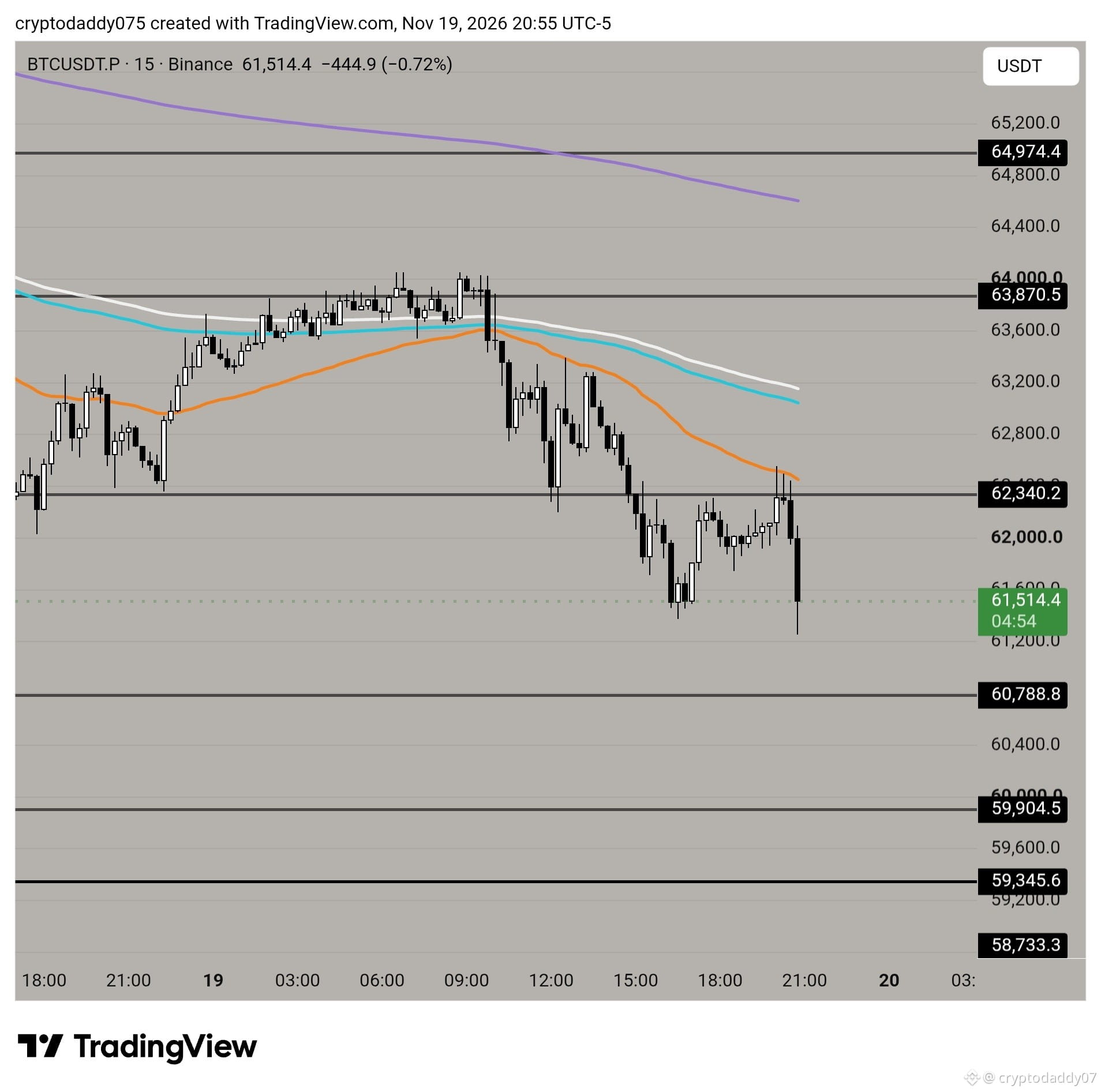
$BTC Another breakout and retest! 📊
You had another opportunity to enter the trade if you missed our initial entry at $64,000. Break the level, wait for the retest, confirm, and take the trade! 🎯
$BTC Another breakout and retest! 📊
You had another opportunity to enter the trade if you missed our initial entry at $64,000. Break the level, wait for the retest, confirm, and take the trade! 🎯
You had another opportunity to enter the trade if you missed our initial entry at $64,000. Break the level, wait for the retest, confirm, and take the trade! 🎯
125
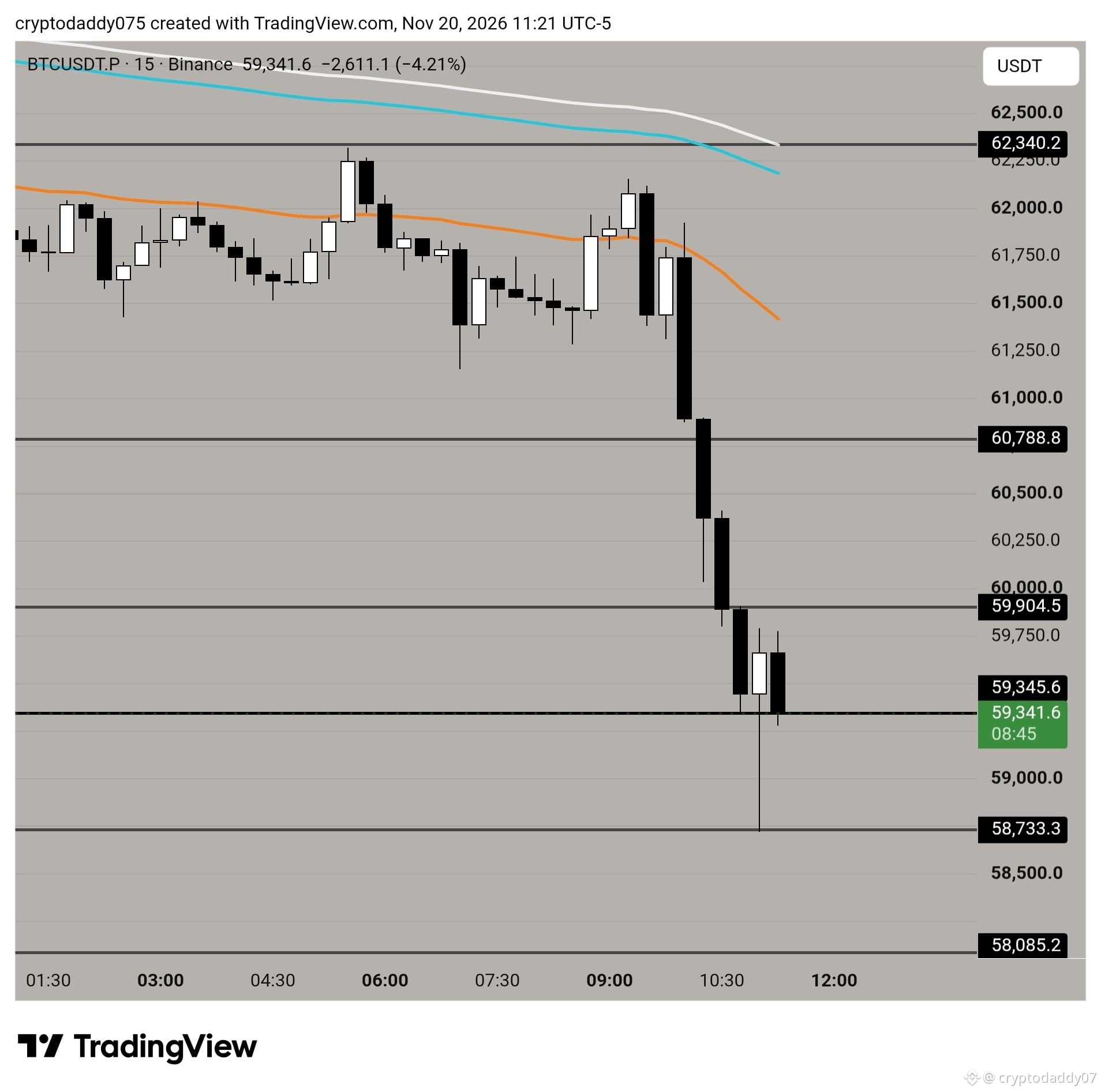
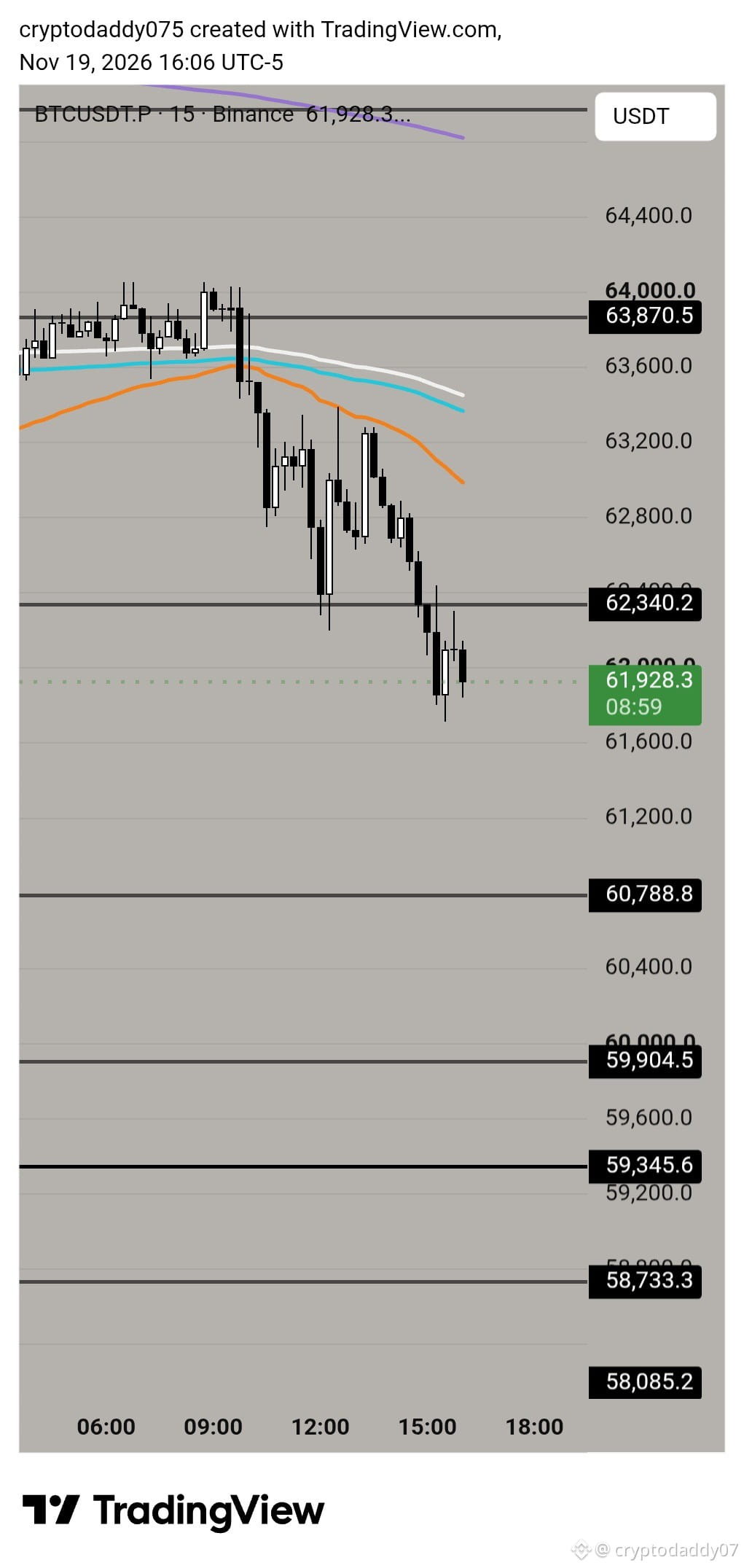
And finally, $BTC broke below support as expected. Place your buy limit and let the market come to us. Now we wait for execution and confirmation. No FOMO, level to level. 🔥
And finally, $BTC broke below support as expected. Place your buy limit and let the market come to us. Now we wait for execution and confirmation. No FOMO, level to level. 🔥
124
🎮 GTA mission update: SHORT SUCCESSFULLY ACTIVATED!
BTC our first entry: $63,950 Current price: $63,200
We're already in profit! 💰 Mission is going according to plan. Stay sharp, manage risk and don't get busted! 😂🐺
🎮 GTA mission update: SHORT SUCCESSFULLY ACTIVATED!
BTC our first entry: $63,950 Current price: $63,200
We're already in profit! 💰 Mission is going according to plan. Stay sharp, manage risk and don't get busted! 😂🐺
BTC our first entry: $63,950 Current price: $63,200
We're already in profit! 💰 Mission is going according to plan. Stay sharp, manage risk and don't get busted! 😂🐺
21
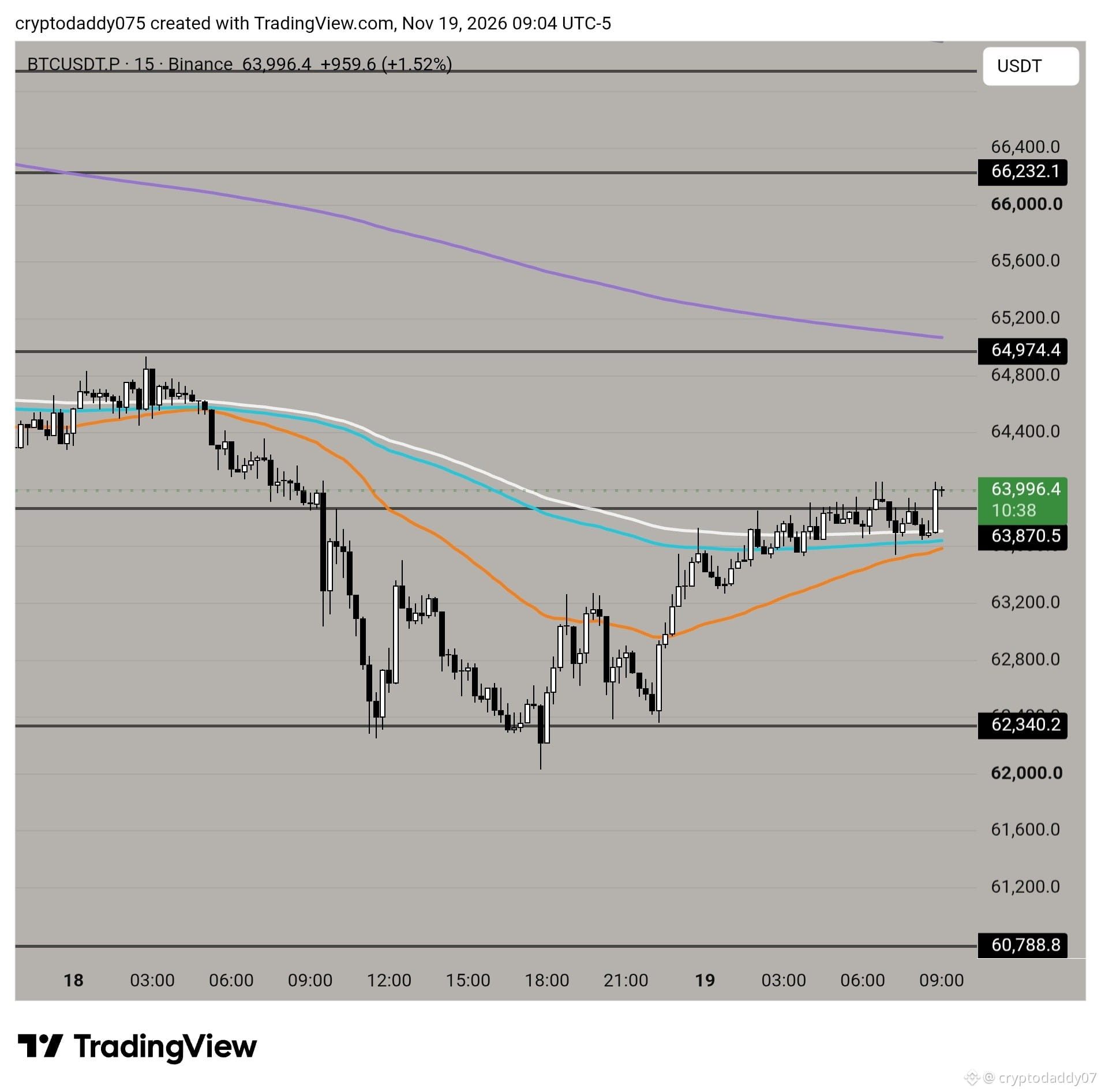
🚨 BTC/USDT — SHORT SETUP ON WATCH! 🔴
Bitcoin is approaching a key resistance zone. I'm watching for another rejection before the next potential move down.
🎯 The Plan:
🔹 First Entry: CMP (Current Market Price) 🔹 Second Entry: $64,974 🛑 Stop Loss: $66,400 💰 Take Profit: $58,017
No FOMO. No blind entries. Waiting for confirmation and executing level to level.
Let's see if BTC gives us the move! 🐺📉
#BTC
1
357
🎮 GTA 6 or More Time on the Charts? 😂
With GTA 6 coming, I'm seriously thinking about buying it and taking a break from trading...
But then I thought: What if I just stay on the charts and add GTA 6 to my watchlist? 🤣
$BTC , $ETH , $XRP … and now GTA 6? 📈
🐺 Be honest:
What should Crypto Daddy do?
1️⃣ Buy GTA 6 and enjoy the game 🎮
2️⃣ Stay focused on BTC, ETH & XRP 📊
3️⃣ Do both and trade between missions 😂
Let's vote! 👇
No FOMO. No FUD. Trust the Lines.

47

Article
BITCOIN MARKET CYCLES: FOUR CRASHES, FOUR COMEBACKS — IS HISTORY REPEATING ITSELF?Bitcoin has been declared dead more times than most financial assets have even existed.
Every major crash brings the same headlines. Every prolonged bear market creates the same fear. Investors begin questioning whether Bitcoin's best days are behind it, while others abandon the market completely.
But when we step back and examine Bitcoin's history, something interesting appears.
Across multiple market cycles, Bitcoin has repeatedly followed a familiar pattern: a powerful rally, an explosive peak, a brutal correction, a long period of uncertainty, and eventually another major recovery.
From its early trading days, when Bitcoin was worth only a fraction of today's price, to its historic peak near $126,000 in October 2025, the journey has been anything but smooth.
The question is not whether Bitcoin has experienced major crashes. It has.
The bigger question is whether the market is once again following a pattern that has appeared throughout its history.
2011–2013: THE FIRST MAJOR CRASH — WHEN BITCOIN WAS STILL AN EXPERIMENT
Bitcoin's early years were defined by extreme volatility and uncertainty.
During 2011, Bitcoin experienced its first major speculative rally, climbing toward approximately $32 before suffering a dramatic collapse toward $2.
At that time, the market was still small, liquidity was limited, and confidence in Bitcoin was far from established.
For many investors, the crash looked like the end of the experiment.
But Bitcoin survived.
Over the following years, interest gradually returned. Adoption expanded, more exchanges appeared, and the market began attracting attention beyond its earliest supporters.
By late 2013, Bitcoin had climbed above $1,000.
The first major lesson was already visible: a dramatic correction did not necessarily mean the end of Bitcoin.
2014–2015: THE MT. GOX COLLAPSE AND ANOTHER TEST OF CONFIDENCE
The next major crisis arrived with the collapse of Mt. Gox, one of the most important Bitcoin exchanges at the time.
The incident severely damaged confidence in the cryptocurrency market.
Bitcoin entered a prolonged bear market, eventually trading around the $150–$200 area during the 2015 lows.
The sentiment was negative. Investors questioned the security of exchanges, the future of cryptocurrency infrastructure, and whether Bitcoin could ever regain its previous momentum.
Yet the market continued developing.
Infrastructure improved, new participants entered, and Bitcoin slowly began recovering.
By December 2017, Bitcoin had reached approximately $20,000.
Once again, the market had moved from widespread fear to extraordinary optimism.
2018: THE $20,000 PEAK BECOMES A $3,100 LOW
The excitement of 2017 did not last forever.
After reaching approximately $20,000, Bitcoin entered another major correction.
Throughout 2018, prices continued falling, eventually reaching approximately $3,100.
The decline was painful for investors who had entered near the top.
Market enthusiasm disappeared, trading activity weakened, and discussions about Bitcoin's long-term future returned.
But the next recovery would become one of the most important chapters in Bitcoin's history.
In 2020 and 2021, a combination of growing institutional interest, expanding market participation, and changing macroeconomic conditions helped drive another major rally.
Bitcoin eventually reached approximately $69,000 in November 2021.
The pattern looked familiar: a powerful bull market followed by a devastating correction, then another recovery.
2022: FTX, MARKET FEAR AND THE FALL TOWARD $15,500
The 2022 bear market brought another major shock.
The collapse of #FTX accelerated the decline in confidence across the cryptocurrency industry.
$BTC , already under pressure, fell toward approximately $15,500.
For many market participants, this was another moment when the future looked uncertain.
The crisis also reminded investors of an important distinction: Bitcoin itself and the centralized companies operating around it are not the same thing.
Failures of exchanges, lenders, and other market participants can have serious consequences for investors and prices, but they do not automatically determine Bitcoin's long-term future.
The market eventually recovered.
Bitcoin went on to reach a new all-time high near $126,000 in October 2025.
Another cycle had unfolded, although the market was now much larger and more mature than it had been in its early years.
WHAT HAS CHANGED WITH EACH BITCOIN CYCLE?
One of the most interesting details in Bitcoin's history is that percentage returns have generally become smaller as the asset has grown.
In its early years, Bitcoin was a relatively small market. Even a comparatively limited amount of new demand could produce extraordinary percentage gains.
Today, Bitcoin has a much larger market capitalization, deeper liquidity, broader institutional participation, and a more developed financial ecosystem.
This does not mean volatility has disappeared.
Bitcoin remains capable of significant corrections, and investor sentiment can change quickly.
However, comparing every new cycle directly with the earliest cycles can be misleading.
A move from $2 to $20 represents a tenfold increase. A move from $20,000 to $200,000 would also represent a tenfold increase, but the amount of capital required is dramatically different.
The market has changed, and expectations should change with it.
IS BITCOIN HISTORY REPEATING ITSELF?
Historical cycles provide valuable context, but they are not a guaranteed roadmap.
The fact that Bitcoin recovered after previous crashes does not prove that every future correction will produce the same result.
Macroeconomic conditions, interest rates, institutional flows, regulation, liquidity, investor positioning, and broader risk appetite can all influence the next market move.
This is why blindly buying every dip can be dangerous.
A historical pattern should be studied, not treated as a promise.
The important question is whether current market conditions are showing signs of stabilization, whether important levels are holding, and whether buyers are actually returning.
Price confirmation matters more than emotions.
THE CRYPTO DADDY PERSPECTIVE
Bitcoin has survived exchange failures, major corrections, market panic, and repeated predictions of its disappearance.
Its history demonstrates remarkable resilience, but resilience does not eliminate risk.
I prefer to approach the market level to level.
No blind predictions. No chasing candles. No emotional decisions.
Watch the important levels. Wait for confirmation. Respect invalidation. Manage risk.
The next major Bitcoin move will not be decided by historical charts alone. Traders still need to understand what the market is doing right now.
Four major crashes. Four powerful recoveries. One market that continues to evolve.
Is history repeating itself, or is Bitcoin entering a completely different phase?
Share your view.
🐺 CRYPTO DADDY - More on my website: cryptodaddyss.com
NO FOMO. NO FUD. TRUST THE LINES.
Disclaimer: This article is for educational and informational purposes only. It does not constitute financial or investment advice. Cryptocurrency markets are highly volatile, and historical performance does not guarantee future results.
BITCOIN MARKET CYCLES: FOUR CRASHES, FOUR COMEBACKS — IS HISTORY REPEATING ITSELF?
Bitcoin has been declared dead more times than most financial assets have even existed.
Every major crash brings the same headlines. Every prolonged bear market creates the same fear. Investors begin questioning whether Bitcoin's best days are behind it, while others abandon the market completely.
But when we step back and examine Bitcoin's history, something interesting appears.
Across multiple market cycles, Bitcoin has repeatedly followed a familiar pattern: a powerful rally, an explosive peak, a brutal correction, a long period of uncertainty, and eventually another major recovery.
From its early trading days, when Bitcoin was worth only a fraction of today's price, to its historic peak near $126,000 in October 2025, the journey has been anything but smooth.
The question is not whether Bitcoin has experienced major crashes. It has.
The bigger question is whether the market is once again following a pattern that has appeared throughout its history.
2011–2013: THE FIRST MAJOR CRASH — WHEN BITCOIN WAS STILL AN EXPERIMENT
Bitcoin's early years were defined by extreme volatility and uncertainty.
During 2011, Bitcoin experienced its first major speculative rally, climbing toward approximately $32 before suffering a dramatic collapse toward $2.
At that time, the market was still small, liquidity was limited, and confidence in Bitcoin was far from established.
For many investors, the crash looked like the end of the experiment.
But Bitcoin survived.
Over the following years, interest gradually returned. Adoption expanded, more exchanges appeared, and the market began attracting attention beyond its earliest supporters.
By late 2013, Bitcoin had climbed above $1,000.
The first major lesson was already visible: a dramatic correction did not necessarily mean the end of Bitcoin.
2014–2015: THE MT. GOX COLLAPSE AND ANOTHER TEST OF CONFIDENCE
The next major crisis arrived with the collapse of Mt. Gox, one of the most important Bitcoin exchanges at the time.
The incident severely damaged confidence in the cryptocurrency market.
Bitcoin entered a prolonged bear market, eventually trading around the $150–$200 area during the 2015 lows.
The sentiment was negative. Investors questioned the security of exchanges, the future of cryptocurrency infrastructure, and whether Bitcoin could ever regain its previous momentum.
Yet the market continued developing.
Infrastructure improved, new participants entered, and Bitcoin slowly began recovering.
By December 2017, Bitcoin had reached approximately $20,000.
Once again, the market had moved from widespread fear to extraordinary optimism.
2018: THE $20,000 PEAK BECOMES A $3,100 LOW
The excitement of 2017 did not last forever.
After reaching approximately $20,000, Bitcoin entered another major correction.
Throughout 2018, prices continued falling, eventually reaching approximately $3,100.
The decline was painful for investors who had entered near the top.
Market enthusiasm disappeared, trading activity weakened, and discussions about Bitcoin's long-term future returned.
But the next recovery would become one of the most important chapters in Bitcoin's history.
In 2020 and 2021, a combination of growing institutional interest, expanding market participation, and changing macroeconomic conditions helped drive another major rally.
Bitcoin eventually reached approximately $69,000 in November 2021.
The pattern looked familiar: a powerful bull market followed by a devastating correction, then another recovery.
2022: FTX, MARKET FEAR AND THE FALL TOWARD $15,500
The 2022 bear market brought another major shock.
The collapse of #FTX accelerated the decline in confidence across the cryptocurrency industry.
$BTC , already under pressure, fell toward approximately $15,500.
For many market participants, this was another moment when the future looked uncertain.
The crisis also reminded investors of an important distinction: Bitcoin itself and the centralized companies operating around it are not the same thing.
Failures of exchanges, lenders, and other market participants can have serious consequences for investors and prices, but they do not automatically determine Bitcoin's long-term future.
The market eventually recovered.
Bitcoin went on to reach a new all-time high near $126,000 in October 2025.
Another cycle had unfolded, although the market was now much larger and more mature than it had been in its early years.
WHAT HAS CHANGED WITH EACH BITCOIN CYCLE?
One of the most interesting details in Bitcoin's history is that percentage returns have generally become smaller as the asset has grown.
In its early years, Bitcoin was a relatively small market. Even a comparatively limited amount of new demand could produce extraordinary percentage gains.
Today, Bitcoin has a much larger market capitalization, deeper liquidity, broader institutional participation, and a more developed financial ecosystem.
This does not mean volatility has disappeared.
Bitcoin remains capable of significant corrections, and investor sentiment can change quickly.
However, comparing every new cycle directly with the earliest cycles can be misleading.
A move from $2 to $20 represents a tenfold increase. A move from $20,000 to $200,000 would also represent a tenfold increase, but the amount of capital required is dramatically different.
The market has changed, and expectations should change with it.
IS BITCOIN HISTORY REPEATING ITSELF?
Historical cycles provide valuable context, but they are not a guaranteed roadmap.
The fact that Bitcoin recovered after previous crashes does not prove that every future correction will produce the same result.
Macroeconomic conditions, interest rates, institutional flows, regulation, liquidity, investor positioning, and broader risk appetite can all influence the next market move.
This is why blindly buying every dip can be dangerous.
A historical pattern should be studied, not treated as a promise.
The important question is whether current market conditions are showing signs of stabilization, whether important levels are holding, and whether buyers are actually returning.
Price confirmation matters more than emotions.
THE CRYPTO DADDY PERSPECTIVE
Bitcoin has survived exchange failures, major corrections, market panic, and repeated predictions of its disappearance.
Its history demonstrates remarkable resilience, but resilience does not eliminate risk.
I prefer to approach the market level to level.
No blind predictions. No chasing candles. No emotional decisions.
Watch the important levels. Wait for confirmation. Respect invalidation. Manage risk.
The next major Bitcoin move will not be decided by historical charts alone. Traders still need to understand what the market is doing right now.
Four major crashes. Four powerful recoveries. One market that continues to evolve.
Is history repeating itself, or is Bitcoin entering a completely different phase?
Share your view.
🐺 CRYPTO DADDY - More on my website: cryptodaddyss.com
NO FOMO. NO FUD. TRUST THE LINES.
Disclaimer: This article is for educational and informational purposes only. It does not constitute financial or investment advice. Cryptocurrency markets are highly volatile, and historical performance does not guarantee future results.
3
210
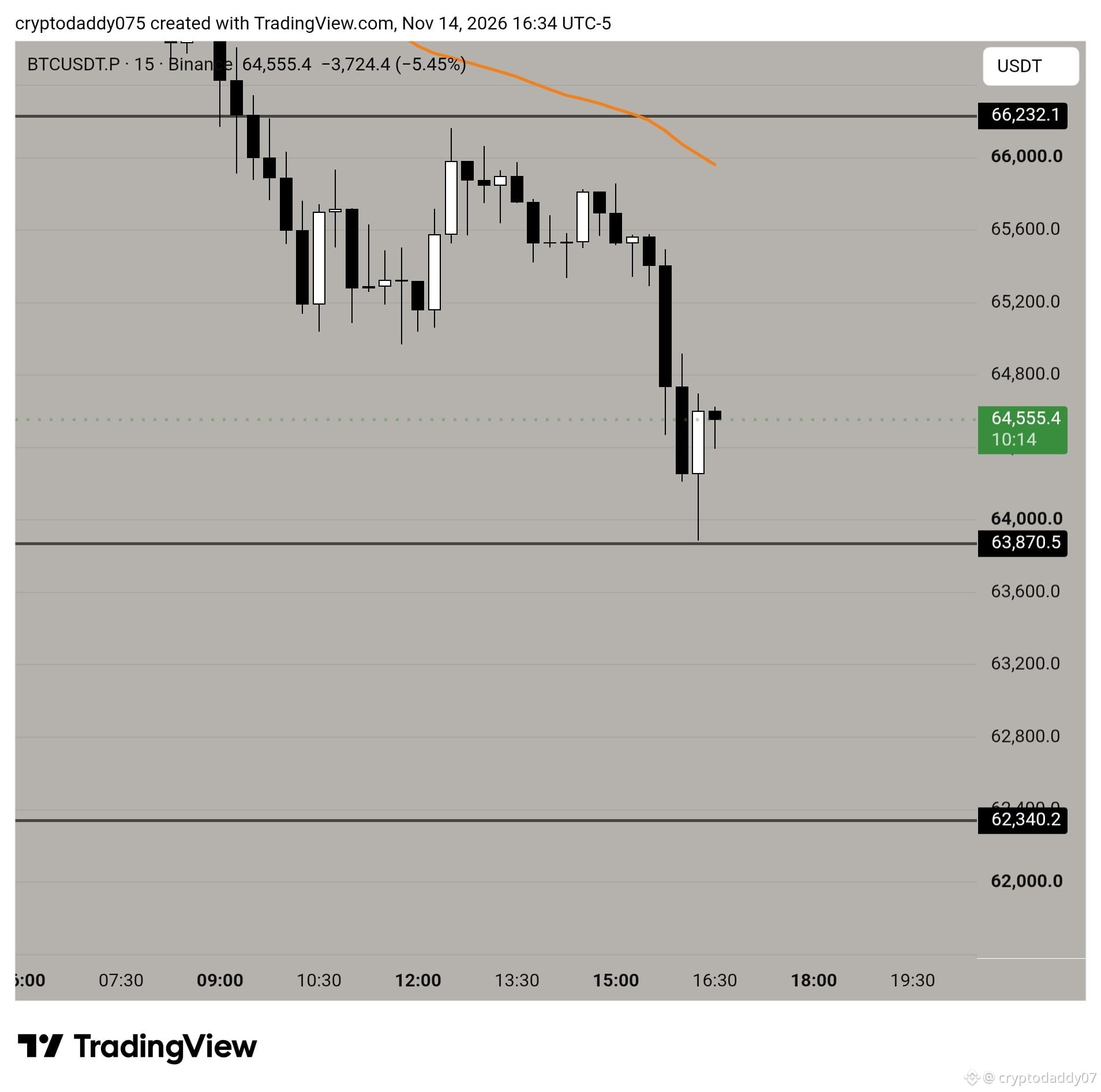
$BTC UPDATE 🐺
The 63K zone is the last major support area Bulls need to defend.
We need to see a strong reaction and bounce from this zone. If it fails to hold, the bullish structure could be in serious trouble.
Level to level. Let the market confirm.
No FOMO. No FUD.
— Crypto Daddy
$BTC UPDATE 🐺
The 63K zone is the last major support area Bulls need to defend.
We need to see a strong reaction and bounce from this zone. If it fails to hold, the bullish structure could be in serious trouble.
Level to level. Let the market confirm.
No FOMO. No FUD.
— Crypto Daddy
The 63K zone is the last major support area Bulls need to defend.
We need to see a strong reaction and bounce from this zone. If it fails to hold, the bullish structure could be in serious trouble.
Level to level. Let the market confirm.
No FOMO. No FUD.
— Crypto Daddy
168

Article
Bitcoin Breaks $71,400: The Next BTC & ETH Levels We Are WatchingBitcoin has officially broken below the $71,400 major support level that we had been monitoring in our previous market analyses.
This was an important level for the market. We discussed its significance before the breakdown, and now that $BTC has lost it, our attention shifts toward the next potential support areas.
The question is no longer whether Bitcoin can hold $71,400. The question is where buyers could step in next — and whether the market can show enough strength to confirm a recovery.
1. Bitcoin: The Next Levels to Watch
Our next areas of interest are:
$66,300: The first potential reaction zone.$63,800: The next important support area if selling pressure continues.
These are levels we want to monitor closely. However, reaching a support zone does not automatically mean that the market will reverse.
We need to see how price reacts when it gets there.
A strong reaction, a recovery of important levels, and confirmation from price action would give us a better reason to consider potential long opportunities.
Until then, patience is more important than trying to catch the exact bottom.
2. Ethereum: $1,844 on Our Radar
Ethereum is also approaching an important area.
The $1,844 level is currently one of the zones we are watching for a potential reaction.
If $ETH reaches this area, we will be looking at how buyers respond rather than entering simply because the price has reached a specific number.
Bitcoin's behaviour will also remain important for Ethereum and the broader altcoin market.
3. Liquidity: Another Factor Worth Watching
Market liquidity remains an important part of the bigger picture.
Recent reports have pointed to a contraction in stablecoin supply, with approximately $14.2 billion reportedly leaving the stablecoin market over a 30-day period.
If confirmed, this would be an important development because stablecoins represent a major source of available capital within crypto markets.
However, liquidity data should be considered alongside other factors. It does not independently determine where Bitcoin will find its bottom.
4. Uncertainty Beyond Crypto
The broader financial environment is also contributing to market uncertainty.
Developments involving the US aviation system, macroeconomic concerns, the strength of the dollar, interest-rate expectations and institutional investment flows can all influence overall market sentiment.
We should be careful not to attribute Bitcoin's decline to one headline or one event.
Markets are influenced by multiple factors, and sometimes news accelerates a move that technical levels were already warning us to watch.
That is why we prefer to focus on price behaviour instead of chasing every headline.
5. Are We Looking for a Bottom?
At this stage, we are not declaring that the bottom is in.
We are identifying areas where a potential reaction could develop.
There is a difference between buying because a price looks cheap and buying after the market gives us confirmation.
Our approach remains unchanged:
No chasing falling prices.No emotional entries.No forcing swing trades.Wait for price to reach our levels.Look for confirmation before taking risk.
There may be short-term scalp opportunities, but for larger swing positions, we want to see a clearer structure first.
Final Thoughts
Bitcoin losing $71,400 changes the short-term picture.
Our attention is now on $66,300 and $63,800, while Ethereum's $1,844 area remains on our radar.
The market may still surprise us in either direction. We do not need to predict every move. We need to prepare, manage risk and react when the right conditions appear.
Trust the lines. Level to level.
No FOMO. No FUD.
This article represents our market analysis and personal perspective, not financial advice.
Read the full analysis on cryptodaddyss.com
Bitcoin Breaks $71,400: The Next BTC & ETH Levels We Are Watching
Bitcoin has officially broken below the $71,400 major support level that we had been monitoring in our previous market analyses.
This was an important level for the market. We discussed its significance before the breakdown, and now that $BTC has lost it, our attention shifts toward the next potential support areas.
The question is no longer whether Bitcoin can hold $71,400. The question is where buyers could step in next — and whether the market can show enough strength to confirm a recovery.
1. Bitcoin: The Next Levels to Watch
Our next areas of interest are:
$66,300: The first potential reaction zone.$63,800: The next important support area if selling pressure continues.
These are levels we want to monitor closely. However, reaching a support zone does not automatically mean that the market will reverse.
We need to see how price reacts when it gets there.
A strong reaction, a recovery of important levels, and confirmation from price action would give us a better reason to consider potential long opportunities.
Until then, patience is more important than trying to catch the exact bottom.
2. Ethereum: $1,844 on Our Radar
Ethereum is also approaching an important area.
The $1,844 level is currently one of the zones we are watching for a potential reaction.
If $ETH reaches this area, we will be looking at how buyers respond rather than entering simply because the price has reached a specific number.
Bitcoin's behaviour will also remain important for Ethereum and the broader altcoin market.
3. Liquidity: Another Factor Worth Watching
Market liquidity remains an important part of the bigger picture.
Recent reports have pointed to a contraction in stablecoin supply, with approximately $14.2 billion reportedly leaving the stablecoin market over a 30-day period.
If confirmed, this would be an important development because stablecoins represent a major source of available capital within crypto markets.
However, liquidity data should be considered alongside other factors. It does not independently determine where Bitcoin will find its bottom.
4. Uncertainty Beyond Crypto
The broader financial environment is also contributing to market uncertainty.
Developments involving the US aviation system, macroeconomic concerns, the strength of the dollar, interest-rate expectations and institutional investment flows can all influence overall market sentiment.
We should be careful not to attribute Bitcoin's decline to one headline or one event.
Markets are influenced by multiple factors, and sometimes news accelerates a move that technical levels were already warning us to watch.
That is why we prefer to focus on price behaviour instead of chasing every headline.
5. Are We Looking for a Bottom?
At this stage, we are not declaring that the bottom is in.
We are identifying areas where a potential reaction could develop.
There is a difference between buying because a price looks cheap and buying after the market gives us confirmation.
Our approach remains unchanged:
No chasing falling prices.No emotional entries.No forcing swing trades.Wait for price to reach our levels.Look for confirmation before taking risk.
There may be short-term scalp opportunities, but for larger swing positions, we want to see a clearer structure first.
Final Thoughts
Bitcoin losing $71,400 changes the short-term picture.
Our attention is now on $66,300 and $63,800, while Ethereum's $1,844 area remains on our radar.
The market may still surprise us in either direction. We do not need to predict every move. We need to prepare, manage risk and react when the right conditions appear.
Trust the lines. Level to level.
No FOMO. No FUD.
This article represents our market analysis and personal perspective, not financial advice.
Read the full analysis on cryptodaddyss.com
121
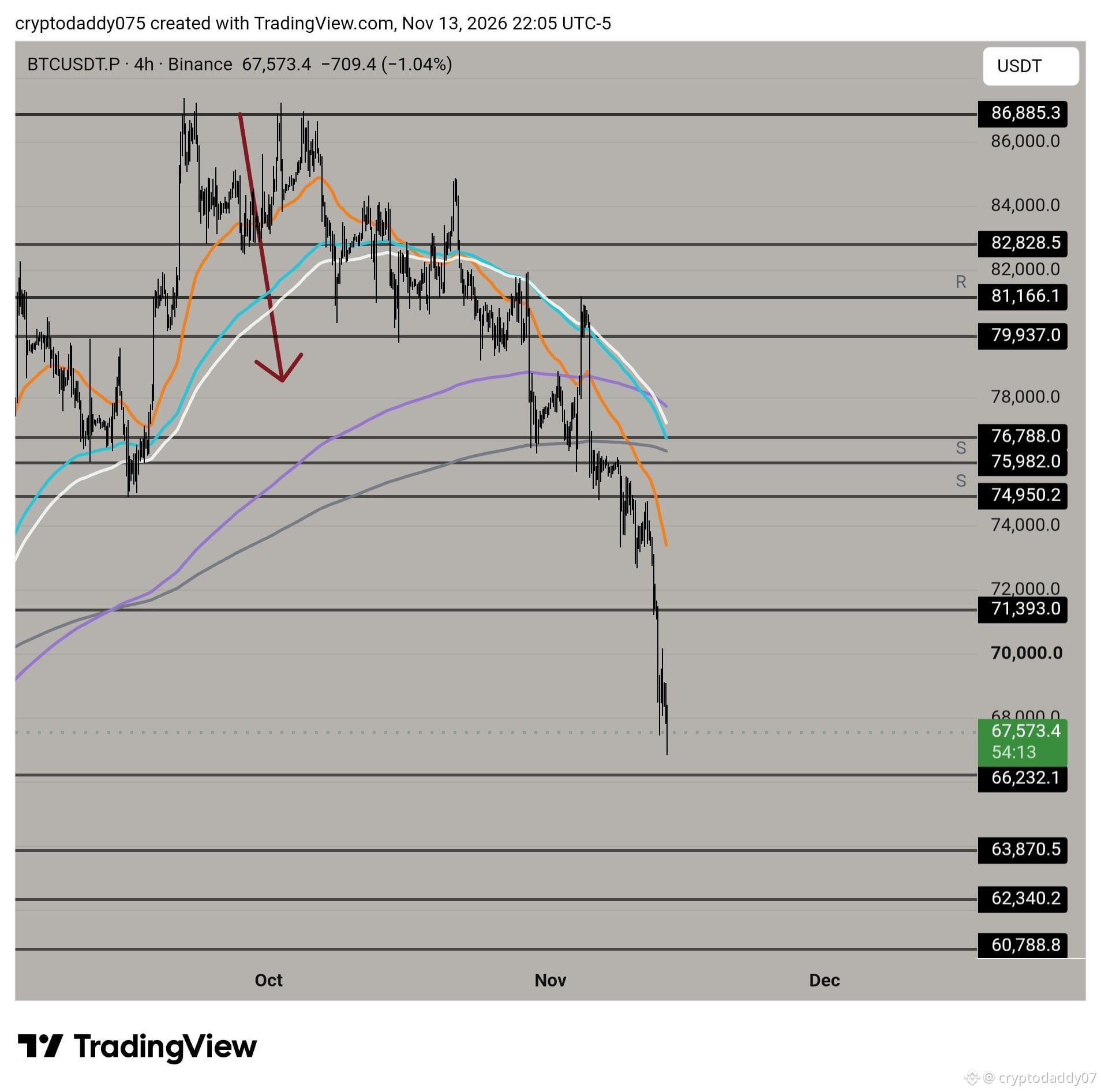
$BTC is getting closer to our buy zones! 👀🔥
We're preparing for potential SWING LONG opportunities. Stay patient, wait for confirmation, and be ready.
The best entries come to those who wait for the right levels.
No FOMO. No chasing. Let the levels come to us. 🚀
$BTC is getting closer to our buy zones! 👀🔥
We're preparing for potential SWING LONG opportunities. Stay patient, wait for confirmation, and be ready.
The best entries come to those who wait for the right levels.
No FOMO. No chasing. Let the levels come to us. 🚀
We're preparing for potential SWING LONG opportunities. Stay patient, wait for confirmation, and be ready.
The best entries come to those who wait for the right levels.
No FOMO. No chasing. Let the levels come to us. 🚀
114
$BTC — Which scenario would you prefer? 👀😂
1️⃣ Scenario: Straight to $76K from here, no bounce at the lower levels, then come back later to test those zones.
2️⃣ Scenario: Bounce from the levels I've mentioned, then push towards $76K and potentially higher. 🚀
Which one are you choosing?
Let's hear your thoughts! 👇
1️⃣ Scenario: Straight to $76K from here, no bounce at the lower levels, then come back later to test those zones.
2️⃣ Scenario: Bounce from the levels I've mentioned, then push towards $76K and potentially higher. 🚀
Which one are you choosing?
Let's hear your thoughts! 👇
49
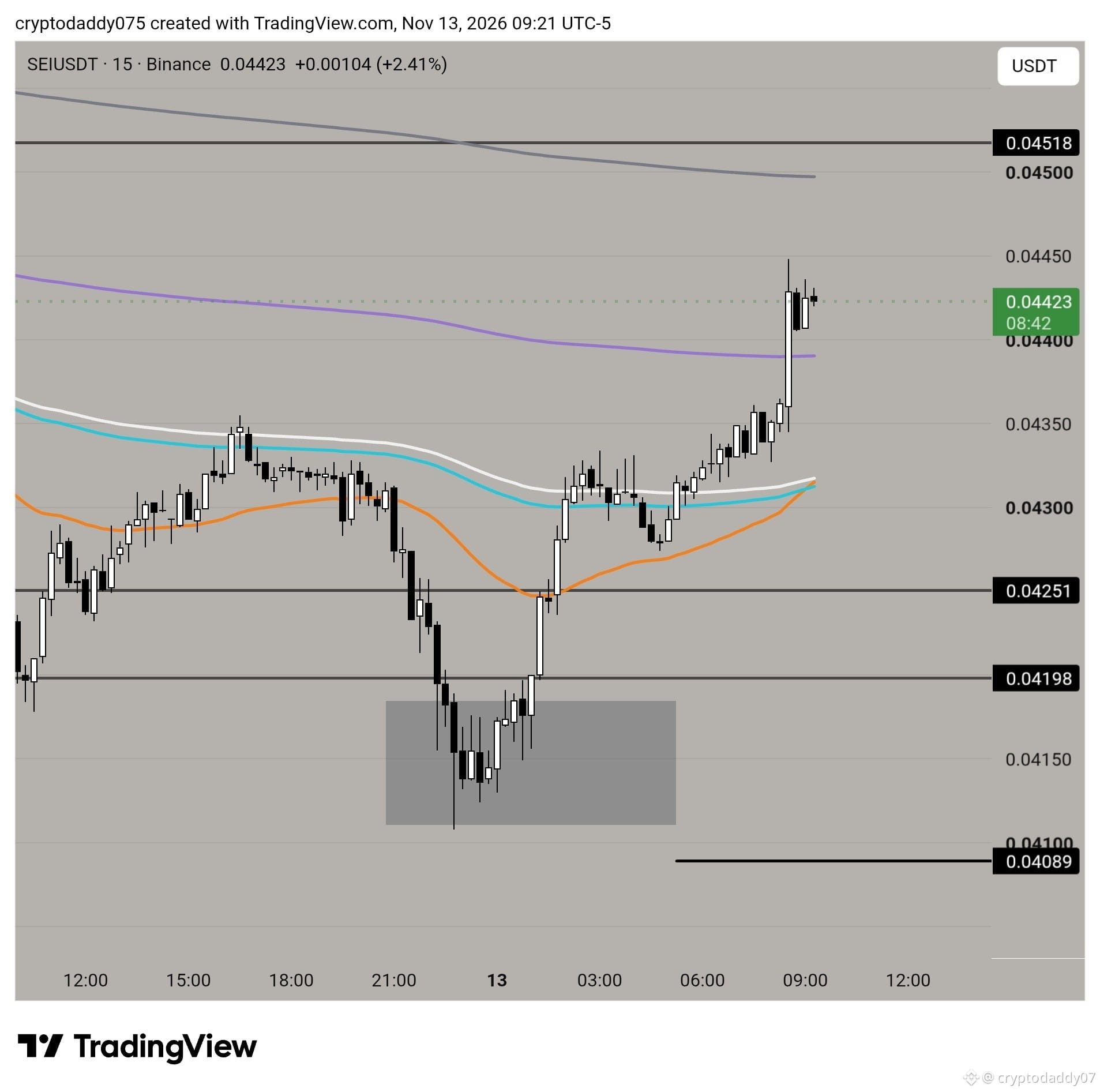
SEI already showed us what can happen when price reaches a level we've been watching. 🎯
As mentioned earlier, I was waiting for SEI to reach support, and today we got the reaction.
Now I'm waiting for BTC to show us a similar reaction at the levels I've shared.
$66,300 — First area I'm watching. $63K — Next potential area if support fails.
I'm looking for confirmation before building a swing long position.
No confirmation = No trade.
We don't chase the market. We let the market come to us.
LEVEL TO LEVEL. TRUST THE LINES.
235
Log in to explore more content
Join global crypto users on Binance Square
⚡️ Get latest and useful information about crypto.
💬 Trusted by the world’s largest crypto exchange.
👍 Discover real insights from verified creators.
Email / Phone number