

Cointime
10.4k Posts

Cointime
 Square Verified+
Report
Block User
Faster Crypto news!
3 Following
2.8K+ Followers
2.9K+ Liked
Posts
All
Videos
·
--
Meta uses AI data center to apply for high tax credits
According to The New York Times, Meta is using the U.S. research and development experimental tax credit policy to seek tax breaks worth billions of dollars for its artificial intelligence data centers. Last year, the policy helped Meta reduce its tax burden by nearly $4 billion, but internal accountants warned that doing so carries legal risks. BPM partner and tax advisory firm stated that classifying AI data centers as “beyond the norm” R&D experimental projects.
Meta uses AI data center to apply for high tax credits
According to The New York Times, Meta is using the U.S. research and development experimental tax credit policy to seek tax breaks worth billions of dollars for its artificial intelligence data centers. Last year, the policy helped Meta reduce its tax burden by nearly $4 billion, but internal accountants warned that doing so carries legal risks. BPM partner and tax advisory firm stated that classifying AI data centers as “beyond the norm” R&D experimental projects.
According to The New York Times, Meta is using the U.S. research and development experimental tax credit policy to seek tax breaks worth billions of dollars for its artificial intelligence data centers. Last year, the policy helped Meta reduce its tax burden by nearly $4 billion, but internal accountants warned that doing so carries legal risks. BPM partner and tax advisory firm stated that classifying AI data centers as “beyond the norm” R&D experimental projects.
15
·
--
After two years, an address rebuilt its ETHFI position at the time of writing, with total investment of about USD 6.99 million
On September 30, according to on-chain analyst Ai Yi ( @ai_9684xtpa ), the address 0xd28…7c1e7 has, since yesterday, accumulated about USD 6.99 million worth of ETHFI. The last time it held/accumulated coins was two years ago. Data shows that yesterday the address withdrew 2.61 million coins from an exchange, and then about an hour ago it withdrew another 6.91 million coins, bringing the total to 9.52 million coins. The current average withdrawal price is USD 0.734; based on market price, it is temporarily up by approximately USD 217,000. The related wallet address has been made public.
After two years, an address rebuilt its ETHFI position at the time of writing, with total investment of about USD 6.99 million
On September 30, according to on-chain analyst Ai Yi ( @ai_9684xtpa ), the address 0xd28…7c1e7 has, since yesterday, accumulated about USD 6.99 million worth of ETHFI. The last time it held/accumulated coins was two years ago. Data shows that yesterday the address withdrew 2.61 million coins from an exchange, and then about an hour ago it withdrew another 6.91 million coins, bringing the total to 9.52 million coins. The current average withdrawal price is USD 0.734; based on market price, it is temporarily up by approximately USD 217,000. The related wallet address has been made public.
On September 30, according to on-chain analyst Ai Yi ( @ai_9684xtpa ), the address 0xd28…7c1e7 has, since yesterday, accumulated about USD 6.99 million worth of ETHFI. The last time it held/accumulated coins was two years ago. Data shows that yesterday the address withdrew 2.61 million coins from an exchange, and then about an hour ago it withdrew another 6.91 million coins, bringing the total to 9.52 million coins. The current average withdrawal price is USD 0.734; based on market price, it is temporarily up by approximately USD 217,000. The related wallet address has been made public.
18
·
--
Cosmos Labs Connects Banking Systems with a Shared Ledger on the SWIFT Blockchain
On September 30, according to a report by Bitcoinist, Cosmos Labs’ Tokenization Suite can connect financial institutions’ internal banking systems, tokenized deposits, and shared ledgers on SWIFT. Banks can use their infrastructure to run their own tokenized deposit ledgers, connect to SWIFT and networks such as Canton, Partior, Ethereum, and Solana, and are compatible with mainstream banking cores such as Fiserv and FIS. Cosmos provides software for integration with banks’ internal records and tokenized currencies, supporting EVM and Hyperledger Besu. At the base, deposits remain the bank’s own liabilities, distinguishing them from stablecoins issued by non-bank institutions. Oracle and Chainlink have also launched similar integrations.
Cosmos Labs Connects Banking Systems with a Shared Ledger on the SWIFT Blockchain
On September 30, according to a report by Bitcoinist, Cosmos Labs’ Tokenization Suite can connect financial institutions’ internal banking systems, tokenized deposits, and shared ledgers on SWIFT. Banks can use their infrastructure to run their own tokenized deposit ledgers, connect to SWIFT and networks such as Canton, Partior, Ethereum, and Solana, and are compatible with mainstream banking cores such as Fiserv and FIS. Cosmos provides software for integration with banks’ internal records and tokenized currencies, supporting EVM and Hyperledger Besu. At the base, deposits remain the bank’s own liabilities, distinguishing them from stablecoins issued by non-bank institutions. Oracle and Chainlink have also launched similar integrations.
On September 30, according to a report by Bitcoinist, Cosmos Labs’ Tokenization Suite can connect financial institutions’ internal banking systems, tokenized deposits, and shared ledgers on SWIFT. Banks can use their infrastructure to run their own tokenized deposit ledgers, connect to SWIFT and networks such as Canton, Partior, Ethereum, and Solana, and are compatible with mainstream banking cores such as Fiserv and FIS. Cosmos provides software for integration with banks’ internal records and tokenized currencies, supporting EVM and Hyperledger Besu. At the base, deposits remain the bank’s own liabilities, distinguishing them from stablecoins issued by non-bank institutions. Oracle and Chainlink have also launched similar integrations.
7
·
--
Bitcoin retail demand drops rapidly, reflecting short-term inflows and exits by small-cap investors
On September 30, crypto analyst Darkfost’s data showed that during this round of BTC’s rally, Bitcoin retail investors (trading volume of $0–10K) saw their demand disappear quickly. Over the past 30 days, the change rate swung from over 17% to -3.5%. Darkfost said this suggests that retail investors tend to enter and exit quickly when prices are high, which may affect BTC’s near-term volatility.
Bitcoin retail demand drops rapidly, reflecting short-term inflows and exits by small-cap investors
On September 30, crypto analyst Darkfost’s data showed that during this round of BTC’s rally, Bitcoin retail investors (trading volume of $0–10K) saw their demand disappear quickly. Over the past 30 days, the change rate swung from over 17% to -3.5%. Darkfost said this suggests that retail investors tend to enter and exit quickly when prices are high, which may affect BTC’s near-term volatility.
On September 30, crypto analyst Darkfost’s data showed that during this round of BTC’s rally, Bitcoin retail investors (trading volume of $0–10K) saw their demand disappear quickly. Over the past 30 days, the change rate swung from over 17% to -3.5%. Darkfost said this suggests that retail investors tend to enter and exit quickly when prices are high, which may affect BTC’s near-term volatility.
5
·
--
Elliptic: North Korea’s encryption theft this year has exceeded $1.2 billion
According to Insurance Journal, blockchain analytics firm Elliptic has disclosed that it has tracked more than 50 North Korea-related security incidents, with cumulative stolen funds of approximately $1.2 billion since the beginning of this year. Some of the stolen Bitget funds overlap with the addresses linked to last year’s Bybit exchange hack involving $1.5 billion. Preliminary on-chain laundering patterns suggest that this Bitget incident was carried out by the hacker group TraderTraitor.
Elliptic: North Korea’s encryption theft this year has exceeded $1.2 billion
According to Insurance Journal, blockchain analytics firm Elliptic has disclosed that it has tracked more than 50 North Korea-related security incidents, with cumulative stolen funds of approximately $1.2 billion since the beginning of this year. Some of the stolen Bitget funds overlap with the addresses linked to last year’s Bybit exchange hack involving $1.5 billion. Preliminary on-chain laundering patterns suggest that this Bitget incident was carried out by the hacker group TraderTraitor.
According to Insurance Journal, blockchain analytics firm Elliptic has disclosed that it has tracked more than 50 North Korea-related security incidents, with cumulative stolen funds of approximately $1.2 billion since the beginning of this year. Some of the stolen Bitget funds overlap with the addresses linked to last year’s Bybit exchange hack involving $1.5 billion. Preliminary on-chain laundering patterns suggest that this Bitget incident was carried out by the hacker group TraderTraitor.
8
·
--
UK FCA opens crypto firms' authorization applications: new regulatory regime to take effect in October 2027
The UK Financial Conduct Authority (FCA) has announced that it is accepting authorization applications from cryptoasset firms under the new regulatory regime starting immediately. Firms planning to continue operating in the UK are required to submit their applications by February 28, 2027. The new regime will take effect on October 25, 2027. At that time, crypto firms operating in the UK will be brought under the FCA’s full supervision for the first time. The relevant standards cover consumer protection, safeguarding of customer assets, market integrity, and financial resilience. The FCA emphasized that submitting an application does not mean automatic approval, and firms that do not meet the requirements will not be allowed to continue offering regulated cryptoasset services in the UK.
UK FCA opens crypto firms' authorization applications: new regulatory regime to take effect in October 2027
The UK Financial Conduct Authority (FCA) has announced that it is accepting authorization applications from cryptoasset firms under the new regulatory regime starting immediately. Firms planning to continue operating in the UK are required to submit their applications by February 28, 2027. The new regime will take effect on October 25, 2027. At that time, crypto firms operating in the UK will be brought under the FCA’s full supervision for the first time. The relevant standards cover consumer protection, safeguarding of customer assets, market integrity, and financial resilience. The FCA emphasized that submitting an application does not mean automatic approval, and firms that do not meet the requirements will not be allowed to continue offering regulated cryptoasset services in the UK.
The UK Financial Conduct Authority (FCA) has announced that it is accepting authorization applications from cryptoasset firms under the new regulatory regime starting immediately. Firms planning to continue operating in the UK are required to submit their applications by February 28, 2027. The new regime will take effect on October 25, 2027. At that time, crypto firms operating in the UK will be brought under the FCA’s full supervision for the first time. The relevant standards cover consumer protection, safeguarding of customer assets, market integrity, and financial resilience. The FCA emphasized that submitting an application does not mean automatic approval, and firms that do not meet the requirements will not be allowed to continue offering regulated cryptoasset services in the UK.
4
·
--
Canadian Listed Company Digital Commodities Sells Physical Gold, Buys About C$100,000 in SOL
On September 30, according to Bitcoinist, Canadian listed company Digital Commodities announced on September 28 that it would sell part of its physical gold holdings and buy about C$100,000 worth of Solana (SOL) (about 5% of its estimated net assets). The company emphasized that this move does not replace its Bitcoin reserves—its reserves remain anchored by 11 BTC plus cash. SOL is classified as the newly established second category of allocation under “AI and blockchain infrastructure growth,” with the first asset in that category. The funds came directly from converting the physical gold; the market sees it as a more explicit portfolio reallocation decision.
Canadian Listed Company Digital Commodities Sells Physical Gold, Buys About C$100,000 in SOL
On September 30, according to Bitcoinist, Canadian listed company Digital Commodities announced on September 28 that it would sell part of its physical gold holdings and buy about C$100,000 worth of Solana (SOL) (about 5% of its estimated net assets). The company emphasized that this move does not replace its Bitcoin reserves—its reserves remain anchored by 11 BTC plus cash. SOL is classified as the newly established second category of allocation under “AI and blockchain infrastructure growth,” with the first asset in that category. The funds came directly from converting the physical gold; the market sees it as a more explicit portfolio reallocation decision.
On September 30, according to Bitcoinist, Canadian listed company Digital Commodities announced on September 28 that it would sell part of its physical gold holdings and buy about C$100,000 worth of Solana (SOL) (about 5% of its estimated net assets). The company emphasized that this move does not replace its Bitcoin reserves—its reserves remain anchored by 11 BTC plus cash. SOL is classified as the newly established second category of allocation under “AI and blockchain infrastructure growth,” with the first asset in that category. The funds came directly from converting the physical gold; the market sees it as a more explicit portfolio reallocation decision.
10
·
--
Iranian Foreign Minister Araghchi has informed the cabinet that he has received a U.S. proposal
September 30, Iranian government spokesperson: Iran’s Foreign Minister Araghchi has informed the Iranian cabinet that he has received a U.S. proposal. Earlier reports said that on Tuesday evening, Araghchi and his team held talks in Doha with Qatar’s mediation representatives. Araghchi received feedback from the United States on its seven-day proposal and will discuss it in Tehran on Wednesday. The documents being negotiated describe a seven-day plan aimed at building mutual trust and returning to an enhanced version of the memorandum of understanding signed by the United States and Iran in June. The main differences between the United States and Iran concern the order of implementation of the measures in the seven-day plan, rather than the specific content included in the plan.
Iranian Foreign Minister Araghchi has informed the cabinet that he has received a U.S. proposal
September 30, Iranian government spokesperson: Iran’s Foreign Minister Araghchi has informed the Iranian cabinet that he has received a U.S. proposal. Earlier reports said that on Tuesday evening, Araghchi and his team held talks in Doha with Qatar’s mediation representatives. Araghchi received feedback from the United States on its seven-day proposal and will discuss it in Tehran on Wednesday. The documents being negotiated describe a seven-day plan aimed at building mutual trust and returning to an enhanced version of the memorandum of understanding signed by the United States and Iran in June. The main differences between the United States and Iran concern the order of implementation of the measures in the seven-day plan, rather than the specific content included in the plan.
September 30, Iranian government spokesperson: Iran’s Foreign Minister Araghchi has informed the Iranian cabinet that he has received a U.S. proposal. Earlier reports said that on Tuesday evening, Araghchi and his team held talks in Doha with Qatar’s mediation representatives. Araghchi received feedback from the United States on its seven-day proposal and will discuss it in Tehran on Wednesday. The documents being negotiated describe a seven-day plan aimed at building mutual trust and returning to an enhanced version of the memorandum of understanding signed by the United States and Iran in June. The main differences between the United States and Iran concern the order of implementation of the measures in the seven-day plan, rather than the specific content included in the plan.
3
·
--
HANetf, in partnership with HSBC, launches British pound and euro-hedged Bitcoin ETC
HANetf, together with HSBC, has launched an exchange-traded product (ETC) that hedges the British pound and euro against Bitcoin. It is described as the first such product globally that offers Bitcoin exposure while reducing the impact of US dollar exchange-rate fluctuations. The pound-hedged product GBTC is already traded on the London Stock Exchange, and the euro-hedged product EBTC is traded on Xetra and Euronext Paris. HSBC provides currency-hedging services. The products are aimed at long-term Bitcoin investors who are concerned about a weakening US dollar; investors do not need to manage custody themselves.
HANetf, in partnership with HSBC, launches British pound and euro-hedged Bitcoin ETC
HANetf, together with HSBC, has launched an exchange-traded product (ETC) that hedges the British pound and euro against Bitcoin. It is described as the first such product globally that offers Bitcoin exposure while reducing the impact of US dollar exchange-rate fluctuations. The pound-hedged product GBTC is already traded on the London Stock Exchange, and the euro-hedged product EBTC is traded on Xetra and Euronext Paris. HSBC provides currency-hedging services. The products are aimed at long-term Bitcoin investors who are concerned about a weakening US dollar; investors do not need to manage custody themselves.
HANetf, together with HSBC, has launched an exchange-traded product (ETC) that hedges the British pound and euro against Bitcoin. It is described as the first such product globally that offers Bitcoin exposure while reducing the impact of US dollar exchange-rate fluctuations. The pound-hedged product GBTC is already traded on the London Stock Exchange, and the euro-hedged product EBTC is traded on Xetra and Euronext Paris. HSBC provides currency-hedging services. The products are aimed at long-term Bitcoin investors who are concerned about a weakening US dollar; investors do not need to manage custody themselves.
5
·
--
Standard Chartered: Initiates Coverage of Ethena, Predicts ENA Token Will Rise to $2 by End of 2028
In a research report released by Geoff Kendrick, Global Head of Digital Assets Research at Standard Chartered, Standard Chartered has officially started coverage of Ethena (ENA), forecasting that the ENA token will reach $2 by the end of 2028. The report notes that Ethena is currently the world’s fourth-largest stablecoin issuer (behind Tether, Circle, and Sky). After its stablecoin USDe launched in late 2023, it quickly became the fastest stablecoin to break the $10 billion market-cap milestone. Yield-bearing stablecoins make up about 5% of the overall stablecoin market; as demand for yield grows among users, this share is expected to continue expanding. On the sources of yield, USDe has gradually diversified over time—from early reliance on crypto basis trading (which previously offered over 20% annualized returns)—to include real-world assets (RWA) and the basis of perpetual stock contracts. Standard Chartered projects that the on-chain RWA size will grow from roughly $40 billion today to $2 trillion by the end of 2028, providing support for ENA’s buyback plans and subsequent price appreciation.
Standard Chartered: Initiates Coverage of Ethena, Predicts ENA Token Will Rise to $2 by End of 2028
In a research report released by Geoff Kendrick, Global Head of Digital Assets Research at Standard Chartered, Standard Chartered has officially started coverage of Ethena (ENA), forecasting that the ENA token will reach $2 by the end of 2028. The report notes that Ethena is currently the world’s fourth-largest stablecoin issuer (behind Tether, Circle, and Sky). After its stablecoin USDe launched in late 2023, it quickly became the fastest stablecoin to break the $10 billion market-cap milestone. Yield-bearing stablecoins make up about 5% of the overall stablecoin market; as demand for yield grows among users, this share is expected to continue expanding. On the sources of yield, USDe has gradually diversified over time—from early reliance on crypto basis trading (which previously offered over 20% annualized returns)—to include real-world assets (RWA) and the basis of perpetual stock contracts. Standard Chartered projects that the on-chain RWA size will grow from roughly $40 billion today to $2 trillion by the end of 2028, providing support for ENA’s buyback plans and subsequent price appreciation.
In a research report released by Geoff Kendrick, Global Head of Digital Assets Research at Standard Chartered, Standard Chartered has officially started coverage of Ethena (ENA), forecasting that the ENA token will reach $2 by the end of 2028. The report notes that Ethena is currently the world’s fourth-largest stablecoin issuer (behind Tether, Circle, and Sky). After its stablecoin USDe launched in late 2023, it quickly became the fastest stablecoin to break the $10 billion market-cap milestone. Yield-bearing stablecoins make up about 5% of the overall stablecoin market; as demand for yield grows among users, this share is expected to continue expanding. On the sources of yield, USDe has gradually diversified over time—from early reliance on crypto basis trading (which previously offered over 20% annualized returns)—to include real-world assets (RWA) and the basis of perpetual stock contracts. Standard Chartered projects that the on-chain RWA size will grow from roughly $40 billion today to $2 trillion by the end of 2028, providing support for ENA’s buyback plans and subsequent price appreciation.
8
·
--
Guo Ming-chi: NVIDIA tests no-glass fiber carbon-hydrogen clad copper boards
In a post, Guo Ming-chi, an analyst at Tianfeng International Securities, said that his latest supply-chain review shows NVIDIA has begun testing carbon-hydrogen-resin-based no-glass-fiber clad copper boards to replace the no-glass-fiber PTFE clad copper boards used in earlier tests, and that they are paired with no-glass-fiber carbon-hydrogen semi-cured sheets. The tests are intended to confirm whether this combination can meet the PCB requirements for Rubin Ultra NVL576 interconnect tray. NVL576 is an eight-rack interconnect solution, expected to enter mass production in the second half of 2027. Guo Ming-chi said that preliminary testing conducted to improve PCB manufacturability indicates the no-glass-fiber carbon-hydrogen clad copper board can meet the high-frequency electrical requirements of the interconnect tray. Its electrical performance is weaker than the original PTFE solution, but better than the M9-level solution, and exceeds the published specifications for M10. The result does not indicate the final material selection; it shows that NVIDIA is still seeking higher PCB manufacturing yield and production efficiency while meeting electrical requirements. Guo Ming-chi also said that Unimicron? currently is the leading supplier for the NVL576 interconnect tray material evaluation. The related materials include a no-glass-fiber PTFE clad copper board SG5300N, a no-glass-fiber carbon-hydrogen clad copper board SG1030N, and a no-glass-fiber carbon-hydrogen semi-cured sheet SIF09. SG1030N and SIF09 still contain a small amount of PTFE. He further said that once the specifications are finalized and mass production begins, Unimicron? is expected to accelerate procurement from Chinese carbon-hydrogen material suppliers such as Dongcai, Shengquan, and potential supplier GCH Technology.
Guo Ming-chi: NVIDIA tests no-glass fiber carbon-hydrogen clad copper boards
In a post, Guo Ming-chi, an analyst at Tianfeng International Securities, said that his latest supply-chain review shows NVIDIA has begun testing carbon-hydrogen-resin-based no-glass-fiber clad copper boards to replace the no-glass-fiber PTFE clad copper boards used in earlier tests, and that they are paired with no-glass-fiber carbon-hydrogen semi-cured sheets. The tests are intended to confirm whether this combination can meet the PCB requirements for Rubin Ultra NVL576 interconnect tray. NVL576 is an eight-rack interconnect solution, expected to enter mass production in the second half of 2027. Guo Ming-chi said that preliminary testing conducted to improve PCB manufacturability indicates the no-glass-fiber carbon-hydrogen clad copper board can meet the high-frequency electrical requirements of the interconnect tray. Its electrical performance is weaker than the original PTFE solution, but better than the M9-level solution, and exceeds the published specifications for M10. The result does not indicate the final material selection; it shows that NVIDIA is still seeking higher PCB manufacturing yield and production efficiency while meeting electrical requirements. Guo Ming-chi also said that Unimicron? currently is the leading supplier for the NVL576 interconnect tray material evaluation. The related materials include a no-glass-fiber PTFE clad copper board SG5300N, a no-glass-fiber carbon-hydrogen clad copper board SG1030N, and a no-glass-fiber carbon-hydrogen semi-cured sheet SIF09. SG1030N and SIF09 still contain a small amount of PTFE. He further said that once the specifications are finalized and mass production begins, Unimicron? is expected to accelerate procurement from Chinese carbon-hydrogen material suppliers such as Dongcai, Shengquan, and potential supplier GCH Technology.
In a post, Guo Ming-chi, an analyst at Tianfeng International Securities, said that his latest supply-chain review shows NVIDIA has begun testing carbon-hydrogen-resin-based no-glass-fiber clad copper boards to replace the no-glass-fiber PTFE clad copper boards used in earlier tests, and that they are paired with no-glass-fiber carbon-hydrogen semi-cured sheets. The tests are intended to confirm whether this combination can meet the PCB requirements for Rubin Ultra NVL576 interconnect tray. NVL576 is an eight-rack interconnect solution, expected to enter mass production in the second half of 2027. Guo Ming-chi said that preliminary testing conducted to improve PCB manufacturability indicates the no-glass-fiber carbon-hydrogen clad copper board can meet the high-frequency electrical requirements of the interconnect tray. Its electrical performance is weaker than the original PTFE solution, but better than the M9-level solution, and exceeds the published specifications for M10. The result does not indicate the final material selection; it shows that NVIDIA is still seeking higher PCB manufacturing yield and production efficiency while meeting electrical requirements. Guo Ming-chi also said that Unimicron? currently is the leading supplier for the NVL576 interconnect tray material evaluation. The related materials include a no-glass-fiber PTFE clad copper board SG5300N, a no-glass-fiber carbon-hydrogen clad copper board SG1030N, and a no-glass-fiber carbon-hydrogen semi-cured sheet SIF09. SG1030N and SIF09 still contain a small amount of PTFE. He further said that once the specifications are finalized and mass production begins, Unimicron? is expected to accelerate procurement from Chinese carbon-hydrogen material suppliers such as Dongcai, Shengquan, and potential supplier GCH Technology.
4
·
--
Chinese police in Inner Mongolia investigate a virtual currency money-laundering case involving “free credit card repayment” as bait. The case involves nearly 1,000 accounts
Recently, police in Baotou, Inner Mongolia, China, investigated a virtual currency money-laundering case. A criminal syndicate used the lure of “free credit card repayment” to attract ordinary users to provide their accounts. The group then received illicit proceeds from overseas gambling, telecom scams, and other criminal activities through fake purchases, before contacting coin dealers to exchange for virtual currency and transfer it to designated overseas addresses. Through analysis of funds and on-chain data, the police identified nearly 1,000 accounts involved. Suspects were located in places including Inner Mongolia, Shandong, Jiangsu, Hebei, and Chongqing.
The Digital Currency Research Institute of the People’s Bank of China stated that it is currently using large-model technology to analyze the flow of funds involved in virtual currency transactions, reconstruct the syndicate’s trading patterns, and uncover leads related to illicit industry chains.
Upon investigation, the seven members of the syndicate involved engaged in illegal fund payment and settlement business without approval from relevant national authorities, constituting the crime of illegal business operations. They were sentenced to prison terms ranging from one year and two months to two years and six months, and were fined.
Using virtual currency for money laundering is a newly emerging form of money-laundering crime in recent years. Lü Wei, Governor of the People’s Bank of China’s Inner Mongolia branch, said that efforts are being made to enhance monitoring and identification capabilities for abnormal transactions involving funds related to virtual currency trading. This helps to successfully crack major cases of laundering money through virtual currency-based schemes. More than 10 money-laundering and “run-the-balance” hubs were dismantled, with approximately RMB 130 million in illegal proceeds seized. In recent years, China has also coordinated efforts to push forward four cases in which virtual currency money laundering was prosecuted and sentenced for the crime of money laundering, providing a strong deterrent against illegal criminal activities such as virtual currency money laundering.
Chinese police in Inner Mongolia investigate a virtual currency money-laundering case involving “free credit card repayment” as bait. The case involves nearly 1,000 accounts
Recently, police in Baotou, Inner Mongolia, China, investigated a virtual currency money-laundering case. A criminal syndicate used the lure of “free credit card repayment” to attract ordinary users to provide their accounts. The group then received illicit proceeds from overseas gambling, telecom scams, and other criminal activities through fake purchases, before contacting coin dealers to exchange for virtual currency and transfer it to designated overseas addresses. Through analysis of funds and on-chain data, the police identified nearly 1,000 accounts involved. Suspects were located in places including Inner Mongolia, Shandong, Jiangsu, Hebei, and Chongqing.
The Digital Currency Research Institute of the People’s Bank of China stated that it is currently using large-model technology to analyze the flow of funds involved in virtual currency transactions, reconstruct the syndicate’s trading patterns, and uncover leads related to illicit industry chains.
Upon investigation, the seven members of the syndicate involved engaged in illegal fund payment and settlement business without approval from relevant national authorities, constituting the crime of illegal business operations. They were sentenced to prison terms ranging from one year and two months to two years and six months, and were fined.
Using virtual currency for money laundering is a newly emerging form of money-laundering crime in recent years. Lü Wei, Governor of the People’s Bank of China’s Inner Mongolia branch, said that efforts are being made to enhance monitoring and identification capabilities for abnormal transactions involving funds related to virtual currency trading. This helps to successfully crack major cases of laundering money through virtual currency-based schemes. More than 10 money-laundering and “run-the-balance” hubs were dismantled, with approximately RMB 130 million in illegal proceeds seized. In recent years, China has also coordinated efforts to push forward four cases in which virtual currency money laundering was prosecuted and sentenced for the crime of money laundering, providing a strong deterrent against illegal criminal activities such as virtual currency money laundering.
Recently, police in Baotou, Inner Mongolia, China, investigated a virtual currency money-laundering case. A criminal syndicate used the lure of “free credit card repayment” to attract ordinary users to provide their accounts. The group then received illicit proceeds from overseas gambling, telecom scams, and other criminal activities through fake purchases, before contacting coin dealers to exchange for virtual currency and transfer it to designated overseas addresses. Through analysis of funds and on-chain data, the police identified nearly 1,000 accounts involved. Suspects were located in places including Inner Mongolia, Shandong, Jiangsu, Hebei, and Chongqing.
The Digital Currency Research Institute of the People’s Bank of China stated that it is currently using large-model technology to analyze the flow of funds involved in virtual currency transactions, reconstruct the syndicate’s trading patterns, and uncover leads related to illicit industry chains.
Upon investigation, the seven members of the syndicate involved engaged in illegal fund payment and settlement business without approval from relevant national authorities, constituting the crime of illegal business operations. They were sentenced to prison terms ranging from one year and two months to two years and six months, and were fined.
Using virtual currency for money laundering is a newly emerging form of money-laundering crime in recent years. Lü Wei, Governor of the People’s Bank of China’s Inner Mongolia branch, said that efforts are being made to enhance monitoring and identification capabilities for abnormal transactions involving funds related to virtual currency trading. This helps to successfully crack major cases of laundering money through virtual currency-based schemes. More than 10 money-laundering and “run-the-balance” hubs were dismantled, with approximately RMB 130 million in illegal proceeds seized. In recent years, China has also coordinated efforts to push forward four cases in which virtual currency money laundering was prosecuted and sentenced for the crime of money laundering, providing a strong deterrent against illegal criminal activities such as virtual currency money laundering.
22
·
--
PCE revealed tonight. Huobi HTX will livestream a look at the outlook for future market movements
According to official social media updates, Huobi HTX will host a themed livestream titled “PCE revealed tonight: Will it be a bull market rotation or the final wild ride?” on September 30 at 20:00 (UTC+8). At that time, crypto KOLs 0xPink, 小孩, HiSeven, and 小智 will discuss the rising U.S. Treasury yields and the promising altcoin market, alongside the upcoming release of the August PCE data, to provide insights into the subsequent outlook for Bitcoin and altcoins.
PCE revealed tonight. Huobi HTX will livestream a look at the outlook for future market movements
According to official social media updates, Huobi HTX will host a themed livestream titled “PCE revealed tonight: Will it be a bull market rotation or the final wild ride?” on September 30 at 20:00 (UTC+8). At that time, crypto KOLs 0xPink, 小孩, HiSeven, and 小智 will discuss the rising U.S. Treasury yields and the promising altcoin market, alongside the upcoming release of the August PCE data, to provide insights into the subsequent outlook for Bitcoin and altcoins.
According to official social media updates, Huobi HTX will host a themed livestream titled “PCE revealed tonight: Will it be a bull market rotation or the final wild ride?” on September 30 at 20:00 (UTC+8). At that time, crypto KOLs 0xPink, 小孩, HiSeven, and 小智 will discuss the rising U.S. Treasury yields and the promising altcoin market, alongside the upcoming release of the August PCE data, to provide insights into the subsequent outlook for Bitcoin and altcoins.
11
·
--
Korean stocks close down 0.48%; this year's Q3 overall decline is the largest since Q1 2020
On September 30, according to Bitget market data, the South Korean KOSPI index closed on Wednesday, September 30, down 32.77 points, or 0.48%, at 6,838.04. The KOSPI index fell 19.3% in the third quarter, the largest decline since the first quarter of 2020. The Nikkei 225 index rose 1,272.45 points, or 1.94%, to close at 66,753.72 on Wednesday, September 30.
Korean stocks close down 0.48%; this year's Q3 overall decline is the largest since Q1 2020
On September 30, according to Bitget market data, the South Korean KOSPI index closed on Wednesday, September 30, down 32.77 points, or 0.48%, at 6,838.04. The KOSPI index fell 19.3% in the third quarter, the largest decline since the first quarter of 2020. The Nikkei 225 index rose 1,272.45 points, or 1.94%, to close at 66,753.72 on Wednesday, September 30.
On September 30, according to Bitget market data, the South Korean KOSPI index closed on Wednesday, September 30, down 32.77 points, or 0.48%, at 6,838.04. The KOSPI index fell 19.3% in the third quarter, the largest decline since the first quarter of 2020. The Nikkei 225 index rose 1,272.45 points, or 1.94%, to close at 66,753.72 on Wednesday, September 30.
4
·
--
Data: A certain great whale has withdrawn 14,190 ZEC from Binance and Gate over the past month
According to Onchain Lens monitoring, a certain whale withdrew 2,640 ZEC from Binance two hours ago, worth approximately $3.72 million. Over the past month, the address has cumulatively withdrawn 14,190 ZEC from Binance and Gate, worth approximately $20 million.
Data: A certain great whale has withdrawn 14,190 ZEC from Binance and Gate over the past month
According to Onchain Lens monitoring, a certain whale withdrew 2,640 ZEC from Binance two hours ago, worth approximately $3.72 million. Over the past month, the address has cumulatively withdrawn 14,190 ZEC from Binance and Gate, worth approximately $20 million.
According to Onchain Lens monitoring, a certain whale withdrew 2,640 ZEC from Binance two hours ago, worth approximately $3.72 million. Over the past month, the address has cumulatively withdrawn 14,190 ZEC from Binance and Gate, worth approximately $20 million.
14
·
--
Tonight, the U.S. September nonfarm payroll data is set to be released, and there is a significant divide between market expectations and Wall Street
As Sept. 30 approaches and the U.S. September nonfarm employment report is about to be published, market traders are betting that job growth will be higher than the general consensus among Wall Street economists. Data from Kalshi shows the market assigns a nearly 60% probability that September’s nonfarm payrolls will add more than 90,000 jobs, and about a 50% probability that the increase will exceed 100,000. However, Wall Street investment banks are, overall, more cautious in their outlook for the September nonfarm report. Goldman Sachs expects 80,000 new nonfarm jobs in September, with the unemployment rate remaining at 4.1%. Bank of America forecasts only 60,000 new jobs in September, with the private sector adding 50,000. These forecasts indicate that Wall Street firms are not broadly positioning for a sharp rebound in September employment. Some institutions even expect job gains to be well below market consensus, highlighting a clear split between the pricing of prediction markets and traditional macro forecasts. On Tuesday, after New York Fed Chair William Williams played down the urgency of further rate hikes, federal funds futures showed the market’s probability of another hike next month falling from roughly 71% to 50%. The September employment report may be especially important for breaking this rate-hike pricing deadlock.
Tonight, the U.S. September nonfarm payroll data is set to be released, and there is a significant divide between market expectations and Wall Street
As Sept. 30 approaches and the U.S. September nonfarm employment report is about to be published, market traders are betting that job growth will be higher than the general consensus among Wall Street economists. Data from Kalshi shows the market assigns a nearly 60% probability that September’s nonfarm payrolls will add more than 90,000 jobs, and about a 50% probability that the increase will exceed 100,000. However, Wall Street investment banks are, overall, more cautious in their outlook for the September nonfarm report. Goldman Sachs expects 80,000 new nonfarm jobs in September, with the unemployment rate remaining at 4.1%. Bank of America forecasts only 60,000 new jobs in September, with the private sector adding 50,000. These forecasts indicate that Wall Street firms are not broadly positioning for a sharp rebound in September employment. Some institutions even expect job gains to be well below market consensus, highlighting a clear split between the pricing of prediction markets and traditional macro forecasts. On Tuesday, after New York Fed Chair William Williams played down the urgency of further rate hikes, federal funds futures showed the market’s probability of another hike next month falling from roughly 71% to 50%. The September employment report may be especially important for breaking this rate-hike pricing deadlock.
As Sept. 30 approaches and the U.S. September nonfarm employment report is about to be published, market traders are betting that job growth will be higher than the general consensus among Wall Street economists. Data from Kalshi shows the market assigns a nearly 60% probability that September’s nonfarm payrolls will add more than 90,000 jobs, and about a 50% probability that the increase will exceed 100,000. However, Wall Street investment banks are, overall, more cautious in their outlook for the September nonfarm report. Goldman Sachs expects 80,000 new nonfarm jobs in September, with the unemployment rate remaining at 4.1%. Bank of America forecasts only 60,000 new jobs in September, with the private sector adding 50,000. These forecasts indicate that Wall Street firms are not broadly positioning for a sharp rebound in September employment. Some institutions even expect job gains to be well below market consensus, highlighting a clear split between the pricing of prediction markets and traditional macro forecasts. On Tuesday, after New York Fed Chair William Williams played down the urgency of further rate hikes, federal funds futures showed the market’s probability of another hike next month falling from roughly 71% to 50%. The September employment report may be especially important for breaking this rate-hike pricing deadlock.
8
·
--
Bitunix Analyst: U.S. Treasury short positions growing increasingly crowded; inflation and jobs data are key to an interest-rate reversal
On September 30, pressure in the U.S. Treasury market continued to mount. The yield on the 30-year U.S. Treasuries broke above 5.61%, the highest level since 2002, while the 10-year yield is also approaching its highest level since 2007. Rising energy prices, large-scale corporate issuance, and market expectations of further rate hikes by the Federal Reserve have all pushed long-end funding costs higher. Meanwhile, persistent accumulation of short positions in 5-year and 10-year U.S. Treasury futures has created a new asymmetric risk: if the upcoming PCE inflation report or nonfarm payrolls come in below expectations, concentrated short-covering could drive yields down rapidly. Of note, the structure of buy-side demand in the Treasuries market is also changing. The amount of U.S. Treasuries held by hedge funds has reached $2 trillion, accounting for roughly 7% of the available-to-trade Treasury supply—an all-time high. These funds provide liquidity through spot and futures basis trades, but they are highly dependent on short-term repo financing and leverage. When markets are stable, such trades can improve pricing efficiency; however, if yields swing sharply, financing conditions tighten, or margin requirements rise, deleveraging could trigger forced selling, further amplifying liquidity pressure in the bond market.
The energy market, meanwhile, shows a situation where improved supply coexists with price risks. JPMorgan noted that Middle East crude oil shipping volumes have recovered to about 98% of pre-conflict levels, but refined product shipments have recovered to only 58%, indicating that the energy supply chain has not yet fully normalized. The United States has again proposed a plan to lend out 40 million barrels of strategic petroleum reserves, but its practical impact still depends on whether companies actually choose to borrow. In a previous plan of a similar size, only about 500,000 barrels were borrowed. This suggests that a nominal supply buffer does not necessarily translate into real incremental supply, and energy prices may still be swayed by geopolitical risks.
Overall, market focus has shifted to whether inflation will continue, and whether leverage risk in a high-rate environment can be kept under control. If economic data come in strong, rate-hike expectations and bond supply pressures may persist. If data weaken, crowded shorts could accelerate the reversal. For risk assets, what matters is not just the direction of yields, but also the speed of interest-rate moves—and whether the market can withstand the liquidity shock caused by concentrated position closures.
Bitunix Analyst: U.S. Treasury short positions growing increasingly crowded; inflation and jobs data are key to an interest-rate reversal
On September 30, pressure in the U.S. Treasury market continued to mount. The yield on the 30-year U.S. Treasuries broke above 5.61%, the highest level since 2002, while the 10-year yield is also approaching its highest level since 2007. Rising energy prices, large-scale corporate issuance, and market expectations of further rate hikes by the Federal Reserve have all pushed long-end funding costs higher. Meanwhile, persistent accumulation of short positions in 5-year and 10-year U.S. Treasury futures has created a new asymmetric risk: if the upcoming PCE inflation report or nonfarm payrolls come in below expectations, concentrated short-covering could drive yields down rapidly. Of note, the structure of buy-side demand in the Treasuries market is also changing. The amount of U.S. Treasuries held by hedge funds has reached $2 trillion, accounting for roughly 7% of the available-to-trade Treasury supply—an all-time high. These funds provide liquidity through spot and futures basis trades, but they are highly dependent on short-term repo financing and leverage. When markets are stable, such trades can improve pricing efficiency; however, if yields swing sharply, financing conditions tighten, or margin requirements rise, deleveraging could trigger forced selling, further amplifying liquidity pressure in the bond market.
The energy market, meanwhile, shows a situation where improved supply coexists with price risks. JPMorgan noted that Middle East crude oil shipping volumes have recovered to about 98% of pre-conflict levels, but refined product shipments have recovered to only 58%, indicating that the energy supply chain has not yet fully normalized. The United States has again proposed a plan to lend out 40 million barrels of strategic petroleum reserves, but its practical impact still depends on whether companies actually choose to borrow. In a previous plan of a similar size, only about 500,000 barrels were borrowed. This suggests that a nominal supply buffer does not necessarily translate into real incremental supply, and energy prices may still be swayed by geopolitical risks.
Overall, market focus has shifted to whether inflation will continue, and whether leverage risk in a high-rate environment can be kept under control. If economic data come in strong, rate-hike expectations and bond supply pressures may persist. If data weaken, crowded shorts could accelerate the reversal. For risk assets, what matters is not just the direction of yields, but also the speed of interest-rate moves—and whether the market can withstand the liquidity shock caused by concentrated position closures.
On September 30, pressure in the U.S. Treasury market continued to mount. The yield on the 30-year U.S. Treasuries broke above 5.61%, the highest level since 2002, while the 10-year yield is also approaching its highest level since 2007. Rising energy prices, large-scale corporate issuance, and market expectations of further rate hikes by the Federal Reserve have all pushed long-end funding costs higher. Meanwhile, persistent accumulation of short positions in 5-year and 10-year U.S. Treasury futures has created a new asymmetric risk: if the upcoming PCE inflation report or nonfarm payrolls come in below expectations, concentrated short-covering could drive yields down rapidly. Of note, the structure of buy-side demand in the Treasuries market is also changing. The amount of U.S. Treasuries held by hedge funds has reached $2 trillion, accounting for roughly 7% of the available-to-trade Treasury supply—an all-time high. These funds provide liquidity through spot and futures basis trades, but they are highly dependent on short-term repo financing and leverage. When markets are stable, such trades can improve pricing efficiency; however, if yields swing sharply, financing conditions tighten, or margin requirements rise, deleveraging could trigger forced selling, further amplifying liquidity pressure in the bond market.
The energy market, meanwhile, shows a situation where improved supply coexists with price risks. JPMorgan noted that Middle East crude oil shipping volumes have recovered to about 98% of pre-conflict levels, but refined product shipments have recovered to only 58%, indicating that the energy supply chain has not yet fully normalized. The United States has again proposed a plan to lend out 40 million barrels of strategic petroleum reserves, but its practical impact still depends on whether companies actually choose to borrow. In a previous plan of a similar size, only about 500,000 barrels were borrowed. This suggests that a nominal supply buffer does not necessarily translate into real incremental supply, and energy prices may still be swayed by geopolitical risks.
Overall, market focus has shifted to whether inflation will continue, and whether leverage risk in a high-rate environment can be kept under control. If economic data come in strong, rate-hike expectations and bond supply pressures may persist. If data weaken, crowded shorts could accelerate the reversal. For risk assets, what matters is not just the direction of yields, but also the speed of interest-rate moves—and whether the market can withstand the liquidity shock caused by concentrated position closures.
6
·
--
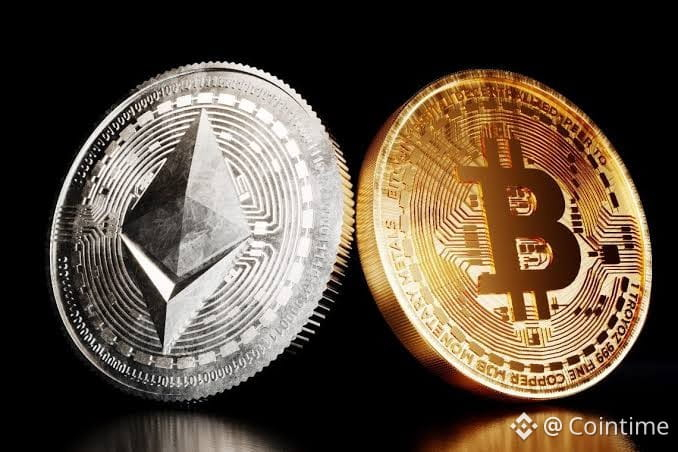
According to an a16z research retrospective, the financial industry iterates slowly over the long term. The core reason is not insufficient market demand, but supply-side constraints such as regional fragmentation and listing approval processes, which make the time to bring new risk assets and trading instruments to market extremely long.
Blockchain breaks through the inherent barriers of traditional finance, supporting 24/7 global circulation. A wide range of risks—such as commodities, individual stocks, chips, macro data, and event expectations—can all be standardized and made tradable through on-chain mechanisms.
On-chain perpetual futures are a typical example of this transformation. In scenarios where traditional markets are closed and subject to access thresholds, on-chain markets can continuously generate trading prices. For some categories, on-chain prices can have a degree of reference value relative to primary-market valuations, becoming a supplement to traditional pricing systems.
Overall, on-chain finance is reshaping the operating rules of traditional finance, forming a new trading and pricing system that complements traditional markets.
#a16z #Crypto #OnchainFinance #pricingpower #Web3Finance
According to an a16z research retrospective, the financial industry iterates slowly over the long term. The core reason is not insufficient market demand, but supply-side constraints such as regional fragmentation and listing approval processes, which make the time to bring new risk assets and trading instruments to market extremely long.
Blockchain breaks through the inherent barriers of traditional finance, supporting 24/7 global circulation. A wide range of risks—such as commodities, individual stocks, chips, macro data, and event expectations—can all be standardized and made tradable through on-chain mechanisms.
On-chain perpetual futures are a typical example of this transformation. In scenarios where traditional markets are closed and subject to access thresholds, on-chain markets can continuously generate trading prices. For some categories, on-chain prices can have a degree of reference value relative to primary-market valuations, becoming a supplement to traditional pricing systems.
Overall, on-chain finance is reshaping the operating rules of traditional finance, forming a new trading and pricing system that complements traditional markets.
#a16z #Crypto #OnchainFinance #pricingpower #Web3Finance
Blockchain breaks through the inherent barriers of traditional finance, supporting 24/7 global circulation. A wide range of risks—such as commodities, individual stocks, chips, macro data, and event expectations—can all be standardized and made tradable through on-chain mechanisms.
On-chain perpetual futures are a typical example of this transformation. In scenarios where traditional markets are closed and subject to access thresholds, on-chain markets can continuously generate trading prices. For some categories, on-chain prices can have a degree of reference value relative to primary-market valuations, becoming a supplement to traditional pricing systems.
Overall, on-chain finance is reshaping the operating rules of traditional finance, forming a new trading and pricing system that complements traditional markets.
#a16z #Crypto #OnchainFinance #pricingpower #Web3Finance
426
·
--
Data: GMGN smart money 24h net inflow leaderboard, SI ranks first
According to GMGN data, the top 5 tokens with net smart money inflows over the past 24 hours are as follows:\n\t1. SI (DEW9....WDP): net inflow of $2 million, up 98.1% over the past 24 hours, currently $0.0415.\n\t2. AQUA (AQVc....yY9): net inflow of $2 million, down 29.5% over the past 24 hours, currently $0.0015.\n\t3. JEANPHIL (GTBx....ump): net inflow of $2 million, down 9.2% over the past 24 hours, currently $0.0035.\n\t4. GARP (FKPd....SHo): net inflow of $2 million, up 4897% over the past 24 hours, currently $0.0002.\n\t5. NUTFLEX (9a2v....vWi): net inflow of $1 million, up 3528% over the past 24 hours, currently $0.0002.
Data: GMGN smart money 24h net inflow leaderboard, SI ranks first
According to GMGN data, the top 5 tokens with net smart money inflows over the past 24 hours are as follows:\n\t1. SI (DEW9....WDP): net inflow of $2 million, up 98.1% over the past 24 hours, currently $0.0415.\n\t2. AQUA (AQVc....yY9): net inflow of $2 million, down 29.5% over the past 24 hours, currently $0.0015.\n\t3. JEANPHIL (GTBx....ump): net inflow of $2 million, down 9.2% over the past 24 hours, currently $0.0035.\n\t4. GARP (FKPd....SHo): net inflow of $2 million, up 4897% over the past 24 hours, currently $0.0002.\n\t5. NUTFLEX (9a2v....vWi): net inflow of $1 million, up 3528% over the past 24 hours, currently $0.0002.
According to GMGN data, the top 5 tokens with net smart money inflows over the past 24 hours are as follows:\n\t1. SI (DEW9....WDP): net inflow of $2 million, up 98.1% over the past 24 hours, currently $0.0415.\n\t2. AQUA (AQVc....yY9): net inflow of $2 million, down 29.5% over the past 24 hours, currently $0.0015.\n\t3. JEANPHIL (GTBx....ump): net inflow of $2 million, down 9.2% over the past 24 hours, currently $0.0035.\n\t4. GARP (FKPd....SHo): net inflow of $2 million, up 4897% over the past 24 hours, currently $0.0002.\n\t5. NUTFLEX (9a2v....vWi): net inflow of $1 million, up 3528% over the past 24 hours, currently $0.0002.
·
--
WIPO Report: AI Is Reshaping Innovation Investment
On September 30, the World Intellectual Property Organization (WIPO) released the 2026 Global Innovation Index Report, showing that AI is opening up new technological frontiers across a wide range of scientific fields, reshaping innovation investment, and boosting overall R&D spending by governments and enterprises, which reached a historic high in 2025. The report indicates that in 2026, Switzerland, Sweden, and the United States will continue to lead the global innovation index rankings. Meanwhile, emerging economies such as China, India, Vietnam, Türkiye, Morocco, and Indonesia have continued to climb in rankings over the past decade. China ranked among the top ten for the first time in 2025 and maintained its tenth-place position in 2026. The report estimates that in 2025, global R&D spending grew by more than 3.3% in real terms; corporate R&D investment increased by 5.8% in real terms, reaching US$1.5 trillion, also a historic high.
WIPO Report: AI Is Reshaping Innovation Investment
On September 30, the World Intellectual Property Organization (WIPO) released the 2026 Global Innovation Index Report, showing that AI is opening up new technological frontiers across a wide range of scientific fields, reshaping innovation investment, and boosting overall R&D spending by governments and enterprises, which reached a historic high in 2025. The report indicates that in 2026, Switzerland, Sweden, and the United States will continue to lead the global innovation index rankings. Meanwhile, emerging economies such as China, India, Vietnam, Türkiye, Morocco, and Indonesia have continued to climb in rankings over the past decade. China ranked among the top ten for the first time in 2025 and maintained its tenth-place position in 2026. The report estimates that in 2025, global R&D spending grew by more than 3.3% in real terms; corporate R&D investment increased by 5.8% in real terms, reaching US$1.5 trillion, also a historic high.
On September 30, the World Intellectual Property Organization (WIPO) released the 2026 Global Innovation Index Report, showing that AI is opening up new technological frontiers across a wide range of scientific fields, reshaping innovation investment, and boosting overall R&D spending by governments and enterprises, which reached a historic high in 2025. The report indicates that in 2026, Switzerland, Sweden, and the United States will continue to lead the global innovation index rankings. Meanwhile, emerging economies such as China, India, Vietnam, Türkiye, Morocco, and Indonesia have continued to climb in rankings over the past decade. China ranked among the top ten for the first time in 2025 and maintained its tenth-place position in 2026. The report estimates that in 2025, global R&D spending grew by more than 3.3% in real terms; corporate R&D investment increased by 5.8% in real terms, reaching US$1.5 trillion, also a historic high.
3
Log in to explore more content
Join global crypto users on Binance Square
⚡️ Get latest and useful information about crypto.
💬 Trusted by the world’s largest crypto exchange.
👍 Discover real insights from verified creators.
Email / Phone number