

CoinPhoton
7.8k Posts

CoinPhoton
 Square Verified+
Report
Block User

Creator of the Year

Level 2 Creator
Open Trade
Occasional Trader
7.6 Years
15 Following
146.5K+ Followers
146.6K+ Liked
2 Badges
Posts
Portfolio
All
Quotes
Videos
Live
·
--
Stellar hits a new DeFi milestone as total value locked (TVL) surpasses $273 million, highlighting growing activity across the network’s decentralized finance ecosystem.
The growth comes as Stellar expands beyond its traditional payments focus, with increasing adoption of stablecoins, tokenized real-world assets (RWAs), lending, liquidity and yield-generating applications.
The network’s DeFi expansion is also being supported by the growing use of stablecoins and tokenized assets, positioning Stellar as an increasingly important blockchain for real-world financial applications and PayFi.
The latest milestone signals that Stellar’s role in the crypto economy is evolving from a payments-focused network into a broader platform for DeFi, stablecoins and tokenized real-world assets.
Stellar hits a new DeFi milestone as total value locked (TVL) surpasses $273 million, highlighting growing activity across the network’s decentralized finance ecosystem.
The growth comes as Stellar expands beyond its traditional payments focus, with increasing adoption of stablecoins, tokenized real-world assets (RWAs), lending, liquidity and yield-generating applications.
The network’s DeFi expansion is also being supported by the growing use of stablecoins and tokenized assets, positioning Stellar as an increasingly important blockchain for real-world financial applications and PayFi.
The latest milestone signals that Stellar’s role in the crypto economy is evolving from a payments-focused network into a broader platform for DeFi, stablecoins and tokenized real-world assets.
The growth comes as Stellar expands beyond its traditional payments focus, with increasing adoption of stablecoins, tokenized real-world assets (RWAs), lending, liquidity and yield-generating applications.
The network’s DeFi expansion is also being supported by the growing use of stablecoins and tokenized assets, positioning Stellar as an increasingly important blockchain for real-world financial applications and PayFi.
The latest milestone signals that Stellar’s role in the crypto economy is evolving from a payments-focused network into a broader platform for DeFi, stablecoins and tokenized real-world assets.
1
439
·
--
Tom Lee: Continued DAT Buying Could Push Crypto Prices Higher
Tom Lee, Chairman of BitMine, said continued capital raising by Digital Asset Treasury (DAT) companies to purchase crypto could create additional upward pressure on prices as available supply declines.
Speaking to CoinDesk at Korea Blockchain Week on September 30, Lee cited HYPE as an example. He said a Hyperliquid-related DAT currently holds around 14% of HYPE’s supply and continues to accumulate. If its holdings reached 50% of the supply, HYPE could potentially enter a parabolic price move.
Lee’s argument is that when DATs trade above their net asset value (NAV), they can raise additional capital and use the proceeds to buy more crypto. This creates a potential cycle of premium → capital raising → crypto purchases → reduced market supply → higher prices, which could amplify the upside.
However, Tom Lee’s market forecasts have often been optimistic, and specific price targets or timelines may not materialize. The more important point is the DAT mechanism itself: sustained capital raising and accumulation can create additional demand while reducing circulating supply, potentially amplifying price movements.
Tom Lee: Continued DAT Buying Could Push Crypto Prices Higher
Tom Lee, Chairman of BitMine, said continued capital raising by Digital Asset Treasury (DAT) companies to purchase crypto could create additional upward pressure on prices as available supply declines.
Speaking to CoinDesk at Korea Blockchain Week on September 30, Lee cited HYPE as an example. He said a Hyperliquid-related DAT currently holds around 14% of HYPE’s supply and continues to accumulate. If its holdings reached 50% of the supply, HYPE could potentially enter a parabolic price move.
Lee’s argument is that when DATs trade above their net asset value (NAV), they can raise additional capital and use the proceeds to buy more crypto. This creates a potential cycle of premium → capital raising → crypto purchases → reduced market supply → higher prices, which could amplify the upside.
However, Tom Lee’s market forecasts have often been optimistic, and specific price targets or timelines may not materialize. The more important point is the DAT mechanism itself: sustained capital raising and accumulation can create additional demand while reducing circulating supply, potentially amplifying price movements.
Tom Lee, Chairman of BitMine, said continued capital raising by Digital Asset Treasury (DAT) companies to purchase crypto could create additional upward pressure on prices as available supply declines.
Speaking to CoinDesk at Korea Blockchain Week on September 30, Lee cited HYPE as an example. He said a Hyperliquid-related DAT currently holds around 14% of HYPE’s supply and continues to accumulate. If its holdings reached 50% of the supply, HYPE could potentially enter a parabolic price move.
Lee’s argument is that when DATs trade above their net asset value (NAV), they can raise additional capital and use the proceeds to buy more crypto. This creates a potential cycle of premium → capital raising → crypto purchases → reduced market supply → higher prices, which could amplify the upside.
However, Tom Lee’s market forecasts have often been optimistic, and specific price targets or timelines may not materialize. The more important point is the DAT mechanism itself: sustained capital raising and accumulation can create additional demand while reducing circulating supply, potentially amplifying price movements.
231
·
--
Michael Saylor: Bitcoin’s 20% Annual Gain Is Enough to Cover the Dividend
Michael Saylor, Executive Chairman of Strategy, said the company expects Bitcoin to appreciate by around 20%–30% annually over the long term. Under that assumption, even STRC’s 12% annual dividend remains manageable.
Saylor described STRC as a credit instrument, rather than a product that requires investors to take on Bitcoin’s full price volatility. He said STRC offers a higher yield than some bank preferred shares, high-yield bonds and private credit, while seeking to maintain relative price stability around the $100 level through Strategy’s mechanism of buying back or issuing shares.
According to Saylor, STRC’s credit foundation comes from Strategy’s large Bitcoin holdings. The company aims to convert part of Bitcoin’s value into a relatively stable, income-generating instrument.
Michael Saylor: Bitcoin’s 20% Annual Gain Is Enough to Cover the Dividend
Michael Saylor, Executive Chairman of Strategy, said the company expects Bitcoin to appreciate by around 20%–30% annually over the long term. Under that assumption, even STRC’s 12% annual dividend remains manageable.
Saylor described STRC as a credit instrument, rather than a product that requires investors to take on Bitcoin’s full price volatility. He said STRC offers a higher yield than some bank preferred shares, high-yield bonds and private credit, while seeking to maintain relative price stability around the $100 level through Strategy’s mechanism of buying back or issuing shares.
According to Saylor, STRC’s credit foundation comes from Strategy’s large Bitcoin holdings. The company aims to convert part of Bitcoin’s value into a relatively stable, income-generating instrument.
Michael Saylor, Executive Chairman of Strategy, said the company expects Bitcoin to appreciate by around 20%–30% annually over the long term. Under that assumption, even STRC’s 12% annual dividend remains manageable.
Saylor described STRC as a credit instrument, rather than a product that requires investors to take on Bitcoin’s full price volatility. He said STRC offers a higher yield than some bank preferred shares, high-yield bonds and private credit, while seeking to maintain relative price stability around the $100 level through Strategy’s mechanism of buying back or issuing shares.
According to Saylor, STRC’s credit foundation comes from Strategy’s large Bitcoin holdings. The company aims to convert part of Bitcoin’s value into a relatively stable, income-generating instrument.
1
185
·
--
Stablecoin issuers replace over 40% of China’s lost U.S. Treasury demand
Stablecoin issuers are emerging as an increasingly important source of demand for U.S. government debt, helping offset the decline in China’s Treasury holdings.
According to research from the Federal Reserve Bank of San Francisco, Tether and USD Coin issuers increased their holdings of U.S. Treasury securities and repurchase agreements by around $200 billion over the past five years. That amount represents more than 40% of the decline in China’s Treasury holdings over the same period.
The shift is significant because foreign investors’ share of the U.S. Treasury market has fallen from more than 50% around 2008 to roughly 30% in early 2026. China’s Treasury holdings have declined by more than half from their 2013 peak as Beijing diversifies its reserves.
Stablecoin issuers, however, are not a direct replacement for China. China has reduced exposure largely to longer-term U.S. debt, while stablecoin issuers primarily hold short-term Treasury bills and other highly liquid assets needed to support redemptions.
Since 2023, stablecoin issuers have increased their short-term Treasury holdings by more than Japan, the largest foreign holder of U.S. government debt. If the recent growth trend continues, the San Francisco Fed estimates stablecoin issuers’ Treasury holdings could approach $400 billion by 2030.
Stablecoin issuers replace over 40% of China’s lost U.S. Treasury demand
Stablecoin issuers are emerging as an increasingly important source of demand for U.S. government debt, helping offset the decline in China’s Treasury holdings.
According to research from the Federal Reserve Bank of San Francisco, Tether and USD Coin issuers increased their holdings of U.S. Treasury securities and repurchase agreements by around $200 billion over the past five years. That amount represents more than 40% of the decline in China’s Treasury holdings over the same period.
The shift is significant because foreign investors’ share of the U.S. Treasury market has fallen from more than 50% around 2008 to roughly 30% in early 2026. China’s Treasury holdings have declined by more than half from their 2013 peak as Beijing diversifies its reserves.
Stablecoin issuers, however, are not a direct replacement for China. China has reduced exposure largely to longer-term U.S. debt, while stablecoin issuers primarily hold short-term Treasury bills and other highly liquid assets needed to support redemptions.
Since 2023, stablecoin issuers have increased their short-term Treasury holdings by more than Japan, the largest foreign holder of U.S. government debt. If the recent growth trend continues, the San Francisco Fed estimates stablecoin issuers’ Treasury holdings could approach $400 billion by 2030.
Stablecoin issuers are emerging as an increasingly important source of demand for U.S. government debt, helping offset the decline in China’s Treasury holdings.
According to research from the Federal Reserve Bank of San Francisco, Tether and USD Coin issuers increased their holdings of U.S. Treasury securities and repurchase agreements by around $200 billion over the past five years. That amount represents more than 40% of the decline in China’s Treasury holdings over the same period.
The shift is significant because foreign investors’ share of the U.S. Treasury market has fallen from more than 50% around 2008 to roughly 30% in early 2026. China’s Treasury holdings have declined by more than half from their 2013 peak as Beijing diversifies its reserves.
Stablecoin issuers, however, are not a direct replacement for China. China has reduced exposure largely to longer-term U.S. debt, while stablecoin issuers primarily hold short-term Treasury bills and other highly liquid assets needed to support redemptions.
Since 2023, stablecoin issuers have increased their short-term Treasury holdings by more than Japan, the largest foreign holder of U.S. government debt. If the recent growth trend continues, the San Francisco Fed estimates stablecoin issuers’ Treasury holdings could approach $400 billion by 2030.
180
·
--
Verified
Blast shuts down $20M Ethereum Layer 2, sets Oct. 26 exit deadline
Ethereum Layer 2 network Blast is shutting down after concluding that the cost of operating the network exceeds the revenue it generates, with no credible path to economic sustainability.
Blast, which raised $20 million from Paradigm and Standard Crypto, once attracted more than $2 billion in TVL before its February 2024 mainnet launch. Its TVL has since fallen to just over $32 million, according to DeFiLlama.
The project will first unwind its Lido assets, a process expected to take about one week. Withdrawals will temporarily be paused during this period and will later reopen with a 24-hour withdrawal delay.
Users have until October 26, 2026 to withdraw through Blast’s normal interface. After that date, assets will remain recoverable, but users will need to interact directly with Blast’s bridge contracts on Ethereum mainnet.
The BLAST token also fell sharply following the announcement, with its market capitalization dropping to roughly $23 million.
Blast shuts down $20M Ethereum Layer 2, sets Oct. 26 exit deadline
Ethereum Layer 2 network Blast is shutting down after concluding that the cost of operating the network exceeds the revenue it generates, with no credible path to economic sustainability.
Blast, which raised $20 million from Paradigm and Standard Crypto, once attracted more than $2 billion in TVL before its February 2024 mainnet launch. Its TVL has since fallen to just over $32 million, according to DeFiLlama.
The project will first unwind its Lido assets, a process expected to take about one week. Withdrawals will temporarily be paused during this period and will later reopen with a 24-hour withdrawal delay.
Users have until October 26, 2026 to withdraw through Blast’s normal interface. After that date, assets will remain recoverable, but users will need to interact directly with Blast’s bridge contracts on Ethereum mainnet.
The BLAST token also fell sharply following the announcement, with its market capitalization dropping to roughly $23 million.
Ethereum Layer 2 network Blast is shutting down after concluding that the cost of operating the network exceeds the revenue it generates, with no credible path to economic sustainability.
Blast, which raised $20 million from Paradigm and Standard Crypto, once attracted more than $2 billion in TVL before its February 2024 mainnet launch. Its TVL has since fallen to just over $32 million, according to DeFiLlama.
The project will first unwind its Lido assets, a process expected to take about one week. Withdrawals will temporarily be paused during this period and will later reopen with a 24-hour withdrawal delay.
Users have until October 26, 2026 to withdraw through Blast’s normal interface. After that date, assets will remain recoverable, but users will need to interact directly with Blast’s bridge contracts on Ethereum mainnet.
The BLAST token also fell sharply following the announcement, with its market capitalization dropping to roughly $23 million.
1.4k
·
--
THORChain vs. NEAR debate exposes limits of crypto idealism
A fierce debate has erupted over whether decentralized, permissionless protocols should intervene when stolen crypto passes through their infrastructure.
After the $387.7 million Bitget hack on Sept. 24, roughly $387.5 million of stolen funds began moving across chains, with some routed through THORChain. Bitget CEO Gracy Chen publicly urged THORChain to block addresses linked to the attackers, but the protocol refused.
THORChain developers argue that a truly permissionless protocol cannot selectively block stolen funds because doing so would undermine its neutrality. The network previously allowed hackers to move about $1.2 billion stolen from Bybit through the protocol.
NEAR Intents took a different approach. Its automated SHIELD security system detected more than $50 million in attempted Bitget-related flows and stopped about $503,000, while another $166,000 passed through. NEAR says permissionless infrastructure does not necessarily mean every application must process every transaction.
The dispute highlights two competing approaches to DeFi: credible neutrality and censorship resistance on one side, versus automated security controls and intervention against known illicit flows on the other. The debate is increasingly important as cross-chain infrastructure handles larger amounts of capital.
THORChain vs. NEAR debate exposes limits of crypto idealism
A fierce debate has erupted over whether decentralized, permissionless protocols should intervene when stolen crypto passes through their infrastructure.
After the $387.7 million Bitget hack on Sept. 24, roughly $387.5 million of stolen funds began moving across chains, with some routed through THORChain. Bitget CEO Gracy Chen publicly urged THORChain to block addresses linked to the attackers, but the protocol refused.
THORChain developers argue that a truly permissionless protocol cannot selectively block stolen funds because doing so would undermine its neutrality. The network previously allowed hackers to move about $1.2 billion stolen from Bybit through the protocol.
NEAR Intents took a different approach. Its automated SHIELD security system detected more than $50 million in attempted Bitget-related flows and stopped about $503,000, while another $166,000 passed through. NEAR says permissionless infrastructure does not necessarily mean every application must process every transaction.
The dispute highlights two competing approaches to DeFi: credible neutrality and censorship resistance on one side, versus automated security controls and intervention against known illicit flows on the other. The debate is increasingly important as cross-chain infrastructure handles larger amounts of capital.
A fierce debate has erupted over whether decentralized, permissionless protocols should intervene when stolen crypto passes through their infrastructure.
After the $387.7 million Bitget hack on Sept. 24, roughly $387.5 million of stolen funds began moving across chains, with some routed through THORChain. Bitget CEO Gracy Chen publicly urged THORChain to block addresses linked to the attackers, but the protocol refused.
THORChain developers argue that a truly permissionless protocol cannot selectively block stolen funds because doing so would undermine its neutrality. The network previously allowed hackers to move about $1.2 billion stolen from Bybit through the protocol.
NEAR Intents took a different approach. Its automated SHIELD security system detected more than $50 million in attempted Bitget-related flows and stopped about $503,000, while another $166,000 passed through. NEAR says permissionless infrastructure does not necessarily mean every application must process every transaction.
The dispute highlights two competing approaches to DeFi: credible neutrality and censorship resistance on one side, versus automated security controls and intervention against known illicit flows on the other. The debate is increasingly important as cross-chain infrastructure handles larger amounts of capital.
665
·
--
Crypto’s billions are back, but the premiums aren’t
Crypto companies are once again raising billions of dollars, but investors are becoming more selective about the valuations they are willing to pay.
Prediction market platform Kalshi is reportedly seeking around $1 billion at a $40 billion valuation, nearly double its $22 billion valuation from a $1 billion funding round in May. The latest round is reportedly being discussed with existing investors including Sequoia Capital and Wellington Management, although terms are not final.
Meanwhile, Blockchain.com is reportedly preparing for an IPO that could raise about $500 million, targeting a valuation of roughly $4 billion–$6 billion. That would be substantially below the $14 billion valuation the company reached during the previous crypto bull market.
The difference is even more pronounced among digital asset treasury companies. Research from DWF Ventures found that only 4 of the 20 largest crypto treasury firms trade above the value of their underlying crypto holdings, measured by mNAV above 1. The other companies trade at discounts to the value of their assets.
The report also highlights the challenge facing the crypto treasury model: when a company’s shares trade below the value of its crypto holdings, issuing new shares to buy more crypto can become dilutive, weakening the mechanism that previously allowed treasury companies to rapidly expand their crypto balances.
The broader picture is that crypto capital markets are reopening, but investors are no longer automatically assigning large premiums simply because a company has crypto exposure.
Crypto’s billions are back, but the premiums aren’t
Crypto companies are once again raising billions of dollars, but investors are becoming more selective about the valuations they are willing to pay.
Prediction market platform Kalshi is reportedly seeking around $1 billion at a $40 billion valuation, nearly double its $22 billion valuation from a $1 billion funding round in May. The latest round is reportedly being discussed with existing investors including Sequoia Capital and Wellington Management, although terms are not final.
Meanwhile, Blockchain.com is reportedly preparing for an IPO that could raise about $500 million, targeting a valuation of roughly $4 billion–$6 billion. That would be substantially below the $14 billion valuation the company reached during the previous crypto bull market.
The difference is even more pronounced among digital asset treasury companies. Research from DWF Ventures found that only 4 of the 20 largest crypto treasury firms trade above the value of their underlying crypto holdings, measured by mNAV above 1. The other companies trade at discounts to the value of their assets.
The report also highlights the challenge facing the crypto treasury model: when a company’s shares trade below the value of its crypto holdings, issuing new shares to buy more crypto can become dilutive, weakening the mechanism that previously allowed treasury companies to rapidly expand their crypto balances.
The broader picture is that crypto capital markets are reopening, but investors are no longer automatically assigning large premiums simply because a company has crypto exposure.
Crypto companies are once again raising billions of dollars, but investors are becoming more selective about the valuations they are willing to pay.
Prediction market platform Kalshi is reportedly seeking around $1 billion at a $40 billion valuation, nearly double its $22 billion valuation from a $1 billion funding round in May. The latest round is reportedly being discussed with existing investors including Sequoia Capital and Wellington Management, although terms are not final.
Meanwhile, Blockchain.com is reportedly preparing for an IPO that could raise about $500 million, targeting a valuation of roughly $4 billion–$6 billion. That would be substantially below the $14 billion valuation the company reached during the previous crypto bull market.
The difference is even more pronounced among digital asset treasury companies. Research from DWF Ventures found that only 4 of the 20 largest crypto treasury firms trade above the value of their underlying crypto holdings, measured by mNAV above 1. The other companies trade at discounts to the value of their assets.
The report also highlights the challenge facing the crypto treasury model: when a company’s shares trade below the value of its crypto holdings, issuing new shares to buy more crypto can become dilutive, weakening the mechanism that previously allowed treasury companies to rapidly expand their crypto balances.
The broader picture is that crypto capital markets are reopening, but investors are no longer automatically assigning large premiums simply because a company has crypto exposure.
133
·
--
Novogratz Says Bitcoin May End 2026 Near $100K
Galaxy Digital CEO Mike Novogratz believes Bitcoin’s decline toward $60,000 may have marked the cycle low, while saying BTC could finish 2026 near the psychologically important $100,000 level.
Speaking on All Things Markets, Novogratz said the $80,000 level is important to hold on a weekly close, although he does not rule out another pullback toward the upper-$70,000 range. He described the current trading range as roughly $80,000–$100,000 and said he would not be surprised to see Bitcoin end the year near $100,000.
Novogratz also pointed to improving activity across the crypto ecosystem and potential rotation between high-momentum equities and crypto as factors supporting market sentiment. $BTC
Novogratz Says Bitcoin May End 2026 Near $100K
Galaxy Digital CEO Mike Novogratz believes Bitcoin’s decline toward $60,000 may have marked the cycle low, while saying BTC could finish 2026 near the psychologically important $100,000 level.
Speaking on All Things Markets, Novogratz said the $80,000 level is important to hold on a weekly close, although he does not rule out another pullback toward the upper-$70,000 range. He described the current trading range as roughly $80,000–$100,000 and said he would not be surprised to see Bitcoin end the year near $100,000.
Novogratz also pointed to improving activity across the crypto ecosystem and potential rotation between high-momentum equities and crypto as factors supporting market sentiment. $BTC
Galaxy Digital CEO Mike Novogratz believes Bitcoin’s decline toward $60,000 may have marked the cycle low, while saying BTC could finish 2026 near the psychologically important $100,000 level.
Speaking on All Things Markets, Novogratz said the $80,000 level is important to hold on a weekly close, although he does not rule out another pullback toward the upper-$70,000 range. He described the current trading range as roughly $80,000–$100,000 and said he would not be surprised to see Bitcoin end the year near $100,000.
Novogratz also pointed to improving activity across the crypto ecosystem and potential rotation between high-momentum equities and crypto as factors supporting market sentiment. $BTC
364
·
--
NEAR Intents Recovers Full $3.8M After Exploit, Closes Investigation
NEAR Intents has recovered the full $3.8 million stolen in an exploit, less than a day after disclosing the incident, and has officially closed its investigation.
According to NEAR Intents CEO Alex Shevchenko, the entire amount was returned on October 2, 2026. The team also urged security researchers to use its bug bounty program rather than actions that could disrupt services.
The incident occurred between September 30 and October 1 due to a vulnerability involving the interaction between Omni’s deposit and withdrawal infrastructure and NEAR Intents’ smart contracts. The flaw allowed the attacker to withdraw approximately $3.865 million in USDT from a vault on BNB Chain across multiple transactions.
NEAR Intents’ AI-powered SHIELD security system detected the suspicious activity, allowing the team to pause services and patch the vulnerability within roughly an hour. The team had previously pledged to fully reimburse affected users.
Illia Polosukhin, co-founder of NEAR Protocol, said the team identified the party involved in less than 24 hours through a combination of SHIELD and investigative work. Contact was established, and the full amount was returned at around 14:30 UTC on October 2, well ahead of the 48-hour deadline previously issued by Shevchenko.
The party that returned the funds also left an on-chain message acknowledging the repayment, thanking the NEAR team for its handling of the incident and reiterating the importance of using bug bounty programs.
Polosukhin emphasized that privacy is a fundamental right but should not be used to conceal illicit activity. He added that NEAR is strengthening its security infrastructure as AI could accelerate increasingly sophisticated cyberattacks.
The NEAR Protocol and $NEAR token were not affected by the incident.
NEAR Intents Recovers Full $3.8M After Exploit, Closes Investigation
NEAR Intents has recovered the full $3.8 million stolen in an exploit, less than a day after disclosing the incident, and has officially closed its investigation.
According to NEAR Intents CEO Alex Shevchenko, the entire amount was returned on October 2, 2026. The team also urged security researchers to use its bug bounty program rather than actions that could disrupt services.
The incident occurred between September 30 and October 1 due to a vulnerability involving the interaction between Omni’s deposit and withdrawal infrastructure and NEAR Intents’ smart contracts. The flaw allowed the attacker to withdraw approximately $3.865 million in USDT from a vault on BNB Chain across multiple transactions.
NEAR Intents’ AI-powered SHIELD security system detected the suspicious activity, allowing the team to pause services and patch the vulnerability within roughly an hour. The team had previously pledged to fully reimburse affected users.
Illia Polosukhin, co-founder of NEAR Protocol, said the team identified the party involved in less than 24 hours through a combination of SHIELD and investigative work. Contact was established, and the full amount was returned at around 14:30 UTC on October 2, well ahead of the 48-hour deadline previously issued by Shevchenko.
The party that returned the funds also left an on-chain message acknowledging the repayment, thanking the NEAR team for its handling of the incident and reiterating the importance of using bug bounty programs.
Polosukhin emphasized that privacy is a fundamental right but should not be used to conceal illicit activity. He added that NEAR is strengthening its security infrastructure as AI could accelerate increasingly sophisticated cyberattacks.
The NEAR Protocol and $NEAR token were not affected by the incident.
NEAR Intents has recovered the full $3.8 million stolen in an exploit, less than a day after disclosing the incident, and has officially closed its investigation.
According to NEAR Intents CEO Alex Shevchenko, the entire amount was returned on October 2, 2026. The team also urged security researchers to use its bug bounty program rather than actions that could disrupt services.
The incident occurred between September 30 and October 1 due to a vulnerability involving the interaction between Omni’s deposit and withdrawal infrastructure and NEAR Intents’ smart contracts. The flaw allowed the attacker to withdraw approximately $3.865 million in USDT from a vault on BNB Chain across multiple transactions.
NEAR Intents’ AI-powered SHIELD security system detected the suspicious activity, allowing the team to pause services and patch the vulnerability within roughly an hour. The team had previously pledged to fully reimburse affected users.
Illia Polosukhin, co-founder of NEAR Protocol, said the team identified the party involved in less than 24 hours through a combination of SHIELD and investigative work. Contact was established, and the full amount was returned at around 14:30 UTC on October 2, well ahead of the 48-hour deadline previously issued by Shevchenko.
The party that returned the funds also left an on-chain message acknowledging the repayment, thanking the NEAR team for its handling of the incident and reiterating the importance of using bug bounty programs.
Polosukhin emphasized that privacy is a fundamental right but should not be used to conceal illicit activity. He added that NEAR is strengthening its security infrastructure as AI could accelerate increasingly sophisticated cyberattacks.
The NEAR Protocol and $NEAR token were not affected by the incident.
2
4.1k
·
--
🚨 META’S $600 BILLION AI BET: Mark Zuckerberg told Trump that Meta plans to spend $600 billion through 2028 to build out its AI infrastructure.
Notably, Zuckerberg did not rule out the possibility that AI could be a bubble. When asked directly, he said: “I think it’s quite possible.”
But according to Zuckerberg, building too early may still be less dangerous than arriving too late.
He pointed to past infrastructure booms such as railroads and internet fiber, where companies poured in too much capital and built ahead of demand. Many eventually went under. But the infrastructure remained — and was later acquired by other companies for a fraction of the original cost.
Meta is preparing for that scenario too.
Nobody knows whether superintelligence will arrive in three years, five years or eight years. If Meta builds for a three-year timeline but AI takes five years to mature, the company could waste hundreds of billions of dollars. But if it waits five years while AI arrives in three, Zuckerberg believes Meta could miss the most important technological revolution in history.
Zuckerberg isn’t spending $600 billion because he knows exactly when AI will arrive.
He’s spending it because he doesn’t want Meta to be the “slow buffalo that gets left with muddy water” — the company that arrives too late.
🚨 META’S $600 BILLION AI BET: Mark Zuckerberg told Trump that Meta plans to spend $600 billion through 2028 to build out its AI infrastructure.
Notably, Zuckerberg did not rule out the possibility that AI could be a bubble. When asked directly, he said: “I think it’s quite possible.”
But according to Zuckerberg, building too early may still be less dangerous than arriving too late.
He pointed to past infrastructure booms such as railroads and internet fiber, where companies poured in too much capital and built ahead of demand. Many eventually went under. But the infrastructure remained — and was later acquired by other companies for a fraction of the original cost.
Meta is preparing for that scenario too.
Nobody knows whether superintelligence will arrive in three years, five years or eight years. If Meta builds for a three-year timeline but AI takes five years to mature, the company could waste hundreds of billions of dollars. But if it waits five years while AI arrives in three, Zuckerberg believes Meta could miss the most important technological revolution in history.
Zuckerberg isn’t spending $600 billion because he knows exactly when AI will arrive.
He’s spending it because he doesn’t want Meta to be the “slow buffalo that gets left with muddy water” — the company that arrives too late.
Notably, Zuckerberg did not rule out the possibility that AI could be a bubble. When asked directly, he said: “I think it’s quite possible.”
But according to Zuckerberg, building too early may still be less dangerous than arriving too late.
He pointed to past infrastructure booms such as railroads and internet fiber, where companies poured in too much capital and built ahead of demand. Many eventually went under. But the infrastructure remained — and was later acquired by other companies for a fraction of the original cost.
Meta is preparing for that scenario too.
Nobody knows whether superintelligence will arrive in three years, five years or eight years. If Meta builds for a three-year timeline but AI takes five years to mature, the company could waste hundreds of billions of dollars. But if it waits five years while AI arrives in three, Zuckerberg believes Meta could miss the most important technological revolution in history.
Zuckerberg isn’t spending $600 billion because he knows exactly when AI will arrive.
He’s spending it because he doesn’t want Meta to be the “slow buffalo that gets left with muddy water” — the company that arrives too late.
2
183
·
--
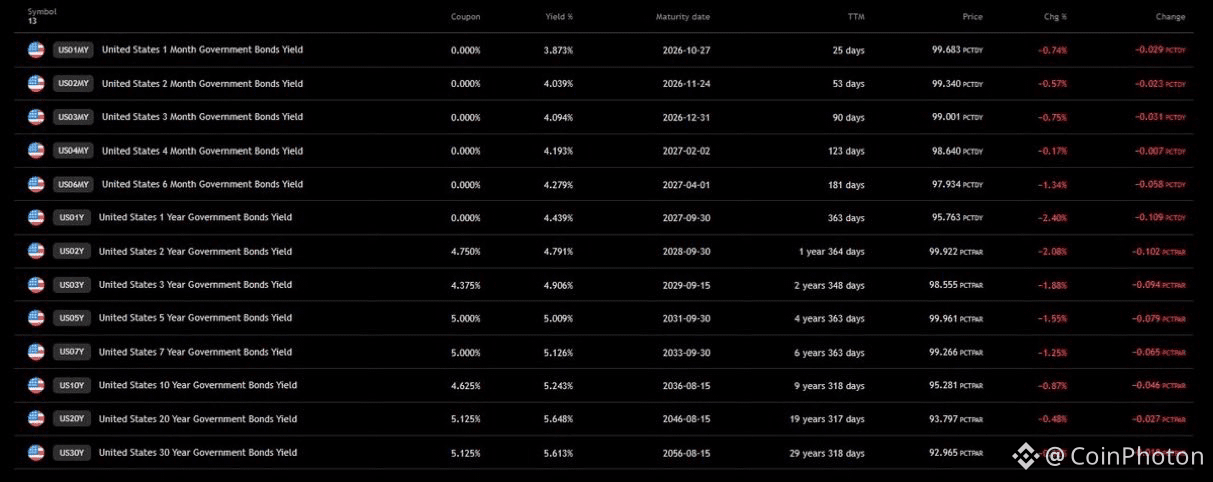
Big Tech’s AI spending spree is now spilling into the bond market.
Alphabet, Amazon, Meta, Microsoft and Oracle have borrowed a combined $220 BILLION this year to finance AI data centers and models — more than double last year’s level, according to Reuters.
The surge in borrowing is adding pressure to U.S. bond yields, which have climbed to their highest levels since 2002.
Higher yields mean higher borrowing costs across the economy, from mortgages and auto loans to student debt.
The Institute of International Finance says major economies now spend more on interest payments than the entire world invests in AI.
Big Tech’s AI spending spree is now spilling into the bond market.
Alphabet, Amazon, Meta, Microsoft and Oracle have borrowed a combined $220 BILLION this year to finance AI data centers and models — more than double last year’s level, according to Reuters.
The surge in borrowing is adding pressure to U.S. bond yields, which have climbed to their highest levels since 2002.
Higher yields mean higher borrowing costs across the economy, from mortgages and auto loans to student debt.
The Institute of International Finance says major economies now spend more on interest payments than the entire world invests in AI.
Alphabet, Amazon, Meta, Microsoft and Oracle have borrowed a combined $220 BILLION this year to finance AI data centers and models — more than double last year’s level, according to Reuters.
The surge in borrowing is adding pressure to U.S. bond yields, which have climbed to their highest levels since 2002.
Higher yields mean higher borrowing costs across the economy, from mortgages and auto loans to student debt.
The Institute of International Finance says major economies now spend more on interest payments than the entire world invests in AI.
274
·
--
Ethereum Introduces zkAPI for Private API Payments
The Ethereum Foundation has introduced zkAPI, a system that allows users to pay for metered APIs without revealing their payment identity to service providers. The system is now live on Ethereum Mainnet.
zkAPI separates payment from identity. Users deposit $ETH , USDC or supported assets into an Ethereum vault and later authorize spending with zero-knowledge proofs, proving that they have sufficient funds without revealing which deposit or person is behind the payment.
Under its runtime-key model, zkAPI issues a short-lived API key with a spending cap. Requests are sent directly from the user’s device to the AI provider, while the payment layer receives a signed usage receipt and deducts the actual amount spent. The AI provider can see the prompts and responses but does not learn who is paying.
The technology is initially focused on AI inference, but Ethereum says the same architecture can support blockchain RPC, image and video generation, VPNs, bandwidth and machine-to-machine services. zkAPI uses Groth16 on BN254, Poseidon hashing and a Merkle tree for its privacy and double-spending protection.
The system does not provide complete network anonymity, however. Providers can still see network metadata such as IP addresses, while repeated prompts, writing patterns or shared context could potentially link separate sessions.
Ethereum Introduces zkAPI for Private API Payments
The Ethereum Foundation has introduced zkAPI, a system that allows users to pay for metered APIs without revealing their payment identity to service providers. The system is now live on Ethereum Mainnet.
zkAPI separates payment from identity. Users deposit $ETH , USDC or supported assets into an Ethereum vault and later authorize spending with zero-knowledge proofs, proving that they have sufficient funds without revealing which deposit or person is behind the payment.
Under its runtime-key model, zkAPI issues a short-lived API key with a spending cap. Requests are sent directly from the user’s device to the AI provider, while the payment layer receives a signed usage receipt and deducts the actual amount spent. The AI provider can see the prompts and responses but does not learn who is paying.
The technology is initially focused on AI inference, but Ethereum says the same architecture can support blockchain RPC, image and video generation, VPNs, bandwidth and machine-to-machine services. zkAPI uses Groth16 on BN254, Poseidon hashing and a Merkle tree for its privacy and double-spending protection.
The system does not provide complete network anonymity, however. Providers can still see network metadata such as IP addresses, while repeated prompts, writing patterns or shared context could potentially link separate sessions.
The Ethereum Foundation has introduced zkAPI, a system that allows users to pay for metered APIs without revealing their payment identity to service providers. The system is now live on Ethereum Mainnet.
zkAPI separates payment from identity. Users deposit $ETH , USDC or supported assets into an Ethereum vault and later authorize spending with zero-knowledge proofs, proving that they have sufficient funds without revealing which deposit or person is behind the payment.
Under its runtime-key model, zkAPI issues a short-lived API key with a spending cap. Requests are sent directly from the user’s device to the AI provider, while the payment layer receives a signed usage receipt and deducts the actual amount spent. The AI provider can see the prompts and responses but does not learn who is paying.
The technology is initially focused on AI inference, but Ethereum says the same architecture can support blockchain RPC, image and video generation, VPNs, bandwidth and machine-to-machine services. zkAPI uses Groth16 on BN254, Poseidon hashing and a Merkle tree for its privacy and double-spending protection.
The system does not provide complete network anonymity, however. Providers can still see network metadata such as IP addresses, while repeated prompts, writing patterns or shared context could potentially link separate sessions.
145
·
--
Rising U.S. Factory Costs Threaten Bitcoin’s Recovery Above $85,000
Bitcoin is facing a fresh test as U.S. manufacturing data points to rising input costs, raising concerns that inflation could remain elevated and put pressure on expectations for Federal Reserve policy.
According to CryptoSlate, the Prices Paid component of the September ISM Manufacturing survey could continue to reflect higher costs for raw materials, fuel and transportation. In August, the index stood at 71.1, while the Supplier Deliveries index reached 59.3, signaling elevated input costs and slower deliveries.
The latest manufacturing cost data comes shortly after the August PCE inflation report. Headline PCE rose 3.4% year over year, while Core PCE increased 3.0%, both remaining above the Federal Reserve’s long-term 2% inflation target.
If manufacturing costs continue to rise, markets may have to reassess expectations for the Fed’s interest-rate path. Higher U.S. Treasury yields could add pressure to risk assets such as Bitcoin. Previously, stronger economic data pushed the 10-year Treasury yield above 5%, contributing to BTC falling below $85,000.
Bitcoin recently climbed above $85,000 during its recovery but has yet to firmly hold that level. The $84,000–$85,000 area is therefore emerging as an important zone to watch, while upcoming U.S. economic data and Treasury yields could influence the sustainability of Bitcoin’s recovery.
Rising U.S. Factory Costs Threaten Bitcoin’s Recovery Above $85,000
Bitcoin is facing a fresh test as U.S. manufacturing data points to rising input costs, raising concerns that inflation could remain elevated and put pressure on expectations for Federal Reserve policy.
According to CryptoSlate, the Prices Paid component of the September ISM Manufacturing survey could continue to reflect higher costs for raw materials, fuel and transportation. In August, the index stood at 71.1, while the Supplier Deliveries index reached 59.3, signaling elevated input costs and slower deliveries.
The latest manufacturing cost data comes shortly after the August PCE inflation report. Headline PCE rose 3.4% year over year, while Core PCE increased 3.0%, both remaining above the Federal Reserve’s long-term 2% inflation target.
If manufacturing costs continue to rise, markets may have to reassess expectations for the Fed’s interest-rate path. Higher U.S. Treasury yields could add pressure to risk assets such as Bitcoin. Previously, stronger economic data pushed the 10-year Treasury yield above 5%, contributing to BTC falling below $85,000.
Bitcoin recently climbed above $85,000 during its recovery but has yet to firmly hold that level. The $84,000–$85,000 area is therefore emerging as an important zone to watch, while upcoming U.S. economic data and Treasury yields could influence the sustainability of Bitcoin’s recovery.
Bitcoin is facing a fresh test as U.S. manufacturing data points to rising input costs, raising concerns that inflation could remain elevated and put pressure on expectations for Federal Reserve policy.
According to CryptoSlate, the Prices Paid component of the September ISM Manufacturing survey could continue to reflect higher costs for raw materials, fuel and transportation. In August, the index stood at 71.1, while the Supplier Deliveries index reached 59.3, signaling elevated input costs and slower deliveries.
The latest manufacturing cost data comes shortly after the August PCE inflation report. Headline PCE rose 3.4% year over year, while Core PCE increased 3.0%, both remaining above the Federal Reserve’s long-term 2% inflation target.
If manufacturing costs continue to rise, markets may have to reassess expectations for the Fed’s interest-rate path. Higher U.S. Treasury yields could add pressure to risk assets such as Bitcoin. Previously, stronger economic data pushed the 10-year Treasury yield above 5%, contributing to BTC falling below $85,000.
Bitcoin recently climbed above $85,000 during its recovery but has yet to firmly hold that level. The $84,000–$85,000 area is therefore emerging as an important zone to watch, while upcoming U.S. economic data and Treasury yields could influence the sustainability of Bitcoin’s recovery.
81
·
--
Crypto Security Losses Surpass $1.26 Billion in Q3, Bitget Hack Accounts for Nearly One-Third
Crypto attacks and security incidents caused approximately $1.26 billion in losses during Q3 2026, up 53.9% from $819.4 million in Q2, according to data from blockchain security firm CertiK. The number of incidents also increased from 219 to 247.
September alone recorded roughly $769 million in losses across 99 incidents, with exploits accounting for nearly 96% of the total. After approximately $273 million was frozen or recovered, adjusted losses stood at around $495.3 million.
The $387.5 million Bitget hack was the largest incident of the quarter, accounting for roughly 31% of total losses. The attacker moved assets from several hot wallets to addresses under their control. Bitget said the incident was linked to a vulnerability in a third-party security product that allowed the attacker to obtain high-level internal credentials and forge withdrawal instructions.
Notably, an investigation by SlowMist found that malicious activity related to the Bitget incident may have begun as early as August 31, weeks before the funds were transferred from the hot wallets on September 24.
Other major Q3 incidents included the $319 million Liquid Network breach, a $120 million Tectonic exploit, and the $112.7 million Coldcard theft.
The figures highlight the continued security risks facing the crypto industry, with attackers increasingly targeting infrastructure, internal access controls and third-party systems, rather than relying solely on direct smart-contract exploits.
Crypto Security Losses Surpass $1.26 Billion in Q3, Bitget Hack Accounts for Nearly One-Third
Crypto attacks and security incidents caused approximately $1.26 billion in losses during Q3 2026, up 53.9% from $819.4 million in Q2, according to data from blockchain security firm CertiK. The number of incidents also increased from 219 to 247.
September alone recorded roughly $769 million in losses across 99 incidents, with exploits accounting for nearly 96% of the total. After approximately $273 million was frozen or recovered, adjusted losses stood at around $495.3 million.
The $387.5 million Bitget hack was the largest incident of the quarter, accounting for roughly 31% of total losses. The attacker moved assets from several hot wallets to addresses under their control. Bitget said the incident was linked to a vulnerability in a third-party security product that allowed the attacker to obtain high-level internal credentials and forge withdrawal instructions.
Notably, an investigation by SlowMist found that malicious activity related to the Bitget incident may have begun as early as August 31, weeks before the funds were transferred from the hot wallets on September 24.
Other major Q3 incidents included the $319 million Liquid Network breach, a $120 million Tectonic exploit, and the $112.7 million Coldcard theft.
The figures highlight the continued security risks facing the crypto industry, with attackers increasingly targeting infrastructure, internal access controls and third-party systems, rather than relying solely on direct smart-contract exploits.
Crypto attacks and security incidents caused approximately $1.26 billion in losses during Q3 2026, up 53.9% from $819.4 million in Q2, according to data from blockchain security firm CertiK. The number of incidents also increased from 219 to 247.
September alone recorded roughly $769 million in losses across 99 incidents, with exploits accounting for nearly 96% of the total. After approximately $273 million was frozen or recovered, adjusted losses stood at around $495.3 million.
The $387.5 million Bitget hack was the largest incident of the quarter, accounting for roughly 31% of total losses. The attacker moved assets from several hot wallets to addresses under their control. Bitget said the incident was linked to a vulnerability in a third-party security product that allowed the attacker to obtain high-level internal credentials and forge withdrawal instructions.
Notably, an investigation by SlowMist found that malicious activity related to the Bitget incident may have begun as early as August 31, weeks before the funds were transferred from the hot wallets on September 24.
Other major Q3 incidents included the $319 million Liquid Network breach, a $120 million Tectonic exploit, and the $112.7 million Coldcard theft.
The figures highlight the continued security risks facing the crypto industry, with attackers increasingly targeting infrastructure, internal access controls and third-party systems, rather than relying solely on direct smart-contract exploits.
197
·
--
SEC Chair: Crypto Has Grown From a “Niche Curiosity” Into a Multi-Trillion-Dollar Asset Class
U.S. Securities and Exchange Commission (SEC) Chair Paul Atkins said the crypto market has evolved from a “niche curiosity” into a “multi-trillion-dollar asset class” since the creation of Bitcoin.
The remarks came as the SEC unveiled a new proposal aimed at establishing a regulatory framework for the custody of crypto assets by investment advisers and regulated funds. The proposal would allow state-chartered trust companies to serve as custodians and, in certain circumstances, permit investment advisers to self-custody crypto assets.
Atkins said existing regulations have not kept pace with the rapid development of the crypto market. The SEC will open a 60-day public comment period after the proposal is published in the Federal Register.
The move highlights the SEC’s continued efforts to develop a regulatory framework for digital assets, even as the CLARITY Act has yet to be passed by Congress.
SEC Chair: Crypto Has Grown From a “Niche Curiosity” Into a Multi-Trillion-Dollar Asset Class
U.S. Securities and Exchange Commission (SEC) Chair Paul Atkins said the crypto market has evolved from a “niche curiosity” into a “multi-trillion-dollar asset class” since the creation of Bitcoin.
The remarks came as the SEC unveiled a new proposal aimed at establishing a regulatory framework for the custody of crypto assets by investment advisers and regulated funds. The proposal would allow state-chartered trust companies to serve as custodians and, in certain circumstances, permit investment advisers to self-custody crypto assets.
Atkins said existing regulations have not kept pace with the rapid development of the crypto market. The SEC will open a 60-day public comment period after the proposal is published in the Federal Register.
The move highlights the SEC’s continued efforts to develop a regulatory framework for digital assets, even as the CLARITY Act has yet to be passed by Congress.
U.S. Securities and Exchange Commission (SEC) Chair Paul Atkins said the crypto market has evolved from a “niche curiosity” into a “multi-trillion-dollar asset class” since the creation of Bitcoin.
The remarks came as the SEC unveiled a new proposal aimed at establishing a regulatory framework for the custody of crypto assets by investment advisers and regulated funds. The proposal would allow state-chartered trust companies to serve as custodians and, in certain circumstances, permit investment advisers to self-custody crypto assets.
Atkins said existing regulations have not kept pace with the rapid development of the crypto market. The SEC will open a 60-day public comment period after the proposal is published in the Federal Register.
The move highlights the SEC’s continued efforts to develop a regulatory framework for digital assets, even as the CLARITY Act has yet to be passed by Congress.
275
·
--
Trump Leaves Door Open to U.S. Taking Stakes in OpenAI, Anthropic
U.S. President Donald Trump said the U.S. government could take stakes in OpenAI, Anthropic and other AI companies, according to a TIME interview published on October 1.
Asked why the U.S. government would not take stakes in AI companies similar to its deal with Intel, Trump responded, “I might. Maybe I could do that.” He also said the U.S. would not nationalize leading AI laboratories, while leaving open the possibility of government ownership stakes.
The comments follow an idea Trump raised in June, when he said his administration was considering whether the U.S. government or the American public could own stakes in major AI companies.
There is currently no official agreement for the U.S. government to acquire stakes in OpenAI or Anthropic. OpenAI has reportedly discussed the possibility of giving the government roughly 5% of the company, while Anthropic has previously said it had not held similar discussions with the administration.
The remarks come as Washington increases its involvement in the AI industry. In late September, Trump met with executives from OpenAI, Anthropic, Google, Nvidia and other major technology companies to promote a voluntary agreement on AI safety standards, while continuing to support the expansion of data-center infrastructure in the United States.
Trump Leaves Door Open to U.S. Taking Stakes in OpenAI, Anthropic
U.S. President Donald Trump said the U.S. government could take stakes in OpenAI, Anthropic and other AI companies, according to a TIME interview published on October 1.
Asked why the U.S. government would not take stakes in AI companies similar to its deal with Intel, Trump responded, “I might. Maybe I could do that.” He also said the U.S. would not nationalize leading AI laboratories, while leaving open the possibility of government ownership stakes.
The comments follow an idea Trump raised in June, when he said his administration was considering whether the U.S. government or the American public could own stakes in major AI companies.
There is currently no official agreement for the U.S. government to acquire stakes in OpenAI or Anthropic. OpenAI has reportedly discussed the possibility of giving the government roughly 5% of the company, while Anthropic has previously said it had not held similar discussions with the administration.
The remarks come as Washington increases its involvement in the AI industry. In late September, Trump met with executives from OpenAI, Anthropic, Google, Nvidia and other major technology companies to promote a voluntary agreement on AI safety standards, while continuing to support the expansion of data-center infrastructure in the United States.
U.S. President Donald Trump said the U.S. government could take stakes in OpenAI, Anthropic and other AI companies, according to a TIME interview published on October 1.
Asked why the U.S. government would not take stakes in AI companies similar to its deal with Intel, Trump responded, “I might. Maybe I could do that.” He also said the U.S. would not nationalize leading AI laboratories, while leaving open the possibility of government ownership stakes.
The comments follow an idea Trump raised in June, when he said his administration was considering whether the U.S. government or the American public could own stakes in major AI companies.
There is currently no official agreement for the U.S. government to acquire stakes in OpenAI or Anthropic. OpenAI has reportedly discussed the possibility of giving the government roughly 5% of the company, while Anthropic has previously said it had not held similar discussions with the administration.
The remarks come as Washington increases its involvement in the AI industry. In late September, Trump met with executives from OpenAI, Anthropic, Google, Nvidia and other major technology companies to promote a voluntary agreement on AI safety standards, while continuing to support the expansion of data-center infrastructure in the United States.
2
242
·
--
Verified
Citi Raises Bitcoin Forecast to $113,000 Over the Next 12 Months
Citigroup has raised its 12-month Bitcoin price target to $113,000, up significantly from its previous forecast of $82,000. The bank also lifted its Ethereum target to $3,028, from $2,240.
Citi said the revised outlook is supported by increased activity in the crypto market, a more favorable macroeconomic environment, and renewed inflows into Bitcoin ETFs. The bank expects around $5 billion in new capital to flow into crypto products over the next 12 months as investment advisers and brokerages gradually increase their Bitcoin allocations.
Citi also said a weaker U.S. dollar and the U.S. Treasury’s moves to buy back longer-dated bonds have helped improve sentiment toward digital assets.
The $113,000 target remains below Bitcoin’s all-time high of approximately $126,200, set in October 2025. $BTC
Citi Raises Bitcoin Forecast to $113,000 Over the Next 12 Months
Citigroup has raised its 12-month Bitcoin price target to $113,000, up significantly from its previous forecast of $82,000. The bank also lifted its Ethereum target to $3,028, from $2,240.
Citi said the revised outlook is supported by increased activity in the crypto market, a more favorable macroeconomic environment, and renewed inflows into Bitcoin ETFs. The bank expects around $5 billion in new capital to flow into crypto products over the next 12 months as investment advisers and brokerages gradually increase their Bitcoin allocations.
Citi also said a weaker U.S. dollar and the U.S. Treasury’s moves to buy back longer-dated bonds have helped improve sentiment toward digital assets.
The $113,000 target remains below Bitcoin’s all-time high of approximately $126,200, set in October 2025. $BTC
Citigroup has raised its 12-month Bitcoin price target to $113,000, up significantly from its previous forecast of $82,000. The bank also lifted its Ethereum target to $3,028, from $2,240.
Citi said the revised outlook is supported by increased activity in the crypto market, a more favorable macroeconomic environment, and renewed inflows into Bitcoin ETFs. The bank expects around $5 billion in new capital to flow into crypto products over the next 12 months as investment advisers and brokerages gradually increase their Bitcoin allocations.
Citi also said a weaker U.S. dollar and the U.S. Treasury’s moves to buy back longer-dated bonds have helped improve sentiment toward digital assets.
The $113,000 target remains below Bitcoin’s all-time high of approximately $126,200, set in October 2025. $BTC
1.7k
·
--
Ripple Locks 700 Million $XRP Back in Escrow After October Unlock
Ripple has locked 700 million XRP, worth more than $1.4 billion, back into escrow on October 1, shortly after releasing 1 billion XRP as part of its monthly scheduled unlock.
The 700 million XRP was locked through two transactions of 400 million and 300 million XRP. The remaining 300 million XRP from the October release was not returned to escrow.
Ripple established the escrow system in 2017 to make XRP’s supply schedule more predictable. The company initially placed 55 billion XRP into escrow, with up to 1 billion XRP becoming available each month. Unused tokens can be locked back for future releases.
Following the latest transactions, approximately 31.85 billion XRP remained in escrow, according to XRPScan data cited by U.Today.
Despite the large amount being returned to escrow, XRP showed little immediate positive reaction and was down roughly 2.5% over 24 hours around the time of the report.
Ripple Locks 700 Million $XRP Back in Escrow After October Unlock
Ripple has locked 700 million XRP, worth more than $1.4 billion, back into escrow on October 1, shortly after releasing 1 billion XRP as part of its monthly scheduled unlock.
The 700 million XRP was locked through two transactions of 400 million and 300 million XRP. The remaining 300 million XRP from the October release was not returned to escrow.
Ripple established the escrow system in 2017 to make XRP’s supply schedule more predictable. The company initially placed 55 billion XRP into escrow, with up to 1 billion XRP becoming available each month. Unused tokens can be locked back for future releases.
Following the latest transactions, approximately 31.85 billion XRP remained in escrow, according to XRPScan data cited by U.Today.
Despite the large amount being returned to escrow, XRP showed little immediate positive reaction and was down roughly 2.5% over 24 hours around the time of the report.
Ripple has locked 700 million XRP, worth more than $1.4 billion, back into escrow on October 1, shortly after releasing 1 billion XRP as part of its monthly scheduled unlock.
The 700 million XRP was locked through two transactions of 400 million and 300 million XRP. The remaining 300 million XRP from the October release was not returned to escrow.
Ripple established the escrow system in 2017 to make XRP’s supply schedule more predictable. The company initially placed 55 billion XRP into escrow, with up to 1 billion XRP becoming available each month. Unused tokens can be locked back for future releases.
Following the latest transactions, approximately 31.85 billion XRP remained in escrow, according to XRPScan data cited by U.Today.
Despite the large amount being returned to escrow, XRP showed little immediate positive reaction and was down roughly 2.5% over 24 hours around the time of the report.
591
·
--
Yonhap: South Korea’s Crypto Market Cap Falls 33% in H1 2026
South Korea’s cryptocurrency market capitalization fell 33% to 58.9 trillion won ($43.4 billion) in the first half of 2026, according to data from the Financial Services Commission.
Average daily trading volume dropped from 5.4 trillion won to 3.1 trillion won, while won-denominated deposits fell 35% to 5.2 trillion won. Despite the market contraction, the number of users edged up 0.4% to 11.17 million.
South Korea had 26 registered virtual-asset operators at the end of June, including 17 crypto exchanges.
Yonhap: South Korea’s Crypto Market Cap Falls 33% in H1 2026
South Korea’s cryptocurrency market capitalization fell 33% to 58.9 trillion won ($43.4 billion) in the first half of 2026, according to data from the Financial Services Commission.
Average daily trading volume dropped from 5.4 trillion won to 3.1 trillion won, while won-denominated deposits fell 35% to 5.2 trillion won. Despite the market contraction, the number of users edged up 0.4% to 11.17 million.
South Korea had 26 registered virtual-asset operators at the end of June, including 17 crypto exchanges.
South Korea’s cryptocurrency market capitalization fell 33% to 58.9 trillion won ($43.4 billion) in the first half of 2026, according to data from the Financial Services Commission.
Average daily trading volume dropped from 5.4 trillion won to 3.1 trillion won, while won-denominated deposits fell 35% to 5.2 trillion won. Despite the market contraction, the number of users edged up 0.4% to 11.17 million.
South Korea had 26 registered virtual-asset operators at the end of June, including 17 crypto exchanges.
83
·
--
On March 28, 2008, Lehman Brothers asked Warren Buffett for $5 billion. Buffett said no.
171 days later, Lehman Brothers filed for bankruptcy — the largest corporate bankruptcy in U.S. history.
Before making his decision, Buffett sat down with Lehman’s 200-page annual report. He marked the pages that raised questions for him directly on the cover. By the time he finished reading, he had enough reasons to stay away.
Then, on September 13, just two days before Lehman collapsed, another proposal involving the bank reached Buffett.
Bob Diamond, a Barclays executive, called Buffett in Edmonton and asked Berkshire to temporarily insure Lehman’s trades.
Buffett couldn’t evaluate a deal like that over the phone, so he asked Barclays to fax him the terms. He returned to his hotel around midnight.
The fax never came.
Instead, Barclays left a message on Buffett’s flip phone. His daughter would discover that message the following summer.
On Monday, September 15, Lehman Brothers filed for bankruptcy.
Just eight days later, Berkshire Hathaway agreed to invest $5 billion in Goldman Sachs.
The difference was simple: this time, the terms and risks could be calculated clearly in advance.
The preferred shares paid 10% annually, while Berkshire also received warrants to purchase another $5 billion of Goldman common stock at $115 per share.
Buffett didn’t predict the exact day Lehman would collapse.
He simply did something more fundamental: he walked away from a deal whose risks he could not properly evaluate and accepted another whose terms were clear enough to calculate in advance.
Sometimes, an investor’s edge isn’t knowing what will happen next.
It’s knowing exactly what risk you’re taking.
On March 28, 2008, Lehman Brothers asked Warren Buffett for $5 billion. Buffett said no.
171 days later, Lehman Brothers filed for bankruptcy — the largest corporate bankruptcy in U.S. history.
Before making his decision, Buffett sat down with Lehman’s 200-page annual report. He marked the pages that raised questions for him directly on the cover. By the time he finished reading, he had enough reasons to stay away.
Then, on September 13, just two days before Lehman collapsed, another proposal involving the bank reached Buffett.
Bob Diamond, a Barclays executive, called Buffett in Edmonton and asked Berkshire to temporarily insure Lehman’s trades.
Buffett couldn’t evaluate a deal like that over the phone, so he asked Barclays to fax him the terms. He returned to his hotel around midnight.
The fax never came.
Instead, Barclays left a message on Buffett’s flip phone. His daughter would discover that message the following summer.
On Monday, September 15, Lehman Brothers filed for bankruptcy.
Just eight days later, Berkshire Hathaway agreed to invest $5 billion in Goldman Sachs.
The difference was simple: this time, the terms and risks could be calculated clearly in advance.
The preferred shares paid 10% annually, while Berkshire also received warrants to purchase another $5 billion of Goldman common stock at $115 per share.
Buffett didn’t predict the exact day Lehman would collapse.
He simply did something more fundamental: he walked away from a deal whose risks he could not properly evaluate and accepted another whose terms were clear enough to calculate in advance.
Sometimes, an investor’s edge isn’t knowing what will happen next.
It’s knowing exactly what risk you’re taking.
171 days later, Lehman Brothers filed for bankruptcy — the largest corporate bankruptcy in U.S. history.
Before making his decision, Buffett sat down with Lehman’s 200-page annual report. He marked the pages that raised questions for him directly on the cover. By the time he finished reading, he had enough reasons to stay away.
Then, on September 13, just two days before Lehman collapsed, another proposal involving the bank reached Buffett.
Bob Diamond, a Barclays executive, called Buffett in Edmonton and asked Berkshire to temporarily insure Lehman’s trades.
Buffett couldn’t evaluate a deal like that over the phone, so he asked Barclays to fax him the terms. He returned to his hotel around midnight.
The fax never came.
Instead, Barclays left a message on Buffett’s flip phone. His daughter would discover that message the following summer.
On Monday, September 15, Lehman Brothers filed for bankruptcy.
Just eight days later, Berkshire Hathaway agreed to invest $5 billion in Goldman Sachs.
The difference was simple: this time, the terms and risks could be calculated clearly in advance.
The preferred shares paid 10% annually, while Berkshire also received warrants to purchase another $5 billion of Goldman common stock at $115 per share.
Buffett didn’t predict the exact day Lehman would collapse.
He simply did something more fundamental: he walked away from a deal whose risks he could not properly evaluate and accepted another whose terms were clear enough to calculate in advance.
Sometimes, an investor’s edge isn’t knowing what will happen next.
It’s knowing exactly what risk you’re taking.
237
Log in to explore more content
Join global crypto users on Binance Square
⚡️ Get latest and useful information about crypto.
💬 Trusted by the world’s largest crypto exchange.
👍 Discover real insights from verified creators.
Email / Phone number
Trending Topics
DriftHackVictimsBeginClaims
22,515 views
385 Discussing
🚨1 CENT PER DOLLAR LOST
#DriftHackVictimsBeginClaims
The Drift Foundation is opening DFX claims for the April $295.4M exploit — victims may receive about 1 cent per dollar lost, with the fund set to grow through 2028 using Velocity revenue and recovered funds.
$DRIFT
$1000000BOB
$GTC
Jacob trade
·0 Likes
·101 views
SolanaTokenizedStockVolumeTops$4.4BInSeptember
3,705 views
44 Discussing
BitcoinSpotETFsDraw$6.34BInflowsInQ3
14,041 views
160 Discussing