
Coin--King
13.1k Posts

Coin--King
 Square Verified+
Market predictor, Binance Square creator.Crypto Trader, Write to Earn .X..@Coinking007
Open Trade
High-Frequency Trader
1.1 Years
686 Following
45.0K+ Followers
39.9K+ Liked
Posts
Portfolio
All
Quotes
Videos
Live


Triple_S
·
--
claimed big reward go go go.save many
type👉3
type👉3

Smart Tr ⁶⁶⁰
·
--
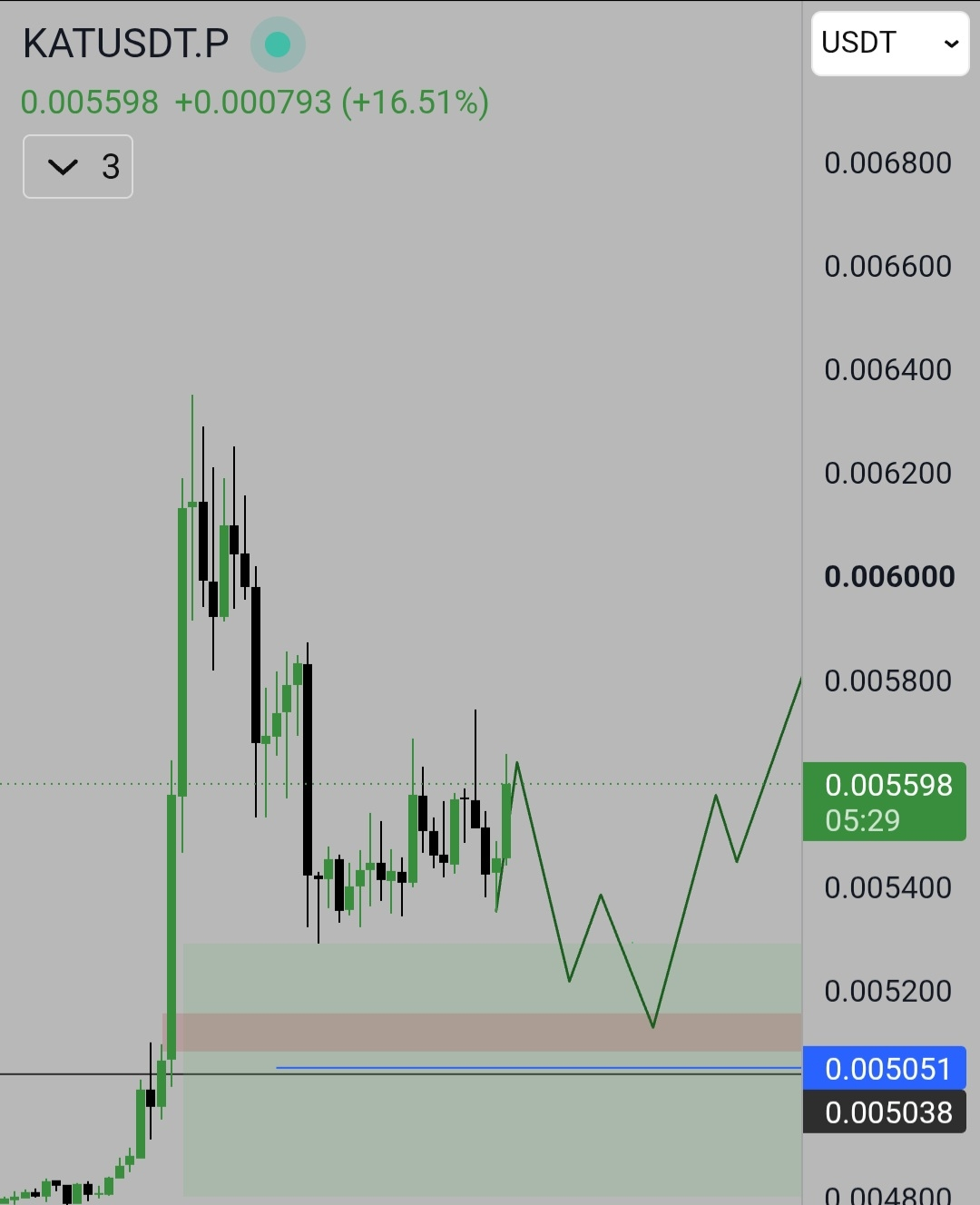
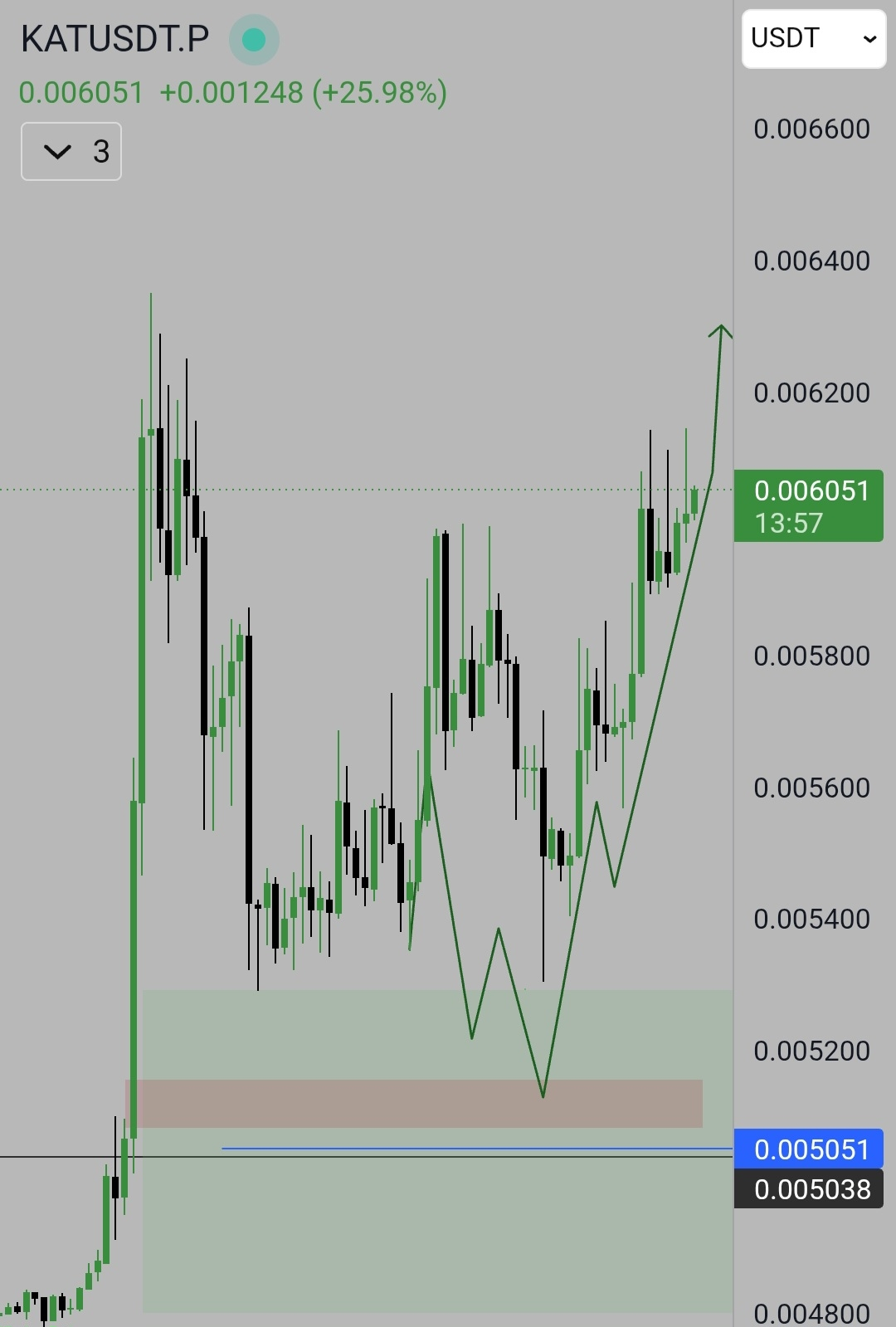
Entry Missed In $KAT But Worries not ' "opportunities Are Endlesss"
Time for some #rewards . Drop your favorite meme coin in the comments below.
Time for some #rewards . Drop your favorite meme coin in the comments below.
WOLF 狼
·
--
Every day in crypto brings a new lesson, a new opportunity, and a new challenge 🎁🎉
I’m grateful to everyone who takes the time to support my posts, share ideas, and stay connected with this journey.
The goal is simple: keep learning, stay consistent, and keep improving.
Thank you for being part of the journey.
Your support means a lot. 💗🚀
$BTC
#Congratulations😊😍 #BTC🔥🔥🔥🔥🔥
I’m grateful to everyone who takes the time to support my posts, share ideas, and stay connected with this journey.
The goal is simple: keep learning, stay consistent, and keep improving.
Thank you for being part of the journey.
Your support means a lot. 💗🚀
$BTC
#Congratulations😊😍 #BTC🔥🔥🔥🔥🔥

AbdullRauf
·
--
GIVEAWAY ALERT for our Square Family! 🧧
As a huge thank you, we're giving away gifts to our amazing community.
To Enter:
✅ Follow us
✅ Share this post
✅ Comment "222"
Winners chosen randomly. Good luck & thanks for being part of our journey!
As a huge thank you, we're giving away gifts to our amazing community.
To Enter:
✅ Follow us
✅ Share this post
✅ Comment "222"
Winners chosen randomly. Good luck & thanks for being part of our journey!

ETHcryptohub
·
--
🎁🎁🎁🎁 Gifts for Everyone 🎁🎁🎁🎁
Thank you for Supporting 48K+ Followers 🎉🎉🎉🎉🎉🎉🎉🎉🎉🎉🎉🎉
Claim Your Free Gifts 💐💐💐💐💐💐
Comment Yes 👈
#Ethcryptohub
Thank you for Supporting 48K+ Followers 🎉🎉🎉🎉🎉🎉🎉🎉🎉🎉🎉🎉
Claim Your Free Gifts 💐💐💐💐💐💐
Comment Yes 👈
#Ethcryptohub

HAFEEZ 09 Crypto
·
--
[Ended] 🎙️ BTC
40 listens
Ahmed Ali Nizamani
·
--
🔥 Good Morning 🎁🎁🎁🎁🎁

KAN_ 加密 143
·
--
🌹💕A truly good partner isn't just someone to spend time with💕🌹
they are a safe harbor,💕🌹
a constant supporter,💕🌹
and an invaluable source of inspiration.💕🌹
Like💕🌹
Follow 💕🌹
Repost 💕🌹
CLAIM BIG REWARD 💕🌹
$BCH
they are a safe harbor,💕🌹
a constant supporter,💕🌹
and an invaluable source of inspiration.💕🌹
Like💕🌹
Follow 💕🌹
Repost 💕🌹
CLAIM BIG REWARD 💕🌹
$BCH

KING BRO 1
·
--
Bullish🎉 50,000 Followers on Binance Square! 🎉
Honestly, it feels unreal.
I still remember making my very first post on Binance Square. I had no idea if anyone would read it, react to it, or even care about what I had to say.
Today, we are a community of 50K amazing people. ❤️
And for me, this is much more than just a number.
It represents thousands of conversations, market discussions, shared ideas, lessons, support, and friendships built along the way.
To everyone who has followed me, liked my posts, shared my updates, dropped a comment, or simply stopped for a moment to read — THANK YOU. 🙏
And a special thank you to my friend @MAVERICK _7 ❤️
You stood by me, supported me, encouraged me, and believed in me along this journey. Having someone like you in my corner truly means a lot.
We’ve seen big opportunities.
We’ve faced crazy volatility.
We’ve celebrated wins.
We’ve learned from losses.
And through it all, we kept moving forward together.
This community is the real reason behind this milestone. ❤️
50K is not the finish line. It’s just another step.
The journey continues.
The goals are getting bigger.
And I’m just getting started. 🚀
Thank you to everyone who has been part of this journey.
Road to 60K! 🔥
$VTHO
$US
$ETHFI
#Binancesqureofficial #crypto #US10YTreasuryYieldHitsHighestSinceNov2023
#EUExtendsCentralContactPointToCASPs
#kingbro1
Honestly, it feels unreal.
I still remember making my very first post on Binance Square. I had no idea if anyone would read it, react to it, or even care about what I had to say.
Today, we are a community of 50K amazing people. ❤️
And for me, this is much more than just a number.
It represents thousands of conversations, market discussions, shared ideas, lessons, support, and friendships built along the way.
To everyone who has followed me, liked my posts, shared my updates, dropped a comment, or simply stopped for a moment to read — THANK YOU. 🙏
And a special thank you to my friend @MAVERICK _7 ❤️
You stood by me, supported me, encouraged me, and believed in me along this journey. Having someone like you in my corner truly means a lot.
We’ve seen big opportunities.
We’ve faced crazy volatility.
We’ve celebrated wins.
We’ve learned from losses.
And through it all, we kept moving forward together.
This community is the real reason behind this milestone. ❤️
50K is not the finish line. It’s just another step.
The journey continues.
The goals are getting bigger.
And I’m just getting started. 🚀
Thank you to everyone who has been part of this journey.
Road to 60K! 🔥
$VTHO
$US
$ETHFI
#Binancesqureofficial #crypto #US10YTreasuryYieldHitsHighestSinceNov2023
#EUExtendsCentralContactPointToCASPs
#kingbro1
Muzamil Abbas⁷⁵ 穆扎米尔_阿巴斯
·
--
Bullish$BNB
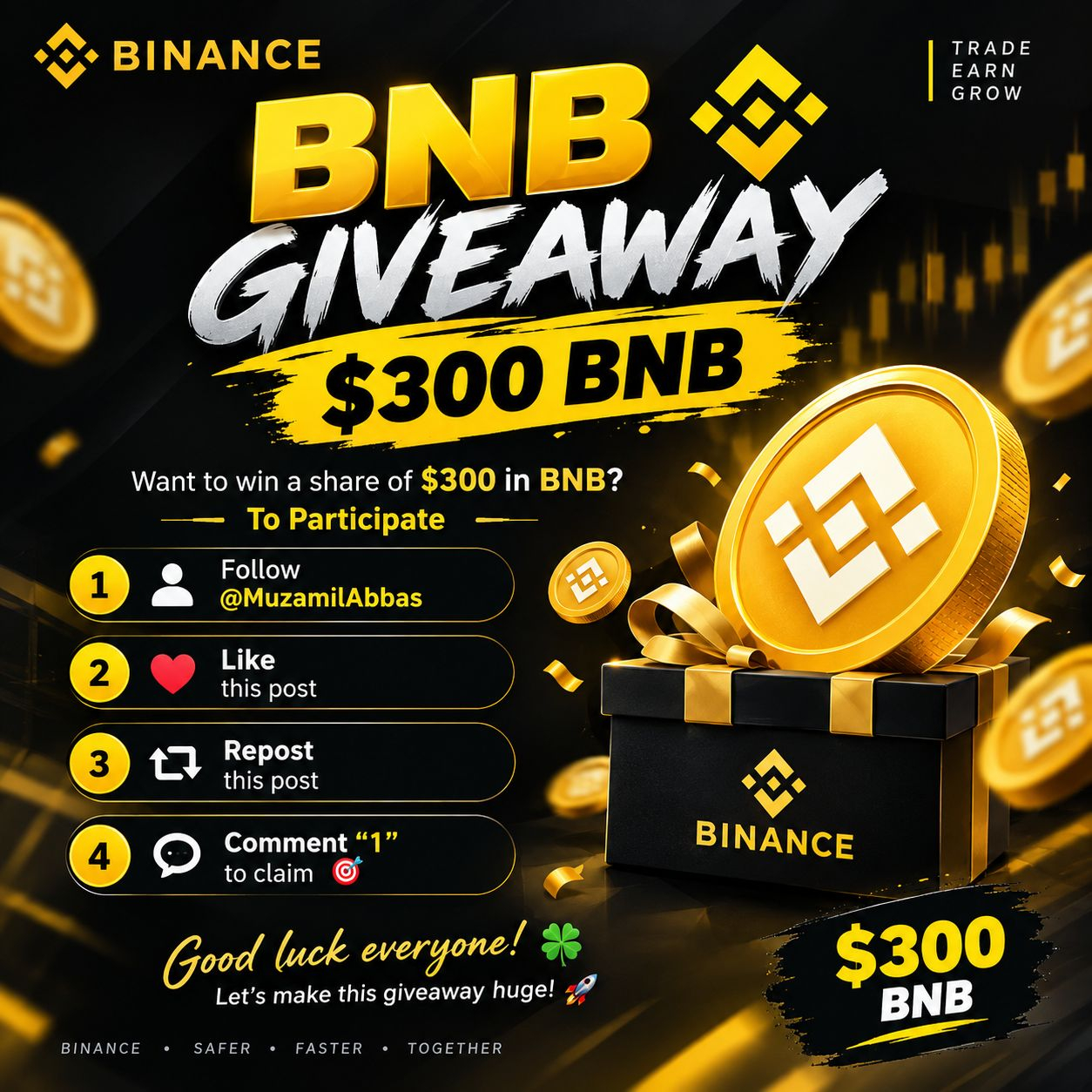
🎁 $300 BNB GIVEAWAY 🎁
Want to win a share of $300 in BNB?
To Participate 👇
1️⃣ Follow ✨MuzamilAbbas
2️⃣ Like this post ❤️
3️⃣ Repost this post 🔄
4️⃣ Comment “1” to claim 🎯
Good luck everyone! 🍀🔥
Let’s make this giveaway huge
#BankOfAmericaGroupPilotsUSBDCStablecoin #OilRisesToHighestSinceJuly
#BNB #BTC
🎁 $300 BNB GIVEAWAY 🎁
Want to win a share of $300 in BNB?
To Participate 👇
1️⃣ Follow ✨MuzamilAbbas
2️⃣ Like this post ❤️
3️⃣ Repost this post 🔄
4️⃣ Comment “1” to claim 🎯
Good luck everyone! 🍀🔥
Let’s make this giveaway huge
#BankOfAmericaGroupPilotsUSBDCStablecoin #OilRisesToHighestSinceJuly
#BNB #BTC

M A L I Z-مالیز 马 利 兹
·
--
BullishStop scrolling through random charts hoping for a lucky break. If you are tired of losing money in free chatrooms filled with noise and bots, it is time to step into a professional environment.
The Portfolio Growth | EXCLUSIVE 📈🔥
This isn't just another signal group, it is a private war room for traders and investors who actually want to build wealth across crypto and global markets.
STEPS to join: 1st open chatroom ticker box then click on "The Portfolio growth 📈" Chat room.
Why is this room different?
High-Signal, Zero-Noise: No random hype, no endless meme spam. Just crystal-clear market direction.
Daily Setups & Insights: Actionable crypto signals and global market breakdowns delivered daily before the moves happen.
The VIP Treatment: Active, loyal, and serious members get direct attention, chart reviews, and personal insights.
Filtered Quality: We charge a tiny minimum fee strictly to keep out the time-wasters and keep the room packed with sharp minds.
If you are ready to stop guessing and start trading with an edge, secure your spot now.
👉 Ready to level up your game? JOIN NOW
#repopo #malizchatroom #malizexclusiveroom #repopomybothpinpoposuppome #repopomypopo
$BTC $XAU $NVDAB
The Portfolio Growth | EXCLUSIVE 📈🔥
This isn't just another signal group, it is a private war room for traders and investors who actually want to build wealth across crypto and global markets.
STEPS to join: 1st open chatroom ticker box then click on "The Portfolio growth 📈" Chat room.
Why is this room different?
High-Signal, Zero-Noise: No random hype, no endless meme spam. Just crystal-clear market direction.
Daily Setups & Insights: Actionable crypto signals and global market breakdowns delivered daily before the moves happen.
The VIP Treatment: Active, loyal, and serious members get direct attention, chart reviews, and personal insights.
Filtered Quality: We charge a tiny minimum fee strictly to keep out the time-wasters and keep the room packed with sharp minds.
If you are ready to stop guessing and start trading with an edge, secure your spot now.
👉 Ready to level up your game? JOIN NOW
#repopo #malizchatroom #malizexclusiveroom #repopomybothpinpoposuppome #repopomypopo
$BTC $XAU $NVDAB

Aria Daisy 阿莉娅_黛西
·
--
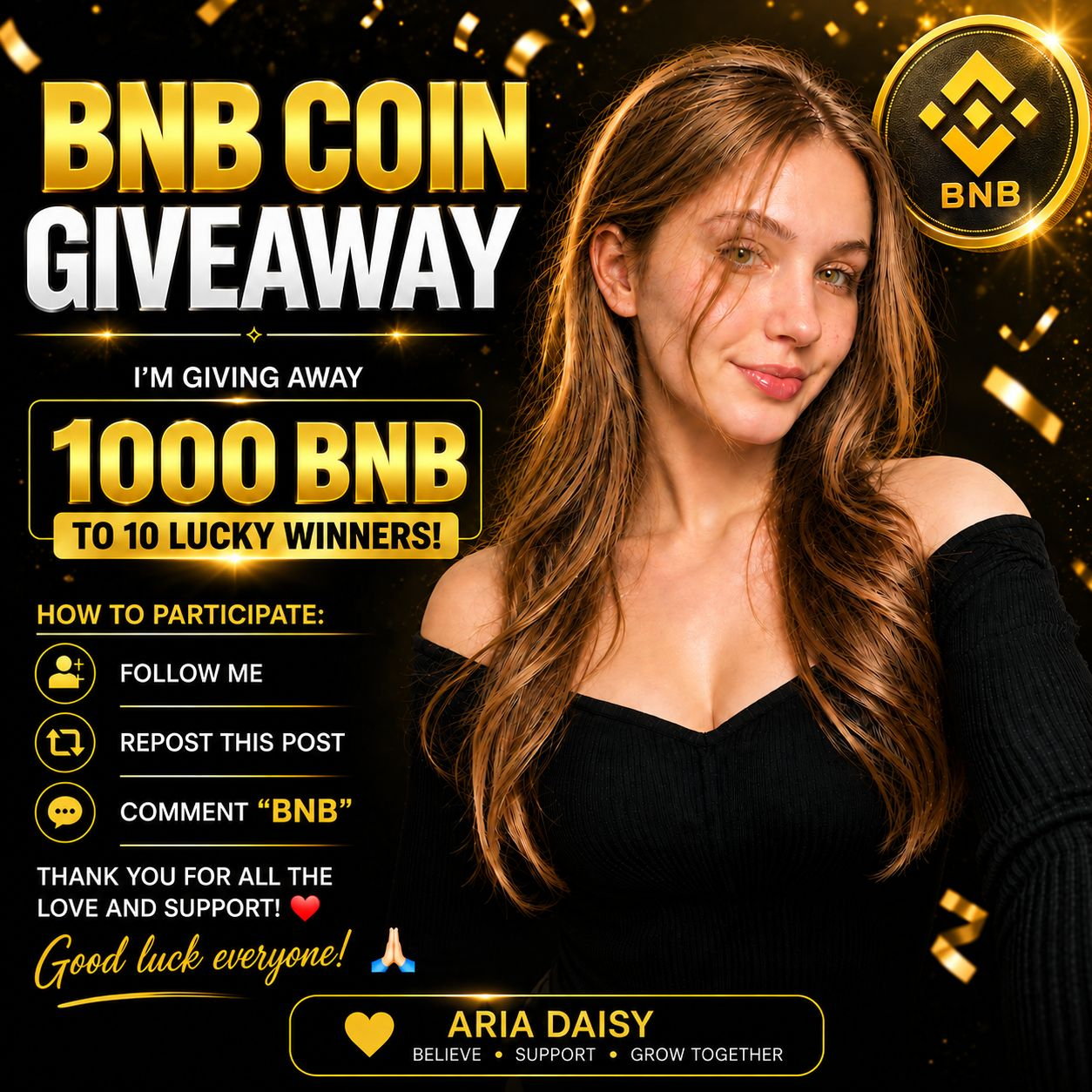
Bearish🎁 BNB COIN GIVEAWAY 🎁
I’m excited to share a 1,000 BNB giveaway with 10 lucky winners! 🔥💛
How to participate:
✅ Follow me
🔄 Repost this post
💬 Comment “3”
Thank you for all your love and support! ❤️
Good luck everyone! 🍀🚀
#BinanceSquareTalks #BNB走势
$BNB $BTC
I’m excited to share a 1,000 BNB giveaway with 10 lucky winners! 🔥💛
How to participate:
✅ Follow me
🔄 Repost this post
💬 Comment “3”
Thank you for all your love and support! ❤️
Good luck everyone! 🍀🚀
#BinanceSquareTalks #BNB走势
$BNB $BTC
ALONE_21
·
--
claim your free crypto
🎉🎉🎉🎉🎉🎉🎉🎉🎉🎉🎉🎉🎉🎉🎉🎉
🎉🎉🎉🎉🎉🎉🎉🎉🎉🎉🎉🎉🎉🎉🎉🎉
ETHcryptohub
·
--
🎁🎁🎁🎁 Gifts for Everyone 🎁🎁🎁🎁
Thank you for Supporting 48K+ Followers 🎉🎉🎉🎉🎉🎉🎉🎉🎉🎉🎉🎉
Claim Your Free Gifts 💐💐💐💐💐💐
Comment Yes 👈
#Ethcryptohub
Thank you for Supporting 48K+ Followers 🎉🎉🎉🎉🎉🎉🎉🎉🎉🎉🎉🎉
Claim Your Free Gifts 💐💐💐💐💐💐
Comment Yes 👈
#Ethcryptohub
Quoted content has been removed

Dream Spicer 梦想家
·
--
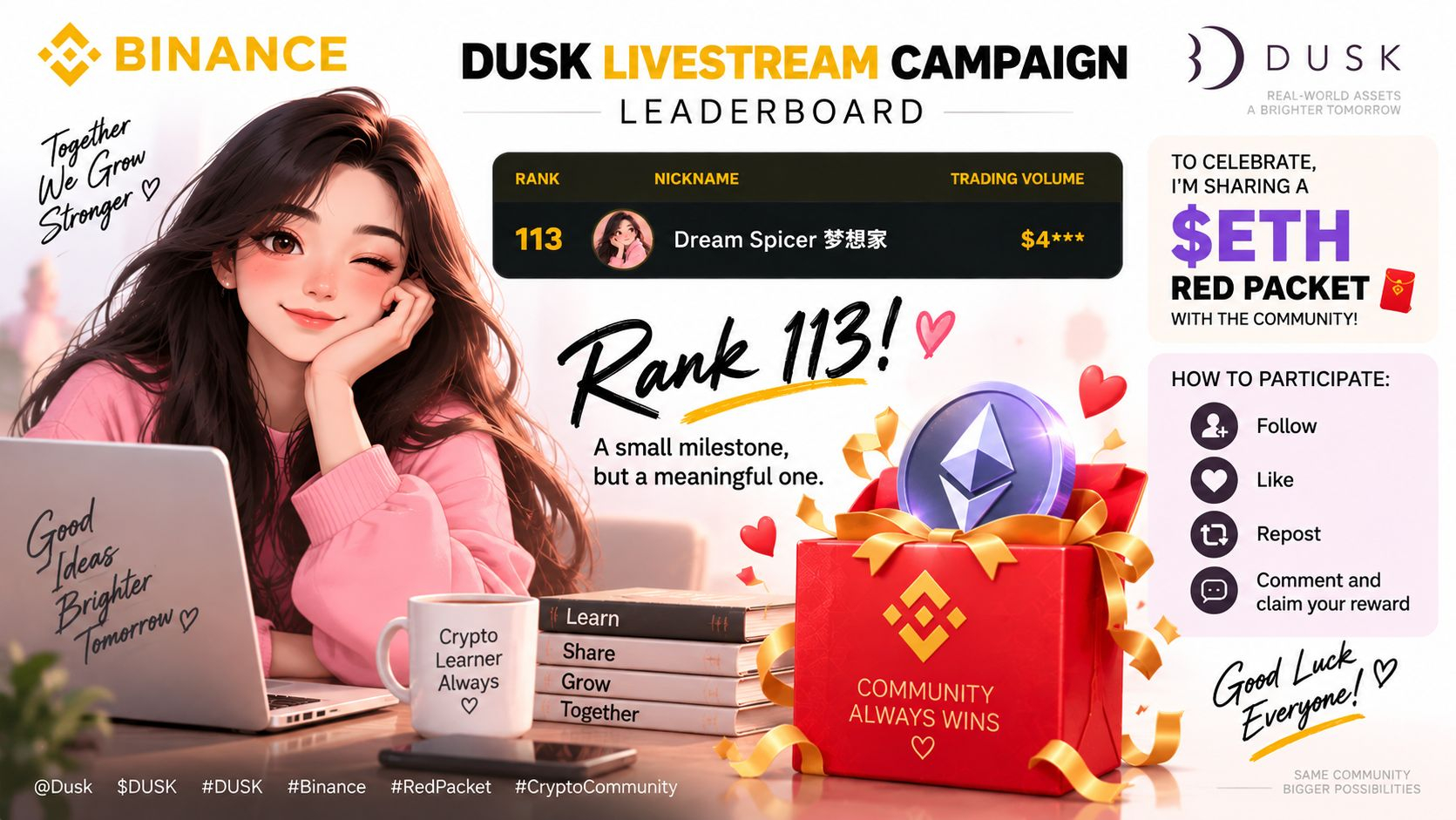
I’m happy to share that I reached #113 on the DUSK Livestream Campaign leaderboard.
It’s been a great experience participating in the campaign, creating content and staying connected with the DUSK community. Every interaction, support and bit of engagement has made this journey more rewarding.
To celebrate this milestone, I’m sharing a $ETH Red Packet 🧧 with the community.
Thank you to everyone who has supported me along the way. ❤️
How to participate:
✅ Follow
✅ Like
✅ Repost
✅ Comment and claim your reward Eth
Good luck everyone, and let’s keep growing together.
It’s been a great experience participating in the campaign, creating content and staying connected with the DUSK community. Every interaction, support and bit of engagement has made this journey more rewarding.
To celebrate this milestone, I’m sharing a $ETH Red Packet 🧧 with the community.
Thank you to everyone who has supported me along the way. ❤️
How to participate:
✅ Follow
✅ Like
✅ Repost
✅ Comment and claim your reward Eth
Good luck everyone, and let’s keep growing together.
Coin--King
·
--
Alhamdulillah, here’s my August P&L, day by day. 📊
Some days were green, some were red, but every trade taught me something. The goal was never to win every day — it was to stay disciplined, manage risk, and keep improving.
Grateful for the lessons, the progress, and the journey. One month down, another step forward. 💪📈
$BTR $USELESS $BTC
#ARBRises30%OnRobinhoodChainRevenue #Japan10YYieldHits3%FirstSince1996 #WTIOilRisesAsOpenInterestShrinks
Some days were green, some were red, but every trade taught me something. The goal was never to win every day — it was to stay disciplined, manage risk, and keep improving.
Grateful for the lessons, the progress, and the journey. One month down, another step forward. 💪📈
$BTR $USELESS $BTC
#ARBRises30%OnRobinhoodChainRevenue #Japan10YYieldHits3%FirstSince1996 #WTIOilRisesAsOpenInterestShrinks
Log in to explore more content