
看不懂的sol
2.4k Posts

看不懂的sol
 Square Verified+
Report
Block User
一生只玩一个币—sol,推特同名:看不懂的sol
82 Following
39.9K+ Followers
70.0K+ Liked
Posts
All
Quotes
Videos
·
--
Buy, buy, buy!!
With a new channel, why not scoop some up?
Draft a new strategy plan!……
Buy, buy, buy!!
With a new channel, why not scoop some up?
Draft a new strategy plan!……
With a new channel, why not scoop some up?
Draft a new strategy plan!……
20
22
23.4k
·
--
Partly True
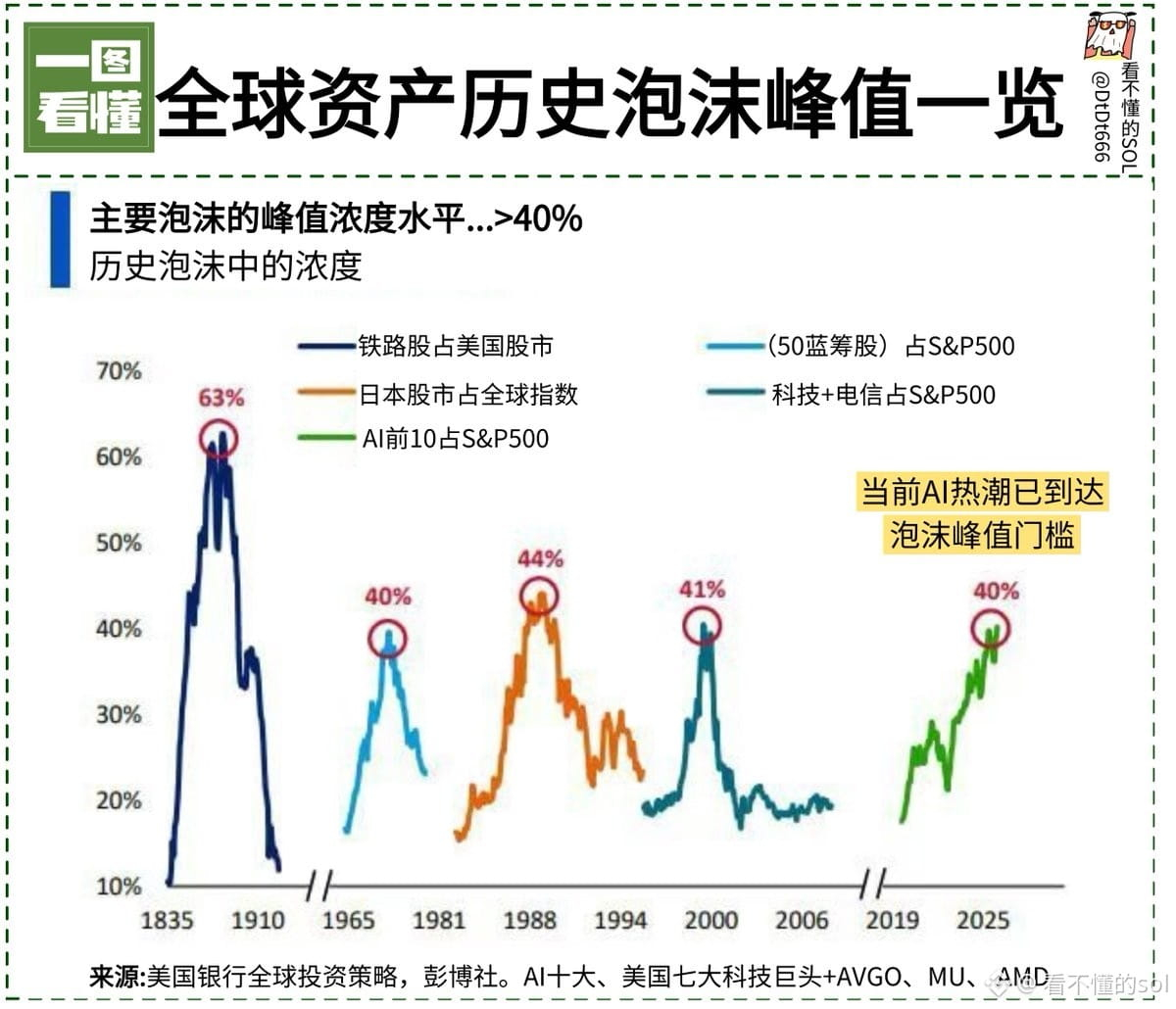
Strategy! AI-related stocks make up 40% of the US stock market; what does history remind us?
According to Bank of America data, AI-related stocks in the S&P 500 are nearing a 40% weight.
This proportion has only happened three times in history.
In 1972, during the "Nifty Fifty" bubble, top stocks accounted for about 40%, and afterwards, US indices phased down by about 50%.
In 1990, during the Japanese market bubble, it reached about 44%, and then the Nikkei dropped 63% within two years.
In 2000, during the dot-com bubble, it was around 41%, leading to a maximum drawdown of 78% for the Nasdaq.
All three instances featured high concentration, high valuation, and high volatility.
After each, the market underwent a prolonged adjustment.
Now, with the AI sector approaching 40%, valuations are not low, and the volatility is significant.
This isn't to say AI doesn't have a future, but rather that in the current structure, history hasn't favored comfortable entries and exits.
So, what to do?
I recommend keeping it super simple, two paths:
First, maintain dollar-cost averaging.
Regardless of peaks or troughs, buy a little each week/month; over time, this will average out your costs.
Even if there’s a pullback later, those who DCA have a far better mental capacity than those who go all-in at once, while ensuring they don't miss out.
Second, hold cash and wait for opportunities.
Not buying now doesn’t mean being bearish; it means waiting for a more favorable entry point.
The market never runs out of opportunities; it’s just that when they arise, you need to have cash on hand.
Buffett currently has nearly $400 billion in cash; why should we panic?
History may not repeat itself, but it sure does rhyme.
Keep dollar-cost averaging, hold cash, and wait for the wind to turn.
Strategy! AI-related stocks make up 40% of the US stock market; what does history remind us?
According to Bank of America data, AI-related stocks in the S&P 500 are nearing a 40% weight.
This proportion has only happened three times in history.
In 1972, during the "Nifty Fifty" bubble, top stocks accounted for about 40%, and afterwards, US indices phased down by about 50%.
In 1990, during the Japanese market bubble, it reached about 44%, and then the Nikkei dropped 63% within two years.
In 2000, during the dot-com bubble, it was around 41%, leading to a maximum drawdown of 78% for the Nasdaq.
All three instances featured high concentration, high valuation, and high volatility.
After each, the market underwent a prolonged adjustment.
Now, with the AI sector approaching 40%, valuations are not low, and the volatility is significant.
This isn't to say AI doesn't have a future, but rather that in the current structure, history hasn't favored comfortable entries and exits.
So, what to do?
I recommend keeping it super simple, two paths:
First, maintain dollar-cost averaging.
Regardless of peaks or troughs, buy a little each week/month; over time, this will average out your costs.
Even if there’s a pullback later, those who DCA have a far better mental capacity than those who go all-in at once, while ensuring they don't miss out.
Second, hold cash and wait for opportunities.
Not buying now doesn’t mean being bearish; it means waiting for a more favorable entry point.
The market never runs out of opportunities; it’s just that when they arise, you need to have cash on hand.
Buffett currently has nearly $400 billion in cash; why should we panic?
History may not repeat itself, but it sure does rhyme.
Keep dollar-cost averaging, hold cash, and wait for the wind to turn.
According to Bank of America data, AI-related stocks in the S&P 500 are nearing a 40% weight.
This proportion has only happened three times in history.
In 1972, during the "Nifty Fifty" bubble, top stocks accounted for about 40%, and afterwards, US indices phased down by about 50%.
In 1990, during the Japanese market bubble, it reached about 44%, and then the Nikkei dropped 63% within two years.
In 2000, during the dot-com bubble, it was around 41%, leading to a maximum drawdown of 78% for the Nasdaq.
All three instances featured high concentration, high valuation, and high volatility.
After each, the market underwent a prolonged adjustment.
Now, with the AI sector approaching 40%, valuations are not low, and the volatility is significant.
This isn't to say AI doesn't have a future, but rather that in the current structure, history hasn't favored comfortable entries and exits.
So, what to do?
I recommend keeping it super simple, two paths:
First, maintain dollar-cost averaging.
Regardless of peaks or troughs, buy a little each week/month; over time, this will average out your costs.
Even if there’s a pullback later, those who DCA have a far better mental capacity than those who go all-in at once, while ensuring they don't miss out.
Second, hold cash and wait for opportunities.
Not buying now doesn’t mean being bearish; it means waiting for a more favorable entry point.
The market never runs out of opportunities; it’s just that when they arise, you need to have cash on hand.
Buffett currently has nearly $400 billion in cash; why should we panic?
History may not repeat itself, but it sure does rhyme.
Keep dollar-cost averaging, hold cash, and wait for the wind to turn.
16
6
39
30.4k
·
--
Verified
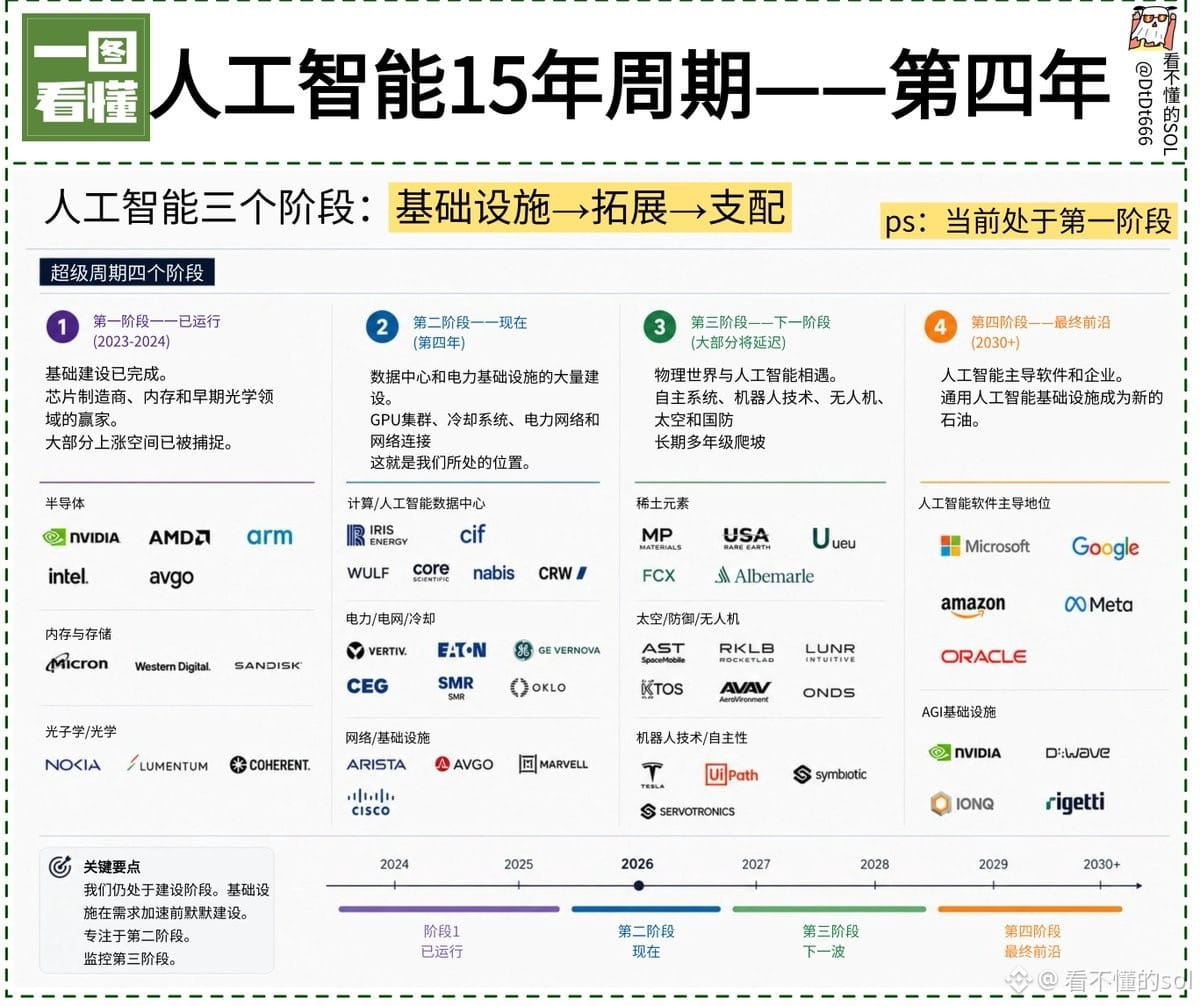
Where is the AI Supercycle heading?
The cloud giants just set their capital expenditure plans for 2026: $725 billion.
That's nearly double compared to last year.
Microsoft, Google, Amazon, Meta, each exceeding $100 billion.
This isn't just hype; it's real cash being thrown around.
But the question is, where should the money flow?
Most folks are still eyeing the first phase targets, while the smart money has already shifted to phase three.
Phase One: Chips (2023-2025)
The groundwork for foundational infrastructure has been laid.
NVDA surged 39%, and INTC's Q1 earnings pushed the Philadelphia Semiconductor Index above 10,000 points.
Chips remain central, but the low-entry window has closed.
Entering now doesn’t mean you can’t profit, but the risk-reward ratio isn’t as favorable as in the past two years.
Core targets: NVDA, AMD, AVGO, INTC, MU, GLW
Tracks: Semiconductors, Storage, Optical Communication
Phase Two: Power and Supporting Infrastructure (2025-2027)
This is the phase most people are just starting to grasp.
VST, after its acquisition, has become the largest private power producer in the U.S., and GEV has more than doubled in a year.
MOD is providing cooling solutions for Nvidia, and GLW has jumped 74% year-to-date, with optical fiber demand exploding.
The SMR small nuclear reactor is a dark horse, with OKLO, BWXT, and NNE positioning themselves to supply power directly to data centers.
There’s still room in the sector, but the obvious targets have already completed their major upswings.
Core targets: VST, GEV, CEG, ANET, MOD, OKLO, BWXT, NNE
Tracks: Power, Grid, Cooling, Networking Equipment, Nuclear/SMR
Phase Three: Robotics, Aerospace, Defense (2026-2028)
AI is stepping out of the data center and into the physical world.
Most people will miss out on this phase.
Tesla is retrofitting its Fremont factory to produce humanoid robots Optimus, planning a capital expenditure of $25 billion, aiming for mass production in the second half of 2026.
Rocket Lab reported record revenue of $602 million, with unfulfilled orders at $1.85 billion.
KTOS’s Valkyrie drone made the U.S. Marine Corps procurement list.
This stage offers the greatest asymmetrical returns, and the window is currently open.
Core targets: TSLA, RKLB, KTOS, PATH, MP, ALB, ASTS
Tracks: Robotics, Autonomous Driving, Aerospace, Defense, Drones, Rare Earths
Phase Four: Software and AGI (Post-2028)
The final battle.
Microsoft’s annual capital expenditure will reach $190 billion, Google $190 billion, Amazon $200 billion, Meta $145 billion.
Google Cloud’s unfulfilled orders will exceed $460 billion.
The giants are building the foundations for AI software supremacy and AGI.
Where is the AI Supercycle heading?
The cloud giants just set their capital expenditure plans for 2026: $725 billion.
That's nearly double compared to last year.
Microsoft, Google, Amazon, Meta, each exceeding $100 billion.
This isn't just hype; it's real cash being thrown around.
But the question is, where should the money flow?
Most folks are still eyeing the first phase targets, while the smart money has already shifted to phase three.
Phase One: Chips (2023-2025)
The groundwork for foundational infrastructure has been laid.
NVDA surged 39%, and INTC's Q1 earnings pushed the Philadelphia Semiconductor Index above 10,000 points.
Chips remain central, but the low-entry window has closed.
Entering now doesn’t mean you can’t profit, but the risk-reward ratio isn’t as favorable as in the past two years.
Core targets: NVDA, AMD, AVGO, INTC, MU, GLW
Tracks: Semiconductors, Storage, Optical Communication
Phase Two: Power and Supporting Infrastructure (2025-2027)
This is the phase most people are just starting to grasp.
VST, after its acquisition, has become the largest private power producer in the U.S., and GEV has more than doubled in a year.
MOD is providing cooling solutions for Nvidia, and GLW has jumped 74% year-to-date, with optical fiber demand exploding.
The SMR small nuclear reactor is a dark horse, with OKLO, BWXT, and NNE positioning themselves to supply power directly to data centers.
There’s still room in the sector, but the obvious targets have already completed their major upswings.
Core targets: VST, GEV, CEG, ANET, MOD, OKLO, BWXT, NNE
Tracks: Power, Grid, Cooling, Networking Equipment, Nuclear/SMR
Phase Three: Robotics, Aerospace, Defense (2026-2028)
AI is stepping out of the data center and into the physical world.
Most people will miss out on this phase.
Tesla is retrofitting its Fremont factory to produce humanoid robots Optimus, planning a capital expenditure of $25 billion, aiming for mass production in the second half of 2026.
Rocket Lab reported record revenue of $602 million, with unfulfilled orders at $1.85 billion.
KTOS’s Valkyrie drone made the U.S. Marine Corps procurement list.
This stage offers the greatest asymmetrical returns, and the window is currently open.
Core targets: TSLA, RKLB, KTOS, PATH, MP, ALB, ASTS
Tracks: Robotics, Autonomous Driving, Aerospace, Defense, Drones, Rare Earths
Phase Four: Software and AGI (Post-2028)
The final battle.
Microsoft’s annual capital expenditure will reach $190 billion, Google $190 billion, Amazon $200 billion, Meta $145 billion.
Google Cloud’s unfulfilled orders will exceed $460 billion.
The giants are building the foundations for AI software supremacy and AGI.
The cloud giants just set their capital expenditure plans for 2026: $725 billion.
That's nearly double compared to last year.
Microsoft, Google, Amazon, Meta, each exceeding $100 billion.
This isn't just hype; it's real cash being thrown around.
But the question is, where should the money flow?
Most folks are still eyeing the first phase targets, while the smart money has already shifted to phase three.
Phase One: Chips (2023-2025)
The groundwork for foundational infrastructure has been laid.
NVDA surged 39%, and INTC's Q1 earnings pushed the Philadelphia Semiconductor Index above 10,000 points.
Chips remain central, but the low-entry window has closed.
Entering now doesn’t mean you can’t profit, but the risk-reward ratio isn’t as favorable as in the past two years.
Core targets: NVDA, AMD, AVGO, INTC, MU, GLW
Tracks: Semiconductors, Storage, Optical Communication
Phase Two: Power and Supporting Infrastructure (2025-2027)
This is the phase most people are just starting to grasp.
VST, after its acquisition, has become the largest private power producer in the U.S., and GEV has more than doubled in a year.
MOD is providing cooling solutions for Nvidia, and GLW has jumped 74% year-to-date, with optical fiber demand exploding.
The SMR small nuclear reactor is a dark horse, with OKLO, BWXT, and NNE positioning themselves to supply power directly to data centers.
There’s still room in the sector, but the obvious targets have already completed their major upswings.
Core targets: VST, GEV, CEG, ANET, MOD, OKLO, BWXT, NNE
Tracks: Power, Grid, Cooling, Networking Equipment, Nuclear/SMR
Phase Three: Robotics, Aerospace, Defense (2026-2028)
AI is stepping out of the data center and into the physical world.
Most people will miss out on this phase.
Tesla is retrofitting its Fremont factory to produce humanoid robots Optimus, planning a capital expenditure of $25 billion, aiming for mass production in the second half of 2026.
Rocket Lab reported record revenue of $602 million, with unfulfilled orders at $1.85 billion.
KTOS’s Valkyrie drone made the U.S. Marine Corps procurement list.
This stage offers the greatest asymmetrical returns, and the window is currently open.
Core targets: TSLA, RKLB, KTOS, PATH, MP, ALB, ASTS
Tracks: Robotics, Autonomous Driving, Aerospace, Defense, Drones, Rare Earths
Phase Four: Software and AGI (Post-2028)
The final battle.
Microsoft’s annual capital expenditure will reach $190 billion, Google $190 billion, Amazon $200 billion, Meta $145 billion.
Google Cloud’s unfulfilled orders will exceed $460 billion.
The giants are building the foundations for AI software supremacy and AGI.
6
4
72
27k
·
--
Verified
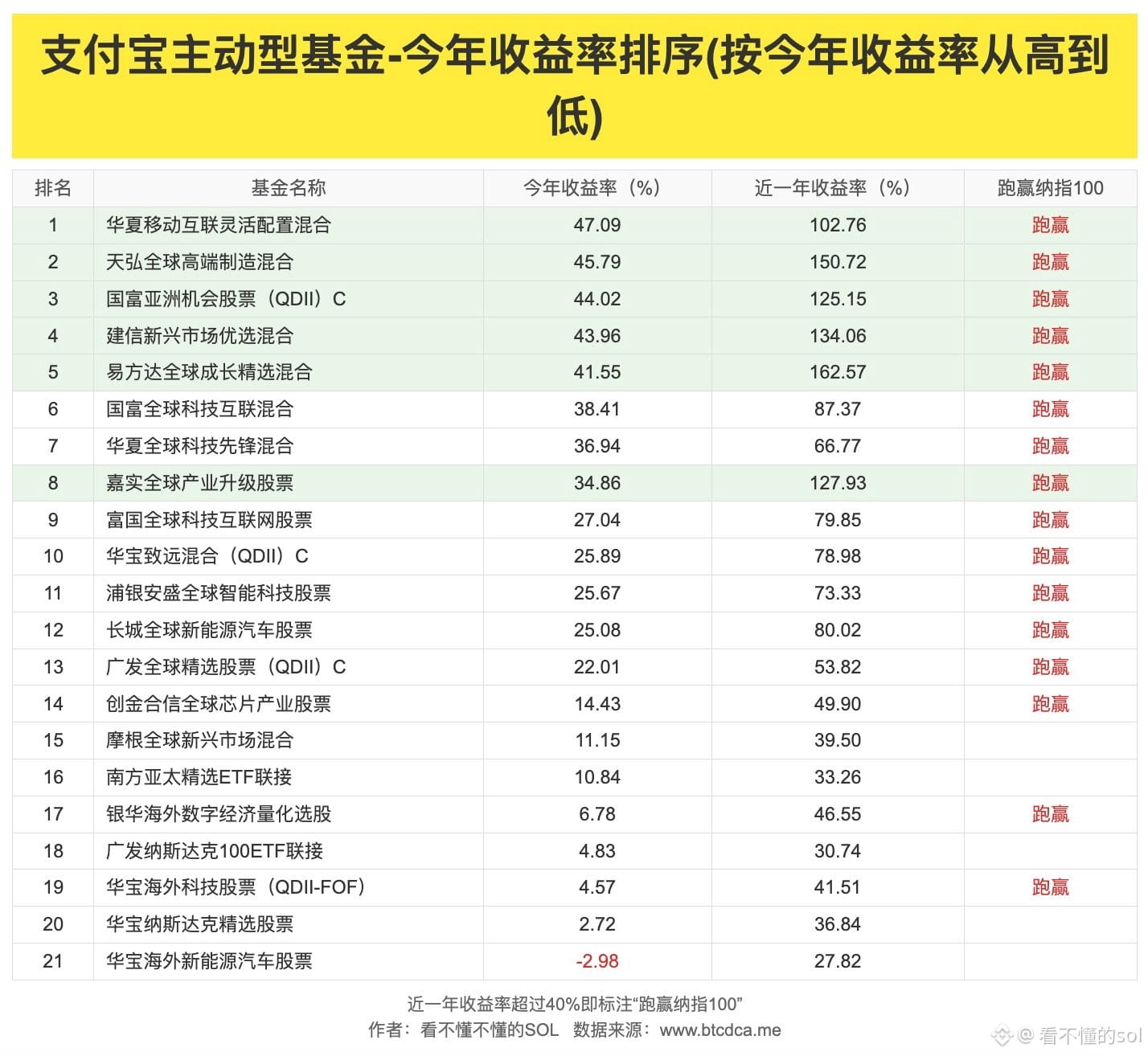
Top Active Funds Ranked on Alipay in China: How Many Outperform the Nasdaq 100?
Hey, fam, looking at the overall scene, the rankings for active Nasdaq funds in April have shifted.
This is different from the previous three months. Heavy investments in U.S. stock storage > U.S. CPO/Optical Communication > Korean storage.
1. Huaxia Mobile Internet Flexible Allocation Mixed
This Year: +47.09% Last Year: +102.76%
2. Tianhong Global High-End Manufacturing Mixed (QDII)
This Year: +45.79% Last Year: +150.72%
3. Guofu Asia Opportunity Stocks (QDII) C
This Year: +44.02% Last Year: +125.15%
4. Jianxin Emerging Markets Selected Mixed (QDII)
This Year: +43.96% Last Year: +134.06%
5. E Fund Global Growth Select Mixed (QDII)
This Year: +41.55% Last Year: +162.57%
6. Guofu Global Tech Connectivity Mixed (QDII)
This Year: +38.41% Last Year: +87.37%
7. Huaxia Global Tech Pioneer Mixed (QDII)
This Year: +36.94% Last Year: +66.77%
8. Harvest Global Industry Upgrade Stocks (QDII)
This Year: +34.86% Last Year: +127.93%
9. Fidelity Global Tech Internet Stocks (QDII)
This Year: +27.04% Last Year: +79.85%
10. Huabao Zhiyuan Mixed (QDII) C
This Year: +25.89% Last Year: +78.98%
11. Ping An Global Smart Tech Stocks (QDII)
This Year: +25.67% Last Year: +73.33%
12. Great Wall Global New Energy Vehicle Stocks (QDII)
This Year: +25.08% Last Year: +80.02%
13. GF Global Select Stocks (QDII) C
This Year: +22.01% Last Year: +53.82%
14. Chuangjin Hexin Global Chip Industry Stocks (QDII)
This Year: +14.43% Last Year: +49.90%
15. Morgan Global Emerging Markets Mixed (QDII)
This Year: +11.15% Last Year: +39.50%
16. Southern Asia Pacific Selected ETF Connection (QDII)
This Year: +10.84% Last Year: +33.26%
17. Yinhua Overseas Digital Economy Quantitative Stock Selection Mixed Initiation (QDII)
This Year: +6.78% Last Year: +46.55%
18. GF Nasdaq 100 ETF Connection (QDII)
This Year: +4.83% Last Year: +30.74%
Let’s talk.
The top 8 this year all exceeded 30% returns, with the top 5 over 40%.
The Nasdaq 100 ETF has only climbed less than 5% this year.
In the past year, the Nasdaq has risen about 40%, but among active funds, 6 have doubled (annualized returns over 100%).
The gap is that wide.
Top Active Funds Ranked on Alipay in China: How Many Outperform the Nasdaq 100?
Hey, fam, looking at the overall scene, the rankings for active Nasdaq funds in April have shifted.
This is different from the previous three months. Heavy investments in U.S. stock storage > U.S. CPO/Optical Communication > Korean storage.
1. Huaxia Mobile Internet Flexible Allocation Mixed
This Year: +47.09% Last Year: +102.76%
2. Tianhong Global High-End Manufacturing Mixed (QDII)
This Year: +45.79% Last Year: +150.72%
3. Guofu Asia Opportunity Stocks (QDII) C
This Year: +44.02% Last Year: +125.15%
4. Jianxin Emerging Markets Selected Mixed (QDII)
This Year: +43.96% Last Year: +134.06%
5. E Fund Global Growth Select Mixed (QDII)
This Year: +41.55% Last Year: +162.57%
6. Guofu Global Tech Connectivity Mixed (QDII)
This Year: +38.41% Last Year: +87.37%
7. Huaxia Global Tech Pioneer Mixed (QDII)
This Year: +36.94% Last Year: +66.77%
8. Harvest Global Industry Upgrade Stocks (QDII)
This Year: +34.86% Last Year: +127.93%
9. Fidelity Global Tech Internet Stocks (QDII)
This Year: +27.04% Last Year: +79.85%
10. Huabao Zhiyuan Mixed (QDII) C
This Year: +25.89% Last Year: +78.98%
11. Ping An Global Smart Tech Stocks (QDII)
This Year: +25.67% Last Year: +73.33%
12. Great Wall Global New Energy Vehicle Stocks (QDII)
This Year: +25.08% Last Year: +80.02%
13. GF Global Select Stocks (QDII) C
This Year: +22.01% Last Year: +53.82%
14. Chuangjin Hexin Global Chip Industry Stocks (QDII)
This Year: +14.43% Last Year: +49.90%
15. Morgan Global Emerging Markets Mixed (QDII)
This Year: +11.15% Last Year: +39.50%
16. Southern Asia Pacific Selected ETF Connection (QDII)
This Year: +10.84% Last Year: +33.26%
17. Yinhua Overseas Digital Economy Quantitative Stock Selection Mixed Initiation (QDII)
This Year: +6.78% Last Year: +46.55%
18. GF Nasdaq 100 ETF Connection (QDII)
This Year: +4.83% Last Year: +30.74%
Let’s talk.
The top 8 this year all exceeded 30% returns, with the top 5 over 40%.
The Nasdaq 100 ETF has only climbed less than 5% this year.
In the past year, the Nasdaq has risen about 40%, but among active funds, 6 have doubled (annualized returns over 100%).
The gap is that wide.
Hey, fam, looking at the overall scene, the rankings for active Nasdaq funds in April have shifted.
This is different from the previous three months. Heavy investments in U.S. stock storage > U.S. CPO/Optical Communication > Korean storage.
1. Huaxia Mobile Internet Flexible Allocation Mixed
This Year: +47.09% Last Year: +102.76%
2. Tianhong Global High-End Manufacturing Mixed (QDII)
This Year: +45.79% Last Year: +150.72%
3. Guofu Asia Opportunity Stocks (QDII) C
This Year: +44.02% Last Year: +125.15%
4. Jianxin Emerging Markets Selected Mixed (QDII)
This Year: +43.96% Last Year: +134.06%
5. E Fund Global Growth Select Mixed (QDII)
This Year: +41.55% Last Year: +162.57%
6. Guofu Global Tech Connectivity Mixed (QDII)
This Year: +38.41% Last Year: +87.37%
7. Huaxia Global Tech Pioneer Mixed (QDII)
This Year: +36.94% Last Year: +66.77%
8. Harvest Global Industry Upgrade Stocks (QDII)
This Year: +34.86% Last Year: +127.93%
9. Fidelity Global Tech Internet Stocks (QDII)
This Year: +27.04% Last Year: +79.85%
10. Huabao Zhiyuan Mixed (QDII) C
This Year: +25.89% Last Year: +78.98%
11. Ping An Global Smart Tech Stocks (QDII)
This Year: +25.67% Last Year: +73.33%
12. Great Wall Global New Energy Vehicle Stocks (QDII)
This Year: +25.08% Last Year: +80.02%
13. GF Global Select Stocks (QDII) C
This Year: +22.01% Last Year: +53.82%
14. Chuangjin Hexin Global Chip Industry Stocks (QDII)
This Year: +14.43% Last Year: +49.90%
15. Morgan Global Emerging Markets Mixed (QDII)
This Year: +11.15% Last Year: +39.50%
16. Southern Asia Pacific Selected ETF Connection (QDII)
This Year: +10.84% Last Year: +33.26%
17. Yinhua Overseas Digital Economy Quantitative Stock Selection Mixed Initiation (QDII)
This Year: +6.78% Last Year: +46.55%
18. GF Nasdaq 100 ETF Connection (QDII)
This Year: +4.83% Last Year: +30.74%
Let’s talk.
The top 8 this year all exceeded 30% returns, with the top 5 over 40%.
The Nasdaq 100 ETF has only climbed less than 5% this year.
In the past year, the Nasdaq has risen about 40%, but among active funds, 6 have doubled (annualized returns over 100%).
The gap is that wide.
3
15
9.4k
·
--
The Berkshire Hathaway 2026 shareholder meeting just wrapped up.
I’ve put together the 10 key takeaways from the meeting for you guys:
1) Buffett on the market:
Now is not an ideal investment environment. People’s gambling enthusiasm has never been higher.
The most likely buying opportunity is when everyone else is not picking up the phone.
What people discuss and worry about usually doesn’t happen; it’s the unexpected black swan events that shake the market.
This aligns with his old mantra: when others are greedy, I’m fearful; when others are fearful, I’m greedy. But the issue now is that no one is fearful; everyone is greedy.
2) Buffett on succession:
Buffett said Abel has done everything I used to do, and even more, and he does it all better.
We rate this decision a perfect 100.
I’m telling you, Buffett rarely gives full marks. His praise for Abel basically equates to saying, "the succession went right."
3) Buffett on Apple:
Investing $35 billion in Apple 10 years ago, including dividends, has now turned into $185 billion.
Buffett said, I didn’t do anything.
He also praised Cook, saying Cook took over from Jobs and created one of the miracles of American business management.
That’s classic Buffett. Buy a solid company and then just sit tight.
4) Abel on AI:
Abel said, AI must be beneficial to our business. We won’t deploy AI just for the sake of AI. It will be rolled out in a small, focused manner aimed at creating value.
They even showcased a deepfake Buffett video, highlighting the cybersecurity risks brought by AI.
The demand for data center construction presents huge growth opportunities for utility companies. However, the energy usage costs of data centers need to be separated from grid users.
The Berkshire Hathaway 2026 shareholder meeting just wrapped up.
I’ve put together the 10 key takeaways from the meeting for you guys:
1) Buffett on the market:
Now is not an ideal investment environment. People’s gambling enthusiasm has never been higher.
The most likely buying opportunity is when everyone else is not picking up the phone.
What people discuss and worry about usually doesn’t happen; it’s the unexpected black swan events that shake the market.
This aligns with his old mantra: when others are greedy, I’m fearful; when others are fearful, I’m greedy. But the issue now is that no one is fearful; everyone is greedy.
2) Buffett on succession:
Buffett said Abel has done everything I used to do, and even more, and he does it all better.
We rate this decision a perfect 100.
I’m telling you, Buffett rarely gives full marks. His praise for Abel basically equates to saying, "the succession went right."
3) Buffett on Apple:
Investing $35 billion in Apple 10 years ago, including dividends, has now turned into $185 billion.
Buffett said, I didn’t do anything.
He also praised Cook, saying Cook took over from Jobs and created one of the miracles of American business management.
That’s classic Buffett. Buy a solid company and then just sit tight.
4) Abel on AI:
Abel said, AI must be beneficial to our business. We won’t deploy AI just for the sake of AI. It will be rolled out in a small, focused manner aimed at creating value.
They even showcased a deepfake Buffett video, highlighting the cybersecurity risks brought by AI.
The demand for data center construction presents huge growth opportunities for utility companies. However, the energy usage costs of data centers need to be separated from grid users.
I’ve put together the 10 key takeaways from the meeting for you guys:
1) Buffett on the market:
Now is not an ideal investment environment. People’s gambling enthusiasm has never been higher.
The most likely buying opportunity is when everyone else is not picking up the phone.
What people discuss and worry about usually doesn’t happen; it’s the unexpected black swan events that shake the market.
This aligns with his old mantra: when others are greedy, I’m fearful; when others are fearful, I’m greedy. But the issue now is that no one is fearful; everyone is greedy.
2) Buffett on succession:
Buffett said Abel has done everything I used to do, and even more, and he does it all better.
We rate this decision a perfect 100.
I’m telling you, Buffett rarely gives full marks. His praise for Abel basically equates to saying, "the succession went right."
3) Buffett on Apple:
Investing $35 billion in Apple 10 years ago, including dividends, has now turned into $185 billion.
Buffett said, I didn’t do anything.
He also praised Cook, saying Cook took over from Jobs and created one of the miracles of American business management.
That’s classic Buffett. Buy a solid company and then just sit tight.
4) Abel on AI:
Abel said, AI must be beneficial to our business. We won’t deploy AI just for the sake of AI. It will be rolled out in a small, focused manner aimed at creating value.
They even showcased a deepfake Buffett video, highlighting the cybersecurity risks brought by AI.
The demand for data center construction presents huge growth opportunities for utility companies. However, the energy usage costs of data centers need to be separated from grid users.
4
1
81
34.5k
·
--
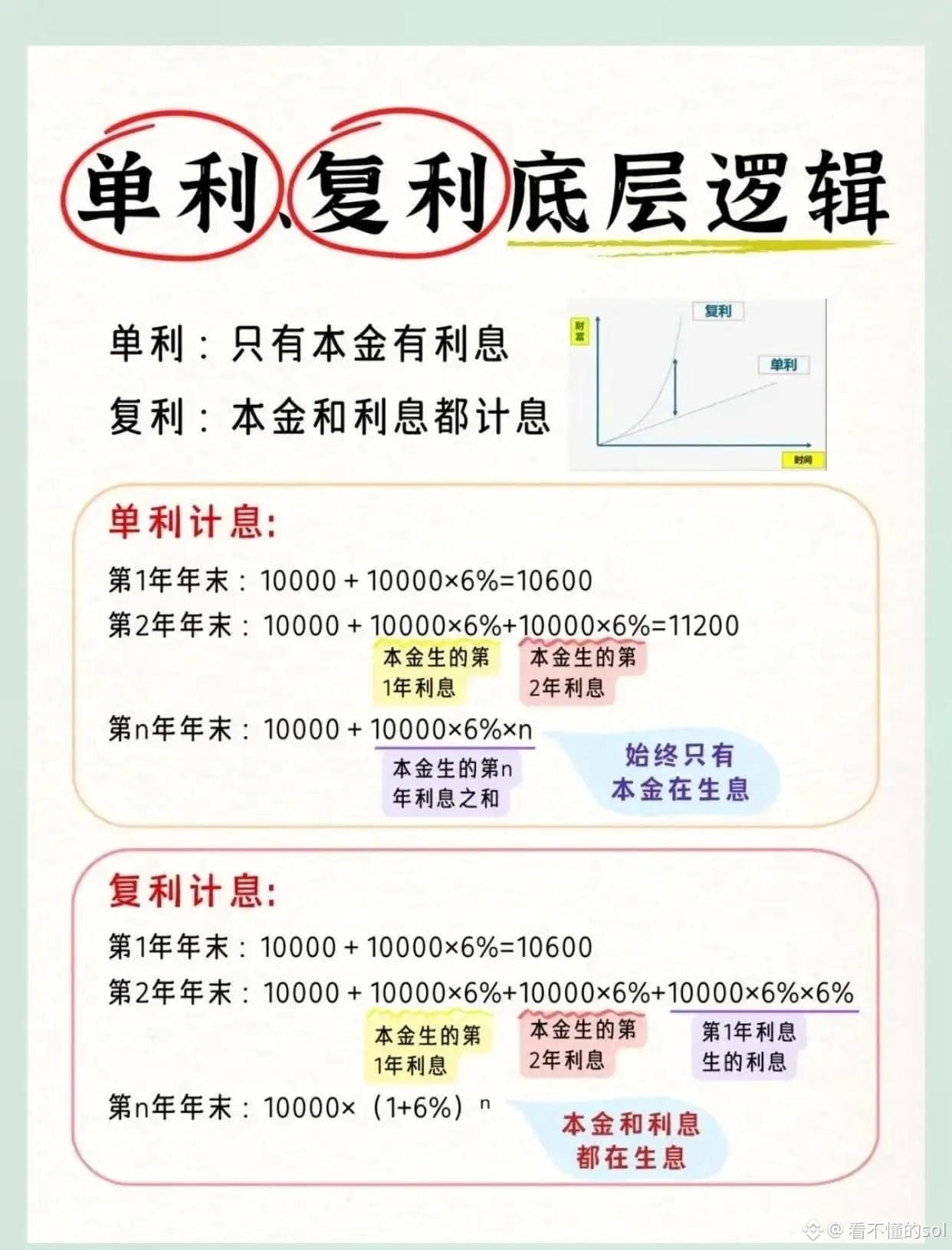
The Power of Compound Interest
Annualized 15%, double in 5 years, 8 times in 15 years. 1 million becomes 8 million. After another 15 years, 64 million.
A student from a 211 university, as long as they can understand the basics, if they can get 1 million as principal before the age of 30, there is a high probability that they can retire/live full-time by 50.
Even with an annualized 10%, double in 7 years, quadruple in 30 years, 1 million will become 16 million after 30 years, which is also acceptable. This surpasses 99% of peers who graduated from 985 universities.
Don't buy a house for your child; by the age of 30, just give them 1 million and gift them a value investment book, such as the complete works of Warren Buffett and the collection of Duan Yongping, and they will live well for the rest of their lives.
The Power of Compound Interest
Annualized 15%, double in 5 years, 8 times in 15 years. 1 million becomes 8 million. After another 15 years, 64 million.
A student from a 211 university, as long as they can understand the basics, if they can get 1 million as principal before the age of 30, there is a high probability that they can retire/live full-time by 50.
Even with an annualized 10%, double in 7 years, quadruple in 30 years, 1 million will become 16 million after 30 years, which is also acceptable. This surpasses 99% of peers who graduated from 985 universities.
Don't buy a house for your child; by the age of 30, just give them 1 million and gift them a value investment book, such as the complete works of Warren Buffett and the collection of Duan Yongping, and they will live well for the rest of their lives.
Annualized 15%, double in 5 years, 8 times in 15 years. 1 million becomes 8 million. After another 15 years, 64 million.
A student from a 211 university, as long as they can understand the basics, if they can get 1 million as principal before the age of 30, there is a high probability that they can retire/live full-time by 50.
Even with an annualized 10%, double in 7 years, quadruple in 30 years, 1 million will become 16 million after 30 years, which is also acceptable. This surpasses 99% of peers who graduated from 985 universities.
Don't buy a house for your child; by the age of 30, just give them 1 million and gift them a value investment book, such as the complete works of Warren Buffett and the collection of Duan Yongping, and they will live well for the rest of their lives.
5
1
19
15.8k
·
--
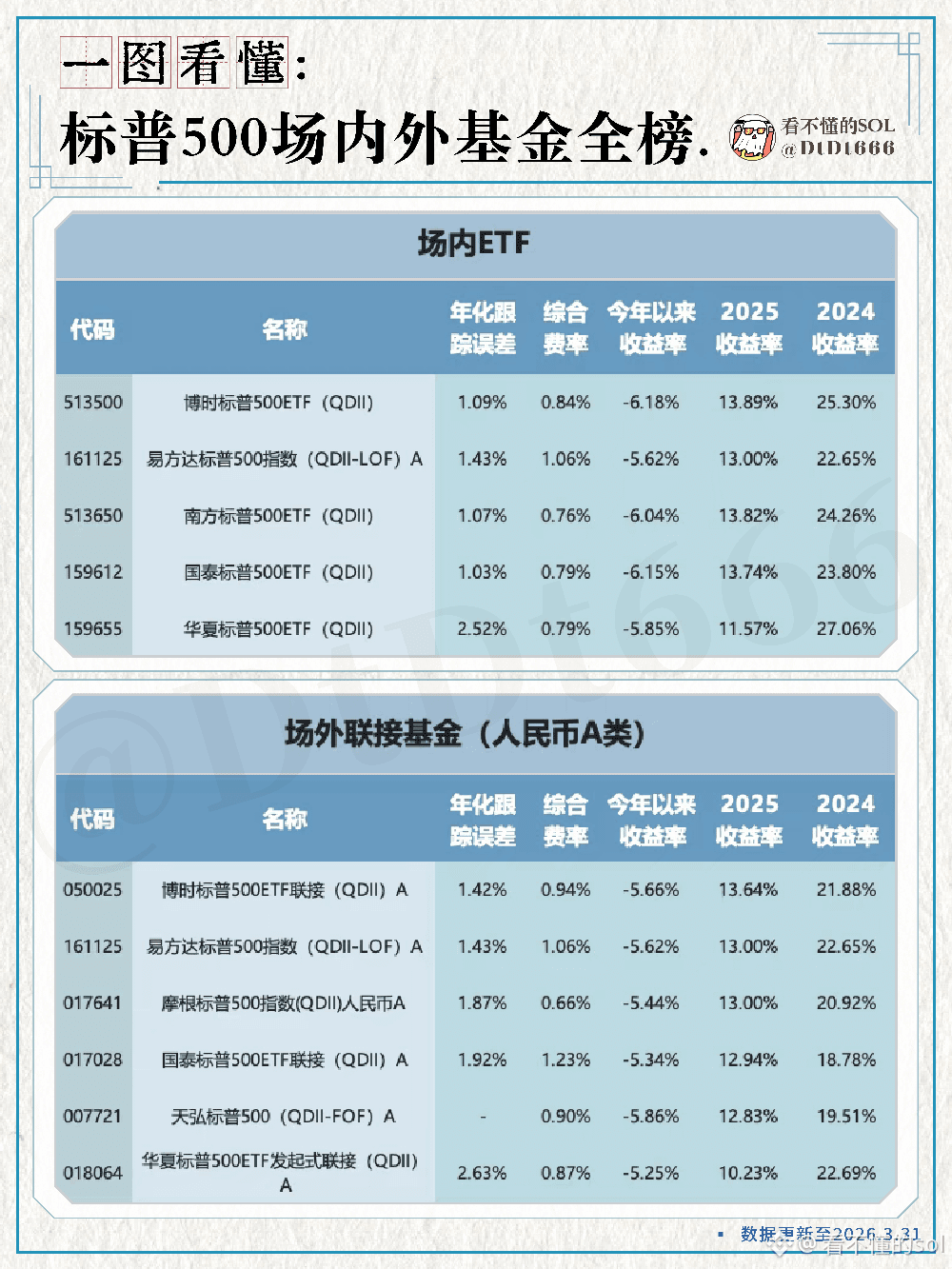
The domestic S&P 500 on-exchange & off-exchange fund full list is here!
We have specially compiled a latest comparison table of the current mainstream S&P 500 on-exchange ETFs and off-exchange linked funds (RMB Class A), including: annual tracking error, comprehensive fee rate, year-to-date return, 2025 return, and 2024 return.
Data updated until March 31, 2026, clear at a glance!
Currently available quotas:
1. Bosera S&P 500 Class E 1000 quota
2. Tianhong S&P 500 Class A and Class C each 1000 quota
3. Morgan S&P 500 Class A and Class C each 50 quota
The US stock market surged for two consecutive days, today the TACO sentiment has retreated, and futures have also dropped significantly, with premiums still being cut in the market. As the off-exchange quotas gradually open up, everyone can save this table and compare it based on their trading habits (on-exchange T+0 trading vs off-exchange subscription and redemption based on net value), fee preferences, and tolerances for tracking errors, to make their own choices~
The domestic S&P 500 on-exchange & off-exchange fund full list is here!
We have specially compiled a latest comparison table of the current mainstream S&P 500 on-exchange ETFs and off-exchange linked funds (RMB Class A), including: annual tracking error, comprehensive fee rate, year-to-date return, 2025 return, and 2024 return.
Data updated until March 31, 2026, clear at a glance!
Currently available quotas:
1. Bosera S&P 500 Class E 1000 quota
2. Tianhong S&P 500 Class A and Class C each 1000 quota
3. Morgan S&P 500 Class A and Class C each 50 quota
The US stock market surged for two consecutive days, today the TACO sentiment has retreated, and futures have also dropped significantly, with premiums still being cut in the market. As the off-exchange quotas gradually open up, everyone can save this table and compare it based on their trading habits (on-exchange T+0 trading vs off-exchange subscription and redemption based on net value), fee preferences, and tolerances for tracking errors, to make their own choices~
We have specially compiled a latest comparison table of the current mainstream S&P 500 on-exchange ETFs and off-exchange linked funds (RMB Class A), including: annual tracking error, comprehensive fee rate, year-to-date return, 2025 return, and 2024 return.
Data updated until March 31, 2026, clear at a glance!
Currently available quotas:
1. Bosera S&P 500 Class E 1000 quota
2. Tianhong S&P 500 Class A and Class C each 1000 quota
3. Morgan S&P 500 Class A and Class C each 50 quota
The US stock market surged for two consecutive days, today the TACO sentiment has retreated, and futures have also dropped significantly, with premiums still being cut in the market. As the off-exchange quotas gradually open up, everyone can save this table and compare it based on their trading habits (on-exchange T+0 trading vs off-exchange subscription and redemption based on net value), fee preferences, and tolerances for tracking errors, to make their own choices~
1
8
9k
·
--
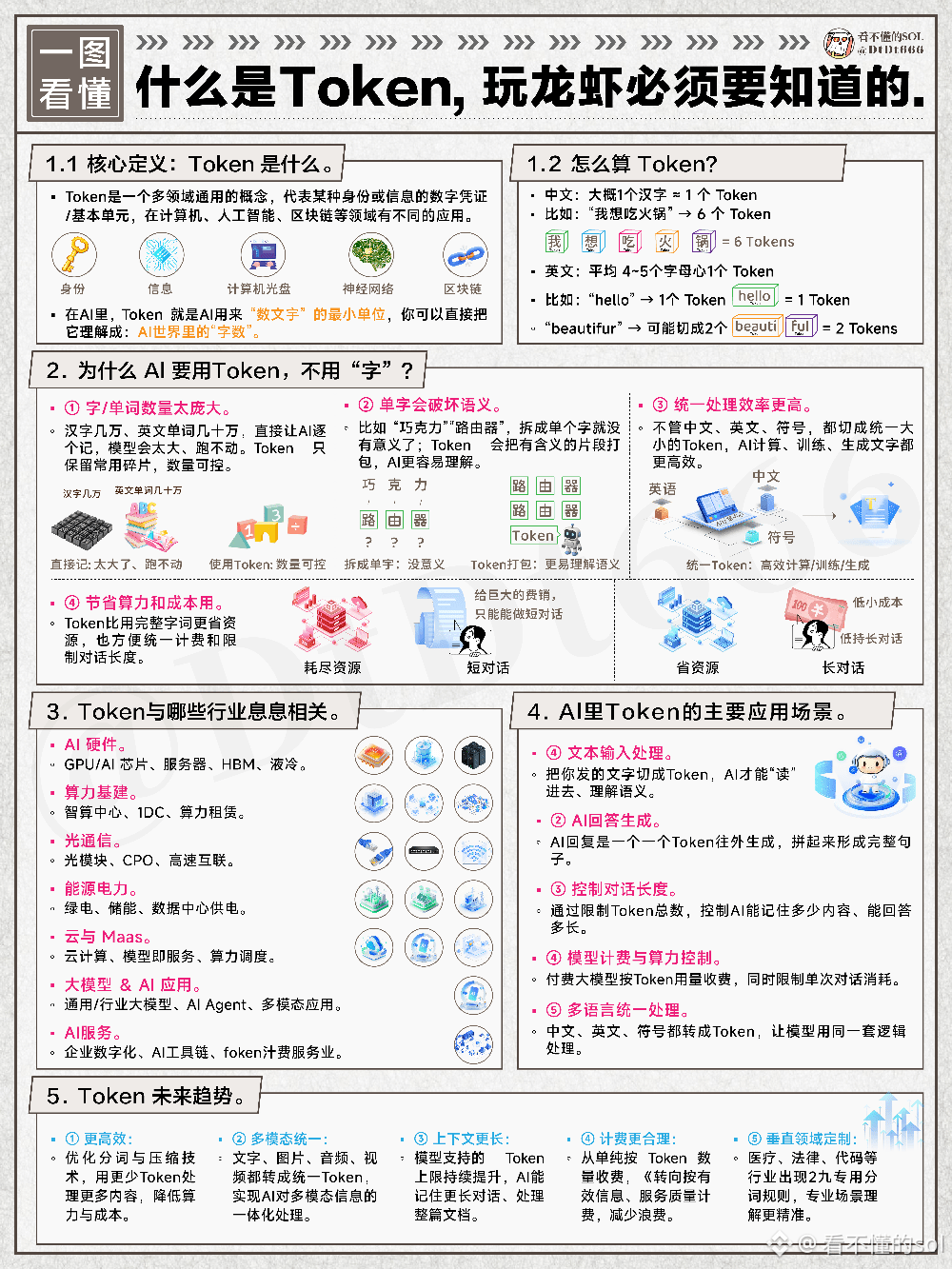
What is a Token, something you must know to play Lobster.
What is a Token, something you must know to play Lobster.
7
10k
·
--
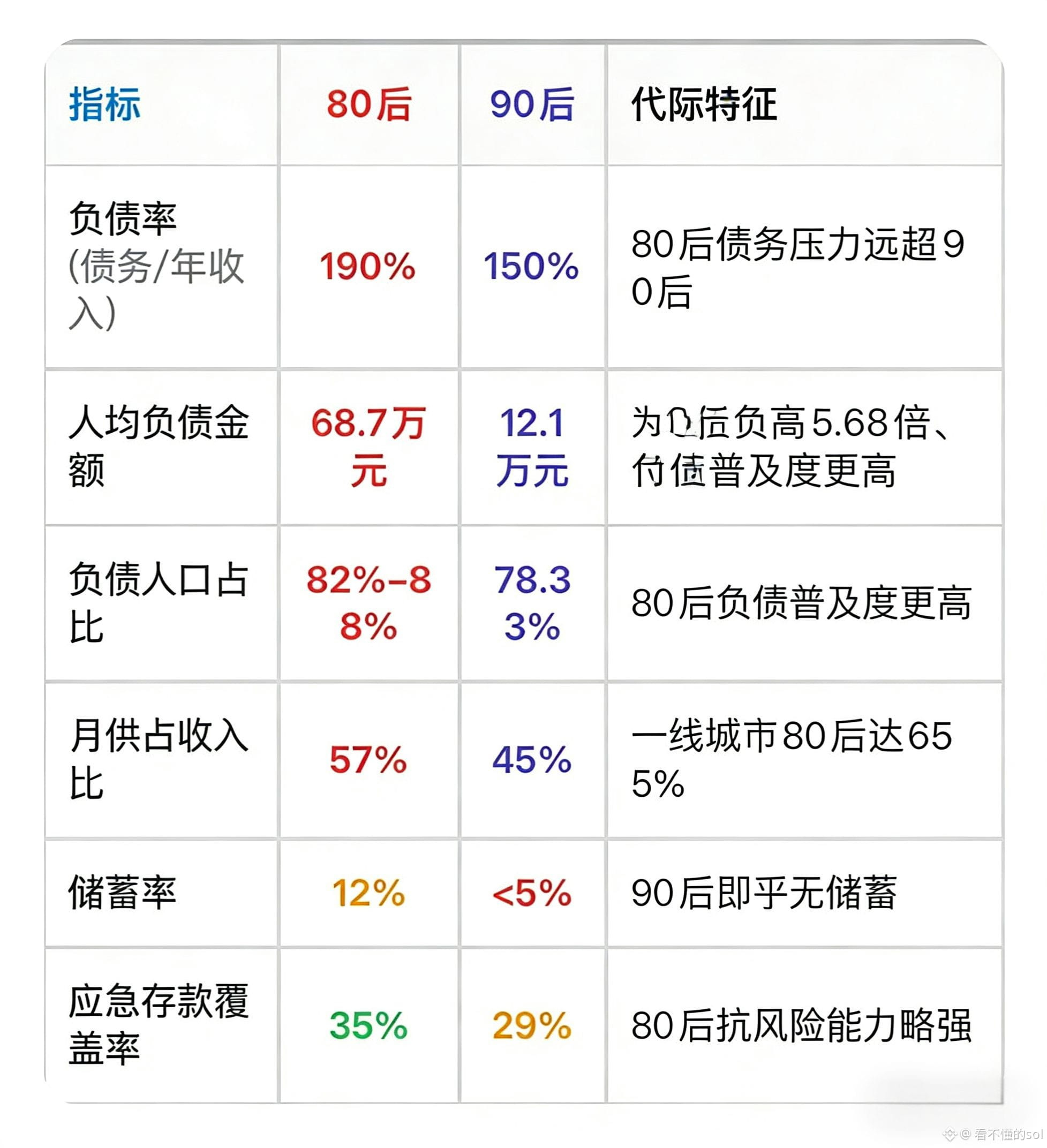
Chinese Middle Class: Burdened with Debt, Walking on Eggshells
Post-80s Debt Ratio 190%, Average Debt 697,000
Post-90s Debt Ratio 150%, Average Debt 121,000
Post-80s: Typical Responsibility-type Debt
Debt Structure: 70% Housing Loan + 15% Car Loan + 8% Business Loan + 5% Consumer Loan + 2% Education Loan
95% for family support expenditures, less than 5% for pleasure consumption, definitely supporting both elderly and children
Post-90s: Mostly Pleasure-type Debt
Debt Structure: 56.7% Housing Loan + 32.1% Consumer Loan + 10% Car Loan + 1.2% Business Loan
Over 30% of consumer loans are directed towards luxury goods, travel, and medical beauty, deeply trapped in pre-consumption and hedonism
Middle Class Bankruptcy Trio
1. High Housing Loan Monthly Payment over 20,000+
2. Spouse is a full-time homemaker
3. Second Child Attending International School
Four Core Reasons for Falling Back into Poverty
1. Sudden Unemployment
2. Severe Illness
3. Blind Investment
4. Rash Entrepreneurship
Nine Major Traps for Middle Class Returning to Poverty
Seaside Properties, P2P, Speculative Stock Trading, Speculative Cryptocurrency, Quitting Jobs to Start Businesses, Buying Apartments, Engaging in Fundraising, Purchasing Commercial Spaces, Franchise Store Openings, Running Homestays
Hitting any one of these is enough to cause the middle class to return to poverty overnight.
Chinese Middle Class: Burdened with Debt, Walking on Eggshells
Post-80s Debt Ratio 190%, Average Debt 697,000
Post-90s Debt Ratio 150%, Average Debt 121,000
Post-80s: Typical Responsibility-type Debt
Debt Structure: 70% Housing Loan + 15% Car Loan + 8% Business Loan + 5% Consumer Loan + 2% Education Loan
95% for family support expenditures, less than 5% for pleasure consumption, definitely supporting both elderly and children
Post-90s: Mostly Pleasure-type Debt
Debt Structure: 56.7% Housing Loan + 32.1% Consumer Loan + 10% Car Loan + 1.2% Business Loan
Over 30% of consumer loans are directed towards luxury goods, travel, and medical beauty, deeply trapped in pre-consumption and hedonism
Middle Class Bankruptcy Trio
1. High Housing Loan Monthly Payment over 20,000+
2. Spouse is a full-time homemaker
3. Second Child Attending International School
Four Core Reasons for Falling Back into Poverty
1. Sudden Unemployment
2. Severe Illness
3. Blind Investment
4. Rash Entrepreneurship
Nine Major Traps for Middle Class Returning to Poverty
Seaside Properties, P2P, Speculative Stock Trading, Speculative Cryptocurrency, Quitting Jobs to Start Businesses, Buying Apartments, Engaging in Fundraising, Purchasing Commercial Spaces, Franchise Store Openings, Running Homestays
Hitting any one of these is enough to cause the middle class to return to poverty overnight.
Post-80s Debt Ratio 190%, Average Debt 697,000
Post-90s Debt Ratio 150%, Average Debt 121,000
Post-80s: Typical Responsibility-type Debt
Debt Structure: 70% Housing Loan + 15% Car Loan + 8% Business Loan + 5% Consumer Loan + 2% Education Loan
95% for family support expenditures, less than 5% for pleasure consumption, definitely supporting both elderly and children
Post-90s: Mostly Pleasure-type Debt
Debt Structure: 56.7% Housing Loan + 32.1% Consumer Loan + 10% Car Loan + 1.2% Business Loan
Over 30% of consumer loans are directed towards luxury goods, travel, and medical beauty, deeply trapped in pre-consumption and hedonism
Middle Class Bankruptcy Trio
1. High Housing Loan Monthly Payment over 20,000+
2. Spouse is a full-time homemaker
3. Second Child Attending International School
Four Core Reasons for Falling Back into Poverty
1. Sudden Unemployment
2. Severe Illness
3. Blind Investment
4. Rash Entrepreneurship
Nine Major Traps for Middle Class Returning to Poverty
Seaside Properties, P2P, Speculative Stock Trading, Speculative Cryptocurrency, Quitting Jobs to Start Businesses, Buying Apartments, Engaging in Fundraising, Purchasing Commercial Spaces, Franchise Store Openings, Running Homestays
Hitting any one of these is enough to cause the middle class to return to poverty overnight.
10
2
30
13.9k
·
--
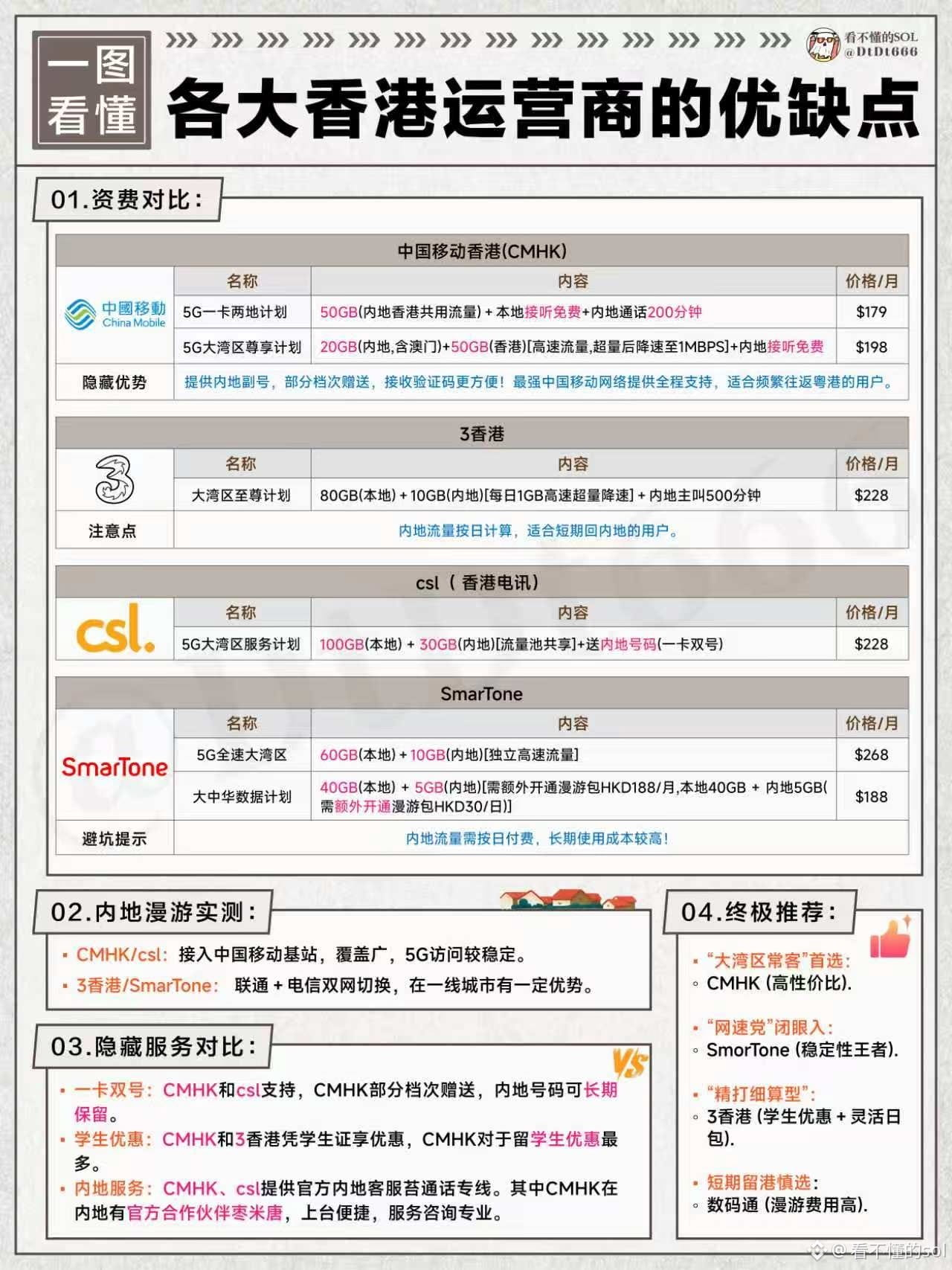
A picture to understand how mainland players can quickly obtain a Hong Kong phone number (recommended to bookmark)
Hong Kong cards not only bypass the exchange's ban on +86 numbers,
but also allow operations including US stocks, cryptocurrency, KYC, essential accounts for new project exploitation, etc.,
and can easily unlock services with regional restrictions such as OpenAI/Claude/X/YouTube
👇👇👇
A picture to understand how mainland players can quickly obtain a Hong Kong phone number (recommended to bookmark)
Hong Kong cards not only bypass the exchange's ban on +86 numbers,
but also allow operations including US stocks, cryptocurrency, KYC, essential accounts for new project exploitation, etc.,
and can easily unlock services with regional restrictions such as OpenAI/Claude/X/YouTube
👇👇👇
Hong Kong cards not only bypass the exchange's ban on +86 numbers,
but also allow operations including US stocks, cryptocurrency, KYC, essential accounts for new project exploitation, etc.,
and can easily unlock services with regional restrictions such as OpenAI/Claude/X/YouTube
👇👇👇
4
14
11.1k
·
--
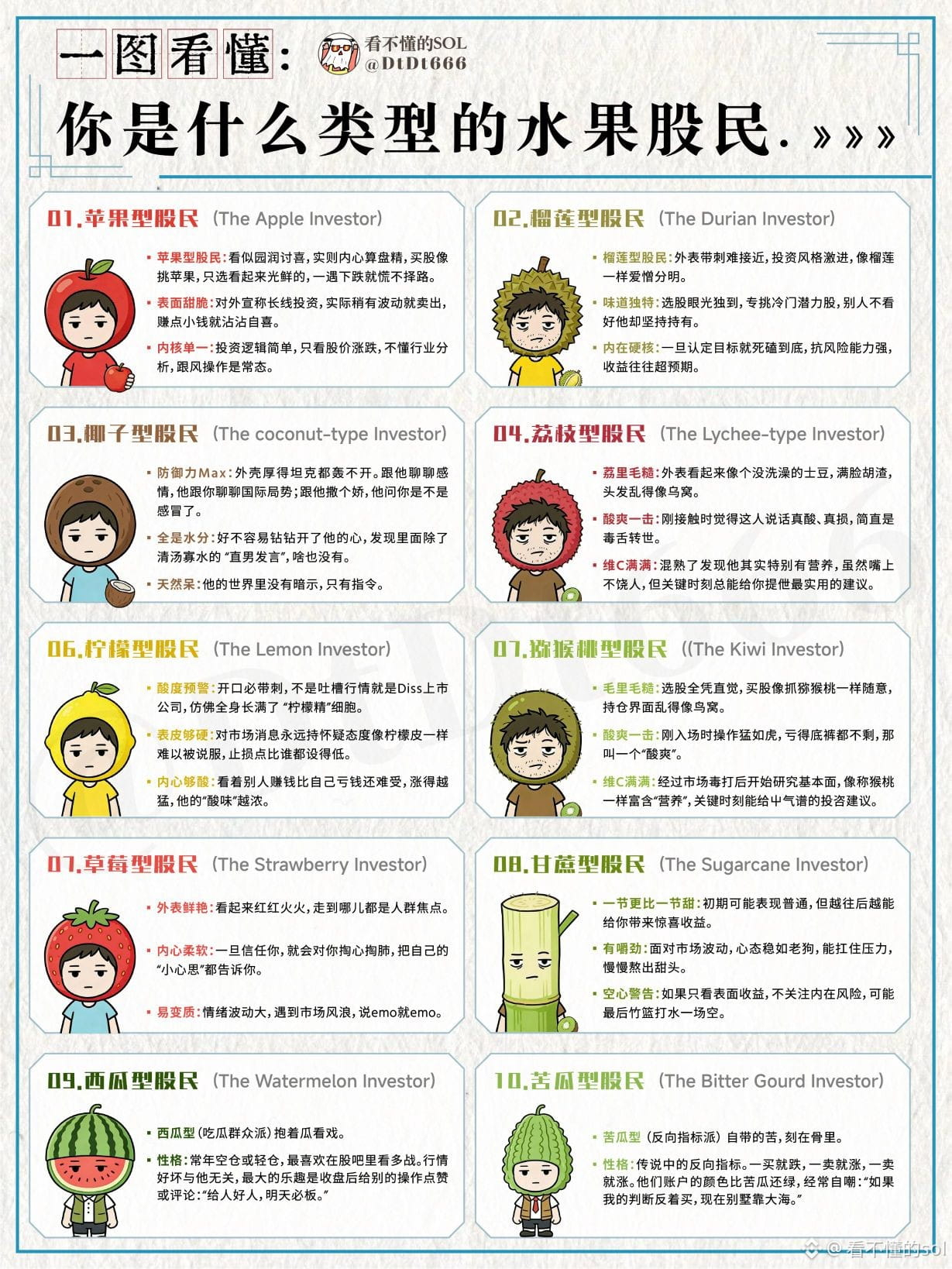
What type of fruit investor are you? What you peel is fruit, and it’s also the base color of your trading.
We often stay up late analyzing K-lines, studying financial reports, trying to understand the market's temperament, yet we rarely take a moment to stop and look at ourselves in the mirror.
Apple type: Appears round and pleasing, but is actually quite shrewd; claims to invest long-term but quickly seeks safety at the first sign of volatility; picks stocks based only on surface appeal, lacks understanding of industry logic, and tends to follow the crowd.
Durian type: Difficult to approach with a spiky exterior, aggressive investment style, and clear-cut likes and dislikes; has a unique eye for stock selection, specifically seeks out under-the-radar potential stocks, and once committed, will stick to it no matter what; possesses strong risk tolerance and often exceeds expectations in returns.
Coconut type: Has a shell as hard as a tank, fully defensive, but is hollow inside; can speak eloquently about macro topics, but when it comes to actual investments, only offers bland “straight talk”; in this world, there are only commands, no nuances.
Lychee type: Appears rough and unkempt, seems blunt upon first contact, but once familiar, reveals the ability to provide the most practical advice at crucial moments, hidden within a rough exterior as a “nutritional type.”
Lemon type: Full of “citric acid,” feels worse seeing others profit than suffering losses themselves; always skeptical of the market, challenges everyone’s opinions, and the stronger the surge, the more “sour” it gets.
Kiwi type: Selects stocks purely based on intuition, enters the market with fierce operations, and ends up losing everything; only after enduring market beatings do they start to study the fundamentals, gradually cultivating “nutrition” to become a mature investor capable of giving sound advice.
Strawberry type: Outwardly dazzling, the center of attention wherever they go, but internally soft and fragile; once they trust someone, they open up completely, experience extreme emotional fluctuations, and become emo at the slightest turbulence, easily spoiling like strawberries.
Sugarcane type: Initially performs mediocrely, but surprises you more and more as time goes on; maintains a steady mindset like an old dog in the face of fluctuations, can withstand pressure and slowly extract sweetness, but if they only focus on superficial returns and ignore risks, they may end up with nothing.
Watermelon type: A typical onlooker, often holding cash or light positions, loves watching ups and downs in stock forums and giving likes to others; the market's performance has nothing to do with them, and their greatest joy is “giving to good people, guaranteed to go up tomorrow.”
Bitter melon type: Naturally a contrarian indicator, buying leads to declines, selling leads to gains; their account is greener than bitter melon, often self-deprecatingly saying, “If I had bought against my judgment, I’d have a villa by the sea now.”
What type of fruit investor are you? What you peel is fruit, and it’s also the base color of your trading.
We often stay up late analyzing K-lines, studying financial reports, trying to understand the market's temperament, yet we rarely take a moment to stop and look at ourselves in the mirror.
Apple type: Appears round and pleasing, but is actually quite shrewd; claims to invest long-term but quickly seeks safety at the first sign of volatility; picks stocks based only on surface appeal, lacks understanding of industry logic, and tends to follow the crowd.
Durian type: Difficult to approach with a spiky exterior, aggressive investment style, and clear-cut likes and dislikes; has a unique eye for stock selection, specifically seeks out under-the-radar potential stocks, and once committed, will stick to it no matter what; possesses strong risk tolerance and often exceeds expectations in returns.
Coconut type: Has a shell as hard as a tank, fully defensive, but is hollow inside; can speak eloquently about macro topics, but when it comes to actual investments, only offers bland “straight talk”; in this world, there are only commands, no nuances.
Lychee type: Appears rough and unkempt, seems blunt upon first contact, but once familiar, reveals the ability to provide the most practical advice at crucial moments, hidden within a rough exterior as a “nutritional type.”
Lemon type: Full of “citric acid,” feels worse seeing others profit than suffering losses themselves; always skeptical of the market, challenges everyone’s opinions, and the stronger the surge, the more “sour” it gets.
Kiwi type: Selects stocks purely based on intuition, enters the market with fierce operations, and ends up losing everything; only after enduring market beatings do they start to study the fundamentals, gradually cultivating “nutrition” to become a mature investor capable of giving sound advice.
Strawberry type: Outwardly dazzling, the center of attention wherever they go, but internally soft and fragile; once they trust someone, they open up completely, experience extreme emotional fluctuations, and become emo at the slightest turbulence, easily spoiling like strawberries.
Sugarcane type: Initially performs mediocrely, but surprises you more and more as time goes on; maintains a steady mindset like an old dog in the face of fluctuations, can withstand pressure and slowly extract sweetness, but if they only focus on superficial returns and ignore risks, they may end up with nothing.
Watermelon type: A typical onlooker, often holding cash or light positions, loves watching ups and downs in stock forums and giving likes to others; the market's performance has nothing to do with them, and their greatest joy is “giving to good people, guaranteed to go up tomorrow.”
Bitter melon type: Naturally a contrarian indicator, buying leads to declines, selling leads to gains; their account is greener than bitter melon, often self-deprecatingly saying, “If I had bought against my judgment, I’d have a villa by the sea now.”
We often stay up late analyzing K-lines, studying financial reports, trying to understand the market's temperament, yet we rarely take a moment to stop and look at ourselves in the mirror.
Apple type: Appears round and pleasing, but is actually quite shrewd; claims to invest long-term but quickly seeks safety at the first sign of volatility; picks stocks based only on surface appeal, lacks understanding of industry logic, and tends to follow the crowd.
Durian type: Difficult to approach with a spiky exterior, aggressive investment style, and clear-cut likes and dislikes; has a unique eye for stock selection, specifically seeks out under-the-radar potential stocks, and once committed, will stick to it no matter what; possesses strong risk tolerance and often exceeds expectations in returns.
Coconut type: Has a shell as hard as a tank, fully defensive, but is hollow inside; can speak eloquently about macro topics, but when it comes to actual investments, only offers bland “straight talk”; in this world, there are only commands, no nuances.
Lychee type: Appears rough and unkempt, seems blunt upon first contact, but once familiar, reveals the ability to provide the most practical advice at crucial moments, hidden within a rough exterior as a “nutritional type.”
Lemon type: Full of “citric acid,” feels worse seeing others profit than suffering losses themselves; always skeptical of the market, challenges everyone’s opinions, and the stronger the surge, the more “sour” it gets.
Kiwi type: Selects stocks purely based on intuition, enters the market with fierce operations, and ends up losing everything; only after enduring market beatings do they start to study the fundamentals, gradually cultivating “nutrition” to become a mature investor capable of giving sound advice.
Strawberry type: Outwardly dazzling, the center of attention wherever they go, but internally soft and fragile; once they trust someone, they open up completely, experience extreme emotional fluctuations, and become emo at the slightest turbulence, easily spoiling like strawberries.
Sugarcane type: Initially performs mediocrely, but surprises you more and more as time goes on; maintains a steady mindset like an old dog in the face of fluctuations, can withstand pressure and slowly extract sweetness, but if they only focus on superficial returns and ignore risks, they may end up with nothing.
Watermelon type: A typical onlooker, often holding cash or light positions, loves watching ups and downs in stock forums and giving likes to others; the market's performance has nothing to do with them, and their greatest joy is “giving to good people, guaranteed to go up tomorrow.”
Bitter melon type: Naturally a contrarian indicator, buying leads to declines, selling leads to gains; their account is greener than bitter melon, often self-deprecatingly saying, “If I had bought against my judgment, I’d have a villa by the sea now.”
1
6
5k
·
--
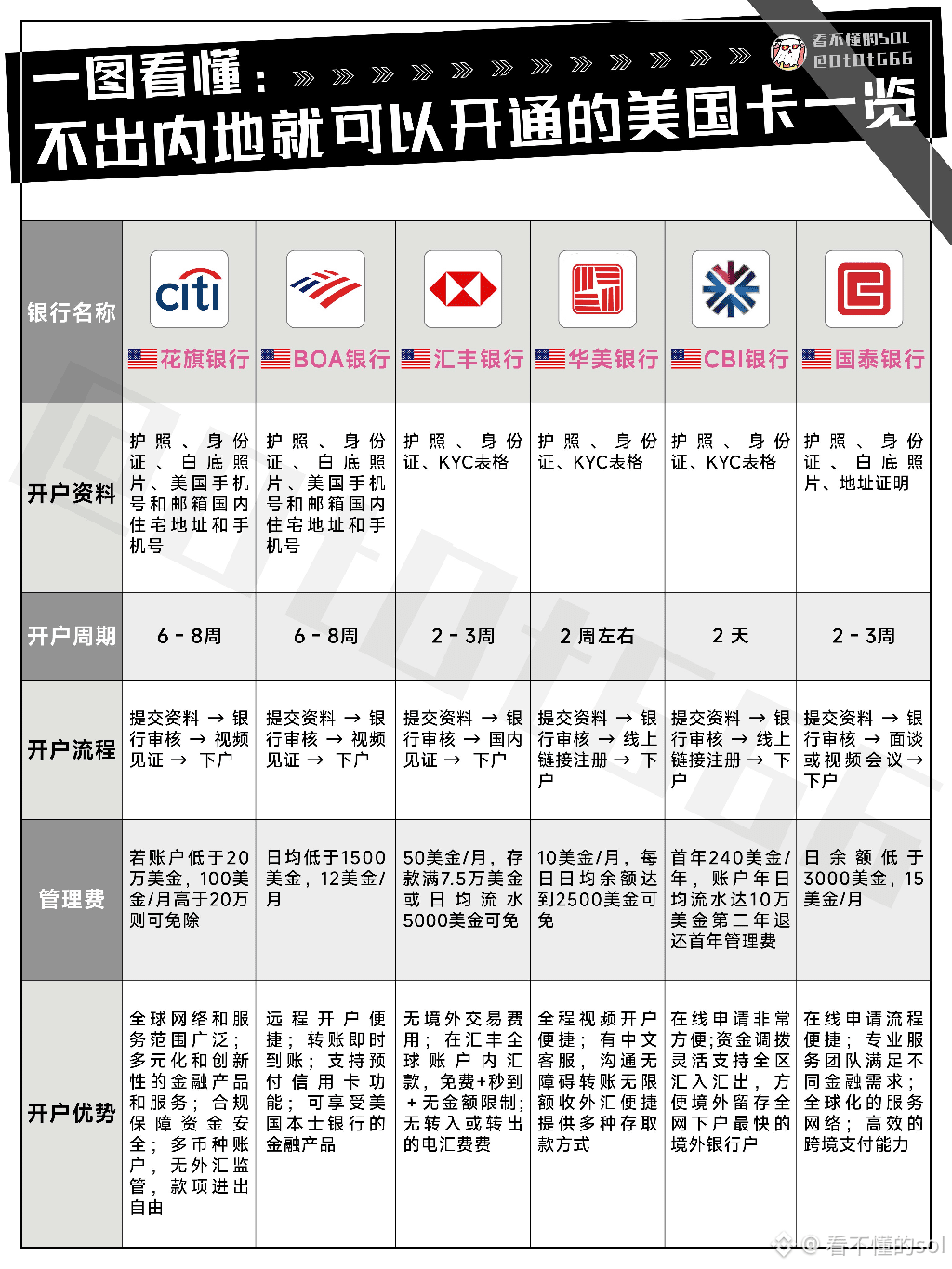
Listen to my advice: If you have the conditions and capability, you must take the opportunity to apply for an American card now — no need to fly to the United States, no need to go abroad, you can open it directly in mainland China. This is the ultimate gateway for ordinary people to embrace the global capital market.
Just look at this picture, from Citibank, BOA to HSBC and China Merchants Bank, you have 6 mainstream American banks to choose from, the threshold is much lower than you think:
Account opening materials: Passport + ID card are the basics, plus a KYC form / proof of address, and have a U.S. phone number ready in advance (universal on Xianyu), no need to struggle with overseas materials;
Account opening efficiency: The fastest can be opened in 2 days (CBI Bank directly maximizes efficiency), and the slowest takes only 6-8 weeks, with the entire process being online review in mainland China + video verification, no need to go to the bank branch, no need for in-person signatures;
Fund security: Regulated and compliant under U.S. supervision, multi-currency accounts can be freely deposited and withdrawn, 100 times more reliable than those unreliable cross-border platforms.
It’s that simple: Prepare the materials → Submit for review → Online video / verification → Account opening, and you will have a real American bank card, a strictly regulated 'global wallet'.
Then you can freely invest in U.S. stocks —
If you are optimistic about the future of AI, buy the Nasdaq 100 (code QQQM);
If you are optimistic about the global economy, buy the S&P 500 (code VOO);
Then invest a little in BTC and gold, for your retirement!
Listen to my advice: If you have the conditions and capability, you must take the opportunity to apply for an American card now — no need to fly to the United States, no need to go abroad, you can open it directly in mainland China. This is the ultimate gateway for ordinary people to embrace the global capital market.
Just look at this picture, from Citibank, BOA to HSBC and China Merchants Bank, you have 6 mainstream American banks to choose from, the threshold is much lower than you think:
Account opening materials: Passport + ID card are the basics, plus a KYC form / proof of address, and have a U.S. phone number ready in advance (universal on Xianyu), no need to struggle with overseas materials;
Account opening efficiency: The fastest can be opened in 2 days (CBI Bank directly maximizes efficiency), and the slowest takes only 6-8 weeks, with the entire process being online review in mainland China + video verification, no need to go to the bank branch, no need for in-person signatures;
Fund security: Regulated and compliant under U.S. supervision, multi-currency accounts can be freely deposited and withdrawn, 100 times more reliable than those unreliable cross-border platforms.
It’s that simple: Prepare the materials → Submit for review → Online video / verification → Account opening, and you will have a real American bank card, a strictly regulated 'global wallet'.
Then you can freely invest in U.S. stocks —
If you are optimistic about the future of AI, buy the Nasdaq 100 (code QQQM);
If you are optimistic about the global economy, buy the S&P 500 (code VOO);
Then invest a little in BTC and gold, for your retirement!
Just look at this picture, from Citibank, BOA to HSBC and China Merchants Bank, you have 6 mainstream American banks to choose from, the threshold is much lower than you think:
Account opening materials: Passport + ID card are the basics, plus a KYC form / proof of address, and have a U.S. phone number ready in advance (universal on Xianyu), no need to struggle with overseas materials;
Account opening efficiency: The fastest can be opened in 2 days (CBI Bank directly maximizes efficiency), and the slowest takes only 6-8 weeks, with the entire process being online review in mainland China + video verification, no need to go to the bank branch, no need for in-person signatures;
Fund security: Regulated and compliant under U.S. supervision, multi-currency accounts can be freely deposited and withdrawn, 100 times more reliable than those unreliable cross-border platforms.
It’s that simple: Prepare the materials → Submit for review → Online video / verification → Account opening, and you will have a real American bank card, a strictly regulated 'global wallet'.
Then you can freely invest in U.S. stocks —
If you are optimistic about the future of AI, buy the Nasdaq 100 (code QQQM);
If you are optimistic about the global economy, buy the S&P 500 (code VOO);
Then invest a little in BTC and gold, for your retirement!
15
5
30
11.7k
·
--
Phenomenal financial report, profits soared, far exceeding expectations!!
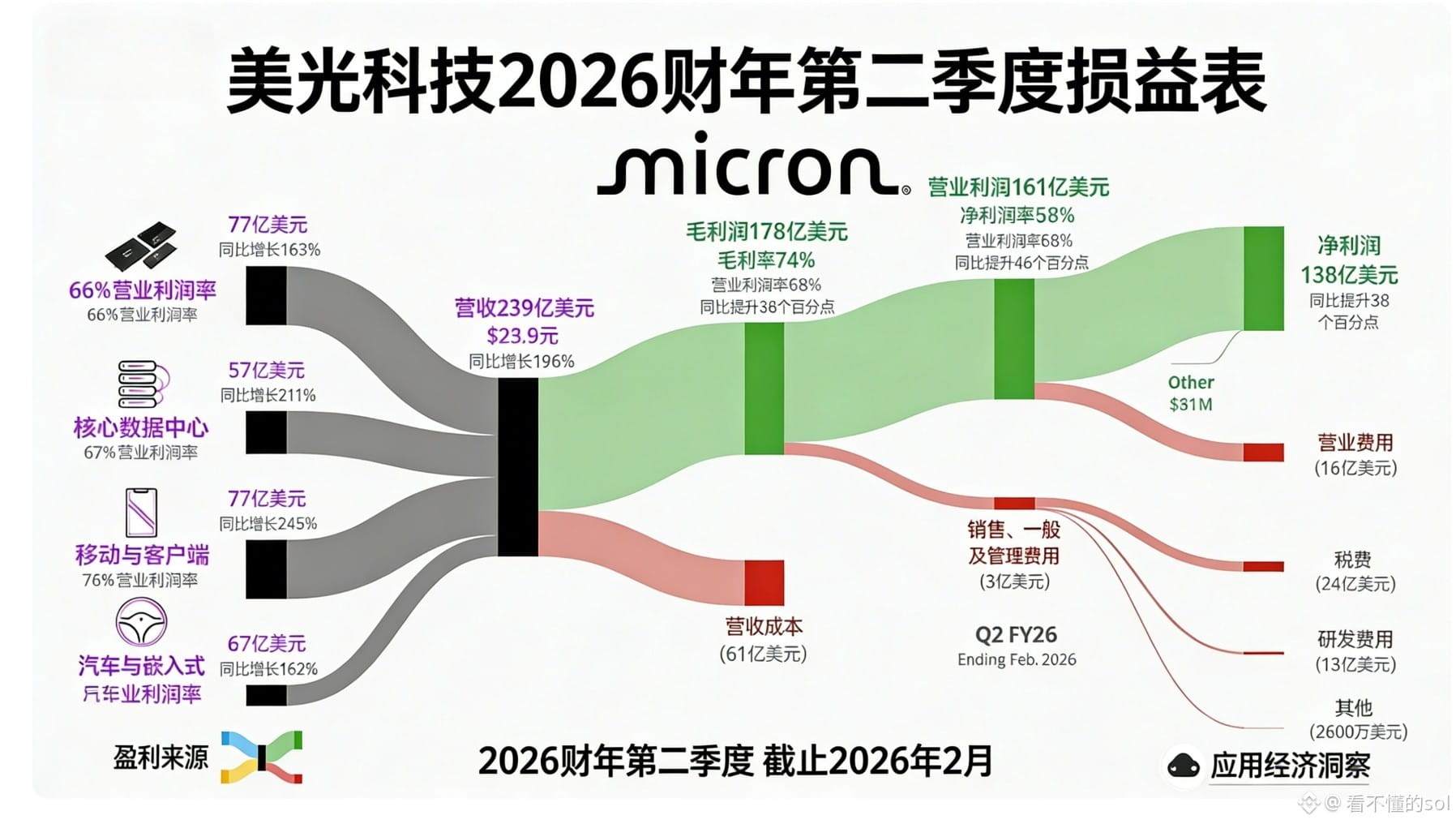
This morning, a major event occurred in the storage sector as Micron Technology released its second fiscal quarter report for the period ending this February.
The data is truly impressive—revenue skyrocketed by 197%, gross margin reached 74.4%, and all core indicators exploded.
Almost simultaneously, Alibaba Cloud also took action, with AI computing power and storage products rising by up to 34%, and the reason is straightforward: Token usage hit a historic high.
These two events happening on the same day is no coincidence.
It points to a core judgment: AI is pushing the storage industry from the previous “cyclical ups and downs” to a new phase of “value re-evaluation.”
First, let's look at Micron's financial report, which is indeed a phenomenon driven by AI.
How to describe the performance of the second fiscal quarter? Using the term “off the charts” is not an exaggeration:
Even more alarming is the expectation for the next quarter—third fiscal quarter revenue is expected to be $33.5 billion, while analysts are only predicting $24.3 billion; earnings per share are $19.15, with gross margin continuing to soar to around 81%.
With such confidence, the board directly announced a 30% increase in the quarterly dividend.
So the question arises: What is Micron's secret to such strength?
Just three words: AI is driving it.
Phenomenal financial report, profits soared, far exceeding expectations!!
This morning, a major event occurred in the storage sector as Micron Technology released its second fiscal quarter report for the period ending this February.
The data is truly impressive—revenue skyrocketed by 197%, gross margin reached 74.4%, and all core indicators exploded.
Almost simultaneously, Alibaba Cloud also took action, with AI computing power and storage products rising by up to 34%, and the reason is straightforward: Token usage hit a historic high.
These two events happening on the same day is no coincidence.
It points to a core judgment: AI is pushing the storage industry from the previous “cyclical ups and downs” to a new phase of “value re-evaluation.”
First, let's look at Micron's financial report, which is indeed a phenomenon driven by AI.
How to describe the performance of the second fiscal quarter? Using the term “off the charts” is not an exaggeration:
Even more alarming is the expectation for the next quarter—third fiscal quarter revenue is expected to be $33.5 billion, while analysts are only predicting $24.3 billion; earnings per share are $19.15, with gross margin continuing to soar to around 81%.
With such confidence, the board directly announced a 30% increase in the quarterly dividend.
So the question arises: What is Micron's secret to such strength?
Just three words: AI is driving it.
This morning, a major event occurred in the storage sector as Micron Technology released its second fiscal quarter report for the period ending this February.
The data is truly impressive—revenue skyrocketed by 197%, gross margin reached 74.4%, and all core indicators exploded.
Almost simultaneously, Alibaba Cloud also took action, with AI computing power and storage products rising by up to 34%, and the reason is straightforward: Token usage hit a historic high.
These two events happening on the same day is no coincidence.
It points to a core judgment: AI is pushing the storage industry from the previous “cyclical ups and downs” to a new phase of “value re-evaluation.”
First, let's look at Micron's financial report, which is indeed a phenomenon driven by AI.
How to describe the performance of the second fiscal quarter? Using the term “off the charts” is not an exaggeration:
Even more alarming is the expectation for the next quarter—third fiscal quarter revenue is expected to be $33.5 billion, while analysts are only predicting $24.3 billion; earnings per share are $19.15, with gross margin continuing to soar to around 81%.
With such confidence, the board directly announced a 30% increase in the quarterly dividend.
So the question arises: What is Micron's secret to such strength?
Just three words: AI is driving it.
7
6k
·
--
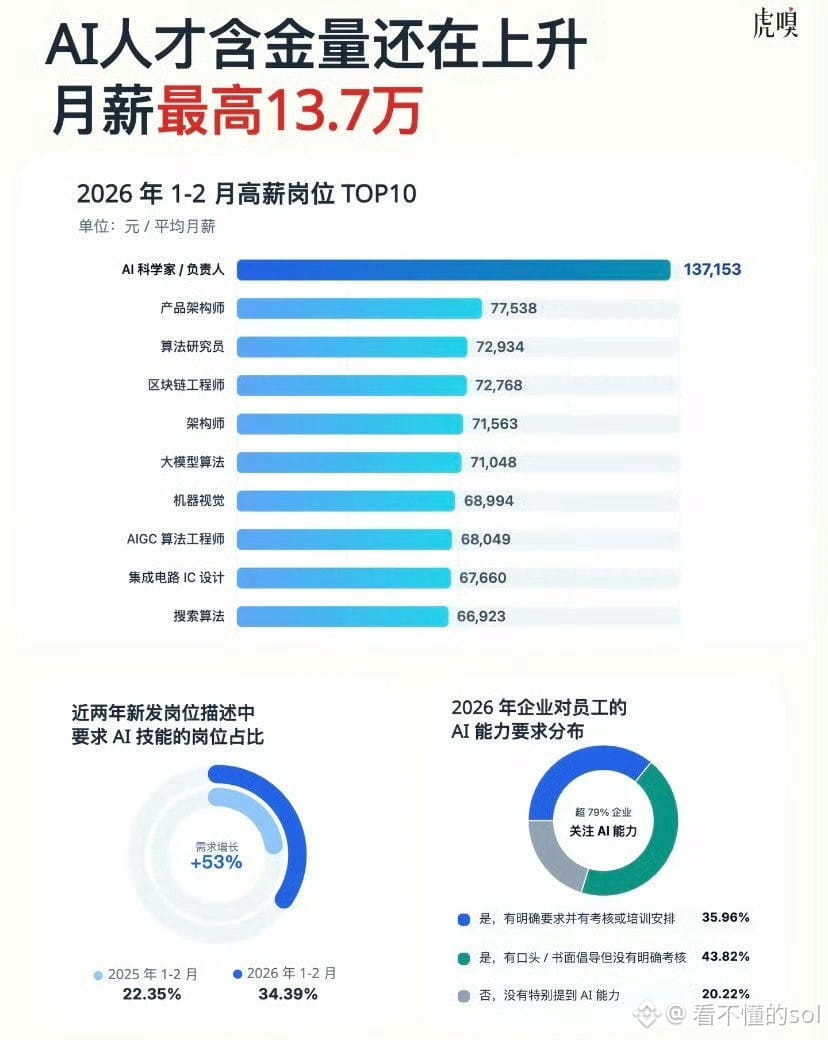
Meta has started laying off programmers, but what's truly frightening is not the layoffs.
In the past few days, a piece of news has shaken the tech community. Meta plans to cut 20% of its workforce, nearly 15,000 people.
Because the company is investing heavily in AI, they need to reduce labor costs.
In simpler terms: using machines to replace humans.
This round of layoffs is completely different from the past; previously, layoffs were due to poor economic conditions.
Now layoffs are happening because AI is too powerful. I remember a few years ago, everyone agreed that the impact of AI on layoffs was still far off, but now it has suddenly become imminent.
Meta is set to spend hundreds of billions of dollars a year on AI infrastructure, and the costs are too high, so they can only cut jobs.
The key point is that the pandemic has inspired all bosses; they have realized that they no longer need so many people.
For the past 20 years, programming has been one of the safest professions. In 2016, we had a PhD guest who told me that programmers are researching programs that can write code to replace programmers. It sounds a bit convoluted; I thought it was still far off. Who would have thought that it would basically mature in about ten years?
AI can write code, AI can debug, and AI can even automatically complete complex tasks.
Recently, the AI agent Manus, which became popular due to being acquired by Meta, can already decompose tasks and execute processes on its own.
This means that productivity has been reshaped. What used to take a team of 10 people can now possibly be done by just 2 people + AI.
Many people think, "Layoffs are just a short-term fluctuation," but thinking this way is naive.
Because companies are making a very rational decision: using a one-time investment (AI) to replace long-term costs (humans).
This kind of replacement, once it happens, is irreversible.
There are two types of programmers, and their futures are completely different.
The first type: one that competes with AI in efficiency. Those still grinding on technology, working overtime to write code, and learning new frameworks. These individuals are essentially competing with AI tools for efficiency; do you think you can compete? The harder you work, the more anxious you become.
The second type: one that has already transitioned to using AI to make money for themselves. Automating product selection with technology, using AI to generate listings, and systematizing for Amazon. Letting AI earn money for them.
What are many programmers doing now? Using AI to enhance work efficiency.
But what are companies doing? Using AI to reduce the number of employees.
The future will not be about "whether or not you can write code"; it will be about whether you are working for AI or making money using AI.
Meta has started laying off programmers, but what's truly frightening is not the layoffs.
In the past few days, a piece of news has shaken the tech community. Meta plans to cut 20% of its workforce, nearly 15,000 people.
Because the company is investing heavily in AI, they need to reduce labor costs.
In simpler terms: using machines to replace humans.
This round of layoffs is completely different from the past; previously, layoffs were due to poor economic conditions.
Now layoffs are happening because AI is too powerful. I remember a few years ago, everyone agreed that the impact of AI on layoffs was still far off, but now it has suddenly become imminent.
Meta is set to spend hundreds of billions of dollars a year on AI infrastructure, and the costs are too high, so they can only cut jobs.
The key point is that the pandemic has inspired all bosses; they have realized that they no longer need so many people.
For the past 20 years, programming has been one of the safest professions. In 2016, we had a PhD guest who told me that programmers are researching programs that can write code to replace programmers. It sounds a bit convoluted; I thought it was still far off. Who would have thought that it would basically mature in about ten years?
AI can write code, AI can debug, and AI can even automatically complete complex tasks.
Recently, the AI agent Manus, which became popular due to being acquired by Meta, can already decompose tasks and execute processes on its own.
This means that productivity has been reshaped. What used to take a team of 10 people can now possibly be done by just 2 people + AI.
Many people think, "Layoffs are just a short-term fluctuation," but thinking this way is naive.
Because companies are making a very rational decision: using a one-time investment (AI) to replace long-term costs (humans).
This kind of replacement, once it happens, is irreversible.
There are two types of programmers, and their futures are completely different.
The first type: one that competes with AI in efficiency. Those still grinding on technology, working overtime to write code, and learning new frameworks. These individuals are essentially competing with AI tools for efficiency; do you think you can compete? The harder you work, the more anxious you become.
The second type: one that has already transitioned to using AI to make money for themselves. Automating product selection with technology, using AI to generate listings, and systematizing for Amazon. Letting AI earn money for them.
What are many programmers doing now? Using AI to enhance work efficiency.
But what are companies doing? Using AI to reduce the number of employees.
The future will not be about "whether or not you can write code"; it will be about whether you are working for AI or making money using AI.
In the past few days, a piece of news has shaken the tech community. Meta plans to cut 20% of its workforce, nearly 15,000 people.
Because the company is investing heavily in AI, they need to reduce labor costs.
In simpler terms: using machines to replace humans.
This round of layoffs is completely different from the past; previously, layoffs were due to poor economic conditions.
Now layoffs are happening because AI is too powerful. I remember a few years ago, everyone agreed that the impact of AI on layoffs was still far off, but now it has suddenly become imminent.
Meta is set to spend hundreds of billions of dollars a year on AI infrastructure, and the costs are too high, so they can only cut jobs.
The key point is that the pandemic has inspired all bosses; they have realized that they no longer need so many people.
For the past 20 years, programming has been one of the safest professions. In 2016, we had a PhD guest who told me that programmers are researching programs that can write code to replace programmers. It sounds a bit convoluted; I thought it was still far off. Who would have thought that it would basically mature in about ten years?
AI can write code, AI can debug, and AI can even automatically complete complex tasks.
Recently, the AI agent Manus, which became popular due to being acquired by Meta, can already decompose tasks and execute processes on its own.
This means that productivity has been reshaped. What used to take a team of 10 people can now possibly be done by just 2 people + AI.
Many people think, "Layoffs are just a short-term fluctuation," but thinking this way is naive.
Because companies are making a very rational decision: using a one-time investment (AI) to replace long-term costs (humans).
This kind of replacement, once it happens, is irreversible.
There are two types of programmers, and their futures are completely different.
The first type: one that competes with AI in efficiency. Those still grinding on technology, working overtime to write code, and learning new frameworks. These individuals are essentially competing with AI tools for efficiency; do you think you can compete? The harder you work, the more anxious you become.
The second type: one that has already transitioned to using AI to make money for themselves. Automating product selection with technology, using AI to generate listings, and systematizing for Amazon. Letting AI earn money for them.
What are many programmers doing now? Using AI to enhance work efficiency.
But what are companies doing? Using AI to reduce the number of employees.
The future will not be about "whether or not you can write code"; it will be about whether you are working for AI or making money using AI.
3
1
9
9.2k
·
--
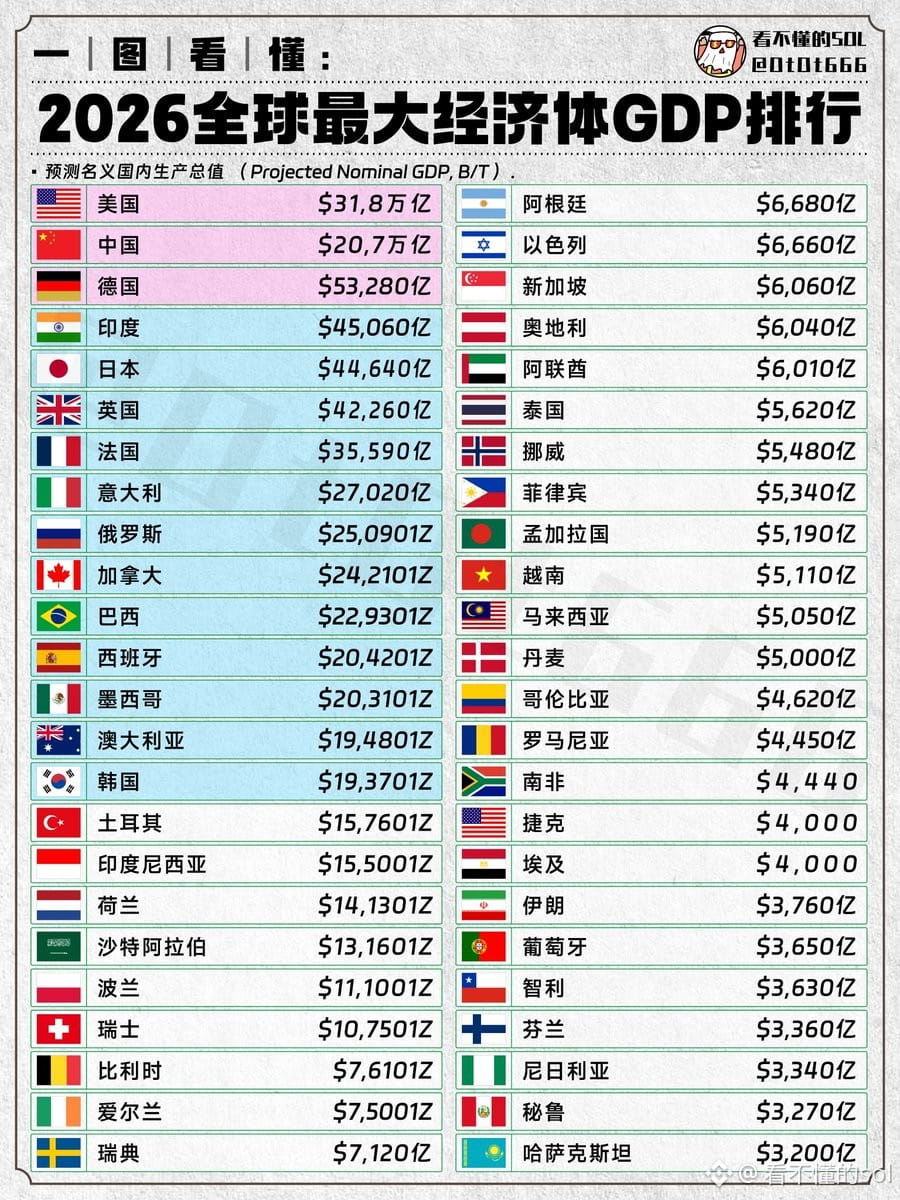
2026 Global GDP Rankings Released!
The United States leads with 31.8 trillion, maintaining an absurd advantage;
China firmly sits in second place with 20.7 trillion, and the gap with the top position remains the biggest highlight globally.
Looking at the second tier, India has directly surpassed Germany to climb to fourth place, and the rise of emerging markets is visibly evident. Germany, Japan, the UK, and France remain at the forefront, while Russia, Canada, and Brazil also maintain their basic positions in the first tier.
2026 Global GDP Rankings Released!
The United States leads with 31.8 trillion, maintaining an absurd advantage;
China firmly sits in second place with 20.7 trillion, and the gap with the top position remains the biggest highlight globally.
Looking at the second tier, India has directly surpassed Germany to climb to fourth place, and the rise of emerging markets is visibly evident. Germany, Japan, the UK, and France remain at the forefront, while Russia, Canada, and Brazil also maintain their basic positions in the first tier.
The United States leads with 31.8 trillion, maintaining an absurd advantage;
China firmly sits in second place with 20.7 trillion, and the gap with the top position remains the biggest highlight globally.
Looking at the second tier, India has directly surpassed Germany to climb to fourth place, and the rise of emerging markets is visibly evident. Germany, Japan, the UK, and France remain at the forefront, while Russia, Canada, and Brazil also maintain their basic positions in the first tier.
3
8
9.8k
·
--
Recommended essential OpenClaw lobster Skill
Especially the first one, no matter what Skill you install, you must install this one
1. openclaw-backup (Highly recommended)
This Skill can help you back up the entire `.openclaw` folder regularly, so even if you accidentally lose your lobster, you can quickly recover it.
Additionally, it is recommended: before modifying configurations or installing a large number of Skills, use this Skill to back up, just in case.
2. free-ride (Free resource tool)
Mainly focuses on free resources! There are many free models on OpenRouter, and this Skill helps you organize and sort them by performance.
If the API runs out of credits, it can automatically switch to free models without interrupting tasks.
⚠️ Note: Do not let OpenClaw install directly, as it may break configurations; follow the Skill page for manual setup or use Claude Code to assist you.
3. tavily-search (Token-saving search)
Don't let your lobster use curl/wget to download web pages; it wastes Tokens.
This is the most starred search Skill on clawhub, with an AI-friendly return format, saving more Tokens than direct browser searches, with a monthly allowance of 1000.
4. self-improving-agent (Lobster evolution core)
The core of lobster evolution!
Command failures, your corrections, API errors, outdated knowledge—everything will be automatically recorded in the `.learnings/` directory.
Valuable learnings will also be elevated to SOUL.md, AGENTS.md, and using this will allow the lobster to continuously accumulate skills during experience tasks.
5. playwright-mcp (Browser automation)
A browser automation tool that allows the lobster to perform:
Browser navigation, clicking, filling forms, taking screenshots, executing JS, etc., web crawling, form filling, and page testing.
6. find-skills (Skill search tool)
Not sure if there are any usable working Skills?
Install this and you can ask the lobster; it will help you find them through semantic search.
⚠️ Reminder: Don't install too many Skills.
7. summarize (All-purpose summarizer)
Just upload a file or paste a URL to quickly summarize.
Supports: local files, YouTube, podcasts, PDFs, images, etc.
8. github (For developers)
For developers, no need for further introduction.
---
Practical experience reminder
Be sure to check if the Skill is outdated!
Recommended essential OpenClaw lobster Skill
Especially the first one, no matter what Skill you install, you must install this one
1. openclaw-backup (Highly recommended)
This Skill can help you back up the entire `.openclaw` folder regularly, so even if you accidentally lose your lobster, you can quickly recover it.
Additionally, it is recommended: before modifying configurations or installing a large number of Skills, use this Skill to back up, just in case.
2. free-ride (Free resource tool)
Mainly focuses on free resources! There are many free models on OpenRouter, and this Skill helps you organize and sort them by performance.
If the API runs out of credits, it can automatically switch to free models without interrupting tasks.
⚠️ Note: Do not let OpenClaw install directly, as it may break configurations; follow the Skill page for manual setup or use Claude Code to assist you.
3. tavily-search (Token-saving search)
Don't let your lobster use curl/wget to download web pages; it wastes Tokens.
This is the most starred search Skill on clawhub, with an AI-friendly return format, saving more Tokens than direct browser searches, with a monthly allowance of 1000.
4. self-improving-agent (Lobster evolution core)
The core of lobster evolution!
Command failures, your corrections, API errors, outdated knowledge—everything will be automatically recorded in the `.learnings/` directory.
Valuable learnings will also be elevated to SOUL.md, AGENTS.md, and using this will allow the lobster to continuously accumulate skills during experience tasks.
5. playwright-mcp (Browser automation)
A browser automation tool that allows the lobster to perform:
Browser navigation, clicking, filling forms, taking screenshots, executing JS, etc., web crawling, form filling, and page testing.
6. find-skills (Skill search tool)
Not sure if there are any usable working Skills?
Install this and you can ask the lobster; it will help you find them through semantic search.
⚠️ Reminder: Don't install too many Skills.
7. summarize (All-purpose summarizer)
Just upload a file or paste a URL to quickly summarize.
Supports: local files, YouTube, podcasts, PDFs, images, etc.
8. github (For developers)
For developers, no need for further introduction.
---
Practical experience reminder
Be sure to check if the Skill is outdated!
Especially the first one, no matter what Skill you install, you must install this one
1. openclaw-backup (Highly recommended)
This Skill can help you back up the entire `.openclaw` folder regularly, so even if you accidentally lose your lobster, you can quickly recover it.
Additionally, it is recommended: before modifying configurations or installing a large number of Skills, use this Skill to back up, just in case.
2. free-ride (Free resource tool)
Mainly focuses on free resources! There are many free models on OpenRouter, and this Skill helps you organize and sort them by performance.
If the API runs out of credits, it can automatically switch to free models without interrupting tasks.
⚠️ Note: Do not let OpenClaw install directly, as it may break configurations; follow the Skill page for manual setup or use Claude Code to assist you.
3. tavily-search (Token-saving search)
Don't let your lobster use curl/wget to download web pages; it wastes Tokens.
This is the most starred search Skill on clawhub, with an AI-friendly return format, saving more Tokens than direct browser searches, with a monthly allowance of 1000.
4. self-improving-agent (Lobster evolution core)
The core of lobster evolution!
Command failures, your corrections, API errors, outdated knowledge—everything will be automatically recorded in the `.learnings/` directory.
Valuable learnings will also be elevated to SOUL.md, AGENTS.md, and using this will allow the lobster to continuously accumulate skills during experience tasks.
5. playwright-mcp (Browser automation)
A browser automation tool that allows the lobster to perform:
Browser navigation, clicking, filling forms, taking screenshots, executing JS, etc., web crawling, form filling, and page testing.
6. find-skills (Skill search tool)
Not sure if there are any usable working Skills?
Install this and you can ask the lobster; it will help you find them through semantic search.
⚠️ Reminder: Don't install too many Skills.
7. summarize (All-purpose summarizer)
Just upload a file or paste a URL to quickly summarize.
Supports: local files, YouTube, podcasts, PDFs, images, etc.
8. github (For developers)
For developers, no need for further introduction.
---
Practical experience reminder
Be sure to check if the Skill is outdated!
8
3
68
19.3k
·
--
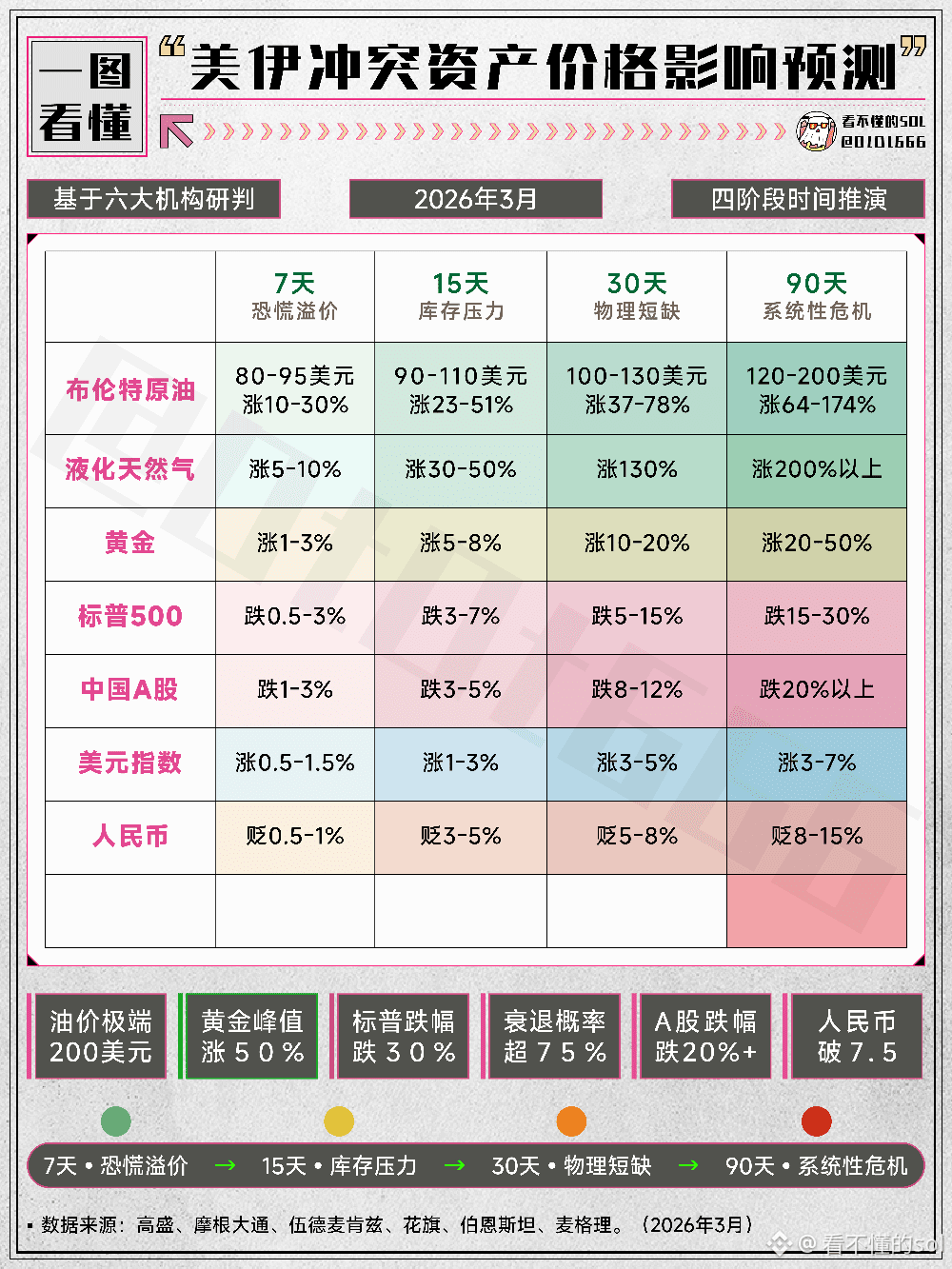
It has been 9 days already, and there is a lot of information over these 9 days, with many false messages, but one basic fact is undeniable:
1. Iran is not that weak;
2. The US is not that strong.
As for how many US military bases in the Middle East have been destroyed, and how many bombings have hit Israel and Iran's mainland, it no longer matters; the most important thing is that not taking down Iran in 9 days is itself a failure. The longer it drags on, the easier it is to reveal the situation.
In fact, over the past 9 days, the intensity of the war has decreased, and the bombings from both sides are not as intense as they were at the beginning. The impact on the market may also be diminishing (unless new events occur).
Will today's peak in crude oil prices be the peak of this phase?
Leaving it for everyone to ponder.
#The likelihood of the US being forced to halt military actions is increasing##Iran##The US's attack on Iran #亚洲股市暴跌
It has been 9 days already, and there is a lot of information over these 9 days, with many false messages, but one basic fact is undeniable:
1. Iran is not that weak;
2. The US is not that strong.
As for how many US military bases in the Middle East have been destroyed, and how many bombings have hit Israel and Iran's mainland, it no longer matters; the most important thing is that not taking down Iran in 9 days is itself a failure. The longer it drags on, the easier it is to reveal the situation.
In fact, over the past 9 days, the intensity of the war has decreased, and the bombings from both sides are not as intense as they were at the beginning. The impact on the market may also be diminishing (unless new events occur).
Will today's peak in crude oil prices be the peak of this phase?
Leaving it for everyone to ponder.
#The likelihood of the US being forced to halt military actions is increasing##Iran##The US's attack on Iran #亚洲股市暴跌
1. Iran is not that weak;
2. The US is not that strong.
As for how many US military bases in the Middle East have been destroyed, and how many bombings have hit Israel and Iran's mainland, it no longer matters; the most important thing is that not taking down Iran in 9 days is itself a failure. The longer it drags on, the easier it is to reveal the situation.
In fact, over the past 9 days, the intensity of the war has decreased, and the bombings from both sides are not as intense as they were at the beginning. The impact on the market may also be diminishing (unless new events occur).
Will today's peak in crude oil prices be the peak of this phase?
Leaving it for everyone to ponder.
#The likelihood of the US being forced to halt military actions is increasing##Iran##The US's attack on Iran #亚洲股市暴跌
37
10
119
37.5k
·
--
Explosive! Why do I strongly recommend everyone to understand OpenClaw?
Because many people really rely on raising lobsters, turning arbitrage robots into money printing machines.
Just by arbitraging through market predictions, they earned $868,000, trading 28,620 times, almost only predicting the BTC 15-minute rise and fall window.
A few days ago, a domestic trader showed off his "new farm" in a WeChat group,
40 servers lined up neatly, looking like a crypto mining farm, but there wasn't a single mining machine, all were lobster robots running quantitative arbitrage.
Keen-eyed people dug out the Polymarket account lit up on the screen: gabagool22.
Through data analysis of the account, it showed a total profit of $868,000, trading 28,620 times, almost solely betting on the BTC 15-minute rise and fall window.
Their lobster OpenClaw strategy process is roughly as follows:
→ First, establish a low average price position
→ Wait for the price on the other side to drop
→ Check if YES + NO is below $0.99
→ If arbitrage space exists, lock in profits
→ If there is no hedging space, close the position and exit without losing money
It is said that these 40 machines run 24 hours, with each server scanning different market windows, steadily earning $140,000 a month.
This is the "raising lobsters" that OpenClaw has brought to life: turning complex automated arbitrage into a robotic business that ordinary people can also participate in.
While others are still manually monitoring the market, some have already used a house full of "lobsters" to earn guaranteed money while lying down.
__________________________
Brothers, refuse to be old Deng.
Explosive! Why do I strongly recommend everyone to understand OpenClaw?
Because many people really rely on raising lobsters, turning arbitrage robots into money printing machines.
Just by arbitraging through market predictions, they earned $868,000, trading 28,620 times, almost only predicting the BTC 15-minute rise and fall window.
A few days ago, a domestic trader showed off his "new farm" in a WeChat group,
40 servers lined up neatly, looking like a crypto mining farm, but there wasn't a single mining machine, all were lobster robots running quantitative arbitrage.
Keen-eyed people dug out the Polymarket account lit up on the screen: gabagool22.
Through data analysis of the account, it showed a total profit of $868,000, trading 28,620 times, almost solely betting on the BTC 15-minute rise and fall window.
Their lobster OpenClaw strategy process is roughly as follows:
→ First, establish a low average price position
→ Wait for the price on the other side to drop
→ Check if YES + NO is below $0.99
→ If arbitrage space exists, lock in profits
→ If there is no hedging space, close the position and exit without losing money
It is said that these 40 machines run 24 hours, with each server scanning different market windows, steadily earning $140,000 a month.
This is the "raising lobsters" that OpenClaw has brought to life: turning complex automated arbitrage into a robotic business that ordinary people can also participate in.
While others are still manually monitoring the market, some have already used a house full of "lobsters" to earn guaranteed money while lying down.
__________________________
Brothers, refuse to be old Deng.
Because many people really rely on raising lobsters, turning arbitrage robots into money printing machines.
Just by arbitraging through market predictions, they earned $868,000, trading 28,620 times, almost only predicting the BTC 15-minute rise and fall window.
A few days ago, a domestic trader showed off his "new farm" in a WeChat group,
40 servers lined up neatly, looking like a crypto mining farm, but there wasn't a single mining machine, all were lobster robots running quantitative arbitrage.
Keen-eyed people dug out the Polymarket account lit up on the screen: gabagool22.
Through data analysis of the account, it showed a total profit of $868,000, trading 28,620 times, almost solely betting on the BTC 15-minute rise and fall window.
Their lobster OpenClaw strategy process is roughly as follows:
→ First, establish a low average price position
→ Wait for the price on the other side to drop
→ Check if YES + NO is below $0.99
→ If arbitrage space exists, lock in profits
→ If there is no hedging space, close the position and exit without losing money
It is said that these 40 machines run 24 hours, with each server scanning different market windows, steadily earning $140,000 a month.
This is the "raising lobsters" that OpenClaw has brought to life: turning complex automated arbitrage into a robotic business that ordinary people can also participate in.
While others are still manually monitoring the market, some have already used a house full of "lobsters" to earn guaranteed money while lying down.
__________________________
Brothers, refuse to be old Deng.
3
7
4.9k
·
--
AI lobsters continue to be a hot trend, and some people in the country earned 720,000 by helping others install lobsters in just a few days.
It’s actually a matter of information disparity,
When a product becomes popular,
those who don’t know how to use it must find ways to learn,
while those who know how to play charge others for help.
How to "raise lobsters"
1. Raising lobsters requires a "cage" (computer)
Correspondingly: Using AI requires hardware devices, such as computers and smartphones, just like raising lobsters needs a cage to provide an environment.
2. The obedience of lobsters is "trained" (instructions)
Correspondingly: The quality of AI's output depends on the prompts you give; clear and specific instructions are necessary for AI to "obey" and produce the results you want.
3. It needs to consume "feed" (token)
Correspondingly: AI consumes tokens when generating content, which are the units of computation and billing, just as lobsters need to eat feed to grow.
4. It requires "equipment" (Skill) to complete tasks
Correspondingly: AI needs specific skills (Skill) or plugins to accomplish complex tasks, such as coding, data analysis, generating images, etc., just as lobsters need tools to work.
This analogy lowers the threshold for using AI, making it easier for ordinary people to understand:
- Hardware is fundamental
- Instructions are key
- Tokens are costs
- Skills are capability extensions
AI lobsters continue to be a hot trend, and some people in the country earned 720,000 by helping others install lobsters in just a few days.
It’s actually a matter of information disparity,
When a product becomes popular,
those who don’t know how to use it must find ways to learn,
while those who know how to play charge others for help.
How to "raise lobsters"
1. Raising lobsters requires a "cage" (computer)
Correspondingly: Using AI requires hardware devices, such as computers and smartphones, just like raising lobsters needs a cage to provide an environment.
2. The obedience of lobsters is "trained" (instructions)
Correspondingly: The quality of AI's output depends on the prompts you give; clear and specific instructions are necessary for AI to "obey" and produce the results you want.
3. It needs to consume "feed" (token)
Correspondingly: AI consumes tokens when generating content, which are the units of computation and billing, just as lobsters need to eat feed to grow.
4. It requires "equipment" (Skill) to complete tasks
Correspondingly: AI needs specific skills (Skill) or plugins to accomplish complex tasks, such as coding, data analysis, generating images, etc., just as lobsters need tools to work.
This analogy lowers the threshold for using AI, making it easier for ordinary people to understand:
- Hardware is fundamental
- Instructions are key
- Tokens are costs
- Skills are capability extensions
It’s actually a matter of information disparity,
When a product becomes popular,
those who don’t know how to use it must find ways to learn,
while those who know how to play charge others for help.
How to "raise lobsters"
1. Raising lobsters requires a "cage" (computer)
Correspondingly: Using AI requires hardware devices, such as computers and smartphones, just like raising lobsters needs a cage to provide an environment.
2. The obedience of lobsters is "trained" (instructions)
Correspondingly: The quality of AI's output depends on the prompts you give; clear and specific instructions are necessary for AI to "obey" and produce the results you want.
3. It needs to consume "feed" (token)
Correspondingly: AI consumes tokens when generating content, which are the units of computation and billing, just as lobsters need to eat feed to grow.
4. It requires "equipment" (Skill) to complete tasks
Correspondingly: AI needs specific skills (Skill) or plugins to accomplish complex tasks, such as coding, data analysis, generating images, etc., just as lobsters need tools to work.
This analogy lowers the threshold for using AI, making it easier for ordinary people to understand:
- Hardware is fundamental
- Instructions are key
- Tokens are costs
- Skills are capability extensions
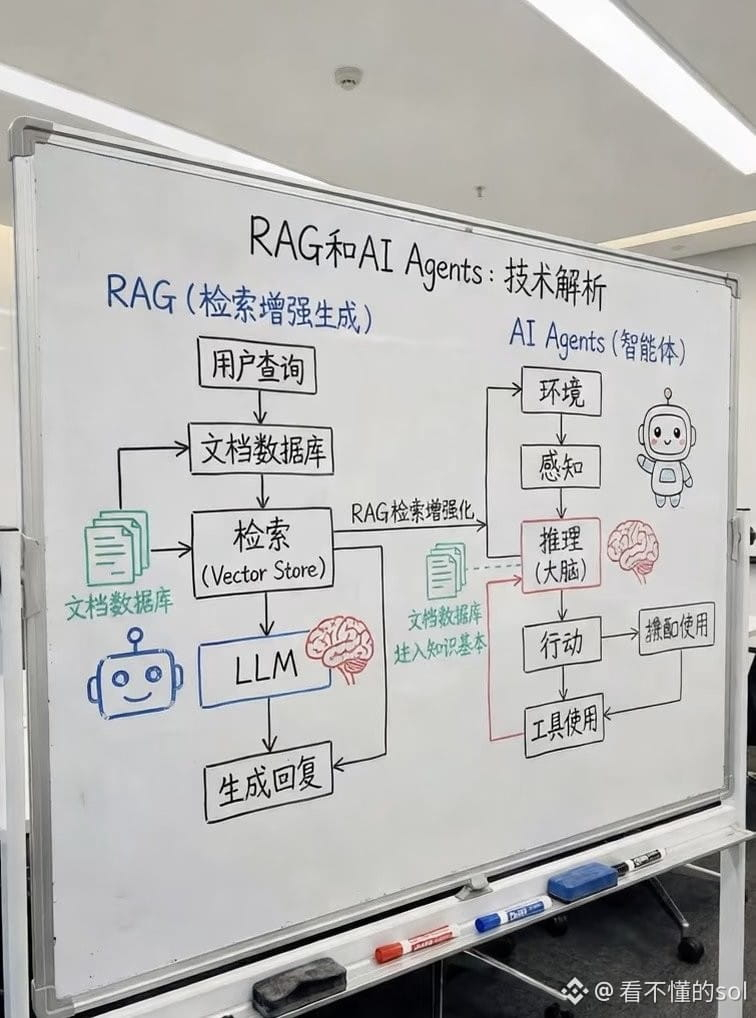
3
10
7.7k
·
--
Farming lobsters, do you understand what these AI terms mean?
In a few words, let me explain clearly:
1. Agent: This refers to an intelligent AI. It can not only chat but also devise plans and work independently.
2. OpenClaw: It is commonly referred to as 'big lobster', derived from Claw, which means the lobster's large pincers. When equipped with it, it can extend its hand on the screen to precisely control the digital world.
3. Skill: The survival toolkit of AI. It can search for information, write code, and control home appliances. Having a skill means having a specific ability.
4. Token: These are the atomic units of text in AI. Why do we say 'farming lobsters'? Because making AI think costs money. Whether you feed it domestic Tokens or imported Tokens, the Tokens you provide are its food; the more you feed, the stronger this lobster becomes! Just like paying employees, the cost of computing power depends entirely on it.
5. Distillation: Distillation is essentially *the academic elite passing down knowledge*. It condenses the wisdom of colossal models into essence, allowing it to run quickly on a mobile phone without taking up memory.
6. VLA: This is its hand-eye coordination nerve; a glance at the screen (V), a thought in the brain (L), and the hand immediately clicks (A). When these two combine, your phone truly comes to life.
7. LLM: The core brain of AI. Whether it's smart or has a good memory depends entirely on it.
8. RAG: Worried that AI might talk nonsense? This connects it to real databases, which is called RAG. It has a library that can be accessed anytime.
9. Prompt: This is the command you issue. With a single phrase, it gets to work.
10. Agent cluster: Is one working slowly? Then send out a group! This is the 'gang fight mode' in the AI world. Everyone has clear divisions of labor; some are responsible for thinking, and others for running errands, leading to a dramatic increase in efficiency.
From big lobsters to intelligent agents, doesn't this entire logic become instantly clear?
Farming lobsters, do you understand what these AI terms mean?
In a few words, let me explain clearly:
1. Agent: This refers to an intelligent AI. It can not only chat but also devise plans and work independently.
2. OpenClaw: It is commonly referred to as 'big lobster', derived from Claw, which means the lobster's large pincers. When equipped with it, it can extend its hand on the screen to precisely control the digital world.
3. Skill: The survival toolkit of AI. It can search for information, write code, and control home appliances. Having a skill means having a specific ability.
4. Token: These are the atomic units of text in AI. Why do we say 'farming lobsters'? Because making AI think costs money. Whether you feed it domestic Tokens or imported Tokens, the Tokens you provide are its food; the more you feed, the stronger this lobster becomes! Just like paying employees, the cost of computing power depends entirely on it.
5. Distillation: Distillation is essentially *the academic elite passing down knowledge*. It condenses the wisdom of colossal models into essence, allowing it to run quickly on a mobile phone without taking up memory.
6. VLA: This is its hand-eye coordination nerve; a glance at the screen (V), a thought in the brain (L), and the hand immediately clicks (A). When these two combine, your phone truly comes to life.
7. LLM: The core brain of AI. Whether it's smart or has a good memory depends entirely on it.
8. RAG: Worried that AI might talk nonsense? This connects it to real databases, which is called RAG. It has a library that can be accessed anytime.
9. Prompt: This is the command you issue. With a single phrase, it gets to work.
10. Agent cluster: Is one working slowly? Then send out a group! This is the 'gang fight mode' in the AI world. Everyone has clear divisions of labor; some are responsible for thinking, and others for running errands, leading to a dramatic increase in efficiency.
From big lobsters to intelligent agents, doesn't this entire logic become instantly clear?
In a few words, let me explain clearly:
1. Agent: This refers to an intelligent AI. It can not only chat but also devise plans and work independently.
2. OpenClaw: It is commonly referred to as 'big lobster', derived from Claw, which means the lobster's large pincers. When equipped with it, it can extend its hand on the screen to precisely control the digital world.
3. Skill: The survival toolkit of AI. It can search for information, write code, and control home appliances. Having a skill means having a specific ability.
4. Token: These are the atomic units of text in AI. Why do we say 'farming lobsters'? Because making AI think costs money. Whether you feed it domestic Tokens or imported Tokens, the Tokens you provide are its food; the more you feed, the stronger this lobster becomes! Just like paying employees, the cost of computing power depends entirely on it.
5. Distillation: Distillation is essentially *the academic elite passing down knowledge*. It condenses the wisdom of colossal models into essence, allowing it to run quickly on a mobile phone without taking up memory.
6. VLA: This is its hand-eye coordination nerve; a glance at the screen (V), a thought in the brain (L), and the hand immediately clicks (A). When these two combine, your phone truly comes to life.
7. LLM: The core brain of AI. Whether it's smart or has a good memory depends entirely on it.
8. RAG: Worried that AI might talk nonsense? This connects it to real databases, which is called RAG. It has a library that can be accessed anytime.
9. Prompt: This is the command you issue. With a single phrase, it gets to work.
10. Agent cluster: Is one working slowly? Then send out a group! This is the 'gang fight mode' in the AI world. Everyone has clear divisions of labor; some are responsible for thinking, and others for running errands, leading to a dramatic increase in efficiency.
From big lobsters to intelligent agents, doesn't this entire logic become instantly clear?
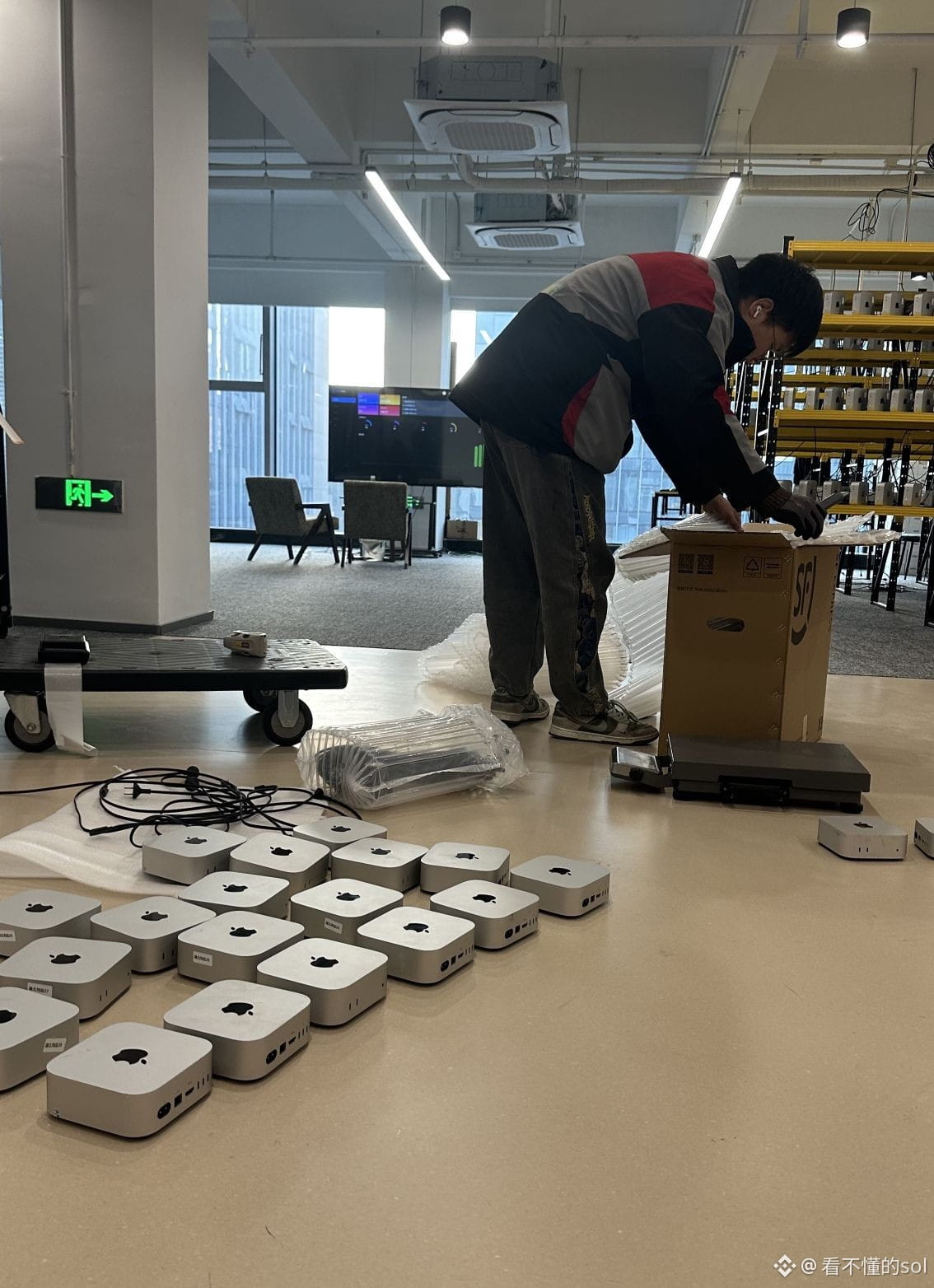
22
11
125
56.5k
Log in to explore more content
Join global crypto users on Binance Square
⚡️ Get latest and useful information about crypto.
💬 Trusted by the world’s largest crypto exchange.
👍 Discover real insights from verified creators.
Email / Phone number
Trending Topics
AppleDebutsFoldablePhone
6,739 views
182 Discussing
#appledebutsfoldablephone I Got My Hands on the iPhone Duo, Apple’s First Foldable Phone. Here’s What Stands Out
The palm-size phone is Apple's boldest handset in years, with a 5.4-inch cover screen and a 7.6-inch main display. I spent some time with the Duo before its October launch.It’s finally here: Apple on Wednesday unveiled its first foldable iPhone, called the iPhone Duo.
iPhone Duo design and build
The iPhone Duo is compact, with a passport-size design. It has a 7.6-inch display on the inside and a 5.4-inch outer display. It fits squarely in my palm, with dimensions similar to Samsung’s Galaxy Z Fold 8, which has a 7.6-inch inner display and a 5.5-inch cover display.
Apple says the Duo is the thinnest iPhone ever when open, measuring 5.2mm. It’s 11.3mm thick when closed. A titanium frame keeps it lightweight at 254 grams.
One of the key differences in feel between Apple’s and Samsung’s phones is that the iPhone Duo has a matte, nano-textured finish on the inner display, which reduces the phone’s crease while also curbing reflections. It has a satisfying feel and really makes the crease virtually disappear when the screen is on. I find it even harder to notice than the Z Fold 8’s, which also has an anti-reflective display.$ONG $IMX $TAC
Isabella-I
·4 Likes
·870 views
US10YTreasuryYieldHitsHighestSinceNov2023
10,908 views
223 Discussing
USTreasuryToBuyBackUpTo$6BLongDatedDebt
10,496 views
139 Discussing