
LeeTFx
9 Posts

LeeTFx
Report
Block User
7 Following
19 Followers
21 Liked
Posts
·
--
Bullish
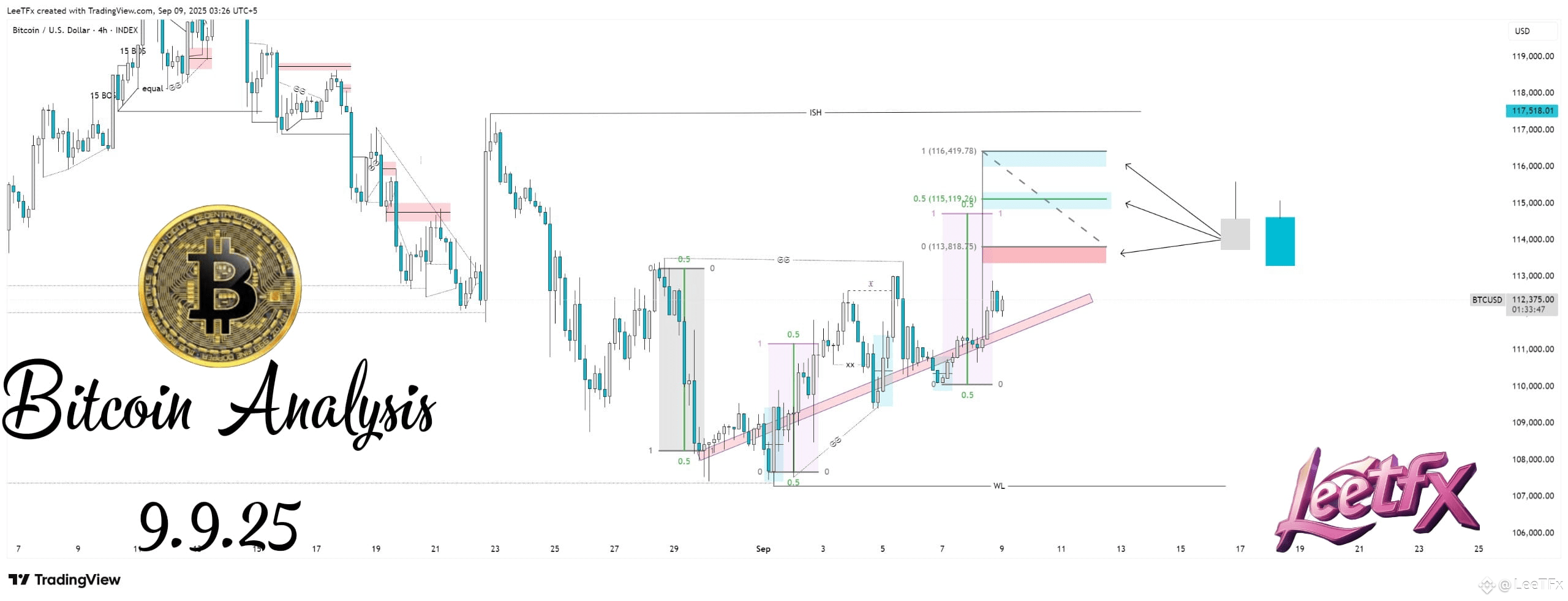
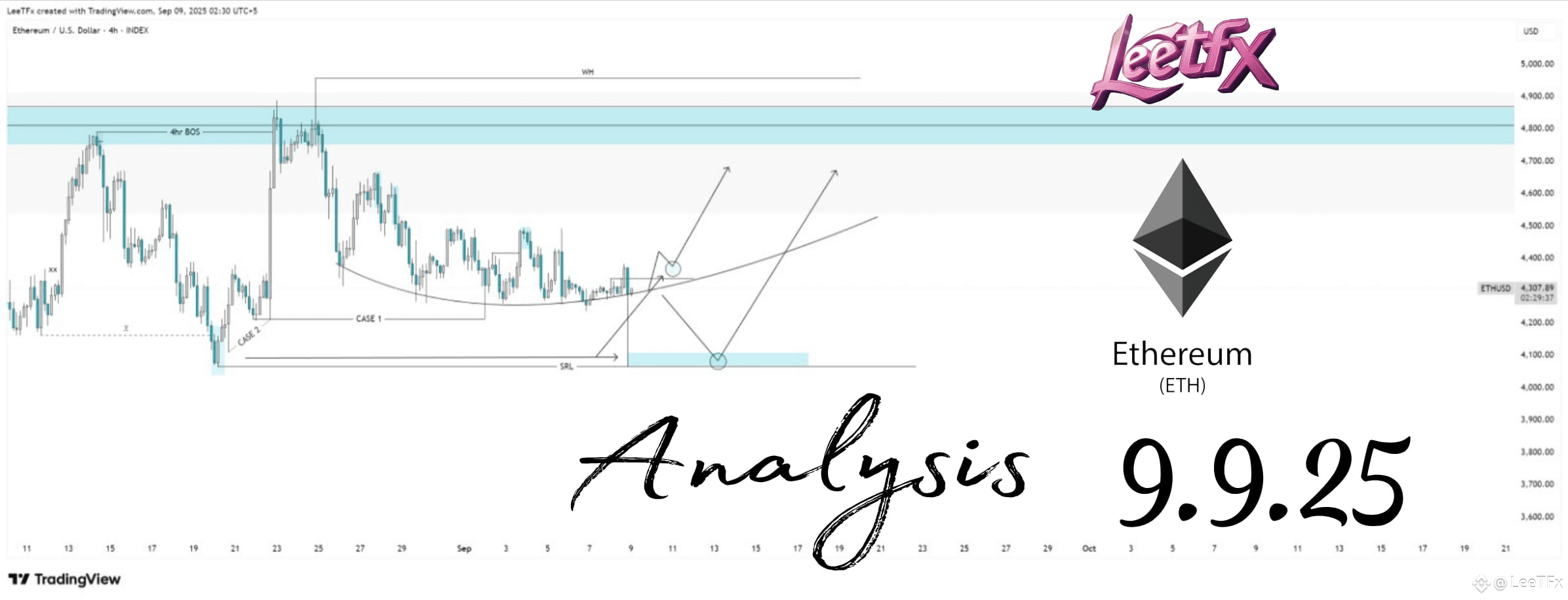
$BTC my both prediction are going accurate we are analyst. we capture the future moves
$BTC my both prediction are going accurate we are analyst. we capture the future moves
1
411
·
--
Bullish
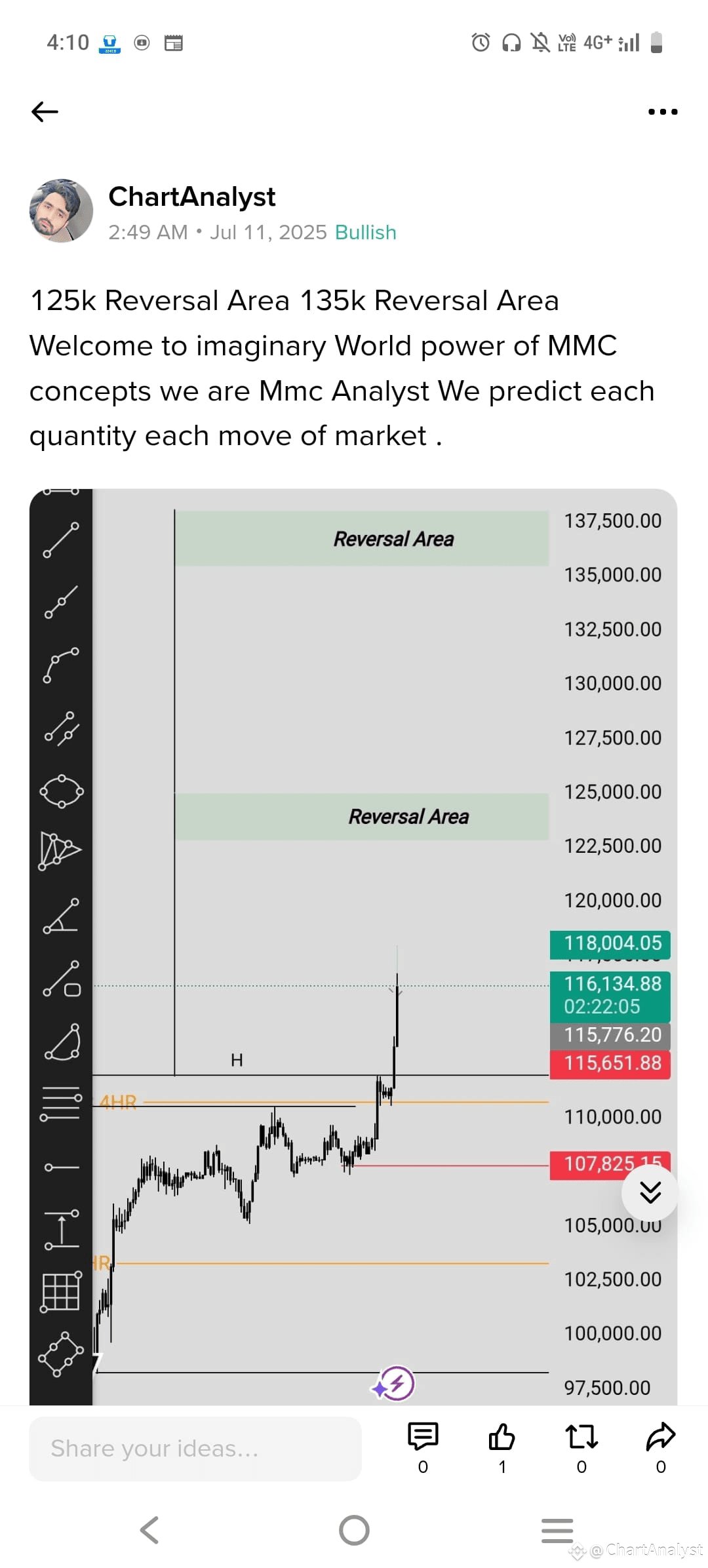
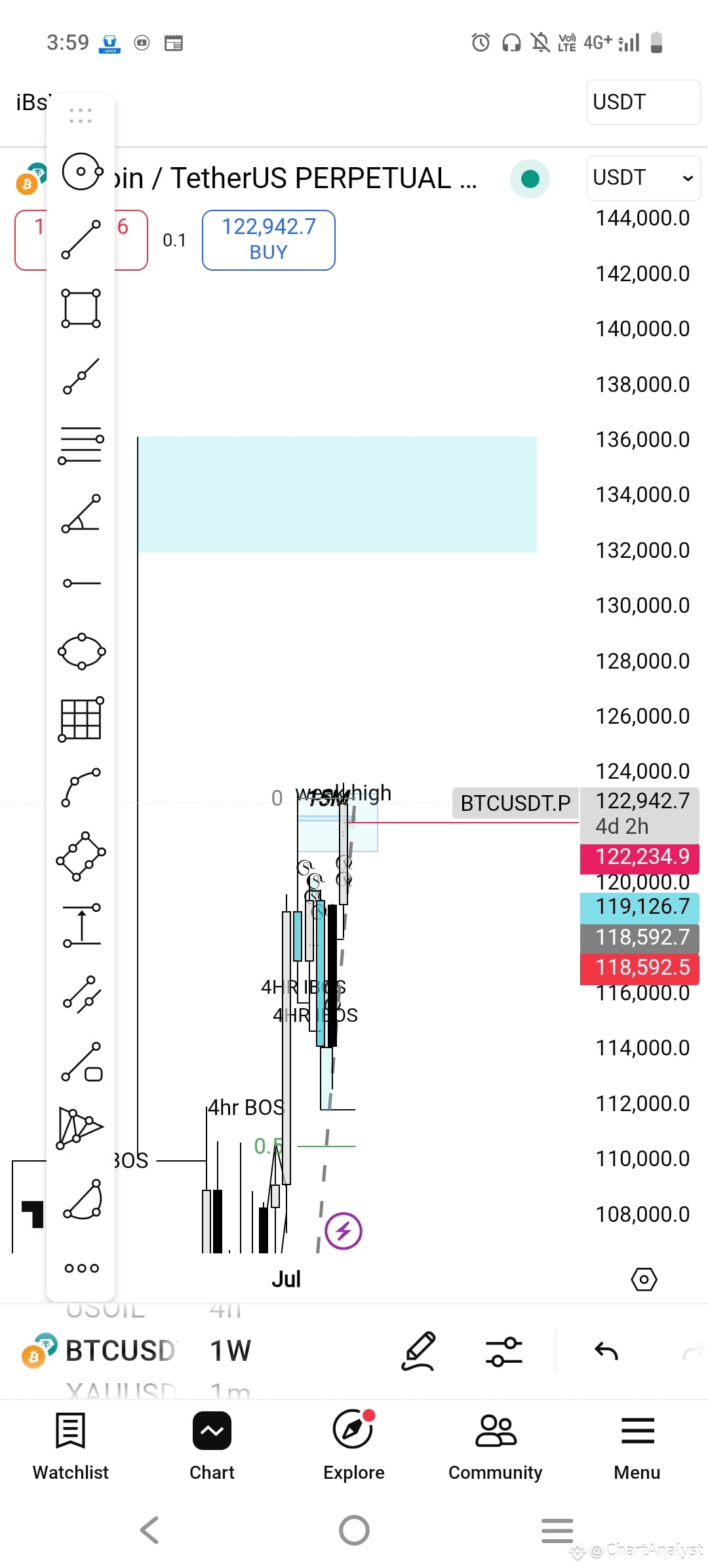
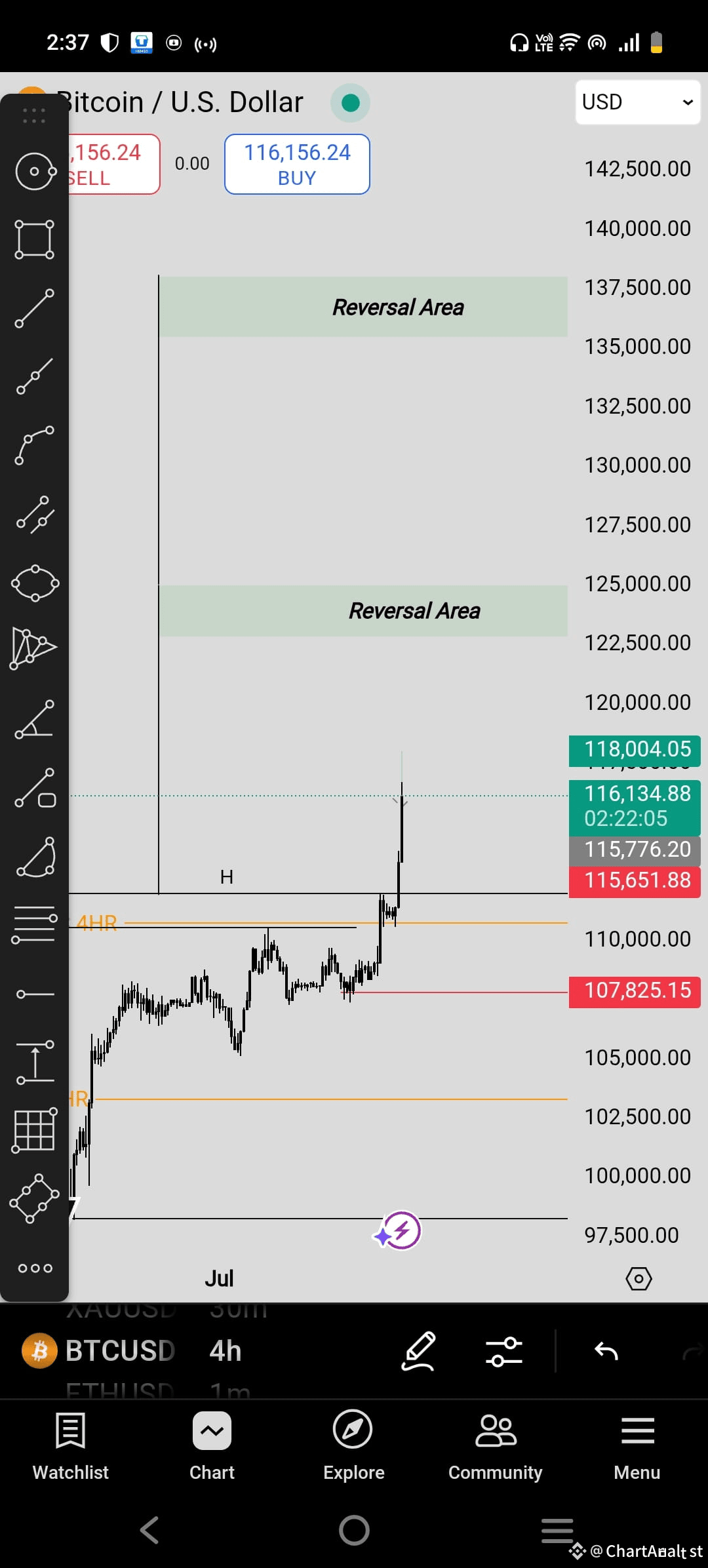
125k Reversal Area 135k Reversal Area Welcome to imaginary World power of MMC concepts we are Mmc Analyst We predict each quantity each move of market .
125k Reversal Area 135k Reversal Area Welcome to imaginary World power of MMC concepts we are Mmc Analyst We predict each quantity each move of market .
1
96
·
--
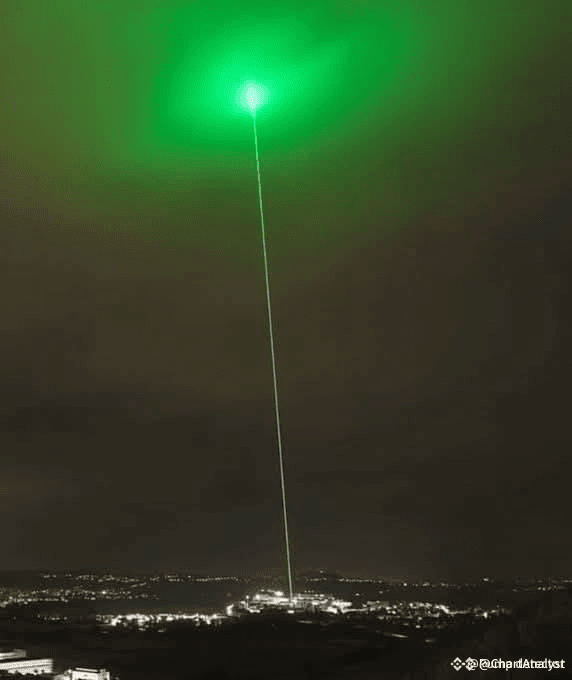
Make yourself as a indicator rather then using indicator give your time to charts solve the mysteries behind it see the magic to become profitable #SaylorBTCPurchase #TRXETF #BNBChainMeme #PowellRemarks
Make yourself as a indicator rather then using indicator give your time to charts solve the mysteries behind it see the magic to become profitable #SaylorBTCPurchase #TRXETF #BNBChainMeme #PowellRemarks
7
·
--
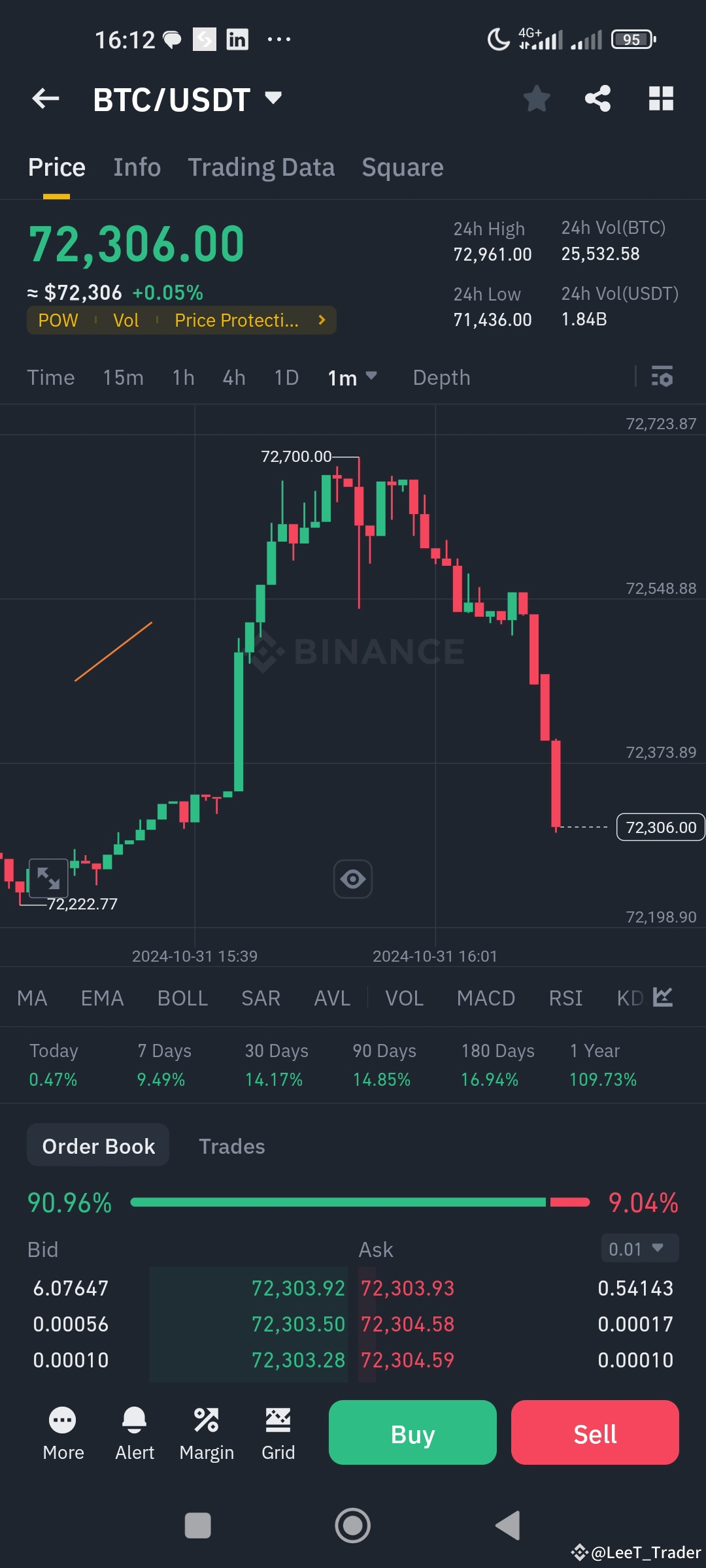
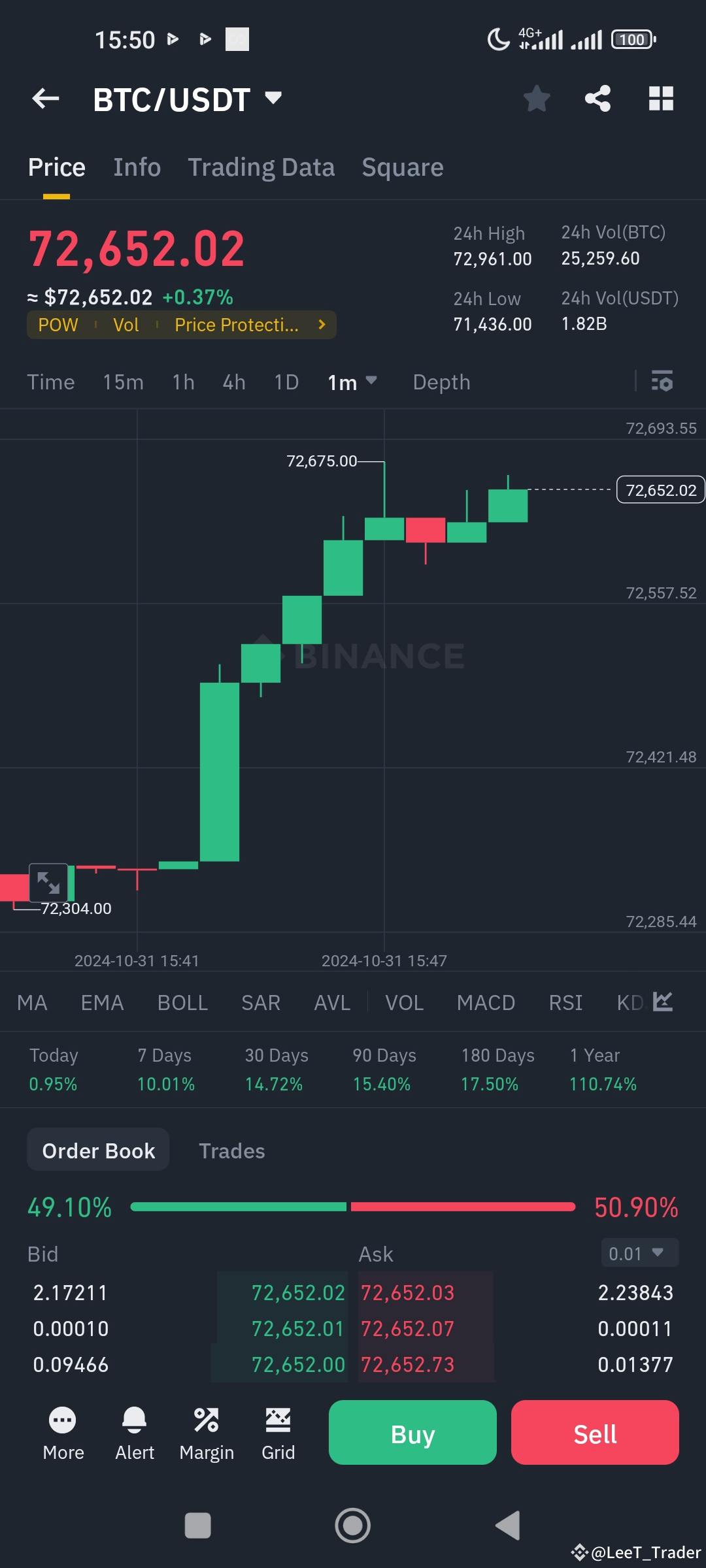
As i gave Sell signal BTC/USD Successfully Target 🎯 Hit. follow for more real analysis signals ☕
As i gave Sell signal BTC/USD Successfully Target 🎯 Hit. follow for more real analysis signals ☕
629
·
--
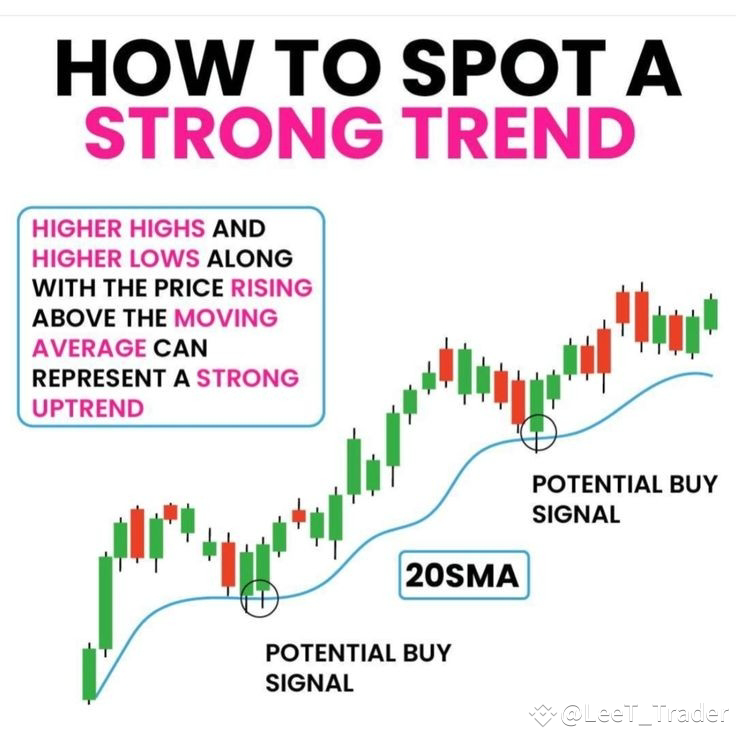
How to Spot a Strong Trend with the 20-SMA
Explained .
The 20-SMA is a line on a chart that represents the average closing price of an asset over the past 20 trading days. It smooths out price fluctuations, making it easier to identify trends.
Identifying Upward Trends
Price Above the 20-SMA: When the price of an asset is consistently above the 20-SMA, it indicates a bullish trend.
Steep Slope of the 20-SMA: A steeply sloping 20-SMA suggests a strong and accelerating upward trend.
Price Pullbacks to the 20-SMA: During upward trends, the price may pull back to the 20-SMA and then bounce back higher, confirming the strength of the trend.
Identifying Downward Trends
Price Below the 20-SMA: When the price of an asset is consistently below the 20-SMA, it indicates a bearish trend.
Steeply Sloping Downward 20-SMA: A steeply sloping downward 20-SMA suggests a strong and accelerating downward trend.
Price Rallies to the 20-SMA: During downward trends, the price may rally to the 20-SMA and then fall back lower, confirming the strength of the trend.
How to Spot a Strong Trend with the 20-SMA
Explained .
The 20-SMA is a line on a chart that represents the average closing price of an asset over the past 20 trading days. It smooths out price fluctuations, making it easier to identify trends.
Identifying Upward Trends
Price Above the 20-SMA: When the price of an asset is consistently above the 20-SMA, it indicates a bullish trend.
Steep Slope of the 20-SMA: A steeply sloping 20-SMA suggests a strong and accelerating upward trend.
Price Pullbacks to the 20-SMA: During upward trends, the price may pull back to the 20-SMA and then bounce back higher, confirming the strength of the trend.
Identifying Downward Trends
Price Below the 20-SMA: When the price of an asset is consistently below the 20-SMA, it indicates a bearish trend.
Steeply Sloping Downward 20-SMA: A steeply sloping downward 20-SMA suggests a strong and accelerating downward trend.
Price Rallies to the 20-SMA: During downward trends, the price may rally to the 20-SMA and then fall back lower, confirming the strength of the trend.
Explained .
The 20-SMA is a line on a chart that represents the average closing price of an asset over the past 20 trading days. It smooths out price fluctuations, making it easier to identify trends.
Identifying Upward Trends
Price Above the 20-SMA: When the price of an asset is consistently above the 20-SMA, it indicates a bullish trend.
Steep Slope of the 20-SMA: A steeply sloping 20-SMA suggests a strong and accelerating upward trend.
Price Pullbacks to the 20-SMA: During upward trends, the price may pull back to the 20-SMA and then bounce back higher, confirming the strength of the trend.
Identifying Downward Trends
Price Below the 20-SMA: When the price of an asset is consistently below the 20-SMA, it indicates a bearish trend.
Steeply Sloping Downward 20-SMA: A steeply sloping downward 20-SMA suggests a strong and accelerating downward trend.
Price Rallies to the 20-SMA: During downward trends, the price may rally to the 20-SMA and then fall back lower, confirming the strength of the trend.
7
1.8k
Log in to explore more content
Join global crypto users on Binance Square
⚡️ Get latest and useful information about crypto.
💬 Trusted by the world’s largest crypto exchange.
👍 Discover real insights from verified creators.
Email / Phone number
Trending Topics
AppleDebutsFoldablePhone
1,020 views
66 Discussing
#appledebutsfoldablephone iPhone Fold 2026: Apple’s Secret Plan to Kill the Samsung Galaxy Z Fold 8iPhone Fold 2026: Apple’s Secret Plan to Kill the Samsung Galaxy Z Fold 8
Apple is poised to make its long-anticipated entry into the foldable smartphone market with the iPhone Fold, set for release in 2026. This strategic move positions Apple as a direct competitor to Samsung, which has maintained a dominant presence in the foldable segment since the launch of its Galaxy Z Fold series in 2019. By using its globally recognized brand and tightly integrated ecosystem, Apple aims to challenge Samsung’s leadership. However, this ambitious step brings with it critical considerations, including pricing strategies, supply chain readiness, and consumer trust in a first-generation foldable device.$NIL $IDOL $SPORTFUN
Isabella-I
·1 Likes
·30 views
US10YTreasuryYieldHitsHighestSinceNov2023
4,937 views
132 Discussing
USTreasuryToBuyBackUpTo$6BLongDatedDebt
8,866 views
128 Discussing