
骆驼-Camel king
358 Posts
 LIVE
骆驼-Camel king
Report
Block User
熊市就是你的沙漠,穿越周期,抵达绿洲
穿越两轮牛熊的实战交易者,10多年交易经验,A股,美股,加密;擅长周期主流交易;精选捕捉龙头山寨百倍币;专业金融从业人员;
53 Following
1.2K+ Followers
682 Liked
Posts
All
Quotes
Live
·
--
Bullish
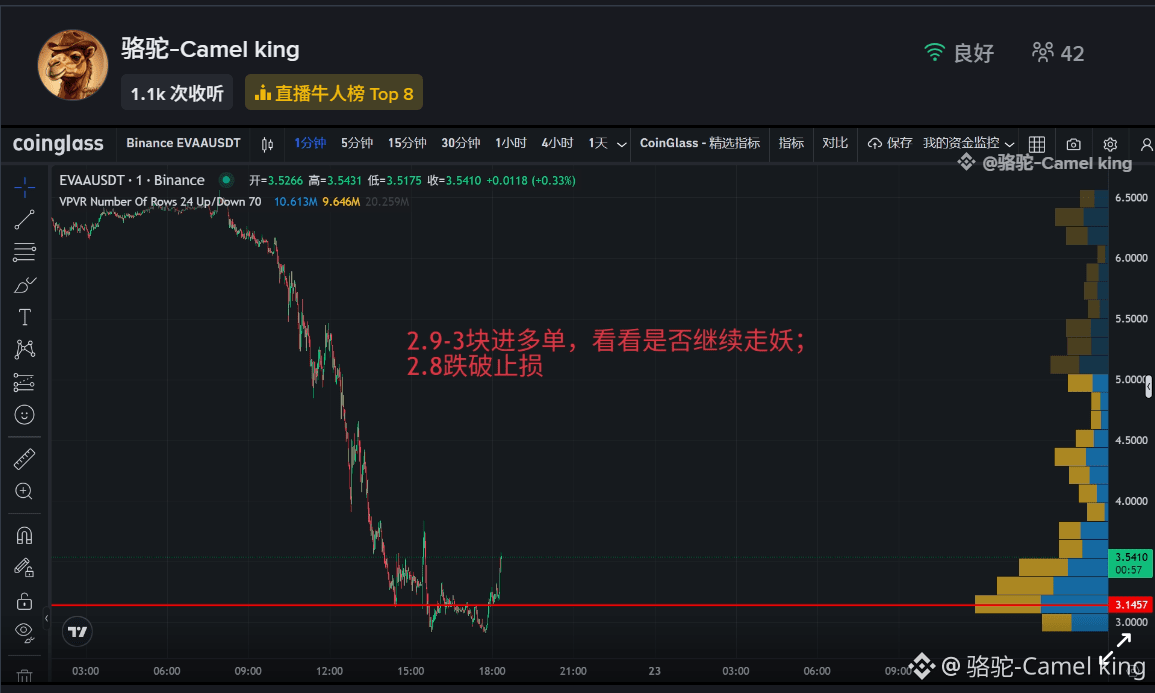
Will EVAA double again?
If you've already entered, set a stop-loss at your entry price and see if it keeps going on a wild run;
either break even or make a big profit.
Will EVAA double again?
If you've already entered, set a stop-loss at your entry price and see if it keeps going on a wild run;
either break even or make a big profit.
If you've already entered, set a stop-loss at your entry price and see if it keeps going on a wild run;
either break even or make a big profit.
1
1.7k

·
--
Bearish
The essence of this BTC and ETH crash is:
Inflation rebounding → Fed rate-cut expectations reversing and Treasury yields rising + U.S. AI tech stocks (QQQ / Nvidia) crashing, the ANT listing draining liquidity, cross-asset risk capital contracting across the board + continued outflows from spot BTC ETFs and a liquidity crunch within crypto + cascading leveraged liquidations—all combining to amplify the downturn.
With capital in short supply, will institutions accelerate selling gold and crypto assets to meet margin requirements for U.S. stocks?
At the end of September, market makers drained a huge amount of liquidity from the crypto market. The script has already been written.
These issues have yet to be resolved, and prices will continue to fall further.
There may be a rebound, but it won’t be a reversal.
When the market direction is unclear, it may be best to stay on the sidelines rather than place trades.
$ETH
{future}(ETHUSDT)
The essence of this BTC and ETH crash is:
Inflation rebounding → Fed rate-cut expectations reversing and Treasury yields rising + U.S. AI tech stocks (QQQ / Nvidia) crashing, the ANT listing draining liquidity, cross-asset risk capital contracting across the board + continued outflows from spot BTC ETFs and a liquidity crunch within crypto + cascading leveraged liquidations—all combining to amplify the downturn.
With capital in short supply, will institutions accelerate selling gold and crypto assets to meet margin requirements for U.S. stocks?
At the end of September, market makers drained a huge amount of liquidity from the crypto market. The script has already been written.
These issues have yet to be resolved, and prices will continue to fall further.
There may be a rebound, but it won’t be a reversal.
When the market direction is unclear, it may be best to stay on the sidelines rather than place trades.
$ETH
3
270
·
--
Bearish
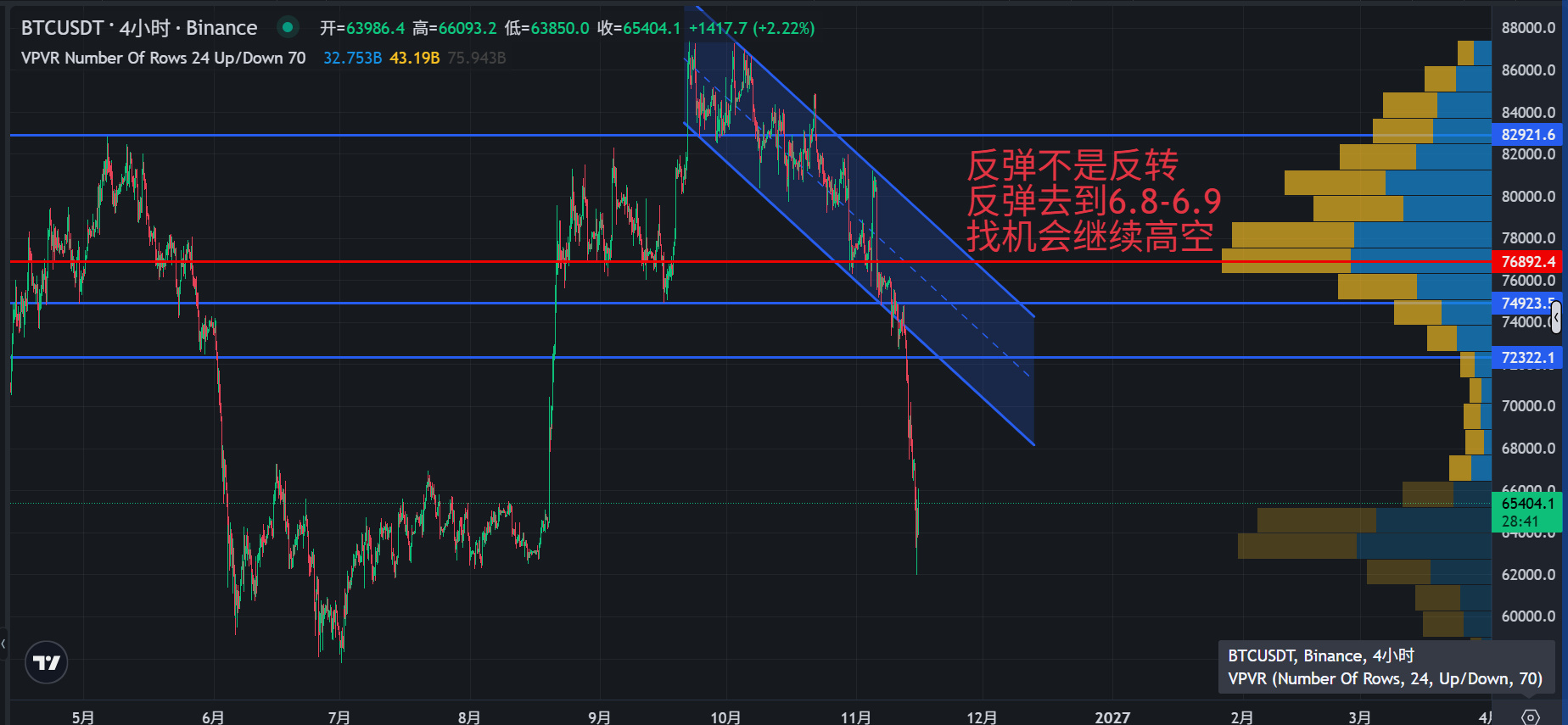
There has been no reversal yet, so it’s still too early to buy spot. I’ll only start considering spot when it begins with a 5;
There’s currently a small rebound, but liquidity is tightening further. The decline has accelerated recently, and large holders and institutions are starting to get liquidated.
After the small rebound, look for a higher level to open short positions.
Market makers started withdrawing liquidity back in September, and a downtrend has taken shape. The news is just providing convenient cover.
The U.S. midterm elections, the Jensen Huang incident that surfaced at the White House six months ago, inflation, continued rate hikes, the aftermath of the war, and SanDisk’s 100-fold gain in a year—when will they cash out?
Do you think the big players anticipated this news 3–6 months ago?
$BTC
{future}(BTCUSDT)
There has been no reversal yet, so it’s still too early to buy spot. I’ll only start considering spot when it begins with a 5;
There’s currently a small rebound, but liquidity is tightening further. The decline has accelerated recently, and large holders and institutions are starting to get liquidated.
After the small rebound, look for a higher level to open short positions.
Market makers started withdrawing liquidity back in September, and a downtrend has taken shape. The news is just providing convenient cover.
The U.S. midterm elections, the Jensen Huang incident that surfaced at the White House six months ago, inflation, continued rate hikes, the aftermath of the war, and SanDisk’s 100-fold gain in a year—when will they cash out?
Do you think the big players anticipated this news 3–6 months ago?
$BTC
1
2
775
The world is one giant amateur operation: the lawsuit against Vitalik and the Ethereum Foundation.
Was the seppuku apology clause drafted by a Japanese person?
In February 2026, the Ethereum Foundation distributed a draft governance charter to all staff. Hidden in the document was a highly controversial “seppuku clause”: it stated that if maintainers failed to uphold Ethereum’s commitments or altered the charter, they would be held accountable by committing ritual suicide.
The Foundation’s internal explanation was that it was just a joke and shouldn’t be taken seriously.
There was strong internal opposition at the time: a colleague on the team had died by suicide the previous year, and 79 employees voted to remove the passage. Vitalik verbally promised to revise it, but the final version, officially published on March 13, still retained the clause. It was also permanently recorded on-chain along with the document, making it immutable. Management then sent out a confirmation form requiring employees to state that they agreed with the charter. Those who disagreed were pressured to leave.
Then employees sued Vitalik and the Ethereum Foundation.
Will Democratic Party take power and go after the major crypto institutions that backed Trump? Will institutions hurry to sell and get out? Let’s wait and see how things unfold.
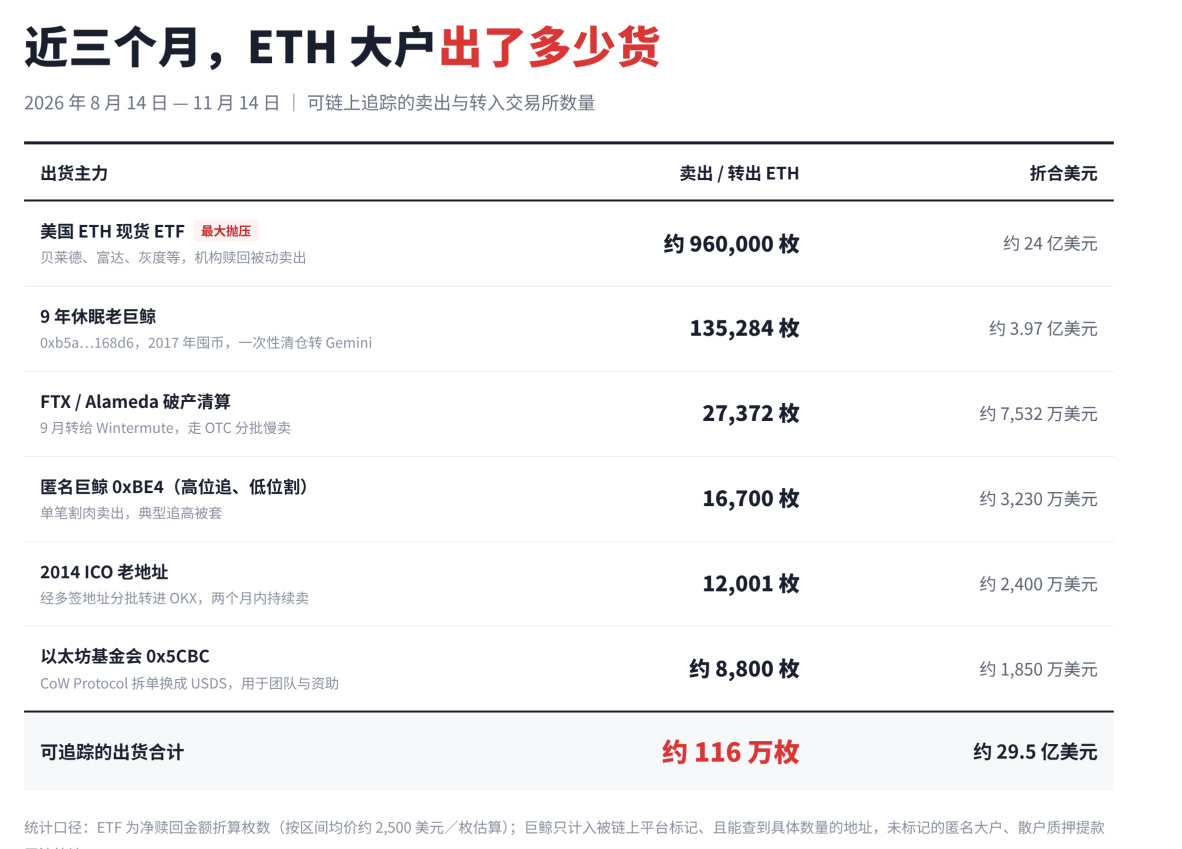
Who is selling off ETH, and who’s on the other side of the long trade?
$ETH
{future}(ETHUSDT)
The world is one giant amateur operation: the lawsuit against Vitalik and the Ethereum Foundation.
Was the seppuku apology clause drafted by a Japanese person?
In February 2026, the Ethereum Foundation distributed a draft governance charter to all staff. Hidden in the document was a highly controversial “seppuku clause”: it stated that if maintainers failed to uphold Ethereum’s commitments or altered the charter, they would be held accountable by committing ritual suicide.
The Foundation’s internal explanation was that it was just a joke and shouldn’t be taken seriously.
There was strong internal opposition at the time: a colleague on the team had died by suicide the previous year, and 79 employees voted to remove the passage. Vitalik verbally promised to revise it, but the final version, officially published on March 13, still retained the clause. It was also permanently recorded on-chain along with the document, making it immutable. Management then sent out a confirmation form requiring employees to state that they agreed with the charter. Those who disagreed were pressured to leave.
Then employees sued Vitalik and the Ethereum Foundation.
Will Democratic Party take power and go after the major crypto institutions that backed Trump? Will institutions hurry to sell and get out? Let’s wait and see how things unfold.
Who is selling off ETH, and who’s on the other side of the long trade?
$ETH
4
508
·
--
Bearish
Many bearish factors are weighing on the downtrend, and the timing is right;
Liquidity is getting worse and worse, so all we can do is wait and make a few small trades in the choppy market.
$ETH
{future}(ETHUSDT)
Many bearish factors are weighing on the downtrend, and the timing is right;
Liquidity is getting worse and worse, so all we can do is wait and make a few small trades in the choppy market.
$ETH
Liquidity is getting worse and worse, so all we can do is wait and make a few small trades in the choppy market.
$ETH
2
831
·
--
Bearish
Verified
The market faces a negative catalyst tonight, so this is worth keeping an eye on.
Strategy (MicroStrategy) MSCI index removal (the biggest recent negative catalyst)
New MSCI rule: If a company derives most of its value from holding crypto assets and its core business accounts for a very small share, it will be deemed not to be a conventional operating company and removed from the index pool.
Impact: Passive ETFs tracking MSCI global indexes will be forced to sell MSTR. The market estimates this could create selling pressure worth billions of dollars. The deeper impact: In the past, it could raise funds at low cost by issuing new shares to buy BTC, with index funds absorbing a large share of those offerings. After removal, there will be fewer institutional buyers, making future share offerings more difficult and raising financing costs.
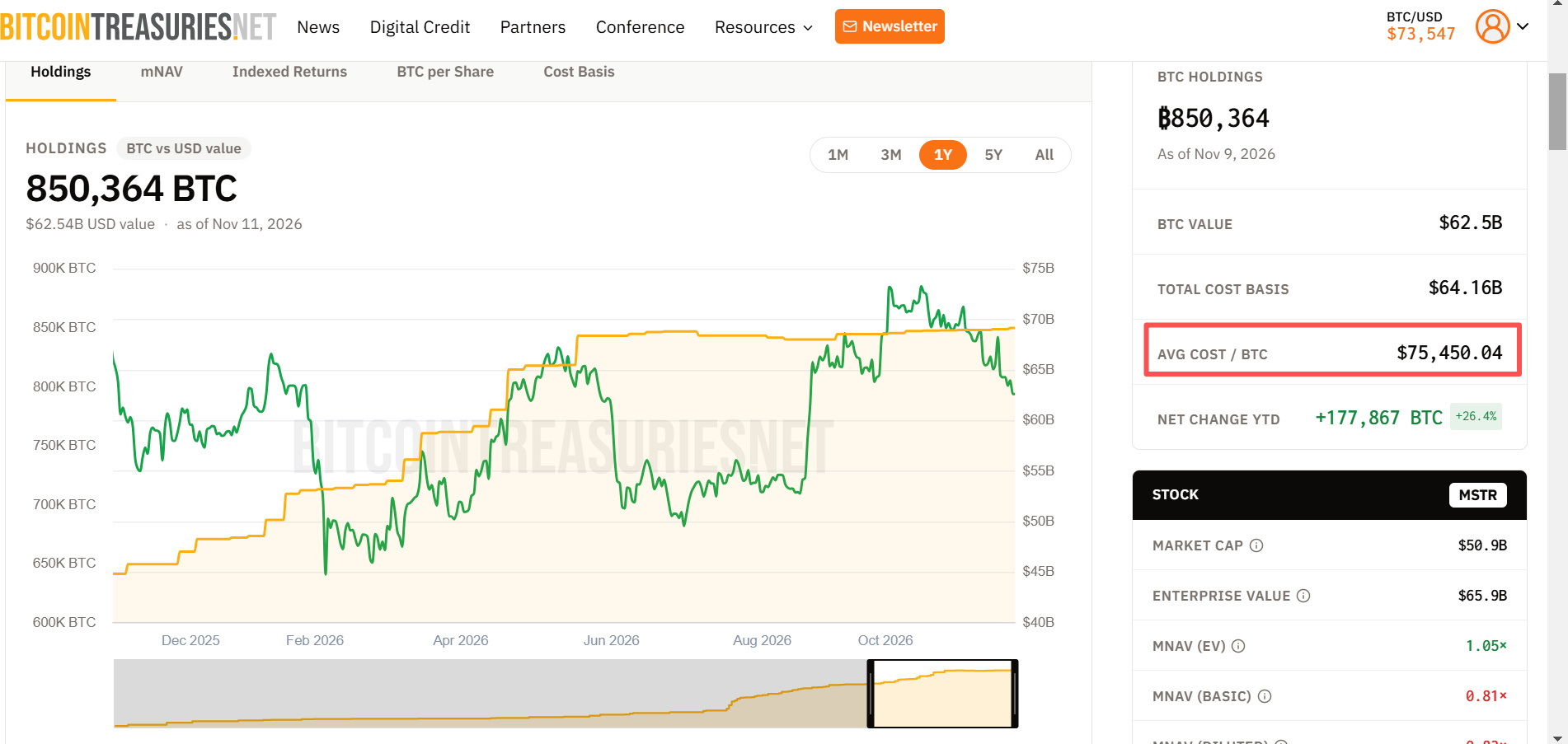
Strategy holds approximately 850,000 BTC, with an average cost of about $75,450. With crypto prices having fallen recently, its holdings are now at an overall unrealized loss.
MSTR (Strategy) MSCI removal timeline
Rule approval date: October 15, 2026, Eastern Time. MSCI officially implements the new screening rule for “non-operating companies,” launching this review cycle.
Window for announcing the final list: November 11 (Eastern Time). The results of the November semiannual review will be released in the early hours of November 12, Beijing Time, confirming whether MSTR will officially be added to the removal list.
Effective date and passive fund rebalancing day (the most critical selling-pressure point): Takes effect after the U.S. market closes on November 30, 2026. In other words, when the U.S. market closes on November 30, passive ETFs tracking MSCI will sell and rebalance their holdings. MSTR will no longer be included in the index at the market open on December 1, with concentrated selling pressure expected in the final minutes of trading on November 30.
$BTC
{future}(BTCUSDT)
The market faces a negative catalyst tonight, so this is worth keeping an eye on.
Strategy (MicroStrategy) MSCI index removal (the biggest recent negative catalyst)
New MSCI rule: If a company derives most of its value from holding crypto assets and its core business accounts for a very small share, it will be deemed not to be a conventional operating company and removed from the index pool.
Impact: Passive ETFs tracking MSCI global indexes will be forced to sell MSTR. The market estimates this could create selling pressure worth billions of dollars. The deeper impact: In the past, it could raise funds at low cost by issuing new shares to buy BTC, with index funds absorbing a large share of those offerings. After removal, there will be fewer institutional buyers, making future share offerings more difficult and raising financing costs.
Strategy holds approximately 850,000 BTC, with an average cost of about $75,450. With crypto prices having fallen recently, its holdings are now at an overall unrealized loss.
MSTR (Strategy) MSCI removal timeline
Rule approval date: October 15, 2026, Eastern Time. MSCI officially implements the new screening rule for “non-operating companies,” launching this review cycle.
Window for announcing the final list: November 11 (Eastern Time). The results of the November semiannual review will be released in the early hours of November 12, Beijing Time, confirming whether MSTR will officially be added to the removal list.
Effective date and passive fund rebalancing day (the most critical selling-pressure point): Takes effect after the U.S. market closes on November 30, 2026. In other words, when the U.S. market closes on November 30, passive ETFs tracking MSCI will sell and rebalance their holdings. MSTR will no longer be included in the index at the market open on December 1, with concentrated selling pressure expected in the final minutes of trading on November 30.
$BTC
2
6
3.4k
·
--
Bearish
The Americano is a little bitter
SanDisk, which rose 100-fold in a year, has plunged
When will it hit bottom? Come hang out in the livestream
$SNDK
{future}(SNDKUSDT)
The Americano is a little bitter
SanDisk, which rose 100-fold in a year, has plunged
When will it hit bottom? Come hang out in the livestream
$SNDK
SanDisk, which rose 100-fold in a year, has plunged
When will it hit bottom? Come hang out in the livestream
$SNDK
2
702
Log in to explore more content
Join global crypto users on Binance Square
⚡️ Get latest and useful information about crypto.
💬 Trusted by the world’s largest crypto exchange.
👍 Discover real insights from verified creators.
Email / Phone number
Trending Topics
BTCReboundsAbove$60KAmidWhaleDipBuying
80,439 views
355 Discussing
Abraxas Capital, Other Whales Buy the BTC Dip as Bitcoin Briefly Reclaims $60,000
Binance News
·35 Likes
·78k views
SolanaSets2027RoadmapToDoubleComputeCapacity
59,204 views
1,031 Discussing
CaliforniaNvidiaProbeExaminesPotentialCriminalViolations
17,580 views
141 Discussing