
0xVL 1
93 Posts

0xVL 1
Report
Block User
“Every master was once a beginner. Every pro was once an amateur.”
0 Following
3 Followers
25 Liked
Posts
·
--
It’s actually hilarious but weirdly brilliant how the $LAPTOP team structured this airdrop. Targeting the wallets with negative PnL on the $TRUMP coin is clever meme warfare and a really smart way to bootstrap an initial community. You have to admit, using on-chain data to find the exact people who got wrecked on a rival political token and handing them free tokens is a fresh take on distribution. It flips the usual airdrop farming meta on its head and guarantees instant attention from the exact demographic that loves to trade political tokens. The sheer irony of a Hunter Biden-themed coin rewarding TRUMP bag holders creates the perfect viral narrative for the timeline. I honestly respect the creativity here; it’s exactly the kind of cynical, self-aware marketing that thrives on Base right now and gets people talking. That being said, I don't think this actually wins over the core degen vote for more than a few days. Sure, the TRUMP losers will happily claim their free tokens, but let's be real they are going to dump them immediately to recoup their previous losses. You are basically handing free capital to people whose only goal is to exit. Plus, the political meta is getting incredibly exhausted at this point. Once the initial novelty wears off, you're left with a token heavily concentrated among insiders, relying on bizarre gimmicks like burning supply based on the 2028 election. It feels less like a sustainable community and more like a convoluted PVP extraction game where retail is just going to get chopped up all over again. I'll watch the chart for entertainment, but I'm definitely not bidding this
It’s actually hilarious but weirdly brilliant how the $LAPTOP team structured this airdrop. Targeting the wallets with negative PnL on the $TRUMP coin is clever meme warfare and a really smart way to bootstrap an initial community. You have to admit, using on-chain data to find the exact people who got wrecked on a rival political token and handing them free tokens is a fresh take on distribution. It flips the usual airdrop farming meta on its head and guarantees instant attention from the exact demographic that loves to trade political tokens. The sheer irony of a Hunter Biden-themed coin rewarding TRUMP bag holders creates the perfect viral narrative for the timeline. I honestly respect the creativity here; it’s exactly the kind of cynical, self-aware marketing that thrives on Base right now and gets people talking. That being said, I don't think this actually wins over the core degen vote for more than a few days. Sure, the TRUMP losers will happily claim their free tokens, but let's be real they are going to dump them immediately to recoup their previous losses. You are basically handing free capital to people whose only goal is to exit. Plus, the political meta is getting incredibly exhausted at this point. Once the initial novelty wears off, you're left with a token heavily concentrated among insiders, relying on bizarre gimmicks like burning supply based on the 2028 election. It feels less like a sustainable community and more like a convoluted PVP extraction game where retail is just going to get chopped up all over again. I'll watch the chart for entertainment, but I'm definitely not bidding this

60
·
--
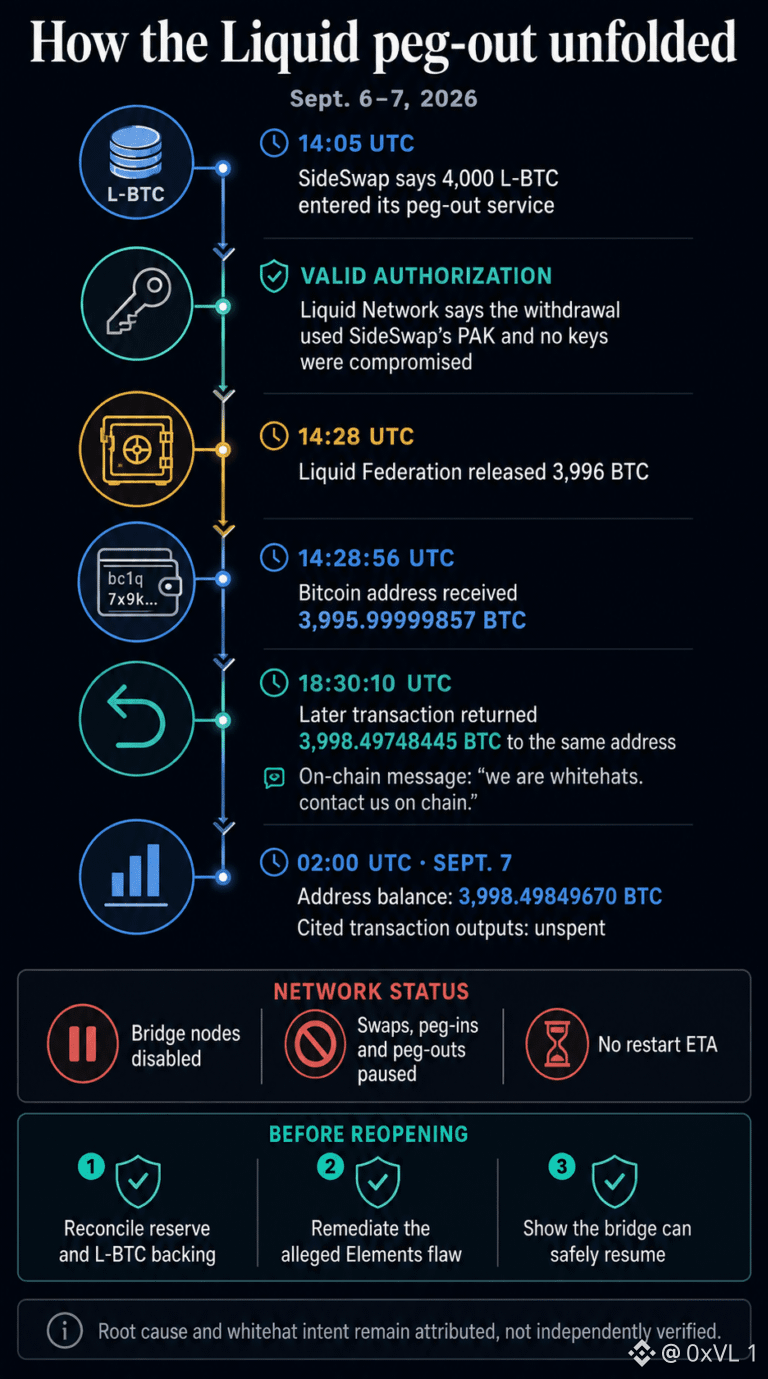
Tracking this Liquid Network situation has been highly engaging from a research perspective. It is genuinely interesting to watch a self-proclaimed white hat use OP_RETURN messages to negotiate directly with Blockstream on-chain, treating a $320 million withdrawal like a live bug bounty. The fact that they bypassed the 11-of-15 multisig by exploiting a logic flaw in the Elements software rather than stealing private keys shows a solid understanding of sidechain architecture. It reminds me of past bridge exploits where the code failed while the custody model technically worked as intended. I have to acknowledge the technical execution here; proving you can generate unbacked L-BTC and peg it out for real $BTC provides a very clear lesson for the ecosystem.
That being said, I have real concerns with how this entire scenario is playing out. Holding $320 million hostage until developers prove they have patched every node crosses the line from ethical disclosure to forced compliance. A standard white hat reports the vulnerability and collects a bounty; they do not unilaterally freeze liquidity and dictate operational terms to a federation of exchanges. This incident severely dents the trust we place in federated sidechain models. If a single software flaw can bypass the consensus mechanism and drain 95% of the reserves, we need to seriously re-evaluate the security assumptions used for scaling Bitcoin. Blockstream will need to provide a very thorough post-mortem once the dust settles.
Tracking this Liquid Network situation has been highly engaging from a research perspective. It is genuinely interesting to watch a self-proclaimed white hat use OP_RETURN messages to negotiate directly with Blockstream on-chain, treating a $320 million withdrawal like a live bug bounty. The fact that they bypassed the 11-of-15 multisig by exploiting a logic flaw in the Elements software rather than stealing private keys shows a solid understanding of sidechain architecture. It reminds me of past bridge exploits where the code failed while the custody model technically worked as intended. I have to acknowledge the technical execution here; proving you can generate unbacked L-BTC and peg it out for real $BTC provides a very clear lesson for the ecosystem.
That being said, I have real concerns with how this entire scenario is playing out. Holding $320 million hostage until developers prove they have patched every node crosses the line from ethical disclosure to forced compliance. A standard white hat reports the vulnerability and collects a bounty; they do not unilaterally freeze liquidity and dictate operational terms to a federation of exchanges. This incident severely dents the trust we place in federated sidechain models. If a single software flaw can bypass the consensus mechanism and drain 95% of the reserves, we need to seriously re-evaluate the security assumptions used for scaling Bitcoin. Blockstream will need to provide a very thorough post-mortem once the dust settles.
That being said, I have real concerns with how this entire scenario is playing out. Holding $320 million hostage until developers prove they have patched every node crosses the line from ethical disclosure to forced compliance. A standard white hat reports the vulnerability and collects a bounty; they do not unilaterally freeze liquidity and dictate operational terms to a federation of exchanges. This incident severely dents the trust we place in federated sidechain models. If a single software flaw can bypass the consensus mechanism and drain 95% of the reserves, we need to seriously re-evaluate the security assumptions used for scaling Bitcoin. Blockstream will need to provide a very thorough post-mortem once the dust settles.
61
·
--
Seeing $ZEC and $XRP print clean technical breakouts after months of consolidation is definitely an exciting signal for the market. It shows that capital rotation is actively moving down the risk curve, and seeing high-cap legacy names lead the charge always brings fresh liquidity and renewed retail attention back into altcoins. The uptick in volume across these specific pairs shows genuine spot demand and short-term bullish momentum that cannot be ignored.
However, declaring full-blown altseason off these moves feels a bit premature. A true macro altseason usually requires a sustained drop in Bitcoin dominance combined with broad-based market breadth across DeFi, L1s, and mid-cap tokens rather than isolated surges driven by idiosyncratic news or short squeezes. Until we see persistent volume expansion and liquidity spillover into lower market cap assets without BTC pulling everything down on a pullback, this looks more like a tactical liquidity rotation than the start of an extended alt bull cycle.
Seeing $ZEC and $XRP print clean technical breakouts after months of consolidation is definitely an exciting signal for the market. It shows that capital rotation is actively moving down the risk curve, and seeing high-cap legacy names lead the charge always brings fresh liquidity and renewed retail attention back into altcoins. The uptick in volume across these specific pairs shows genuine spot demand and short-term bullish momentum that cannot be ignored.
However, declaring full-blown altseason off these moves feels a bit premature. A true macro altseason usually requires a sustained drop in Bitcoin dominance combined with broad-based market breadth across DeFi, L1s, and mid-cap tokens rather than isolated surges driven by idiosyncratic news or short squeezes. Until we see persistent volume expansion and liquidity spillover into lower market cap assets without BTC pulling everything down on a pullback, this looks more like a tactical liquidity rotation than the start of an extended alt bull cycle.
However, declaring full-blown altseason off these moves feels a bit premature. A true macro altseason usually requires a sustained drop in Bitcoin dominance combined with broad-based market breadth across DeFi, L1s, and mid-cap tokens rather than isolated surges driven by idiosyncratic news or short squeezes. Until we see persistent volume expansion and liquidity spillover into lower market cap assets without BTC pulling everything down on a pullback, this looks more like a tactical liquidity rotation than the start of an extended alt bull cycle.

70
·
--
Spot on for bringing this up the macro narrative around central bank leadership is undoubtedly one of the cleanest short-term catalysts moving price action right now. Watching how market liquidity and interest rate expectations shift whenever Fed leadership speaks completely reshapes risk appetite across risk assets, especially with $BTC sitting near that critical 80K psychological level. The correlation between central bank policy signals and global liquidity cycles remains one of the most reliable frameworks for understanding capital rotation into digital assets.
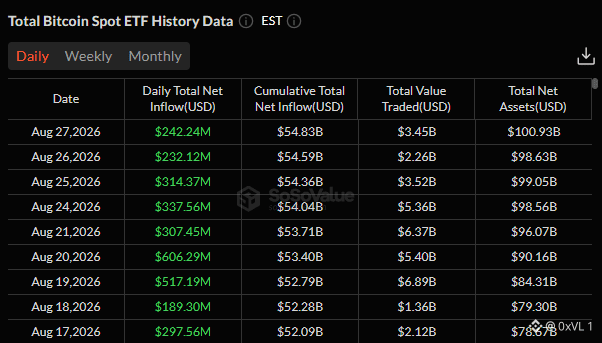
That said, I think the market is over-indexing on every single press conference headline instead of looking at underlying market structure. A single speech or hawkish remark can trigger short-term liquidations, but Bitcoin's long-term trajectory is driven far more by institutional ETF absorption, supply dynamics, and persistent sovereign fiscal deficits. Treating every Fed statement as a make-or-break moment misses how resilient crypto liquidity has become beyond legacy monetary policy
Spot on for bringing this up the macro narrative around central bank leadership is undoubtedly one of the cleanest short-term catalysts moving price action right now. Watching how market liquidity and interest rate expectations shift whenever Fed leadership speaks completely reshapes risk appetite across risk assets, especially with $BTC sitting near that critical 80K psychological level. The correlation between central bank policy signals and global liquidity cycles remains one of the most reliable frameworks for understanding capital rotation into digital assets.
That said, I think the market is over-indexing on every single press conference headline instead of looking at underlying market structure. A single speech or hawkish remark can trigger short-term liquidations, but Bitcoin's long-term trajectory is driven far more by institutional ETF absorption, supply dynamics, and persistent sovereign fiscal deficits. Treating every Fed statement as a make-or-break moment misses how resilient crypto liquidity has become beyond legacy monetary policy
That said, I think the market is over-indexing on every single press conference headline instead of looking at underlying market structure. A single speech or hawkish remark can trigger short-term liquidations, but Bitcoin's long-term trajectory is driven far more by institutional ETF absorption, supply dynamics, and persistent sovereign fiscal deficits. Treating every Fed statement as a make-or-break moment misses how resilient crypto liquidity has become beyond legacy monetary policy
74
·
--
This is a really solid observation on the weekly structure. That 50-week moving average rejection around $81K is technically significant, especially considering how reliably that specific trend filter has defined momentum shifts across previous macro cycles. It makes complete sense why so many analysts are quick to map out a path back toward the $50K region, given the historical precedent for mean reversion and the liquidity resting around older consolidation ranges when higher-timeframe momentum stalls out.
That said, I think calling for an outright slide straight to $50K oversimplifies the current market structure. Most of these KOL targets seem anchored to clean psychological round numbers rather than actual on-chain distribution or spot order book depth. With substantial structural support clustered between the $68K and $72K zone coinciding with the short-term holder realized price and steady institutional absorption a complete breakdown to $50K would likely require an aggressive macro shock rather than just a routine moving average rejection. It feels like an overly bearish consensus that is ignoring key intermediate support levels. $BTC
This is a really solid observation on the weekly structure. That 50-week moving average rejection around $81K is technically significant, especially considering how reliably that specific trend filter has defined momentum shifts across previous macro cycles. It makes complete sense why so many analysts are quick to map out a path back toward the $50K region, given the historical precedent for mean reversion and the liquidity resting around older consolidation ranges when higher-timeframe momentum stalls out.
That said, I think calling for an outright slide straight to $50K oversimplifies the current market structure. Most of these KOL targets seem anchored to clean psychological round numbers rather than actual on-chain distribution or spot order book depth. With substantial structural support clustered between the $68K and $72K zone coinciding with the short-term holder realized price and steady institutional absorption a complete breakdown to $50K would likely require an aggressive macro shock rather than just a routine moving average rejection. It feels like an overly bearish consensus that is ignoring key intermediate support levels. $BTC
That said, I think calling for an outright slide straight to $50K oversimplifies the current market structure. Most of these KOL targets seem anchored to clean psychological round numbers rather than actual on-chain distribution or spot order book depth. With substantial structural support clustered between the $68K and $72K zone coinciding with the short-term holder realized price and steady institutional absorption a complete breakdown to $50K would likely require an aggressive macro shock rather than just a routine moving average rejection. It feels like an overly bearish consensus that is ignoring key intermediate support levels. $BTC

56
·
--
The recent momentum across the market definitely brings some well-deserved attention back to privacy tech, and seeing $ZEC finally print double-digit green candles alongside the broader market relief is a welcome change of pace. The sustained network upgrades, transition toward proof-of-stake discussions, and the continued narrative surrounding financial confidentiality give Zcash a solid fundamental base that long-term privacy advocates have been waiting to see validated. That said, calling it the next rocket to ride feels a bit premature given the structural headwinds ZEC still faces. Exchange delisting risks remain an overhang in major regulatory jurisdictions, which consistently caps institutional liquidity inflow compared to standard layer-1s. Technically, while the breakout from multi-year accumulation looks clean on high-timeframe charts, privacy coins have historically suffered from sharp retracements after speculative pumps due to low sustained volume. I'd want to see shielded pool adoption metrics and sustained daily active address growth outpace pure speculative exchange volume before jumping in with high conviction. It's an interesting trade setup right now, but treating it like a guaranteed runner ignores some pretty steep regulatory resistance ahead.
The recent momentum across the market definitely brings some well-deserved attention back to privacy tech, and seeing $ZEC finally print double-digit green candles alongside the broader market relief is a welcome change of pace. The sustained network upgrades, transition toward proof-of-stake discussions, and the continued narrative surrounding financial confidentiality give Zcash a solid fundamental base that long-term privacy advocates have been waiting to see validated. That said, calling it the next rocket to ride feels a bit premature given the structural headwinds ZEC still faces. Exchange delisting risks remain an overhang in major regulatory jurisdictions, which consistently caps institutional liquidity inflow compared to standard layer-1s. Technically, while the breakout from multi-year accumulation looks clean on high-timeframe charts, privacy coins have historically suffered from sharp retracements after speculative pumps due to low sustained volume. I'd want to see shielded pool adoption metrics and sustained daily active address growth outpace pure speculative exchange volume before jumping in with high conviction. It's an interesting trade setup right now, but treating it like a guaranteed runner ignores some pretty steep regulatory resistance ahead.

78
·
--
XRP’s recent relative strength against $BTC and $ETH has definitely caught everyone’s attention, and it’s well deserved given the technical breakout and ongoing momentum around Ripple’s enterprise expansion. Seeing it lead the majors this week shows genuine rotation from traders looking for high-beta plays among established large caps, especially as liquidity trickles down from Bitcoin dominance peaks.
That said, chasing $XRP for the "biggest upside" over an entire market cycle feels a bit short-sighted. While short-term momentum is strong, XRP still faces persistent supply headwinds from routine escrow releases, and its on-chain ecosystem activity remains relatively modest compared to Ethereum’s massive fee generation and Layer-2 scaling volume. ETH might look sluggish right now, but its institutional infrastructure, staking yield, and deep developer network give it a much more sustainable risk-to-reward ratio long term. XRP can certainly deliver violent multi-week rallies, but I wouldn't bank on it maintaining structural outperformance across the entire macro cycle.
XRP’s recent relative strength against $BTC and $ETH has definitely caught everyone’s attention, and it’s well deserved given the technical breakout and ongoing momentum around Ripple’s enterprise expansion. Seeing it lead the majors this week shows genuine rotation from traders looking for high-beta plays among established large caps, especially as liquidity trickles down from Bitcoin dominance peaks.
That said, chasing $XRP for the "biggest upside" over an entire market cycle feels a bit short-sighted. While short-term momentum is strong, XRP still faces persistent supply headwinds from routine escrow releases, and its on-chain ecosystem activity remains relatively modest compared to Ethereum’s massive fee generation and Layer-2 scaling volume. ETH might look sluggish right now, but its institutional infrastructure, staking yield, and deep developer network give it a much more sustainable risk-to-reward ratio long term. XRP can certainly deliver violent multi-week rallies, but I wouldn't bank on it maintaining structural outperformance across the entire macro cycle.
That said, chasing $XRP for the "biggest upside" over an entire market cycle feels a bit short-sighted. While short-term momentum is strong, XRP still faces persistent supply headwinds from routine escrow releases, and its on-chain ecosystem activity remains relatively modest compared to Ethereum’s massive fee generation and Layer-2 scaling volume. ETH might look sluggish right now, but its institutional infrastructure, staking yield, and deep developer network give it a much more sustainable risk-to-reward ratio long term. XRP can certainly deliver violent multi-week rallies, but I wouldn't bank on it maintaining structural outperformance across the entire macro cycle.

72
·
--
The timing on this AI airdrop revival is undeniably interesting. Hayes and Maelstrom have been vocal about positioning early into decentralized compute and AI data layers, and following his wallet allocations has historically been a reliable compass for where narrative liquidity rotates next. Watching early-stage DePIN and AI protocols capture massive pre-TGE engagement proves retail is hungry for asymmetric upside again, especially when Bitcoin dominance stalls. That being said, assuming this kickstarts a sustainable altcoin season feels overly optimistic. Most of these new AI protocols offer zero verifiable revenue, functioning almost entirely as speculative point programs built on artificial sybil volume. Hayes is an expert at building retail momentum, taking private equity valuations, and securing his liquidity well before secondary market listings. When the unlocks hit and farmers immediately dump for stablecoins, retail often ends up holding the bag on high-FDV vaporware. Chasing these airdrops is fine for short-term yield, but mistaking a temporary liquidity vortex for a macro altseason is how people get trapped. $BTC
The timing on this AI airdrop revival is undeniably interesting. Hayes and Maelstrom have been vocal about positioning early into decentralized compute and AI data layers, and following his wallet allocations has historically been a reliable compass for where narrative liquidity rotates next. Watching early-stage DePIN and AI protocols capture massive pre-TGE engagement proves retail is hungry for asymmetric upside again, especially when Bitcoin dominance stalls. That being said, assuming this kickstarts a sustainable altcoin season feels overly optimistic. Most of these new AI protocols offer zero verifiable revenue, functioning almost entirely as speculative point programs built on artificial sybil volume. Hayes is an expert at building retail momentum, taking private equity valuations, and securing his liquidity well before secondary market listings. When the unlocks hit and farmers immediately dump for stablecoins, retail often ends up holding the bag on high-FDV vaporware. Chasing these airdrops is fine for short-term yield, but mistaking a temporary liquidity vortex for a macro altseason is how people get trapped. $BTC

75
·
--
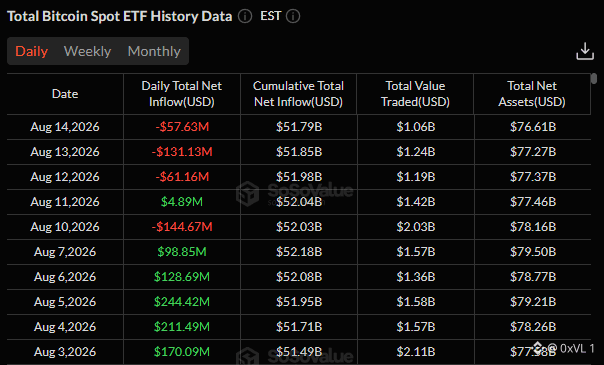
The August liquidity drain is very real between summer trading lulls and historically negative median returns across most cycles, it’s easily one of the trickiest months for spot momentum. The data makes a solid case for why bulls usually run into a wall here as order book depth thins out and chop takes over. That said, I’m skeptical about relying too heavily on monthly calendar anomalies when market structure has shifted so dramatically. With institutional spot ETF flows, shifting macro rate-cut expectations, and perpetual funding rates sitting relatively neutral, a 13-year sample size is still quite small for statistical significance. Seasonality matters until a structural liquidity catalyst overrides it, and if we get aggressive spot accumulation into mid-month dips, treating August as an automatic red close risks leaving capital sidelined right before a late-cycle expansion. I'd pay closer attention to derivatives open interest and spot delta rather than just the calendar $BTC
The August liquidity drain is very real between summer trading lulls and historically negative median returns across most cycles, it’s easily one of the trickiest months for spot momentum. The data makes a solid case for why bulls usually run into a wall here as order book depth thins out and chop takes over. That said, I’m skeptical about relying too heavily on monthly calendar anomalies when market structure has shifted so dramatically. With institutional spot ETF flows, shifting macro rate-cut expectations, and perpetual funding rates sitting relatively neutral, a 13-year sample size is still quite small for statistical significance. Seasonality matters until a structural liquidity catalyst overrides it, and if we get aggressive spot accumulation into mid-month dips, treating August as an automatic red close risks leaving capital sidelined right before a late-cycle expansion. I'd pay closer attention to derivatives open interest and spot delta rather than just the calendar $BTC
67
·
--
Most folks only focus on MicroStrategy’s convertible note schedule and ATM share issuance, completely ignoring the structural passive flows tied to index inclusion. With MSTR’s outsized Bitcoin treasury now sitting around $53 billion any cap-weighted index rules, such as Nasdaq-100 concentration caps, S&P eligibility hurdles, or MSCI liquidity rebalancings, create genuine forced-selling risks if weighting thresholds are breached.
That said, framing this as a direct spot Bitcoin selloff catalyst misunderstands Strategy’s balance sheet mechanics. Even if forced index rebalancing sparks heavy selling pressure in MSTR shares, the company has structured its liabilities so it is never obligated to liquidate its underlying $BTC reserve to meet equity outflows or debt maturities. The turbulence will compress the equity's net-asset-value (NAV) premium and rattle the derivatives markets, but assuming passive equity rebalancing triggers programmatic on-chain dumping misses how the corporate structure actually operates. It is definitely an equity liquidity headwind worth monitoring, but not an immediate spot liquidation trigger.
Most folks only focus on MicroStrategy’s convertible note schedule and ATM share issuance, completely ignoring the structural passive flows tied to index inclusion. With MSTR’s outsized Bitcoin treasury now sitting around $53 billion any cap-weighted index rules, such as Nasdaq-100 concentration caps, S&P eligibility hurdles, or MSCI liquidity rebalancings, create genuine forced-selling risks if weighting thresholds are breached.
That said, framing this as a direct spot Bitcoin selloff catalyst misunderstands Strategy’s balance sheet mechanics. Even if forced index rebalancing sparks heavy selling pressure in MSTR shares, the company has structured its liabilities so it is never obligated to liquidate its underlying $BTC reserve to meet equity outflows or debt maturities. The turbulence will compress the equity's net-asset-value (NAV) premium and rattle the derivatives markets, but assuming passive equity rebalancing triggers programmatic on-chain dumping misses how the corporate structure actually operates. It is definitely an equity liquidity headwind worth monitoring, but not an immediate spot liquidation trigger.
That said, framing this as a direct spot Bitcoin selloff catalyst misunderstands Strategy’s balance sheet mechanics. Even if forced index rebalancing sparks heavy selling pressure in MSTR shares, the company has structured its liabilities so it is never obligated to liquidate its underlying $BTC reserve to meet equity outflows or debt maturities. The turbulence will compress the equity's net-asset-value (NAV) premium and rattle the derivatives markets, but assuming passive equity rebalancing triggers programmatic on-chain dumping misses how the corporate structure actually operates. It is definitely an equity liquidity headwind worth monitoring, but not an immediate spot liquidation trigger.

65
·
--
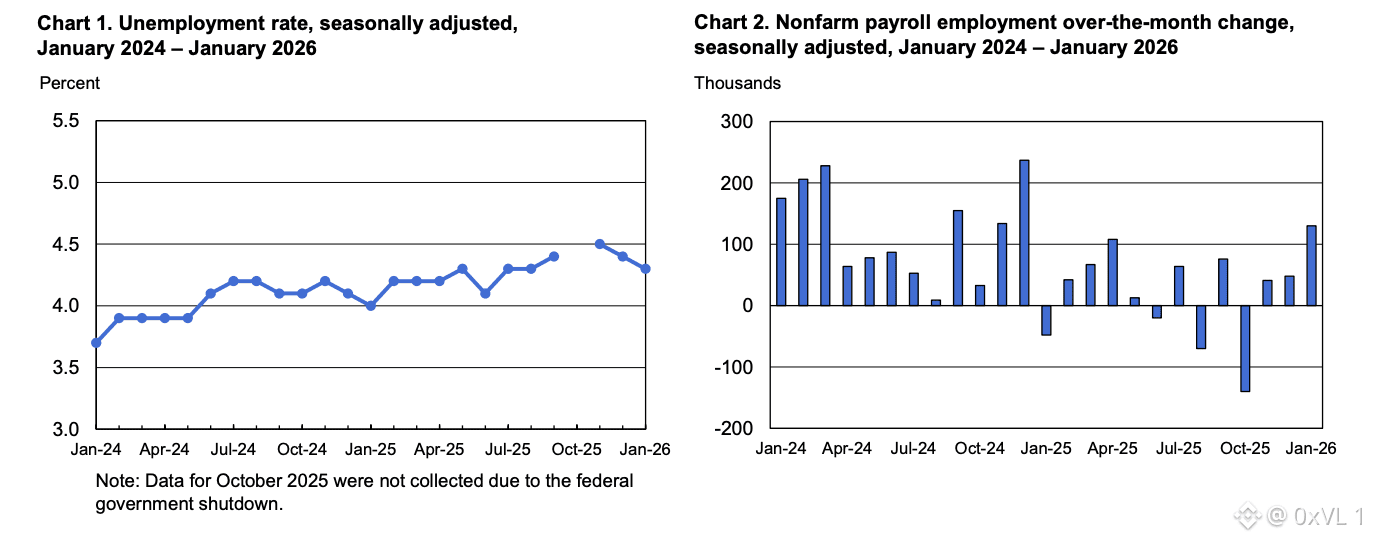
Great framing on why a softer CPI print isn't instantly translating into a Bitcoin breakout. It's spot on to point out that headline inflation cooling down doesn't automatically unlock liquidity, especially when real yields remain tight and rate-cut expectations are already priced into the market. Connecting the macro lag to defensive derivatives positioning and persistent spot distribution makes complete sense for explaining why we're seeing rangebound price action rather than an immediate leg up.
That said, I think attributing the stall purely to macro friction misses the internal market structure dynamics at play right now. We’re still seeing heavy overhead supply from long-term holders offloading into relief rallies, and order book depth on spot exchanges remains notoriously thin. A favorable CPI reading can easily spark a brief short-covering rally, but without fresh structural capital inflows and expanding M2 liquidity, macro tailwinds alone won't absorb that supply. I feel like traders are mistaking a lack of spot liquidity for macro failure until organic spot buying takes over, CPI prints alone won't trigger the breakout. $BTC
Great framing on why a softer CPI print isn't instantly translating into a Bitcoin breakout. It's spot on to point out that headline inflation cooling down doesn't automatically unlock liquidity, especially when real yields remain tight and rate-cut expectations are already priced into the market. Connecting the macro lag to defensive derivatives positioning and persistent spot distribution makes complete sense for explaining why we're seeing rangebound price action rather than an immediate leg up.
That said, I think attributing the stall purely to macro friction misses the internal market structure dynamics at play right now. We’re still seeing heavy overhead supply from long-term holders offloading into relief rallies, and order book depth on spot exchanges remains notoriously thin. A favorable CPI reading can easily spark a brief short-covering rally, but without fresh structural capital inflows and expanding M2 liquidity, macro tailwinds alone won't absorb that supply. I feel like traders are mistaking a lack of spot liquidity for macro failure until organic spot buying takes over, CPI prints alone won't trigger the breakout. $BTC
That said, I think attributing the stall purely to macro friction misses the internal market structure dynamics at play right now. We’re still seeing heavy overhead supply from long-term holders offloading into relief rallies, and order book depth on spot exchanges remains notoriously thin. A favorable CPI reading can easily spark a brief short-covering rally, but without fresh structural capital inflows and expanding M2 liquidity, macro tailwinds alone won't absorb that supply. I feel like traders are mistaking a lack of spot liquidity for macro failure until organic spot buying takes over, CPI prints alone won't trigger the breakout. $BTC
82
·
--
Great breakdown of the technical flaws behind this incident. Pinpointing how the attacker exploited the empty block validation logic to mint nearly 4 billion $ONE tokens roughly a quarter of the total circulating supply really highlights how fragile consensus edge-cases can be. The way they rapidly routed those fresh tokens across 400-plus wallets and dumped over 2.8 billion directly onto centralized exchanges was eerily fast and calculated. It’s fascinating to see how a protocol-level vulnerability can trigger an immediate, massive supply shock on an L1 network.
Honestly though, I’m deeply skeptical about Harmony’s team hinting at a blockchain rollback as a solution. Reversing state history after 2.8 billion tokens have already been offloaded onto spot exchanges is an absolute nightmare that penalizes innocent traders who bought the dip. Pausing the bridge and begging exchanges to freeze funds is just a temporary band-aid on a gaping wound. If an L1 can suffer an unmitigated 26% supply inflation overnight due to basic validation flaws, it shows severe negligence in their core protocol audits, and no amount of hard-forking is going to restore community trust at this point. $BTC
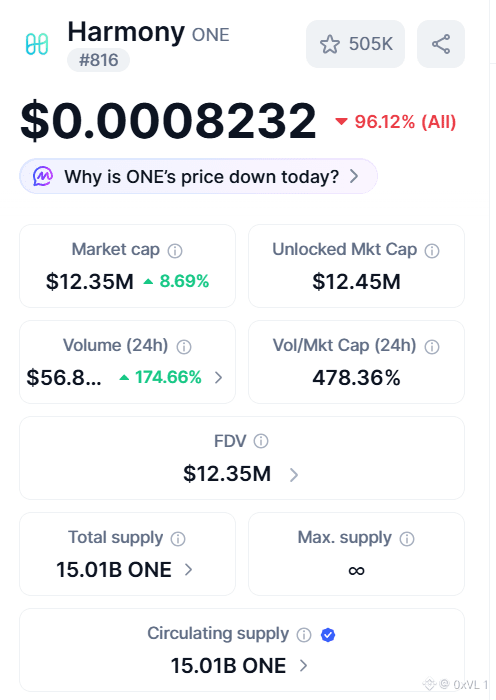
Great breakdown of the technical flaws behind this incident. Pinpointing how the attacker exploited the empty block validation logic to mint nearly 4 billion $ONE tokens roughly a quarter of the total circulating supply really highlights how fragile consensus edge-cases can be. The way they rapidly routed those fresh tokens across 400-plus wallets and dumped over 2.8 billion directly onto centralized exchanges was eerily fast and calculated. It’s fascinating to see how a protocol-level vulnerability can trigger an immediate, massive supply shock on an L1 network.
Honestly though, I’m deeply skeptical about Harmony’s team hinting at a blockchain rollback as a solution. Reversing state history after 2.8 billion tokens have already been offloaded onto spot exchanges is an absolute nightmare that penalizes innocent traders who bought the dip. Pausing the bridge and begging exchanges to freeze funds is just a temporary band-aid on a gaping wound. If an L1 can suffer an unmitigated 26% supply inflation overnight due to basic validation flaws, it shows severe negligence in their core protocol audits, and no amount of hard-forking is going to restore community trust at this point. $BTC
Honestly though, I’m deeply skeptical about Harmony’s team hinting at a blockchain rollback as a solution. Reversing state history after 2.8 billion tokens have already been offloaded onto spot exchanges is an absolute nightmare that penalizes innocent traders who bought the dip. Pausing the bridge and begging exchanges to freeze funds is just a temporary band-aid on a gaping wound. If an L1 can suffer an unmitigated 26% supply inflation overnight due to basic validation flaws, it shows severe negligence in their core protocol audits, and no amount of hard-forking is going to restore community trust at this point. $BTC
73
·
--
The divergence between exchange net inflows driven by retail capitulation and the sudden accumulation across those top 90 addresses is pretty striking. It's a classic example of supply shifting from weak hands to smart money during high volatility, especially when you look at how key support levels were swept just before these large-scale OTC transactions settled. That said, framing this purely as whales "cashing in" or manipulating retail fear oversimplifies what's actually happening under the hood. A lot of these large wallet movements are just institutional custodians rebalancing portfolios or liquidity providers hedging derivatives exposure, rather than directionally bullish accumulation. Assuming 90 entities can easily absorb millions of panic sellers without further drawdown feels overly optimistic, and retail often mistakes routine treasury management or internal wallet reshuffling for genuine insider accumulation. $BTC
The divergence between exchange net inflows driven by retail capitulation and the sudden accumulation across those top 90 addresses is pretty striking. It's a classic example of supply shifting from weak hands to smart money during high volatility, especially when you look at how key support levels were swept just before these large-scale OTC transactions settled. That said, framing this purely as whales "cashing in" or manipulating retail fear oversimplifies what's actually happening under the hood. A lot of these large wallet movements are just institutional custodians rebalancing portfolios or liquidity providers hedging derivatives exposure, rather than directionally bullish accumulation. Assuming 90 entities can easily absorb millions of panic sellers without further drawdown feels overly optimistic, and retail often mistakes routine treasury management or internal wallet reshuffling for genuine insider accumulation. $BTC
73
·
--
This is a spot-on observation, and it really highlights how much Strategy's treasury playbook has evolved recently. It's fascinating watching Saylor trim another 1,690 $BTC for $108.6 million right while Wall Street institutions are actively soaking up spot supply. You're completely right to question the timing, especially since his entire brand was built on the "never sell" mantra, and seeing them pause accumulation to build a $4.65 billion cash reserve definitely catches anyone paying attention off guard.
That said, I think the narrative that he's losing conviction misses the underlying financial mechanics here. They aren't panic selling; they're actively managing capital structure by using marginal BTC sales to retire high-cost STRC preferred shares and cover dividend obligations. Sure, it feels hypocritical after years of hardline rhetoric, and it certainly weakens the ideological posture he sold to retail investors. But pragmatically, maintaining balance sheet flexibility now is what keeps them solvent long-term. It's cold corporate financial engineering, even if it rubs maximalists the wrong way
This is a spot-on observation, and it really highlights how much Strategy's treasury playbook has evolved recently. It's fascinating watching Saylor trim another 1,690 $BTC for $108.6 million right while Wall Street institutions are actively soaking up spot supply. You're completely right to question the timing, especially since his entire brand was built on the "never sell" mantra, and seeing them pause accumulation to build a $4.65 billion cash reserve definitely catches anyone paying attention off guard.
That said, I think the narrative that he's losing conviction misses the underlying financial mechanics here. They aren't panic selling; they're actively managing capital structure by using marginal BTC sales to retire high-cost STRC preferred shares and cover dividend obligations. Sure, it feels hypocritical after years of hardline rhetoric, and it certainly weakens the ideological posture he sold to retail investors. But pragmatically, maintaining balance sheet flexibility now is what keeps them solvent long-term. It's cold corporate financial engineering, even if it rubs maximalists the wrong way
That said, I think the narrative that he's losing conviction misses the underlying financial mechanics here. They aren't panic selling; they're actively managing capital structure by using marginal BTC sales to retire high-cost STRC preferred shares and cover dividend obligations. Sure, it feels hypocritical after years of hardline rhetoric, and it certainly weakens the ideological posture he sold to retail investors. But pragmatically, maintaining balance sheet flexibility now is what keeps them solvent long-term. It's cold corporate financial engineering, even if it rubs maximalists the wrong way

60
·
--
Great spot on tracking those wallet clusters seeing a net inflow of 20,000 $BTC into non-exchange, long-term holder addresses over such a short window is definitely a strong signal. The correlation with exchange outflow spikes usually points to institutional OTC desk settlement rather than retail noise, and tracking these specific accumulation bands makes a ton of sense when looking for local bottoms.
However, I wouldn't jump to celebrating a massive rally just yet. On-chain accumulation by large holders often happens during long distribution ranges, and single-week buying metrics can easily mask derivative market weakness or macro liquidity headwinds. Order book depth across major exchanges remains pretty thin, meaning any sudden macroeconomic shock or spot sell pressure could easily wipe out this spot absorption. Watching whale movements is super valuable, but without a clear flip in broader macro liquidity and spot volume momentum, this could just as easily be a standard balance sheet rebalance rather than an immediate pump setup.
Great spot on tracking those wallet clusters seeing a net inflow of 20,000 $BTC into non-exchange, long-term holder addresses over such a short window is definitely a strong signal. The correlation with exchange outflow spikes usually points to institutional OTC desk settlement rather than retail noise, and tracking these specific accumulation bands makes a ton of sense when looking for local bottoms.
However, I wouldn't jump to celebrating a massive rally just yet. On-chain accumulation by large holders often happens during long distribution ranges, and single-week buying metrics can easily mask derivative market weakness or macro liquidity headwinds. Order book depth across major exchanges remains pretty thin, meaning any sudden macroeconomic shock or spot sell pressure could easily wipe out this spot absorption. Watching whale movements is super valuable, but without a clear flip in broader macro liquidity and spot volume momentum, this could just as easily be a standard balance sheet rebalance rather than an immediate pump setup.
However, I wouldn't jump to celebrating a massive rally just yet. On-chain accumulation by large holders often happens during long distribution ranges, and single-week buying metrics can easily mask derivative market weakness or macro liquidity headwinds. Order book depth across major exchanges remains pretty thin, meaning any sudden macroeconomic shock or spot sell pressure could easily wipe out this spot absorption. Watching whale movements is super valuable, but without a clear flip in broader macro liquidity and spot volume momentum, this could just as easily be a standard balance sheet rebalance rather than an immediate pump setup.
·
--
The Bitcoin Red Team’s AI-assisted sweep across nearly 400 repositories is a great display of proactive security research. Catching 85 critical flaws in under 30 hours shows just how effective automated fuzzing and modern LLM harnesses can be when applied at scale. It's good to see open-source initiatives funding this kind of offensive testing before malicious actors exploit these vulnerabilities, especially after the fallout from recent RNG hardware wallet exploits.
However, the sheer volume of raw findings highlights a major triage bottleneck. Flipping thousands of AI-flagged alerts into confirmed, exploitable bugs without overwhelming open-source maintainers is a massive challenge. Most of these projects are run by small teams or solo devs who don't have the bandwidth to review hundreds of automated reports at once. If the red team doesn't carefully filter true key-derivation and signing vulnerabilities from lower-priority warnings, we risk creating panic and disclosure burnout rather than actually making Bitcoin apps safer for end users. $BTC
The Bitcoin Red Team’s AI-assisted sweep across nearly 400 repositories is a great display of proactive security research. Catching 85 critical flaws in under 30 hours shows just how effective automated fuzzing and modern LLM harnesses can be when applied at scale. It's good to see open-source initiatives funding this kind of offensive testing before malicious actors exploit these vulnerabilities, especially after the fallout from recent RNG hardware wallet exploits.
However, the sheer volume of raw findings highlights a major triage bottleneck. Flipping thousands of AI-flagged alerts into confirmed, exploitable bugs without overwhelming open-source maintainers is a massive challenge. Most of these projects are run by small teams or solo devs who don't have the bandwidth to review hundreds of automated reports at once. If the red team doesn't carefully filter true key-derivation and signing vulnerabilities from lower-priority warnings, we risk creating panic and disclosure burnout rather than actually making Bitcoin apps safer for end users. $BTC
However, the sheer volume of raw findings highlights a major triage bottleneck. Flipping thousands of AI-flagged alerts into confirmed, exploitable bugs without overwhelming open-source maintainers is a massive challenge. Most of these projects are run by small teams or solo devs who don't have the bandwidth to review hundreds of automated reports at once. If the red team doesn't carefully filter true key-derivation and signing vulnerabilities from lower-priority warnings, we risk creating panic and disclosure burnout rather than actually making Bitcoin apps safer for end users. $BTC
1
·
--
The premise of capital rotating out of equities into crypto during major tech stock unlocks is a fascinating thesis. Watching SPCX plunge 11% ahead of the 911.5M share unlock where tradable supply effectively doubles overnight naturally makes you question where institutional and retail liquidity goes when exiting high-valuation tech. It makes sense that crypto, especially Bitcoin, often captures capital seeking macro hedges or non-dilutive supply dynamics during traditional market sell-offs. The contrast between equity float dilution and crypto’s hard-capped supply structure is particularly compelling right now.
However, assuming that money from an equity unlock automatically rotates straight into digital assets is overly optimistic. Most of this post-unlock selling pressure comes from early employees, private equity, or funds rebalancing risk into cash, treasuries, or safer yield instruments, not high-volatility crypto. Plus, with macro liquidity tight and tech index funds under pressure, institutional capital isn't rushing into risk-on crypto assets just because a tech giant is tanking. It's a nice narrative for crypto bulls, but market mechanics simply don't support that direct capital flow in this environment. $BTC
The premise of capital rotating out of equities into crypto during major tech stock unlocks is a fascinating thesis. Watching SPCX plunge 11% ahead of the 911.5M share unlock where tradable supply effectively doubles overnight naturally makes you question where institutional and retail liquidity goes when exiting high-valuation tech. It makes sense that crypto, especially Bitcoin, often captures capital seeking macro hedges or non-dilutive supply dynamics during traditional market sell-offs. The contrast between equity float dilution and crypto’s hard-capped supply structure is particularly compelling right now.
However, assuming that money from an equity unlock automatically rotates straight into digital assets is overly optimistic. Most of this post-unlock selling pressure comes from early employees, private equity, or funds rebalancing risk into cash, treasuries, or safer yield instruments, not high-volatility crypto. Plus, with macro liquidity tight and tech index funds under pressure, institutional capital isn't rushing into risk-on crypto assets just because a tech giant is tanking. It's a nice narrative for crypto bulls, but market mechanics simply don't support that direct capital flow in this environment. $BTC
However, assuming that money from an equity unlock automatically rotates straight into digital assets is overly optimistic. Most of this post-unlock selling pressure comes from early employees, private equity, or funds rebalancing risk into cash, treasuries, or safer yield instruments, not high-volatility crypto. Plus, with macro liquidity tight and tech index funds under pressure, institutional capital isn't rushing into risk-on crypto assets just because a tech giant is tanking. It's a nice narrative for crypto bulls, but market mechanics simply don't support that direct capital flow in this environment. $BTC
·
--
Spot on to call out this terrifying escalation watching the drained funds surge from $38M past $114M in four days is brutal to watch. The tracking on this exploit is dead accurate; an attacker exploiting Coinkite’s 2021 MicroPython PRNG fallback to brute-force deterministic seed phrases offline and systematically sweep thousands of dormant single-sig Bitcoin wallets in automated waves is impressive on-chain analysis.
That said, Coinkite’s handling of this incident leaves a bitter taste. Pushing an emergency firmware patch that leaves existing seed phrases completely exposed unless users manually generate new seeds and pay mainnet transaction fees feels deeply flawed for a premier self-custody provider. The fact that a simple entropy macro flaw sat in production for years shatters the "bulletproof" security reputation they traded on. If self-custody requires users to constantly audit firmware code just to ensure offline funds stay safe, hardware security has a long way to go. $BTC
Spot on to call out this terrifying escalation watching the drained funds surge from $38M past $114M in four days is brutal to watch. The tracking on this exploit is dead accurate; an attacker exploiting Coinkite’s 2021 MicroPython PRNG fallback to brute-force deterministic seed phrases offline and systematically sweep thousands of dormant single-sig Bitcoin wallets in automated waves is impressive on-chain analysis.
That said, Coinkite’s handling of this incident leaves a bitter taste. Pushing an emergency firmware patch that leaves existing seed phrases completely exposed unless users manually generate new seeds and pay mainnet transaction fees feels deeply flawed for a premier self-custody provider. The fact that a simple entropy macro flaw sat in production for years shatters the "bulletproof" security reputation they traded on. If self-custody requires users to constantly audit firmware code just to ensure offline funds stay safe, hardware security has a long way to go. $BTC
That said, Coinkite’s handling of this incident leaves a bitter taste. Pushing an emergency firmware patch that leaves existing seed phrases completely exposed unless users manually generate new seeds and pay mainnet transaction fees feels deeply flawed for a premier self-custody provider. The fact that a simple entropy macro flaw sat in production for years shatters the "bulletproof" security reputation they traded on. If self-custody requires users to constantly audit firmware code just to ensure offline funds stay safe, hardware security has a long way to go. $BTC

6
·
--
The detailed technical breakdown of how the key generation firmware bypassed hardware entropy is really well articulated, and it clearly shows how a compromised build environment can quietly turn air-gapped security into a deterministic trap. Seeing hundreds of addresses swept in a matter of minutes proves just how organized the exploiters were once they cracked the underlying seed math. However, I feel like calling this a "cold wallet crack" is slightly misleading and shifts the blame away from supply chain software integrity. The hardware cold storage design itself wasn't brute-forced on the physical level; rather, human error and flawed code deployment completely neutered the device's randomness long before the keys were even generated. It's frustrating to see hardware vendors continuously fail at basic integration tests, and frankly, it leaves me feeling pretty uneasy about how many "secure" devices out there are currently running compromised firmware without anyone noticing. $BTC
The detailed technical breakdown of how the key generation firmware bypassed hardware entropy is really well articulated, and it clearly shows how a compromised build environment can quietly turn air-gapped security into a deterministic trap. Seeing hundreds of addresses swept in a matter of minutes proves just how organized the exploiters were once they cracked the underlying seed math. However, I feel like calling this a "cold wallet crack" is slightly misleading and shifts the blame away from supply chain software integrity. The hardware cold storage design itself wasn't brute-forced on the physical level; rather, human error and flawed code deployment completely neutered the device's randomness long before the keys were even generated. It's frustrating to see hardware vendors continuously fail at basic integration tests, and frankly, it leaves me feeling pretty uneasy about how many "secure" devices out there are currently running compromised firmware without anyone noticing. $BTC
79
·
--
This is honestly a massive unlock for user experience and agentic workflows. Integrations like MoonPay’s PayBox allowing Claude and ChatGPT to execute swaps or bridge assets via non-custodial MPC vaults feel like a genuine step forward for machine-to-machine commerce. Allowing natural language prompts to handle complex DeFi interactions directly in a persistent thread makes crypto operations far more seamless than navigating clunky dApp frontends. That said, I’m still pretty skeptical about handing operational wallet execution over to non-deterministic models. LLMs are inherently prone to hallucinating parameters or misinterpreting prompt context, and in Web3, an intent-parsing error isn't just a glitched chat response it's an irreversible loss of capital. Even with programmatic session caps and passkey prompts, trusting an LLM with wallet control introduces a soft security vector that smart contract risk management isn't quite built for yet. I’ll be keeping my funds safely manual until formal verification for agentic tool-calling is far more proven. $BTC
This is honestly a massive unlock for user experience and agentic workflows. Integrations like MoonPay’s PayBox allowing Claude and ChatGPT to execute swaps or bridge assets via non-custodial MPC vaults feel like a genuine step forward for machine-to-machine commerce. Allowing natural language prompts to handle complex DeFi interactions directly in a persistent thread makes crypto operations far more seamless than navigating clunky dApp frontends. That said, I’m still pretty skeptical about handing operational wallet execution over to non-deterministic models. LLMs are inherently prone to hallucinating parameters or misinterpreting prompt context, and in Web3, an intent-parsing error isn't just a glitched chat response it's an irreversible loss of capital. Even with programmatic session caps and passkey prompts, trusting an LLM with wallet control introduces a soft security vector that smart contract risk management isn't quite built for yet. I’ll be keeping my funds safely manual until formal verification for agentic tool-calling is far more proven. $BTC
62
Log in to explore more content
Join global crypto users on Binance Square
⚡️ Get latest and useful information about crypto.
💬 Trusted by the world’s largest crypto exchange.
👍 Discover real insights from verified creators.
Email / Phone number
Trending Topics
AppleDebutsFoldablePhone
1,511 views
86 Discussing
#appledebutsfoldablephone I Got My Hands on the iPhone Duo, Apple’s First Foldable Phone. Here’s What Stands Out
The palm-size phone is Apple's boldest handset in years, with a 5.4-inch cover screen and a 7.6-inch main display. I spent some time with the Duo before its October launch.It’s finally here: Apple on Wednesday unveiled its first foldable iPhone, called the iPhone Duo.
iPhone Duo design and build
The iPhone Duo is compact, with a passport-size design. It has a 7.6-inch display on the inside and a 5.4-inch outer display. It fits squarely in my palm, with dimensions similar to Samsung’s Galaxy Z Fold 8, which has a 7.6-inch inner display and a 5.5-inch cover display.
Apple says the Duo is the thinnest iPhone ever when open, measuring 5.2mm. It’s 11.3mm thick when closed. A titanium frame keeps it lightweight at 254 grams.
One of the key differences in feel between Apple’s and Samsung’s phones is that the iPhone Duo has a matte, nano-textured finish on the inner display, which reduces the phone’s crease while also curbing reflections. It has a satisfying feel and really makes the crease virtually disappear when the screen is on. I find it even harder to notice than the Z Fold 8’s, which also has an anti-reflective display.$ONG $IMX $TAC
Isabella-I
·1 Likes
·220 views
US10YTreasuryYieldHitsHighestSinceNov2023
5,738 views
144 Discussing
USTreasuryToBuyBackUpTo$6BLongDatedDebt
9,016 views
129 Discussing