
Blind Crypto Mama
261 Posts

Blind Crypto Mama
I am a blind mother, and get inspiration from God above. I have made decent returns in cryptocurrency trading (I follow a lot of news and analysis). Followback
Open Trade

BNB Holder
Occasional Trader
5.4 Years
145 Following
143 Followers
368 Liked
Posts
Portfolio
All
Quotes
Videos
PINNED
First attempt!!
Signal
wish I was this lucky in my investments as well.. I got BNB at 900
good??
Signal
wish I was this lucky in my investments as well.. I got BNB at 900
good??
Got some new stable coin ..
let's gooo
let's gooo
Bought gold at 4500 and sold today at 4750
a profit of 250 in 3 days
is it good, bad or meh?
Where do you see Gold going in short term and in long term??
$PAXG
a profit of 250 in 3 days
is it good, bad or meh?
Where do you see Gold going in short term and in long term??
$PAXG
Love the Bullish Market
come on
Hope my hubby's prediction about new All Time High is correct in May!!
let's hope BTC crosses 130k in May/June
Comeone
come on
Hope my hubby's prediction about new All Time High is correct in May!!
let's hope BTC crosses 130k in May/June
Comeone
Ramadan Mubarak Everyone
hope this month brings peace and prosperity
Do as many good deeds as possible!
hope this month brings peace and prosperity
Do as many good deeds as possible!
Told everyone Gold will touch $5000 at least
$PAXG is still strong
Also buying Gold
Using TradeFi
#GoldSilverAtRecordHighs
$PAXG is still strong
Also buying Gold
Using TradeFi
#GoldSilverAtRecordHighs
Buy the dip
get BTC at 88k
also buying BNB, SOL, and some LINk
$LINK has good feelings
get BTC at 88k
also buying BNB, SOL, and some LINk
$LINK has good feelings
once again, so easy
I rock
you should not REGULATE it
I rock
you should not REGULATE it
#2025withBinance Start your crypto story with the @Binance Year in Review and share your highlights! #2025withBinance.
👉 Sign up with my link and get 100 USD rewards! https://www.binance.com/year-in-review/2025-with-binance?ref=118349705
👉 Sign up with my link and get 100 USD rewards! https://www.binance.com/year-in-review/2025-with-binance?ref=118349705
Anyone knows how we can buy silver reliably via Binance??
#silver has been on a roll.. I couldn't find AUG, KAG etc here
Gold is PAXG that I know
#silver has been on a roll.. I couldn't find AUG, KAG etc here
Gold is PAXG that I know
once again easy
got it the second attempt!!
been doing it daily
follow for more
got it the second attempt!!
been doing it daily
follow for more
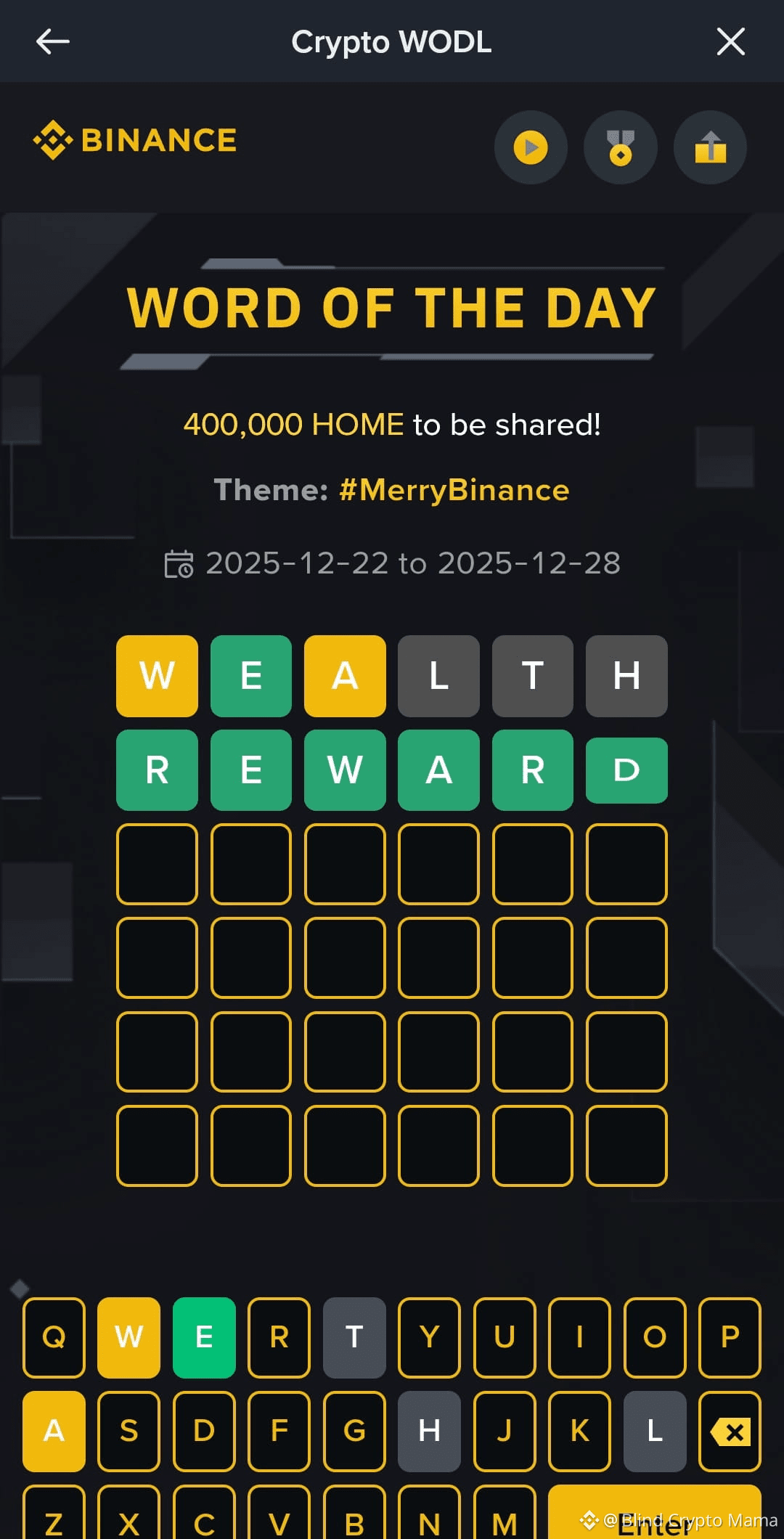
How are you always soo accurate and correctly predicted the markets??
I should have listened and shorted/sold my portfolio
$BTC will fall more??
I should have listened and shorted/sold my portfolio
$BTC will fall more??

CryptoLoverArtist
·
--
BearishThe U.S. administration has now withheld both the GDP report and the monthly Jobs Report — a move many analysts say is unprecedented.
Without these core indicators, investors, businesses, and even the Federal Reserve are essentially “flying blind.”
Economic transparency isn’t just data — it’s trust.
And when trust disappears, markets react.
⚠️ Possible Negative Effects on the U.S. Economy
1. Market Uncertainty & Volatility
Without GDP, jobs, inflation, and spending data, investors lose confidence.
Businesses can’t plan, banks can’t forecast, and the Fed can’t make informed rate decisions.
This increases volatility in stocks, bonds, and commodities.
2. Higher Borrowing Costs
Uncertainty often pushes interest rates upward because lenders demand more “risk premium.”
This hurts consumers (loans, mortgages) and businesses (expansion, hiring).
3. Slower Economic Growth
Delayed data = delayed decisions.
When companies don’t know the economic picture, they pause hiring, investments, and spending — dragging down growth.
4. Lower Institutional Trust
A government withholding essential economic data creates fear of mismanagement or manipulation.
Confidence — the backbone of modern economies — begins to weaken.
⚠️ Possible Negative Effects on Crypto
1. Short-Term Panic Selling
When traditional markets lose clarity, retail investors often panic.
Crypto, being highly sentiment-driven, can see sudden drops.
2. Reduced Liquidity
Institutional players rely heavily on macro data to trade BTC, ETH, and altcoins.
Without indicators, many pause or reduce positions — lowering liquidity and widening spreads.
3. Increased Correlation With Risk Assets
In periods of uncertainty, crypto tends to behave like tech stocks.
If U.S. markets drop on fear, crypto can fall alongside them.
4. Fear of Regulatory or Political Motives
When economic transparency is compromised, investors worry about broader instability — including tighter controls on digital assets.
Without these core indicators, investors, businesses, and even the Federal Reserve are essentially “flying blind.”
Economic transparency isn’t just data — it’s trust.
And when trust disappears, markets react.
⚠️ Possible Negative Effects on the U.S. Economy
1. Market Uncertainty & Volatility
Without GDP, jobs, inflation, and spending data, investors lose confidence.
Businesses can’t plan, banks can’t forecast, and the Fed can’t make informed rate decisions.
This increases volatility in stocks, bonds, and commodities.
2. Higher Borrowing Costs
Uncertainty often pushes interest rates upward because lenders demand more “risk premium.”
This hurts consumers (loans, mortgages) and businesses (expansion, hiring).
3. Slower Economic Growth
Delayed data = delayed decisions.
When companies don’t know the economic picture, they pause hiring, investments, and spending — dragging down growth.
4. Lower Institutional Trust
A government withholding essential economic data creates fear of mismanagement or manipulation.
Confidence — the backbone of modern economies — begins to weaken.
⚠️ Possible Negative Effects on Crypto
1. Short-Term Panic Selling
When traditional markets lose clarity, retail investors often panic.
Crypto, being highly sentiment-driven, can see sudden drops.
2. Reduced Liquidity
Institutional players rely heavily on macro data to trade BTC, ETH, and altcoins.
Without indicators, many pause or reduce positions — lowering liquidity and widening spreads.
3. Increased Correlation With Risk Assets
In periods of uncertainty, crypto tends to behave like tech stocks.
If U.S. markets drop on fear, crypto can fall alongside them.
4. Fear of Regulatory or Political Motives
When economic transparency is compromised, investors worry about broader instability — including tighter controls on digital assets.
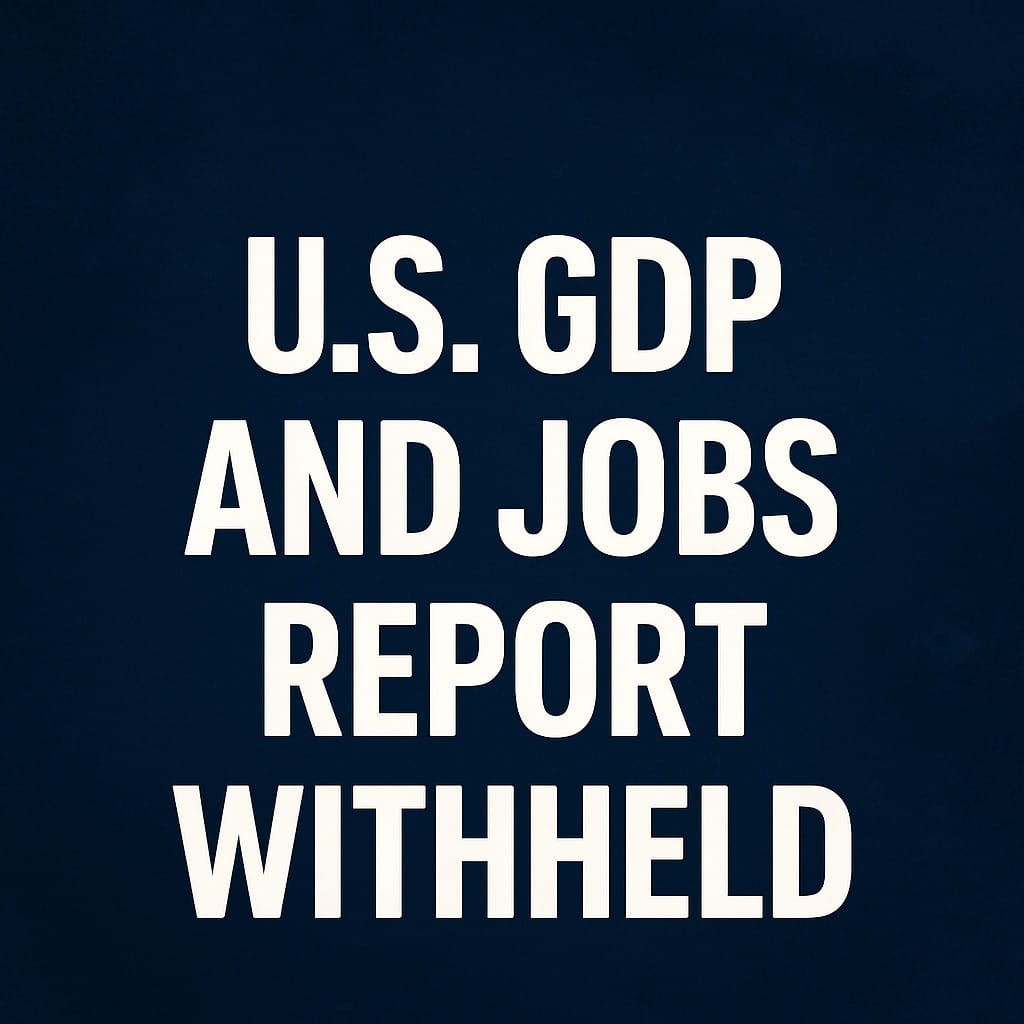
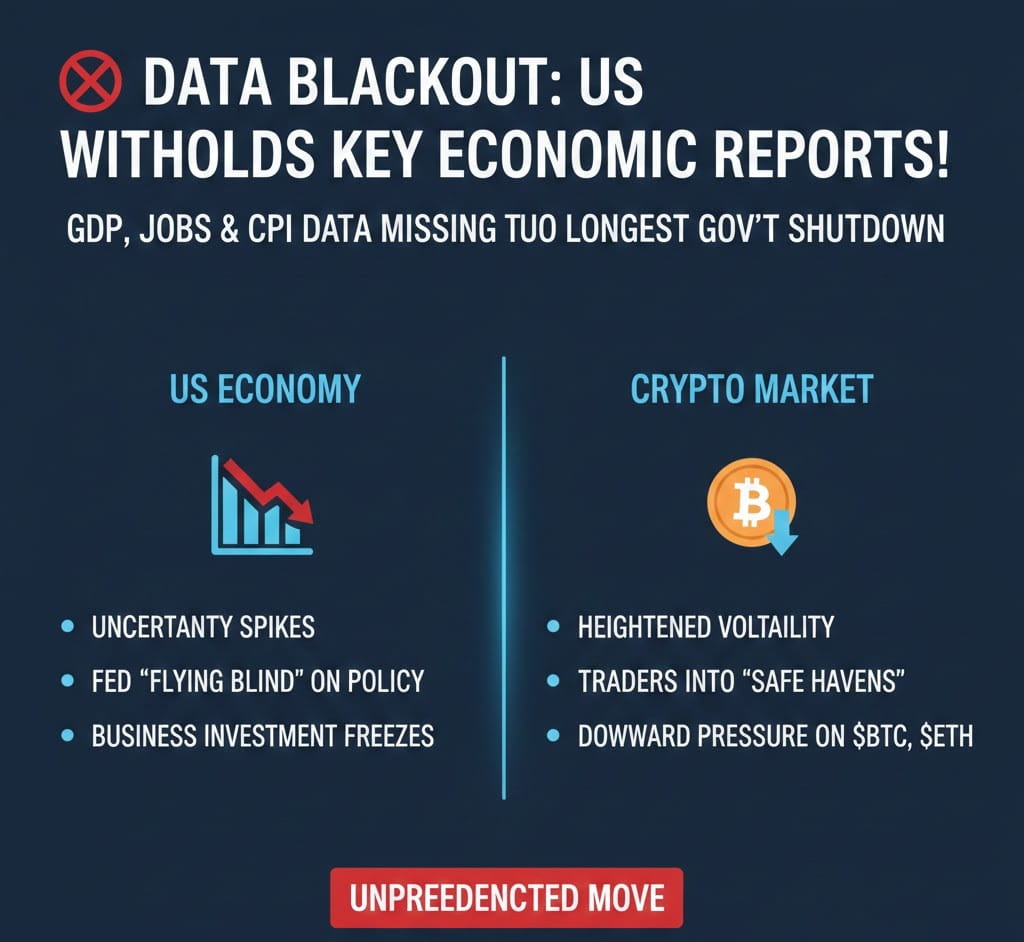
lets hope it doesn't fall much
CryptoLoverArtist
·
--
Bullish🚨 Trump Declares Venezuela Airspace CLOSED – Attack Imminent? 🚨
US President Trump just posted on Truth Social: "AIRSPACE ABOVE & SURROUNDING VENEZUELA BE CLOSED IN ITS ENTIRETY" to airlines, pilots, & traffickers. FAA warnings + USS Gerald R. Ford carrier buildup in Caribbean = strikes "very soon" per Trump. Airlines already suspending flights; Venezuela calls it "illegal aggression."
Oil Spike Ahead: Venezuela's oil exports could tank, pushing crude higher → global inflation up, fuel costs could rise
Gold Play: Usually goes up. Good time to get more $PAXG - Bullish
Crypto Play: Venezuela already USDT-heavy (hyperinflation hedge). Escalation = more stablecoin demand + BTC as "sanctions escape," but watch liquidations & Treasury blacklists. De-risk leverage NOW – volatility incoming! - Bearish
$BTC faces high short-term downside risk from a Venezuela attack, with quick 2-5% drops common on strike headlines due to risk-off liquidations, but often rebounds within hours/days if conflict stays limited.
#BreakingNews
US President Trump just posted on Truth Social: "AIRSPACE ABOVE & SURROUNDING VENEZUELA BE CLOSED IN ITS ENTIRETY" to airlines, pilots, & traffickers. FAA warnings + USS Gerald R. Ford carrier buildup in Caribbean = strikes "very soon" per Trump. Airlines already suspending flights; Venezuela calls it "illegal aggression."
Oil Spike Ahead: Venezuela's oil exports could tank, pushing crude higher → global inflation up, fuel costs could rise
Gold Play: Usually goes up. Good time to get more $PAXG - Bullish
Crypto Play: Venezuela already USDT-heavy (hyperinflation hedge). Escalation = more stablecoin demand + BTC as "sanctions escape," but watch liquidations & Treasury blacklists. De-risk leverage NOW – volatility incoming! - Bearish
$BTC faces high short-term downside risk from a Venezuela attack, with quick 2-5% drops common on strike headlines due to risk-off liquidations, but often rebounds within hours/days if conflict stays limited.
#BreakingNews

when will it come down? recession??
CryptoLoverArtist
·
--
BearishThe U.S. administration has now withheld both the GDP report and the monthly Jobs Report — a move many analysts say is unprecedented.
Without these core indicators, investors, businesses, and even the Federal Reserve are essentially “flying blind.”
Economic transparency isn’t just data — it’s trust.
And when trust disappears, markets react.
⚠️ Possible Negative Effects on the U.S. Economy
1. Market Uncertainty & Volatility
Without GDP, jobs, inflation, and spending data, investors lose confidence.
Businesses can’t plan, banks can’t forecast, and the Fed can’t make informed rate decisions.
This increases volatility in stocks, bonds, and commodities.
2. Higher Borrowing Costs
Uncertainty often pushes interest rates upward because lenders demand more “risk premium.”
This hurts consumers (loans, mortgages) and businesses (expansion, hiring).
3. Slower Economic Growth
Delayed data = delayed decisions.
When companies don’t know the economic picture, they pause hiring, investments, and spending — dragging down growth.
4. Lower Institutional Trust
A government withholding essential economic data creates fear of mismanagement or manipulation.
Confidence — the backbone of modern economies — begins to weaken.
⚠️ Possible Negative Effects on Crypto
1. Short-Term Panic Selling
When traditional markets lose clarity, retail investors often panic.
Crypto, being highly sentiment-driven, can see sudden drops.
2. Reduced Liquidity
Institutional players rely heavily on macro data to trade BTC, ETH, and altcoins.
Without indicators, many pause or reduce positions — lowering liquidity and widening spreads.
3. Increased Correlation With Risk Assets
In periods of uncertainty, crypto tends to behave like tech stocks.
If U.S. markets drop on fear, crypto can fall alongside them.
4. Fear of Regulatory or Political Motives
When economic transparency is compromised, investors worry about broader instability — including tighter controls on digital assets.
Without these core indicators, investors, businesses, and even the Federal Reserve are essentially “flying blind.”
Economic transparency isn’t just data — it’s trust.
And when trust disappears, markets react.
⚠️ Possible Negative Effects on the U.S. Economy
1. Market Uncertainty & Volatility
Without GDP, jobs, inflation, and spending data, investors lose confidence.
Businesses can’t plan, banks can’t forecast, and the Fed can’t make informed rate decisions.
This increases volatility in stocks, bonds, and commodities.
2. Higher Borrowing Costs
Uncertainty often pushes interest rates upward because lenders demand more “risk premium.”
This hurts consumers (loans, mortgages) and businesses (expansion, hiring).
3. Slower Economic Growth
Delayed data = delayed decisions.
When companies don’t know the economic picture, they pause hiring, investments, and spending — dragging down growth.
4. Lower Institutional Trust
A government withholding essential economic data creates fear of mismanagement or manipulation.
Confidence — the backbone of modern economies — begins to weaken.
⚠️ Possible Negative Effects on Crypto
1. Short-Term Panic Selling
When traditional markets lose clarity, retail investors often panic.
Crypto, being highly sentiment-driven, can see sudden drops.
2. Reduced Liquidity
Institutional players rely heavily on macro data to trade BTC, ETH, and altcoins.
Without indicators, many pause or reduce positions — lowering liquidity and widening spreads.
3. Increased Correlation With Risk Assets
In periods of uncertainty, crypto tends to behave like tech stocks.
If U.S. markets drop on fear, crypto can fall alongside them.
4. Fear of Regulatory or Political Motives
When economic transparency is compromised, investors worry about broader instability — including tighter controls on digital assets.
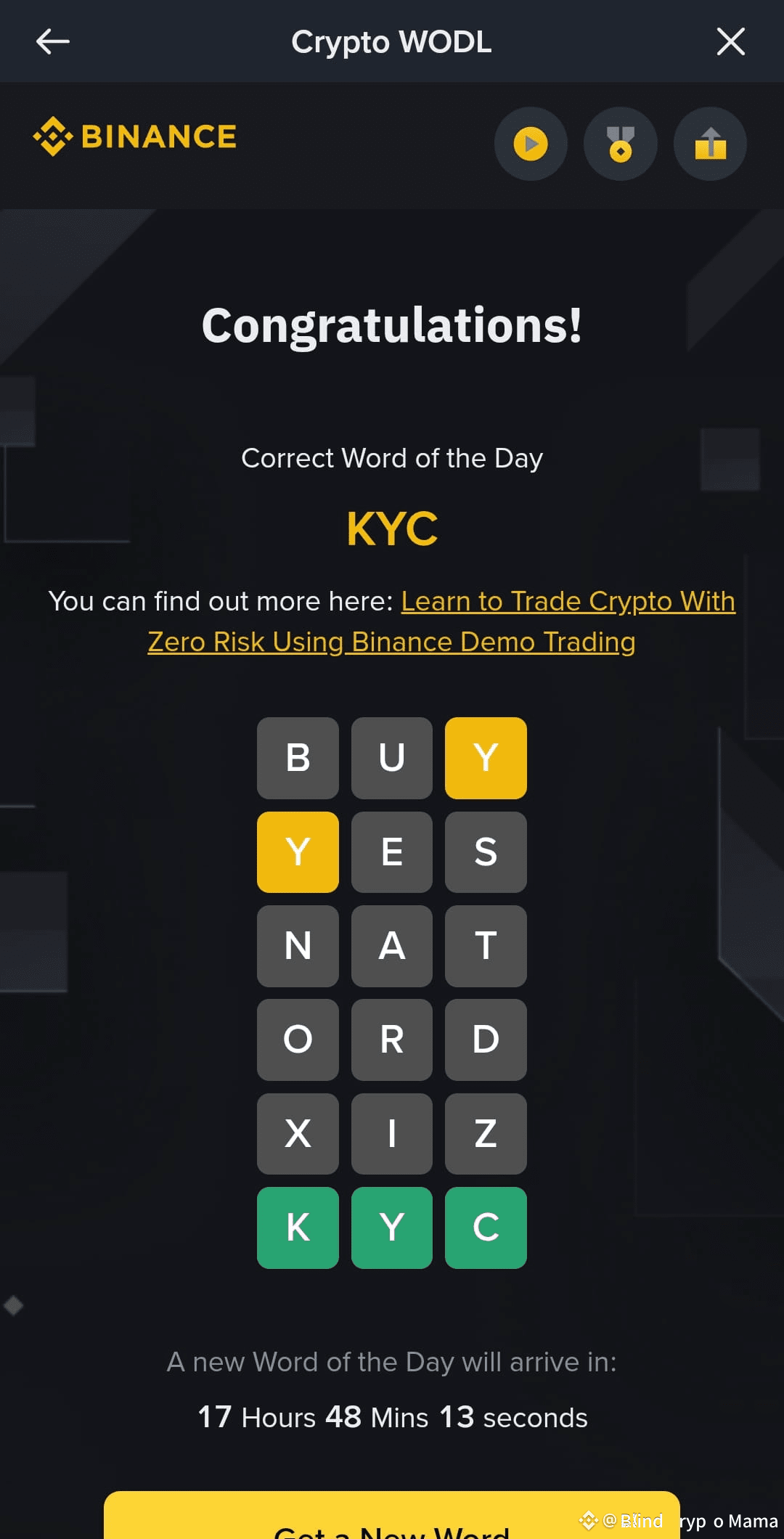
Got it on the last try . 3 letter words are the most difficult in Binance WODL
Log in to explore more content