

花太香
3.1k Posts

花太香
Report
Block User
均线王 交易兴
Open Trade
High-Frequency Trader
5.9 Years
599 Following
12.7K+ Followers
9.7K+ Liked
Posts
Portfolio
All
Quotes
Videos
Live
·
--
Bitcoin has once again crossed the $60,000 mark, definitely giving the recent crypto market a shot in the arm. However, this hasn't completely eased the nerves of investors. After experiencing severe liquidations earlier, everyone knows that this current uptrend begs the question: Is this a genuine bottom reversal, or is it just a brief breather designed to lure in bottom feeders?
When the market is in such a state of uncertainty, many seasoned players are shifting their focus from staring at candlestick charts daily to something more fundamental—how secure are the asset proofs they hold? The painful lessons from the FTX collapse remain fresh, reminding everyone that once the tokens issued by a platform far exceed the actual reserves, everything may seem calm, but a panic sell-off can cause the house of cards to tumble down in an instant.
In light of this reflection, the recent launch of the Secure Mint mechanism by the Bedrock protocol becomes particularly crucial. To tackle the industry's persistent issue of 'printing money out of thin air,' Bedrock has introduced Chainlink oracles as third-party overseers. The logic behind this mechanism is straightforward: each time the system prepares to mint new uniBTC, it must first verify the real Bitcoin reserves on-chain through the oracle. If the minting request exceeds the existing real reserves, the smart contract will outright refuse to execute. This means that the project team has voluntarily relinquished the power to create unlimited assets, handing over the 'truth in numbers' to immutable code and a decentralized network. In an era accustomed to hearing stories, the willingness to bind oneself with technical constraints indeed provides the market with a rare sense of certainty.
However, every defense system has its limits. While we acknowledge the value of Secure Mint, we must also maintain a clear understanding. The Chainlink oracle can perfectly address the issue of 'Are the assets over-issued?', but it cannot bridge the gap with the physical world. The oracle can confirm that there are indeed that many Bitcoins in the cold wallet, but it cannot guarantee that these custodial channels will always remain unbreakable. In other words, Secure Mint safeguards the authenticity of the numerical figures, but the risk of storing the underlying physical assets still exists. @Bedrock #BEDROCK $BR
Bitcoin has once again crossed the $60,000 mark, definitely giving the recent crypto market a shot in the arm. However, this hasn't completely eased the nerves of investors. After experiencing severe liquidations earlier, everyone knows that this current uptrend begs the question: Is this a genuine bottom reversal, or is it just a brief breather designed to lure in bottom feeders?
When the market is in such a state of uncertainty, many seasoned players are shifting their focus from staring at candlestick charts daily to something more fundamental—how secure are the asset proofs they hold? The painful lessons from the FTX collapse remain fresh, reminding everyone that once the tokens issued by a platform far exceed the actual reserves, everything may seem calm, but a panic sell-off can cause the house of cards to tumble down in an instant.
In light of this reflection, the recent launch of the Secure Mint mechanism by the Bedrock protocol becomes particularly crucial. To tackle the industry's persistent issue of 'printing money out of thin air,' Bedrock has introduced Chainlink oracles as third-party overseers. The logic behind this mechanism is straightforward: each time the system prepares to mint new uniBTC, it must first verify the real Bitcoin reserves on-chain through the oracle. If the minting request exceeds the existing real reserves, the smart contract will outright refuse to execute. This means that the project team has voluntarily relinquished the power to create unlimited assets, handing over the 'truth in numbers' to immutable code and a decentralized network. In an era accustomed to hearing stories, the willingness to bind oneself with technical constraints indeed provides the market with a rare sense of certainty.
However, every defense system has its limits. While we acknowledge the value of Secure Mint, we must also maintain a clear understanding. The Chainlink oracle can perfectly address the issue of 'Are the assets over-issued?', but it cannot bridge the gap with the physical world. The oracle can confirm that there are indeed that many Bitcoins in the cold wallet, but it cannot guarantee that these custodial channels will always remain unbreakable. In other words, Secure Mint safeguards the authenticity of the numerical figures, but the risk of storing the underlying physical assets still exists. @Bedrock #BEDROCK $BR
When the market is in such a state of uncertainty, many seasoned players are shifting their focus from staring at candlestick charts daily to something more fundamental—how secure are the asset proofs they hold? The painful lessons from the FTX collapse remain fresh, reminding everyone that once the tokens issued by a platform far exceed the actual reserves, everything may seem calm, but a panic sell-off can cause the house of cards to tumble down in an instant.
In light of this reflection, the recent launch of the Secure Mint mechanism by the Bedrock protocol becomes particularly crucial. To tackle the industry's persistent issue of 'printing money out of thin air,' Bedrock has introduced Chainlink oracles as third-party overseers. The logic behind this mechanism is straightforward: each time the system prepares to mint new uniBTC, it must first verify the real Bitcoin reserves on-chain through the oracle. If the minting request exceeds the existing real reserves, the smart contract will outright refuse to execute. This means that the project team has voluntarily relinquished the power to create unlimited assets, handing over the 'truth in numbers' to immutable code and a decentralized network. In an era accustomed to hearing stories, the willingness to bind oneself with technical constraints indeed provides the market with a rare sense of certainty.
However, every defense system has its limits. While we acknowledge the value of Secure Mint, we must also maintain a clear understanding. The Chainlink oracle can perfectly address the issue of 'Are the assets over-issued?', but it cannot bridge the gap with the physical world. The oracle can confirm that there are indeed that many Bitcoins in the cold wallet, but it cannot guarantee that these custodial channels will always remain unbreakable. In other words, Secure Mint safeguards the authenticity of the numerical figures, but the risk of storing the underlying physical assets still exists. @Bedrock #BEDROCK $BR
137
·
--
Flagship Alpha-Selini Vault: A Power Partnership for Benchmark Products
Among the four modular vaults, Alpha-Selini is the flagship product, setting the standard for institutional strategies. It brings together several professional agencies and foundational infrastructure, ensuring both security and expertise are top-notch.
This vault is fully operated by the well-established asset management firm Selini Capital, which has been deeply involved in the market since 2021, boasting a mature trading and arbitrage system. It primarily generates revenue through three strategies: making markets on major trading platforms to earn the bid-ask spread, capturing fleeting price discrepancies between exchanges, and bridging on-chain and off-chain markets to uncover liquidity opportunities. This entire strategy is a classic example of market-neutral trading.
The vault's smooth operations rely on two key foundational supports: Cap, serving as dedicated credit infrastructure, is responsible for establishing rigorous asset underwriting and risk control rules, tightly managing lending and counterparty risks; while Symbiotic provides decentralized security protection, reinforcing the safety of underlying assets.
In simple terms, this combination represents “professional asset management teams at the helm + top-tier infrastructure backing.” Additionally, the vault has set a cap on total funds to prevent unlimited asset absorption, thereby ensuring operational efficiency. Those looking to participate in this flagship vault will have to comply with subsequent entry rules.
【Participation Guide】 Visit Bedrock's brand-new website to learn about smart asset routing: https://www.bedrock.technology/ Get a head start on uniBTC and BR, eagerly awaiting the launch of the modular vault flagship Alpha-Selini Vault. Follow the project's official updates and reserve your spot for the upcoming BRclaw smart analyst beta testing. @Bedrock #BEDROCK $BR
Flagship Alpha-Selini Vault: A Power Partnership for Benchmark Products
Among the four modular vaults, Alpha-Selini is the flagship product, setting the standard for institutional strategies. It brings together several professional agencies and foundational infrastructure, ensuring both security and expertise are top-notch.
This vault is fully operated by the well-established asset management firm Selini Capital, which has been deeply involved in the market since 2021, boasting a mature trading and arbitrage system. It primarily generates revenue through three strategies: making markets on major trading platforms to earn the bid-ask spread, capturing fleeting price discrepancies between exchanges, and bridging on-chain and off-chain markets to uncover liquidity opportunities. This entire strategy is a classic example of market-neutral trading.
The vault's smooth operations rely on two key foundational supports: Cap, serving as dedicated credit infrastructure, is responsible for establishing rigorous asset underwriting and risk control rules, tightly managing lending and counterparty risks; while Symbiotic provides decentralized security protection, reinforcing the safety of underlying assets.
In simple terms, this combination represents “professional asset management teams at the helm + top-tier infrastructure backing.” Additionally, the vault has set a cap on total funds to prevent unlimited asset absorption, thereby ensuring operational efficiency. Those looking to participate in this flagship vault will have to comply with subsequent entry rules.
【Participation Guide】 Visit Bedrock's brand-new website to learn about smart asset routing: https://www.bedrock.technology/ Get a head start on uniBTC and BR, eagerly awaiting the launch of the modular vault flagship Alpha-Selini Vault. Follow the project's official updates and reserve your spot for the upcoming BRclaw smart analyst beta testing. @Bedrock #BEDROCK $BR
Among the four modular vaults, Alpha-Selini is the flagship product, setting the standard for institutional strategies. It brings together several professional agencies and foundational infrastructure, ensuring both security and expertise are top-notch.
This vault is fully operated by the well-established asset management firm Selini Capital, which has been deeply involved in the market since 2021, boasting a mature trading and arbitrage system. It primarily generates revenue through three strategies: making markets on major trading platforms to earn the bid-ask spread, capturing fleeting price discrepancies between exchanges, and bridging on-chain and off-chain markets to uncover liquidity opportunities. This entire strategy is a classic example of market-neutral trading.
The vault's smooth operations rely on two key foundational supports: Cap, serving as dedicated credit infrastructure, is responsible for establishing rigorous asset underwriting and risk control rules, tightly managing lending and counterparty risks; while Symbiotic provides decentralized security protection, reinforcing the safety of underlying assets.
In simple terms, this combination represents “professional asset management teams at the helm + top-tier infrastructure backing.” Additionally, the vault has set a cap on total funds to prevent unlimited asset absorption, thereby ensuring operational efficiency. Those looking to participate in this flagship vault will have to comply with subsequent entry rules.
【Participation Guide】 Visit Bedrock's brand-new website to learn about smart asset routing: https://www.bedrock.technology/ Get a head start on uniBTC and BR, eagerly awaiting the launch of the modular vault flagship Alpha-Selini Vault. Follow the project's official updates and reserve your spot for the upcoming BRclaw smart analyst beta testing. @Bedrock #BEDROCK $BR
120
·
--
Four Modular Vaults: Even Regular Folks Can Play with Institutional-Level Strategies
A key highlight of Bedrock 2.0 is the introduction of the modular vault system, truly enabling "ordinary holders to access institutional-level wealth management strategies." The entire system is divided into four types of vaults, each with distinct positioning and operational methods, catering to different asset allocation preferences.
The first type is the market-neutral quant vault, which aims to decouple from Bitcoin price movements, relying on programmatic arbitrage to generate returns. Even if crypto prices skyrocket or plummet, it won't significantly impact overall returns; the second type is the DeFi-native yield vault, focusing on providing liquidity services in the decentralized market and earning corresponding rewards.
The third type is the collateralized lending vault, operating on professional lending infrastructure, employing an over-collateralization model for lending activities, leaning towards a conservative and steady style; lastly, the fourth type is the RWA (Real World Asset) vault, bridging on-chain assets with traditional financial products, breaking the limits of the crypto market and achieving diversified returns.
Each of the four vaults plays its role, collectively forming a complete allocation matrix. They will be rolled out in batches, with the Alpha-Selini flagship vault launching first. Users with varying risk appetites can find options that suit their needs here, which is also a significant move by Bedrock to activate Bitcoin assets.
【Participation Guide】 Visit Bedrock's new official website to learn about smart asset routing: https://www.bedrock.technology/ Get ahead on learning about uniBTC and BR, and stay tuned for the launch of the modular vault's Alpha-Selini vault. Follow the project's official updates to reserve your spot for the upcoming BRclaw smart analyst beta test. @Bedrock #BEDROCK $BR
Four Modular Vaults: Even Regular Folks Can Play with Institutional-Level Strategies
A key highlight of Bedrock 2.0 is the introduction of the modular vault system, truly enabling "ordinary holders to access institutional-level wealth management strategies." The entire system is divided into four types of vaults, each with distinct positioning and operational methods, catering to different asset allocation preferences.
The first type is the market-neutral quant vault, which aims to decouple from Bitcoin price movements, relying on programmatic arbitrage to generate returns. Even if crypto prices skyrocket or plummet, it won't significantly impact overall returns; the second type is the DeFi-native yield vault, focusing on providing liquidity services in the decentralized market and earning corresponding rewards.
The third type is the collateralized lending vault, operating on professional lending infrastructure, employing an over-collateralization model for lending activities, leaning towards a conservative and steady style; lastly, the fourth type is the RWA (Real World Asset) vault, bridging on-chain assets with traditional financial products, breaking the limits of the crypto market and achieving diversified returns.
Each of the four vaults plays its role, collectively forming a complete allocation matrix. They will be rolled out in batches, with the Alpha-Selini flagship vault launching first. Users with varying risk appetites can find options that suit their needs here, which is also a significant move by Bedrock to activate Bitcoin assets.
【Participation Guide】 Visit Bedrock's new official website to learn about smart asset routing: https://www.bedrock.technology/ Get ahead on learning about uniBTC and BR, and stay tuned for the launch of the modular vault's Alpha-Selini vault. Follow the project's official updates to reserve your spot for the upcoming BRclaw smart analyst beta test. @Bedrock #BEDROCK $BR
A key highlight of Bedrock 2.0 is the introduction of the modular vault system, truly enabling "ordinary holders to access institutional-level wealth management strategies." The entire system is divided into four types of vaults, each with distinct positioning and operational methods, catering to different asset allocation preferences.
The first type is the market-neutral quant vault, which aims to decouple from Bitcoin price movements, relying on programmatic arbitrage to generate returns. Even if crypto prices skyrocket or plummet, it won't significantly impact overall returns; the second type is the DeFi-native yield vault, focusing on providing liquidity services in the decentralized market and earning corresponding rewards.
The third type is the collateralized lending vault, operating on professional lending infrastructure, employing an over-collateralization model for lending activities, leaning towards a conservative and steady style; lastly, the fourth type is the RWA (Real World Asset) vault, bridging on-chain assets with traditional financial products, breaking the limits of the crypto market and achieving diversified returns.
Each of the four vaults plays its role, collectively forming a complete allocation matrix. They will be rolled out in batches, with the Alpha-Selini flagship vault launching first. Users with varying risk appetites can find options that suit their needs here, which is also a significant move by Bedrock to activate Bitcoin assets.
【Participation Guide】 Visit Bedrock's new official website to learn about smart asset routing: https://www.bedrock.technology/ Get ahead on learning about uniBTC and BR, and stay tuned for the launch of the modular vault's Alpha-Selini vault. Follow the project's official updates to reserve your spot for the upcoming BRclaw smart analyst beta test. @Bedrock #BEDROCK $BR
152
·
--
New Official Site Insights: What is Dynamic Asset Routing
Open the Bedrock new website and you can intuitively feel the shift in the project’s approach. The old page focused on fixed annual returns, while the new page highlights dynamic asset routing as the core feature, which is a key differentiator for Bedrock 2.0 compared to traditional platforms.
Many people are puzzled about what exactly dynamic asset routing is. To break it down: in the past, when we exchanged Bitcoin for uniBTC, the funds would be fixed in a single staking pool, making returns hard to fluctuate. Now, the system acts like a 24/7 asset manager, monitoring the entire BTCFi market in real-time.
When returns in a particular staking track decline, the system will automatically shift some funds to pools with a better balance of returns and risk management; when quality opportunities arise in the decentralized trading market, it will also allocate funds to participate within controlled limits. No manual operations or repeated comparisons are required from users; the platform's underlying engine handles smart rebalancing.
This mechanism relies on uniBTC for unified dispatch, marking the project’s evolution from a single yield provider to the core support of a Bitcoin smart yield engine. It no longer rigidly adheres to a single track, but adapts flexibly to market changes, maximizing the efficiency of Bitcoin asset utilization. As the overall ecosystem continues to improve, this smart dispatch system will also connect with various institutional-grade vaults, further enriching funding allocation channels.
【Participation Guide】 Visit the new Bedrock official site to learn about smart asset routing: https://www.bedrock.technology/ Get insights on uniBTC and BR, and await the launch of the modular vault Alpha-Selini. Follow the project’s official updates and reserve your spot for the upcoming BRclaw smart analyst beta test.
Interaction: Do you think the automatic rebalancing model will be more hassle-free than manual configuration?
@Bedrock #BEDROCK $BR
New Official Site Insights: What is Dynamic Asset Routing
Open the Bedrock new website and you can intuitively feel the shift in the project’s approach. The old page focused on fixed annual returns, while the new page highlights dynamic asset routing as the core feature, which is a key differentiator for Bedrock 2.0 compared to traditional platforms.
Many people are puzzled about what exactly dynamic asset routing is. To break it down: in the past, when we exchanged Bitcoin for uniBTC, the funds would be fixed in a single staking pool, making returns hard to fluctuate. Now, the system acts like a 24/7 asset manager, monitoring the entire BTCFi market in real-time.
When returns in a particular staking track decline, the system will automatically shift some funds to pools with a better balance of returns and risk management; when quality opportunities arise in the decentralized trading market, it will also allocate funds to participate within controlled limits. No manual operations or repeated comparisons are required from users; the platform's underlying engine handles smart rebalancing.
This mechanism relies on uniBTC for unified dispatch, marking the project’s evolution from a single yield provider to the core support of a Bitcoin smart yield engine. It no longer rigidly adheres to a single track, but adapts flexibly to market changes, maximizing the efficiency of Bitcoin asset utilization. As the overall ecosystem continues to improve, this smart dispatch system will also connect with various institutional-grade vaults, further enriching funding allocation channels.
【Participation Guide】 Visit the new Bedrock official site to learn about smart asset routing: https://www.bedrock.technology/ Get insights on uniBTC and BR, and await the launch of the modular vault Alpha-Selini. Follow the project’s official updates and reserve your spot for the upcoming BRclaw smart analyst beta test.
Interaction: Do you think the automatic rebalancing model will be more hassle-free than manual configuration?
@Bedrock #BEDROCK $BR
Open the Bedrock new website and you can intuitively feel the shift in the project’s approach. The old page focused on fixed annual returns, while the new page highlights dynamic asset routing as the core feature, which is a key differentiator for Bedrock 2.0 compared to traditional platforms.
Many people are puzzled about what exactly dynamic asset routing is. To break it down: in the past, when we exchanged Bitcoin for uniBTC, the funds would be fixed in a single staking pool, making returns hard to fluctuate. Now, the system acts like a 24/7 asset manager, monitoring the entire BTCFi market in real-time.
When returns in a particular staking track decline, the system will automatically shift some funds to pools with a better balance of returns and risk management; when quality opportunities arise in the decentralized trading market, it will also allocate funds to participate within controlled limits. No manual operations or repeated comparisons are required from users; the platform's underlying engine handles smart rebalancing.
This mechanism relies on uniBTC for unified dispatch, marking the project’s evolution from a single yield provider to the core support of a Bitcoin smart yield engine. It no longer rigidly adheres to a single track, but adapts flexibly to market changes, maximizing the efficiency of Bitcoin asset utilization. As the overall ecosystem continues to improve, this smart dispatch system will also connect with various institutional-grade vaults, further enriching funding allocation channels.
【Participation Guide】 Visit the new Bedrock official site to learn about smart asset routing: https://www.bedrock.technology/ Get insights on uniBTC and BR, and await the launch of the modular vault Alpha-Selini. Follow the project’s official updates and reserve your spot for the upcoming BRclaw smart analyst beta test.
Interaction: Do you think the automatic rebalancing model will be more hassle-free than manual configuration?
@Bedrock #BEDROCK $BR
200
·
--
Say goodbye to mindlessly chasing high APYs, Bedrock 2.0 transforms into a Bitcoin smart yield engine. Many friends holding Bitcoin can relate; in the past, staking in the crypto space relied on high subsidies to provide impressive annual yields. However, starting from the second half of 2024, staking yields across the market are expected to decline, marking the end of the era where short-term high returns attracted liquidity. Most holders are no longer swayed by exaggerated yields; instead, they prioritize stable asset management and reliable infrastructure that adapts to market changes. This is the core reason for Bedrock's launch of version 2.0. The project fundamentally shifts from a single staking platform to a Bitcoin capital smart yield engine, relying on uniBTC as a unified entry point. It evolves from merely a yield distributor to a dynamic asset routing platform, with the main goal of activating idle Bitcoin, allowing regular users access to financial strategies previously reserved for institutions. Simply put, before, depositing BTC into the protocol meant funds were fixed to a specific staking project, yielding a constant return. The upgraded smart engine will automatically allocate funds based on market conditions; wherever the cost-efficiency is right and risk control meets standards, funds will flow accordingly, mitigating the impact of declining yields in a single lane. The entire 2.0 upgrade isn't a last-minute revamp; it's a strategic adjustment made after a year of team effort and gathering extensive user feedback, aligning with the maturation trend of the BTCFi industry. Moving forward, the project will gradually roll out four types of institutional-grade vaults and AI-assisted tools, progressively enhancing the whole ecosystem. [End of Article Guide] Visit Bedrock's new website to learn about smart asset routing: https://www.bedrock.technology/ Get a head start on uniBTC and BR, eagerly awaiting the launch of the modular Alpha-Selini vault. Stay tuned for official project updates and reserve your spot for the upcoming BRclaw smart analyst beta test. Discussion Topic: Is your idle BTC a long-term hold, or will you attempt on-chain allocations? @Bedrock #Bedrock $BR
Say goodbye to mindlessly chasing high APYs, Bedrock 2.0 transforms into a Bitcoin smart yield engine. Many friends holding Bitcoin can relate; in the past, staking in the crypto space relied on high subsidies to provide impressive annual yields. However, starting from the second half of 2024, staking yields across the market are expected to decline, marking the end of the era where short-term high returns attracted liquidity. Most holders are no longer swayed by exaggerated yields; instead, they prioritize stable asset management and reliable infrastructure that adapts to market changes. This is the core reason for Bedrock's launch of version 2.0. The project fundamentally shifts from a single staking platform to a Bitcoin capital smart yield engine, relying on uniBTC as a unified entry point. It evolves from merely a yield distributor to a dynamic asset routing platform, with the main goal of activating idle Bitcoin, allowing regular users access to financial strategies previously reserved for institutions. Simply put, before, depositing BTC into the protocol meant funds were fixed to a specific staking project, yielding a constant return. The upgraded smart engine will automatically allocate funds based on market conditions; wherever the cost-efficiency is right and risk control meets standards, funds will flow accordingly, mitigating the impact of declining yields in a single lane. The entire 2.0 upgrade isn't a last-minute revamp; it's a strategic adjustment made after a year of team effort and gathering extensive user feedback, aligning with the maturation trend of the BTCFi industry. Moving forward, the project will gradually roll out four types of institutional-grade vaults and AI-assisted tools, progressively enhancing the whole ecosystem. [End of Article Guide] Visit Bedrock's new website to learn about smart asset routing: https://www.bedrock.technology/ Get a head start on uniBTC and BR, eagerly awaiting the launch of the modular Alpha-Selini vault. Stay tuned for official project updates and reserve your spot for the upcoming BRclaw smart analyst beta test. Discussion Topic: Is your idle BTC a long-term hold, or will you attempt on-chain allocations? @Bedrock #Bedrock $BR
180
·
--
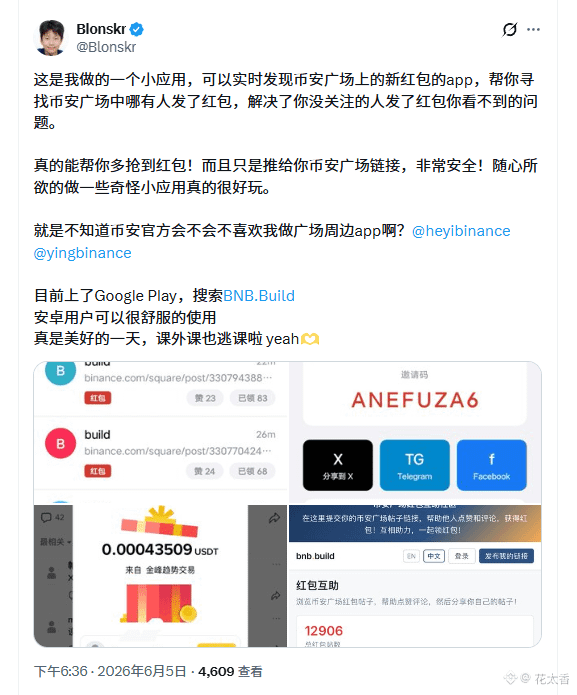
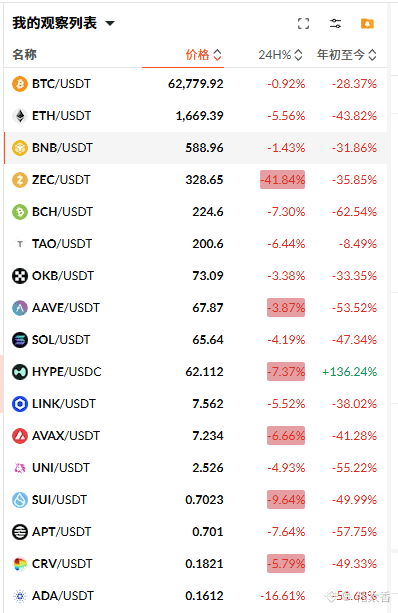
The Binance Square auto red envelope apps are all here, huh? @BinanceSquareCN 😂 #Zcash隐私池重大漏洞ZEC暴跌超40%
The Binance Square auto red envelope apps are all here, huh? @币安广场 😂 #Zcash隐私池重大漏洞ZEC暴跌超40%
24
·
--
$BR @Bedrock #Bedrock
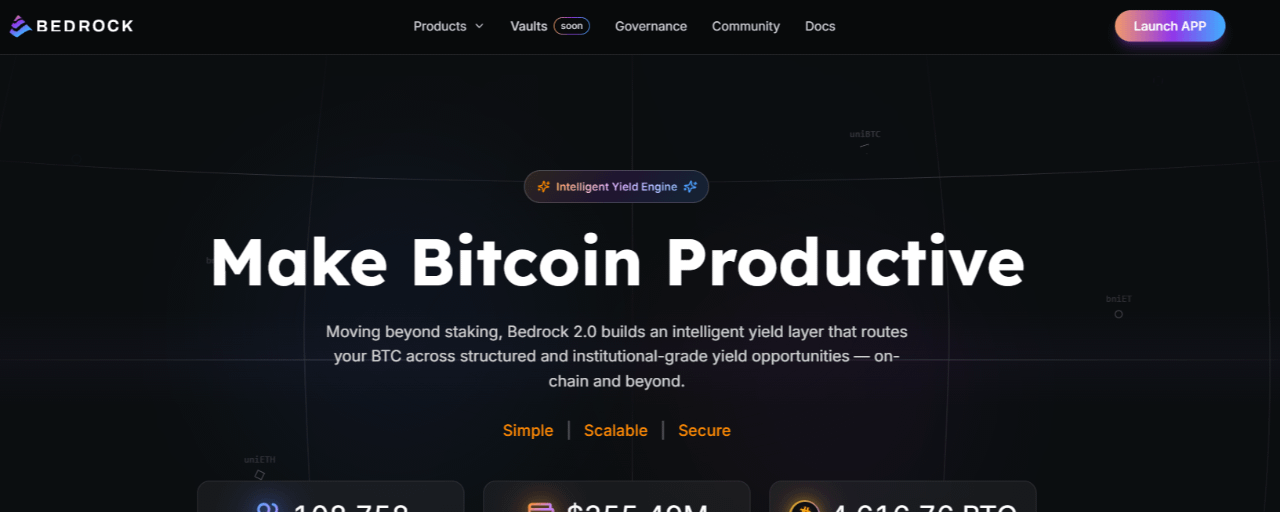
Since mid-2024, it's become common knowledge across the entire re-staking space that yields have faced a structural downturn. This isn't just due to a single project's operational misstep; it's a natural market evolution as the industry matures. The era of relying on hefty token mining subsidies to prop up sky-high returns is long gone. Nowadays, Bitcoin holders aren't fixated on short-term profits but are on the hunt for foundational infrastructures that meet institutional standards and can flexibly adjust funds in line with market trends. Enter uniBTC, the unified gateway to tapping into a massive pool of idle Bitcoin and achieving smart allocations. The Bedrock has rolled out its brand-new 2.0 upgrade, anchoring itself in the core brand positioning of the 'Bitcoin Capital Smart Yield Engine,' officially completing its strategic pivot: evolving from a singular yield provider into a dynamic asset routing platform powered by uniBTC, embodying the brand ethos of 'making Bitcoin generate real yields.'
$BR @Bedrock #Bedrock
Since mid-2024, it's become common knowledge across the entire re-staking space that yields have faced a structural downturn. This isn't just due to a single project's operational misstep; it's a natural market evolution as the industry matures. The era of relying on hefty token mining subsidies to prop up sky-high returns is long gone. Nowadays, Bitcoin holders aren't fixated on short-term profits but are on the hunt for foundational infrastructures that meet institutional standards and can flexibly adjust funds in line with market trends. Enter uniBTC, the unified gateway to tapping into a massive pool of idle Bitcoin and achieving smart allocations. The Bedrock has rolled out its brand-new 2.0 upgrade, anchoring itself in the core brand positioning of the 'Bitcoin Capital Smart Yield Engine,' officially completing its strategic pivot: evolving from a singular yield provider into a dynamic asset routing platform powered by uniBTC, embodying the brand ethos of 'making Bitcoin generate real yields.'
Since mid-2024, it's become common knowledge across the entire re-staking space that yields have faced a structural downturn. This isn't just due to a single project's operational misstep; it's a natural market evolution as the industry matures. The era of relying on hefty token mining subsidies to prop up sky-high returns is long gone. Nowadays, Bitcoin holders aren't fixated on short-term profits but are on the hunt for foundational infrastructures that meet institutional standards and can flexibly adjust funds in line with market trends. Enter uniBTC, the unified gateway to tapping into a massive pool of idle Bitcoin and achieving smart allocations. The Bedrock has rolled out its brand-new 2.0 upgrade, anchoring itself in the core brand positioning of the 'Bitcoin Capital Smart Yield Engine,' officially completing its strategic pivot: evolving from a singular yield provider into a dynamic asset routing platform powered by uniBTC, embodying the brand ethos of 'making Bitcoin generate real yields.'
1
195
·
--
Verified
Article
Bedrock 2.0: Building the Bitcoin Capital Intelligent Yield Engine, Restructuring the BTCFi LandscapeStop blindly chasing unsustainable short-term annual returns. The next era for Bitcoin's stock assets lies in intelligent asset routing and allocation.
Since mid-2024, it's become a consensus across the industry that yields in the entire re-staking sector are experiencing structural declines. This isn't just a single project operational misstep but a result of the industry maturing, leading to objective market changes. The era of relying on large token mining subsidies to support super high yields is over. Today, investors holding Bitcoin are no longer fixated on short-term windfalls; instead, they're looking for foundational infrastructure that meets institutional standards and can flexibly allocate funds according to market trends. UniBTC serves as a unified gateway for managing massive idle Bitcoin and achieving intelligent allocation. The newly upgraded Bedrock 2.0 version anchors its core brand positioning as the 'Bitcoin Capital Intelligent Yield Engine' and officially completes its strategic transformation: evolving from a single yield provider to a dynamic asset routing platform powered by uniBTC, embodying the brand philosophy of 'making Bitcoin generate real returns.'
Bedrock 2.0: Building the Bitcoin Capital Intelligent Yield Engine, Restructuring the BTCFi Landscape
Stop blindly chasing unsustainable short-term annual returns. The next era for Bitcoin's stock assets lies in intelligent asset routing and allocation.
Since mid-2024, it's become a consensus across the industry that yields in the entire re-staking sector are experiencing structural declines. This isn't just a single project operational misstep but a result of the industry maturing, leading to objective market changes. The era of relying on large token mining subsidies to support super high yields is over. Today, investors holding Bitcoin are no longer fixated on short-term windfalls; instead, they're looking for foundational infrastructure that meets institutional standards and can flexibly allocate funds according to market trends. UniBTC serves as a unified gateway for managing massive idle Bitcoin and achieving intelligent allocation. The newly upgraded Bedrock 2.0 version anchors its core brand positioning as the 'Bitcoin Capital Intelligent Yield Engine' and officially completes its strategic transformation: evolving from a single yield provider to a dynamic asset routing platform powered by uniBTC, embodying the brand philosophy of 'making Bitcoin generate real returns.'
Since mid-2024, it's become a consensus across the industry that yields in the entire re-staking sector are experiencing structural declines. This isn't just a single project operational misstep but a result of the industry maturing, leading to objective market changes. The era of relying on large token mining subsidies to support super high yields is over. Today, investors holding Bitcoin are no longer fixated on short-term windfalls; instead, they're looking for foundational infrastructure that meets institutional standards and can flexibly allocate funds according to market trends. UniBTC serves as a unified gateway for managing massive idle Bitcoin and achieving intelligent allocation. The newly upgraded Bedrock 2.0 version anchors its core brand positioning as the 'Bitcoin Capital Intelligent Yield Engine' and officially completes its strategic transformation: evolving from a single yield provider to a dynamic asset routing platform powered by uniBTC, embodying the brand philosophy of 'making Bitcoin generate real returns.'
1
218
Log in to explore more content
Join global crypto users on Binance Square
⚡️ Get latest and useful information about crypto.
💬 Trusted by the world’s largest crypto exchange.
👍 Discover real insights from verified creators.
Email / Phone number
Trending Topics
StrategyStriveAdd2305BitcoinThisWeek
6,779 views
287 Discussing
🔥 2,305 BTC In One Week — Watch $BTC
Corporate Bitcoin treasuries continue expanding.
Strategy + Strive added 2,305 $BTC, taking their combined reported holdings to about 872K BTC.
This doesn't guarantee where price goes next — but it shows why Bitcoin's fixed supply remains a major part of the investment discussion.
Spot $BTC. Real ownership. No leverage required. 📊🟠
#strategystriveadd2305bitcointhisweek
CryptoMahibaloch
·1 Likes
·1.4k views
TrumpRejectsIranHormuzReopening
12,272 views
354 Discussing
CircleTetherFreezeBitgetHackerWallet
34,528 views
512 Discussing