

BitJT
14 Posts
BitJT
1.专注交易执行与风控纠偏
2.不预测短期涨跌,聚焦盘前结构与交易纪律
3.减少乱做,优先提升执行一致性
Frequent Trader
8.5 Years
104 Following
121 Followers
14 Liked
Posts
All
Quotes


GiGiZ 發財豬
·
--
The Shocking Chess Game Behind the Gold Surge: Did a Single Announcement from Hong Kong Directly Shake the Dollar's Cheese?
Friends, the gold market has recently thrown out a heavy bomb.
If you have gold in hand, or are thinking about getting in, you must understand today's logic. This concerns whether you can stay steady after the gold price surges or if you will be shaken off.
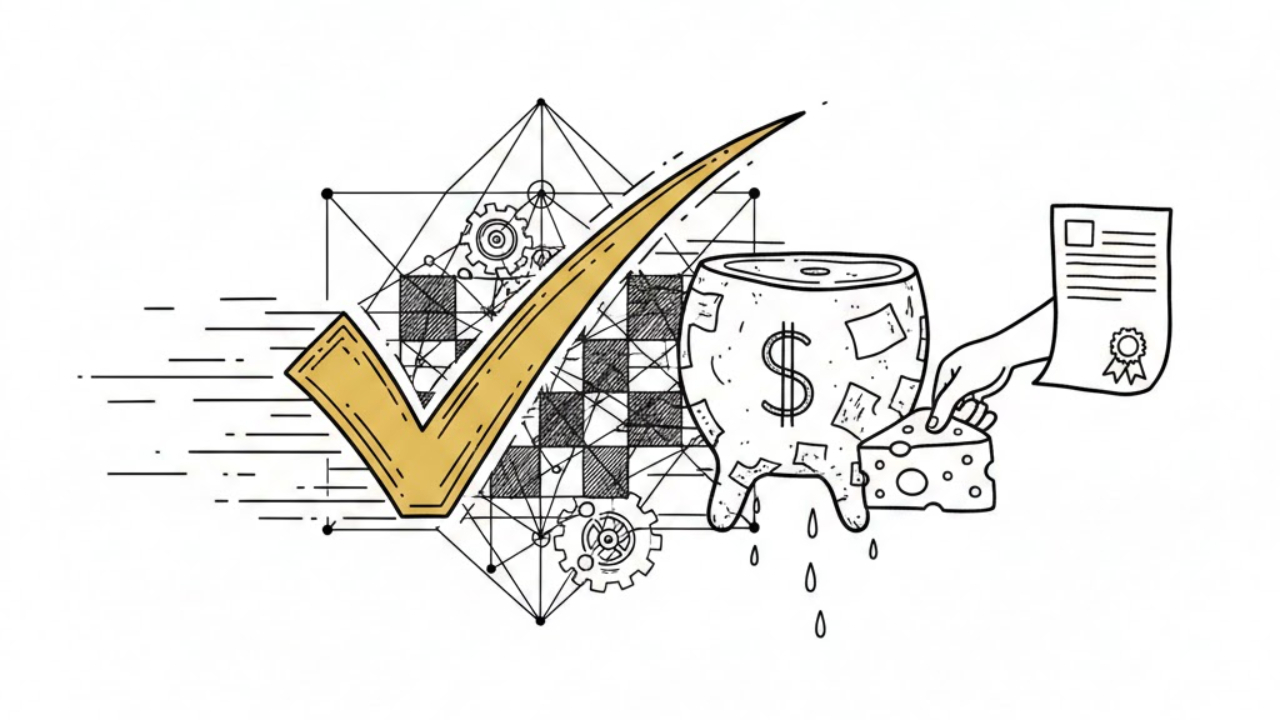
The origin of the matter is that the Hong Kong Financial Secretary recently announced: within three years, the gold storage capacity must exceed 2000 tons.
Many people, upon seeing this number, first react by gasping: Is Hong Kong going to spend money madly to buy 2000 tons of gold?
If you think so, then you're really off track. This 2000 tons is not the purchase volume, but the carrying capacity.
If you have gold in hand, or are thinking about getting in, you must understand today's logic. This concerns whether you can stay steady after the gold price surges or if you will be shaken off.
The origin of the matter is that the Hong Kong Financial Secretary recently announced: within three years, the gold storage capacity must exceed 2000 tons.
Many people, upon seeing this number, first react by gasping: Is Hong Kong going to spend money madly to buy 2000 tons of gold?
If you think so, then you're really off track. This 2000 tons is not the purchase volume, but the carrying capacity.
TheStreet Roundtable
·
--
Billionaire Ray Dalio warns of major threat to investor wealth
Gold vs Bitcoin: Which one is a better store of value? (2:59)
If billionaire hedge fund manager Ray Dalio is right, the biggest risk for investors today is not volatility, but wealth destruction.
Dalio has been sharing chapters from his book "Principles for Dealing with the Changing World Order" on X. The book was published right in the middle of the pandemic in 2021.
It was the time when the shock of the unknown had died, and people were learning to live with Covid-19.
Related: Crypto market sees $2B in liquidations — bigger than Covid and FTX crashes
Markets, governments and central banks were injecting trillions of dollars to ensure recovery from the crash of 2020.
While this led to an increase in retail participation and better risk appetite, volatility remained high and inflation fears loomed large.
The book made sense for investors at that time who were trying to navigate the landscape in unpredictable scenarios.
But Dalio is revisiting one of the concepts he mentioned in the book called "Big Cycle." And market conditions today indicate that we might see history repeat itself.
Related: Ray Dalio issues stark warning on the global order
The threat Dalio sees
"Big Cycle" is a long-term pattern that often lasts for decades. This is where countries rise and decline economically, politically, and financially.
The most dangerous part of this cycle is its late stage. Dalio warns that this is the stage when fortunes are wiped out, currencies are devalued, and traditional portfolios fail to protect capital.
As per Dalio, markets are primarily driven by four forces, which are growth, inflation, risk premiums, and discount rates. Governments influence all four through fiscal and monetary policy. When debt builds to unsustainable levels, policymakers typically respond by printing money, suppressing interest rates, and restructuring obligations.
The result? Financial assets like stocks, bonds, and cash can lose real value.
In his latest chapters, Dalio argues that credit-fueled financial promises now exceed real tangible assets, an indicator of late-cycle conditions.
Dalio cautions investors against studying only the post-1950 U.S. boom, which he describes as an unusually stable and prosperous period. He directs investors to look at the 1900s when seven of the 10 leading global powers experienced near-total wealth destruction due to wars, defaults, or internal upheaval. In many cases, investors saw their savings confiscated, markets shut down, or currencies collapse.
"If I hadn’t looked at these returns in the period before the new world order began in 1945, I wouldn’t have seen these periods of destruction. And had I not looked back 500 years around the world, I wouldn’t have seen that this has happened repeatedly almost everywhere."
Dalio points out similar market situations and suggests investors build “all-weather” portfolios that are diversified. Blend equities for growth, gold and commodities for protection, and be cautious on long-term bonds, especially in environments where inflation and currency risk remain elevated.
Popular on TheStreet Roundtable:
Trump imposes major global tariffs after Supreme Court's decision
Rich Dad Poor Dad buys Bitcoin again
Viral AI agent bans ‘Bitcoin,' ‘crypto’ mentions
Can Bitcoin enter the conversation?
Bitcoin (BTC) was not around during past Big Cycles. But its core design directly addresses several of the risks Dalio outlines.
Unlike bonds or fiat currencies, Bitcoin is not a promise to pay. It is not backed by a government balance sheet. Its supply is capped at 21 million coins, making it resistant to monetary expansion.
In late-cycle environments where central banks print to relieve debt burdens, scarce assets tend to outperform cash and long-duration bonds. Gold has traditionally played that role.
Many Bitcoin proponents argue that its digital scarcity could serve a similar function, particularly for younger investors who are more comfortable with digital infrastructure.
That does not mean Bitcoin is immune to liquidity cycles. In fact, crypto markets remain highly sensitive to changes in interest rates and global risk appetite. When discount rates rise and liquidity tightens, speculative assets often suffer.
Related: Bitcoin as a Hedge Against Government Money Printing
Beyond the 60/40 portfolio
At the core of Dalio’s research is diversification beyond traditional stocks and bonds. While it can extend to Bitcoin, we need to remember that it is still young.
It has not been tested through a full geopolitical restructuring cycle like the early 20th century. It remains volatile, politically debated, and regulatory-sensitive.
In fact, even comparatively milder political turmoils like the U.S. President Donald Trump's threats to increase tariffs on Chinese goods, the Greenland debate, and others have affected Bitcoin's price.
At press time, Bitcoin had dropped 25.4% in the past 30 days, trading at $64,476.82.
Yet if Dalio’s late-cycle thesis holds, then assets outside the traditional financial promise system may gain strategic importance.
The key takeaway from Dalio is to not panic but be prepared to save one's purchasing power.
Related: Billionaire Ray Dalio encourages investors to embrace bitcoin over debt assets
If billionaire hedge fund manager Ray Dalio is right, the biggest risk for investors today is not volatility, but wealth destruction.
Dalio has been sharing chapters from his book "Principles for Dealing with the Changing World Order" on X. The book was published right in the middle of the pandemic in 2021.
It was the time when the shock of the unknown had died, and people were learning to live with Covid-19.
Related: Crypto market sees $2B in liquidations — bigger than Covid and FTX crashes
Markets, governments and central banks were injecting trillions of dollars to ensure recovery from the crash of 2020.
While this led to an increase in retail participation and better risk appetite, volatility remained high and inflation fears loomed large.
The book made sense for investors at that time who were trying to navigate the landscape in unpredictable scenarios.
But Dalio is revisiting one of the concepts he mentioned in the book called "Big Cycle." And market conditions today indicate that we might see history repeat itself.
Related: Ray Dalio issues stark warning on the global order
The threat Dalio sees
"Big Cycle" is a long-term pattern that often lasts for decades. This is where countries rise and decline economically, politically, and financially.
The most dangerous part of this cycle is its late stage. Dalio warns that this is the stage when fortunes are wiped out, currencies are devalued, and traditional portfolios fail to protect capital.
As per Dalio, markets are primarily driven by four forces, which are growth, inflation, risk premiums, and discount rates. Governments influence all four through fiscal and monetary policy. When debt builds to unsustainable levels, policymakers typically respond by printing money, suppressing interest rates, and restructuring obligations.
The result? Financial assets like stocks, bonds, and cash can lose real value.
In his latest chapters, Dalio argues that credit-fueled financial promises now exceed real tangible assets, an indicator of late-cycle conditions.
Dalio cautions investors against studying only the post-1950 U.S. boom, which he describes as an unusually stable and prosperous period. He directs investors to look at the 1900s when seven of the 10 leading global powers experienced near-total wealth destruction due to wars, defaults, or internal upheaval. In many cases, investors saw their savings confiscated, markets shut down, or currencies collapse.
"If I hadn’t looked at these returns in the period before the new world order began in 1945, I wouldn’t have seen these periods of destruction. And had I not looked back 500 years around the world, I wouldn’t have seen that this has happened repeatedly almost everywhere."
Dalio points out similar market situations and suggests investors build “all-weather” portfolios that are diversified. Blend equities for growth, gold and commodities for protection, and be cautious on long-term bonds, especially in environments where inflation and currency risk remain elevated.
Popular on TheStreet Roundtable:
Trump imposes major global tariffs after Supreme Court's decision
Rich Dad Poor Dad buys Bitcoin again
Viral AI agent bans ‘Bitcoin,' ‘crypto’ mentions
Can Bitcoin enter the conversation?
Bitcoin (BTC) was not around during past Big Cycles. But its core design directly addresses several of the risks Dalio outlines.
Unlike bonds or fiat currencies, Bitcoin is not a promise to pay. It is not backed by a government balance sheet. Its supply is capped at 21 million coins, making it resistant to monetary expansion.
In late-cycle environments where central banks print to relieve debt burdens, scarce assets tend to outperform cash and long-duration bonds. Gold has traditionally played that role.
Many Bitcoin proponents argue that its digital scarcity could serve a similar function, particularly for younger investors who are more comfortable with digital infrastructure.
That does not mean Bitcoin is immune to liquidity cycles. In fact, crypto markets remain highly sensitive to changes in interest rates and global risk appetite. When discount rates rise and liquidity tightens, speculative assets often suffer.
Related: Bitcoin as a Hedge Against Government Money Printing
Beyond the 60/40 portfolio
At the core of Dalio’s research is diversification beyond traditional stocks and bonds. While it can extend to Bitcoin, we need to remember that it is still young.
It has not been tested through a full geopolitical restructuring cycle like the early 20th century. It remains volatile, politically debated, and regulatory-sensitive.
In fact, even comparatively milder political turmoils like the U.S. President Donald Trump's threats to increase tariffs on Chinese goods, the Greenland debate, and others have affected Bitcoin's price.
At press time, Bitcoin had dropped 25.4% in the past 30 days, trading at $64,476.82.
Yet if Dalio’s late-cycle thesis holds, then assets outside the traditional financial promise system may gain strategic importance.
The key takeaway from Dalio is to not panic but be prepared to save one's purchasing power.
Related: Billionaire Ray Dalio encourages investors to embrace bitcoin over debt assets
Log in to explore more content