
Pentabase
66 Posts
Pentabase
Report
Block User
Pentabase specializes in end-to-end Web3 consulting, incubation, and marketing/PR, with a strategic focus on Korea and global support for Web3 projects.
0 Following
3 Followers
11 Liked
Posts
·
--
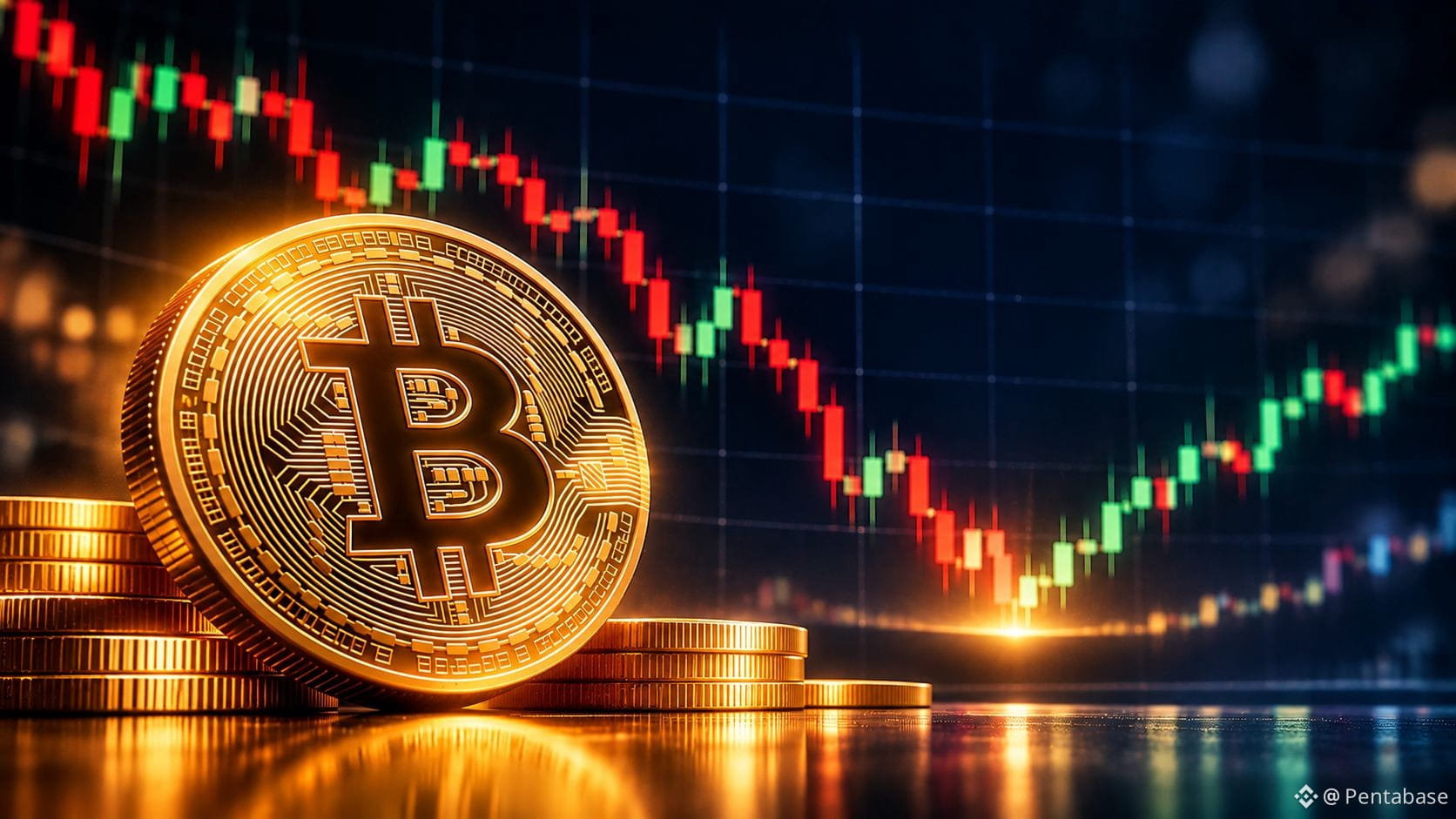
Bitcoin (BTC) has reportedly reached a cycle bottom immediately after U.S. midterm elections in each of the past three cycles. According to Coin Bureau, if this historical pattern repeats, the period from late 2026 to early 2027 could be a key window to watch for the next cycle bottom. Looking at previous cycles, Bitcoin reached its cycle bottom 71 days after the 2014 midterm elections, 39 days after the 2018 elections, and 13 days after the 2022 elections. However, three historical cases alone are not enough to conclude that U.S. midterm elections determine Bitcoin's price cycles. Whether the same pattern will repeat after this year's midterm elections remains to be seen. 👀
Bitcoin (BTC) has reportedly reached a cycle bottom immediately after U.S. midterm elections in each of the past three cycles. According to Coin Bureau, if this historical pattern repeats, the period from late 2026 to early 2027 could be a key window to watch for the next cycle bottom. Looking at previous cycles, Bitcoin reached its cycle bottom 71 days after the 2014 midterm elections, 39 days after the 2018 elections, and 13 days after the 2022 elections. However, three historical cases alone are not enough to conclude that U.S. midterm elections determine Bitcoin's price cycles. Whether the same pattern will repeat after this year's midterm elections remains to be seen. 👀
58
·
--
Concerns are spreading across the crypto market following reports of a potential security breach at Binance, the world’s largest cryptocurrency exchange. In the wake of the incident, Bitcoin fell below the $78,000 mark, while other major cryptocurrencies, including Ethereum and Binance’s native token BNB, also came under pressure.
One particularly notable development is the asset-freezing measures taken by major crypto companies. Stablecoin issuers Circle and Tether have frozen more than $2.3 billion in assets suspected of being linked to the incident, while Ripple has also helped block the movement of approximately $200 million. Meanwhile, blockchain analytics firm Arkham Intelligence reported that it had identified roughly $6 billion in asset movements across 55 wallets suspected of being connected to the incident.
Binance is currently investigating a potential security issue and has stated that user funds remain safe. However, neither a hack nor the actual scale of any potential losses has been officially confirmed.
The incident highlights how security concerns at a major exchange can extend beyond an individual platform, affecting confidence and liquidity across the broader crypto market. The coordinated efforts by industry players, including stablecoin issuers directly freezing suspicious funds, also underscore the growing importance of robust exchange security and asset protection measures in the digital asset industry. 👀
48
·
--
Google is introducing Google Multi-Party Compute (MPC), an institutional custody service designed to enhance the security of cryptocurrencies and tokenized assets. The service aims to reduce the risk of asset theft resulting from a single system compromise by distributing private key information across multiple systems and enforcing predefined transaction approval policies. Google has been outlining MPC-based asset security solutions built on its cloud infrastructure since 2023. The newly introduced service integrates transaction signing, approval policies, and key recovery capabilities, making it easier for financial institutions to establish and manage secure digital asset custody frameworks. The service is currently being tested by several major financial institutions and design partners, with commercial availability targeted for early 2027. Alphabet, Google's parent company, is also using the technology to secure its own digital assets on the Ethereum and Solana networks. The announcement comes as financial institutions expand their use of blockchain technology and tokenized assets, highlighting the growing importance of not only secure digital asset custody but also robust transaction approval and key management systems. However, MPC does not eliminate all cybersecurity risks. The service's real-world security performance and its adoption by financial institutions will ultimately be key factors in determining its competitiveness.👀
Google is introducing Google Multi-Party Compute (MPC), an institutional custody service designed to enhance the security of cryptocurrencies and tokenized assets. The service aims to reduce the risk of asset theft resulting from a single system compromise by distributing private key information across multiple systems and enforcing predefined transaction approval policies. Google has been outlining MPC-based asset security solutions built on its cloud infrastructure since 2023. The newly introduced service integrates transaction signing, approval policies, and key recovery capabilities, making it easier for financial institutions to establish and manage secure digital asset custody frameworks. The service is currently being tested by several major financial institutions and design partners, with commercial availability targeted for early 2027. Alphabet, Google's parent company, is also using the technology to secure its own digital assets on the Ethereum and Solana networks. The announcement comes as financial institutions expand their use of blockchain technology and tokenized assets, highlighting the growing importance of not only secure digital asset custody but also robust transaction approval and key management systems. However, MPC does not eliminate all cybersecurity risks. The service's real-world security performance and its adoption by financial institutions will ultimately be key factors in determining its competitiveness.👀

100
·
--
A trader who secured a substantial amount of HYPE through Hyperliquid’s early airdrop has announced plans to hold Variational’s native VAR token for the long term, drawing market attention. The trader received approximately 474,000 HYPE in Hyperliquid’s 2024 airdrop. As of mid-October, the trader had also accumulated around $3.55 billion in trading volume on Variational, ranking among the platform’s top users. Variational is a decentralized derivatives platform supporting a range of assets, including cryptocurrencies, US stocks, commodities, and equity indices. Its latest operating data shows cumulative trading volume of approximately $417.9 billion and two-sided open interest of around $2 billion. Market attention is now focused on the VAR token launch planned for Q4 this year. Around 32% of the total token supply will be airdropped to points holders, while all revenue allocated to the protocol treasury is set to be used for VAR buybacks and burns. This model resembles Hyperliquid’s approach of using platform revenue to support token demand. However, the immediate circulation of airdropped tokens could create selling pressure after launch. Ultimately, VAR’s long-term value will depend less on the launch itself and more on whether Variational can sustain trading volume and revenue, and whether its buyback-and-burn policy translates into lasting token demand. 👀
A trader who secured a substantial amount of HYPE through Hyperliquid’s early airdrop has announced plans to hold Variational’s native VAR token for the long term, drawing market attention. The trader received approximately 474,000 HYPE in Hyperliquid’s 2024 airdrop. As of mid-October, the trader had also accumulated around $3.55 billion in trading volume on Variational, ranking among the platform’s top users. Variational is a decentralized derivatives platform supporting a range of assets, including cryptocurrencies, US stocks, commodities, and equity indices. Its latest operating data shows cumulative trading volume of approximately $417.9 billion and two-sided open interest of around $2 billion. Market attention is now focused on the VAR token launch planned for Q4 this year. Around 32% of the total token supply will be airdropped to points holders, while all revenue allocated to the protocol treasury is set to be used for VAR buybacks and burns. This model resembles Hyperliquid’s approach of using platform revenue to support token demand. However, the immediate circulation of airdropped tokens could create selling pressure after launch. Ultimately, VAR’s long-term value will depend less on the launch itself and more on whether Variational can sustain trading volume and revenue, and whether its buyback-and-burn policy translates into lasting token demand. 👀
72
·
--
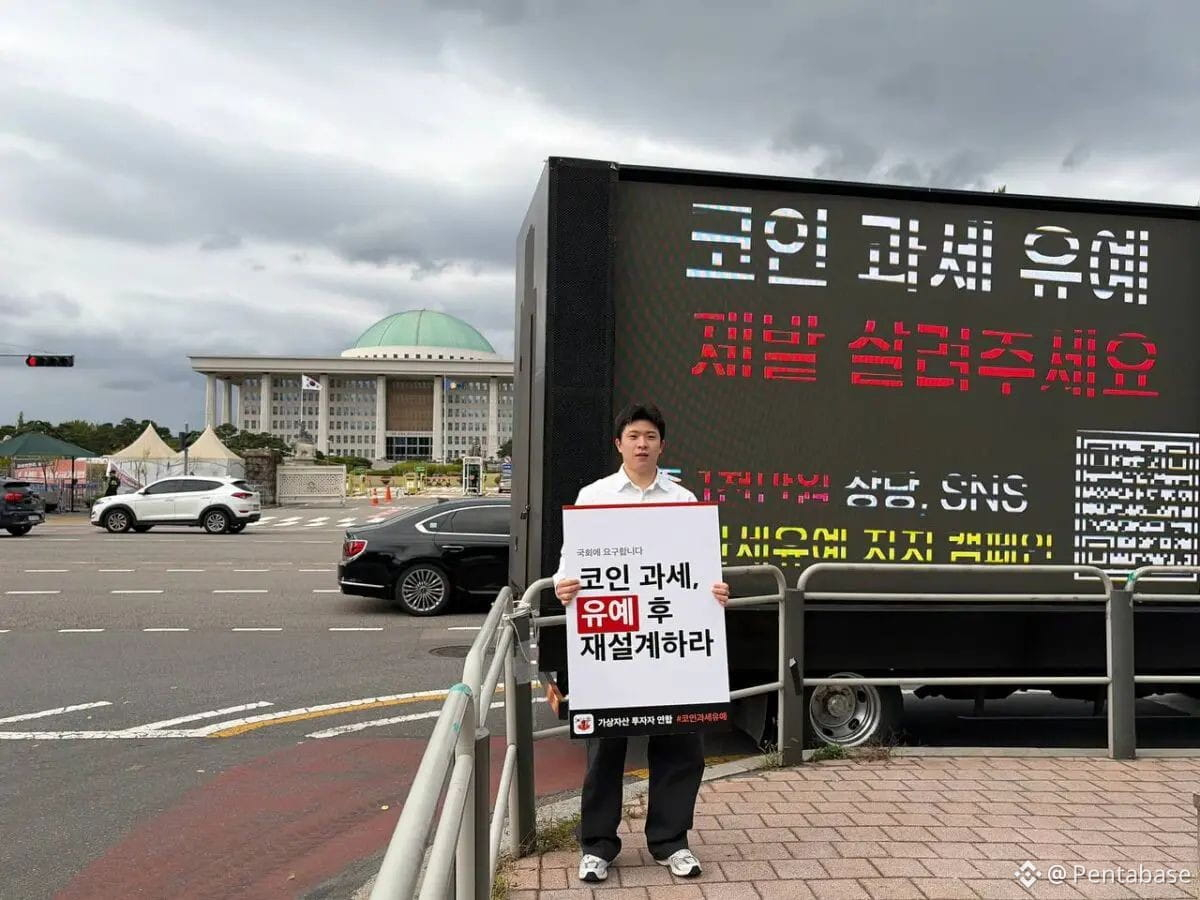
South Korea’s planned crypto tax, scheduled to take effect in January 2027, is facing growing opposition from investors. Notably, lawmakers from the ruling Democratic Party, which has generally supported moving forward with taxation, have now joined a bill seeking to effectively delay implementation by two years. On October 16, 14 lawmakers from the Democratic Party and the Rebuilding Korea Party introduced an amendment to the Income Tax Act that would adjust the tax timeline in consideration of the Crypto-Asset Reporting Framework (CARF) and its information-sharing schedule. This marks the first time Democratic Party lawmakers have introduced a bill to postpone crypto taxation. Investor pressure has played a role in bringing the issue back into the spotlight. Supporters of a delay have continued truck and one-person protests near the National Assembly, calling for clearer tax rules and better reporting infrastructure. Their position is not necessarily opposition to taxation itself, but a call to ensure the system is ready before implementation. Key concerns include raising the basic deduction, allowing loss carryforwards, and clarifying how DeFi income and transaction fees should be taxed. As South Korea’s crypto tax debate enters a new phase, it may be worth considering whether more time is needed to establish a clear and workable framework before implementation. A well-prepared tax system could be an important part of supporting the long-term growth and competitiveness of the Korean crypto market. 👀
South Korea’s planned crypto tax, scheduled to take effect in January 2027, is facing growing opposition from investors. Notably, lawmakers from the ruling Democratic Party, which has generally supported moving forward with taxation, have now joined a bill seeking to effectively delay implementation by two years. On October 16, 14 lawmakers from the Democratic Party and the Rebuilding Korea Party introduced an amendment to the Income Tax Act that would adjust the tax timeline in consideration of the Crypto-Asset Reporting Framework (CARF) and its information-sharing schedule. This marks the first time Democratic Party lawmakers have introduced a bill to postpone crypto taxation. Investor pressure has played a role in bringing the issue back into the spotlight. Supporters of a delay have continued truck and one-person protests near the National Assembly, calling for clearer tax rules and better reporting infrastructure. Their position is not necessarily opposition to taxation itself, but a call to ensure the system is ready before implementation. Key concerns include raising the basic deduction, allowing loss carryforwards, and clarifying how DeFi income and transaction fees should be taxed. As South Korea’s crypto tax debate enters a new phase, it may be worth considering whether more time is needed to establish a clear and workable framework before implementation. A well-prepared tax system could be an important part of supporting the long-term growth and competitiveness of the Korean crypto market. 👀
76
·
--
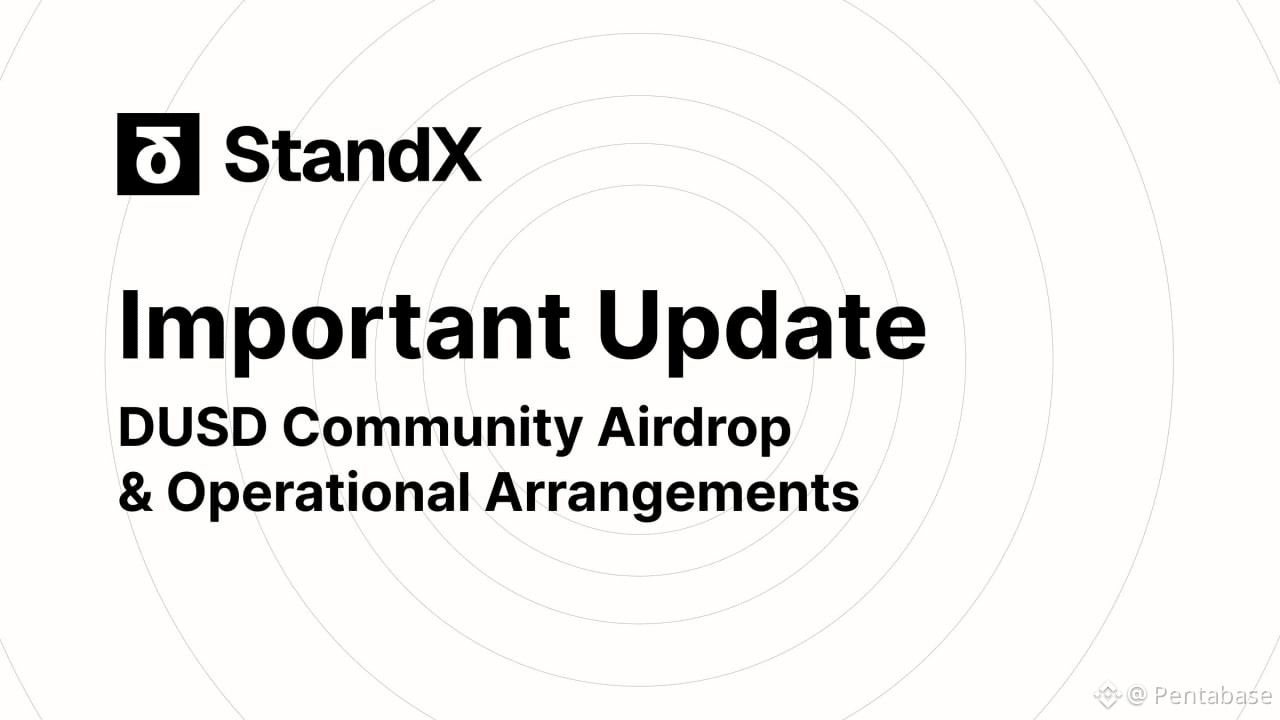
StandX has canceled its planned token generation event (TGE) and announced a wind-down plan for its perpetuals DEX.
Despite reaching a peak TVL of $200 million without external VC funding, StandX fell short of its goal of becoming a top-three perpetuals DEX. The team said launching a token without sustainable long-term value would be irresponsible to its community.
📅 Key Dates
Oct 20: Perps switch to reduce-only mode
Nov 1 – Dec 31:
$DUSD
airdrop claims (no lockup)
Jan 15: Positions must be closed
Jan 31: Withdrawals and redemptions end
StandX plans to fund the airdrop using its remaining treasury and a personal contribution from the founder. The team says user funds are safe and
$
DUSD is fully collateralized.
Overall, the decision highlights the challenges of sustaining growth in the competitive perps DEX market. The execution of the airdrop and fund withdrawals will be key to maintaining user trust. 👀
58
·
--
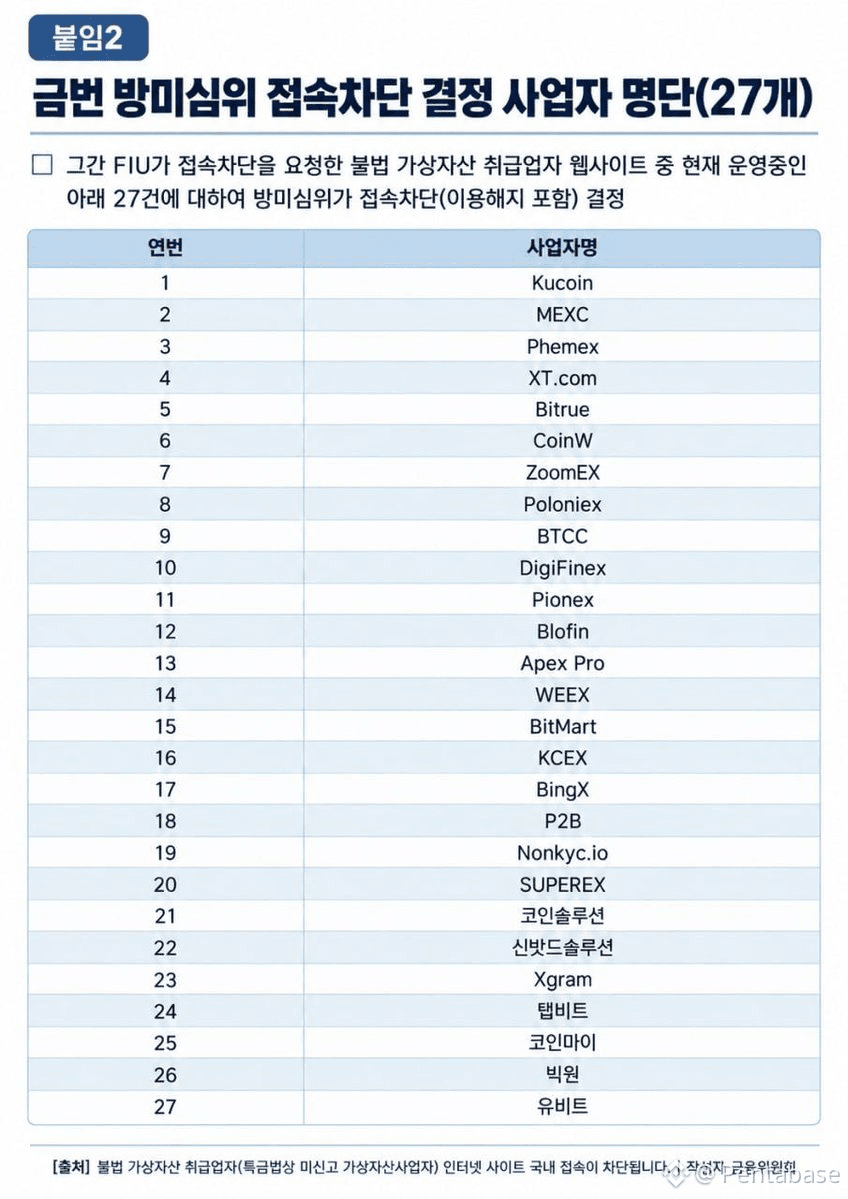
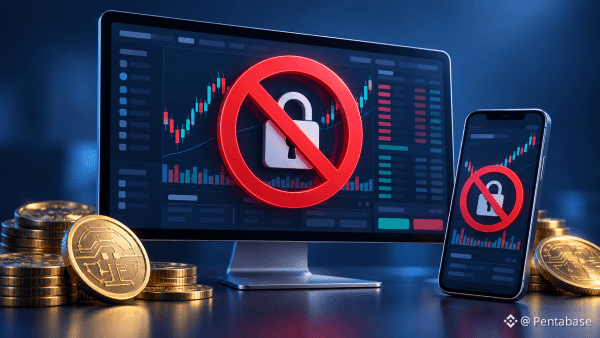
South Korea’s Financial Intelligence Unit (FIU) and the Korea Communications Standards Commission have decided to block domestic access to 27 websites operated by unregistered virtual asset service providers (VASPs). The measure expands existing restrictions on mobile apps in app marketplaces to include websites, aiming to strengthen consumer protection and prevent money laundering. To legally operate a virtual asset business in South Korea, providers must meet relevant requirements, including Information Security Management System (ISMS) certification, and register with the FIU. Overseas platforms targeting Korean users may also be subject to Korean regulations. This move highlights the growing importance of regulatory compliance, proper registration, and consumer protection frameworks in the crypto market. Overall, as South Korea’s crypto market continues to develop, regulatory compliance and business registration are becoming increasingly important. Beyond service competitiveness, legal operating status and reliable operational frameworks are likely to become key factors for participating in the market. 👀
South Korea’s Financial Intelligence Unit (FIU) and the Korea Communications Standards Commission have decided to block domestic access to 27 websites operated by unregistered virtual asset service providers (VASPs). The measure expands existing restrictions on mobile apps in app marketplaces to include websites, aiming to strengthen consumer protection and prevent money laundering. To legally operate a virtual asset business in South Korea, providers must meet relevant requirements, including Information Security Management System (ISMS) certification, and register with the FIU. Overseas platforms targeting Korean users may also be subject to Korean regulations. This move highlights the growing importance of regulatory compliance, proper registration, and consumer protection frameworks in the crypto market. Overall, as South Korea’s crypto market continues to develop, regulatory compliance and business registration are becoming increasingly important. Beyond service competitiveness, legal operating status and reliable operational frameworks are likely to become key factors for participating in the market. 👀
1
5
·
--
South Korea’s Financial Intelligence Unit (FIU) and the Korea Communications Standards Commission have decided to block domestic access to 27 websites operated by unregistered virtual asset service providers (VASPs). The measure expands existing restrictions on mobile apps in app marketplaces to include websites, aiming to strengthen consumer protection and prevent money laundering. To legally operate a virtual asset business in South Korea, providers must meet relevant requirements, including Information Security Management System (ISMS) certification, and register with the FIU. Overseas platforms targeting Korean users may also be subject to Korean regulations. This move highlights the growing importance of regulatory compliance, proper registration, and consumer protection frameworks in the crypto market. Overall, as South Korea’s crypto market continues to develop, regulatory compliance and business registration are becoming increasingly important. Beyond service competitiveness, legal operating status and reliable operational frameworks are likely to become key factors for participating in the market. 👀
South Korea’s Financial Intelligence Unit (FIU) and the Korea Communications Standards Commission have decided to block domestic access to 27 websites operated by unregistered virtual asset service providers (VASPs). The measure expands existing restrictions on mobile apps in app marketplaces to include websites, aiming to strengthen consumer protection and prevent money laundering. To legally operate a virtual asset business in South Korea, providers must meet relevant requirements, including Information Security Management System (ISMS) certification, and register with the FIU. Overseas platforms targeting Korean users may also be subject to Korean regulations. This move highlights the growing importance of regulatory compliance, proper registration, and consumer protection frameworks in the crypto market. Overall, as South Korea’s crypto market continues to develop, regulatory compliance and business registration are becoming increasingly important. Beyond service competitiveness, legal operating status and reliable operational frameworks are likely to become key factors for participating in the market. 👀
1
85
·
--
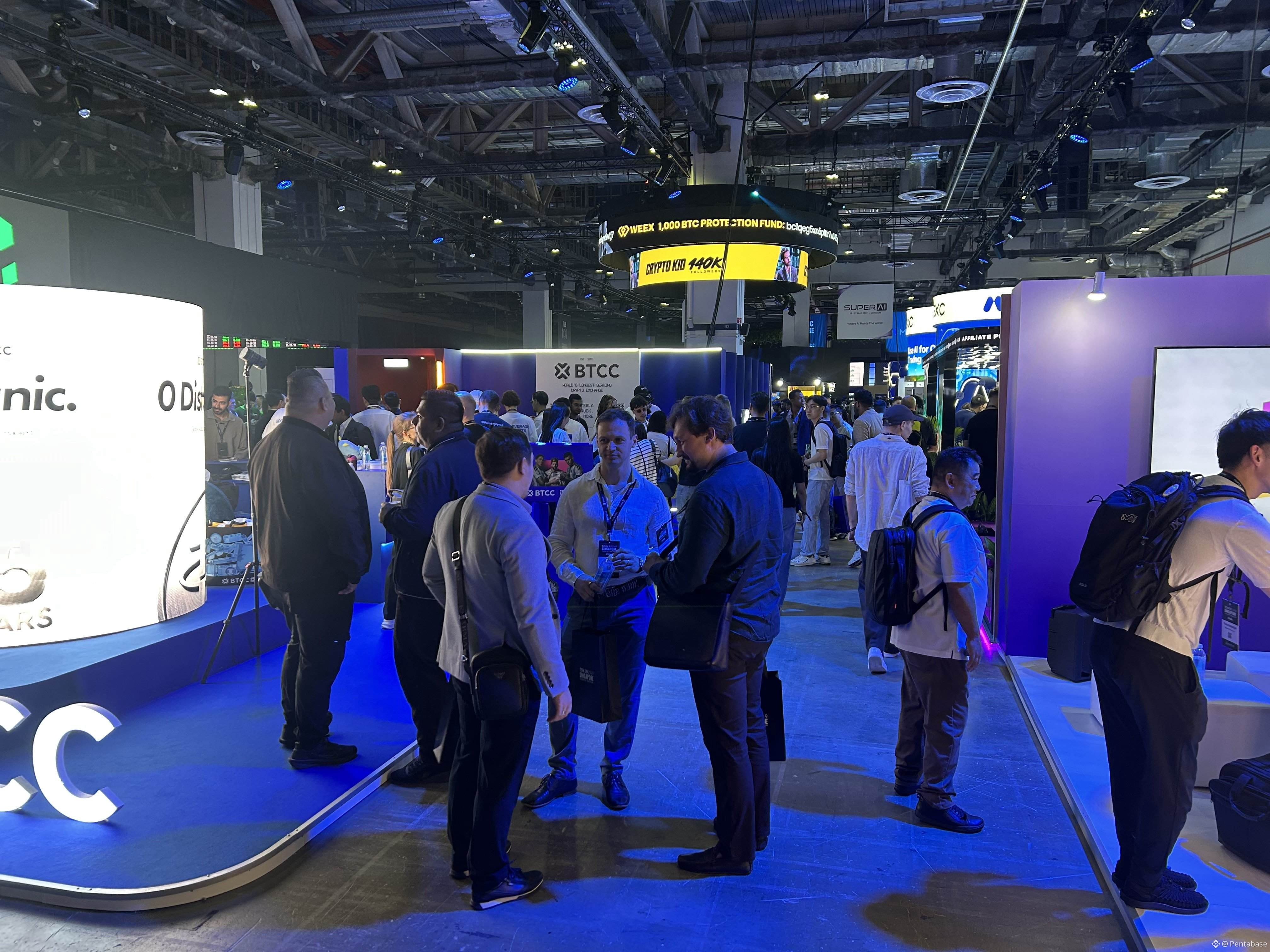
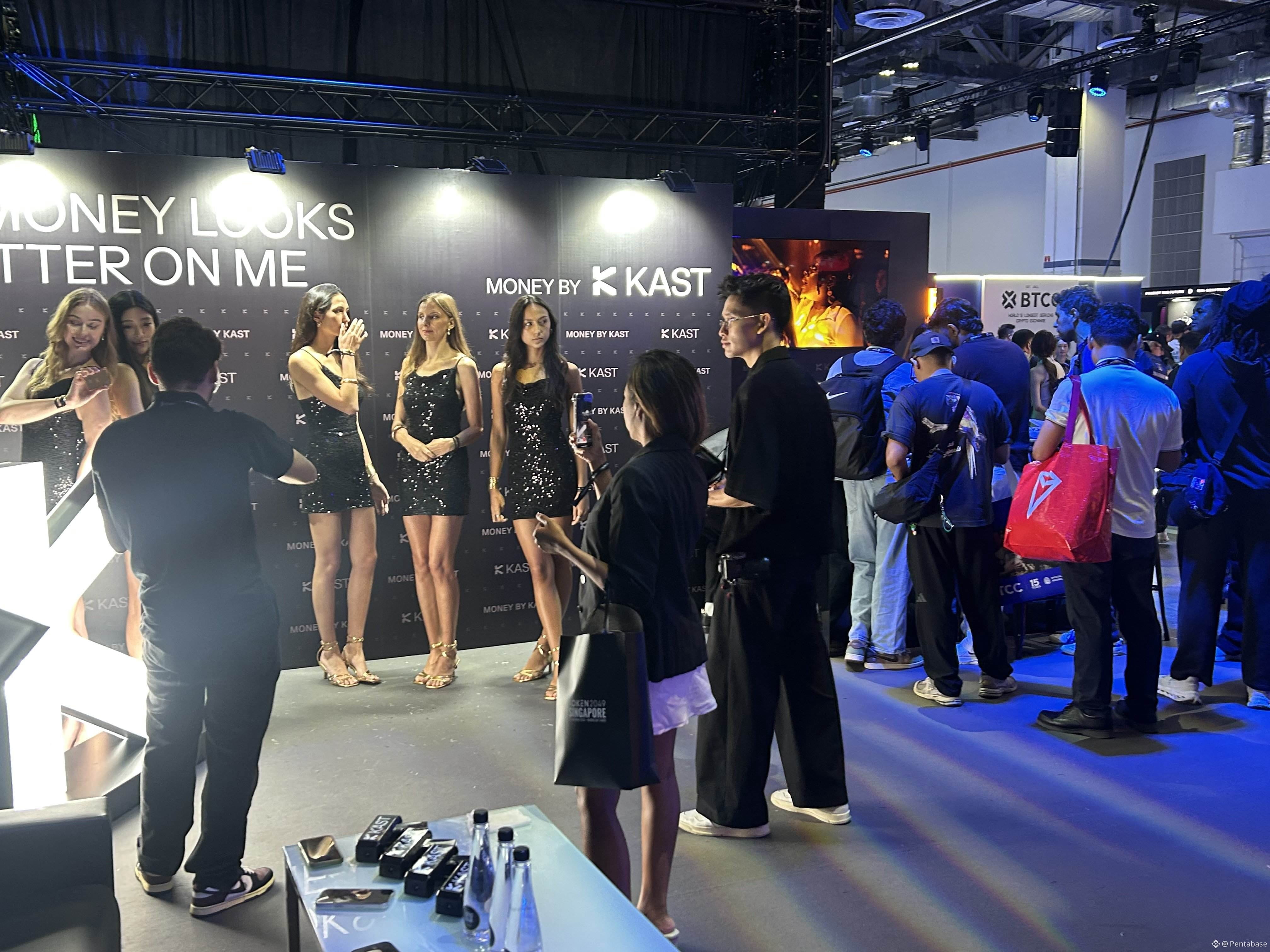
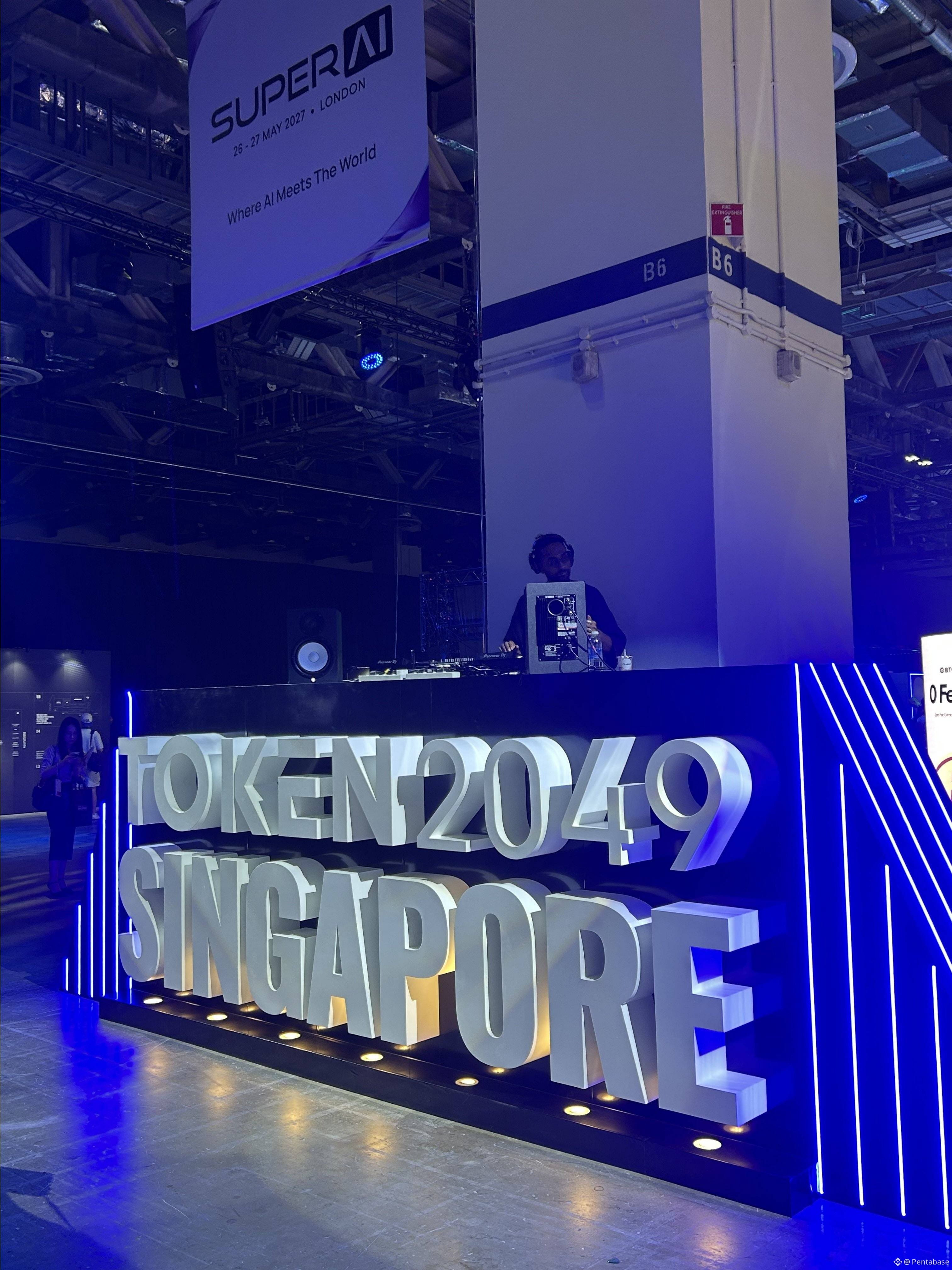
Singapore is buzzing. We’re here for TOKEN2049 Singapore, and the scale this year is something else. From builders and founders to investors, KOLs, and contributors, it feels like the global Web3 community has gathered in one place. And this is just the beginning. We’ll be around Singapore throughout the week, checking out different events, meeting teams, and catching up with people across the industry. If you’re in Singapore, let’s meet. Say hi if you spot us 👋
Singapore is buzzing. We’re here for TOKEN2049 Singapore, and the scale this year is something else. From builders and founders to investors, KOLs, and contributors, it feels like the global Web3 community has gathered in one place. And this is just the beginning. We’ll be around Singapore throughout the week, checking out different events, meeting teams, and catching up with people across the industry. If you’re in Singapore, let’s meet. Say hi if you spot us 👋
1
66
·
--
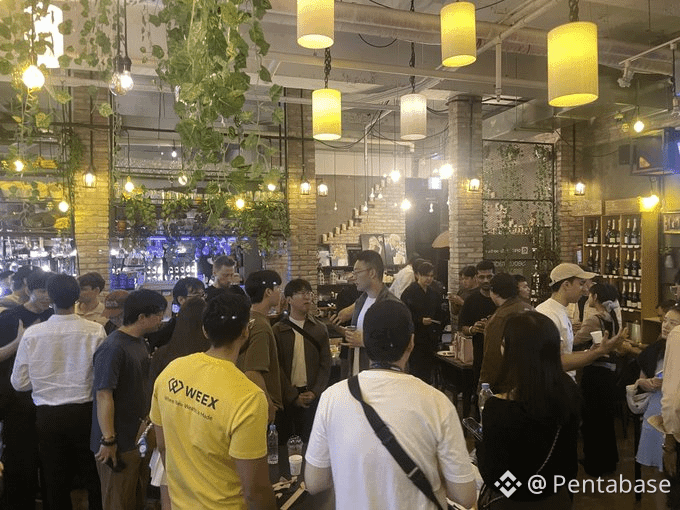
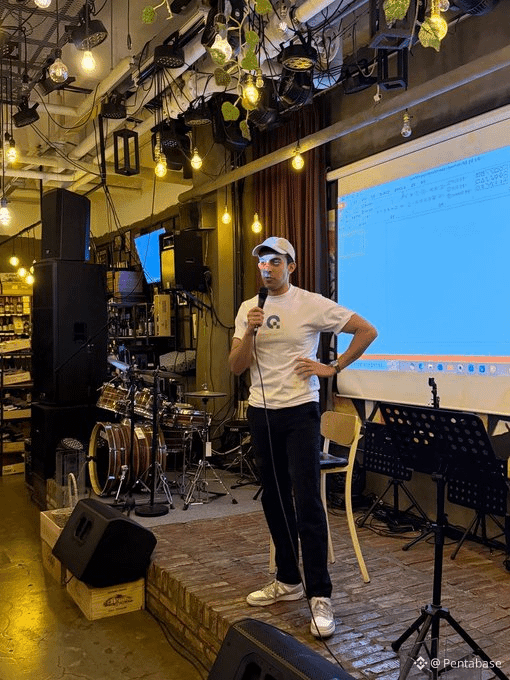
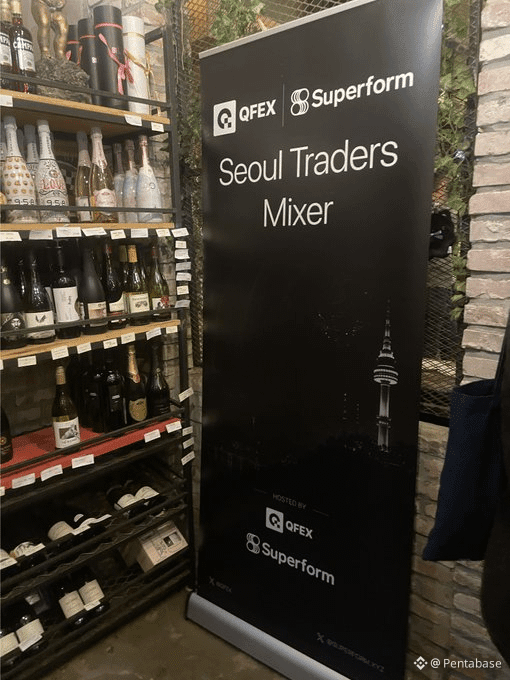
🎉 On October 1, we successfully hosted the QFEX × Superform | Seoul Traders Mixer! We brought together a great crowd to introduce both projects, share their visions, and connect with fellow traders and industry participants. The event also offered valuable alpha on QFEX’s Lossback campaign and points system, alongside an open networking session for everyone to exchange ideas and insights. A big thank you to everyone who joined us and made this event a success! 🤝
🎉 On October 1, we successfully hosted the QFEX × Superform | Seoul Traders Mixer! We brought together a great crowd to introduce both projects, share their visions, and connect with fellow traders and industry participants. The event also offered valuable alpha on QFEX’s Lossback campaign and points system, alongside an open networking session for everyone to exchange ideas and insights. A big thank you to everyone who joined us and made this event a success! 🤝
1
3
·
--
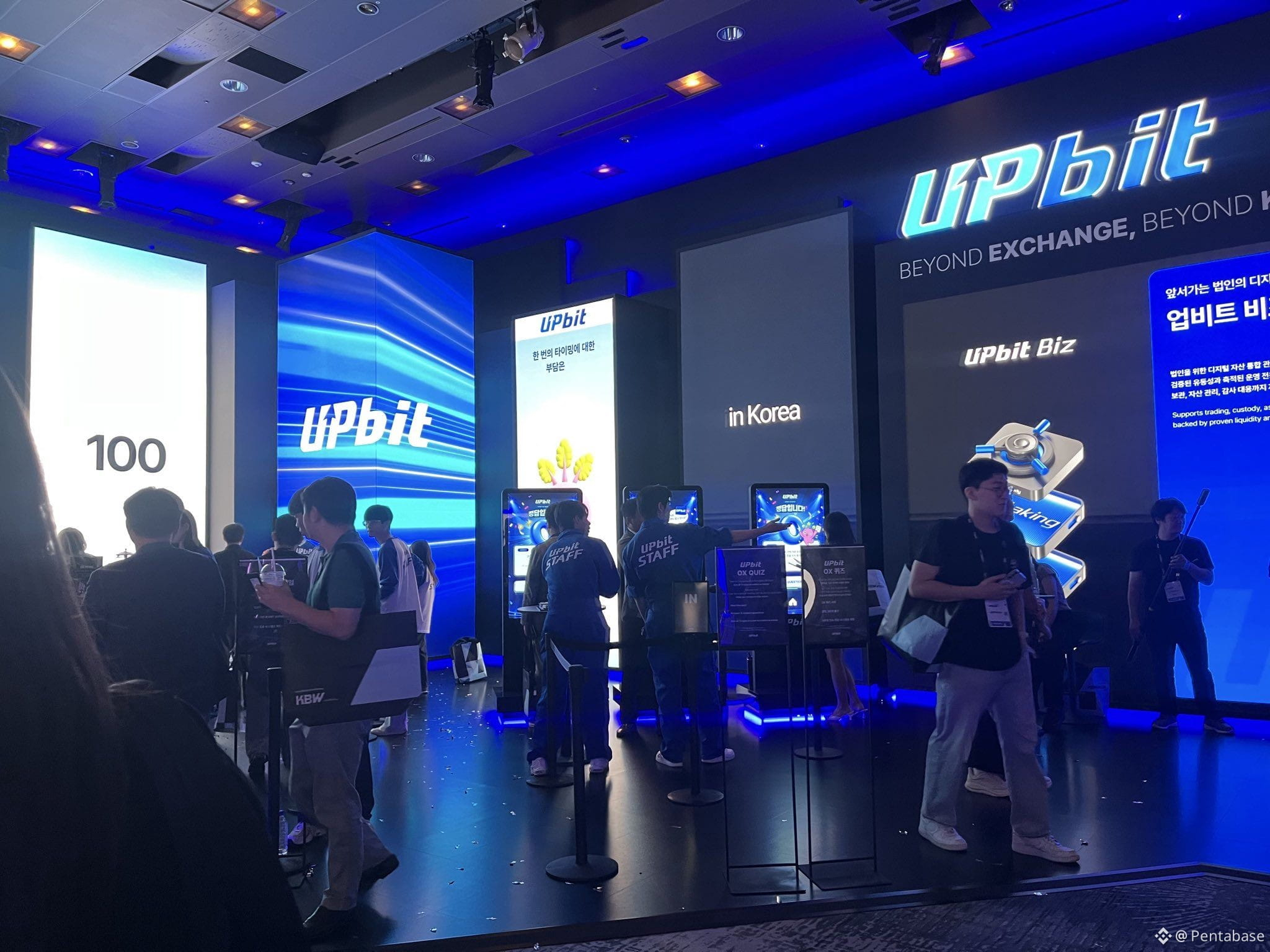
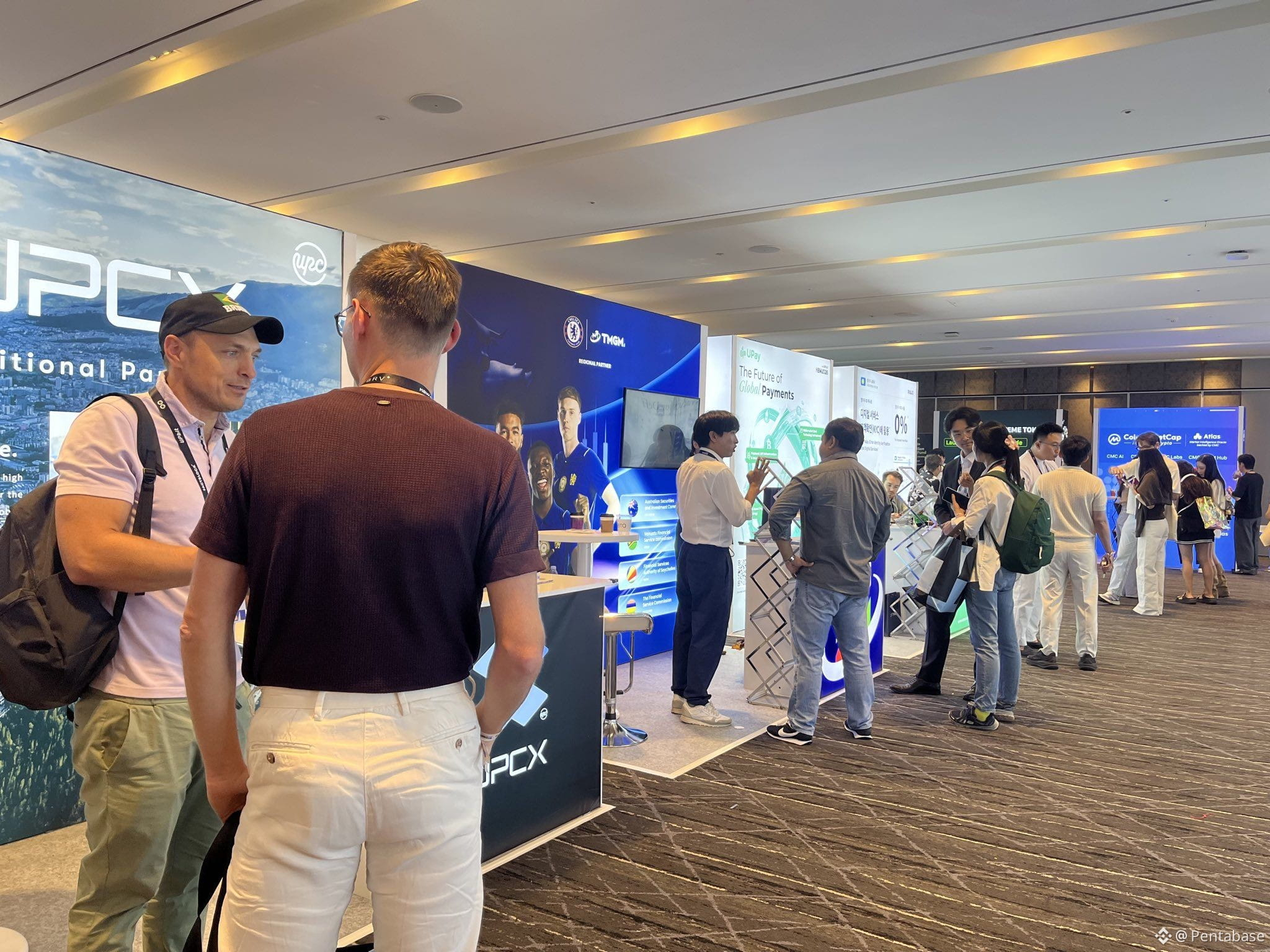
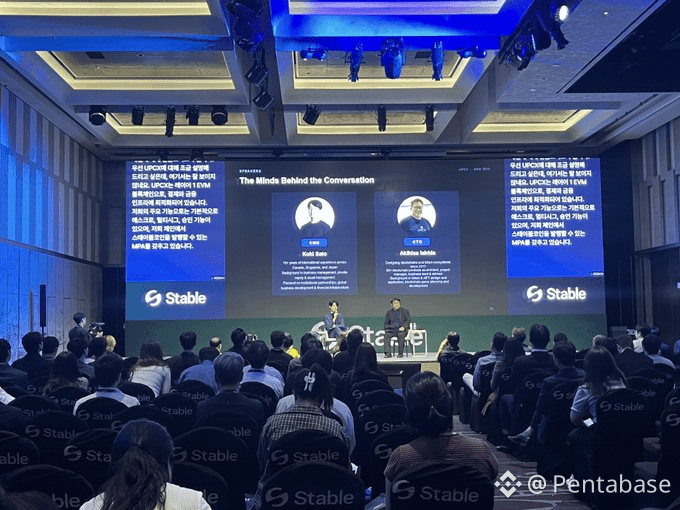
Visited the main venue of KBW 🇰🇷 It was a great opportunity to discover new projects, meet different teams, and learn more about what various institutions and builders are working on. As one of Korea’s biggest Web3 events, the energy at the venue was incredible. 🔥 A great day of conversations, new insights, and meeting people from across the ecosystem.
Visited the main venue of KBW 🇰🇷 It was a great opportunity to discover new projects, meet different teams, and learn more about what various institutions and builders are working on. As one of Korea’s biggest Web3 events, the energy at the venue was incredible. 🔥 A great day of conversations, new insights, and meeting people from across the ecosystem.
1
73
·
--
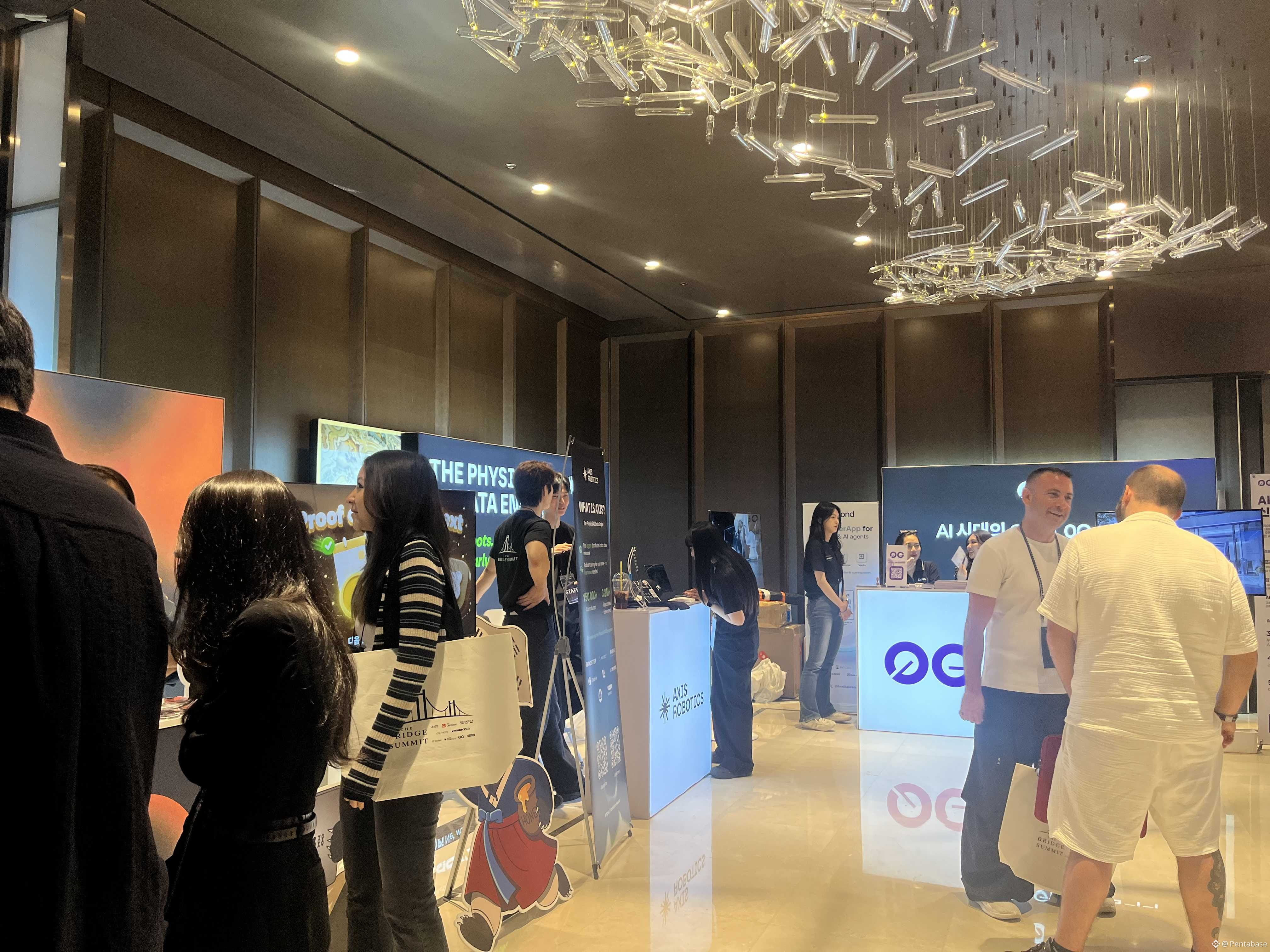
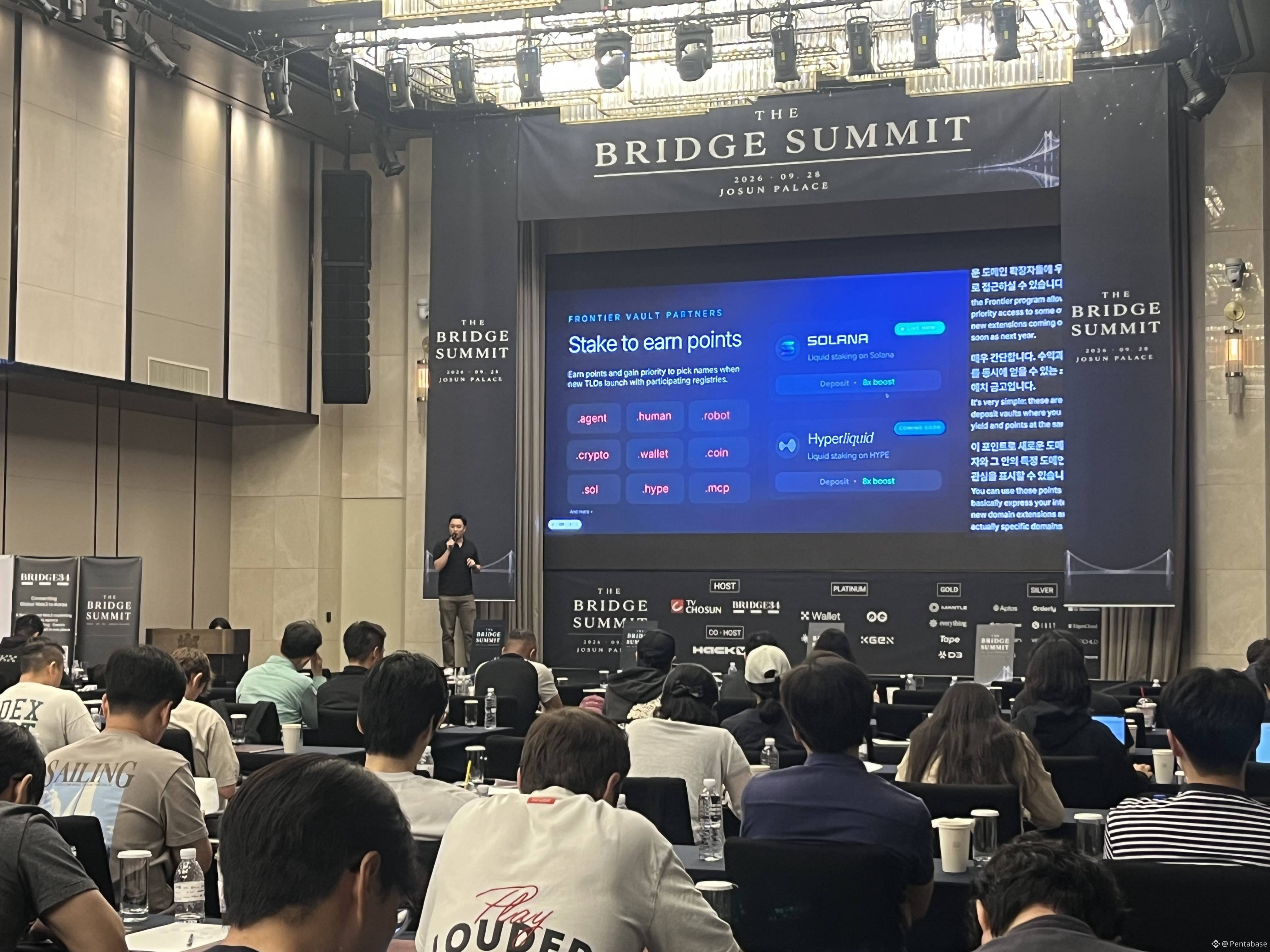
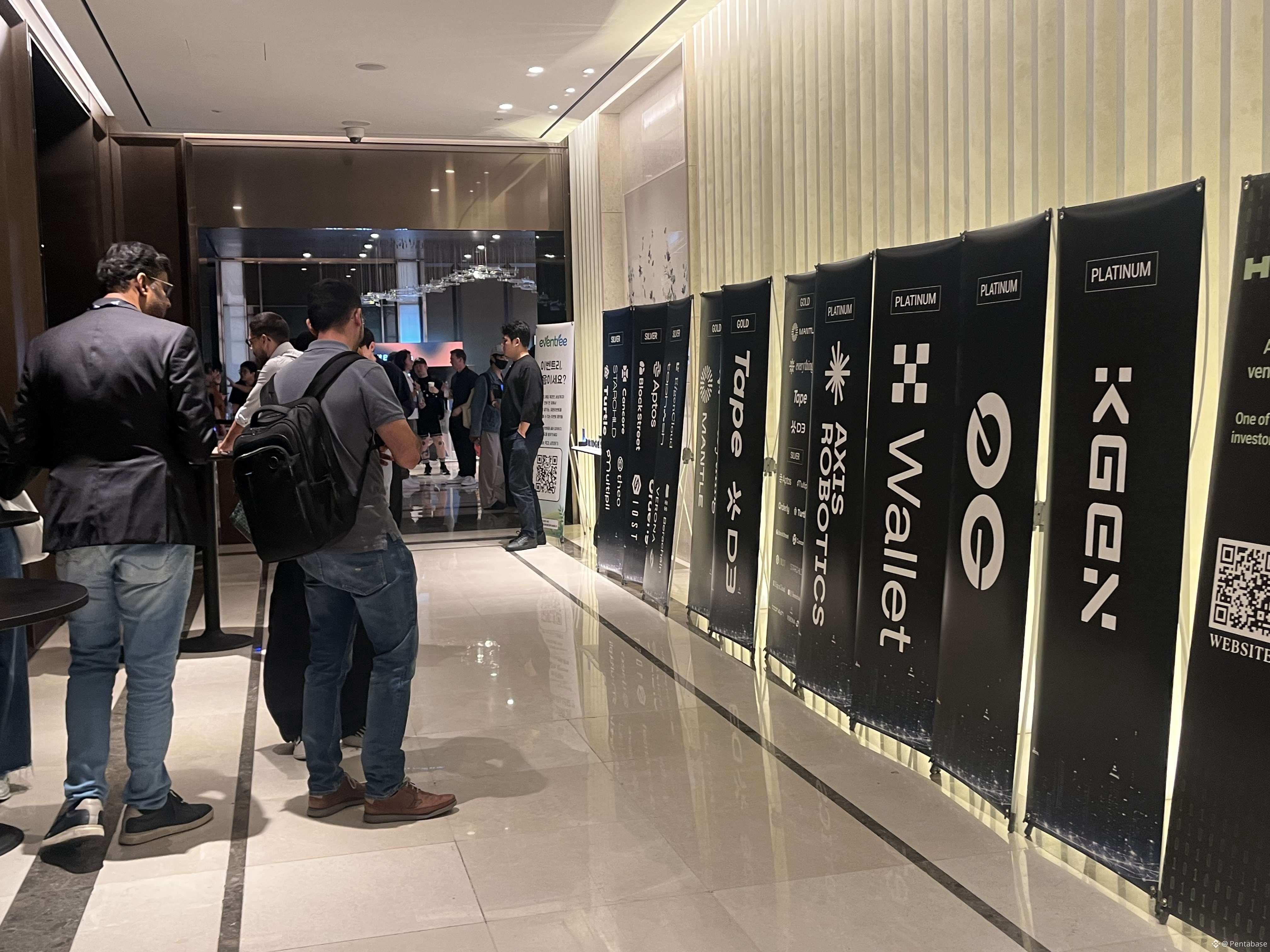
Attended The Bridge Summit 2026 in Seoul today. It was a great opportunity to hear different perspectives from global Web3 projects, institutions, investors, and media around digital assets, AI, and tokenized finance. Great conversations and valuable connections with people across the industry. 🤝
Attended The Bridge Summit 2026 in Seoul today. It was a great opportunity to hear different perspectives from global Web3 projects, institutions, investors, and media around digital assets, AI, and tokenized finance. Great conversations and valuable connections with people across the industry. 🤝
1
67
·
--
A fake mainnet and cross-chain bridge impersonating GIWA Chain, an Ethereum Layer 2 developed by Dunamu, have emerged, with more than 766 ETH reportedly transferred through the fraudulent bridge. The scammers used the actual GIWA Chain ID 9134, making the fake network appear legitimate during initial verification and encouraging users to transfer ETH through the fraudulent bridge. However, GIWA Chain confirmed that its mainnet has not yet launched. The network currently available through official channels is still the testnet. DYORSWAP is working with professional security teams to trace the related addresses and flow of funds. The exchange also said it plans to use treasury funds to compensate affected users, with specific eligibility and compensation details to be announced after the investigation. Overall, the incident highlights the risks of fake networks and bridges impersonating upcoming blockchain projects, making it essential to verify official RPCs, Chain IDs, and contract addresses before transferring funds. 👀
A fake mainnet and cross-chain bridge impersonating GIWA Chain, an Ethereum Layer 2 developed by Dunamu, have emerged, with more than 766 ETH reportedly transferred through the fraudulent bridge. The scammers used the actual GIWA Chain ID 9134, making the fake network appear legitimate during initial verification and encouraging users to transfer ETH through the fraudulent bridge. However, GIWA Chain confirmed that its mainnet has not yet launched. The network currently available through official channels is still the testnet. DYORSWAP is working with professional security teams to trace the related addresses and flow of funds. The exchange also said it plans to use treasury funds to compensate affected users, with specific eligibility and compensation details to be announced after the investigation. Overall, the incident highlights the risks of fake networks and bridges impersonating upcoming blockchain projects, making it essential to verify official RPCs, Chain IDs, and contract addresses before transferring funds. 👀
1
85
·
--
As Pentabase celebrates Korean Thanksgiving Day (Chuseok), we want to take a moment to thank our partners and clients for making this year’s journey so rewarding. Wishing everyone a warm holiday with family, and we look forward to building even more together in the months ahead. 🌕
As Pentabase celebrates Korean Thanksgiving Day (Chuseok), we want to take a moment to thank our partners and clients for making this year’s journey so rewarding. Wishing everyone a warm holiday with family, and we look forward to building even more together in the months ahead. 🌕

1
58
·
--
Binance has invested $100 million in Circle and extended its strategic partnership to expand the USDC ecosystem for five years.
Under the new agreement, Binance will focus on expanding USDC access and adoption in emerging markets, while Circle will provide the infrastructure needed to support holding and using USDC.
The investment was made through the purchase of Circle’s Class A common stock at a 5% discount to the market price, with Binance agreeing not to sell the shares for up to two years, subject to customary exceptions.
The partnership goes beyond a simple equity investment, representing a long-term collaboration aimed at expanding USDC’s circulation and use cases across the global stablecoin market.
1
61
·
--
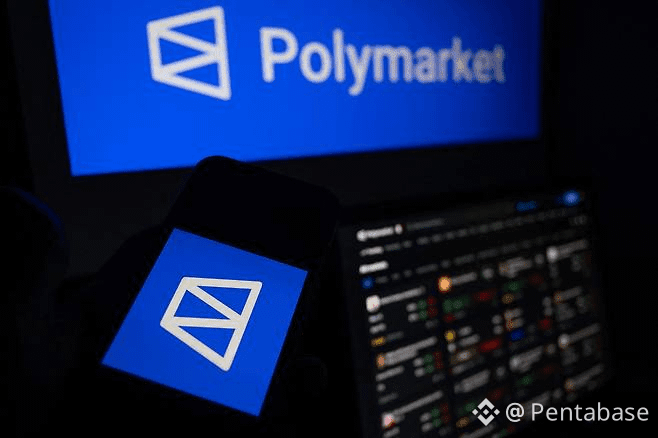
South Korean authorities are investigating users of prediction market platform Polymarket, raising broader questions about how prediction markets should be regulated in the Korean market.
According to police data, 26 users had been booked and 18 referred to prosecutors as of September 15. Their combined trading volume reached approximately ₩17.6 billion (~$13 million), with the largest individual amount reaching around ₩5.7 billion (~$4.2 million).
The key question is whether Polymarket should be treated as illegal gambling or a crypto-based derivatives market.
Police argue that the platform may fall under Korea’s gambling laws because users stake assets on uncertain outcomes and their financial gains or losses depend on those outcomes.
Users, however, argue that Polymarket differs from traditional gambling because it uses an order-book-based trading structure, allows positions to be closed before settlement, and operates through a non-custodial P2P model.
South Korean authorities also voted last month to block access to Polymarket. While Polymarket has argued that it does not provide Korean-language services, accept KRW payments, or directly custody user funds, authorities maintained that these technical and operational features do not exempt the platform from Korean law.
Overall,
South Korea’s case highlights a broader regulatory question: How should existing gambling and financial laws apply to emerging onchain prediction markets? 👀
63
·
--
Coinbase has renamed its Base App back to Coinbase wallet, just over a year after rebranding the wallet in 2025. When Base App launched, Coinbase positioned it as an “onchain super app” combining social feeds, creator content, mini apps, payments, and trading. However, as the social and creator-focused strategy fell short of expectations, the product gradually shifted toward onchain trading and self-custody. Today, Coinbase Wallet has expanded beyond Base, supporting multiple networks including Solana, Bitcoin, Ethereum, BNB Chain, Monad, and Robinhood Chain. It also offers access to onchain financial products such as perps, prediction markets, and tokenized stocks. The rebrand reflects a broader shift from a Base-centered super app to a multichain onchain financial platform. Importantly, the rebrand does not change how users custody their assets. Coinbase Wallet remains a self-custody wallet, with users maintaining control of their assets. Overall, Coinbase appears to be repositioning Base as blockchain infrastructure and Coinbase Wallet as the gateway to onchain finance. 👀
Coinbase has renamed its Base App back to Coinbase wallet, just over a year after rebranding the wallet in 2025. When Base App launched, Coinbase positioned it as an “onchain super app” combining social feeds, creator content, mini apps, payments, and trading. However, as the social and creator-focused strategy fell short of expectations, the product gradually shifted toward onchain trading and self-custody. Today, Coinbase Wallet has expanded beyond Base, supporting multiple networks including Solana, Bitcoin, Ethereum, BNB Chain, Monad, and Robinhood Chain. It also offers access to onchain financial products such as perps, prediction markets, and tokenized stocks. The rebrand reflects a broader shift from a Base-centered super app to a multichain onchain financial platform. Importantly, the rebrand does not change how users custody their assets. Coinbase Wallet remains a self-custody wallet, with users maintaining control of their assets. Overall, Coinbase appears to be repositioning Base as blockchain infrastructure and Coinbase Wallet as the gateway to onchain finance. 👀

·
--
Pentabase’s cluster partner TetherMax is entering a new phase of global expansion, appointing Korean actor Yoon Shi-yoon as its global ambassador. The move comes alongside a broader brand rebranding, as TetherMax prepares to launch new global promotions and campaigns targeting international markets. Yoon Shi-yoon, known for his extensive work across Korean television and entertainment, will play a key role in helping TetherMax build broader brand awareness beyond the digital asset space. The partnership reflects TetherMax’s ambition to move beyond its existing identity and establish itself as a more accessible, globally recognized brand. With the rebranding and global campaigns ahead, TetherMax is positioning itself for its next stage of growth.
Pentabase’s cluster partner TetherMax is entering a new phase of global expansion, appointing Korean actor Yoon Shi-yoon as its global ambassador. The move comes alongside a broader brand rebranding, as TetherMax prepares to launch new global promotions and campaigns targeting international markets. Yoon Shi-yoon, known for his extensive work across Korean television and entertainment, will play a key role in helping TetherMax build broader brand awareness beyond the digital asset space. The partnership reflects TetherMax’s ambition to move beyond its existing identity and establish itself as a more accessible, globally recognized brand. With the rebranding and global campaigns ahead, TetherMax is positioning itself for its next stage of growth.

72
·
--
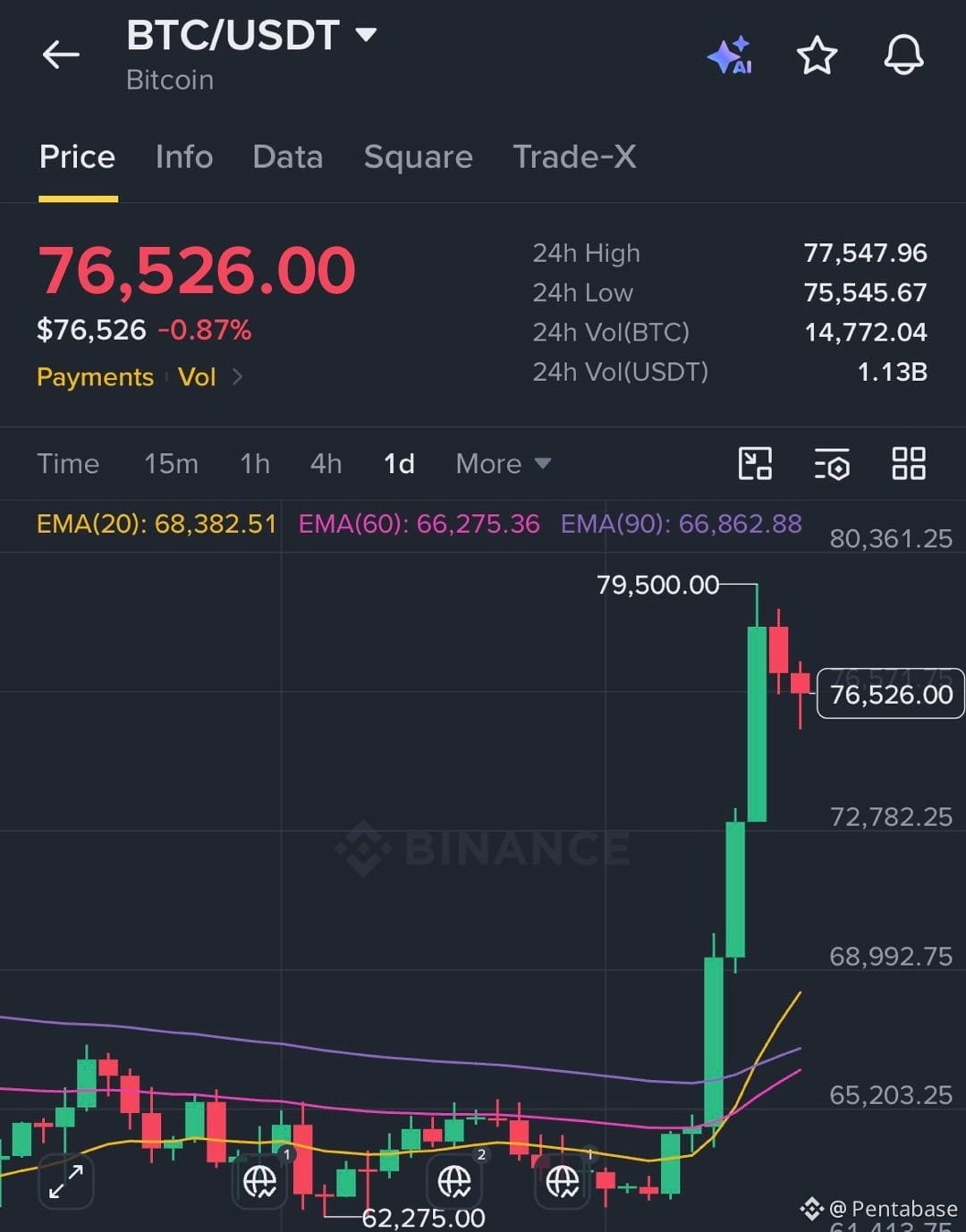
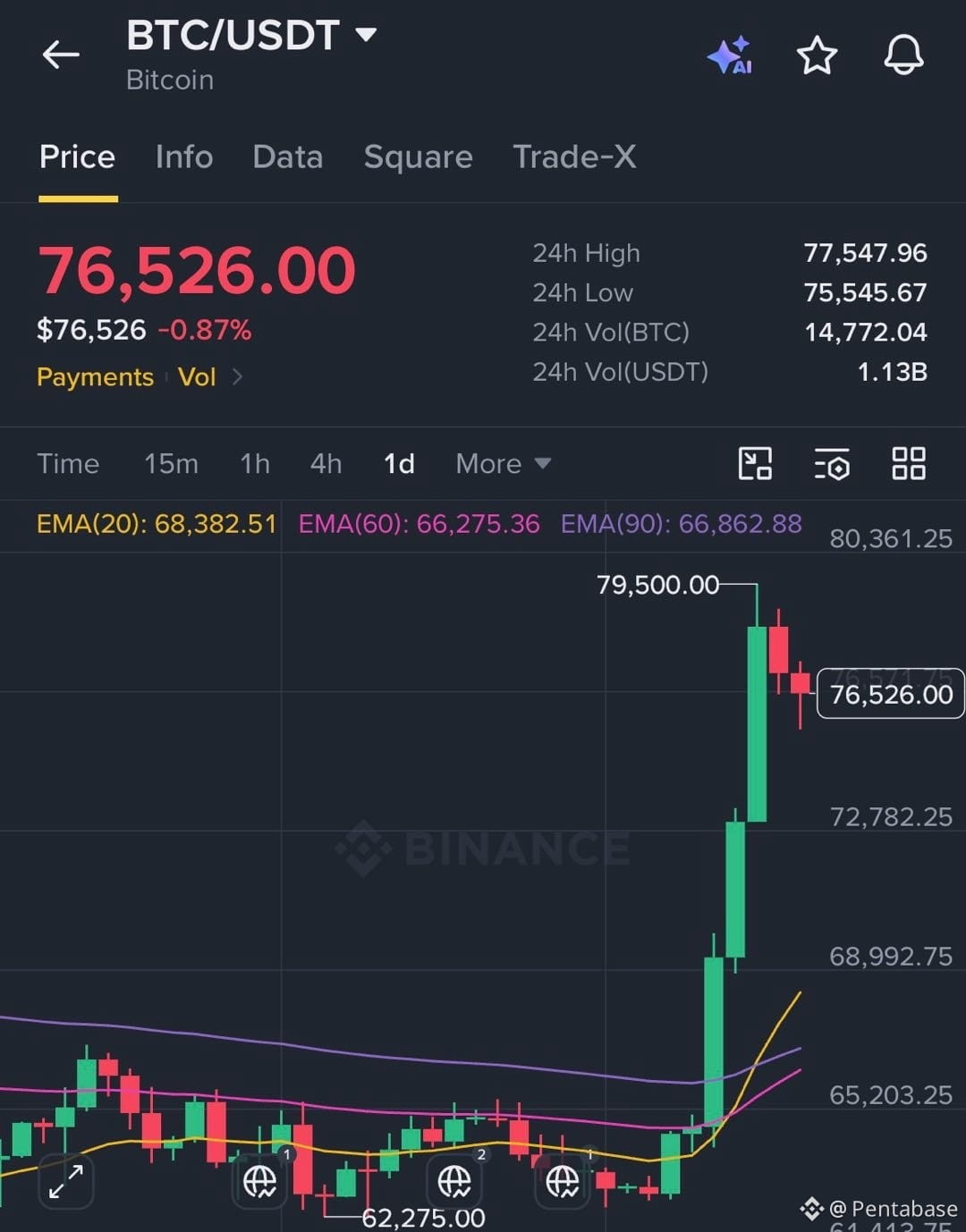
🚨 Bitcoin breaks above $79,000 following Trump’s remarks
President Trump said the U.S. is considering
“directly purchasing a substantial amount of Bitcoin and other cryptocurrencies.”
BTC continued its strong upward momentum,
eventually breaking above $79,000. 📈
🇺🇸 The possibility of direct U.S. government purchases
is fueling strong buying expectations across the market.
Regulation → Holdings → Direct Purchases
The U.S. approach to crypto appears to be entering
a new phase.
64
·
--
🚨 Bitcoin breaks above $79,000 following Trump’s remarks
President Trump said the U.S. is considering
“directly purchasing a substantial amount of Bitcoin and other cryptocurrencies.”
BTC continued its strong upward momentum,
eventually breaking above $77,000. 📈
🇺🇸 The possibility of direct U.S. government purchases
is fueling strong buying expectations across the market.
Regulation → Holdings → Direct Purchases
The U.S. approach to crypto appears to be entering
a new phase.
68
Log in to explore more content
Join global crypto users on Binance Square
⚡️ Get latest and useful information about crypto.
💬 Trusted by the world’s largest crypto exchange.
👍 Discover real insights from verified creators.
Email / Phone number
Trending Topics
BinanceReopensWithdrawalsForMoreAssets
702 views
85 Discussing
Security Incident | Recovery Update #6: Withdrawals Reopen for More Assets (2026-11-03)
Binance Announcement
·28 Likes
·46.6k views
AppleReportsMixedResults
2,055 views
117 Discussing
BinanceWithdrawalScamWarning
75,508 views
927 Discussing