

Lucasol 1
87 Posts

Lucasol 1
Report
Block User
Creador de contenido
0 Following
0 Followers
3 Liked
Posts
·
--
Now #PythNetwork is already an external distributor of Nasdaq Basic.
Nasdaq’s real-time quotes and trades feed now arrives via the Pyth Data Marketplace.
It covers all stocks listed in the U.S., not just those on Nasdaq, and includes the official opening and closing prices.
It’s the option brokers, banks, and fintechs have been using for years when they don’t want to pay for the expensive consolidated feed. Now it’s also coming to software apps and onchain, with Nasdaq keeping control.
Pyth is positioning itself as the layer that connects institutional data with these new destinations (DeFi, onchain apps, RWA). This isn’t just another partnership.
This is TradFi opening a direct channel to where the next generation of financial applications is being built.
Web3 is inevitable in everyday life. $PYTH
Now #PythNetwork is already an external distributor of Nasdaq Basic.
Nasdaq’s real-time quotes and trades feed now arrives via the Pyth Data Marketplace.
It covers all stocks listed in the U.S., not just those on Nasdaq, and includes the official opening and closing prices.
It’s the option brokers, banks, and fintechs have been using for years when they don’t want to pay for the expensive consolidated feed. Now it’s also coming to software apps and onchain, with Nasdaq keeping control.
Pyth is positioning itself as the layer that connects institutional data with these new destinations (DeFi, onchain apps, RWA). This isn’t just another partnership.
This is TradFi opening a direct channel to where the next generation of financial applications is being built.
Web3 is inevitable in everyday life. $PYTH
Nasdaq’s real-time quotes and trades feed now arrives via the Pyth Data Marketplace.
It covers all stocks listed in the U.S., not just those on Nasdaq, and includes the official opening and closing prices.
It’s the option brokers, banks, and fintechs have been using for years when they don’t want to pay for the expensive consolidated feed. Now it’s also coming to software apps and onchain, with Nasdaq keeping control.
Pyth is positioning itself as the layer that connects institutional data with these new destinations (DeFi, onchain apps, RWA). This isn’t just another partnership.
This is TradFi opening a direct channel to where the next generation of financial applications is being built.
Web3 is inevitable in everyday life. $PYTH
71
·
--
The Apes of the #ApeChain already have a home on Solana.
Today, Sunrise listed $APE as the canonical token, with liquidity from day one and trading on Raydium.
ApeCoin stops being only the token of BAYC, Otherside, and ApeChain. Now it also moves natively on Solana, with cent-level fees and the usual speed.
Solana keeps bringing what people already use on other chains, but without the hassle of a thousand different versions. First PEPE, now APE.
Always bullish with $SOL
The Apes of the #ApeChain already have a home on Solana.
Today, Sunrise listed $APE as the canonical token, with liquidity from day one and trading on Raydium.
ApeCoin stops being only the token of BAYC, Otherside, and ApeChain. Now it also moves natively on Solana, with cent-level fees and the usual speed.
Solana keeps bringing what people already use on other chains, but without the hassle of a thousand different versions. First PEPE, now APE.
Always bullish with $SOL
Today, Sunrise listed $APE as the canonical token, with liquidity from day one and trading on Raydium.
ApeCoin stops being only the token of BAYC, Otherside, and ApeChain. Now it also moves natively on Solana, with cent-level fees and the usual speed.
Solana keeps bringing what people already use on other chains, but without the hassle of a thousand different versions. First PEPE, now APE.
Always bullish with $SOL
57
·
--
X now lets you take actions with crypto directly from the timeline.
It’s connected with: Gemini, Kraken, Moomoo, Coinbase and Interactive Brokers
A simple feature: you tap a cashtag like $BTC or $SOL, see the chart and the conversation, then hit “Trade”. X doesn’t place the order, but redirects you to the exchange or broker to complete the transaction.
This program adds the final cherry on top—going from the conversation to the order with less friction. Several outlets reported that a previous pilot would have moved around $1 billion in volume in the first three days.
Folks, this is aligned with Elon Musk’s vision of X as a financial superapp, alongside X Money and more integrations. The advantage is speed: from a bullish tweet or a chart to trying to trade in just a few taps.
X now lets you take actions with crypto directly from the timeline.
It’s connected with: Gemini, Kraken, Moomoo, Coinbase and Interactive Brokers
A simple feature: you tap a cashtag like $BTC or $SOL, see the chart and the conversation, then hit “Trade”. X doesn’t place the order, but redirects you to the exchange or broker to complete the transaction.
This program adds the final cherry on top—going from the conversation to the order with less friction. Several outlets reported that a previous pilot would have moved around $1 billion in volume in the first three days.
Folks, this is aligned with Elon Musk’s vision of X as a financial superapp, alongside X Money and more integrations. The advantage is speed: from a bullish tweet or a chart to trying to trade in just a few taps.
It’s connected with: Gemini, Kraken, Moomoo, Coinbase and Interactive Brokers
A simple feature: you tap a cashtag like $BTC or $SOL, see the chart and the conversation, then hit “Trade”. X doesn’t place the order, but redirects you to the exchange or broker to complete the transaction.
This program adds the final cherry on top—going from the conversation to the order with less friction. Several outlets reported that a previous pilot would have moved around $1 billion in volume in the first three days.
Folks, this is aligned with Elon Musk’s vision of X as a financial superapp, alongside X Money and more integrations. The advantage is speed: from a bullish tweet or a chart to trying to trade in just a few taps.
1
106
·
--
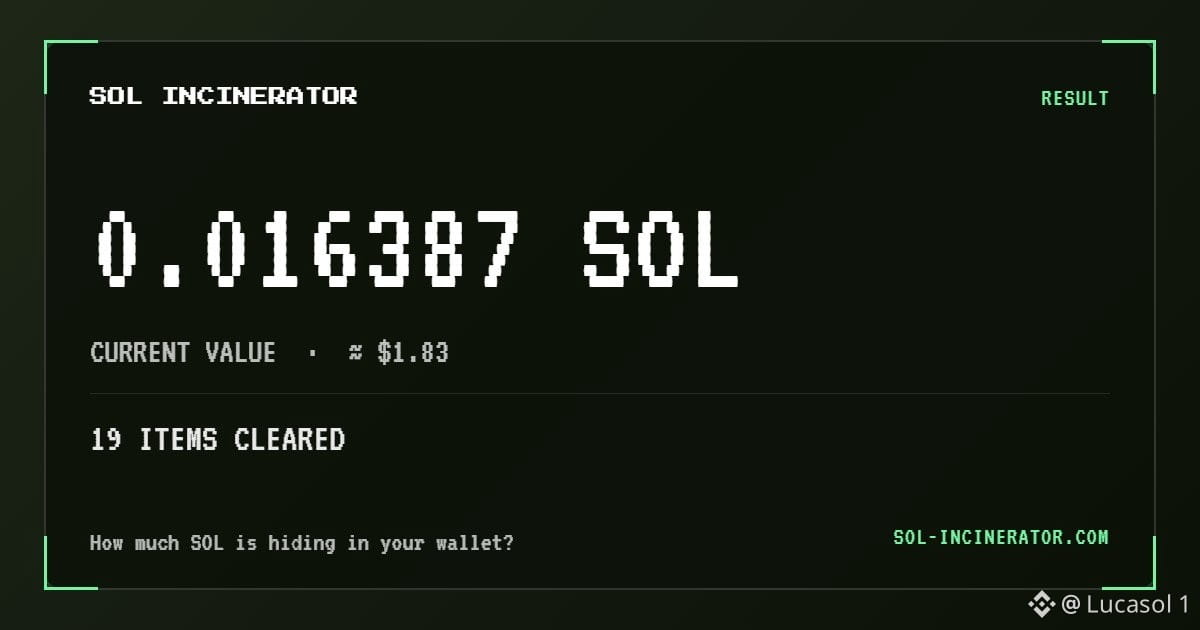
I have claimed 0.016387 $SOL on #solincinerator for using a Solana wallet; accounts created that consume commissions or something to get back. I remember that a few months ago I also claimed 0.25 SOL.
Claim now your SOL 👇👇👇
sol-incinerator.com/?ref=lucasol
I have claimed 0.016387 $SOL on #solincinerator for using a Solana wallet; accounts created that consume commissions or something to get back. I remember that a few months ago I also claimed 0.25 SOL.
Claim now your SOL 👇👇👇
sol-incinerator.com/?ref=lucasol
Claim now your SOL 👇👇👇
sol-incinerator.com/?ref=lucasol
·
--
Now #jumperapp has a WL that we don't know what it's for, so let's go for it, since some projects have been offering rewards with similar things in the ecosystem.
- Connect the X account
- Wait
Go for it
waitlist.jumper.xyz/r/JMP-6A36DCE1
Now #jumperapp has a WL that we don't know what it's for, so let's go for it, since some projects have been offering rewards with similar things in the ecosystem.
- Connect the X account
- Wait
Go for it
waitlist.jumper.xyz/r/JMP-6A36DCE1
- Connect the X account
- Wait
Go for it
waitlist.jumper.xyz/r/JMP-6A36DCE1

67
·
--
The #CoinEx exchange closes after 9 years 🚨 The exchange announced an orderly shutdown. Reason: a bear market, less volume, and ever-increasing compliance costs. Key dates: • Sep 15: no more registrations or new products • Sep 29: the spot market closes and they repurchase CET at 0.005 USDT • Dec 22: last day to withdraw They claim to have +100% reserves. Wallet and Vault are not affected—if you have funds there, withdraw as soon as possible. If you want to withdraw your tokens in their original form, do so before Sep 29. CoinEx Wallet and CoinEx Vault continue to operate. These are separate services. If you have an account there, don’t leave it for the end.
The #CoinEx exchange closes after 9 years 🚨 The exchange announced an orderly shutdown. Reason: a bear market, less volume, and ever-increasing compliance costs. Key dates: • Sep 15: no more registrations or new products • Sep 29: the spot market closes and they repurchase CET at 0.005 USDT • Dec 22: last day to withdraw They claim to have +100% reserves. Wallet and Vault are not affected—if you have funds there, withdraw as soon as possible. If you want to withdraw your tokens in their original form, do so before Sep 29. CoinEx Wallet and CoinEx Vault continue to operate. These are separate services. If you have an account there, don’t leave it for the end.

70
·
--
Anthropic, OpenAI, and Google would be exploring the creation of a joint entity to establish safety standards in advanced artificial intelligence.
The idea is meant to build trust in the use of these models, especially for sensitive tasks. However, it also raises risks:
- Large labs could end up defining the rules of the market.
- Compliance costs could affect startups.
- The independence of evaluators would be a key challenge.
- The United States and Europe would have to coordinate their regulatory frameworks.
Will these standards make AI safer, or will they ultimately strengthen the power of the largest companies? We’ll find out in a couple of years for sure.
The world keeps evolving, and we should take advantage of opportunities wisely.
Anthropic, OpenAI, and Google would be exploring the creation of a joint entity to establish safety standards in advanced artificial intelligence.
The idea is meant to build trust in the use of these models, especially for sensitive tasks. However, it also raises risks:
- Large labs could end up defining the rules of the market.
- Compliance costs could affect startups.
- The independence of evaluators would be a key challenge.
- The United States and Europe would have to coordinate their regulatory frameworks.
Will these standards make AI safer, or will they ultimately strengthen the power of the largest companies? We’ll find out in a couple of years for sure.
The world keeps evolving, and we should take advantage of opportunities wisely.
The idea is meant to build trust in the use of these models, especially for sensitive tasks. However, it also raises risks:
- Large labs could end up defining the rules of the market.
- Compliance costs could affect startups.
- The independence of evaluators would be a key challenge.
- The United States and Europe would have to coordinate their regulatory frameworks.
Will these standards make AI safer, or will they ultimately strengthen the power of the largest companies? We’ll find out in a couple of years for sure.
The world keeps evolving, and we should take advantage of opportunities wisely.

60
·
--
The way people talk about stablecoins is changing a bit.
The GENIUS Act and the CLARITY Act agree on one thing: you cannot pay yield just for holding the coin idle. Rewards tied to payments, transactions, and real use can be given. The regulator wants to move from the usual buy and hold to buy and use.
The reason is simple: if a stablecoin yields like a savings account, it competes with banks under the same rules. Banks fear deposit flight; passive yield, no. Rewards for activity, yes.
Adoption is no longer the question. It seems the narrative is starting to change; or rather, which kind of digital dollar wins the next decade: the one that looks like savings, or the one used to pay and settle.
If the laws are implemented as they are, we are seeing the birth of a regulated layer of digital dollars, and that could indeed be a major change for the monetary system.
In Colombia, this is something it would be interesting to see with much clearer regulation; meanwhile, we keep using the Binance Card.
The way people talk about stablecoins is changing a bit.
The GENIUS Act and the CLARITY Act agree on one thing: you cannot pay yield just for holding the coin idle. Rewards tied to payments, transactions, and real use can be given. The regulator wants to move from the usual buy and hold to buy and use.
The reason is simple: if a stablecoin yields like a savings account, it competes with banks under the same rules. Banks fear deposit flight; passive yield, no. Rewards for activity, yes.
Adoption is no longer the question. It seems the narrative is starting to change; or rather, which kind of digital dollar wins the next decade: the one that looks like savings, or the one used to pay and settle.
If the laws are implemented as they are, we are seeing the birth of a regulated layer of digital dollars, and that could indeed be a major change for the monetary system.
In Colombia, this is something it would be interesting to see with much clearer regulation; meanwhile, we keep using the Binance Card.
The GENIUS Act and the CLARITY Act agree on one thing: you cannot pay yield just for holding the coin idle. Rewards tied to payments, transactions, and real use can be given. The regulator wants to move from the usual buy and hold to buy and use.
The reason is simple: if a stablecoin yields like a savings account, it competes with banks under the same rules. Banks fear deposit flight; passive yield, no. Rewards for activity, yes.
Adoption is no longer the question. It seems the narrative is starting to change; or rather, which kind of digital dollar wins the next decade: the one that looks like savings, or the one used to pay and settle.
If the laws are implemented as they are, we are seeing the birth of a regulated layer of digital dollars, and that could indeed be a major change for the monetary system.
In Colombia, this is something it would be interesting to see with much clearer regulation; meanwhile, we keep using the Binance Card.
73
·
--
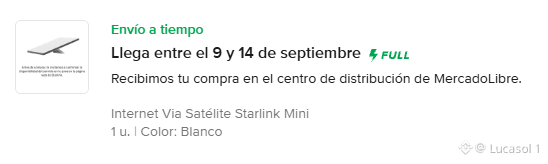
My third purchase with the #BinanceCard
I’ve had the card since March, and so far I’ve made a couple of purchases on Mercado Libre and in supermarkets in Colombia.
Now buying with $USDC on #MercadoLibreColombia in the official #Starlink store, taking advantage of the discount on the Starlink Mini.
I’m in the process of changing my residence permanently or until my work situation improves a bit, so I need a good connection since in the place where I’ll be normally, the traditional operators are a bit F.
My third purchase with the #BinanceCard
I’ve had the card since March, and so far I’ve made a couple of purchases on Mercado Libre and in supermarkets in Colombia.
Now buying with $USDC on #MercadoLibreColombia in the official #Starlink store, taking advantage of the discount on the Starlink Mini.
I’m in the process of changing my residence permanently or until my work situation improves a bit, so I need a good connection since in the place where I’ll be normally, the traditional operators are a bit F.
I’ve had the card since March, and so far I’ve made a couple of purchases on Mercado Libre and in supermarkets in Colombia.
Now buying with $USDC on #MercadoLibreColombia in the official #Starlink store, taking advantage of the discount on the Starlink Mini.
I’m in the process of changing my residence permanently or until my work situation improves a bit, so I need a good connection since in the place where I’ll be normally, the traditional operators are a bit F.
72
·
--
Enable double security (2FA) Protect your X account ⚠️ Reports from many colleagues (cryptos) about reset emails, spam, and unauthorized access. Nikita confirmed the massive attack—stay safe. There are people who only know how to do harm to others; they live their lives in dim light.
Enable double security (2FA) Protect your X account ⚠️ Reports from many colleagues (cryptos) about reset emails, spam, and unauthorized access. Nikita confirmed the massive attack—stay safe. There are people who only know how to do harm to others; they live their lives in dim light.
44
·
--
USDC reaches the Premier League
Now #Circle becomes the main sponsor of #Chelsea fc
Starting with this season 2026/27, $USDC will be featured on the front of the shirts for the men’s, women’s, and academy teams.
One of the strongest stablecoins together with a football club, in one of the biggest stages in world football.
Crypto is inevitable; blockchain will keep reaching more businesses and everyday people.
USDC reaches the Premier League
Now #Circle becomes the main sponsor of #Chelsea fc
Starting with this season 2026/27, $USDC will be featured on the front of the shirts for the men’s, women’s, and academy teams.
One of the strongest stablecoins together with a football club, in one of the biggest stages in world football.
Crypto is inevitable; blockchain will keep reaching more businesses and everyday people.
Now #Circle becomes the main sponsor of #Chelsea fc
Starting with this season 2026/27, $USDC will be featured on the front of the shirts for the men’s, women’s, and academy teams.
One of the strongest stablecoins together with a football club, in one of the biggest stages in world football.
Crypto is inevitable; blockchain will keep reaching more businesses and everyday people.

69
·
--
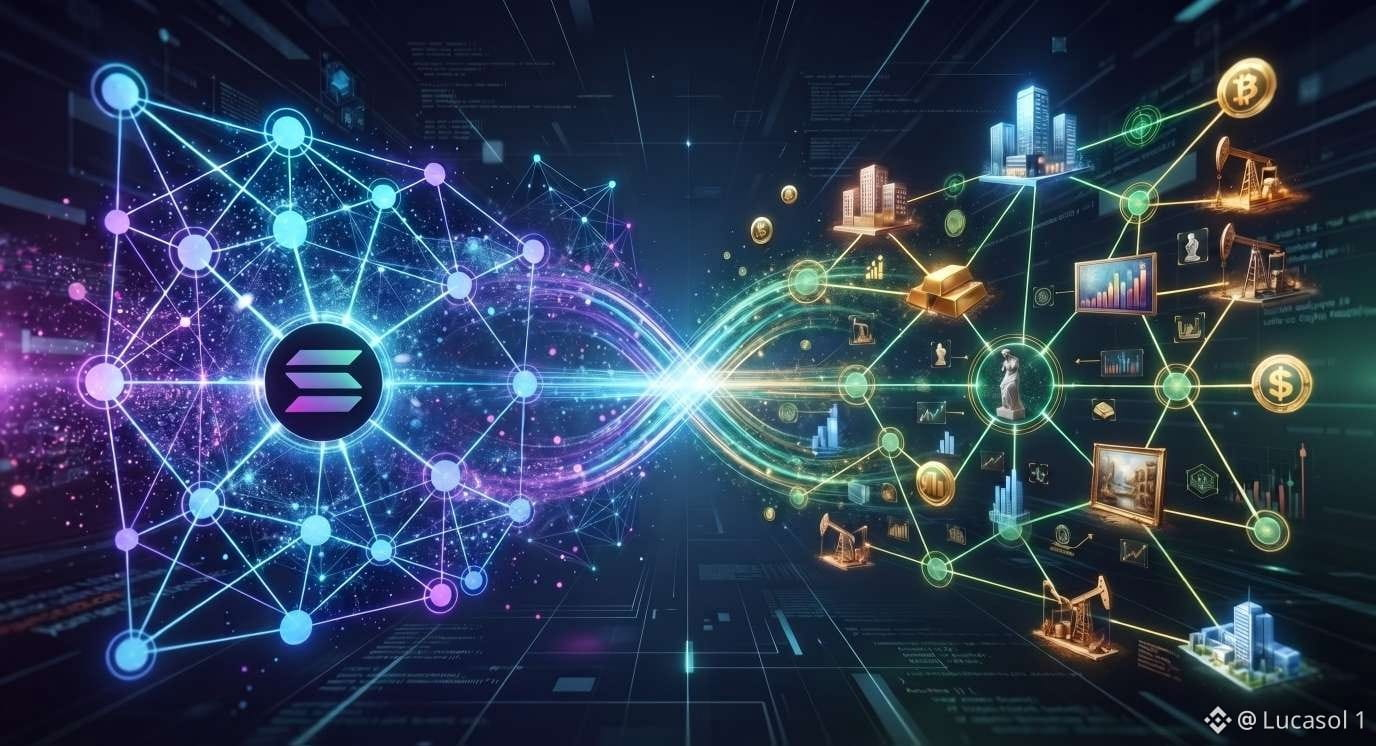
Solana continues to grow in the RWA world.
Solana’s real-world asset (RWA) ecosystem has just hit a new all-time high, surpassing $4.0 billion in total value and reaching more than 350,000 holders, according to @SolanaFloor
By late July, it was approximately $3.7B and 313,000 holders.
The growth includes tokenized assets such as Treasury bills and stocks, showing wider adoption of Solana for bringing financial assets on-chain.
More capital, more users—this is an interesting sign for the future of Solana and its RWA ecosystem.
Now it remains to be seen whether this growth, along with possible regulatory progress, ETFs, and network updates, also ends up reflecting in the price of $SOL. 👀
Solana doesn’t just want to move tokens. It also wants to move real-world assets.
Solana continues to grow in the RWA world.
Solana’s real-world asset (RWA) ecosystem has just hit a new all-time high, surpassing $4.0 billion in total value and reaching more than 350,000 holders, according to @SolanaFloor
By late July, it was approximately $3.7B and 313,000 holders.
The growth includes tokenized assets such as Treasury bills and stocks, showing wider adoption of Solana for bringing financial assets on-chain.
More capital, more users—this is an interesting sign for the future of Solana and its RWA ecosystem.
Now it remains to be seen whether this growth, along with possible regulatory progress, ETFs, and network updates, also ends up reflecting in the price of $SOL. 👀
Solana doesn’t just want to move tokens. It also wants to move real-world assets.
Solana’s real-world asset (RWA) ecosystem has just hit a new all-time high, surpassing $4.0 billion in total value and reaching more than 350,000 holders, according to @SolanaFloor
By late July, it was approximately $3.7B and 313,000 holders.
The growth includes tokenized assets such as Treasury bills and stocks, showing wider adoption of Solana for bringing financial assets on-chain.
More capital, more users—this is an interesting sign for the future of Solana and its RWA ecosystem.
Now it remains to be seen whether this growth, along with possible regulatory progress, ETFs, and network updates, also ends up reflecting in the price of $SOL. 👀
Solana doesn’t just want to move tokens. It also wants to move real-world assets.
76
·
--
Now #Phantom
will stop supporting $SUI
on September 24.
It’s a shame to hear these news, but it’s already a fact: one of my favorite wallets and a network that promised a lot—but oh well.
Starting on that date, the wallet will remove support for Sui:
- Balance viewing
- Transfers
- Swaps
- Connections with dApps
If you have SUI in Phantom, it doesn’t mean your funds will disappear.
The change affects Sui support inside the app, so you’ll have to use another wallet to manage your assets.
If you have SUI in Phantom, keep in mind September 24 and prepare your migration in advance.
Now #Phantom
will stop supporting $SUI
on September 24.
It’s a shame to hear these news, but it’s already a fact: one of my favorite wallets and a network that promised a lot—but oh well.
Starting on that date, the wallet will remove support for Sui:
- Balance viewing
- Transfers
- Swaps
- Connections with dApps
If you have SUI in Phantom, it doesn’t mean your funds will disappear.
The change affects Sui support inside the app, so you’ll have to use another wallet to manage your assets.
If you have SUI in Phantom, keep in mind September 24 and prepare your migration in advance.
will stop supporting $SUI
on September 24.
It’s a shame to hear these news, but it’s already a fact: one of my favorite wallets and a network that promised a lot—but oh well.
Starting on that date, the wallet will remove support for Sui:
- Balance viewing
- Transfers
- Swaps
- Connections with dApps
If you have SUI in Phantom, it doesn’t mean your funds will disappear.
The change affects Sui support inside the app, so you’ll have to use another wallet to manage your assets.
If you have SUI in Phantom, keep in mind September 24 and prepare your migration in advance.

94
·
--
!Snapshot of .sol ready and this is what you need to know!
We took the onchain state of all .sol domains from @solananameservice that were registered before August 17, when registrations were paused.
This snapshot determines which domains receive a new .sol exactly like it and to which wallet it is sent:
- If it’s listed on SNS or Magic Eden, it goes to the listed wallet.
- If it’s tokenized but not listed, it goes to the wallet that holds it.
- If it’s from a sub-registrar, it goes to the sub-registrar owner.
- The rest, to the wallet that has it.
You don’t have to make a claim, pay, or sign anything.
It’s delivered automatically.
Your .sol, your Web3 identity! $SNS
!Snapshot of .sol ready and this is what you need to know!
We took the onchain state of all .sol domains from @solananameservice that were registered before August 17, when registrations were paused.
This snapshot determines which domains receive a new .sol exactly like it and to which wallet it is sent:
- If it’s listed on SNS or Magic Eden, it goes to the listed wallet.
- If it’s tokenized but not listed, it goes to the wallet that holds it.
- If it’s from a sub-registrar, it goes to the sub-registrar owner.
- The rest, to the wallet that has it.
You don’t have to make a claim, pay, or sign anything.
It’s delivered automatically.
Your .sol, your Web3 identity! $SNS
We took the onchain state of all .sol domains from @solananameservice that were registered before August 17, when registrations were paused.
This snapshot determines which domains receive a new .sol exactly like it and to which wallet it is sent:
- If it’s listed on SNS or Magic Eden, it goes to the listed wallet.
- If it’s tokenized but not listed, it goes to the wallet that holds it.
- If it’s from a sub-registrar, it goes to the sub-registrar owner.
- The rest, to the wallet that has it.
You don’t have to make a claim, pay, or sign anything.
It’s delivered automatically.
Your .sol, your Web3 identity! $SNS
67
·
--
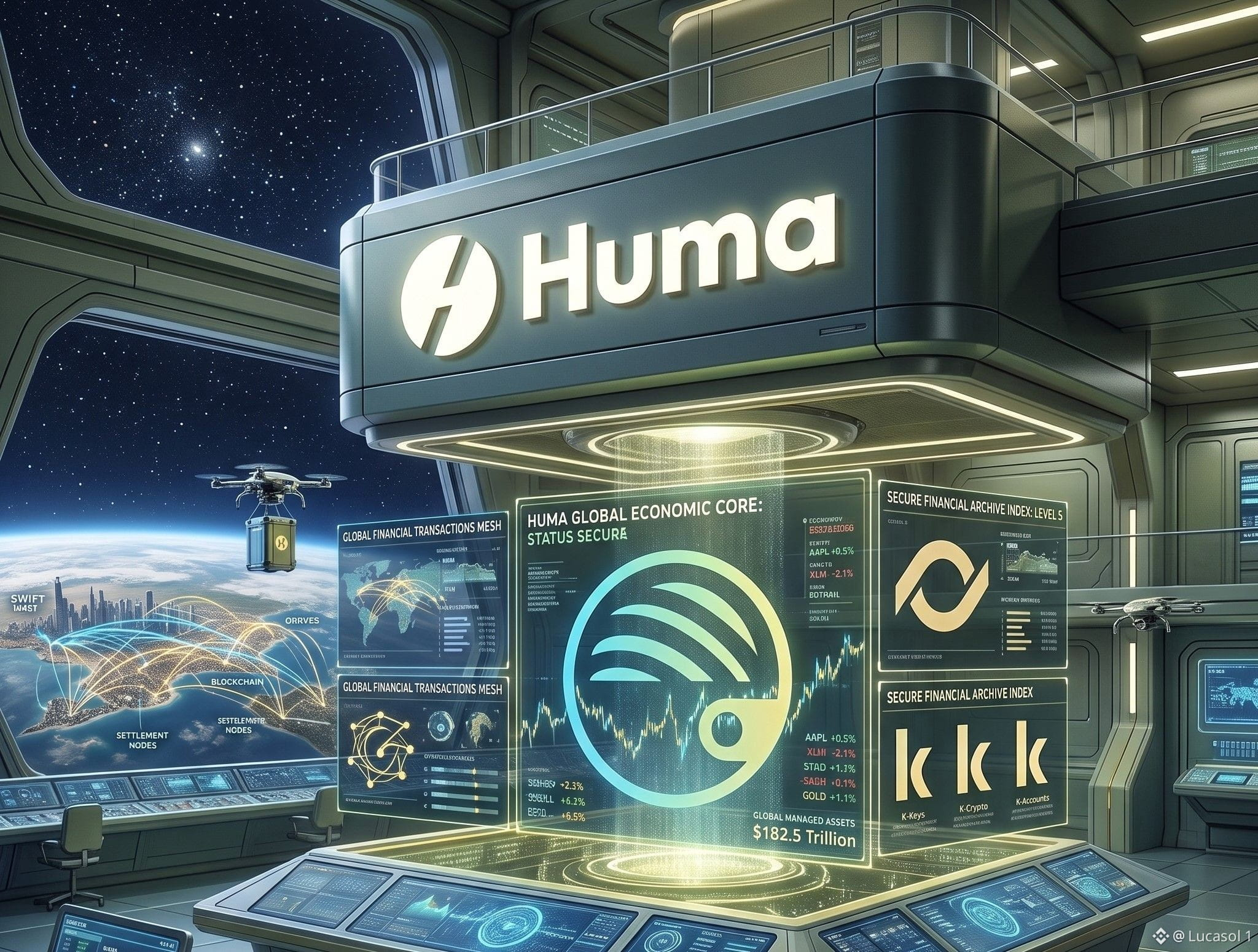
PayFi is building a much more efficient and accessible financial network than traditional systems.
In
humafinance
PST (Huma’s Liquid token) is like an asset that generates yield automatically and steadily, regardless of whether the crypto market is going up or down. That yield comes from real payment flows, not from token emissions or speculative betting.
Plus, it’s flexible—you can use it in almost any Solana protocol such as Jupiter, Kamino, and Loopscale.
And if you want to maximize it, you put it into the Huma Prime vault, where they “loop” to boost that yield and achieve double-digit returns.
With Solana, we have huge opportunities.
Join Huma now
$HUMA
https://app.huma.finance/?ref=NrGnkr
PayFi is building a much more efficient and accessible financial network than traditional systems.
In
humafinance
PST (Huma’s Liquid token) is like an asset that generates yield automatically and steadily, regardless of whether the crypto market is going up or down. That yield comes from real payment flows, not from token emissions or speculative betting.
Plus, it’s flexible—you can use it in almost any Solana protocol such as Jupiter, Kamino, and Loopscale.
And if you want to maximize it, you put it into the Huma Prime vault, where they “loop” to boost that yield and achieve double-digit returns.
With Solana, we have huge opportunities.
Join Huma now
$HUMA
https://app.huma.finance/?ref=NrGnkr
In
humafinance
PST (Huma’s Liquid token) is like an asset that generates yield automatically and steadily, regardless of whether the crypto market is going up or down. That yield comes from real payment flows, not from token emissions or speculative betting.
Plus, it’s flexible—you can use it in almost any Solana protocol such as Jupiter, Kamino, and Loopscale.
And if you want to maximize it, you put it into the Huma Prime vault, where they “loop” to boost that yield and achieve double-digit returns.
With Solana, we have huge opportunities.
Join Huma now
$HUMA
https://app.huma.finance/?ref=NrGnkr
69
·
--
Crypto, AI, and gambling companies are rapidly increasing their political influence in the U.S.
Ahead of the 2026 elections, corporations have already spent US$517 million, surpassing everything spent in the 2024 elections.
The crypto sector stands out in particular with Fairshake, a Super PAC backed by Coinbase, Ripple, and Andreessen Horowitz, which would still have about US$130 million to invest in campaigns.
The strategy is to support politicians from both parties who favor their interests, especially on issues such as crypto regulation and stablecoins.
Crypto is no longer only trying to influence markets; it is also investing millions to directly shape the rules that will define the future of the industry in the U.S.
Crypto, AI, and gambling companies are rapidly increasing their political influence in the U.S.
Ahead of the 2026 elections, corporations have already spent US$517 million, surpassing everything spent in the 2024 elections.
The crypto sector stands out in particular with Fairshake, a Super PAC backed by Coinbase, Ripple, and Andreessen Horowitz, which would still have about US$130 million to invest in campaigns.
The strategy is to support politicians from both parties who favor their interests, especially on issues such as crypto regulation and stablecoins.
Crypto is no longer only trying to influence markets; it is also investing millions to directly shape the rules that will define the future of the industry in the U.S.
Ahead of the 2026 elections, corporations have already spent US$517 million, surpassing everything spent in the 2024 elections.
The crypto sector stands out in particular with Fairshake, a Super PAC backed by Coinbase, Ripple, and Andreessen Horowitz, which would still have about US$130 million to invest in campaigns.
The strategy is to support politicians from both parties who favor their interests, especially on issues such as crypto regulation and stablecoins.
Crypto is no longer only trying to influence markets; it is also investing millions to directly shape the rules that will define the future of the industry in the U.S.

72
·
--
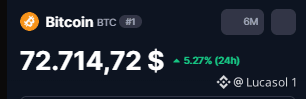
I like it when $BTC is green! Always bullish with Bitcoin.
I like it when $BTC is green! Always bullish with Bitcoin.
69
·
--
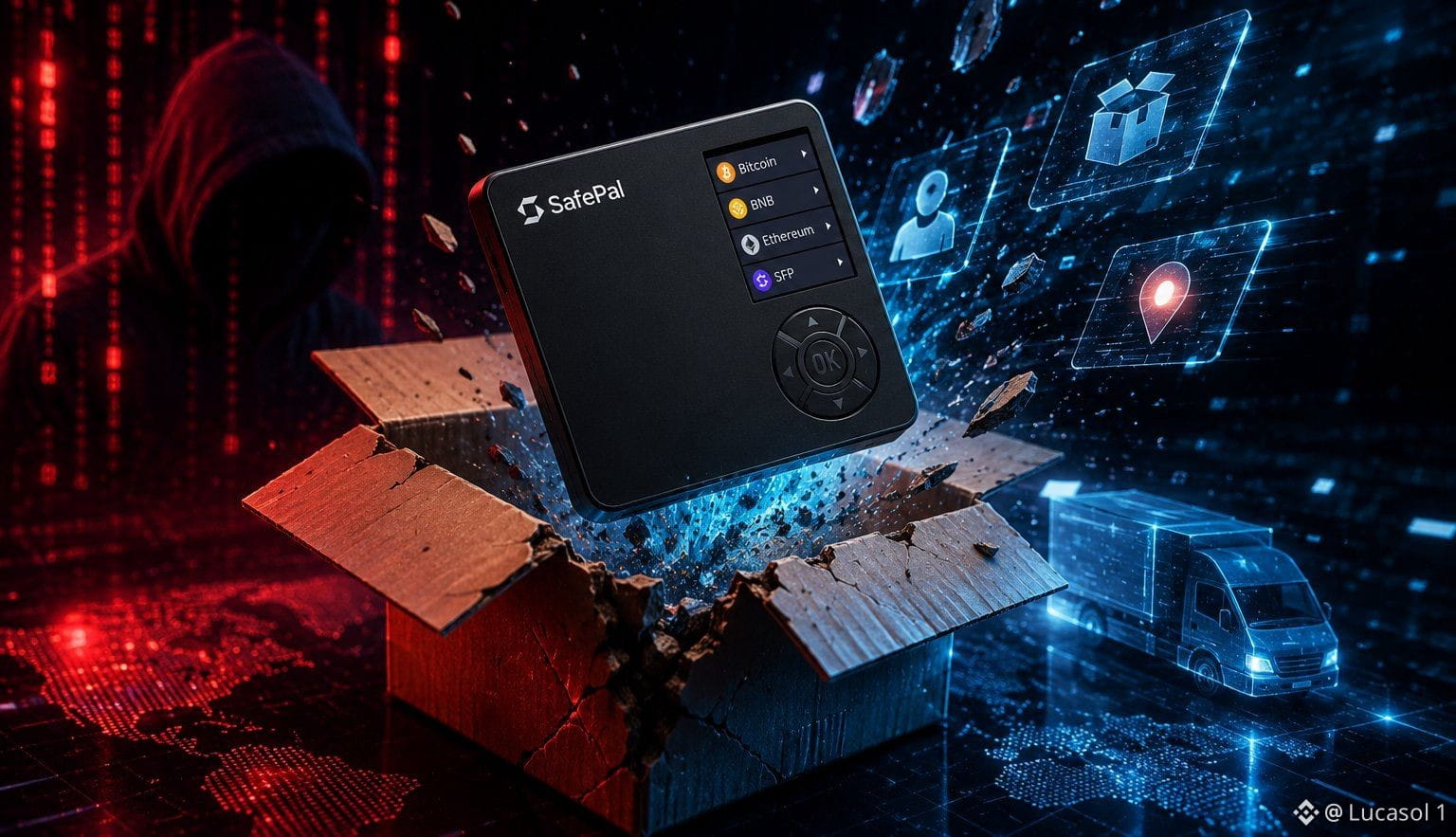
⚠️ #SafePal reports a data exposure affecting nearly 40,000 customers. The issue would be in the sales/logistics layer related to orders. Data such as names, addresses, purchase history, and contacts could end up being used for phishing, fake deliveries, or social engineering attacks. Your wallet may still be secure, but the data around it also matters. If you bought a SafePal, stay alert for suspicious emails, messages, or links. Never share or enter your seed phrase on a page you reach from an unexpected message. By the way, the wallet I redeemed thanks to CoinMarketCap diamonds is on its way. Private keys, seed phrases, and funds were not compromised.
⚠️ #SafePal reports a data exposure affecting nearly 40,000 customers. The issue would be in the sales/logistics layer related to orders. Data such as names, addresses, purchase history, and contacts could end up being used for phishing, fake deliveries, or social engineering attacks. Your wallet may still be secure, but the data around it also matters. If you bought a SafePal, stay alert for suspicious emails, messages, or links. Never share or enter your seed phrase on a page you reach from an unexpected message. By the way, the wallet I redeemed thanks to CoinMarketCap diamonds is on its way. Private keys, seed phrases, and funds were not compromised.
67
·
--
Polygon and the digital pound
#Polygon Labs was selected by the Bank of England to participate in Phase 2 of its Digital Pound Lab.
The experiment aims to test how stablecoins and a possible digital pound could interoperate to facilitate international trade.
The proposal includes stablecoin payments for exporters and settlements in a future digital pound for importers, seeking to reduce times, costs, and liquidity issues for small businesses.
For now, it’s just a test—there’s no real money and no decision to launch a digital pound.
But it makes something clear: central banks are already exploring how to connect CBDCs, stablecoins, and blockchain in real-world use cases.
Polygon and the digital pound
#Polygon Labs was selected by the Bank of England to participate in Phase 2 of its Digital Pound Lab.
The experiment aims to test how stablecoins and a possible digital pound could interoperate to facilitate international trade.
The proposal includes stablecoin payments for exporters and settlements in a future digital pound for importers, seeking to reduce times, costs, and liquidity issues for small businesses.
For now, it’s just a test—there’s no real money and no decision to launch a digital pound.
But it makes something clear: central banks are already exploring how to connect CBDCs, stablecoins, and blockchain in real-world use cases.
#Polygon Labs was selected by the Bank of England to participate in Phase 2 of its Digital Pound Lab.
The experiment aims to test how stablecoins and a possible digital pound could interoperate to facilitate international trade.
The proposal includes stablecoin payments for exporters and settlements in a future digital pound for importers, seeking to reduce times, costs, and liquidity issues for small businesses.
For now, it’s just a test—there’s no real money and no decision to launch a digital pound.
But it makes something clear: central banks are already exploring how to connect CBDCs, stablecoins, and blockchain in real-world use cases.
77
·
--
Last week of
#humafinance was well represented and demonstrating how strong it is.
PST landed in the top 3 for tokenized credit flows with $32M in 30 days, cross-border payment receivables that settle in days—no long-term credit.
Now trillions of dollars trapped in pre-funded accounts so global payments can work. PayFi and stablecoins eliminate that at the root. Institutions and MSBs can access liquidity instantly by borrowing against short-duration receivables.
It feels like the PayFi ecosystem is truly accelerating. Solana is real-yield backed by real payments—an incredibly powerful combination that gives confidence to us users, to businesses, and to everyone taking the step into the ecosystem. Bullish $HUMA
Last week of
#humafinance was well represented and demonstrating how strong it is.
PST landed in the top 3 for tokenized credit flows with $32M in 30 days, cross-border payment receivables that settle in days—no long-term credit.
Now trillions of dollars trapped in pre-funded accounts so global payments can work. PayFi and stablecoins eliminate that at the root. Institutions and MSBs can access liquidity instantly by borrowing against short-duration receivables.
It feels like the PayFi ecosystem is truly accelerating. Solana is real-yield backed by real payments—an incredibly powerful combination that gives confidence to us users, to businesses, and to everyone taking the step into the ecosystem. Bullish $HUMA
#humafinance was well represented and demonstrating how strong it is.
PST landed in the top 3 for tokenized credit flows with $32M in 30 days, cross-border payment receivables that settle in days—no long-term credit.
Now trillions of dollars trapped in pre-funded accounts so global payments can work. PayFi and stablecoins eliminate that at the root. Institutions and MSBs can access liquidity instantly by borrowing against short-duration receivables.
It feels like the PayFi ecosystem is truly accelerating. Solana is real-yield backed by real payments—an incredibly powerful combination that gives confidence to us users, to businesses, and to everyone taking the step into the ecosystem. Bullish $HUMA
72
Log in to explore more content
Join global crypto users on Binance Square
⚡️ Get latest and useful information about crypto.
💬 Trusted by the world’s largest crypto exchange.
👍 Discover real insights from verified creators.
Email / Phone number
Trending Topics
CircleMints500MUSDCOnSolana
110,134 views
2,295 Discussing
#circlemints500musdconsolana
🚨 $500M USDC MINTED ON SOLANA! 💵🔥
Circle Treasury just minted 500M USDC on Solana, pushing total global supply to $75.2B! 📈✨
💡 Quick Reality Check:
🔹 Minting = Fresh Inventory Creation (Not instant buying power!🛒
🔹 Real Trigger = Capital Deployment into DeFi, Exchanges & Pools! 🌐🚀
🎯 Coins to Watch:
⚡ $SOL — Network activity is booming, and fresh liquidity continues to drive ecosystem growth!
💎 $RARE — A high-volatility altcoin that reacts fast to fresh market liquidity and sentiment!🪐
💥 Are you accumulating now or waiting for full capital deployment? Drop your thoughts below! 👇✨
#CircleMints500MUSDCOnSolana
#PolymarketBankFailureBetsDrawFDICConcern
#BlackRockBuildsTokenizedPortfoliosForOndo
#BitwiseFilesToListNEARETFOnNYSEArca
Hifza Rubab
·6 Likes
·4.6k views
PolymarketBankFailureBetsDrawFDICConcern
103,807 views
1,978 Discussing
BlackRockBuildsTokenizedPortfoliosForOndo
98,908 views
1,414 Discussing