

ayoxeth
160 Posts

ayoxeth
Report
Block User
Crypto Writer | Airdrop Hunter | Crypto Researcher | CMC KOL
3.4 Years
18 Following
29 Followers
107 Liked
Posts
·
--
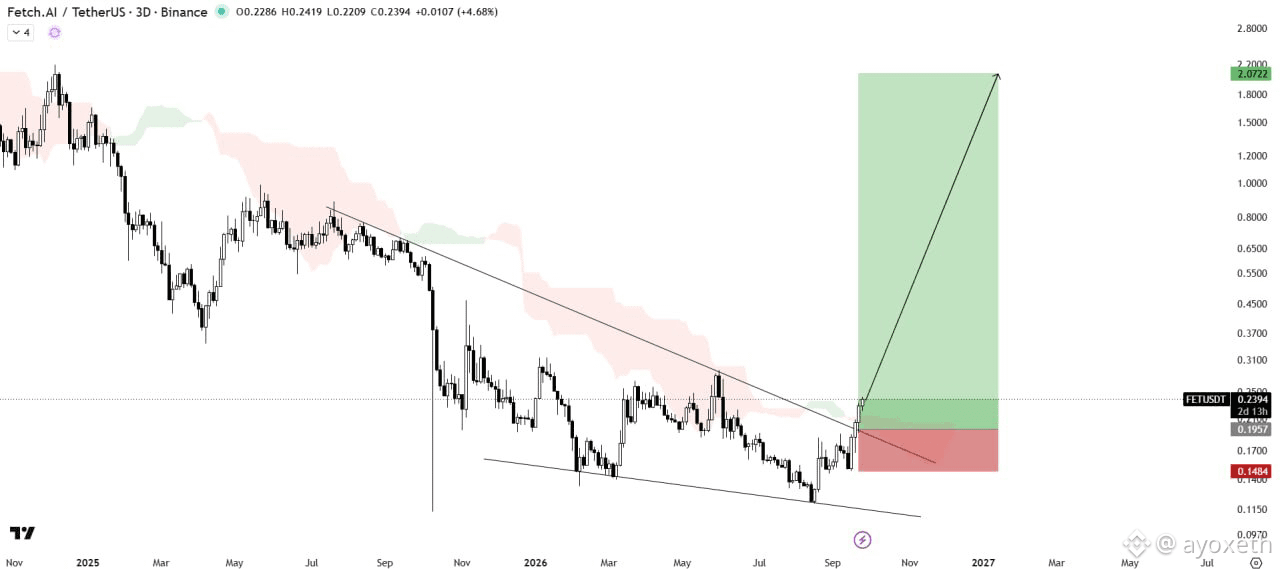
$FET has broken out of the falling wedge pattern with significant volume, signaling strong bullish momentum.
The Ichimoku cloud is acting as a key support zone, showing strength in the current structure. FET now looks ready for a potential strong bullish move🚀
$FET has broken out of the falling wedge pattern with significant volume, signaling strong bullish momentum.
The Ichimoku cloud is acting as a key support zone, showing strength in the current structure. FET now looks ready for a potential strong bullish move🚀
The Ichimoku cloud is acting as a key support zone, showing strength in the current structure. FET now looks ready for a potential strong bullish move🚀
2
381
·
--
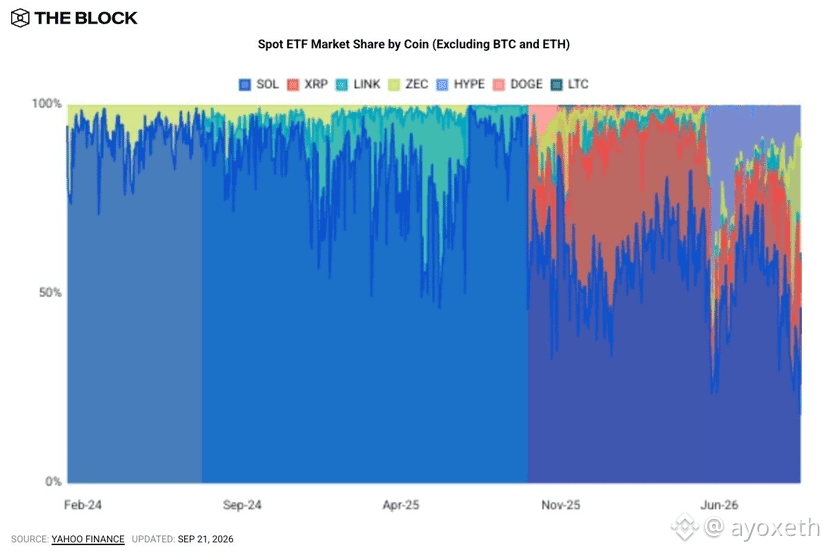
Spot ETF market share for non-$BTC and ETH ETFs started the year dominated by Solana and Ripple. Since then, new entrants Hyperliquid and Zcash have carved out market share.
Solana remains the largest token ETF by volume at 46%, while the remaining share is split among $ZEC , XRP, and HYPE at 27%, 12%, and 11%, respectively .
Spot ETF market share for non-$BTC and ETH ETFs started the year dominated by Solana and Ripple. Since then, new entrants Hyperliquid and Zcash have carved out market share.
Solana remains the largest token ETF by volume at 46%, while the remaining share is split among $ZEC , XRP, and HYPE at 27%, 12%, and 11%, respectively .
Solana remains the largest token ETF by volume at 46%, while the remaining share is split among $ZEC , XRP, and HYPE at 27%, 12%, and 11%, respectively .
89
·
--
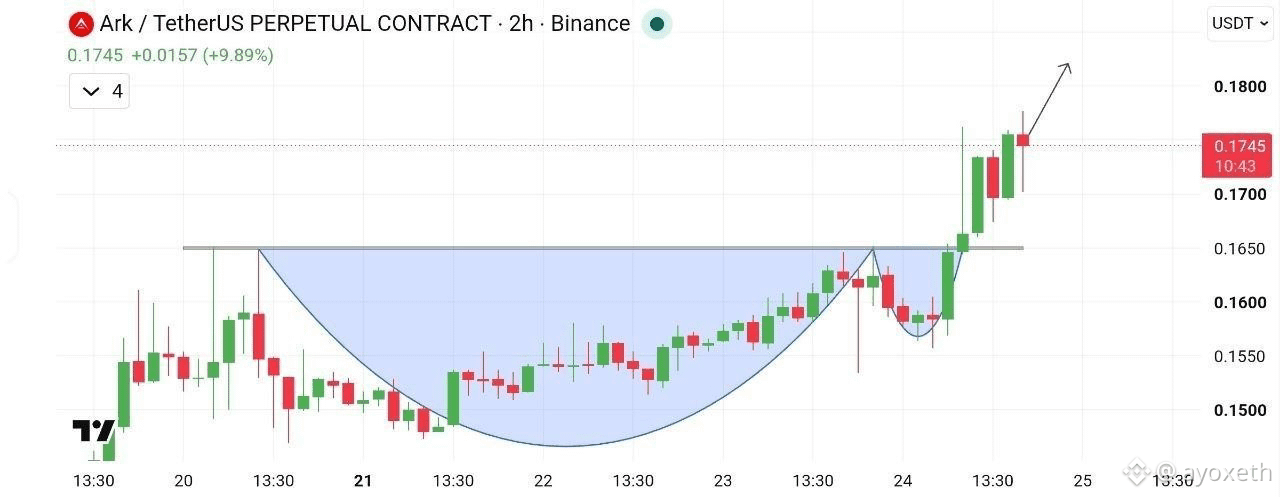
$ARK is looking bullish after that breakout, so we could see a pump there too. Keep an eye on it.
$ARK is looking bullish after that breakout, so we could see a pump there too. Keep an eye on it.
224
·
--
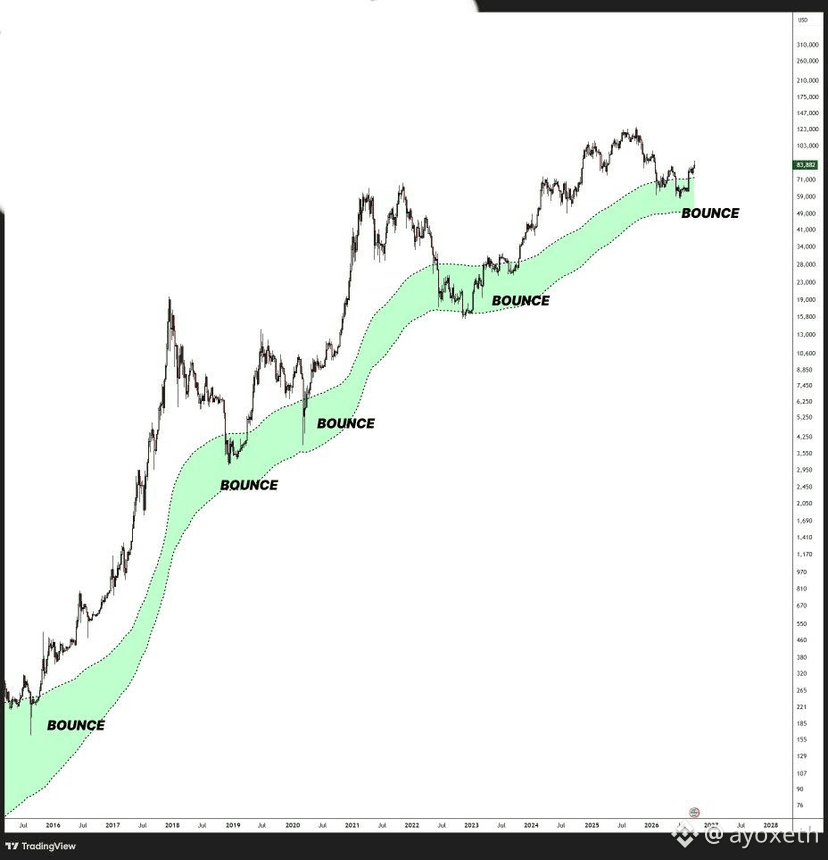
$BTC IS READY FOR A HUGE BULL RUN.
Arw you ready?
$BTC IS READY FOR A HUGE BULL RUN.
Arw you ready?
Arw you ready?
64
·
--
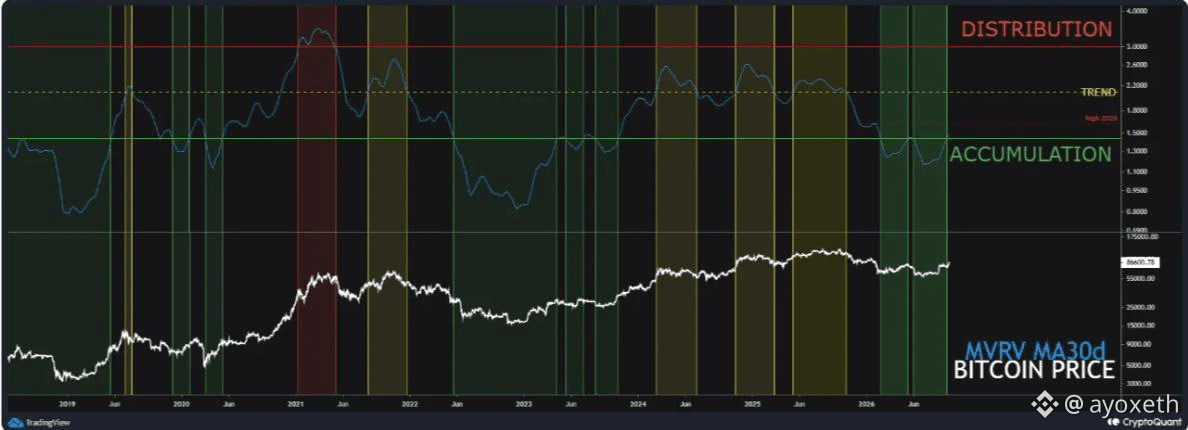
For the second time in 2026, $BTC MVRV MA30d has broken out of its accumulation zone, surpassing its May high. Following six months within this range, a break past the yearly high of ~1.62 would confirm a bear market reversal and target a new all-time high of $126k.
#BitcoinFallsToAround$84,600ThisWeek
For the second time in 2026, $BTC MVRV MA30d has broken out of its accumulation zone, surpassing its May high. Following six months within this range, a break past the yearly high of ~1.62 would confirm a bear market reversal and target a new all-time high of $126k.
#BitcoinFallsToAround$84,600ThisWeek
#BitcoinFallsToAround$84,600ThisWeek
73
·
--
#Binance will list Hyperliquid’s $HYPE for spot trading.
#Binance will list Hyperliquid’s $HYPE for spot trading.

84
·
--
Article
AI Stocks: Why I’m Bullish on NvidiaAI stocks keep pushing higher, but I don’t think the opportunity ends with Nvidia.
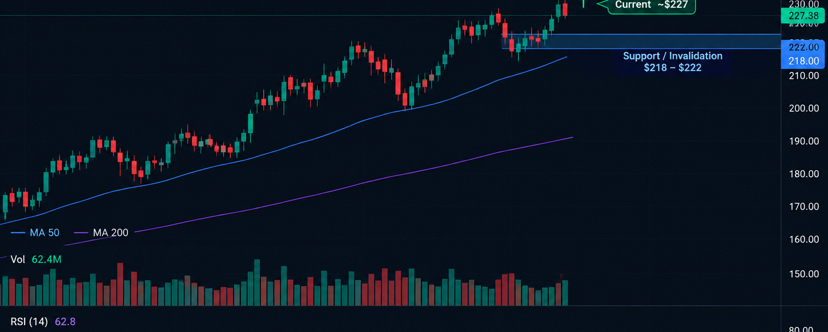
Nvidia’s expected growth in chip sales shows how strong AI infrastructure demand remains. Major tech companies are still spending heavily on GPUs, data centers and cloud computing, but the key question is how long this level of spending can continue.
I’m bullish on #NVIDIA because AI computing demand is still growing. However, I’m not looking to chase every AI stock just because the sector is moving higher.
I’m also watching the wider AI ecosystem — semiconductors, data centers, networking, power and cloud infrastructure.
For me, the focus is whether real AI demand and revenue growth can continue supporting these valuations.
My position: Bullish on $NVDA .
#AIStocksWhatNext
AI Stocks: Why I’m Bullish on Nvidia
AI stocks keep pushing higher, but I don’t think the opportunity ends with Nvidia.
Nvidia’s expected growth in chip sales shows how strong AI infrastructure demand remains. Major tech companies are still spending heavily on GPUs, data centers and cloud computing, but the key question is how long this level of spending can continue.
I’m bullish on #NVIDIA because AI computing demand is still growing. However, I’m not looking to chase every AI stock just because the sector is moving higher.
I’m also watching the wider AI ecosystem — semiconductors, data centers, networking, power and cloud infrastructure.
For me, the focus is whether real AI demand and revenue growth can continue supporting these valuations.
My position: Bullish on $NVDA .
#AIStocksWhatNext
Nvidia’s expected growth in chip sales shows how strong AI infrastructure demand remains. Major tech companies are still spending heavily on GPUs, data centers and cloud computing, but the key question is how long this level of spending can continue.
I’m bullish on #NVIDIA because AI computing demand is still growing. However, I’m not looking to chase every AI stock just because the sector is moving higher.
I’m also watching the wider AI ecosystem — semiconductors, data centers, networking, power and cloud infrastructure.
For me, the focus is whether real AI demand and revenue growth can continue supporting these valuations.
My position: Bullish on $NVDA .
#AIStocksWhatNext
433
·
--
30
·
--
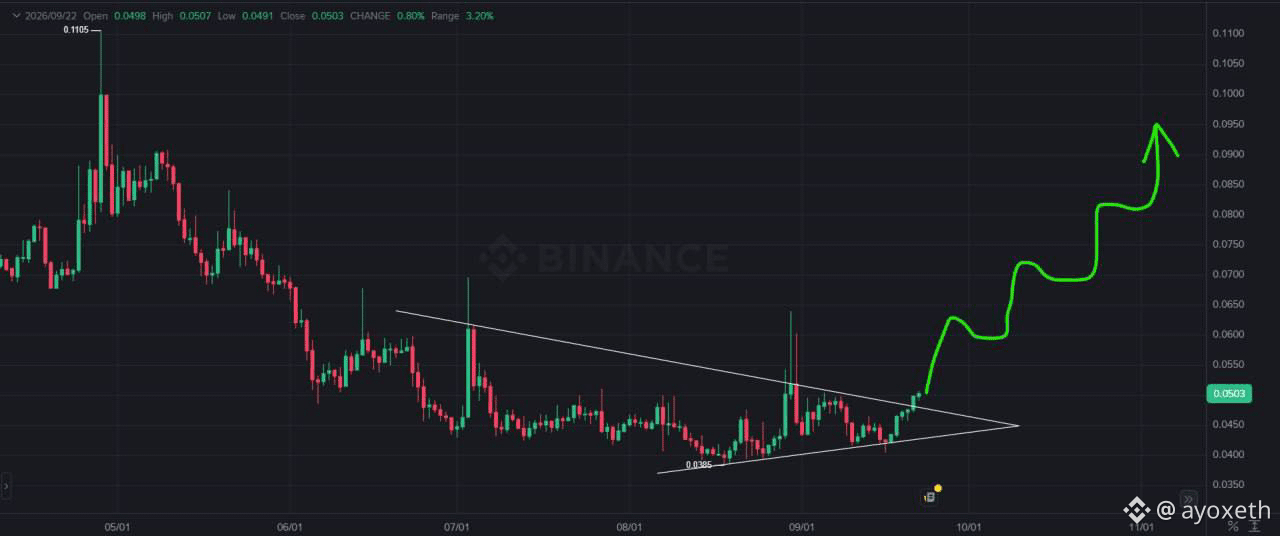
$ZKP has broken out of the triangle with strong volume. Momentum is heating up, this breakout could be the spark for a powerful bullish expansion
$ZKP has broken out of the triangle with strong volume. Momentum is heating up, this breakout could be the spark for a powerful bullish expansion
30
·
--
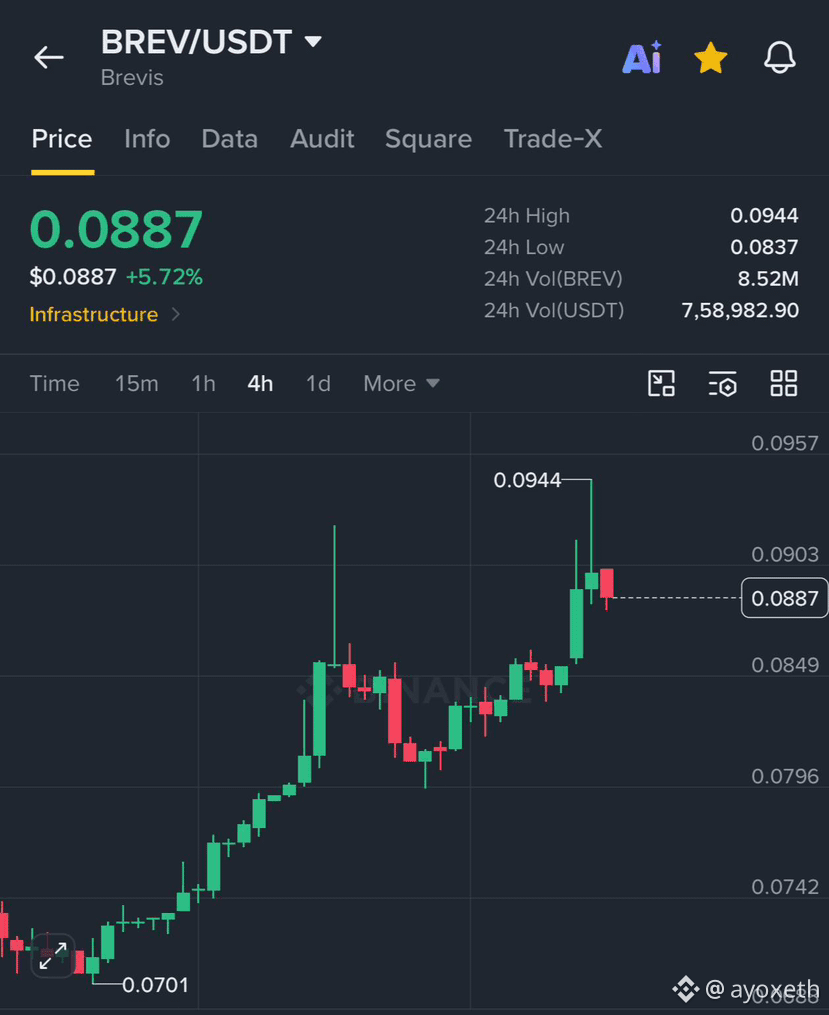
$BREV FLYING HIGH IN THE SKY✌️
If you caught the early entry, you already know what happened. But if you missed #brevis don’t sit on the sidelines.
$ZKP is now on the radar. This is the time to build your position.
$BREV FLYING HIGH IN THE SKY✌️
If you caught the early entry, you already know what happened. But if you missed #brevis don’t sit on the sidelines.
$ZKP is now on the radar. This is the time to build your position.
If you caught the early entry, you already know what happened. But if you missed #brevis don’t sit on the sidelines.
$ZKP is now on the radar. This is the time to build your position.
45
·
--
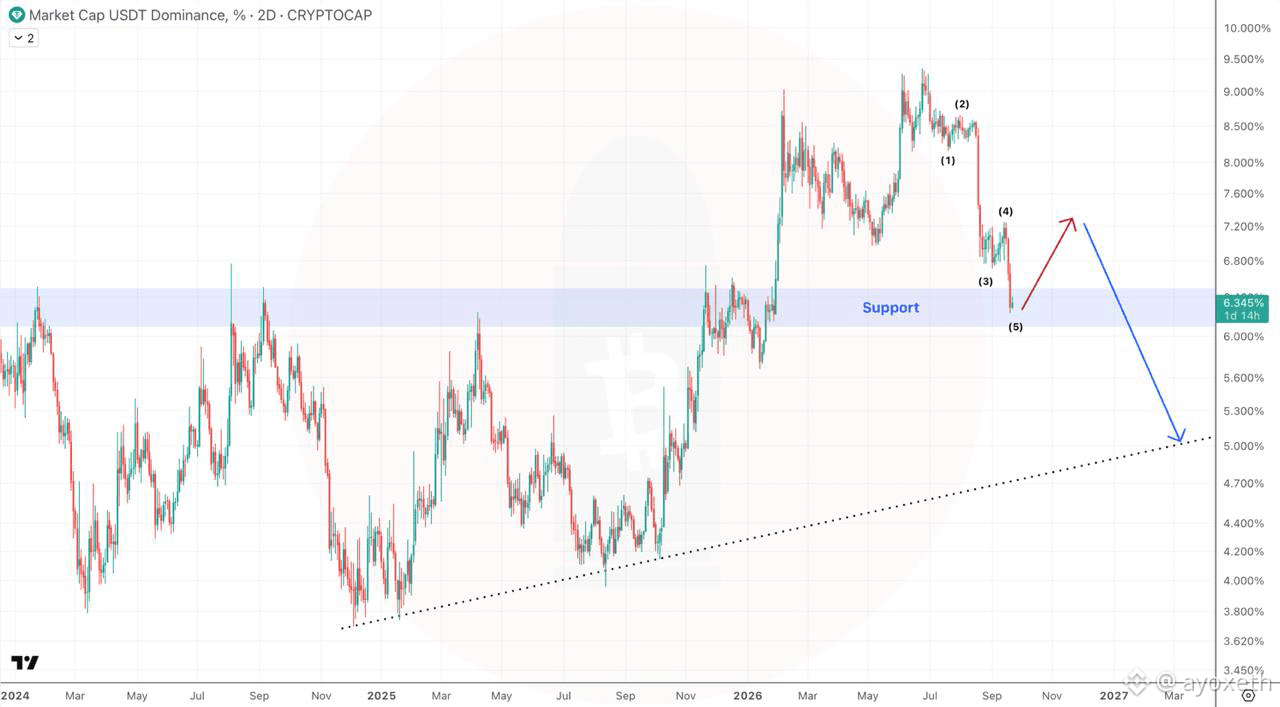
$USDT reached a significant Support zone and completed a 5-wave move
Expecting a bounce in this area (correction in the crypto market) before going much lower
$USDT reached a significant Support zone and completed a 5-wave move
Expecting a bounce in this area (correction in the crypto market) before going much lower
Expecting a bounce in this area (correction in the crypto market) before going much lower
50
·
--
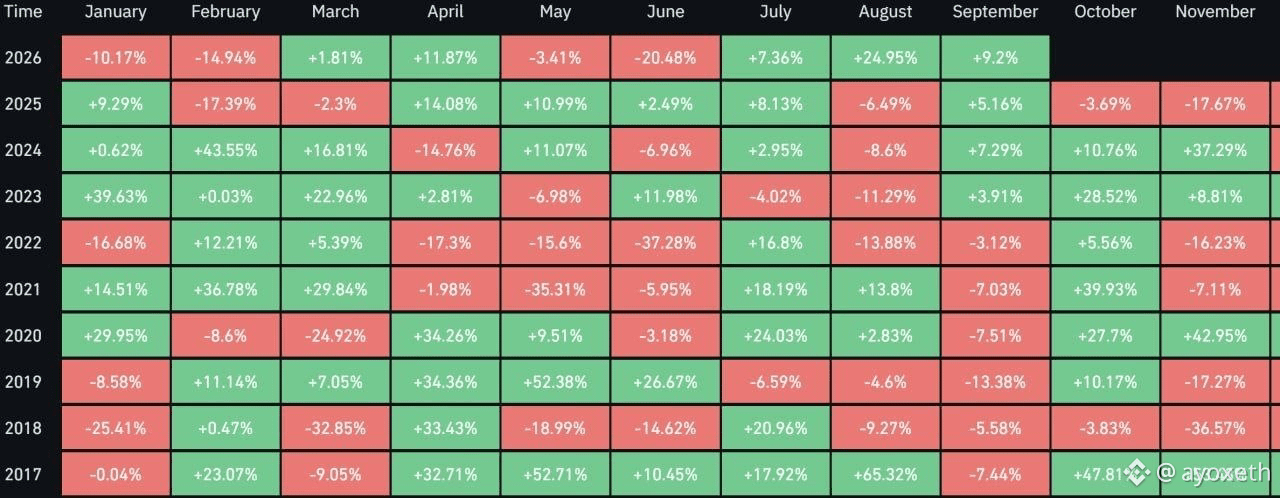
UNREAL: $BTC Just Printed The Best Monthly Returns In 13 YEARS!
🚀🔥 Up 9.2% In September?!
UNREAL: $BTC Just Printed The Best Monthly Returns In 13 YEARS!
🚀🔥 Up 9.2% In September?!
🚀🔥 Up 9.2% In September?!
1
83
·
--
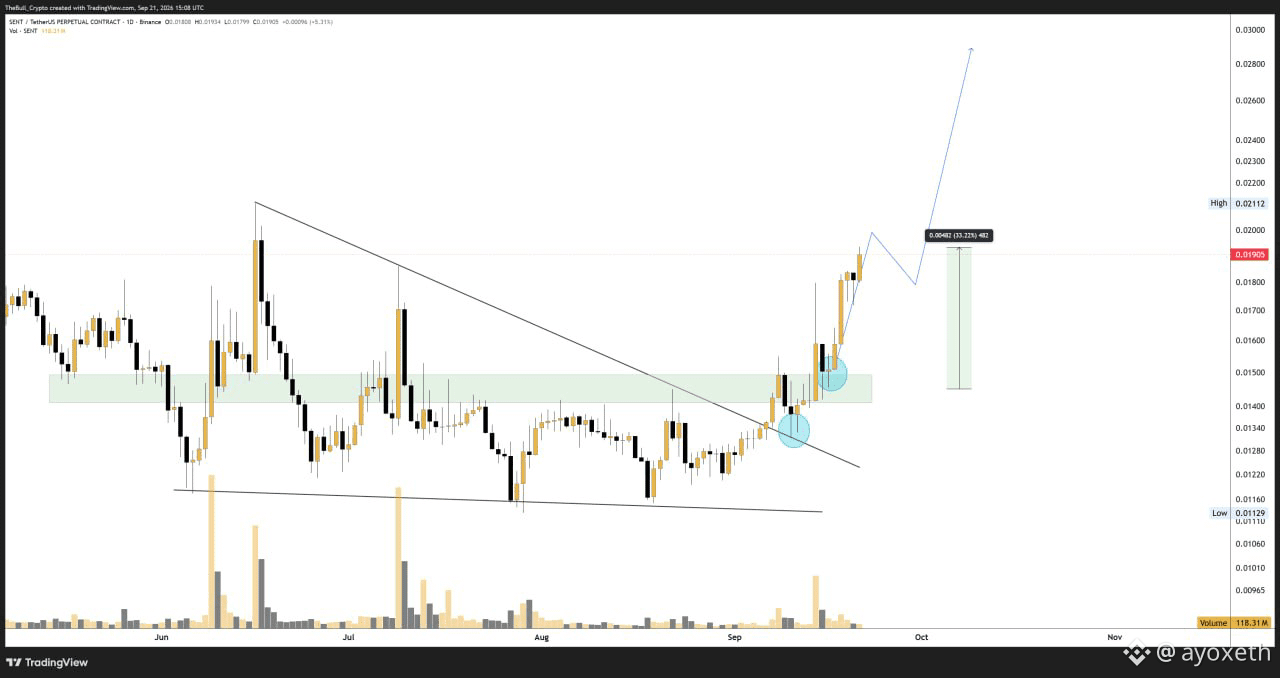
After months of trading inside a descending structure, $SENT has finally broken above the trendline and reclaimed the $0.014–$0.015 support zone.
Now price is pushing toward the $0.020–$0.0211 resistance area, which is the key level I’m watching.
I wouldn’t chase the move here. The setup I’d want to see is a pullback that holds around $0.018–$0.019, followed by a clean breakout above $0.0211.
If that resistance flips into support, the next move could open the door toward the $0.025–$0.029 area shown on the chart.
Breakout is confirmed only when price proves it can hold the breakout.
After months of trading inside a descending structure, $SENT has finally broken above the trendline and reclaimed the $0.014–$0.015 support zone.
Now price is pushing toward the $0.020–$0.0211 resistance area, which is the key level I’m watching.
I wouldn’t chase the move here. The setup I’d want to see is a pullback that holds around $0.018–$0.019, followed by a clean breakout above $0.0211.
If that resistance flips into support, the next move could open the door toward the $0.025–$0.029 area shown on the chart.
Breakout is confirmed only when price proves it can hold the breakout.
Now price is pushing toward the $0.020–$0.0211 resistance area, which is the key level I’m watching.
I wouldn’t chase the move here. The setup I’d want to see is a pullback that holds around $0.018–$0.019, followed by a clean breakout above $0.0211.
If that resistance flips into support, the next move could open the door toward the $0.025–$0.029 area shown on the chart.
Breakout is confirmed only when price proves it can hold the breakout.
1
1
1.5k
·
--
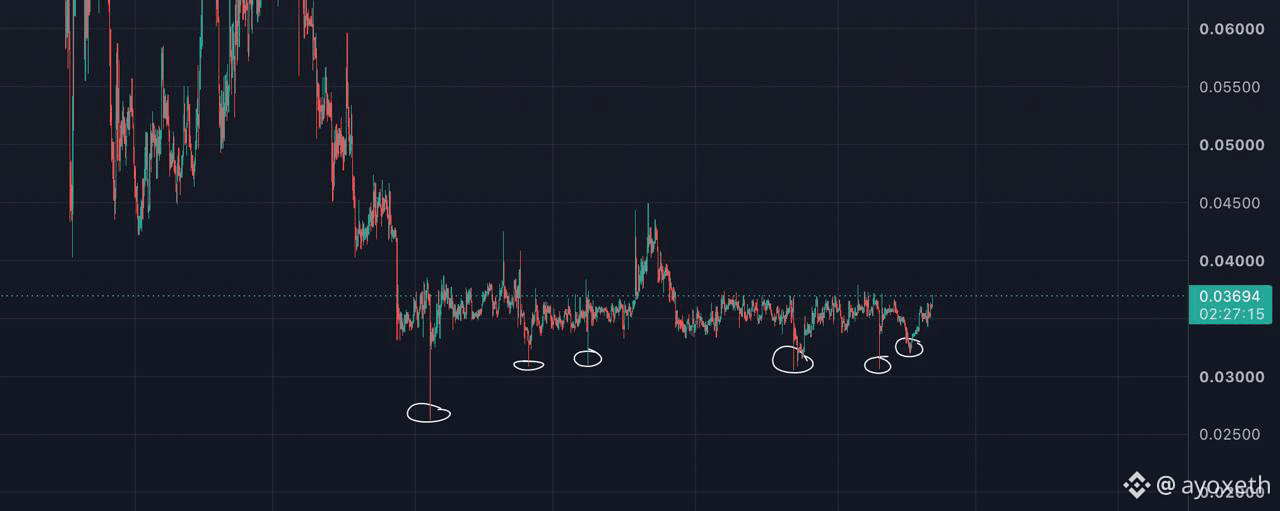
$LYN tested the bottom 6 times . This is the last chance to make a breakthrough—otherwise, just give up.
$LYN tested the bottom 6 times . This is the last chance to make a breakthrough—otherwise, just give up.
1
117
·
--
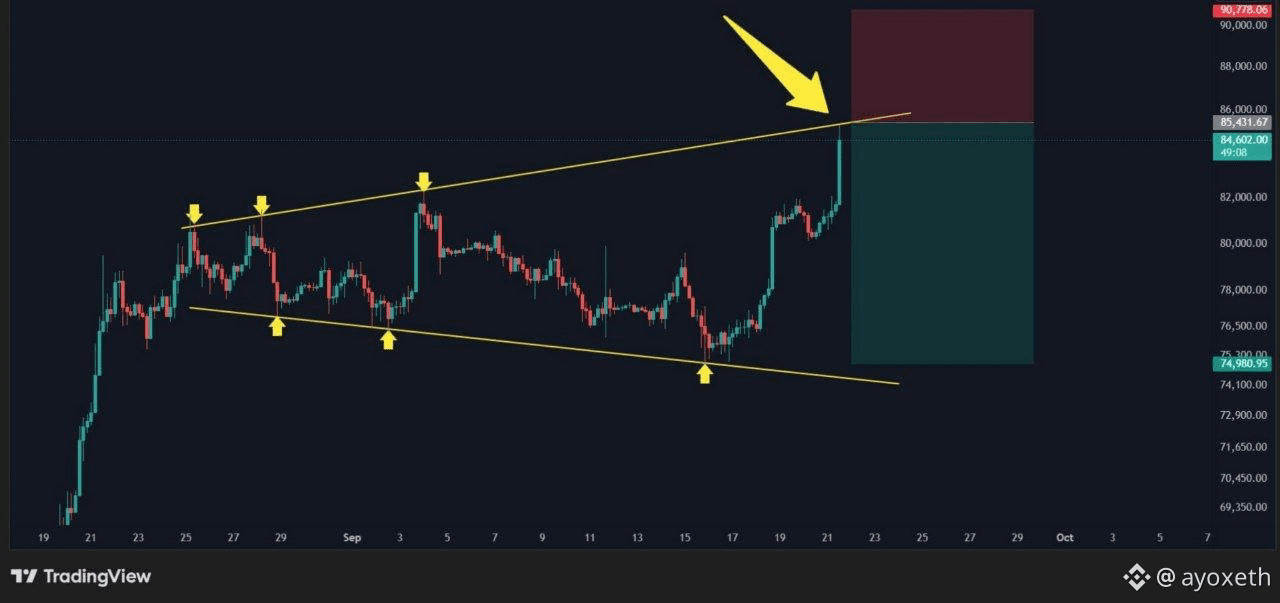
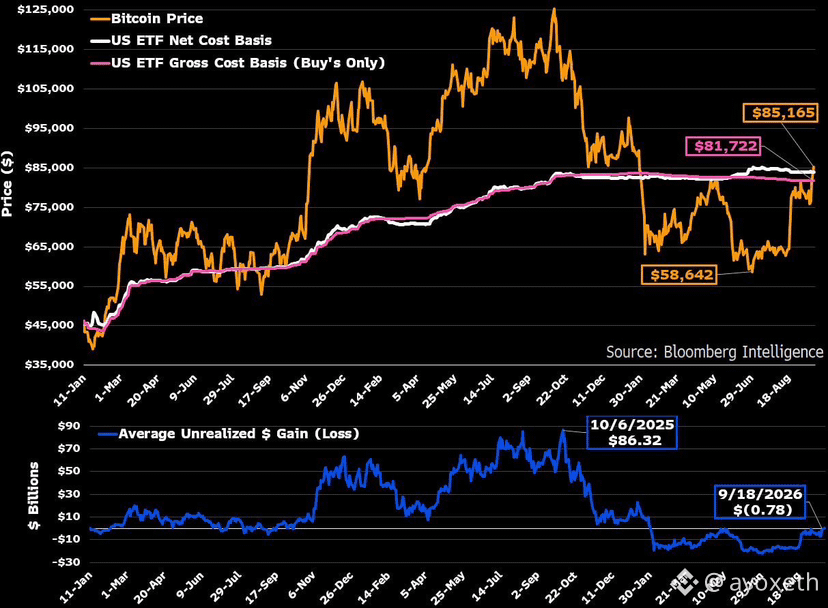
Average #bitcoin ETF holders are back above water for the first time since January. This morning's rally put $BTC above the estimated ETF cost basis of $81,722 per coin.
Average #bitcoin ETF holders are back above water for the first time since January. This morning's rally put $BTC above the estimated ETF cost basis of $81,722 per coin.
288
·
--
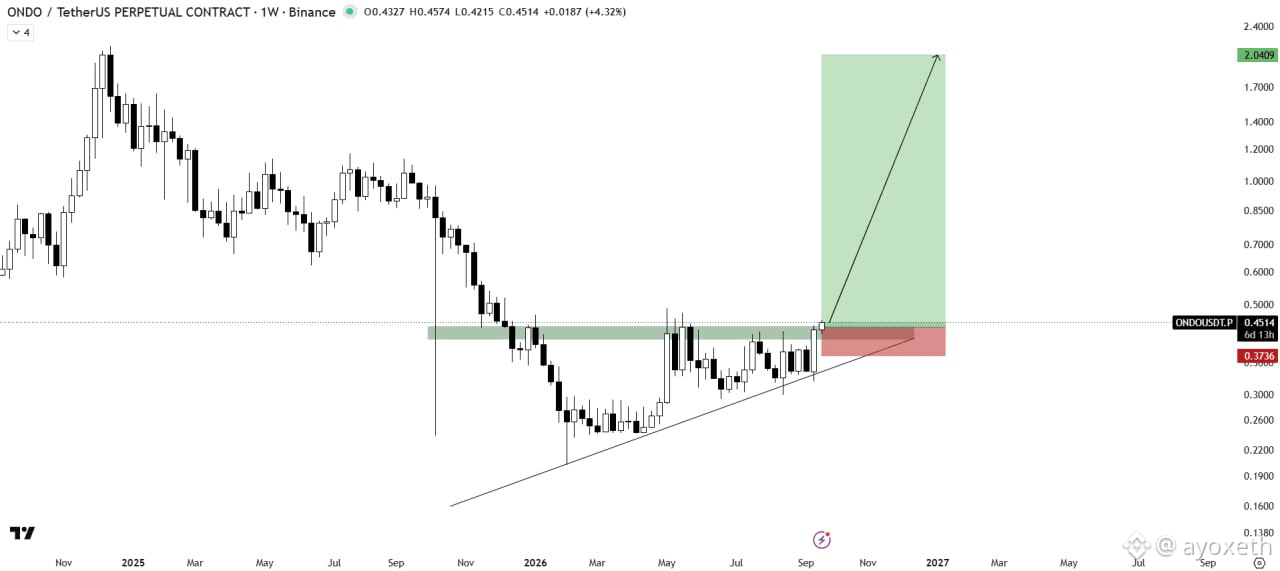
#ONDO/USDT set up
$ONDO has broken out of the ascending triangle pattern with significant volume, signaling strong bullish momentum. The breakout confirms strength in the current structure and opens the door for further upside. #ONDO now looks ready for a potential strong bullish rally
#ONDO/USDT set up
$ONDO has broken out of the ascending triangle pattern with significant volume, signaling strong bullish momentum. The breakout confirms strength in the current structure and opens the door for further upside. #ONDO now looks ready for a potential strong bullish rally
$ONDO has broken out of the ascending triangle pattern with significant volume, signaling strong bullish momentum. The breakout confirms strength in the current structure and opens the door for further upside. #ONDO now looks ready for a potential strong bullish rally
238
·
--
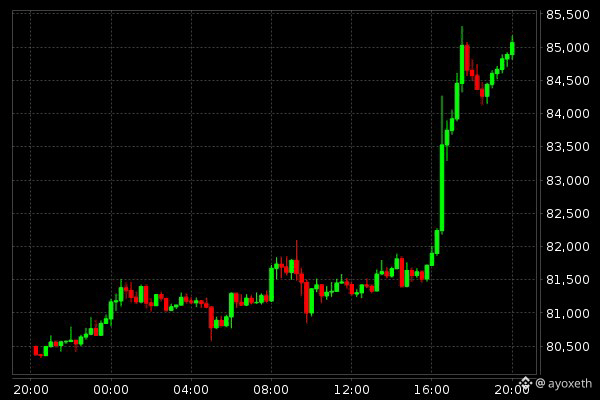
$BTC market
💰Price:85070.72 USDT (+5.63%)
⬆️High:85309.46 USDT
⬇️Low:80330.00 USDT
📊Trading volume (24h):4022.718219 BTC
📊Total value (24h):331.72M USDT
$BTC market
💰Price:85070.72 USDT (+5.63%)
⬆️High:85309.46 USDT
⬇️Low:80330.00 USDT
📊Trading volume (24h):4022.718219 BTC
📊Total value (24h):331.72M USDT
💰Price:85070.72 USDT (+5.63%)
⬆️High:85309.46 USDT
⬇️Low:80330.00 USDT
📊Trading volume (24h):4022.718219 BTC
📊Total value (24h):331.72M USDT
2k
·
--
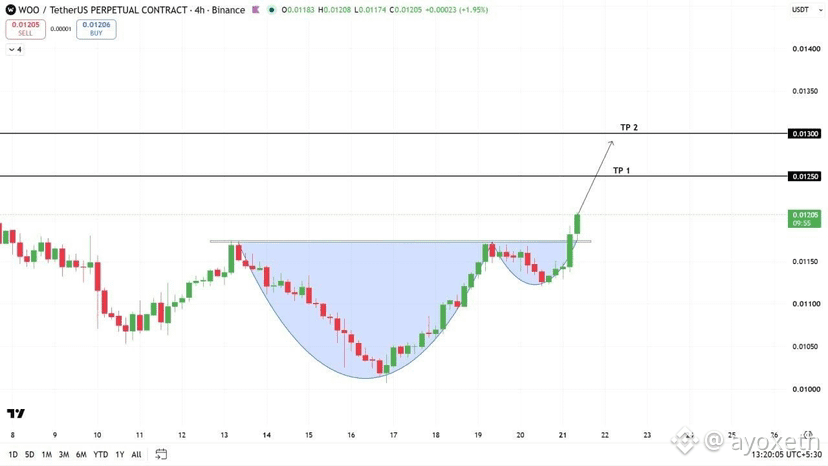
$WOO just broke out of the cup and handle pattern and looks bullish, so we can expect it to pump. Track it.
$WOO just broke out of the cup and handle pattern and looks bullish, so we can expect it to pump. Track it.
2.2k
·
--
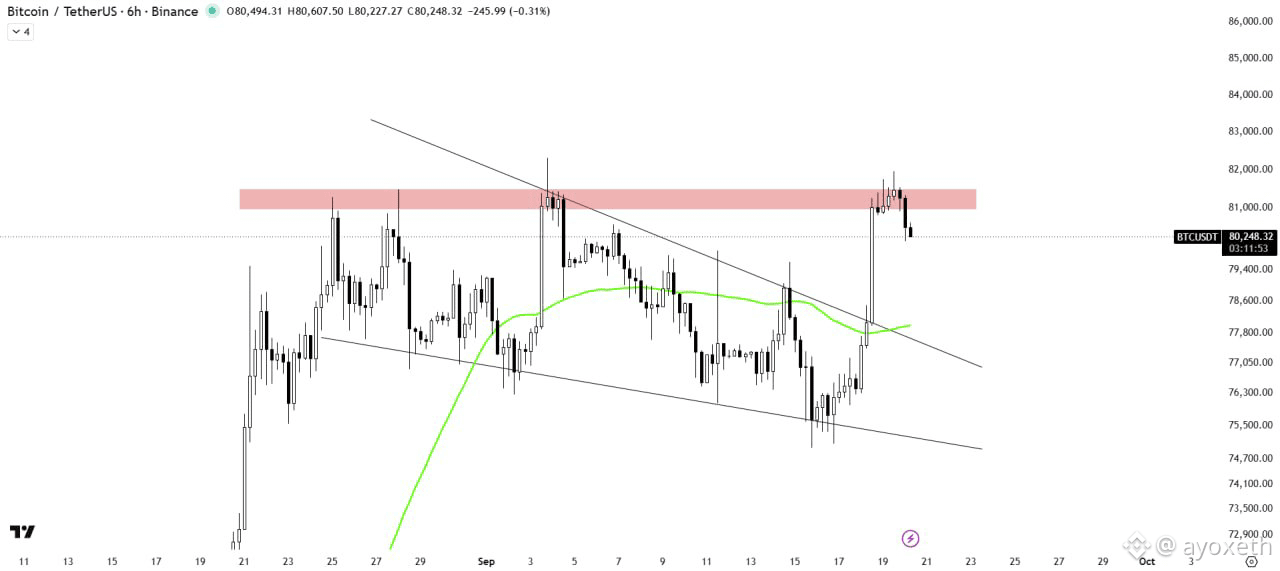
$BTC is facing rejection from the horizontal supply zone, while the 50MA is acting as a key support level below the current price action. A retest of the 50MA could be expected if the rejection continues.
On the other hand, a solid breakout above the supply zone could trigger further upside. Keep an eye on further price action developments.
$BTC is facing rejection from the horizontal supply zone, while the 50MA is acting as a key support level below the current price action. A retest of the 50MA could be expected if the rejection continues.
On the other hand, a solid breakout above the supply zone could trigger further upside. Keep an eye on further price action developments.
On the other hand, a solid breakout above the supply zone could trigger further upside. Keep an eye on further price action developments.
1
79
Log in to explore more content
Join global crypto users on Binance Square
⚡️ Get latest and useful information about crypto.
💬 Trusted by the world’s largest crypto exchange.
👍 Discover real insights from verified creators.
Email / Phone number
Trending Topics
BitwiseFilesFinalNEARSpotETFProspectus
22,077 views
666 Discussing
#bitwisefilesfinalnearspotetfprospectus 🚀
Can the NEAR token reach $562?$NEAR
Bitwise is preparing a spot NEAR ETF, listed under the ticker NRR on NYSE Arca. The manager was already discussing targets of $155, or even $562 by 2030.$RESOLV $DASH
Rajo C
·5 Likes
·3.4k views
BitgetHackerMoves$83MStolenXRP
17,454 views
111 Discussing
SOLSpotETFWeeklyInflow$188M
8,698 views
84 Discussing