

Bullish_Storm
6.1k Posts

Bullish_Storm
Report
Block User
Open Trade
High-Frequency Trader
4.6 Months
870 Following
16.1K+ Followers
6.3K+ Liked
Posts
Portfolio
All
Live
BREAKING: Trump is again pushing his proposed $5,000 “dividend” for adult U.S. citizens if Republicans retain control of the House and Senate.
The math is huge: roughly 240 million adults would put the potential cost around $1.2 trillion. Reuters reports the proposal would require congressional approval, while questions remain over eligibility and funding.
For markets, the key issue is what happens if a payment of that scale actually reaches consumers.
More liquidity could affect spending, inflation expectations, Treasury yields and eventually risk assets like Bitcoin and crypto.
Nothing is finalized yet — but if the proposal moves from campaign pledge to actual legislation, the macro implications could become significant.
#SECProposesCryptoCustodyRules
BREAKING: Trump is again pushing his proposed $5,000 “dividend” for adult U.S. citizens if Republicans retain control of the House and Senate.
The math is huge: roughly 240 million adults would put the potential cost around $1.2 trillion. Reuters reports the proposal would require congressional approval, while questions remain over eligibility and funding.
For markets, the key issue is what happens if a payment of that scale actually reaches consumers.
More liquidity could affect spending, inflation expectations, Treasury yields and eventually risk assets like Bitcoin and crypto.
Nothing is finalized yet — but if the proposal moves from campaign pledge to actual legislation, the macro implications could become significant.
#SECProposesCryptoCustodyRules
The math is huge: roughly 240 million adults would put the potential cost around $1.2 trillion. Reuters reports the proposal would require congressional approval, while questions remain over eligibility and funding.
For markets, the key issue is what happens if a payment of that scale actually reaches consumers.
More liquidity could affect spending, inflation expectations, Treasury yields and eventually risk assets like Bitcoin and crypto.
Nothing is finalized yet — but if the proposal moves from campaign pledge to actual legislation, the macro implications could become significant.
#SECProposesCryptoCustodyRules

52
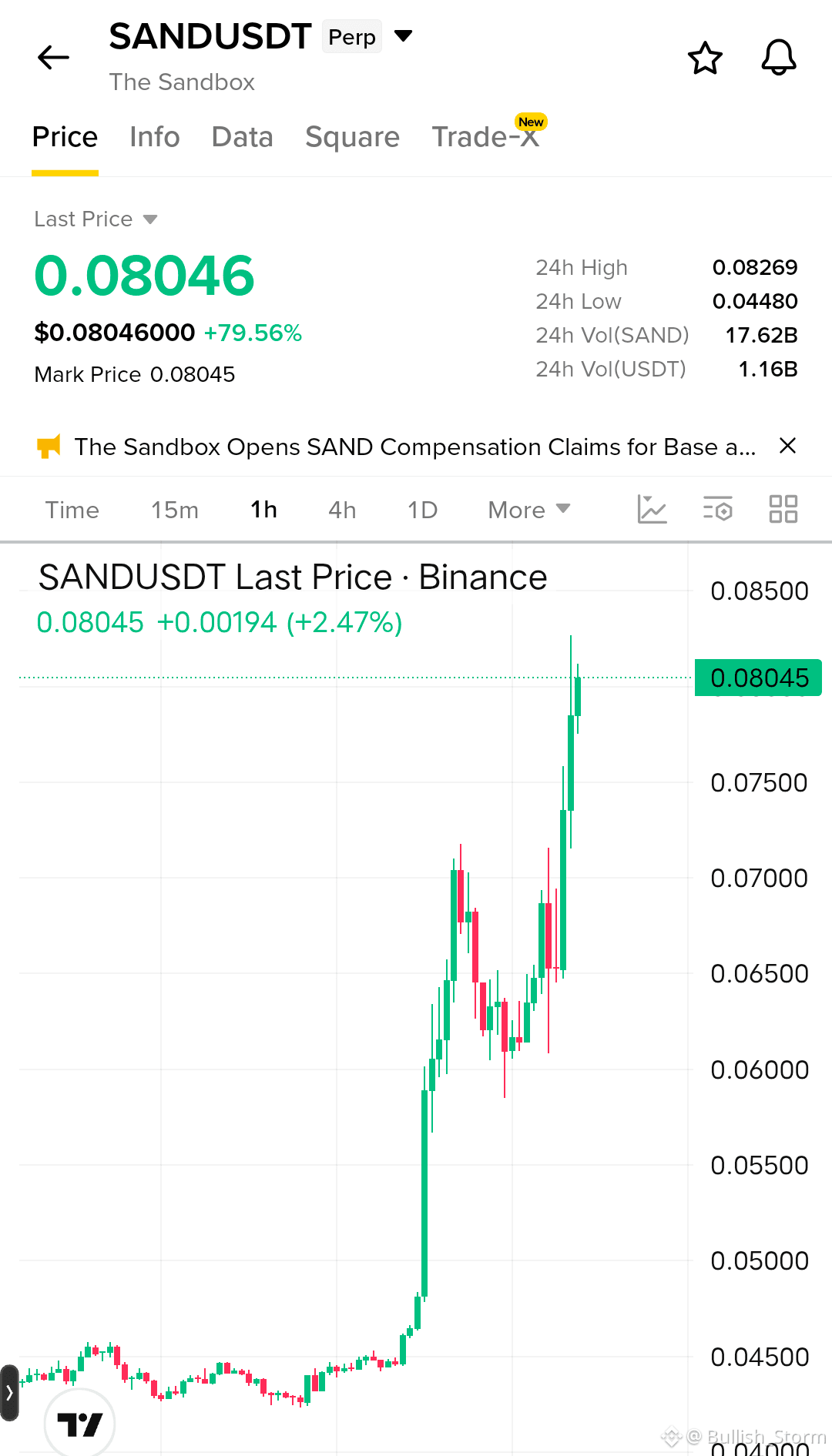
$SAND is moving fast after a sharp breakout, climbing from $0.058 to $0.08269 before cooling around $0.079.
The 15M structure still favors buyers, but after a move this aggressive, chasing the pump can be risky. I’m watching $0.078 as the key level — holding it could open another push toward $0.083, while losing it may bring a deeper pullback toward $0.073.
Stay patient and watch the reaction at the key levels.
$SAND
{future}(SANDUSDT)
#USStocksCloseHigherOnWeakJobsData #AnchorageReportedlyCuts17%Workforce #G7PlansToReleaseUpTo100MBarrelsOilDiesel #SECProposesCryptoCustodyRules
$SAND is moving fast after a sharp breakout, climbing from $0.058 to $0.08269 before cooling around $0.079.
The 15M structure still favors buyers, but after a move this aggressive, chasing the pump can be risky. I’m watching $0.078 as the key level — holding it could open another push toward $0.083, while losing it may bring a deeper pullback toward $0.073.
Stay patient and watch the reaction at the key levels.
$SAND
#USStocksCloseHigherOnWeakJobsData #AnchorageReportedlyCuts17%Workforce #G7PlansToReleaseUpTo100MBarrelsOilDiesel #SECProposesCryptoCustodyRules
The 15M structure still favors buyers, but after a move this aggressive, chasing the pump can be risky. I’m watching $0.078 as the key level — holding it could open another push toward $0.083, while losing it may bring a deeper pullback toward $0.073.
Stay patient and watch the reaction at the key levels.
$SAND
#USStocksCloseHigherOnWeakJobsData #AnchorageReportedlyCuts17%Workforce #G7PlansToReleaseUpTo100MBarrelsOilDiesel #SECProposesCryptoCustodyRules
1
1
417
$LINK IS SHOWING BUYERS ARE BACK
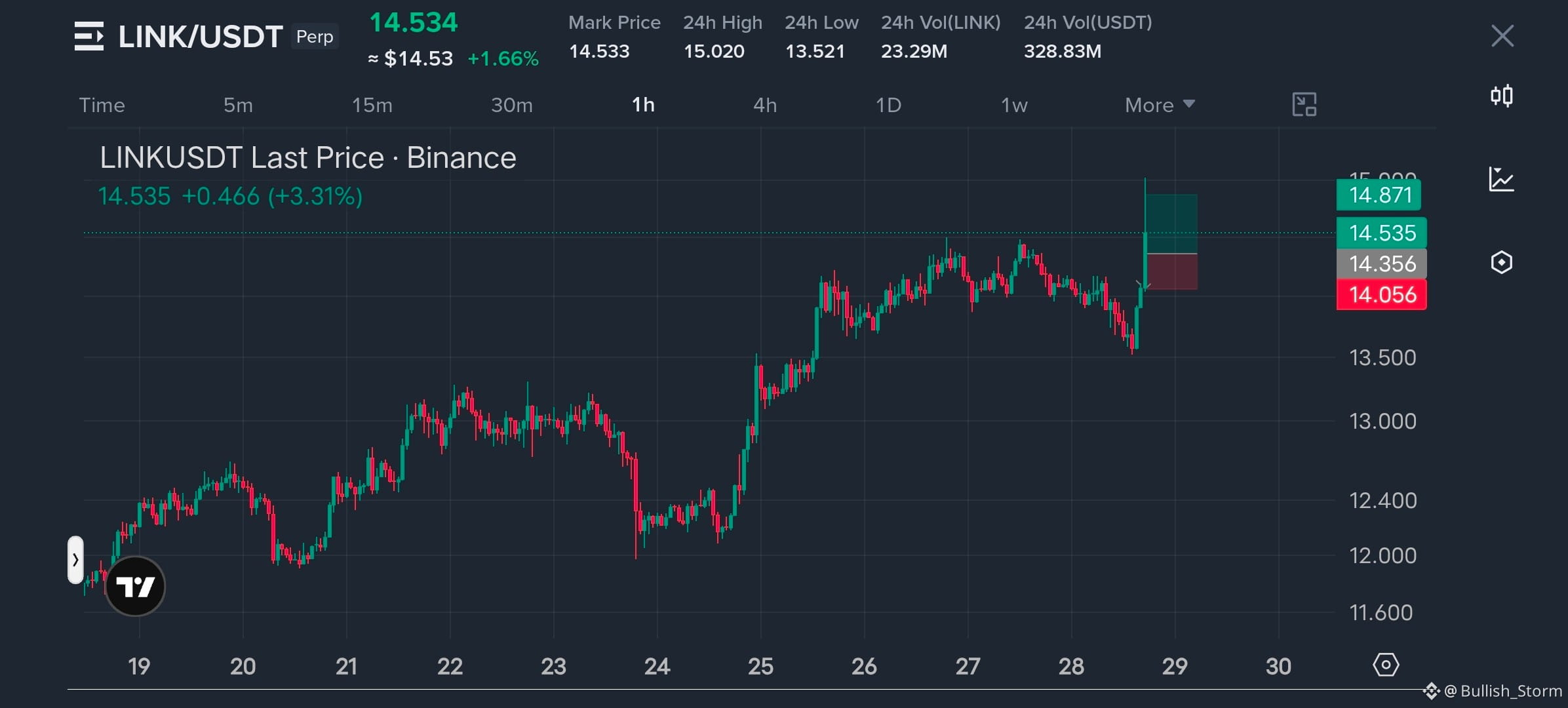
LINK has bounced strongly from the $13.47 low and reclaimed the $14.30 area with solid short-term momentum.
Now I’m watching $14.34–$14.37 closely. A clean breakout and hold above this resistance could give buyers room for another push higher.
The recovery from the lows is encouraging, but I’d want confirmation before chasing the move.
Trade on $LINK
{future}(LINKUSDT)
#QNTFallsOver40%FromMorningHigh
$LINK IS SHOWING BUYERS ARE BACK
LINK has bounced strongly from the $13.47 low and reclaimed the $14.30 area with solid short-term momentum.
Now I’m watching $14.34–$14.37 closely. A clean breakout and hold above this resistance could give buyers room for another push higher.
The recovery from the lows is encouraging, but I’d want confirmation before chasing the move.
Trade on $LINK
#QNTFallsOver40%FromMorningHigh
LINK has bounced strongly from the $13.47 low and reclaimed the $14.30 area with solid short-term momentum.
Now I’m watching $14.34–$14.37 closely. A clean breakout and hold above this resistance could give buyers room for another push higher.
The recovery from the lows is encouraging, but I’d want confirmation before chasing the move.
Trade on $LINK
#QNTFallsOver40%FromMorningHigh
80
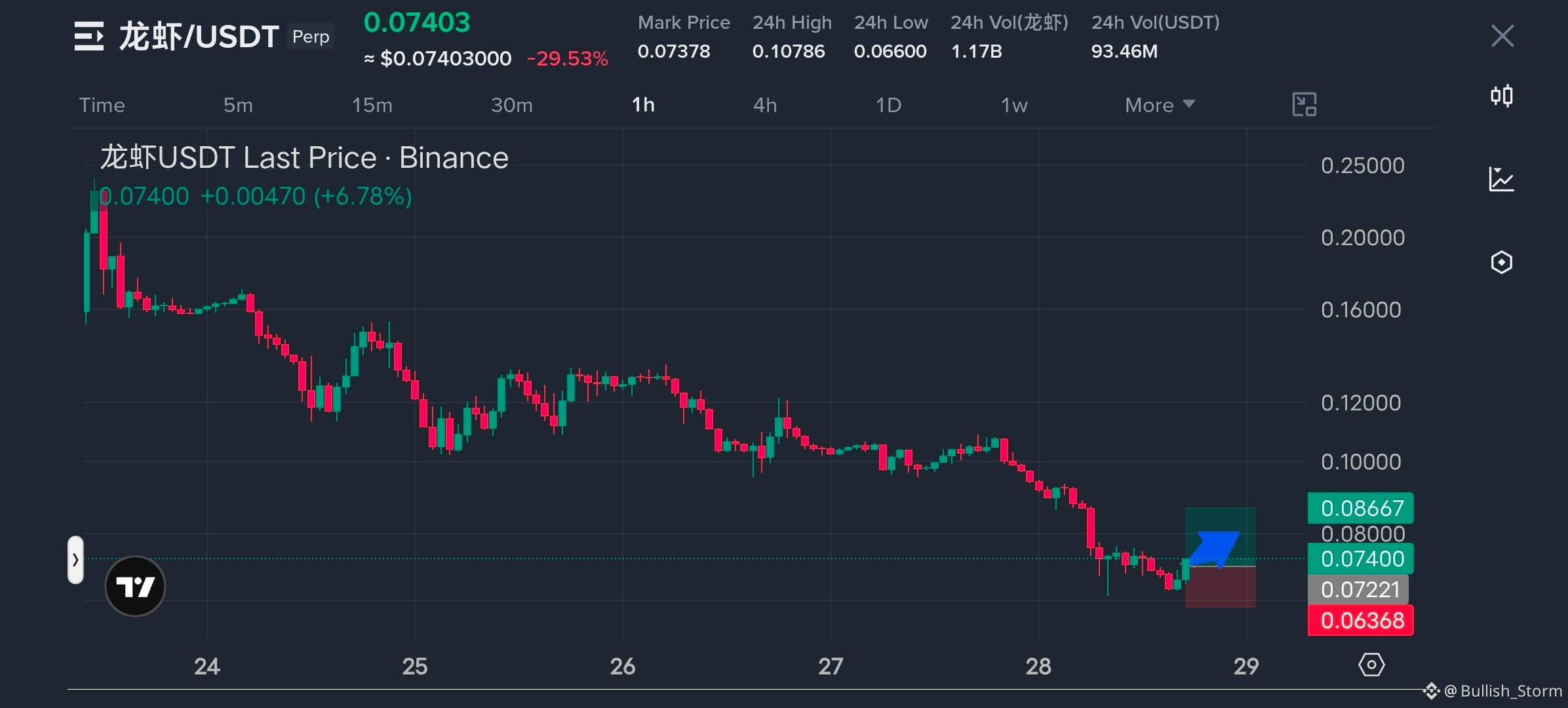
$龙虾 setup is starting to look interesting after the sharp sell-off.
Price dropped from above $0.10 to around $0.066, then started forming a small base near the lows. I’m watching the reclaim around $0.074 because holding this area could open room toward the nearby resistance levels.
Trade Plan
Entry Zone: $0.0722 – $0.0745
Target 1: $0.0785
Target 2: $0.0820
Target 3: $0.0867
Stop Loss: $0.0637
Why this setup works:
I’m looking for a bounce from the recent low after sellers pushed price aggressively lower. The key is whether buyers can hold the $0.072 area and build higher lows. A clean break above $0.0785 would strengthen the recovery and expose the next resistance zones around $0.082 and $0.0867.
If price loses $0.072 and starts moving back toward the recent low, I’d stay out rather than force the trade.
{future}(龙虾USDT)
#ChinaMayLetAlibabaByteDanceBuyNvidiaChips #FedProposesPaymentStablecoinRules #KospiFalls2.7%SamsungSKHynixDropOver5%
$龙虾 setup is starting to look interesting after the sharp sell-off.
Price dropped from above $0.10 to around $0.066, then started forming a small base near the lows. I’m watching the reclaim around $0.074 because holding this area could open room toward the nearby resistance levels.
Trade Plan
Entry Zone: $0.0722 – $0.0745
Target 1: $0.0785
Target 2: $0.0820
Target 3: $0.0867
Stop Loss: $0.0637
Why this setup works:
I’m looking for a bounce from the recent low after sellers pushed price aggressively lower. The key is whether buyers can hold the $0.072 area and build higher lows. A clean break above $0.0785 would strengthen the recovery and expose the next resistance zones around $0.082 and $0.0867.
If price loses $0.072 and starts moving back toward the recent low, I’d stay out rather than force the trade.
#ChinaMayLetAlibabaByteDanceBuyNvidiaChips #FedProposesPaymentStablecoinRules #KospiFalls2.7%SamsungSKHynixDropOver5%
Price dropped from above $0.10 to around $0.066, then started forming a small base near the lows. I’m watching the reclaim around $0.074 because holding this area could open room toward the nearby resistance levels.
Trade Plan
Entry Zone: $0.0722 – $0.0745
Target 1: $0.0785
Target 2: $0.0820
Target 3: $0.0867
Stop Loss: $0.0637
Why this setup works:
I’m looking for a bounce from the recent low after sellers pushed price aggressively lower. The key is whether buyers can hold the $0.072 area and build higher lows. A clean break above $0.0785 would strengthen the recovery and expose the next resistance zones around $0.082 and $0.0867.
If price loses $0.072 and starts moving back toward the recent low, I’d stay out rather than force the trade.
#ChinaMayLetAlibabaByteDanceBuyNvidiaChips #FedProposesPaymentStablecoinRules #KospiFalls2.7%SamsungSKHynixDropOver5%
525
$PYTH IS MOVING FAST ⚡
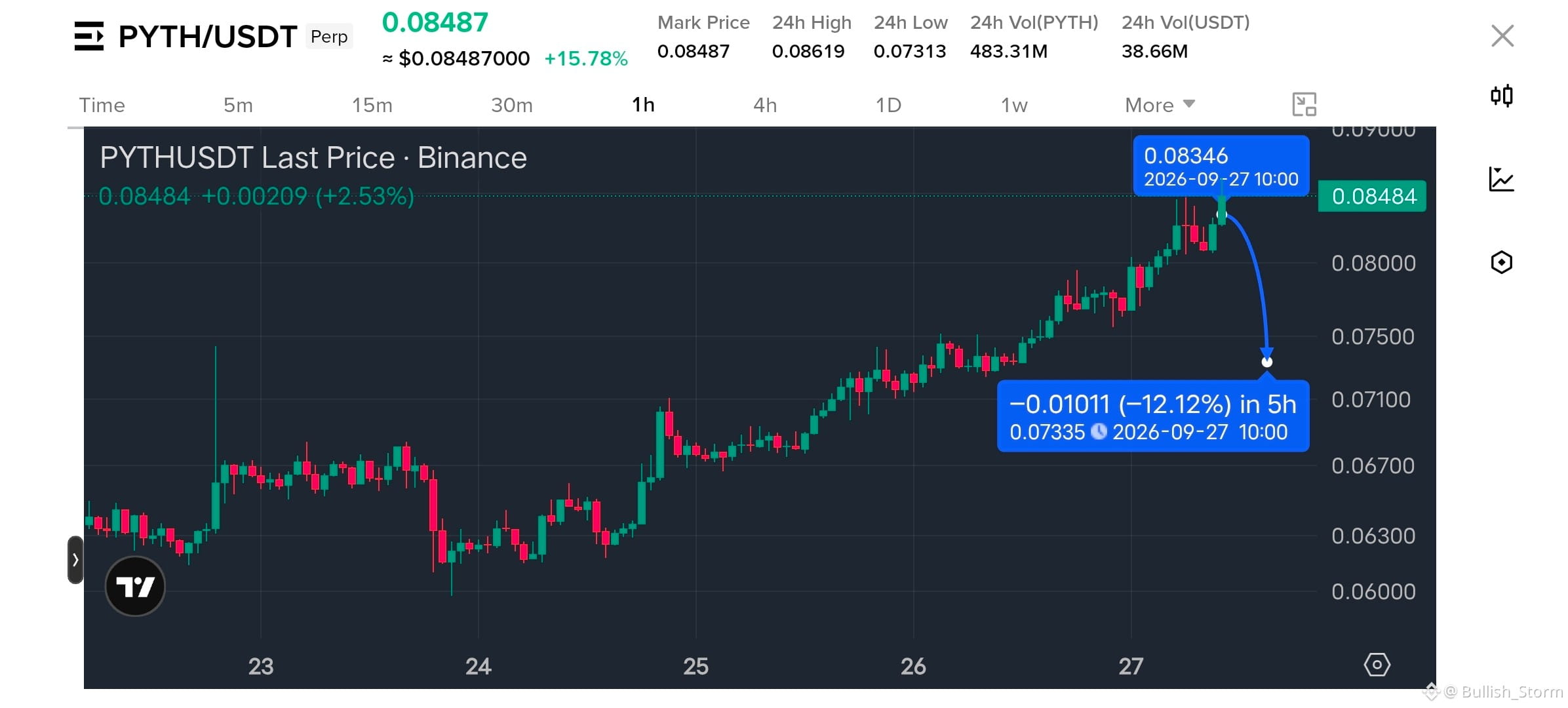
PYTH is up strongly, pushing into the $0.085 area after a clean series of higher highs and higher lows. Buyers clearly have momentum right now, but after this sharp run, I’m watching for either a breakout above $0.0862 or a healthy pullback before the next move.
The key zone is simple: $0.080–$0.082. Holding that area keeps the bullish structure intact; losing it could trigger a deeper retracement.
Momentum is hot — now the question is whether buyers can turn this surge into a real breakout. 👀
Are you watching $0.0862 for the next move?
{future}(PYTHUSDT)
$QNT
{future}(QNTUSDT)
$Q
{future}(QUSDT)
#PolymarketBankFailureBetsDrawFDICConcern #CoinMarketCapCompletesCoinglassAcquisition #CircleTetherFreezeBitgetHackerWallet #TrumpRejectsIranHormuzReopening #StrategyStriveAdd2305BitcoinThisWeek
$PYTH IS MOVING FAST ⚡
PYTH is up strongly, pushing into the $0.085 area after a clean series of higher highs and higher lows. Buyers clearly have momentum right now, but after this sharp run, I’m watching for either a breakout above $0.0862 or a healthy pullback before the next move.
The key zone is simple: $0.080–$0.082. Holding that area keeps the bullish structure intact; losing it could trigger a deeper retracement.
Momentum is hot — now the question is whether buyers can turn this surge into a real breakout. 👀
Are you watching $0.0862 for the next move?
$QNT
$Q
#PolymarketBankFailureBetsDrawFDICConcern #CoinMarketCapCompletesCoinglassAcquisition #CircleTetherFreezeBitgetHackerWallet #TrumpRejectsIranHormuzReopening #StrategyStriveAdd2305BitcoinThisWeek
PYTH is up strongly, pushing into the $0.085 area after a clean series of higher highs and higher lows. Buyers clearly have momentum right now, but after this sharp run, I’m watching for either a breakout above $0.0862 or a healthy pullback before the next move.
The key zone is simple: $0.080–$0.082. Holding that area keeps the bullish structure intact; losing it could trigger a deeper retracement.
Momentum is hot — now the question is whether buyers can turn this surge into a real breakout. 👀
Are you watching $0.0862 for the next move?
$QNT
$Q
#PolymarketBankFailureBetsDrawFDICConcern #CoinMarketCapCompletesCoinglassAcquisition #CircleTetherFreezeBitgetHackerWallet #TrumpRejectsIranHormuzReopening #StrategyStriveAdd2305BitcoinThisWeek
451
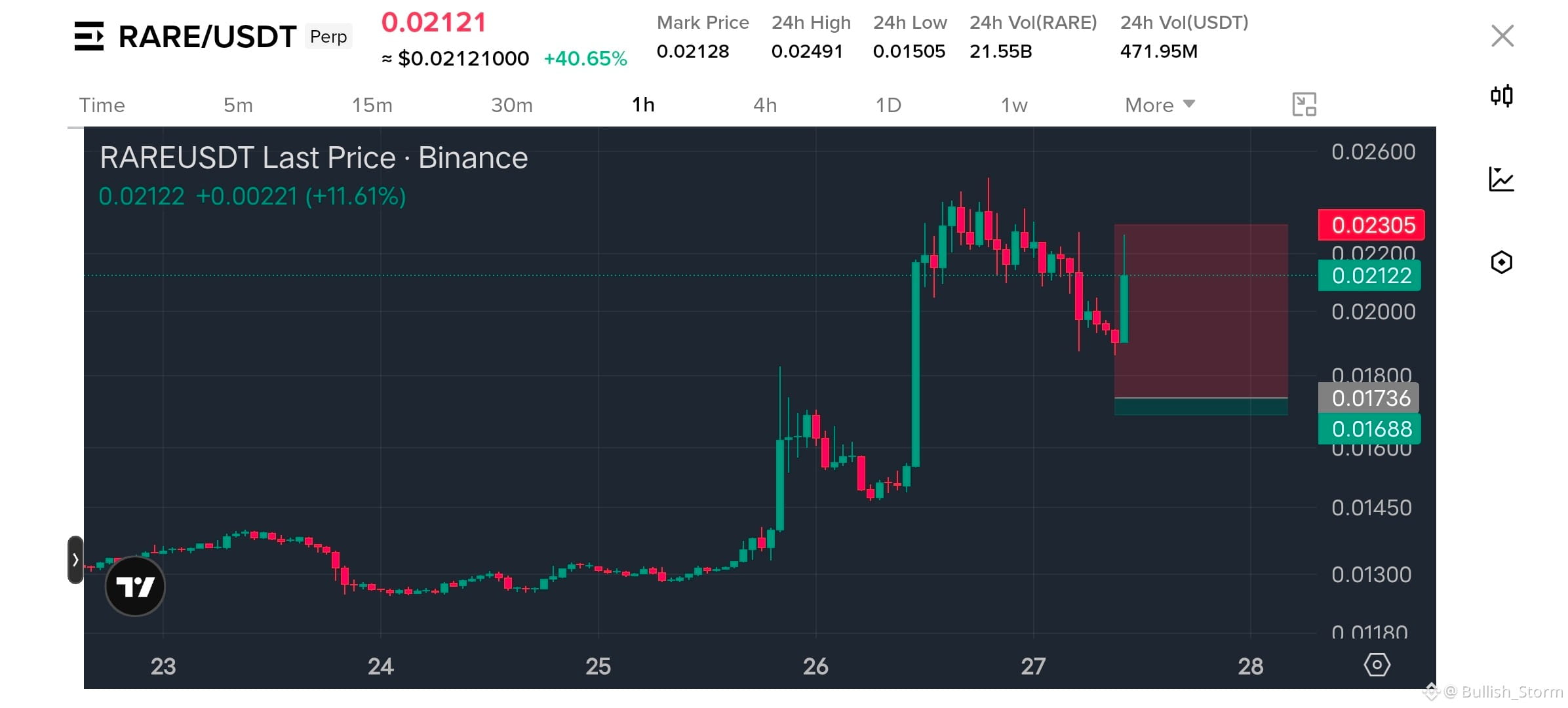
$RARE is heating up fast! ⚡️
Price just ripped higher after the pullback, with buyers stepping back in around the $0.0200 area. If momentum holds, the next move could get explosive.
I’m watching $0.0230 closely — a clean break could open the door for another push. 👀
$RARE
{future}(RAREUSDT)
#CoinMarketCapCompletesCoinglassAcquisition #CircleTetherFreezeBitgetHackerWallet #StrategyStriveAdd2305BitcoinThisWeek
$RARE is heating up fast! ⚡️
Price just ripped higher after the pullback, with buyers stepping back in around the $0.0200 area. If momentum holds, the next move could get explosive.
I’m watching $0.0230 closely — a clean break could open the door for another push. 👀
$RARE
#CoinMarketCapCompletesCoinglassAcquisition #CircleTetherFreezeBitgetHackerWallet #StrategyStriveAdd2305BitcoinThisWeek
Price just ripped higher after the pullback, with buyers stepping back in around the $0.0200 area. If momentum holds, the next move could get explosive.
I’m watching $0.0230 closely — a clean break could open the door for another push. 👀
$RARE
#CoinMarketCapCompletesCoinglassAcquisition #CircleTetherFreezeBitgetHackerWallet #StrategyStriveAdd2305BitcoinThisWeek
219
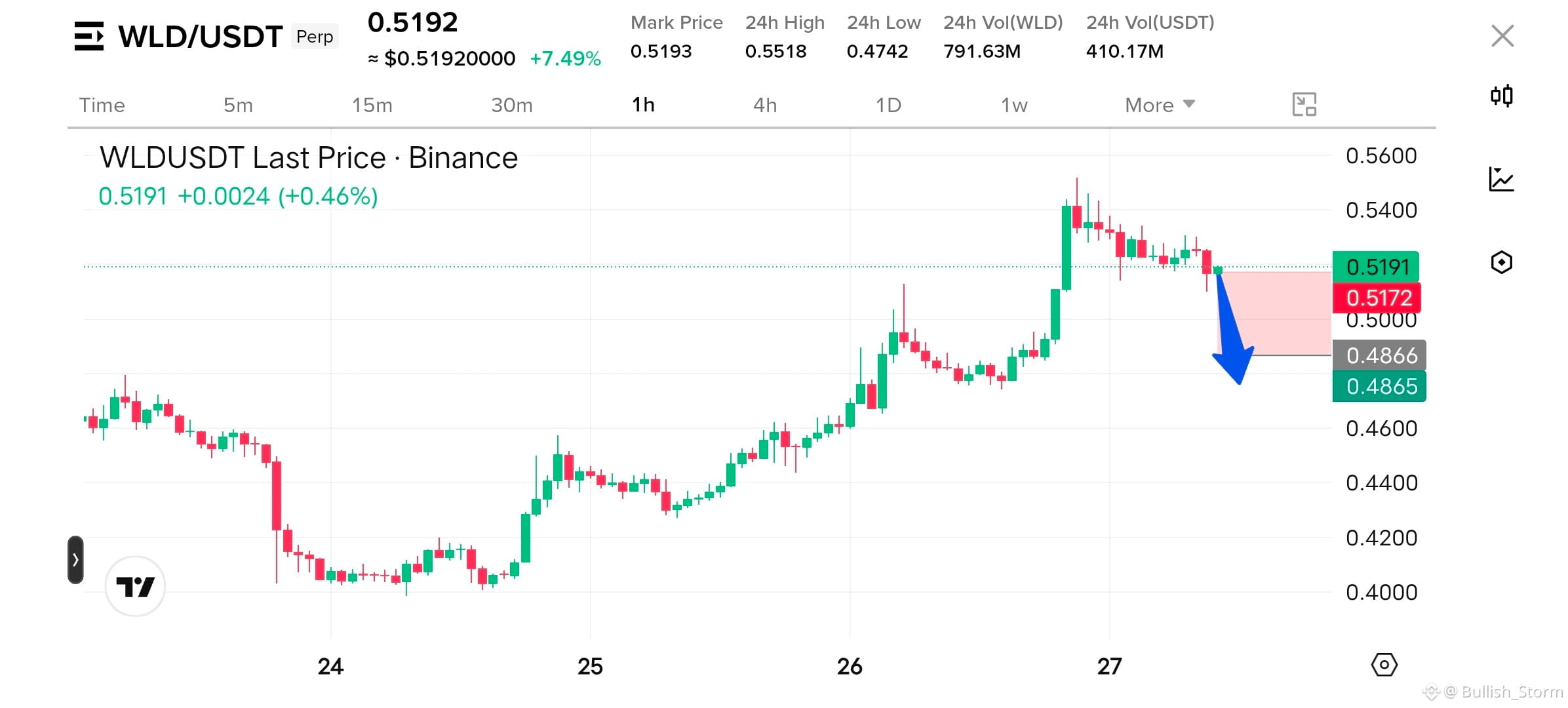
$WLD — Sellers are starting to take control after the sharp rally.
WLD pushed into the $0.54 area, got rejected, and is now printing lower highs around $0.52. I’m watching for a breakdown below the current support before entering.
Trade Setup — SHORT
Entry Zone: $0.515–$0.522
Target 1: $0.505
Target 2: $0.495
Target 3: $0.4865
Stop Loss: $0.5420
Why this setup works:
The 1H chart shows momentum cooling after the strong move higher. I’m looking for a clean rejection around $0.52 or a confirmed break below $0.515. If sellers gain control, the next downside area is around $0.4865.
If WLD reclaims and holds above $0.54, I’d avoid the short.
$WLD
{future}(WLDUSDT)
#SECSaysTokenBuybacksNotAutoSecurities #CircleMints500MUSDCOnSolana #TrumpRejectsIranHormuzReopening #StrategyStriveAdd2305BitcoinThisWeek #BitwiseFilesToListNEARETFOnNYSEArca
$WLD — Sellers are starting to take control after the sharp rally.
WLD pushed into the $0.54 area, got rejected, and is now printing lower highs around $0.52. I’m watching for a breakdown below the current support before entering.
Trade Setup — SHORT
Entry Zone: $0.515–$0.522
Target 1: $0.505
Target 2: $0.495
Target 3: $0.4865
Stop Loss: $0.5420
Why this setup works:
The 1H chart shows momentum cooling after the strong move higher. I’m looking for a clean rejection around $0.52 or a confirmed break below $0.515. If sellers gain control, the next downside area is around $0.4865.
If WLD reclaims and holds above $0.54, I’d avoid the short.
$WLD
#SECSaysTokenBuybacksNotAutoSecurities #CircleMints500MUSDCOnSolana #TrumpRejectsIranHormuzReopening #StrategyStriveAdd2305BitcoinThisWeek #BitwiseFilesToListNEARETFOnNYSEArca
WLD pushed into the $0.54 area, got rejected, and is now printing lower highs around $0.52. I’m watching for a breakdown below the current support before entering.
Trade Setup — SHORT
Entry Zone: $0.515–$0.522
Target 1: $0.505
Target 2: $0.495
Target 3: $0.4865
Stop Loss: $0.5420
Why this setup works:
The 1H chart shows momentum cooling after the strong move higher. I’m looking for a clean rejection around $0.52 or a confirmed break below $0.515. If sellers gain control, the next downside area is around $0.4865.
If WLD reclaims and holds above $0.54, I’d avoid the short.
$WLD
#SECSaysTokenBuybacksNotAutoSecurities #CircleMints500MUSDCOnSolana #TrumpRejectsIranHormuzReopening #StrategyStriveAdd2305BitcoinThisWeek #BitwiseFilesToListNEARETFOnNYSEArca

1
379
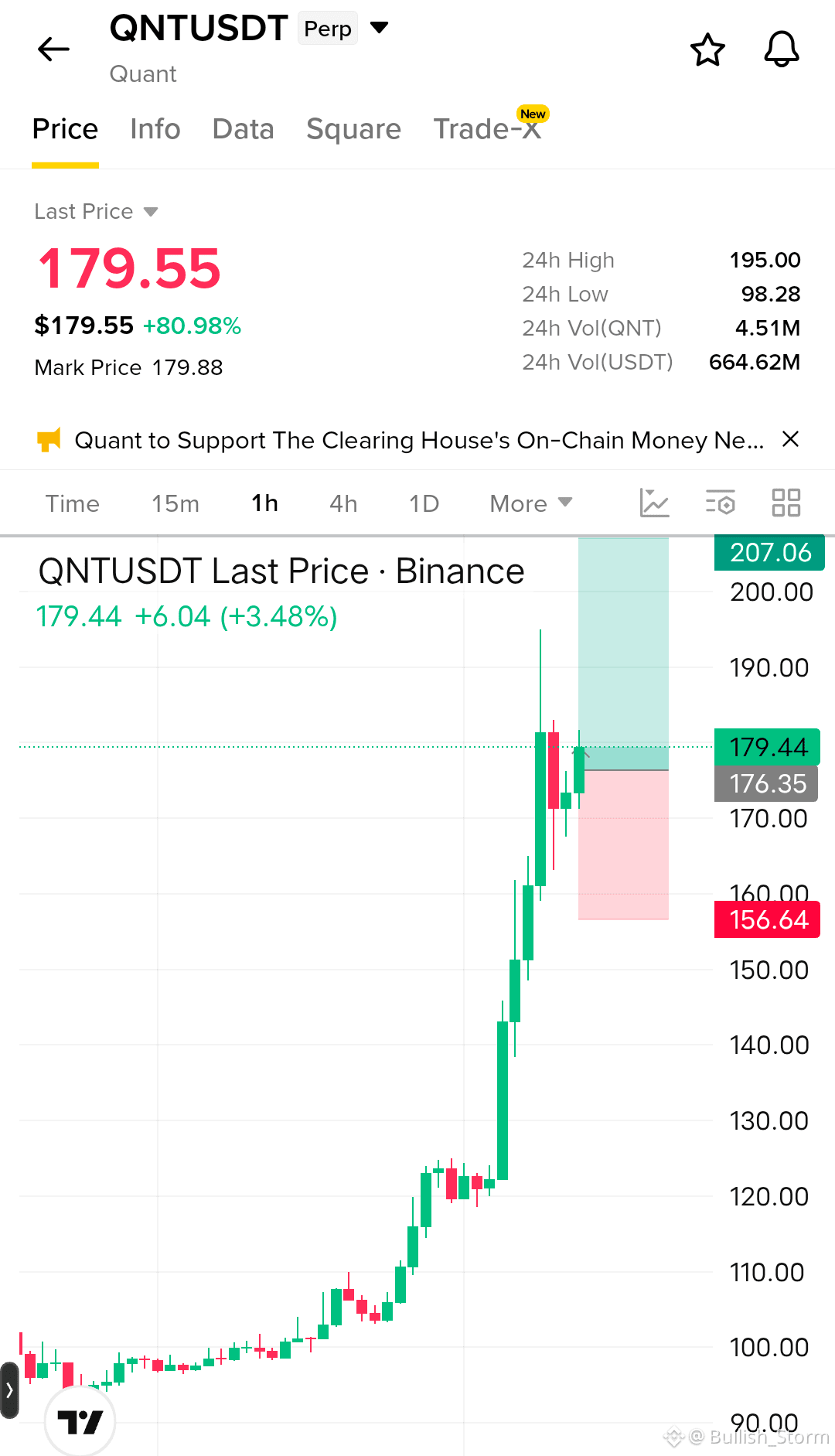
$QNT — Strong breakout, but I’m watching the pullback.
QNT has pushed aggressively from the $120 area to $195 before cooling off. Price is now around $179.55, holding above the $176.35 area. I’m looking for this level to act as support before considering continuation.
Trade Setup — LONG
Entry Zone: $176.35–$179.50
Target 1: $190
Target 2: $200
Target 3: $207.06
Stop Loss: $156.64
Why this setup works:
The 1H structure remains strongly bullish after the breakout and sharp move higher. I’m watching $176.35 as the key retest zone; holding it would keep the higher-high structure intact and give buyers room toward $190–$207. I’d wait for a bullish reaction around the entry zone rather than chasing the spike.
If $176.35 fails decisively, I’d stay out and respect the $156.64 invalidation.
$QNT
{future}(QNTUSDT)
#TrumpRejectsIranHormuzReopening
#CircleTetherFreezeBitgetHackerWallet
#SECSaysTokenBuybacksNotAutoSecurities
#CoinMarketCapCompletesCoinglassAcquisition
#CircleMints500MUSDCOnSolana
$QNT — Strong breakout, but I’m watching the pullback.
QNT has pushed aggressively from the $120 area to $195 before cooling off. Price is now around $179.55, holding above the $176.35 area. I’m looking for this level to act as support before considering continuation.
Trade Setup — LONG
Entry Zone: $176.35–$179.50
Target 1: $190
Target 2: $200
Target 3: $207.06
Stop Loss: $156.64
Why this setup works:
The 1H structure remains strongly bullish after the breakout and sharp move higher. I’m watching $176.35 as the key retest zone; holding it would keep the higher-high structure intact and give buyers room toward $190–$207. I’d wait for a bullish reaction around the entry zone rather than chasing the spike.
If $176.35 fails decisively, I’d stay out and respect the $156.64 invalidation.
$QNT
#TrumpRejectsIranHormuzReopening
#CircleTetherFreezeBitgetHackerWallet
#SECSaysTokenBuybacksNotAutoSecurities
#CoinMarketCapCompletesCoinglassAcquisition
#CircleMints500MUSDCOnSolana
QNT has pushed aggressively from the $120 area to $195 before cooling off. Price is now around $179.55, holding above the $176.35 area. I’m looking for this level to act as support before considering continuation.
Trade Setup — LONG
Entry Zone: $176.35–$179.50
Target 1: $190
Target 2: $200
Target 3: $207.06
Stop Loss: $156.64
Why this setup works:
The 1H structure remains strongly bullish after the breakout and sharp move higher. I’m watching $176.35 as the key retest zone; holding it would keep the higher-high structure intact and give buyers room toward $190–$207. I’d wait for a bullish reaction around the entry zone rather than chasing the spike.
If $176.35 fails decisively, I’d stay out and respect the $156.64 invalidation.
$QNT
#TrumpRejectsIranHormuzReopening
#CircleTetherFreezeBitgetHackerWallet
#SECSaysTokenBuybacksNotAutoSecurities
#CoinMarketCapCompletesCoinglassAcquisition
#CircleMints500MUSDCOnSolana
150
🌕💛 Who said moon cakes can’t have a Binance vibe?
I gave the classic Mid-Autumn moon cake my own Binance-inspired twist — simple, clean, and made with a little extra creativity. 🥮✨
Now I’m ready to see what everyone else creates!
#BinanceMidAutumn #BinanceSquareTG
$PHA
{future}(PHAUSDT)
$ARK
{future}(ARKUSDT)
$ZEC
{future}(ZECUSDT)
🌕💛 Who said moon cakes can’t have a Binance vibe?
I gave the classic Mid-Autumn moon cake my own Binance-inspired twist — simple, clean, and made with a little extra creativity. 🥮✨
Now I’m ready to see what everyone else creates!
#BinanceMidAutumn #BinanceSquareTG
$PHA
$ARK
$ZEC
I gave the classic Mid-Autumn moon cake my own Binance-inspired twist — simple, clean, and made with a little extra creativity. 🥮✨
Now I’m ready to see what everyone else creates!
#BinanceMidAutumn #BinanceSquareTG
$PHA
$ARK
$ZEC

517
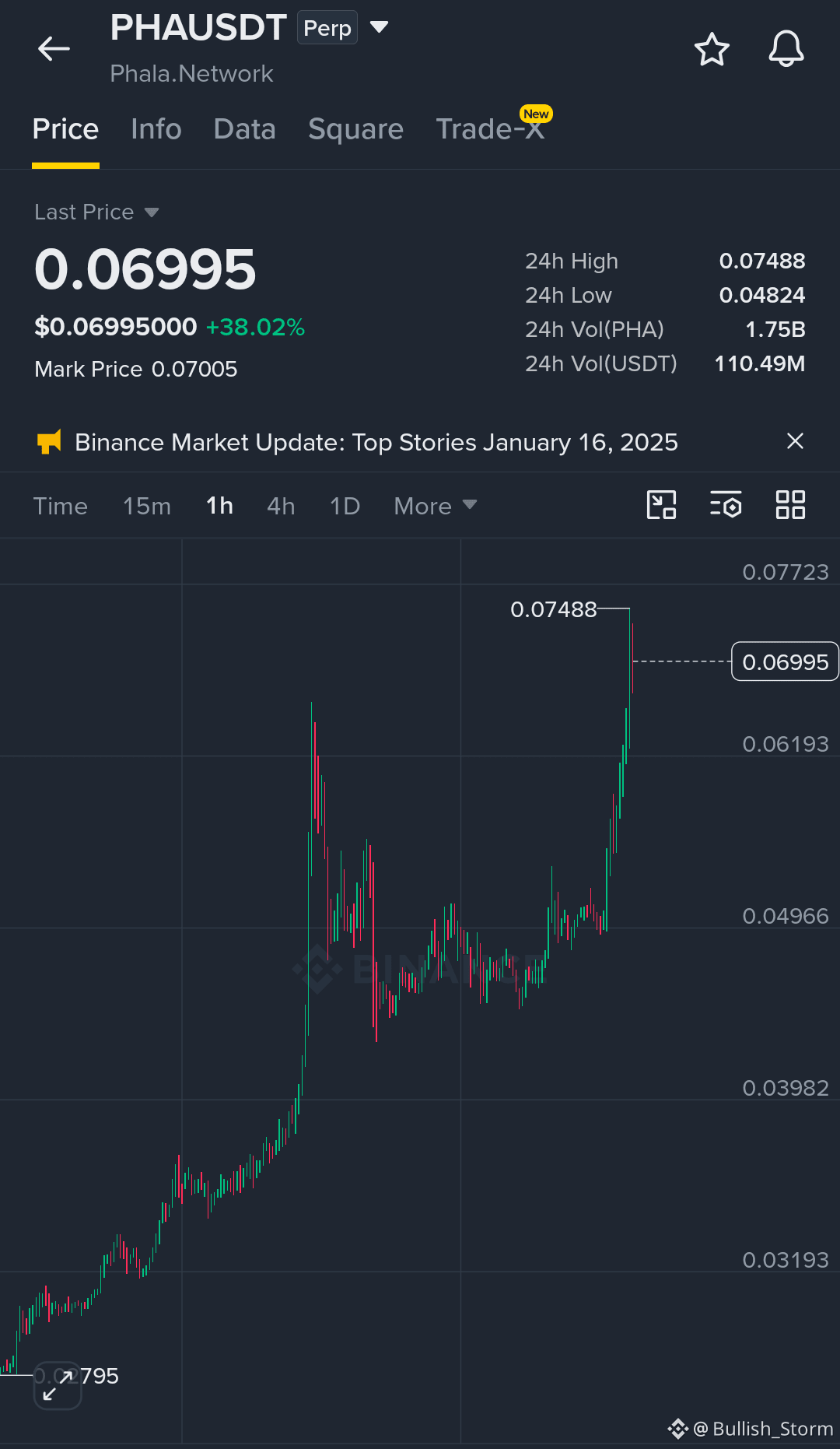
$PHA is showing strong momentum after breaking above the $0.0490–$0.0500 resistance zone. Price is now near $0.0700 after reaching $0.07488, so I’m not chasing the move at the top.
Trade Setup**
- Entry Zone: $0.0630–$0.0660
- Target 1: $0.0700
- Target 2:** $0.0748
- Target 3:** $0.0800
- Stop Loss:** $0.0590
I’m looking for a pullback into the entry zone, followed by a bullish reaction. If price breaks and holds above $0.0748 with strong volume, the move toward $0.0800 becomes more likely.
This setup works because the market has created a strong higher-high structure and buyers are defending the breakout area. The entry zone gives a better risk-to-reward ratio than buying after the vertical pump. If price closes below $0.0590, the bullish structure weakens and I’m out of the trade.
Manage risk carefully and avoid entering if price moves sharply above the target levels without a retest.
$ARK
{future}(ARKUSDT)
$PHA
{future}(PHAUSDT)
$PHA is showing strong momentum after breaking above the $0.0490–$0.0500 resistance zone. Price is now near $0.0700 after reaching $0.07488, so I’m not chasing the move at the top.
Trade Setup**
- Entry Zone: $0.0630–$0.0660
- Target 1: $0.0700
- Target 2:** $0.0748
- Target 3:** $0.0800
- Stop Loss:** $0.0590
I’m looking for a pullback into the entry zone, followed by a bullish reaction. If price breaks and holds above $0.0748 with strong volume, the move toward $0.0800 becomes more likely.
This setup works because the market has created a strong higher-high structure and buyers are defending the breakout area. The entry zone gives a better risk-to-reward ratio than buying after the vertical pump. If price closes below $0.0590, the bullish structure weakens and I’m out of the trade.
Manage risk carefully and avoid entering if price moves sharply above the target levels without a retest.
$ARK
$PHA
Trade Setup**
- Entry Zone: $0.0630–$0.0660
- Target 1: $0.0700
- Target 2:** $0.0748
- Target 3:** $0.0800
- Stop Loss:** $0.0590
I’m looking for a pullback into the entry zone, followed by a bullish reaction. If price breaks and holds above $0.0748 with strong volume, the move toward $0.0800 becomes more likely.
This setup works because the market has created a strong higher-high structure and buyers are defending the breakout area. The entry zone gives a better risk-to-reward ratio than buying after the vertical pump. If price closes below $0.0590, the bullish structure weakens and I’m out of the trade.
Manage risk carefully and avoid entering if price moves sharply above the target levels without a retest.
$ARK
$PHA
281
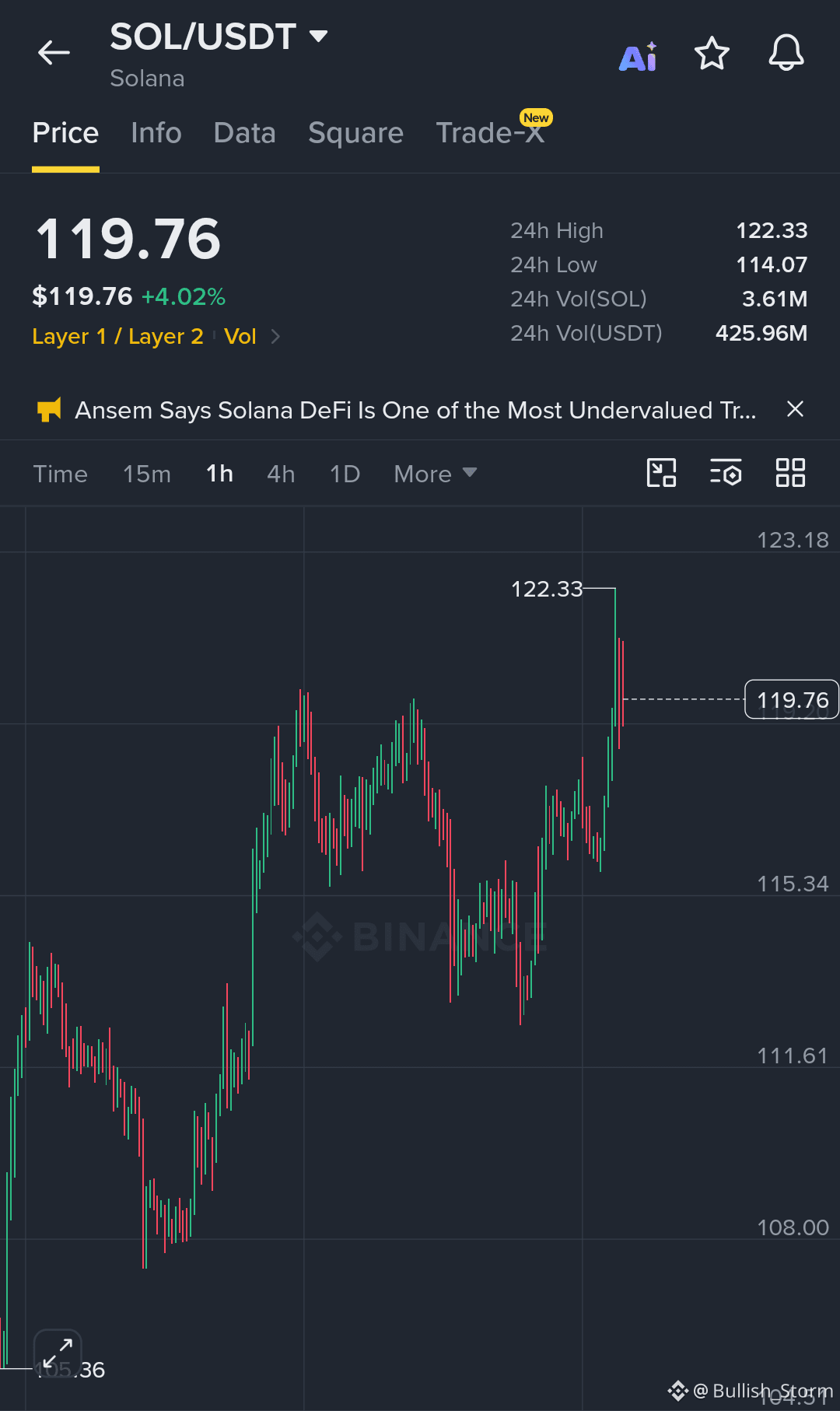
$SOL is making noise! 🚀
Up 4% and testing the $122.33 high—one strong push could send bulls into overdrive. Breakout or pullback? The battle is on! ⚡📈
{future}(SOLUSDT)
#QNTRises39%
$SOL is making noise! 🚀
Up 4% and testing the $122.33 high—one strong push could send bulls into overdrive. Breakout or pullback? The battle is on! ⚡📈
#QNTRises39%
Up 4% and testing the $122.33 high—one strong push could send bulls into overdrive. Breakout or pullback? The battle is on! ⚡📈
#QNTRises39%
146
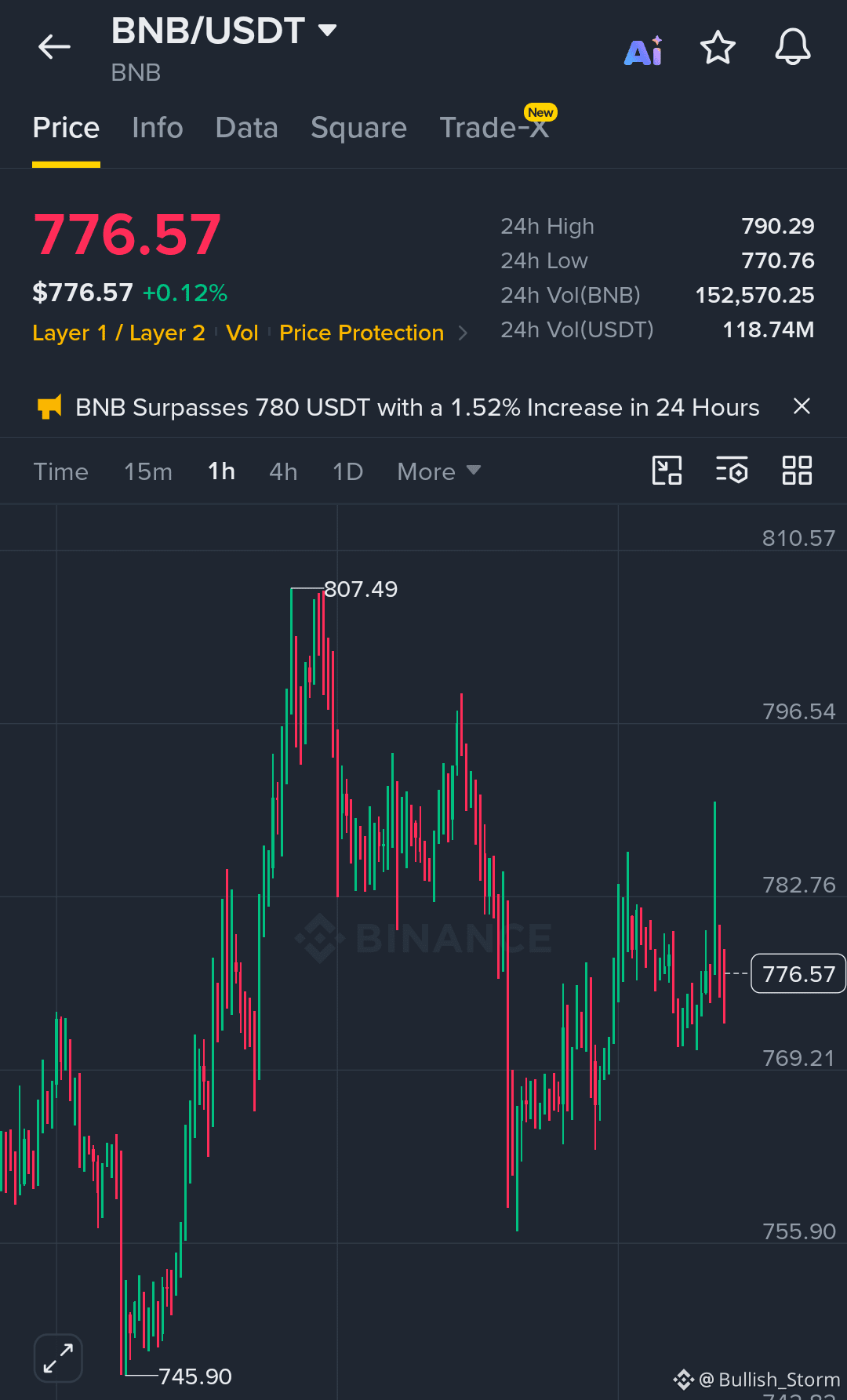
$BNB is heating up 🔥
After bouncing from $745, bulls are eyeing the $780 resistance. Breakout next—or another rejection? 👀📈
$BNB
{future}(BNBUSDT)
#BinanceWillListHyperliquid(HYPE)
#CFTCUpdatesGuidanceOnTokenizedAssets
#BitcoinSpotETFsTurnNetPositiveYTD
#BitgetBreachForgedRequestsNotStolenKeys
#QNTRises39%
$BNB is heating up 🔥
After bouncing from $745, bulls are eyeing the $780 resistance. Breakout next—or another rejection? 👀📈
$BNB
#BinanceWillListHyperliquid(HYPE)
#CFTCUpdatesGuidanceOnTokenizedAssets
#BitcoinSpotETFsTurnNetPositiveYTD
#BitgetBreachForgedRequestsNotStolenKeys
#QNTRises39%
After bouncing from $745, bulls are eyeing the $780 resistance. Breakout next—or another rejection? 👀📈
$BNB
#BinanceWillListHyperliquid(HYPE)
#CFTCUpdatesGuidanceOnTokenizedAssets
#BitcoinSpotETFsTurnNetPositiveYTD
#BitgetBreachForgedRequestsNotStolenKeys
#QNTRises39%
90
🚨 BTC & ETH ARE AT A CRITICAL MOMENT!
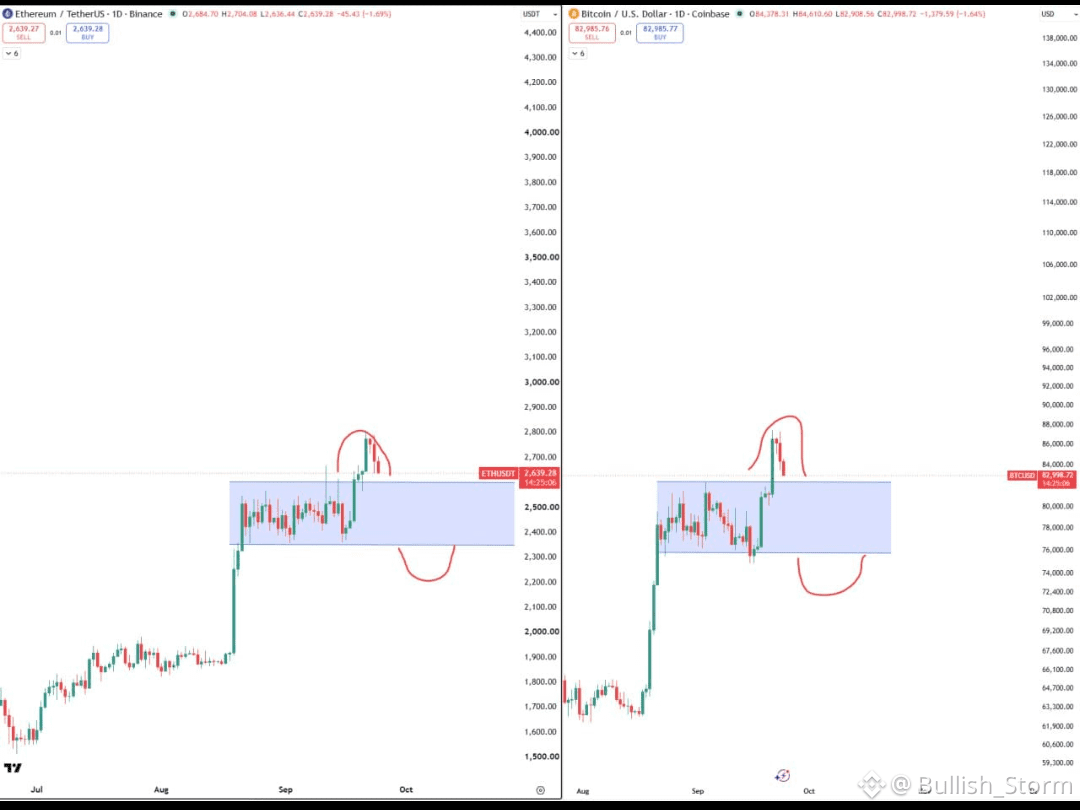
Both $BTC and $ETH are showing a very similar structure — a powerful breakout from a long consolidation zone, followed by a sharp rejection near the highs. 👀
The big question now: Is this just a healthy pullback… or the start of a deeper retracement?
🔵 BTC: The $76K–$82K area remains the key zone to watch.
🟣 ETH: The $2.35K–$2.60K region is acting as an important structure.
If these zones hold, buyers could attempt another push toward the recent highs. But if support breaks decisively, the market could revisit lower liquidity zones before the next major move.
⚡ Same structure. Same tension. Different price levels.
The next few candles could reveal whether bulls are preparing for another breakout or simply distributing into strength.
Don’t chase the move — watch the levels. 📊🔥
#BTC #ETH #Crypto #bitcoin #Ethereum
🚨 BTC & ETH ARE AT A CRITICAL MOMENT!
Both $BTC and $ETH are showing a very similar structure — a powerful breakout from a long consolidation zone, followed by a sharp rejection near the highs. 👀
The big question now: Is this just a healthy pullback… or the start of a deeper retracement?
🔵 BTC: The $76K–$82K area remains the key zone to watch.
🟣 ETH: The $2.35K–$2.60K region is acting as an important structure.
If these zones hold, buyers could attempt another push toward the recent highs. But if support breaks decisively, the market could revisit lower liquidity zones before the next major move.
⚡ Same structure. Same tension. Different price levels.
The next few candles could reveal whether bulls are preparing for another breakout or simply distributing into strength.
Don’t chase the move — watch the levels. 📊🔥
#BTC #ETH #Crypto #bitcoin #Ethereum
Both $BTC and $ETH are showing a very similar structure — a powerful breakout from a long consolidation zone, followed by a sharp rejection near the highs. 👀
The big question now: Is this just a healthy pullback… or the start of a deeper retracement?
🔵 BTC: The $76K–$82K area remains the key zone to watch.
🟣 ETH: The $2.35K–$2.60K region is acting as an important structure.
If these zones hold, buyers could attempt another push toward the recent highs. But if support breaks decisively, the market could revisit lower liquidity zones before the next major move.
⚡ Same structure. Same tension. Different price levels.
The next few candles could reveal whether bulls are preparing for another breakout or simply distributing into strength.
Don’t chase the move — watch the levels. 📊🔥
#BTC #ETH #Crypto #bitcoin #Ethereum
131
🔥 BITCOIN IS BACK ABOVE $85K!
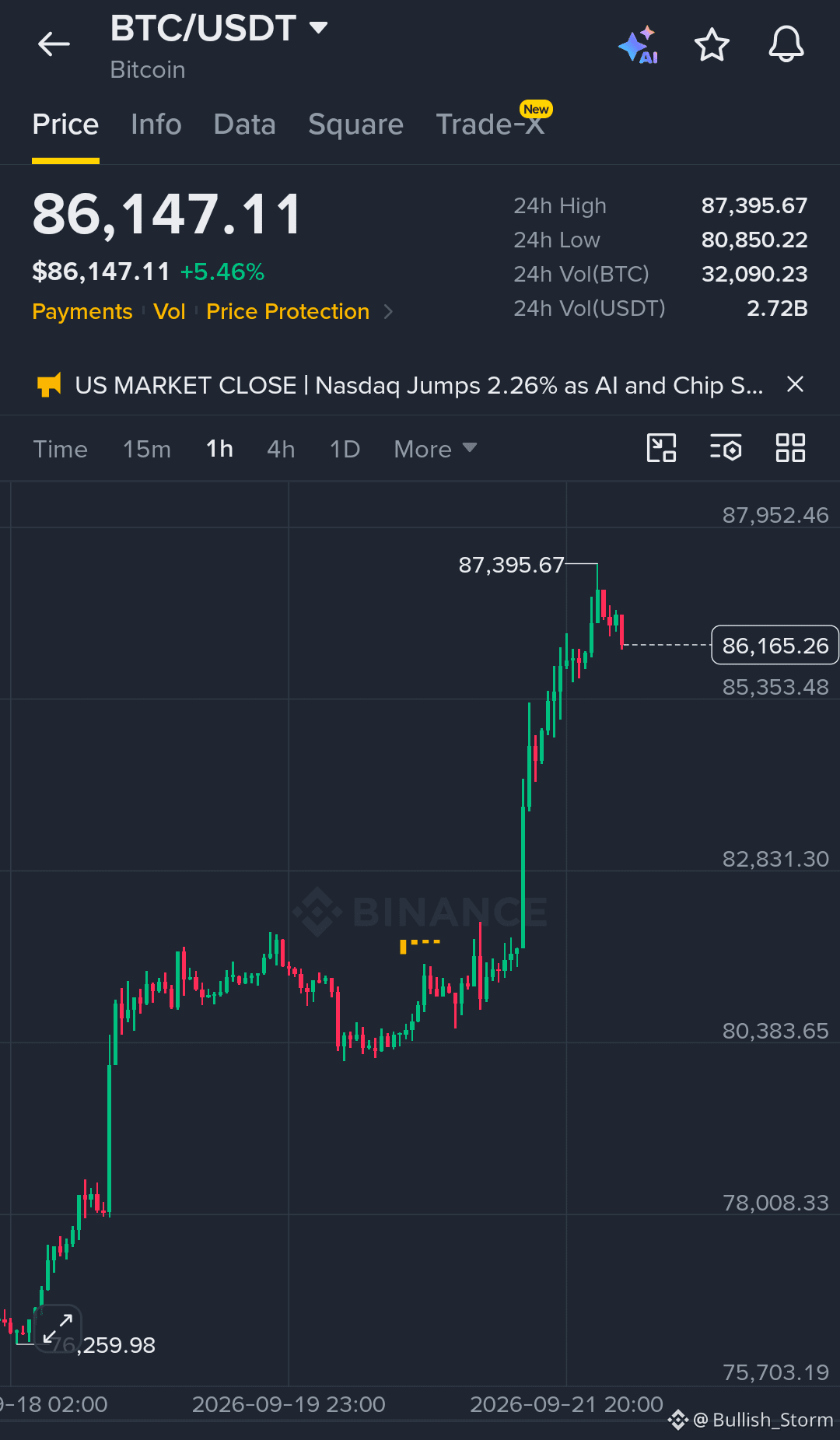
For the first time in months, $BTC is once again trading above the $85,000 zone — and this move doesn’t feel like a random candle. 👀
Bitcoin pushed from around $80K to $87.4K, showing serious momentum as buyers stepped in aggressively. The chart is now sitting near $86K, after briefly touching $87,395. 🚀
But here’s where it gets interesting…
The market spent days building around the $80K–$82K area, then suddenly exploded higher. That kind of move can completely change short-term market structure.
📍 $85K is now a level worth watching closely.
If BTC can hold above it, traders may start watching the $87.4K high and the psychological $90K area.
But if the breakout loses momentum and price falls back below the breakout zone, a deeper retest could happen.
No chasing. No FOMO.
Let Bitcoin show the next move. 🧠📈
After months of waiting…
BTC finally looks alive again. 🔥
$BTC
{future}(BTCUSDT)
#NEARRisesNearly80%InAWeek
#ZetaChainVotesToMigrateZETAToSolana
🔥 BITCOIN IS BACK ABOVE $85K!
For the first time in months, $BTC is once again trading above the $85,000 zone — and this move doesn’t feel like a random candle. 👀
Bitcoin pushed from around $80K to $87.4K, showing serious momentum as buyers stepped in aggressively. The chart is now sitting near $86K, after briefly touching $87,395. 🚀
But here’s where it gets interesting…
The market spent days building around the $80K–$82K area, then suddenly exploded higher. That kind of move can completely change short-term market structure.
📍 $85K is now a level worth watching closely.
If BTC can hold above it, traders may start watching the $87.4K high and the psychological $90K area.
But if the breakout loses momentum and price falls back below the breakout zone, a deeper retest could happen.
No chasing. No FOMO.
Let Bitcoin show the next move. 🧠📈
After months of waiting…
BTC finally looks alive again. 🔥
$BTC
#NEARRisesNearly80%InAWeek
#ZetaChainVotesToMigrateZETAToSolana
For the first time in months, $BTC is once again trading above the $85,000 zone — and this move doesn’t feel like a random candle. 👀
Bitcoin pushed from around $80K to $87.4K, showing serious momentum as buyers stepped in aggressively. The chart is now sitting near $86K, after briefly touching $87,395. 🚀
But here’s where it gets interesting…
The market spent days building around the $80K–$82K area, then suddenly exploded higher. That kind of move can completely change short-term market structure.
📍 $85K is now a level worth watching closely.
If BTC can hold above it, traders may start watching the $87.4K high and the psychological $90K area.
But if the breakout loses momentum and price falls back below the breakout zone, a deeper retest could happen.
No chasing. No FOMO.
Let Bitcoin show the next move. 🧠📈
After months of waiting…
BTC finally looks alive again. 🔥
$BTC
#NEARRisesNearly80%InAWeek
#ZetaChainVotesToMigrateZETAToSolana
1
172
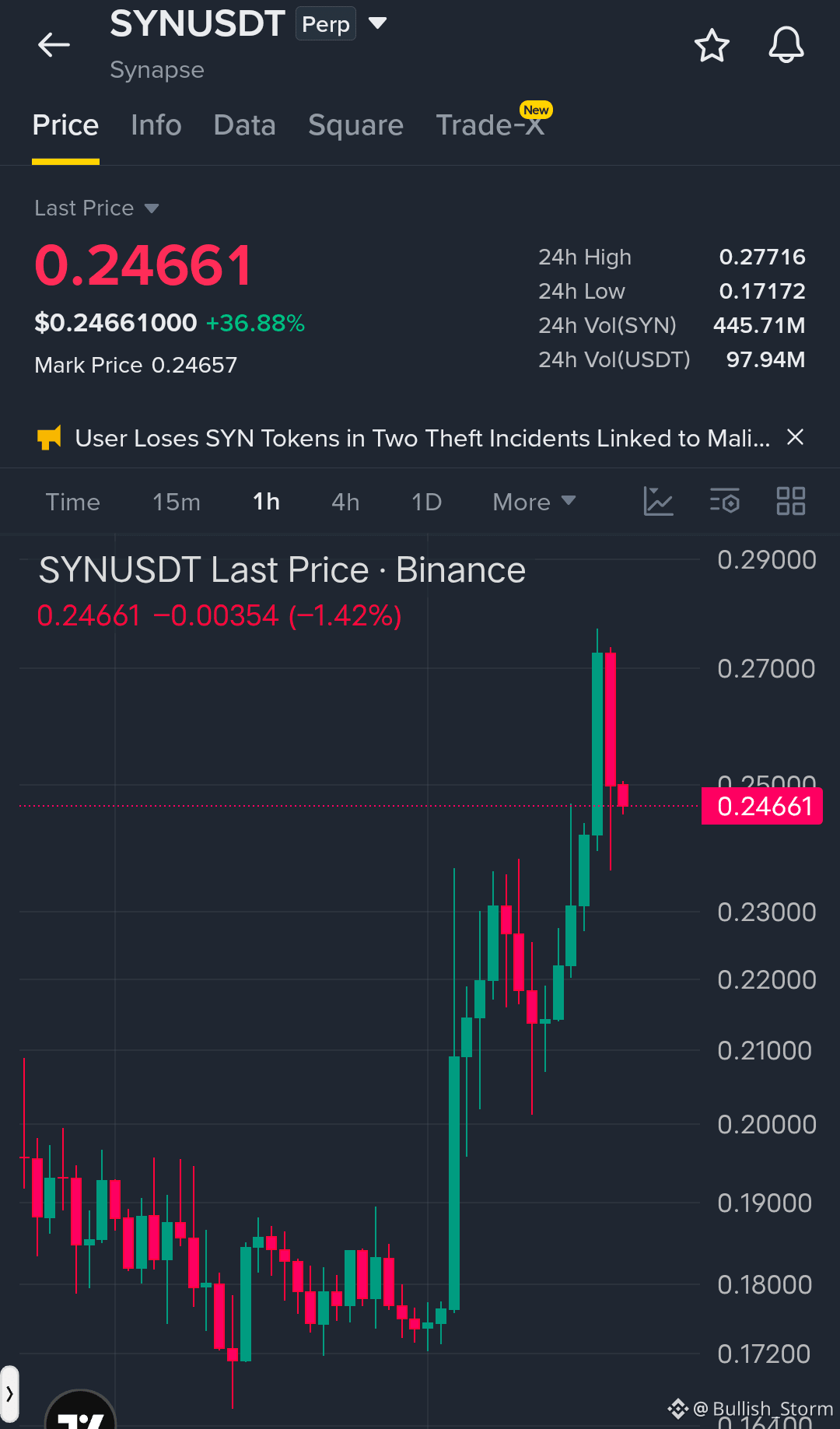
🚨 $SYN JUST WENT ABSOLUTELY CRAZY! 😂🔥
SYN USDT +36.88% in 24H and the chart looks like it just discovered caffeine. ☕😂
Price ripped from around $0.172 → $0.277, then pulled back toward $0.2466. That’s a serious move in a short period.
But here’s where things get interesting… 👀
The 1H chart shows a strong breakout from the $0.175–$0.180 area, followed by aggressive buying all the way toward $0.27+.
Now sellers are finally showing up.
🎯 Key levels to watch:
🟢 Support: $0.240–$0.230
🟢 Next support: $0.220–$0.210
🟢 Major base: $0.180–$0.175
🔴 Resistance: $0.250
🔴 Major resistance: $0.270–$0.277
🔥 Breakout zone: Above $0.277
If buyers reclaim and hold $0.250, the recent high around $0.277 becomes the obvious level everyone will be watching.
But if $0.240 starts cracking, the market could see a deeper cooldown toward the lower support zones.
And honestly… after a 36%+ daily pump, buying a random green candle is basically asking the market:
“Can you please teach me a lesson?” 😂💀
SYN has momentum, volume is huge, and the structure has completely changed from the earlier sideways action.
Now the real question:
Is this just the first chapter… or is the pump finally asking for a timeout? 👀🔥
Watch the levels. Don’t chase blindly. Let price confirm the next move.
Educational only. Not financial advice. Always do your own research and manage your risk.
$ZEC
{future}(ZECUSDT)
$AKE
{future}(AKEUSDT)
🚨 $SYN JUST WENT ABSOLUTELY CRAZY! 😂🔥
SYN USDT +36.88% in 24H and the chart looks like it just discovered caffeine. ☕😂
Price ripped from around $0.172 → $0.277, then pulled back toward $0.2466. That’s a serious move in a short period.
But here’s where things get interesting… 👀
The 1H chart shows a strong breakout from the $0.175–$0.180 area, followed by aggressive buying all the way toward $0.27+.
Now sellers are finally showing up.
🎯 Key levels to watch:
🟢 Support: $0.240–$0.230
🟢 Next support: $0.220–$0.210
🟢 Major base: $0.180–$0.175
🔴 Resistance: $0.250
🔴 Major resistance: $0.270–$0.277
🔥 Breakout zone: Above $0.277
If buyers reclaim and hold $0.250, the recent high around $0.277 becomes the obvious level everyone will be watching.
But if $0.240 starts cracking, the market could see a deeper cooldown toward the lower support zones.
And honestly… after a 36%+ daily pump, buying a random green candle is basically asking the market:
“Can you please teach me a lesson?” 😂💀
SYN has momentum, volume is huge, and the structure has completely changed from the earlier sideways action.
Now the real question:
Is this just the first chapter… or is the pump finally asking for a timeout? 👀🔥
Watch the levels. Don’t chase blindly. Let price confirm the next move.
Educational only. Not financial advice. Always do your own research and manage your risk.
$ZEC
$AKE
SYN USDT +36.88% in 24H and the chart looks like it just discovered caffeine. ☕😂
Price ripped from around $0.172 → $0.277, then pulled back toward $0.2466. That’s a serious move in a short period.
But here’s where things get interesting… 👀
The 1H chart shows a strong breakout from the $0.175–$0.180 area, followed by aggressive buying all the way toward $0.27+.
Now sellers are finally showing up.
🎯 Key levels to watch:
🟢 Support: $0.240–$0.230
🟢 Next support: $0.220–$0.210
🟢 Major base: $0.180–$0.175
🔴 Resistance: $0.250
🔴 Major resistance: $0.270–$0.277
🔥 Breakout zone: Above $0.277
If buyers reclaim and hold $0.250, the recent high around $0.277 becomes the obvious level everyone will be watching.
But if $0.240 starts cracking, the market could see a deeper cooldown toward the lower support zones.
And honestly… after a 36%+ daily pump, buying a random green candle is basically asking the market:
“Can you please teach me a lesson?” 😂💀
SYN has momentum, volume is huge, and the structure has completely changed from the earlier sideways action.
Now the real question:
Is this just the first chapter… or is the pump finally asking for a timeout? 👀🔥
Watch the levels. Don’t chase blindly. Let price confirm the next move.
Educational only. Not financial advice. Always do your own research and manage your risk.
$ZEC
$AKE

793
Log in to explore more content
Join global crypto users on Binance Square
⚡️ Get latest and useful information about crypto.
💬 Trusted by the world’s largest crypto exchange.
👍 Discover real insights from verified creators.
Email / Phone number