
#techwar
techwar
37,333 views
132 Discussing
Hot
Latest

·
--
OPENAI FIRES BACK AT $AAPL IN MULTI-BILLION HARDWARE WAR AS TALENT DRAINS RAPIDLY! 🚨 💥
OpenAI just dropped a sharp response to Apple's trade secret lawsuit, claiming the legal pressure is a desperate effort to front-run an emerging hardware rival. With roughly 400 former Cupertino engineers already migrating to build OpenAI's mystery consumer device, the battle for AI market share is escalating fast. ⚡
Apple alleges trade secrets were downloaded, yet OpenAI maintains strict compliance while confirming its upcoming hardware is fundamentally different from current market offerings. 🔍 When high-tier talent shifts this aggressively, smart money pays close attention to the structural regime change. 🌊
💬 Will this engineer migration undermine Apple's hardware dominant moat, or can legal friction stall the next AI hardware leap? 👇
⚠️ Not financial advice. Always manage your risk. 🛡️
🏷️ #AAPL #AI #TechWar #CryptoNews
🔥 💎
OPENAI FIRES BACK AT $AAPL IN MULTI-BILLION HARDWARE WAR AS TALENT DRAINS RAPIDLY! 🚨 💥
OpenAI just dropped a sharp response to Apple's trade secret lawsuit, claiming the legal pressure is a desperate effort to front-run an emerging hardware rival. With roughly 400 former Cupertino engineers already migrating to build OpenAI's mystery consumer device, the battle for AI market share is escalating fast. ⚡
Apple alleges trade secrets were downloaded, yet OpenAI maintains strict compliance while confirming its upcoming hardware is fundamentally different from current market offerings. 🔍 When high-tier talent shifts this aggressively, smart money pays close attention to the structural regime change. 🌊
💬 Will this engineer migration undermine Apple's hardware dominant moat, or can legal friction stall the next AI hardware leap? 👇
⚠️ Not financial advice. Always manage your risk. 🛡️
🏷️ #AAPL #AI #TechWar #CryptoNews
🔥 💎
OpenAI just dropped a sharp response to Apple's trade secret lawsuit, claiming the legal pressure is a desperate effort to front-run an emerging hardware rival. With roughly 400 former Cupertino engineers already migrating to build OpenAI's mystery consumer device, the battle for AI market share is escalating fast. ⚡
Apple alleges trade secrets were downloaded, yet OpenAI maintains strict compliance while confirming its upcoming hardware is fundamentally different from current market offerings. 🔍 When high-tier talent shifts this aggressively, smart money pays close attention to the structural regime change. 🌊
💬 Will this engineer migration undermine Apple's hardware dominant moat, or can legal friction stall the next AI hardware leap? 👇
⚠️ Not financial advice. Always manage your risk. 🛡️
🏷️ #AAPL #AI #TechWar #CryptoNews
🔥 💎
67

Verified
Jensen Huang just said out loud what every tech CEO is thinking but afraid to say.
China is a $200 billion opportunity and NVDA isn't walking away from it.
While politicians debate export controls
The CEO of the most important chip company on earth just called China a long-term opportunity.
Not a risk. Not a liability.
An opportunity.
Let's put $200 billion in context.
That's not a rounding error.
That's the entire data center and CPU market Jensen is pointing at.
One country. One market. Bigger than most tech sectors combined.
U.S. tech tensions with China are real.
The export bans are real.
The restrictions on H100s and advanced chips are real.
And Jensen Huang is still sitting across the table saying
"We want in."
This tells you everything about the pressure NVDA is navigating internally.
Washington wants containment.
The market wants growth.
And a $200B addressable market doesn't disappear just because of a trade memo.
Here's what the smart money is watching:
Every softening of export controls = immediate NVDA upside.
Every escalation = short-term pain on a company with long-term China dependency baked into its growth thesis.
Jensen just told you which direction he's betting.
This isn't just an NVDA story.
This is the central tension of the next decade
American technology. Chinese capital. And the chips that power both.
The CEO of the most valuable semiconductor company alive just chose a side.
Watch what Washington does next.
Because Jensen already told you what NVDA will do.
#NVDA #Nvidia #JensenHuang #AIChips #TechWar
Jensen Huang just said out loud what every tech CEO is thinking but afraid to say.
China is a $200 billion opportunity and NVDA isn't walking away from it.
While politicians debate export controls
The CEO of the most important chip company on earth just called China a long-term opportunity.
Not a risk. Not a liability.
An opportunity.
Let's put $200 billion in context.
That's not a rounding error.
That's the entire data center and CPU market Jensen is pointing at.
One country. One market. Bigger than most tech sectors combined.
U.S. tech tensions with China are real.
The export bans are real.
The restrictions on H100s and advanced chips are real.
And Jensen Huang is still sitting across the table saying
"We want in."
This tells you everything about the pressure NVDA is navigating internally.
Washington wants containment.
The market wants growth.
And a $200B addressable market doesn't disappear just because of a trade memo.
Here's what the smart money is watching:
Every softening of export controls = immediate NVDA upside.
Every escalation = short-term pain on a company with long-term China dependency baked into its growth thesis.
Jensen just told you which direction he's betting.
This isn't just an NVDA story.
This is the central tension of the next decade
American technology. Chinese capital. And the chips that power both.
The CEO of the most valuable semiconductor company alive just chose a side.
Watch what Washington does next.
Because Jensen already told you what NVDA will do.
#NVDA #Nvidia #JensenHuang #AIChips #TechWar
China is a $200 billion opportunity and NVDA isn't walking away from it.
While politicians debate export controls
The CEO of the most important chip company on earth just called China a long-term opportunity.
Not a risk. Not a liability.
An opportunity.
Let's put $200 billion in context.
That's not a rounding error.
That's the entire data center and CPU market Jensen is pointing at.
One country. One market. Bigger than most tech sectors combined.
U.S. tech tensions with China are real.
The export bans are real.
The restrictions on H100s and advanced chips are real.
And Jensen Huang is still sitting across the table saying
"We want in."
This tells you everything about the pressure NVDA is navigating internally.
Washington wants containment.
The market wants growth.
And a $200B addressable market doesn't disappear just because of a trade memo.
Here's what the smart money is watching:
Every softening of export controls = immediate NVDA upside.
Every escalation = short-term pain on a company with long-term China dependency baked into its growth thesis.
Jensen just told you which direction he's betting.
This isn't just an NVDA story.
This is the central tension of the next decade
American technology. Chinese capital. And the chips that power both.
The CEO of the most valuable semiconductor company alive just chose a side.
Watch what Washington does next.
Because Jensen already told you what NVDA will do.
#NVDA #Nvidia #JensenHuang #AIChips #TechWar
765

#trumpplansbansonchineserobotsandinverters
🔥 US-China Tech War Escalates: Banning Chinese Tech! ⚠️
Trump is moving to ban Chinese humanoid robotics and smart power inverters, citing severe national security risks to power grids and AI data centers. As critical supply chain protectionism takes center stage, geopolitical tension is once again driving market volatility.
⚡ Trader Action Plan:
Track Vulnerable Sectors: Expect immediate turbulence across solar energy and robotics.
Pivot to Resilient Assets: Focus on strong fundamental crypto projects with true decentralized utility.
Execute with Precision: Avoid emotional entries—let the initial market reaction settle before opening new positions.
Disclaimer: Not financial advice.
#TechWar #NationalSecurity #CryptoTrading
$BANK
{future}(BANKUSDT)
$AKE
{future}(AKEUSDT)
$EUL
{future}(EULUSDT)
#trumpplansbansonchineserobotsandinverters
🔥 US-China Tech War Escalates: Banning Chinese Tech! ⚠️
Trump is moving to ban Chinese humanoid robotics and smart power inverters, citing severe national security risks to power grids and AI data centers. As critical supply chain protectionism takes center stage, geopolitical tension is once again driving market volatility.
⚡ Trader Action Plan:
Track Vulnerable Sectors: Expect immediate turbulence across solar energy and robotics.
Pivot to Resilient Assets: Focus on strong fundamental crypto projects with true decentralized utility.
Execute with Precision: Avoid emotional entries—let the initial market reaction settle before opening new positions.
Disclaimer: Not financial advice.
#TechWar #NationalSecurity #CryptoTrading
$BANK
$AKE
$EUL
🔥 US-China Tech War Escalates: Banning Chinese Tech! ⚠️
Trump is moving to ban Chinese humanoid robotics and smart power inverters, citing severe national security risks to power grids and AI data centers. As critical supply chain protectionism takes center stage, geopolitical tension is once again driving market volatility.
⚡ Trader Action Plan:
Track Vulnerable Sectors: Expect immediate turbulence across solar energy and robotics.
Pivot to Resilient Assets: Focus on strong fundamental crypto projects with true decentralized utility.
Execute with Precision: Avoid emotional entries—let the initial market reaction settle before opening new positions.
Disclaimer: Not financial advice.
#TechWar #NationalSecurity #CryptoTrading
$BANK
$AKE
$EUL
1
1.2k
·
--
$XEC REACTS TO APPLE-OPENAI LEGAL ESCALATION 🔥
Apple’s trade‑secret investigation against 40 former employees now at OpenAI is creating a fresh wedge between two tech giants. Legal demands for document preservation and meetings signal a shift from passive monitoring to active enforcement. Market participants are watching closely — this kind of high‑profile friction often amplifies volatility across correlated assets.
The uncertainty introduces a new variable for sentiment‑driven projects like $XEC , $BANK , and $AKE . Past legal battles between tech leaders have historically triggered short‑term rotation into alternative ecosystems. Volume across these pairs is beginning to show early signs of divergence.
Do you see this as a catalyst for a sector rotation or just noise?
Not financial advice. Always manage your risk.
#XEC #LegalNews #CryptoImpact #TechWar
🔥
$XEC REACTS TO APPLE-OPENAI LEGAL ESCALATION 🔥
Apple’s trade‑secret investigation against 40 former employees now at OpenAI is creating a fresh wedge between two tech giants. Legal demands for document preservation and meetings signal a shift from passive monitoring to active enforcement. Market participants are watching closely — this kind of high‑profile friction often amplifies volatility across correlated assets.
The uncertainty introduces a new variable for sentiment‑driven projects like $XEC , $BANK , and $AKE . Past legal battles between tech leaders have historically triggered short‑term rotation into alternative ecosystems. Volume across these pairs is beginning to show early signs of divergence.
Do you see this as a catalyst for a sector rotation or just noise?
Not financial advice. Always manage your risk.
#XEC #LegalNews #CryptoImpact #TechWar
🔥
Apple’s trade‑secret investigation against 40 former employees now at OpenAI is creating a fresh wedge between two tech giants. Legal demands for document preservation and meetings signal a shift from passive monitoring to active enforcement. Market participants are watching closely — this kind of high‑profile friction often amplifies volatility across correlated assets.
The uncertainty introduces a new variable for sentiment‑driven projects like $XEC , $BANK , and $AKE . Past legal battles between tech leaders have historically triggered short‑term rotation into alternative ecosystems. Volume across these pairs is beginning to show early signs of divergence.
Do you see this as a catalyst for a sector rotation or just noise?
Not financial advice. Always manage your risk.
#XEC #LegalNews #CryptoImpact #TechWar
🔥
302

·
--
🚨 OPENAI CLASHES WITH APPLE AS HARDWARE WAR RIPPLES THROUGH THE $FET AI SECTOR! ⚡
Institutional tension accelerates as OpenAI counters Apple's trade secret lawsuit, framing the litigation as a tactic to choke talent migration. 🔍 With 400 former Apple specialists building OpenAI's flagship consumer hardware, smart money is monitoring this rapid reallocation of institutional IP and engineering power.
📊 This struggle underscores a broader structural shift toward next-gen AI hardware and decentralized compute frameworks. ⚡ Order flow dynamics suggest liquidity is quietly positioning for elevated volatility across AI infrastructure plays as sector catalysts build.
💡 As legal friction tests corporate moats, market structure signals an imminent breakout phase across primary sector tickers. 💬 Will this institutional AI hardware clash trigger the next macro sector rotation, or is risk-off distribution incoming? 👇
⚠️ Not financial advice. Always manage your risk. 🛡️
🏷️ #FET #ArtificialIntelligence #Crypto #MarketStructure #TechWar
🎯 🦈
🚨 OPENAI CLASHES WITH APPLE AS HARDWARE WAR RIPPLES THROUGH THE $FET AI SECTOR! ⚡
Institutional tension accelerates as OpenAI counters Apple's trade secret lawsuit, framing the litigation as a tactic to choke talent migration. 🔍 With 400 former Apple specialists building OpenAI's flagship consumer hardware, smart money is monitoring this rapid reallocation of institutional IP and engineering power.
📊 This struggle underscores a broader structural shift toward next-gen AI hardware and decentralized compute frameworks. ⚡ Order flow dynamics suggest liquidity is quietly positioning for elevated volatility across AI infrastructure plays as sector catalysts build.
💡 As legal friction tests corporate moats, market structure signals an imminent breakout phase across primary sector tickers. 💬 Will this institutional AI hardware clash trigger the next macro sector rotation, or is risk-off distribution incoming? 👇
⚠️ Not financial advice. Always manage your risk. 🛡️
🏷️ #FET #ArtificialIntelligence #Crypto #MarketStructure #TechWar
🎯 🦈
Institutional tension accelerates as OpenAI counters Apple's trade secret lawsuit, framing the litigation as a tactic to choke talent migration. 🔍 With 400 former Apple specialists building OpenAI's flagship consumer hardware, smart money is monitoring this rapid reallocation of institutional IP and engineering power.
📊 This struggle underscores a broader structural shift toward next-gen AI hardware and decentralized compute frameworks. ⚡ Order flow dynamics suggest liquidity is quietly positioning for elevated volatility across AI infrastructure plays as sector catalysts build.
💡 As legal friction tests corporate moats, market structure signals an imminent breakout phase across primary sector tickers. 💬 Will this institutional AI hardware clash trigger the next macro sector rotation, or is risk-off distribution incoming? 👇
⚠️ Not financial advice. Always manage your risk. 🛡️
🏷️ #FET #ArtificialIntelligence #Crypto #MarketStructure #TechWar
🎯 🦈
65
·
--
🚨 $AAPL BATTLES OPENAI AS INSTITUTIONAL HARDWARE DOMINANCE FACES A THREAT! 💥
The corporate alliance between $AAPL and OpenAI has officially broken down into aggressive institutional warfare as battlelines shift toward next-gen AI hardware dominance. 🔍 With over 400 key personnel migrating, tech giants are locking horns over proprietary schematics and talent moats ahead of major product cycles. 🏦
OpenAI hit back hard in federal court, exposing systemic flaws in legacy offboarding and iCloud policies while defending competitive mobility. 📊 As legal injunctions loom for October, smart money is closely tracking how this structural pivot impacts multi-year hardware valuations. 💡
🤔 Do you expect this legal escalation to stall AI hardware innovation, or will competitive pressure force a massive valuation repricing? 👇
⚠️ Not financial advice. Always manage your risk. 🛡️
🏷️ #AAPL #TechWar #AI #MarketStructure #Stocks
🔥 💎
🚨 $AAPL BATTLES OPENAI AS INSTITUTIONAL HARDWARE DOMINANCE FACES A THREAT! 💥
The corporate alliance between $AAPL and OpenAI has officially broken down into aggressive institutional warfare as battlelines shift toward next-gen AI hardware dominance. 🔍 With over 400 key personnel migrating, tech giants are locking horns over proprietary schematics and talent moats ahead of major product cycles. 🏦
OpenAI hit back hard in federal court, exposing systemic flaws in legacy offboarding and iCloud policies while defending competitive mobility. 📊 As legal injunctions loom for October, smart money is closely tracking how this structural pivot impacts multi-year hardware valuations. 💡
🤔 Do you expect this legal escalation to stall AI hardware innovation, or will competitive pressure force a massive valuation repricing? 👇
⚠️ Not financial advice. Always manage your risk. 🛡️
🏷️ #AAPL #TechWar #AI #MarketStructure #Stocks
🔥 💎
The corporate alliance between $AAPL and OpenAI has officially broken down into aggressive institutional warfare as battlelines shift toward next-gen AI hardware dominance. 🔍 With over 400 key personnel migrating, tech giants are locking horns over proprietary schematics and talent moats ahead of major product cycles. 🏦
OpenAI hit back hard in federal court, exposing systemic flaws in legacy offboarding and iCloud policies while defending competitive mobility. 📊 As legal injunctions loom for October, smart money is closely tracking how this structural pivot impacts multi-year hardware valuations. 💡
🤔 Do you expect this legal escalation to stall AI hardware innovation, or will competitive pressure force a massive valuation repricing? 👇
⚠️ Not financial advice. Always manage your risk. 🛡️
🏷️ #AAPL #TechWar #AI #MarketStructure #Stocks
🔥 💎
29

OPENAI CUTS CURSOR ACCESS AS MUSK FEUD ESCALATES TO TECH WARFARE $AI 🚨 💥
OpenAI is severing model access to Cursor following SpaceX's massive acquisition, directly escalating the friction across Musk's tech ecosystem. 📊 While OpenAI models represent just 5% of Cursor's current traffic, this aggressive squeeze highlights how major players are ruthlessly walling off their proprietary infrastructure. 🔍
The enterprise AI landscape is rapidly shifting from open collaboration to aggressive defense, forcing platforms to seek sovereign model alternatives. ⚡ As corporate friction hardens these walled gardens, market attention is turning toward resilient infrastructure that cannot be unilaterally turned off. 💡
💬 Does this corporate lockout accelerate market demand for decentralized AI protocols, or will centralized giants maintain control? 👇
⚠️ Not financial advice. Always manage your risk. 🛡️
🏷️ #AI #DeAI #TechWar #OpenAI #Crypto
⚡ 🎯
OPENAI CUTS CURSOR ACCESS AS MUSK FEUD ESCALATES TO TECH WARFARE $AI 🚨 💥
OpenAI is severing model access to Cursor following SpaceX's massive acquisition, directly escalating the friction across Musk's tech ecosystem. 📊 While OpenAI models represent just 5% of Cursor's current traffic, this aggressive squeeze highlights how major players are ruthlessly walling off their proprietary infrastructure. 🔍
The enterprise AI landscape is rapidly shifting from open collaboration to aggressive defense, forcing platforms to seek sovereign model alternatives. ⚡ As corporate friction hardens these walled gardens, market attention is turning toward resilient infrastructure that cannot be unilaterally turned off. 💡
💬 Does this corporate lockout accelerate market demand for decentralized AI protocols, or will centralized giants maintain control? 👇
⚠️ Not financial advice. Always manage your risk. 🛡️
🏷️ #AI #DeAI #TechWar #OpenAI #Crypto
⚡ 🎯
OpenAI is severing model access to Cursor following SpaceX's massive acquisition, directly escalating the friction across Musk's tech ecosystem. 📊 While OpenAI models represent just 5% of Cursor's current traffic, this aggressive squeeze highlights how major players are ruthlessly walling off their proprietary infrastructure. 🔍
The enterprise AI landscape is rapidly shifting from open collaboration to aggressive defense, forcing platforms to seek sovereign model alternatives. ⚡ As corporate friction hardens these walled gardens, market attention is turning toward resilient infrastructure that cannot be unilaterally turned off. 💡
💬 Does this corporate lockout accelerate market demand for decentralized AI protocols, or will centralized giants maintain control? 👇
⚠️ Not financial advice. Always manage your risk. 🛡️
🏷️ #AI #DeAI #TechWar #OpenAI #Crypto
⚡ 🎯
62

🚨 CHIP SPY GETS 18 MONTHS — THE REAL STORY BEHIND $BTC 💥
A former SK Hynix engineer was sentenced to 18 months in prison for passing on chip technology to a Chinese company. This is more than a legal saga—it's a signal of how seriously nations defend their intellectual property. 🌊 When corporations and governments protect their crown jewels with prison sentences, the rules for global supply chains change.
For traders, this is the most underestimated risk factor in the market. ⚡ Every escalation in the tech war can tip market risk sentiment—and $BTC is riding directly on this wave. Watch the news environment, not just the charts. 📊 The next big move could start with a single court ruling.
💬 Is geopolitical tech espionage a market signal for you—or just background noise? 👇
⚠️ Not financial advice. Always manage your risk. 🛡️
🏷️ #BTC #Geopolitics #TechWar #Crypto #RiskOn
⚡ 🔍
🚨 CHIP SPY GETS 18 MONTHS — THE REAL STORY BEHIND $BTC 💥
A former SK Hynix engineer was sentenced to 18 months in prison for passing on chip technology to a Chinese company. This is more than a legal saga—it's a signal of how seriously nations defend their intellectual property. 🌊 When corporations and governments protect their crown jewels with prison sentences, the rules for global supply chains change.
For traders, this is the most underestimated risk factor in the market. ⚡ Every escalation in the tech war can tip market risk sentiment—and $BTC is riding directly on this wave. Watch the news environment, not just the charts. 📊 The next big move could start with a single court ruling.
💬 Is geopolitical tech espionage a market signal for you—or just background noise? 👇
⚠️ Not financial advice. Always manage your risk. 🛡️
🏷️ #BTC #Geopolitics #TechWar #Crypto #RiskOn
⚡ 🔍
A former SK Hynix engineer was sentenced to 18 months in prison for passing on chip technology to a Chinese company. This is more than a legal saga—it's a signal of how seriously nations defend their intellectual property. 🌊 When corporations and governments protect their crown jewels with prison sentences, the rules for global supply chains change.
For traders, this is the most underestimated risk factor in the market. ⚡ Every escalation in the tech war can tip market risk sentiment—and $BTC is riding directly on this wave. Watch the news environment, not just the charts. 📊 The next big move could start with a single court ruling.
💬 Is geopolitical tech espionage a market signal for you—or just background noise? 👇
⚠️ Not financial advice. Always manage your risk. 🛡️
🏷️ #BTC #Geopolitics #TechWar #Crypto #RiskOn
⚡ 🔍
27

·
--
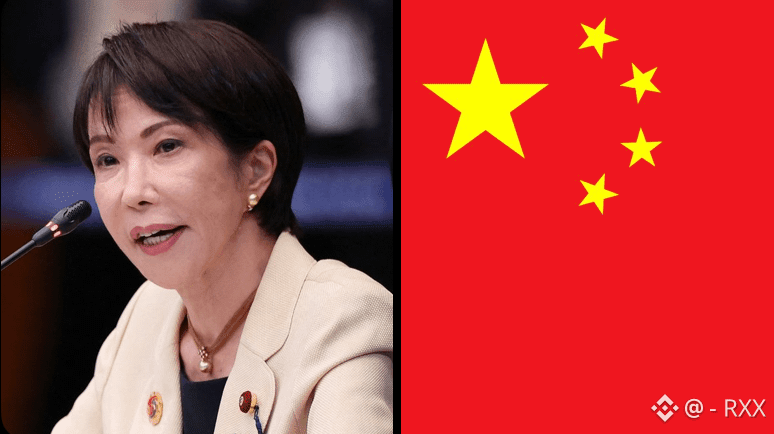
🚨 WOW — MAJOR TECH SHIFT IN ASIA
🇯🇵 Japan is reportedly moving to ban local governments from using Chinese tech products 🇨🇳
This is BIGGER than it looks 👀
It’s not just politics… it’s:
• Supply chain separation
• Tech sovereignty war
• New global competition forming
When countries split tech ecosystems:
→ Costs rise
→ Innovation races accelerate
→ Capital rotates FAST
And markets ALWAYS react to this kind of shift.
Watch:
$BTC $NVDA $TSM
Because when geopolitics moves…
liquidity follows. 🔥
#Crypto #Japan #China #TechWar #Macro
{future}(TSMUSDT)
{future}(NVDAUSDT)
{future}(BTCUSDT)
🚨 WOW — MAJOR TECH SHIFT IN ASIA
🇯🇵 Japan is reportedly moving to ban local governments from using Chinese tech products 🇨🇳
This is BIGGER than it looks 👀
It’s not just politics… it’s:
• Supply chain separation
• Tech sovereignty war
• New global competition forming
When countries split tech ecosystems:
→ Costs rise
→ Innovation races accelerate
→ Capital rotates FAST
And markets ALWAYS react to this kind of shift.
Watch:
$BTC $NVDA $TSM
Because when geopolitics moves…
liquidity follows. 🔥
#Crypto #Japan #China #TechWar #Macro
🇯🇵 Japan is reportedly moving to ban local governments from using Chinese tech products 🇨🇳
This is BIGGER than it looks 👀
It’s not just politics… it’s:
• Supply chain separation
• Tech sovereignty war
• New global competition forming
When countries split tech ecosystems:
→ Costs rise
→ Innovation races accelerate
→ Capital rotates FAST
And markets ALWAYS react to this kind of shift.
Watch:
$BTC $NVDA $TSM
Because when geopolitics moves…
liquidity follows. 🔥
#Crypto #Japan #China #TechWar #Macro
1
428

AI vs Military – Tech War Incoming? 🤖⚔️
Hundreds of Sundar Pichai’s researchers at Google have urged the company to reject using AI in classified U.S. defense missions.
Meanwhile, the U.S. Department of Defense is reportedly looking for new AI partners as disputes grow with Anthropic and its Claude AI system.
📊 Why this matters for crypto:
AI development is becoming a geopolitical race
Demand for AI infrastructure & decentralized compute could surge
AI-focused tokens may gain attention
🚀 Narrative to watch:
AI + Crypto = the next big tech battleground.
#AI
#CryptoTrends2024 #BinanceFeed #TechWar #Web3
{spot}(BTCUSDT)
AI vs Military – Tech War Incoming? 🤖⚔️
Hundreds of Sundar Pichai’s researchers at Google have urged the company to reject using AI in classified U.S. defense missions.
Meanwhile, the U.S. Department of Defense is reportedly looking for new AI partners as disputes grow with Anthropic and its Claude AI system.
📊 Why this matters for crypto:
AI development is becoming a geopolitical race
Demand for AI infrastructure & decentralized compute could surge
AI-focused tokens may gain attention
🚀 Narrative to watch:
AI + Crypto = the next big tech battleground.
#AI
#CryptoTrends2024 #BinanceFeed #TechWar #Web3
Hundreds of Sundar Pichai’s researchers at Google have urged the company to reject using AI in classified U.S. defense missions.
Meanwhile, the U.S. Department of Defense is reportedly looking for new AI partners as disputes grow with Anthropic and its Claude AI system.
📊 Why this matters for crypto:
AI development is becoming a geopolitical race
Demand for AI infrastructure & decentralized compute could surge
AI-focused tokens may gain attention
🚀 Narrative to watch:
AI + Crypto = the next big tech battleground.
#AI
#CryptoTrends2024 #BinanceFeed #TechWar #Web3
3
1
104
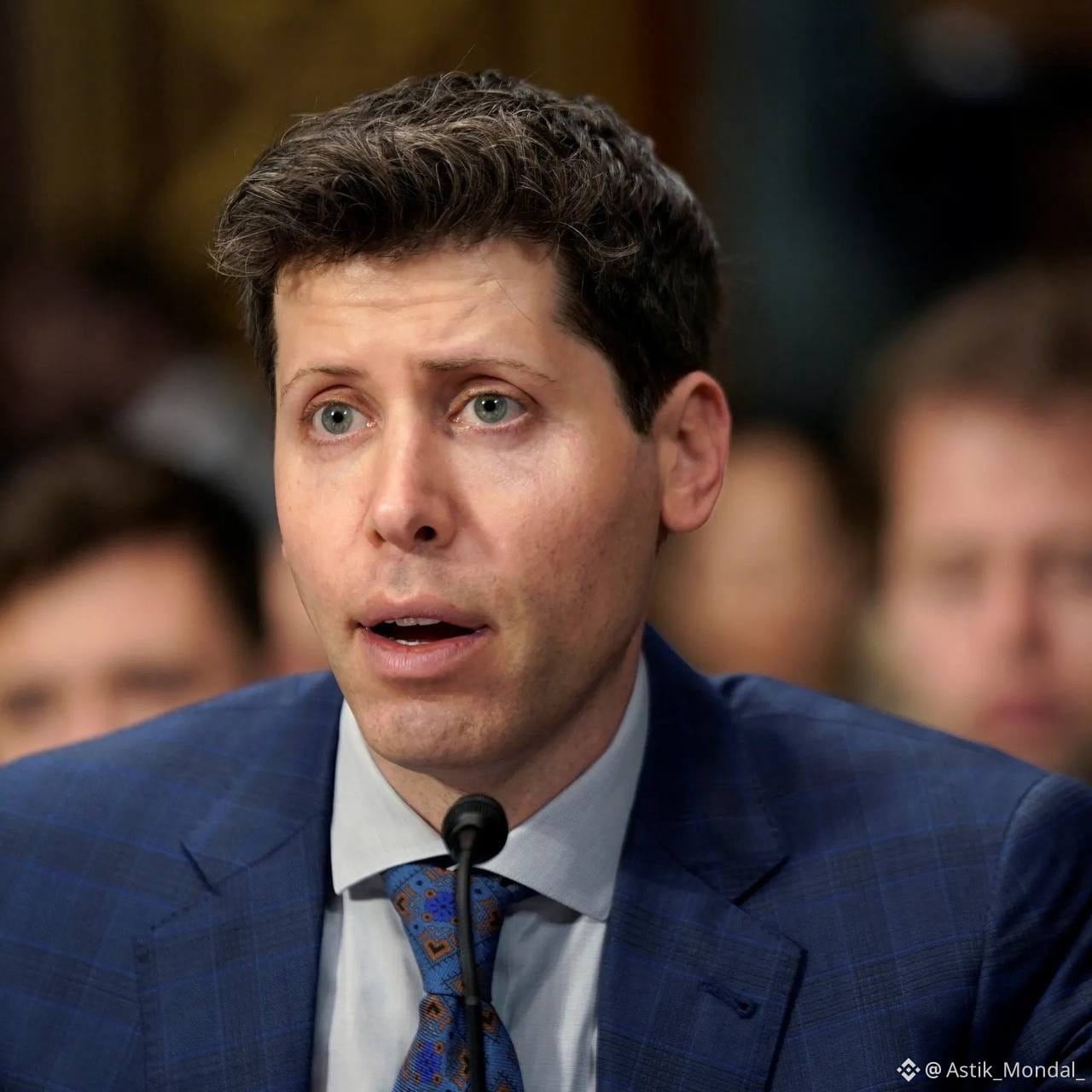
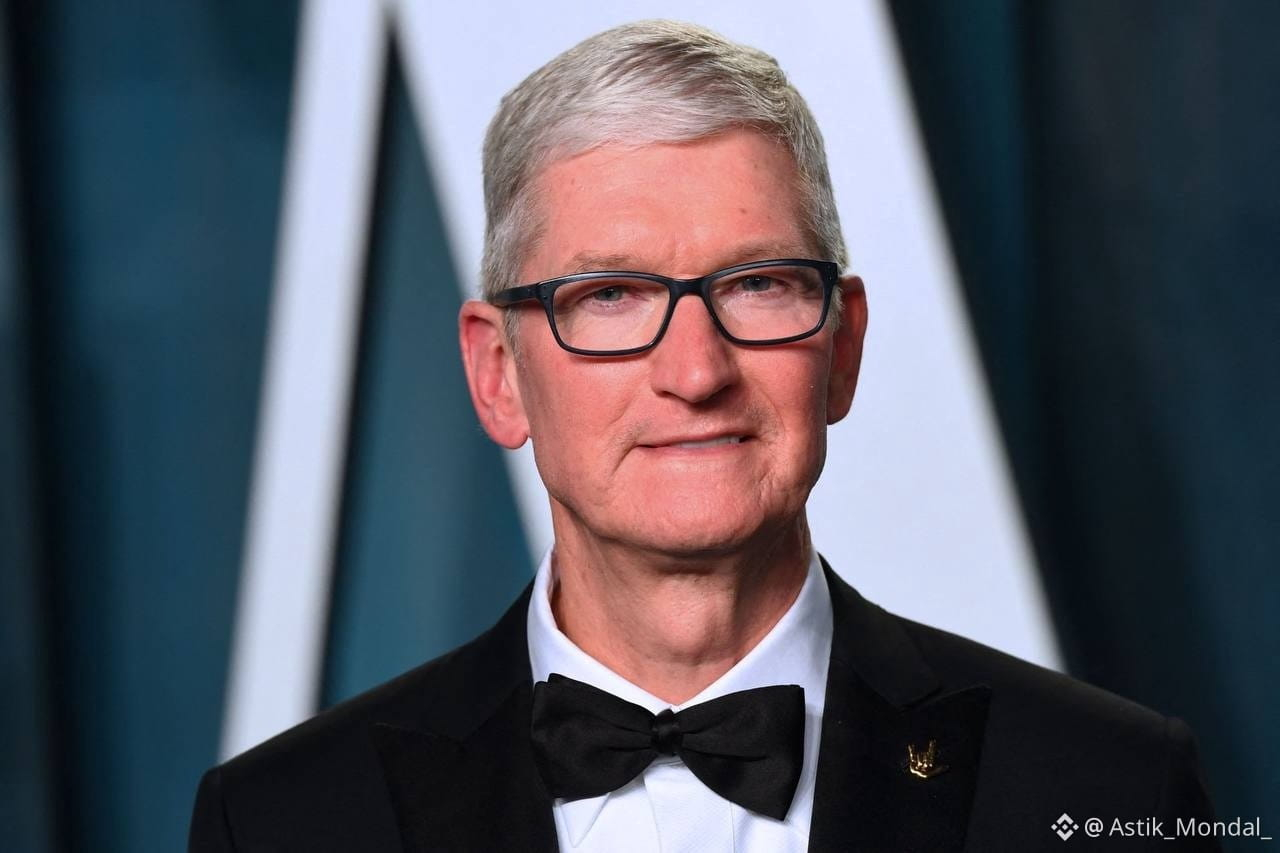
Apple just sued OpenAI for trade secret theft. The two most valuable technology relationships in the world just became a courtroom war.
This is not a patent dispute between mid-size tech companies.
This is Apple versus OpenAI.
The company with the largest consumer device installed base on earth versus the company building the most powerful AI system in history. Two organizations that were supposed to be partners. Apple integrated ChatGPT directly into iOS. Siri was being rebuilt around OpenAI's technology. The relationship was presented to the world as the future of AI on mobile.
And now Apple is alleging trade secret theft.
The details are not public yet. But trade secret lawsuits do not get filed casually. Especially not by Apple. The most secretive major technology company in the world does not walk into federal court making this kind of allegation without years of internal documentation behind it.
Something broke between these two companies. Something significant enough that Apple decided the partnership was worth less than the lawsuit.
Think about what this means for the AI landscape.
OpenAI just offered the US government a $42.6 billion stake to seed a national wealth fund. It is valued at $852 billion. It powers Bing, ChatGPT, and now faces allegations from one of the most litigious and well-resourced companies in corporate history.
Microsoft is OpenAI's largest investor. Apple is Microsoft's largest competitor in consumer devices.
The AI industry just got its most explosive legal battle.
And we do not even know the full details yet.
Whatever Apple claims OpenAI took, they believed it was worth going to war over.
#Apple #OpenAI #AI #TechWar #LegalBattle
Apple just sued OpenAI for trade secret theft. The two most valuable technology relationships in the world just became a courtroom war.
This is not a patent dispute between mid-size tech companies.
This is Apple versus OpenAI.
The company with the largest consumer device installed base on earth versus the company building the most powerful AI system in history. Two organizations that were supposed to be partners. Apple integrated ChatGPT directly into iOS. Siri was being rebuilt around OpenAI's technology. The relationship was presented to the world as the future of AI on mobile.
And now Apple is alleging trade secret theft.
The details are not public yet. But trade secret lawsuits do not get filed casually. Especially not by Apple. The most secretive major technology company in the world does not walk into federal court making this kind of allegation without years of internal documentation behind it.
Something broke between these two companies. Something significant enough that Apple decided the partnership was worth less than the lawsuit.
Think about what this means for the AI landscape.
OpenAI just offered the US government a $42.6 billion stake to seed a national wealth fund. It is valued at $852 billion. It powers Bing, ChatGPT, and now faces allegations from one of the most litigious and well-resourced companies in corporate history.
Microsoft is OpenAI's largest investor. Apple is Microsoft's largest competitor in consumer devices.
The AI industry just got its most explosive legal battle.
And we do not even know the full details yet.
Whatever Apple claims OpenAI took, they believed it was worth going to war over.
#Apple #OpenAI #AI #TechWar #LegalBattle
This is not a patent dispute between mid-size tech companies.
This is Apple versus OpenAI.
The company with the largest consumer device installed base on earth versus the company building the most powerful AI system in history. Two organizations that were supposed to be partners. Apple integrated ChatGPT directly into iOS. Siri was being rebuilt around OpenAI's technology. The relationship was presented to the world as the future of AI on mobile.
And now Apple is alleging trade secret theft.
The details are not public yet. But trade secret lawsuits do not get filed casually. Especially not by Apple. The most secretive major technology company in the world does not walk into federal court making this kind of allegation without years of internal documentation behind it.
Something broke between these two companies. Something significant enough that Apple decided the partnership was worth less than the lawsuit.
Think about what this means for the AI landscape.
OpenAI just offered the US government a $42.6 billion stake to seed a national wealth fund. It is valued at $852 billion. It powers Bing, ChatGPT, and now faces allegations from one of the most litigious and well-resourced companies in corporate history.
Microsoft is OpenAI's largest investor. Apple is Microsoft's largest competitor in consumer devices.
The AI industry just got its most explosive legal battle.
And we do not even know the full details yet.
Whatever Apple claims OpenAI took, they believed it was worth going to war over.
#Apple #OpenAI #AI #TechWar #LegalBattle
149

Modular vs. Monolithic: The Tech War
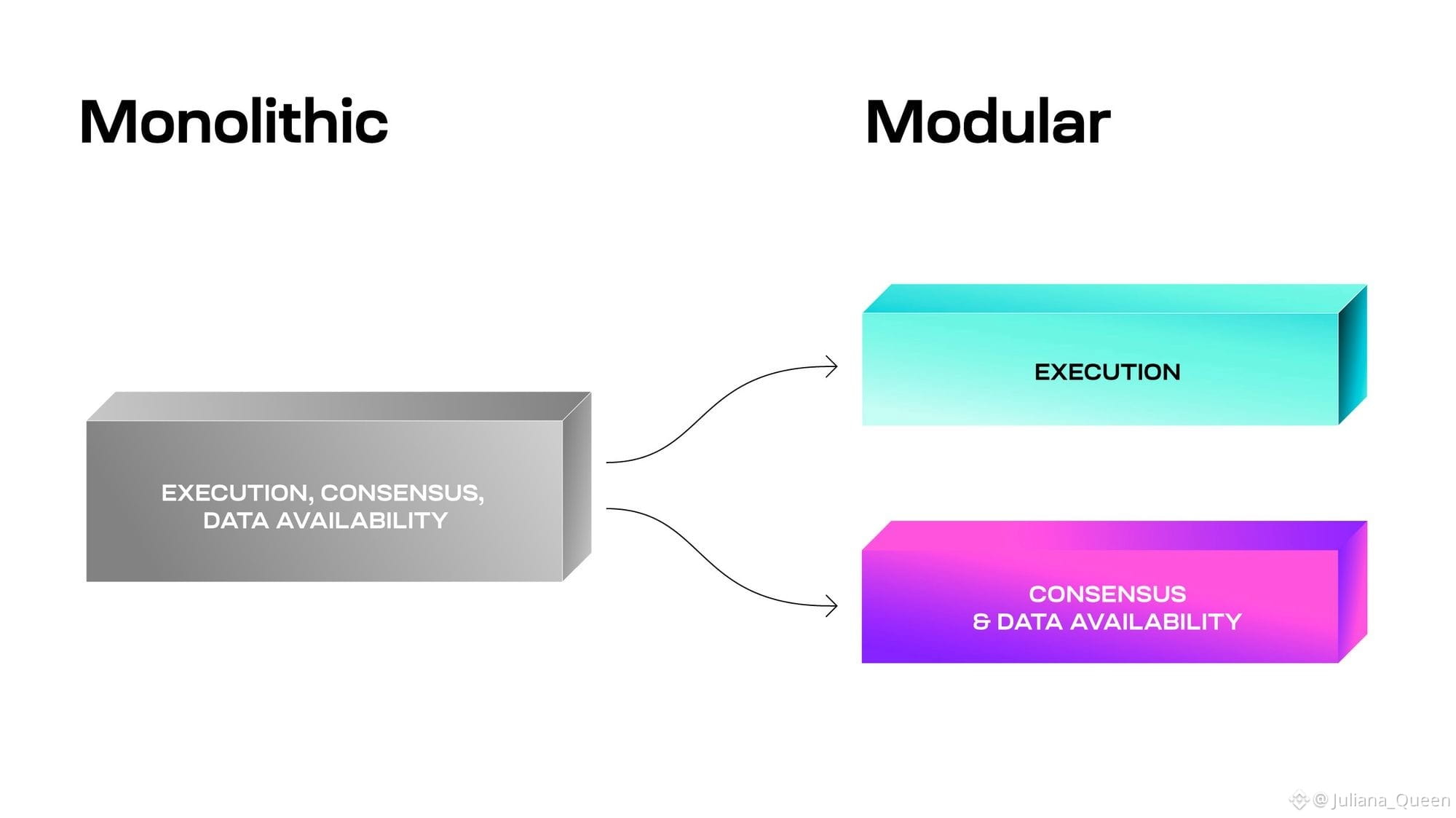
🏗️ MAC VS. PC: THE BLOCKCHAIN VERSION! The biggest debate of 2026 is heating up: Modular vs. Monolithic. Should a blockchain do everything itself (like Solana) or break tasks into pieces (like the Celestia + Ethereum stack)? Modular fans say it’s the only way to scale for billions; Monolithic fans say speed and simplicity win every time. This isn't just nerd-talk—it determines where the next "billion-user" app will be built. As an investor, picking the right architecture is like picking the right internet protocol in the 90s. Choose wisely!
$BTC
$ETH
$SOL
Follow Me for simple breakdowns of complex tech!
Sources: Celestia Docs, Solana Labs Research.
#ModularBlockchain #Solana #TechWar #BTCSurpassesDollar80K #BankofEnglandMayPauseDigitalPound
Modular vs. Monolithic: The Tech War
🏗️ MAC VS. PC: THE BLOCKCHAIN VERSION! The biggest debate of 2026 is heating up: Modular vs. Monolithic. Should a blockchain do everything itself (like Solana) or break tasks into pieces (like the Celestia + Ethereum stack)? Modular fans say it’s the only way to scale for billions; Monolithic fans say speed and simplicity win every time. This isn't just nerd-talk—it determines where the next "billion-user" app will be built. As an investor, picking the right architecture is like picking the right internet protocol in the 90s. Choose wisely!
$BTC
$ETH
$SOL
Follow Me for simple breakdowns of complex tech!
Sources: Celestia Docs, Solana Labs Research.
#ModularBlockchain #Solana #TechWar #BTCSurpassesDollar80K #BankofEnglandMayPauseDigitalPound
🏗️ MAC VS. PC: THE BLOCKCHAIN VERSION! The biggest debate of 2026 is heating up: Modular vs. Monolithic. Should a blockchain do everything itself (like Solana) or break tasks into pieces (like the Celestia + Ethereum stack)? Modular fans say it’s the only way to scale for billions; Monolithic fans say speed and simplicity win every time. This isn't just nerd-talk—it determines where the next "billion-user" app will be built. As an investor, picking the right architecture is like picking the right internet protocol in the 90s. Choose wisely!
$BTC
$ETH
$SOL
Follow Me for simple breakdowns of complex tech!
Sources: Celestia Docs, Solana Labs Research.
#ModularBlockchain #Solana #TechWar #BTCSurpassesDollar80K #BankofEnglandMayPauseDigitalPound
1
57

The US warns that Chinese companies violating AI copyright may face penalties
• The US government warns that Chinese companies are carrying out large-scale “distillation” of AI technology from Western rivals.
• This could lead to sanctions and strict export restrictions.
• Moonshot AI is accused of illegally using technology from Anthropic to develop AI models in China.
#BinanceSquare #CryptoNews #AI #USNews #TechWar
$btc $eth
vlikevn Titanbot
Source: CoinTelegraph
The US warns that Chinese companies violating AI copyright may face penalties
• The US government warns that Chinese companies are carrying out large-scale “distillation” of AI technology from Western rivals.
• This could lead to sanctions and strict export restrictions.
• Moonshot AI is accused of illegally using technology from Anthropic to develop AI models in China.
#BinanceSquare #CryptoNews #AI #USNews #TechWar
$btc $eth
vlikevn Titanbot
Source: CoinTelegraph
• The US government warns that Chinese companies are carrying out large-scale “distillation” of AI technology from Western rivals.
• This could lead to sanctions and strict export restrictions.
• Moonshot AI is accused of illegally using technology from Anthropic to develop AI models in China.
#BinanceSquare #CryptoNews #AI #USNews #TechWar
$btc $eth
vlikevn Titanbot
Source: CoinTelegraph
80

·
--
Bearish
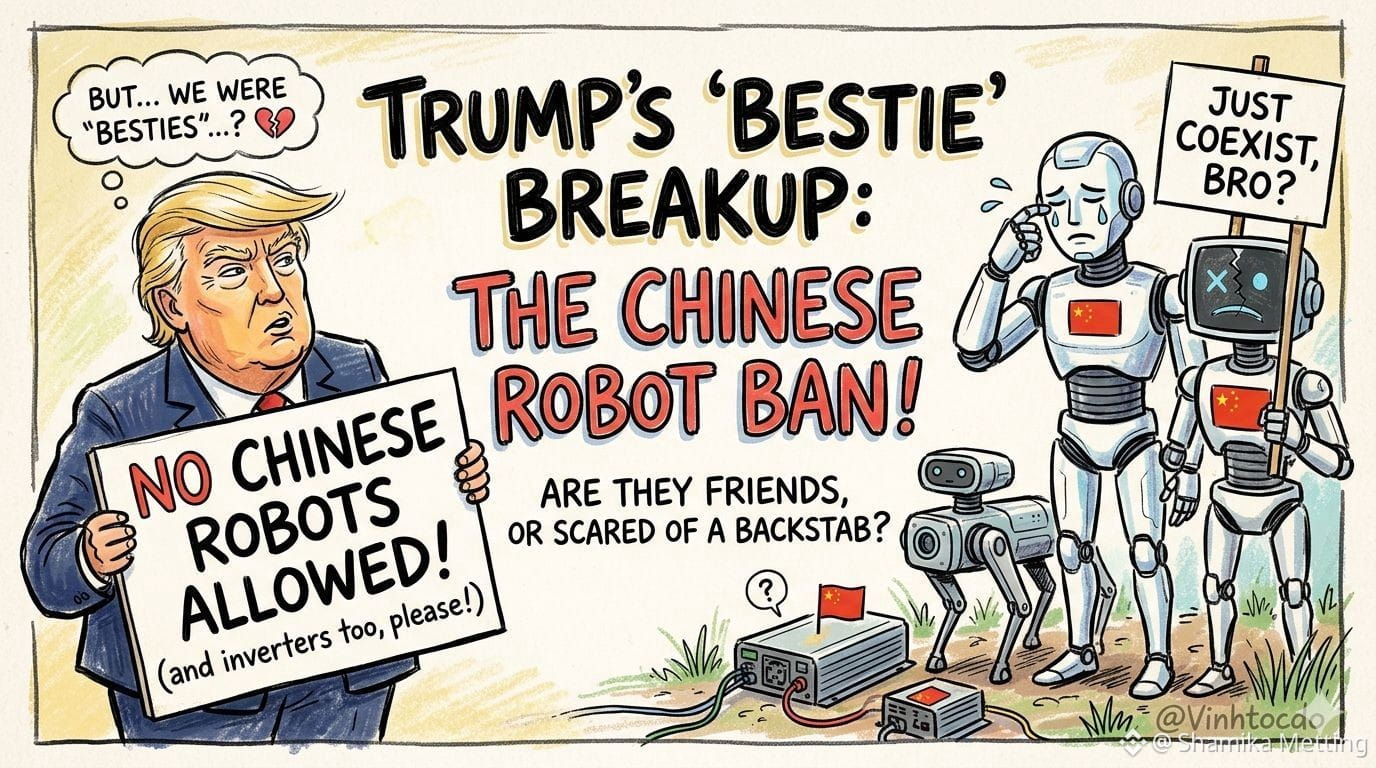
#trumpplansbansonchineserobotsandinverters
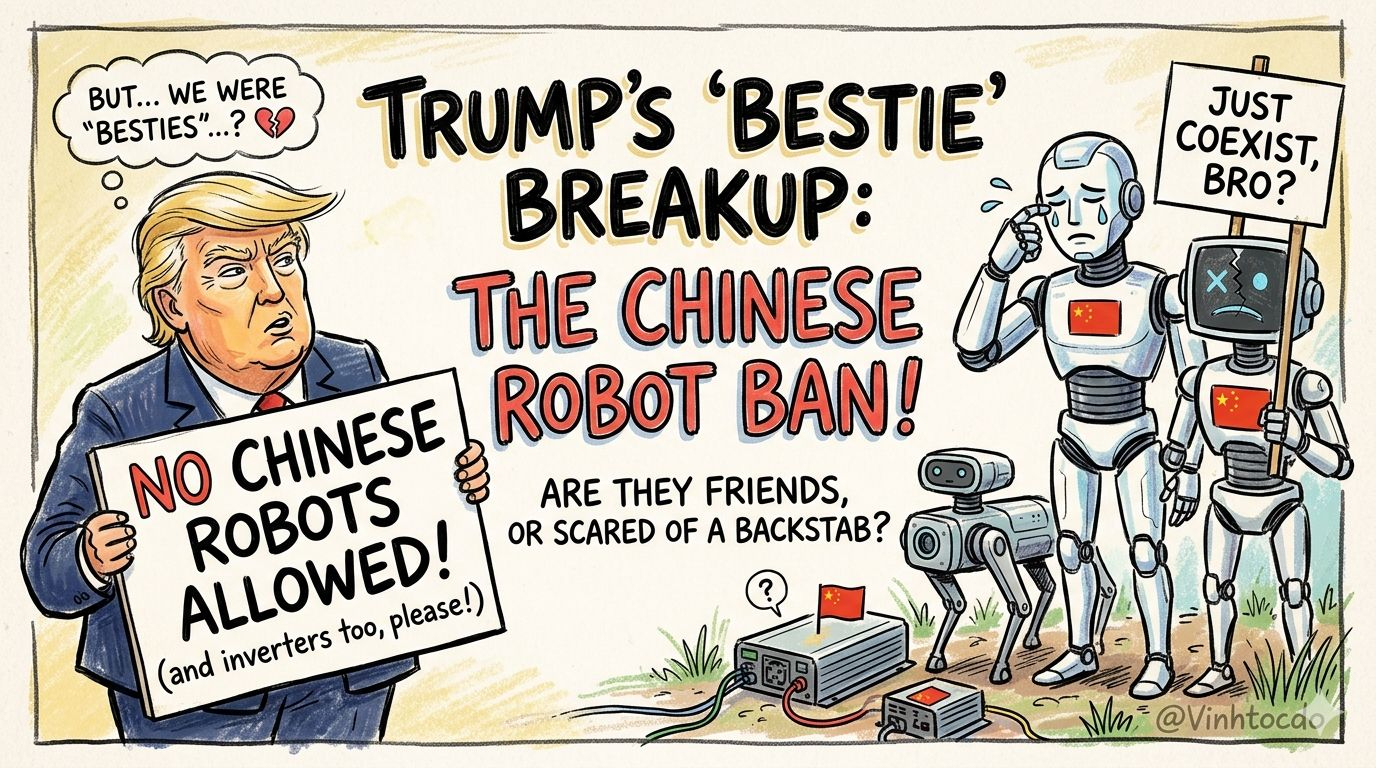
🤖 Trump plans to ban Chinese robots and inverters! 🚫 Wait, I thought they were supposed to be "good friends"? Guess there’s no room for friendship when you're terrified of getting backstabbed! 💔
Officials are raising concerns that high-tech humanoid robots and smart inverters could present security risks to data centers and power grids. It seems in the world of high-stakes tech, competition comes before "bestie" status! It's all about protecting the supply chain now.
What should traders do?
🎯 Monitor the impact on solar and robotics sectors.
🛒 Focus on assets with strong fundamentals and decentralized utility.
🧘 Stay calm, watch the market moves, and look for strategic entries.
⚠️ This is not financial advice. Setting up a new account? Use code VINHTOCDO to join the community!
#TechWar #NationalSecurity #CryptoTrading #VINHTOCDO
$ETH
{future}(ETHUSDT)
$BNB
{future}(BNBUSDT)
$BTC
{future}(BTCUSDT)
#trumpplansbansonchineserobotsandinverters
🤖 Trump plans to ban Chinese robots and inverters! 🚫 Wait, I thought they were supposed to be "good friends"? Guess there’s no room for friendship when you're terrified of getting backstabbed! 💔
Officials are raising concerns that high-tech humanoid robots and smart inverters could present security risks to data centers and power grids. It seems in the world of high-stakes tech, competition comes before "bestie" status! It's all about protecting the supply chain now.
What should traders do?
🎯 Monitor the impact on solar and robotics sectors.
🛒 Focus on assets with strong fundamentals and decentralized utility.
🧘 Stay calm, watch the market moves, and look for strategic entries.
⚠️ This is not financial advice. Setting up a new account? Use code VINHTOCDO to join the community!
#TechWar #NationalSecurity #CryptoTrading #VINHTOCDO
$ETH
$BNB
$BTC
🤖 Trump plans to ban Chinese robots and inverters! 🚫 Wait, I thought they were supposed to be "good friends"? Guess there’s no room for friendship when you're terrified of getting backstabbed! 💔
Officials are raising concerns that high-tech humanoid robots and smart inverters could present security risks to data centers and power grids. It seems in the world of high-stakes tech, competition comes before "bestie" status! It's all about protecting the supply chain now.
What should traders do?
🎯 Monitor the impact on solar and robotics sectors.
🛒 Focus on assets with strong fundamentals and decentralized utility.
🧘 Stay calm, watch the market moves, and look for strategic entries.
⚠️ This is not financial advice. Setting up a new account? Use code VINHTOCDO to join the community!
#TechWar #NationalSecurity #CryptoTrading #VINHTOCDO
$ETH
$BNB
$BTC
4
1.7k

·
--
🚨 **$BTC BIG AI MOVE — Bets Massive on **
Google is reportedly committing up to $40 billion into Anthropic, making it one of the largest AI investments ever.
The deal starts with an instant $10B injection at a valuation of around $350B, while the remaining $30B will be released based on performance milestones.
📊 Investment Growth Timeline:
• 2023: Initial $300M (approx. 10% stake)
• Later 2023: Additional $2B
• 2025: Around $1B more
• Now: Massive expansion to $40B total commitment
This aggressive move highlights how fast Google is scaling its position in the AI race.
⚔️ Big Tech Battle Intensifies:
Companies like Microsoft, Amazon, Meta, and Alphabet are expected to pour over $700B into AI infrastructure by 2026.
📈 According to McKinsey, global spending on AI data centers could hit $5.2 trillion by 2030 — showing how serious this race has become.
💡 Bottom Line:
The AI war is entering a new phase, and Big Tech is investing heavily to secure long-term dominance.
Follow for more latest updates 🚀
$BTC
{spot}(BTCUSDT)
#AI #Google #Anthropic #TechWar #CryptoNews
🚨 **$BTC BIG AI MOVE — Bets Massive on **
Google is reportedly committing up to $40 billion into Anthropic, making it one of the largest AI investments ever.
The deal starts with an instant $10B injection at a valuation of around $350B, while the remaining $30B will be released based on performance milestones.
📊 Investment Growth Timeline:
• 2023: Initial $300M (approx. 10% stake)
• Later 2023: Additional $2B
• 2025: Around $1B more
• Now: Massive expansion to $40B total commitment
This aggressive move highlights how fast Google is scaling its position in the AI race.
⚔️ Big Tech Battle Intensifies:
Companies like Microsoft, Amazon, Meta, and Alphabet are expected to pour over $700B into AI infrastructure by 2026.
📈 According to McKinsey, global spending on AI data centers could hit $5.2 trillion by 2030 — showing how serious this race has become.
💡 Bottom Line:
The AI war is entering a new phase, and Big Tech is investing heavily to secure long-term dominance.
Follow for more latest updates 🚀
$BTC
#AI #Google #Anthropic #TechWar #CryptoNews
Google is reportedly committing up to $40 billion into Anthropic, making it one of the largest AI investments ever.
The deal starts with an instant $10B injection at a valuation of around $350B, while the remaining $30B will be released based on performance milestones.
📊 Investment Growth Timeline:
• 2023: Initial $300M (approx. 10% stake)
• Later 2023: Additional $2B
• 2025: Around $1B more
• Now: Massive expansion to $40B total commitment
This aggressive move highlights how fast Google is scaling its position in the AI race.
⚔️ Big Tech Battle Intensifies:
Companies like Microsoft, Amazon, Meta, and Alphabet are expected to pour over $700B into AI infrastructure by 2026.
📈 According to McKinsey, global spending on AI data centers could hit $5.2 trillion by 2030 — showing how serious this race has become.
💡 Bottom Line:
The AI war is entering a new phase, and Big Tech is investing heavily to secure long-term dominance.
Follow for more latest updates 🚀
$BTC
#AI #Google #Anthropic #TechWar #CryptoNews
1
130
#trumpplansbansonchineserobotsandinverters
🤖 Trump plans to ban Chinese robots and inverter transformers! 🚫 Wait… aren’t they supposed to be “good friends”? It seems there’s no room for friendship when you’re afraid you might get stabbed in the back! 💔
Officials are raising concerns that advanced humanoid robots and smart inverter transformers could pose security risks to data centers and power grids. In a high-stakes tech world, competition comes before “best friends”! Everything is now about protecting the supply chain.
What should traders do?
🎯 Watch the impact on the solar power sector and robots.
🛒 Focus on assets with solid fundamentals and decentralized utility.
🧘 Stay calm, monitor market movement, and look for strategic entry opportunities.
Please continue
#TechWar #NationalSecurity #CryptoTrading #chamikametting
$ETH
{spot}(ETHUSDT)
#trumpplansbansonchineserobotsandinverters
🤖 Trump plans to ban Chinese robots and inverter transformers! 🚫 Wait… aren’t they supposed to be “good friends”? It seems there’s no room for friendship when you’re afraid you might get stabbed in the back! 💔
Officials are raising concerns that advanced humanoid robots and smart inverter transformers could pose security risks to data centers and power grids. In a high-stakes tech world, competition comes before “best friends”! Everything is now about protecting the supply chain.
What should traders do?
🎯 Watch the impact on the solar power sector and robots.
🛒 Focus on assets with solid fundamentals and decentralized utility.
🧘 Stay calm, monitor market movement, and look for strategic entry opportunities.
Please continue
#TechWar #NationalSecurity #CryptoTrading #chamikametting
$ETH
🤖 Trump plans to ban Chinese robots and inverter transformers! 🚫 Wait… aren’t they supposed to be “good friends”? It seems there’s no room for friendship when you’re afraid you might get stabbed in the back! 💔
Officials are raising concerns that advanced humanoid robots and smart inverter transformers could pose security risks to data centers and power grids. In a high-stakes tech world, competition comes before “best friends”! Everything is now about protecting the supply chain.
What should traders do?
🎯 Watch the impact on the solar power sector and robots.
🛒 Focus on assets with solid fundamentals and decentralized utility.
🧘 Stay calm, monitor market movement, and look for strategic entry opportunities.
Please continue
#TechWar #NationalSecurity #CryptoTrading #chamikametting
$ETH
1
53
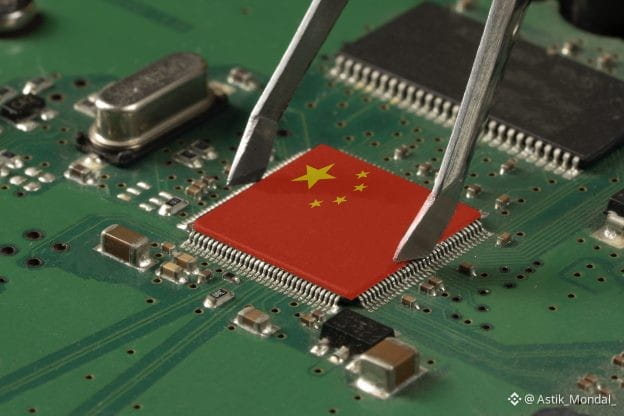
The U.S. just cut off China's second-largest chipmaker from the tools it needs to build AI chips.
Hua Hong Semiconductor. Blocked. Before it could reach 7nm.
Here's why this is one of the most strategically precise moves in the tech war.
Hua Hong wasn't a follower. It was a threat in development.
It had been quietly building toward 7nm fabrication the capability that only China's largest chipmaker, SMIC, currently has.
Two Chinese companies at 7nm capability changes everything about Beijing's AI independence thesis.
The U.S. just prevented that from happening.
Not with sanctions. Not with tariffs.
By cutting off the equipment.
Chips require chipmaking tools. Chipmaking tools are dominated by ASML, Applied Materials, Lam Research, and KLA all western companies.
Without those tools, you cannot build the machines that build the chips.
The U.S. just pulled that supply chain plug on Hua Hong before the 7nm process went live.
Timing matters.
Once Hua Hong achieved 7nm capability, the tools become less relevant they would have had the knowledge and process in place.
Cutting them off during development is the only window that works.
And the U.S. used it.
Now connect this to the full tech war picture:
Nvidia hit $5.2 trillion on AI dominance.
Intel surged 25% after CHIPS Act investment paid off.
DeepSeek proved frontier AI can run on constrained hardware.
Big Tech committed $700B in capex to AI infrastructure.
And now the U.S. just blocked China's #2 chipmaker from reaching the capability level that would make AI independence viable.
The semiconductor war isn't about chips.
It's about who controls the future of intelligence.
And the U.S. just protected that control.
For now.
#Semiconductors #China #AI #Nvidia #TechWar
The U.S. just cut off China's second-largest chipmaker from the tools it needs to build AI chips.
Hua Hong Semiconductor. Blocked. Before it could reach 7nm.
Here's why this is one of the most strategically precise moves in the tech war.
Hua Hong wasn't a follower. It was a threat in development.
It had been quietly building toward 7nm fabrication the capability that only China's largest chipmaker, SMIC, currently has.
Two Chinese companies at 7nm capability changes everything about Beijing's AI independence thesis.
The U.S. just prevented that from happening.
Not with sanctions. Not with tariffs.
By cutting off the equipment.
Chips require chipmaking tools. Chipmaking tools are dominated by ASML, Applied Materials, Lam Research, and KLA all western companies.
Without those tools, you cannot build the machines that build the chips.
The U.S. just pulled that supply chain plug on Hua Hong before the 7nm process went live.
Timing matters.
Once Hua Hong achieved 7nm capability, the tools become less relevant they would have had the knowledge and process in place.
Cutting them off during development is the only window that works.
And the U.S. used it.
Now connect this to the full tech war picture:
Nvidia hit $5.2 trillion on AI dominance.
Intel surged 25% after CHIPS Act investment paid off.
DeepSeek proved frontier AI can run on constrained hardware.
Big Tech committed $700B in capex to AI infrastructure.
And now the U.S. just blocked China's #2 chipmaker from reaching the capability level that would make AI independence viable.
The semiconductor war isn't about chips.
It's about who controls the future of intelligence.
And the U.S. just protected that control.
For now.
#Semiconductors #China #AI #Nvidia #TechWar
Hua Hong Semiconductor. Blocked. Before it could reach 7nm.
Here's why this is one of the most strategically precise moves in the tech war.
Hua Hong wasn't a follower. It was a threat in development.
It had been quietly building toward 7nm fabrication the capability that only China's largest chipmaker, SMIC, currently has.
Two Chinese companies at 7nm capability changes everything about Beijing's AI independence thesis.
The U.S. just prevented that from happening.
Not with sanctions. Not with tariffs.
By cutting off the equipment.
Chips require chipmaking tools. Chipmaking tools are dominated by ASML, Applied Materials, Lam Research, and KLA all western companies.
Without those tools, you cannot build the machines that build the chips.
The U.S. just pulled that supply chain plug on Hua Hong before the 7nm process went live.
Timing matters.
Once Hua Hong achieved 7nm capability, the tools become less relevant they would have had the knowledge and process in place.
Cutting them off during development is the only window that works.
And the U.S. used it.
Now connect this to the full tech war picture:
Nvidia hit $5.2 trillion on AI dominance.
Intel surged 25% after CHIPS Act investment paid off.
DeepSeek proved frontier AI can run on constrained hardware.
Big Tech committed $700B in capex to AI infrastructure.
And now the U.S. just blocked China's #2 chipmaker from reaching the capability level that would make AI independence viable.
The semiconductor war isn't about chips.
It's about who controls the future of intelligence.
And the U.S. just protected that control.
For now.
#Semiconductors #China #AI #Nvidia #TechWar
154

$SOL
{future}(SOLUSDT)
*AI Chips: The New Oil of the 21st Century* ⚡
The U.S. just tightened export controls on advanced AI chips to China again.
*Why it matters:*
1. *Tech war escalation*: This isn’t just about chips. It’s about who controls AI, autonomous weapons, and data centers for the next decade.
2. *Market impact*: Nvidia, AMD, and TSMC feel it first. But every AI startup relying on GPU access feels the squeeze too.
3. *Crypto angle*: Decentralized GPU networks like Akash, Render, and http://io.net get more attention when centralized supply gets restricted. War for compute is real.
*What to watch:*
- If China accelerates domestic chip production, expect a short-term dip in U.S. chip stocks, long-term bifurcation of tech ecosystems.
- Any restriction news = volatility in AI tokens. Traders love volatility, holders hate uncertainty.
This is bigger than markets. It’s about who builds AGI first.
Do you think decentralized compute can compete with Nvidia’s monopoly if the chip war gets worse?
#AI #TechWar #Nvidia #crypto #Geopolitics
$SOL
*AI Chips: The New Oil of the 21st Century* ⚡
The U.S. just tightened export controls on advanced AI chips to China again.
*Why it matters:*
1. *Tech war escalation*: This isn’t just about chips. It’s about who controls AI, autonomous weapons, and data centers for the next decade.
2. *Market impact*: Nvidia, AMD, and TSMC feel it first. But every AI startup relying on GPU access feels the squeeze too.
3. *Crypto angle*: Decentralized GPU networks like Akash, Render, and http://io.net get more attention when centralized supply gets restricted. War for compute is real.
*What to watch:*
- If China accelerates domestic chip production, expect a short-term dip in U.S. chip stocks, long-term bifurcation of tech ecosystems.
- Any restriction news = volatility in AI tokens. Traders love volatility, holders hate uncertainty.
This is bigger than markets. It’s about who builds AGI first.
Do you think decentralized compute can compete with Nvidia’s monopoly if the chip war gets worse?
#AI #TechWar #Nvidia #crypto #Geopolitics
*AI Chips: The New Oil of the 21st Century* ⚡
The U.S. just tightened export controls on advanced AI chips to China again.
*Why it matters:*
1. *Tech war escalation*: This isn’t just about chips. It’s about who controls AI, autonomous weapons, and data centers for the next decade.
2. *Market impact*: Nvidia, AMD, and TSMC feel it first. But every AI startup relying on GPU access feels the squeeze too.
3. *Crypto angle*: Decentralized GPU networks like Akash, Render, and http://io.net get more attention when centralized supply gets restricted. War for compute is real.
*What to watch:*
- If China accelerates domestic chip production, expect a short-term dip in U.S. chip stocks, long-term bifurcation of tech ecosystems.
- Any restriction news = volatility in AI tokens. Traders love volatility, holders hate uncertainty.
This is bigger than markets. It’s about who builds AGI first.
Do you think decentralized compute can compete with Nvidia’s monopoly if the chip war gets worse?
#AI #TechWar #Nvidia #crypto #Geopolitics
105

·
--
🚨 $AAPL & $GOOGL FACE EU AI CRACKDOWN – MARKET STRUCTURE SHIFT? 💥
📌 The Digital Markets Act is forcing Apple and Google to open their operating systems to rival AI assistants. This isn’t just regulation – it’s a liquidity event for the entire AI ecosystem. 🦈 Smart money is watching how these gatekeepers defend their user data moats while competitors like OpenAI position for deeper access.
🔍 Google must share search data by Jan 2025 and expand Android AI access by 2027. Apple’s new Siri delay in the EU signals a deliberate stance on privacy – or a strategic hold on a $5B device market. 📊 With 427M EU smartphones in play, the next 18 months will redefine AI distribution power.
💡 The real battleground: who controls the permission layer? If ChatGPT gains voice activation on Android, the ripple effect could accelerate AI token demand and decentralised NLP plays. 💬 Are you betting on the incumbents or the disruptors in this regulatory chess match? 👇
⚠️ Not financial advice. Always manage your risk. 🛡️
🏷️ #AAPL #GOOGL #AI #Regulation #TechWar
📉 🔍
🚨 $AAPL & $GOOGL FACE EU AI CRACKDOWN – MARKET STRUCTURE SHIFT? 💥
📌 The Digital Markets Act is forcing Apple and Google to open their operating systems to rival AI assistants. This isn’t just regulation – it’s a liquidity event for the entire AI ecosystem. 🦈 Smart money is watching how these gatekeepers defend their user data moats while competitors like OpenAI position for deeper access.
🔍 Google must share search data by Jan 2025 and expand Android AI access by 2027. Apple’s new Siri delay in the EU signals a deliberate stance on privacy – or a strategic hold on a $5B device market. 📊 With 427M EU smartphones in play, the next 18 months will redefine AI distribution power.
💡 The real battleground: who controls the permission layer? If ChatGPT gains voice activation on Android, the ripple effect could accelerate AI token demand and decentralised NLP plays. 💬 Are you betting on the incumbents or the disruptors in this regulatory chess match? 👇
⚠️ Not financial advice. Always manage your risk. 🛡️
🏷️ #AAPL #GOOGL #AI #Regulation #TechWar
📉 🔍
📌 The Digital Markets Act is forcing Apple and Google to open their operating systems to rival AI assistants. This isn’t just regulation – it’s a liquidity event for the entire AI ecosystem. 🦈 Smart money is watching how these gatekeepers defend their user data moats while competitors like OpenAI position for deeper access.
🔍 Google must share search data by Jan 2025 and expand Android AI access by 2027. Apple’s new Siri delay in the EU signals a deliberate stance on privacy – or a strategic hold on a $5B device market. 📊 With 427M EU smartphones in play, the next 18 months will redefine AI distribution power.
💡 The real battleground: who controls the permission layer? If ChatGPT gains voice activation on Android, the ripple effect could accelerate AI token demand and decentralised NLP plays. 💬 Are you betting on the incumbents or the disruptors in this regulatory chess match? 👇
⚠️ Not financial advice. Always manage your risk. 🛡️
🏷️ #AAPL #GOOGL #AI #Regulation #TechWar
📉 🔍
51
Log in to explore more content
Join global crypto users on Binance Square
⚡️ Get latest and useful information about crypto.
💬 Trusted by the world’s largest crypto exchange.
👍 Discover real insights from verified creators.
Email / Phone number
Trending Topics
1
#AppleDebutsFoldablePhone
38,413 views
789 Discussing
2
#TSMCAugustRevenueUp53.3%YoY
7,071 views
232 Discussing
3
#IranSaysReadyToEscalateWarWithUS
10,412 views
245 Discussing
4
#EUExtendsCentralContactPointToCASPs
11,663 views
304 Discussing
5
#US10YTreasuryYieldHitsHighestSinceNov2023
33,785 views
528 Discussing
6
#USTreasuryToBuyBackUpTo$6BLongDatedDebt
20,163 views
178 Discussing
7
#BitcoinSurpasses$79K
71,505 views
291 Discussing
8
#BrentCrudeTops$100
131,011 views
416 Discussing
9
#USADPWeeklyEmploymentRises12000
120,650 views
1,429 Discussing
10
#BankOfAmericaGroupPilotsUSBDCStablecoin
90,478 views
1,124 Discussing